


A train ride in India is always likely to be, like India itself, a vibrant, colorful and utterly unforgettable experience. If you’re lucky, it will be memorable for the right reasons. But if you ride the rails in India long enough, it’s almost inevitable that you’ll eventually encounter a trip like ours from Lucknow to Faizabad.
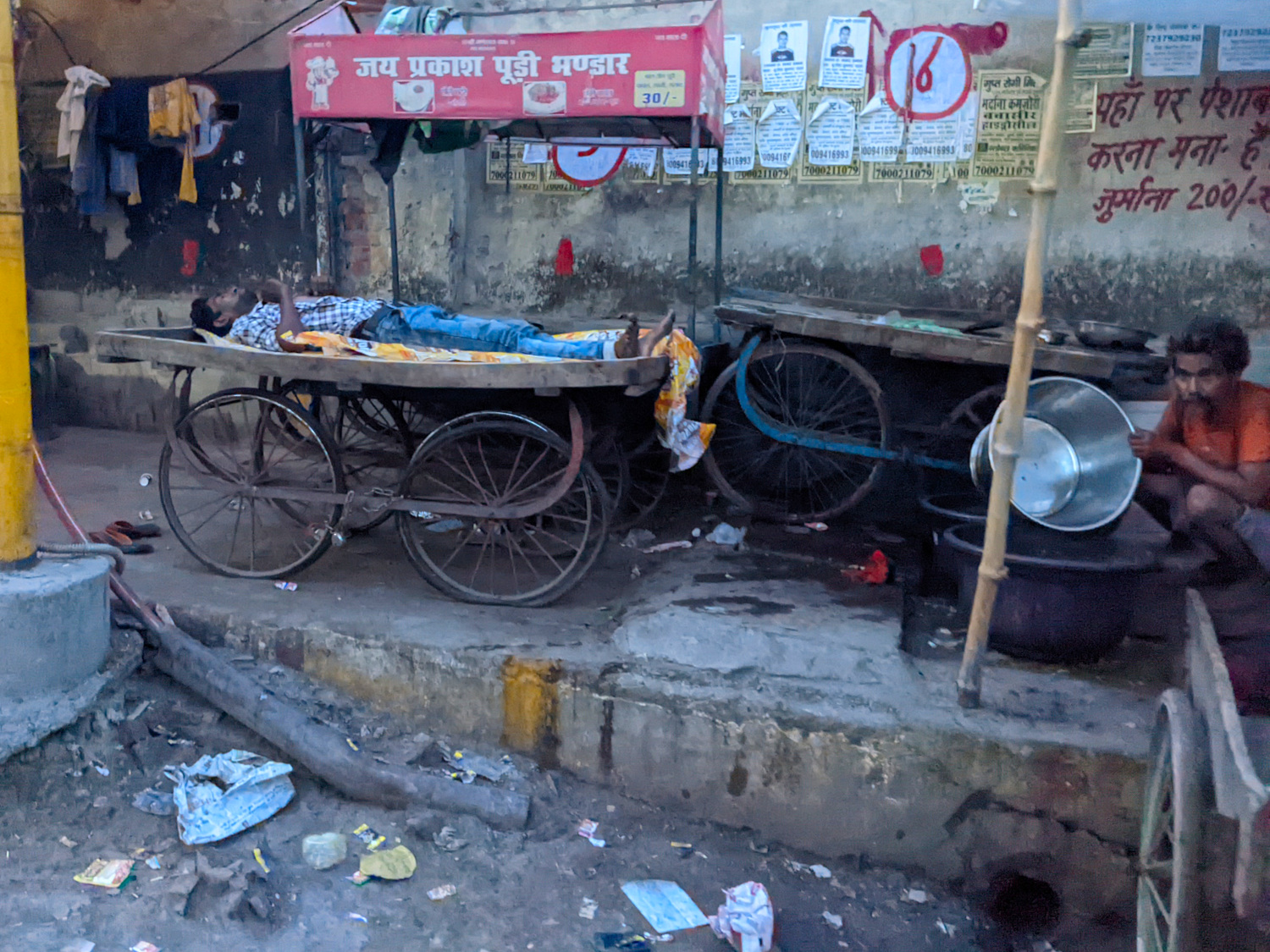
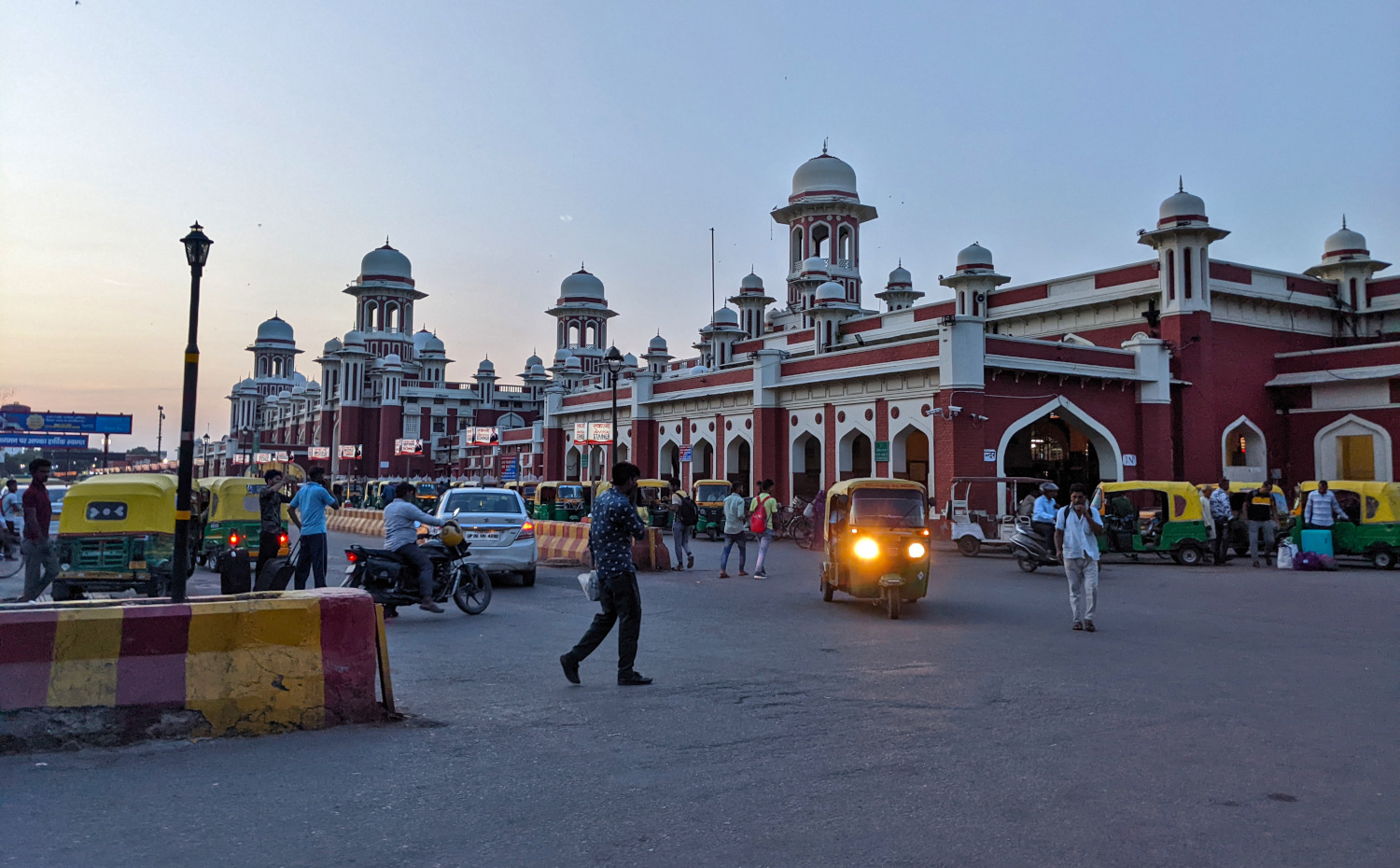
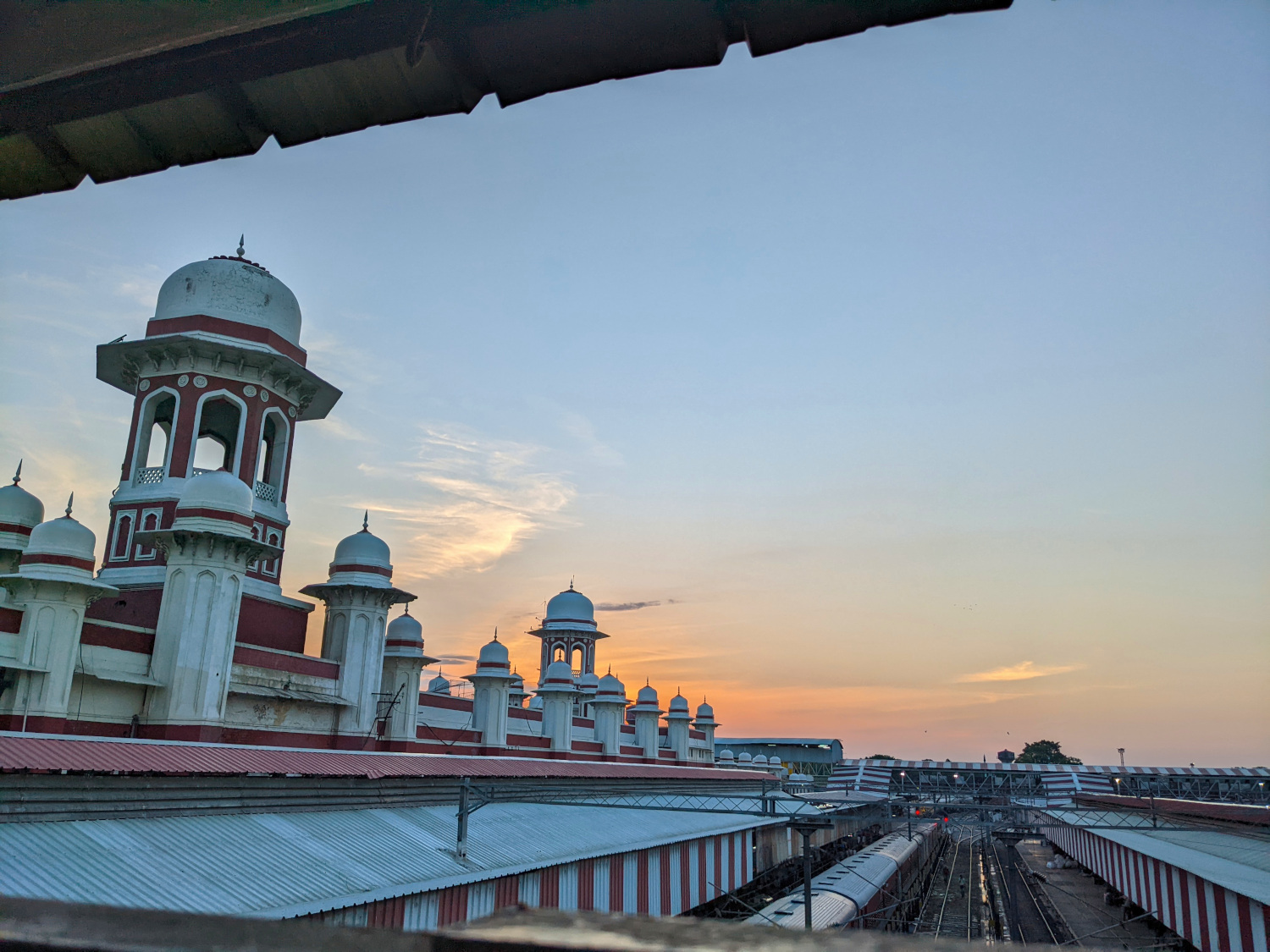
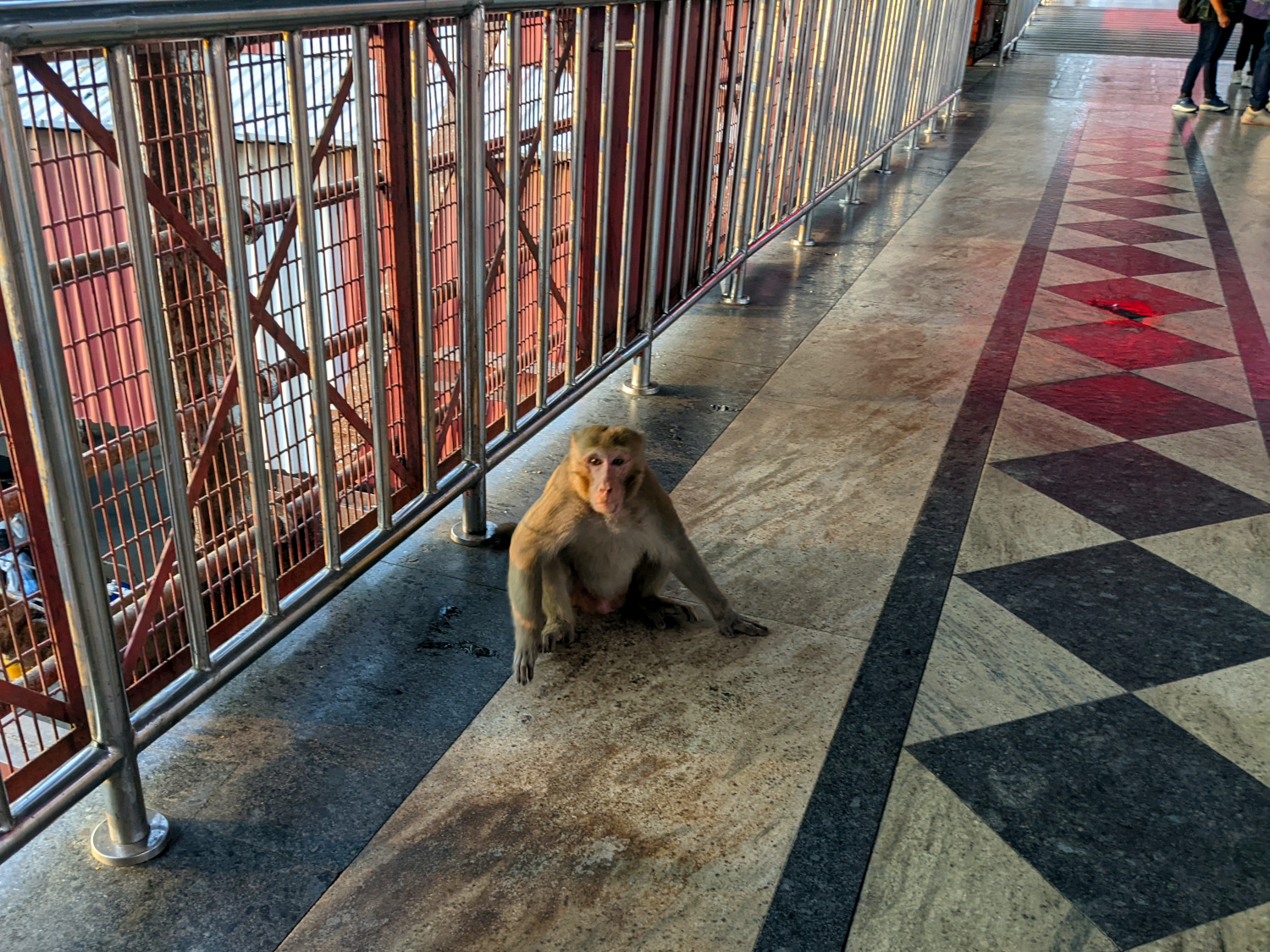
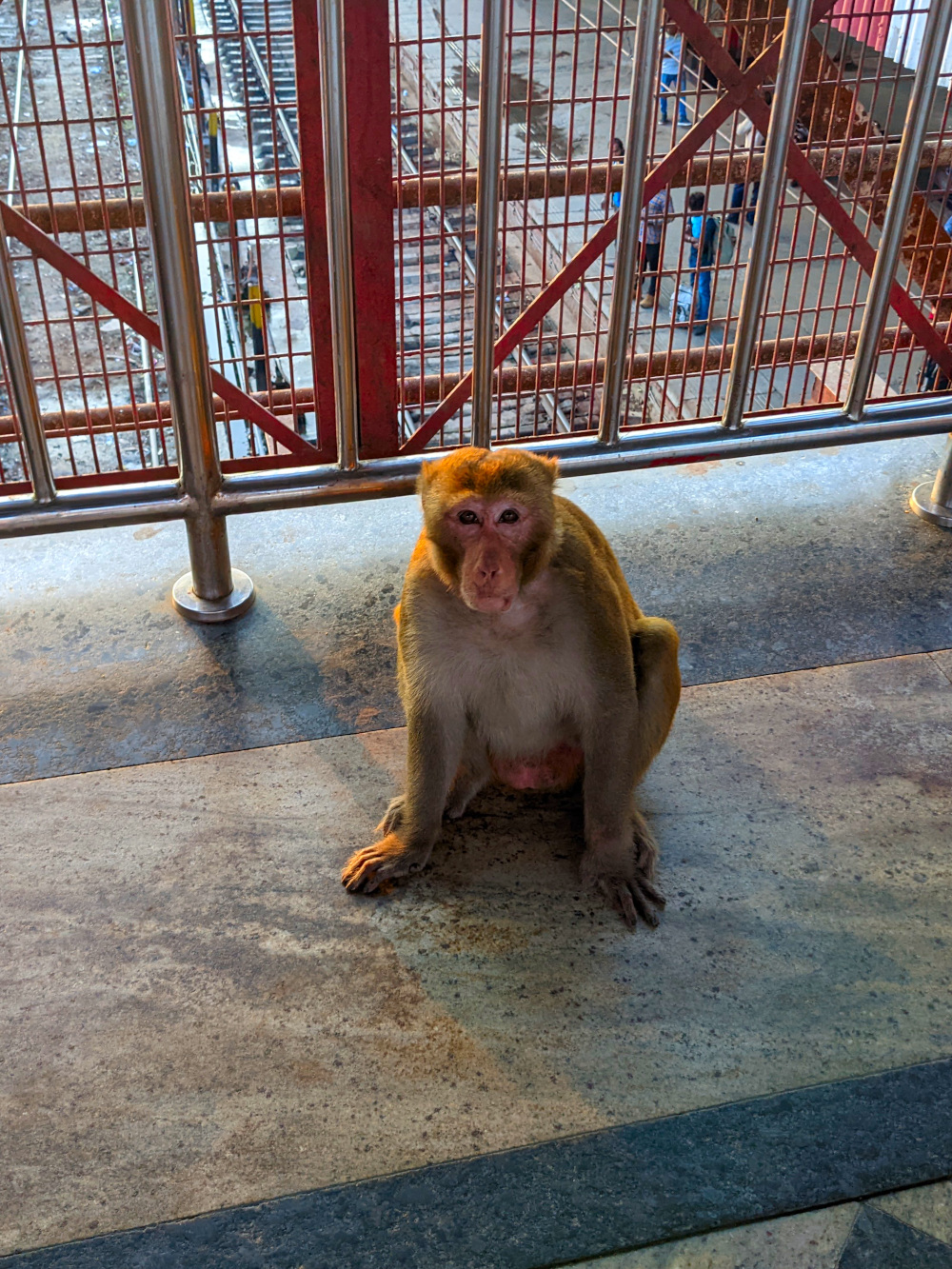
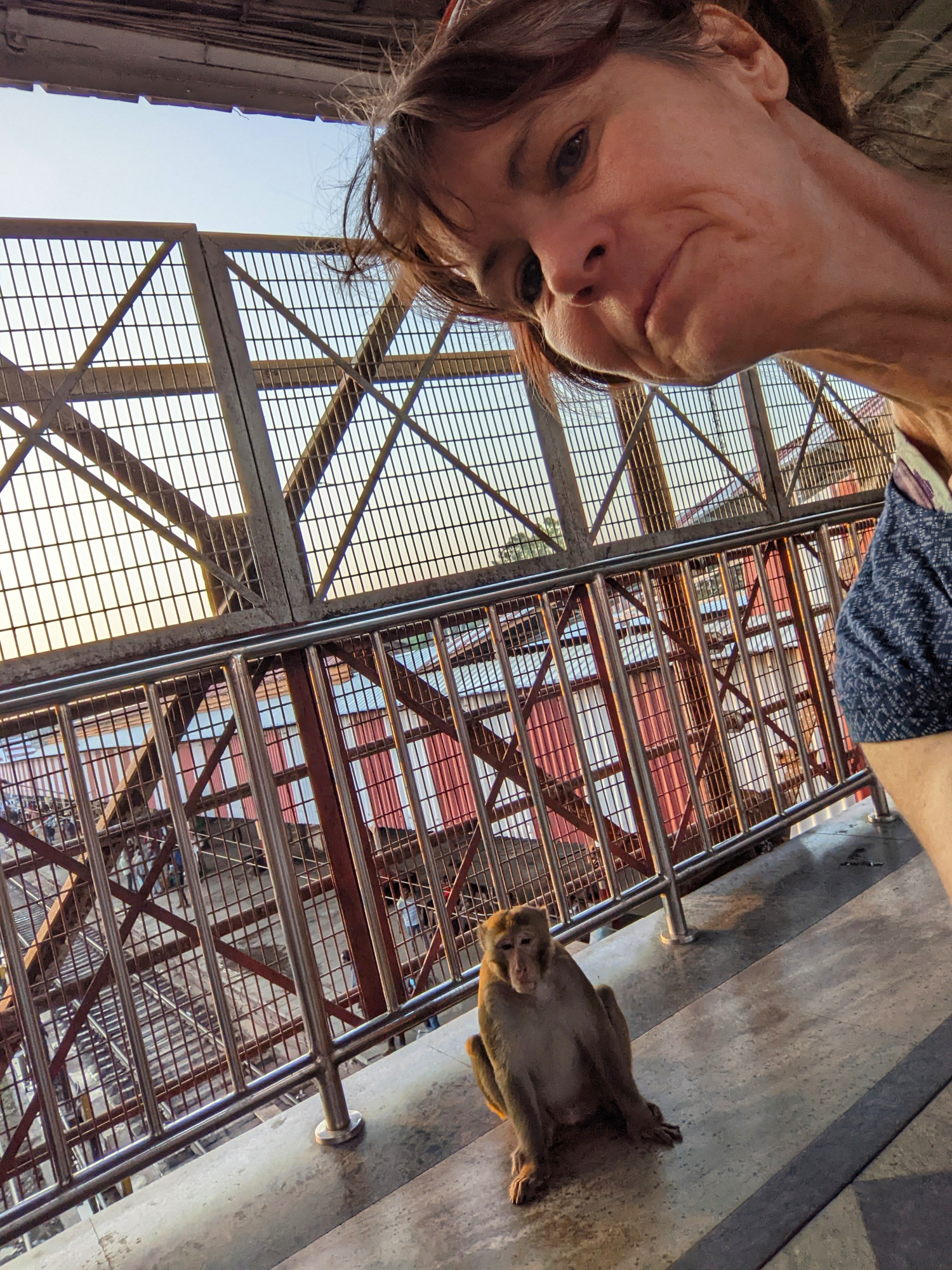
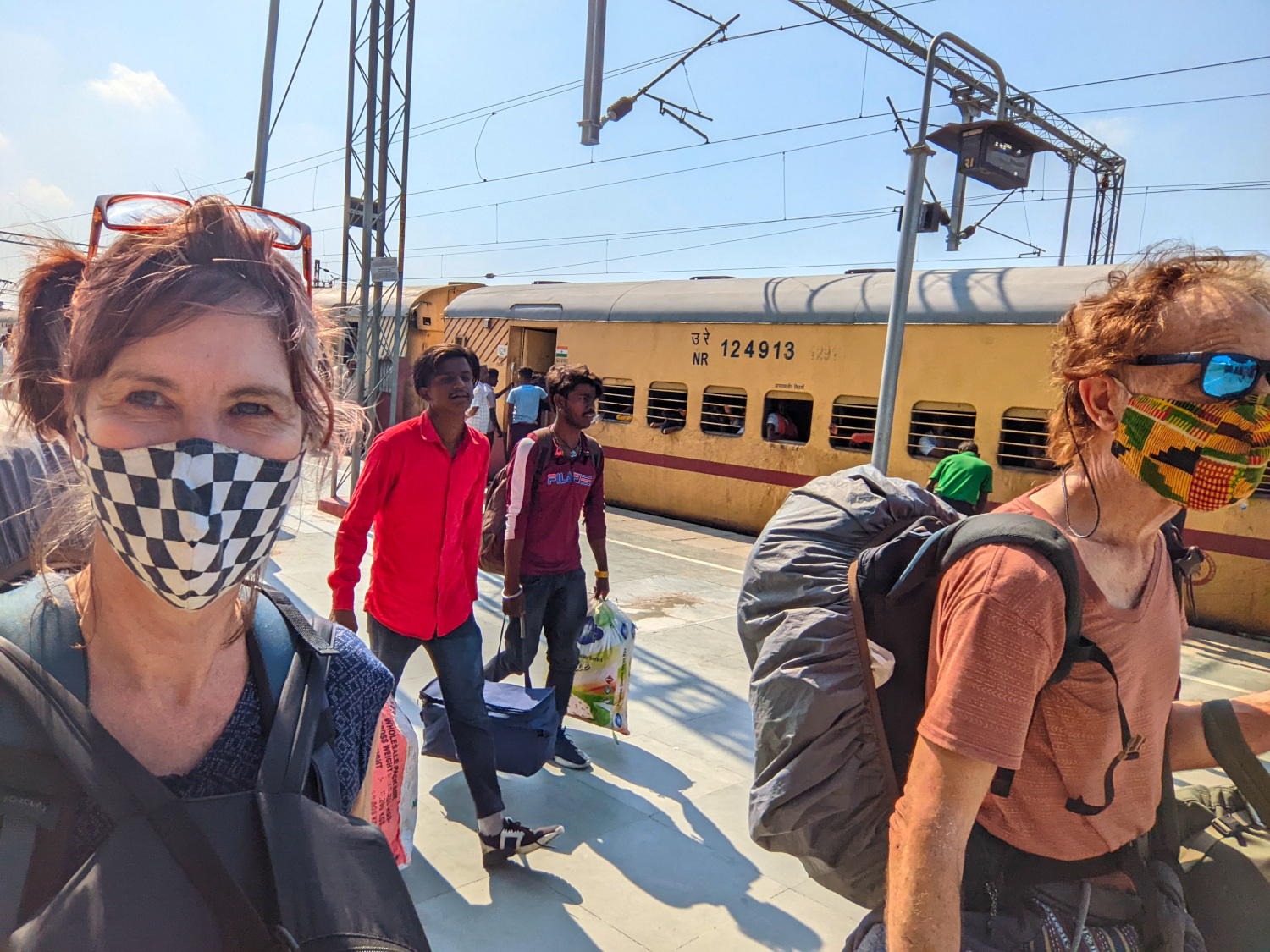
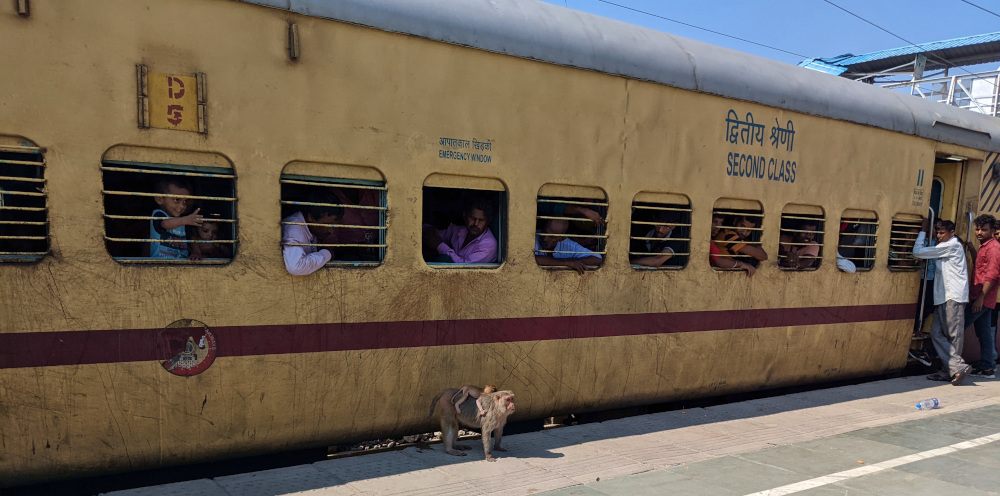
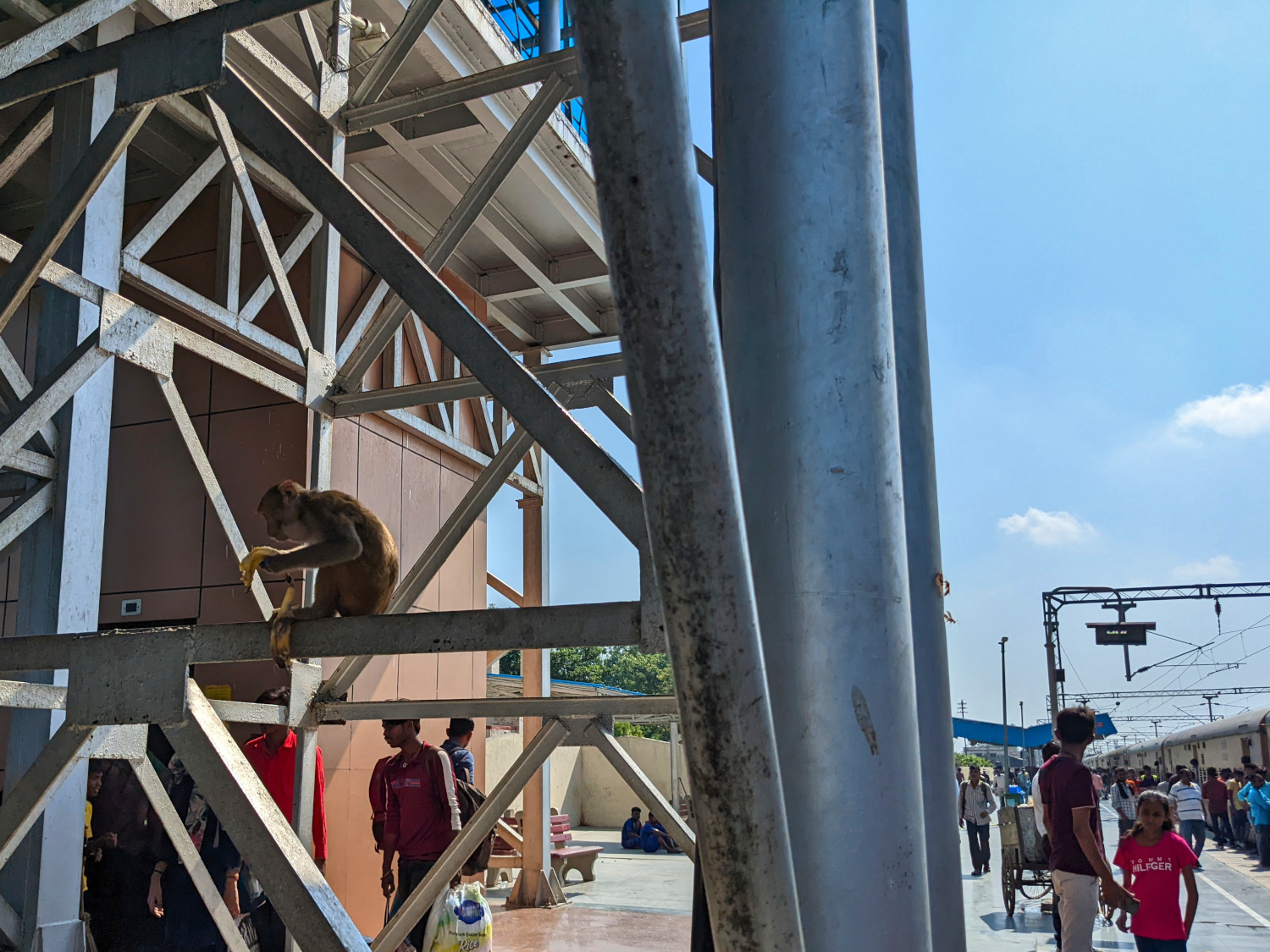
When we left our Airbnb in Faizabad and began trudging to the nearby train station, the rosy fingers of dawn were just beginning to slap the sun awake. Street vendors were still sleeping on their carts, just before getting ready to ply their trade. At the train station, as ornate and majestic as an emperor’s birthday cake, hordes of passengers were beginning to rouse from where they’d spent the night camped out on the floor or the pavement outside. A few hopeful monkeys were beginning to poke around in search of some scrumptious leavings.

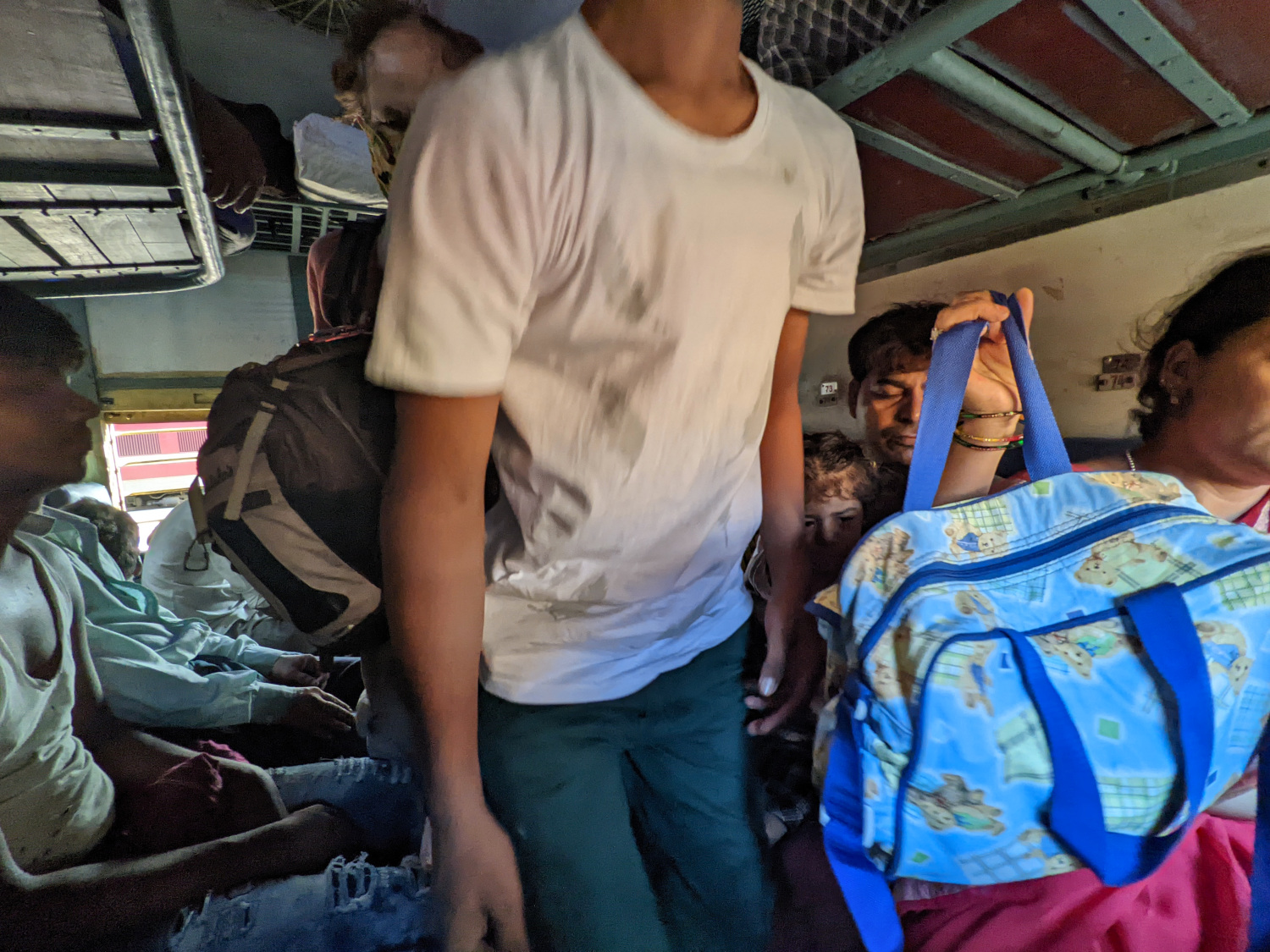
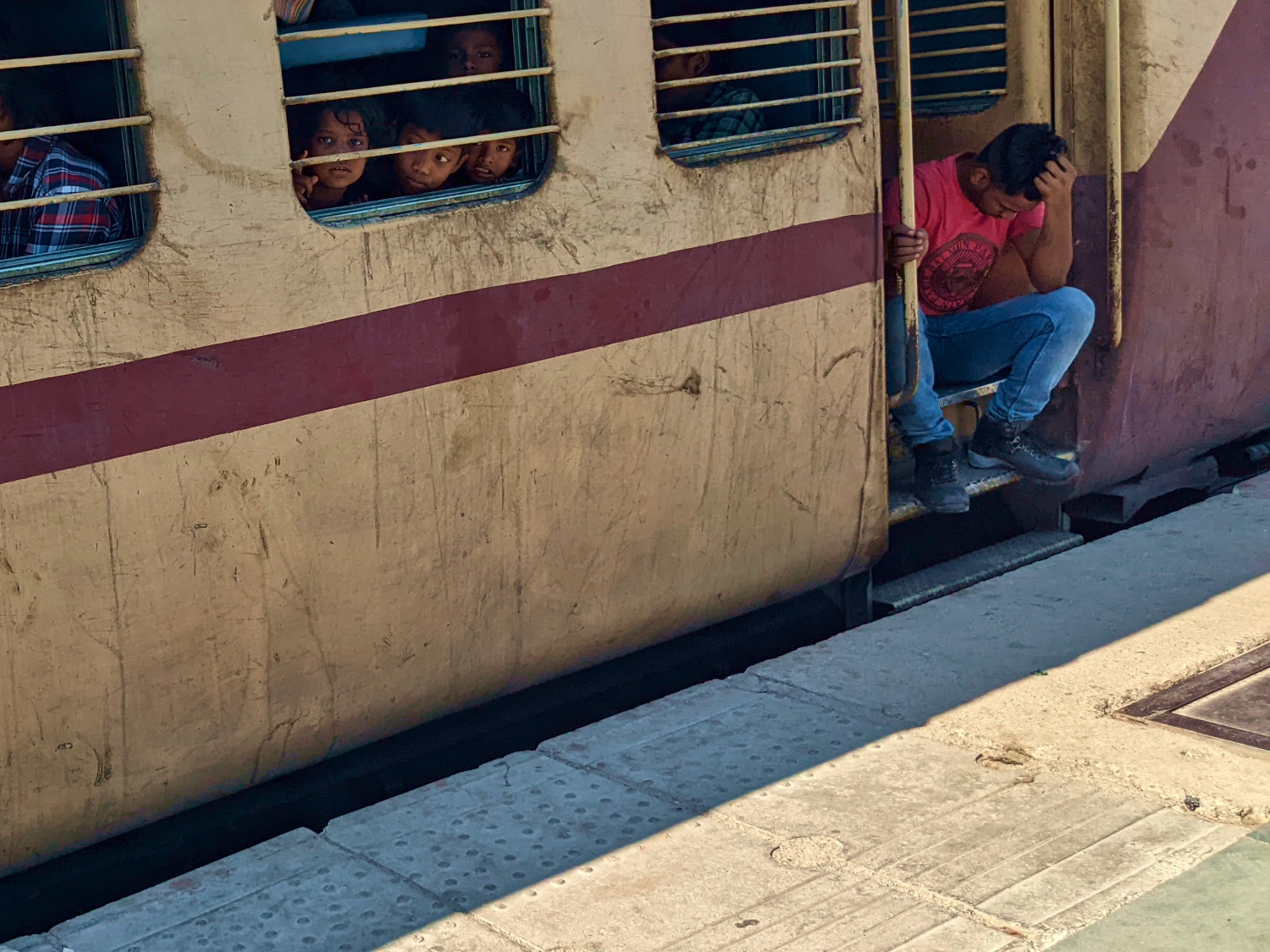
As with our previous rail excursions in India, we had reserved seats. But this time, we were in the General Seating car. Which sounds like a Schroedinger’s ticket to us — how can you have both a reserved seat and general seating? Although the technical distinction is unclear, what it meant in practical terms was that, while we and other passengers had seats reserved, there were also plenty of other people who just stuffed themselves into whatever cranny they could find; and when they couldn’t find one, they invented one.

There were people sitting all over the floor. There were people sitting in the bathrooms. There were people suspended in makeshift hammocks fashioned from blankets and attached to the upper bunks. And needless to say, the seats appeared to be made entirely of carcasses.
The berths where we were supposed to sit were intended to hold 8 passengers — 4 on each of the two seats facing each other. There were already 13 people occupying them when we arrived, along with their bags, and we added two more bodies and 5 bags to the equation. There were also passengers of undetermined (if not undeterminable) number in the overhead bunks.
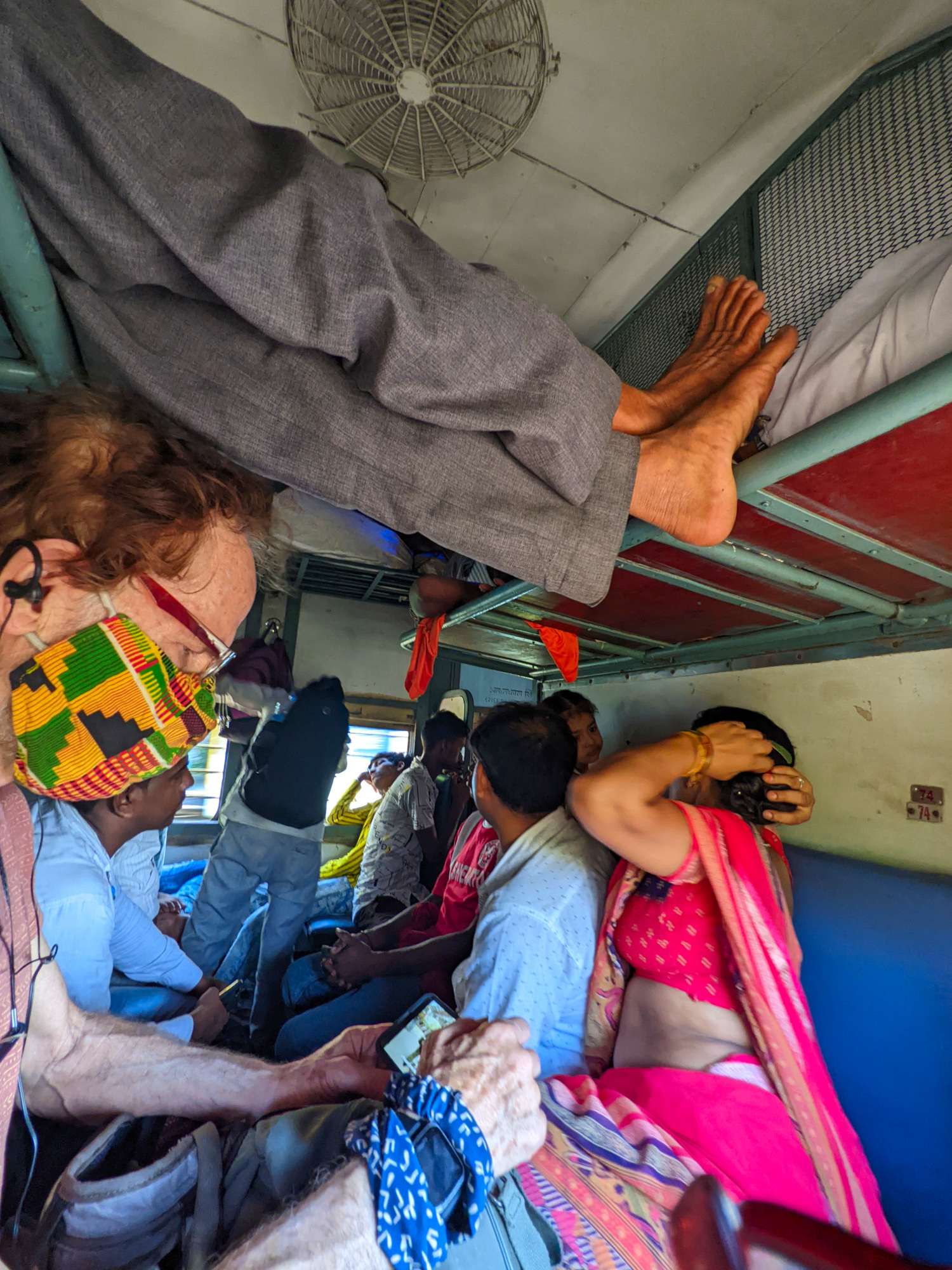
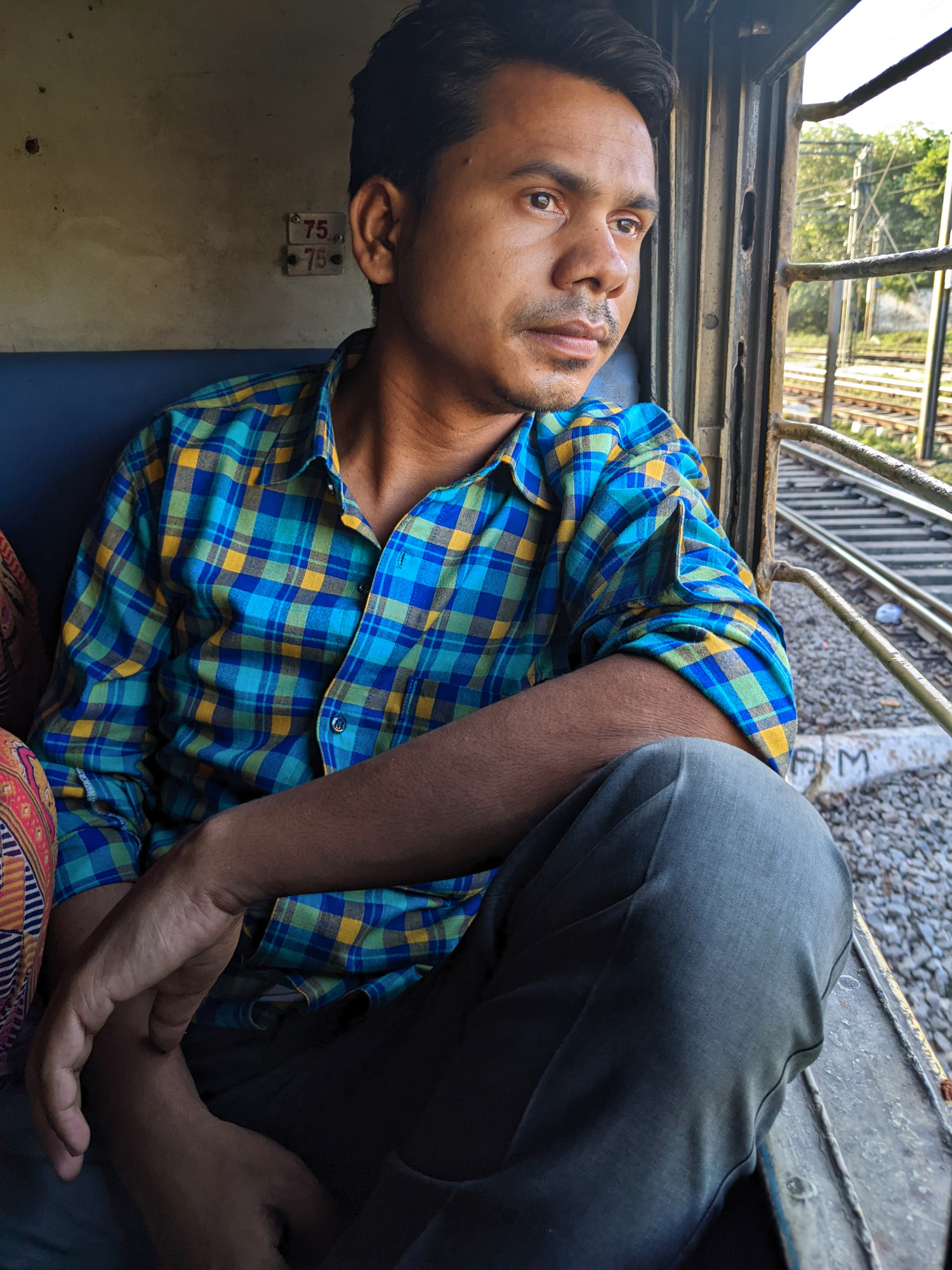
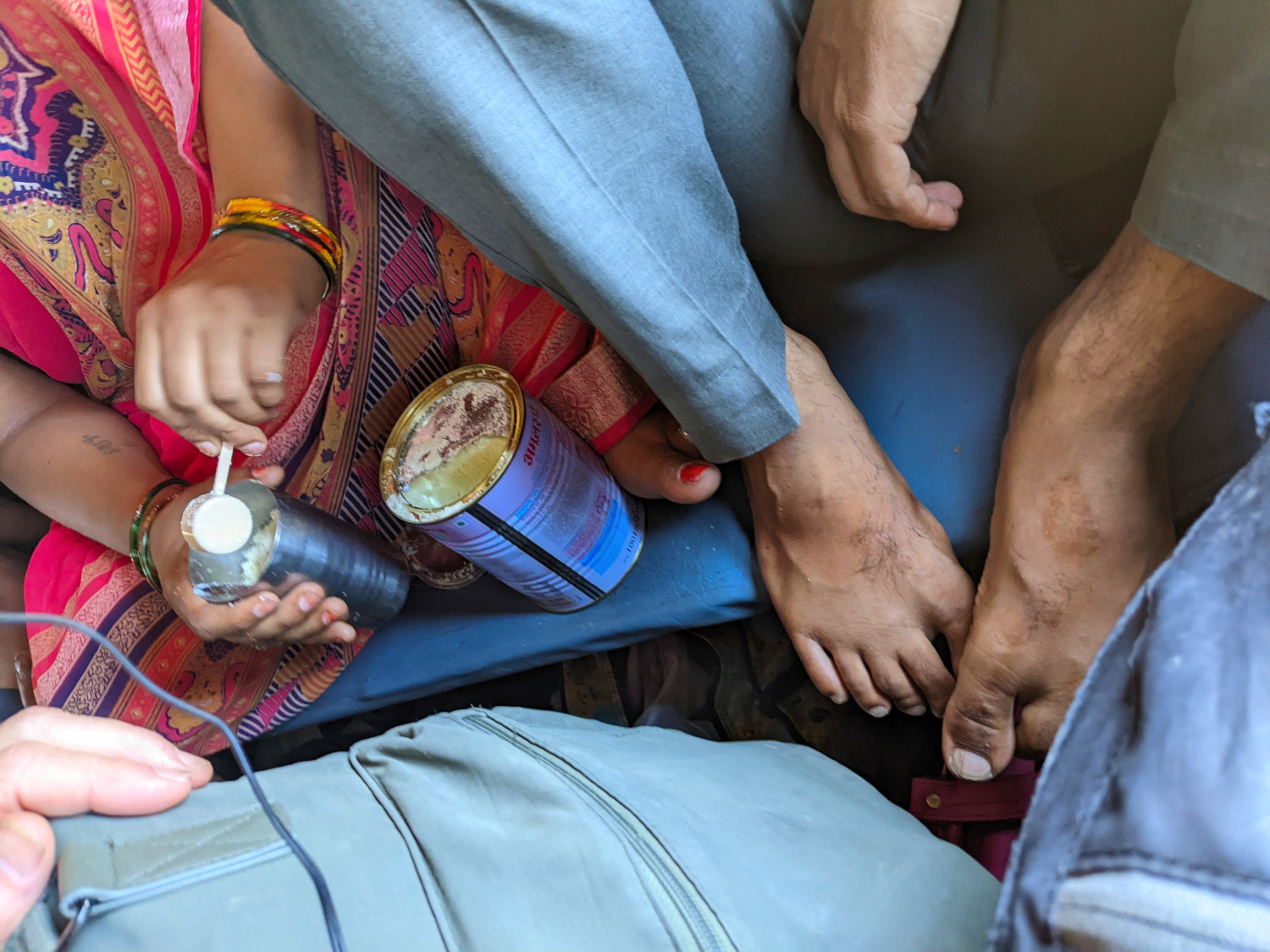
Our pre-assigned reserved seats were already extremely occupied, but the squatters reluctantly vacated when we arrived (but only after some intercession by another displaced passenger who spoke English and went to bat for us). So we had a place to put our butts. Finding a place to put our feet, however, was rather more problematic. On the floor between the seats, a child was sleeping with her mother. When they saw that we were trying to be seated, they vacated the floor. The child was a bit cranky at first, but mom prepared her some formula of some kind, and she seemed to be content with that. She then squeezed himself, somehow, between two adults, and settled down until she dozed off again. Later, her mother tossed a diaper out the window; this was not the first or the last time we’d be seeing such a thing during our time in India.
It occurred to us that some of these folks might actually be living aboard this train — sort of like Snowpiercer, minus the snow. After all, nobody was coming around to check tickets; it would have taken a Heisman Trophy winner to cut through that mob with any degree of efficiency. So it would have been entirely feasible for people to just ride back and forth in order to have a place to sleep out of the elements, even if it wasn’t the most luxurious of accommodations. And we really wondered if some of our comrades weren’t doing just that.
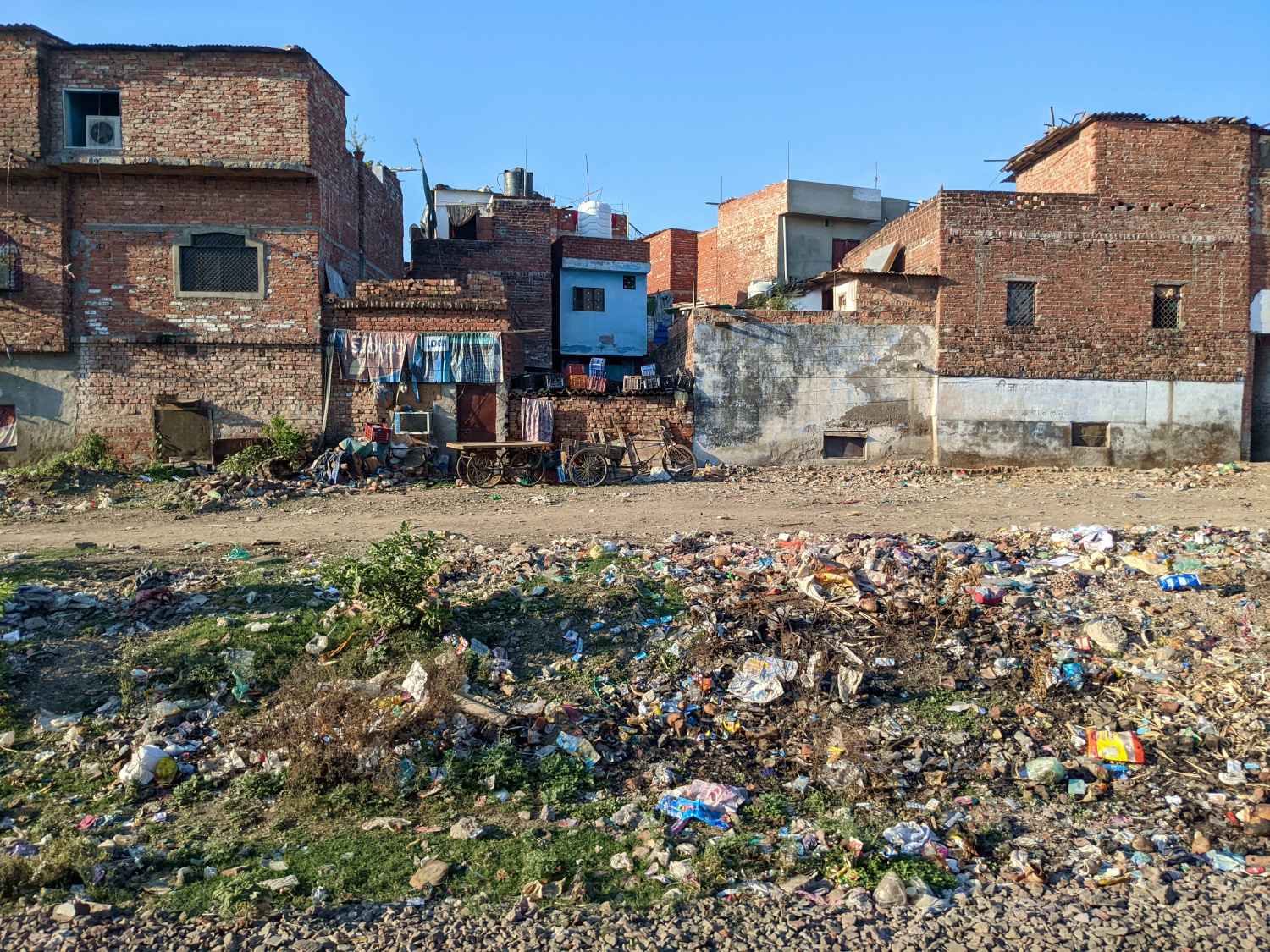
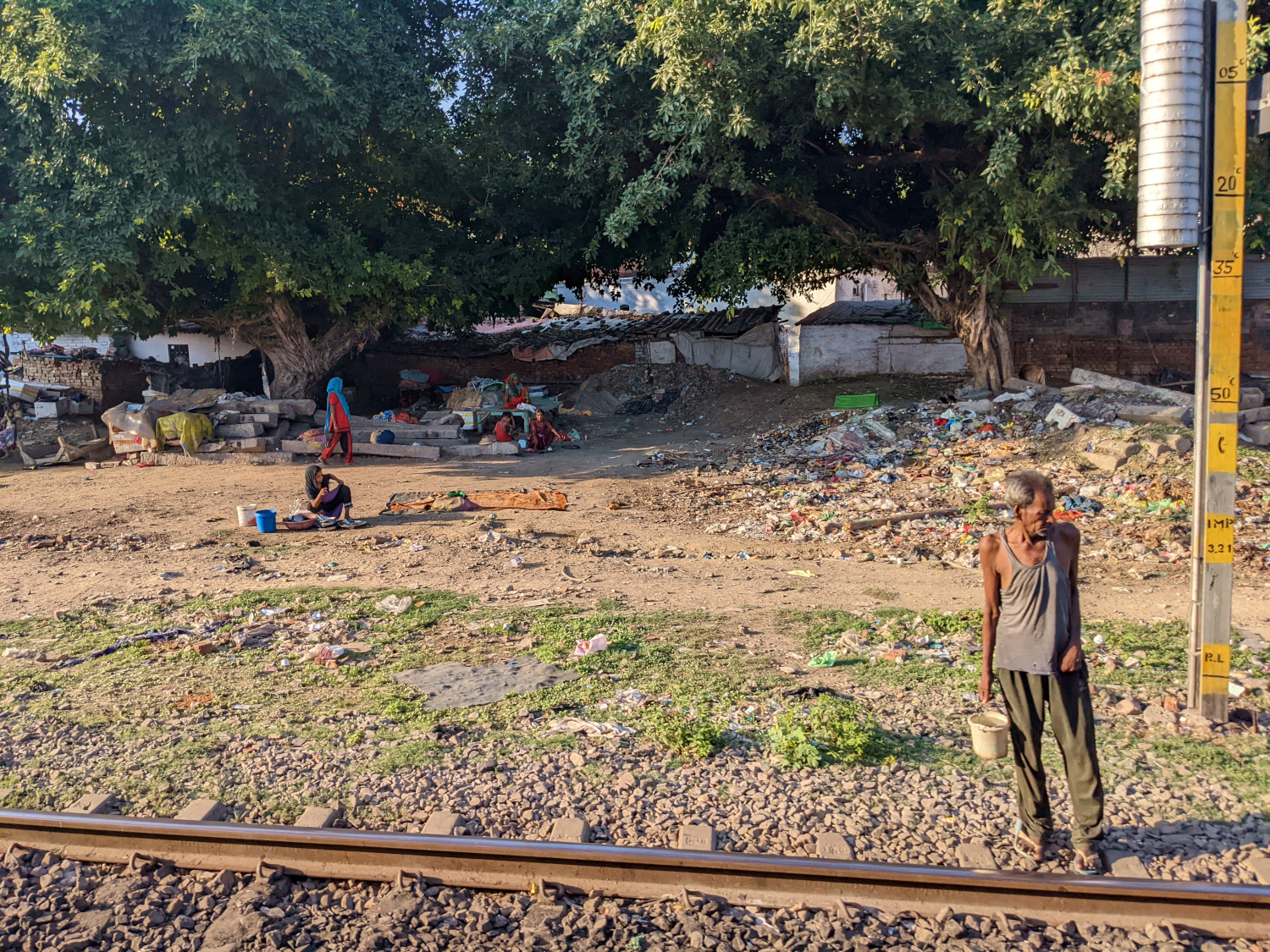
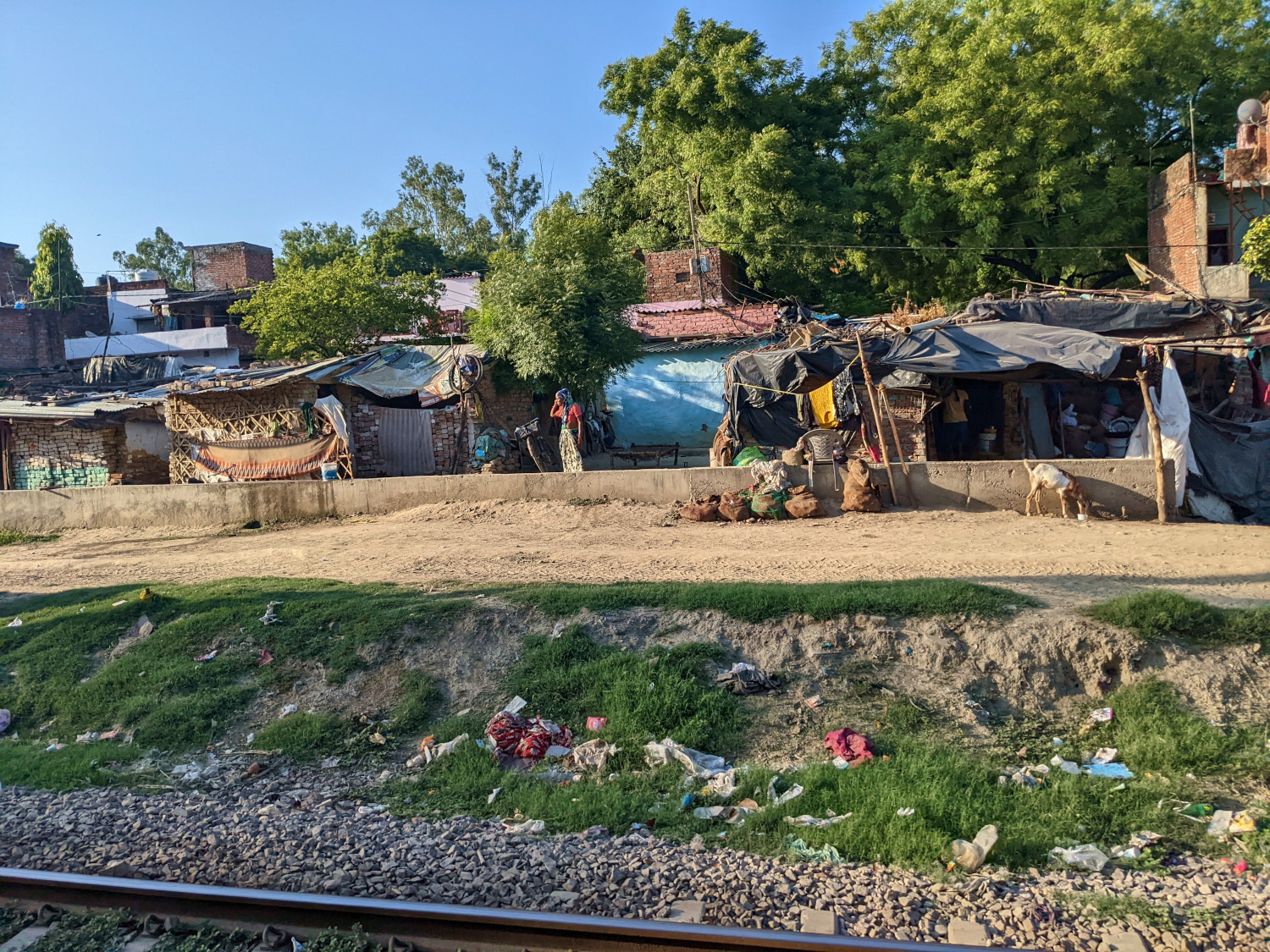

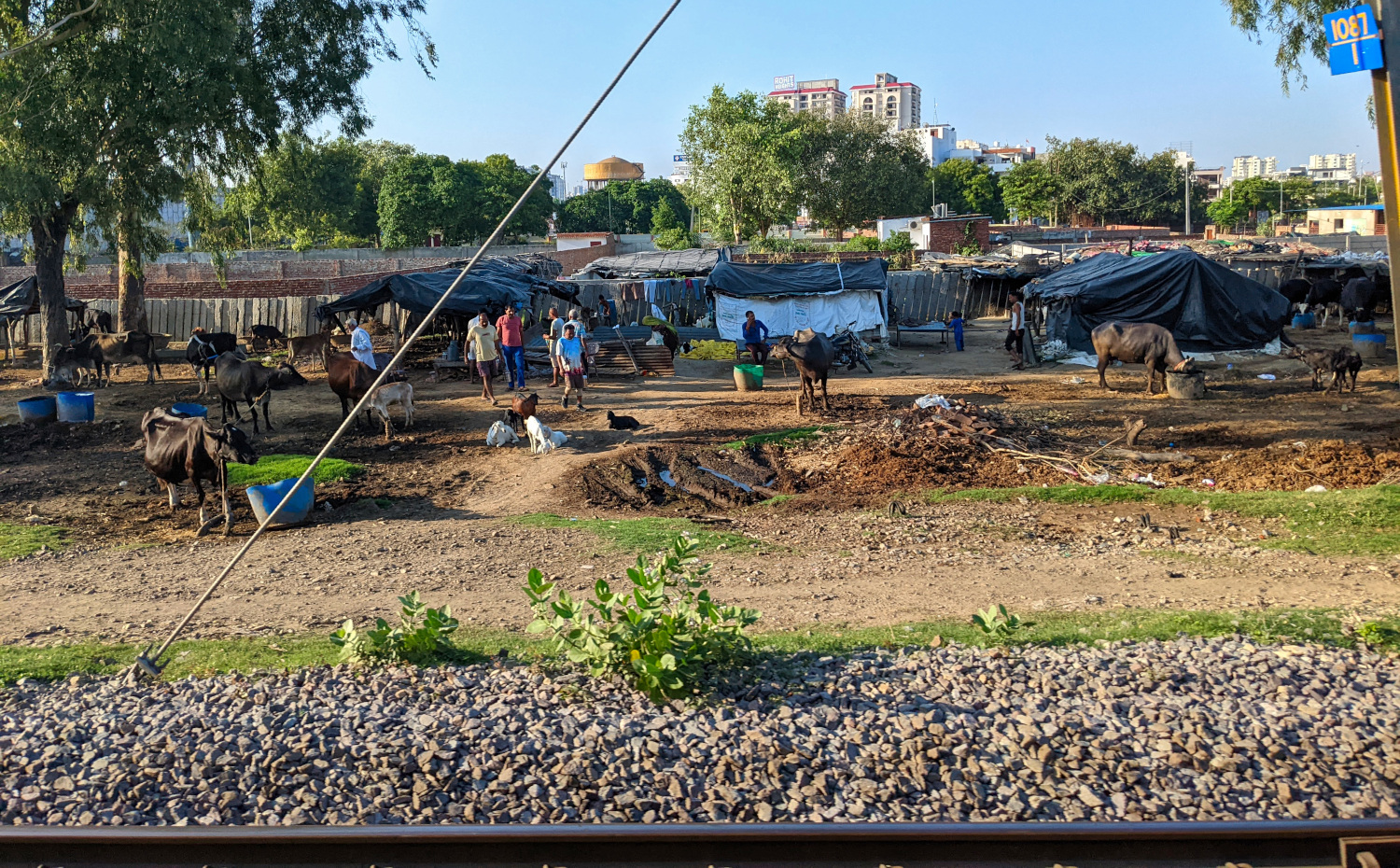
There was no place to put our bags except in out seats. So we kept our big ones behind us and leaned against them, while keeping the small ones on our laps. This didn’t leave a heck of a lot of room for dancing. Especially when one of the guys in the overhead bunk was dangling his feet down in front of our faces Fortunately, this was only a 3-hour trip — even though it felt much longer.
Onboard entertainment during this cruise was supplied by a fellow huffing on a pungi, one of those oboe-sounding pipes that snake charmers traditionally use. And there’s good reason he was blowing on it. Because he carried a basket containing — you guessed it — a live cobra. Not one of those iconically demonic-looking king cobras, but a cobra nonetheless, a reptile that surely could do a bit of mischief if it had a mind to.
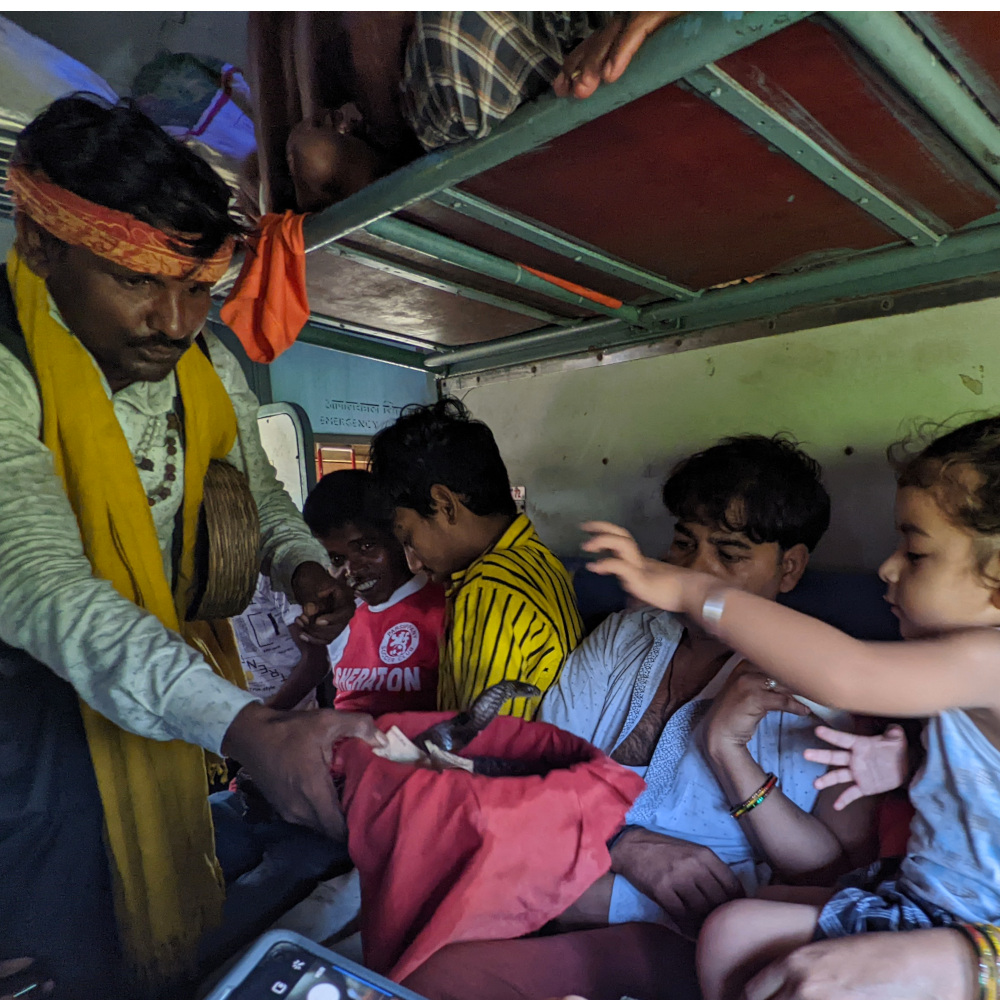
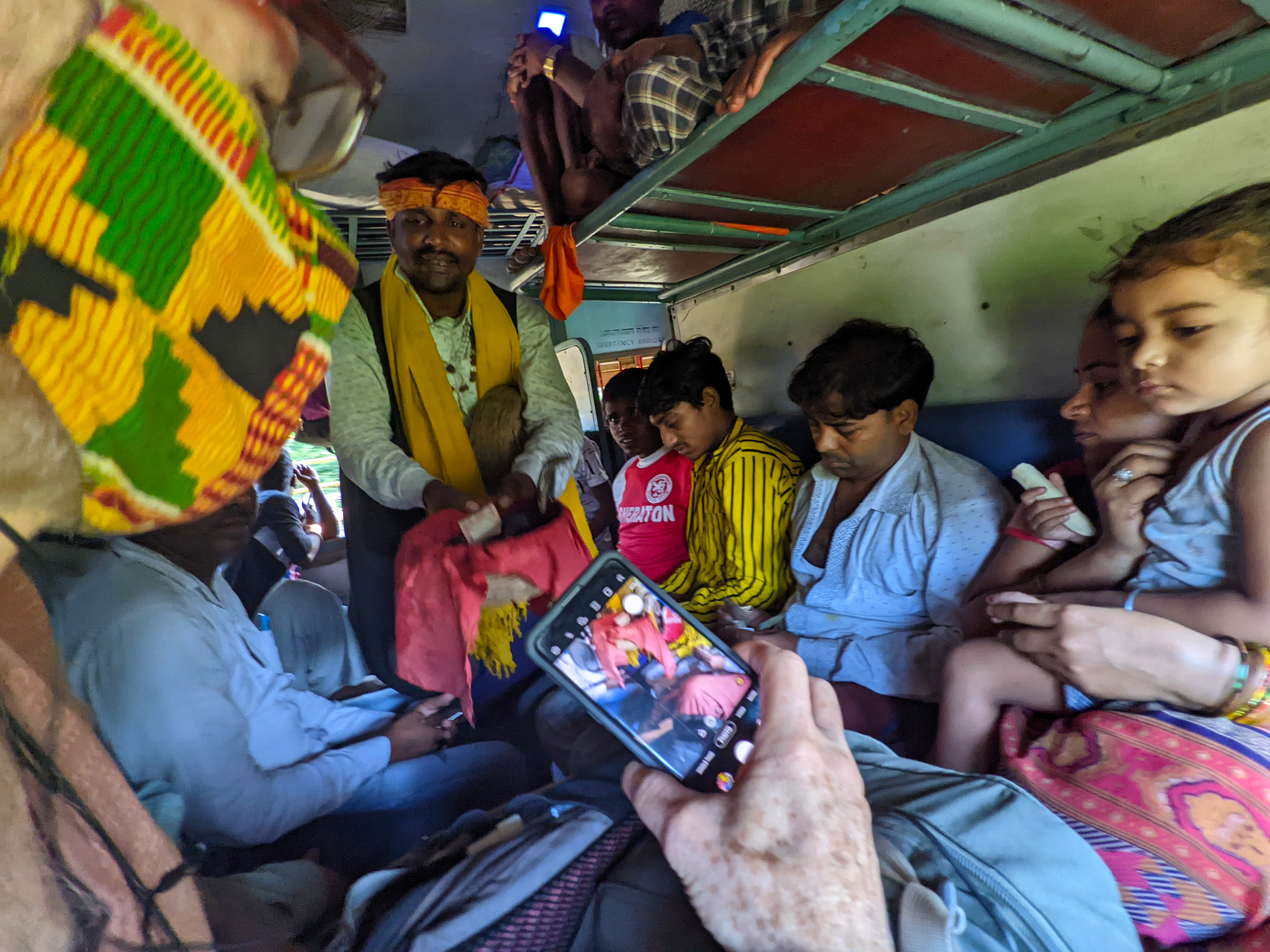
The charmer made the rounds and, rather un-charmingly, held out the snakeful basket for people to drop a few rupees into, as if feeding his pet. He was practically thrusting it into everyone’s faces until they ponied up. Needless to say, we felt inclined to make a small donation to the cause ourselves.

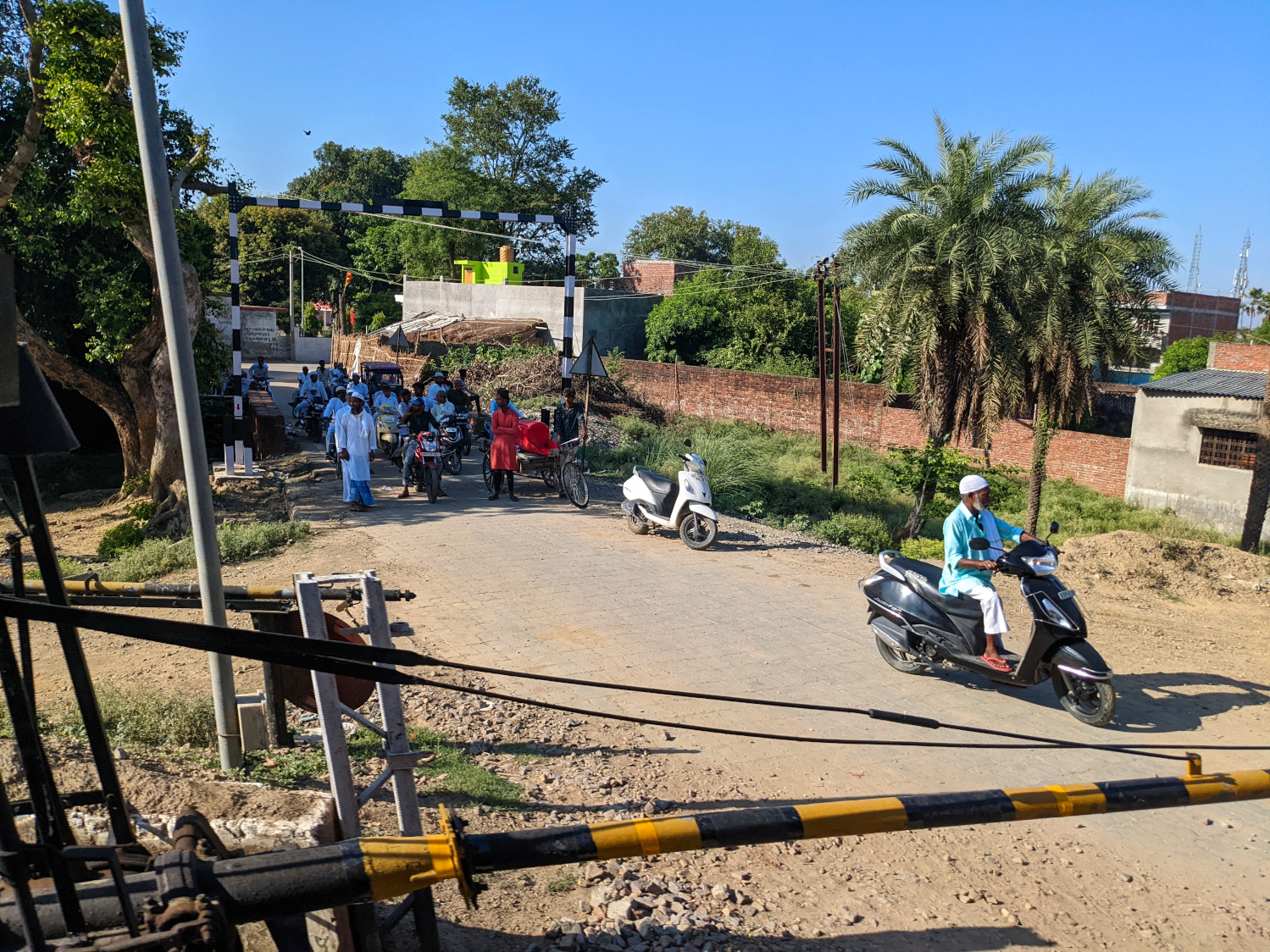
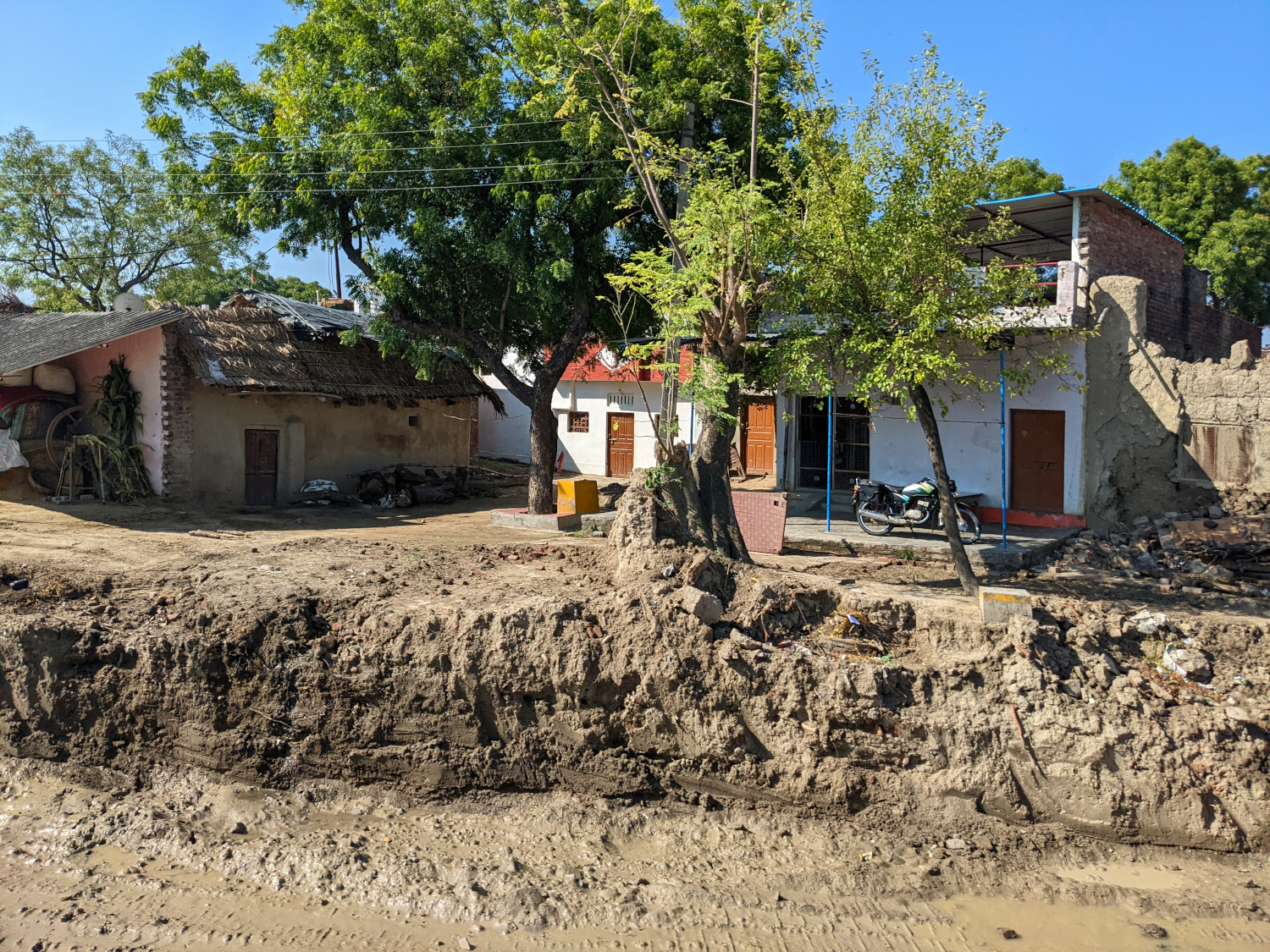
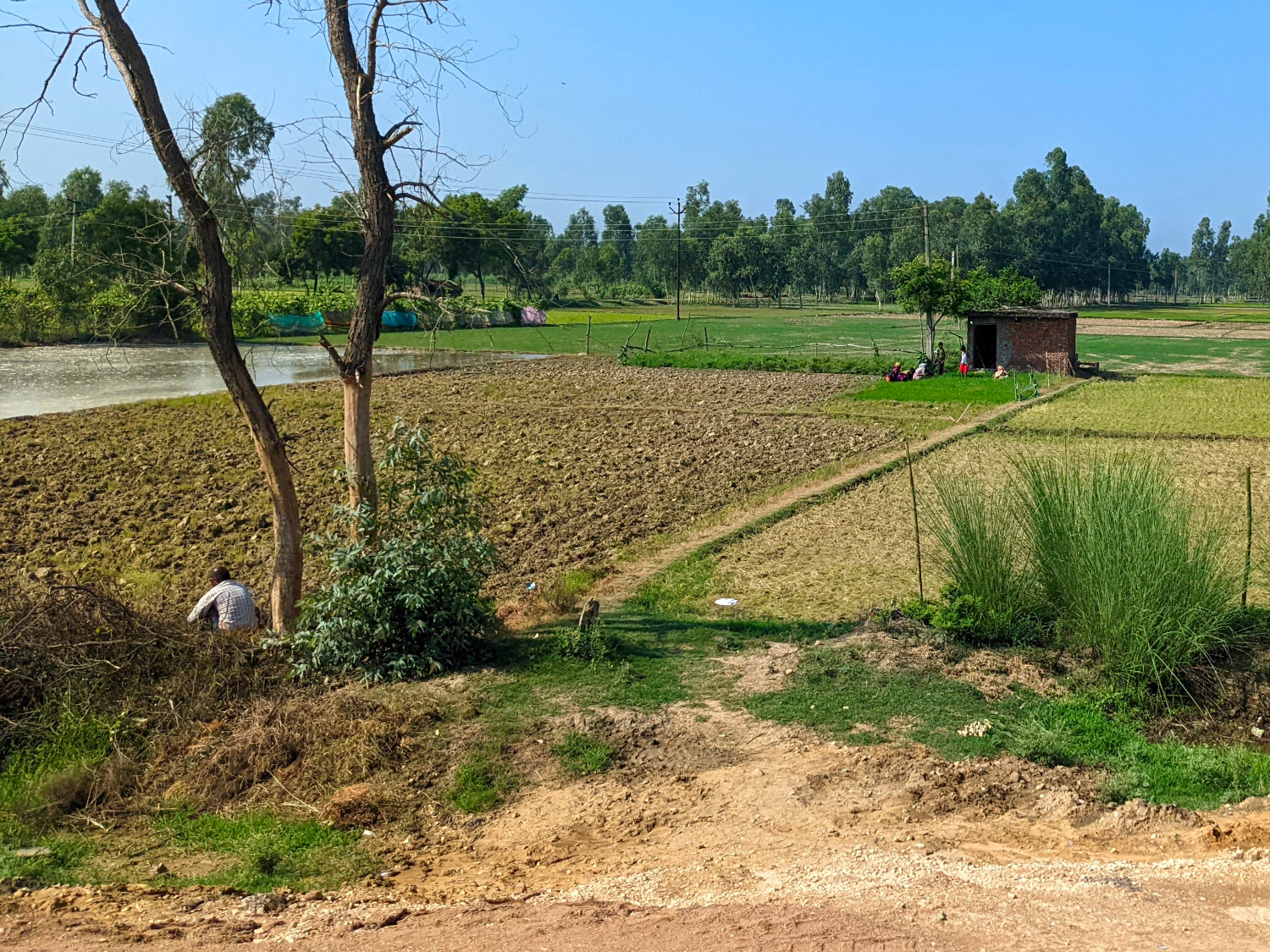
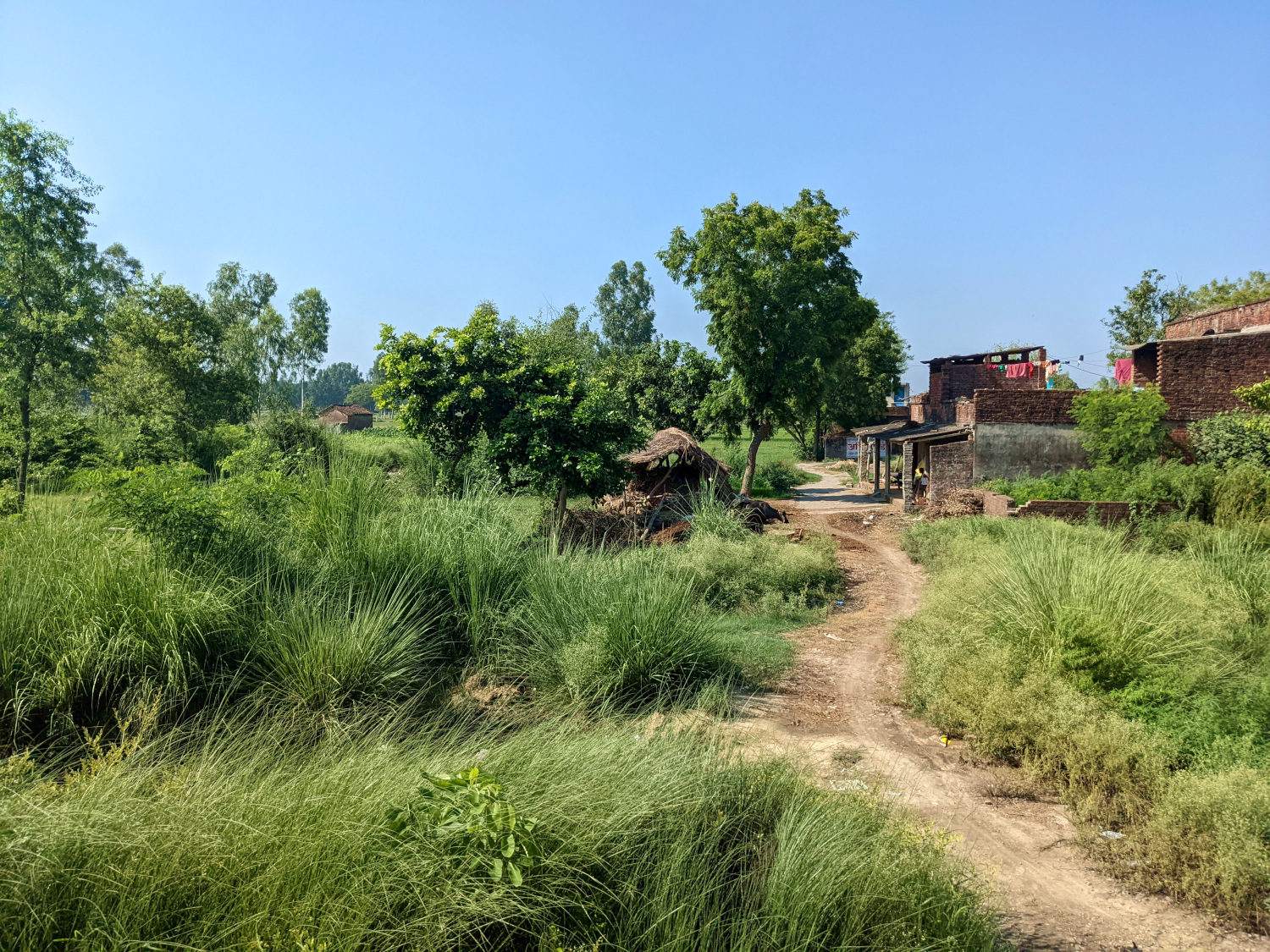
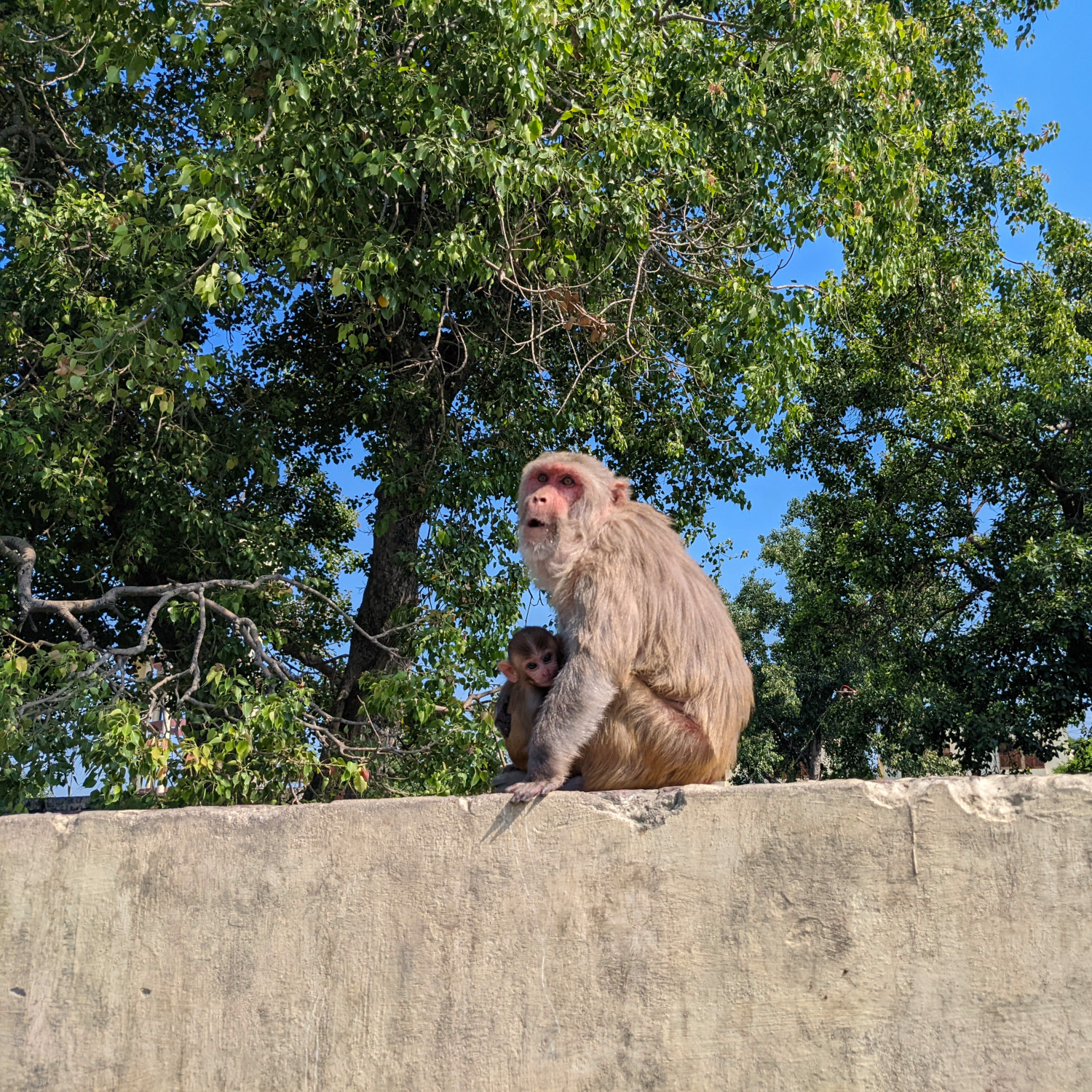
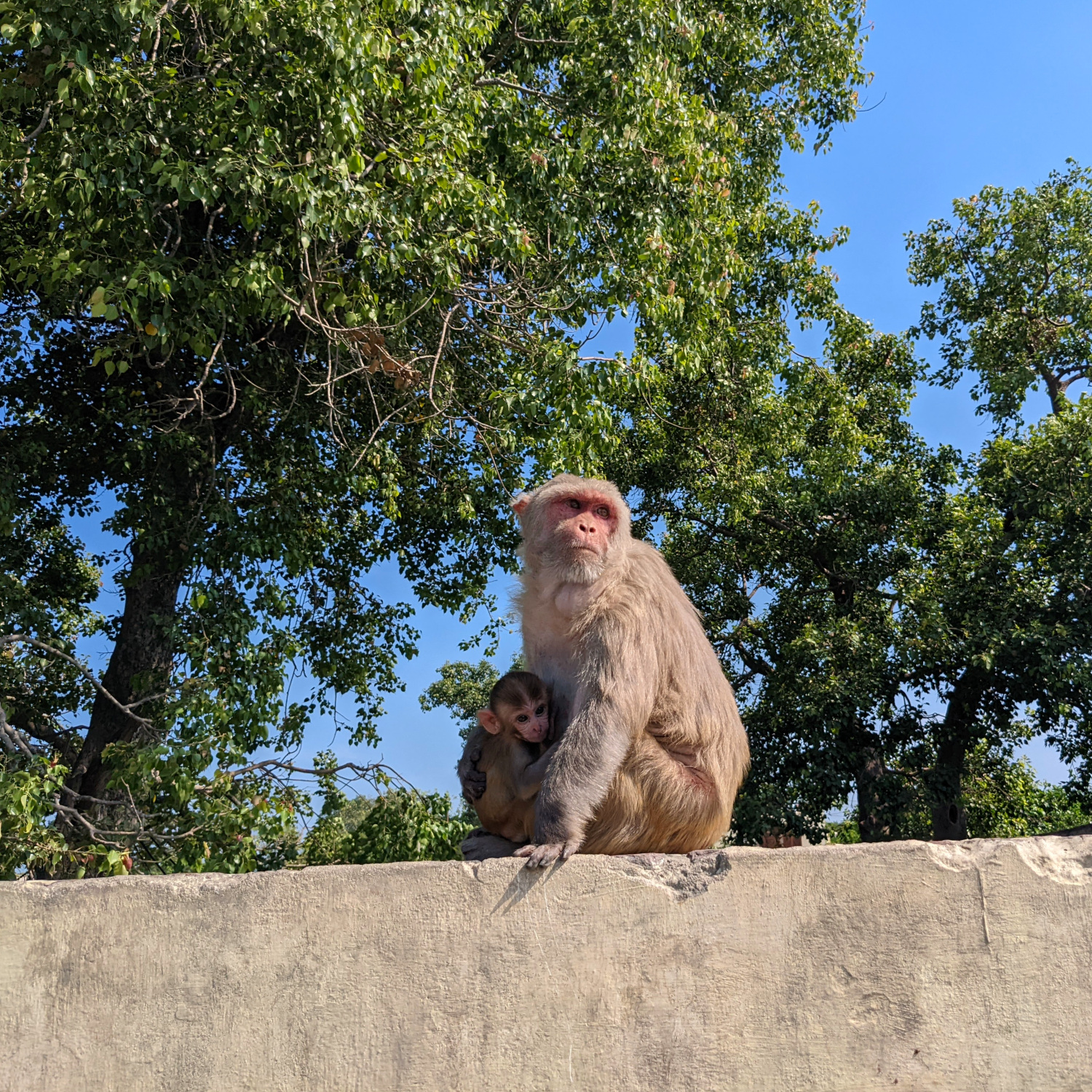
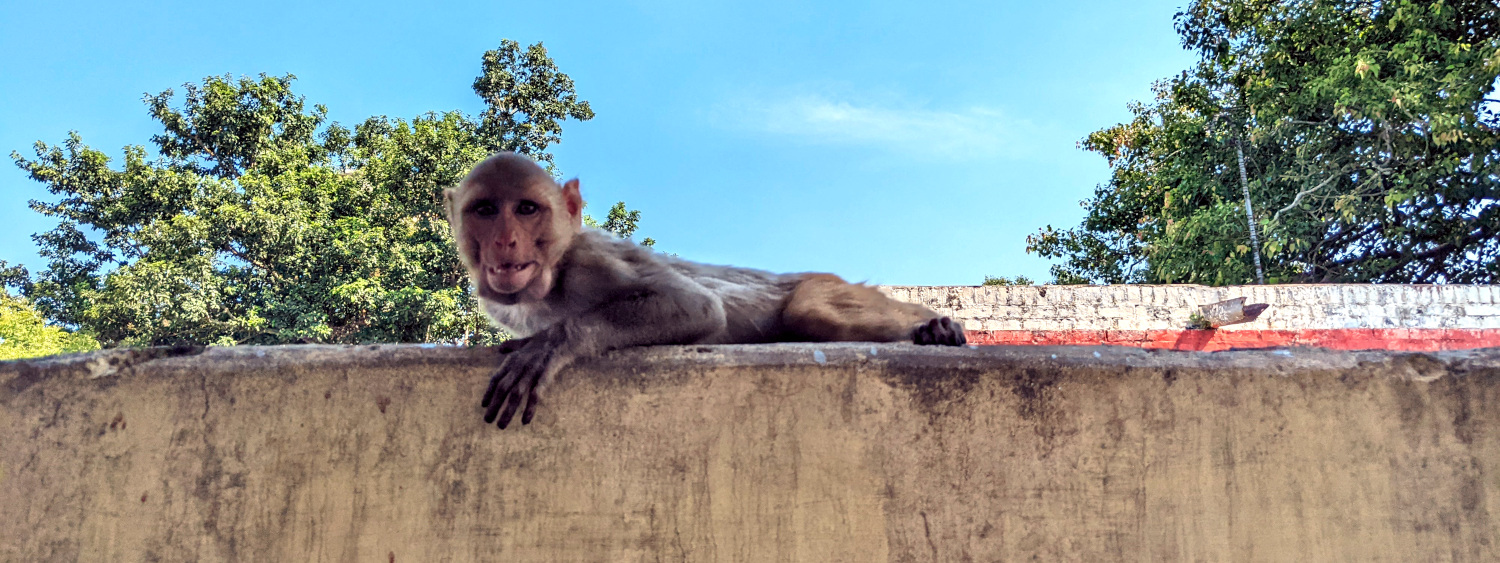
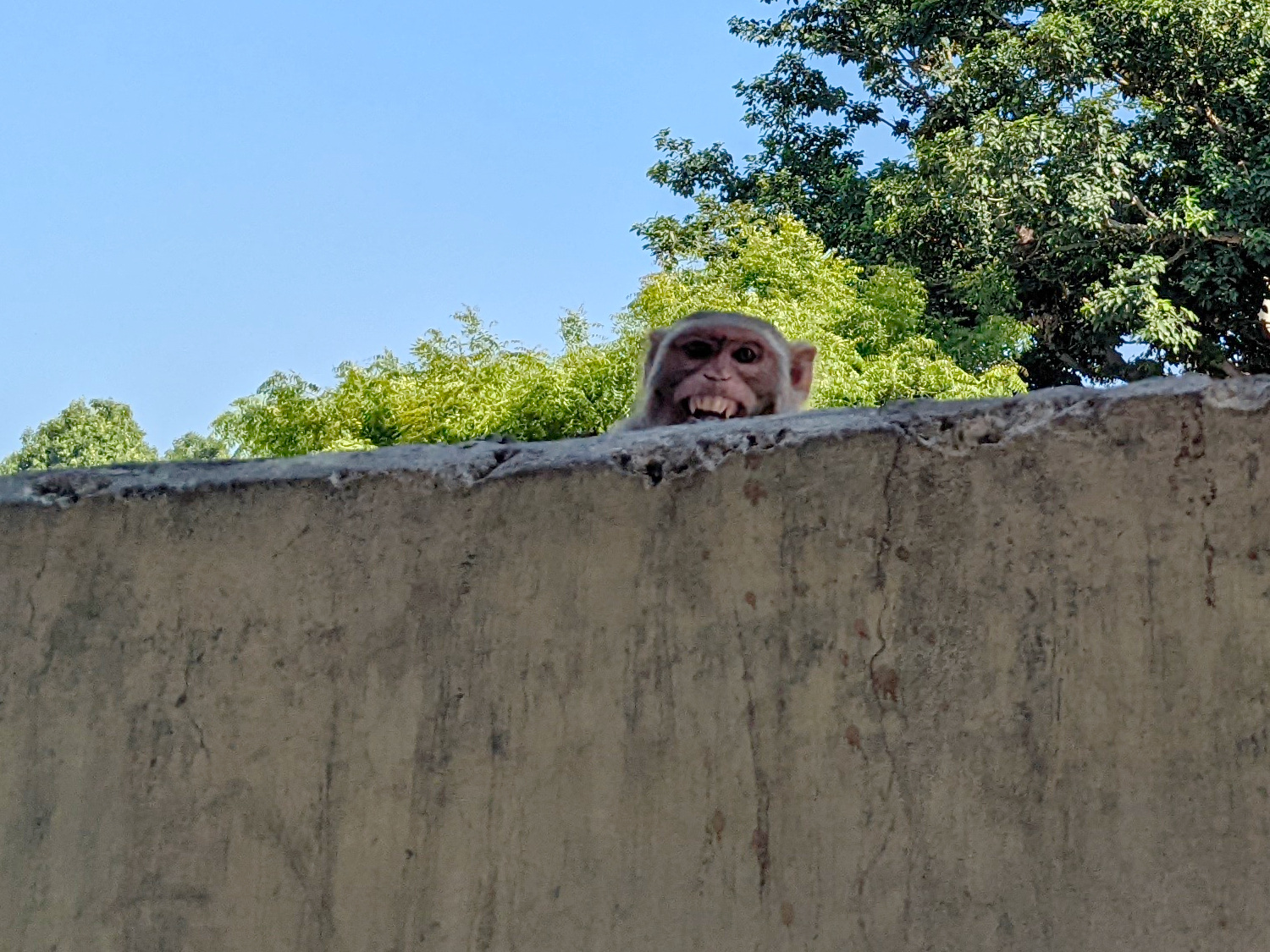
Finally, the train arrived in Faizabad, and we started the process of getting off well in advance, knowing it would be just as difficult as the reverse process had been. Rather than pay for a taxi or tuk-tuk, we decided to walk the mile or so to Jingle Bell Academy, where we’d be volunteering for the next month. Along the way, it quickly became clear that we were going to encounter even more monkeys in Faizabad than we had in Lucknow. Far more. In fact, it was appearing that Faizabad just might be the monkey capital of the whole world. The little critters were everywhere.

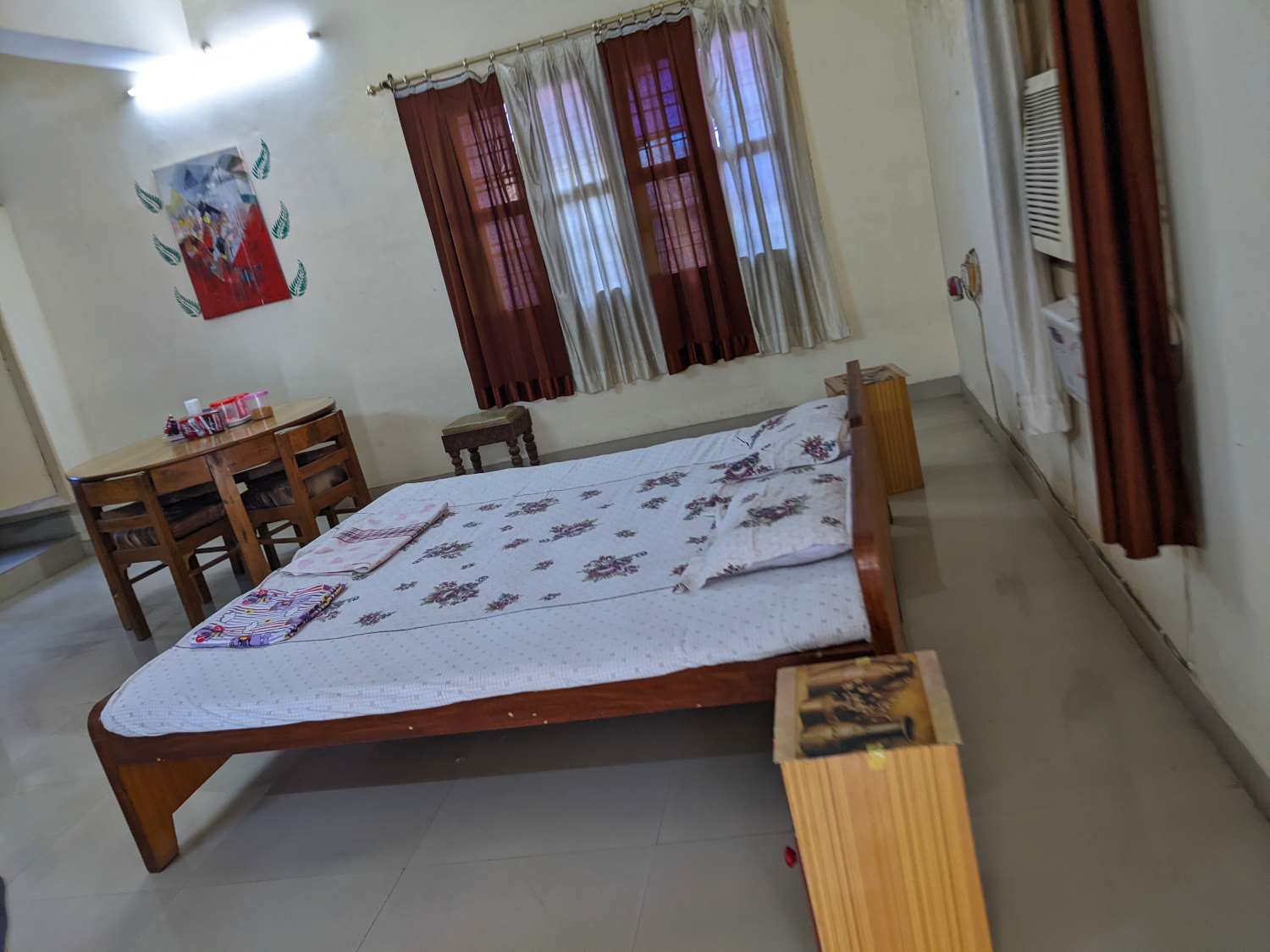
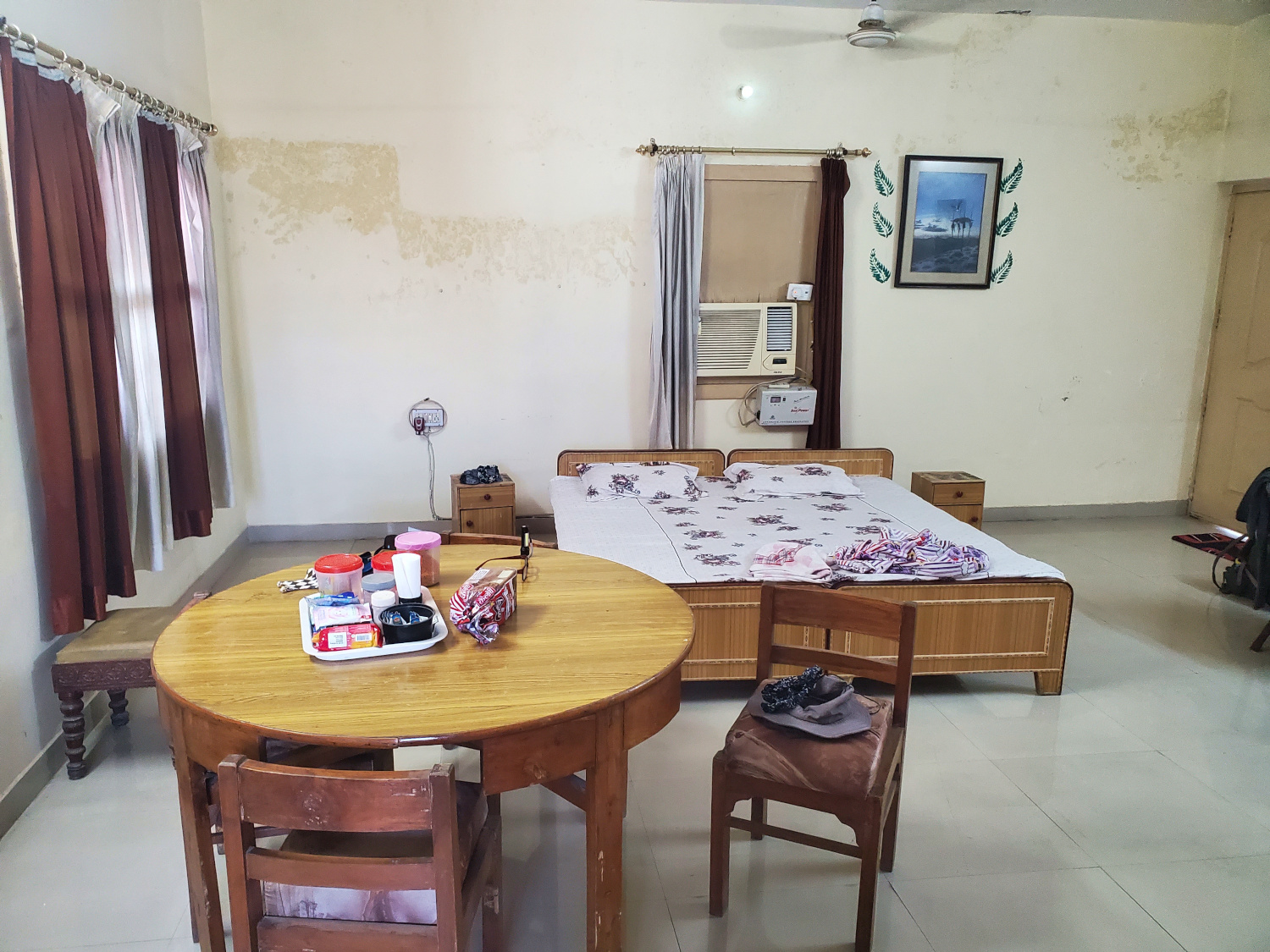
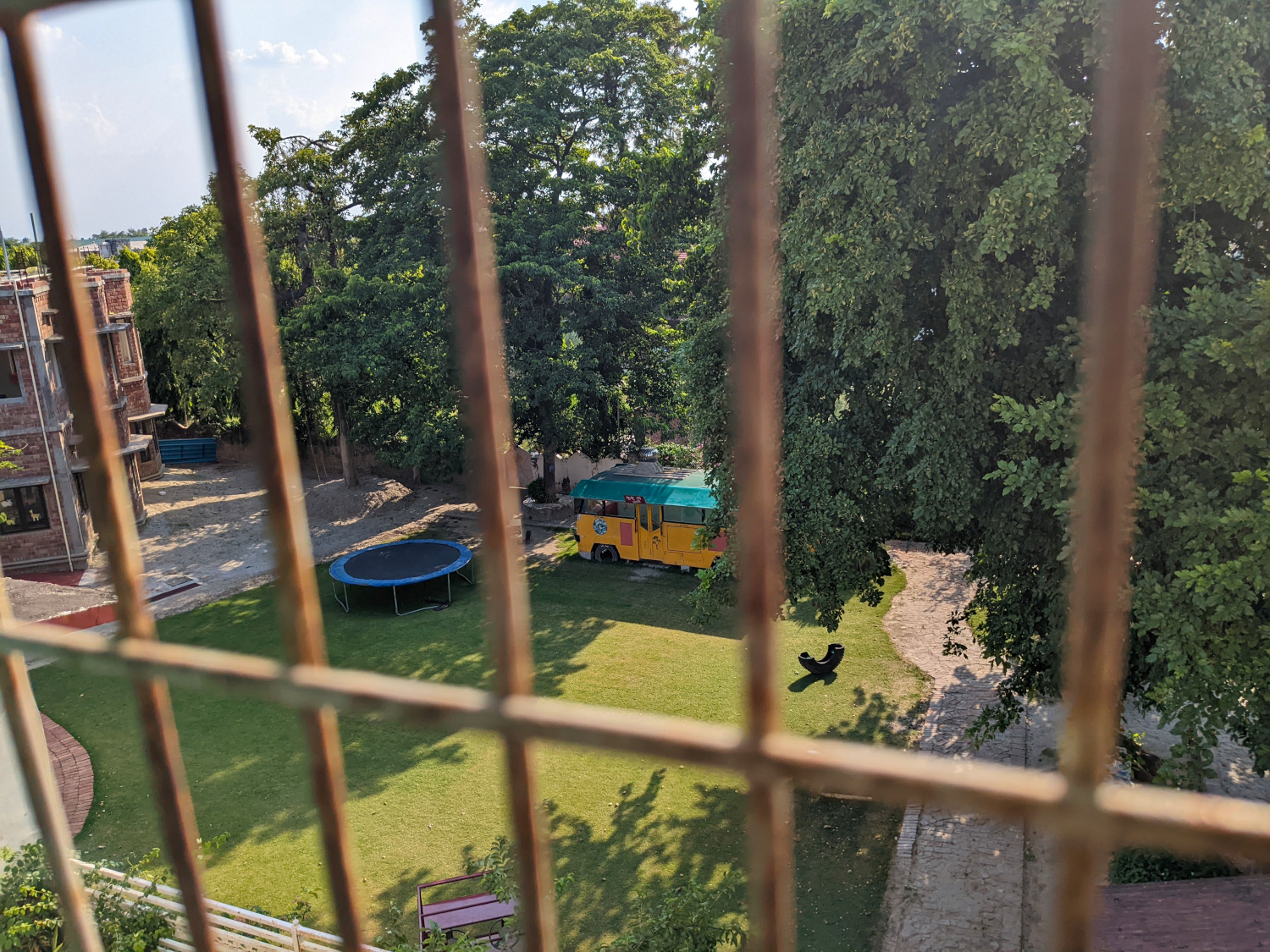
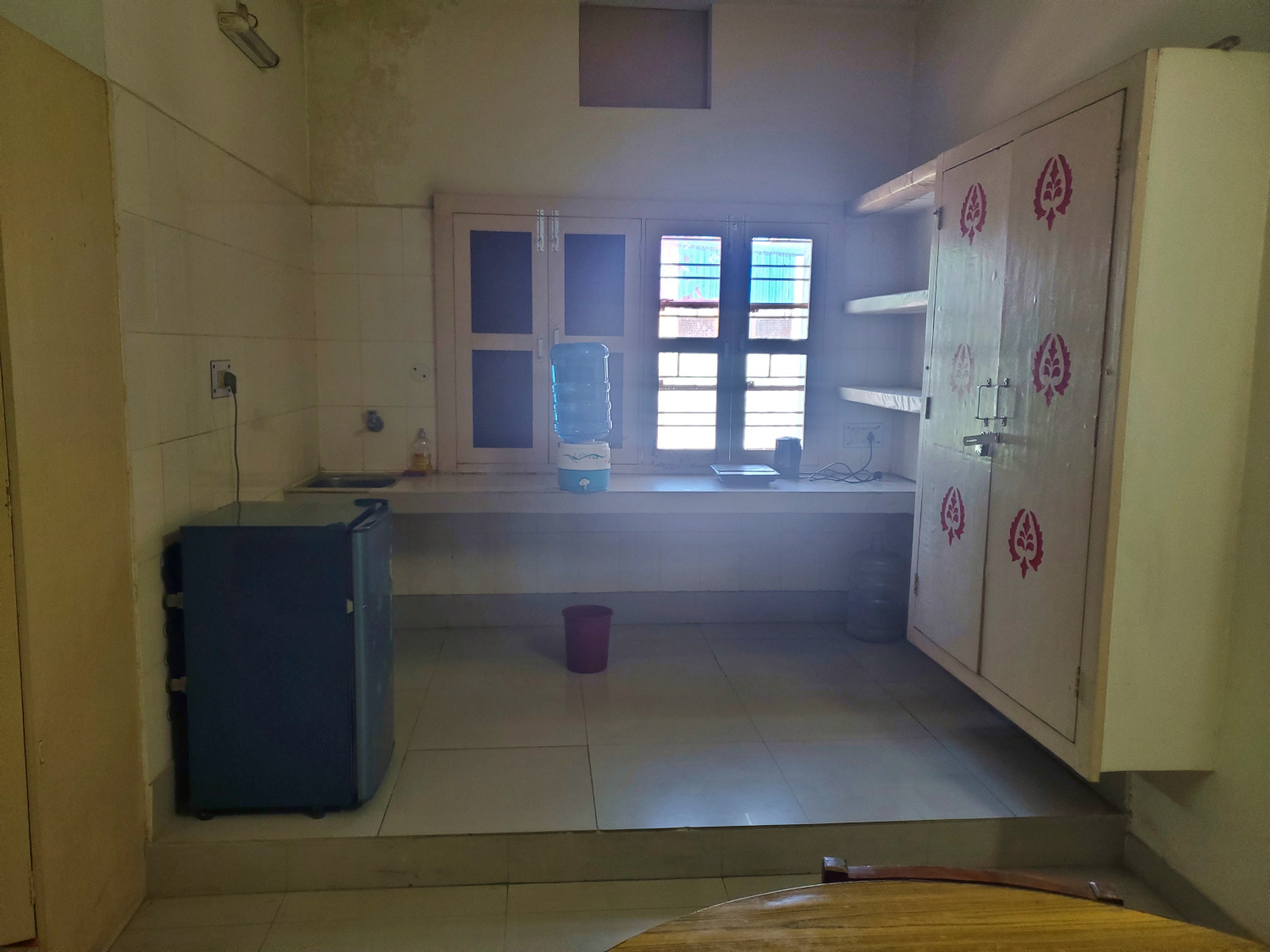
Since it was Sunday, there were no teachers or administrators at the school. But a security guard was on hand to welcome us and conduct us to our quarters on the third floor of a building that had once been used for classes but now contained just offices, as the school had expanded and constructed new buildings. Our room was a former classroom, and so it was rather spacious. It included a comfy bed, dining table and chairs, a sink, a hot plate, a small refrigerator, and of course a bathroom featuring a shower — and hot water! And compounding the luxury, the room had an air conditioner.

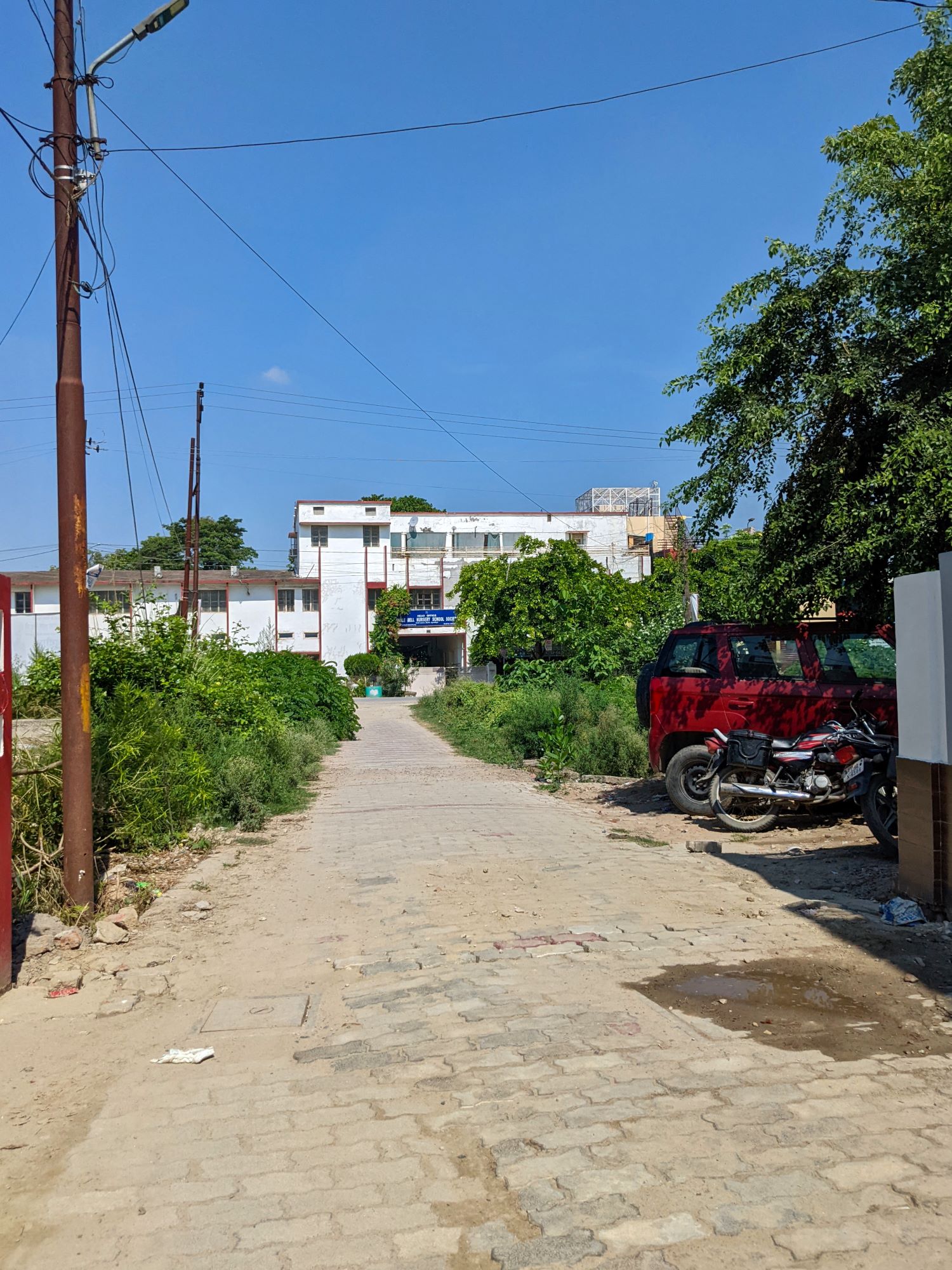

By the way, some people might have been alarmed to see the swastika on the door of our room. But we knew that the swastika was a spiritual symbol in Asia many centuries before the Nazis stole it and perverted it. It shares a genealogy with, and bears something of a resemblance to, the Star of David, the mandala, the yin-yang symbol, and the cross. So our reaction to it was quite different from what it would have been if we’d seen a swastika at a seditious rally in the States.
After unpacking, resting, and cooling down a bit, we went out foraging for some grub to get us through the rest of the day. The best option sounded like Vishal Mega Mart, about a mile away. Now in Asia, a store called “mega mart” or “supercenter” is usually nothing on the scale of what would wear such monikers in the U.S. They’re usually more on the order of small to medium-sized supermarkets; and a “supermarket” is usually more like what we would call a mom and pop. But Vishal, while not extravagant, did offer enough to buy to get us by.
So back at home, we cooked and ate the first dinner in our new digs. We didn’t know it yet, but we’d just settled into one of our favorite places to volunteer on this tour.
July 10, 2022

 world travel with a theatrical flair
Leave a comment