

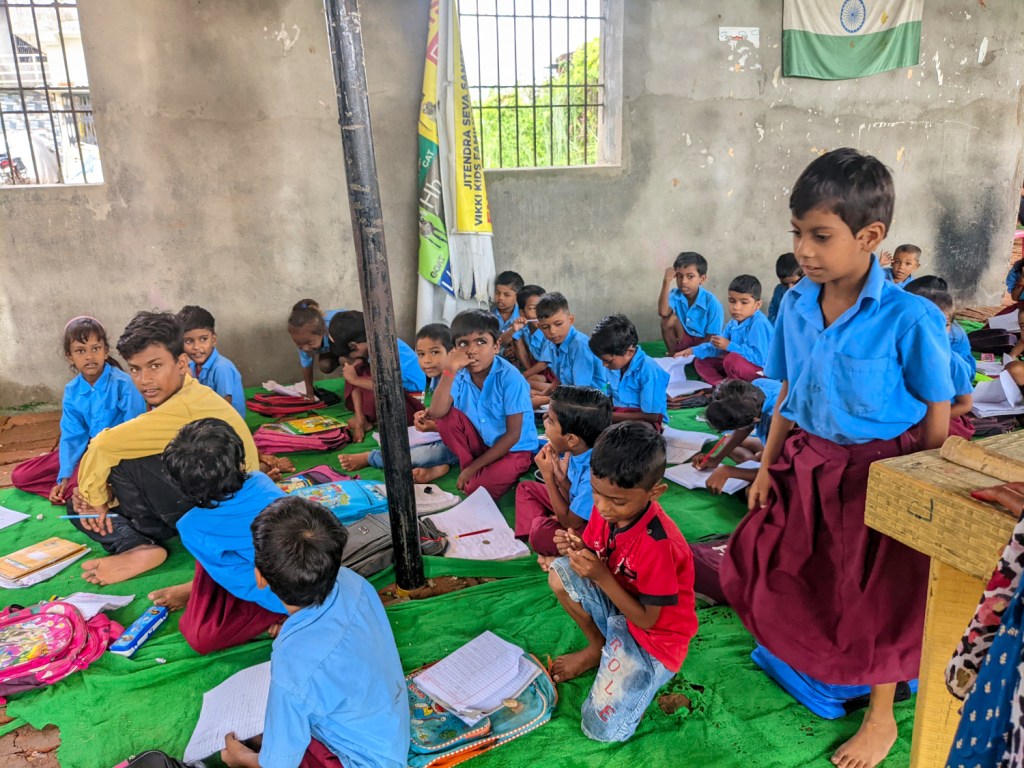
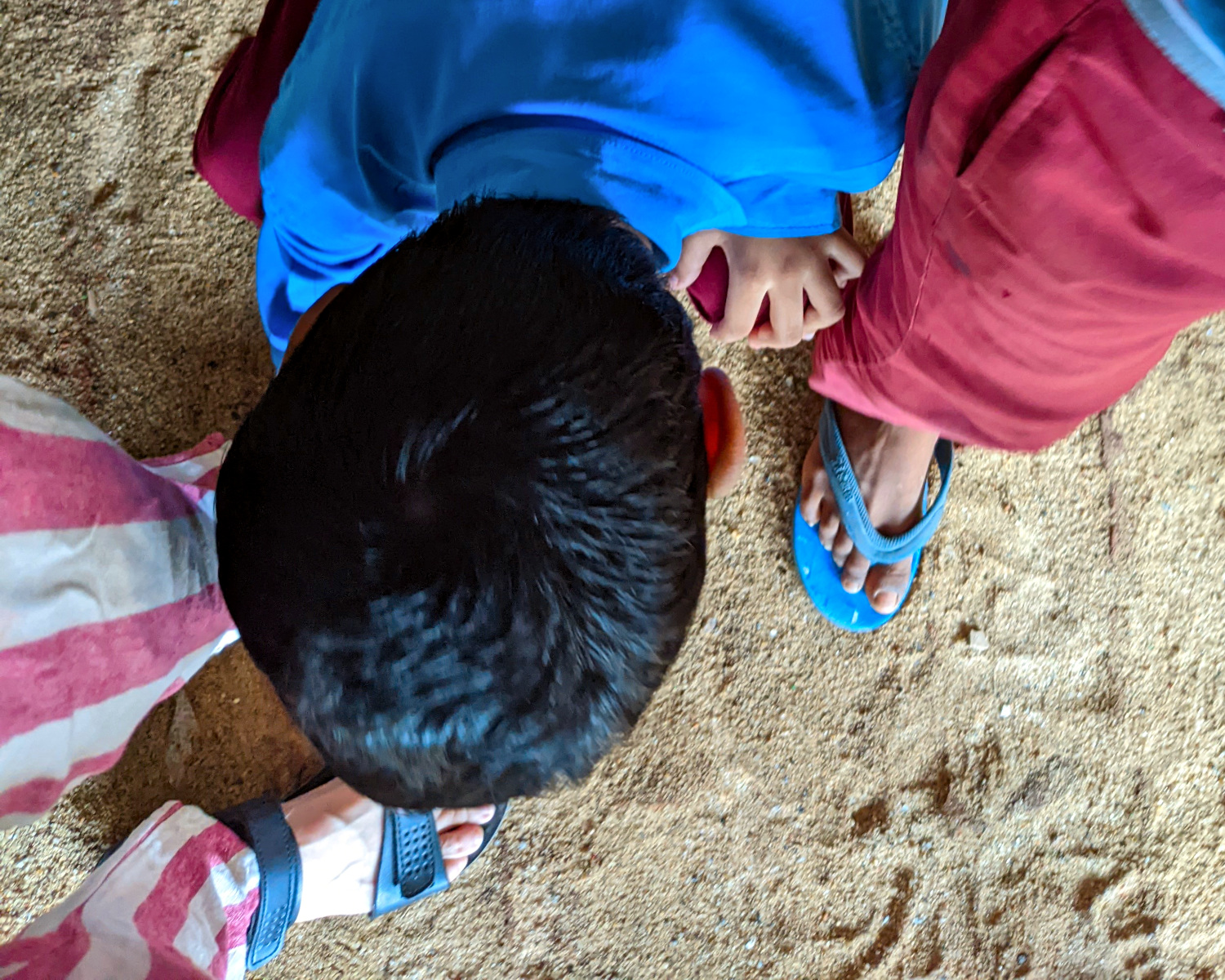
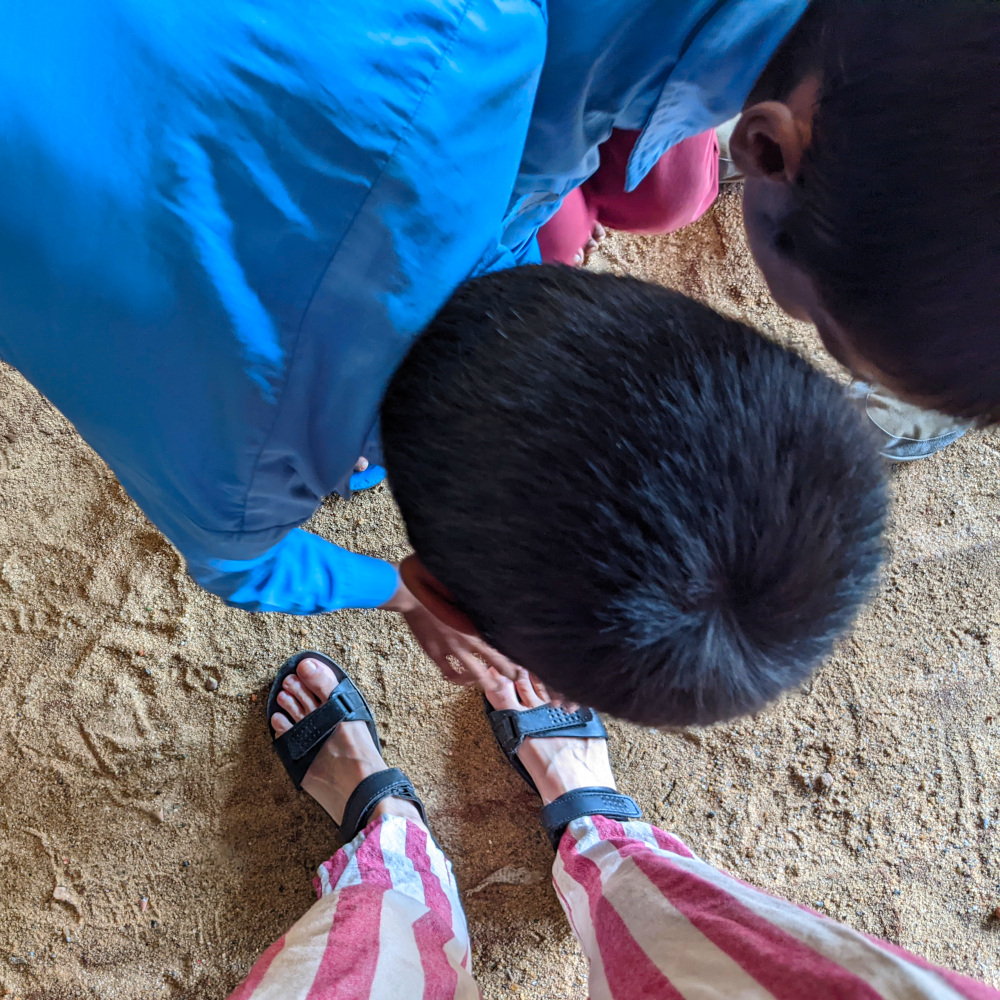
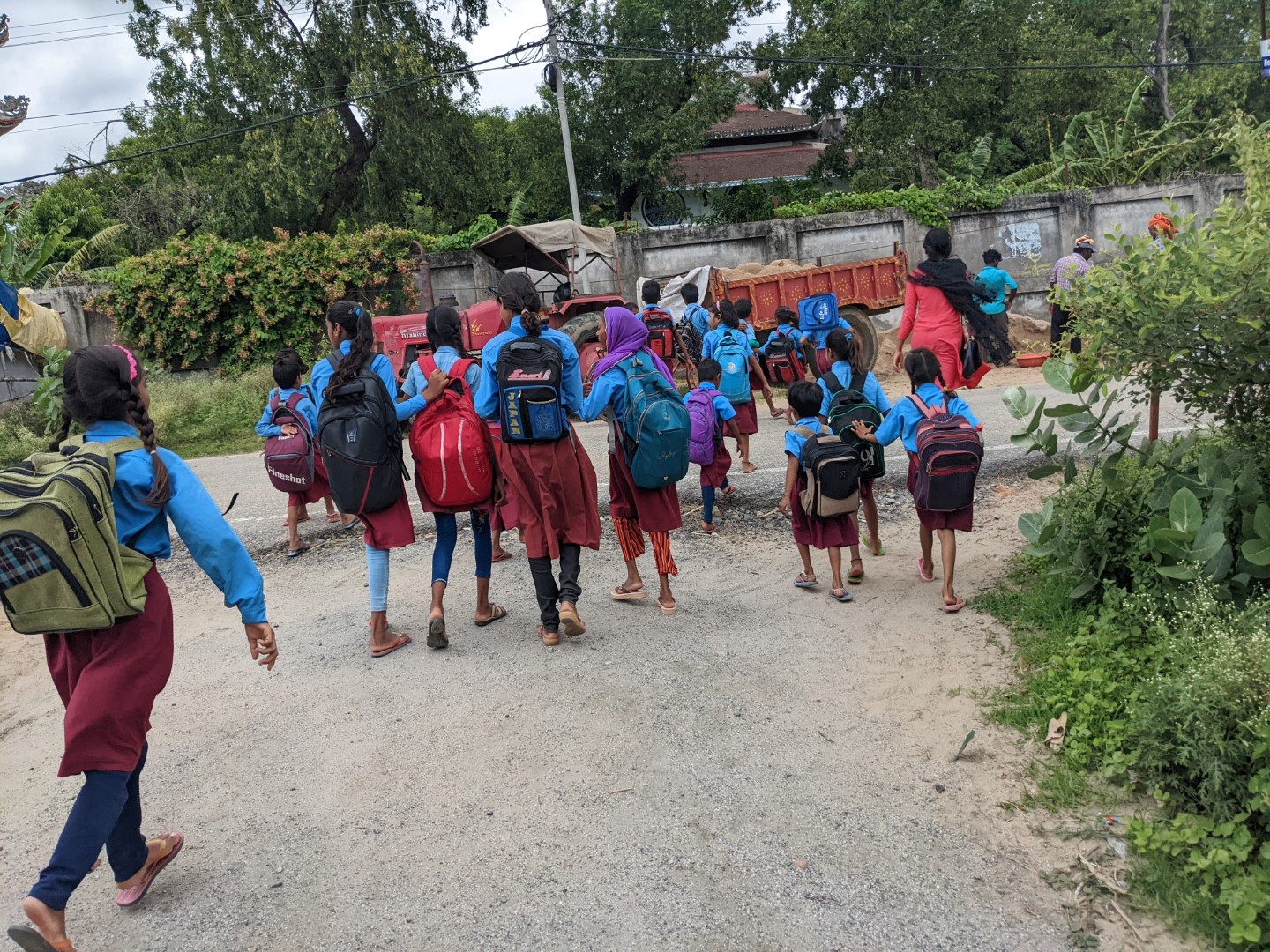
On Monday, August 8, we began our new volunteer teaching position through WorkAway at the school in Bodh Gaya, India. The director gave us a ride to school, even though it was really only a couple of blocks away. Thereafter, we’d be walking every day, with some of the students walking along with us as they would go to and from school. But perhaps on the first day he wanted us to make a grand entrance. In any case, the students who were already at school when we arrived each morning would greet us with the traditional Indian respectful gesture of touching our feet.
Touching Feet Greeting
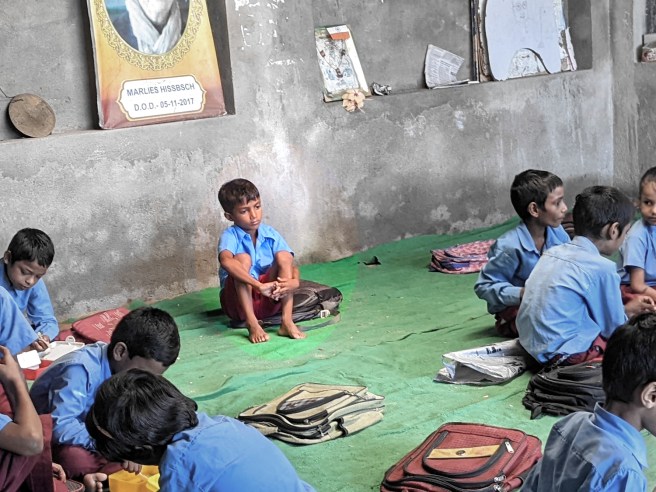
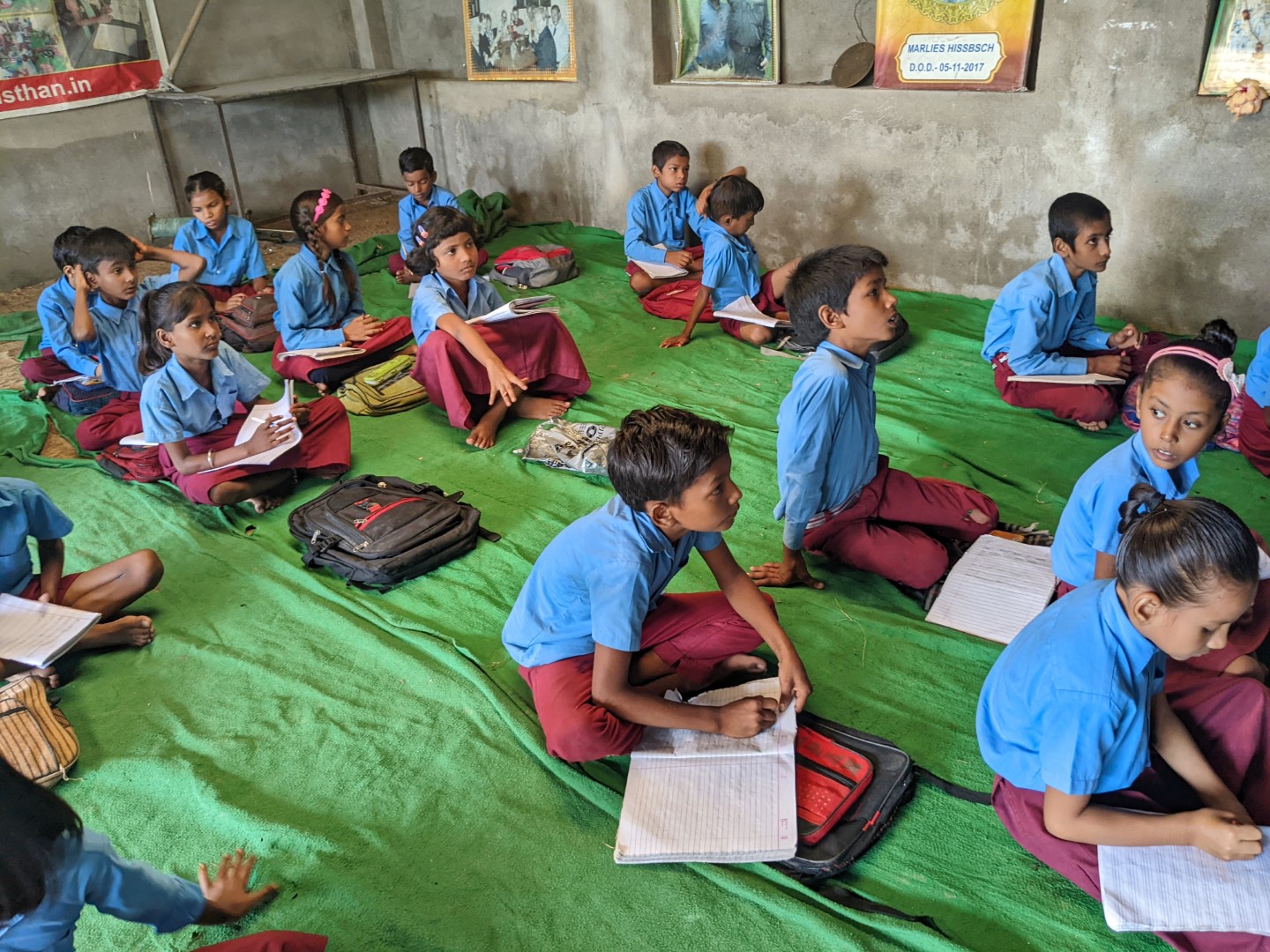
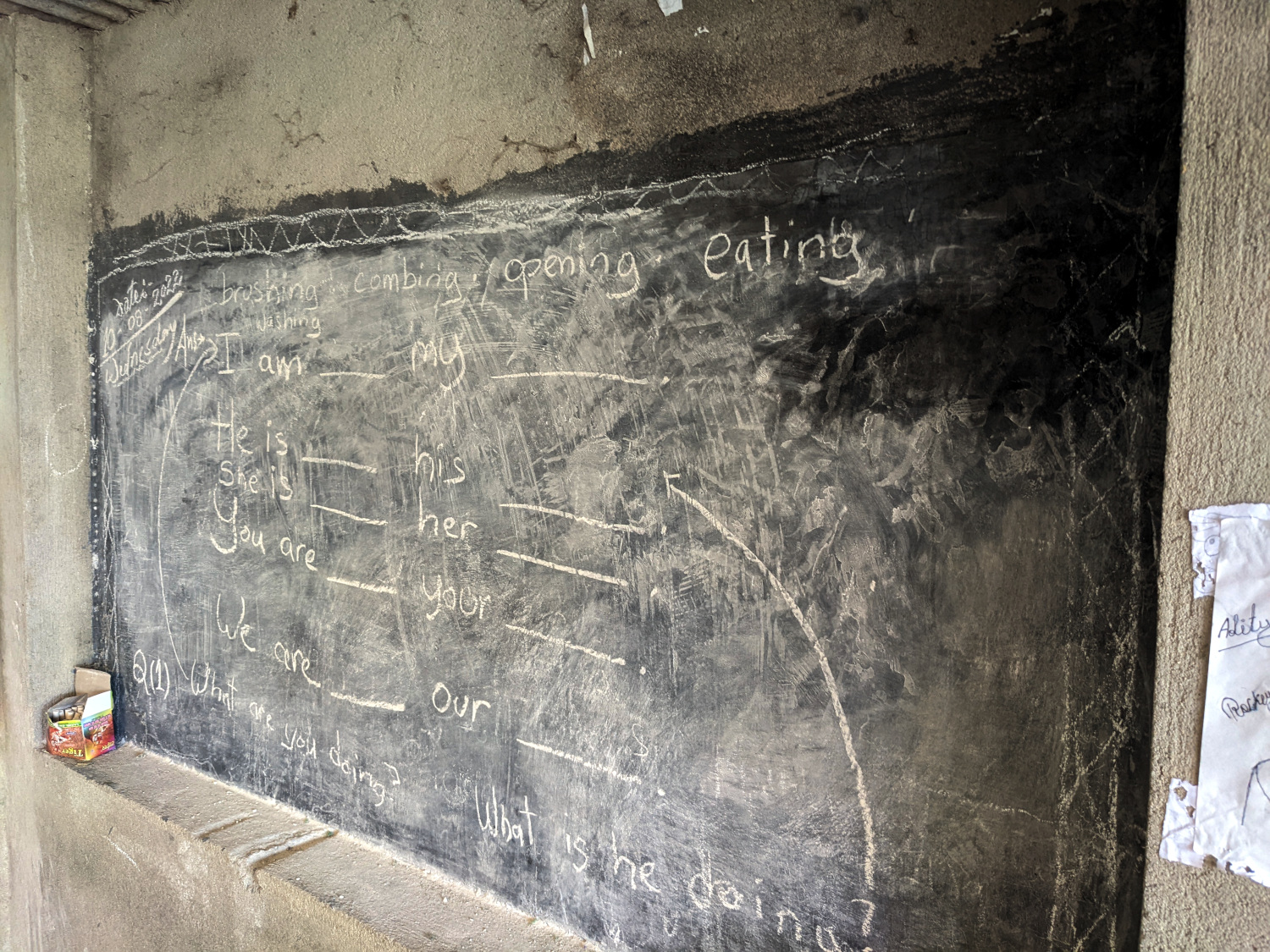
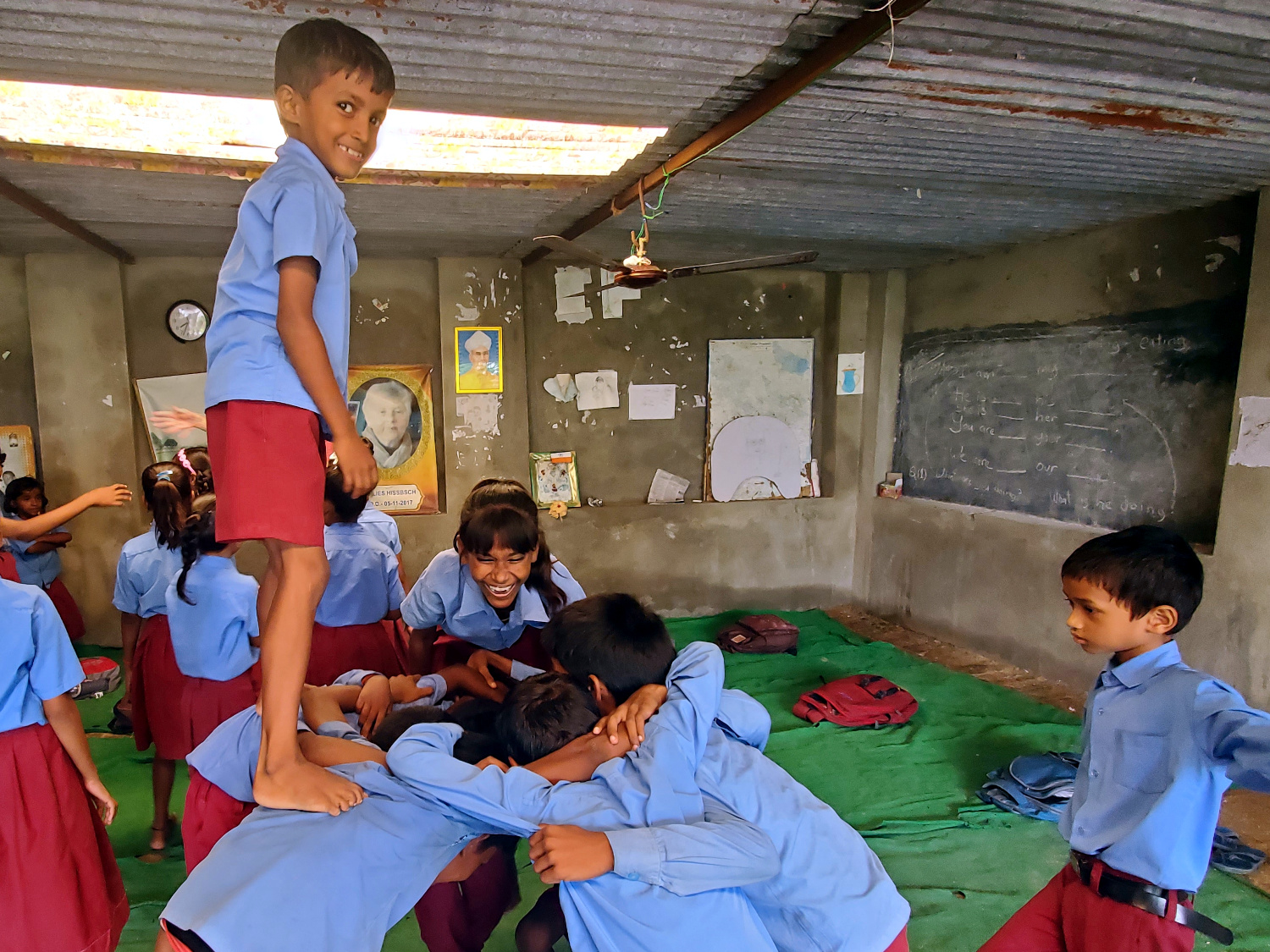
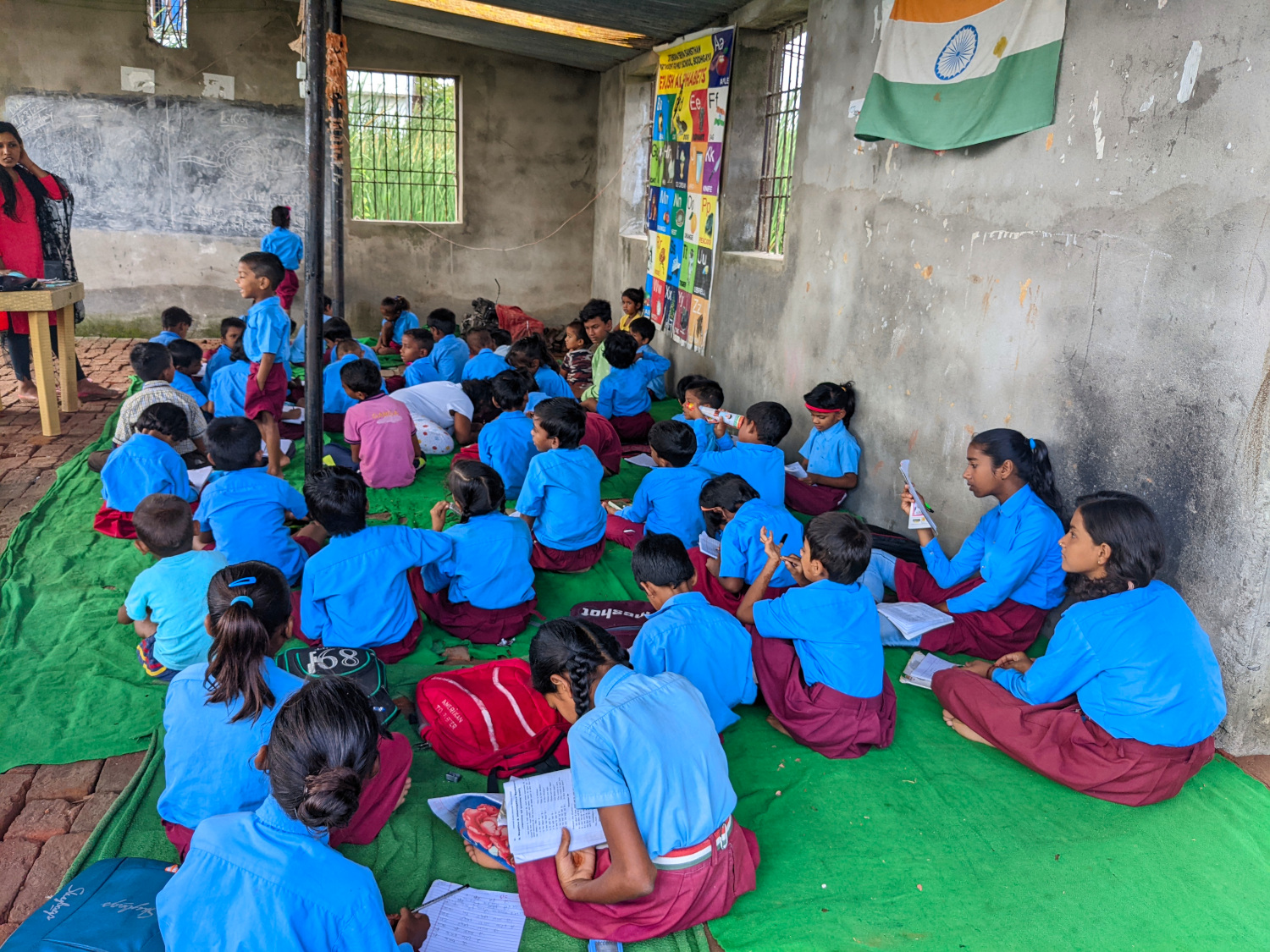
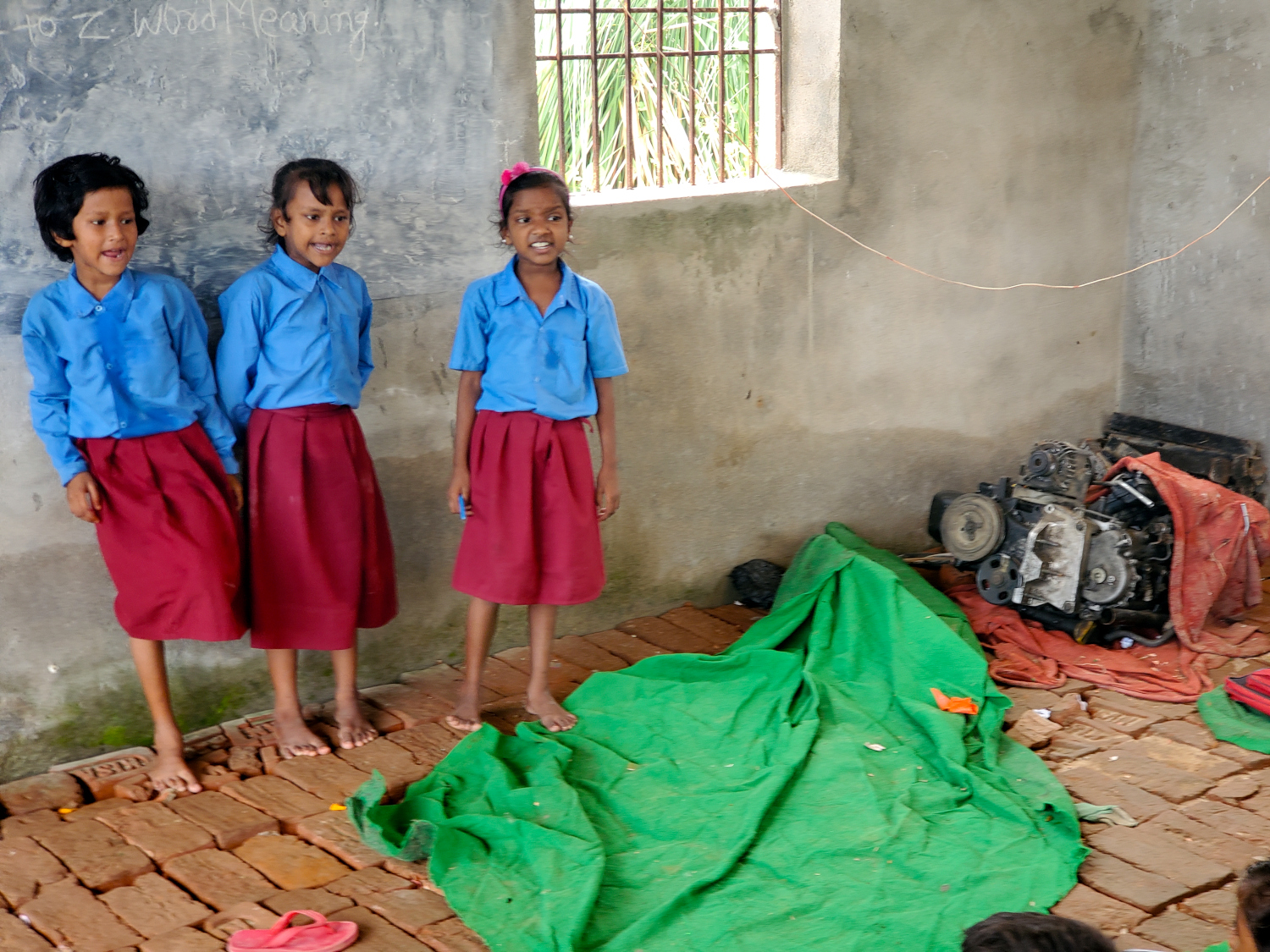
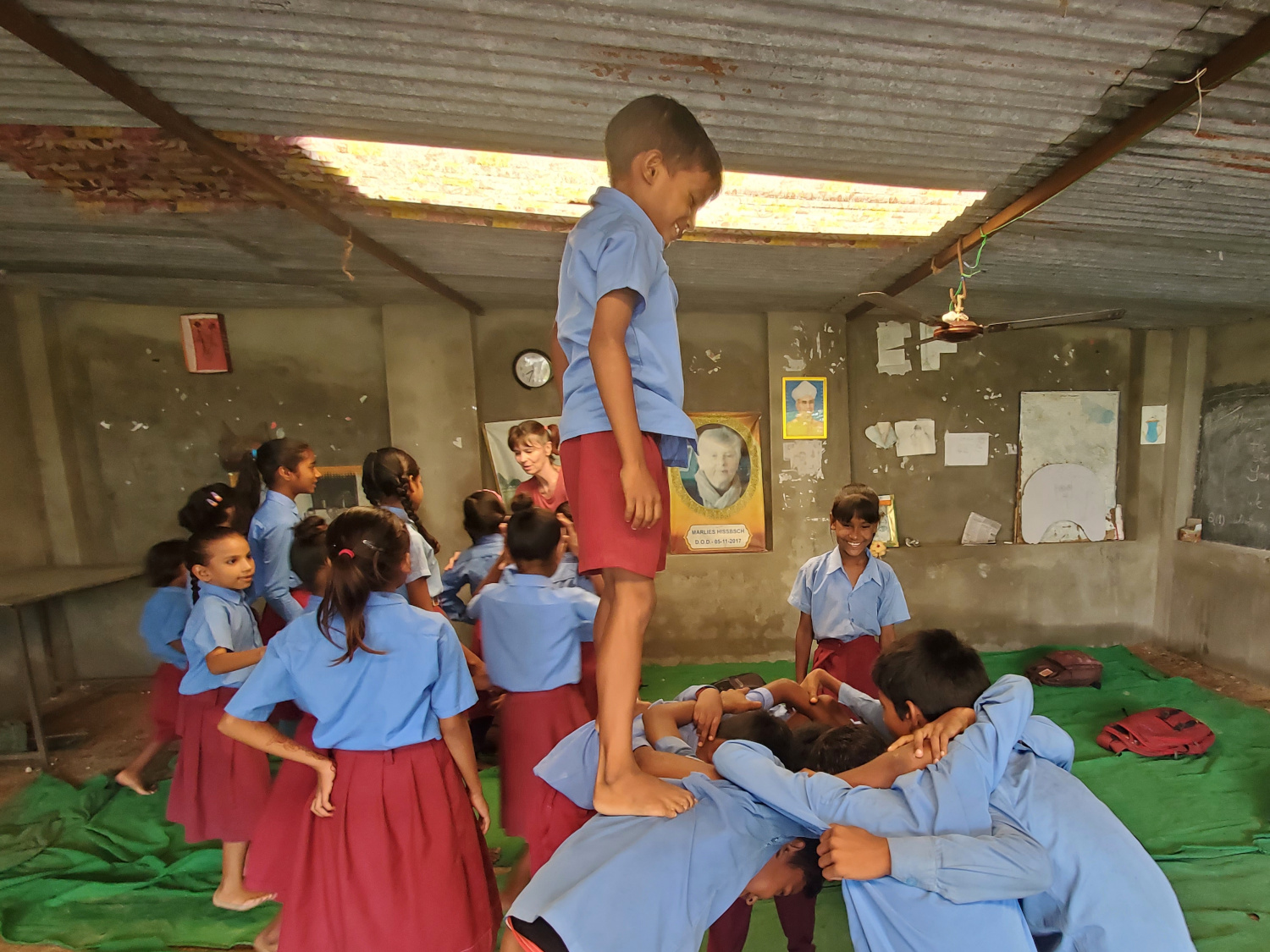
The “schoolhouse” was really not a house at all, but a courtyard with a tin roof over the areas where the classes met. There were no walls except the perimeter. There were just a handful of tables and chairs, but for the most part the students just sat on the dirt and brick floor, covered by a thin layer of astroturf that would be unrolled each morning and rolled back up at the conclusion of classes. In one corner, for some reason, sat an old engine from some kind of vehicle — perhaps a truck or tractor.
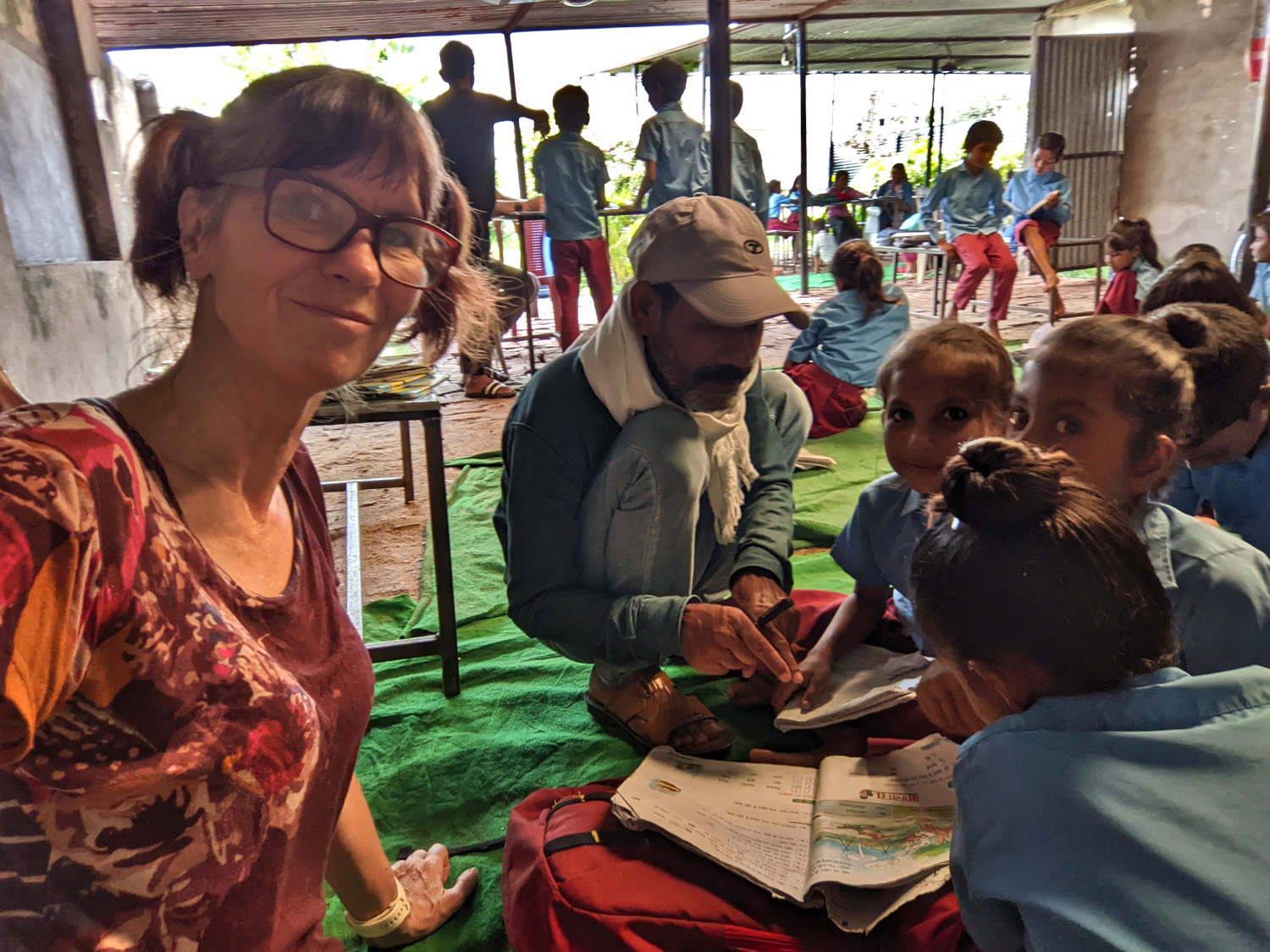

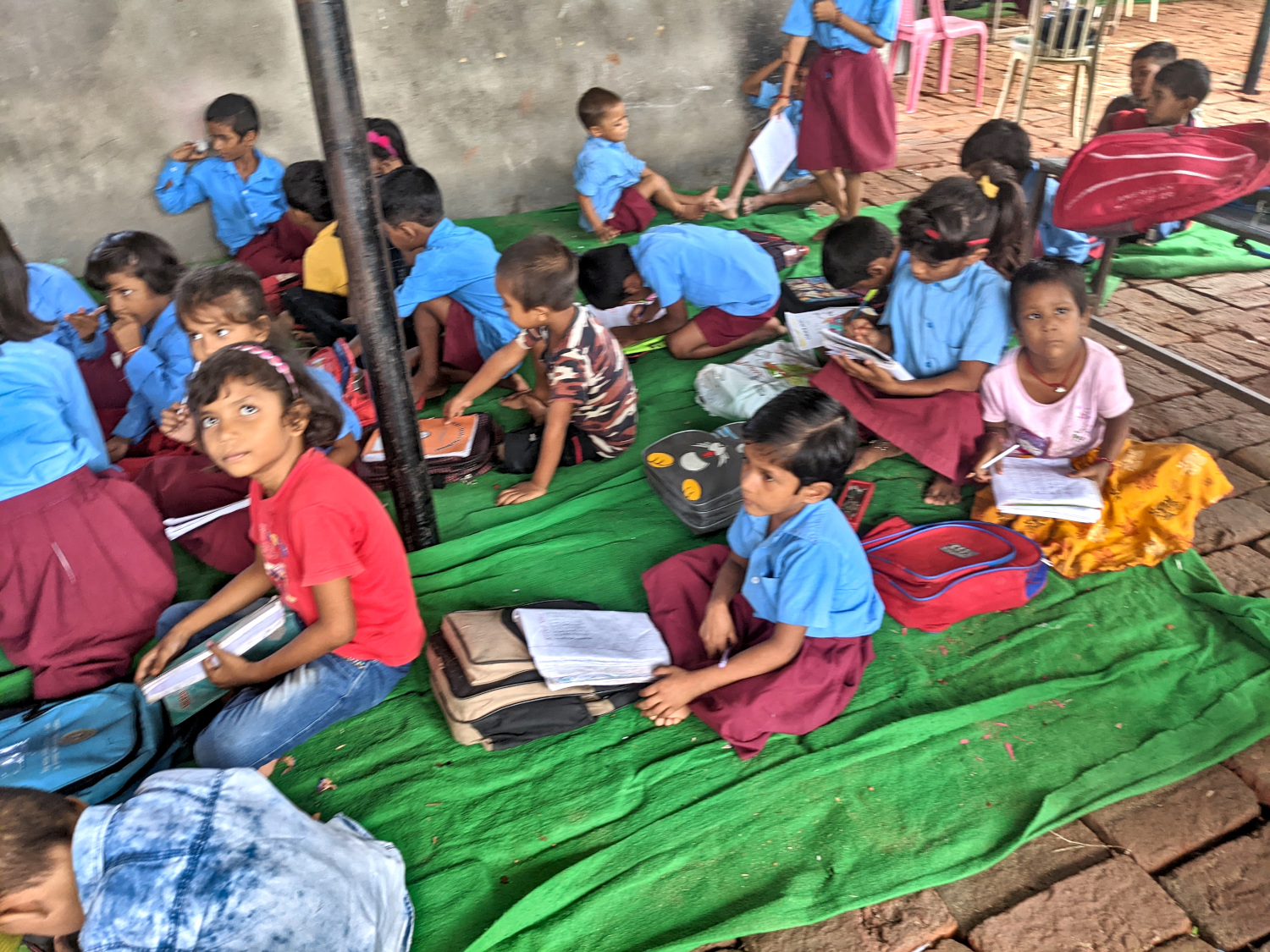

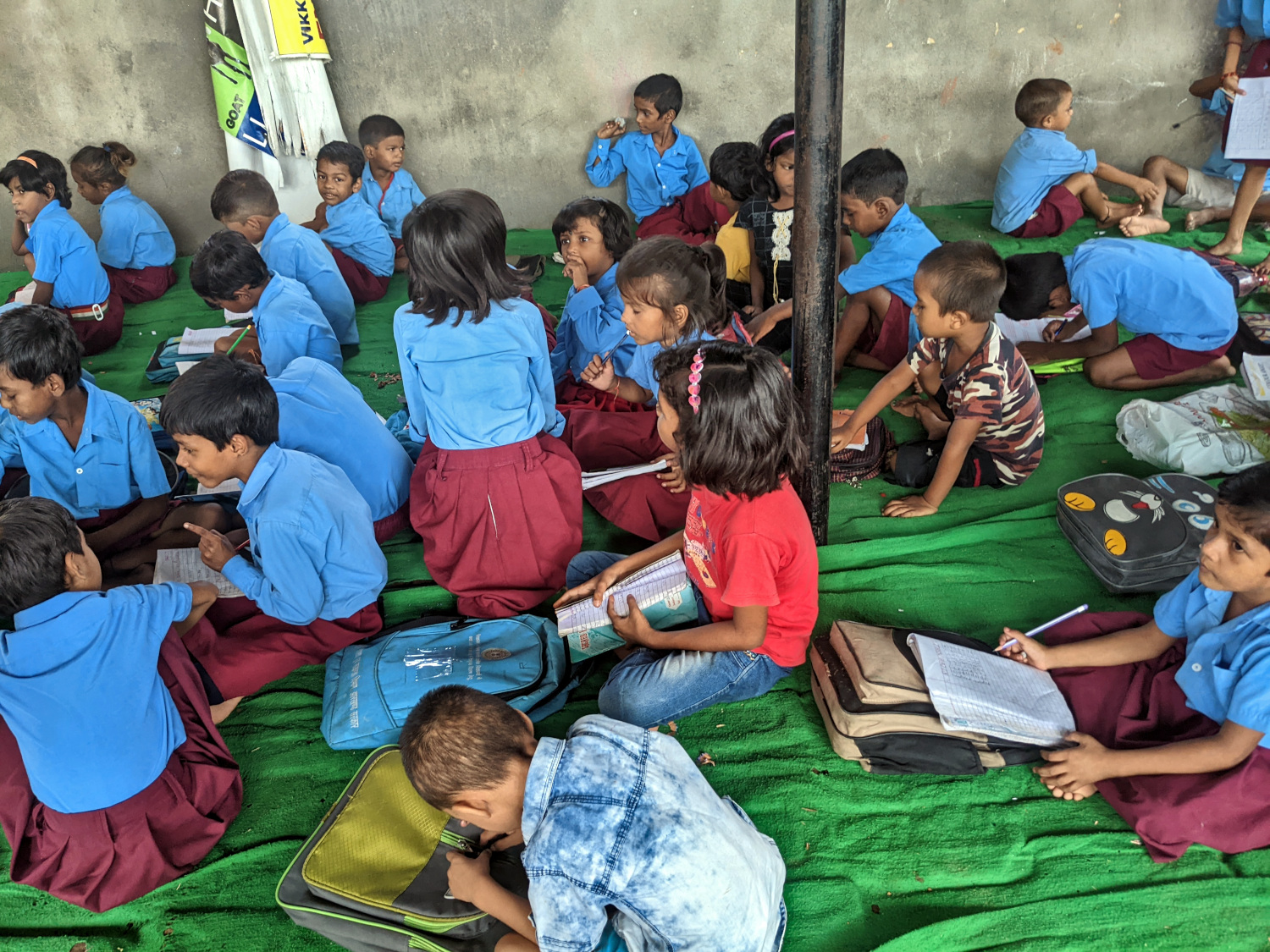
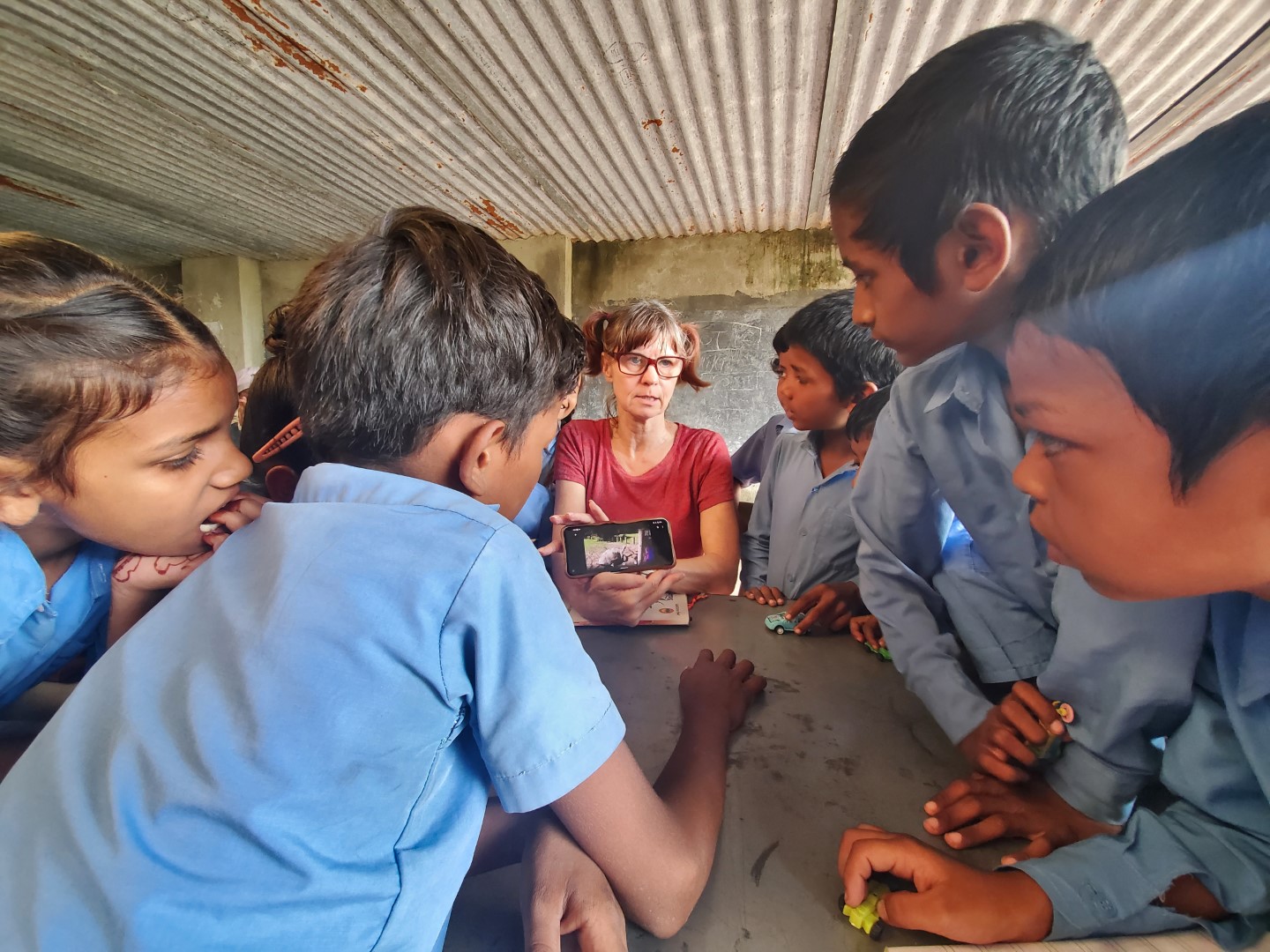
This open-air classroom was divided into two sections. In one, an older male teacher taught the older students, and in the other, a young female teacher taught the younger students. There were virtually no textbooks (some of the older students had workbooks), and the younger students wrote on chalk slates that had seen better days and the students in the upper grades used old, recycled notebooks. The teachers wrote with chalk on what had once been a chalkboard, but now was so worn down that it looked like just part of the wall.
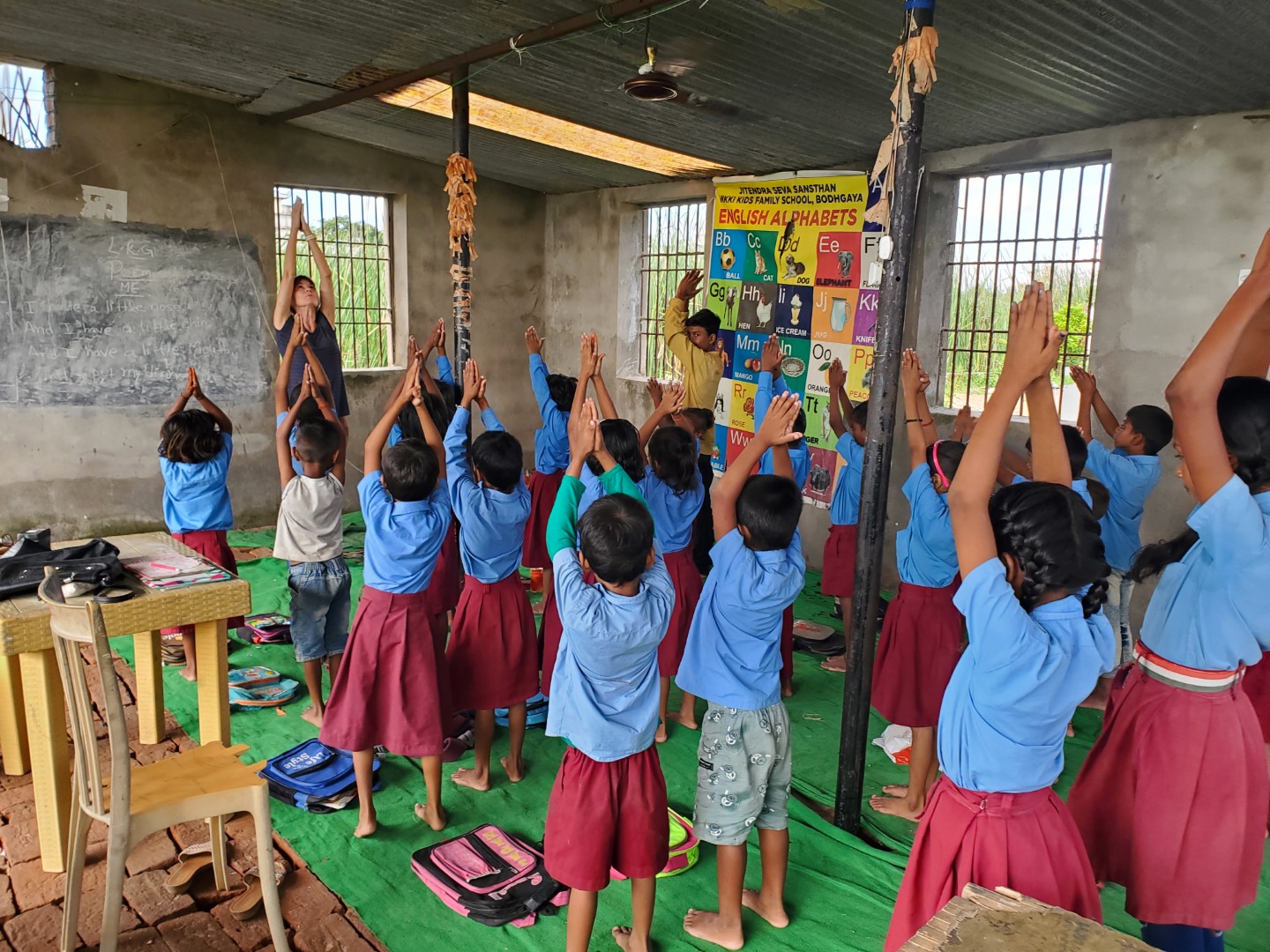
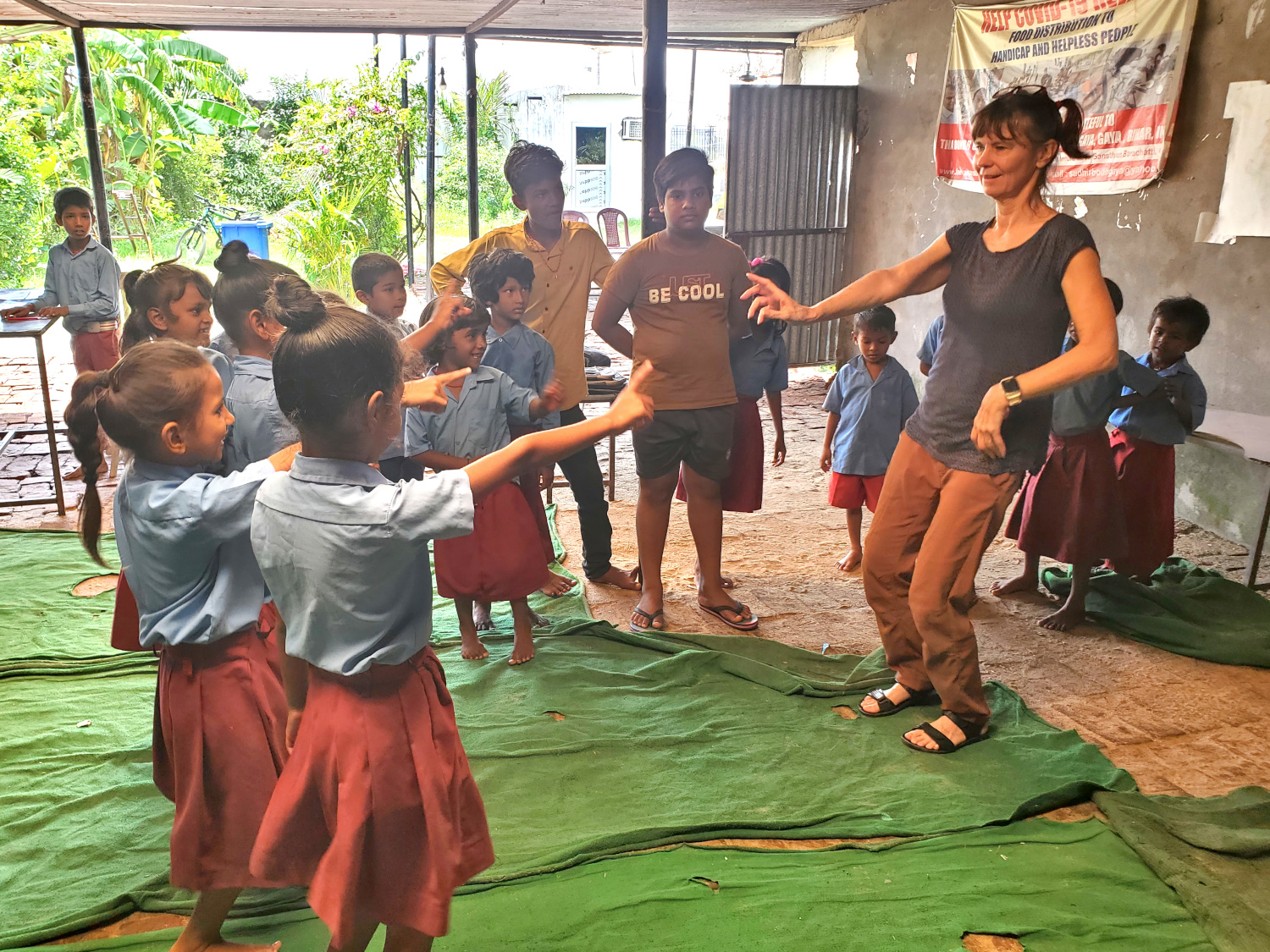
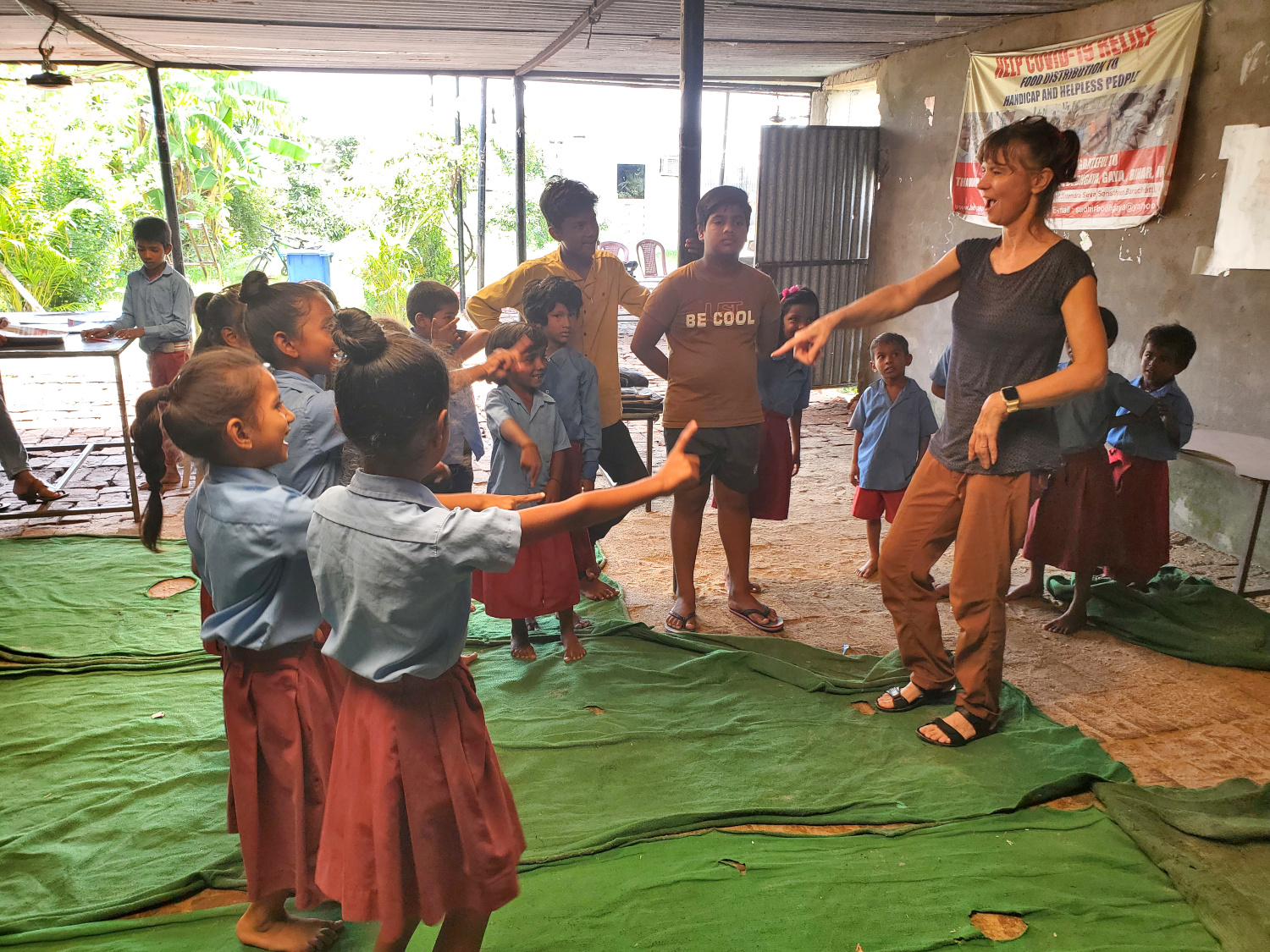
Yoga Class by Request

On the first day, we did little more than observe. But on the second day, we started teaching sessions with both groups, leading them in English exercises, theatre games, tai chi (Dennis) and yoga (Kimberly) — the irony was not lost on us of Americans teaching yoga to students in India.

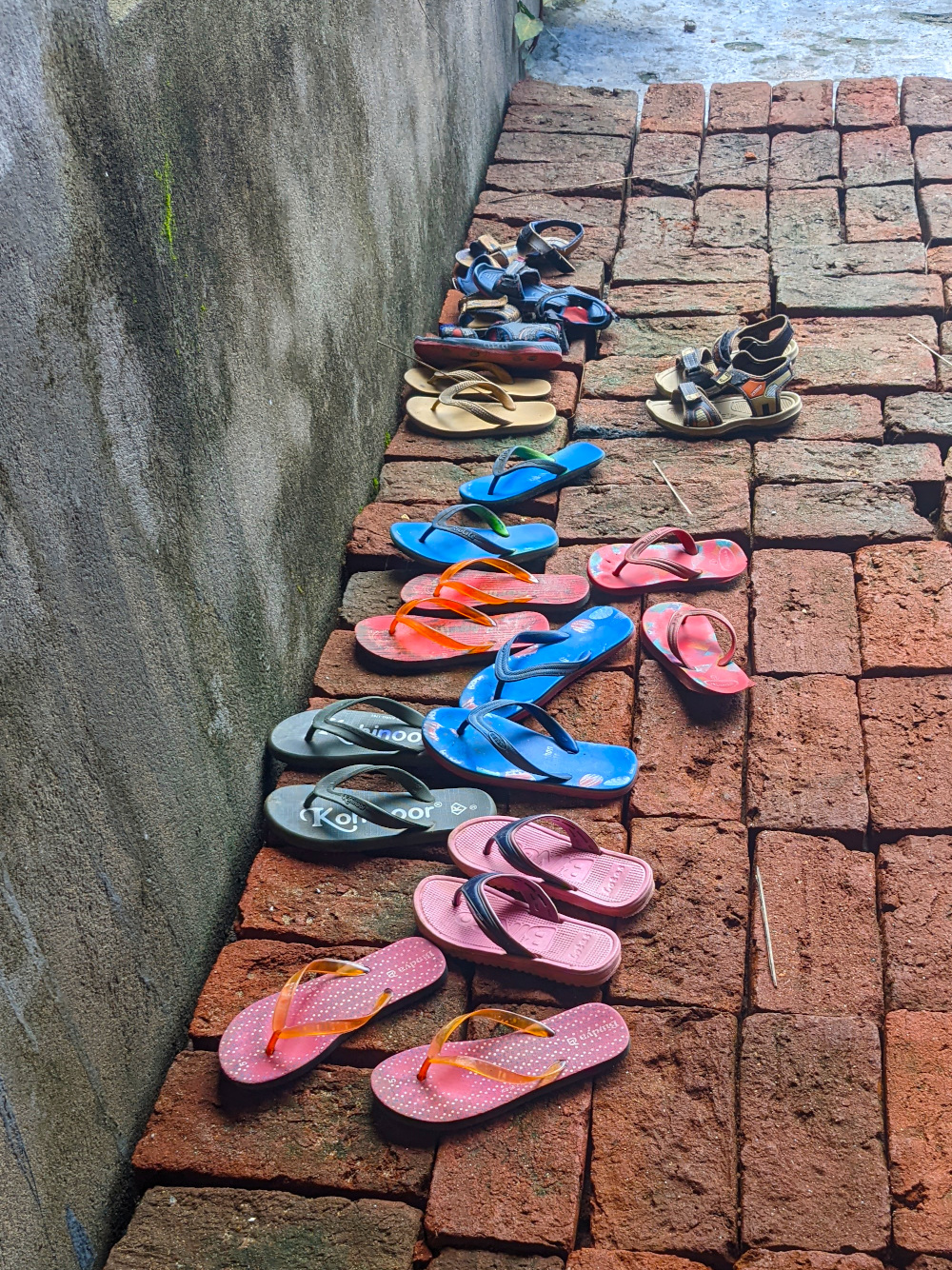
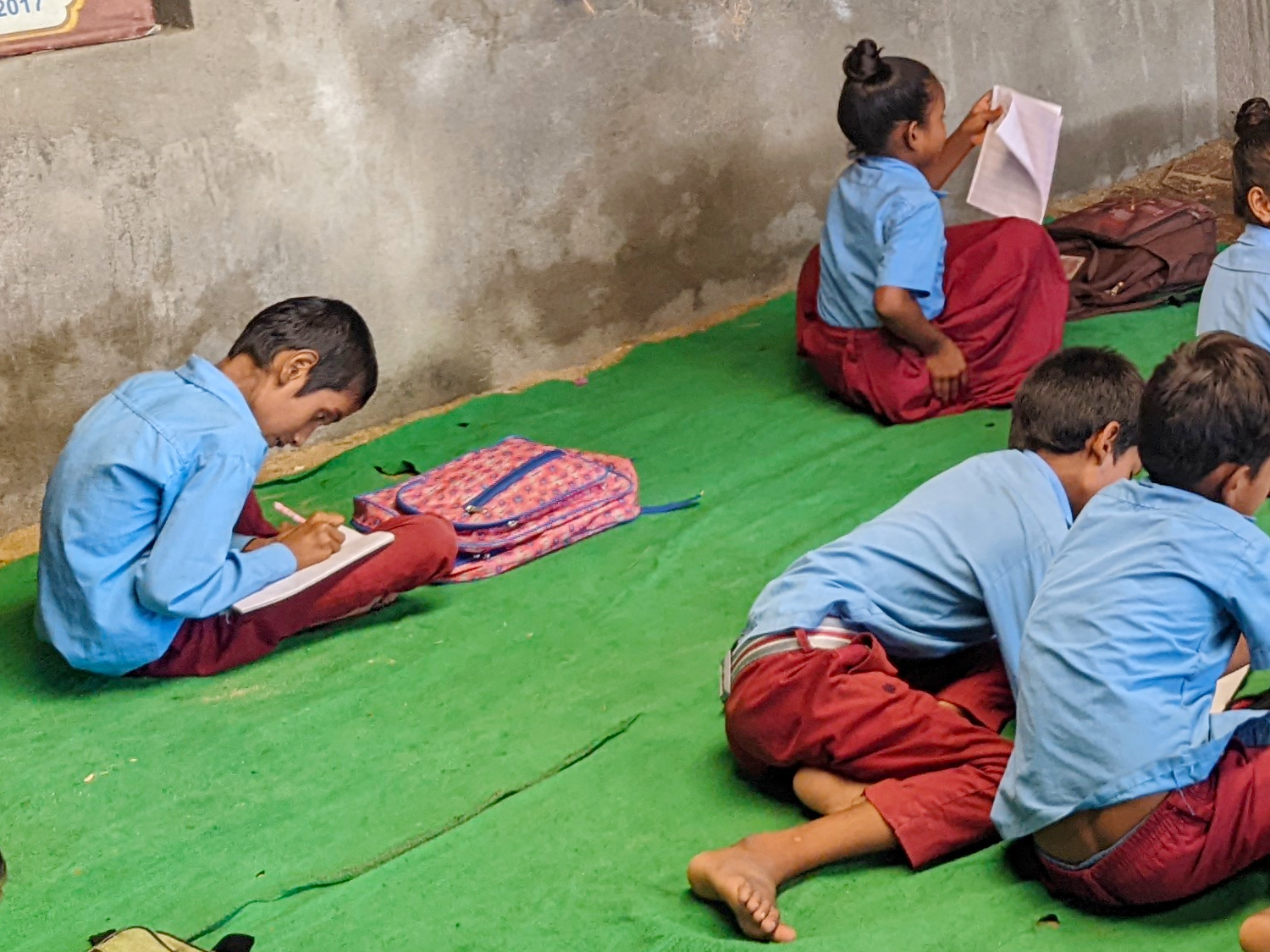
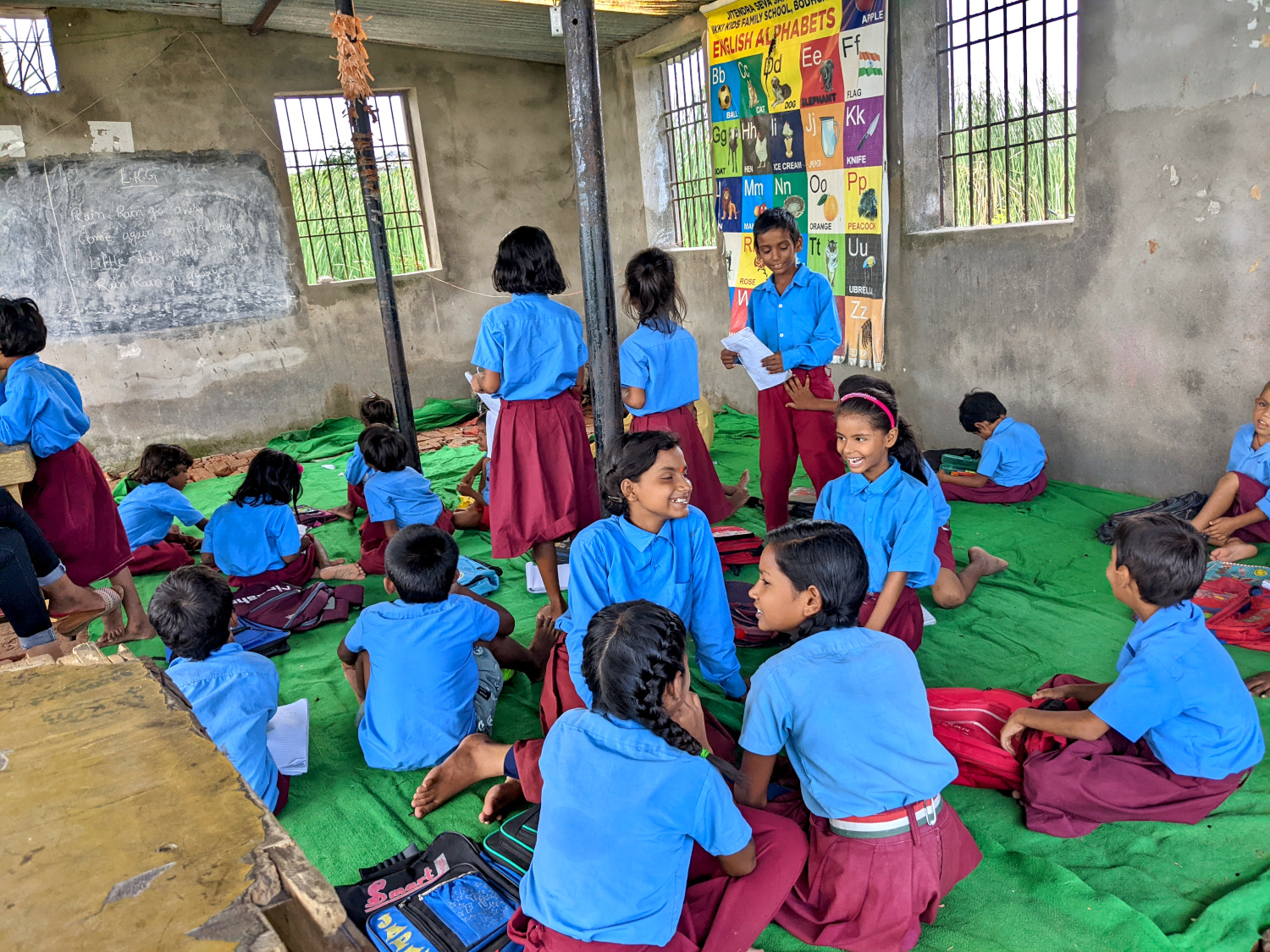
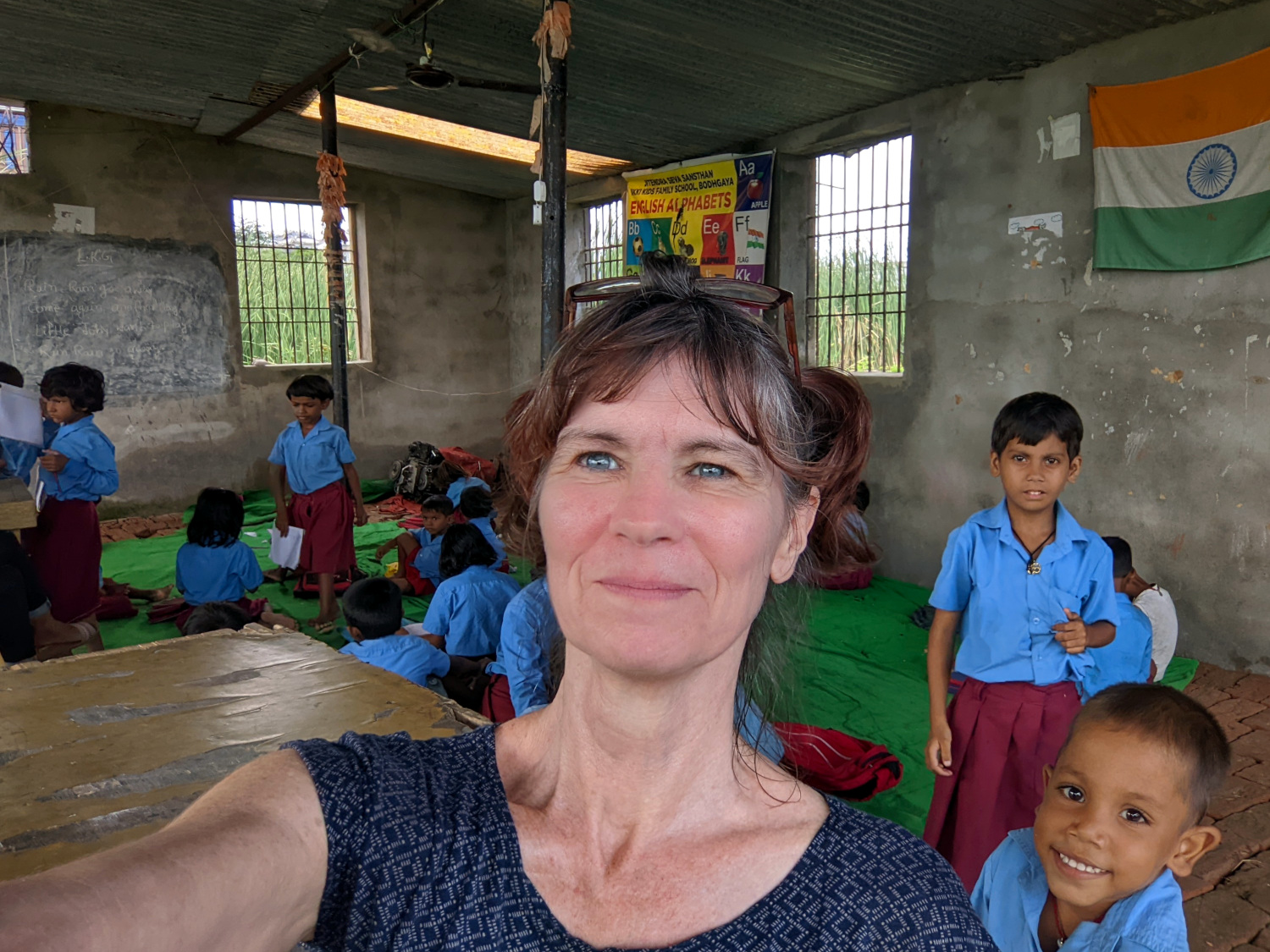
The school day would begin at 8:00 with morning meditation, and then the students would have a few minutes to play — there were a couple of antiquated pieces of playground equipment in the courtyard — before beginning classes around 8:30. At 9:30 there would be a break for “lunch”, which was no doubt actually the first meal of the day for these kids, and which they would bring from home in those clever stacking stainless steel containers that are so common in India. Although the students were obviously quite poor and didn’t have a great deal of food, they’d sometimes offer to share what they had with us. But we’d thank them and politely decline. We did, however, accept when the male teacher brought some rice pudding his wife had prepared, apparently with the specific intent of sharing it with us. It was phenomenal.
Boy with Nothing to Eat at Lunch Time
At about 11:30, school would be dismissed; there were no classes in the afternoon because it was just too fricking hot. So we’d have the afternoon free to rest up, cool off, take care of errands, and maybe do a little sightseeing later in the day if it was cool enough.
Around Town

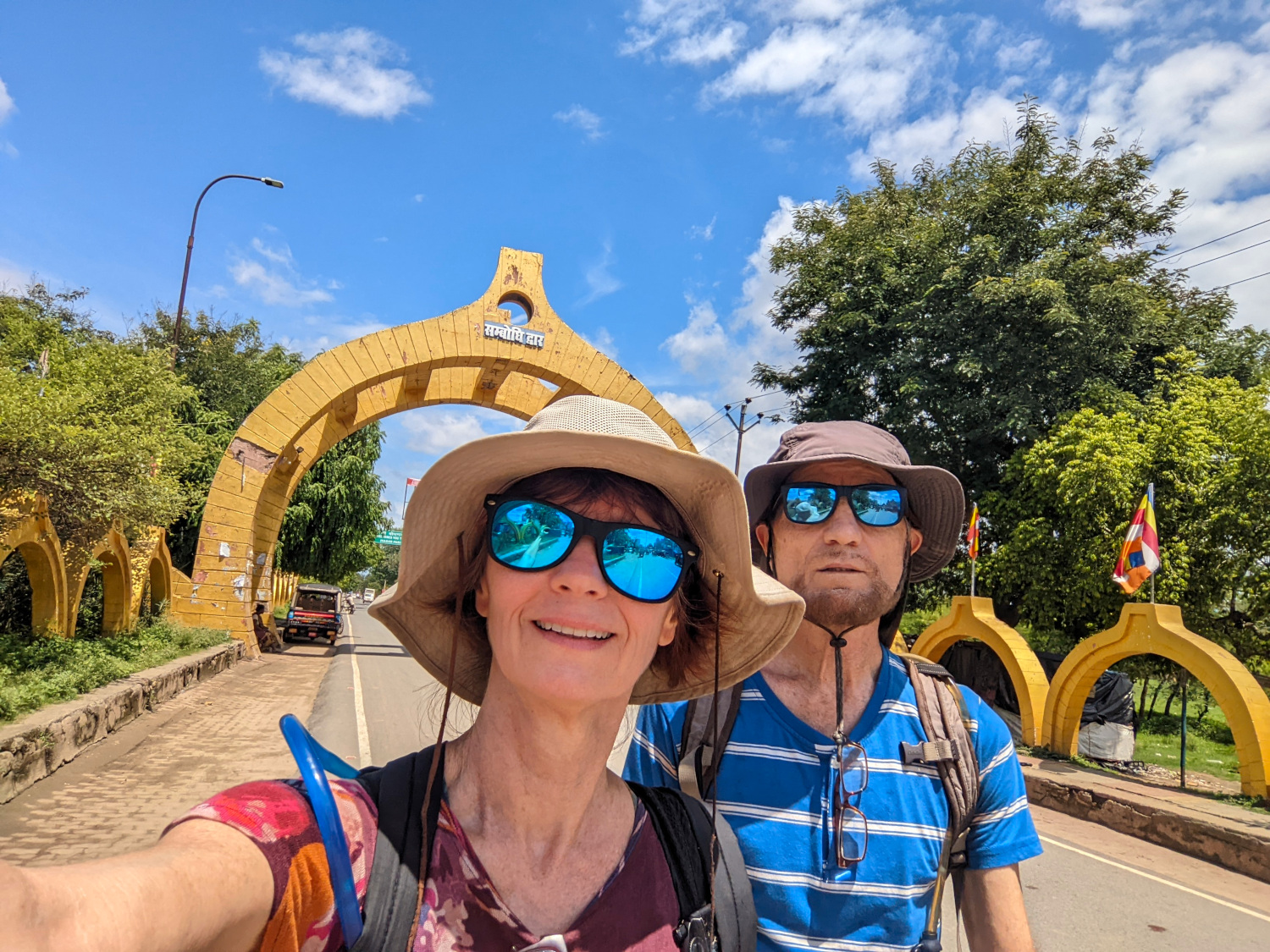
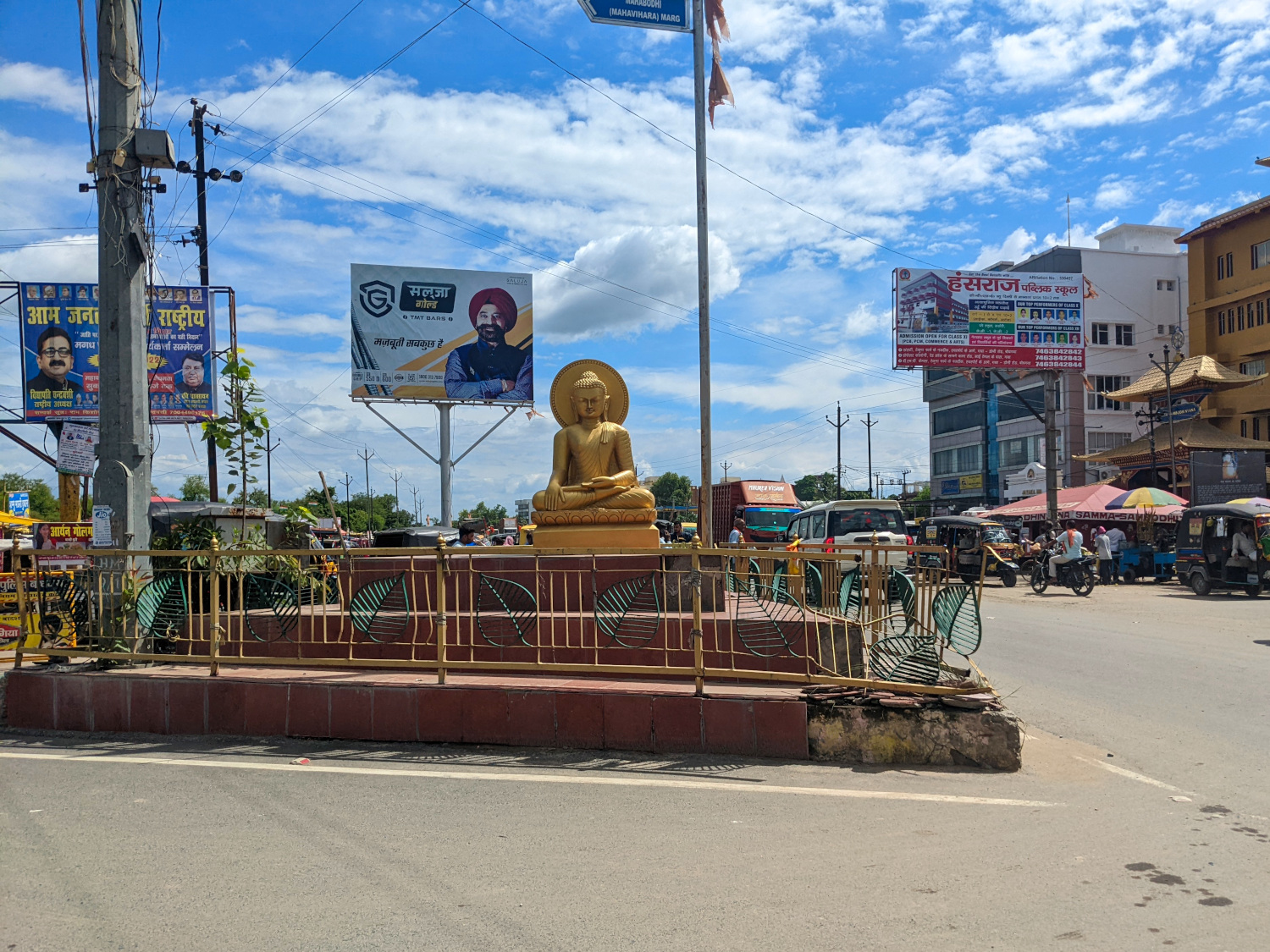
One order of business, of course, was to find a place to shop for groceries, and that was a challenge. Sure, there were plenty of stands to buy produce all over town. But for other things, like coffee, chocolate and oatmeal, we had to do some scouting. There was a “supermarket” called Reliance Mart about a mile away; but when we checked it out, it was not much bigger than a 7-11, and half the shelves were empty. Later, we explored the area in the other direction, toward the heart of town. Eventually, we happened upon a pretty decent option: a very small store, but its shelves were packed with needful things, including (wonder of wonders) the decaf coffee that Dennis thinks he can’t live without.
On the first afternoon, when we were strolling through the touristy area, we were approached by a friendly young man who wanted to know all about us — a not uncommon occurrence at all in India. He walked along with us, continuing to chat, and soon we ran into another young man, whom he knew. They were Buddhists and students, and said they were both involved with a school for blind children, which they invited us to visit and interact with the students somehow.
Now we certainly found this prospect intriguing, and we always welcome a chance to brighten the lives of children. But we really wondered how exactly we could be of service. We did not speak Hindi, and we would not be able to communicate with the children through sign language or gestures. And our usual schtick of performing stories would go out the window not only because of the language barrier, but because our performances really must be seen to be appreciated. So we were scratching our heads for a week trying to think of exactly what kind of presentation we could make.
It was only later that we realized that these two fellows had asked us to visit the school before they’d even learned about our background in performing and teaching. So obviously, their interest in us was based on something else — most likely the fact that we were American. Which almost certainly meant that they were hoping somewhere down the line to get money out of us somehow. This suspicion was corroborated in subsequent days when we would run into one or the other of them again — over and over. This could not have been mere chance; it was clear that they were stationed on the street keeping an eye out for us and others they could target.
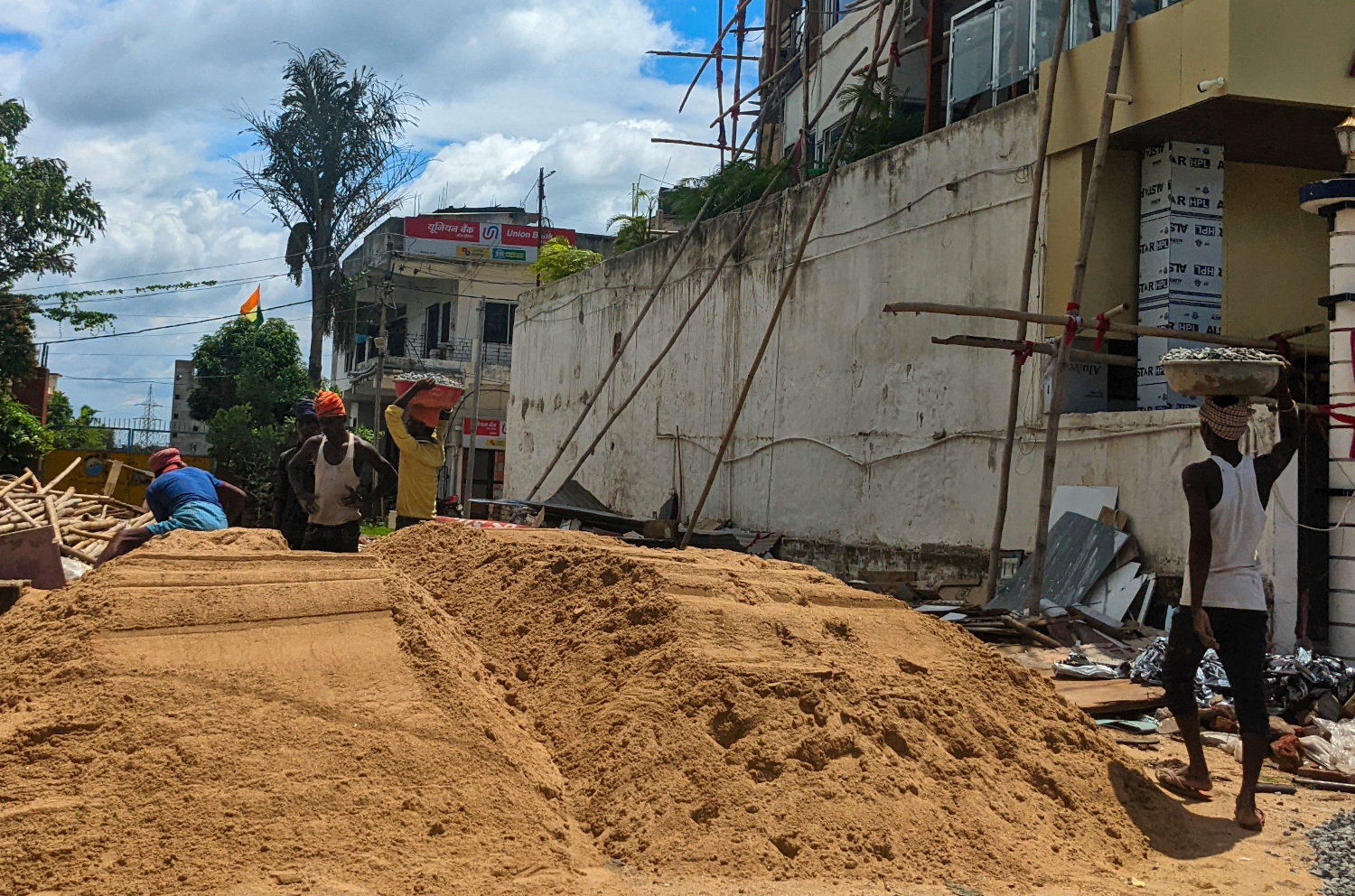
These buildings are not abandoned
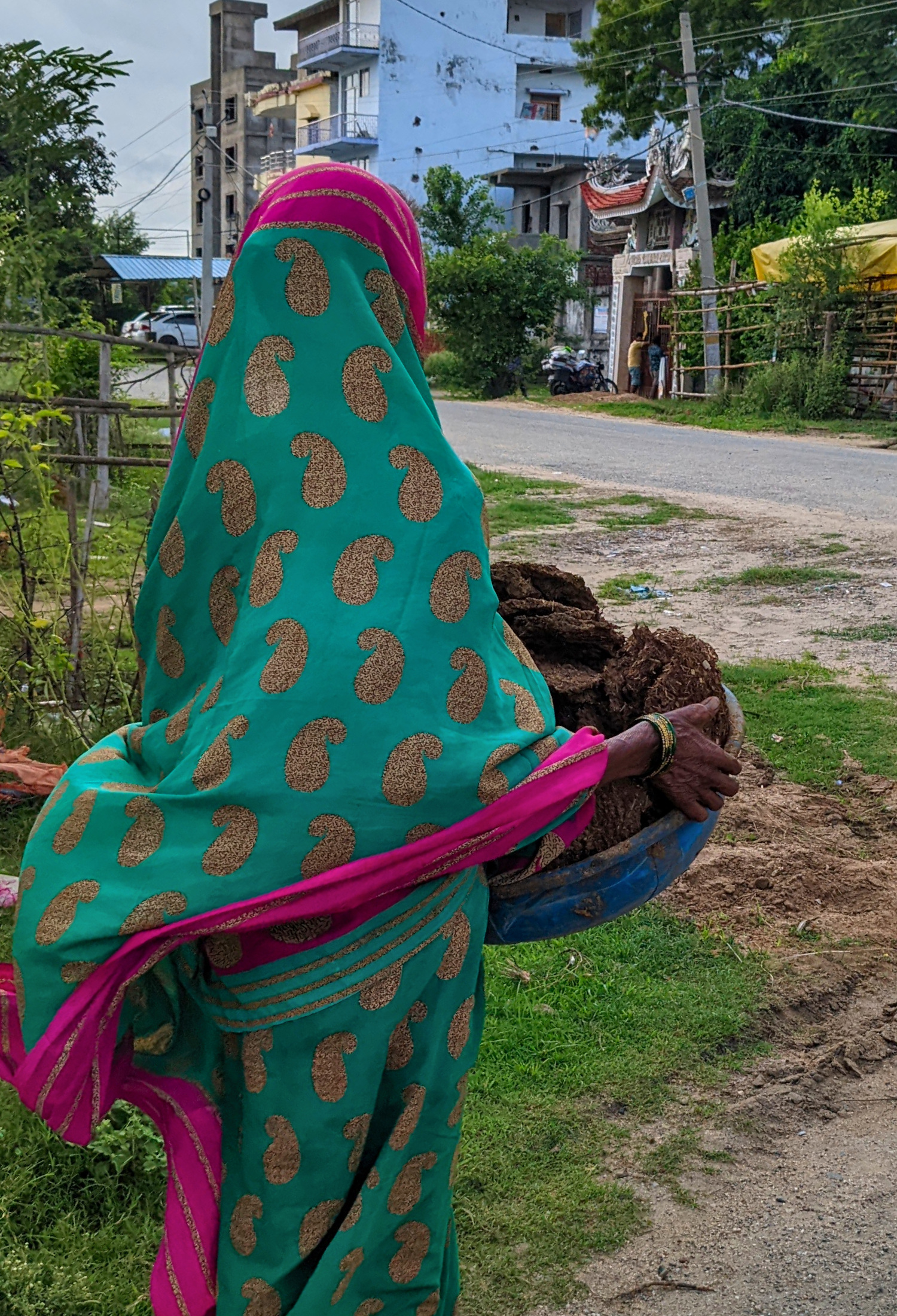
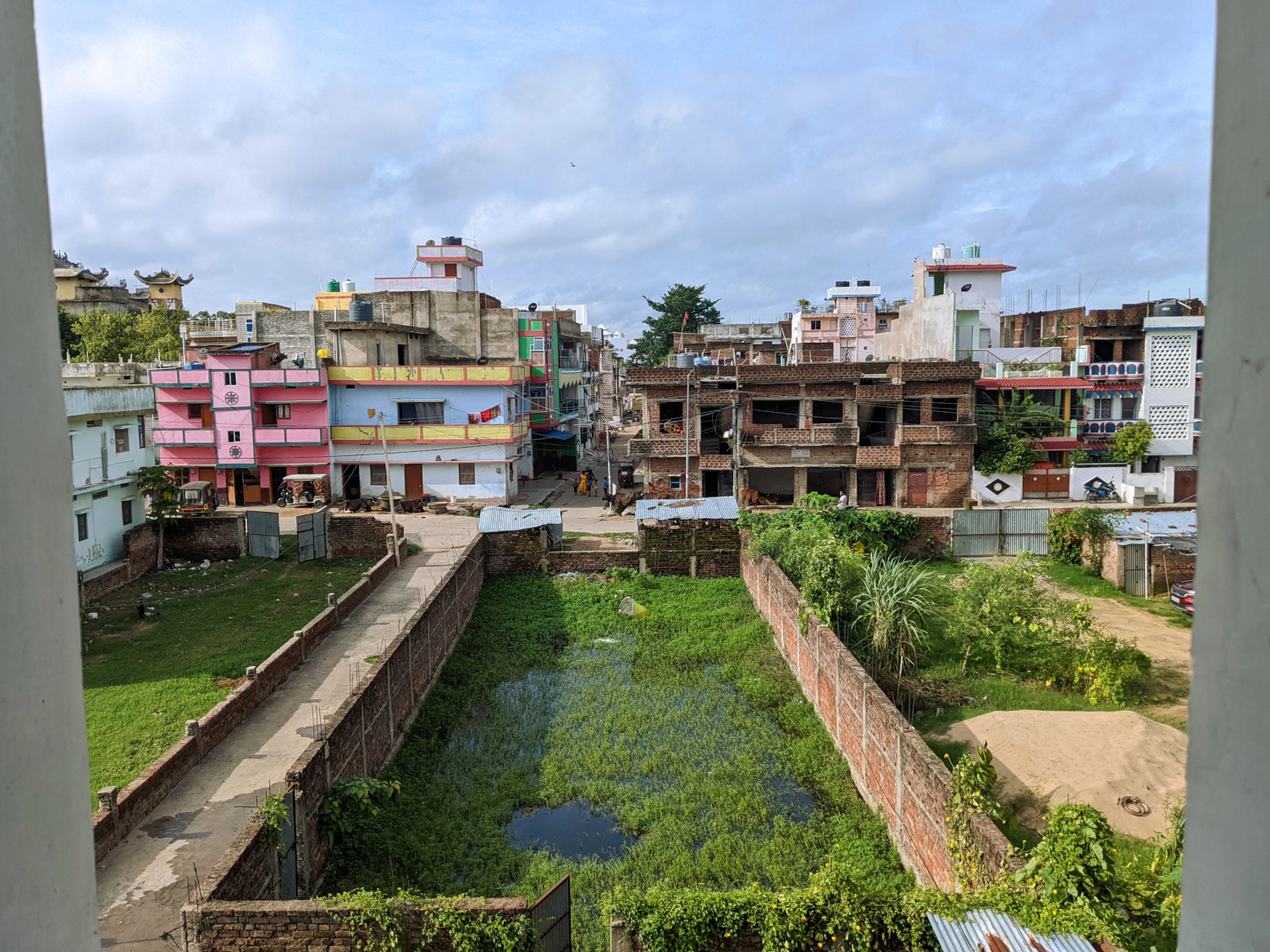
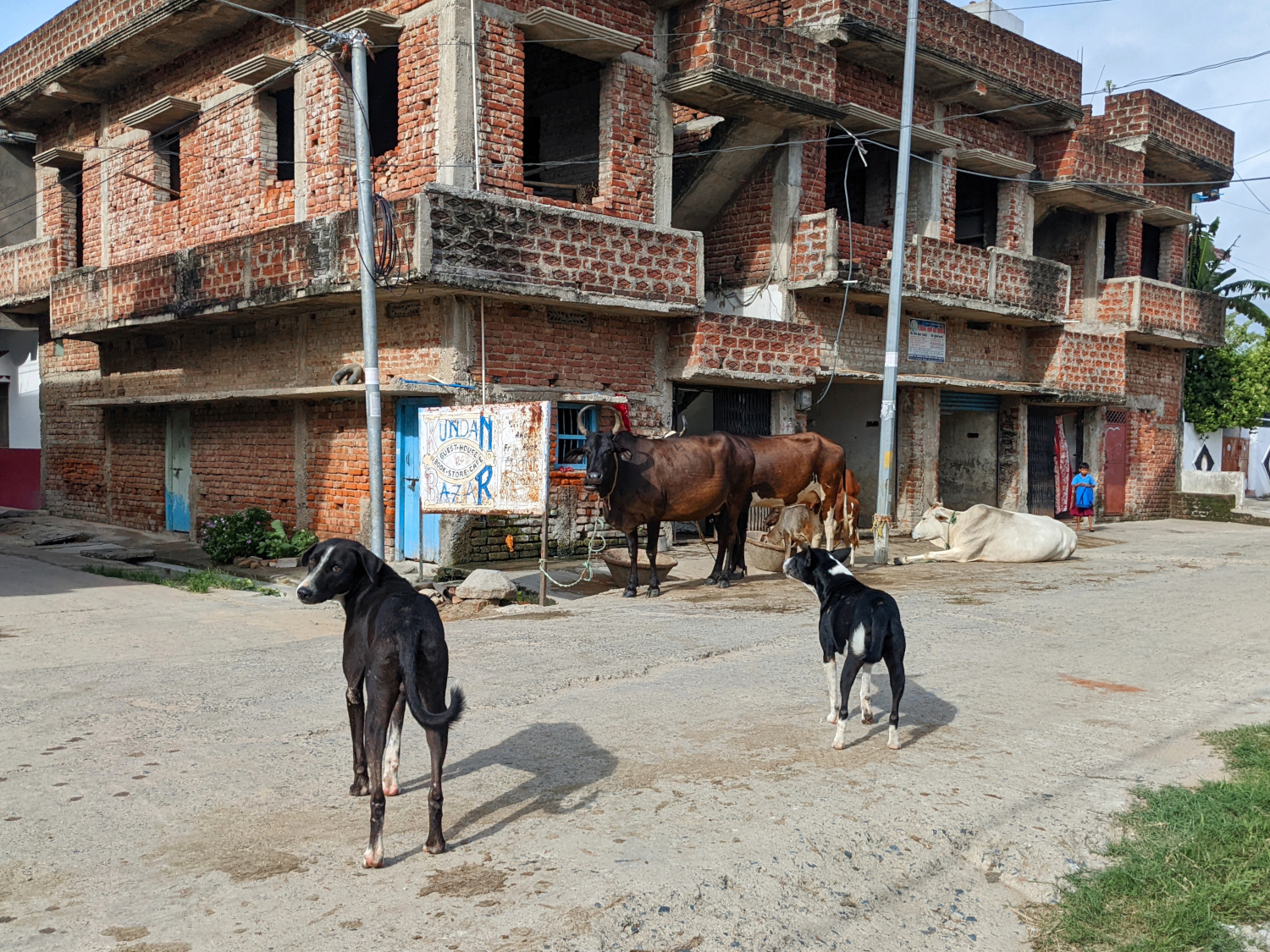
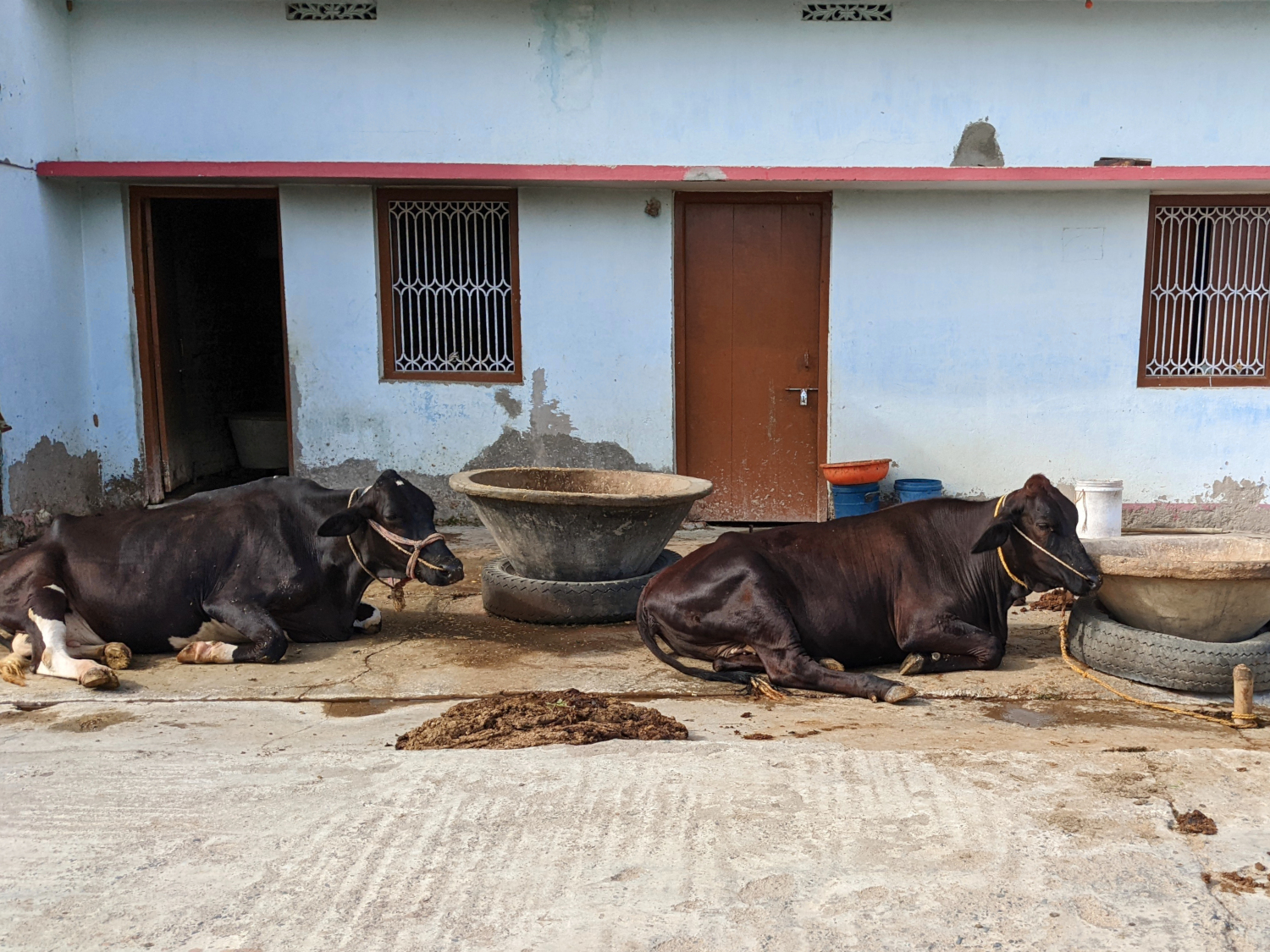
Bodh Gaya is a study in stark contrasts. On the busy main streets — of which there are only three or four — there is an ample presence of foreign visitors and the businesses that cater to them. But turn a corner and suddenly you’re in the much larger section of town where the locals live. And it’s a sector of dire poverty and squalor. The streets are muddy and full of livestock and their refuse. The buildings where people live are old and in many cases don’t have glass over the windows. Apparently they don’t have running water either, because you’ll often see people bring jugs to fill at a pump on the corner. Sometimes they’ll also take a bath out there. There are beggars from these parts of town, including children, but they mostly hang out in the tourist areas, where the money is.
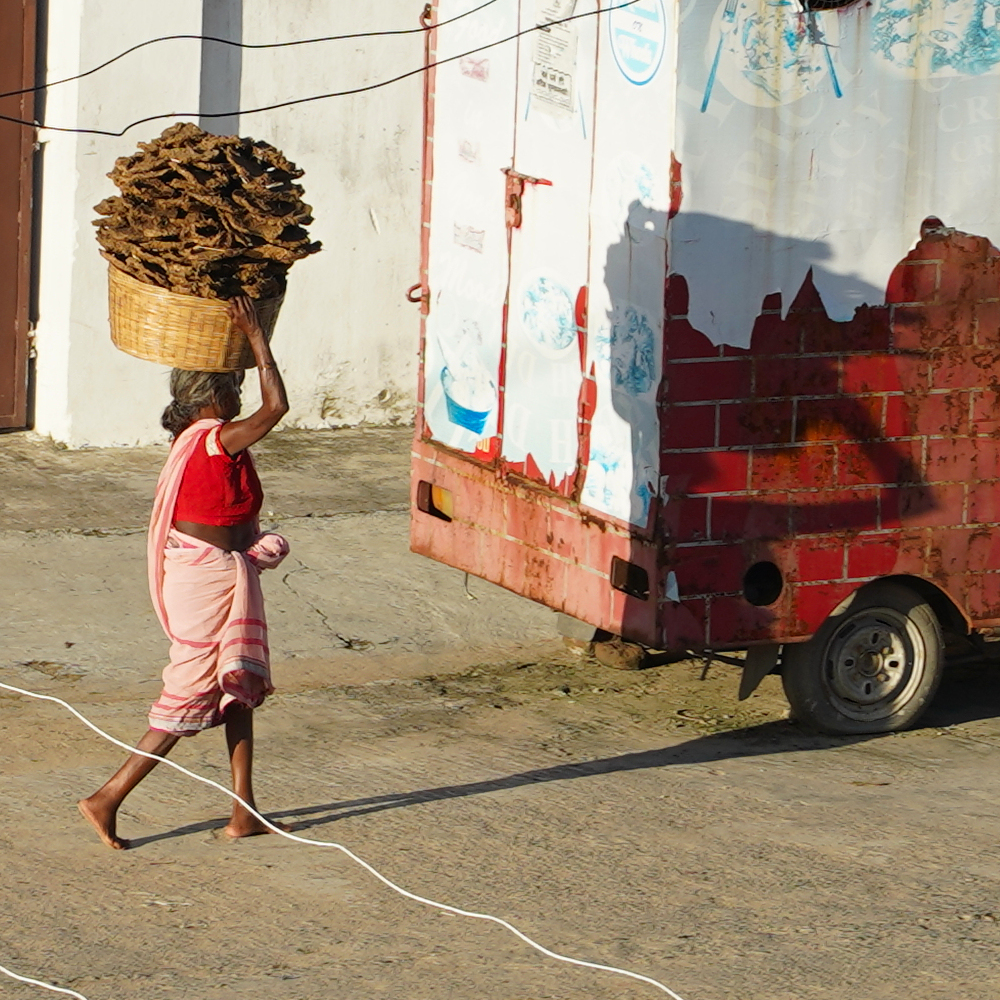
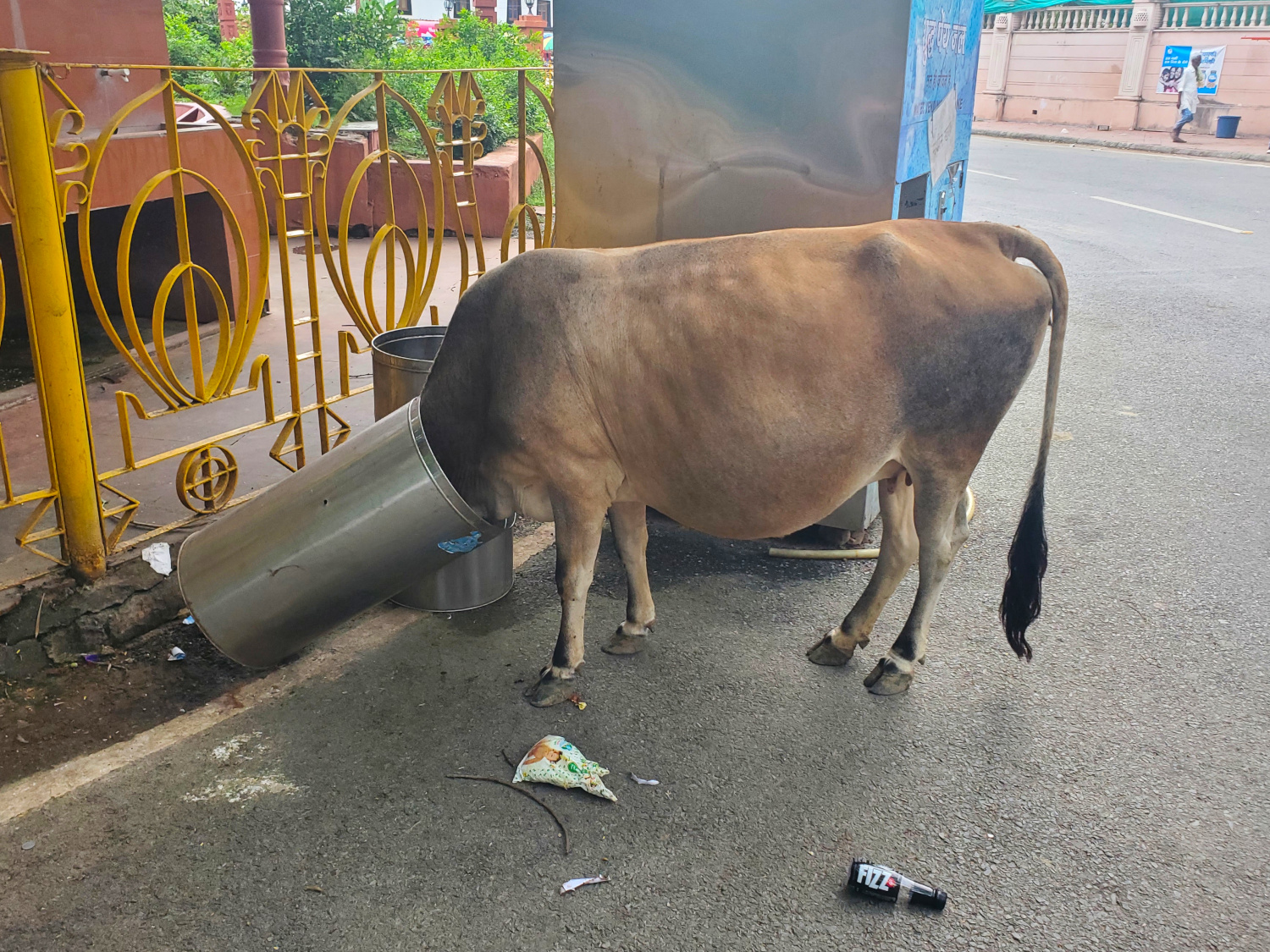
The town is a tourist draw because according to lore it was here that The Buddha achieved enlightenment (whatever that entails); we’d later visit the exact spot where it’s reported to have occurred. As a result of this tradition, there are ornate temples all over the place, representing the cultures and architectural styles of several different countries. Which potentially could present a problem in terms of noise pollution.
During our travels we’ve noticed that houses of worship of nearly all religions (Jewish temples seem to be an exception) have a habit of arrogantly blaring out amplified sounds (music, chanting, calls to prayer, carillons, etc.), like hot-rodders with their bass-thumping stereos, sometimes in the wee hours when people are trying to sleep. We sympathize with anyone who has to live next to one of these places — do they ever get used to it? Fortunately, that has not included us so far. And we’re happy to report that Bodh Gaya was not an exception.
Yes, there were several temples within earshot, all offering amplified sounds that battled each other for the listener’s attention. But none was so close as to be obnoxious, and none so loud that we couldn’t screen it out with earplugs and/or the white noise of a fan. The most audible one, in fact, played flute music that was not only at a reasonable volume, but was rather soothing and contributed to the ambience of our balcony view.
View from our Room
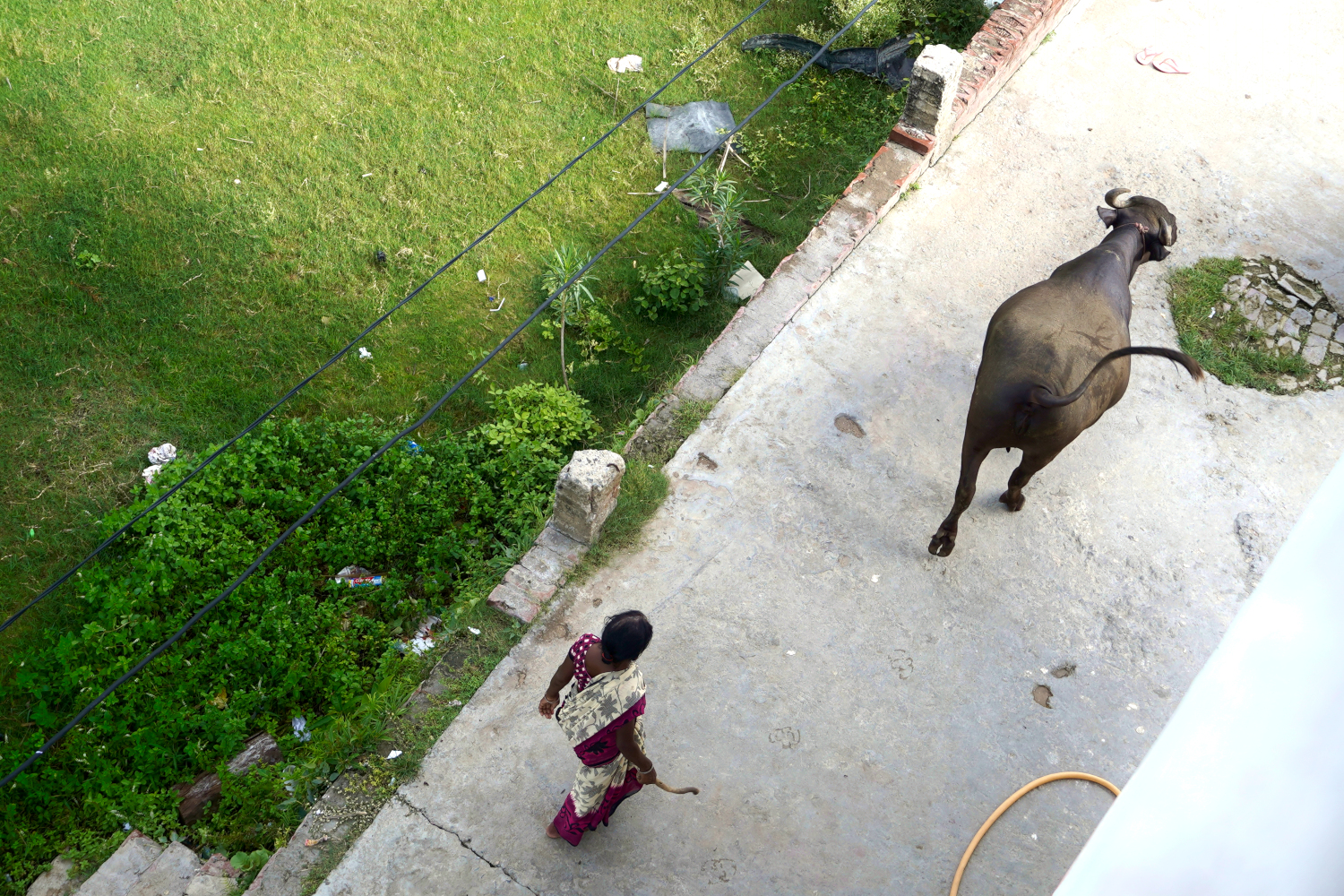
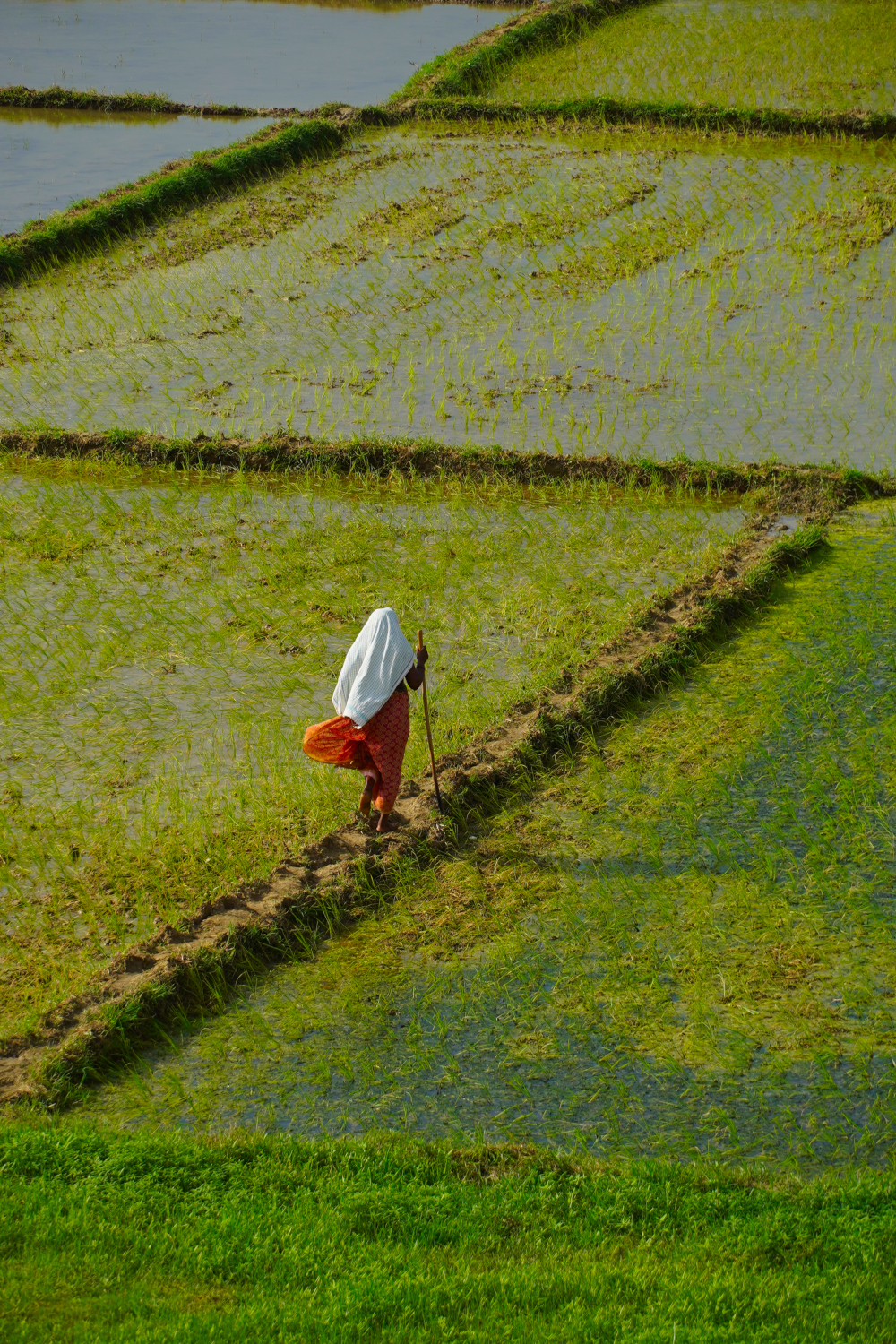

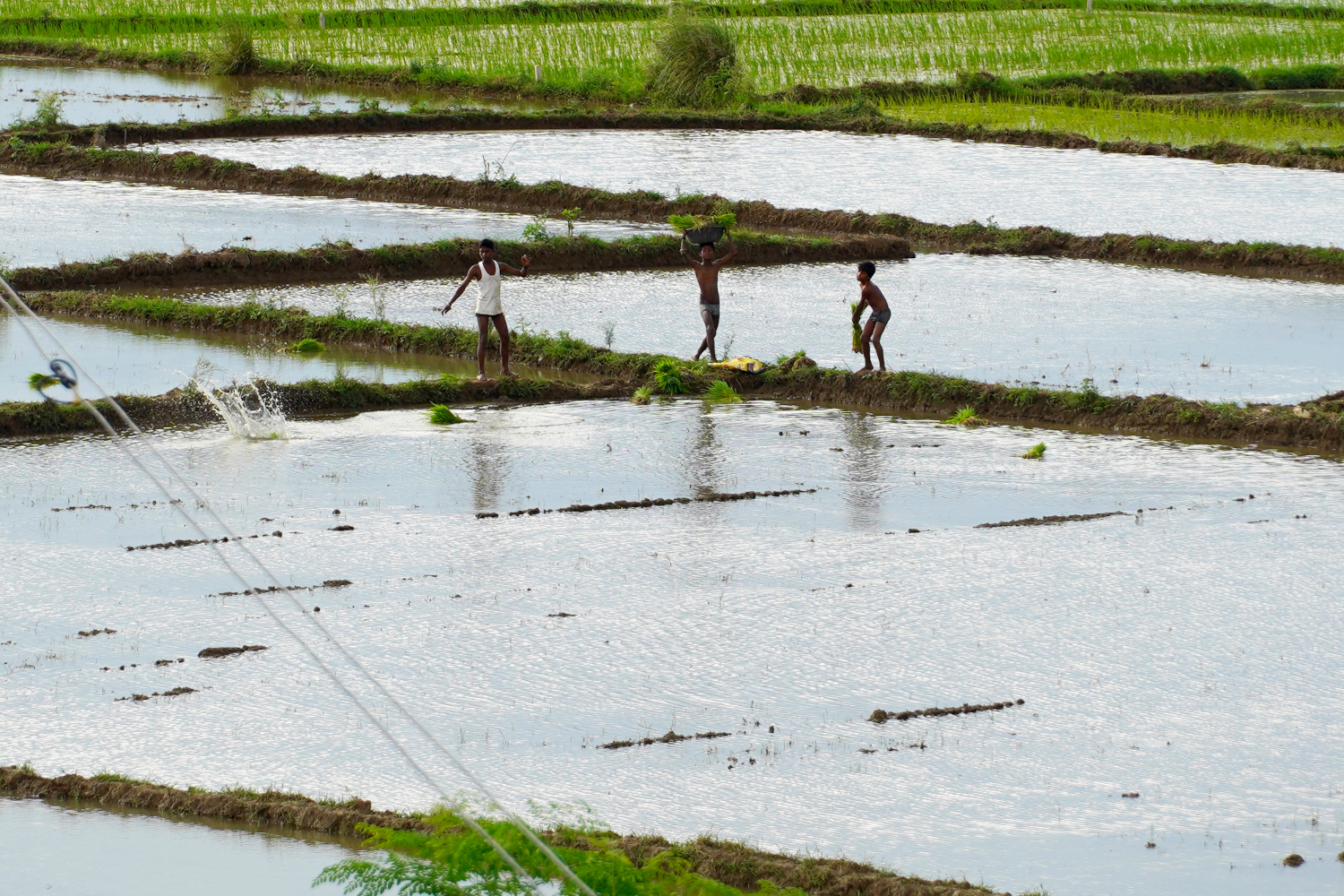
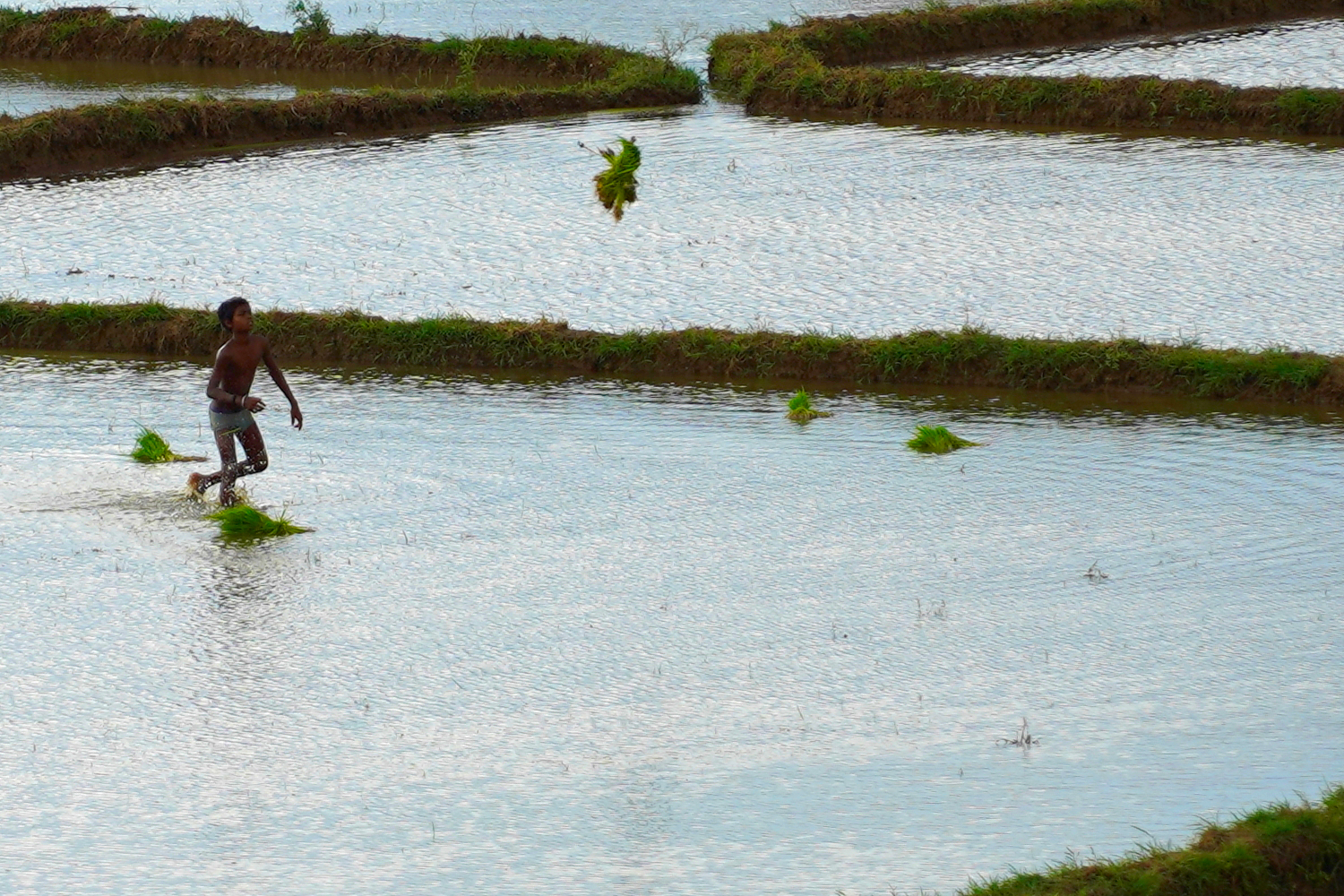
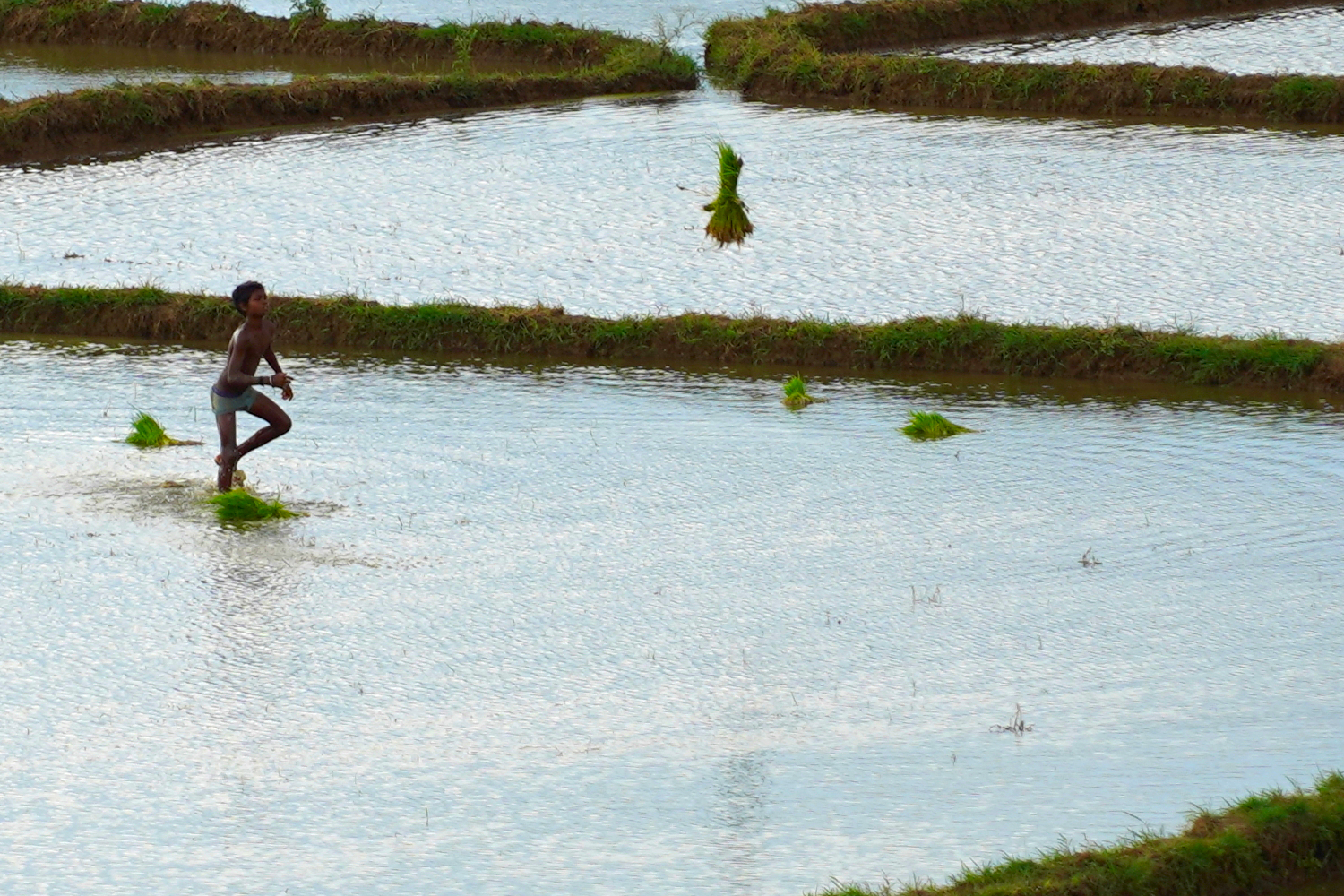

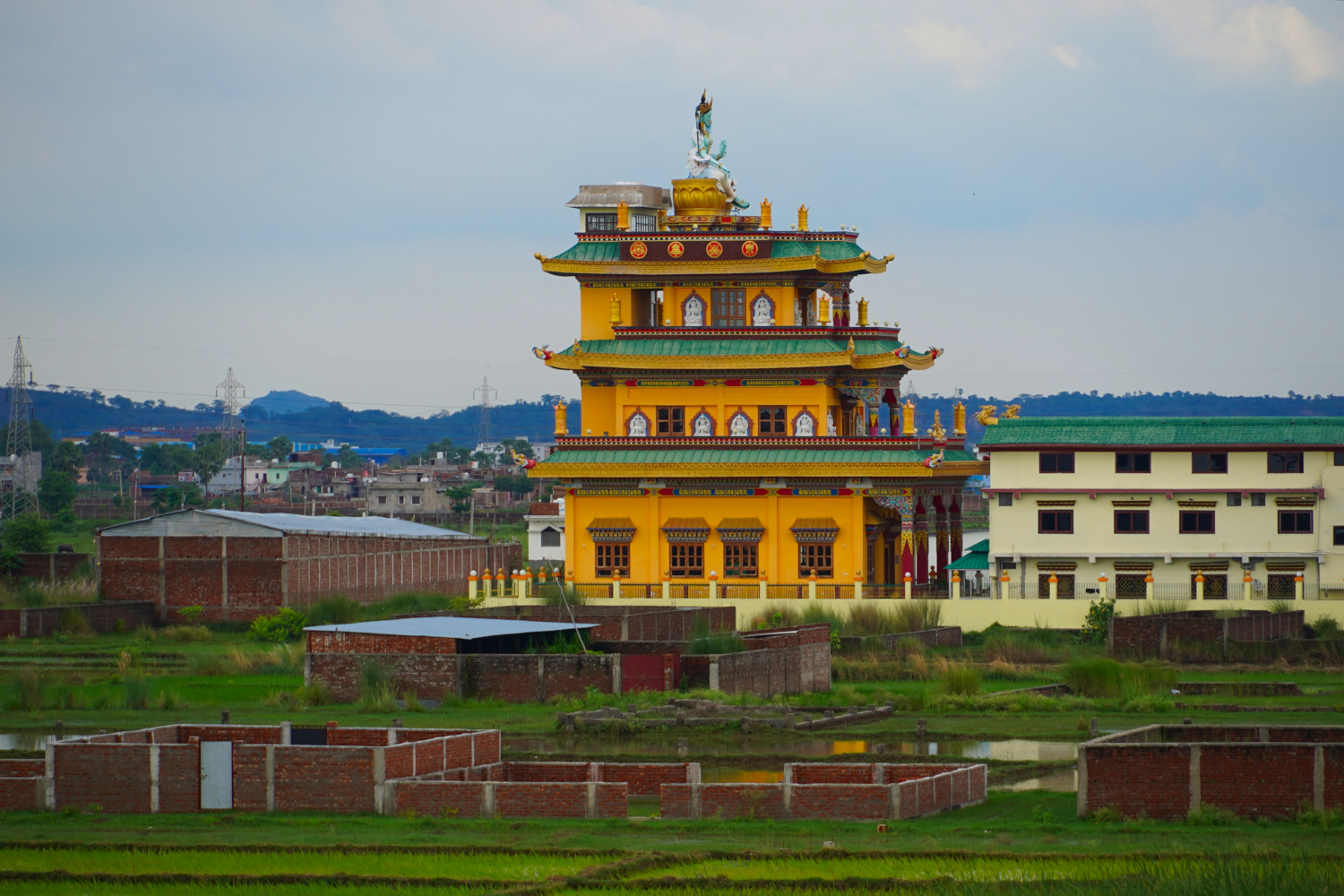
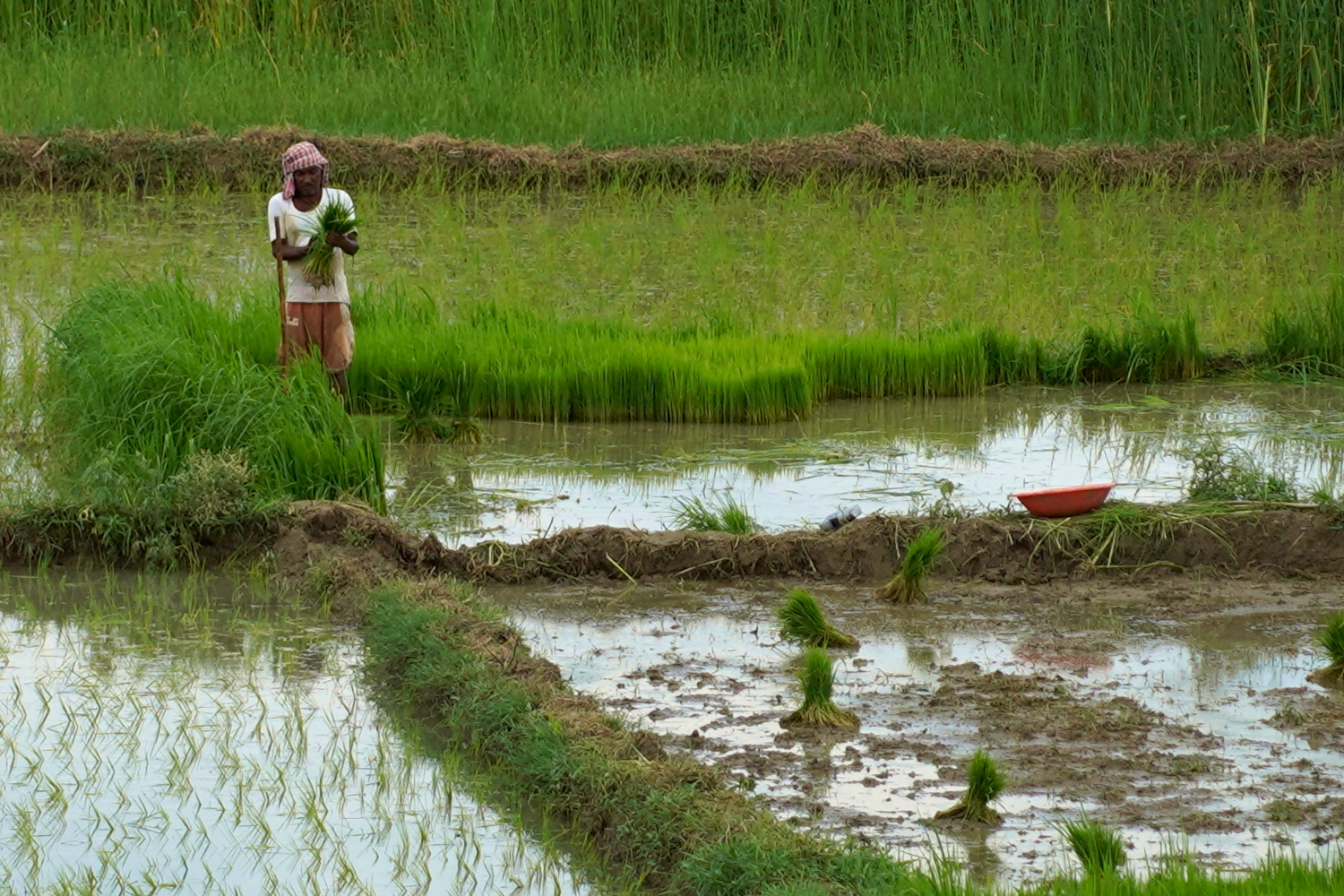
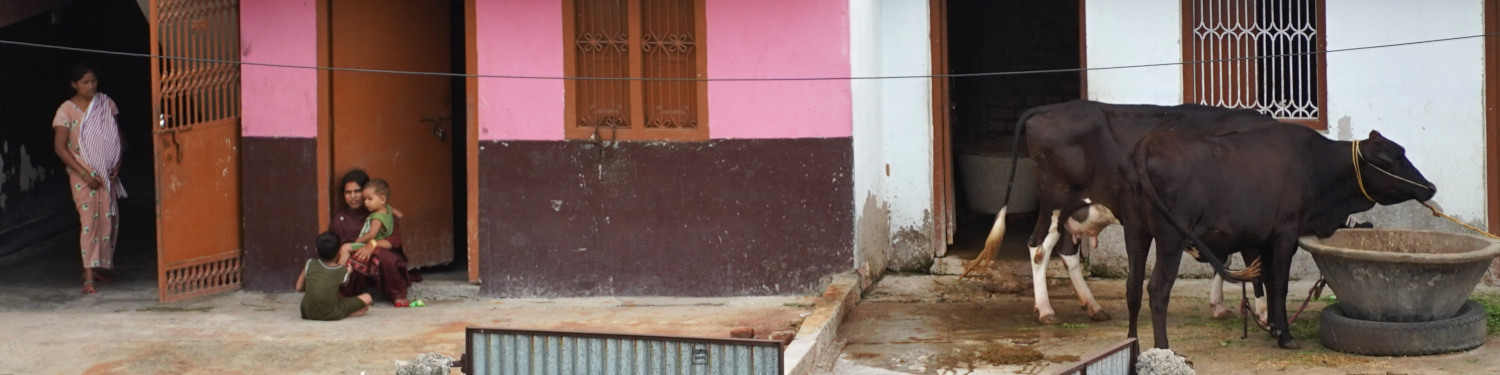
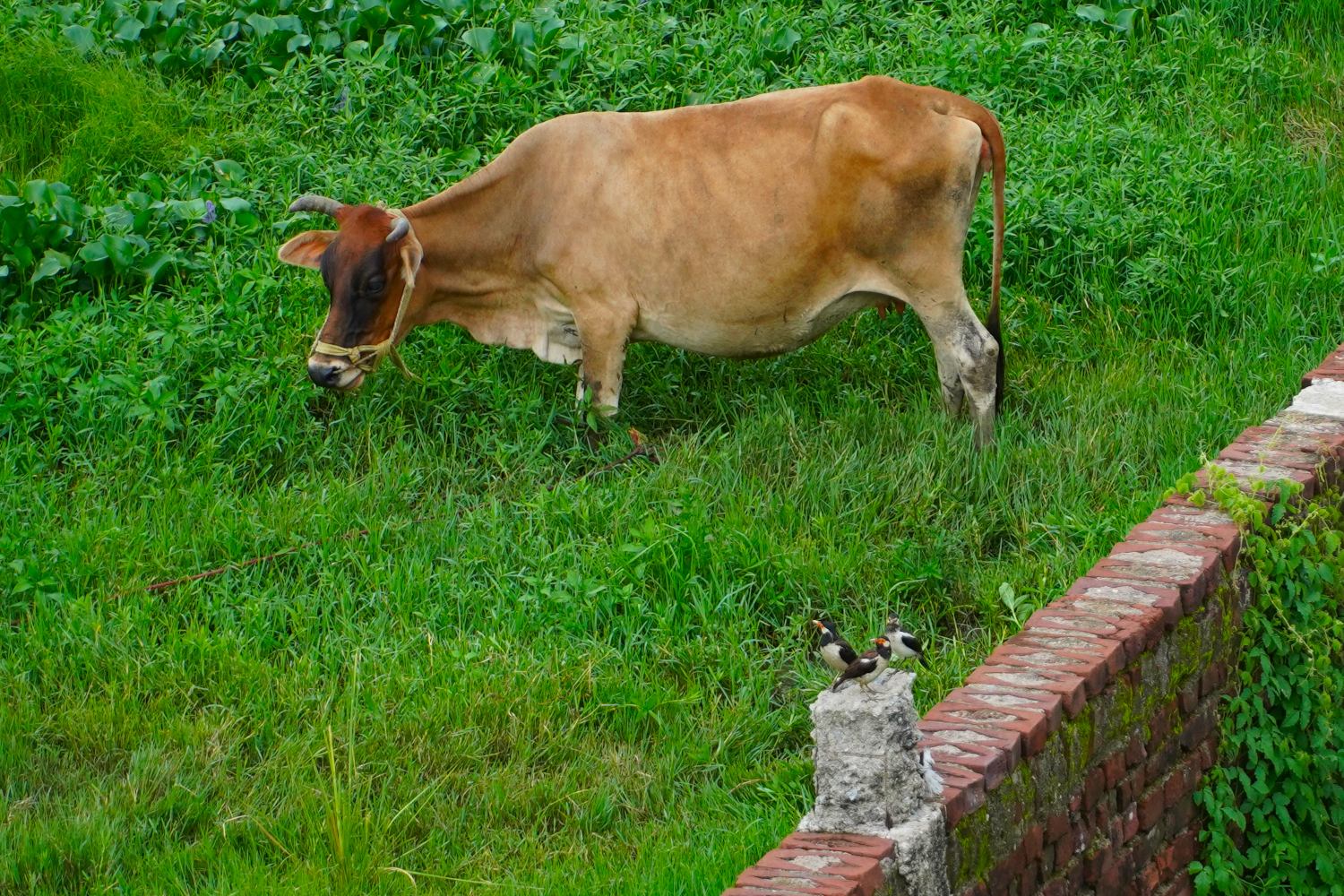
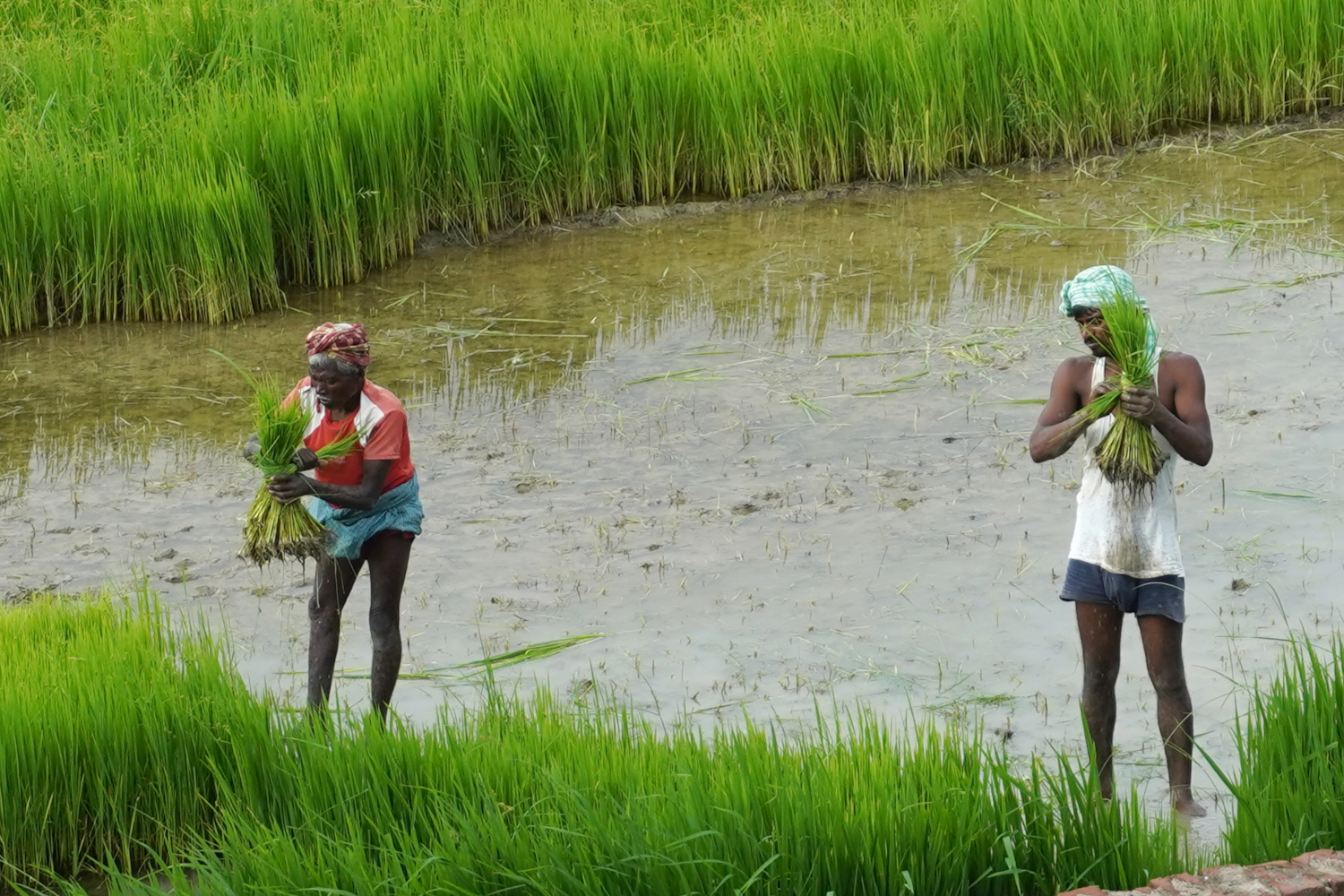
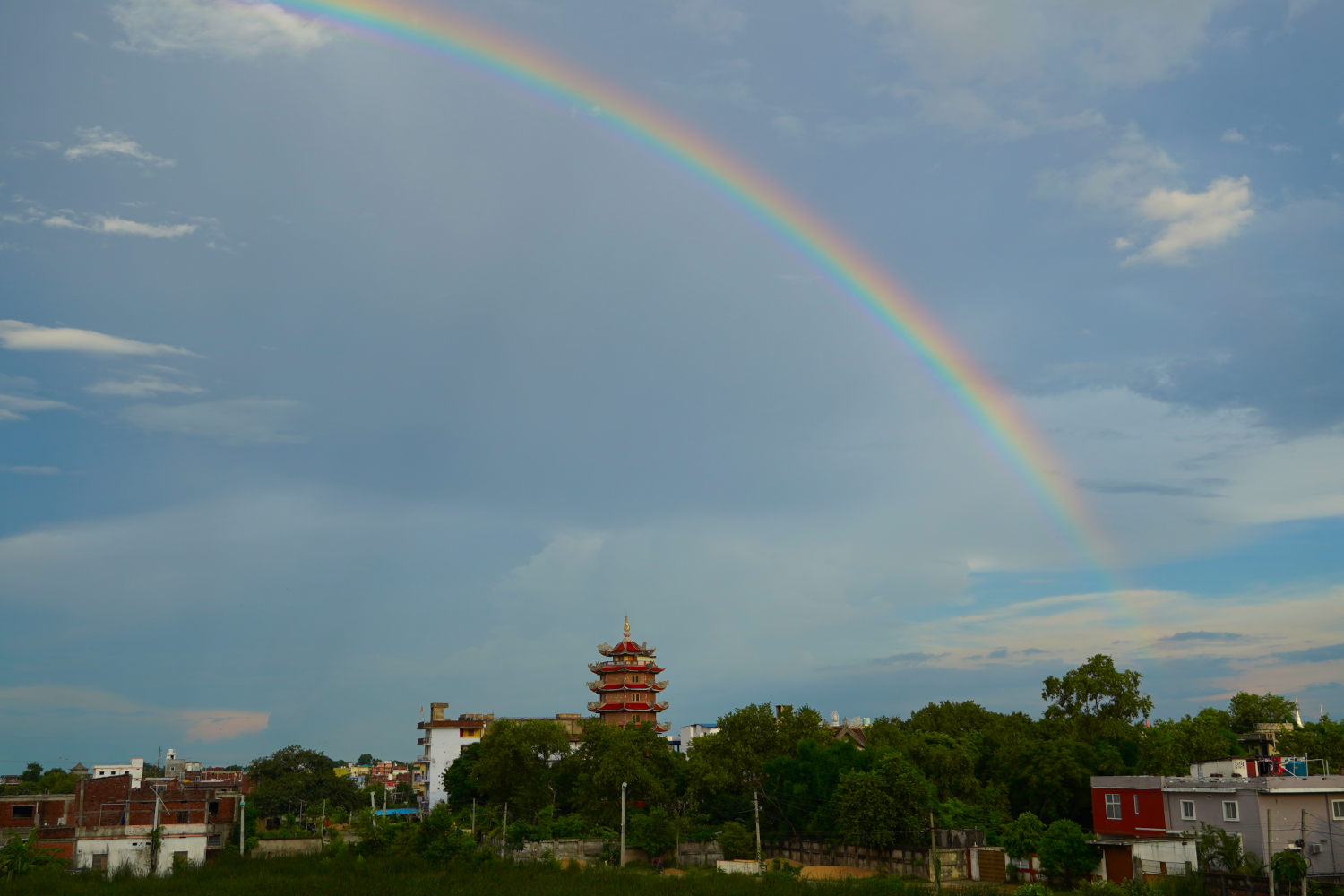
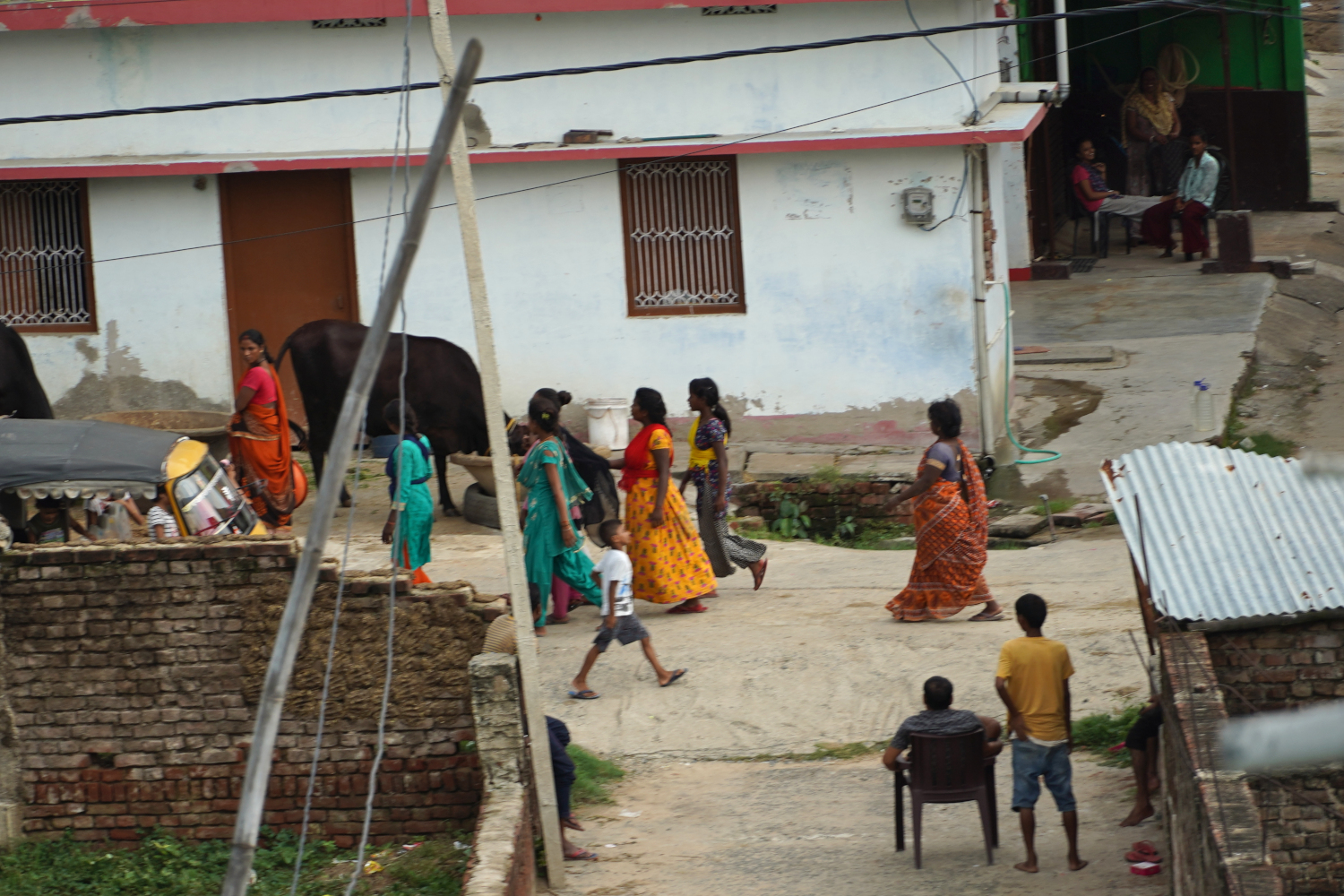
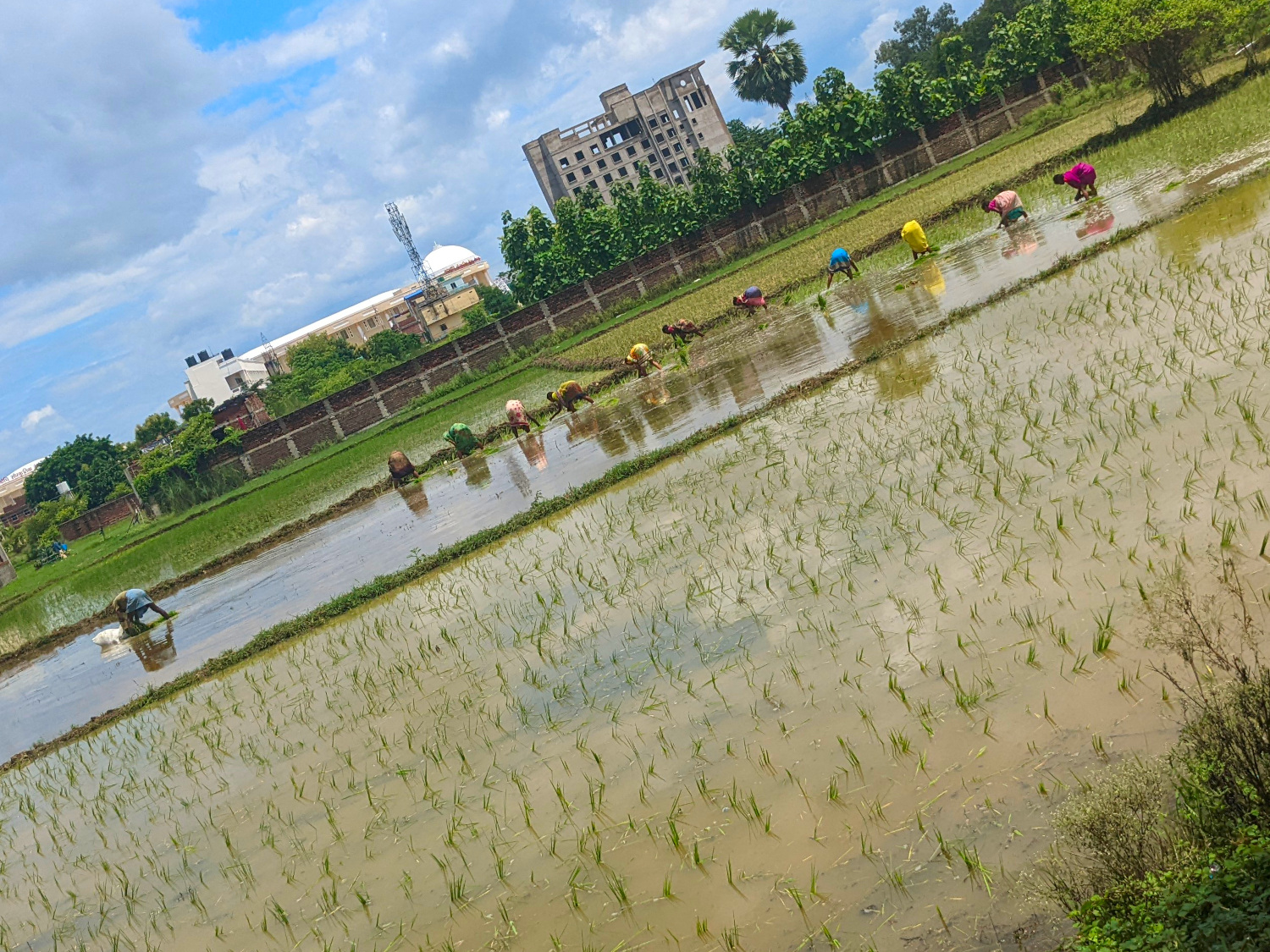
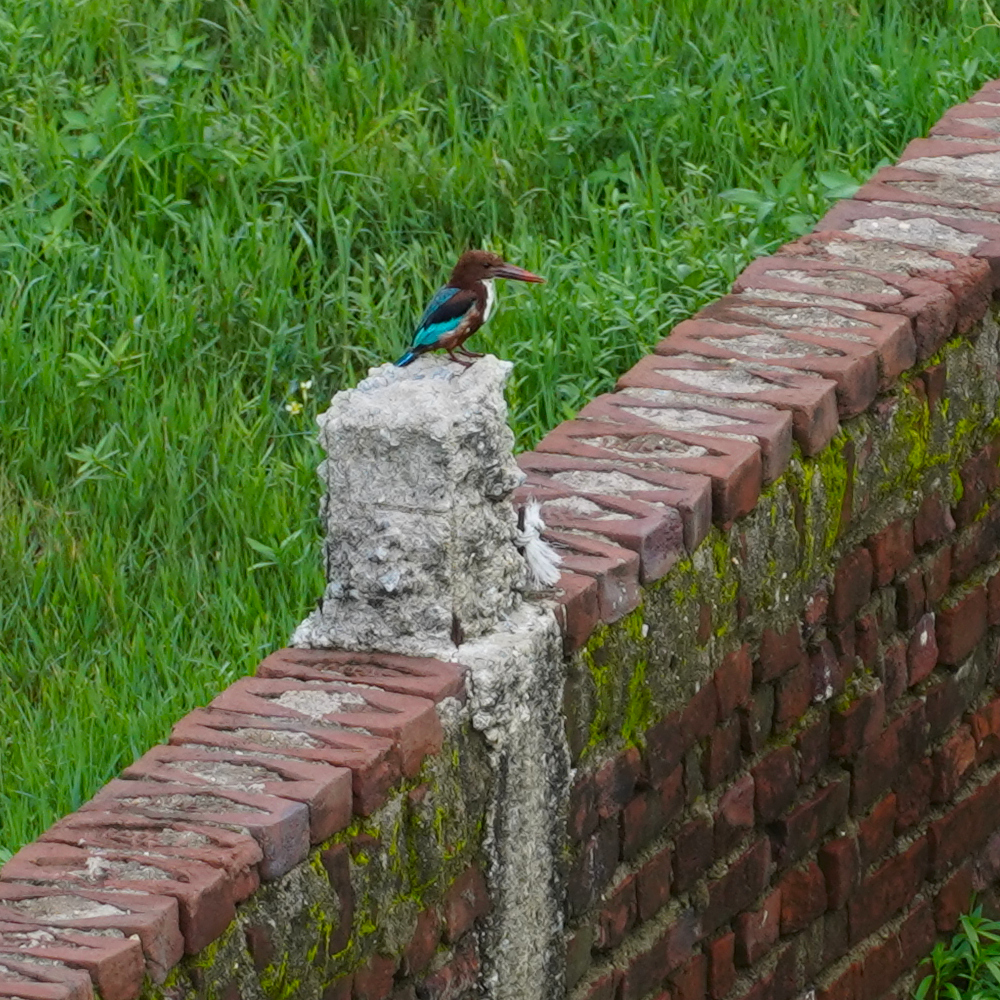
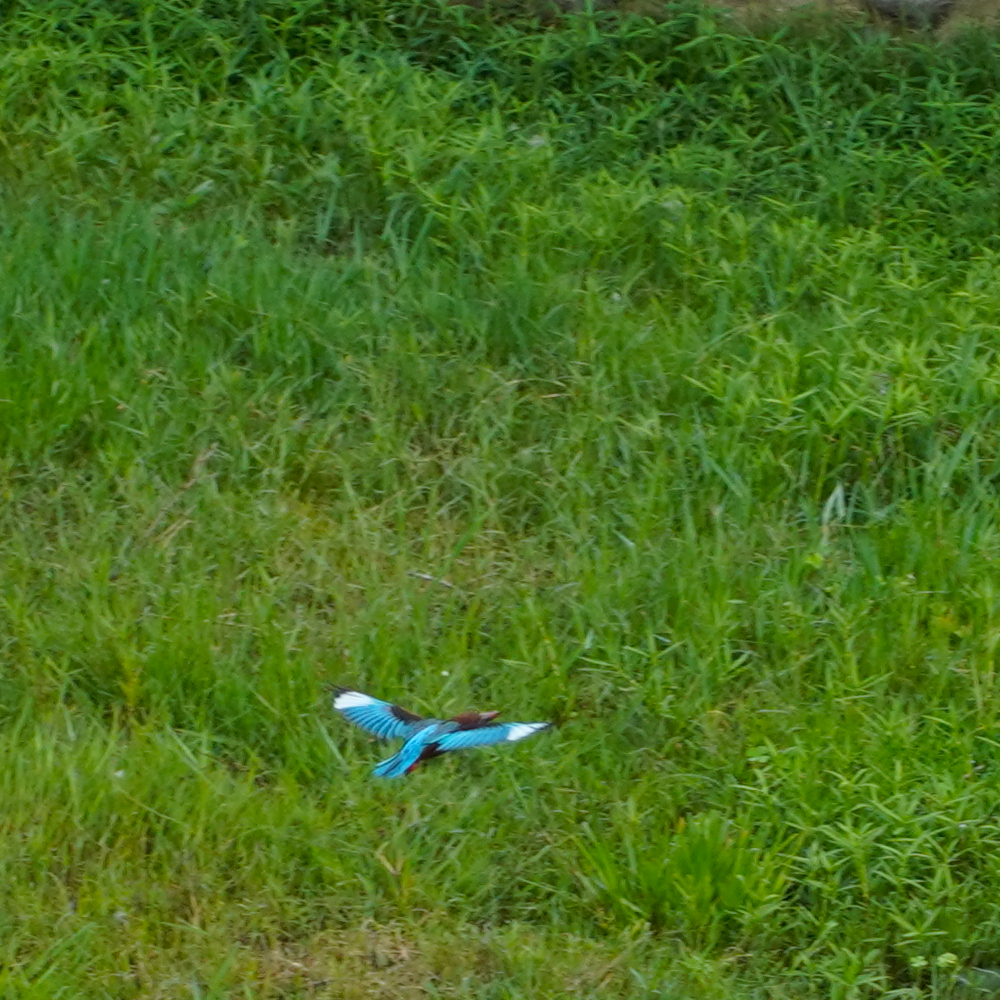
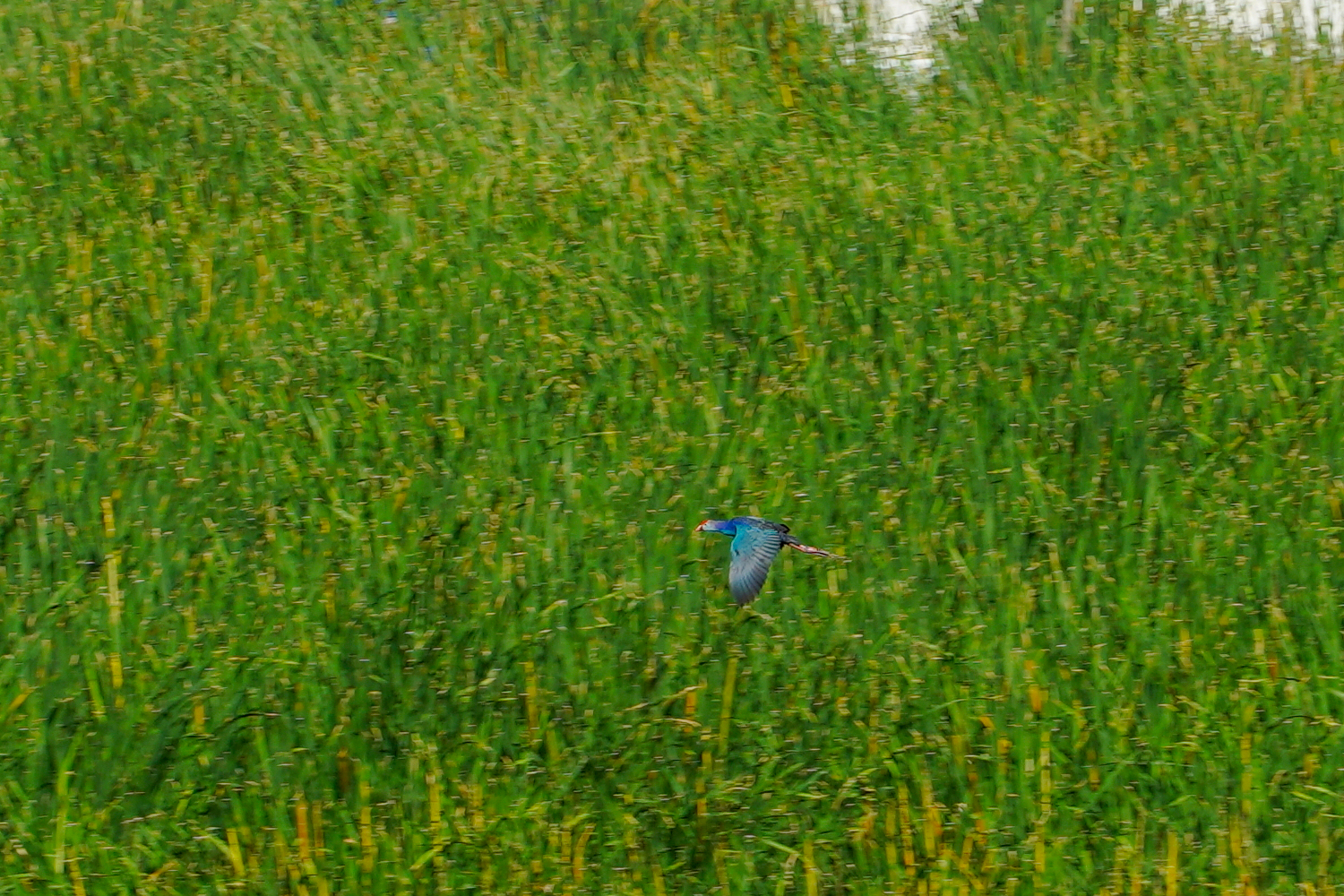
We could see a variety of exotic temples towering on the landscape. We could see workers in the rice fields next to us, the women wearing vibrant attire that looked as if it should be reserved for a wedding. (These workers would begin at the crack of dawn to race the heat.) We could see families ambling by or lounging in front of their homes. We’d see an occasional cow being led past. And of course quite a few unusual birds. All while being serenaded by a flute that seemed to come out of nowhere.
We felt like we had the best seat in the house. It was like National Geographic in 4-D.
Beautiful Birds in our Backyard
Aug 8 - 10, 2022


 world travel with a theatrical flair
Leave a comment