


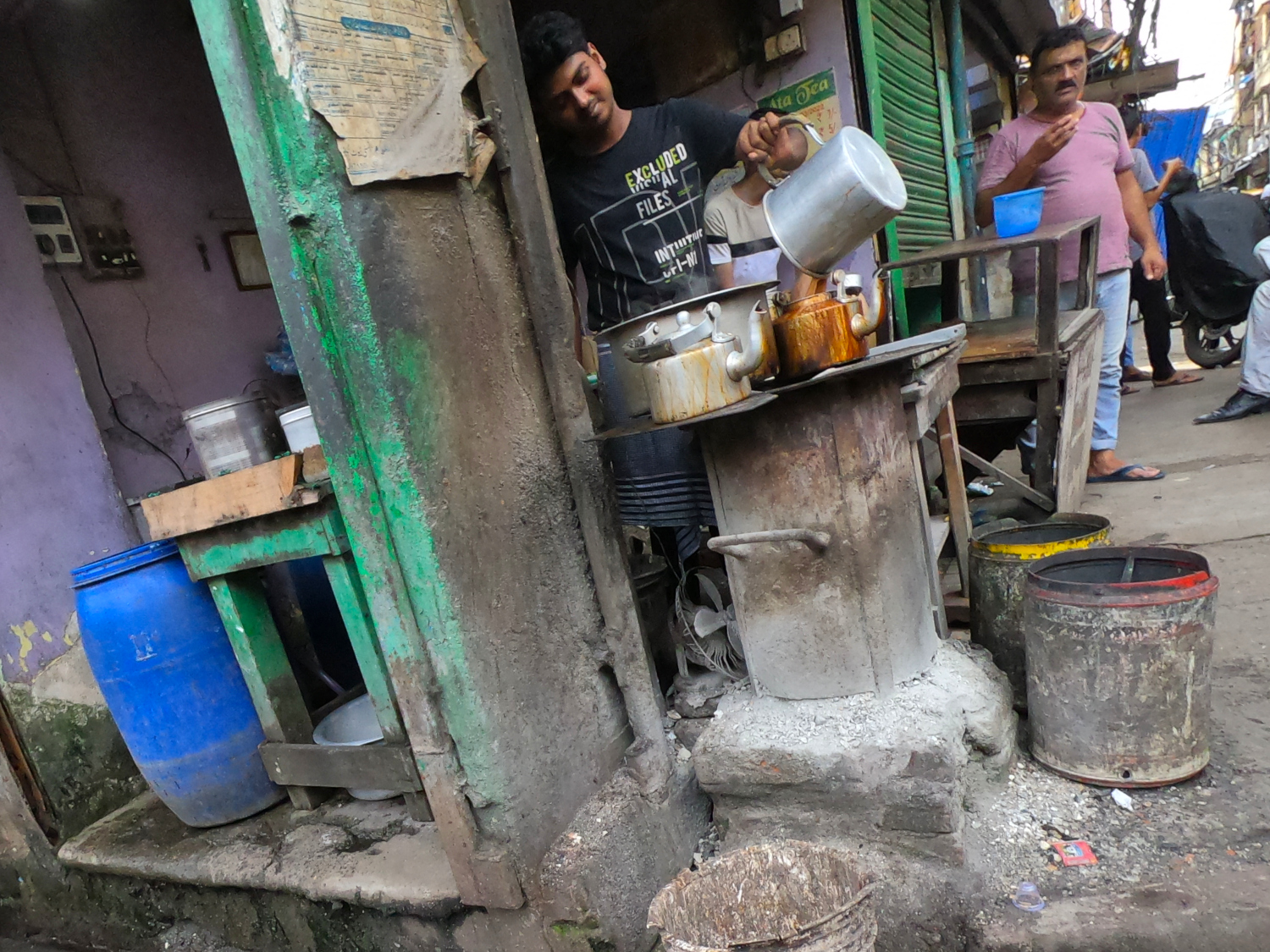
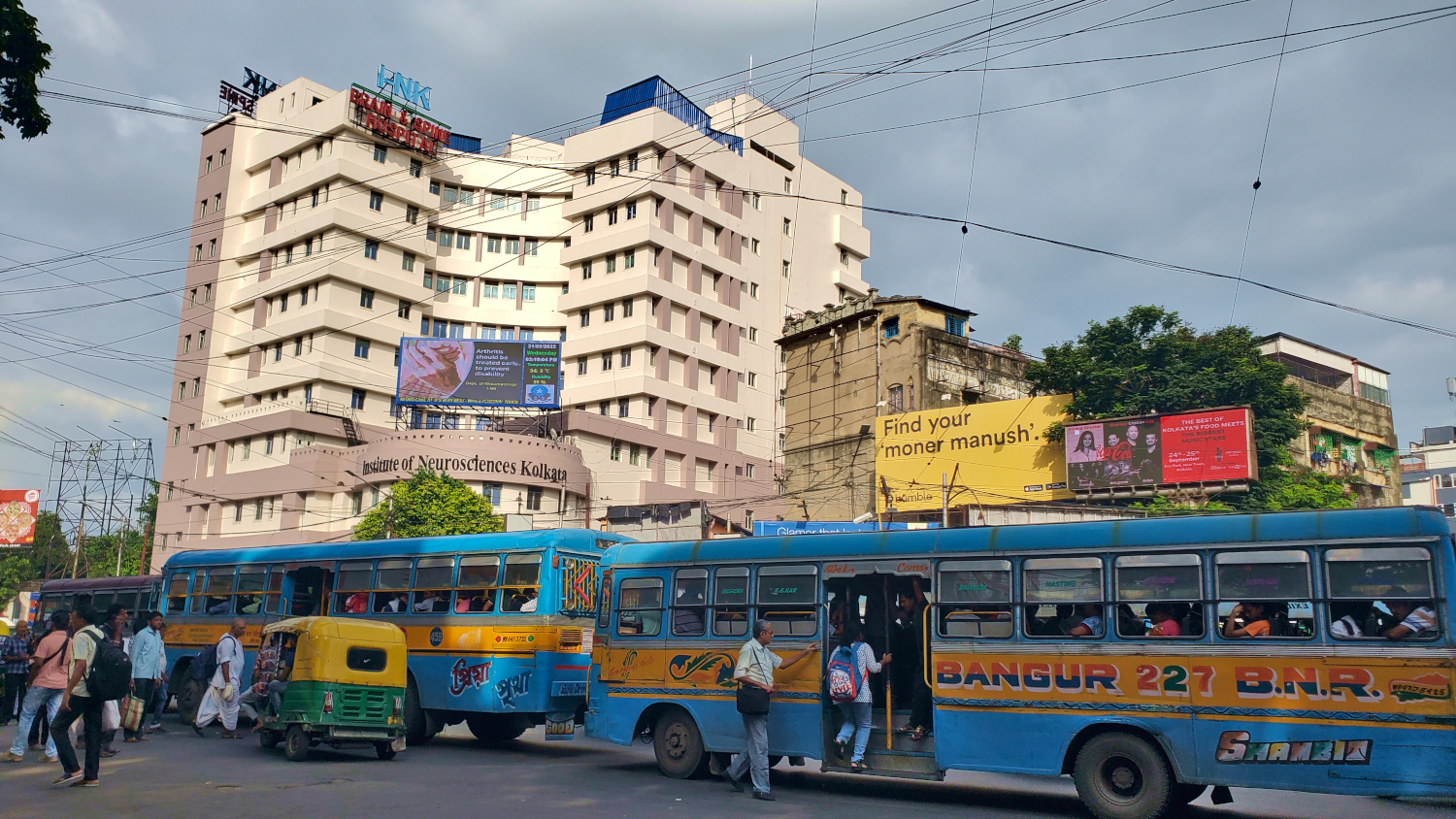
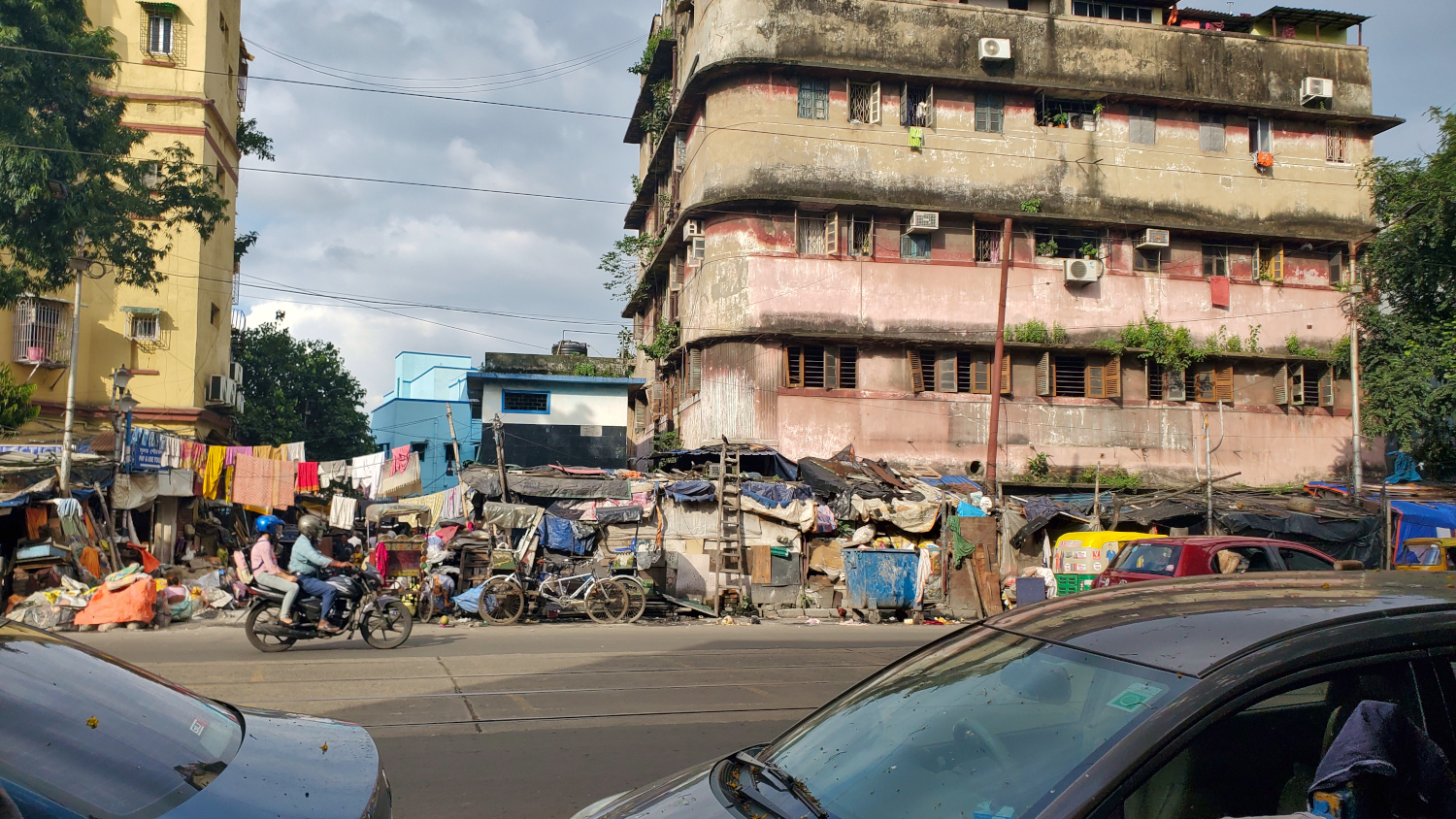
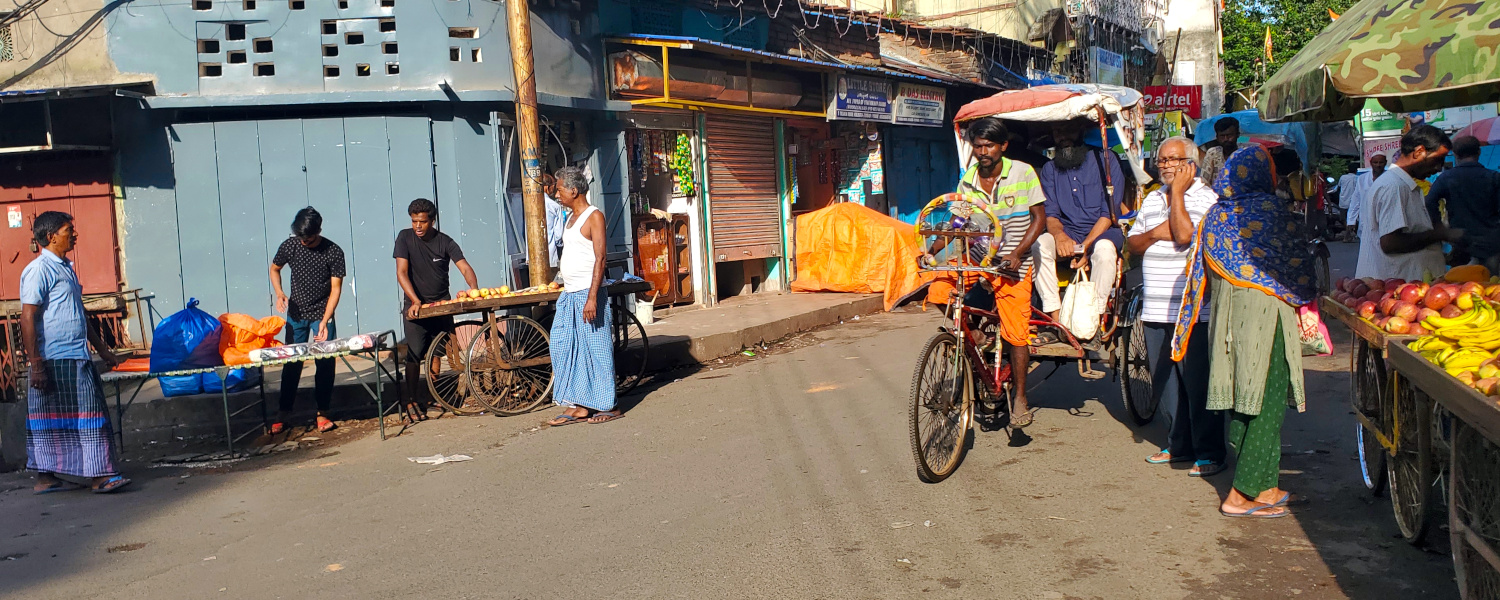
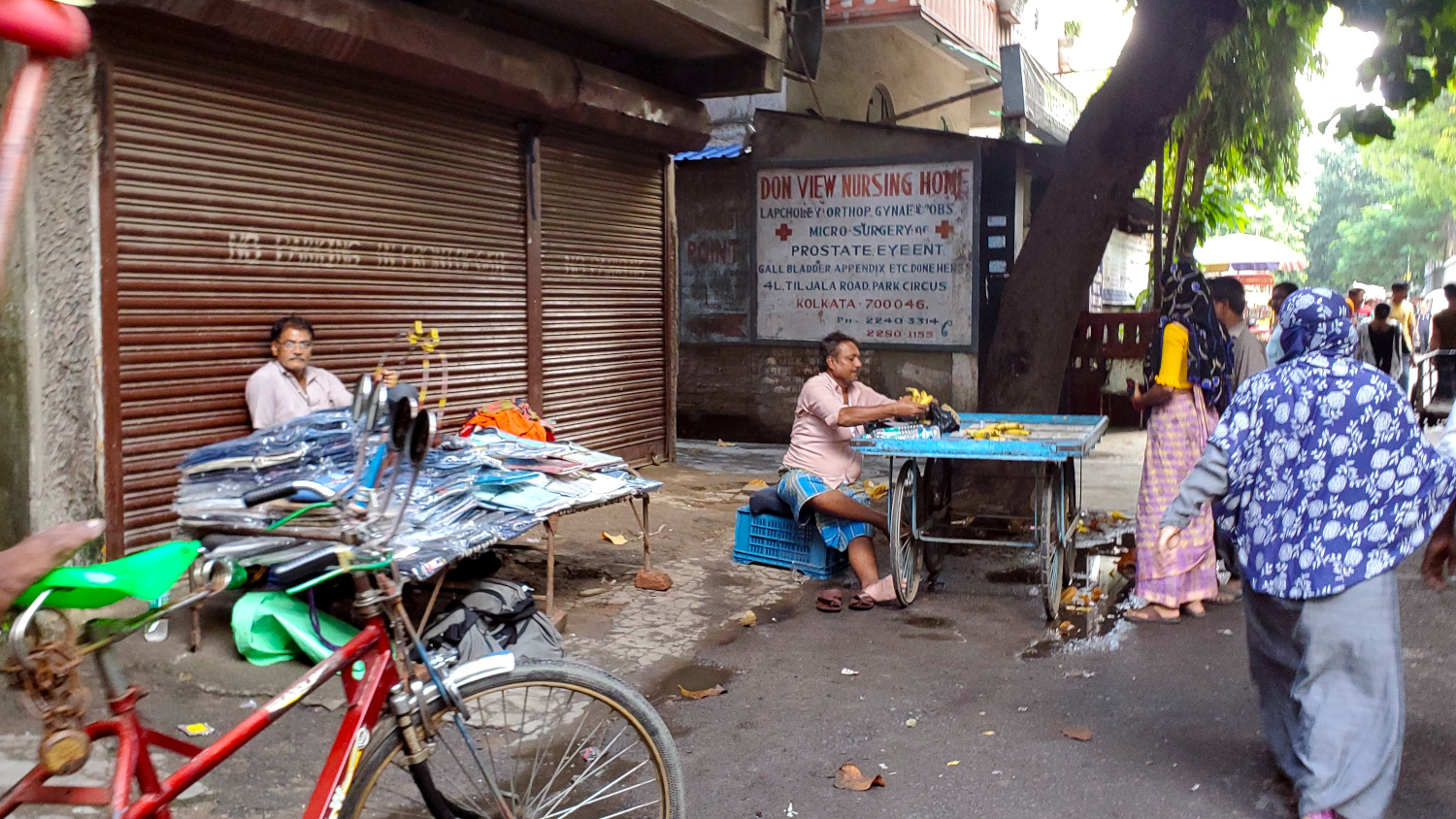
Kolkata, which is also still called by its British name, Calcutta (and it always has been called both names even though the city was officially “renamed” Kolkata in 2001), is the capital and largest city of West Bengal. But with a population of “only” four and a half million, it’s only the ninth-largest city in India. Whatever you call it, it’s a fascinating blend of the modern and the traditional, the western and the eastern, the urban and the provincial. And we had all of these elements competing for our attention right there in the very neighborhood where we stayed.
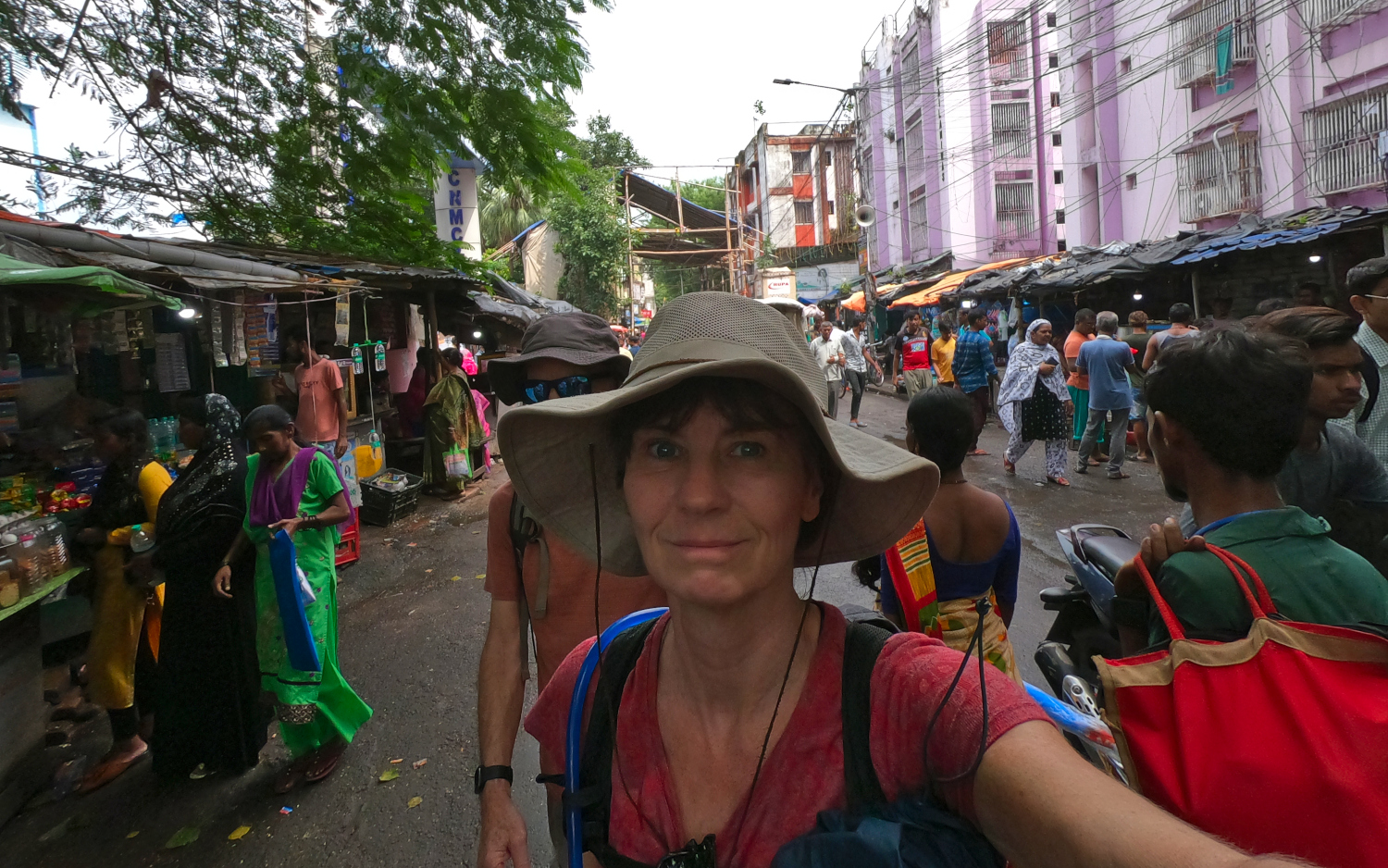

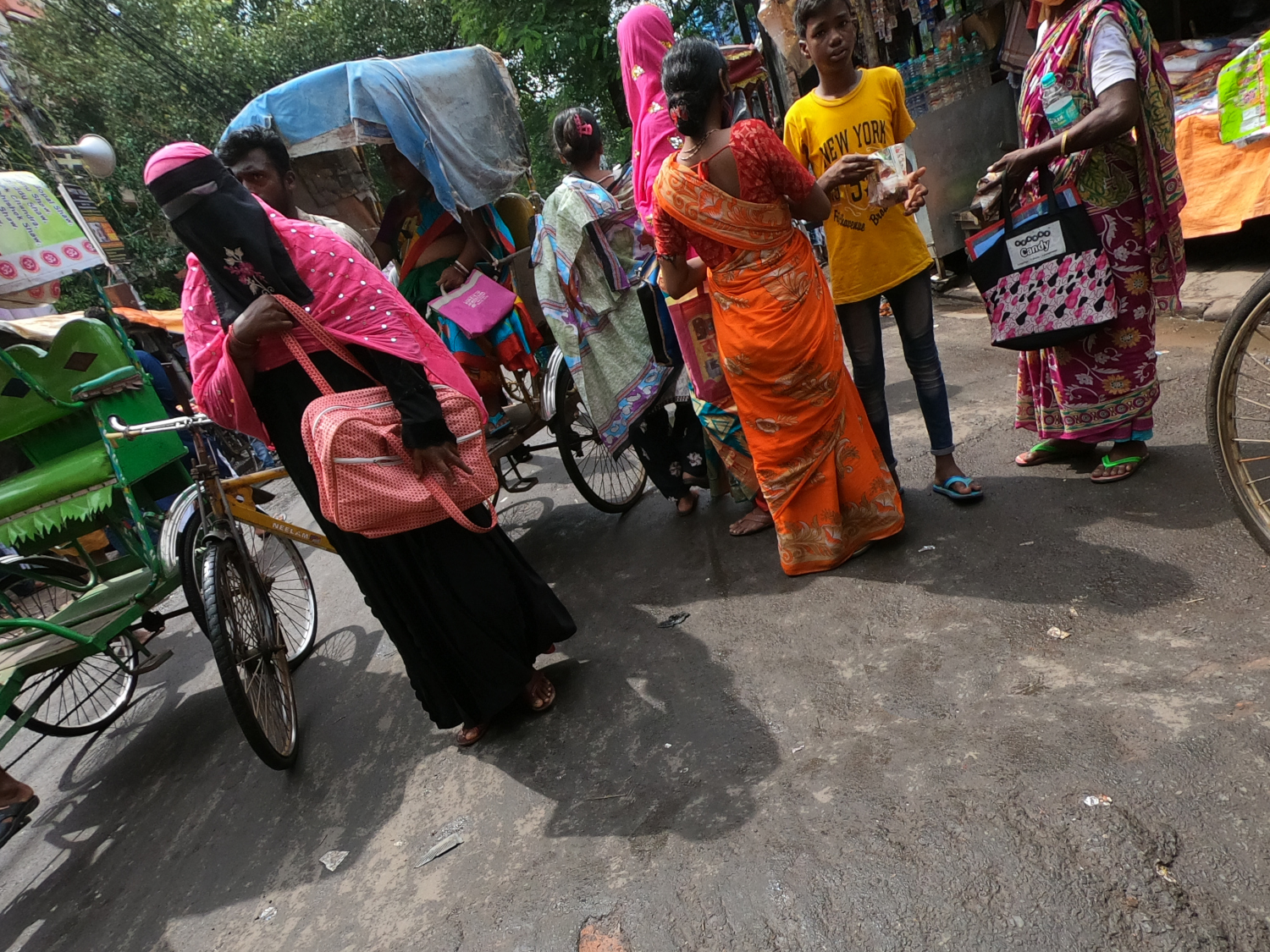
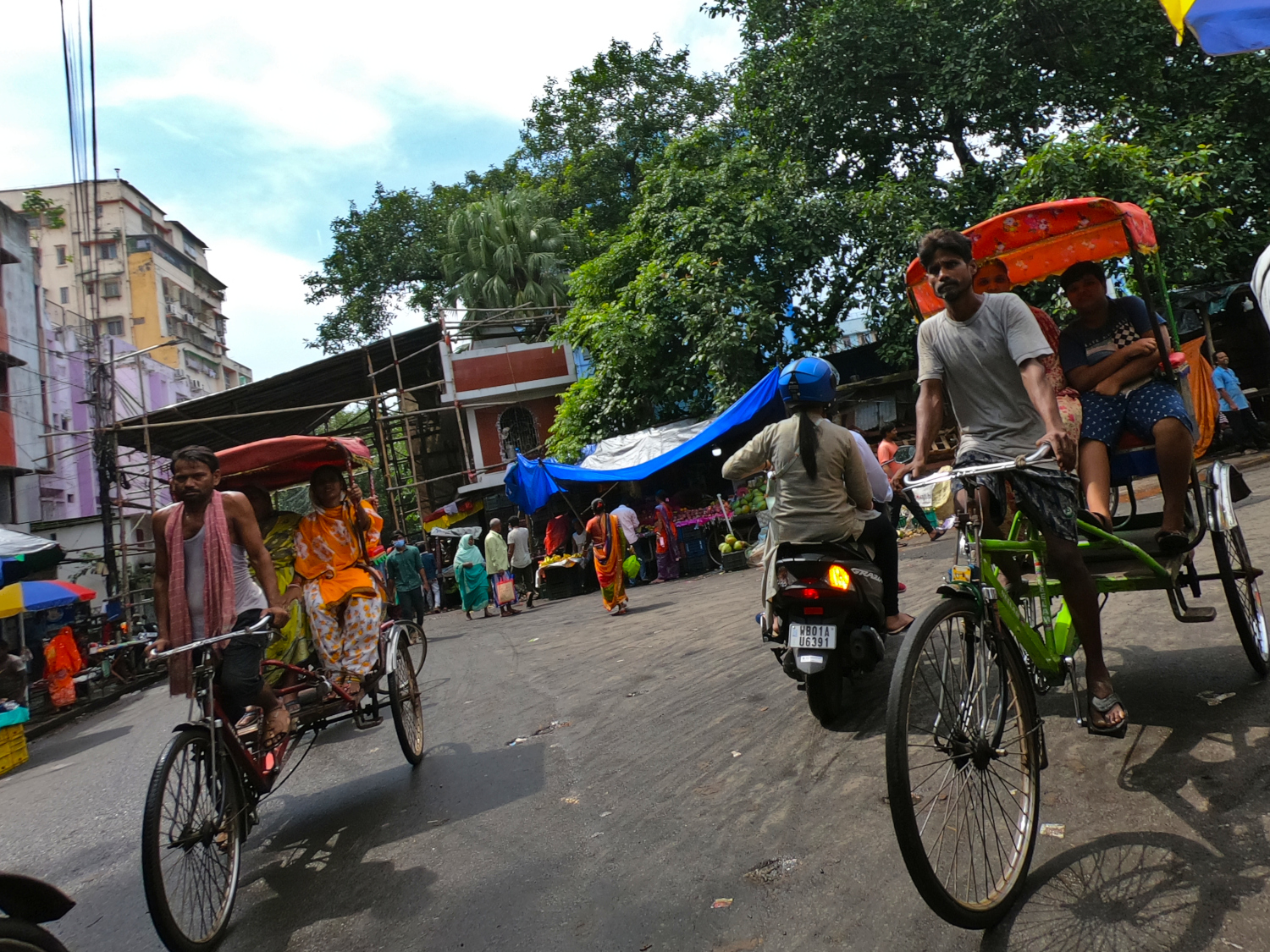
We had only a couple of days to experience Kolkata/ Calcutta, so we didn’t have the opportunity to do much sightseeing. But one thing that was on our must-see list, especially since it was only a short walk from our apartment, was the tomb of Mother Teresa.
Although her legacy is certainly not without its controversy, the consensus is that Mother Teresa did a goodly amount of good in the world, and for a rather long period of time. She certainly left her mark on her adopted hometown; there are images of her on billboards and other places all over town.
The center where she worked and lived for many years is called the International Religious Congregation of the Missionaries of Charity — though such a mouthful might sound a bit too ostentatious for nuns trying to be humble, so it’s usually just shortened to Missionaries Of Charity. It was established here in 1953, and has been going ever since.
On our way to the center, we were standing on the corner getting ready to cross the street, when a bicycle-driven cab whipped around the corner, and the driver, hardly slowing down, reached out and pushed us back. At first, we found it annoying, but then we realized that this was just standard procedure, and he was only trying to keep us from getting hurt. When in Kolkata, do like the Kolkatans.
When we got there, going down a narrow street that looked like an alley, we were disappointed to see that the visiting hours, posted on the door, did not coincide with the time that we were there. But not to worry, a couple of nuns came out on their way to somewhere, and let us in anyway. They must have thought either that we were very charming, or very much in need of charity.
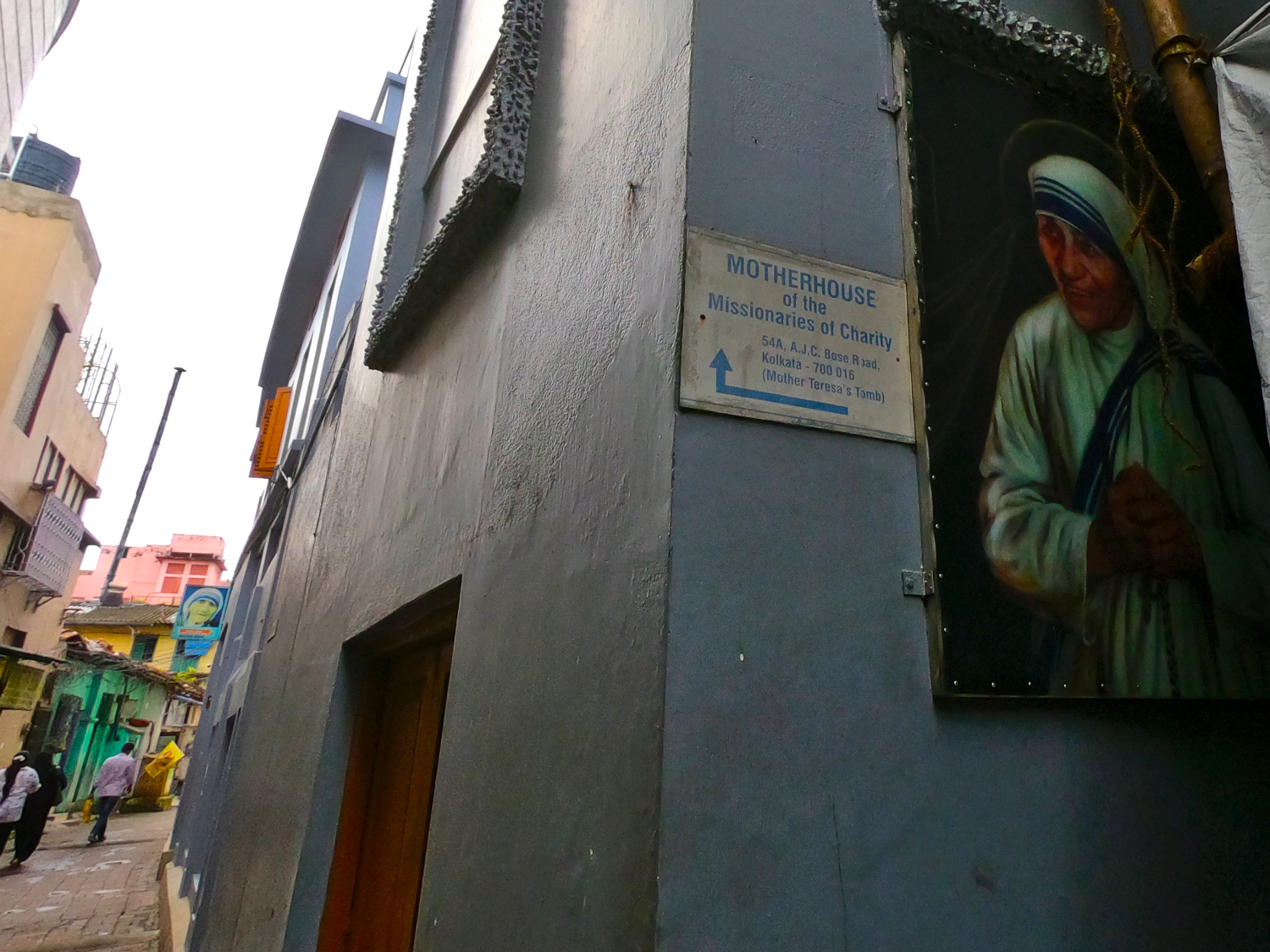


After passing through a little courtyard, we entered a door on the right, went into an average-size room and, voila! there was the tomb, looking as modest and unassuming as the lady herself did. There was nobody else around, not even a security guard. Next to the tomb was a mini-museum, consisting of just a couple of walls of items commemorating her life. If we’d arrived during regular hours, we also might have been able to visit the little room where she lived for many years — and ultimately where she died.
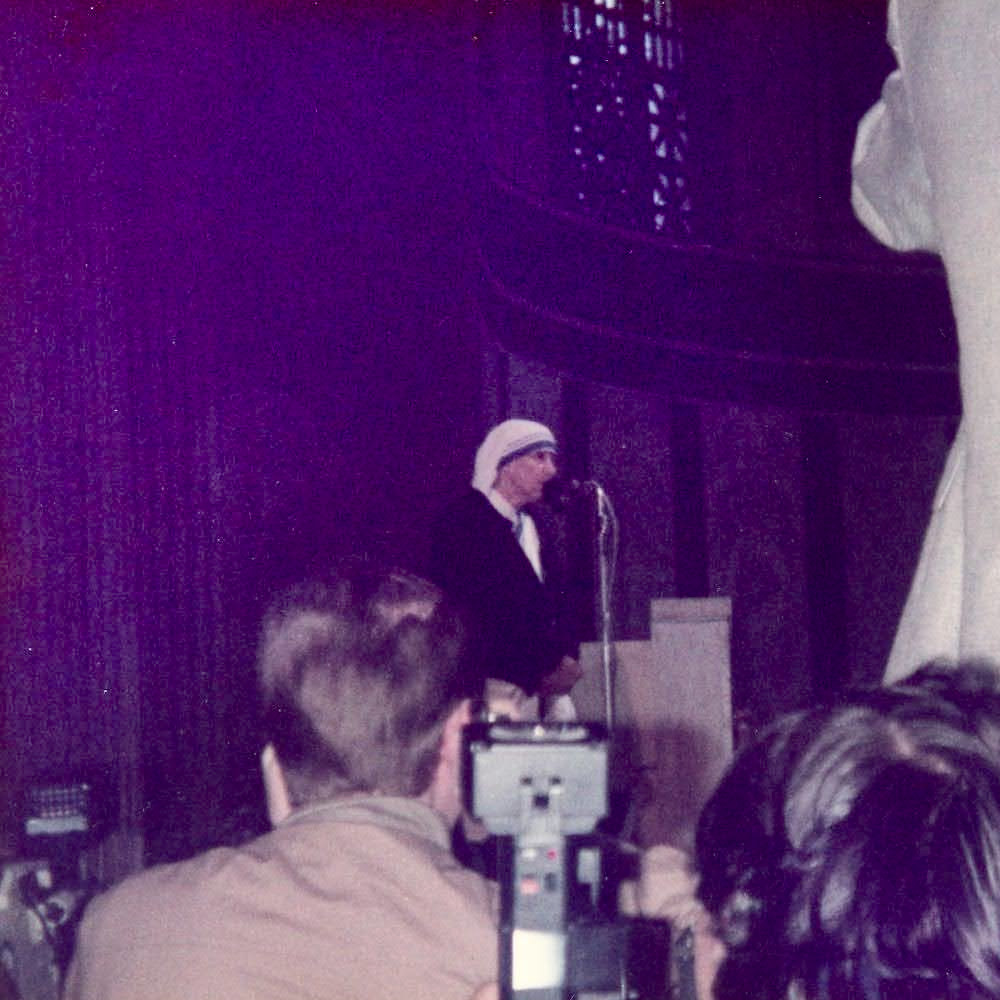
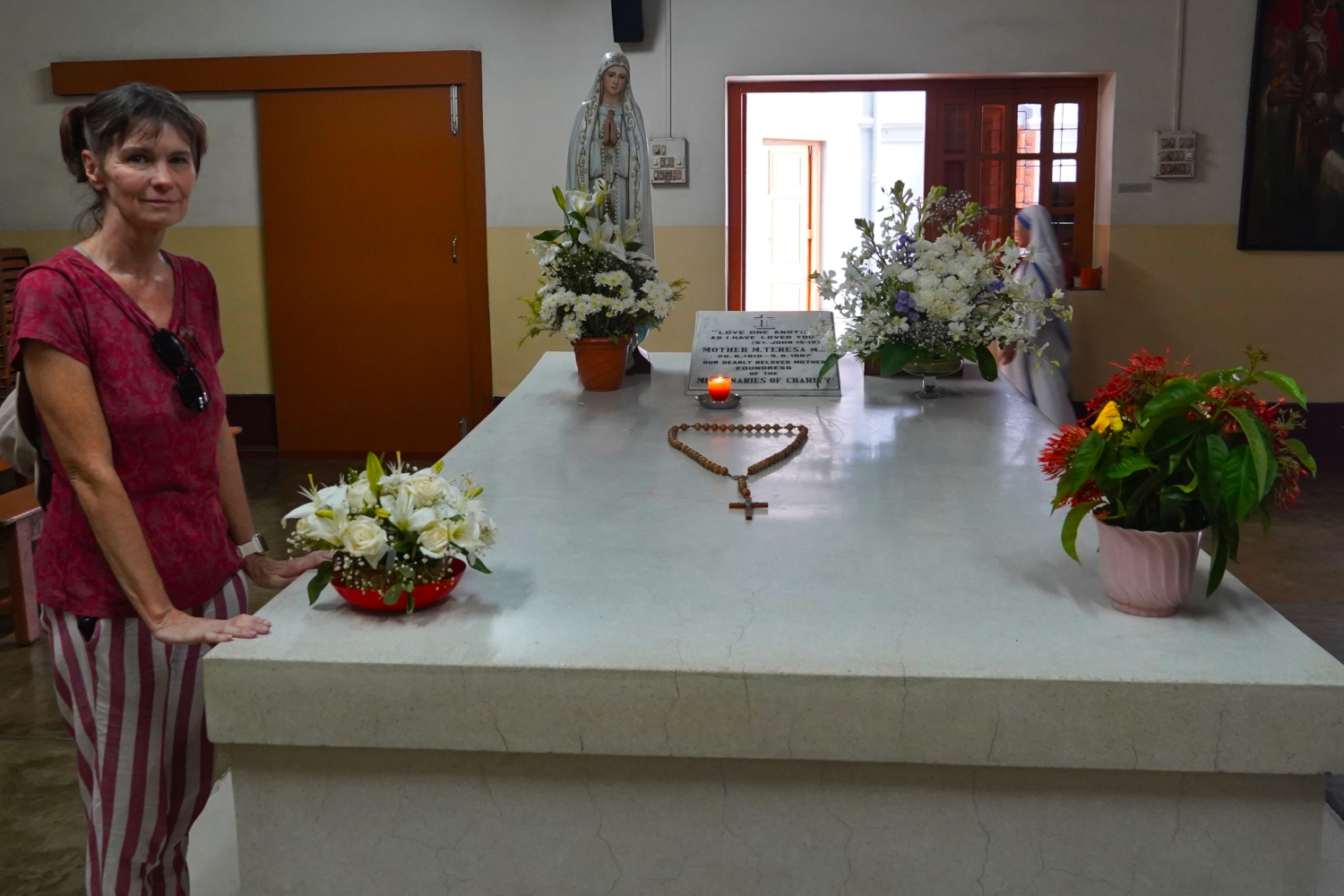
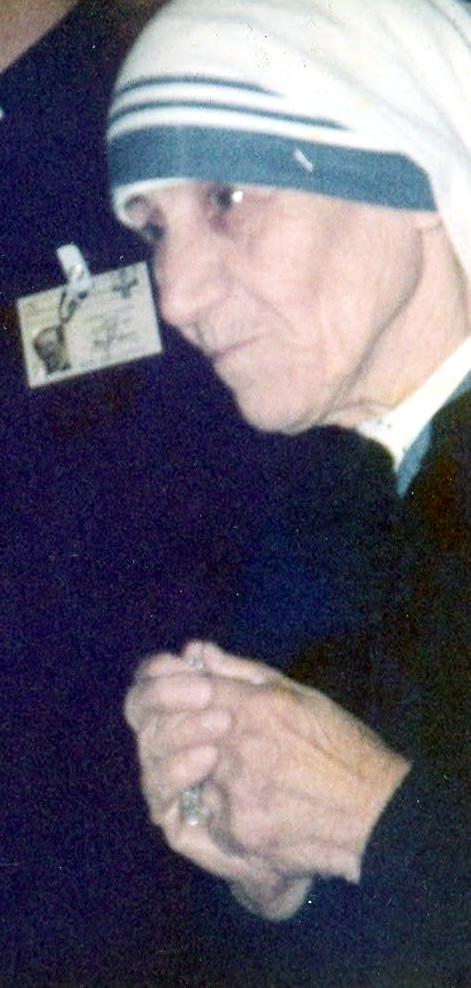
This was full-circle for Kimberly, who was raised Catholic, and, as a teenager took a trip to the Vatican in 1984, where she saw Mother Teresa in the flesh — and only a few feet away. She has photos to prove it. And now, here she was standing close to Mother Teresa again, ashes to ashes and dust to dust.
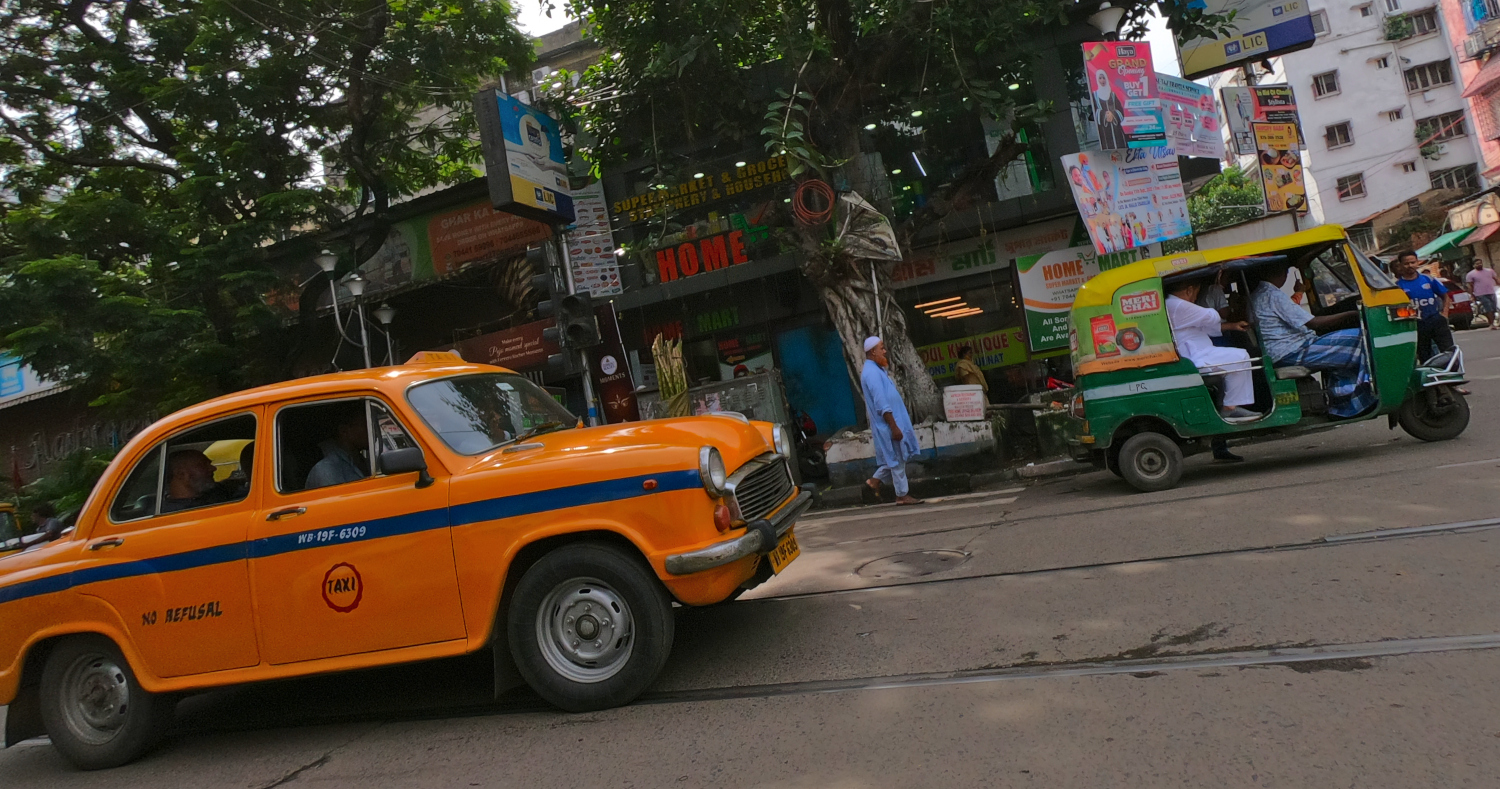
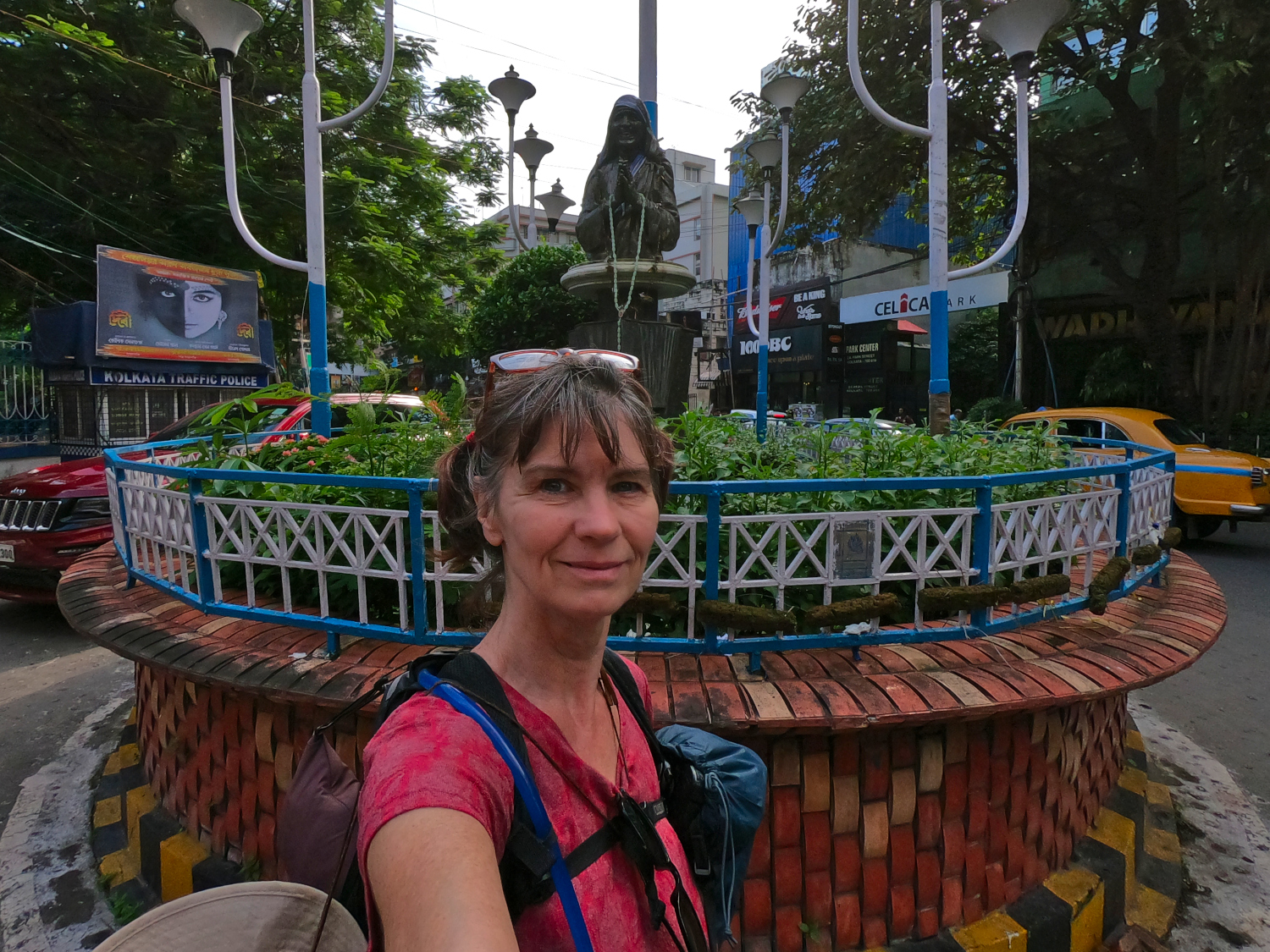
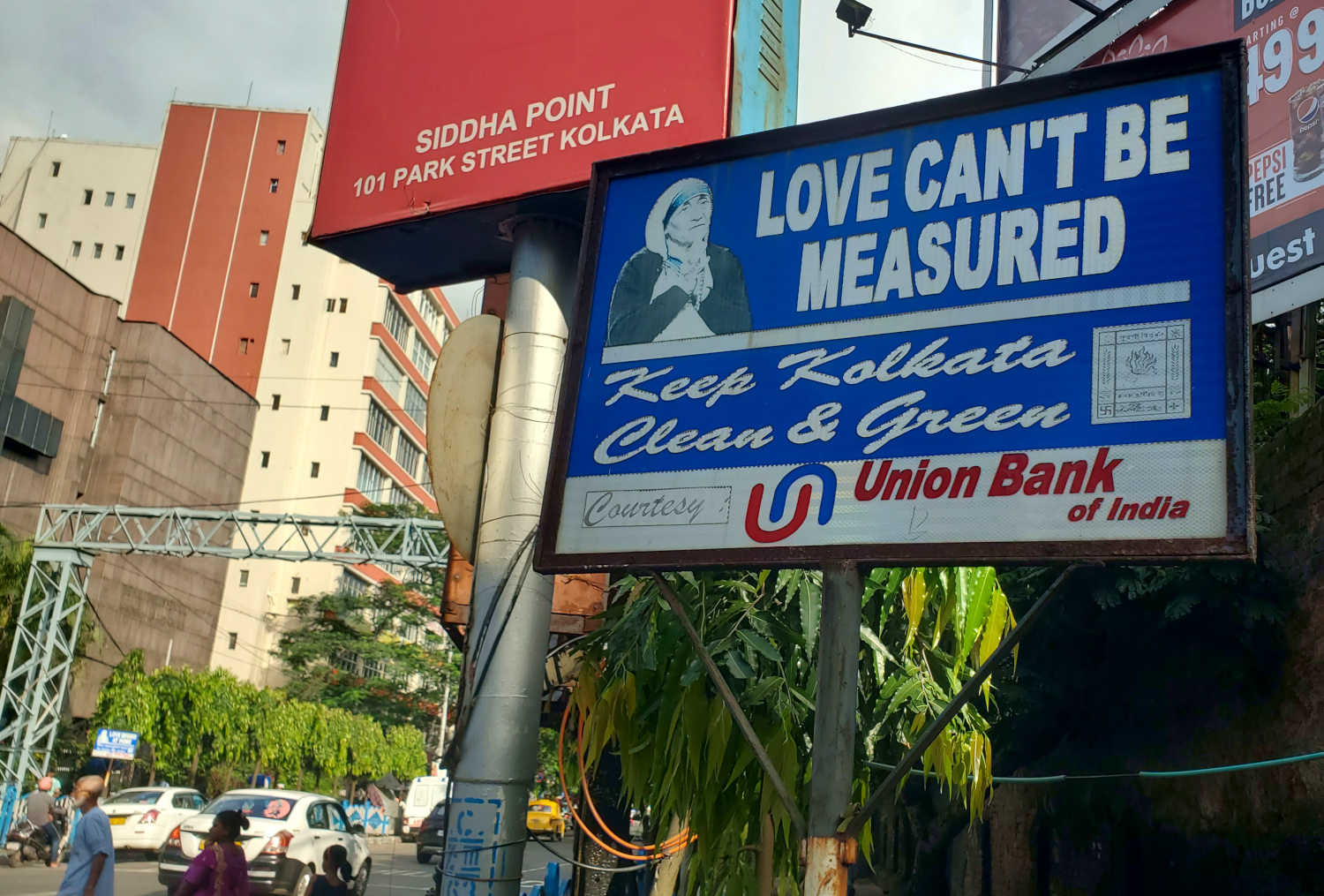
Another little mission we went on was scouting out supermarkets and other stores, since this was our first time in a large city in several months, and we wanted to look for items we’d been unable to find. (There was even an honest-to-goodness mall nearby.) Not only did we find most of the things we were seeking, but we stumbled upon something that was not even on our radar: a superb gourmet chocolate bar.
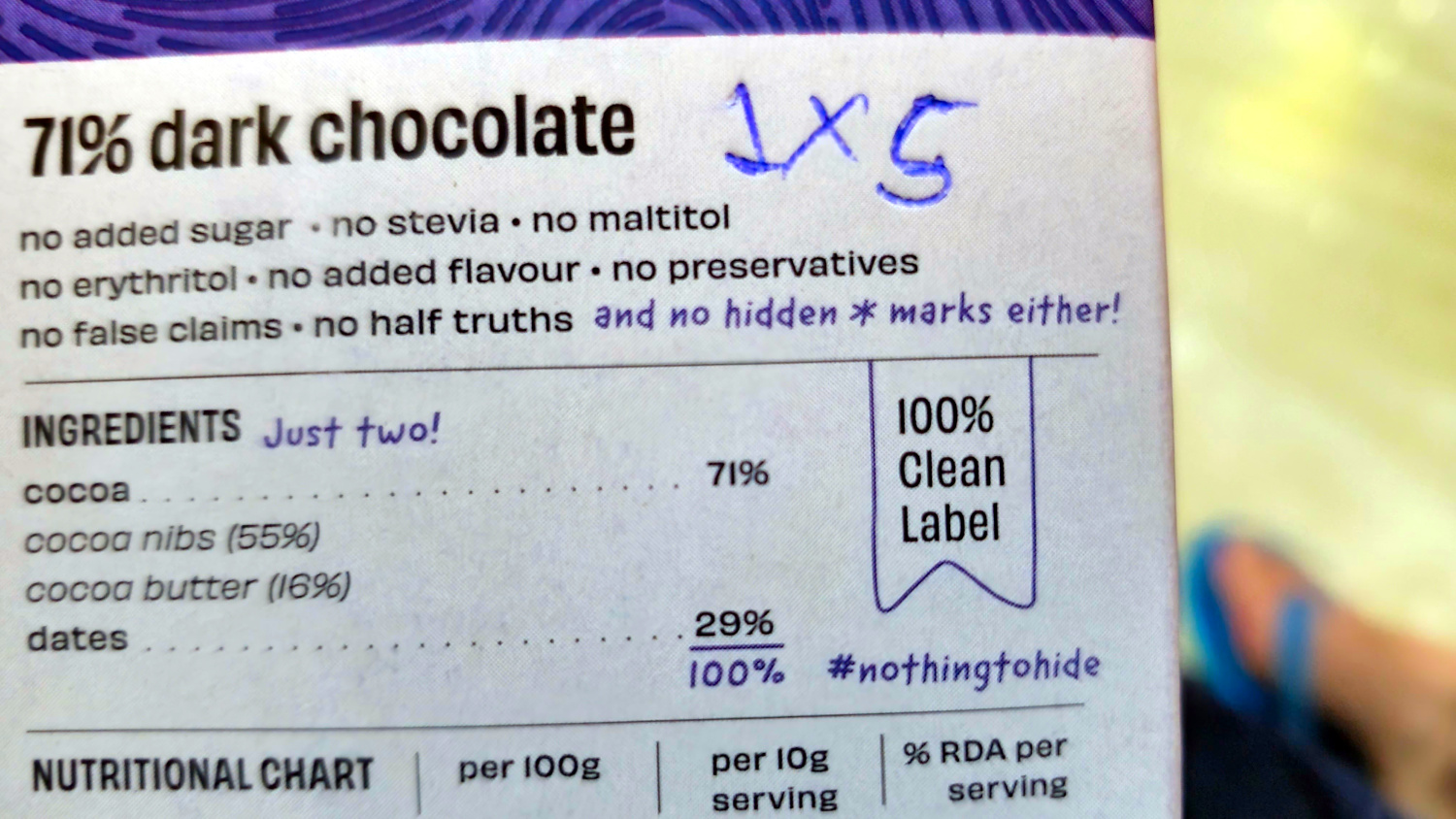
As we’ve mentioned before, we have a habit (ritual?) of seeking out a local specimen of the chocolatier’s art in every country we visit. But India has been mostly a bust; Indians are just not keen on chocolate. This bar, however, sweetened with dates instead of sugar, was just the ticket. Now this was worth coming to Kolkata for.
9/21/2022

 world travel with a theatrical flair
Leave a comment