


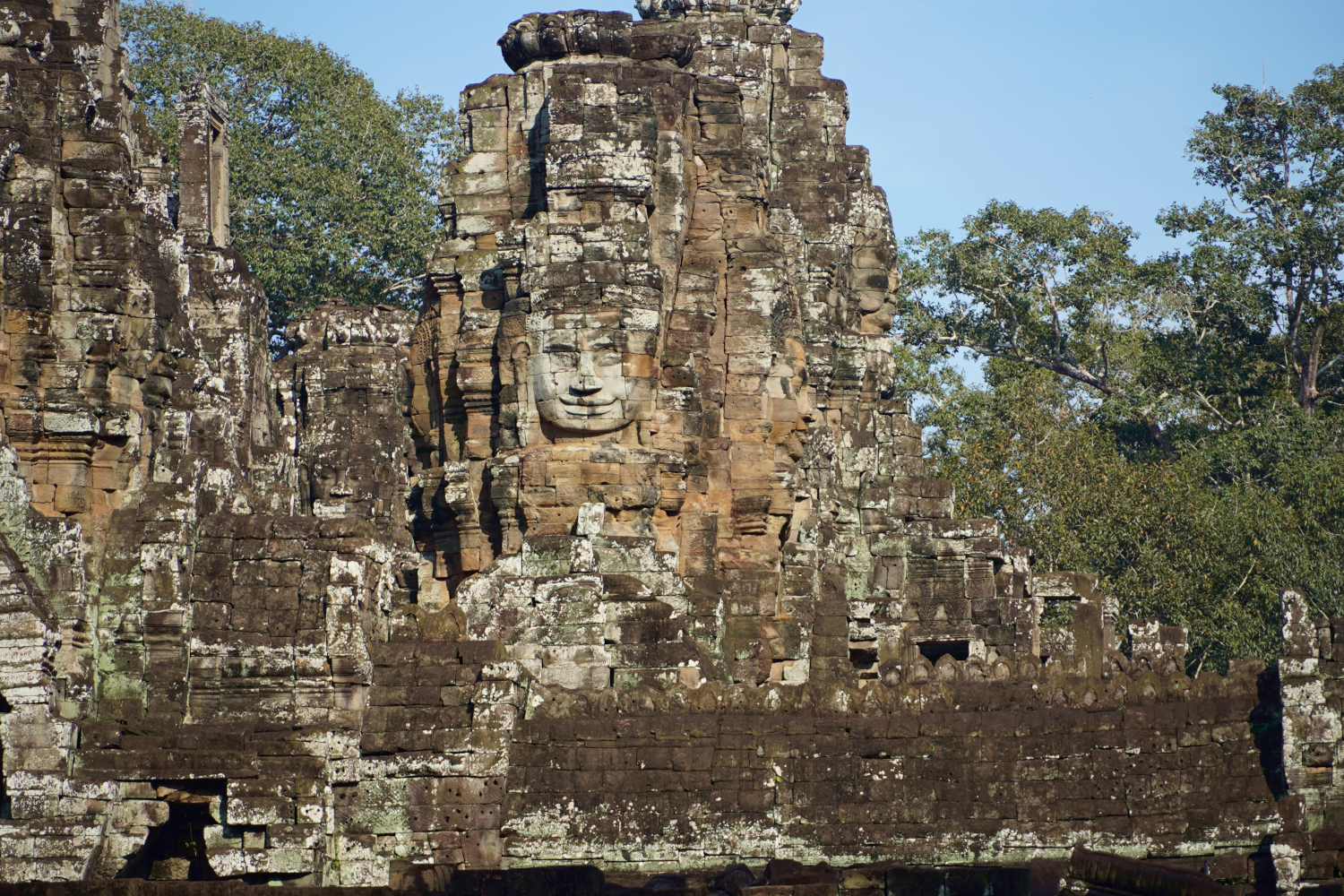
With Angkor Wat practically in our backyard, we couldn’t resist spending our free weekends exploring the wonders of this sprawling archaeological park. While the grand temple itself is a marvel, there’s a whole treasure trove of hidden gems waiting to be discovered. Buckle up as we continue this series taking you on an adventure to Ta Keo, Thommanon, and the aptly named Gate of the Dead!
On Sunday, October 23, we made our final trip (for the time being) to Angkor Archaeological Park, home of Angkor Wat and dozens of other ruined temples. This time our focus was on the temples Ta Keo and Leak Neang, with a side order of Thommanon.
Ta Keo
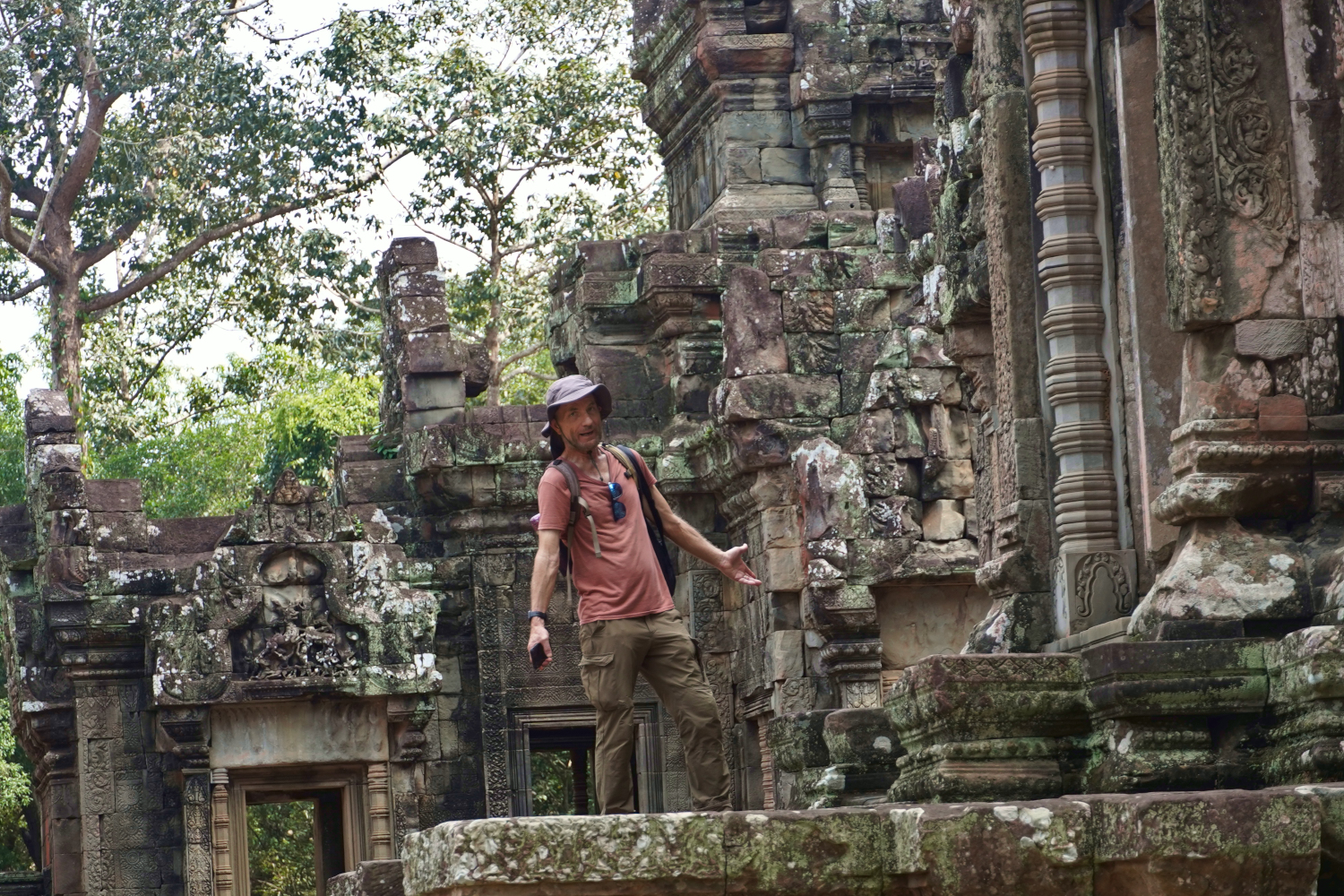
As mentioned in a previous post, about Dennis making a solo outing here when Kimberly was too sick to do anything but be sick, Ta Keo was left unfinished over a millennium ago. And nobody knows exactly why, though it may have been the death of the king who ordained its construction — when the boss is gone, why finish the job? Or it may have been the lightning strike recorded on an inscription (and it must have been a pretty impressive bolt to be immortalized in stone), which may have spooked the construction crew into seeking other employment.
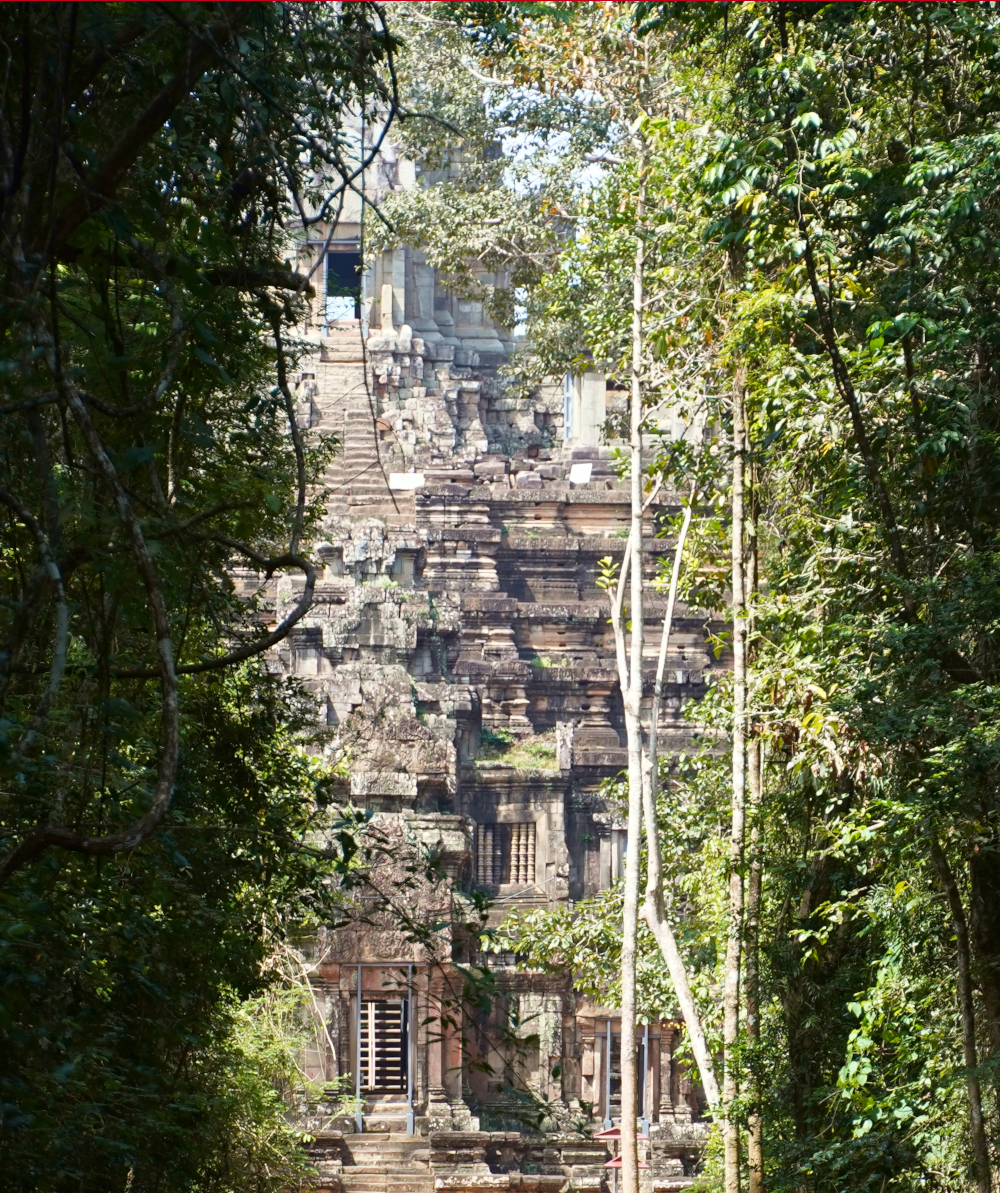
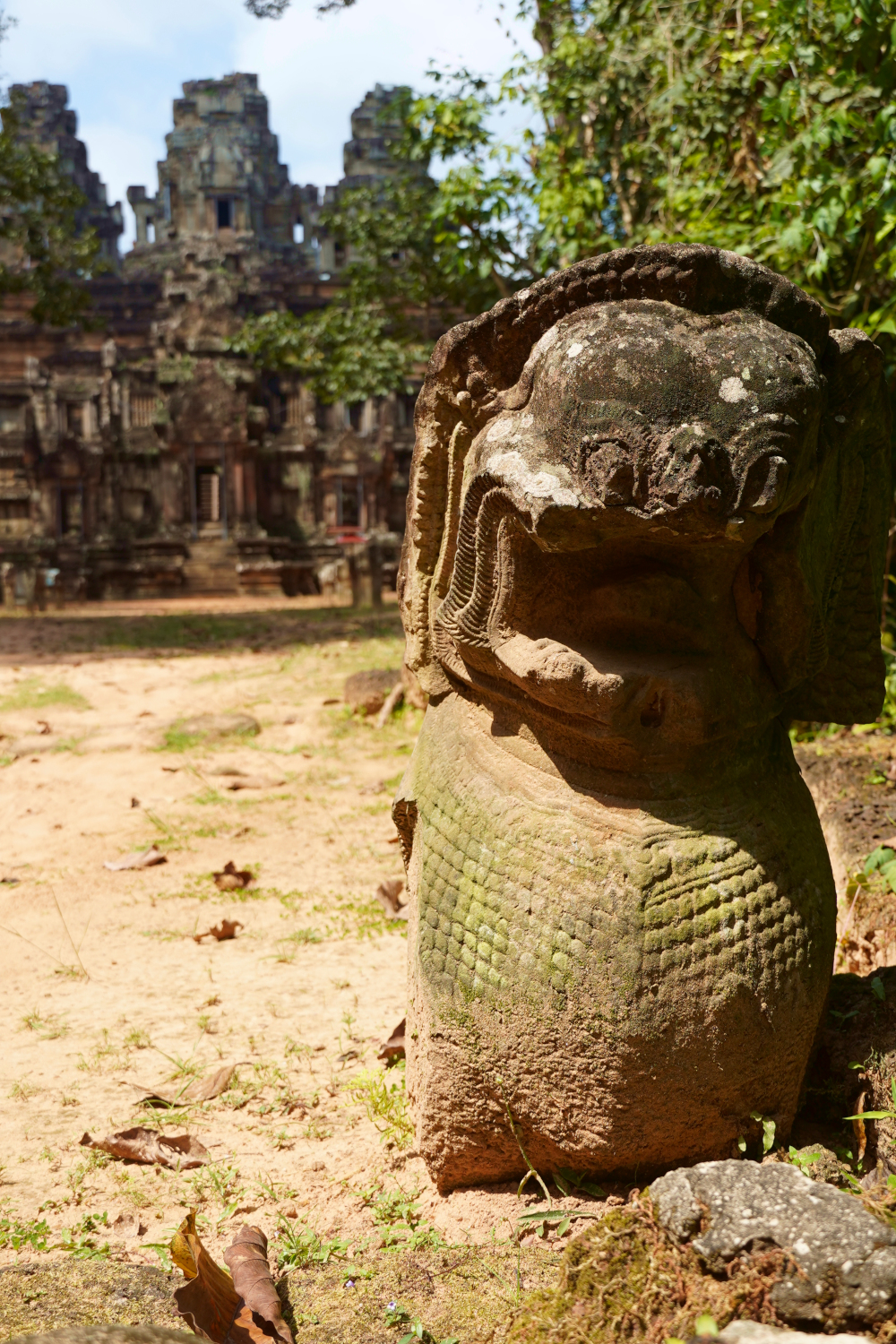
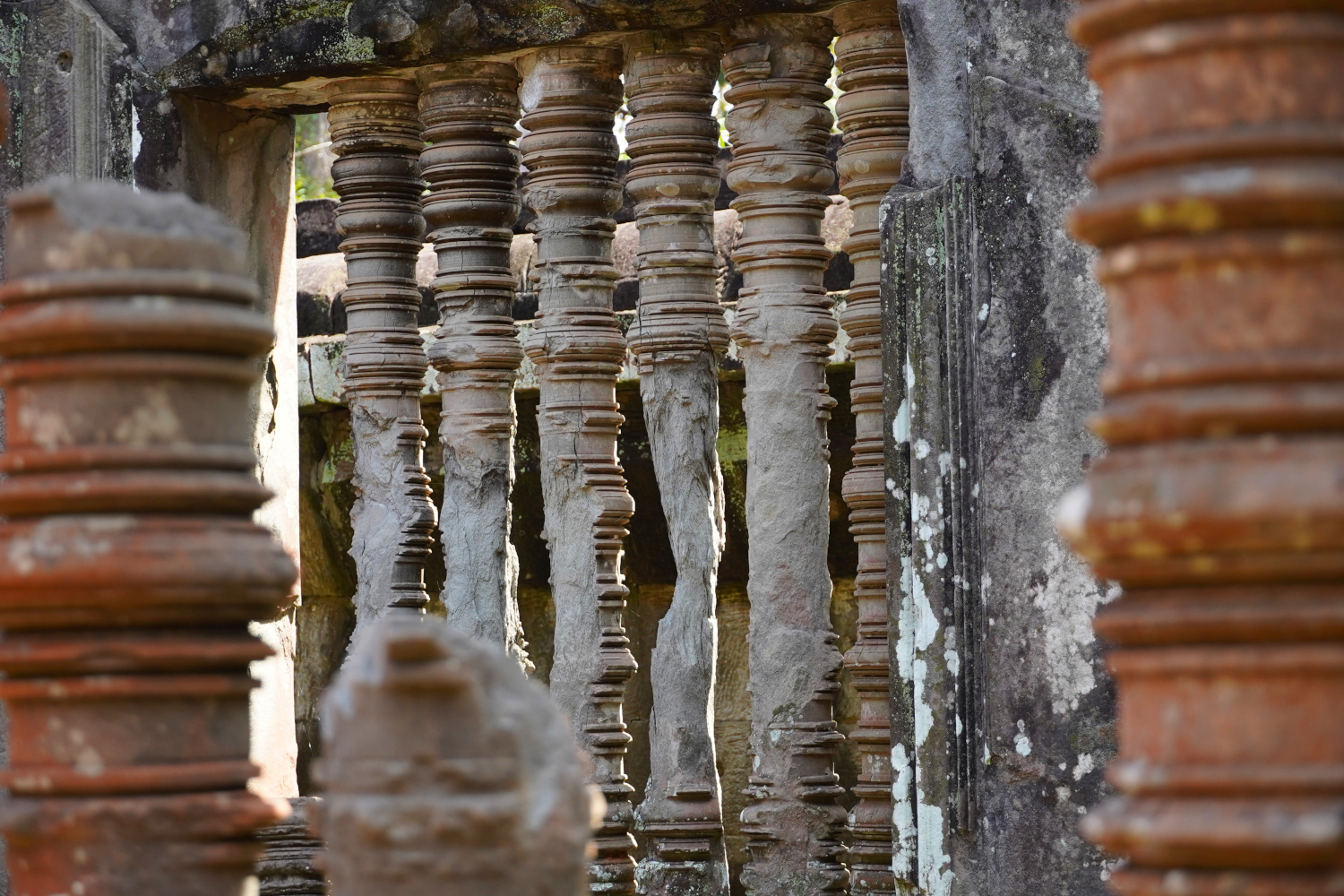
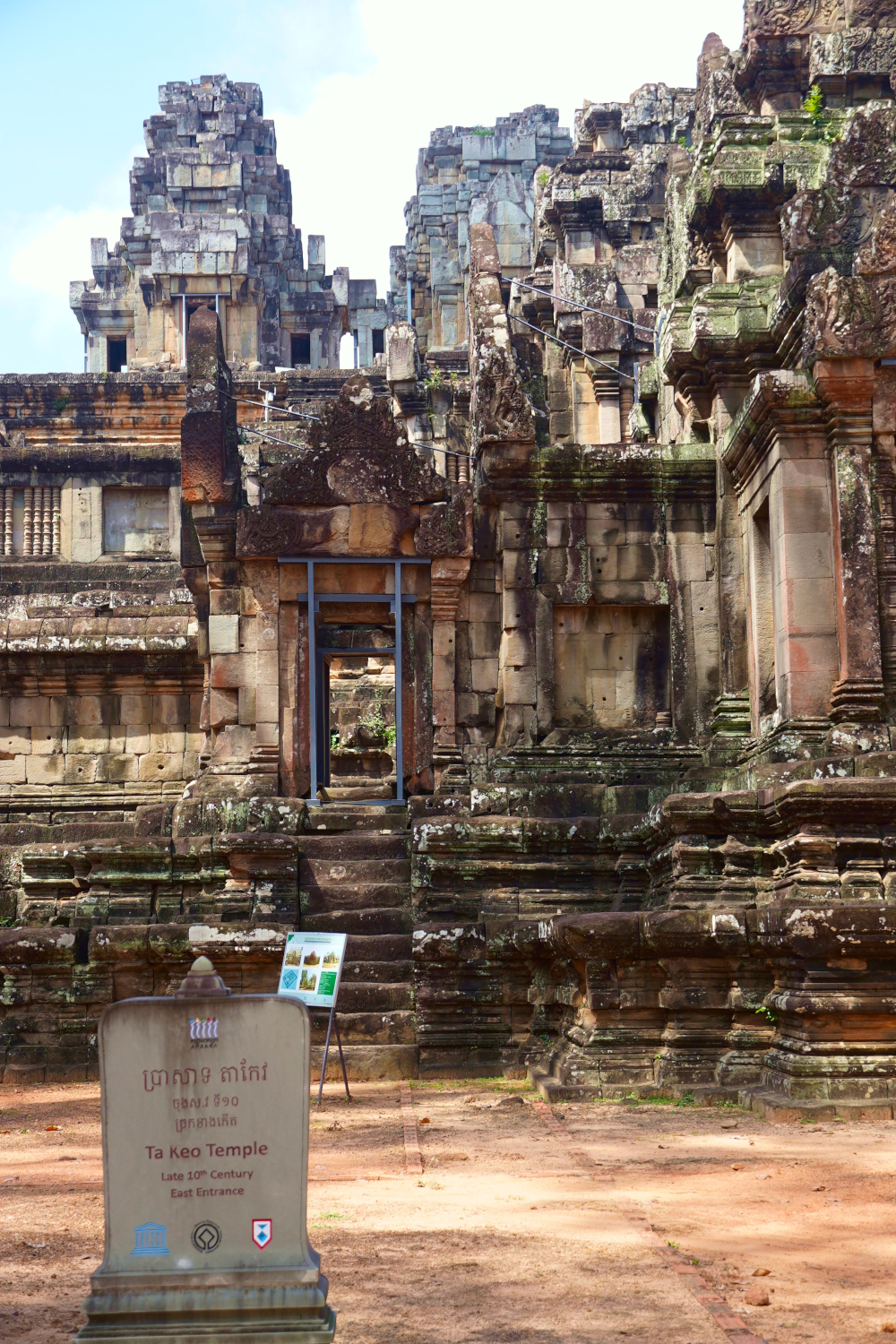
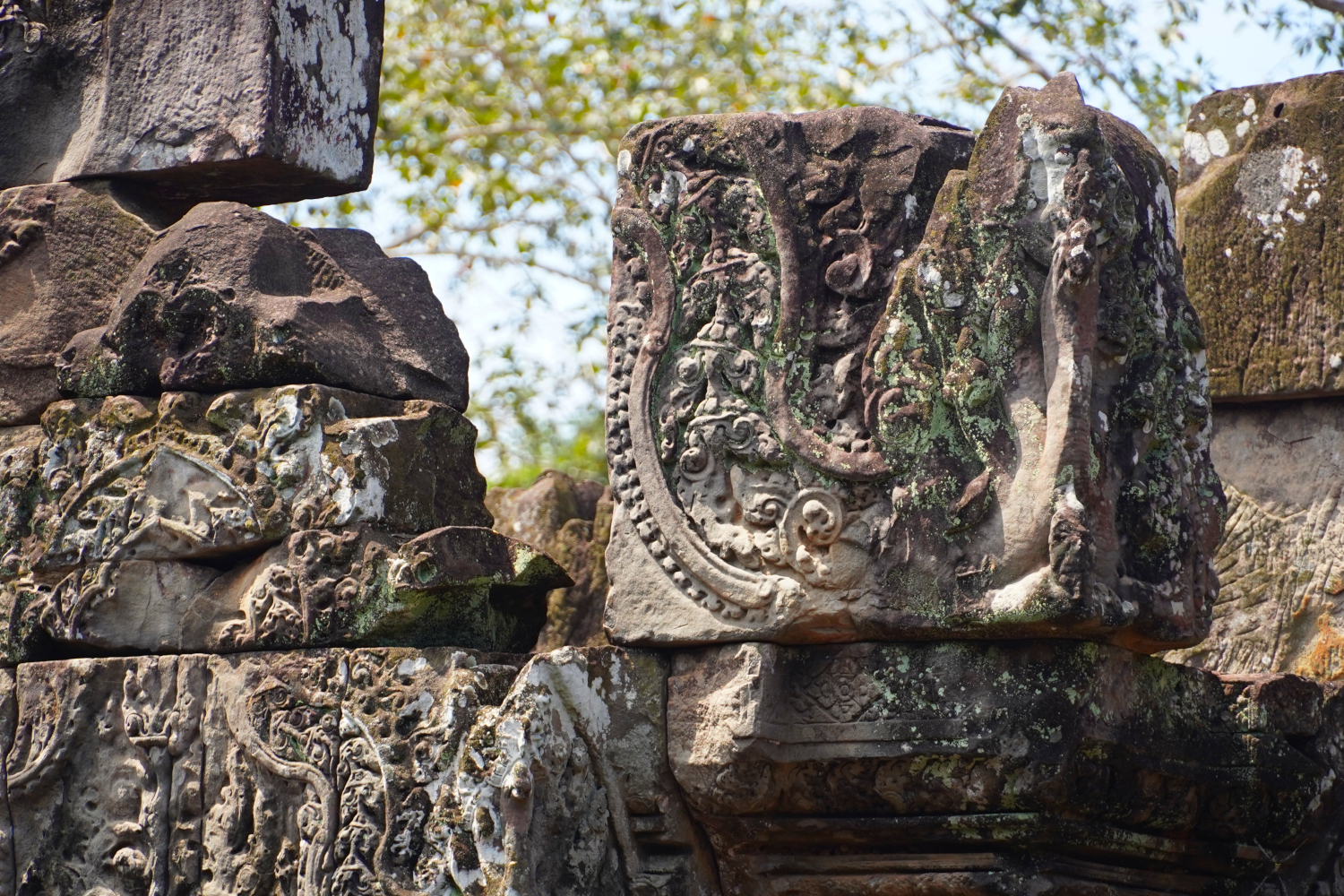
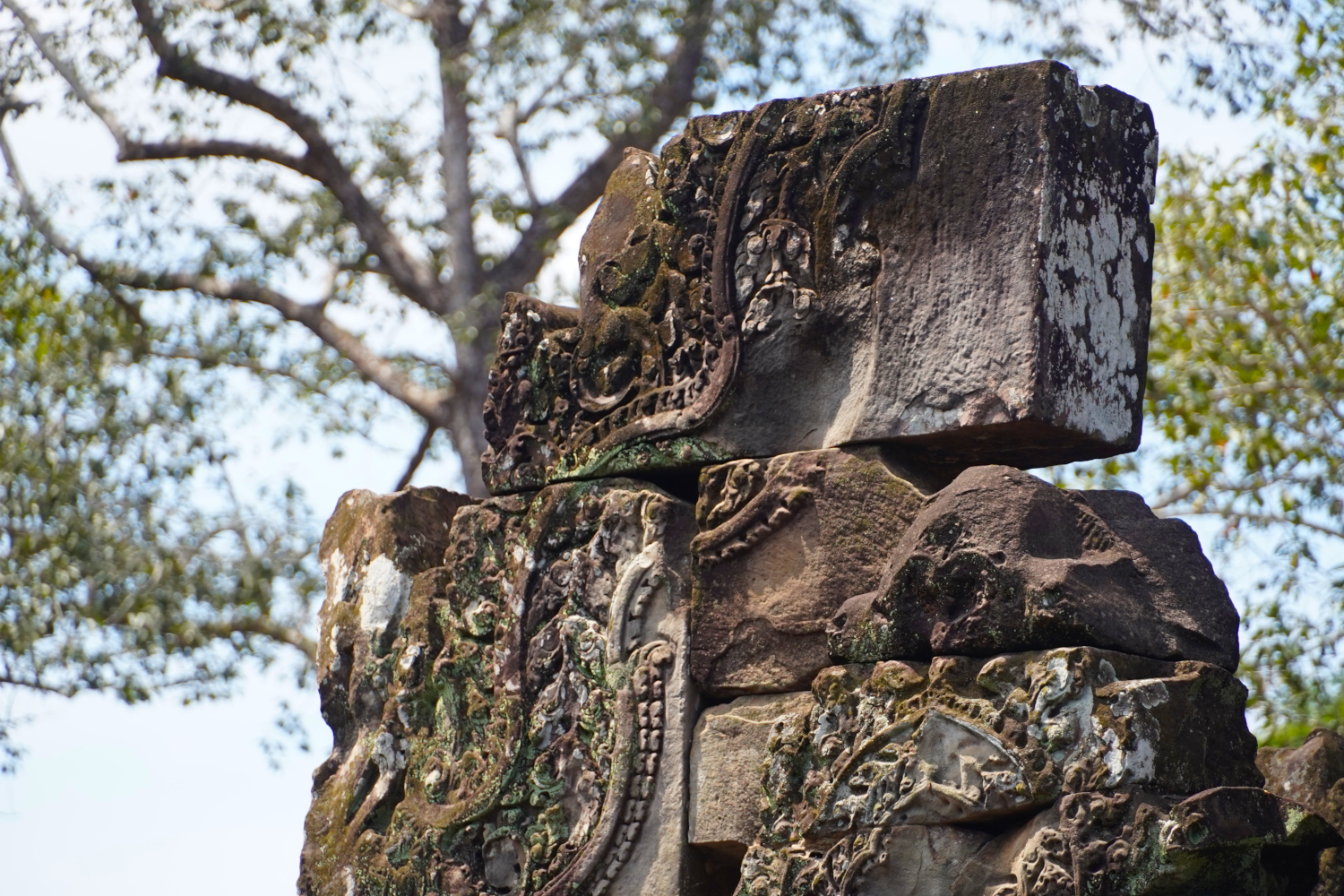
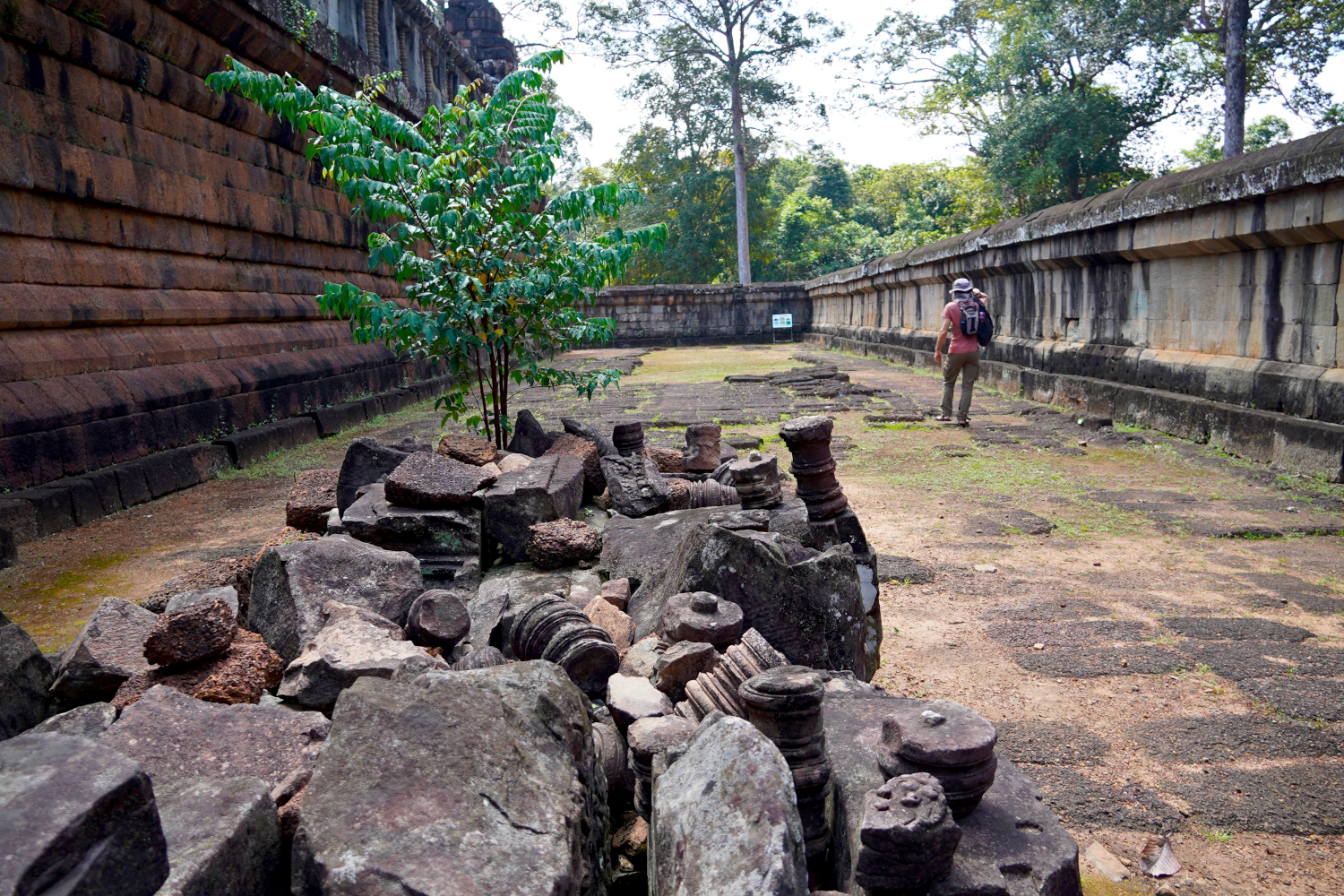
Ta Keo is dedicated to the Hindu deity Shiva, and is (half) built to resemble Mount Meru, the mythical (or quasi-mythical) mountain that is considered to be the center of the universe in the mythologies of Hinduism, Buddhism and other religions. It’s not clear exactly how they determined what Mount Meru is supposed to look like, which might be another reason they couldn’t finish the project. There was a moat surrounding the temple, representing the oceans.
Ta Keo is constructed of sandstone, which was a bit of an innovation at the time. There are few decorations on its exterior, as the artists apparently had just begun carving the figures they had dancing in their heads when the whole project was scuttled.
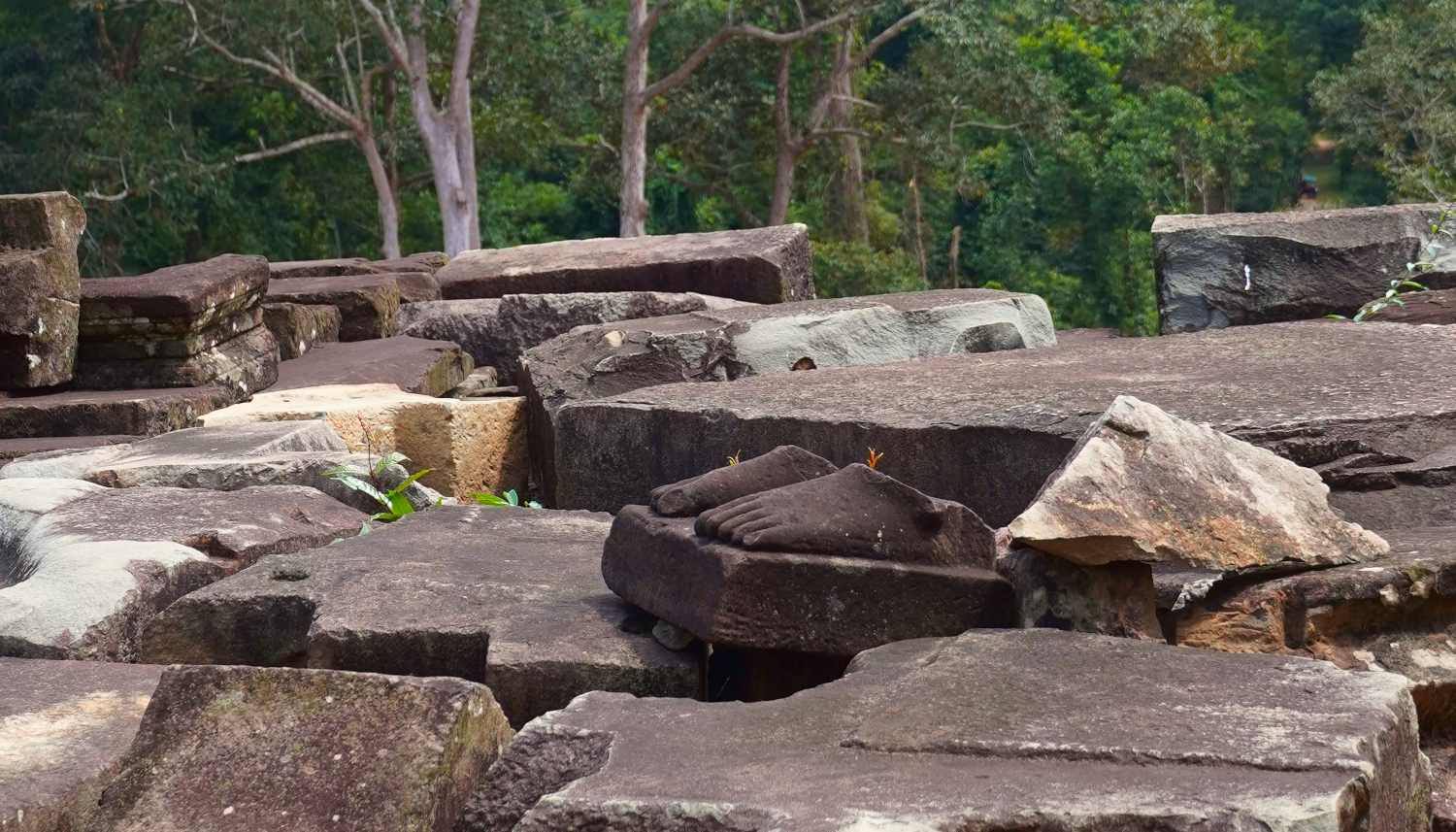
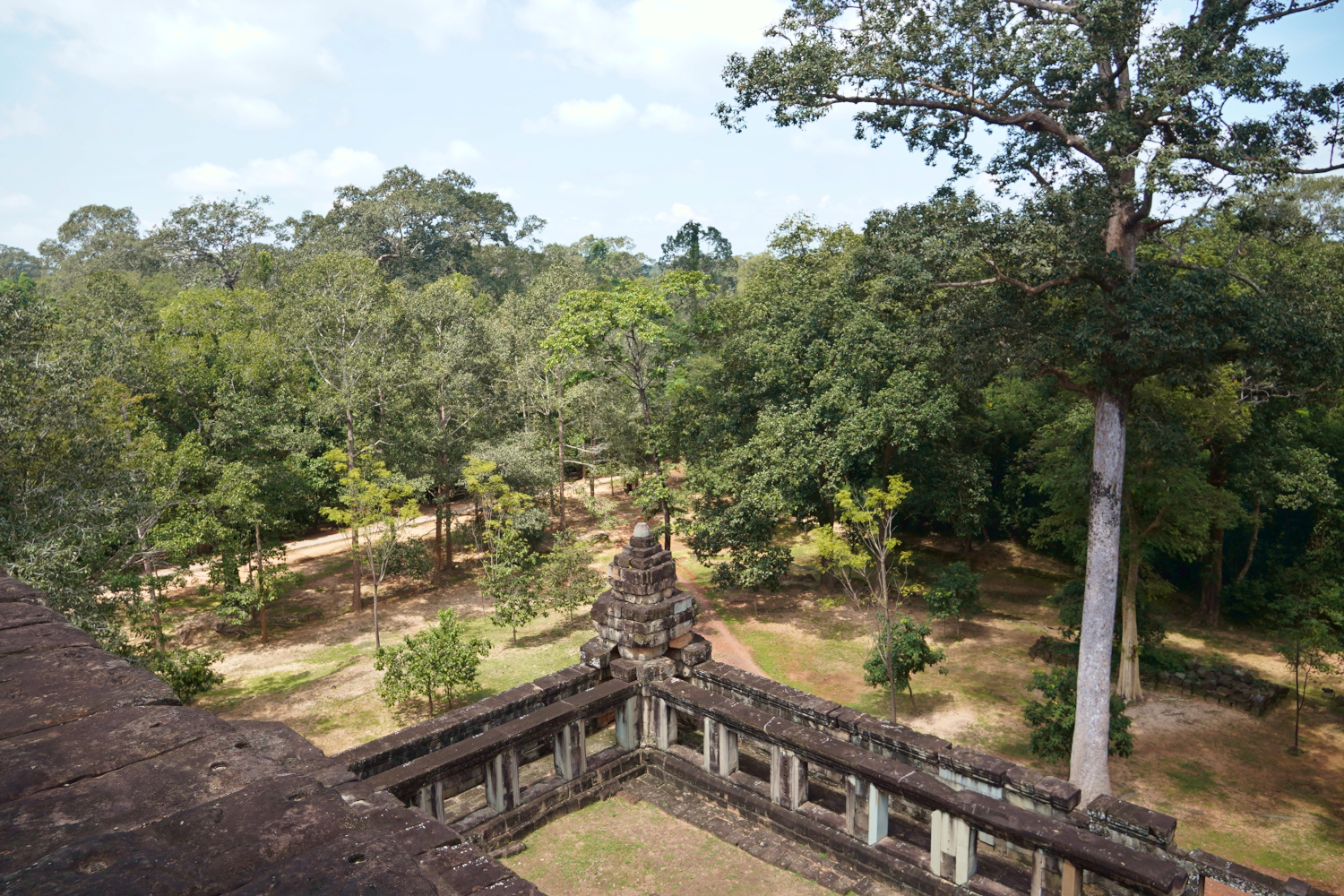
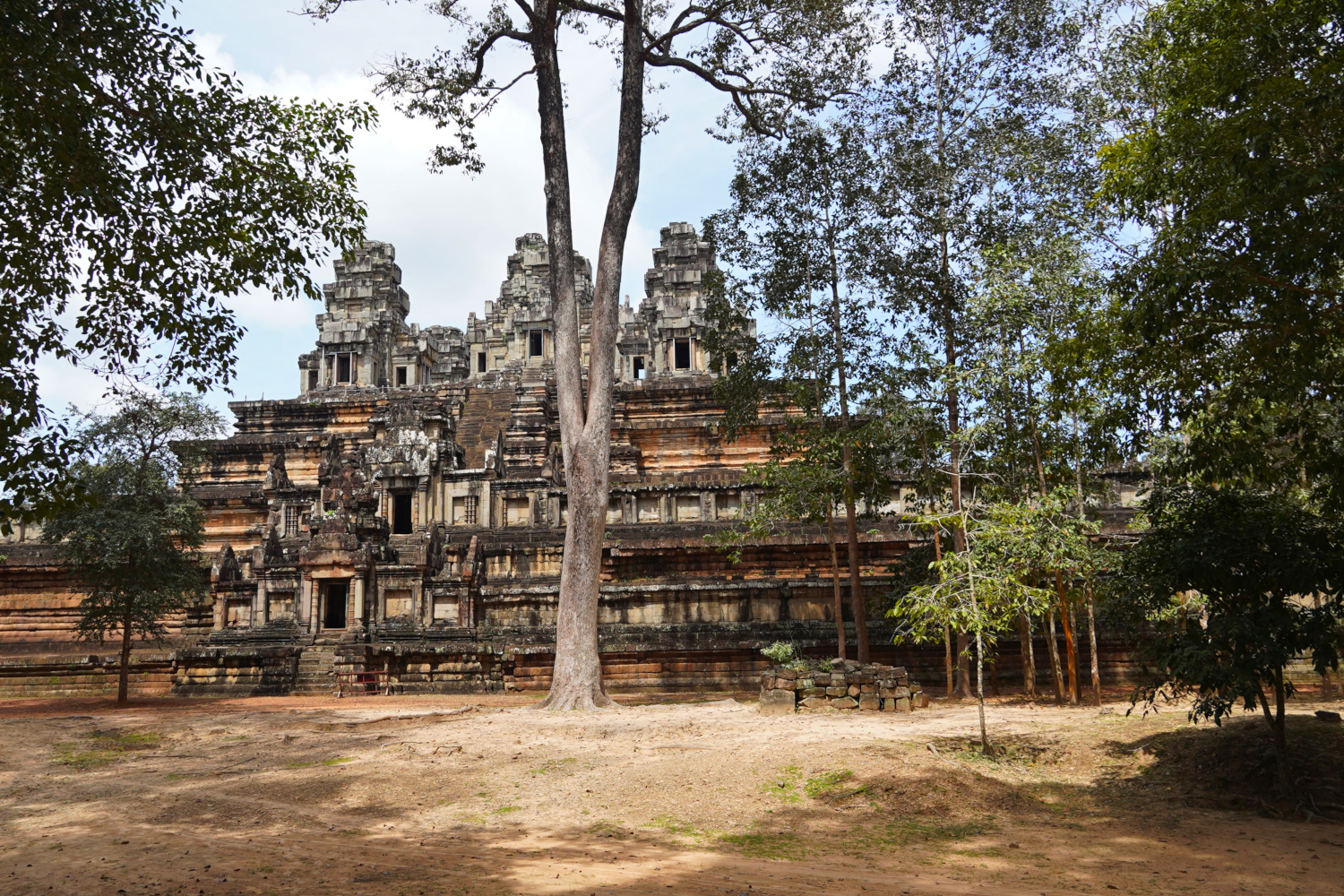
One figure you will see, however, is Nandi the sacred bull, which is positioned between what are considered to be two libraries.
One thing that amazed us (and concerned us) was that on the second level were places where there were no guardrails or ropes to keep a careless person from stepping off the edge and plunging 20 feet or so. Just another thing you see in Cambodia that you’d never see in the U.S.
Leak Neang Temple
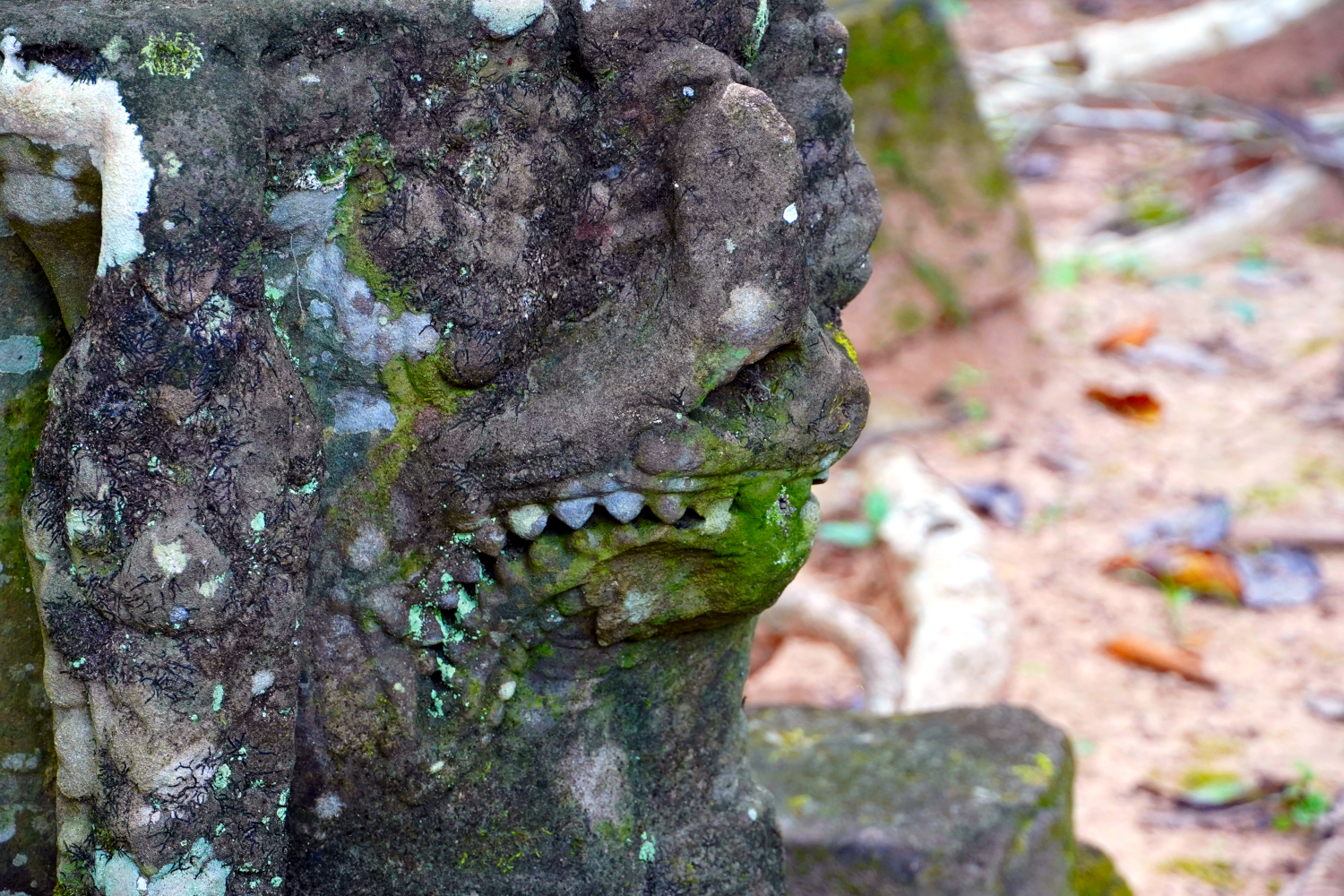
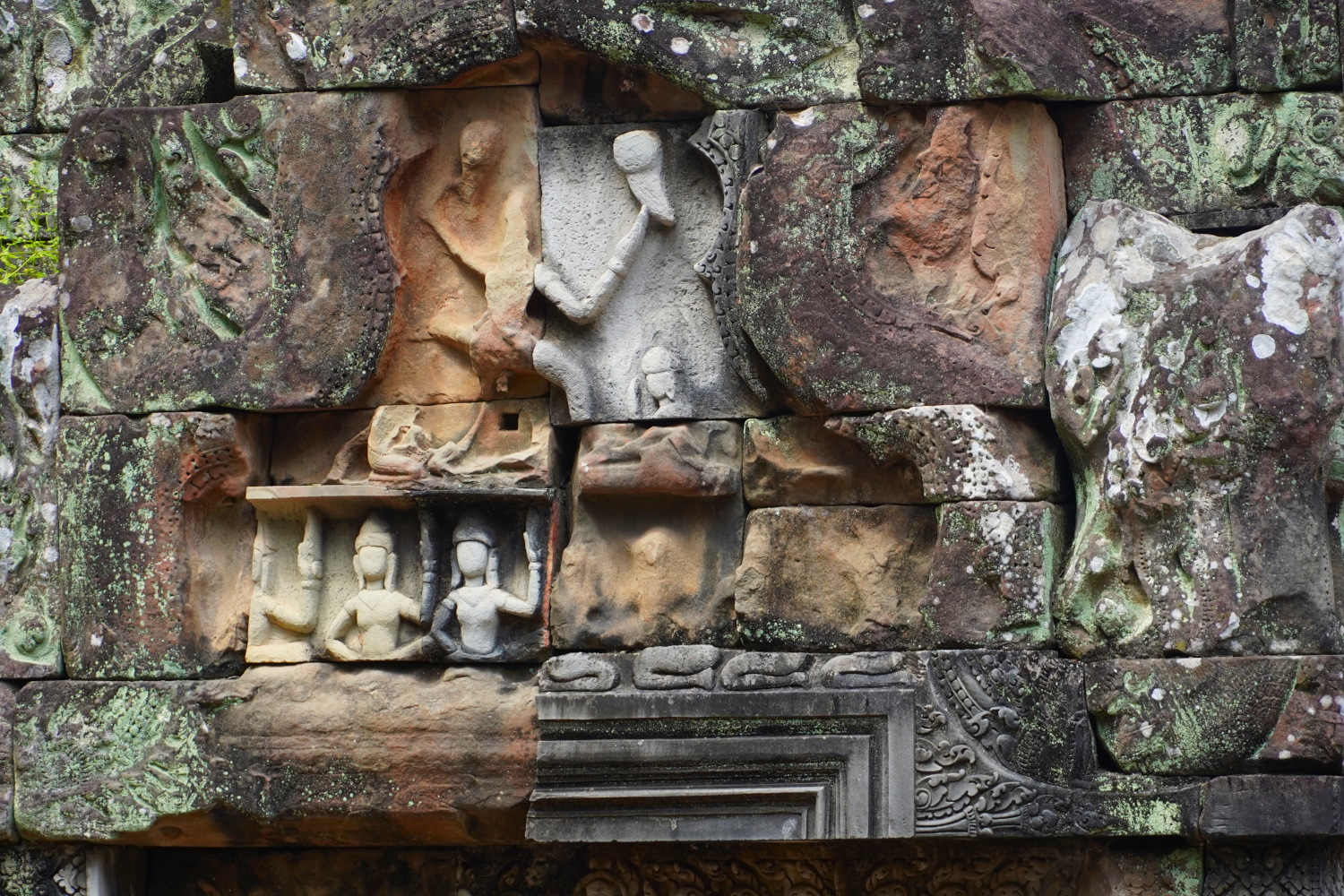
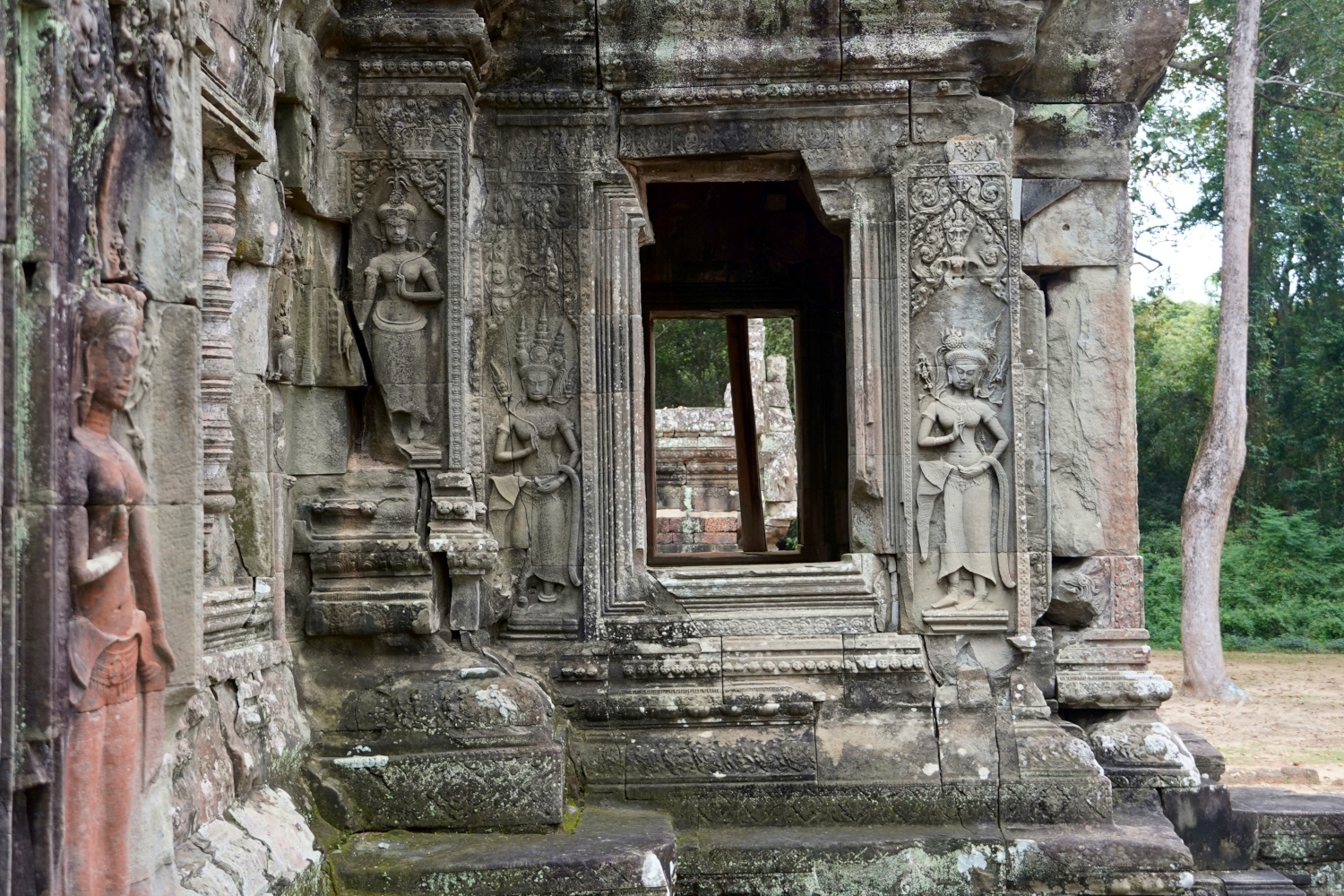
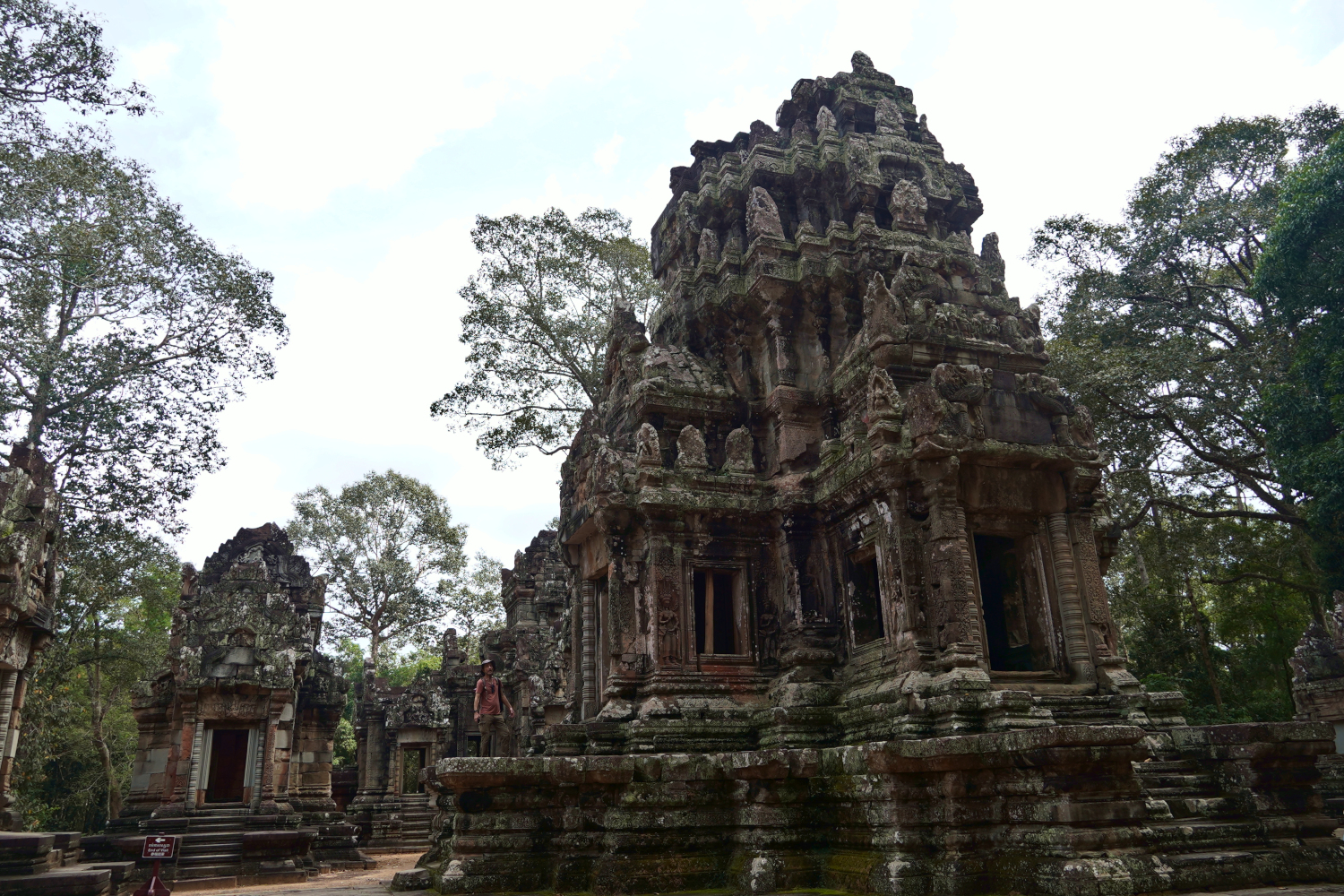
From Ta Keo we went to Prasat Leak Neang, which is one of the smaller temples in the park. An inscription dates the structure in the year 960 CE. One of the few remaining ornamentations is a carving of the Hindu deity Indra.
One interesting inscription at this temple is an acknowledgement of sponsors, as it were — donors of land for not just this temple but several others. An interesting tidbit from an era when a king didn’t have to depend on donors, but simply could take whatever land he wanted. (Which may have been what actually happened, who knows.)
Leak Neang, by the way, has its own leaning tower, and it doesn’t appear terribly stable.
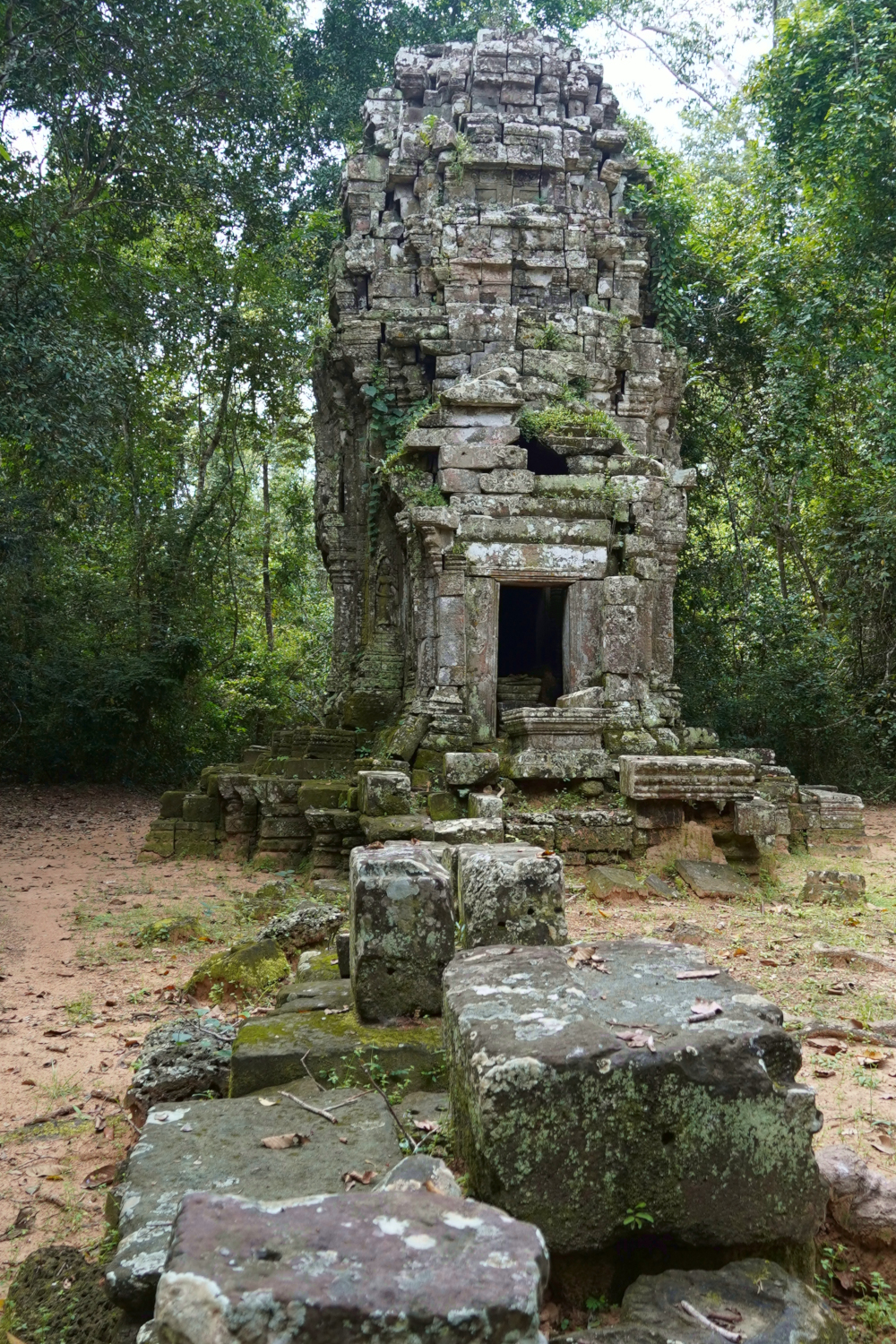
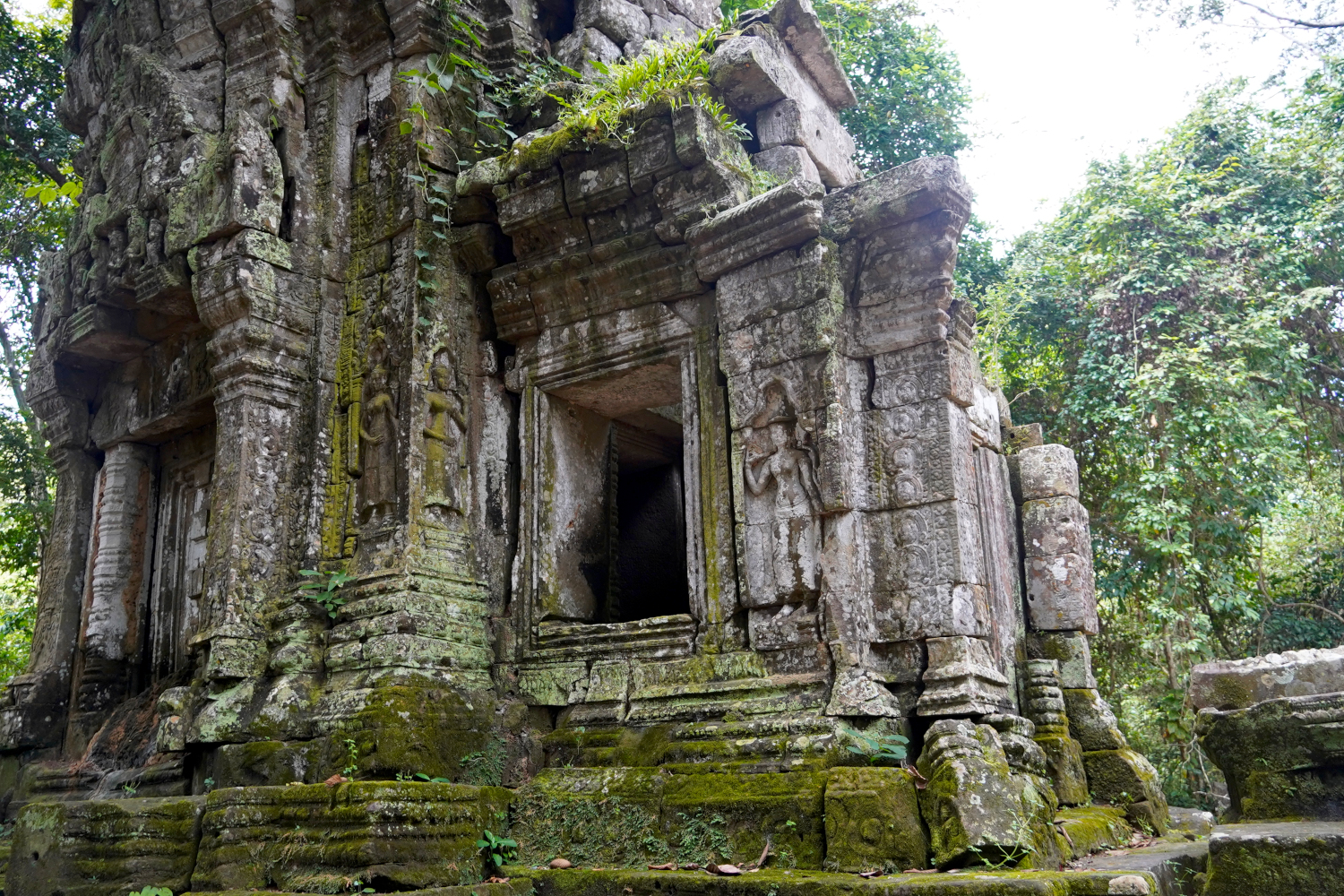

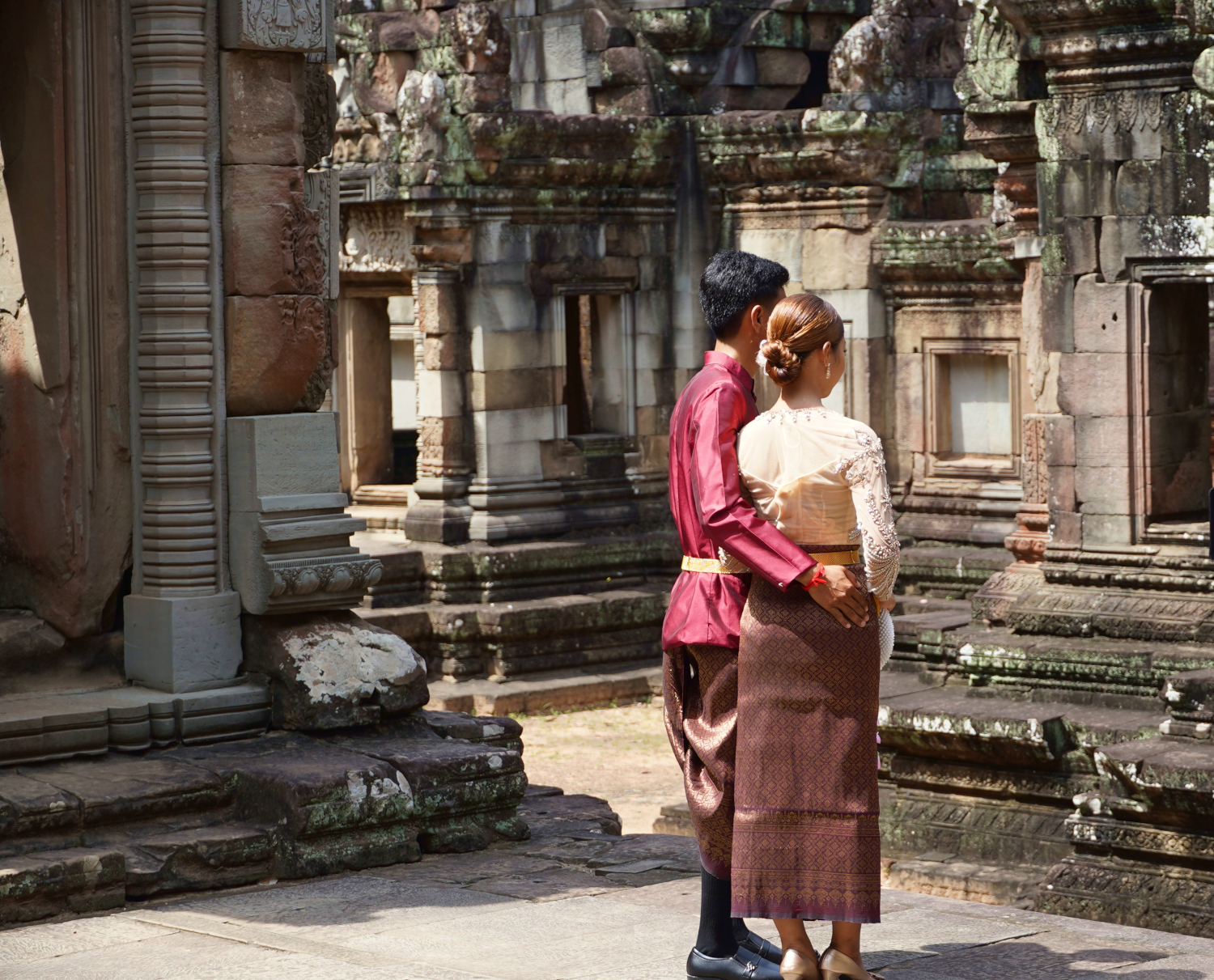
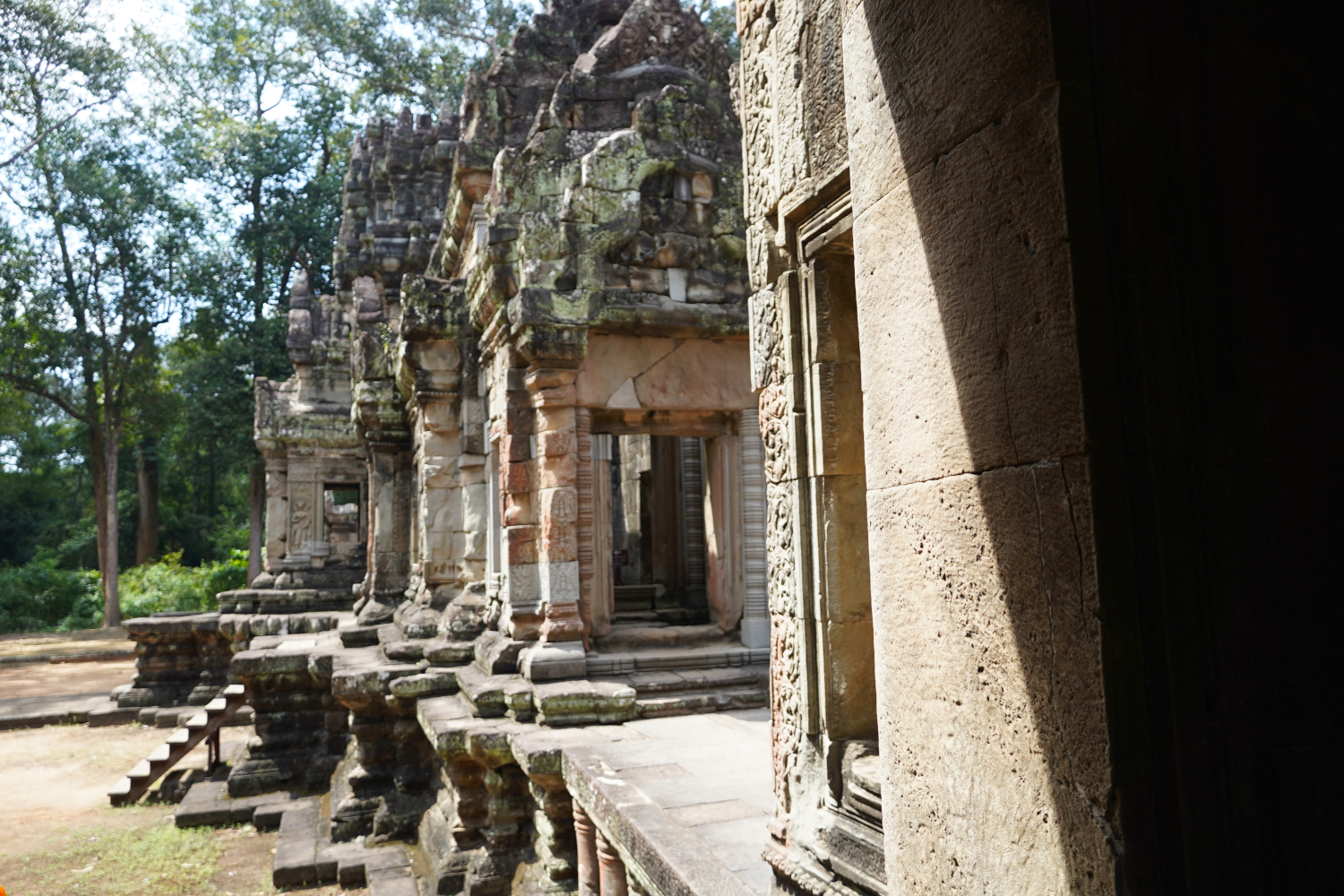
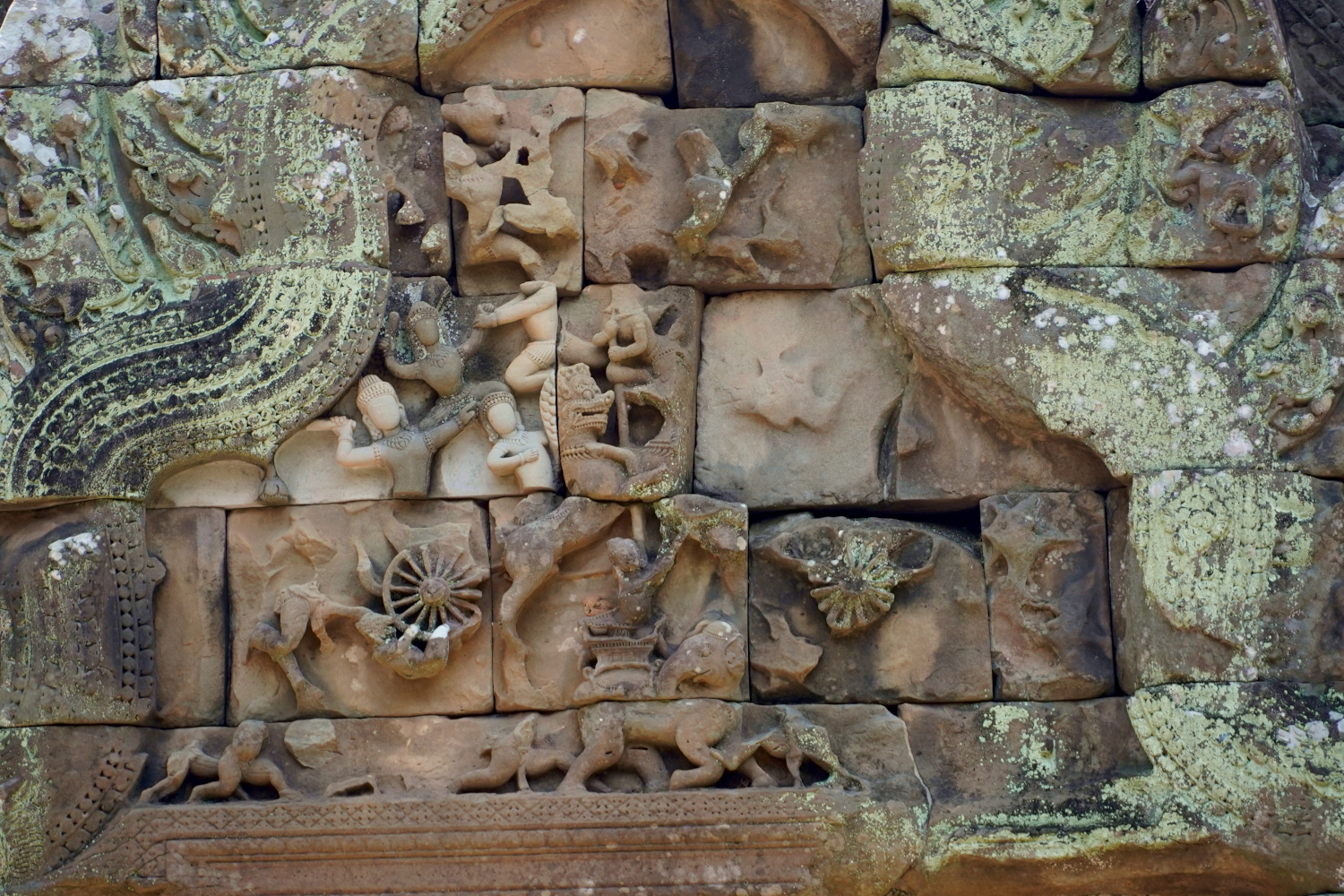
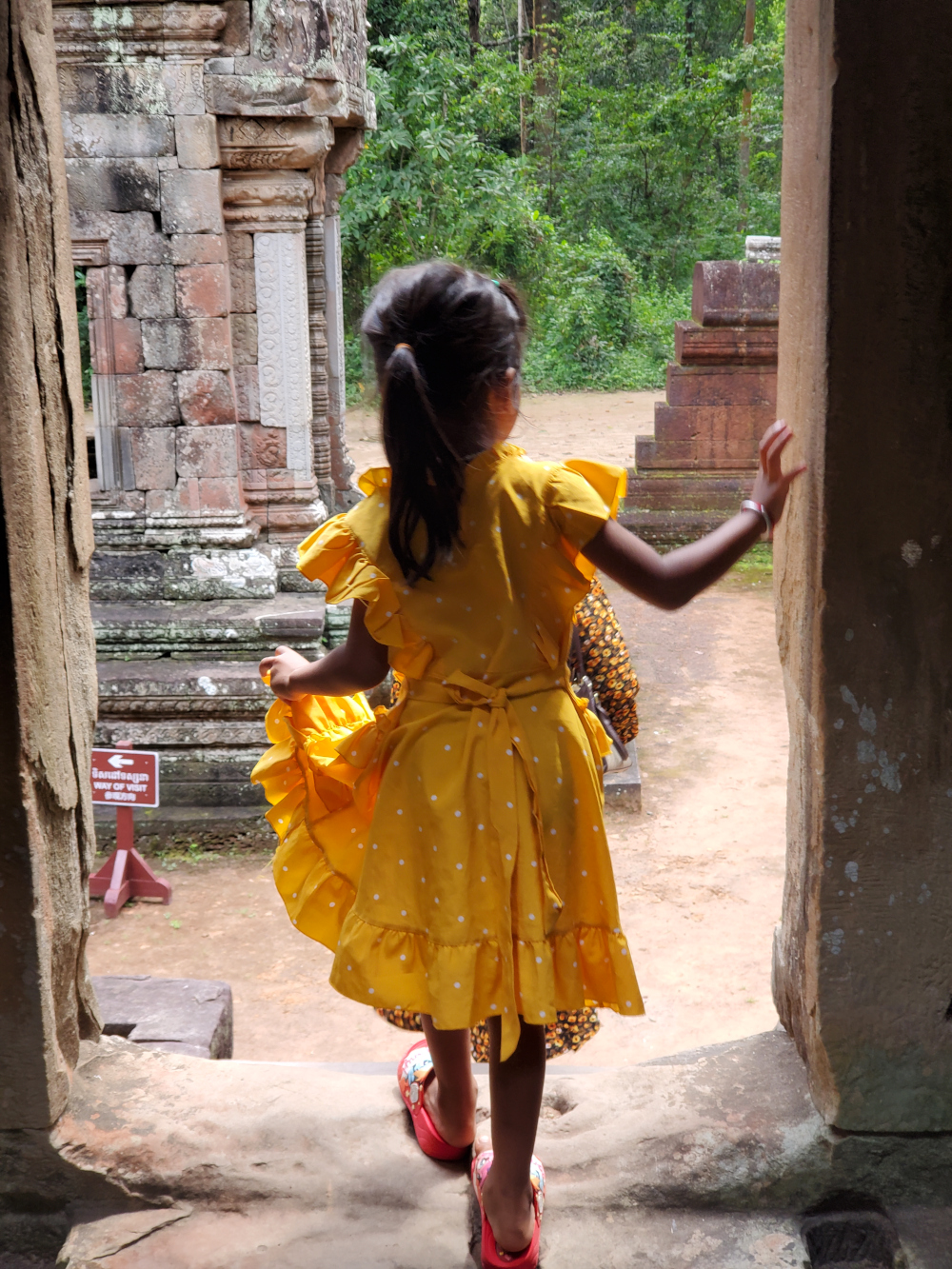
On this day, the temple was the site of a photo shoot for a wedding party. But it was difficult to get photos of them inconspicuously, so we only managed to snag a couple of shots. We also failed, alas, to get a photo of a woman we saw who was wearing pants almost identical to Kimberly’s — which is quite significant considering how unique and circus-y they were.
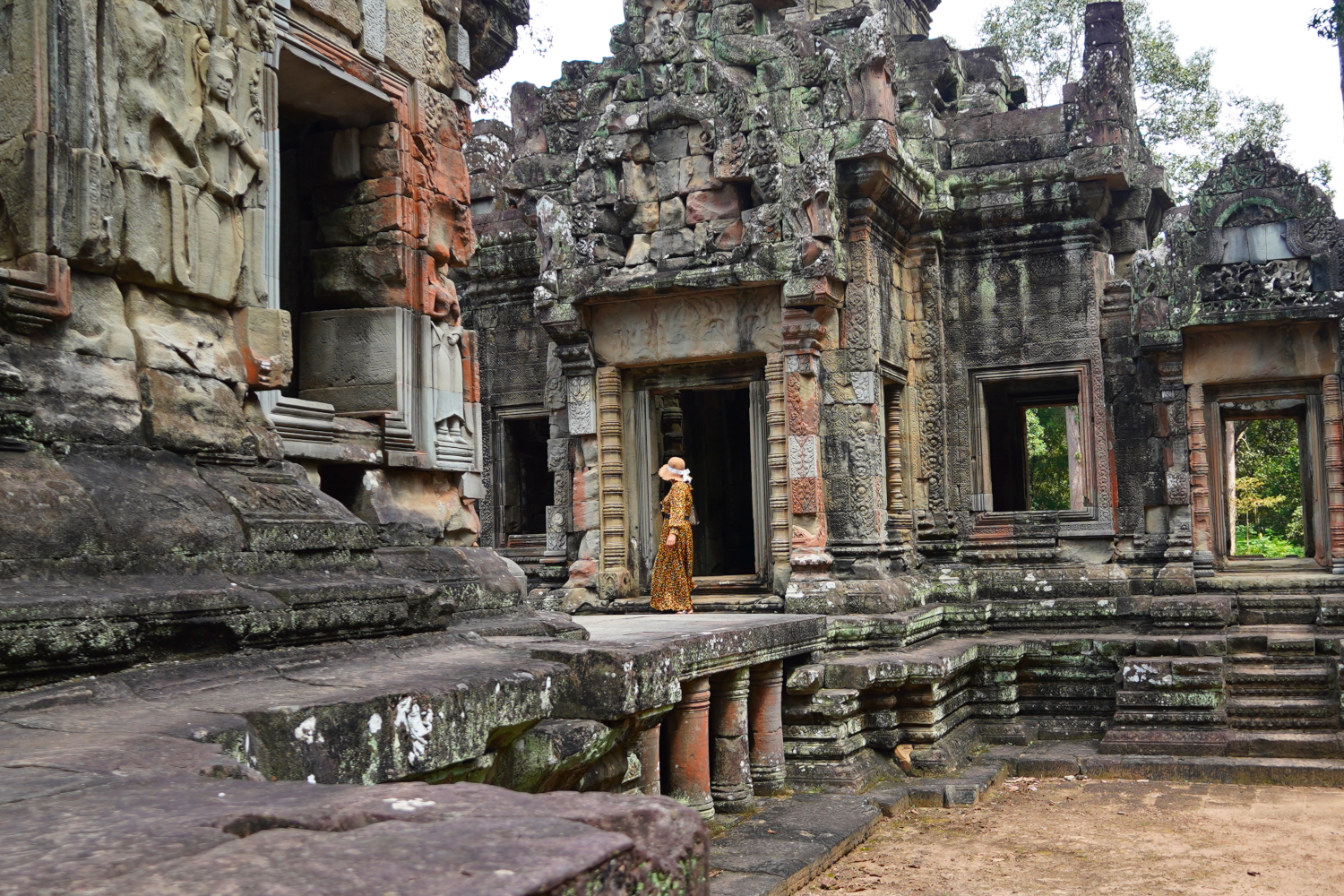
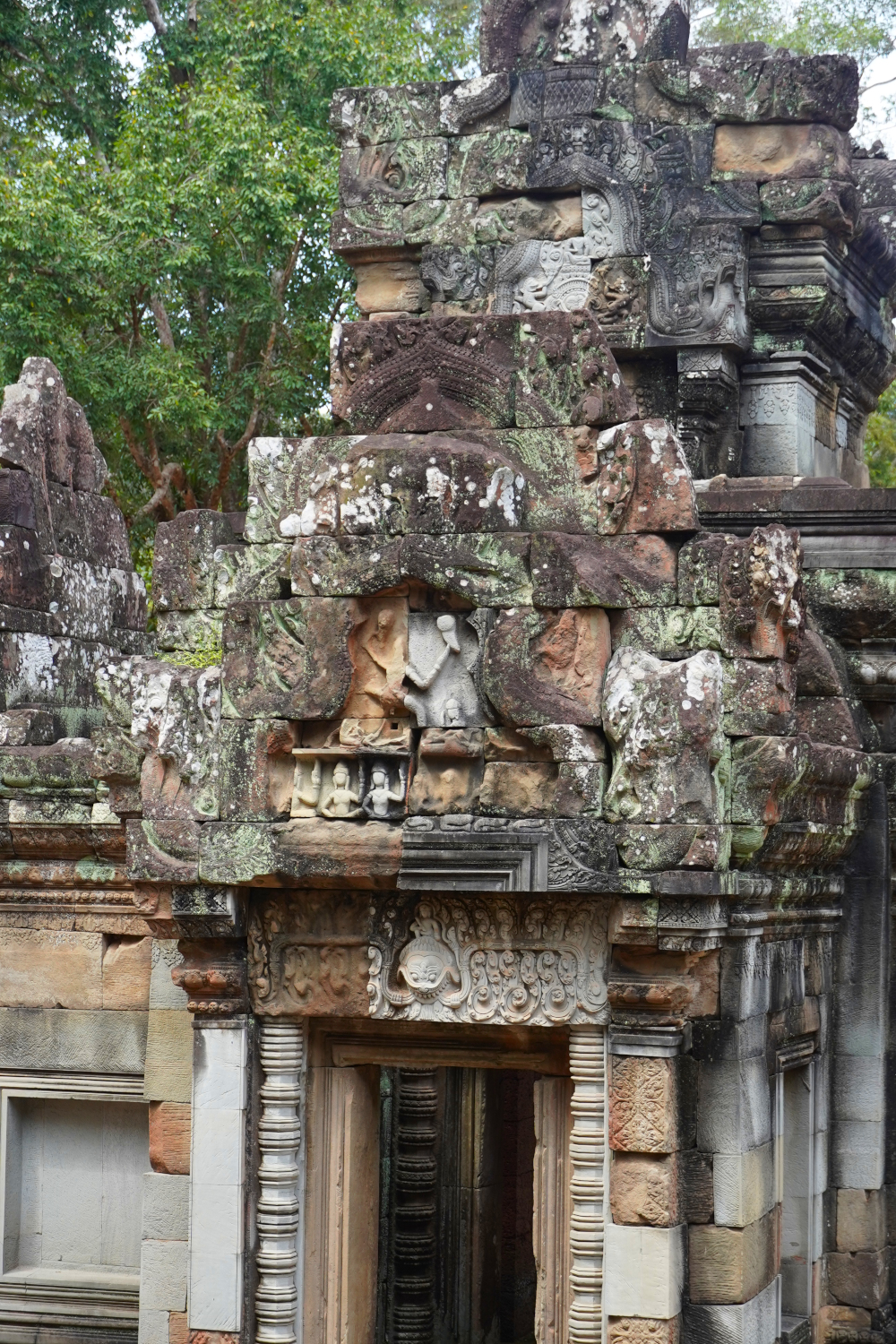
Thommanon Temple
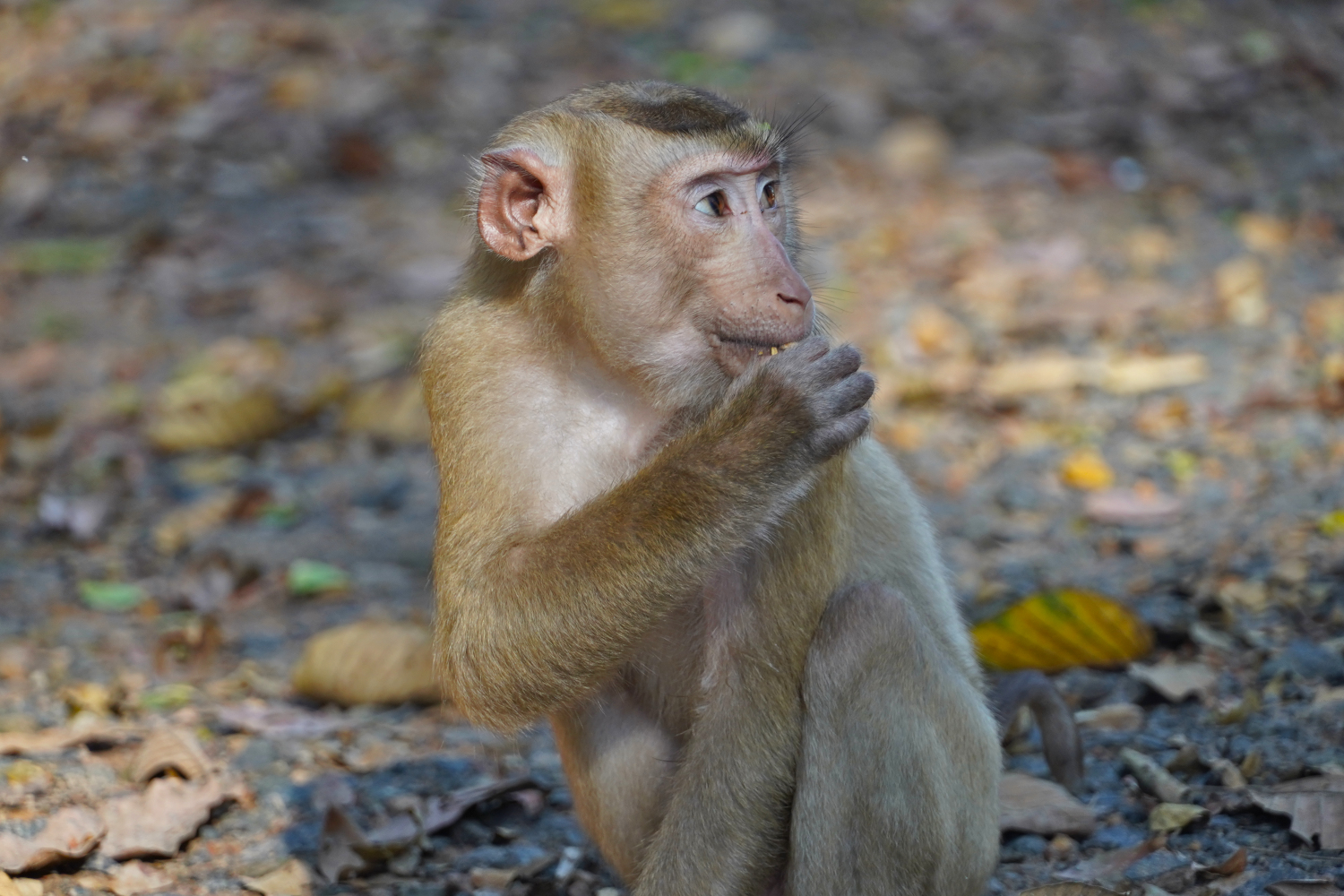
Then it was on to Thommanon, which was extremely small compared to most of the other temples. The most interesting thing about it is that it was, for reasons unclear to us, a favored hangout for wild monkeys. (The only other temple where we’d seen them was Bayon, which is a much bigger and much more interesting temple; maybe they just don’t have a consistent sense of good architecture.)

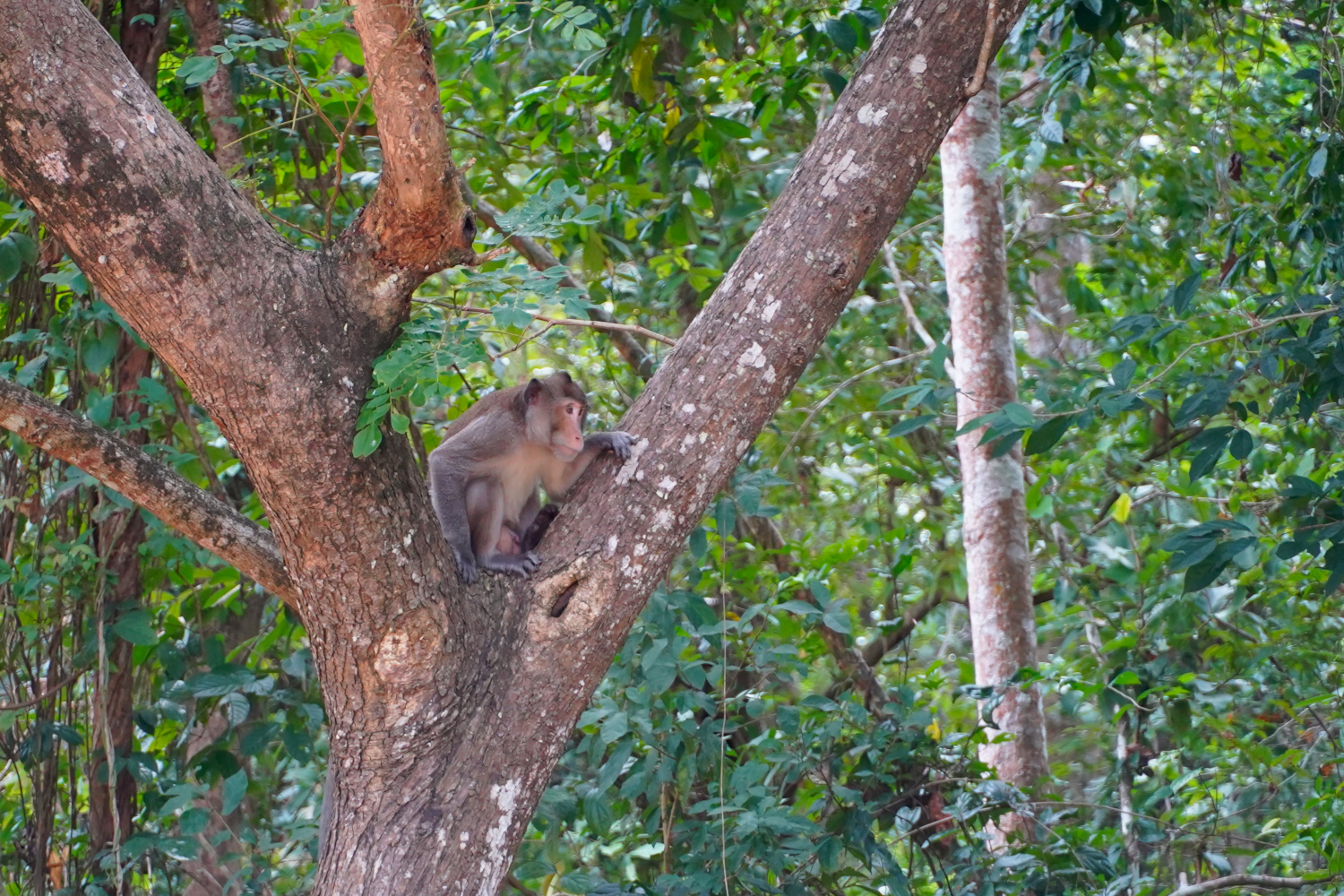

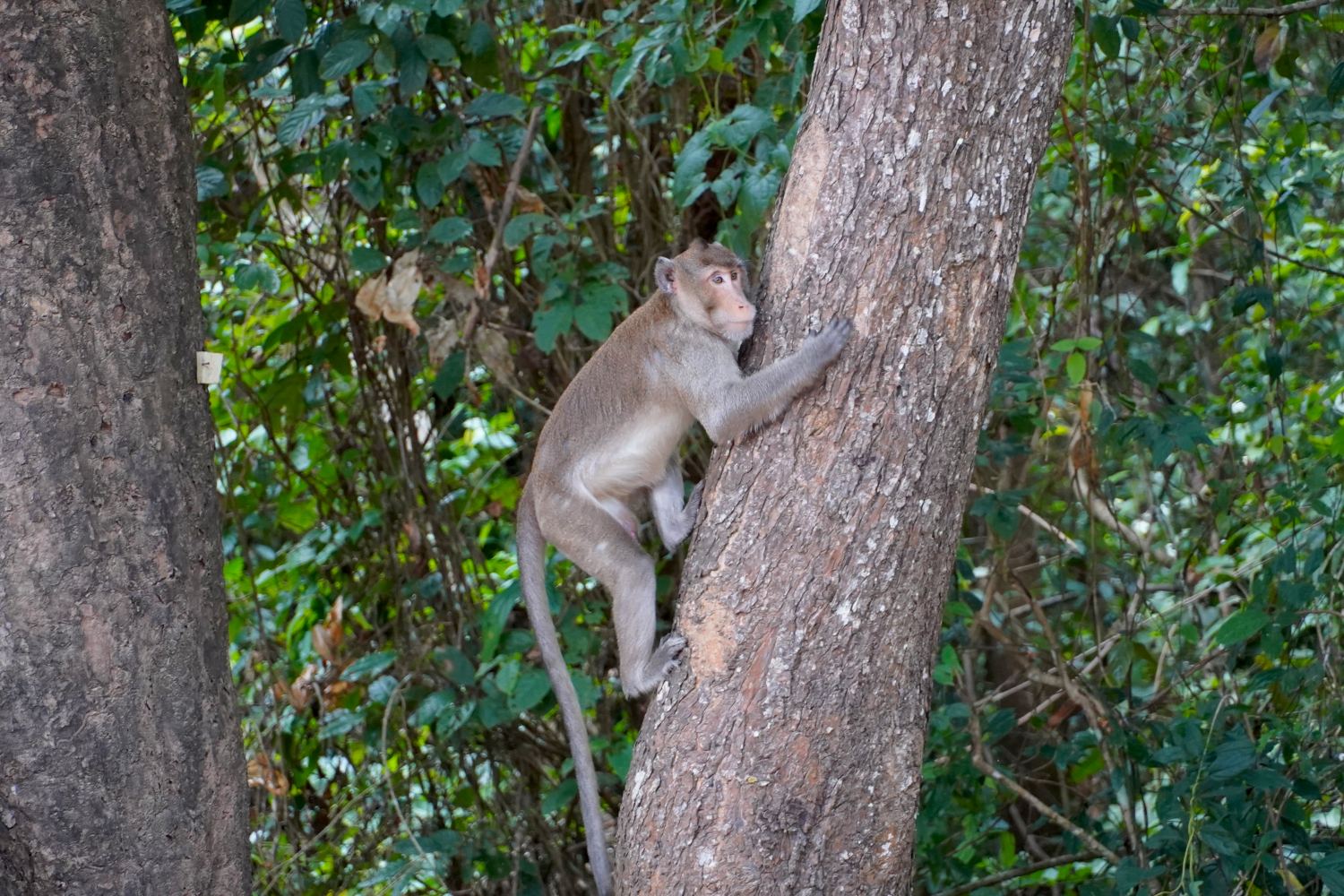
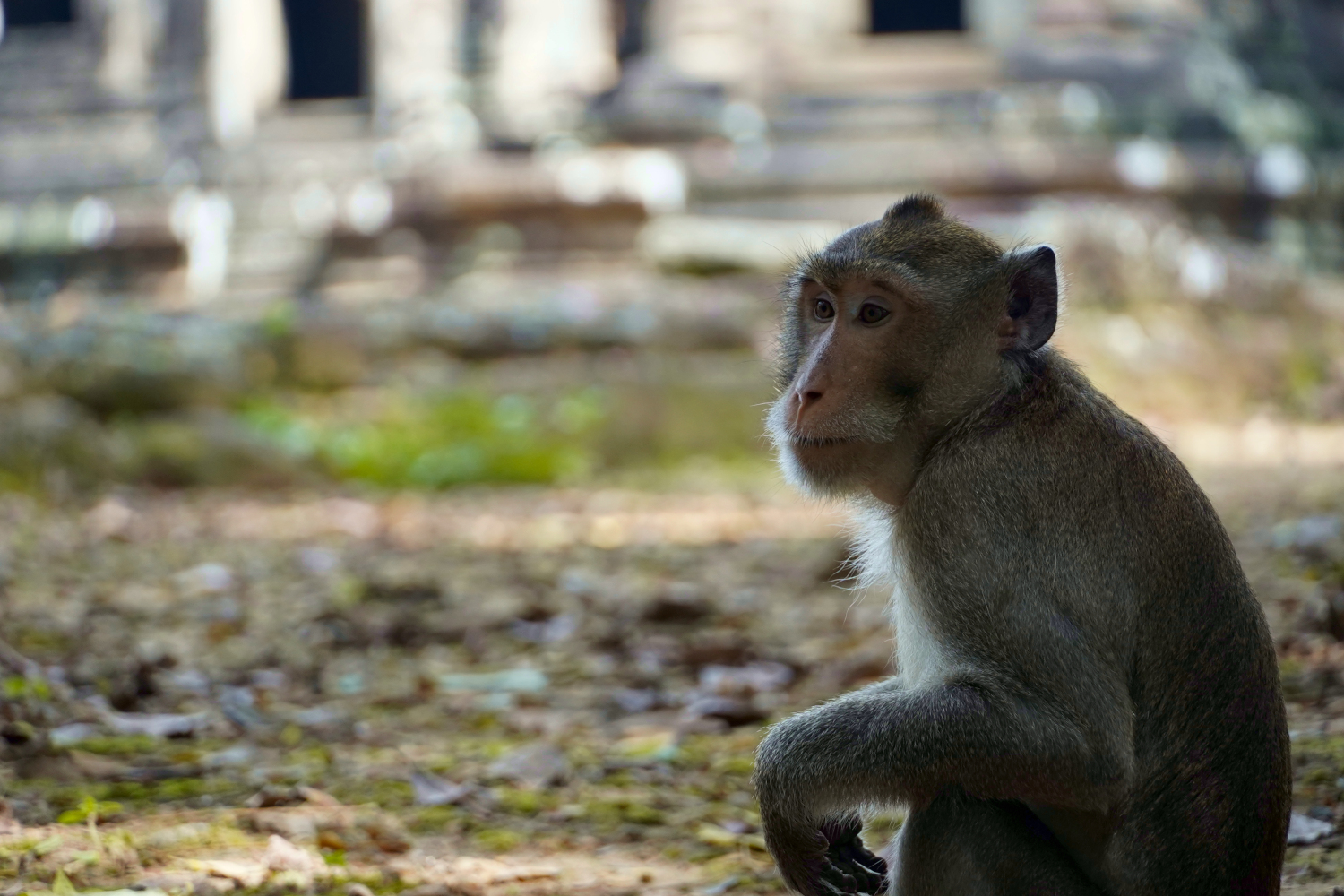
Once again we’d brought along plenty of bananas, thanks to the parents who kept donating them to us. But we weren’t sure about the protocol as far as feeding wildlife. Since we didn’t recall seeing any signs prohibiting it (so far as we could decipher), we went ahead and did it and the critters were most appreciative.

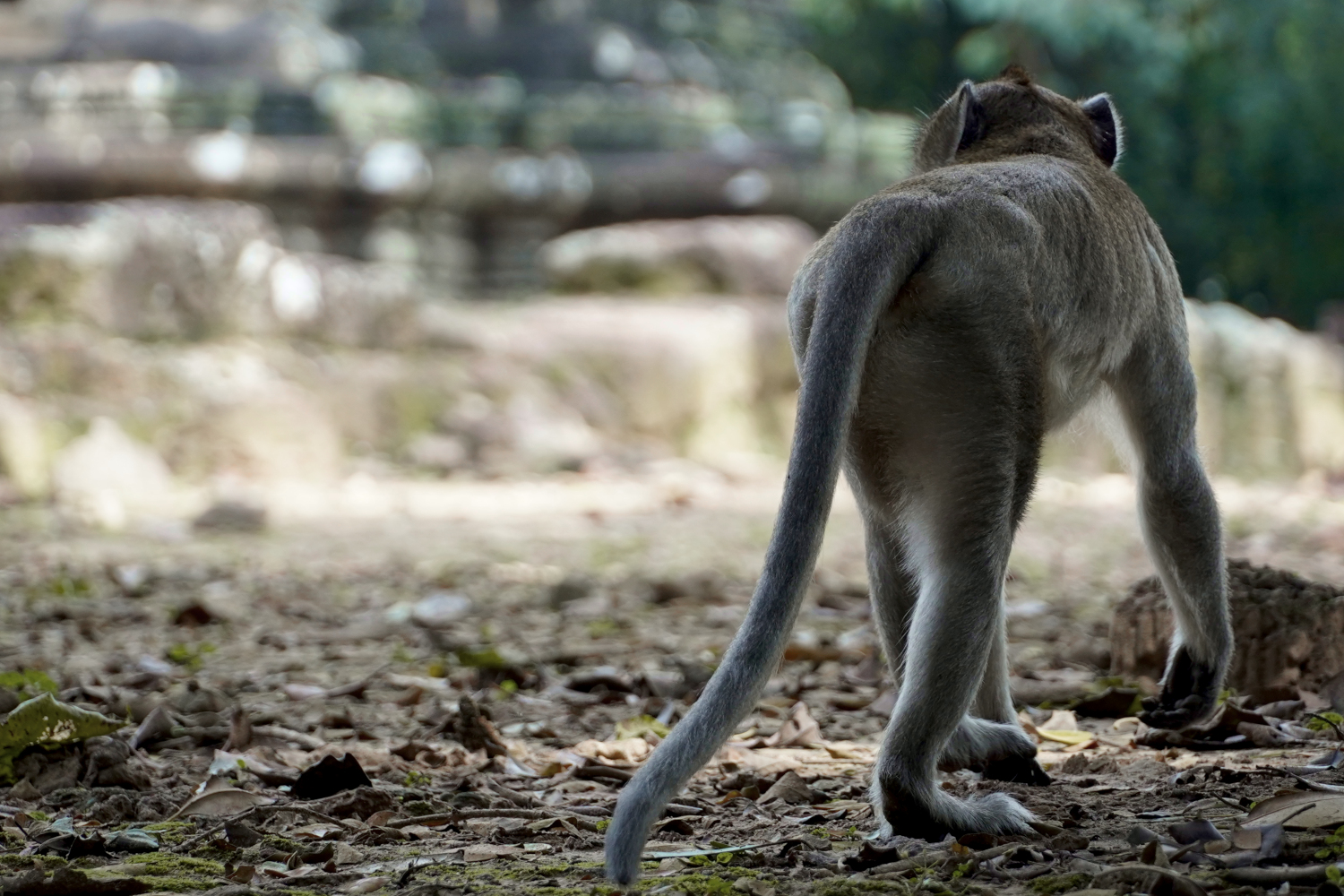

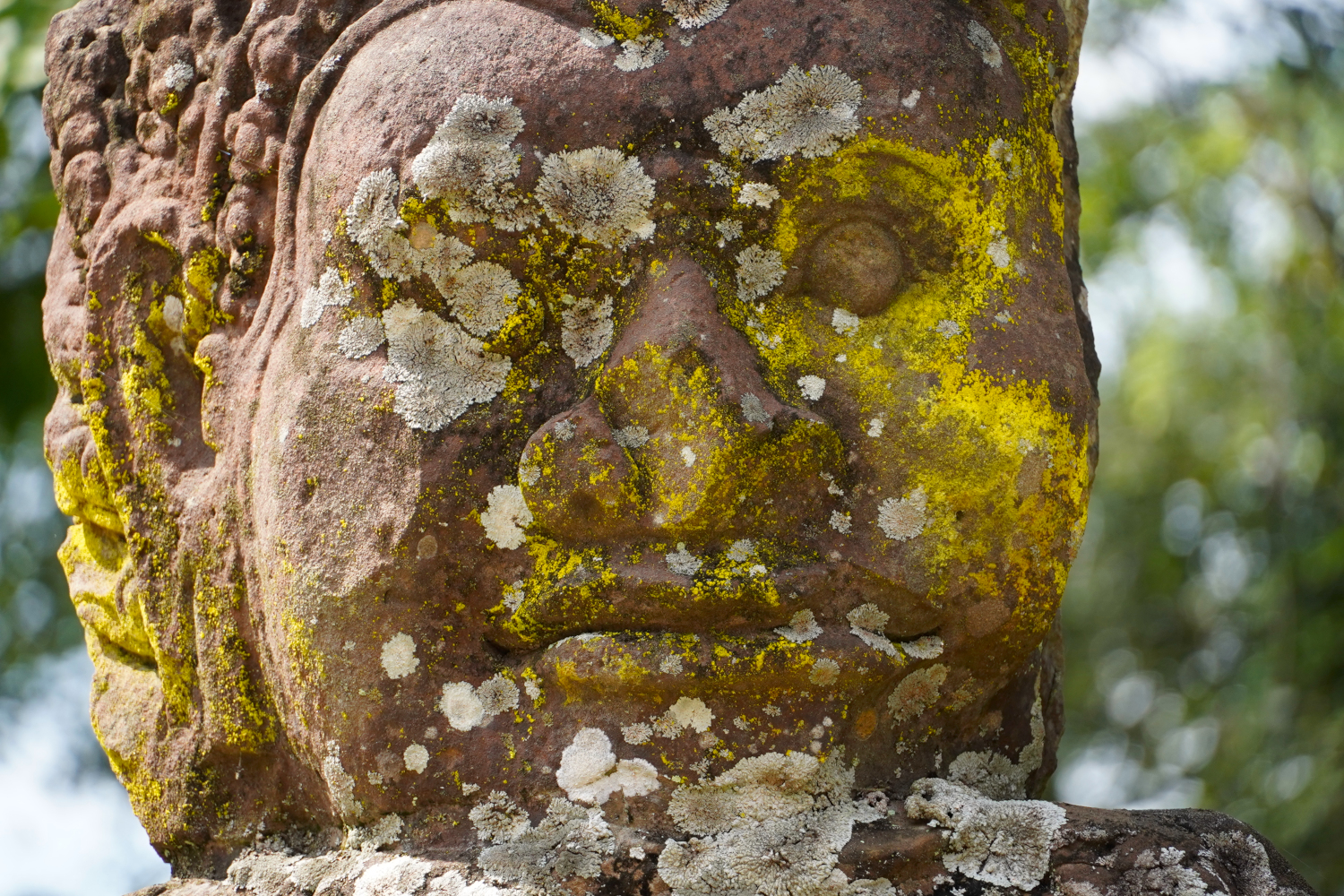
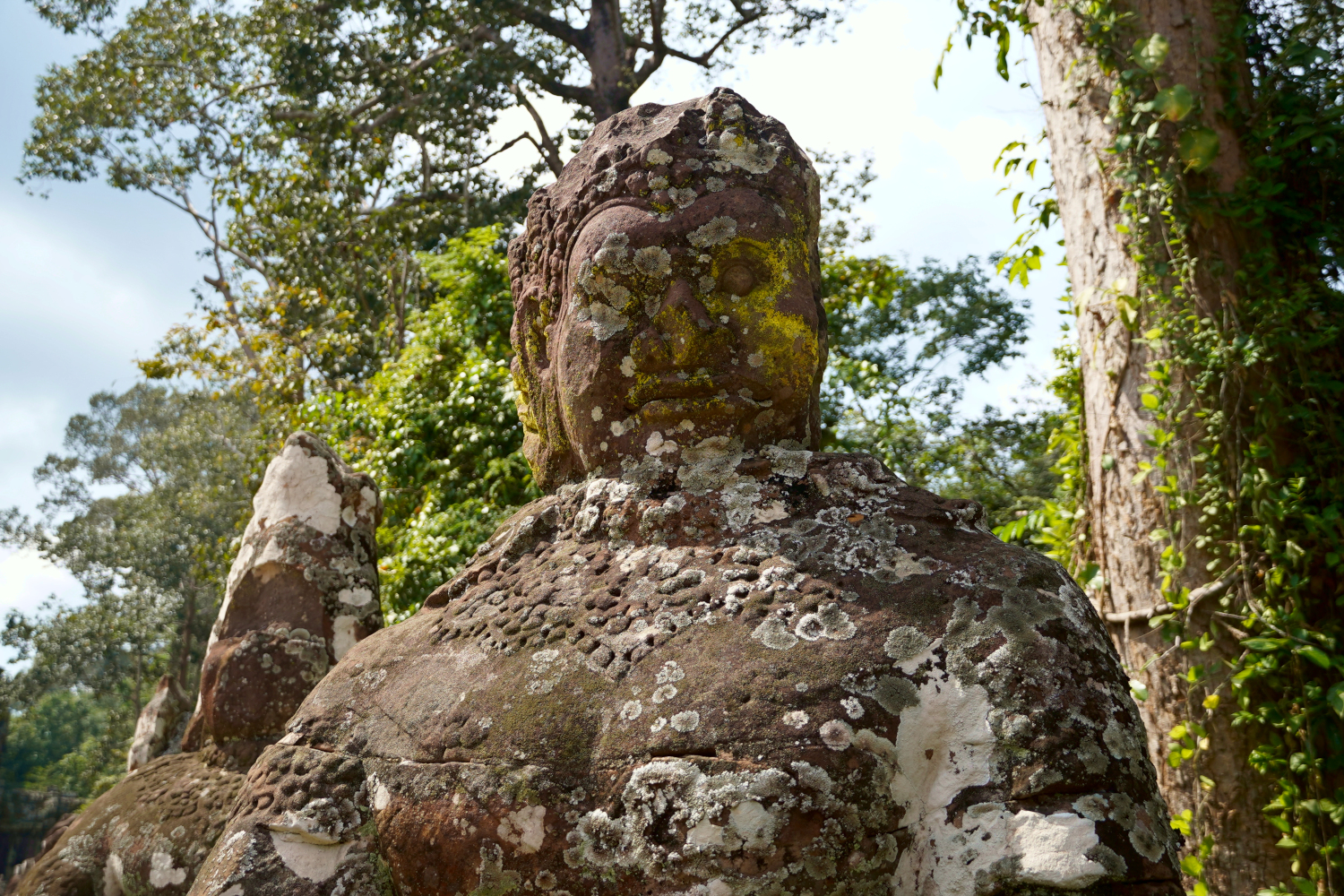
While there actually was not any rule in the park against feeding animals, we later learned that it’s not recommended to give bananas to feral monkeys, since the ones they find in the wild are less sweet than the cultivated varieties, which can upset their systems.
Gate of the Dead
Finally we stopped at the Gate of the Dead, but after we’d walked through it, we didn’t feel any less alive. Nobody knows exactly how it earned its name, though one theory is that it was to be reserved for use during the king’s funeral procession.
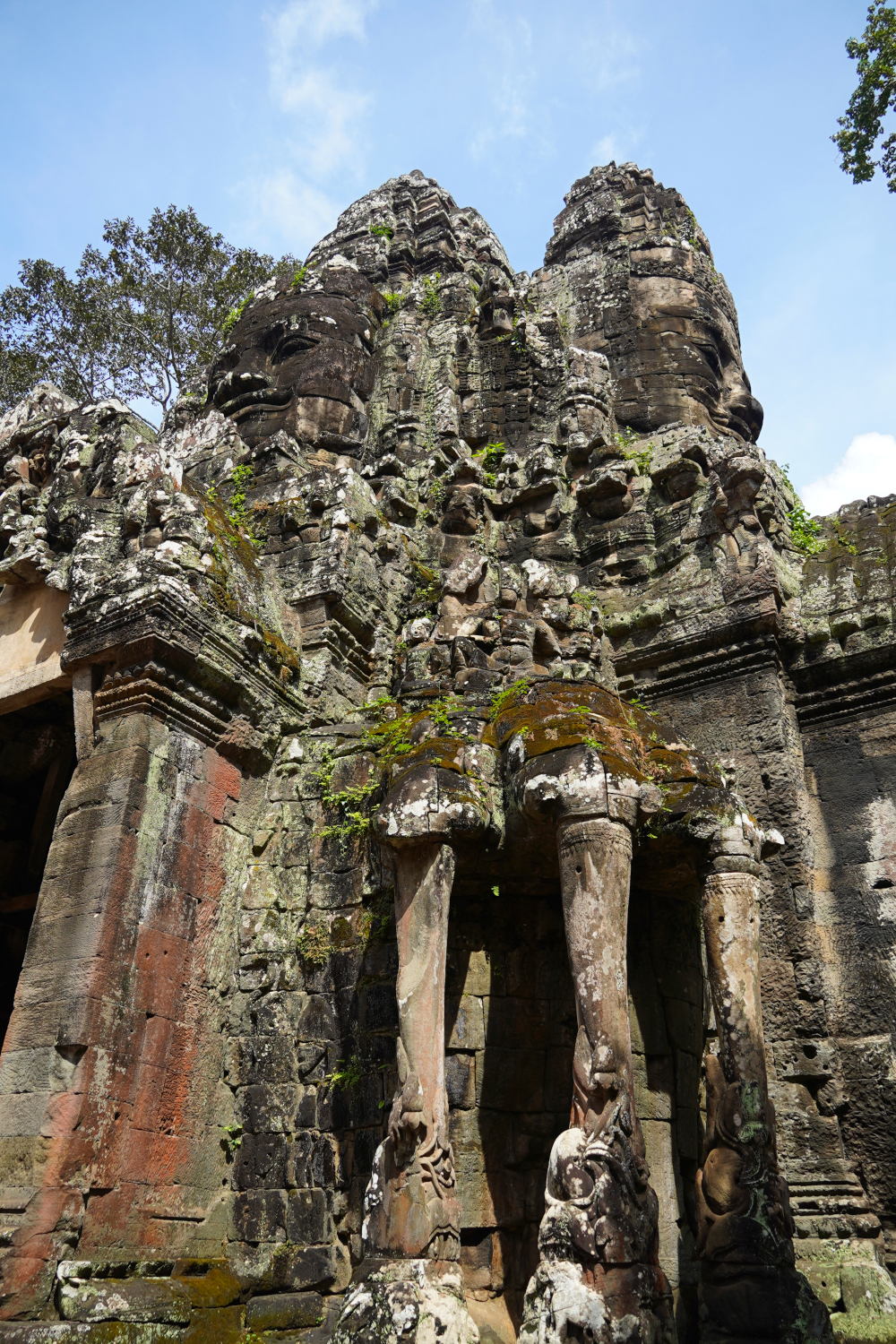
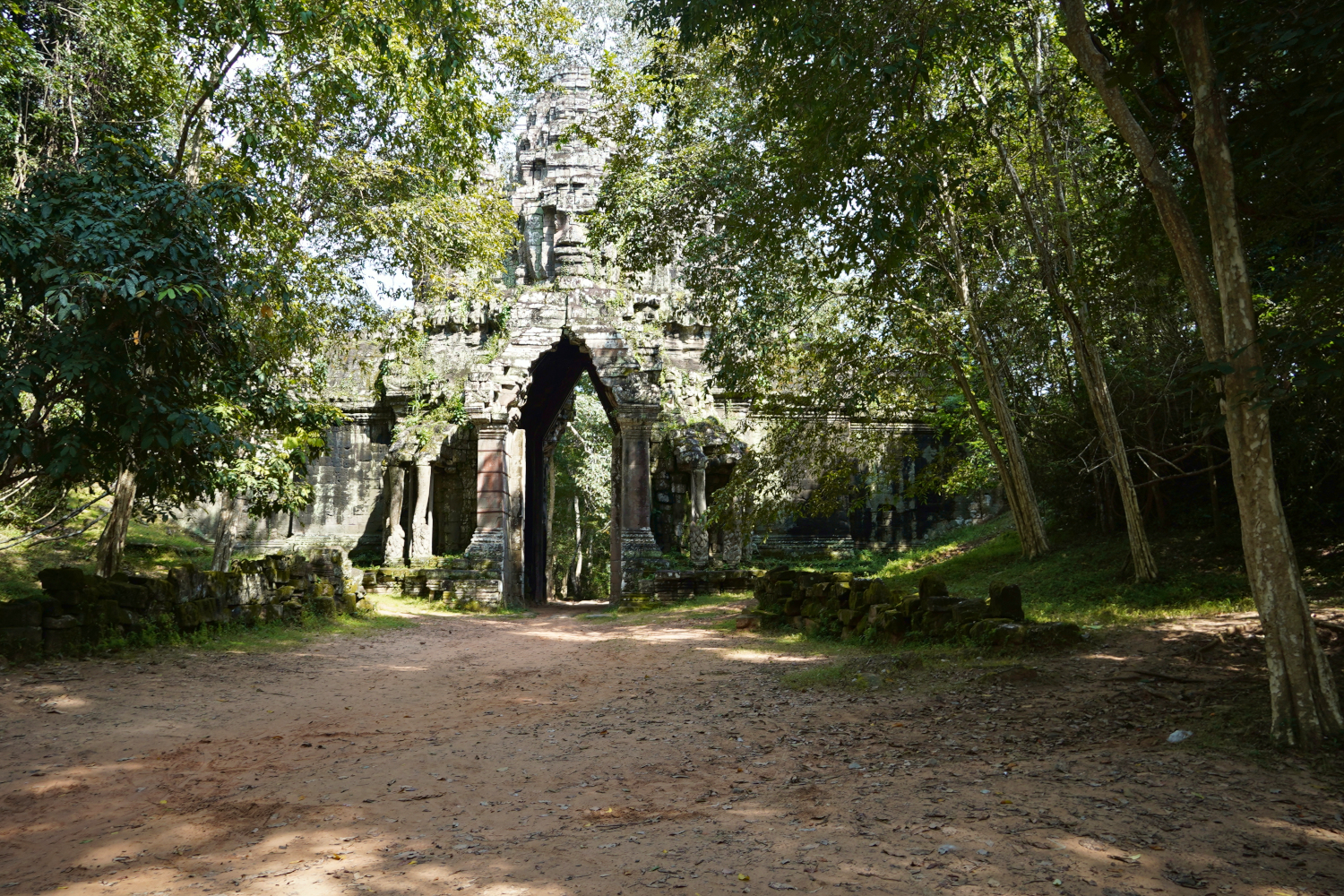
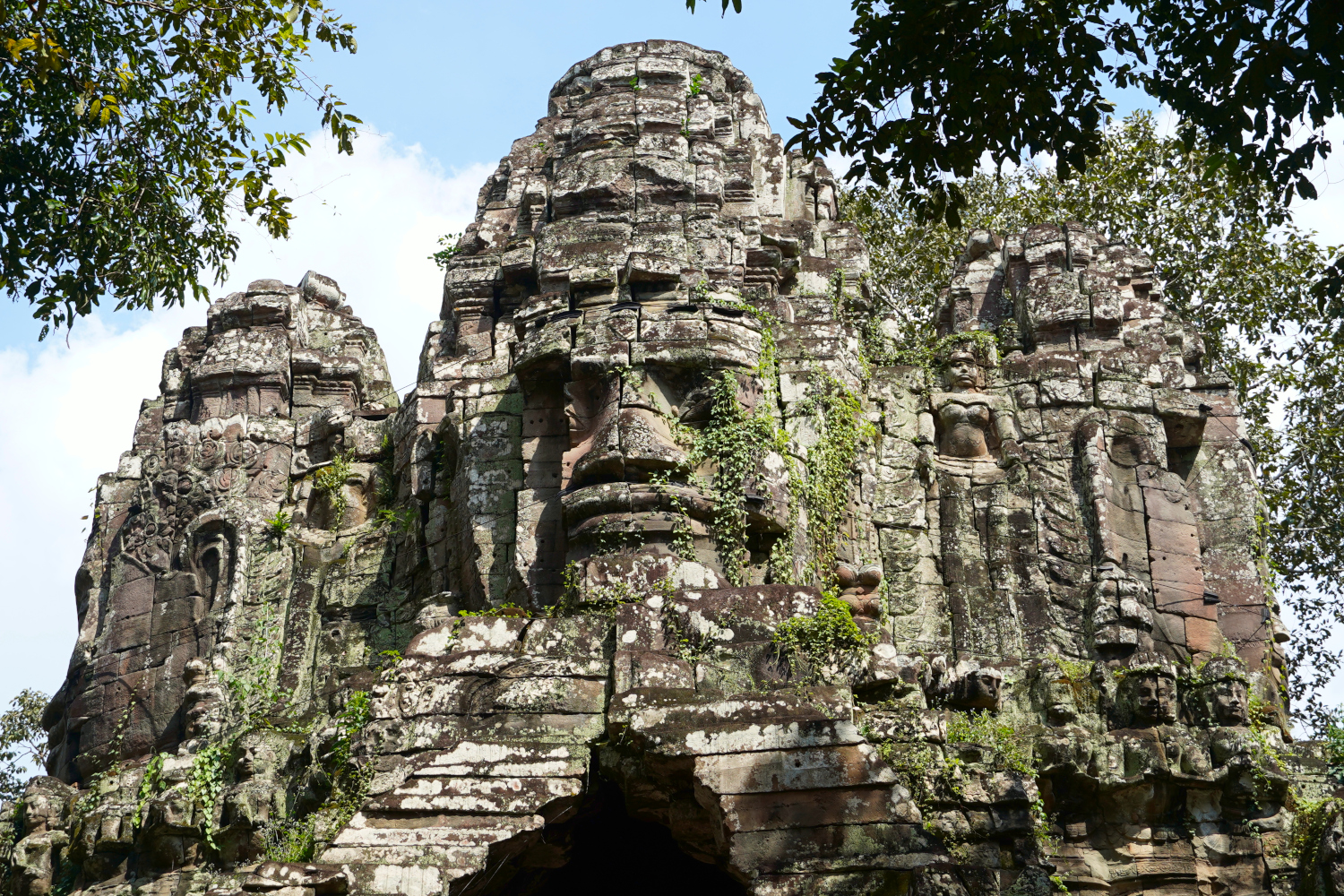
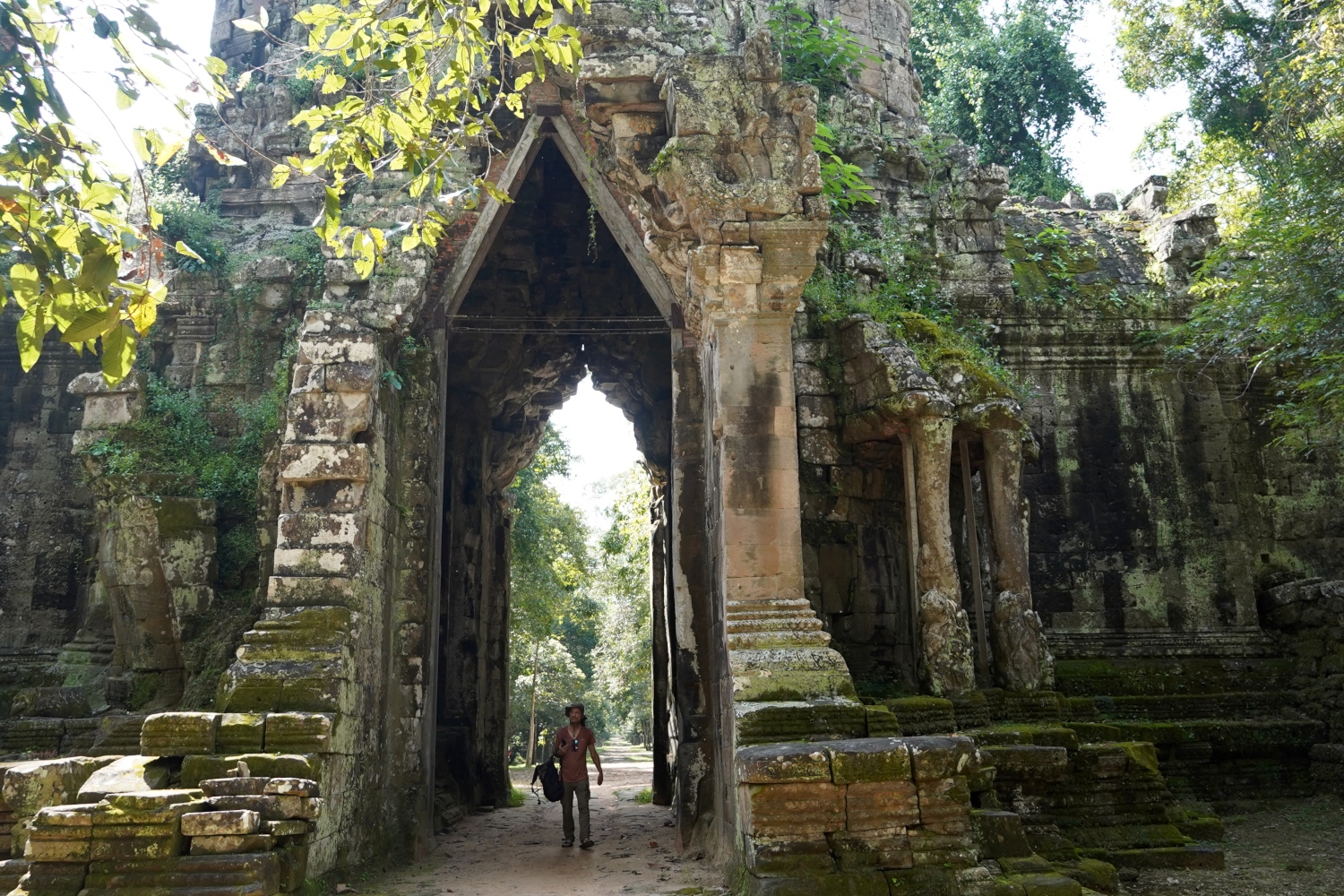
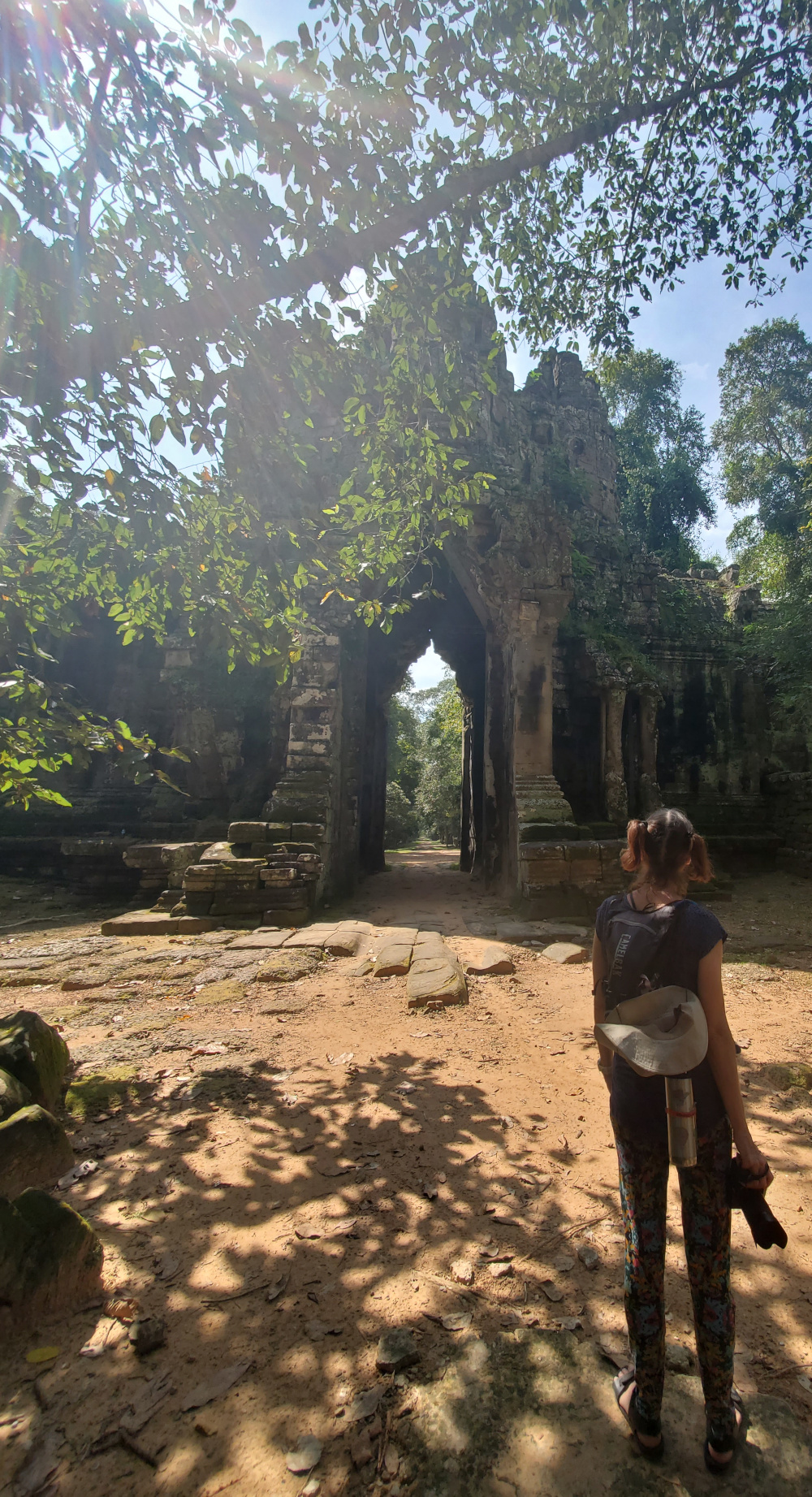
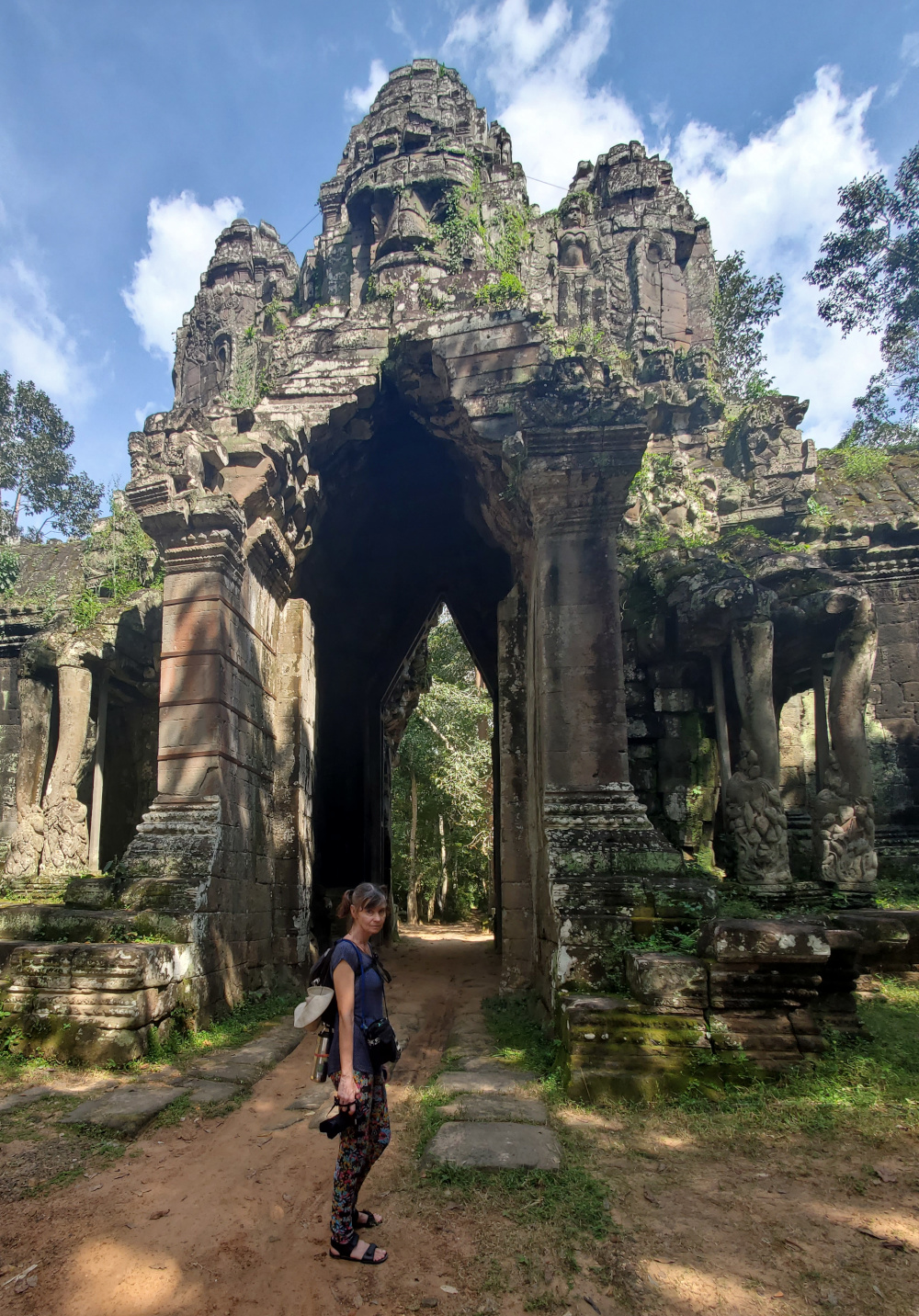
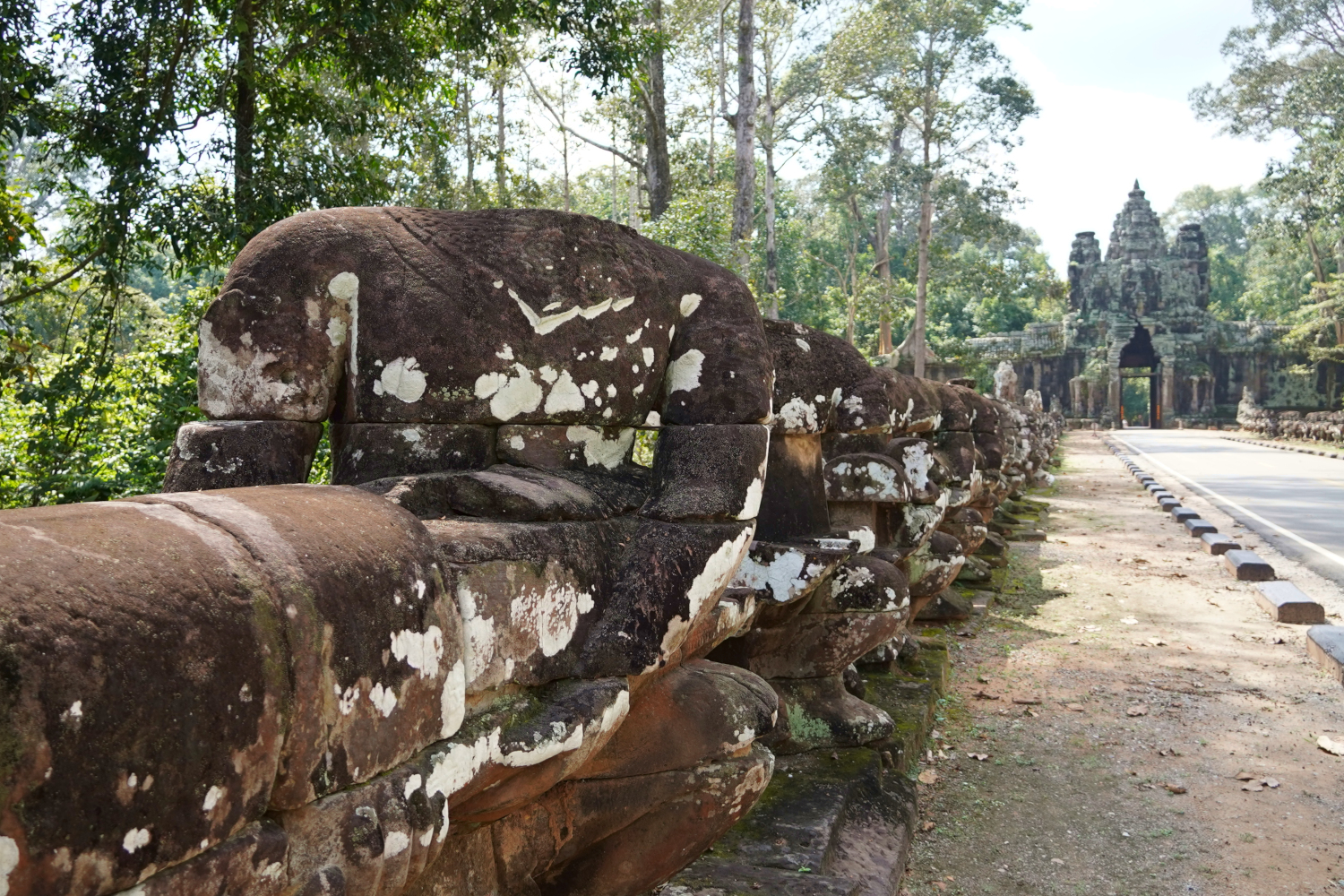
In any case, it was one of two gates on the East Side of the city, whereas the other three sides only had one gate each. The other one on this side led directly to the palace, whereas the Gate of the Dead was used by the other ninety-nine percent.



Then it was back to our school where we were teaching and living. Our tours of Angkor Wat were complete for the time being, but we’re not done with it yet. There’s still so much there to see.



Looking Ahead
This exploration only scratched the surface of Angkor Wat’s hidden wonders. With so much more to discover, we’ll be back next month to share another adventure with you! Stay tuned for more tales from this captivating archaeological park.
Key Takeaways
- Angkor Wat offers more than just the main temple. Explore hidden gems like Ta Keo and Thommanon for a glimpse into the fascinating history and diverse wildlife.
- Be a responsible tourist. While interacting with animals can be tempting, it’s best to avoid feeding them to maintain their natural balance.
- Research the history and local customs before visiting a sacred site. Understanding the significance of a place deepens the appreciation.
10/23/2022
 world travel with a theatrical flair
Leave a comment