

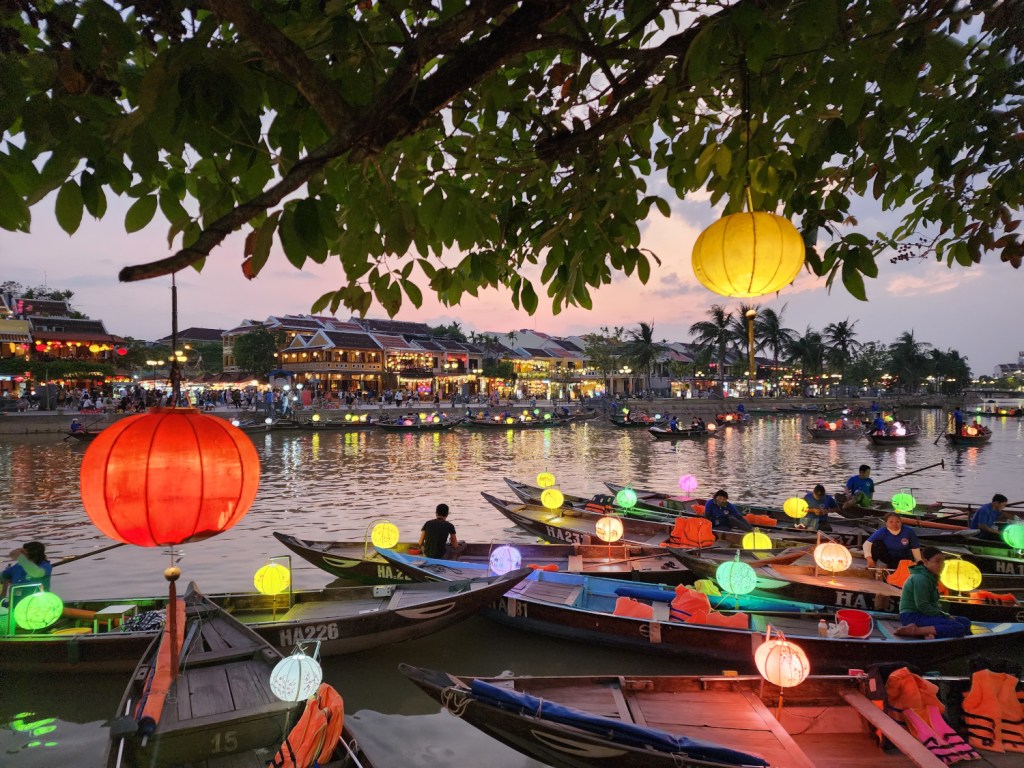
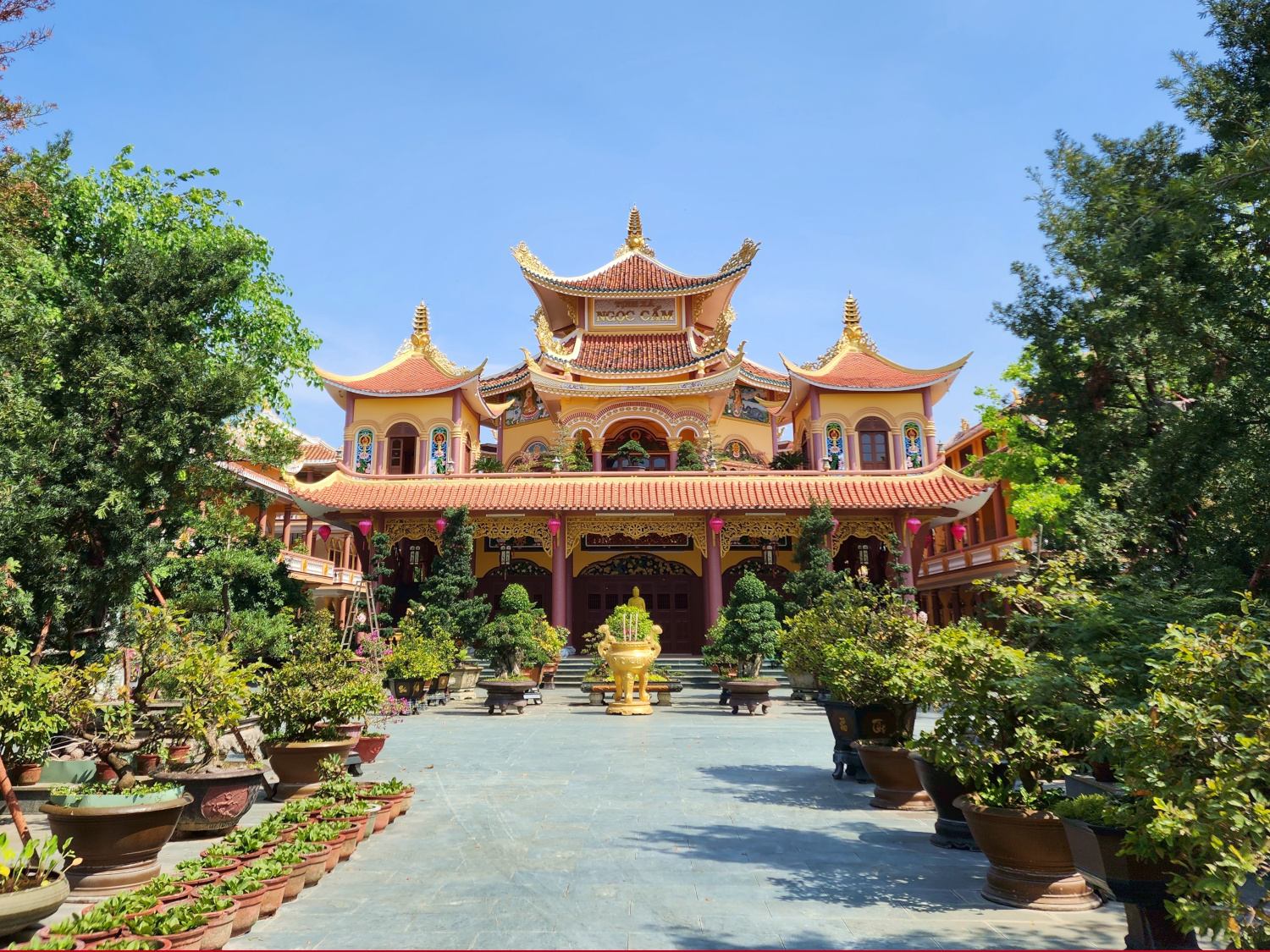
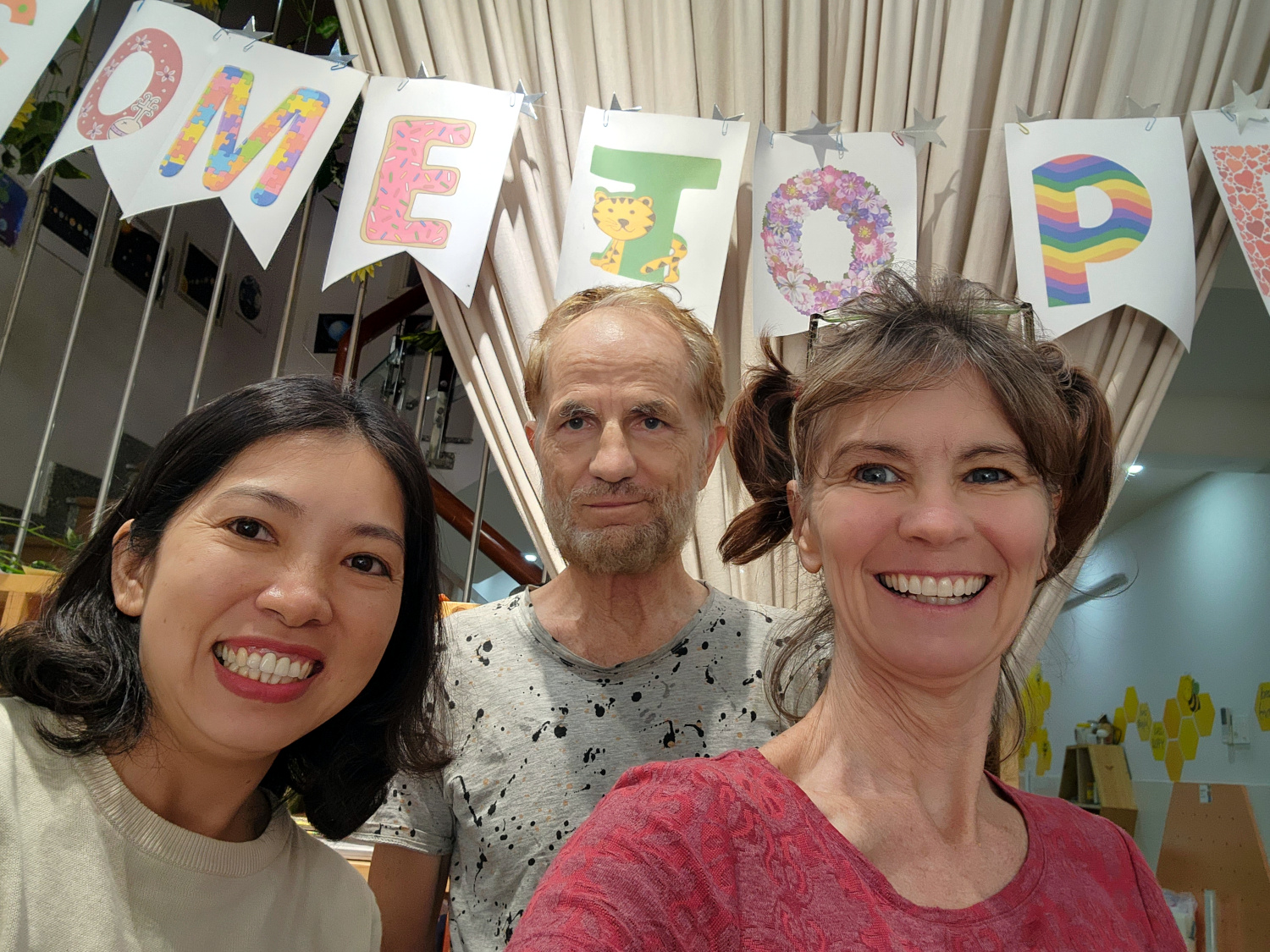
With only three weeks to spend in Hoi An, Vietnam, we did our best to immerse ourselves in its vibrant community and colorful culture. And in our volunteering stint at Prinberk Academy, near the heart of it all.
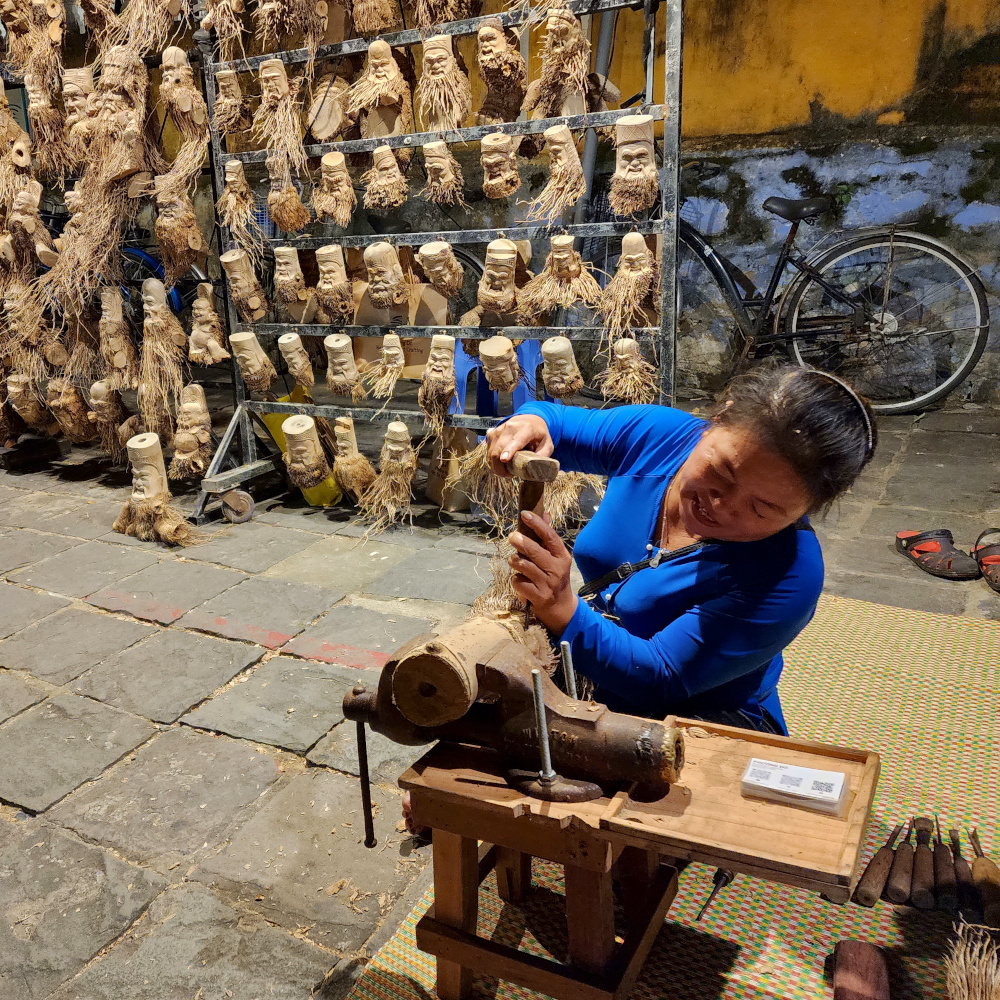
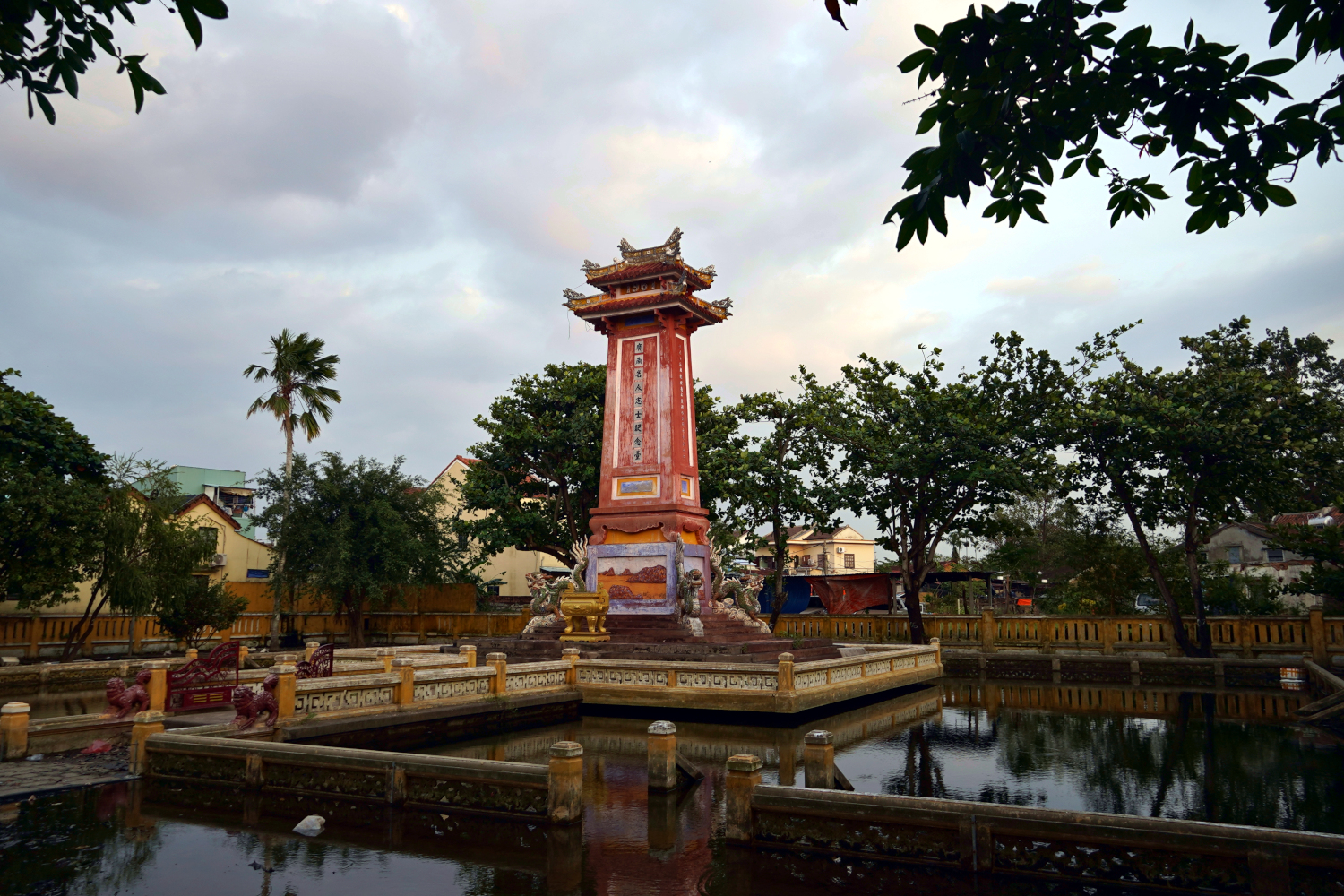


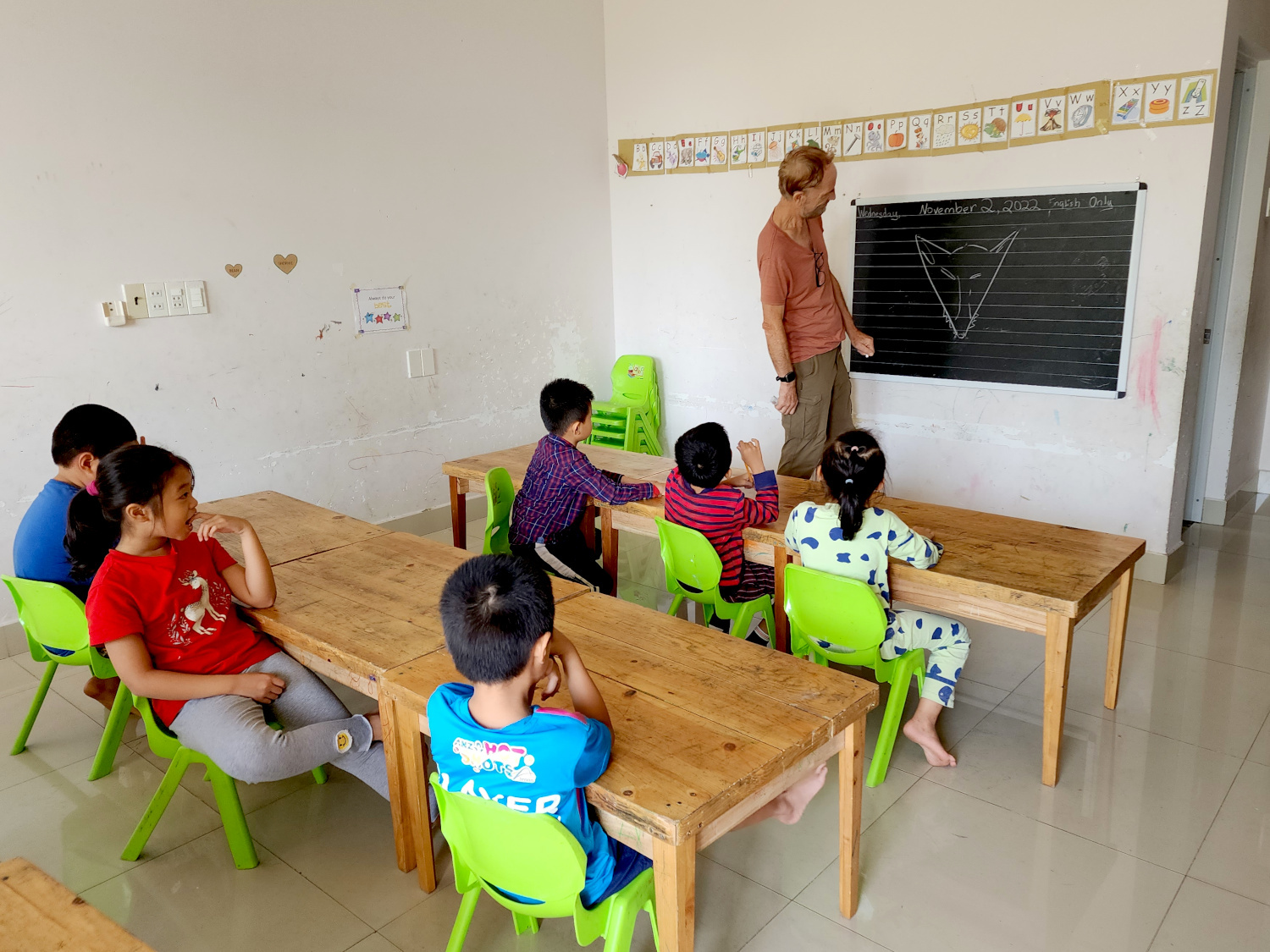
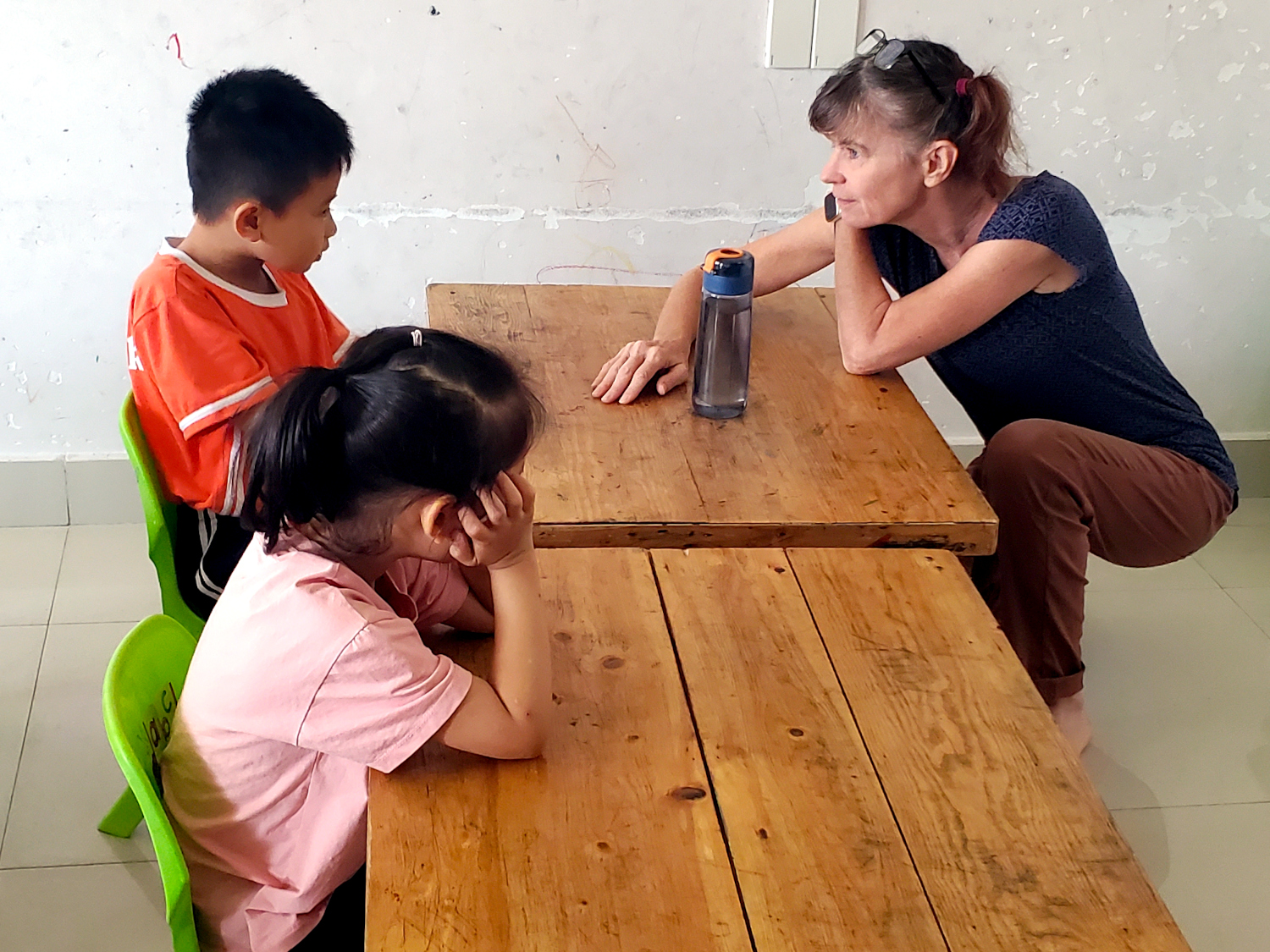
There were only 9 students at this school. They all had English nicknames like Kid, Kool, Sea and Bean. We were grateful for that, because we know we would have had a difficult time learning to pronounce their actual names in the short time we were there.


On the afternoon of Tuesday, November 1, having finished our classes in the morning, we ambled to a little bus terminal about a mile away, hoping to catch a bus into Da Nang and do some shopping for certain items that we’d had a hard time finding so far in Hoi An.
But upon arrival, we found that the bus lines had ceased operation during the pandemic, and had not yet reopened. So the poor little buses had just been sitting there neglected for two years. Nor was there any indication of when they’d be called back into duty. So we had to continue scouting out the local stores and the marketplace. One shop we stumbled upon was a coffee and tea emporium where we bagged some very nice gourmet tea.
On Thursday, the school director dropped in to say goodbye before heading off for a couple of weeks in — ironically — America. She helped us arrange a ride into Da Nang, but when we found out the price would be 15 dollars each way, we decided we didn’t want to spend that much just to go shopping. She also brought us a snack, a kind of large rice cracker we’d never seen before.
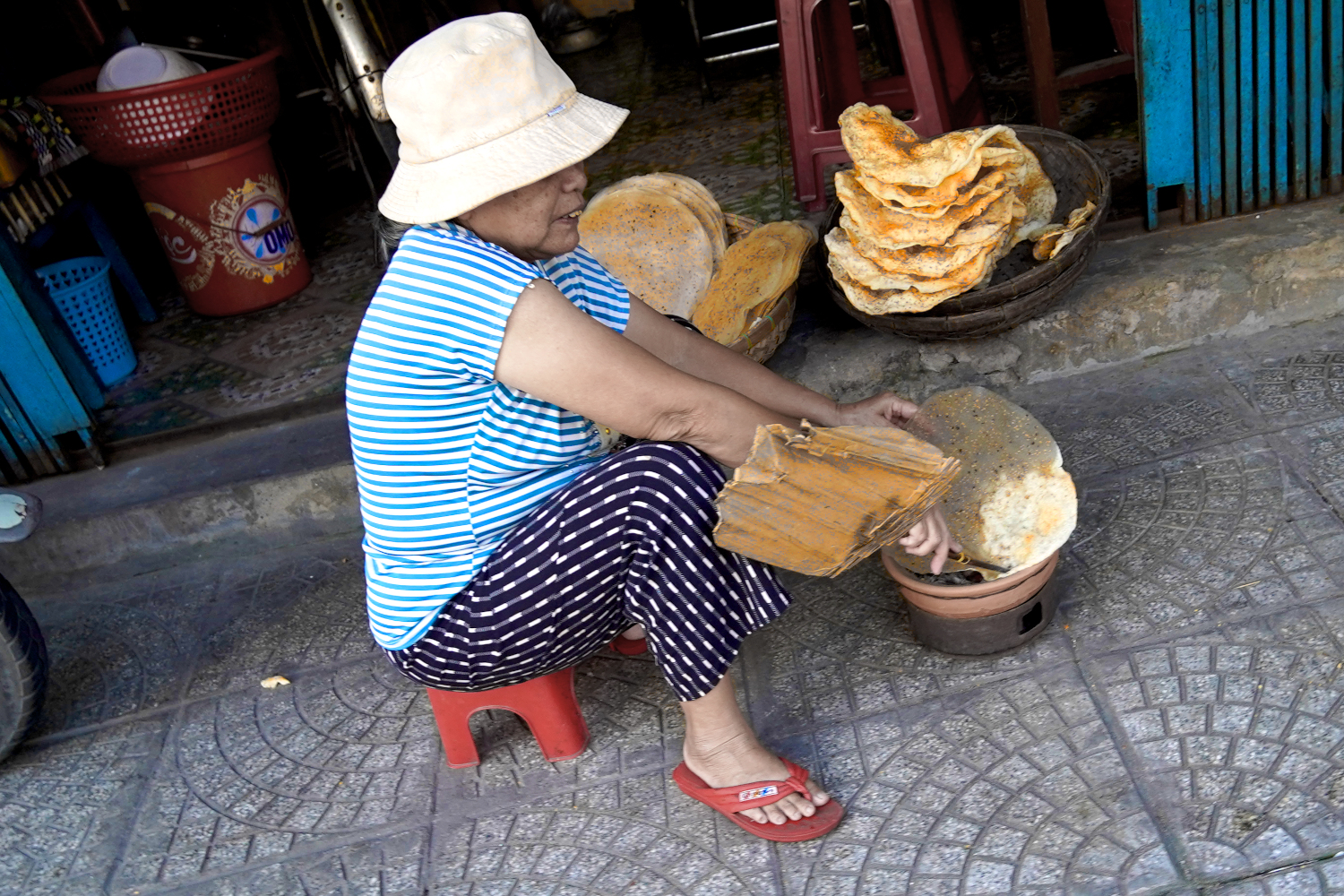
Quite a few of the foods we encountered were things we’d never seen before. One such was a sort of cracker or chip that we found quite yummy, on a par with snacks we’d found in India (a country which, we think, produces the best junk food in the world).



Only after we’d devoured them did we think to run Google Translate on the ingredients label. It said “corn, noodles, pork ears”… Pork ears??? Could that possibly have been what it really meant, or was there some other interpretation? (After all, we’ve seen translations of food labels that assured us the product did not contain any “harps”.)
It certainly didn’t have a taste or texture the least bit meaty, nor did it make us vegetarians sick, as pork almost certainly would have done. But just to be safe, we avoided that item in the future. And made certain to translate labels before the purchase.
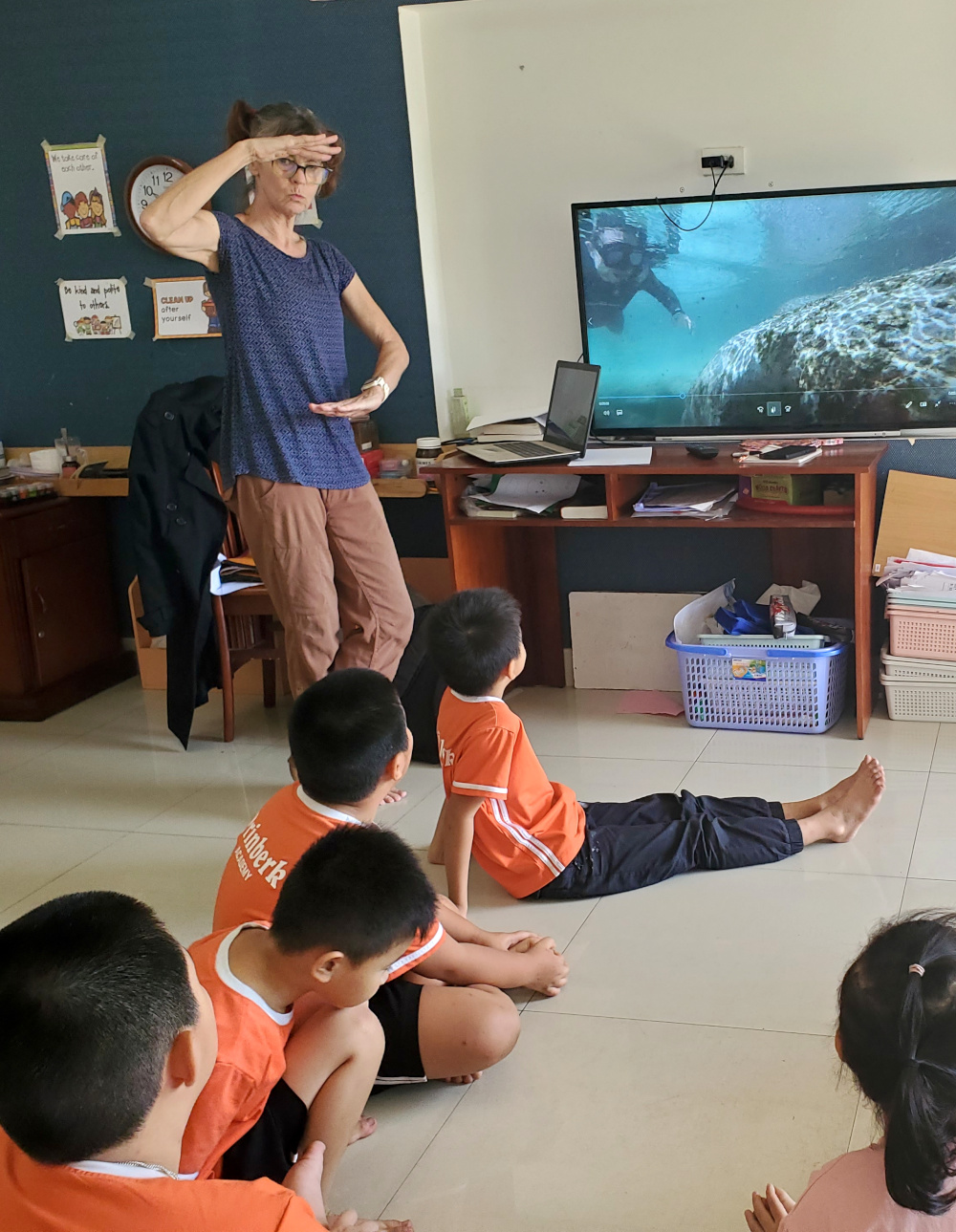
Meanwhile, we were getting acquainted with the students and having a lot of fun with them. One thing we did with them was introduce them to a little theatre. In particular, Kimberly presented her one-person version of Goldilocks and the Three Bears, which she developed years ago as an aid to teaching sign language, as she performs it with no dialogue and encourages the audience to fill in the dialogue. It was always a big hit in the U.S., and it has been in other countries where we’ve tried it out too — including here in Vietnam.

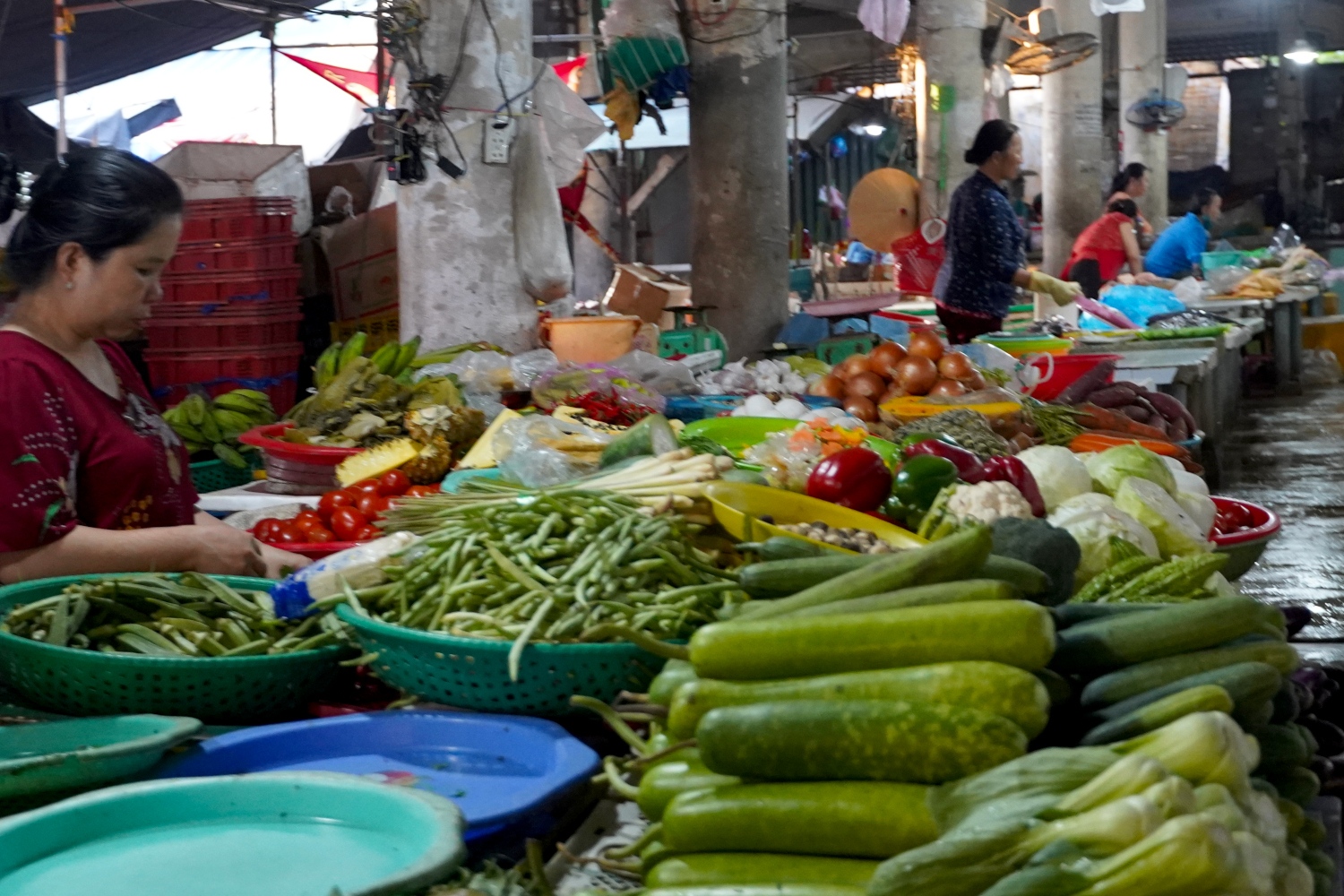
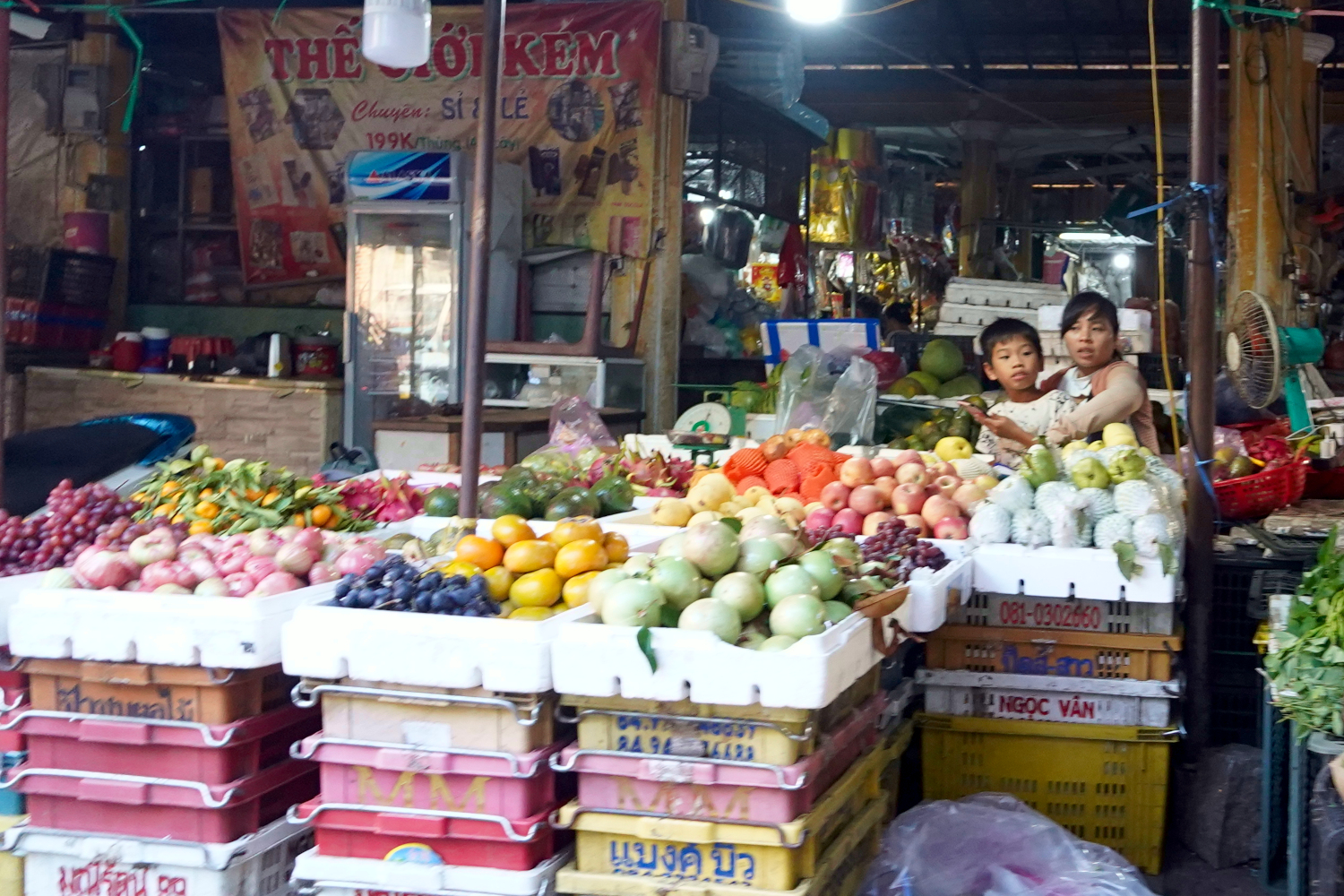
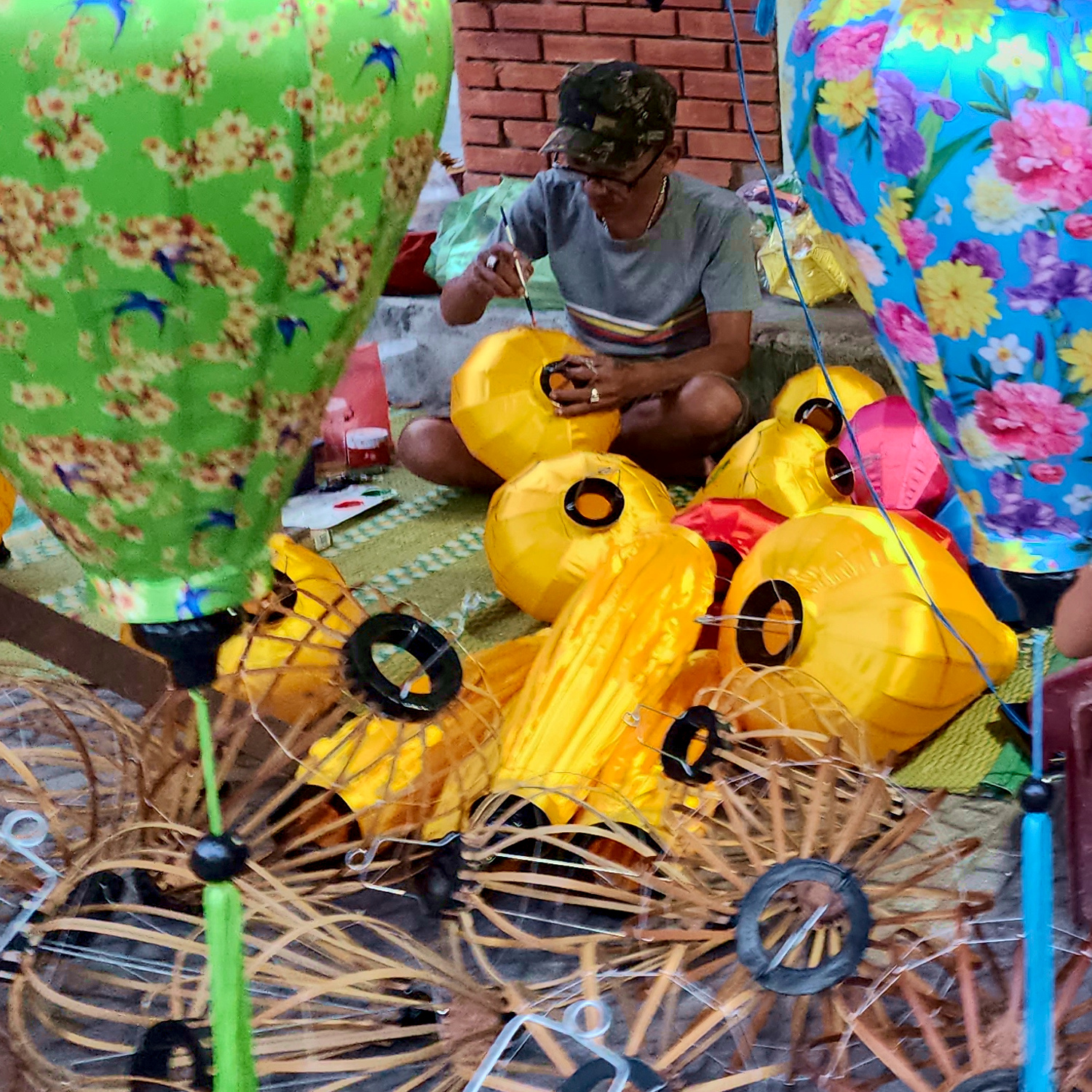
The local marketplace continued to be one of our regular haunts — not only to buy produce, but to soak up the native vibe. At one point, we even tried haggling with a produce vendor, as is reportedly the custom in these parts. But we had no success at all. The lady just shook her head and said, “Same same Vietnam”. Which we’re guessing translates as, “you won’t beat this price anywhere in the whole country, buster, so take it or leave it.”
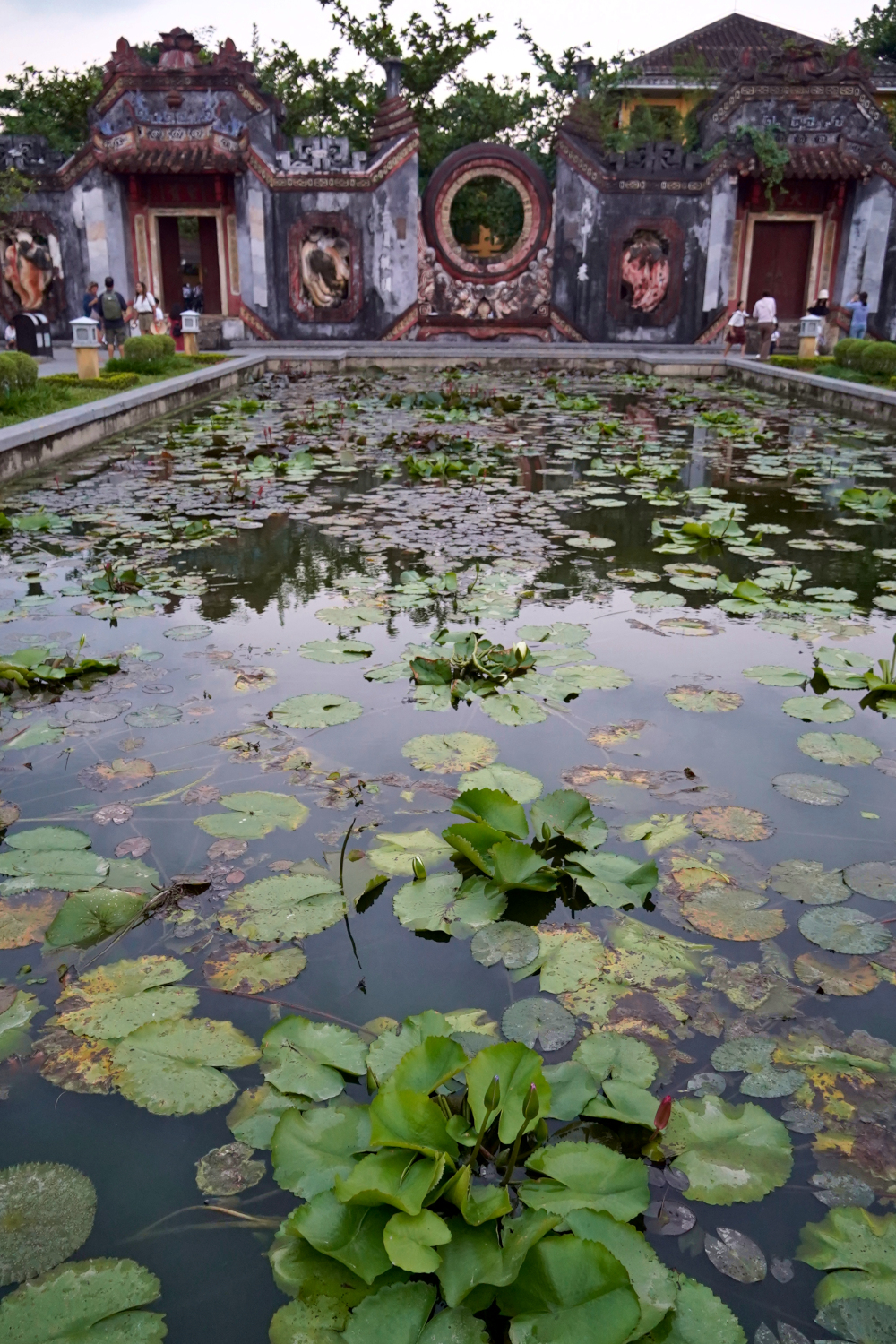
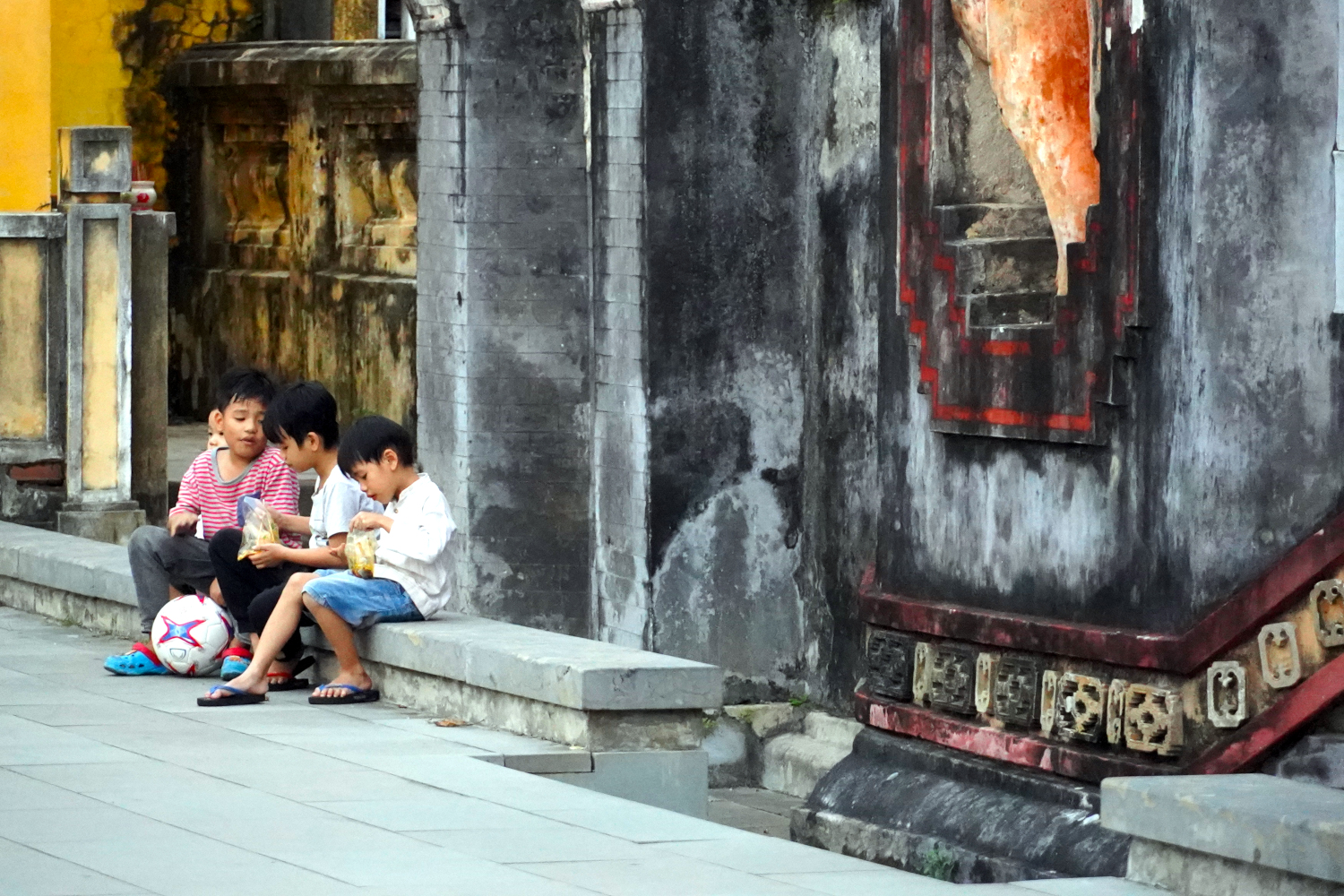
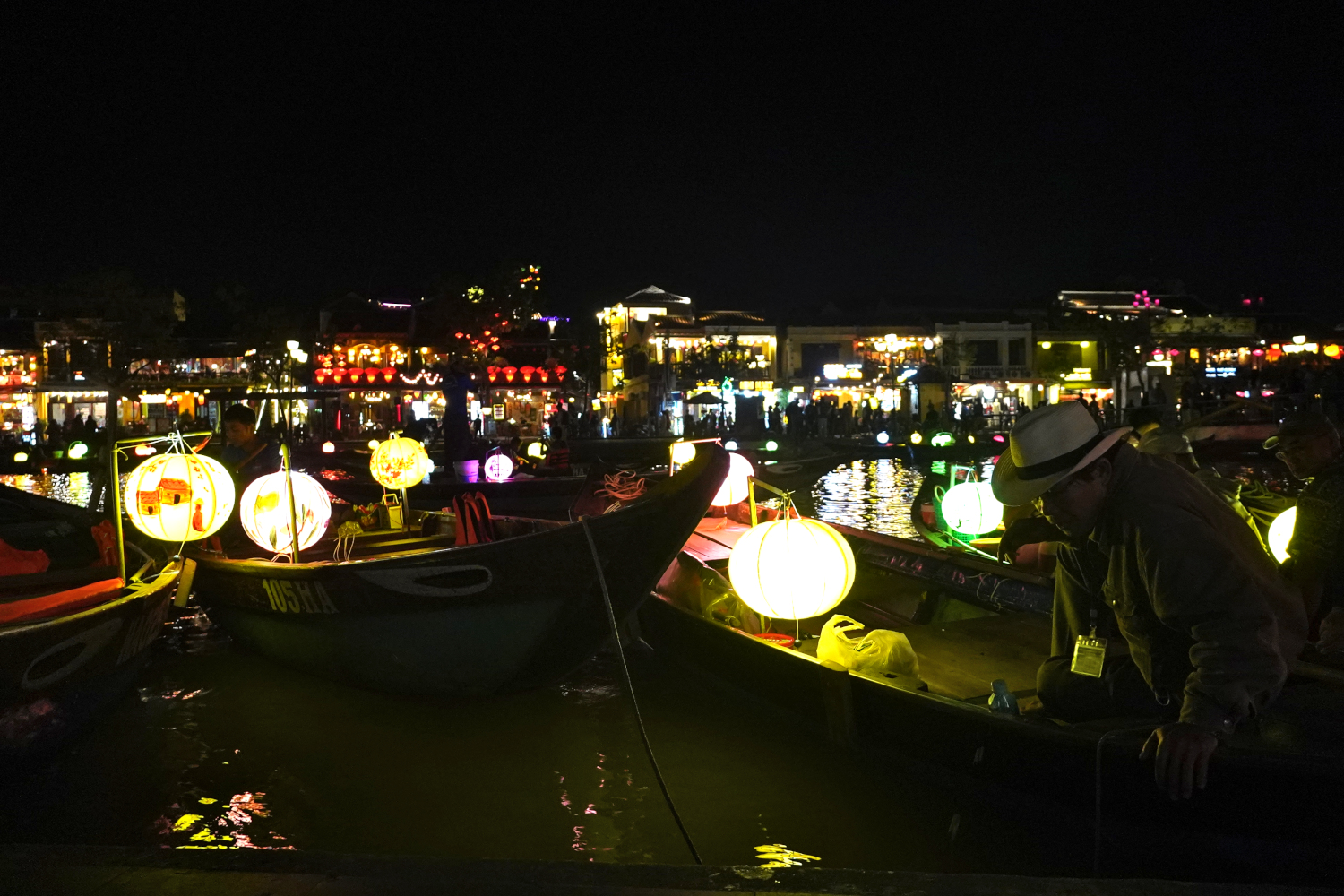
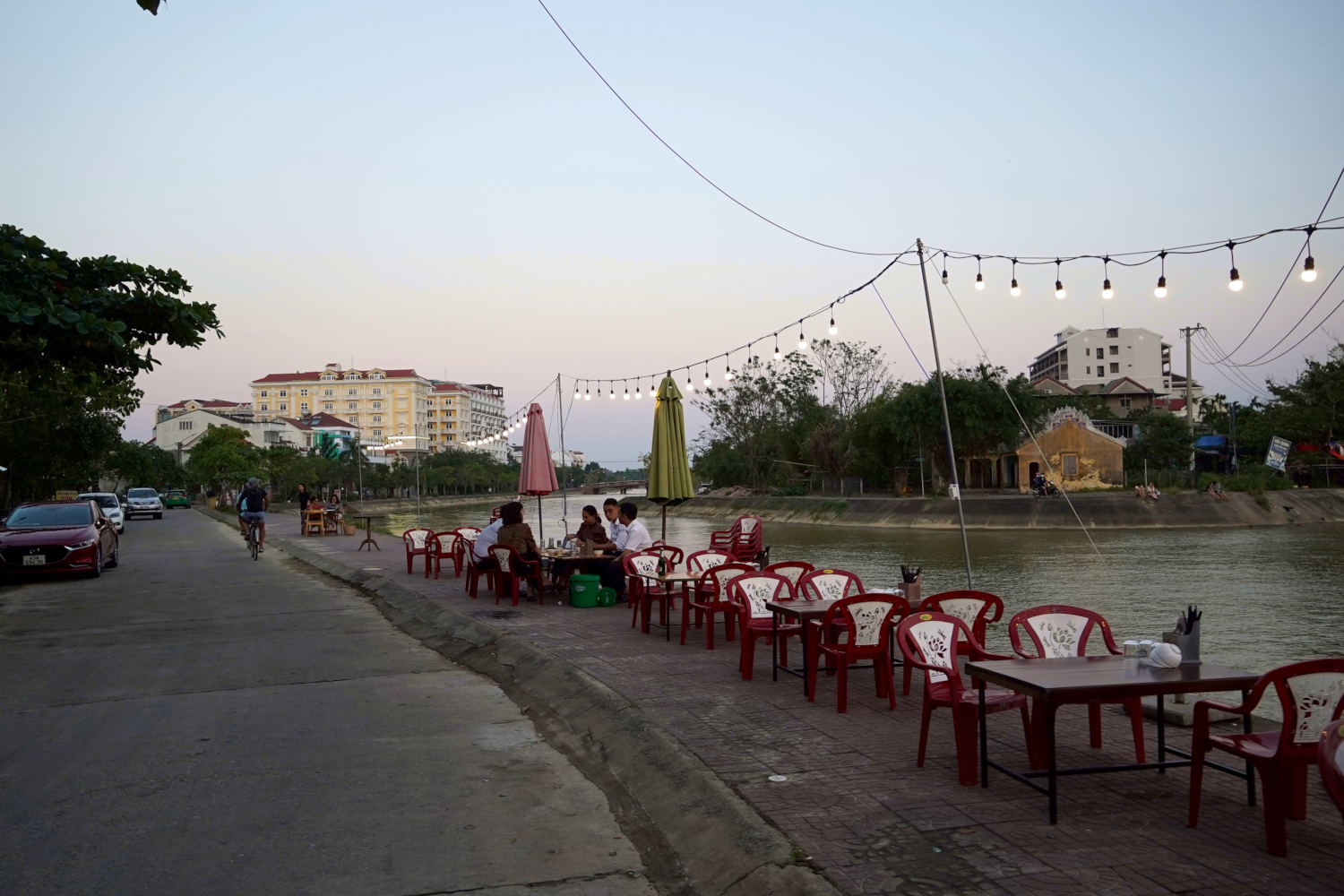
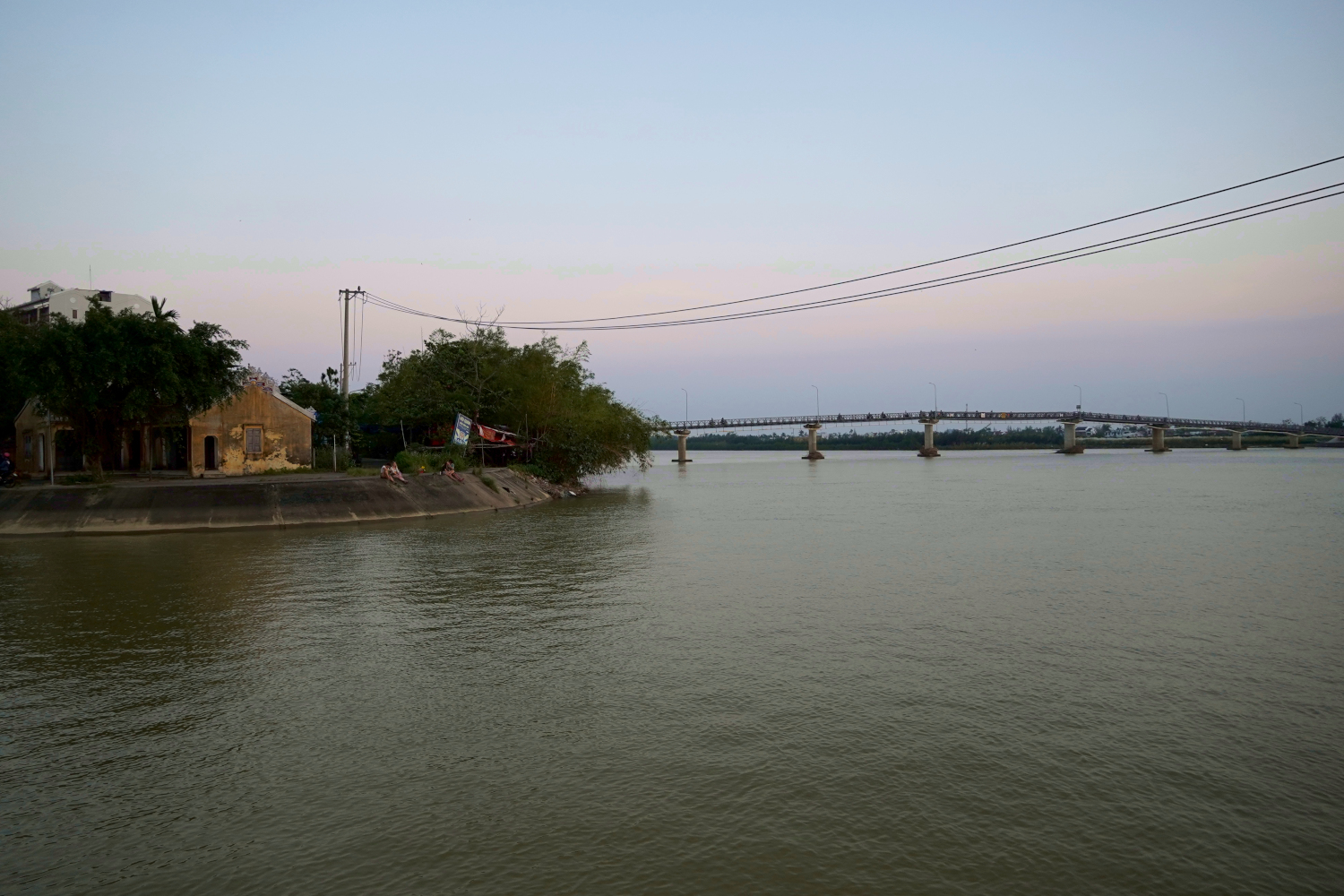
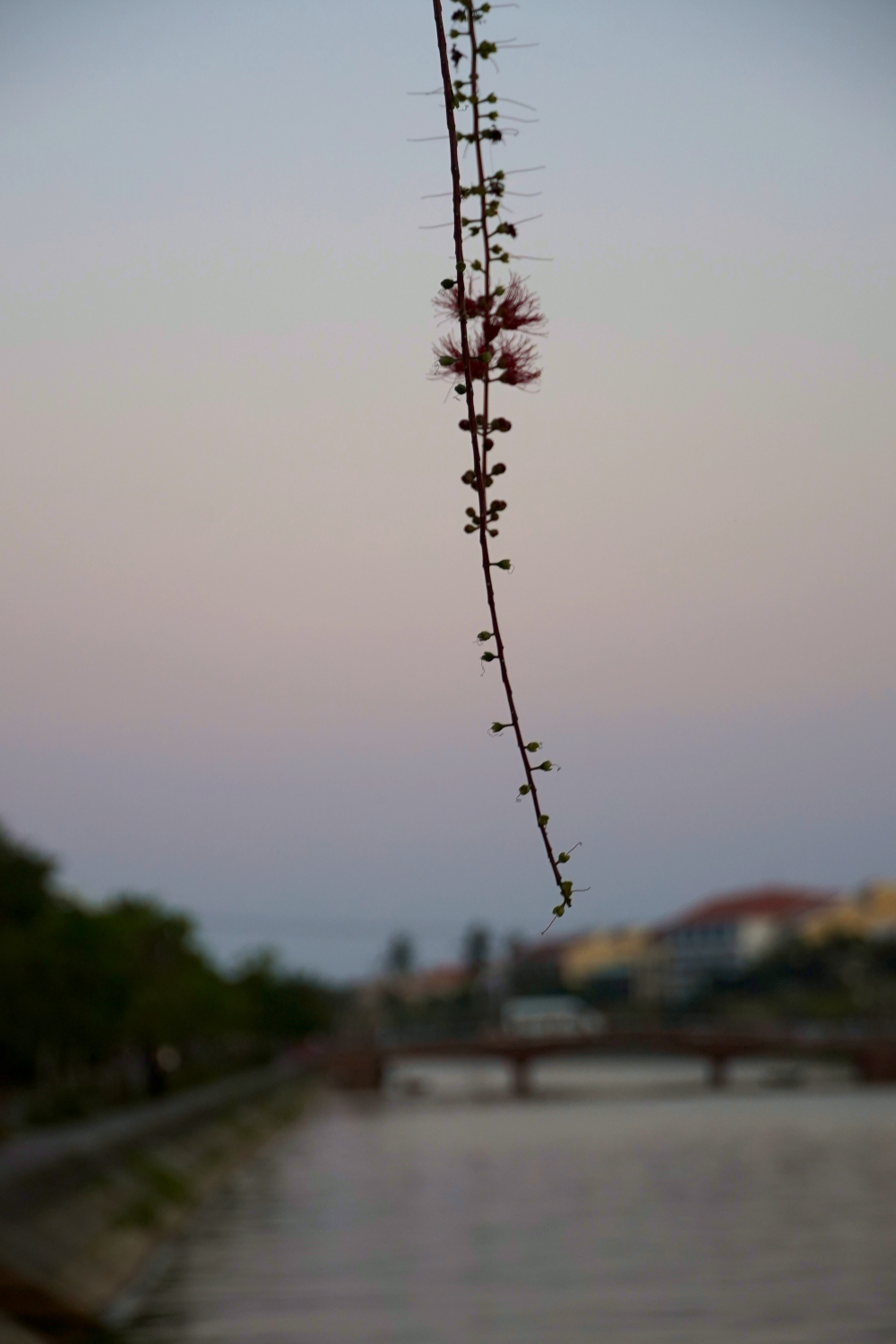
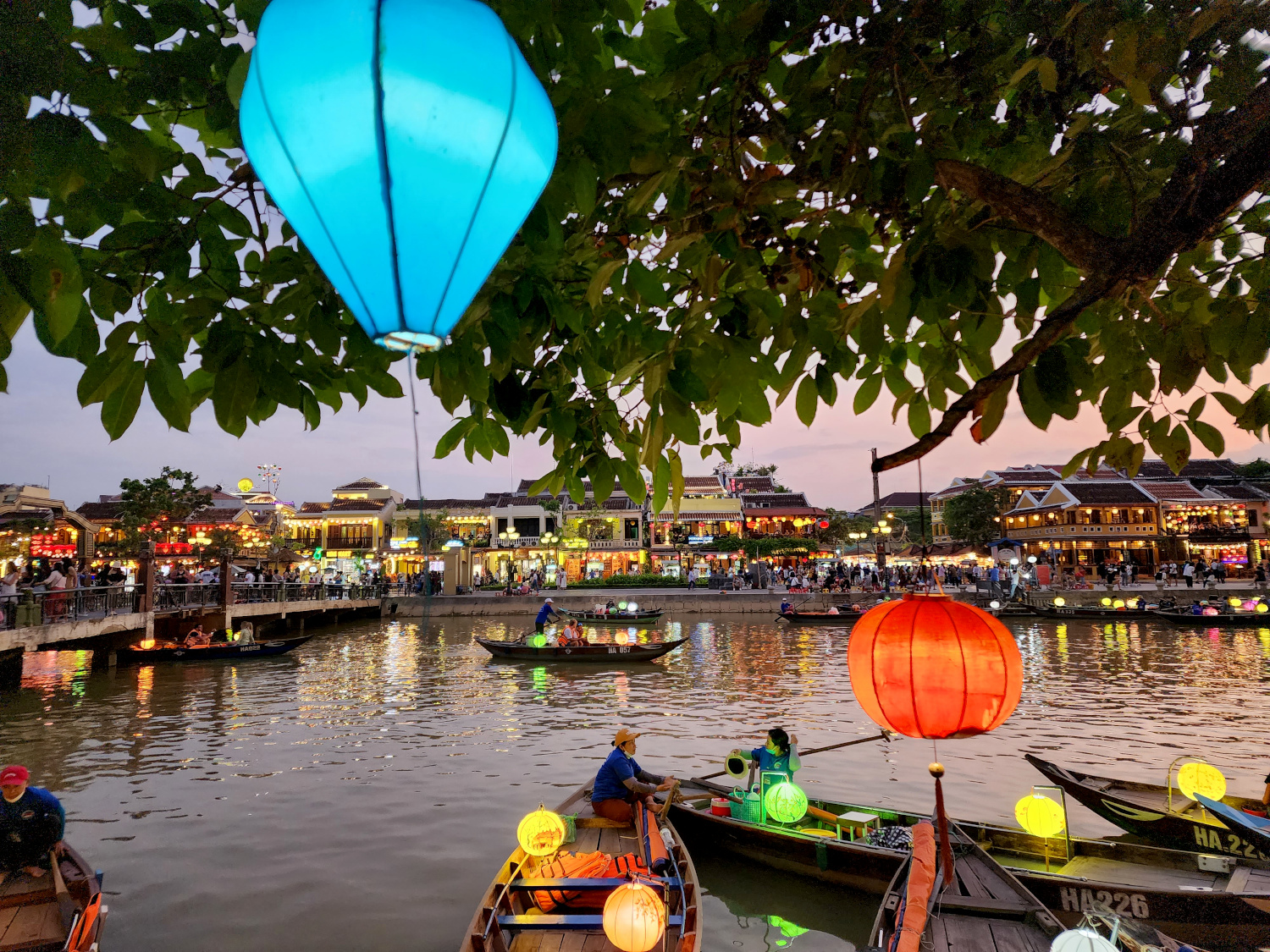
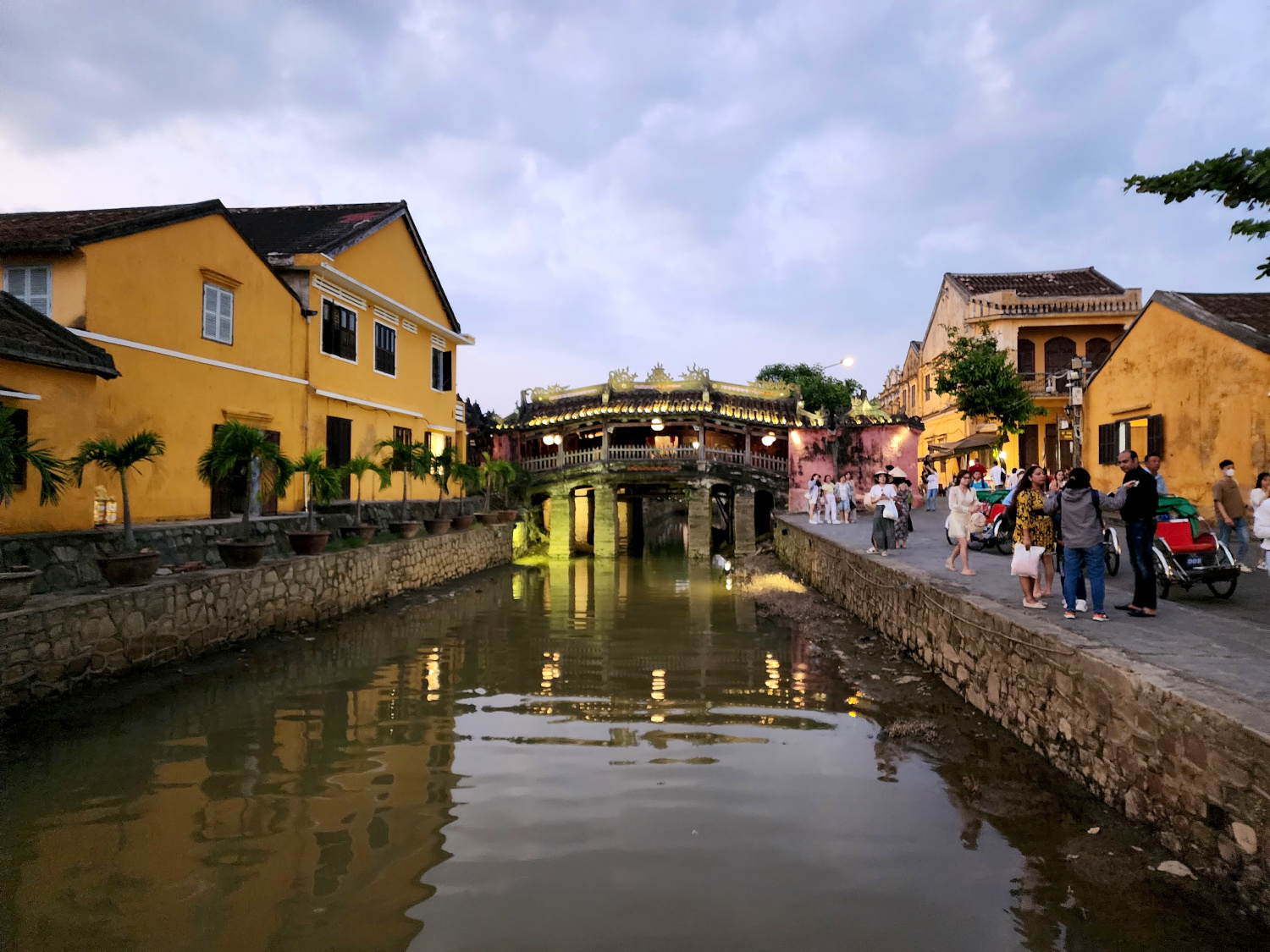
Above all, we enjoyed the atmosphere at night and at twilight, when the brightly colored lanterns were lit. Hoi An is charming at any time, but when the lanterns are on, it’s absolutely bewitching.
11/1-4/2022
 world travel with a theatrical flair
Leave a comment