


Ho Chi Minh City, the Capital of Vietnam, is also its largest city, with nearly 10 million residents (a little larger than New York City), and with some 25 million in the metropolitan area. It was established in 1976 by combining the old South Vietnamese Capital of Saigon with some surrounding communities. Even today, many people – including locals – simply refer to the whole shebang nostalgically as Saigon. Nobody seems to mind.
Beyond the War
With only a couple of days to spend in this sprawling metropolis, our sightseeing options were necessarily limited. And not surprisingly, most points of interest revolved around what the Vietnamese call The American War.
One such option was the War Remnants Museum, which was originally called the Museum of Chinese and American War Crimes. Then it was changed to the Museum of American and Puppet Crimes (and even though “puppet” refers to the concept of puppet states, it’s hard to hear that name without it conjuring up images of Pinocchio wielding a machine gun). Finally the museum settled on a moniker that doesn’t sound so off-putting to, say, American tourists bringing pocketfuls of dollars.
Another possibility – and the one that sounded most intriguing to us – was the elaborate network of tunnels and underground bunkers where Vietnamese troops lived for extended periods of time during the conflict, facing scarcity of food and other supplies, rats, snakes, and illness. We’d love to take a tour, but its location was not at all convenient, so we figured we’d have to save it for another time.
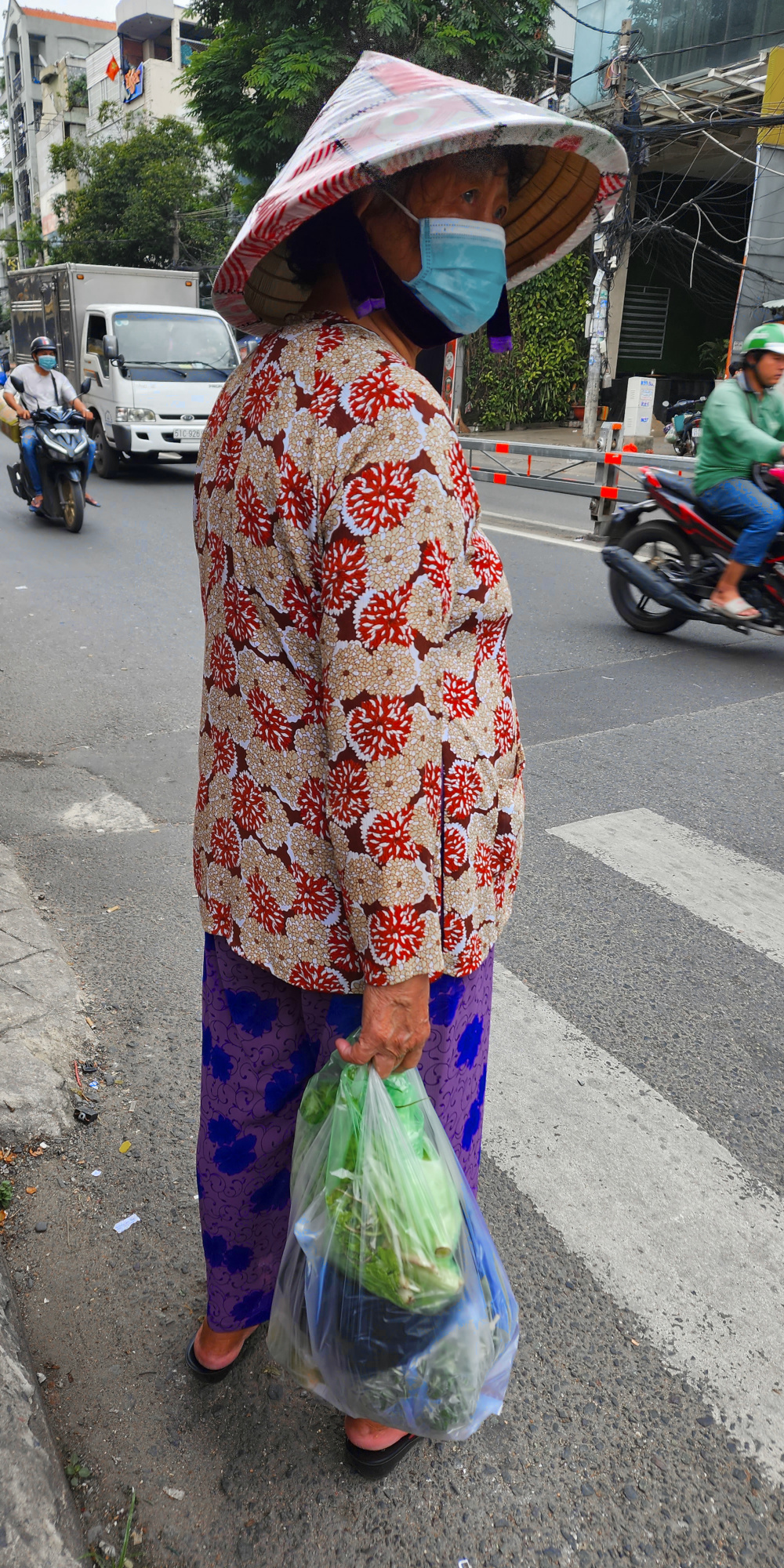
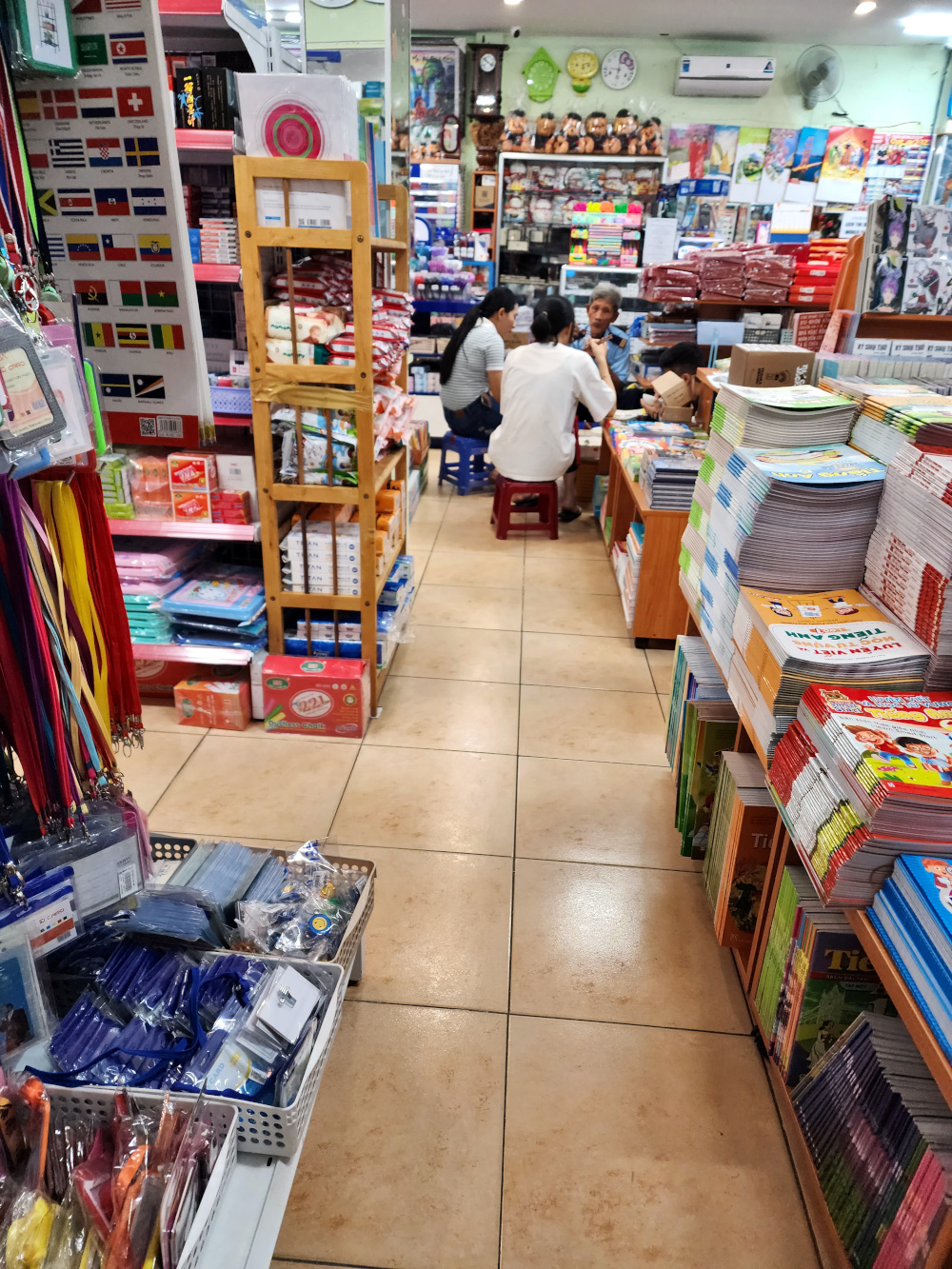
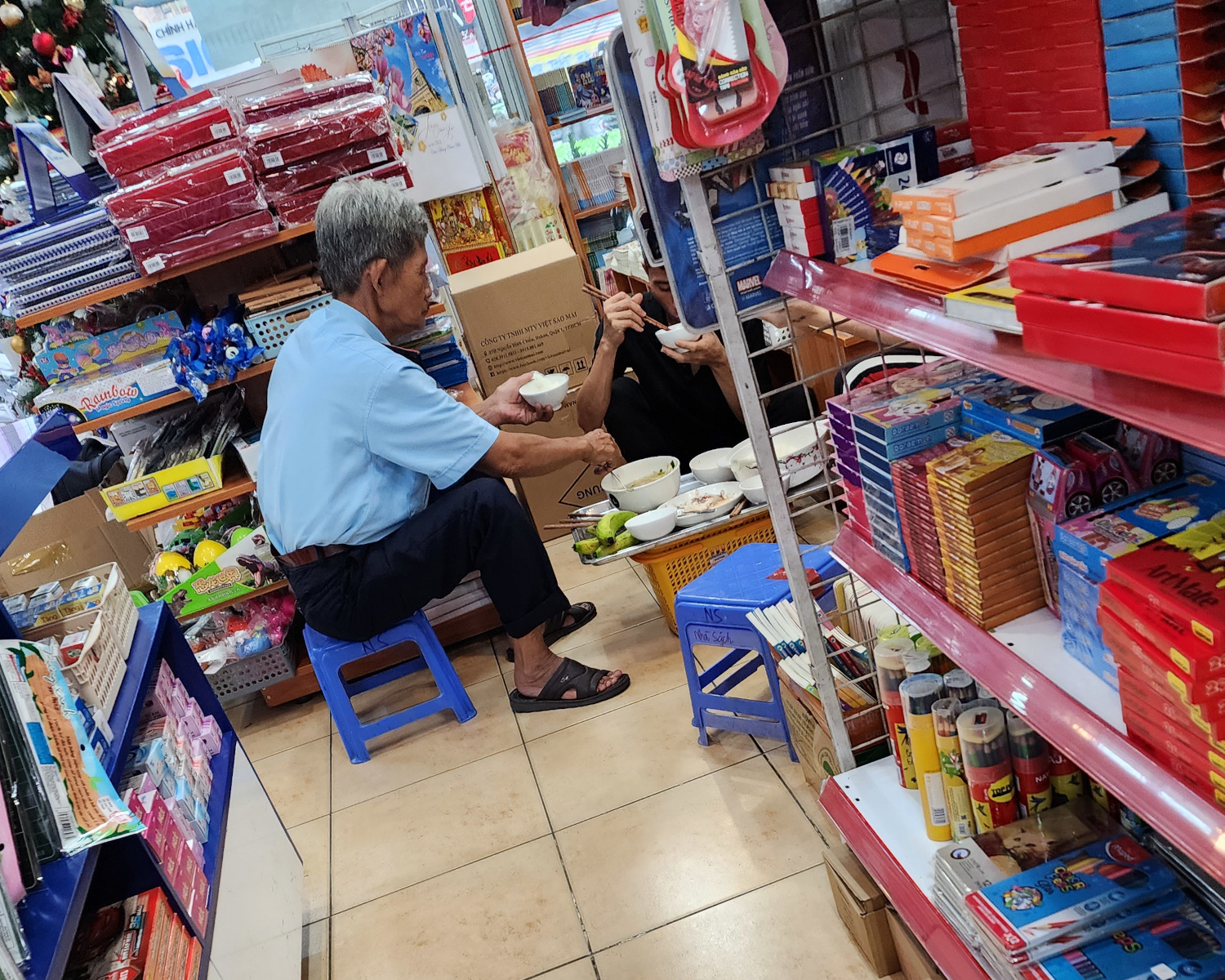
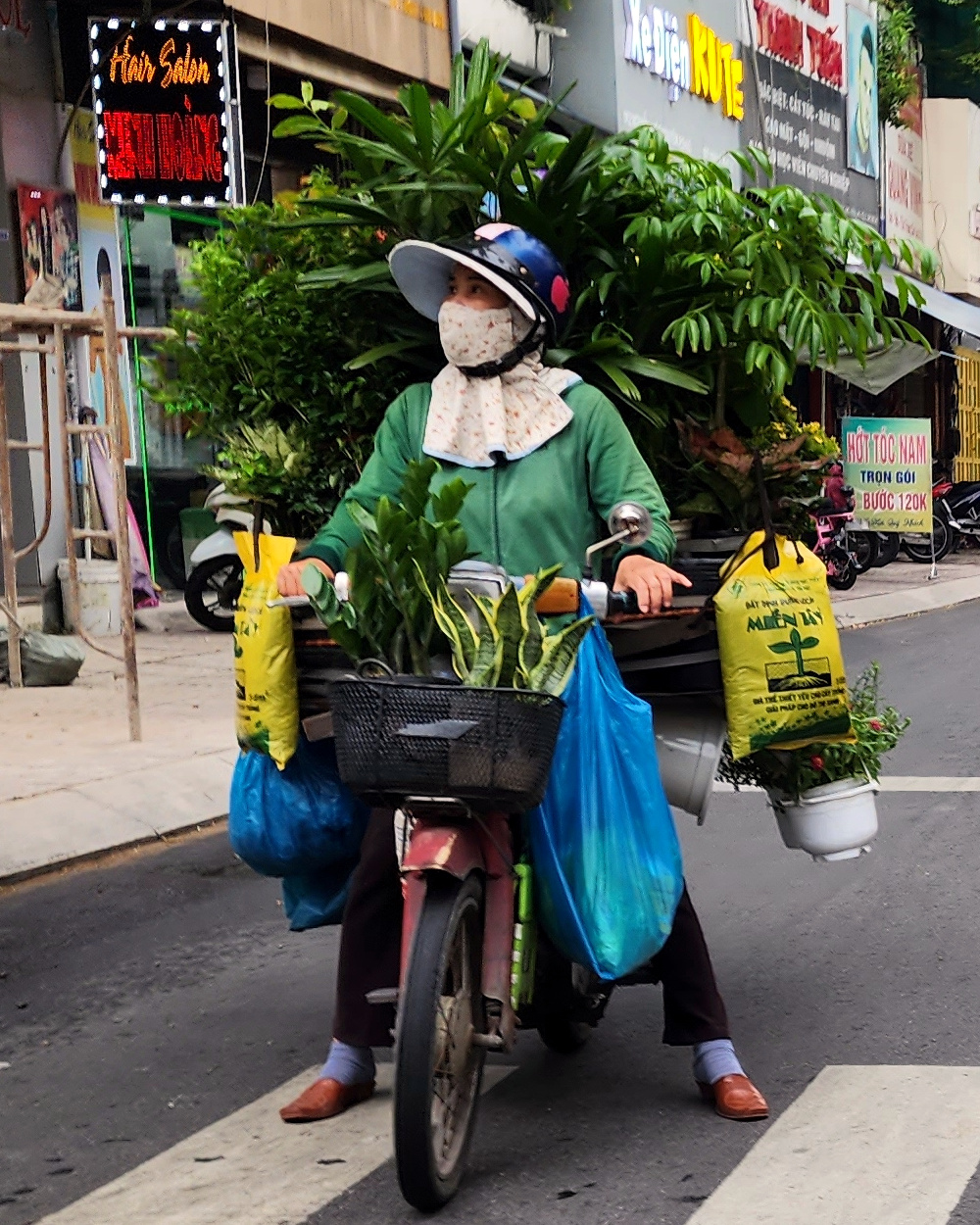
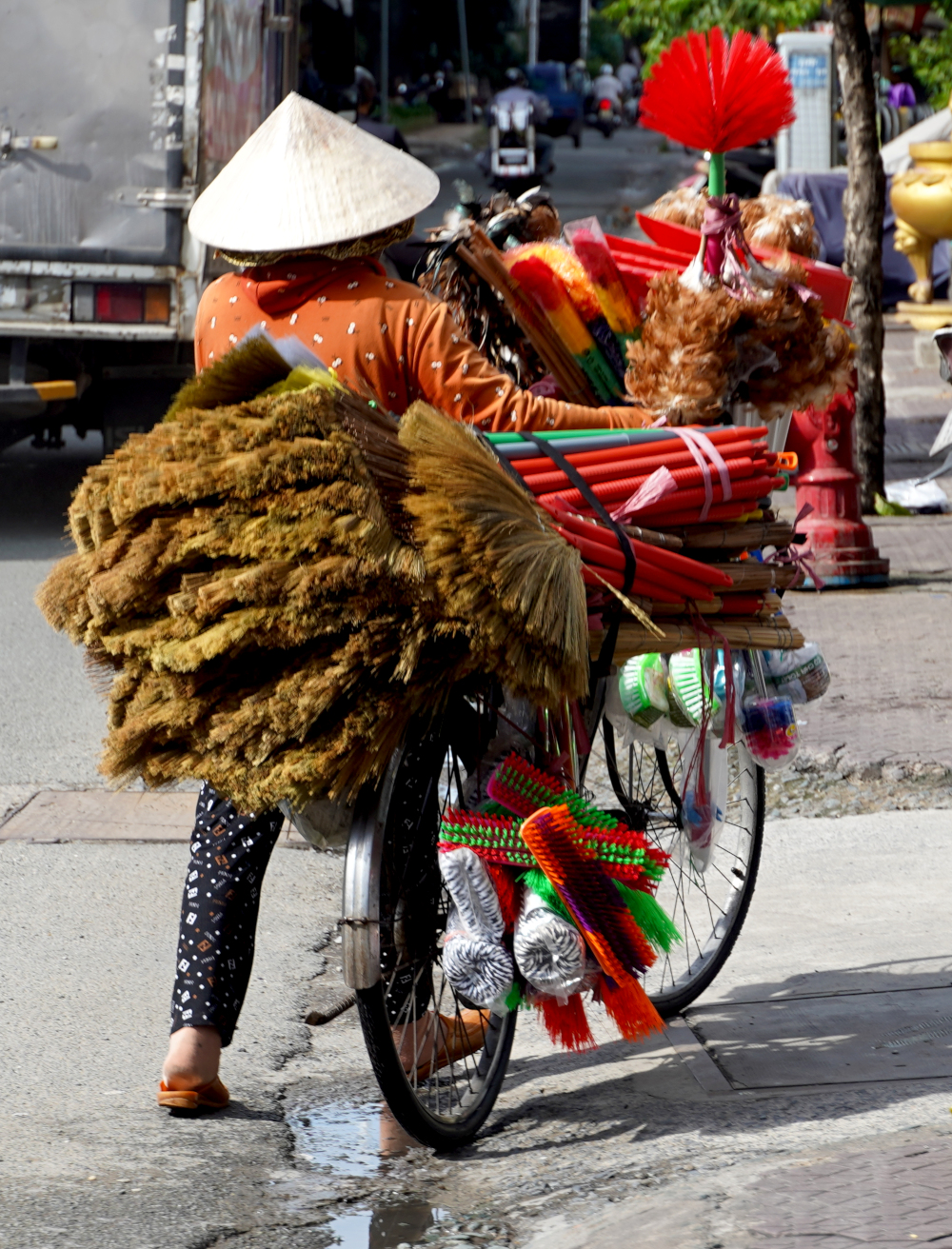
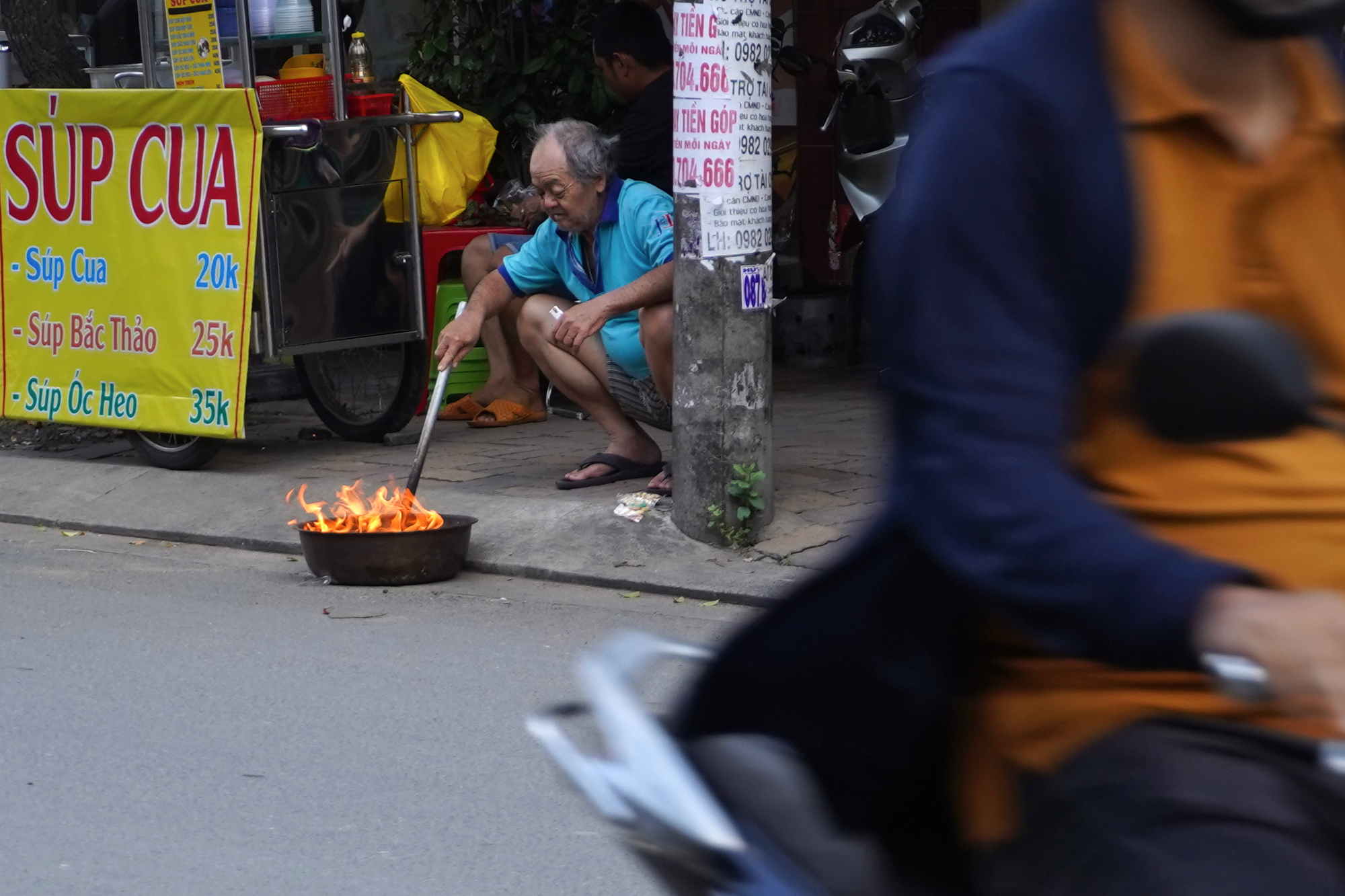
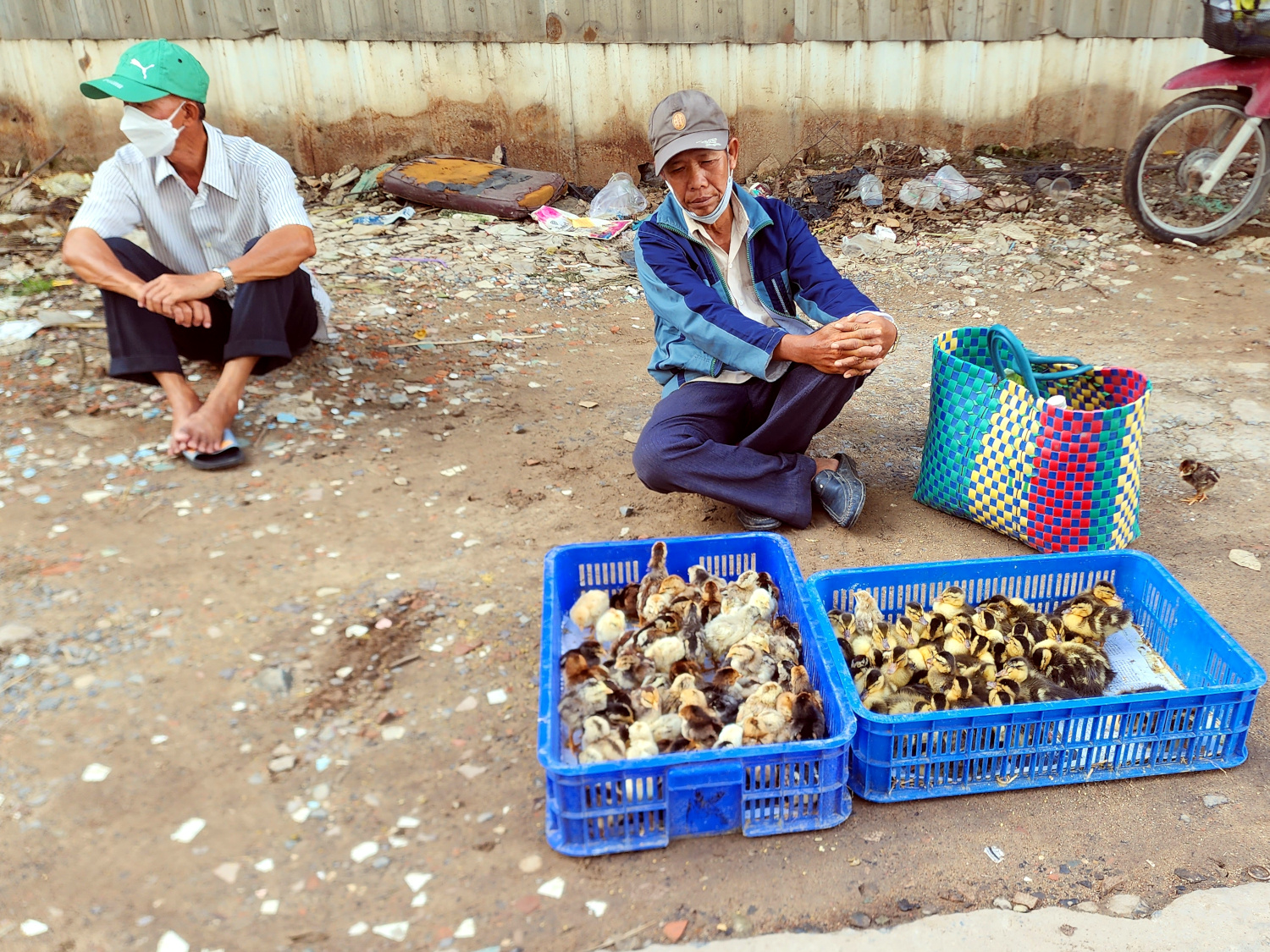
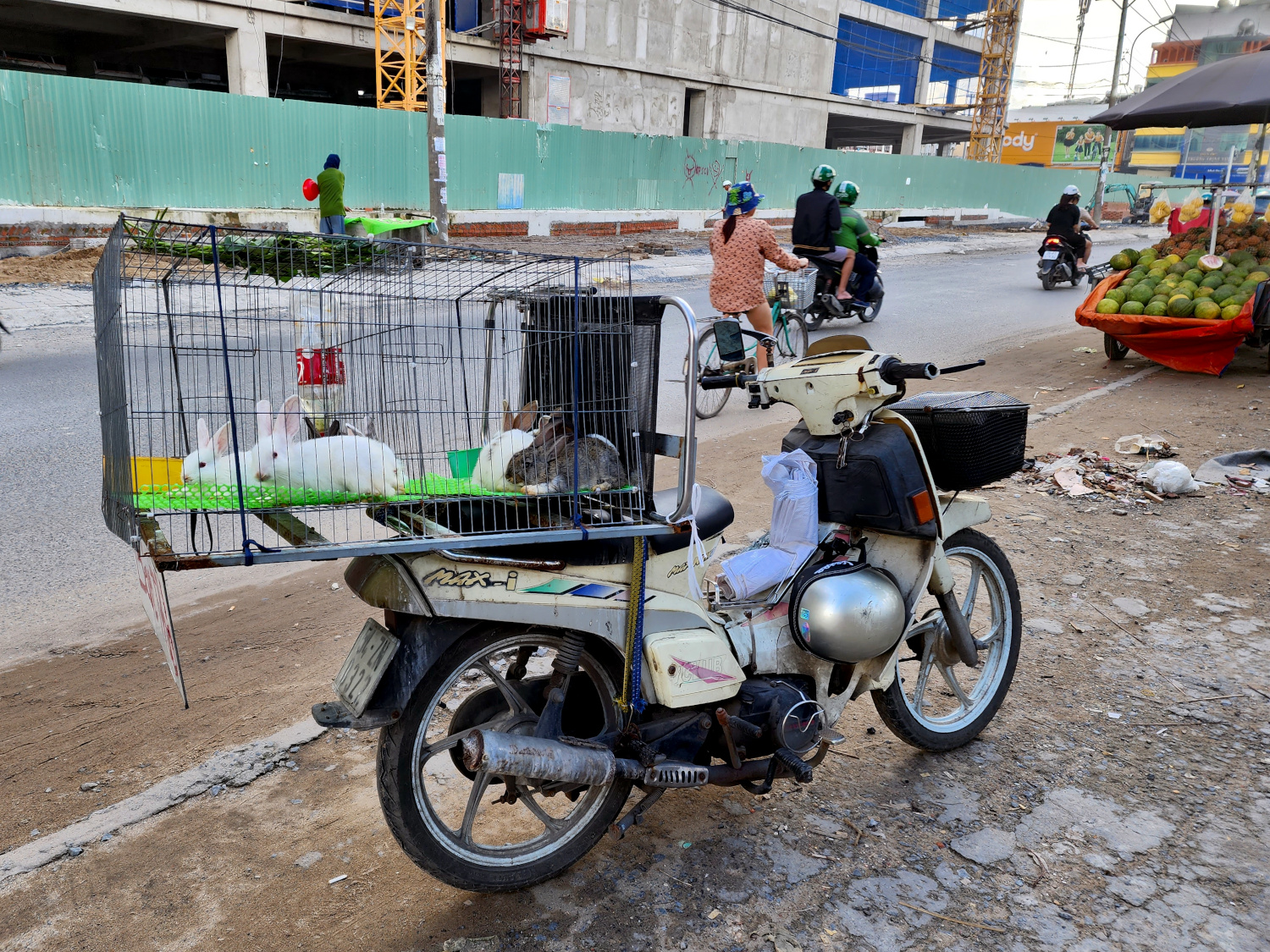
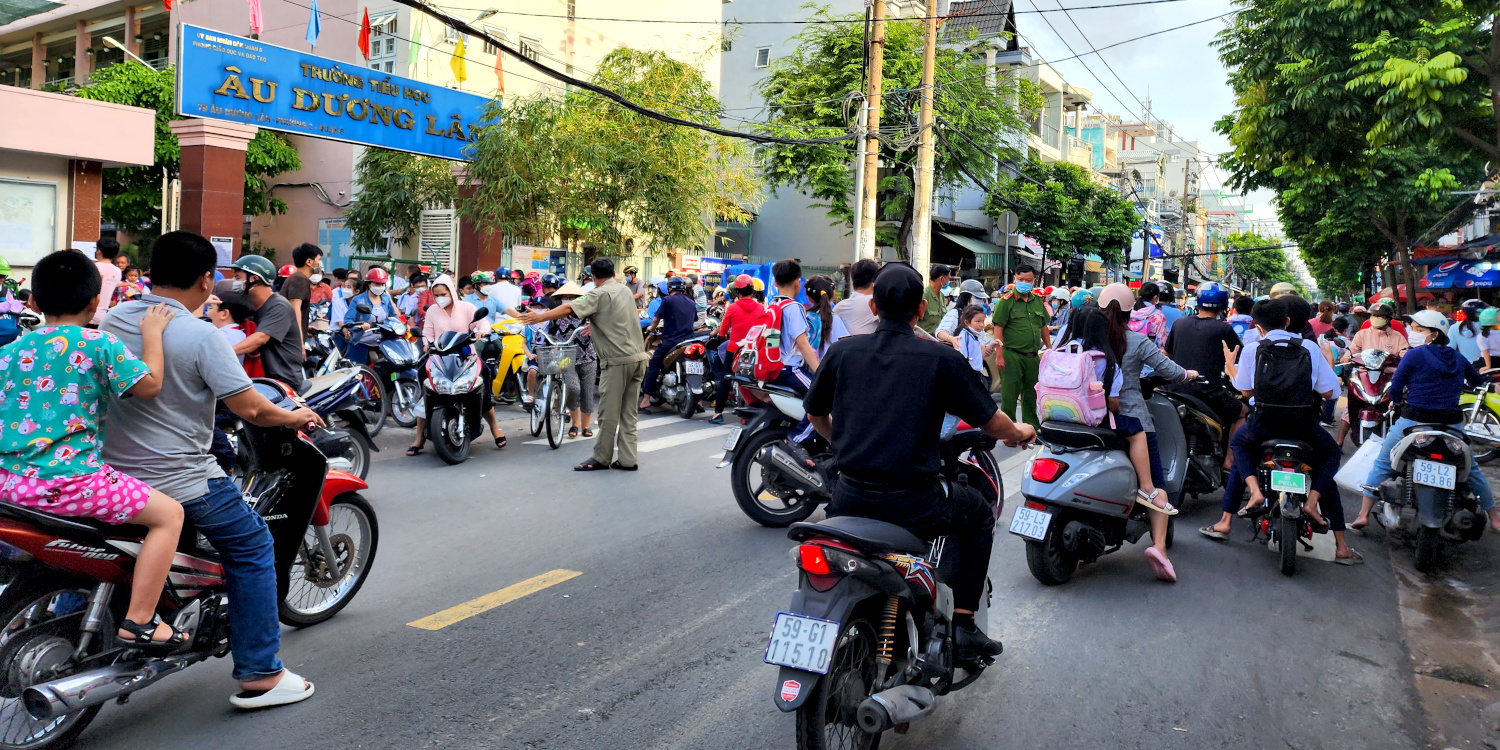
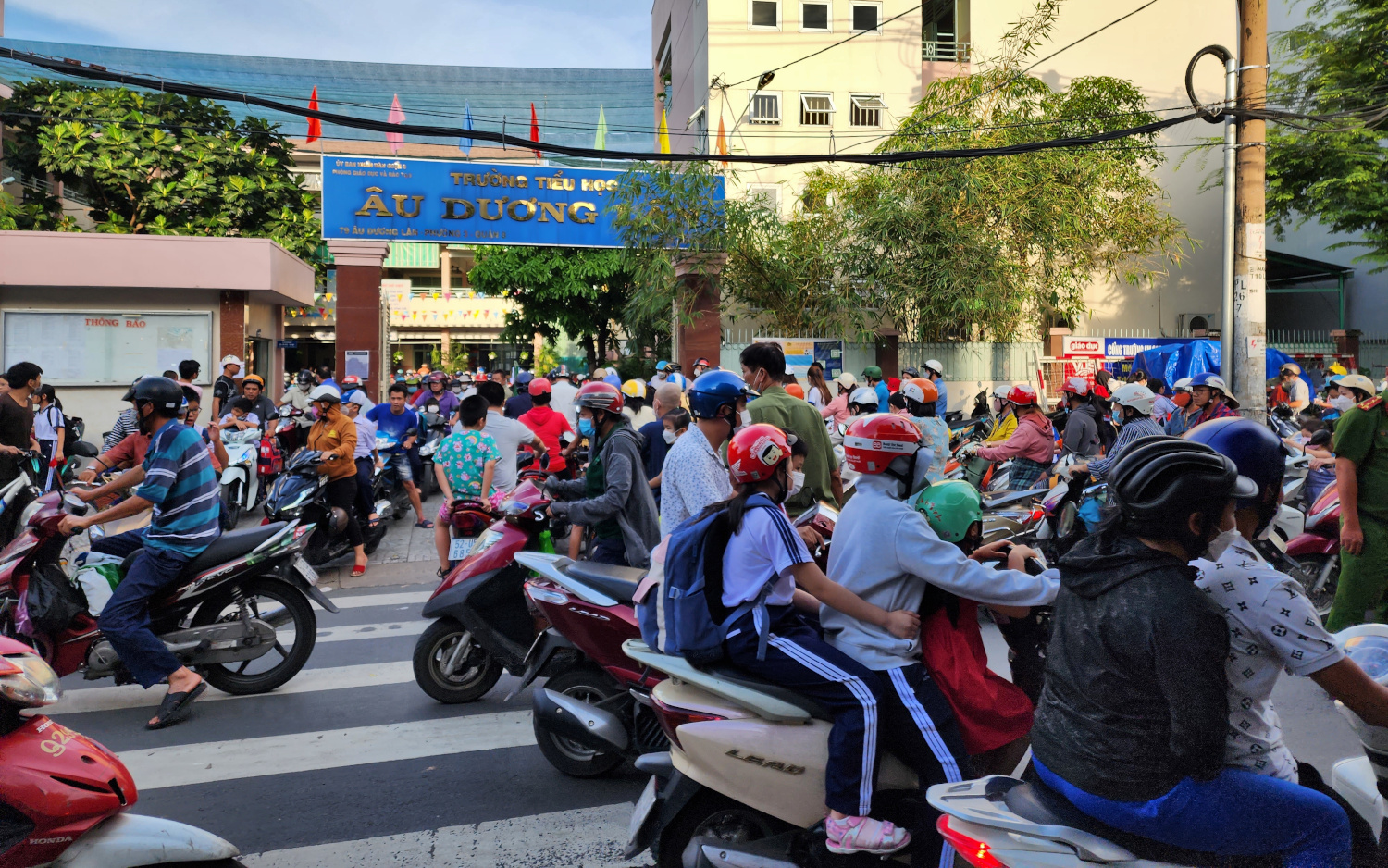
So instead of dropping in at specific attractions, we did what we usually do when we have a very limited time in a new city – we just wandered around soaking in the sights and sounds and smells and getting an overview. And there was quite an overview to be gotten. (At some point it occurred to us that our month in Vietnam was the first time we’d really spent any time in a communist country. But we can’t say that we noticed any difference.)
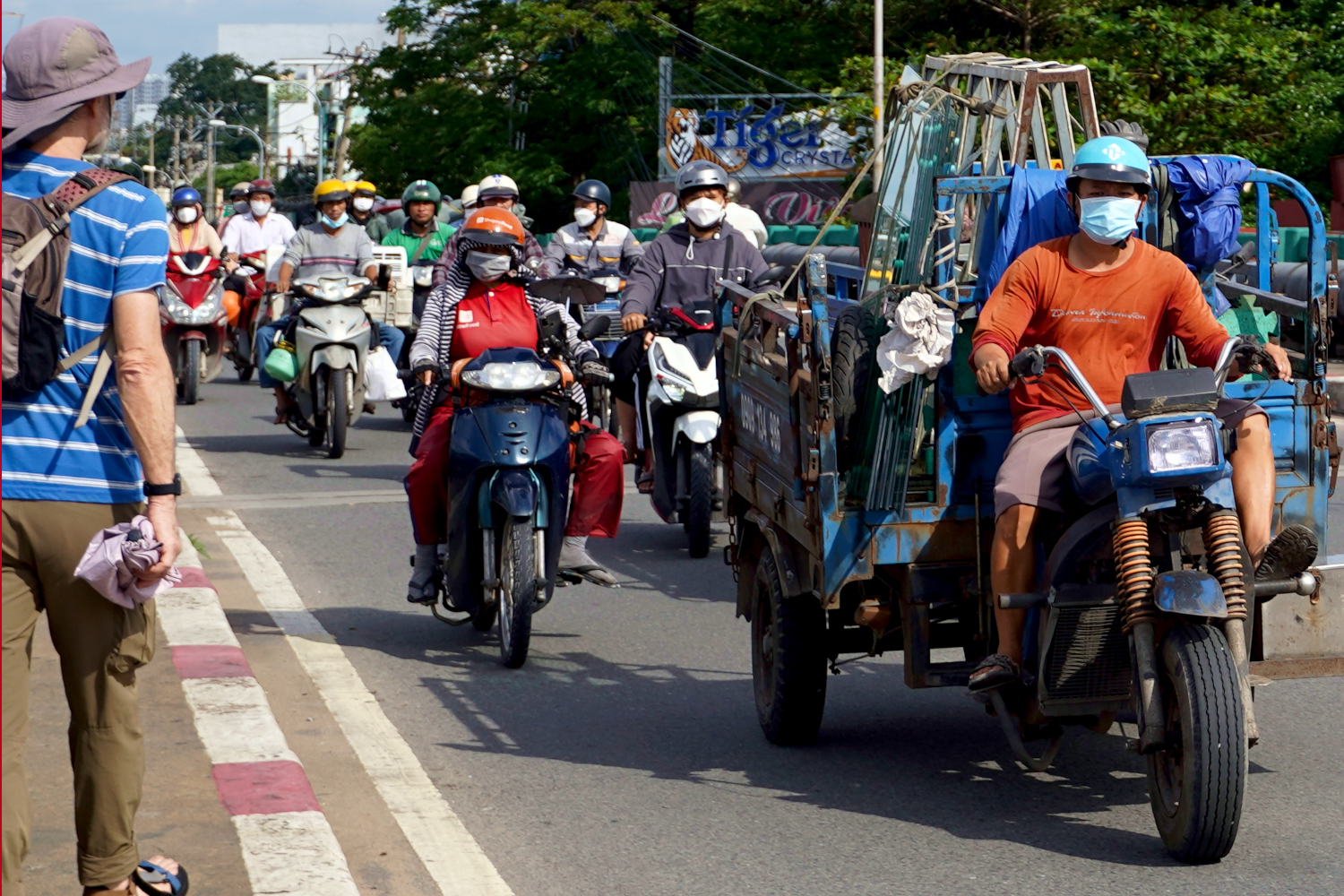
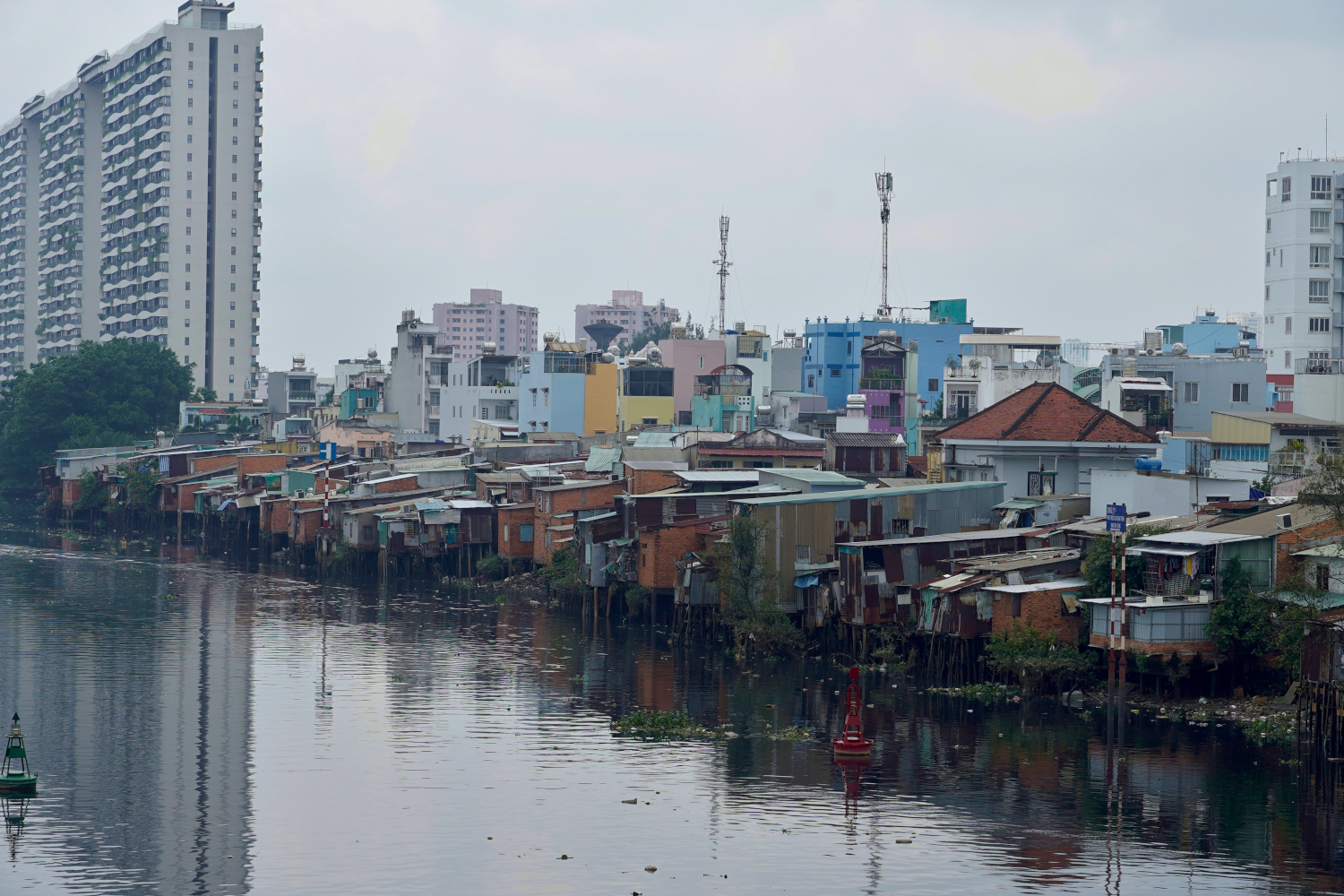
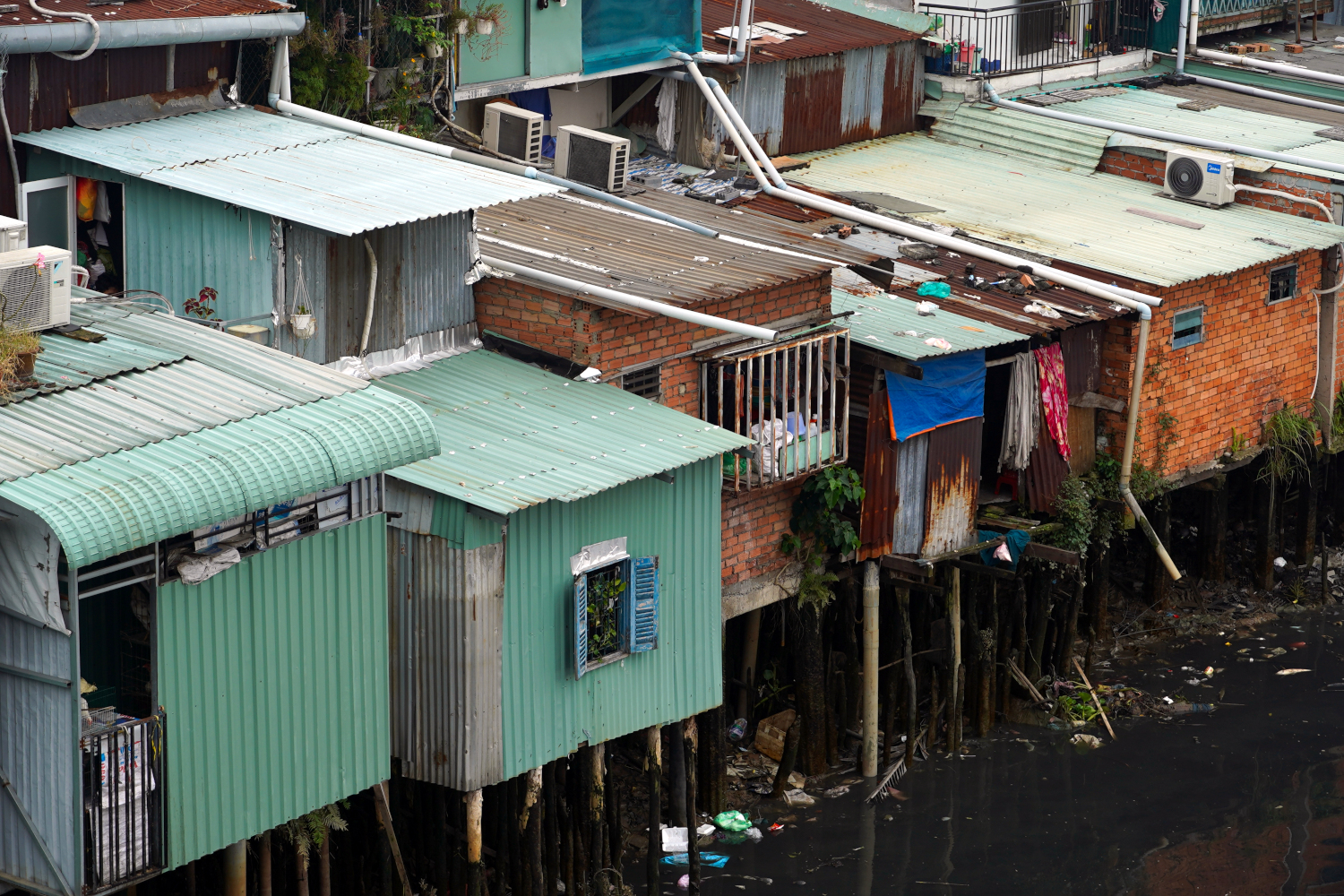
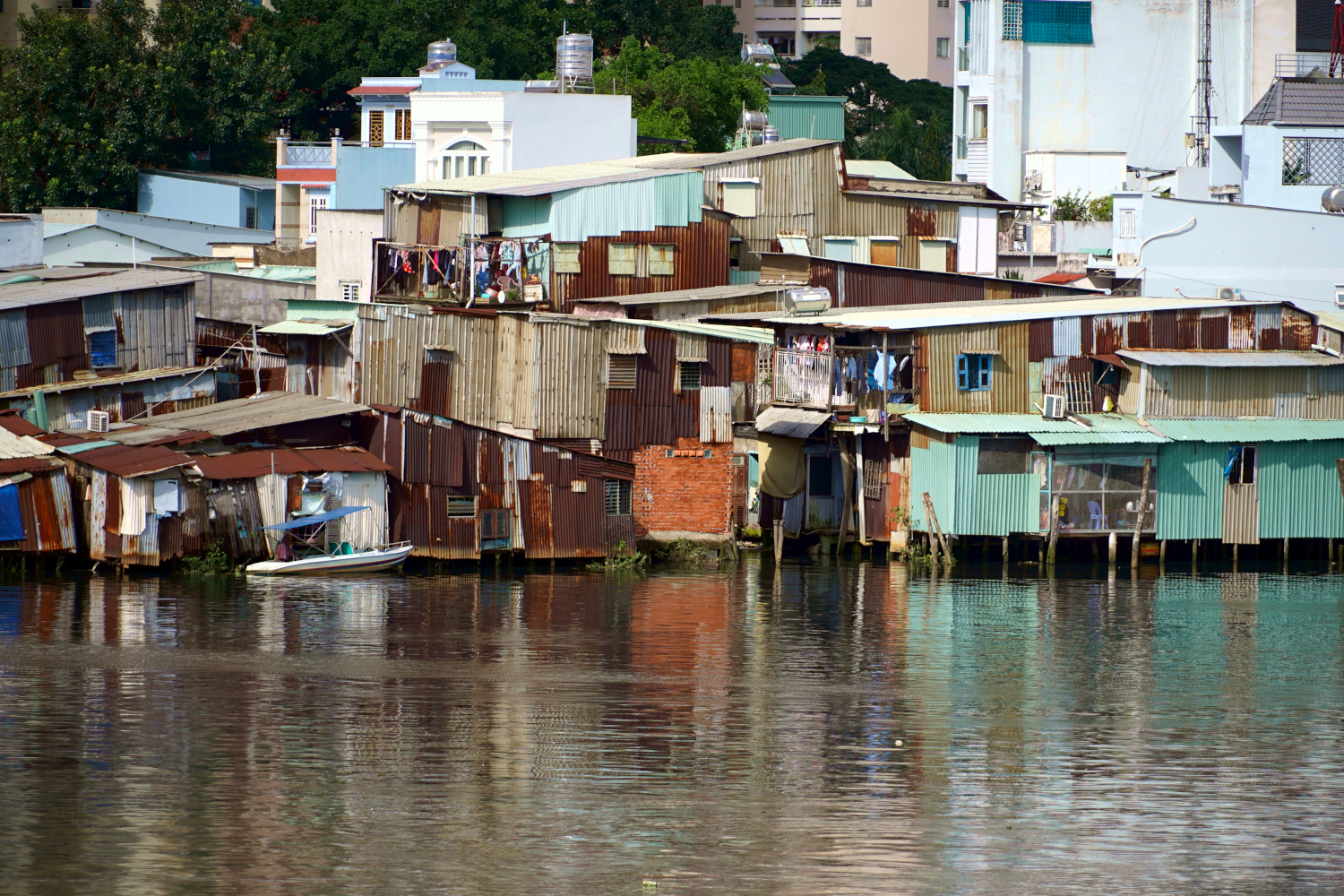
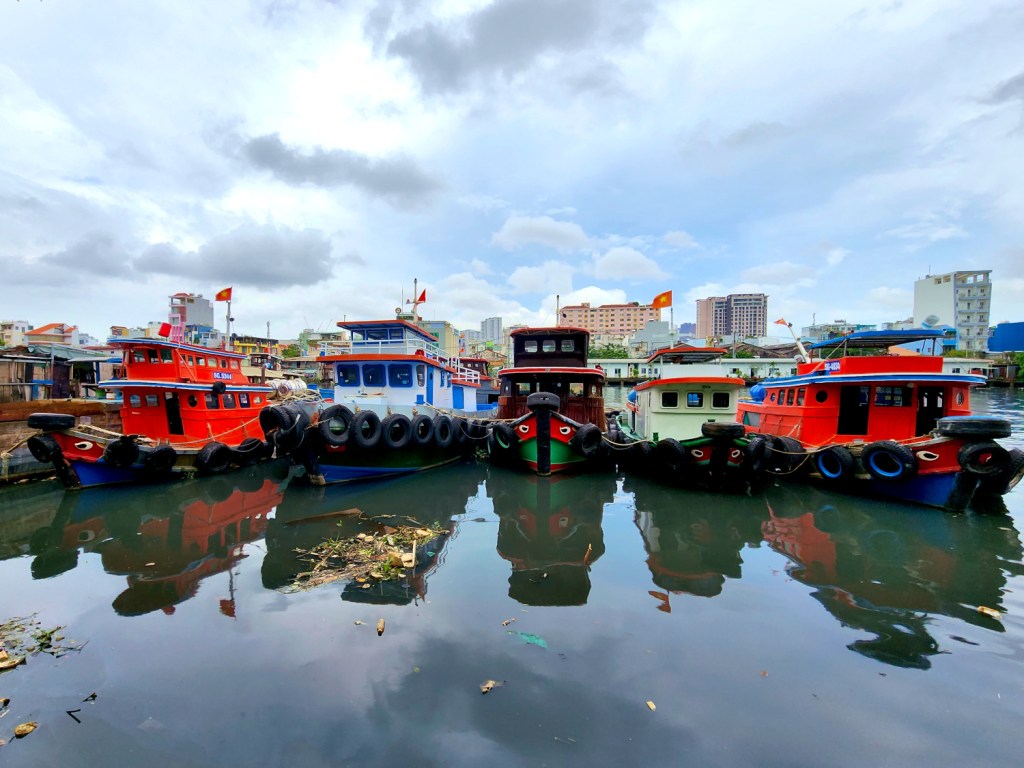
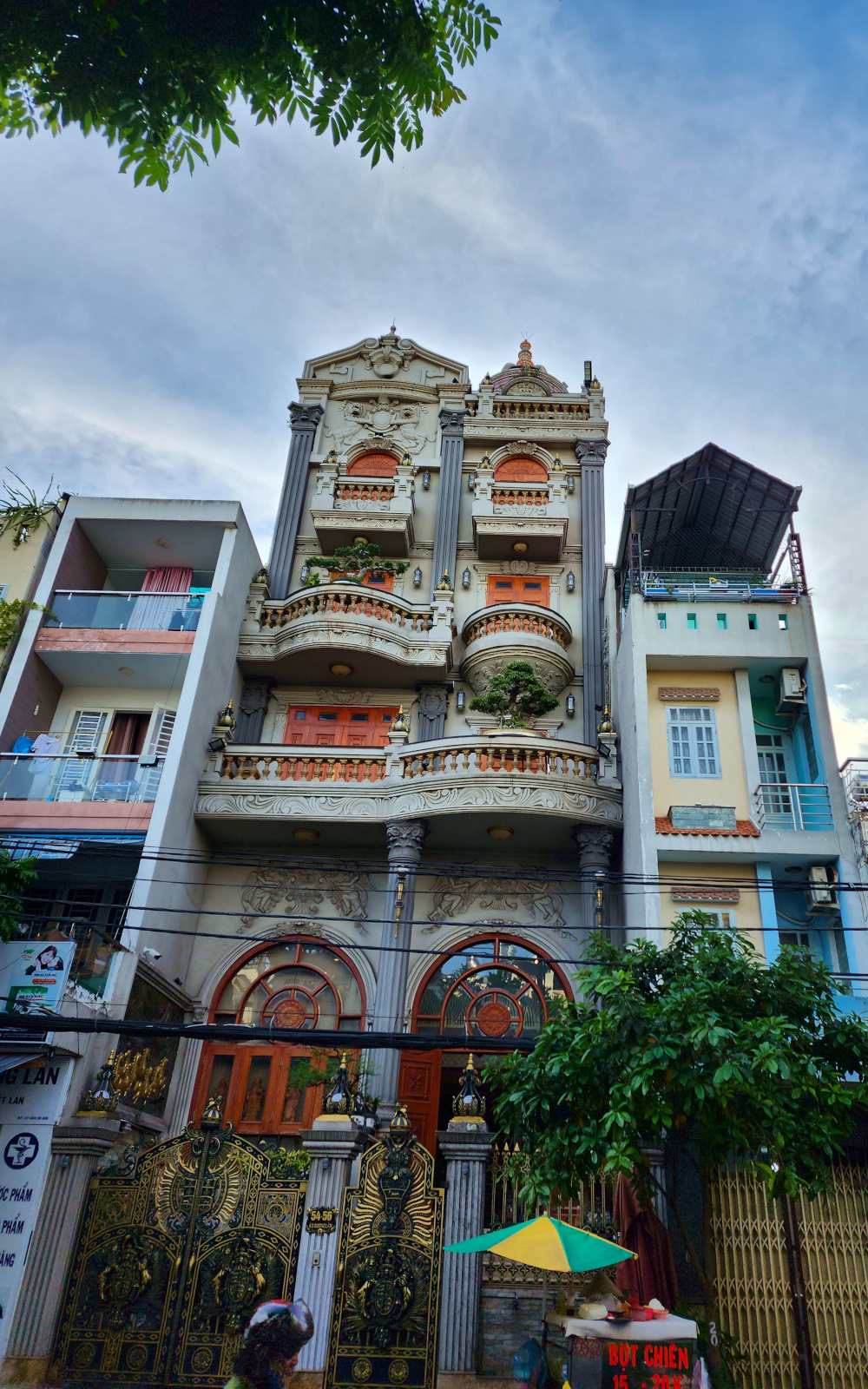
Ho Chi Minh, like any major city, is a study in contrasts, of highrises beside hovels. This contrast is perhaps especially stark in Third World Cities. On the one hand, we had sleek new skyscrapers, and on the other hand (almost literally) we had dilapidated tin shacks by the riverside.
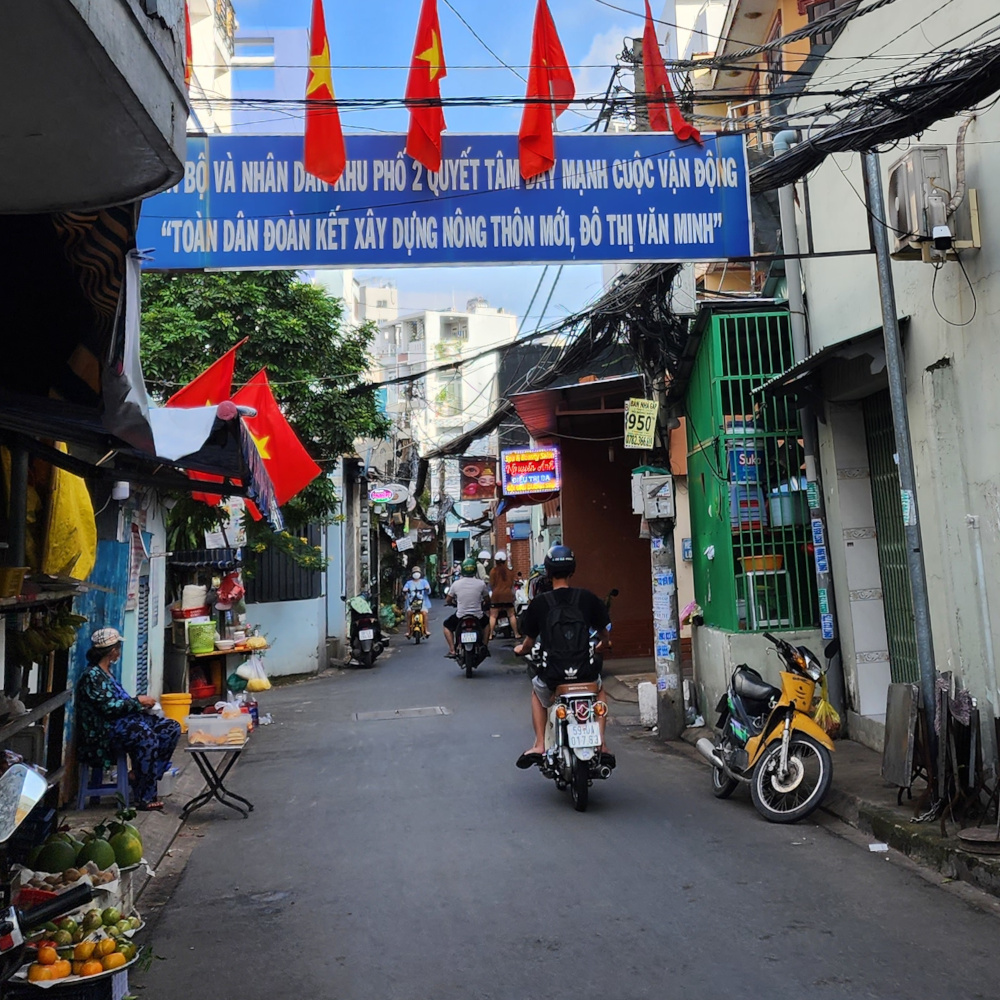
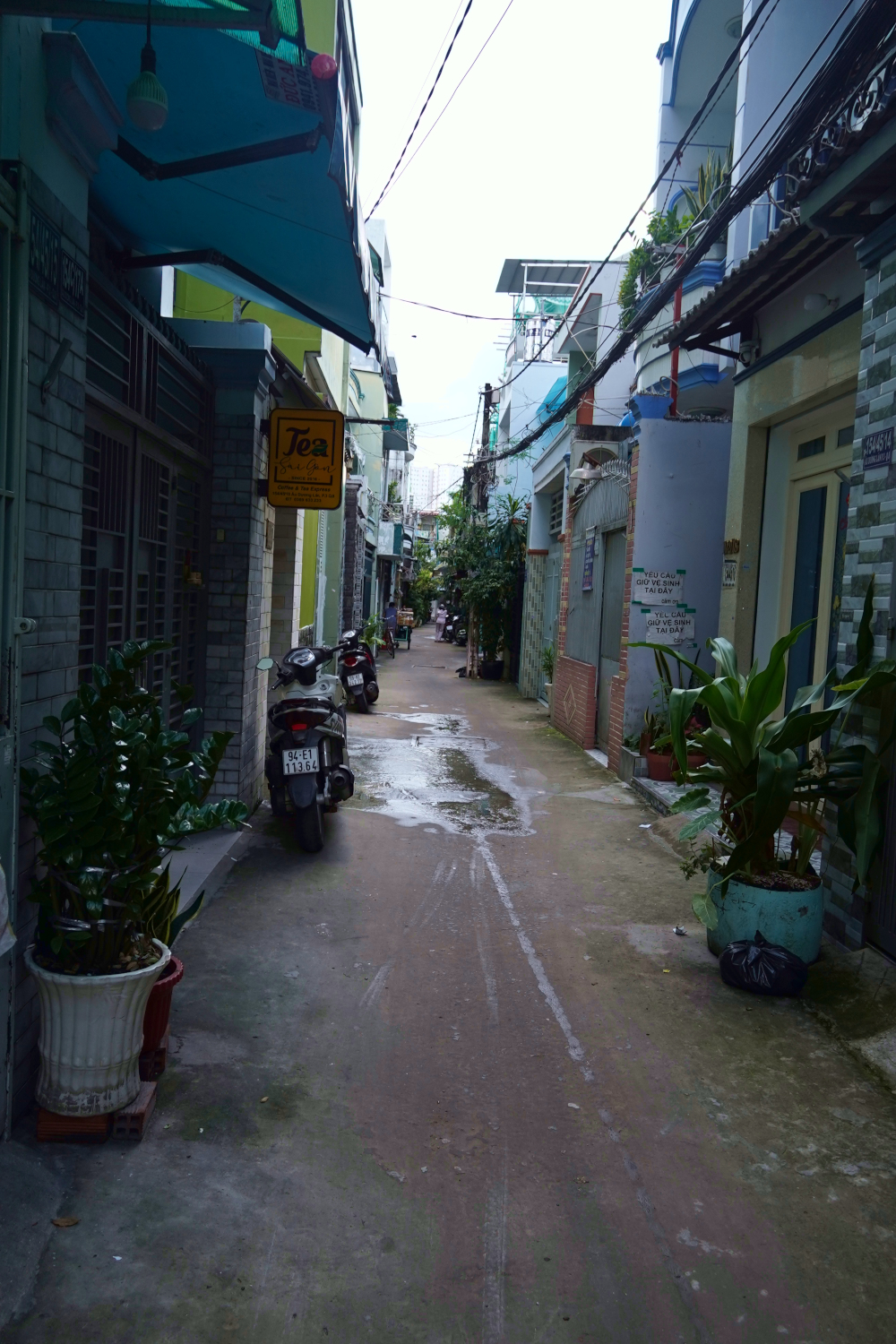
Round the World Backpackers in Quest of New Day Bags
But our ambling was not aimless; we had a mission. Actually two of them. For one thing, we hit a couple of “bookstores” (which actually were mostly just office supply stores) in search of a pocket datebook for Dennis. Being a bit of a Luddite, he prefers to keep notes about appointments and obligations the Stone Age way: in writing, as opposed to on a gadget. Unfortunately, most of the rest of the world has left that behind; and even though a new year is looming, none of the stores we have checked recently sold the datebooks. One of these two normally had them, but they were out of stock.
We also also were looking for new backpacks. No, no, not our big backpacks that we actually carry on our backs – they’re still holding up just fine; but rather our front backpacks – the smaller ones that we carry in front, filled with food, gadgets and other oddments that we might need easy access to. The ones we’d been using had seen better days. A lot of better days.
After some online research and map sleuthing, we found an outlet for various kinds of baggage and baggery at the home of a company that actually manufactures them. The lobby had an impressive selection for sale to the public. (We were hoping to actually get back in the back and watch the elves assemble the product, but apparently that would have been against safety regulations or some such.) We did however get a chance to have a friendly chat with the manager. This company, by the way, also manufactures luggage for Samsonite. So it’s surely high quality workmanship. And its own brand goes on the same kind of product – for, no doubt, considerably less cash.
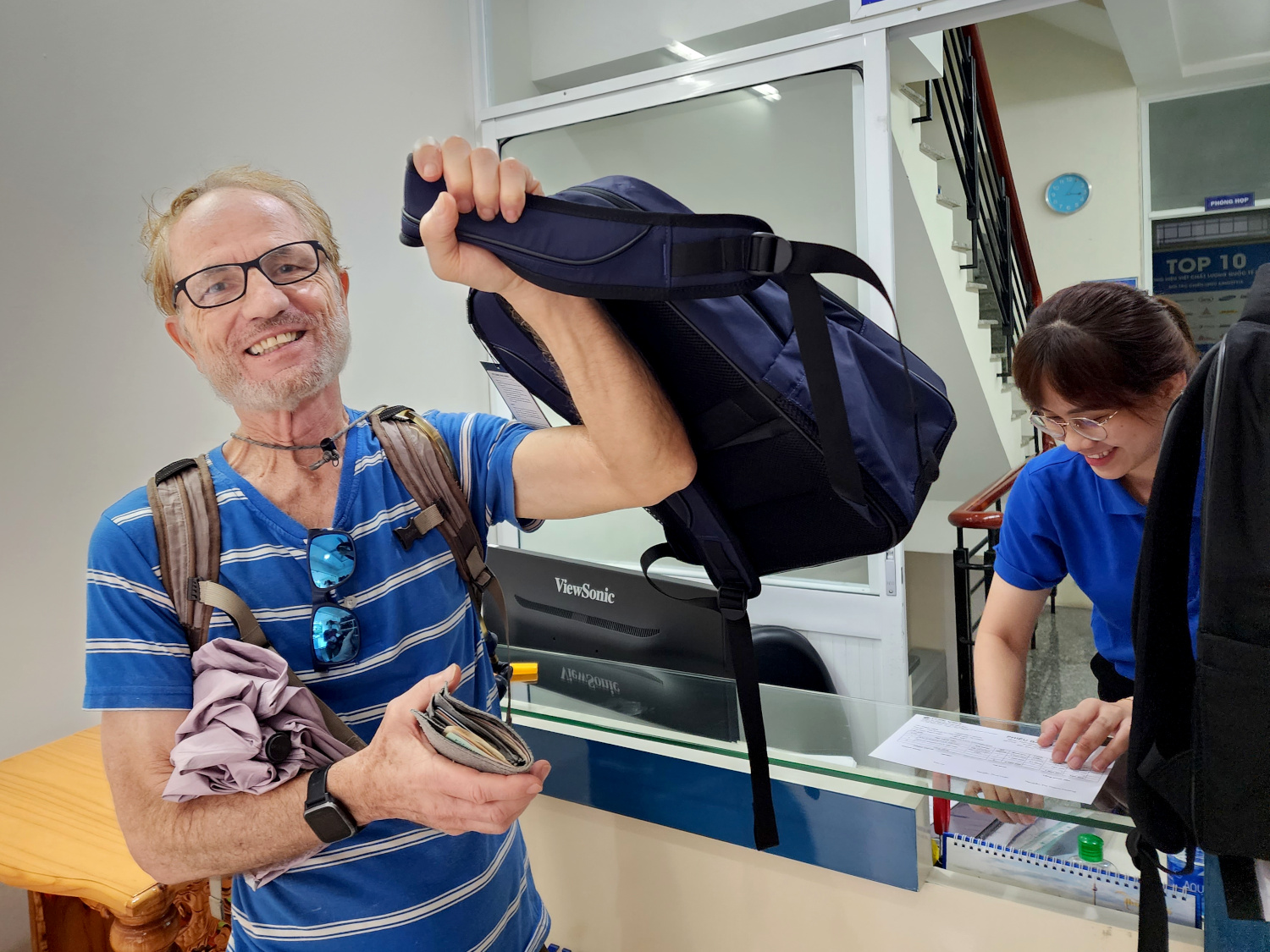
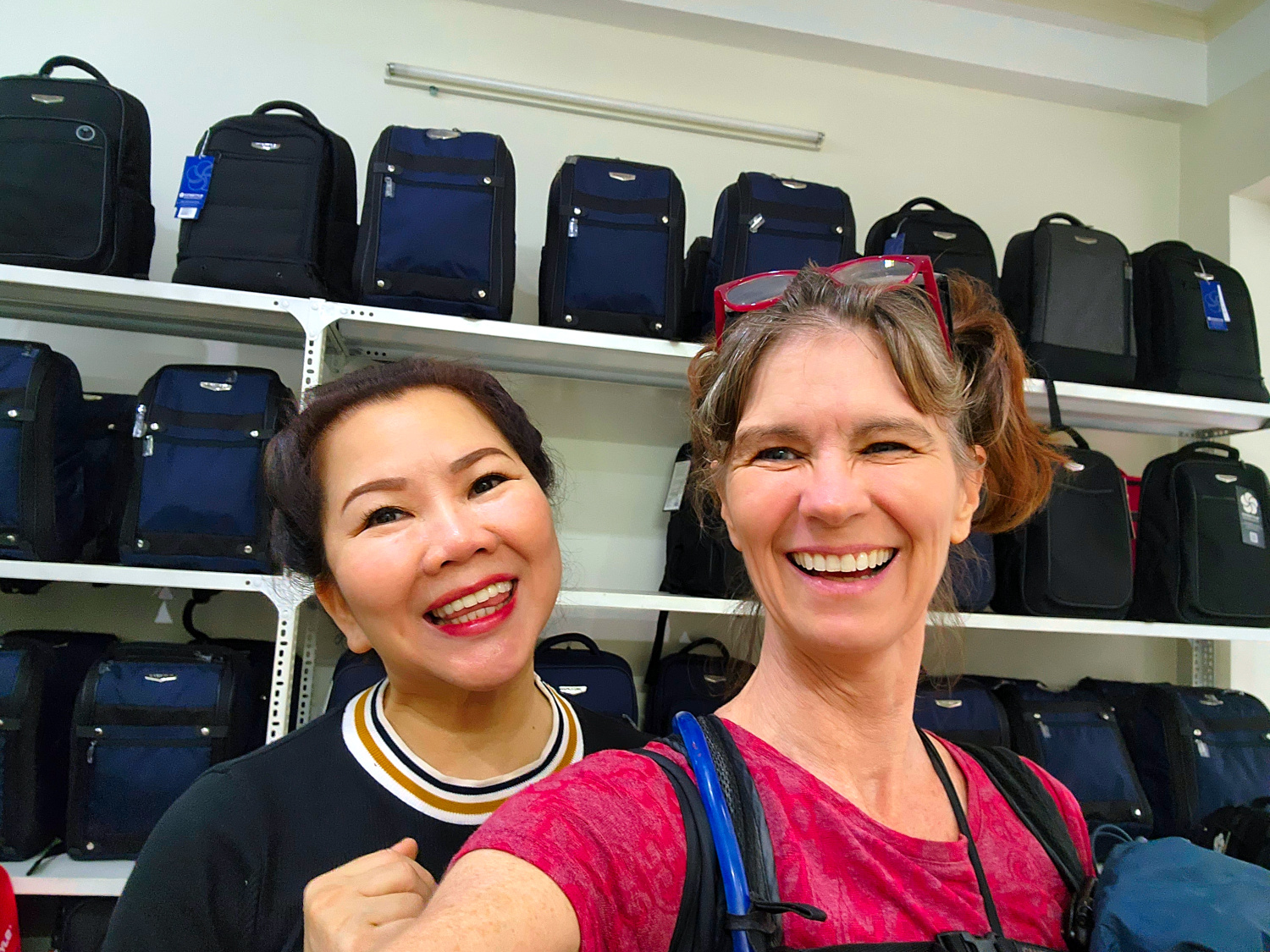


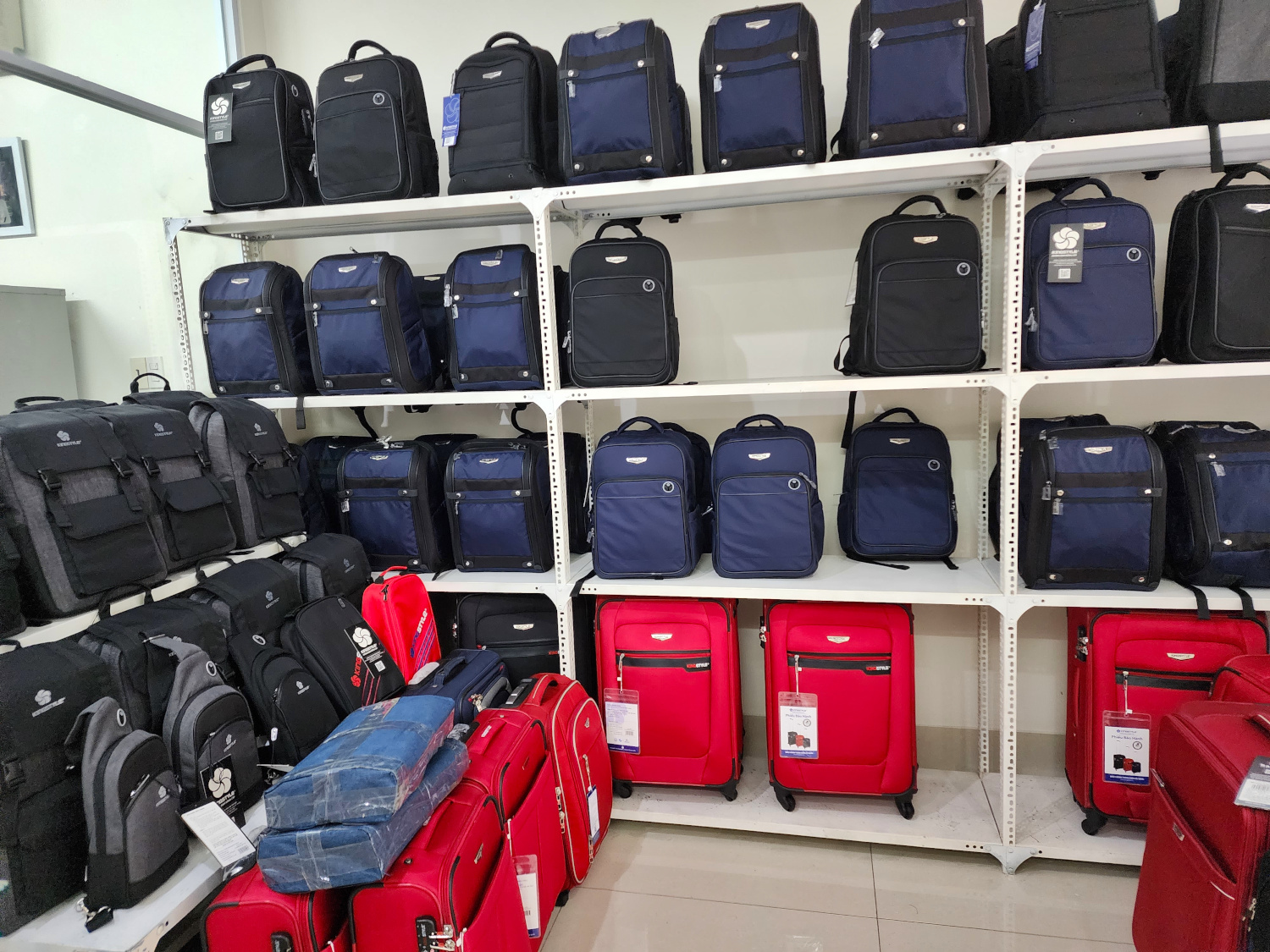
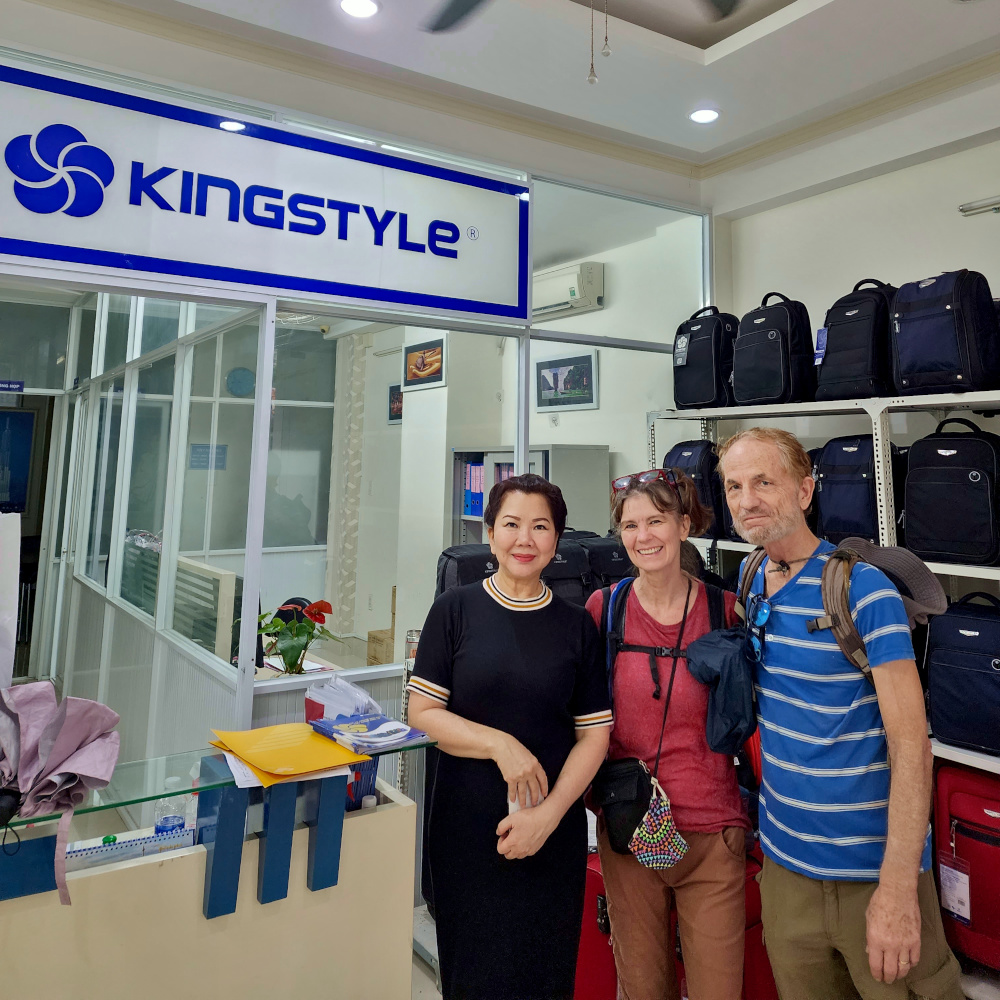
In fact, we found exactly what we needed. Not only were the backpacks very sturdy and well designed, but they were reasonably priced and – best of all – drastically marked down for the moment. They normally were priced at about 40 dollars each (about half of what their price would have been in the U.S.), but we were able to snag them for only 18 dollars each! They were on sale at half price; but when we started to pay, we learned that they did not accept credit cards, and we didn’t have quite enough cash on us. As we pondered making a trip to an ATM, the employee called the manager out, and she agreed to accept what we had on us — giving us even more of a discount. Everyone was quite happy at the end of the day.
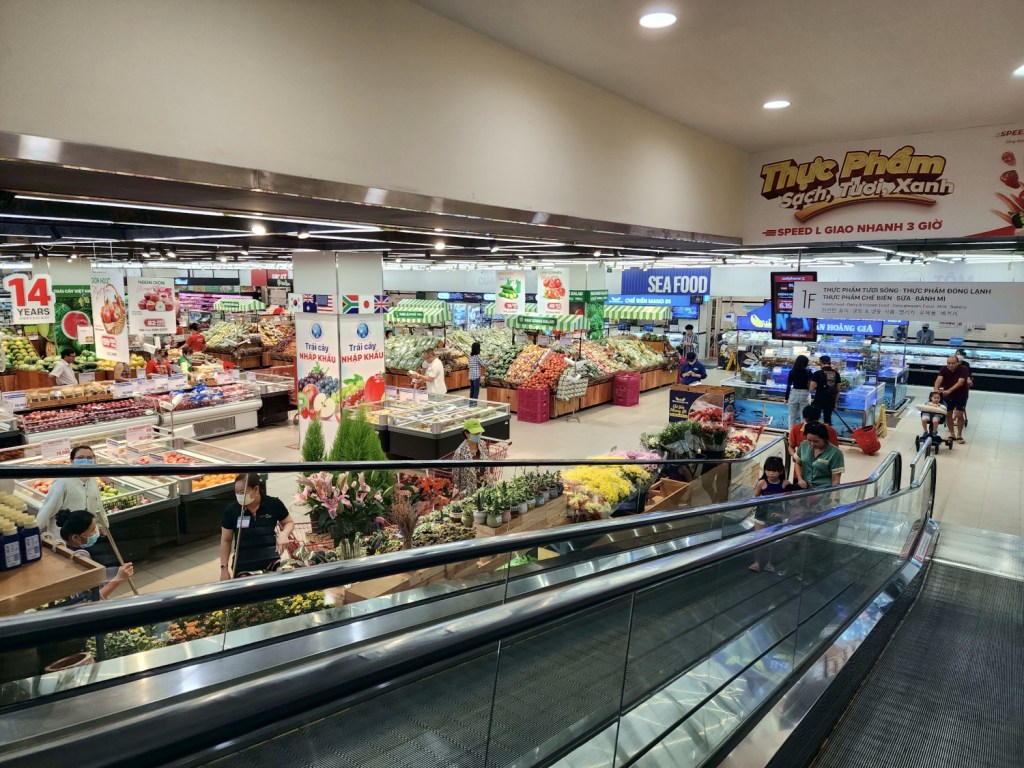
Speaking of dollars, we of course did not make the purchase in dollars as such, but in Vietnamese dong. Some of these dong we also used to stock up at an excellent supermarket we scouted out. In it was a vending machine that sold surprise boxes. You never knew what you were going to get when you bought one.


After all the countries we’d visited, we had quite a collection of currency; plan as we might, it never quite works out that we use up all the money we’d withdrawn from an ATM; there’s invariably some left over. (The one exception, of sorts, is Mexico; the few Mexican pesos we have remaining are in the form of coins.)
Counting Currency
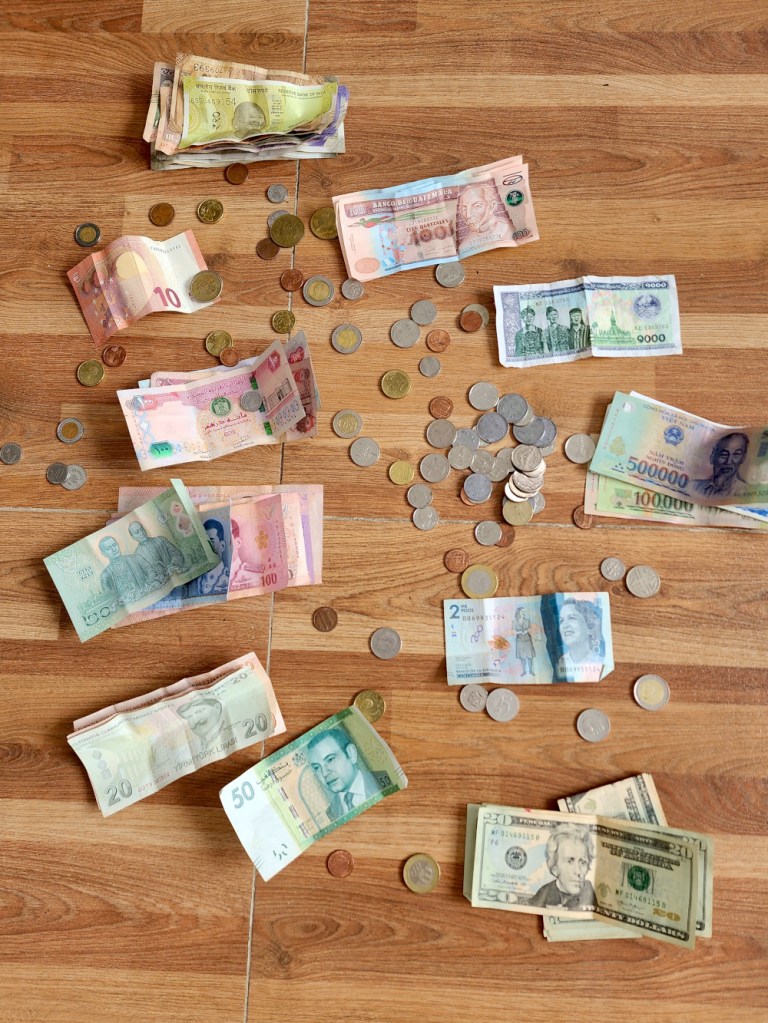
At one point during our time in Ho Chi Minh City, we spread the currency out on the floor to inventory it. There were Colombian pesos, Guatemalan quetzales, euros, Moroccan dirham, Turkish lira, Indian rupees, United Arab Emirates dirham, Thai baht, Cambodian riel, Vietnamese dong and even Lao kip, although we hadn’t actually been to Laos (we found a bill on the ground in Phnom Penh). Ecuador no longer has its own currency, but uses the U.S. dollar. And still ahead of us: Japanese yen.
While it looked like an impressive stash, it all added up to no more than about 150 dollars. (The UAE dirham were worth the most, simply because we had more of them left.) But we’ll take them as excuses and invitations to return to these countries at some time in the future.
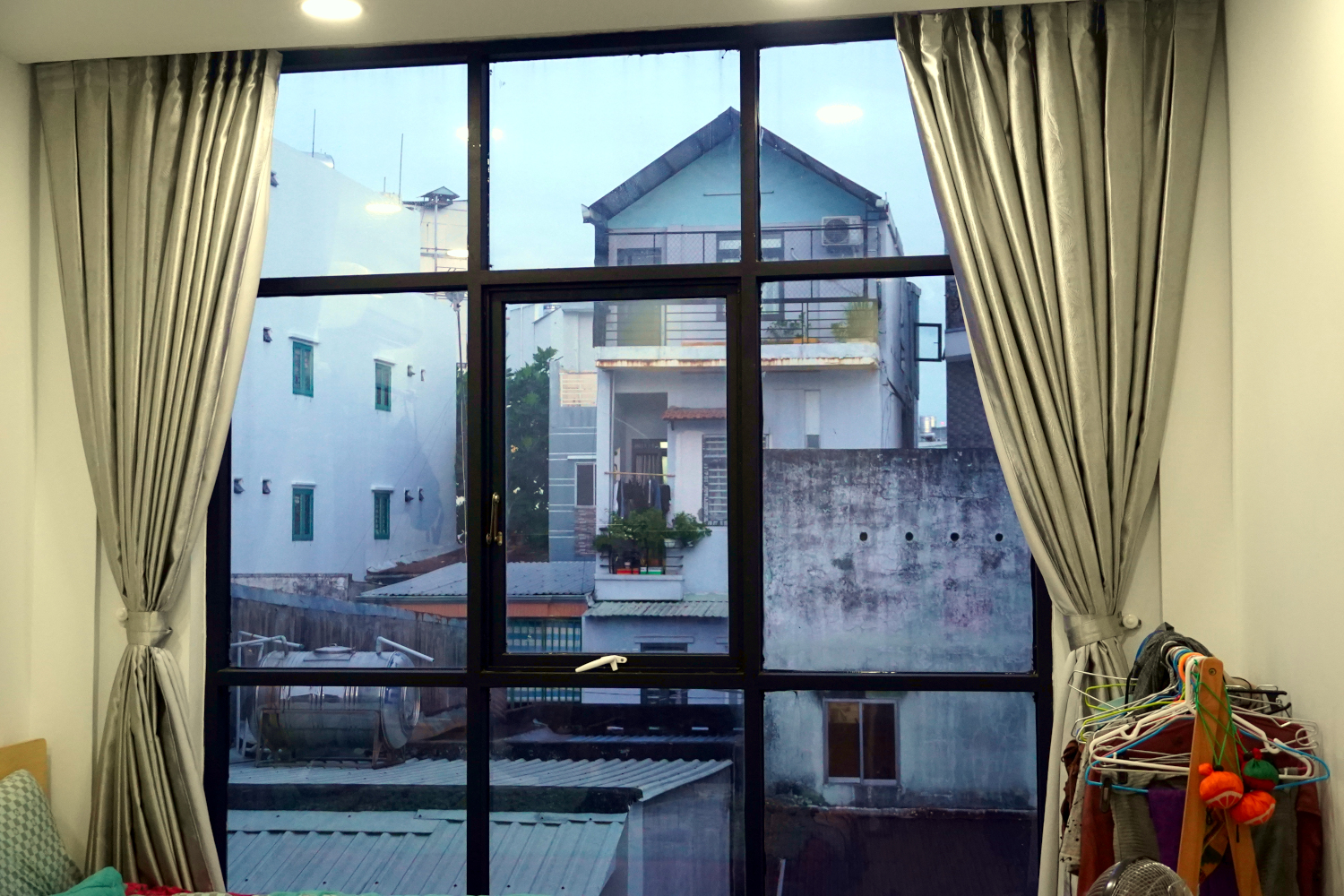
AirBnB Rooftop View
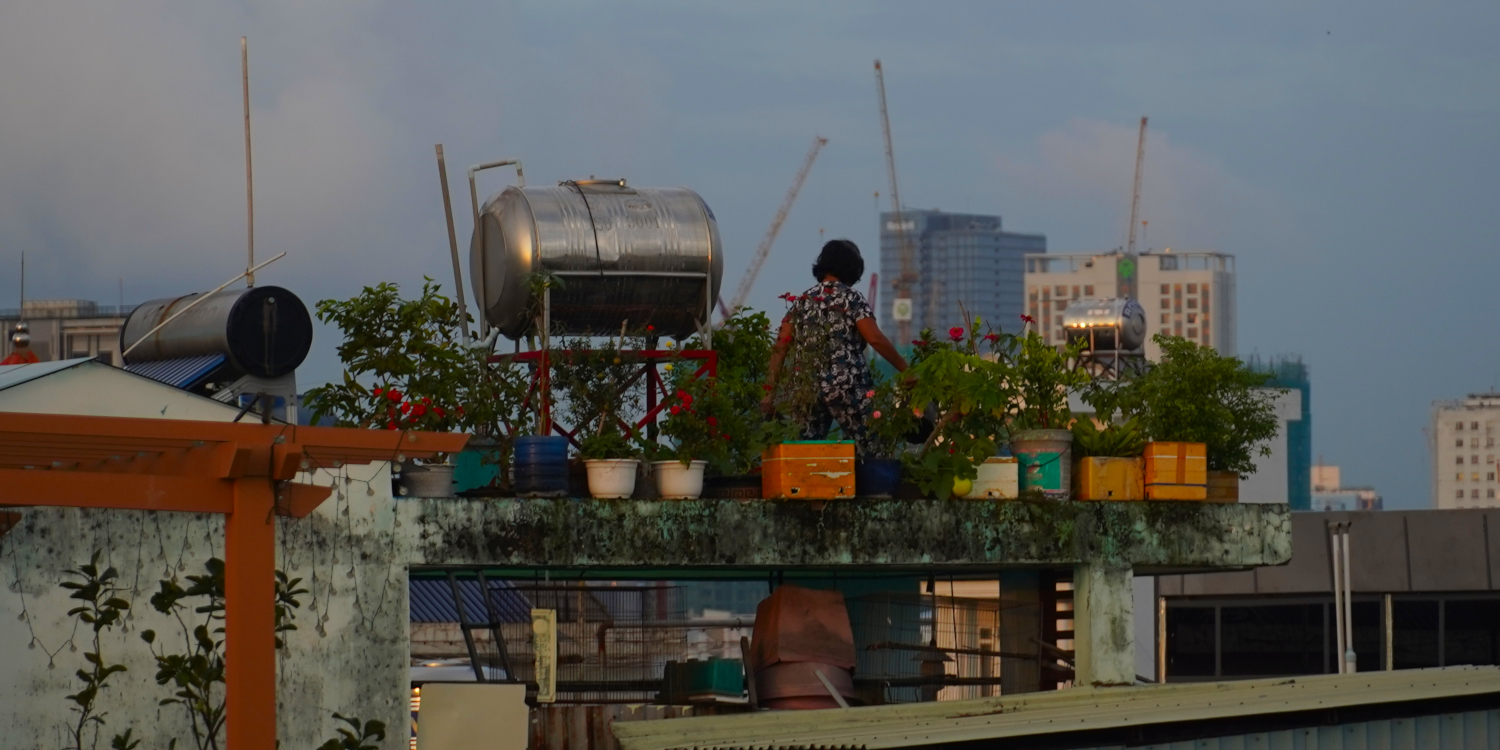
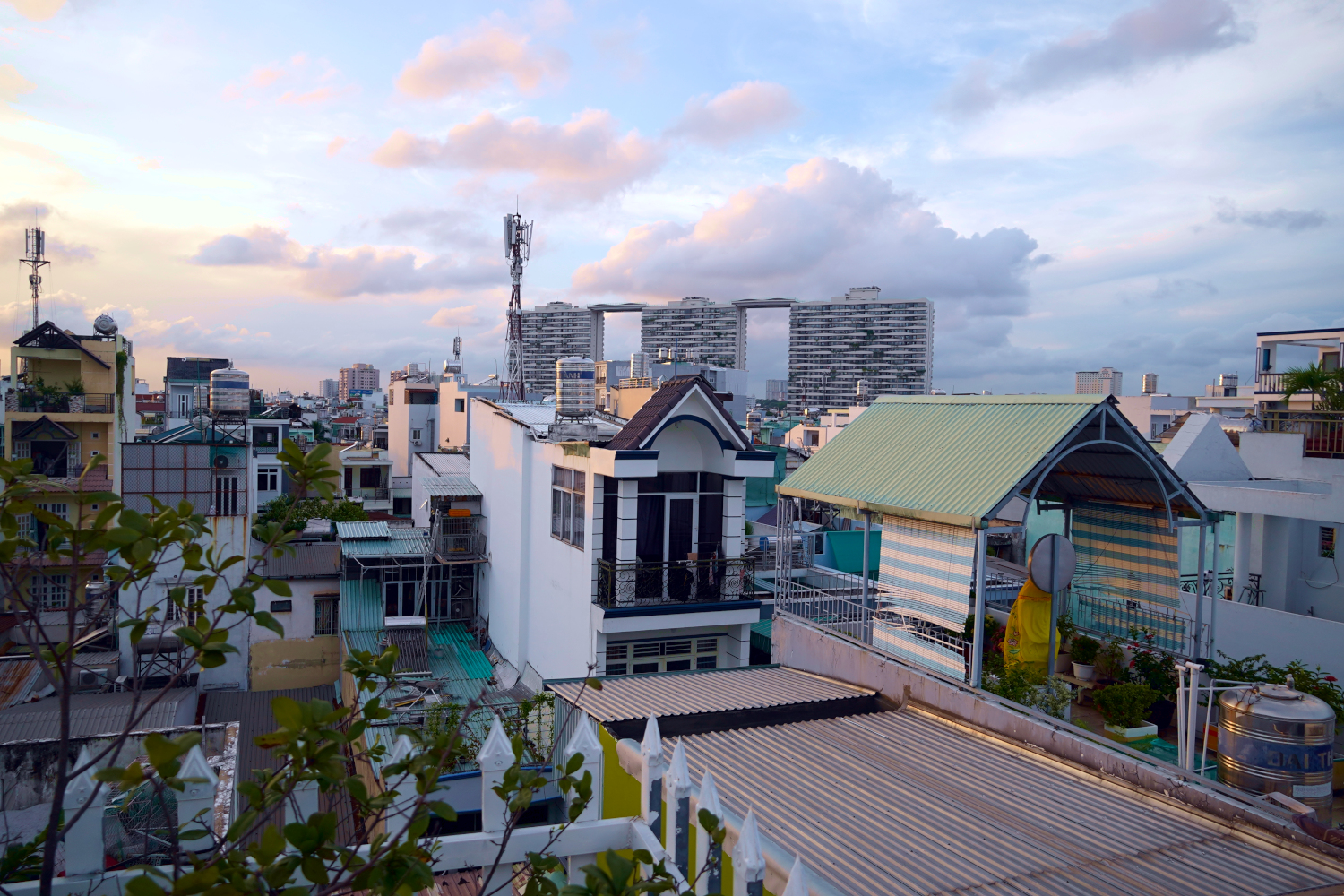
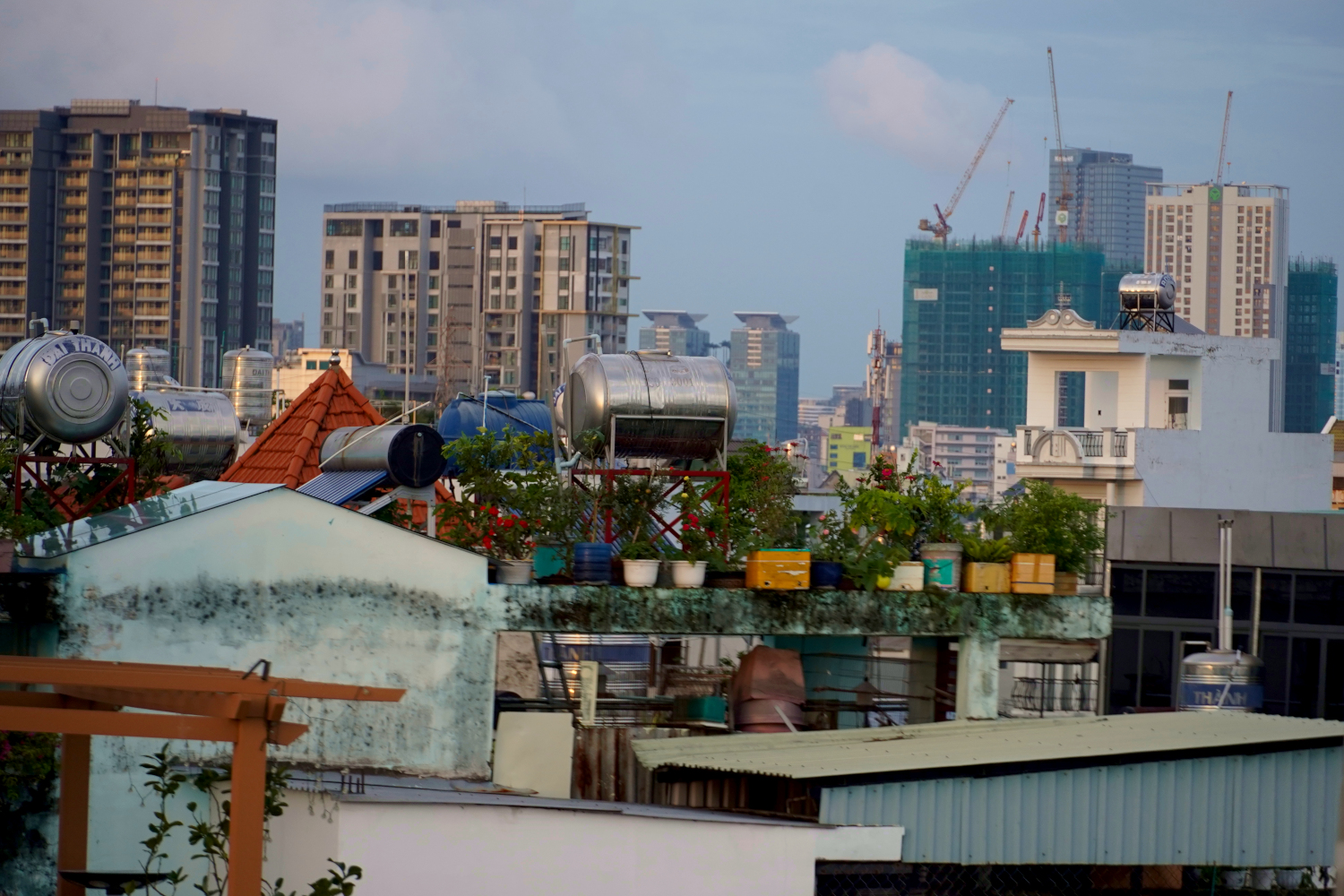
11/22 – 25 /2022
A Deeper Dive into Ho Chi Minh City: Must-See Attractions and Hidden Gems
Ho Chi Minh City, or Saigon as it’s still affectionately known by many, offers a vibrant mix of history, culture, and modern-day energy. Here are some additional recommendations to enrich your visit:
Must-See Attractions:
- War Remnants Museum: A poignant exploration of the Vietnam War, featuring exhibits, artifacts, and the infamous “Tiger Cages.”
- Cu Chi Tunnels: Venture underground to experience the intricate network of tunnels used by the Viet Cong during the war.
- Ben Thanh Market: A bustling market offering everything from fresh produce and textiles to souvenirs and street food.
- Notre Dame Cathedral and Central Post Office: These iconic French colonial structures are must-sees for their architectural beauty.
- Reunification Palace: The site of the end of the Vietnam War, this historical building offers a glimpse into the past.
Hidden Gems and Unique Experiences:
- Chợ Lớn (Chinatown): Explore the vibrant Chinese district, filled with temples, markets, and delicious food.
- Bitexco Financial Tower: Enjoy panoramic views of the city from the observation deck on the 49th floor.
- Saigon Opera House: Catch a performance of traditional Vietnamese opera or a concert.
- Phu My Hung Urban Area: Discover a modern, planned district with beautiful parks, shopping malls, and international cuisine.
- Street Food Tours: Embark on a culinary adventure and sample authentic Vietnamese street food from local vendors.
Practical Tips:
- Bargaining: Practice your bargaining skills at markets and shops.
- Safety: While Ho Chi Minh City is generally safe, exercise caution in crowded areas and avoid scams.
- Transportation: Grab is a popular ride-hailing app, and taxis are also widely available.
- Language: While English is spoken by many, learning a few basic Vietnamese phrases can go a long way.
- Respect: Be mindful of local customs and traditions.
By exploring these attractions and experiences, you’ll gain a deeper understanding of Ho Chi Minh City’s rich history, vibrant culture, and modern-day charm.


 world travel with a theatrical flair
Leave a comment