


Hinamatsuri, which falls on March 3, is a Japanese holiday dating back to the 17th Century that honors young girls. It’s the tradition for a family with a daughter under the age of 10 to set up an elaborate display of dolls each year a few days before this occasion — which is therefore sometimes called Dolls Day. And we were fortunate to be in Japan to catch this holiday and view several such displays. Even better, we were visiting friends who had a daughter; and even though she was well past the age of 10, they still had their set of dolls (these collections can be quite expensive, and often become family heirlooms) and set it up while we were there. Even better still, we helped them do it.


Hinamatsuri Display from the Hotel near the Airport where we had tea the day before.
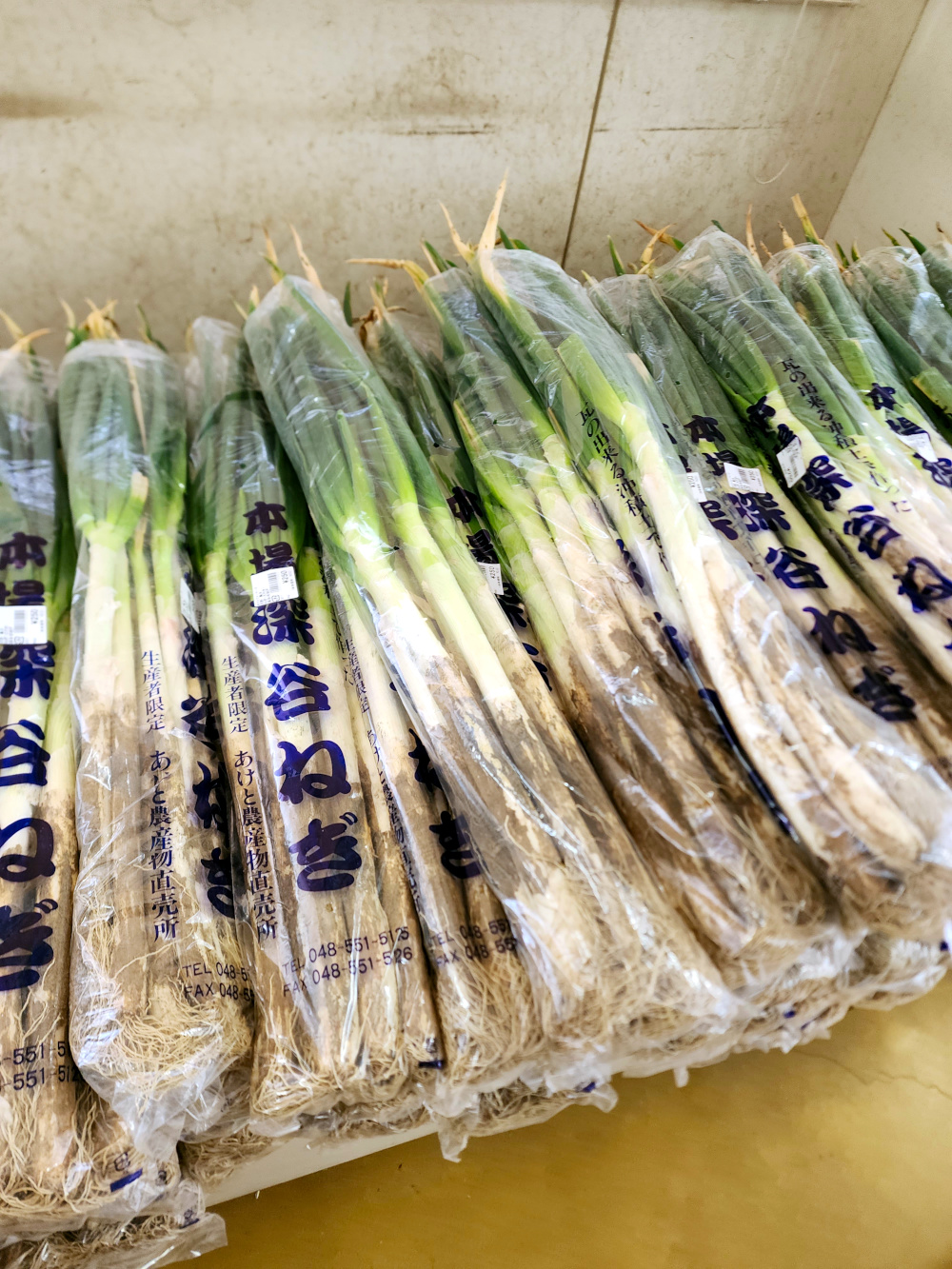
But the day began with an outing to round up groceries. First, a produce market, where we bought some fresh items that were largely unfamiliar to us. And then to a supermarket, where we rounded up some things that were less alien — including tofu, one variety of which was dried and lightweight, making it easy to carry around and have at some distant time in the future. (Indeed, we ended up taking some in our bags when we left.)

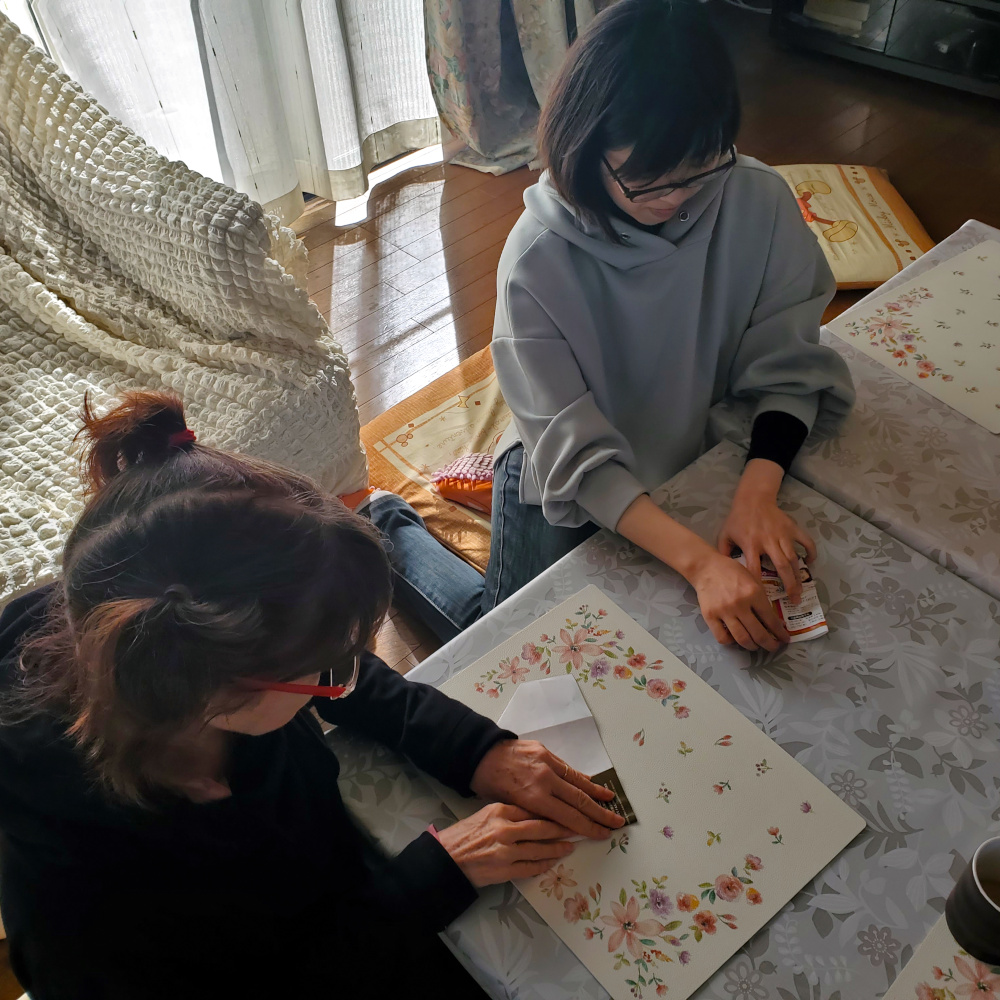
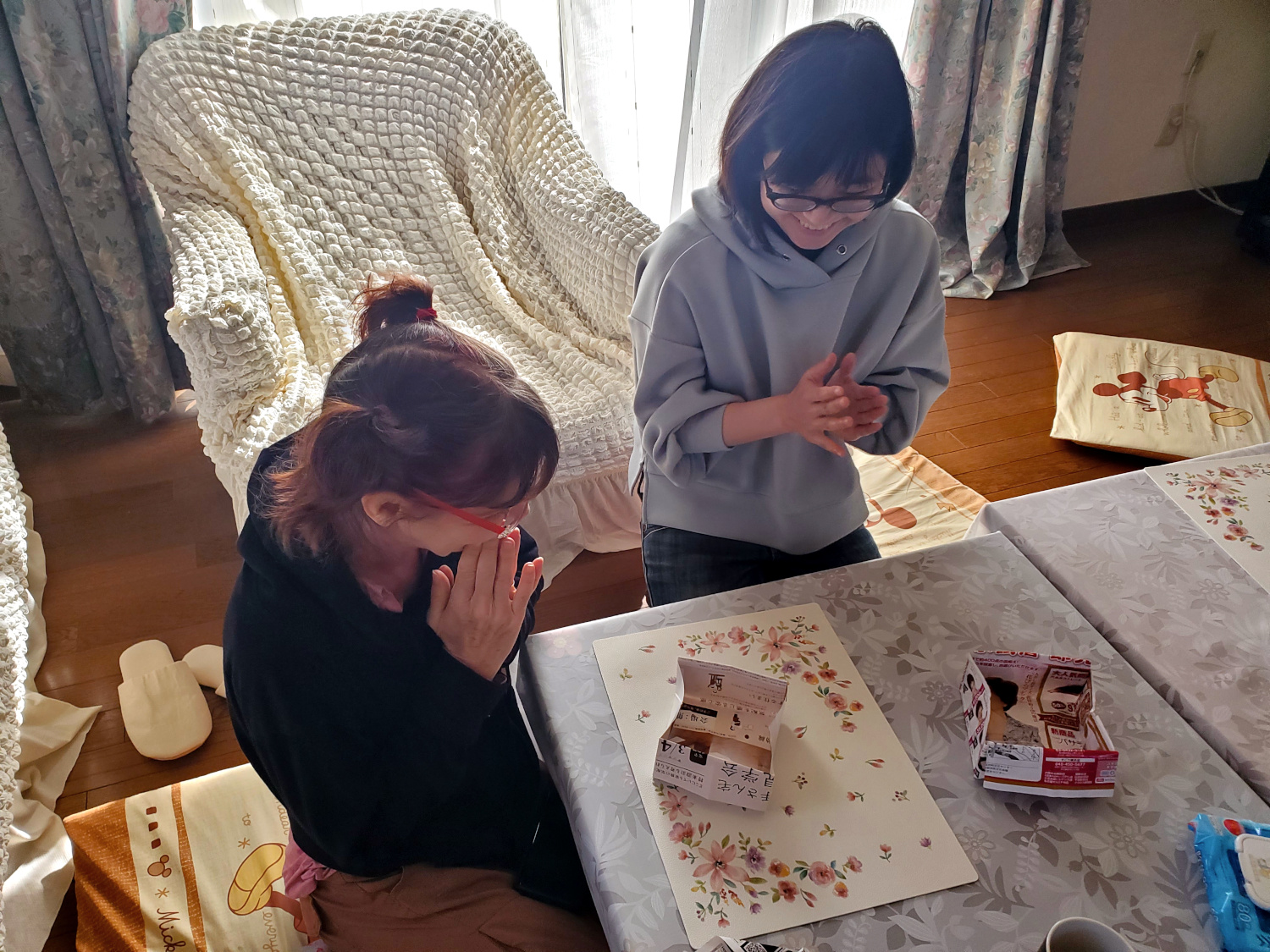
Then it was time for origami class. Ayaka, the grownup daughter, taught us how to fold paper to make a sturdy little box from newspaper. That was an easy initiation — the shapes would become much more challenging later.
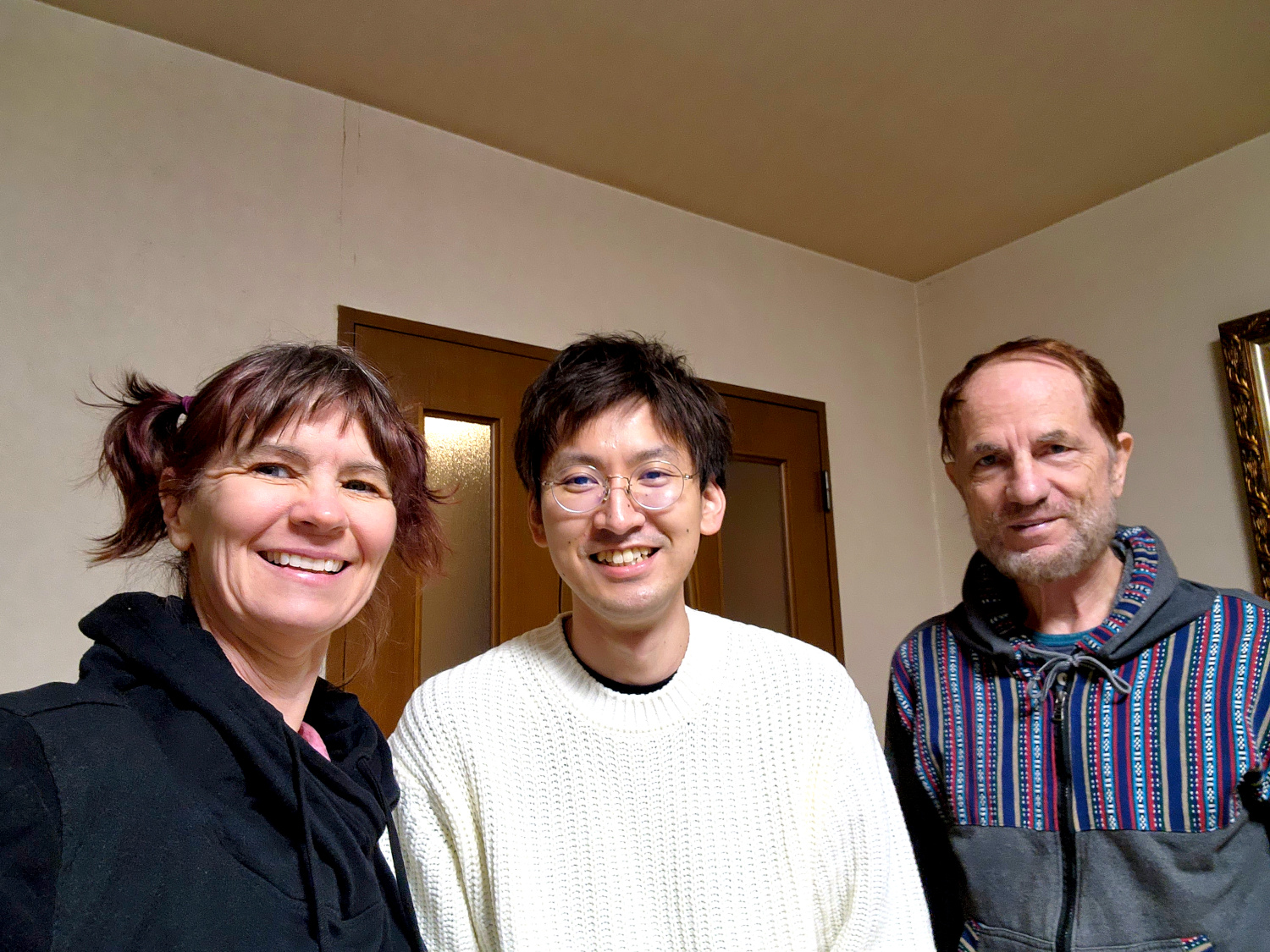
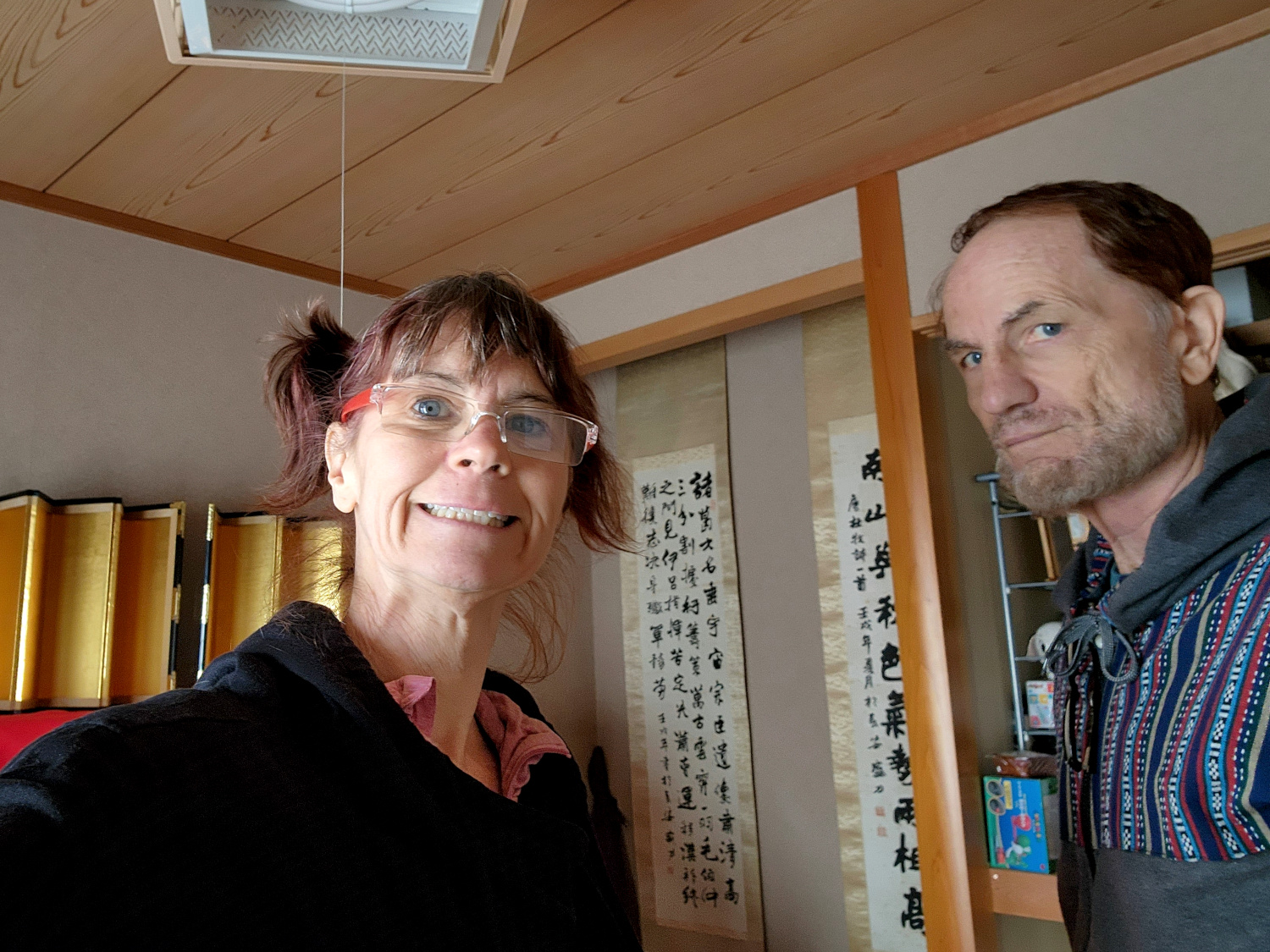
The grownup son, Keisuke, arrived from Tokyo to visit for a couple of days. We also knew him when he was much younger; he’s now a film producer, and is always interested in hearing about our own experiences in the film industry, even though they essentially just involve being film extras in Los Angeles and Atlanta.
Building a Doll’s Day Display
Then it was time to assemble the doll display, a process somewhat comparable to putting up a Christmas tree, but more elaborate and considerably more exacting. It was to take its place in the one room in the house that was designed in a traditional Japanese fashion with a sliding door, and containing some traditional ornaments and mementos.


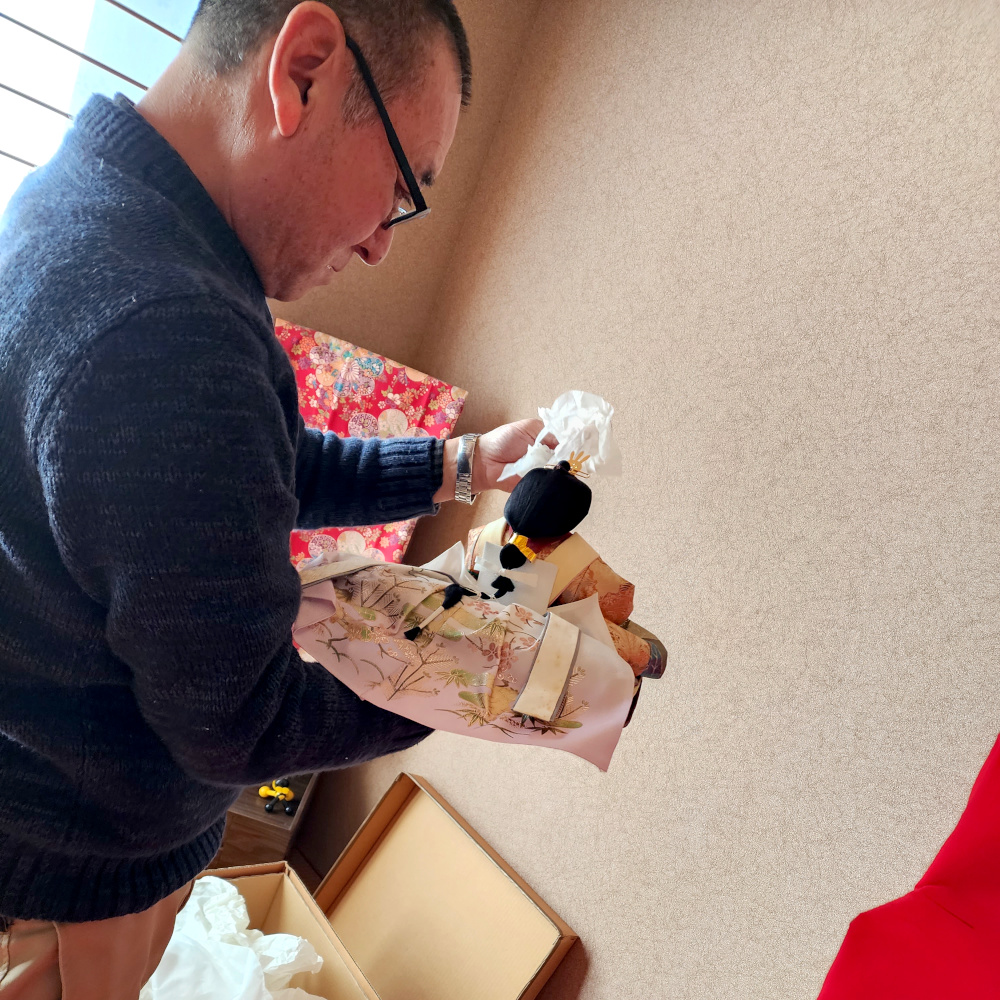
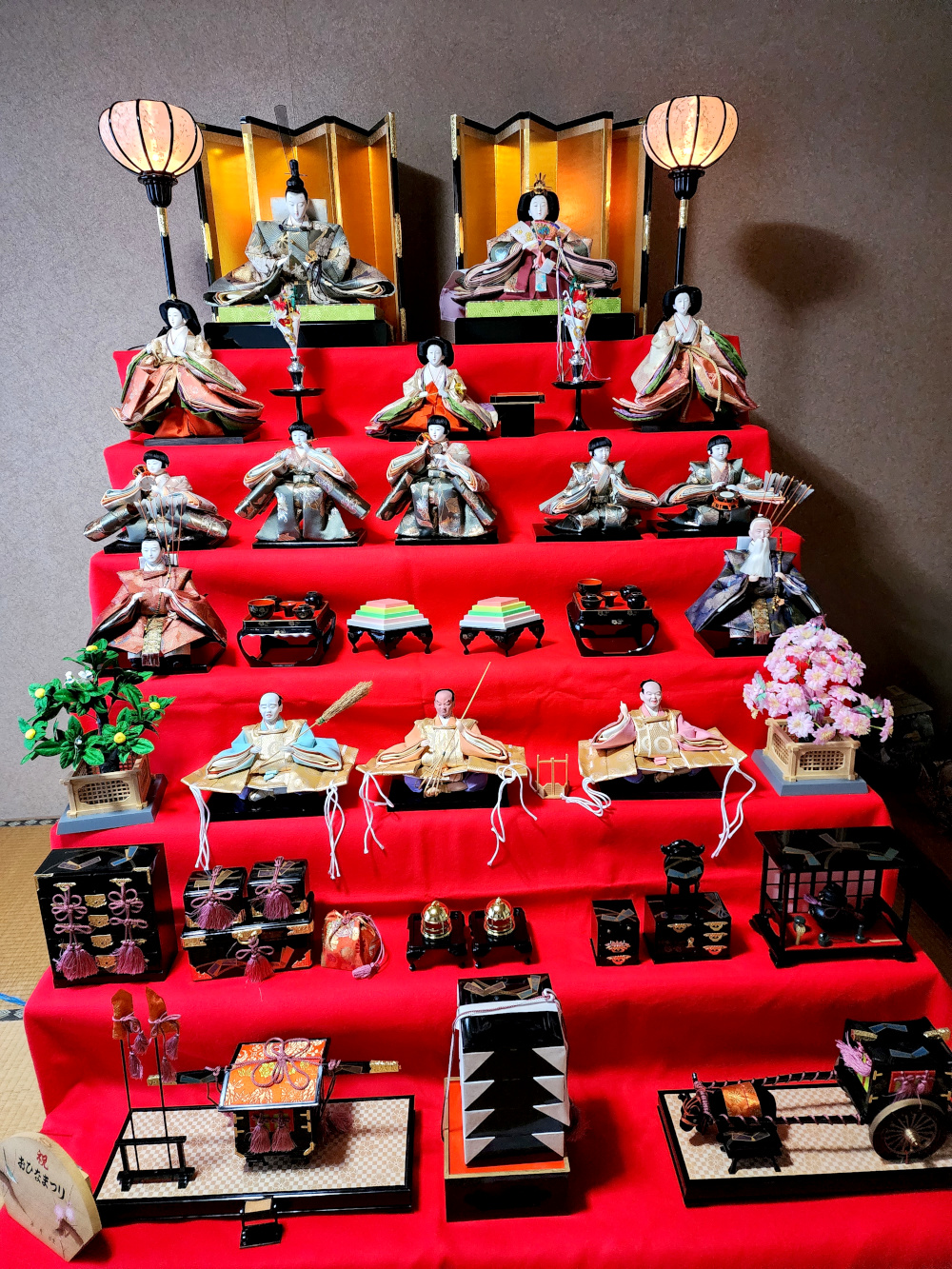
Toshihide, the father, brought out the display items packed in boxes. This included the stand that everything was to be placed on — much assembly required. Fortunately, the box containing the puzzle pieces of the stand included instructions, so between the three of us, we were able to successfully complete the mission of reconstituting it. Then it was covered with the traditional velvety red cloth, and was ready to have the featured pieces placed upon it.
There is a certain protocol to follow in selecting and arranging these ornaments (the Emperor and Empress absolutely must be ensconced on the top tier), but there is also a certain amount of leeway for individual preference, and budget. Following Toshihide’s lead, we got them all in their rightful positions, and ended up with a little holiday masterpiece, if we do say so ourselves.
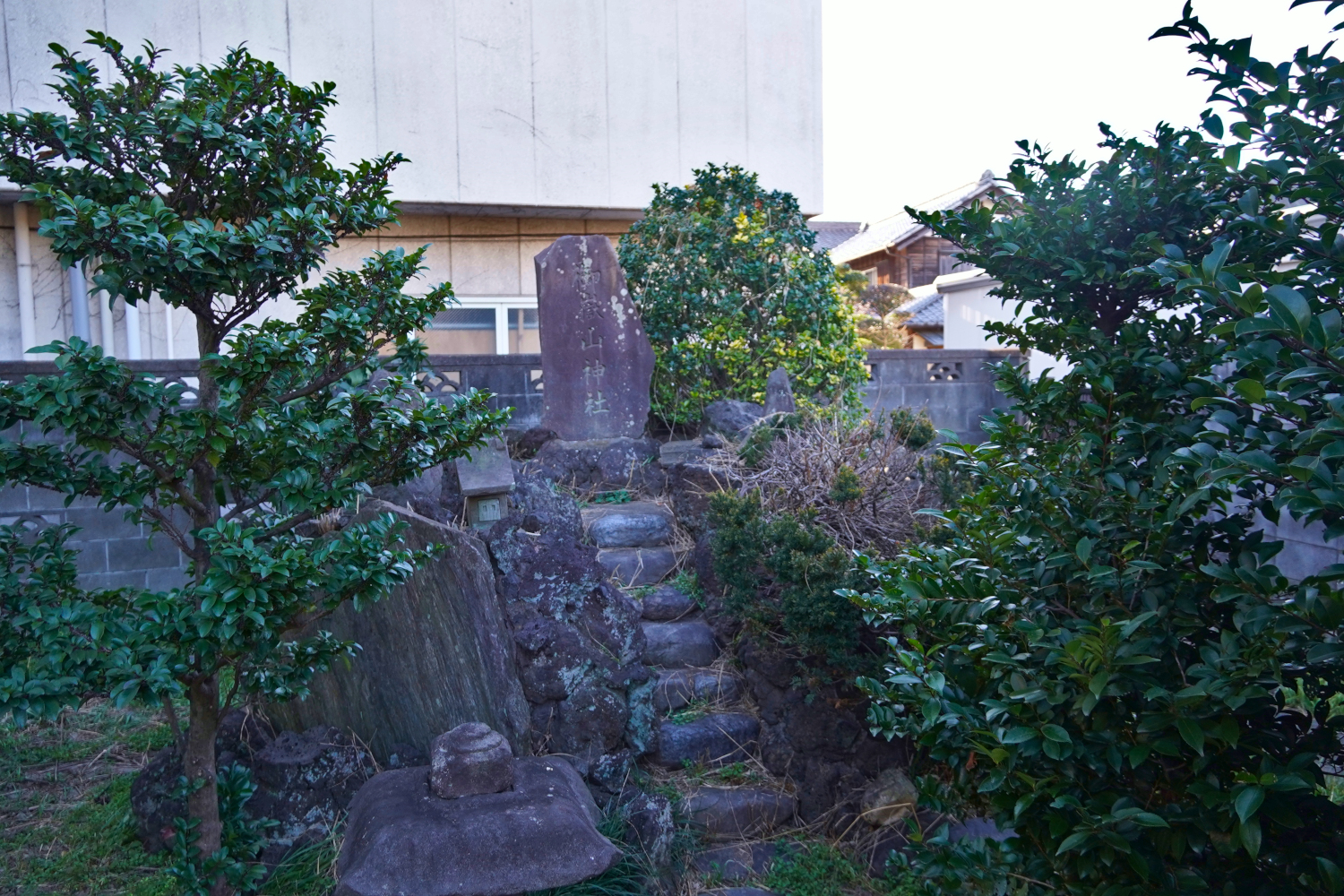
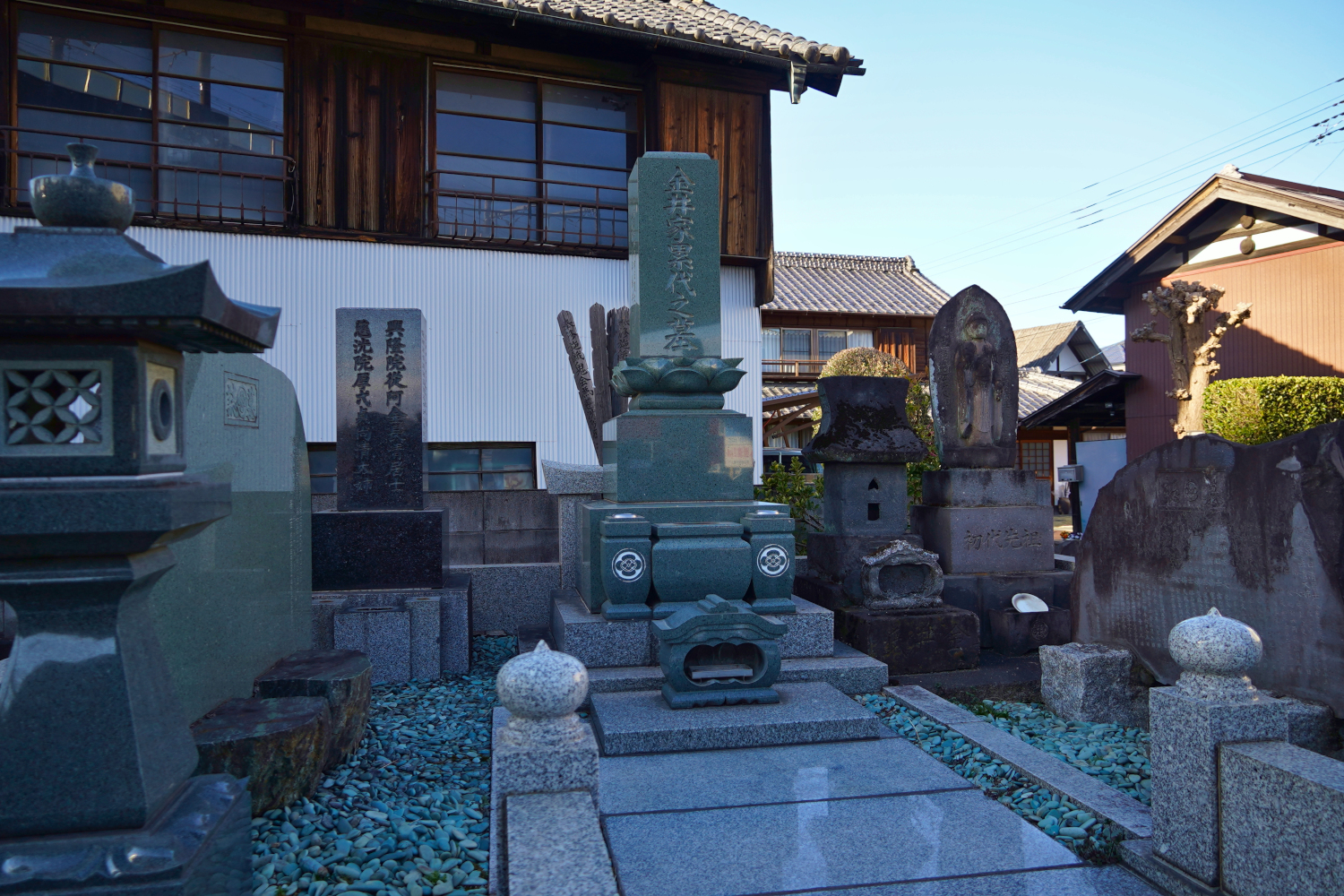
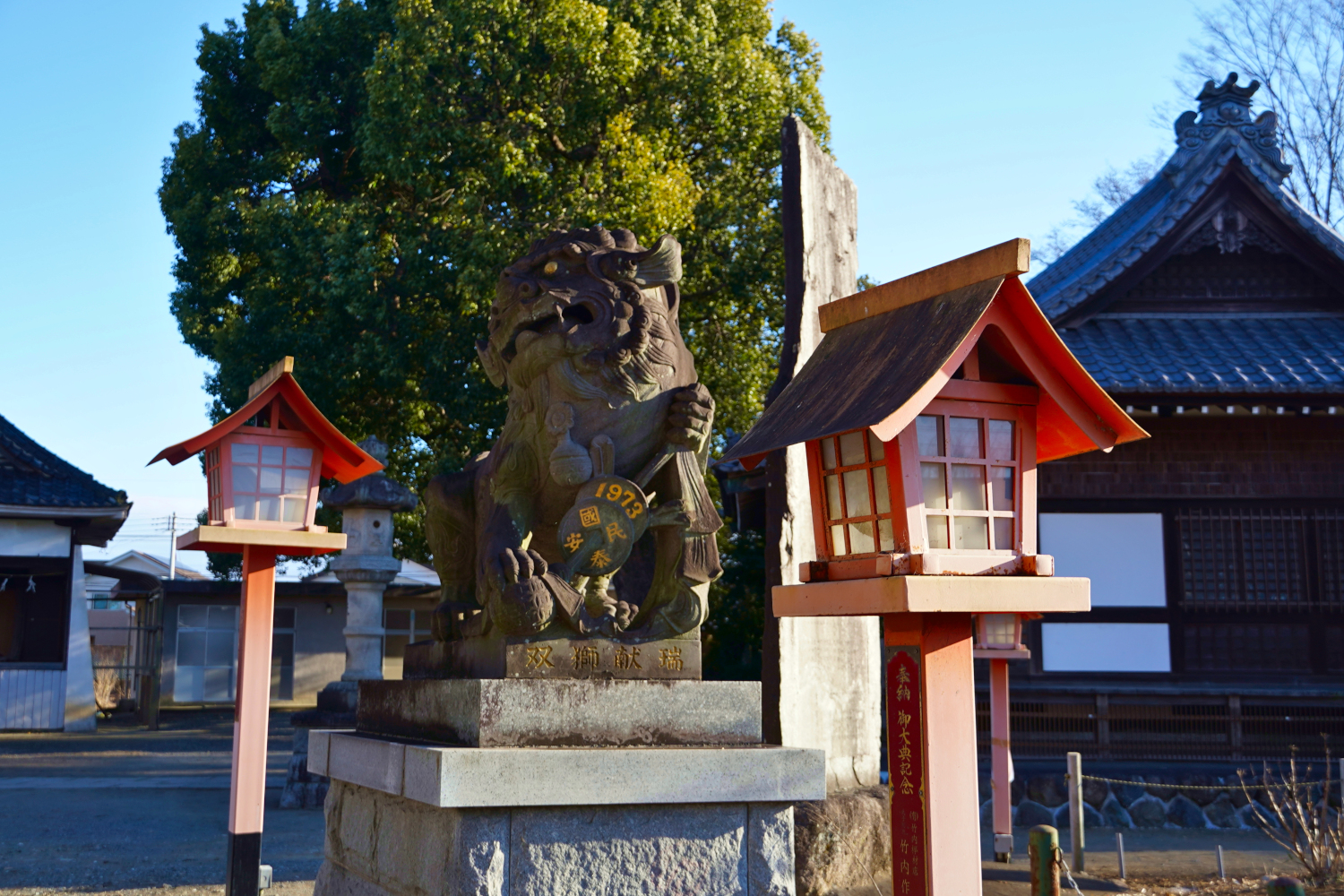
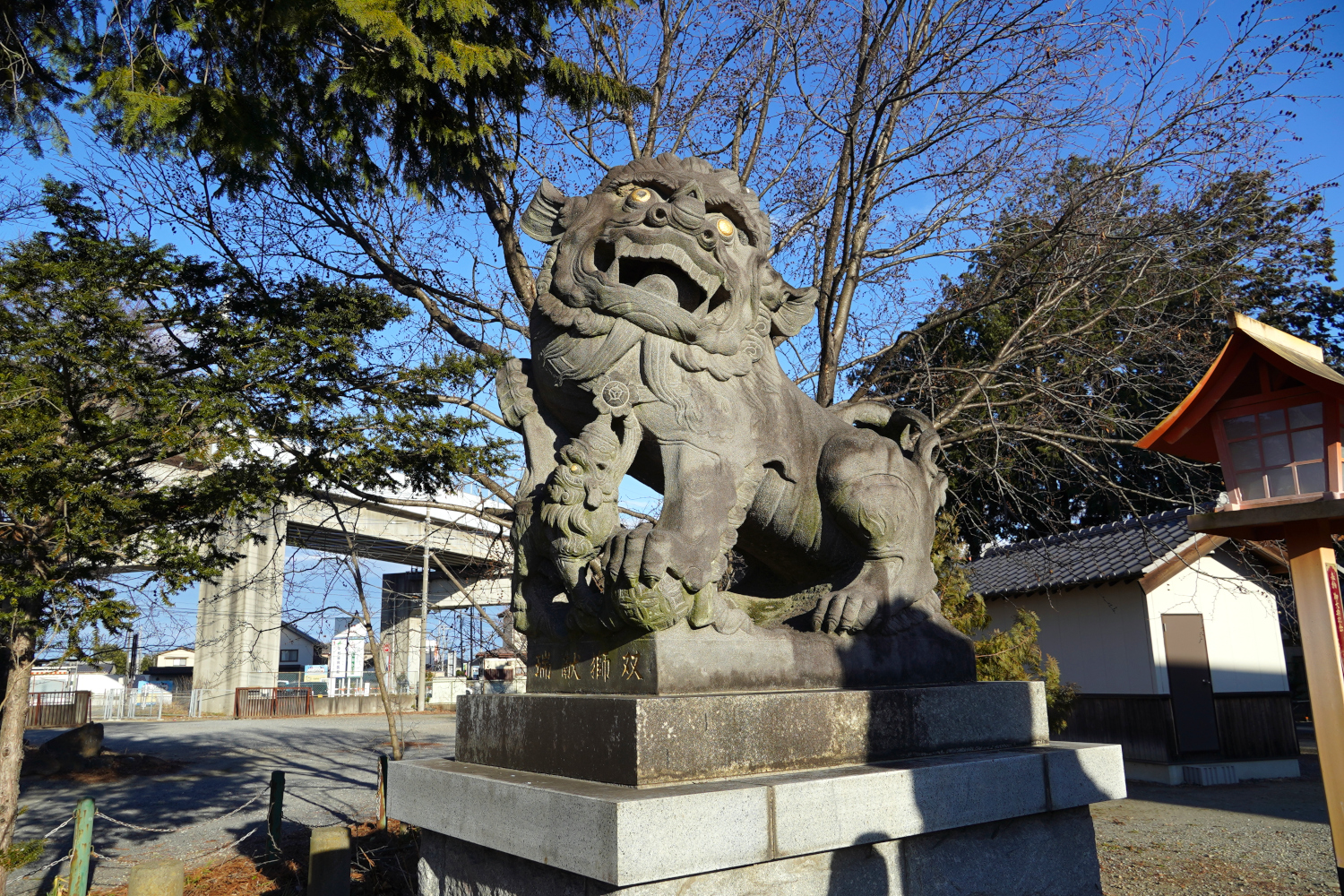
Later that day, we took a stroll with Yukari and Ayaka to the family shrine, which was not very far away. While we were out, it occurred to us that all of us could benefit from a bathroom, so we started back home, but realized that we were locked out, and nobody else was at home but not to worry, the former home of his parents (now deceased) was nearby, Yukari did know where to access the key for that. So we were able to go inside and relieve ourselves; and in the process get a fascinating glimpse of the old-style home, which appeared to be still pretty much as its occupants had left it.



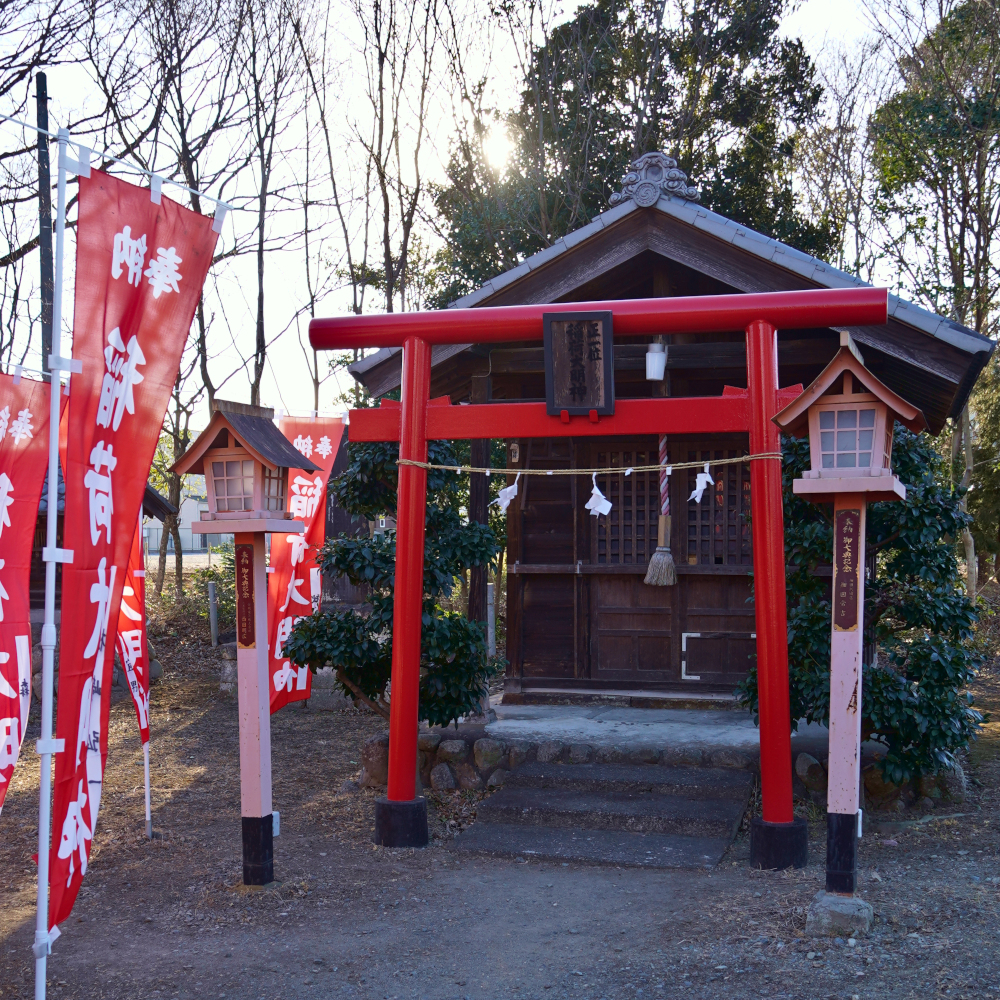
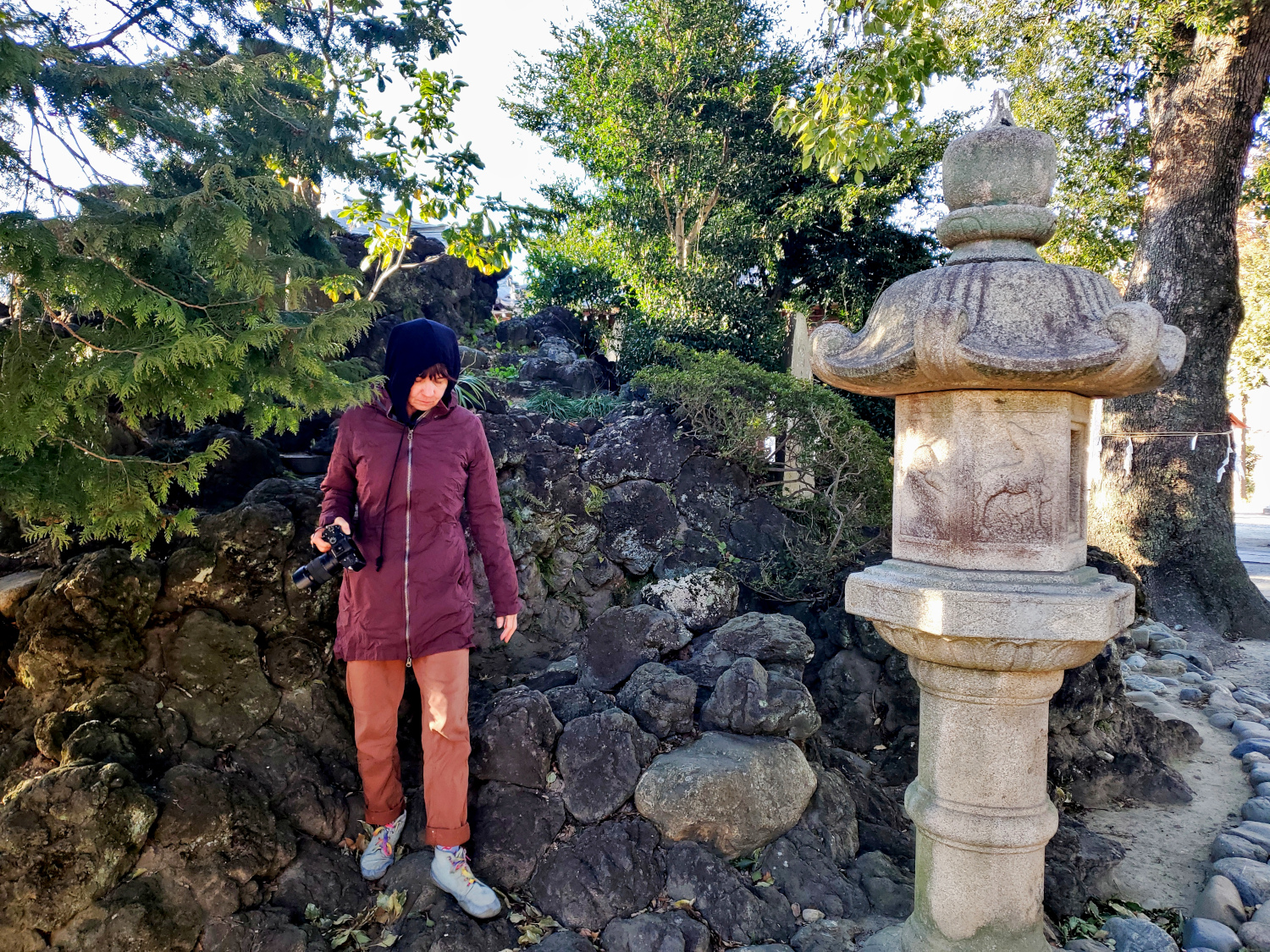
The next day, Keisuke took us on a little excursion to a store he wanted us to see (and wanted to go to himself) — a toy store about an hour’s drive away. We managed a fun and congenial outing with him even though he spoke practically no English, and our Japanese is, shall we say, rusty.
(In the photo of Ayaka and Yukari watching us leave through the window, Ayaka is hearkening back to our first visit many years earlier. At that time we’d watched an episode of a particular TV series, a historical comedy, in which one character believed he could make himself invisible by making a “T” sign with his hands. Naturally, being incurable theatre folk, we couldn’t resist turning the gesture into a running gag.)




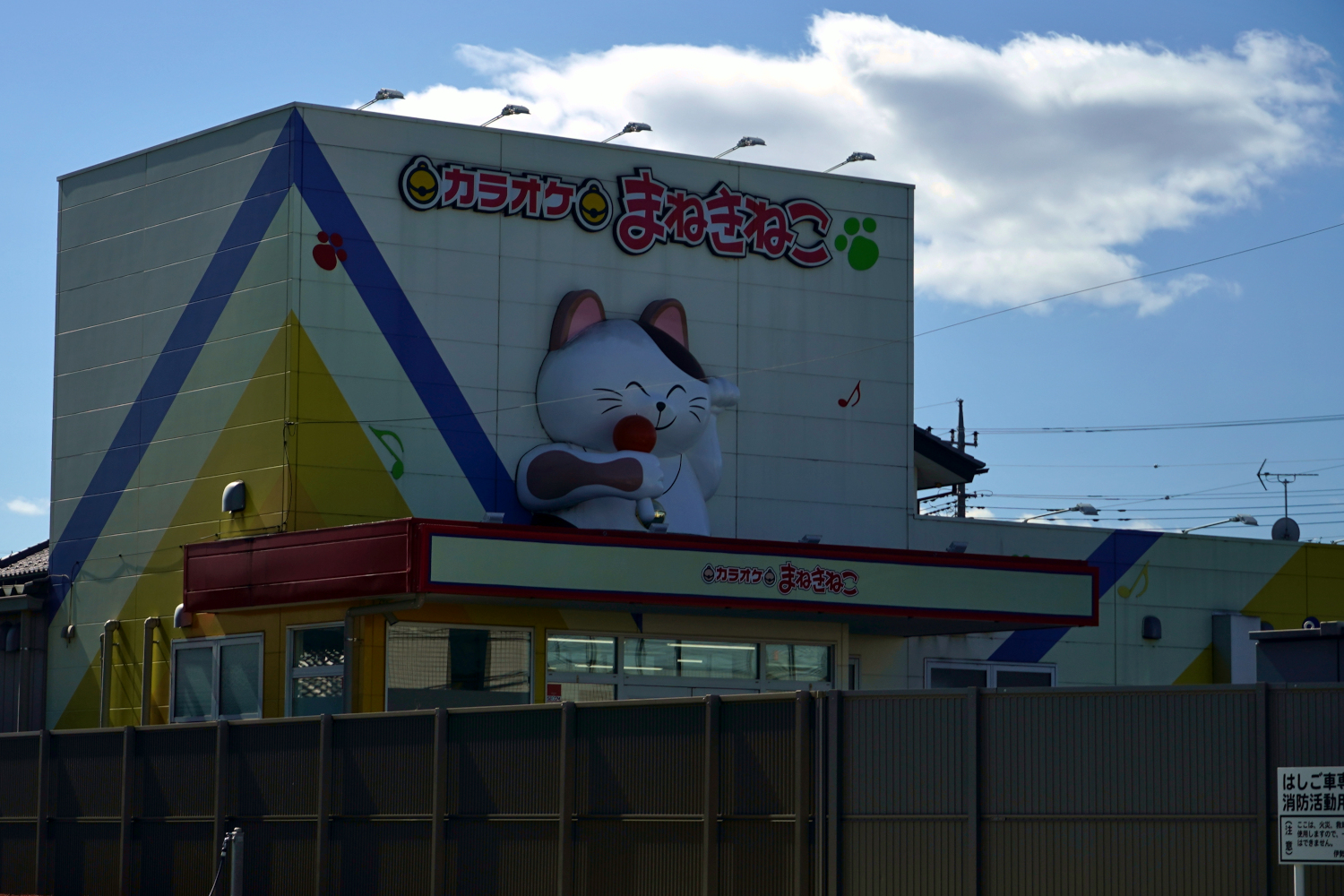
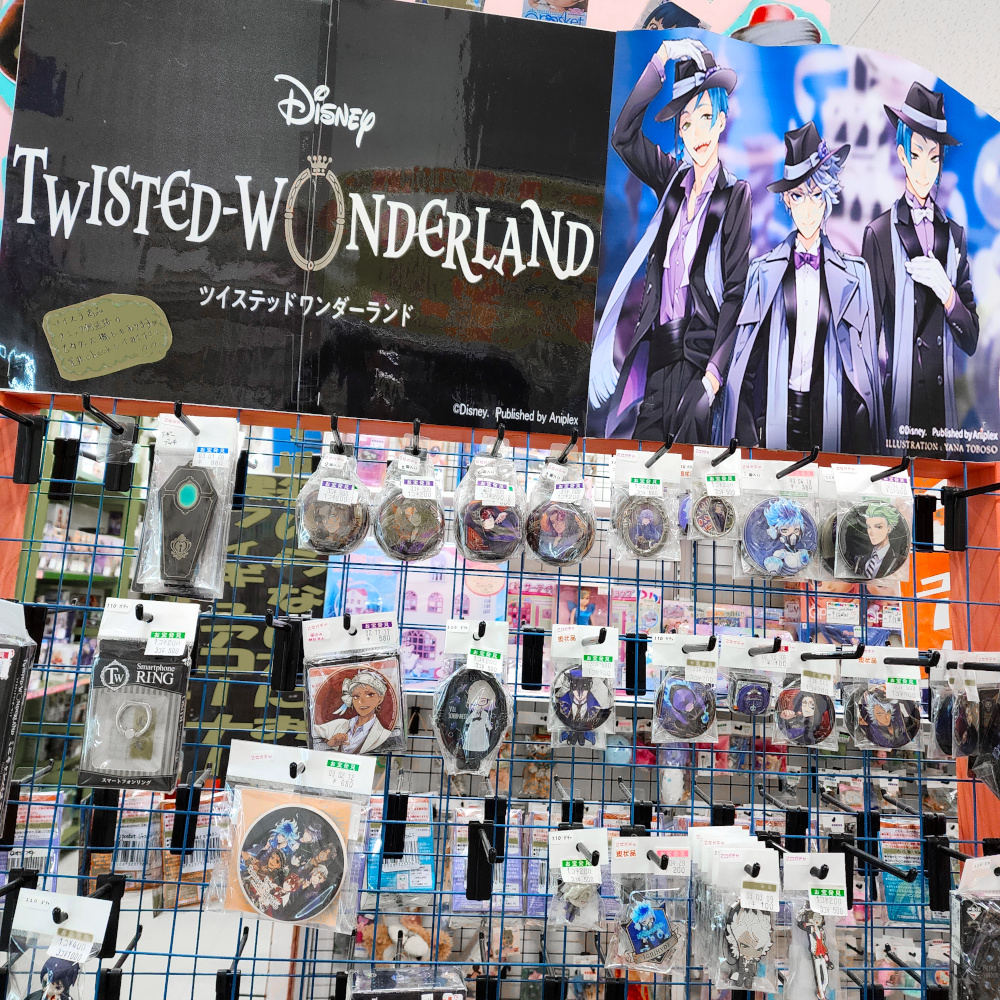

The rather spacious store was like a Toys R Us (Remember those?) on steroids — or rather, like a Toys R US before it immersed itself so heavily into merchandising connections with movies and TV shows. It was an emporium for all ages; in fact, it was mostly grown men we saw who were constructing little racetracks and running model vehicles on them.
Origami Time
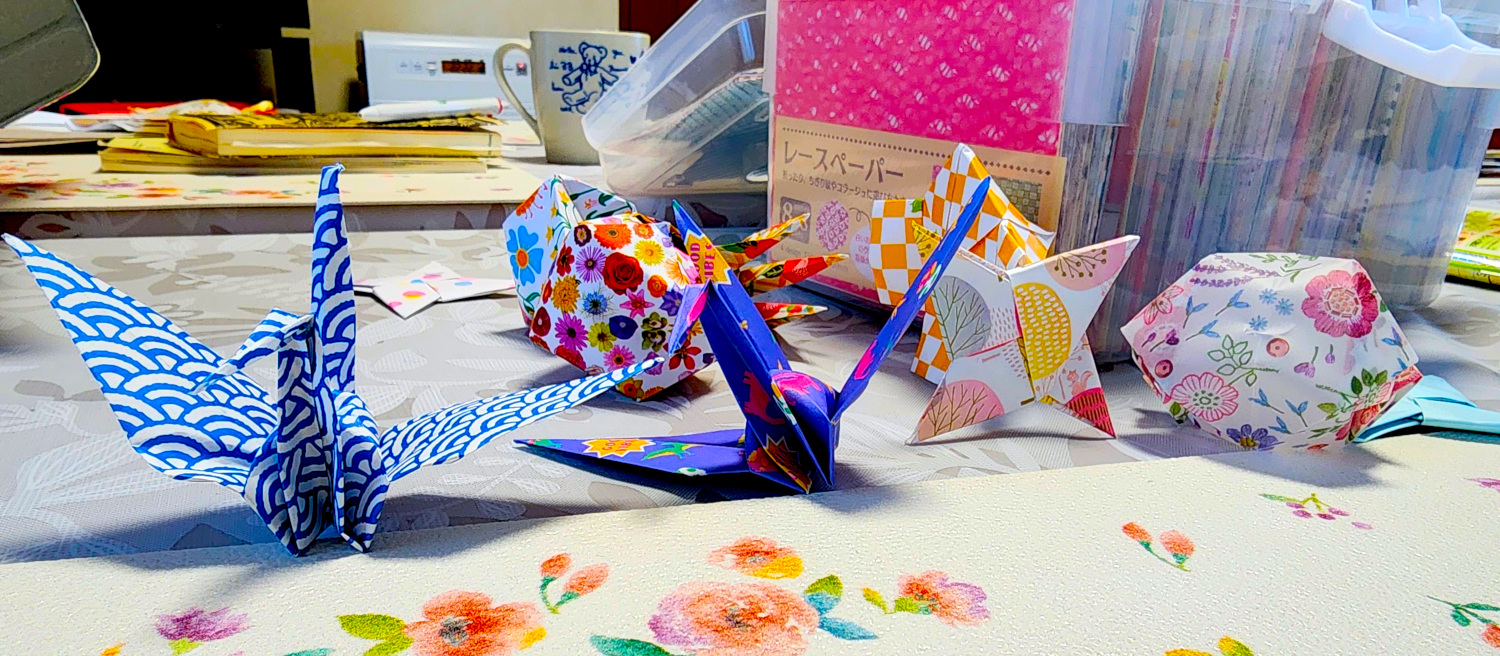
When we got back, we had another origami lesson, with Yukari teaching us to create perhaps the most popular of origami projects, a crane. Her end results were fabulous. Ours at least didn’t suck.

Keisuke had to get back home to Tokyo, so we took a photo of the whole gang, and then he was off.
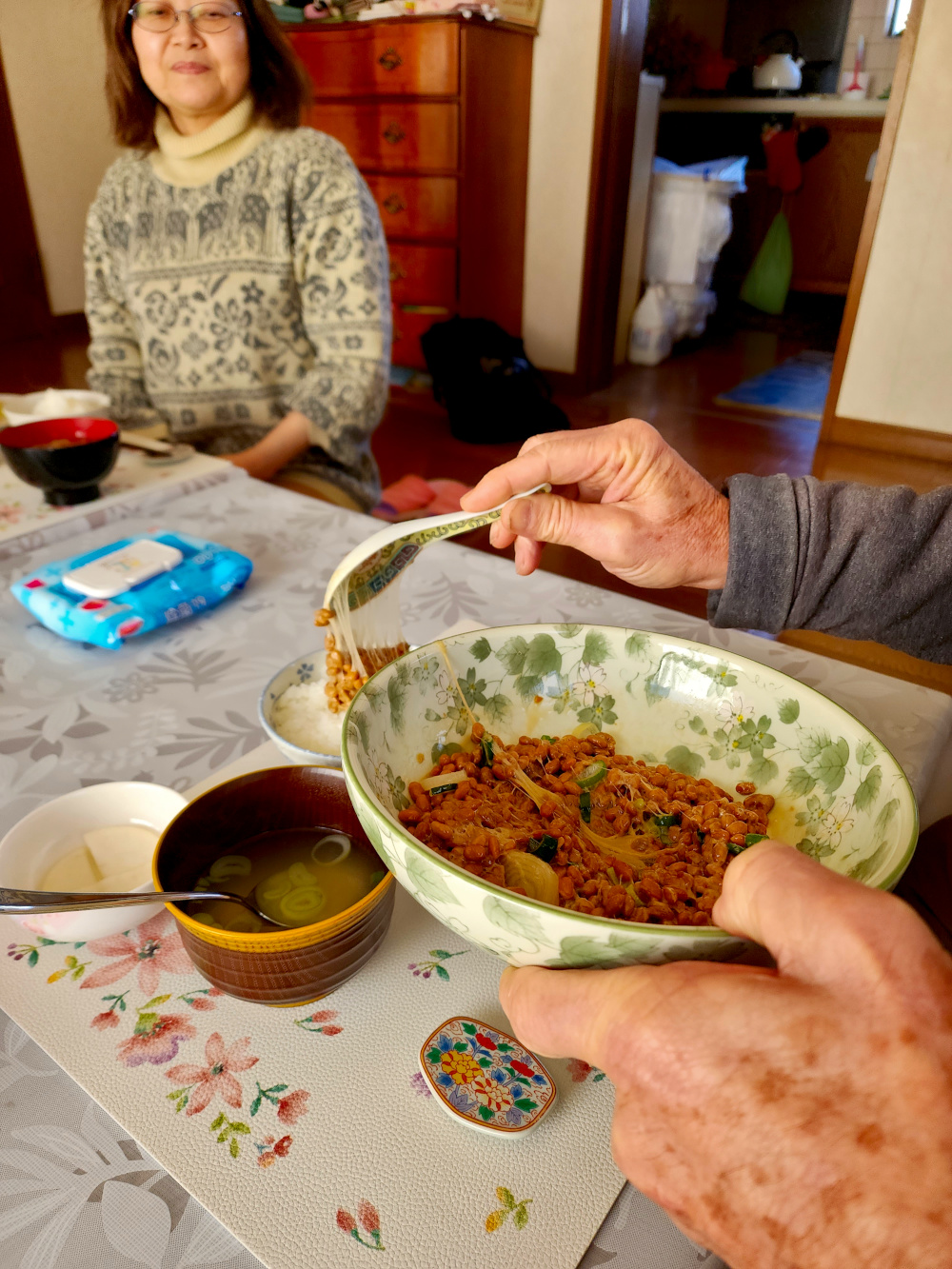
Later, we capped off the day with another of Yukari’s enticing homecooked dinners. (This one included natto, which is made from fermented soybeans, which develop a kind of stringy, gummy texture.) She’s always determined to spoil us, and she makes a trip to Japan even more memorable than it would have been already.
2/25-26/2023


 world travel with a theatrical flair
Leave a comment