

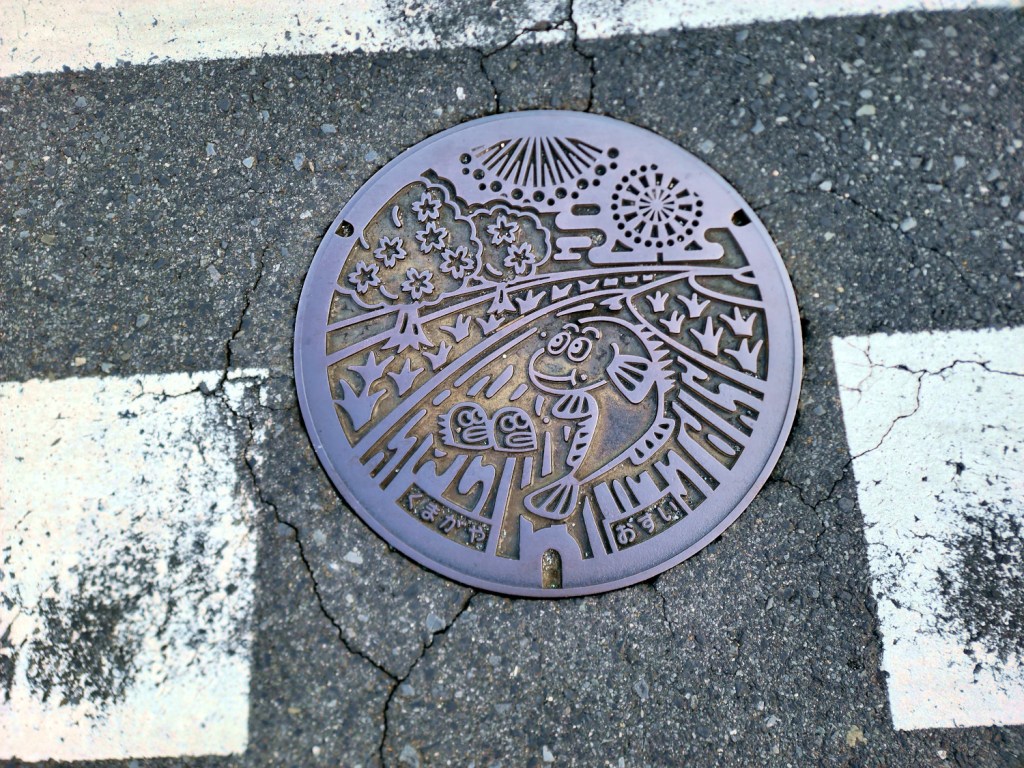
Japan is a nation that proudly cherishes its heritage while enthusiastically embracing modernity. It’s a land where the mundane can be transformed into the intriguing. You never know what you might find underfoot — literally.
Manhole Art Collecting Cards
One of Japan’s unique features is — would you believe — manhole covers. That’s right. In Japan, manhole covers are not just functional. They’re works of art. Maybe that’s true in some other countries as well. But Japan goes all out, with cities sort of competing against each other to see who can put the most exquisitely artistic designs on their manholes.
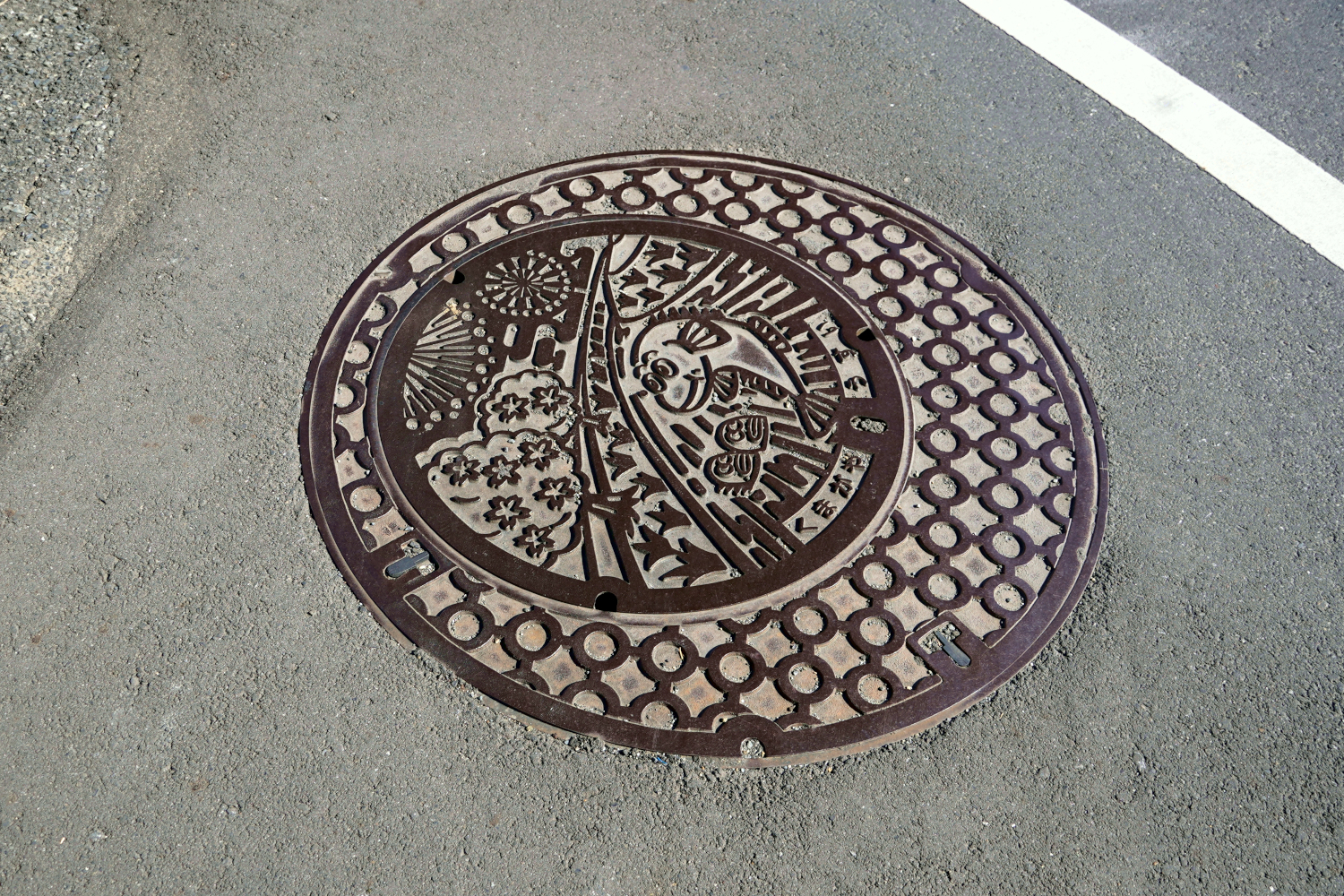
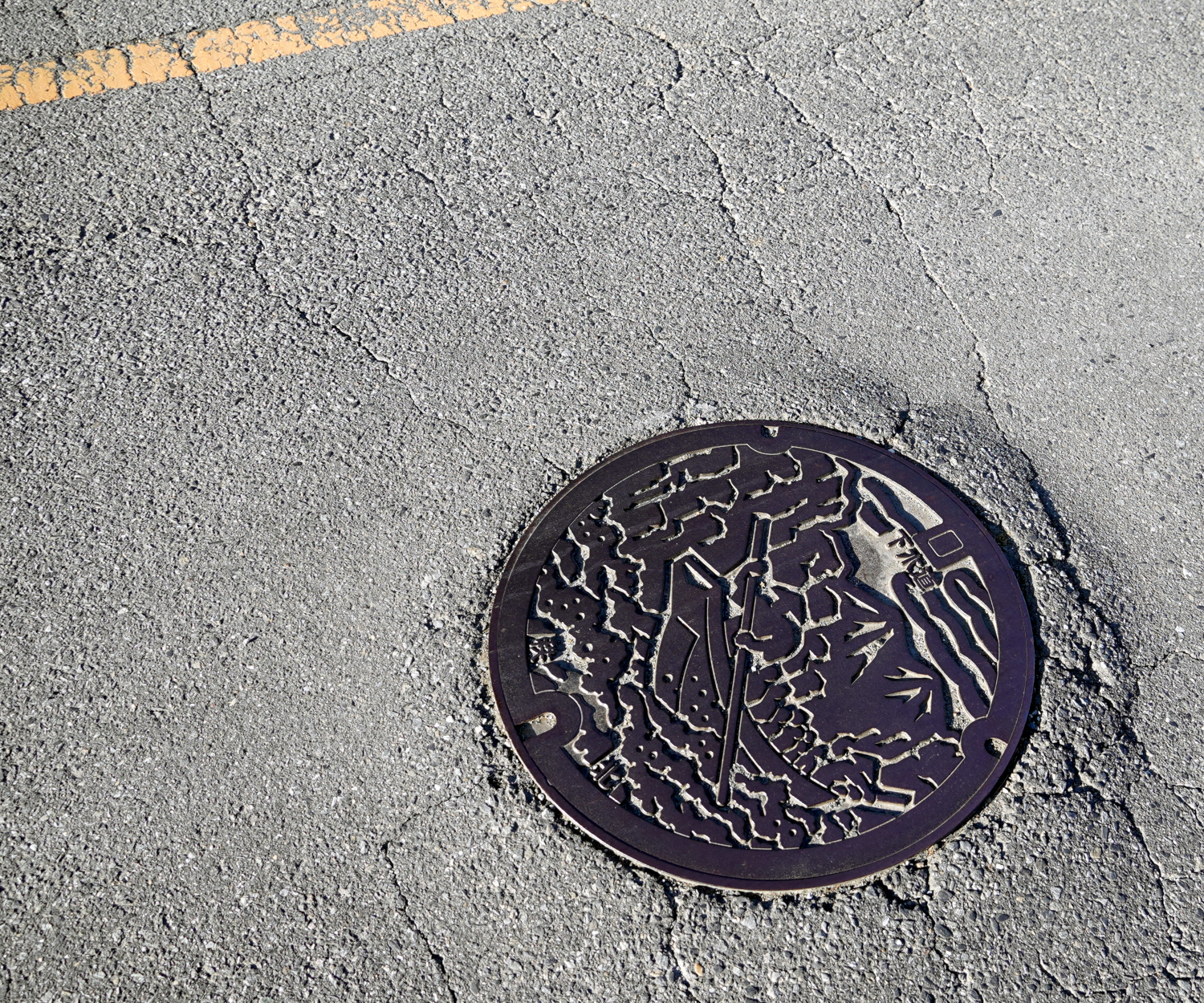
And they don’t stop with the steel plates themselves. Not in the nation that brought you Pokémon. Each city commemorates its unique manhole artwork with a colorized trading card. that explains the details of the design. You can pick up a free manhole card by dropping in at a city’s municipal offices.
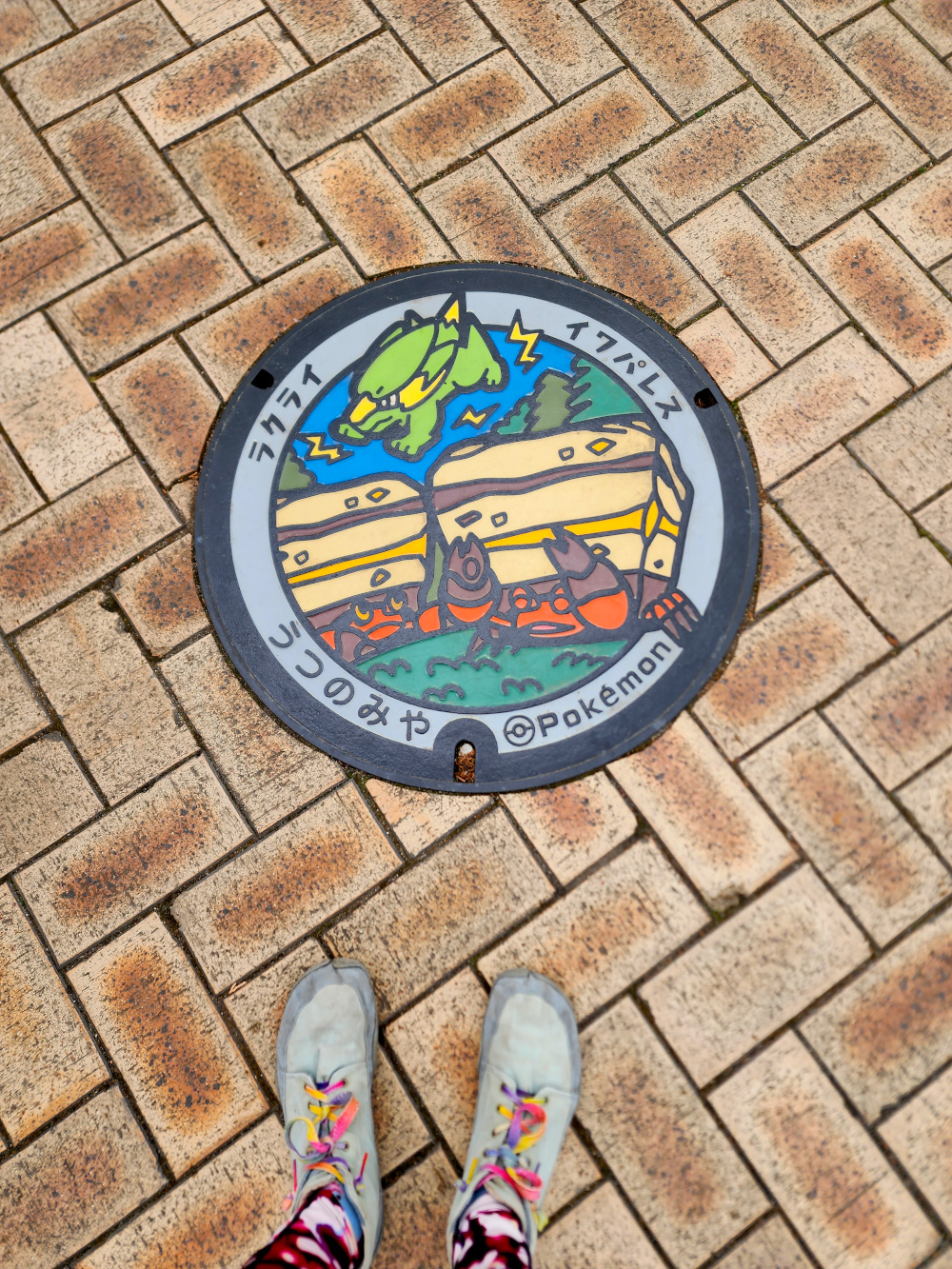
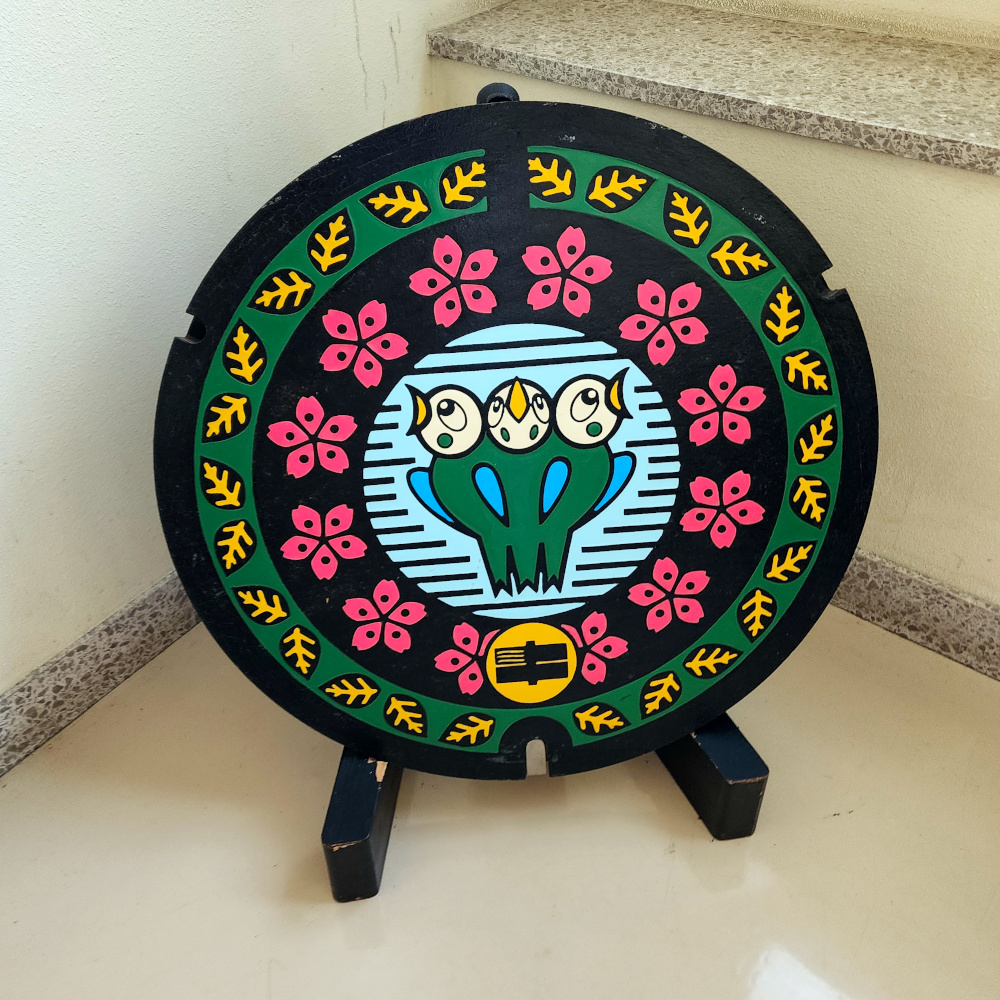

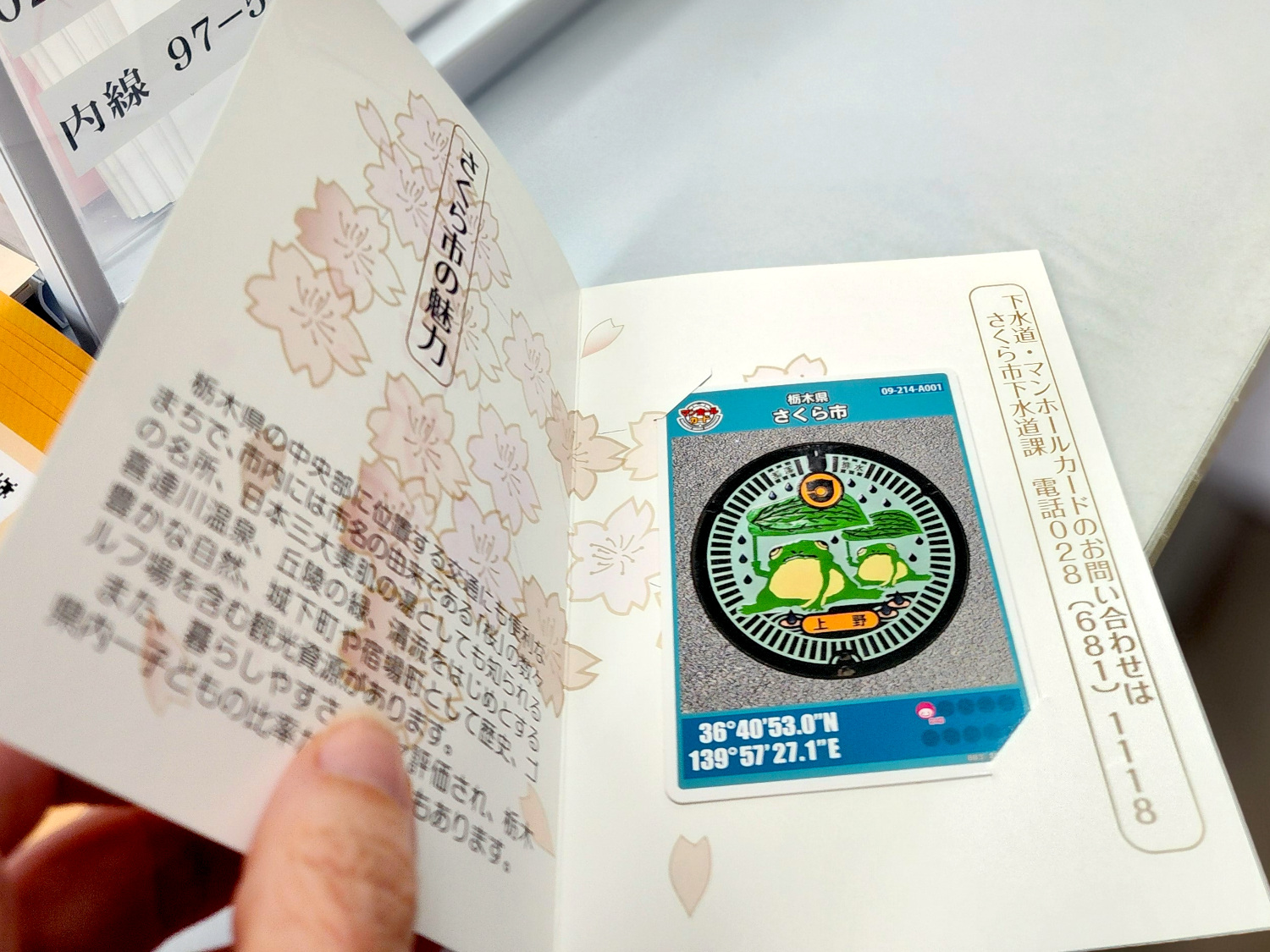

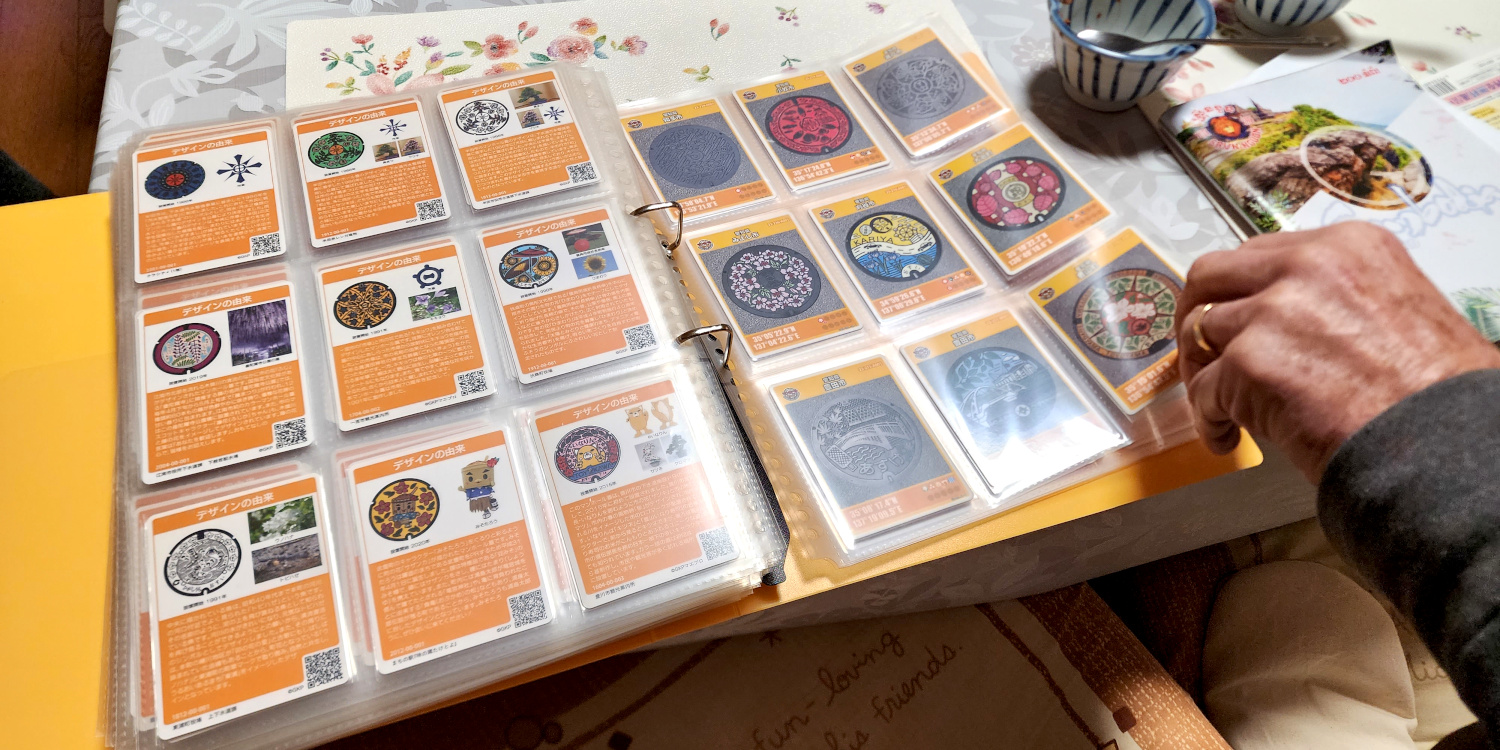
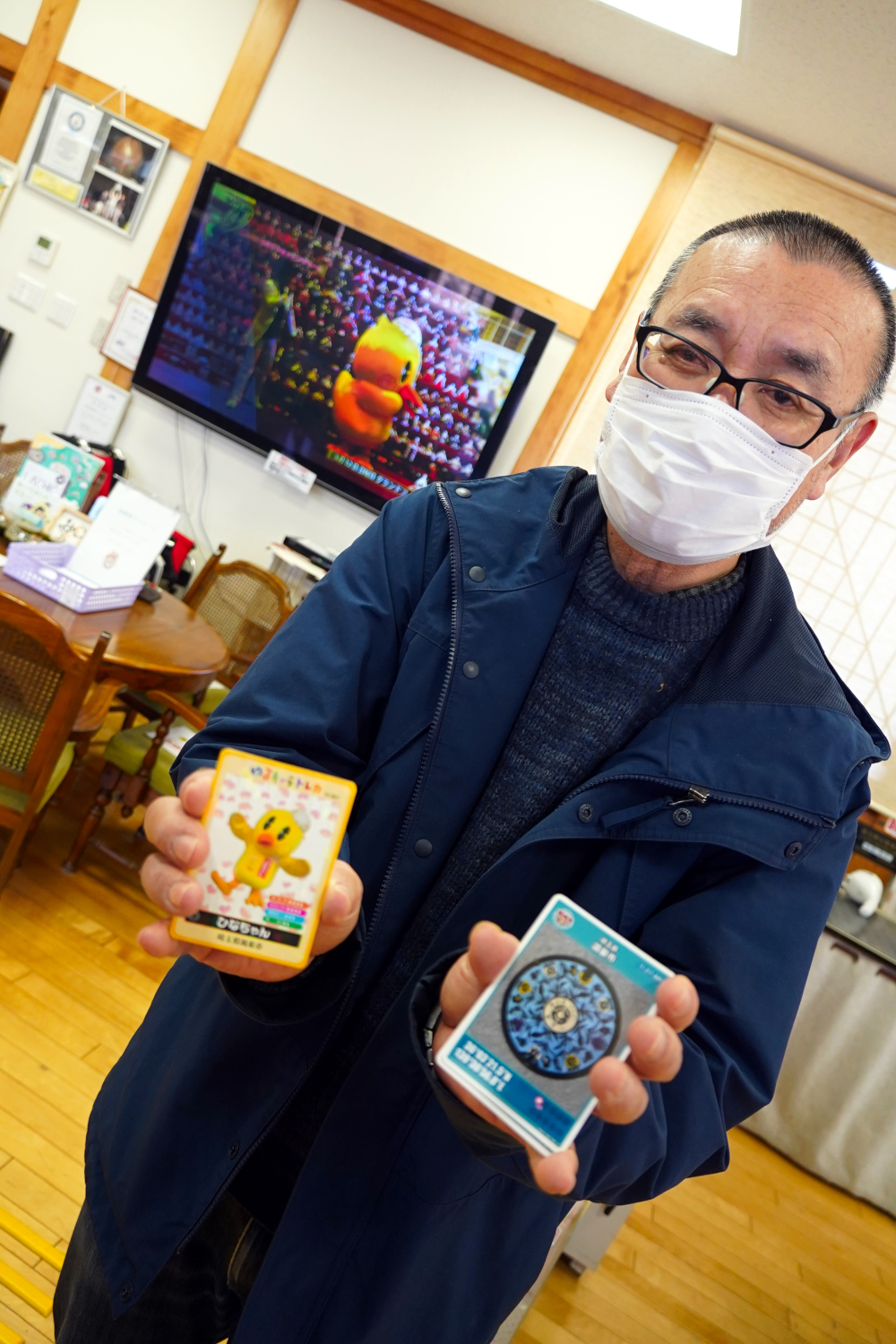
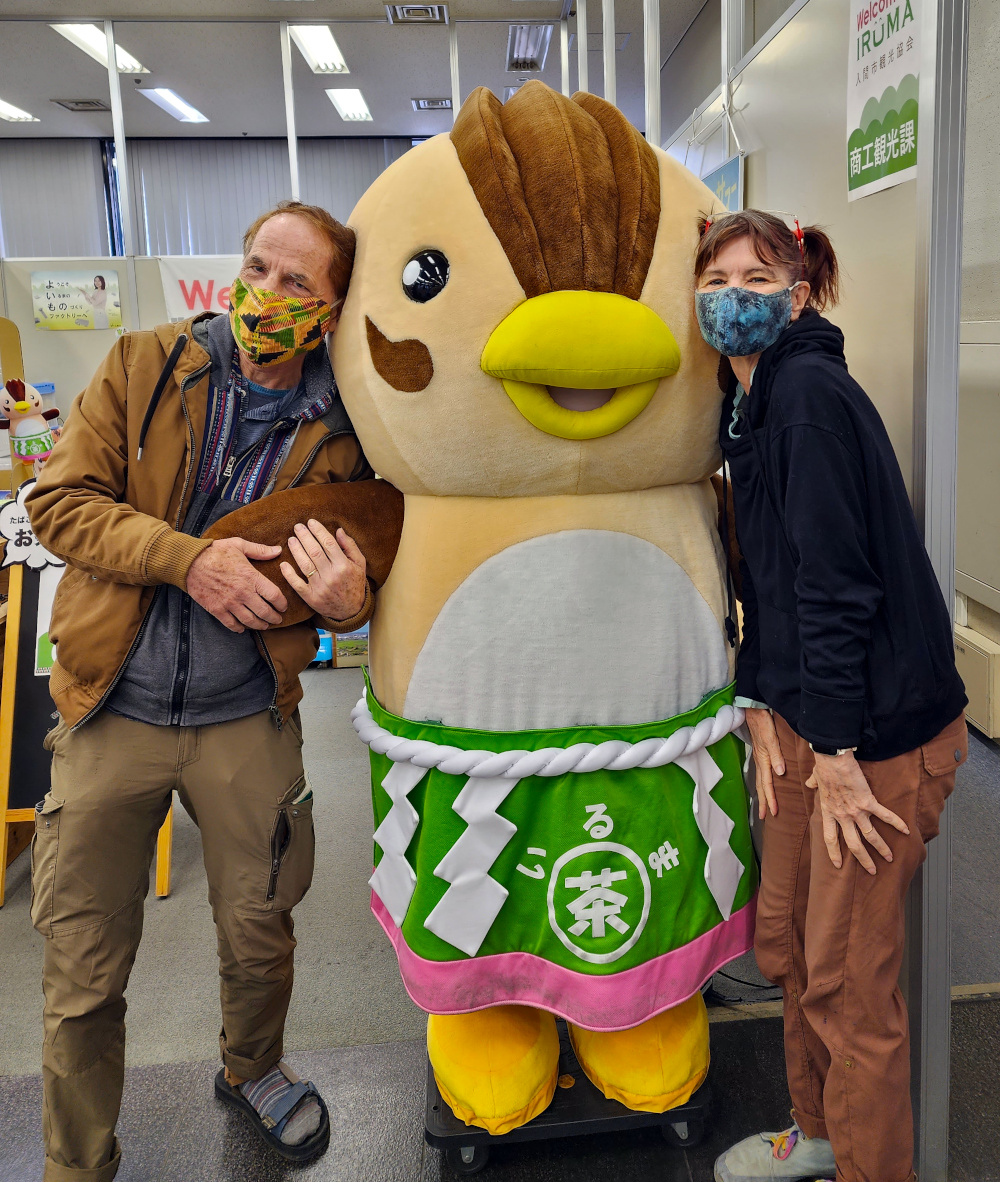
Our host Toshihide has been collecting these for many years. Every time he goes to a city whose card he doesn’t have, he makes a point of picking one up. During our stay, he did this several times on our outings. But not only did he get a card — each of us did also. That way he has duplicates, which he can exchange via mail with fellow collectors for some he doesn’t have. It’s not clear whether he’ll eventually have a complete set; or whether designs will change and/ or new cities will join the club, so theoretically he could keep acquiring new ones forever. In any case, he has quite an album full already.
Vending Machines in the Wild
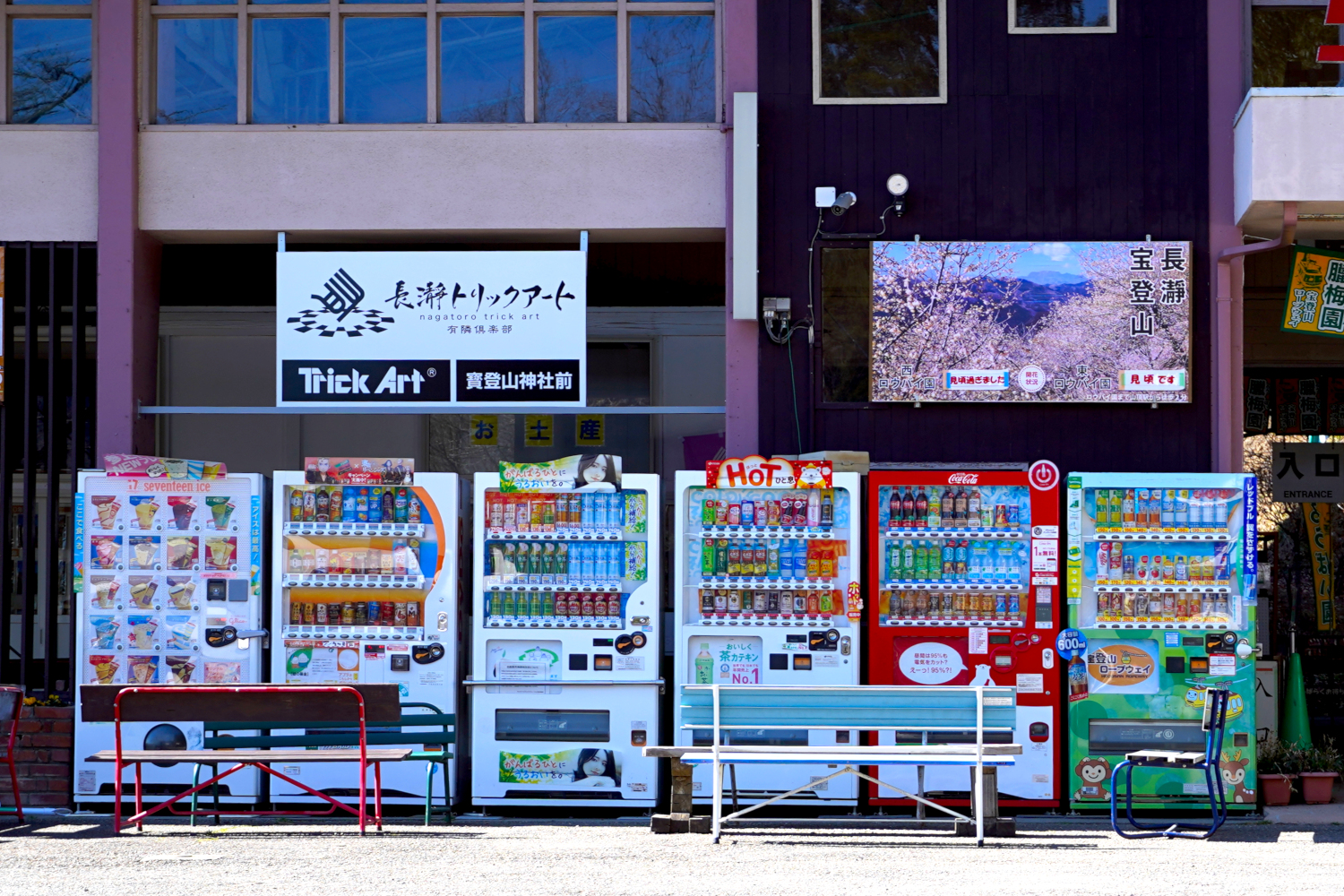
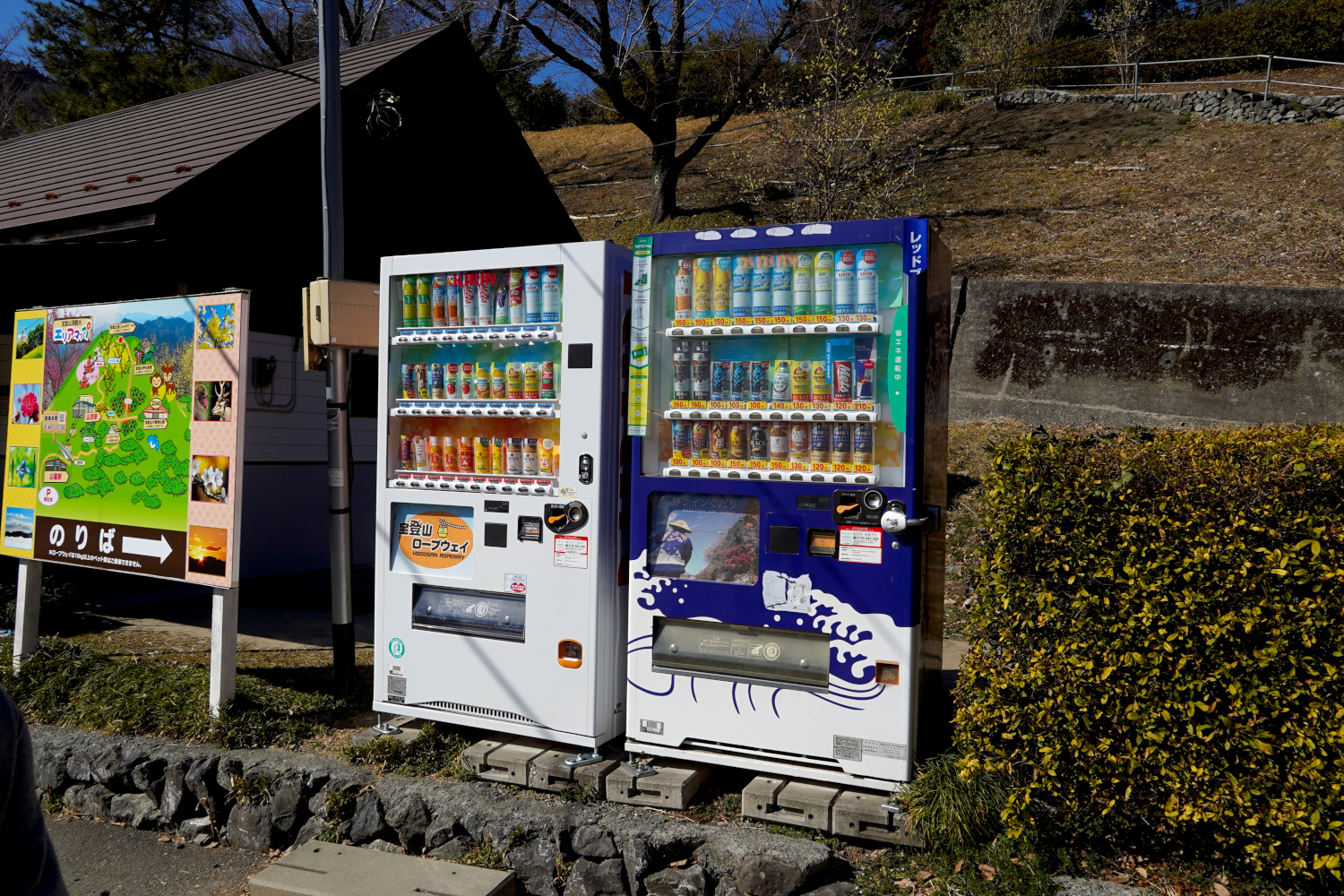
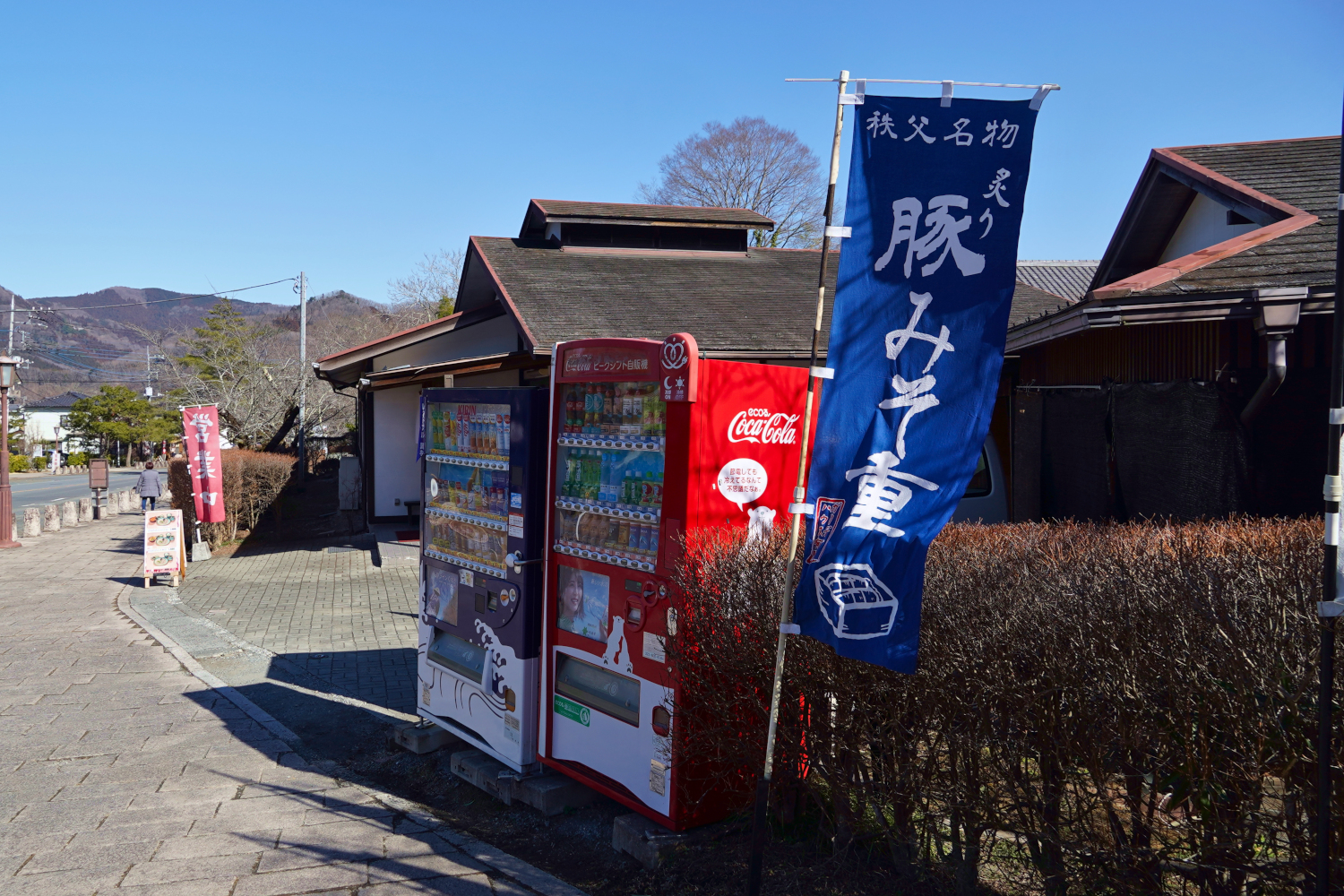
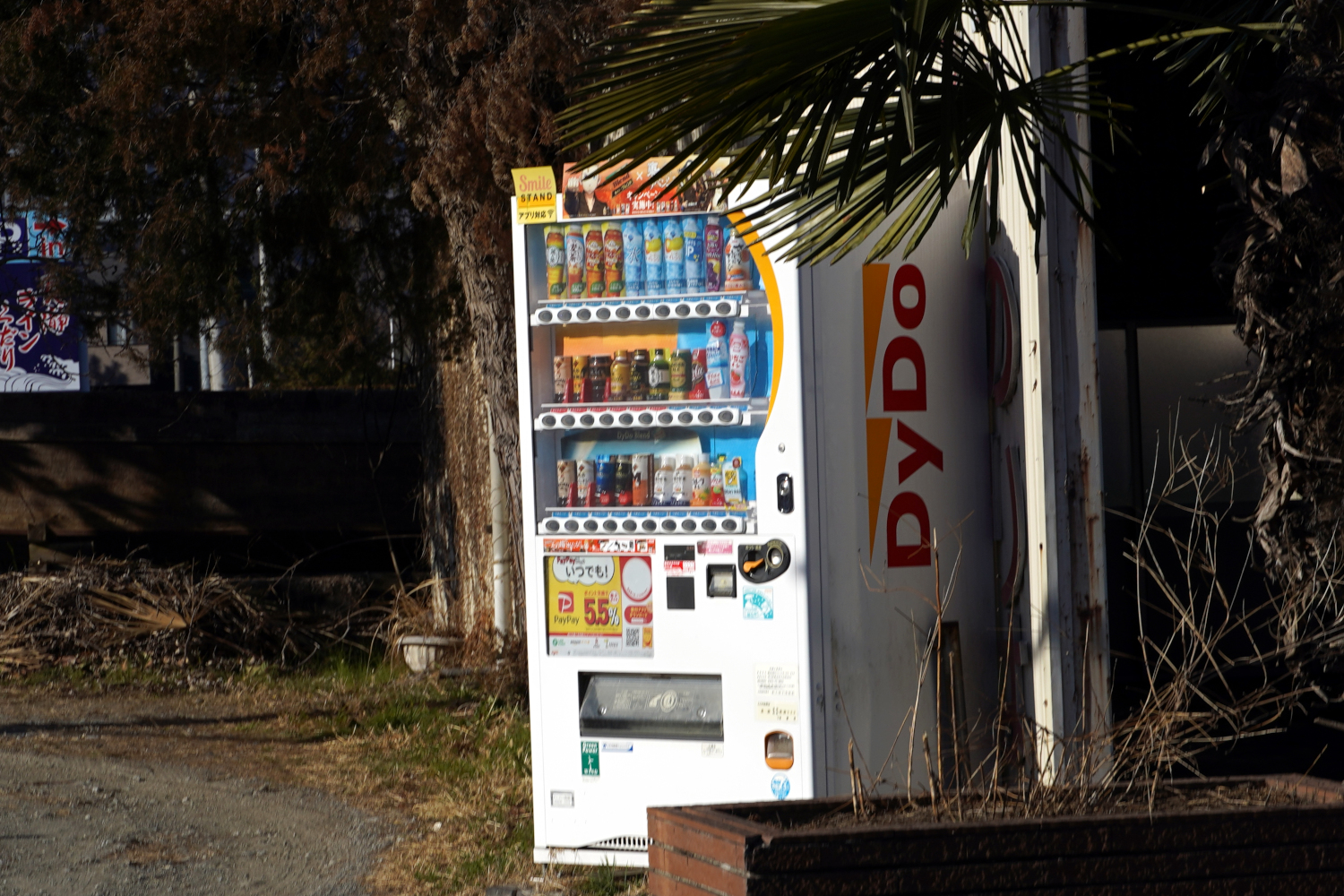
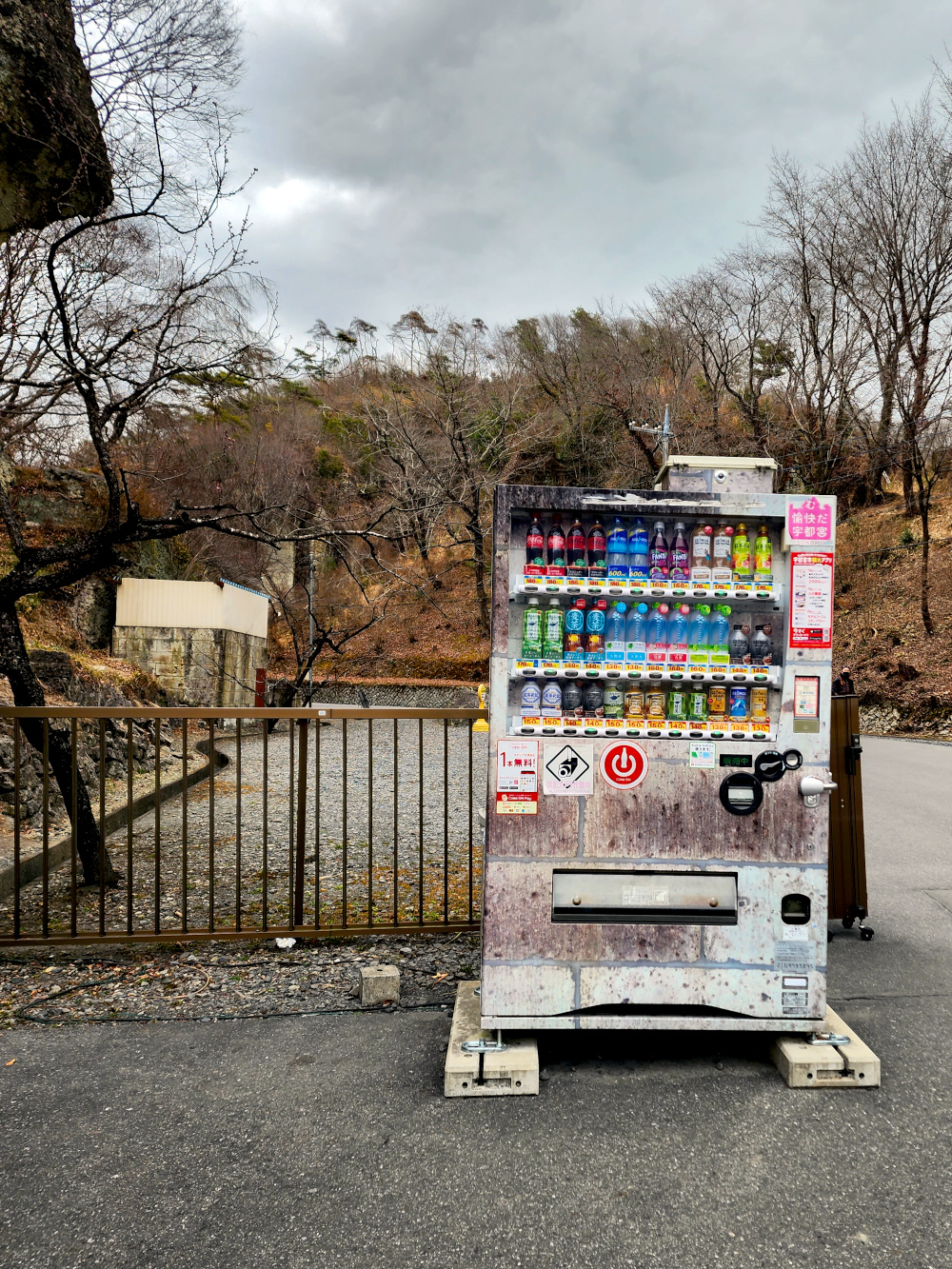
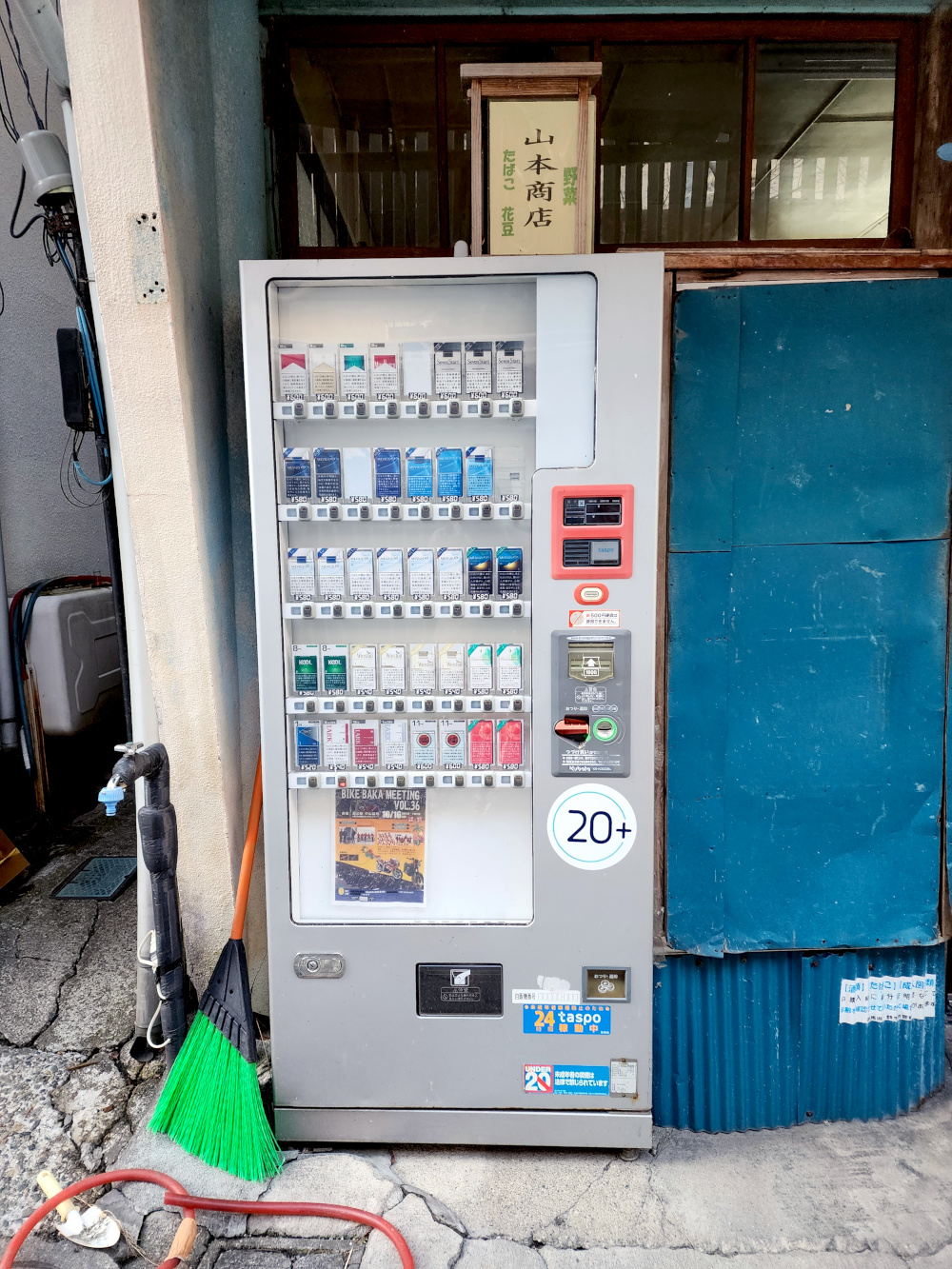
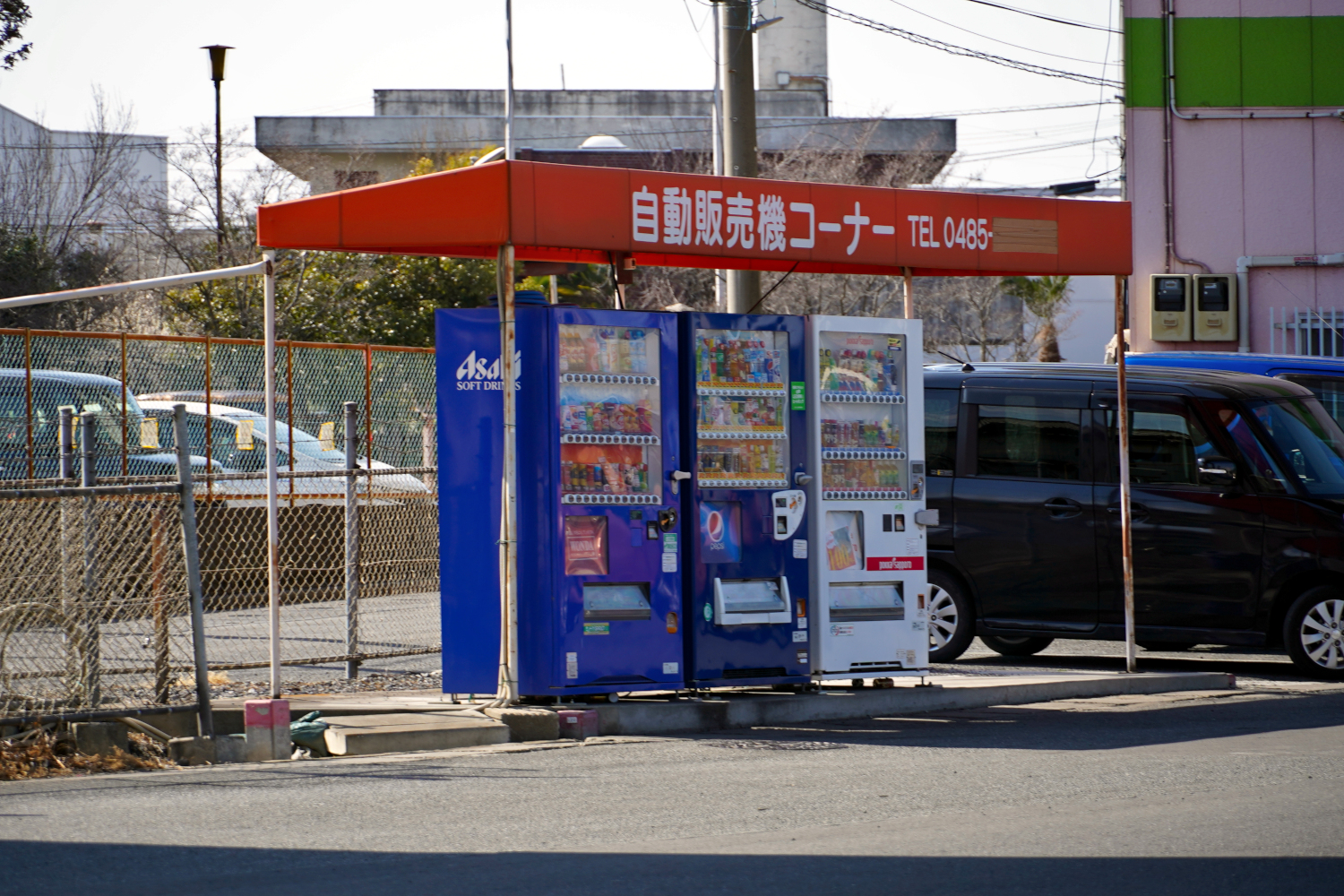
Another thing really characteristic of Japan is its vending machines, for three reasons. First, they’re everywhere. The Japanese really love their vending machines. Second, they reflect the cutting edge technology that Japan is noted for. When we visited the country in 2006, the ubiquitous vending machines were already enabled to dispense merchandise purchased through a cell phone — a development we had not seen anywhere else at that time. And third, Japanese vending machines have always offered an astounding variety of merchandise, in addition to the usual snacks and drinks. On our previous visit, we even saw machines that dispensed money — i.e., collectible coins.

Next Level Service
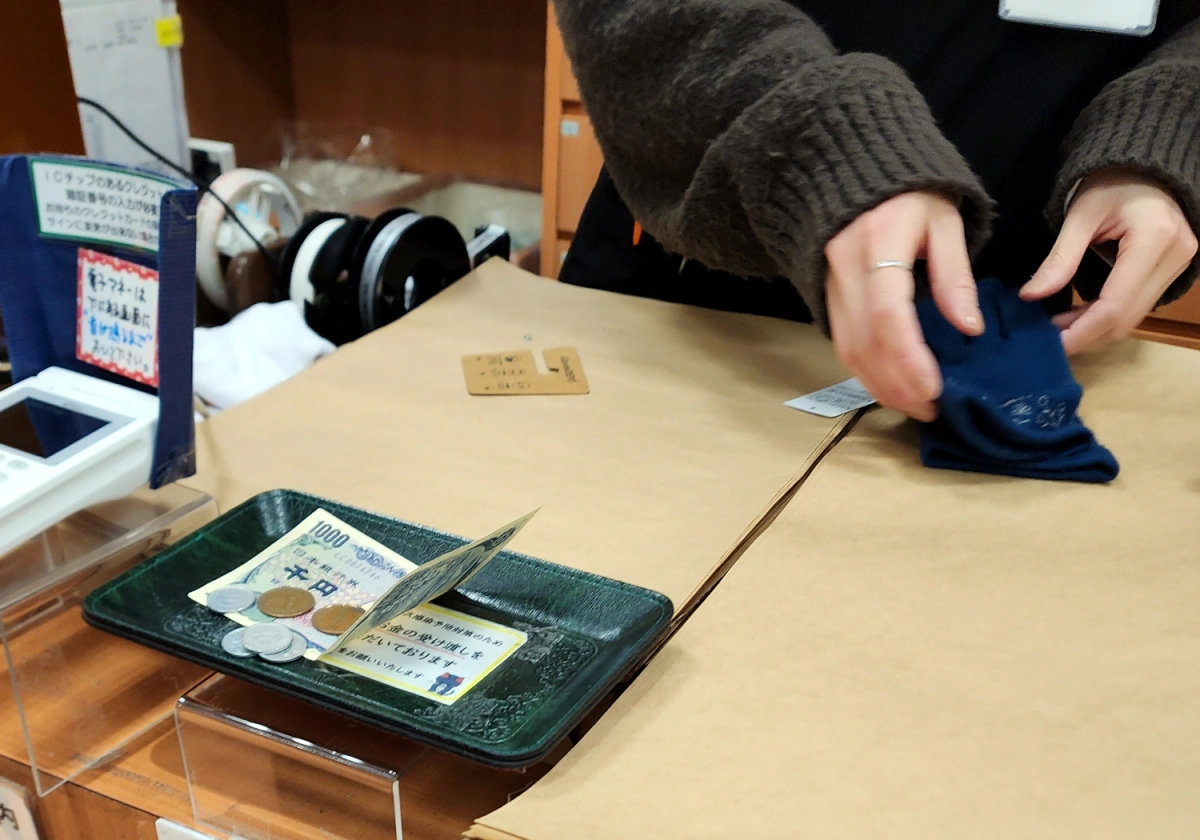
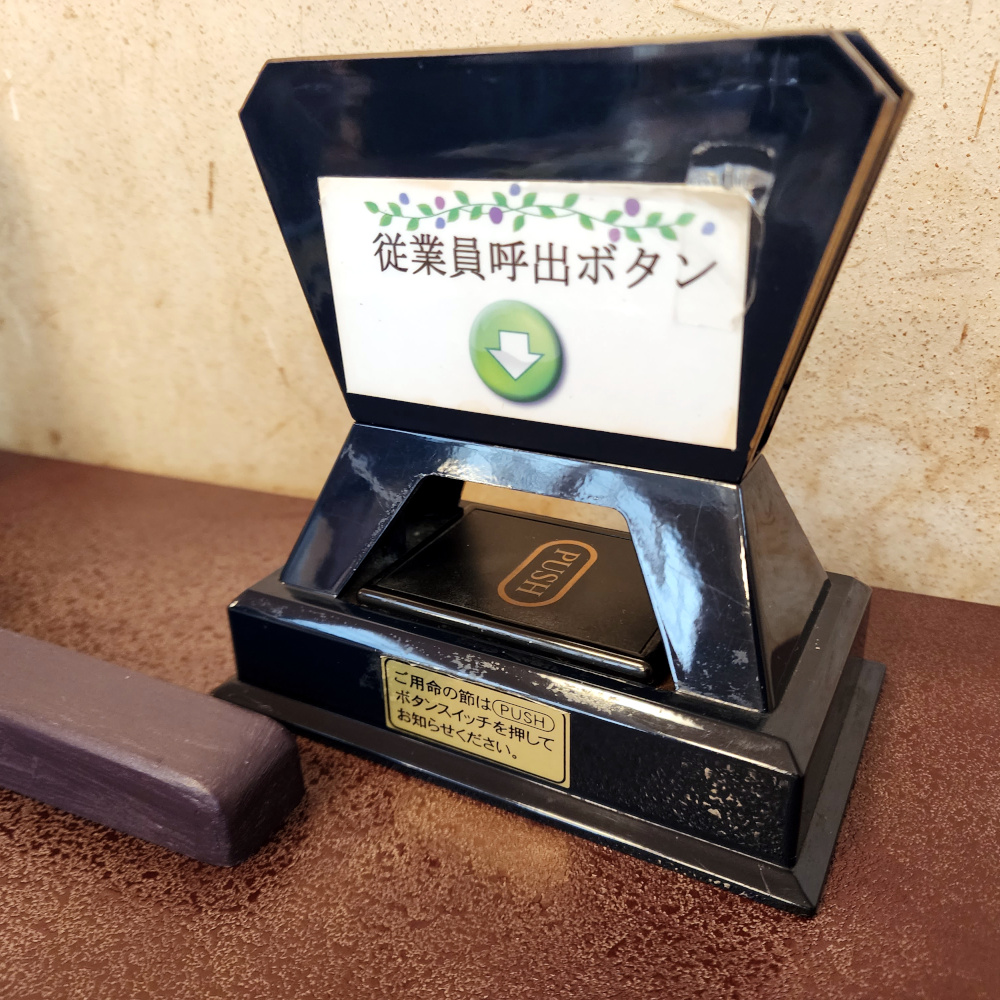
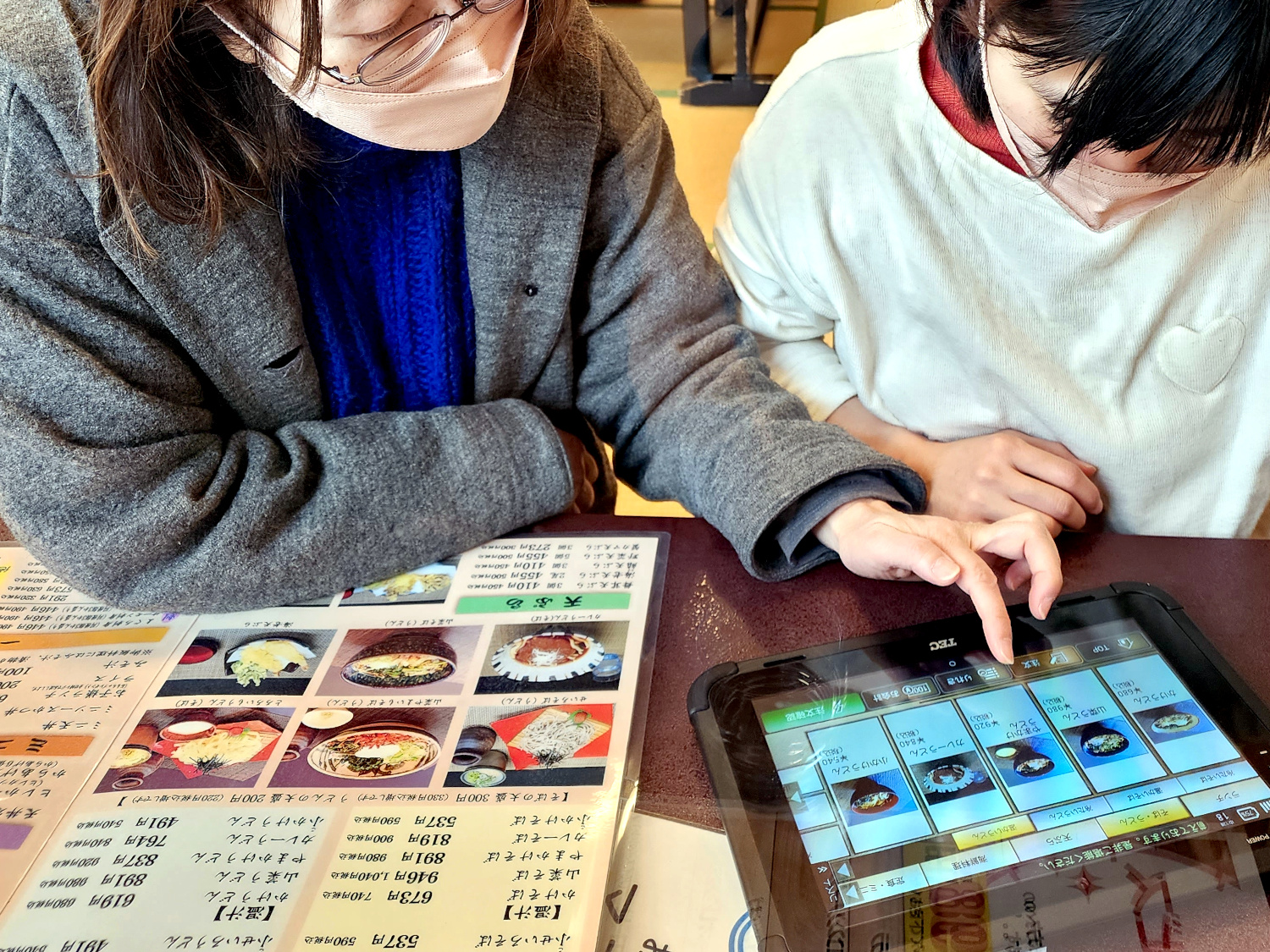
Dining out in Japan also has a characteristic flair. The diner usually summons the waitperson by pushing a button at the table. And it’s common to select the meal from an electronic menu that places the order. As in other places in Asia, payment and change are placed in a tray rather than exchanged from one hand to another.
Randoseru
And then there are the backpacks — the ones elementary school students wear. The most common variety is called randoseru. It’s very sturdy, with a rounded back, and spacious enough to hold everything the student needs, including lunch. Don’t worry, the straps are designed to make carrying the load as comfortable as possible.
These backpacks can be quite an investment, costing 300 to 500 dollars each. But they’re expected to last a child throughout elementary school — and they’re sometimes passed on to siblings or other family members. Boys’ backpacks are often black, but the most popular color for girls is red. Both boys and girls typically wear yellow caps, which give them high visibility in traffic.

Whoever would have expected that backpacks, vending machines and manholes could leave such an indelible impression on the appreciative international traveler?

 world travel with a theatrical flair
Leave a comment