

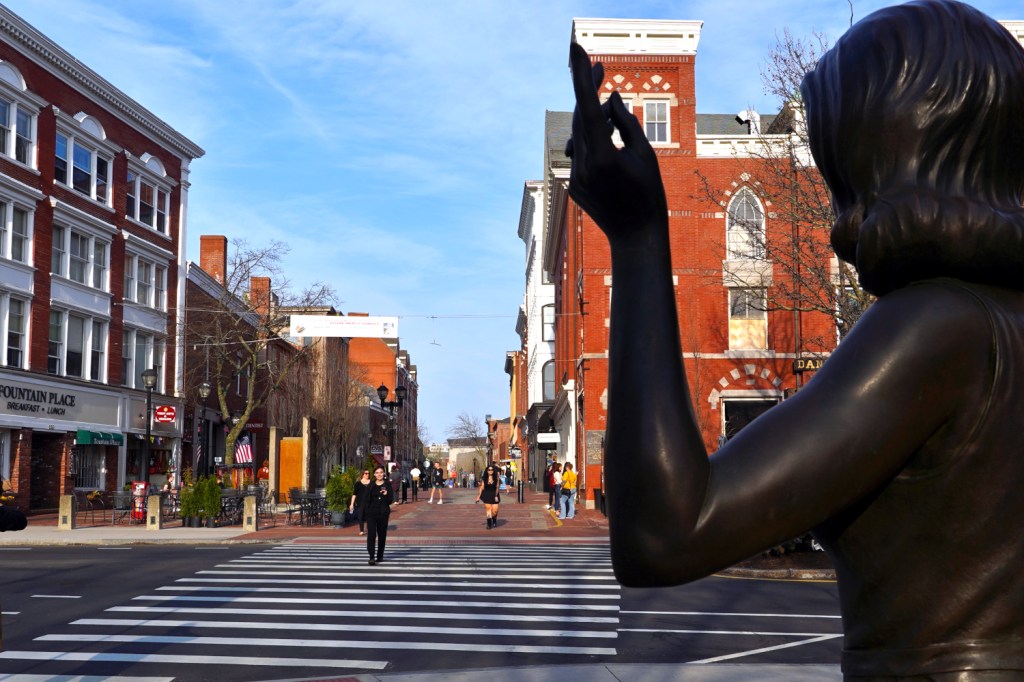
Ever since we first visited Salem, Massachusetts in 2003, it’s been one of our favorite haunts to return to whenever we have the chance. It’s especially vibrant in the fall, when the leaves turn gold and the weather crisp; most of all, it’s THE place to be for Halloween, if you’re prepared to park a couple of miles from downtown, and — if you’re staying in the area — you have lodging booked months in advance. Naturally, we had to swing through this time because it was almost sort of on our way from New Hampshire to Rhode Island.
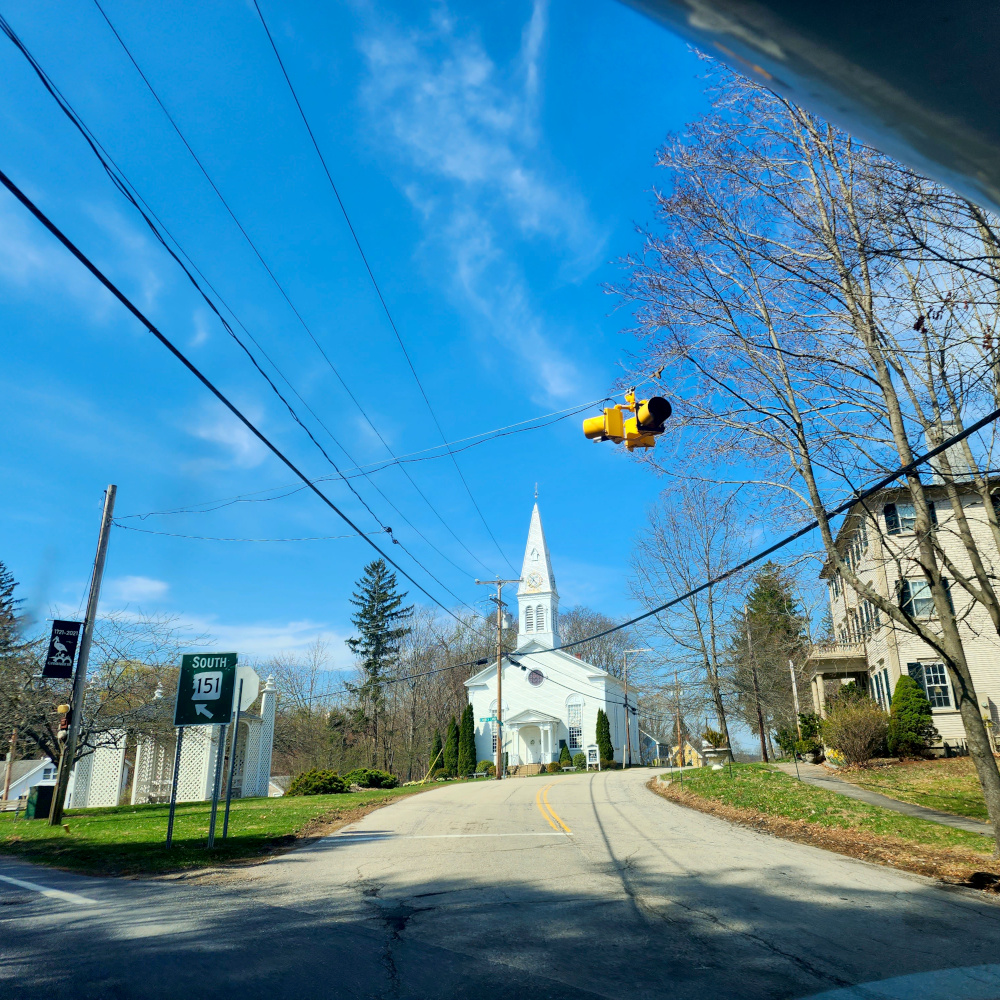
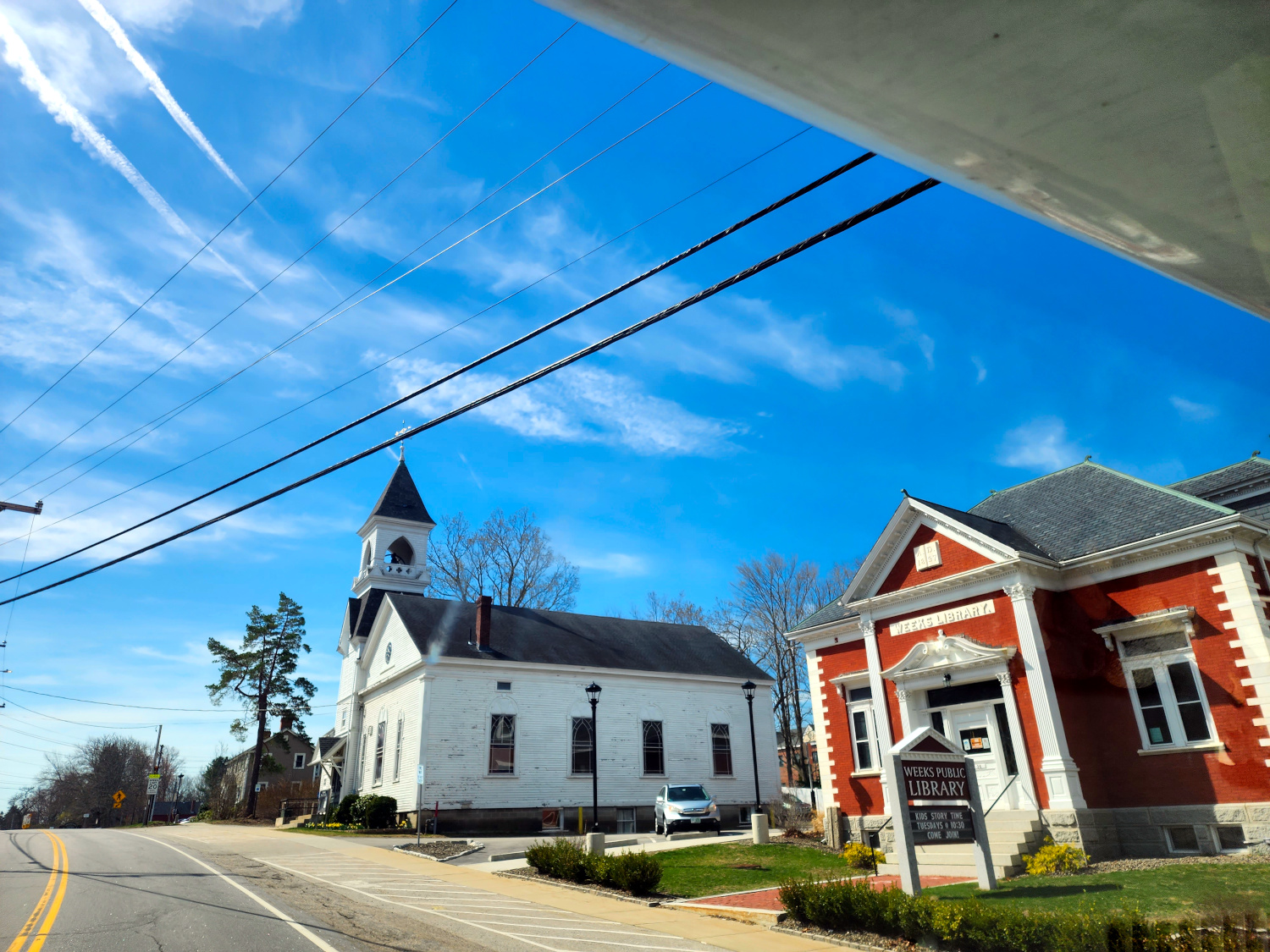
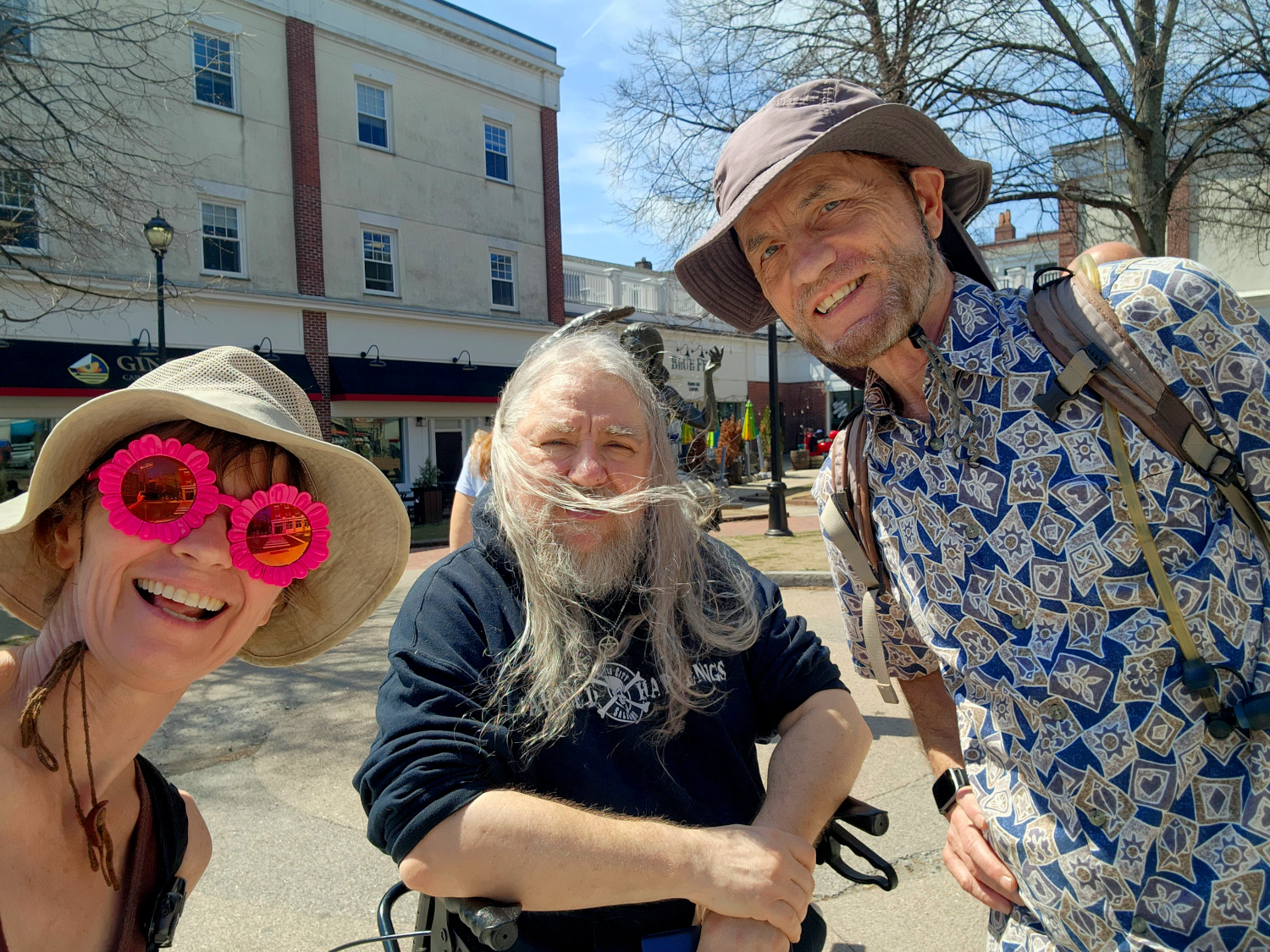
One reason we dropped in was to catch up with our old buddy Kevin, who with his flowing white hair and beard would make a passable Santa Claus. But he prefers to be a guide, attired in period garb, for one of the many “ghost tours” — the guided walks through points of interest in Salem. On a busy night, you can see a dozen or so such groups on the streets, crossing paths with each other. He also loves to scare the wits out of people as an actor at “haunted attractions”, of which there are generally several in operation during the Halloween season. That was how we met him — we (and our son) worked with him for three years at one such haunt — which led to our doing such gigs at other haunts for many more years.
Catching up with old Friends and Salem Icons
We met up with him by the bronze statue of Elizabeth Montgomery, which was erected to commemorate the filming in Salem of an episode of her TV series “Bewitched”. Then we went to have lunch at one of the many intriguing little cafes in town.
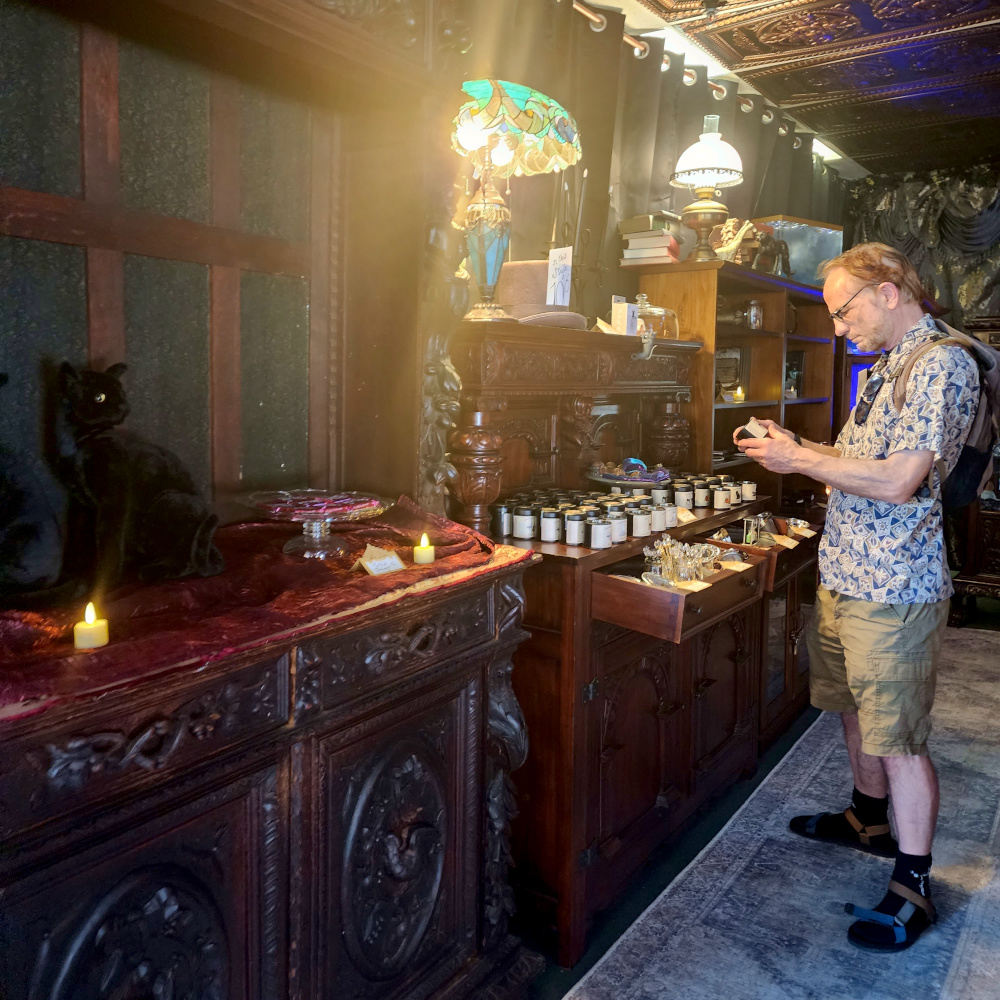
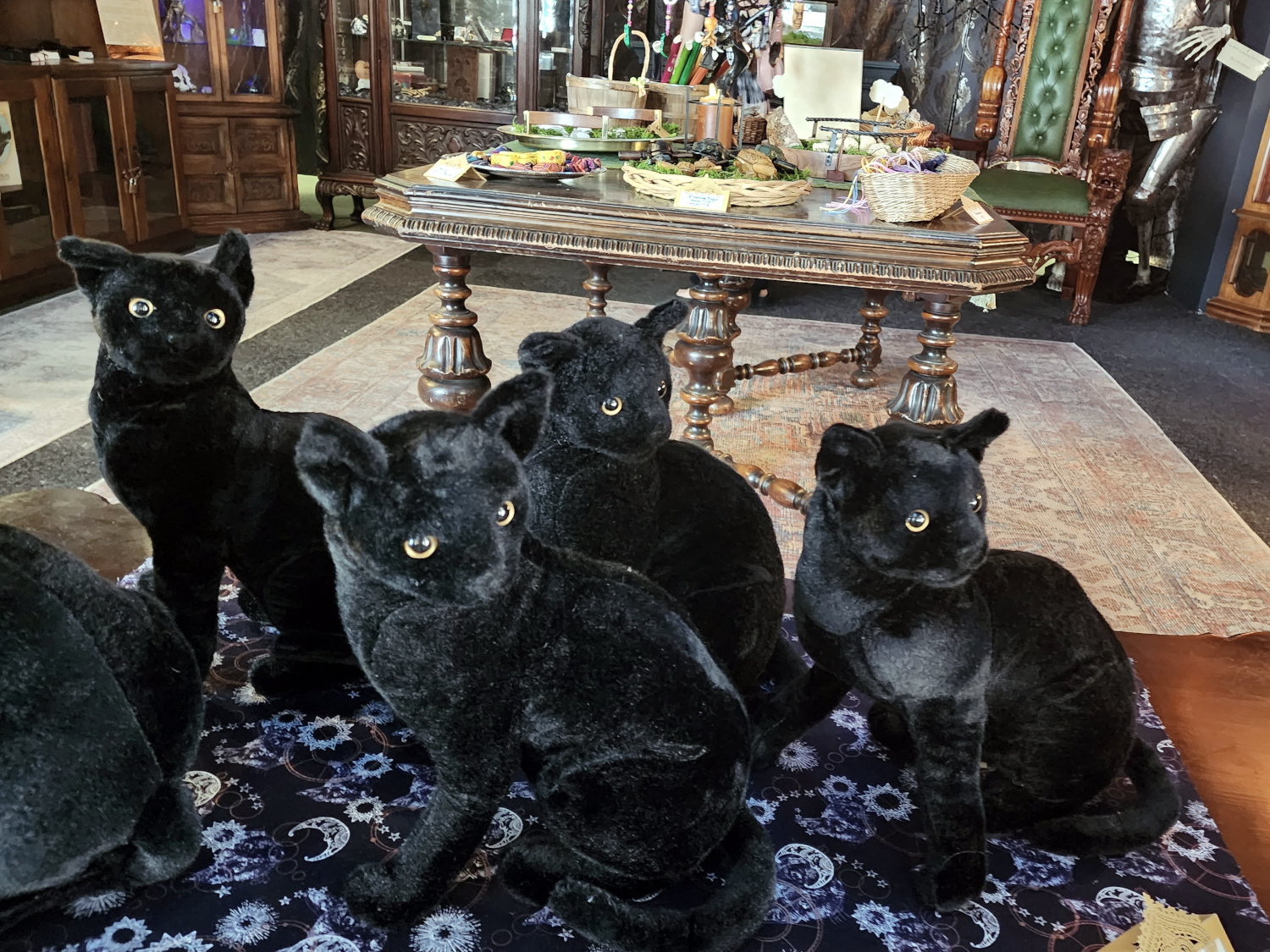
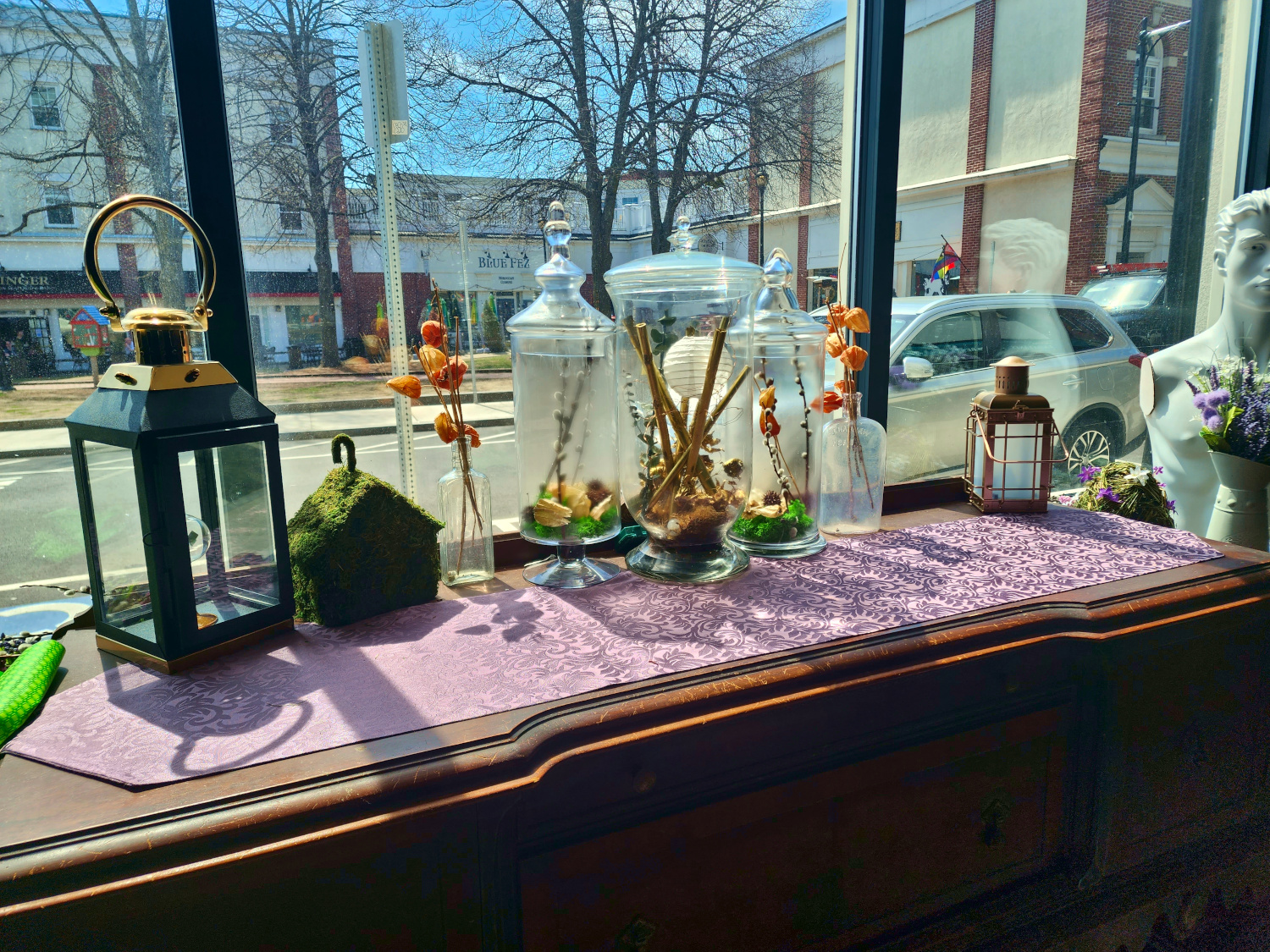
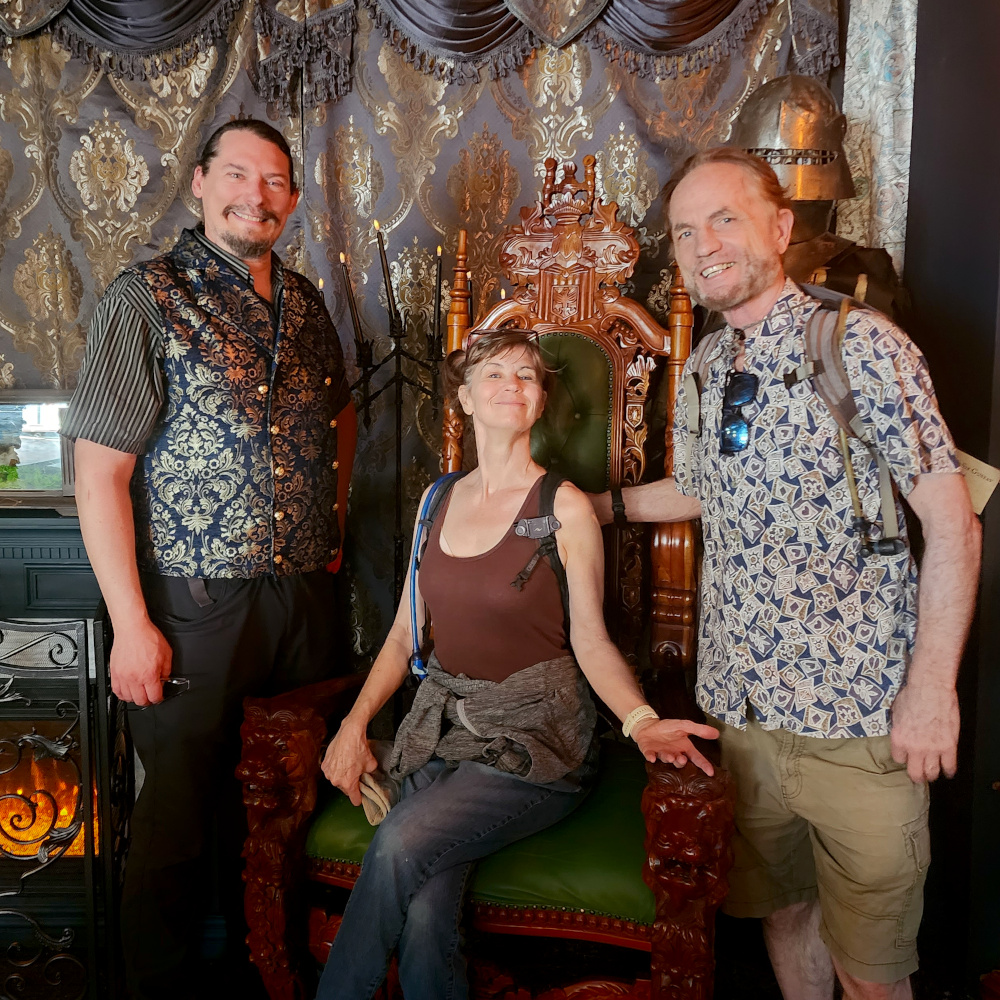
In a way, Salem is the perfect town for a haunted attraction, because of its history and culture. But in another way, it’s a terrible location for such a venture, because space is at a premium; so most of the haunts get jammed into compact storefronts with little room to develop haunt concepts. Gift shops, books stores, and various other establishments, however, fare much better.
And there was a new such shop in town, recently opened by another former co-worker in the Halloween terror business, a fellow named Dan. So we had to tour his establishment, an emporium for magic and occult themed curios. The shop was tastefully and imaginatively assembled, and the merchandise was such as you might find on the set of a movie scene depicting the quintessential lair of the classiest of wizards.
Dan has bagged prime real estate on Essex Street, the pedestrian mall at the heart of the city, and the hub of all activity, including haunted attractions, museums, tour offices, and shops. It’s also the site of the Peabody Essex Museum, the second oldest museum in America and a major art museum where we performed a couple of times during our days as a touring theatre company. (We also performed a few times at the Salem Library, and the Salem Literary Festival. Oh and for what it’s worth, and while it’s way south of Salem and thus quite off-topic, we also performed at the oldest museum in America, the Charleston Museum.)
This street gets absolutely crammed with bodies on Halloween night, and the whole downtown area is pedestrians only. Many of the attendees are, of course in costumes, often creative, quirky and memorable — one that stands out for us was the fellow costumed as Richard Simmons, running down the street with peppy movements, urging everyone to get into their workout.
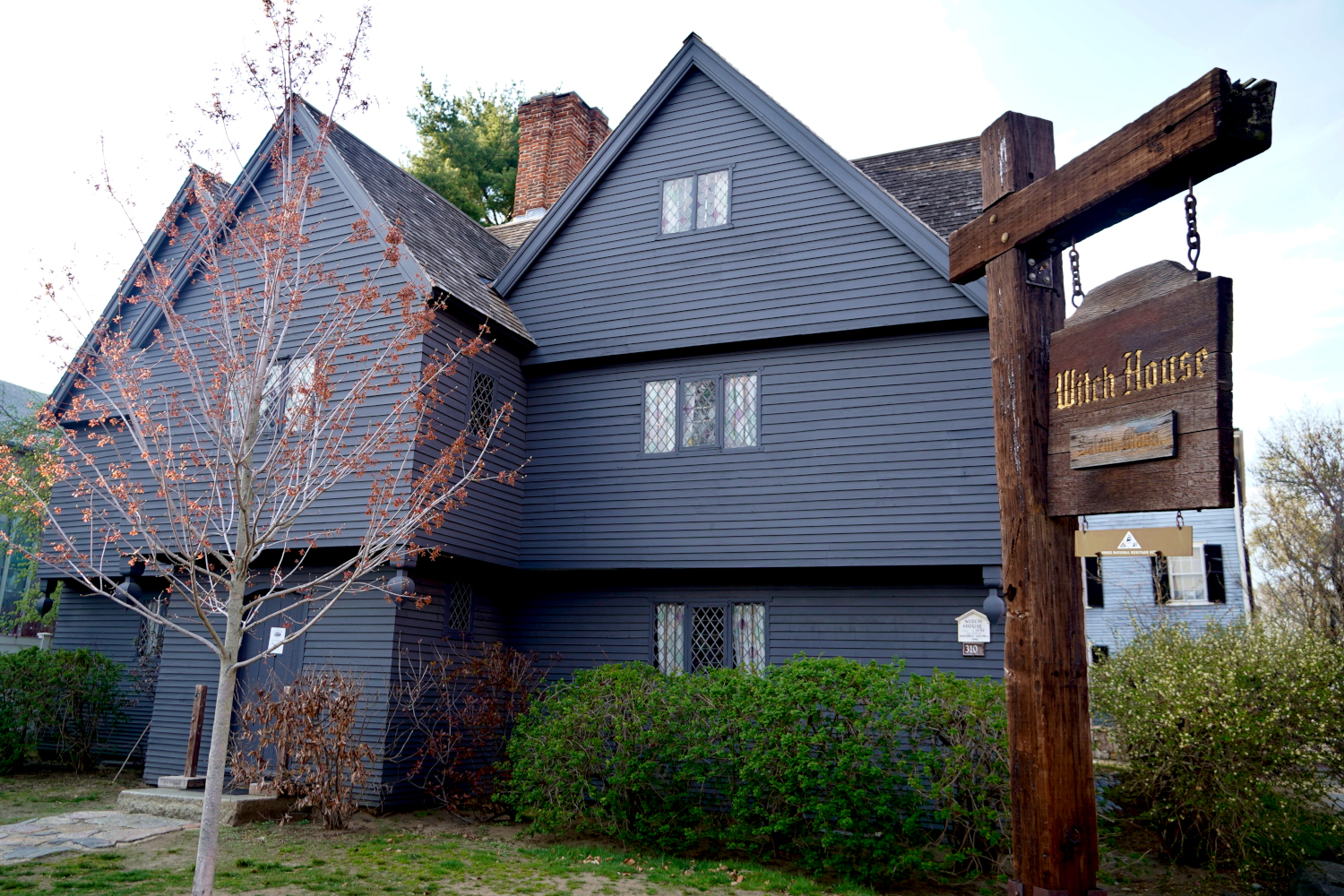
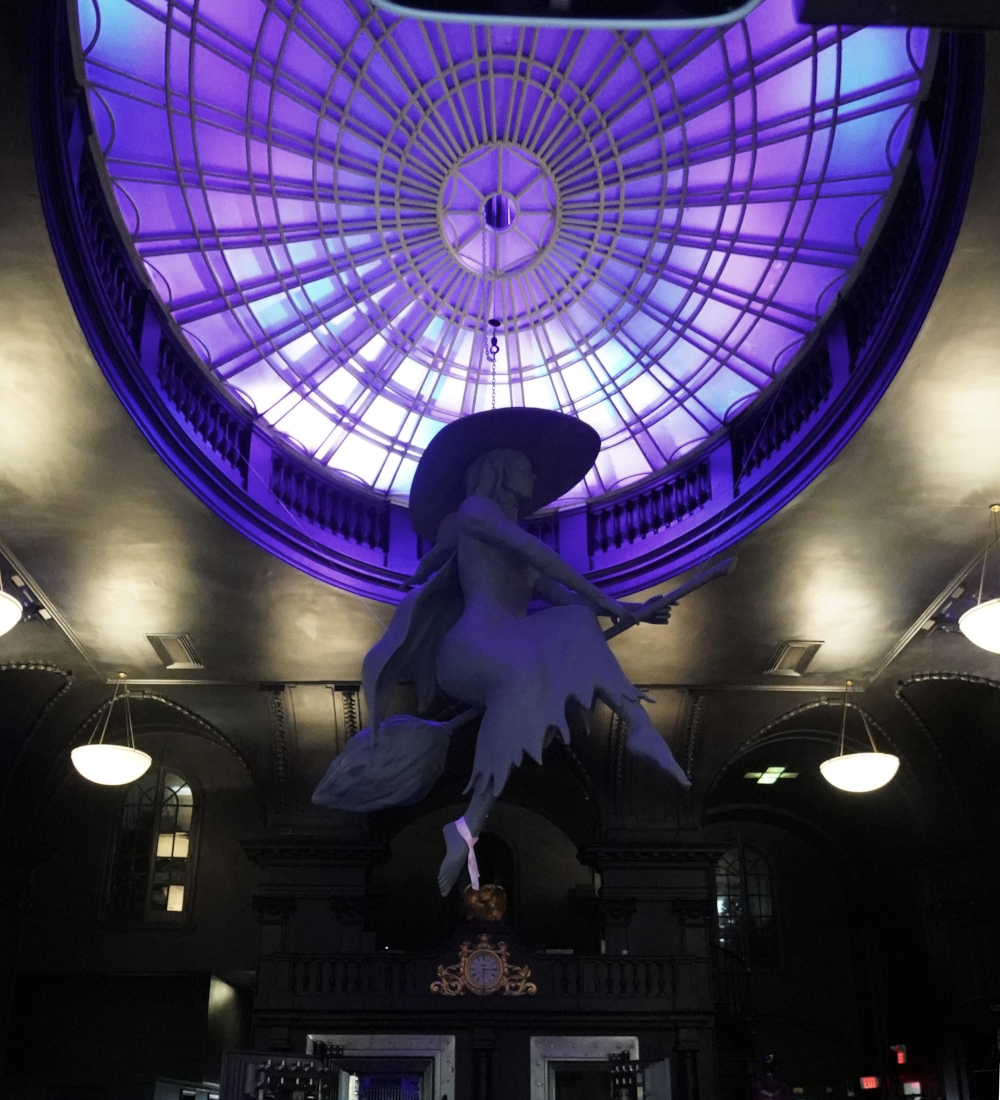
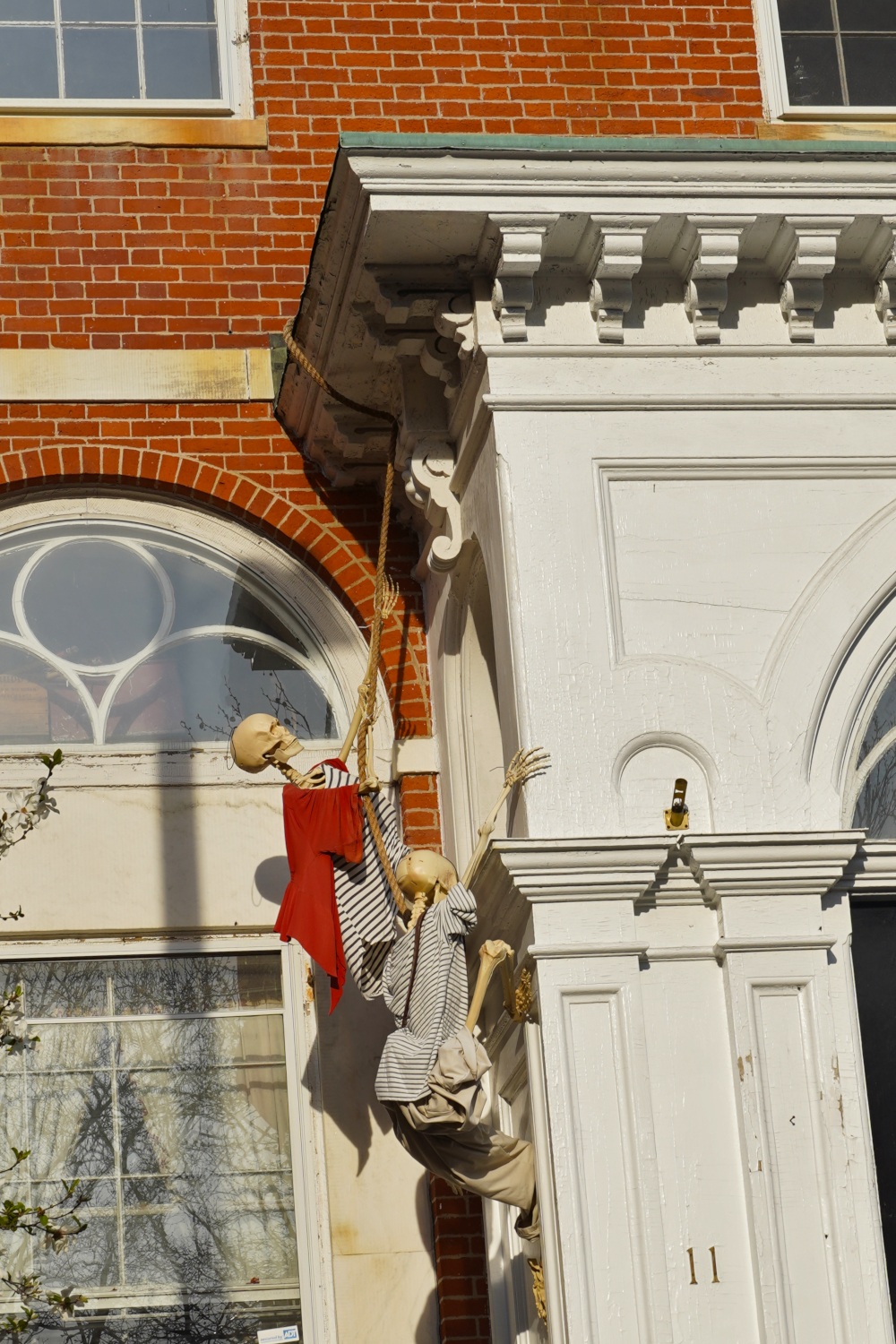
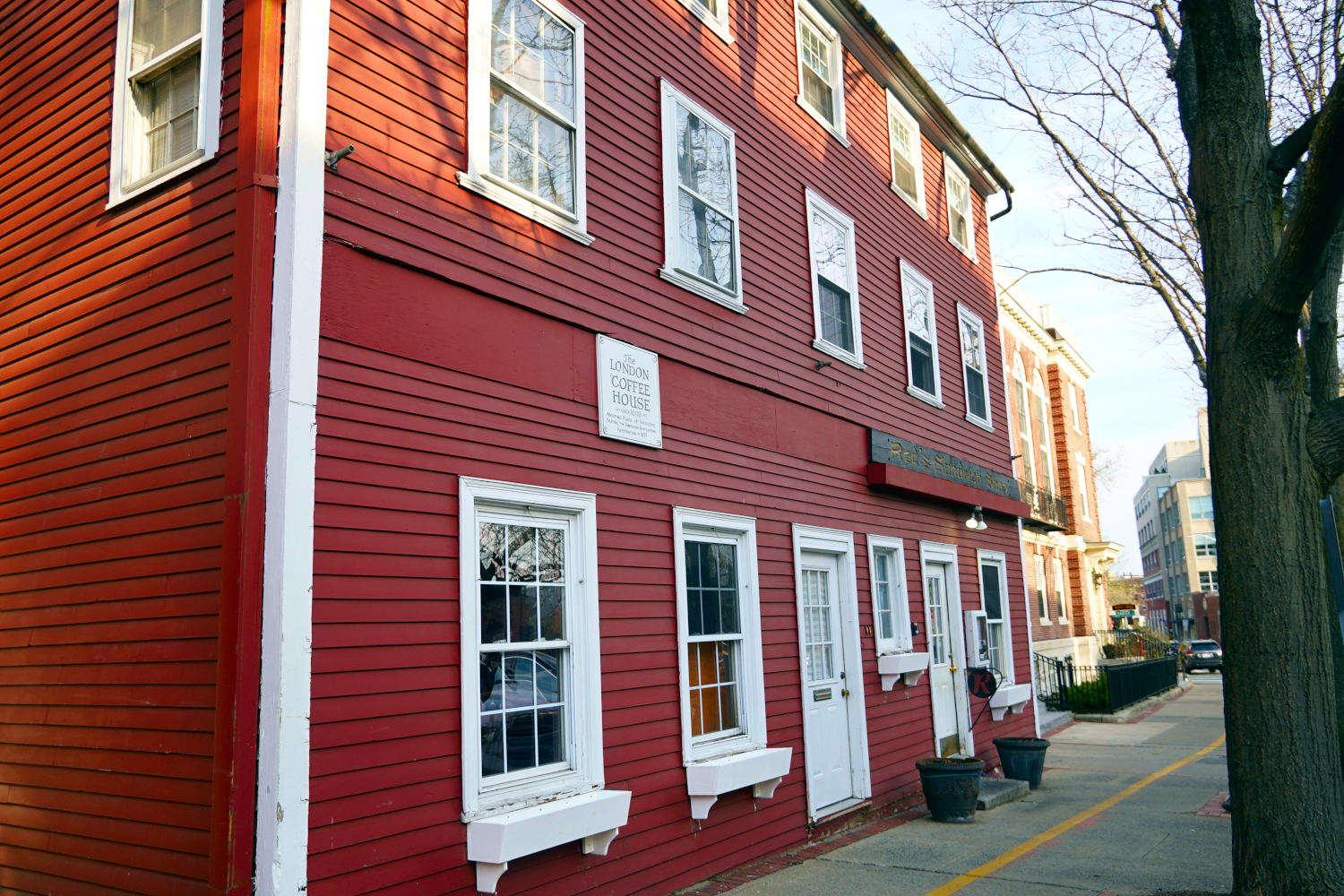
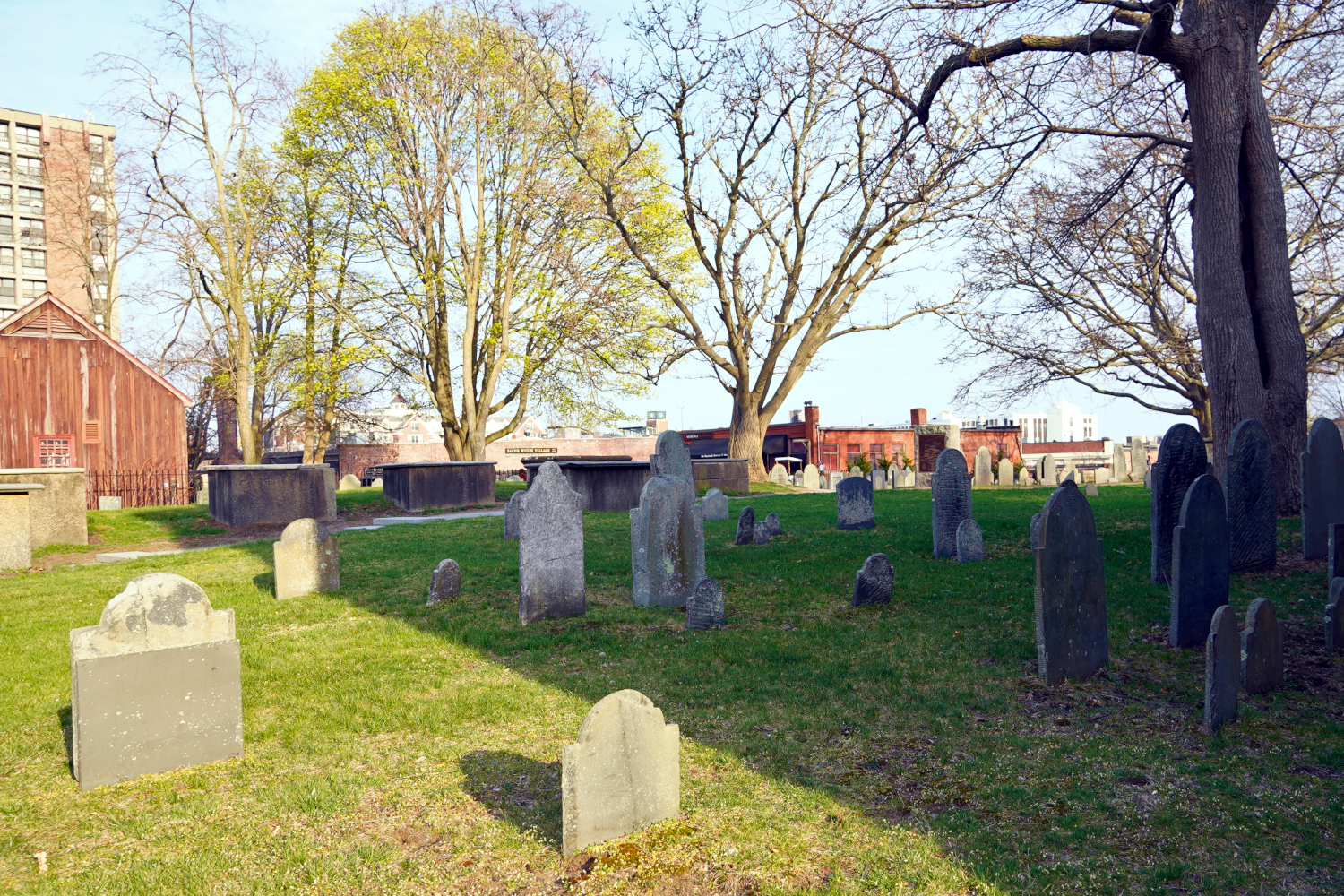
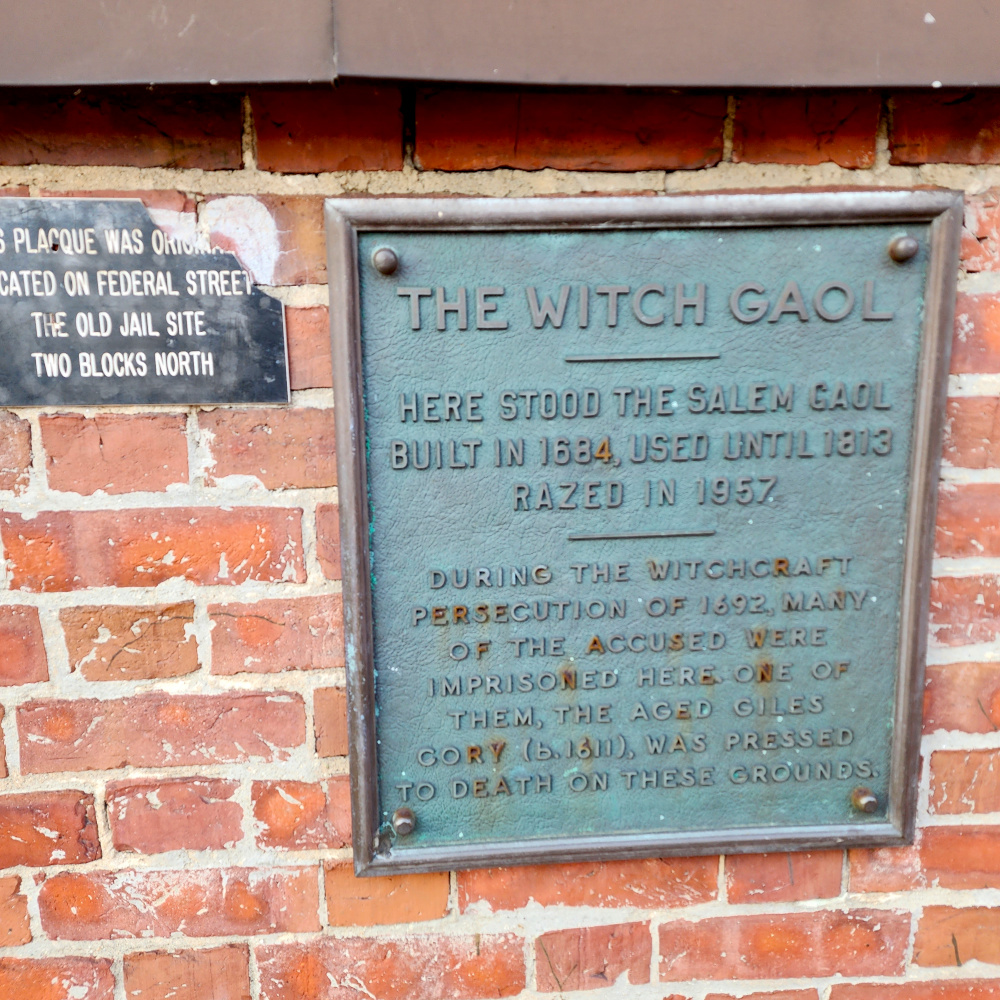
Salem, of course, is notorious for the witch trials; but it would be a city of rich and enticing history without the satanic panic. Ironically, these trials did not actually take place in Salem, but about five miles north in what was called Salem Village, and is now called Danvers. But Salem is where the victims were jailed and executed (murdered). So while Salem was the home of neither witch trials nor supernatural activity, it showcased some of the worst facets of human behavior, which makes its past quite terrifying enough.
On a previous visit, we took a tour of the House of the Seven Gables, the setting of Salem native Nathaniel Hawthorne’s classic novel. (Hawthorne’s great-great grandfather was a judge at the trials.) There’s also the Maritime National Historic Park, honoring the city’s long history as a prominent seaport.
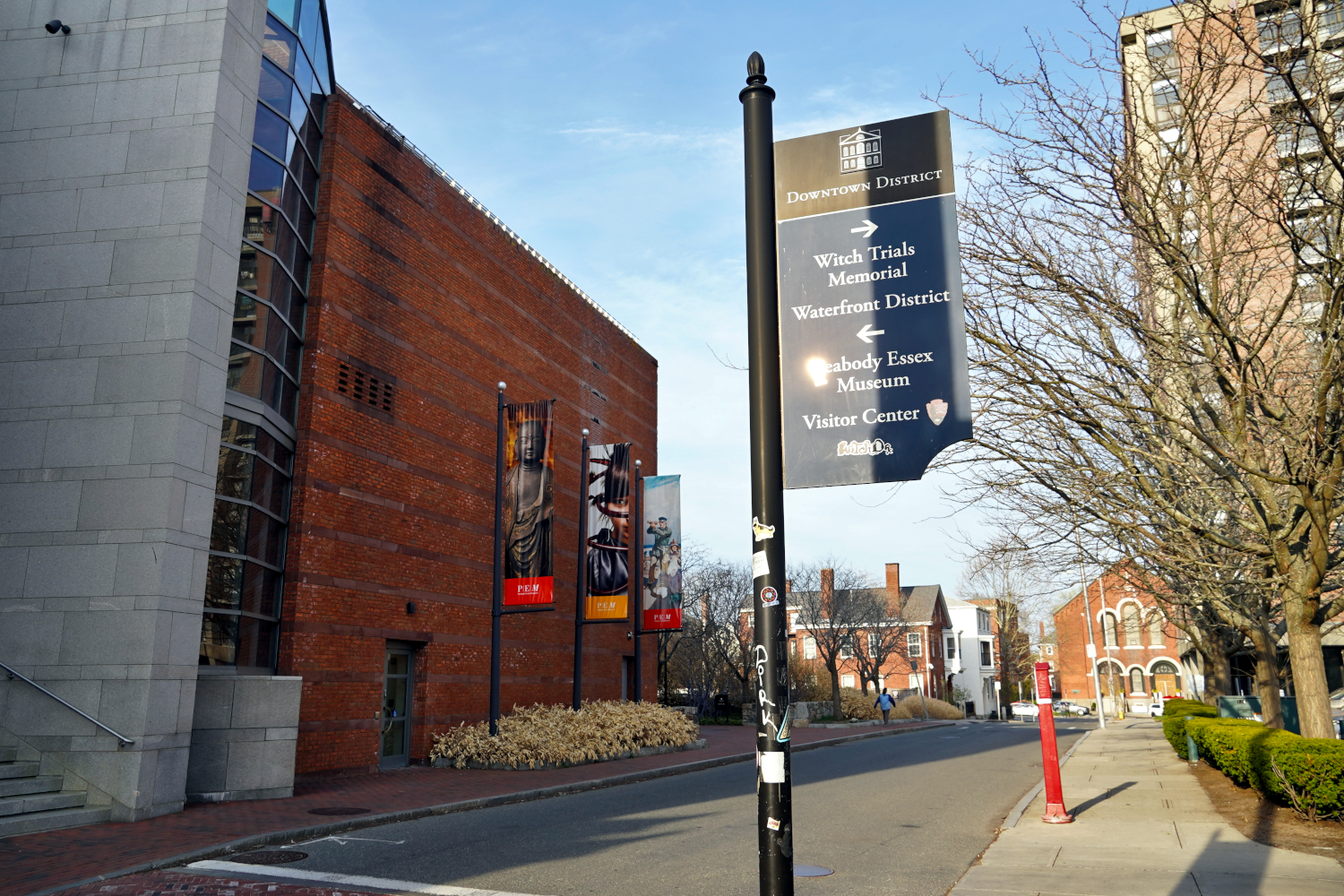
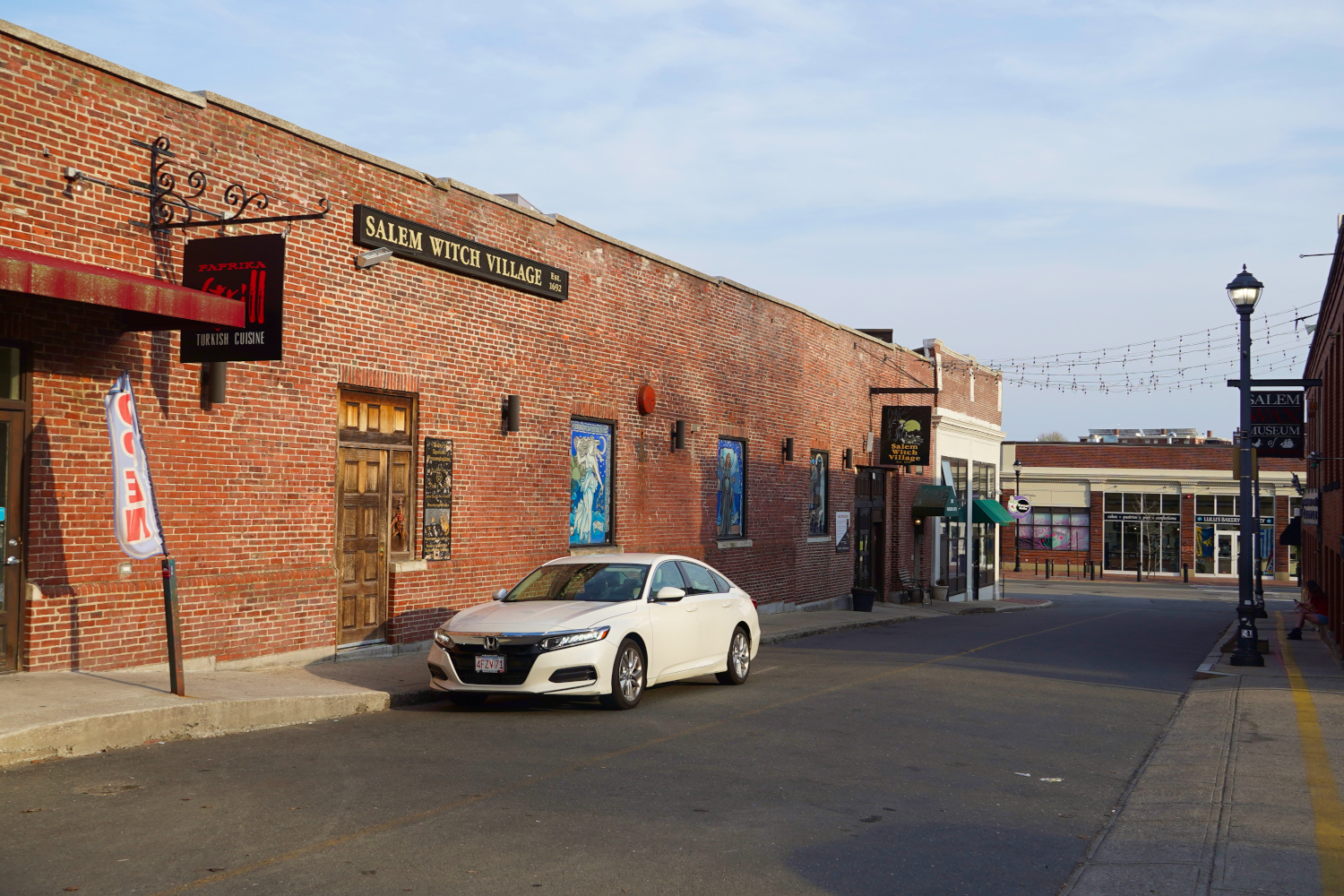
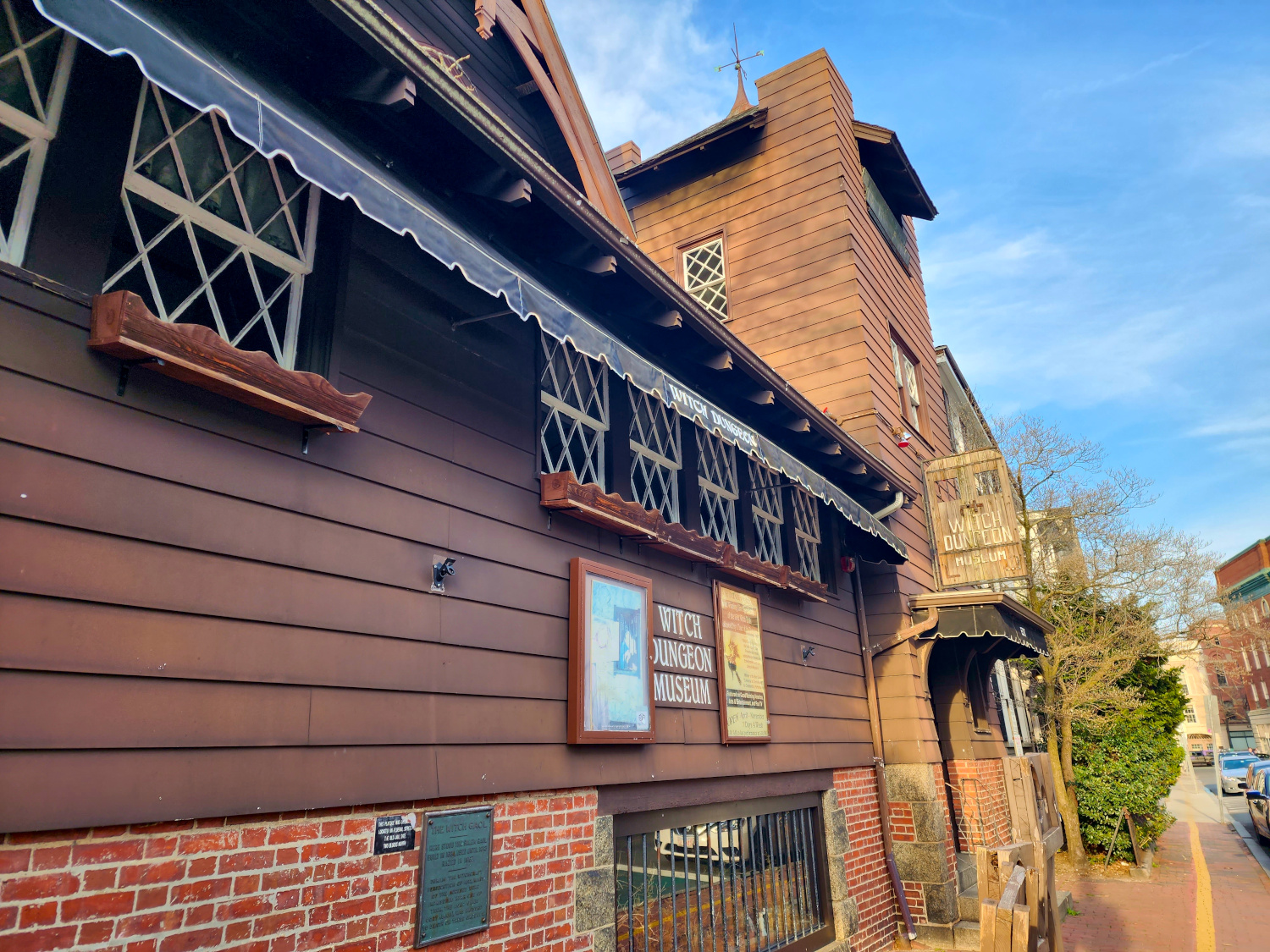
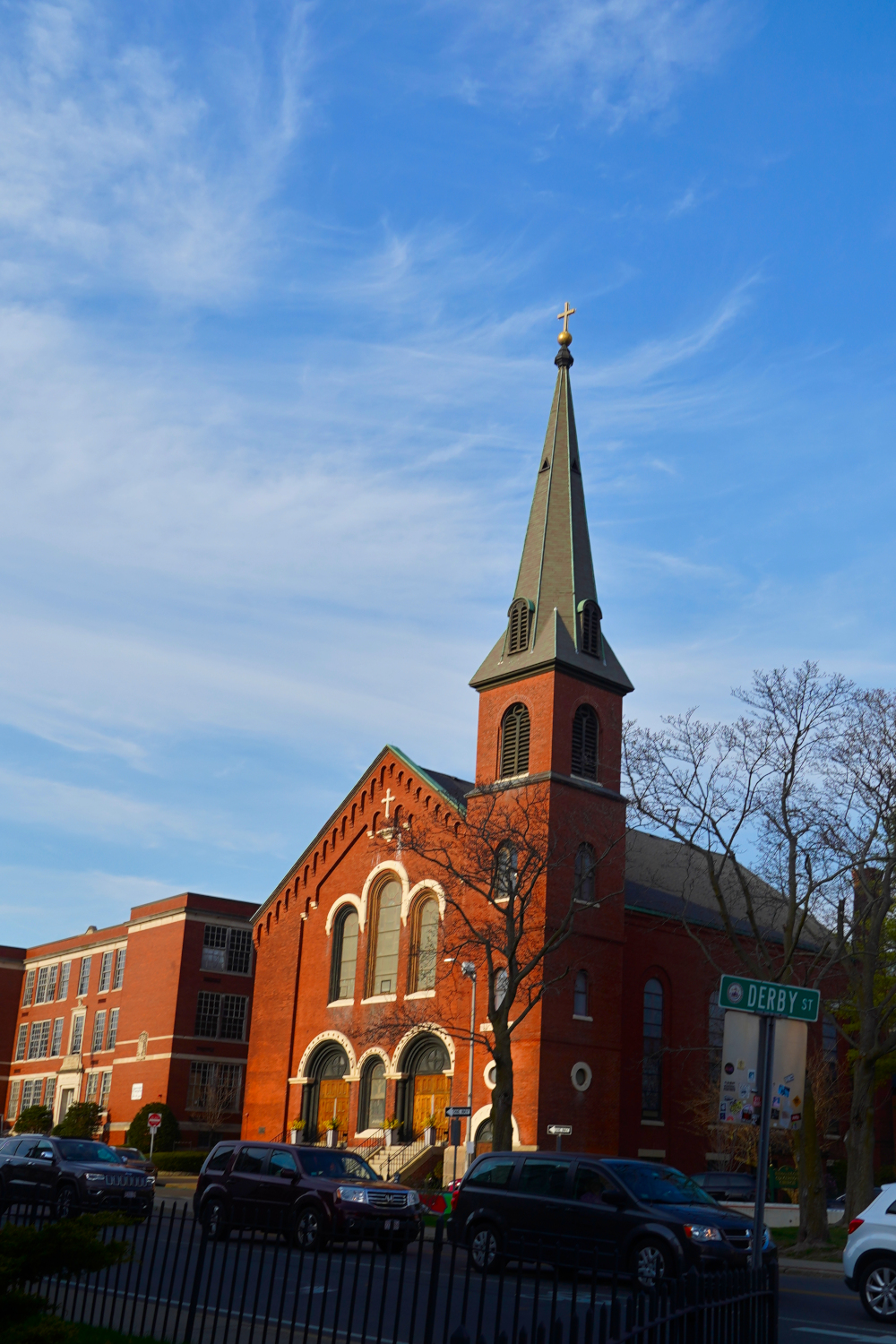
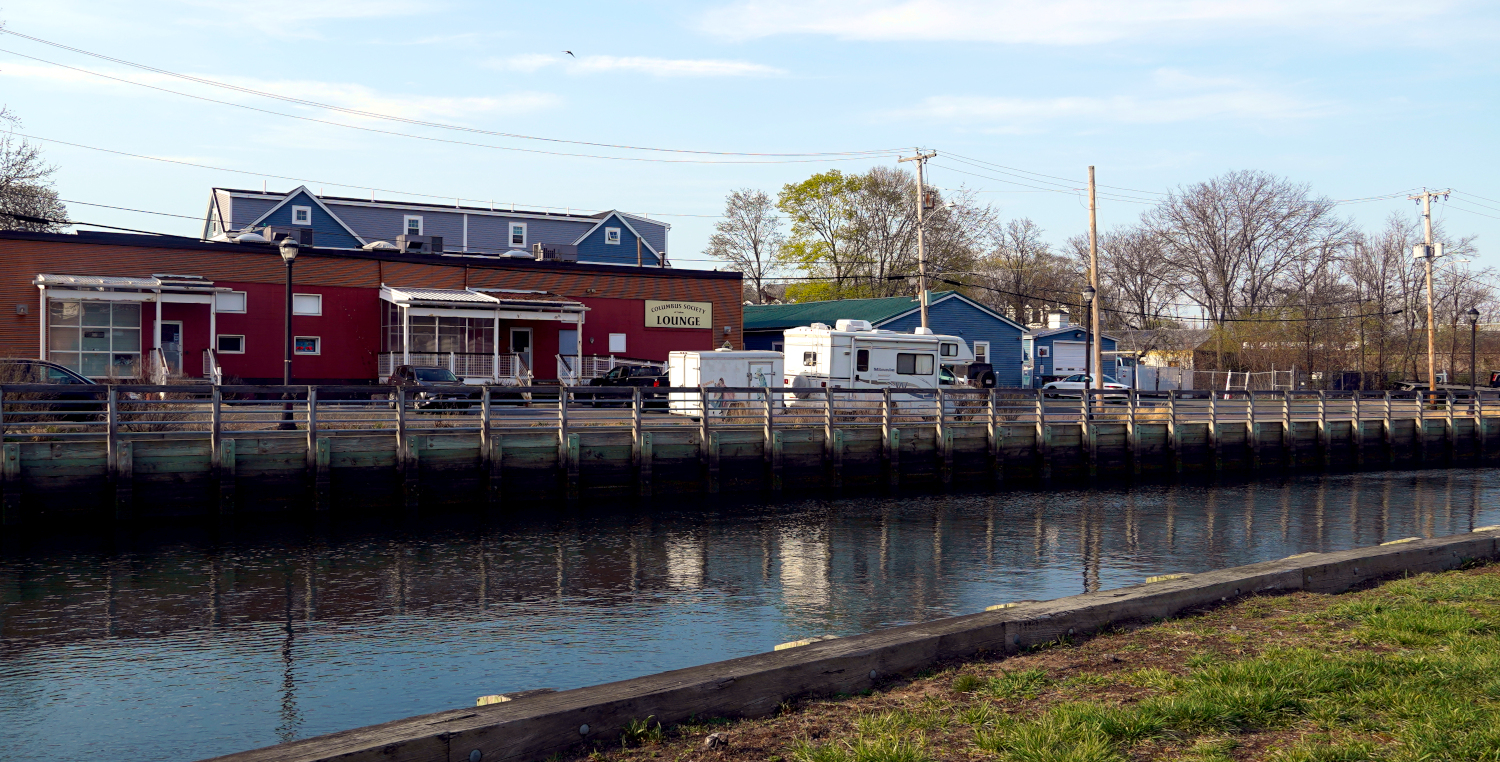

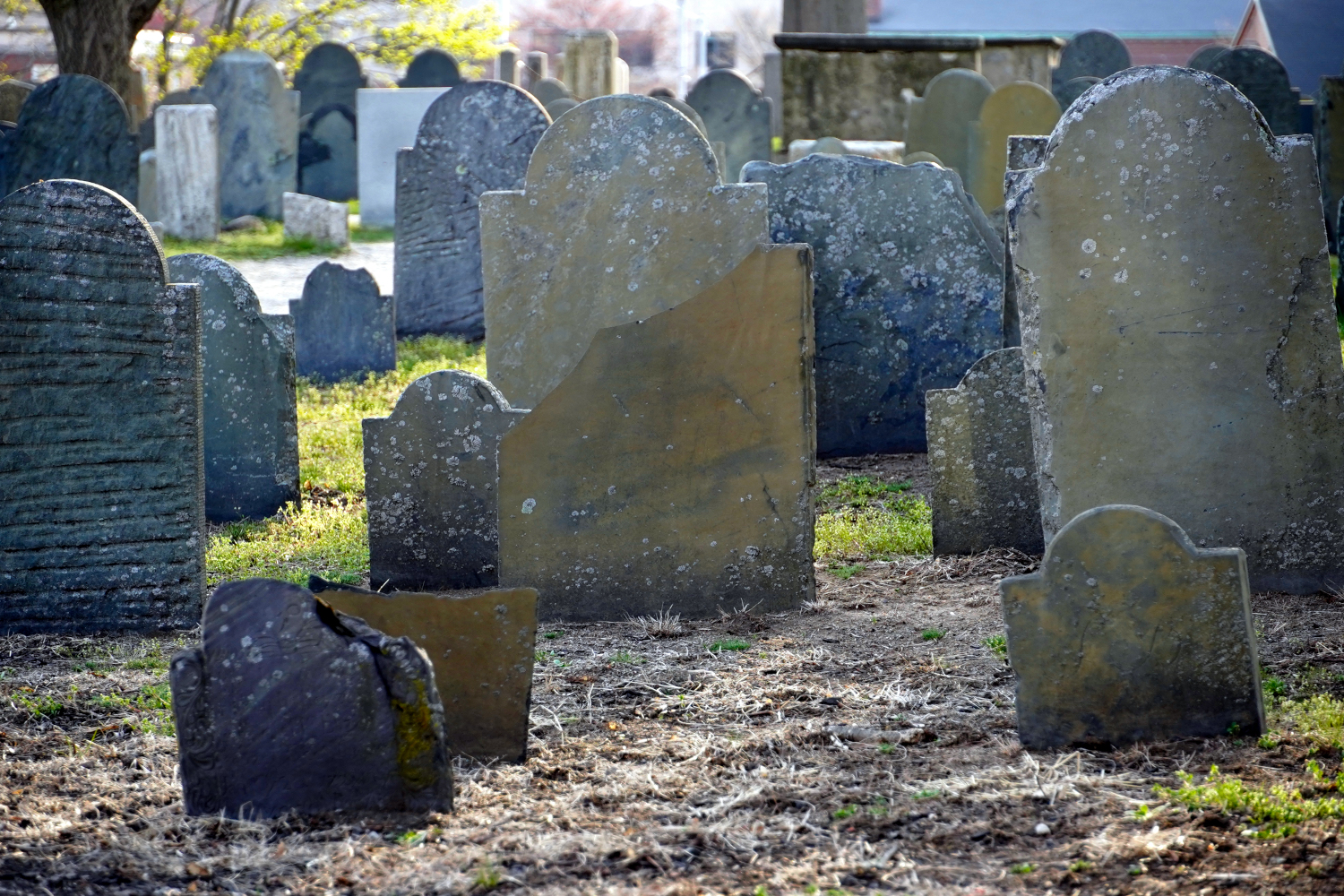
It’s also worthwhile to stroll through the Charter Street Cemetery, otherwise known as Old Burying Point, and peruse the names and dates on the tombstones, many of which look as thin as fingernails. Next to it is the Salem Witch Memorial, a simple but somber little installation installed on the 300th anniversary of the trials to honor the victims. While the jail where they were imprisoned is long gone, there’s a plaque marking where it stood. And there are buildings of historic significance at every turn; Salem is one town where it really pays to read those plaques.
During our days of working at Salem haunts, we often stayed at the only campground around, on Winter Island, about a mile and a half away — all three of us had bicycles for commuting. This island is itself a historic site that often gets overlooked. It was the location of naval stations for centuries, most recently a Coast Guard Station from 1935 to 1970. The old airplane hangar still stands, and you can stumble upon archaeological remnants of even older structures wandering around the island. There’s also a beach, if you’re brash enough to brave the frigid waters (which one of us has — at the beginning of November, no less) which someone with a sardonic sense of humor named Waikiki Beach.
On our very first visit to Salem years ago, we toured the Salem Witch Village, a museum located beside the cemetery and operated by, so they aver, modern day witches (aka wiccans), of which there are quite a few living in Salem these days. They offered the opportunity to attend an actual spell-casting ceremony, and of course we jumped at it; how often do you get to do something like that (unless you live in Salem, of course). It was a general all-purpose spell for well-being and happiness. We don’t know how well it actually worked on us, but Salem itself has definitely bewitched us.
4/14-15/2023
 world travel with a theatrical flair
Leave a comment