

There’s nothing like waking up in the morning on the beach — preferably the same beach you fell asleep on. Especially if it’s an unsettled and relatively unspoiled beach, such as the one on the island of Koh Kong, just off the coast of Cambodia. And that’s where we found ourselves after camping in a tent the night before, right at water’s edge, with a handful of fellow teachers.
After waking up with the sun, more or less, we encounter the first challenge of the day: building a fire to cook breakfast. Except this time, we just skip it because we prepared the night before. While the obligatory nighttime campfire was ablaze, we heated up water to make our tea and oatmeal for the next morning. They wouldn’t be hot, but hey, this was roughing it. It’s just as well that we weren’t dependent on a morning fire, because our comrades didn’t eat or drink anything that would require such a convenience as a blaze.
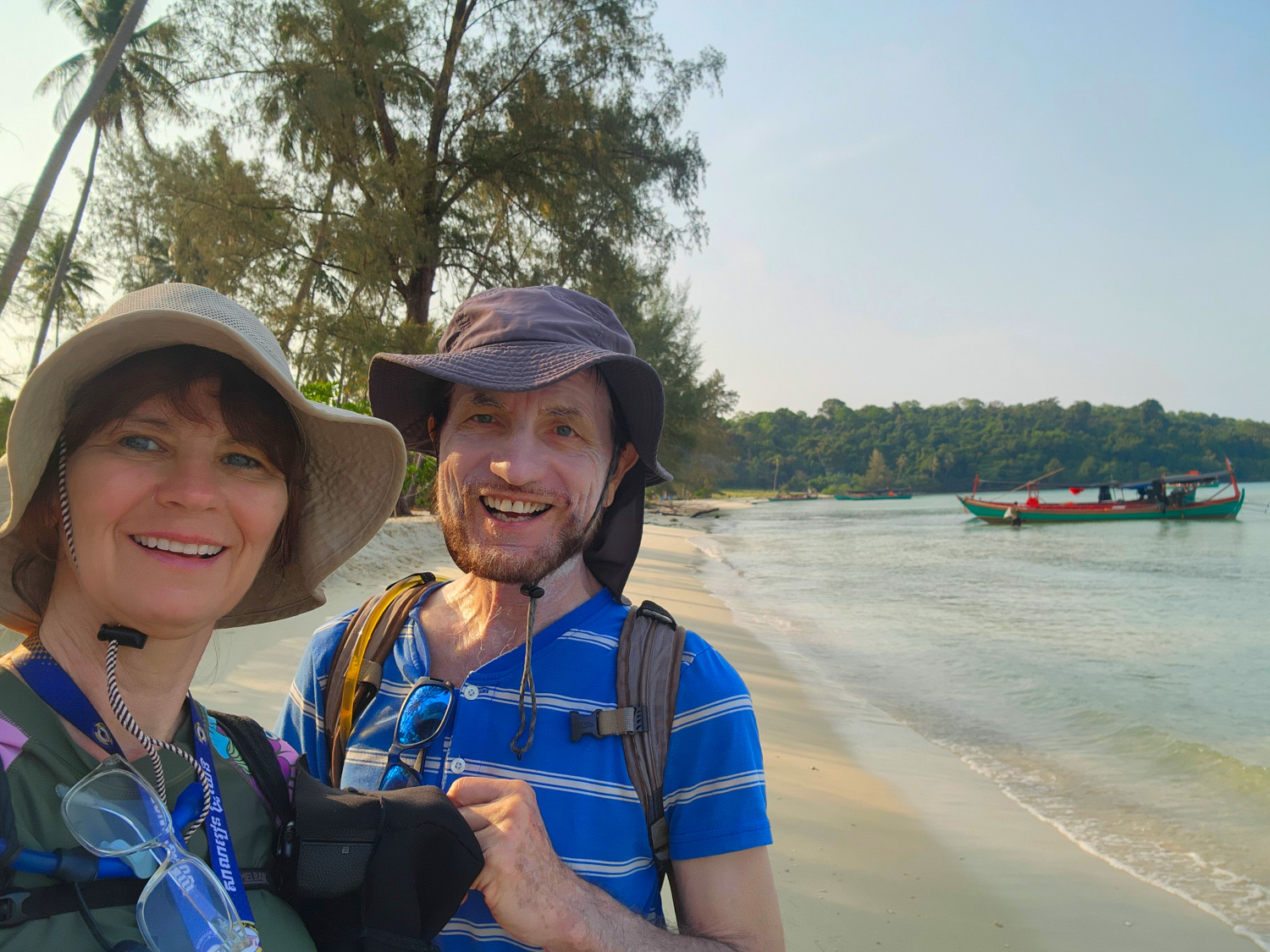
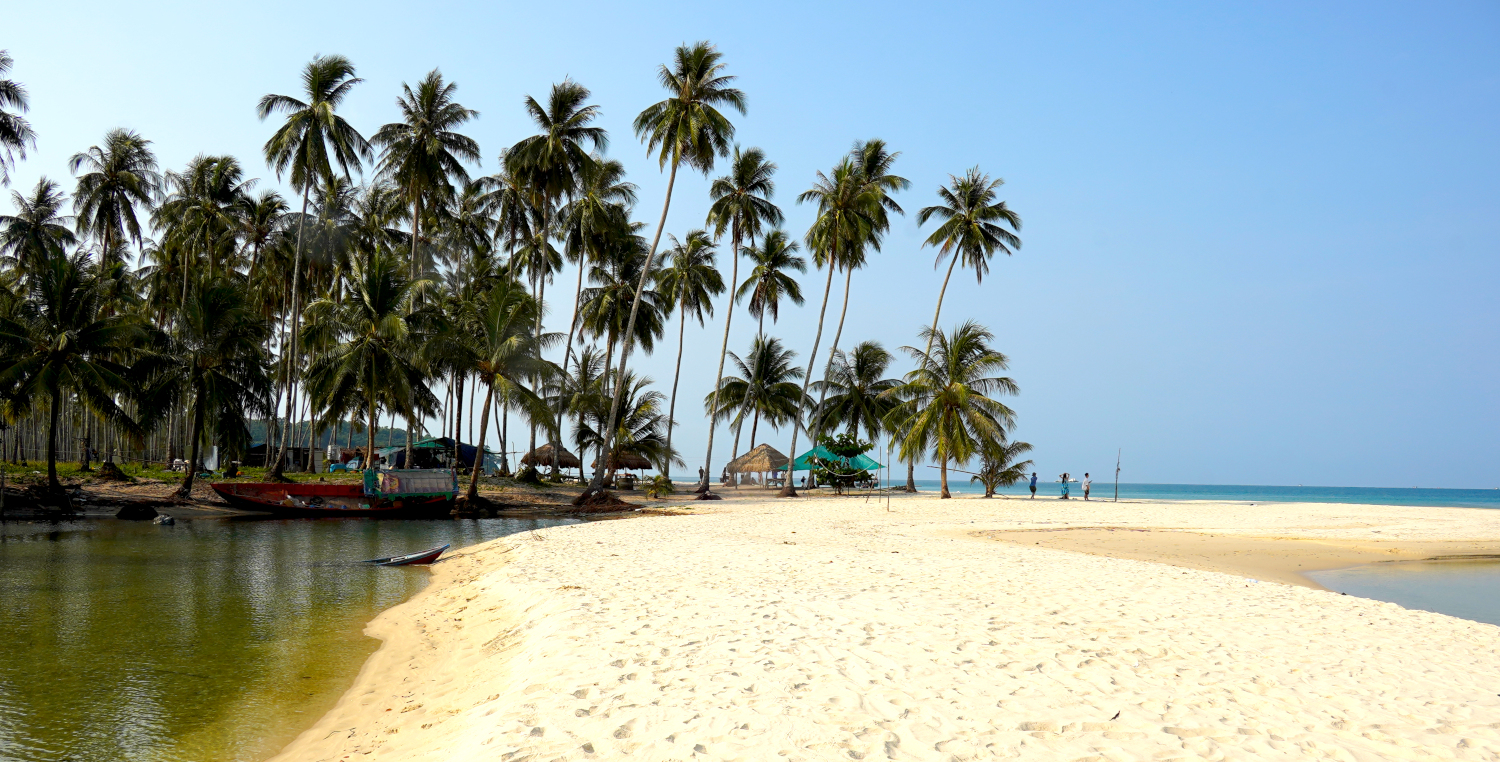


So then we move on to the next item on the agenda, striking camp. We pack away our tents and all our gear, and load most of it back onto the boat that brought us here, and has been lolling patiently a few yards out on the water, with the pilot twiddling his thumbs and waiting for us landlubbers to get our fill of the beach.
We all stroll down the beach a few hundred yards (except they call ’em meters around here) and come to an actual beach resort, a considerably more upscale version of what we’ve just enjoyed. At this point we face a dilemma. We could turn right and hit a hiking trail to a waterfall that’s reputed to be in the scenic category. But after putting our heads together, we reach the consensus not to go that route, because (a), it’s farther and more strenuous than we’d anticipated, and (b) at this time of year the waterfall is not likely to be in robust health anyway, and (c) we’re eager to get to the other alternative: turning left, toward the water, and getting in some snorkeling.
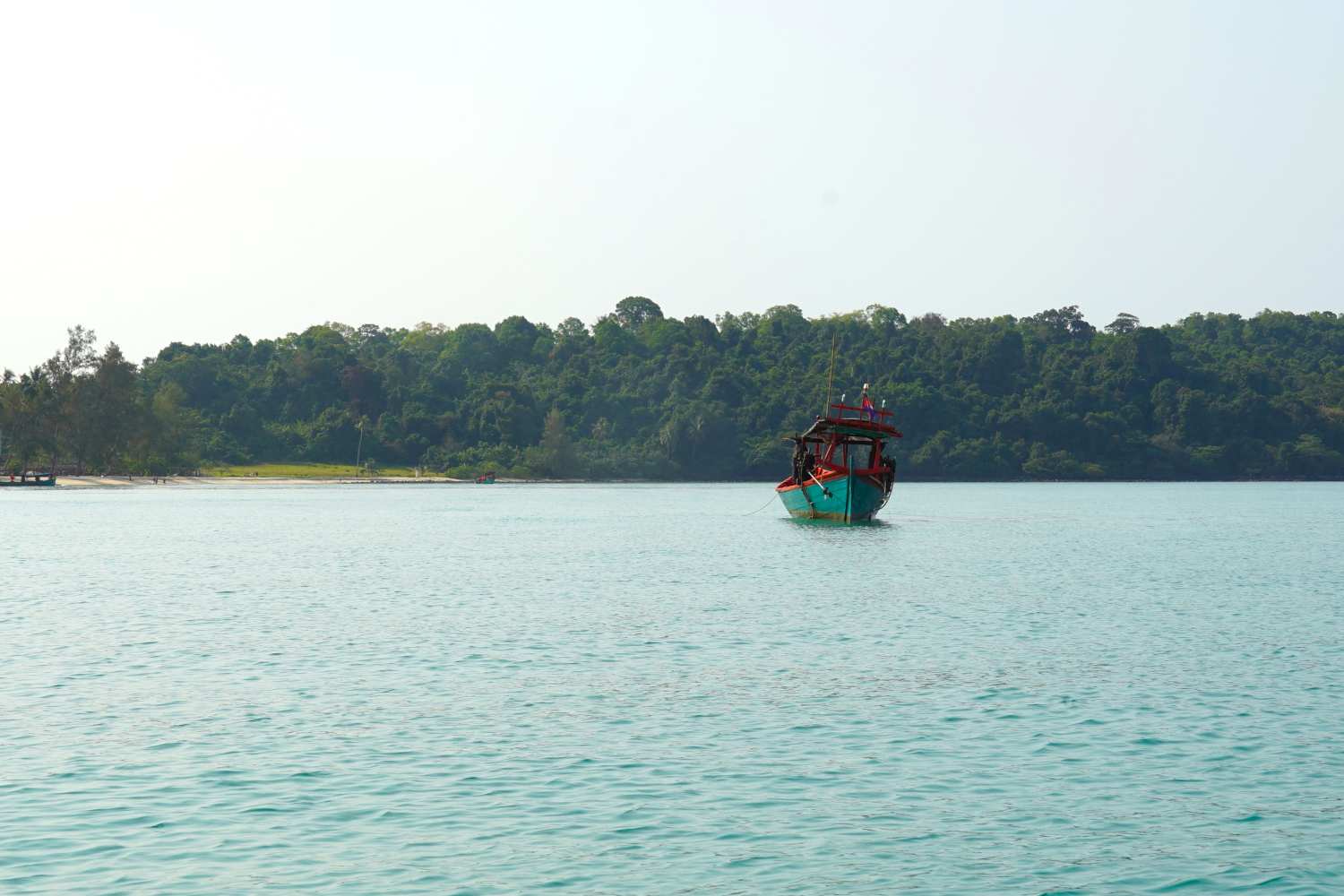
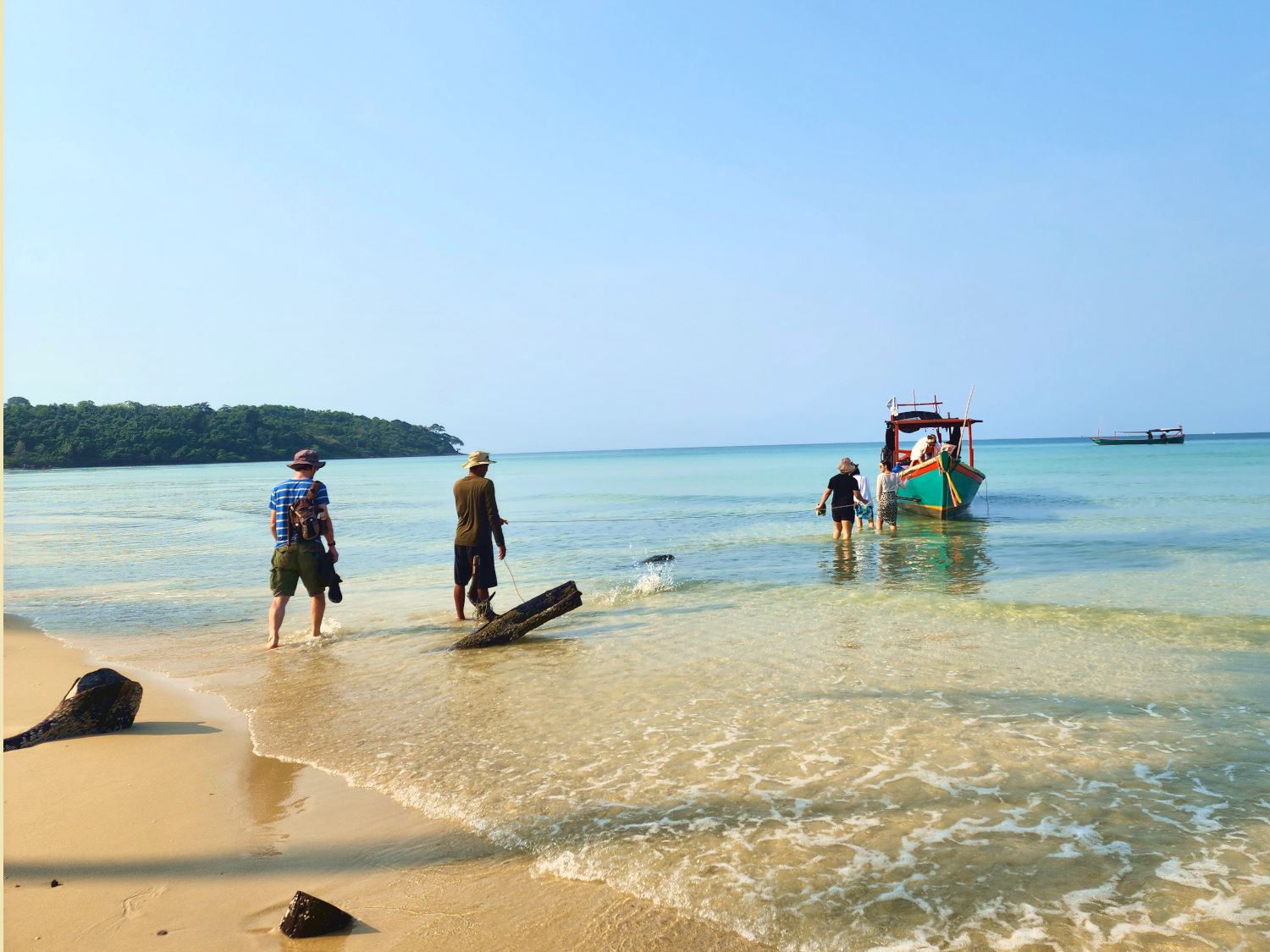
So we head to the boat, and the pilot takes us a few miles away, around the bend a time or two, to a nice rocky shoal that seems to be the prime snorkeling real estate. He anchors about 200 yards from shore, at a depth of maybe 15 feet.
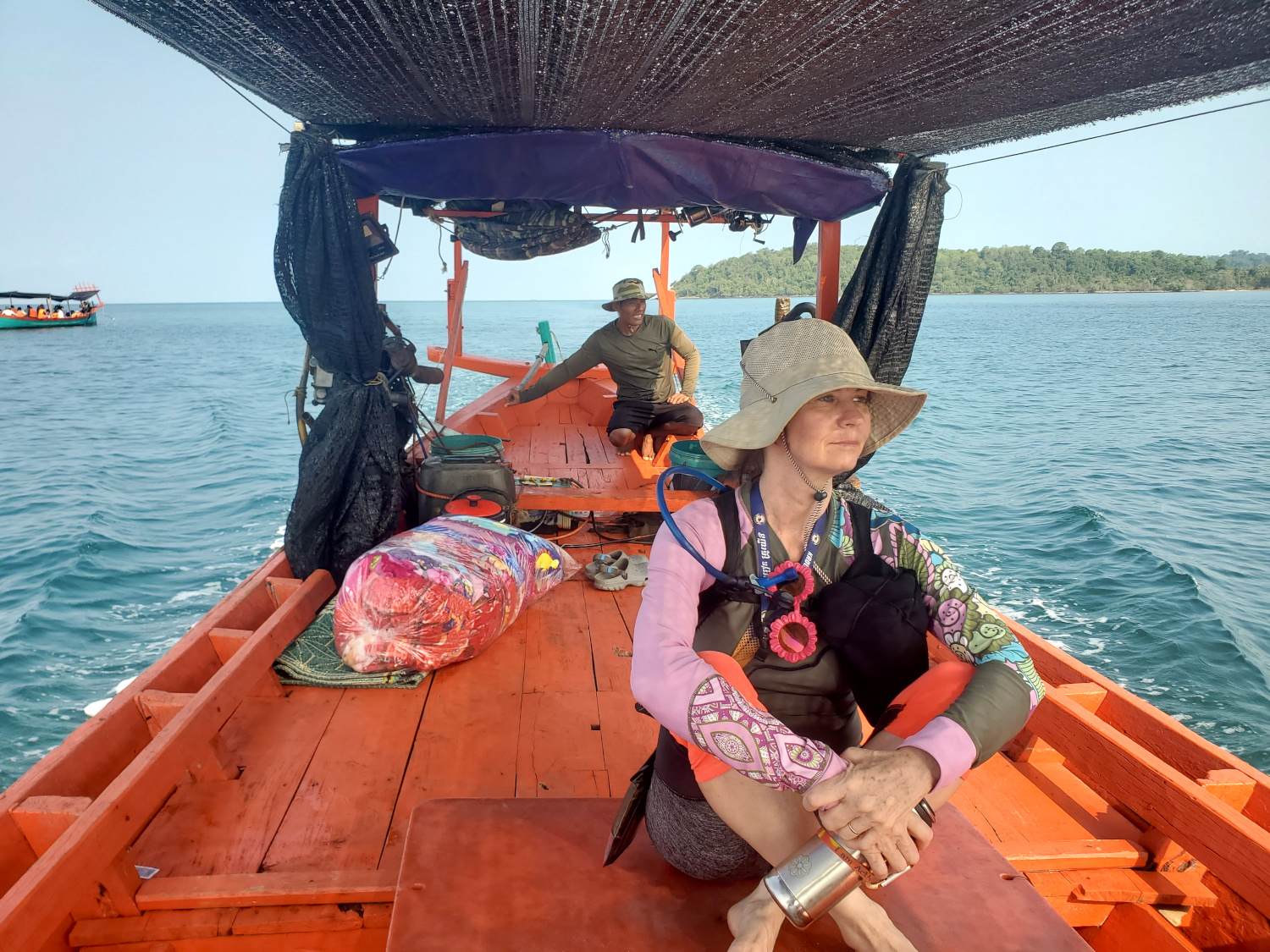
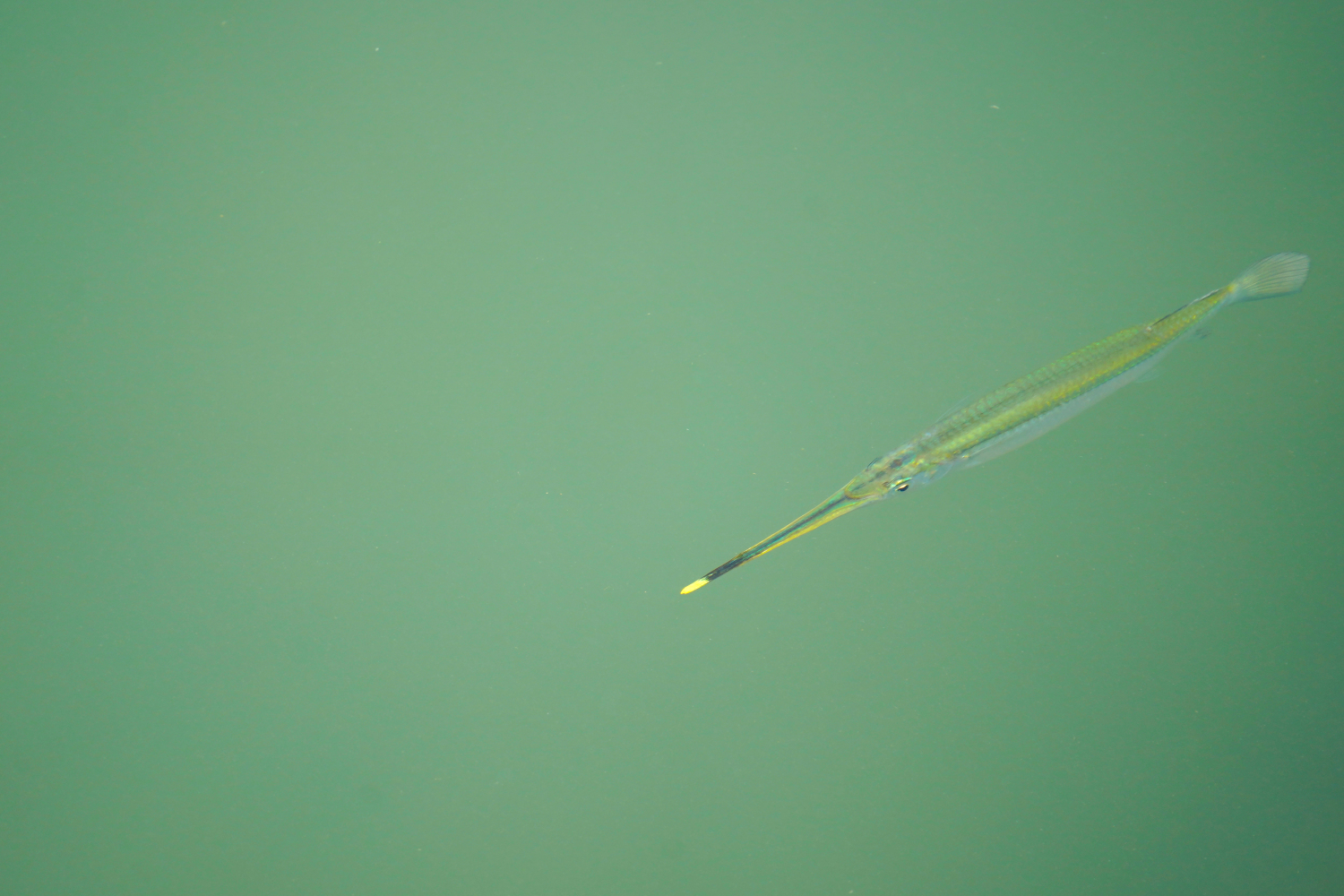

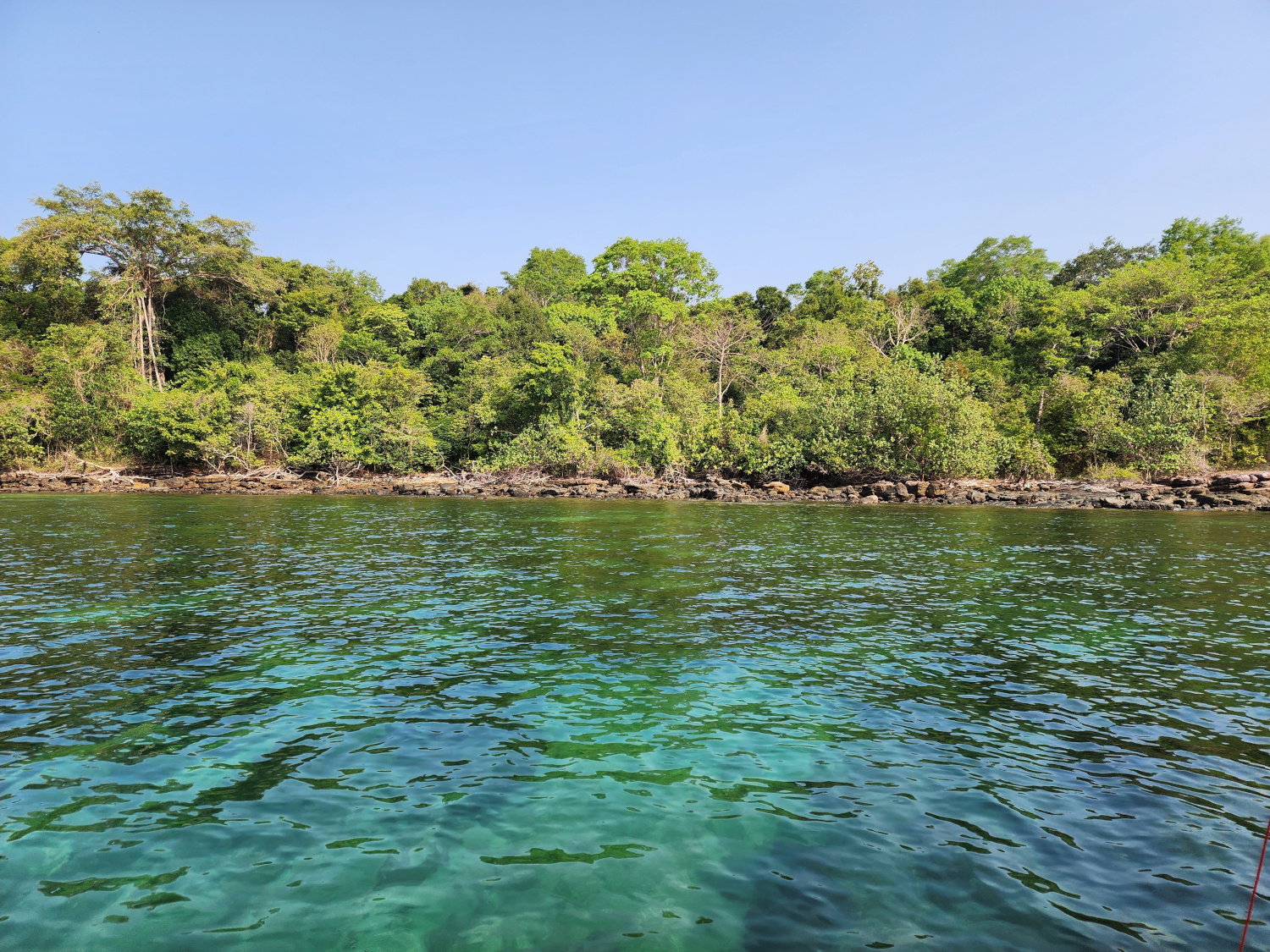

Alas, we don’t have our own snorkels. Well, we do, but they’re stored with relatives back in the States. We toted them along with us on our first intergalactic mission, for 15 months. And we only used them once. So we figured they were just taking up valuable real estate in our backpacks, and we ditched them the second time around. And now here we are wishing we had them. Well, not to worry, we made do okay. The boat had one snorkel with it, which Kimberly used. And one of the teachers had a pair of goggles, which Dennis used. Snorkeling with goggles is a bit more tiring than snorkeling with a snorkel, because you have to surface for air, and you get winded. But both of us still get some pretty decent glimpses of marine life passing under us.
The variety of fish and other sunken critters isn’t nearly as great as what we were astounded by at Hanauma Bay in Hawaii a few years ago on our first snorkeling expedition. But still it was certainly worth having a look-see.
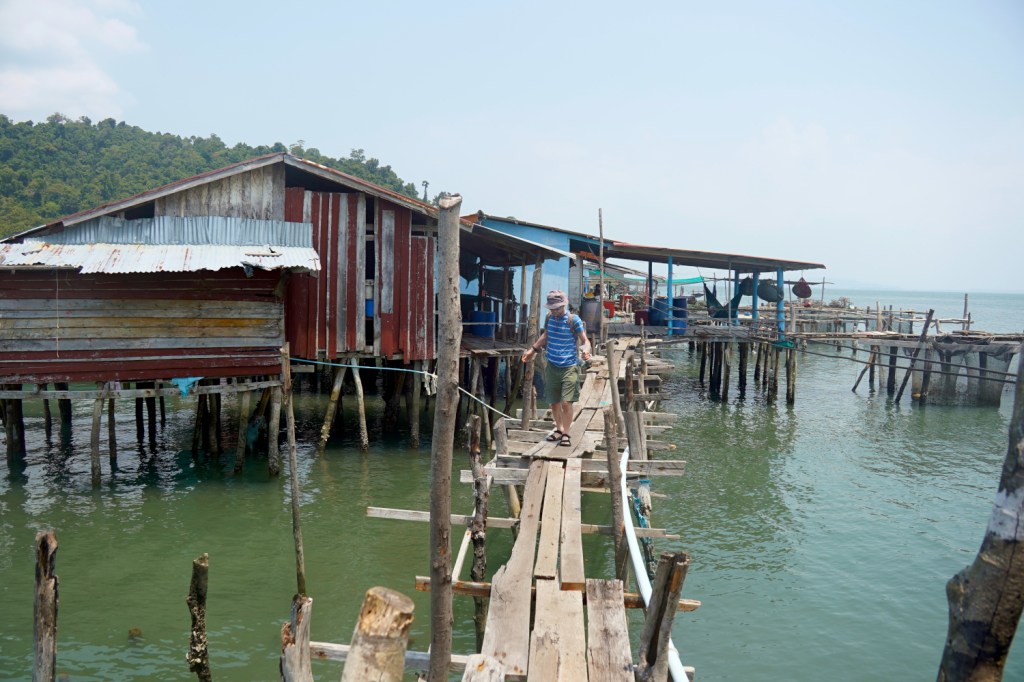
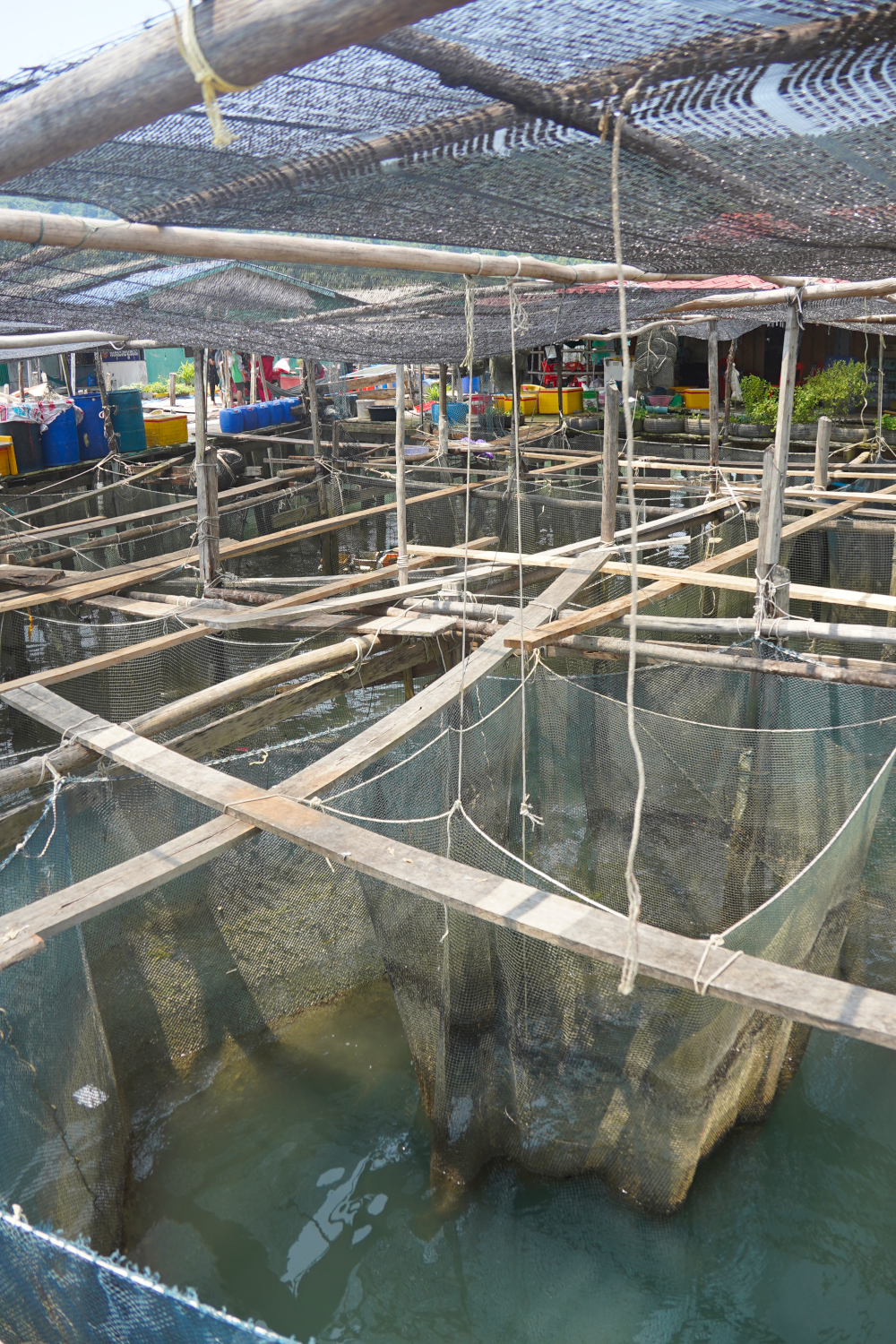
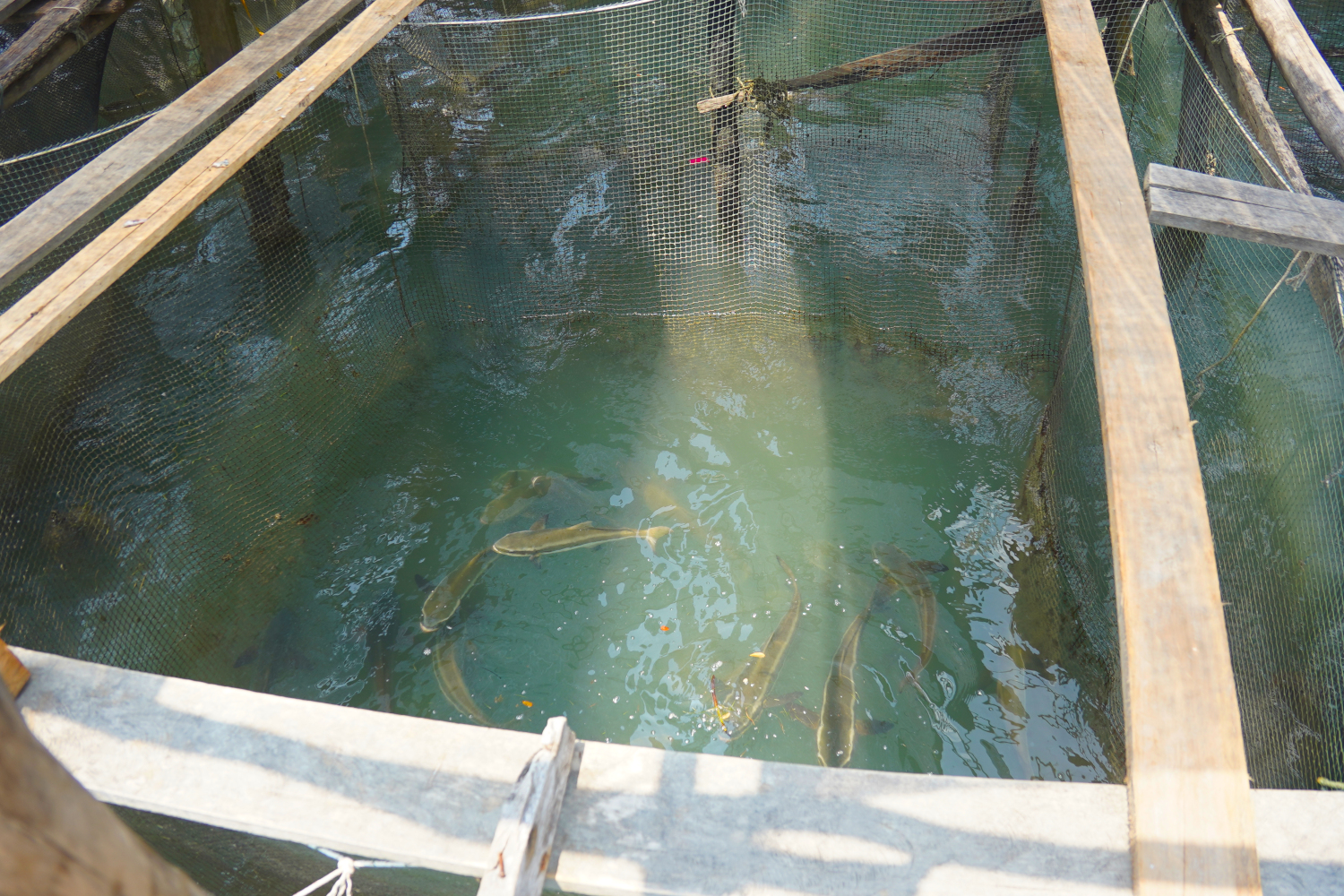
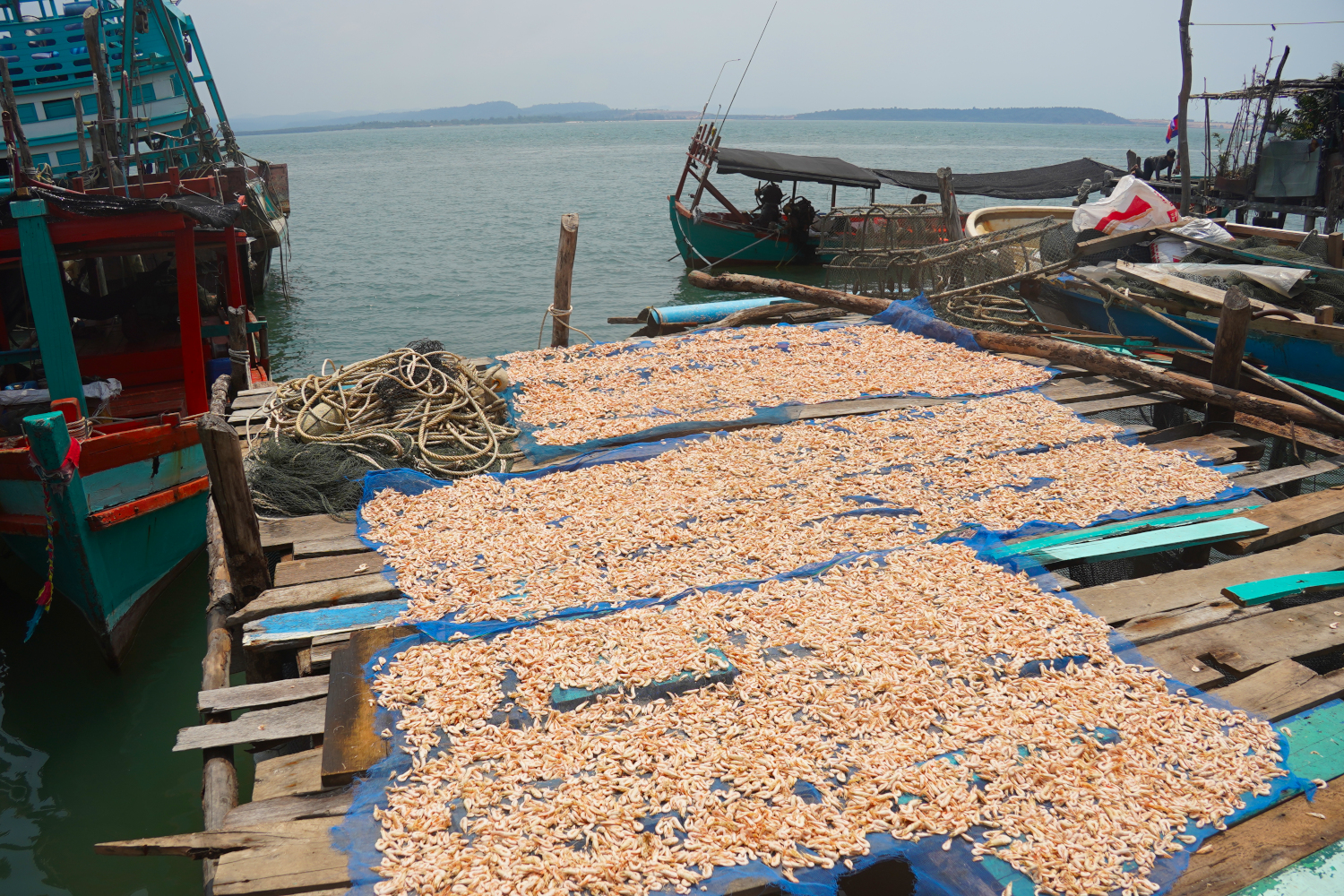
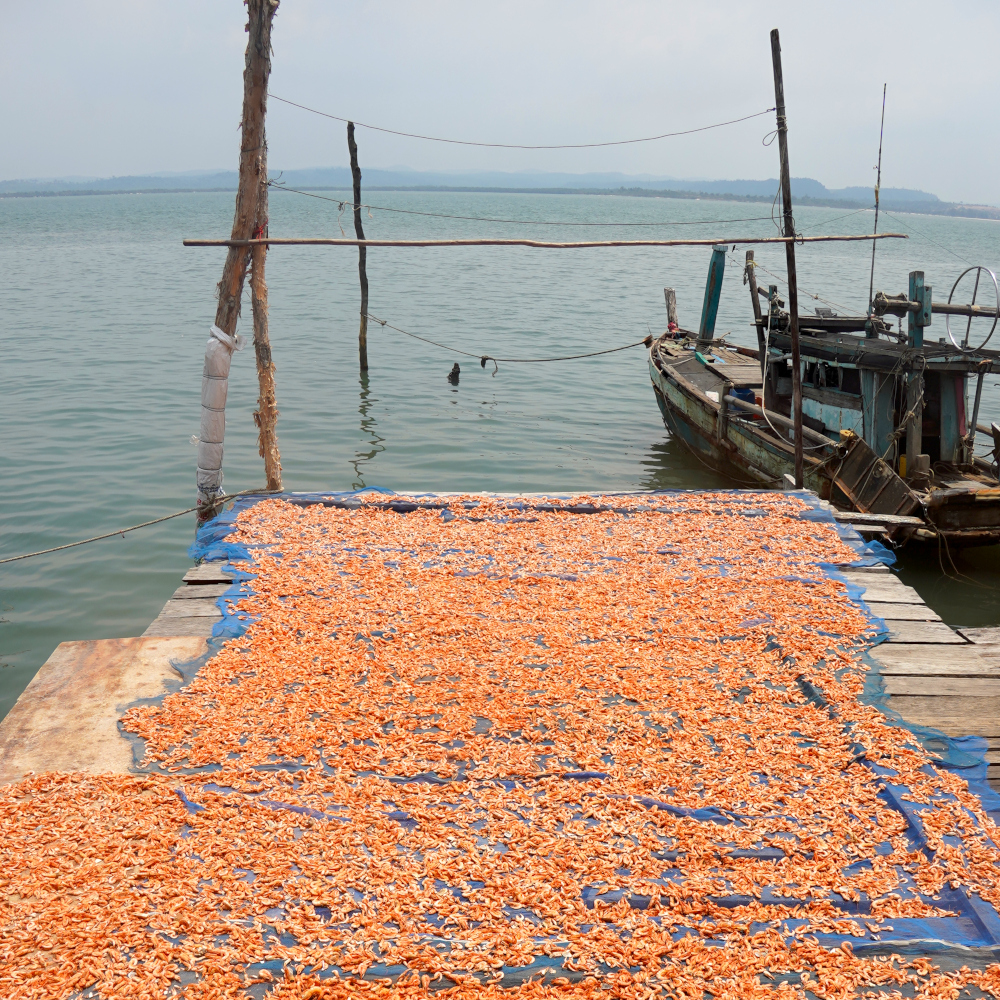
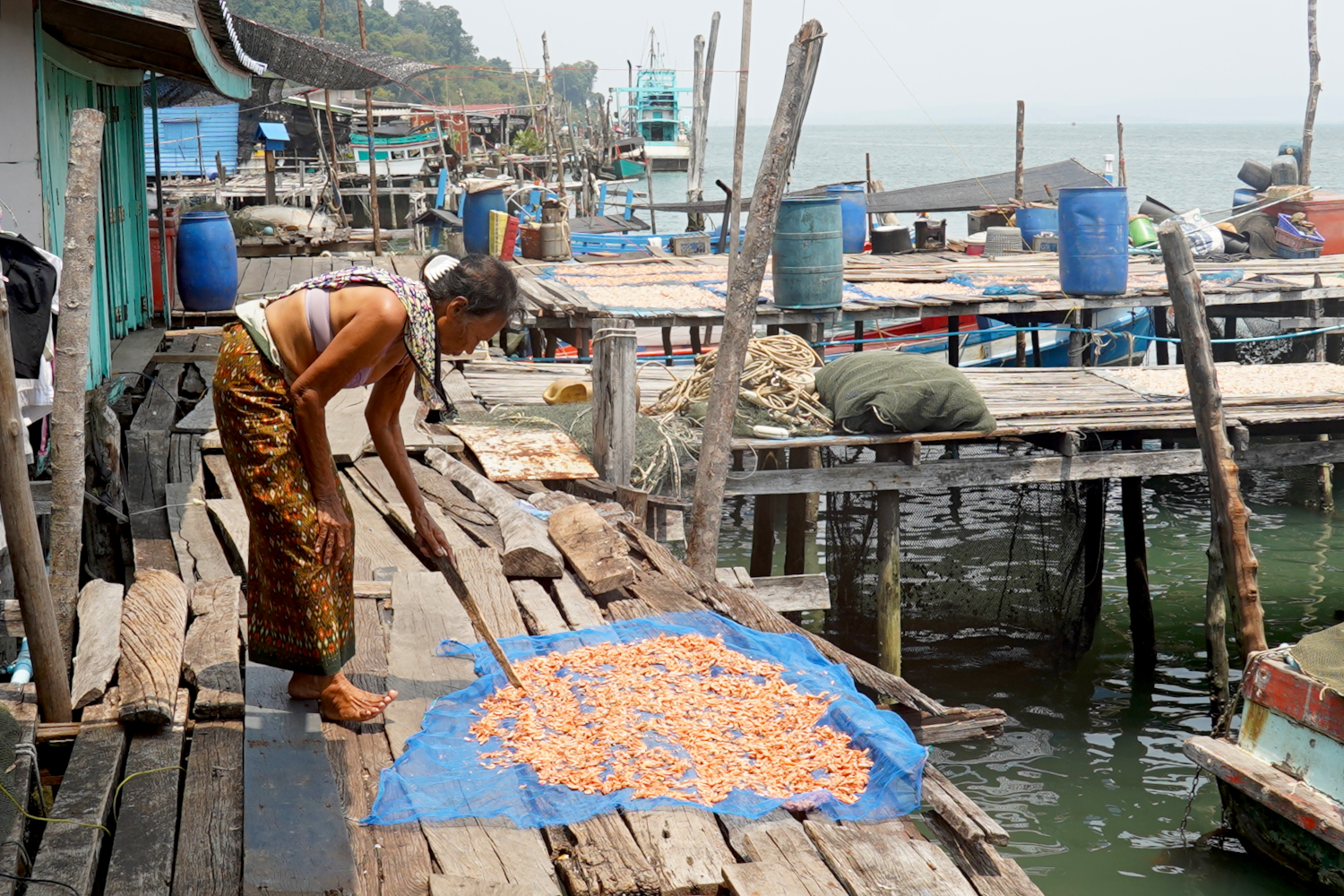
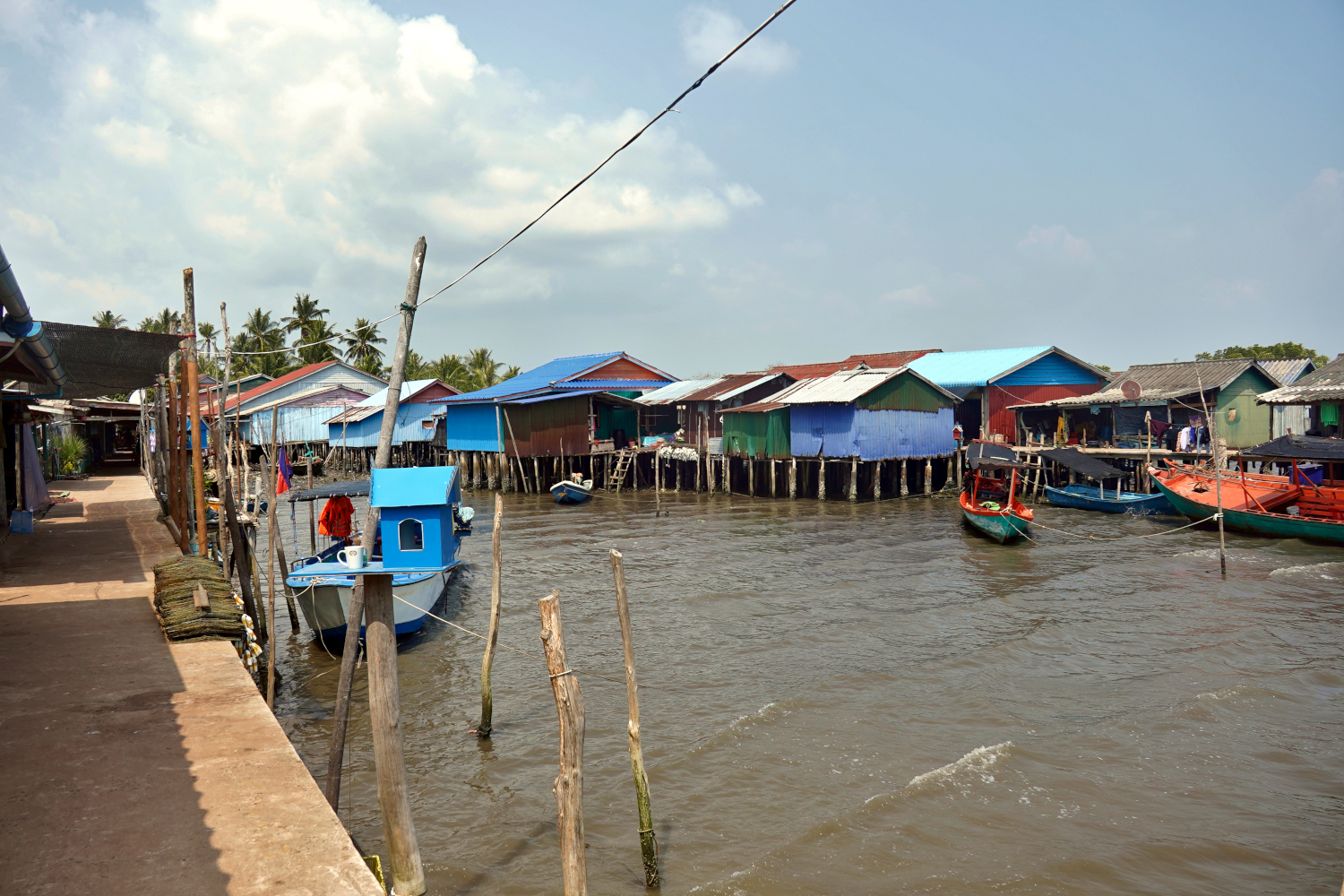
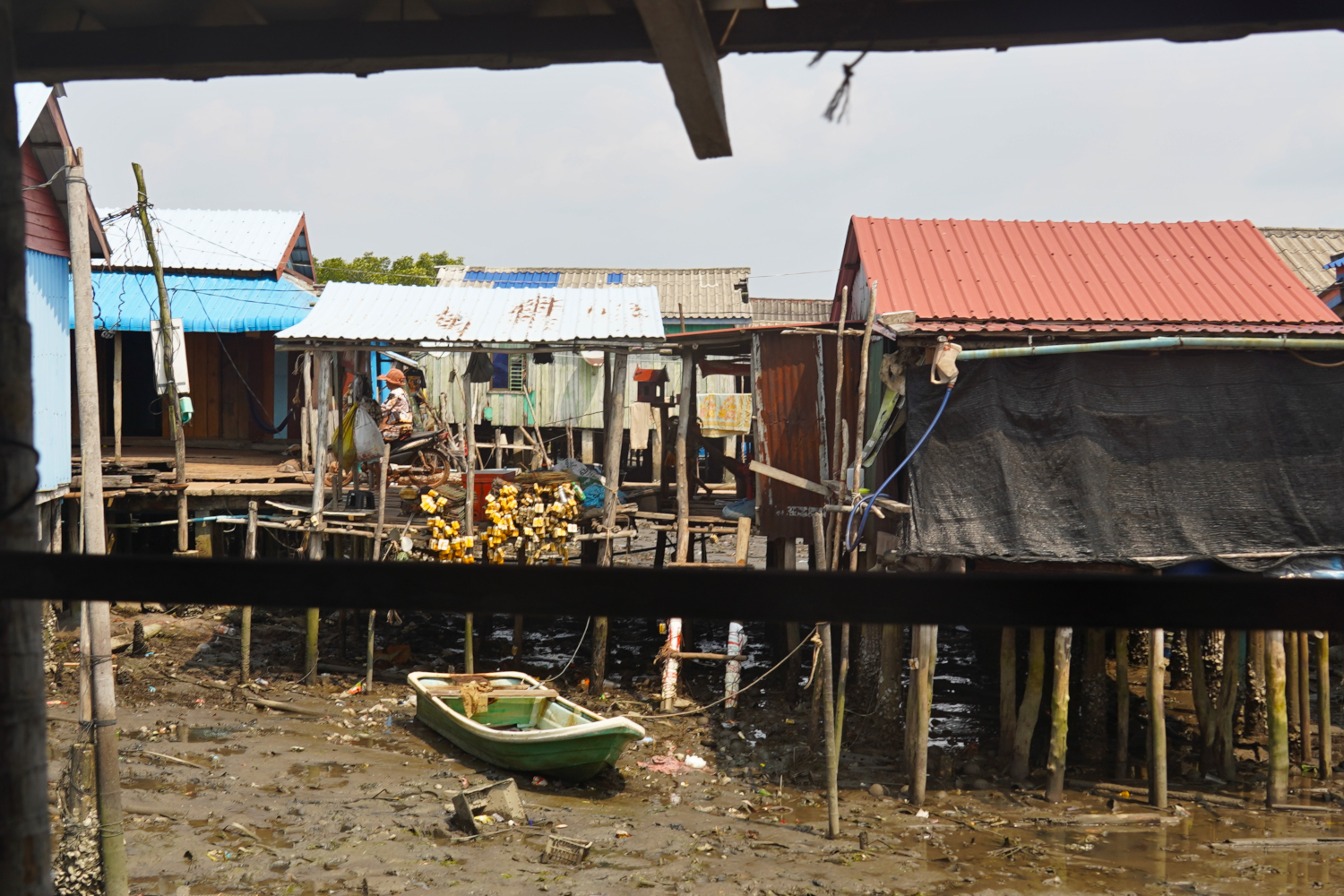
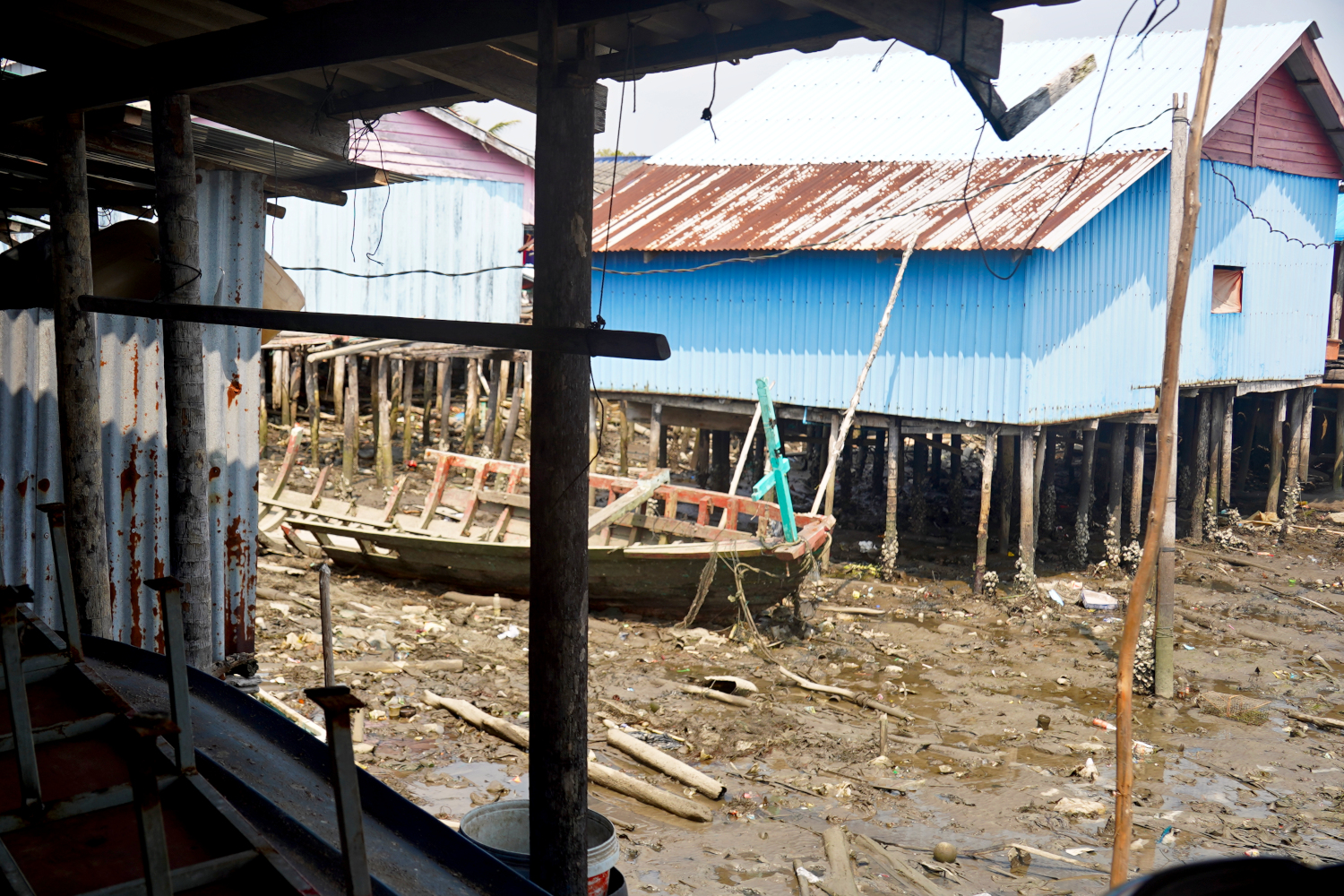
After about 90 minutes of being in the water off and on, we call it a day and head back to the fishing village on stilts, where the pilot lives. This is one of the most remarkable settlements we’ve visited in our travels yet. An entire community set on elevated wooden platforms above the water, 100 yards or so from shore. Pretty much the only way to access it is by boat — though you could wade out from shore at low tide if you claw your way through the jungle first.
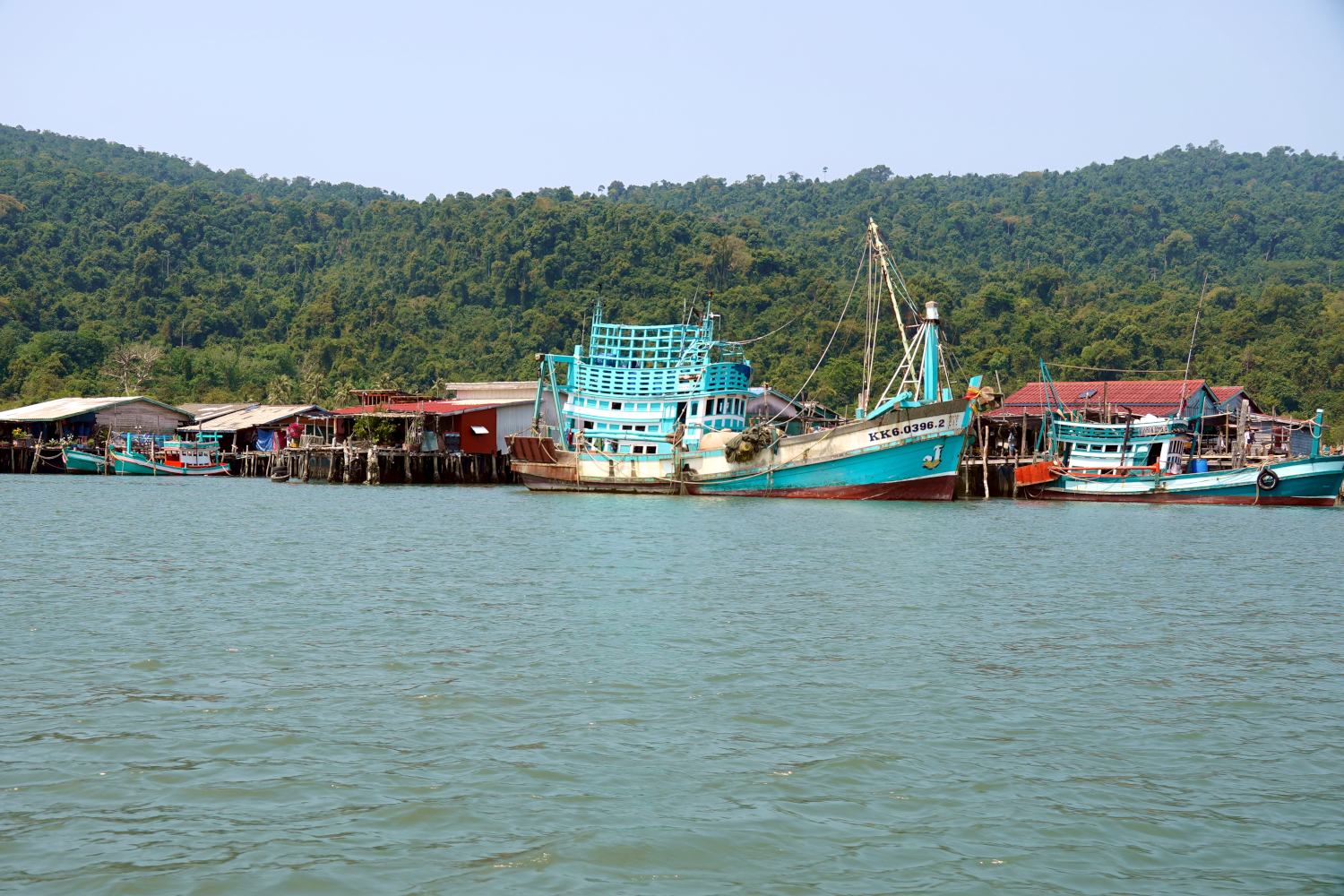

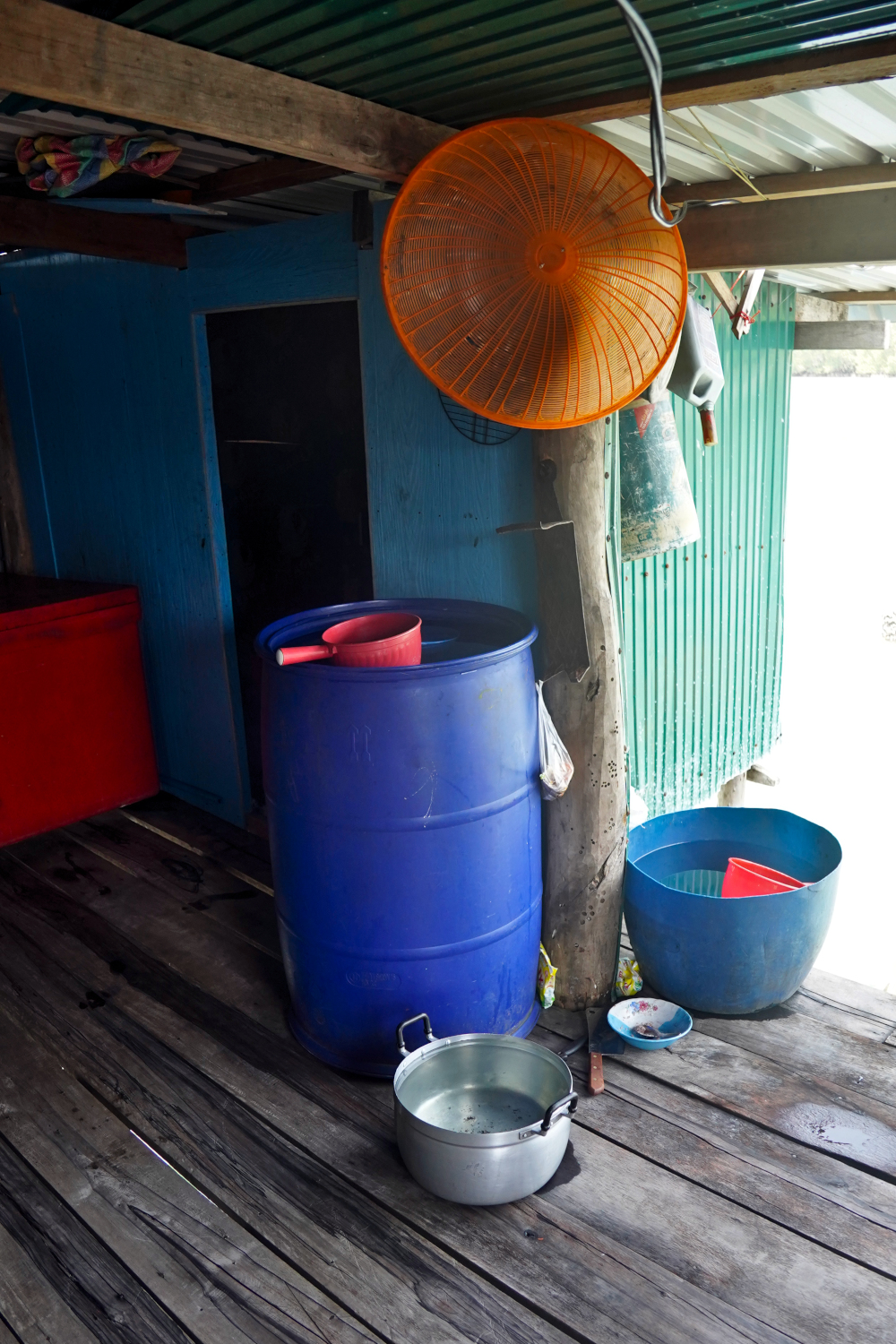
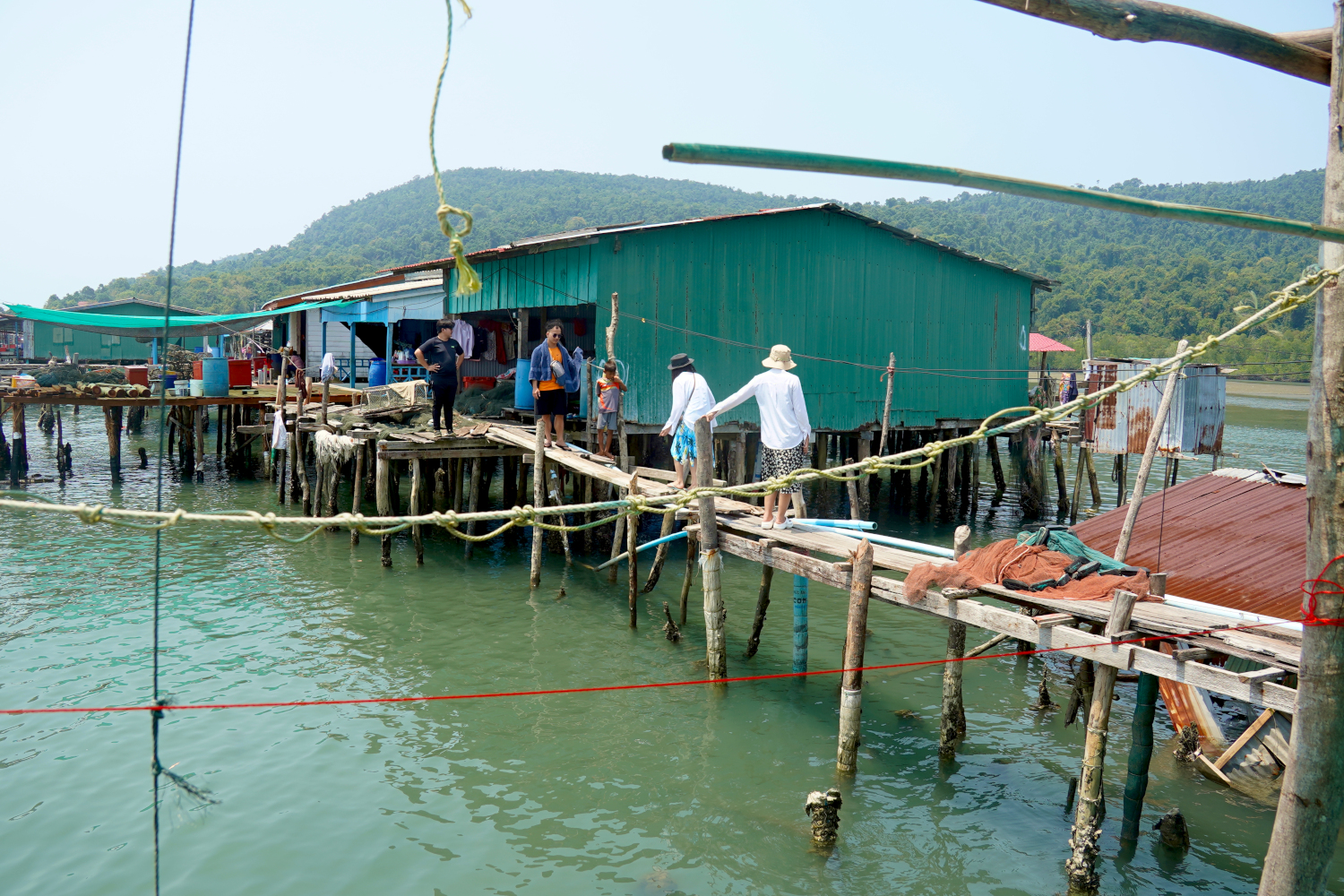
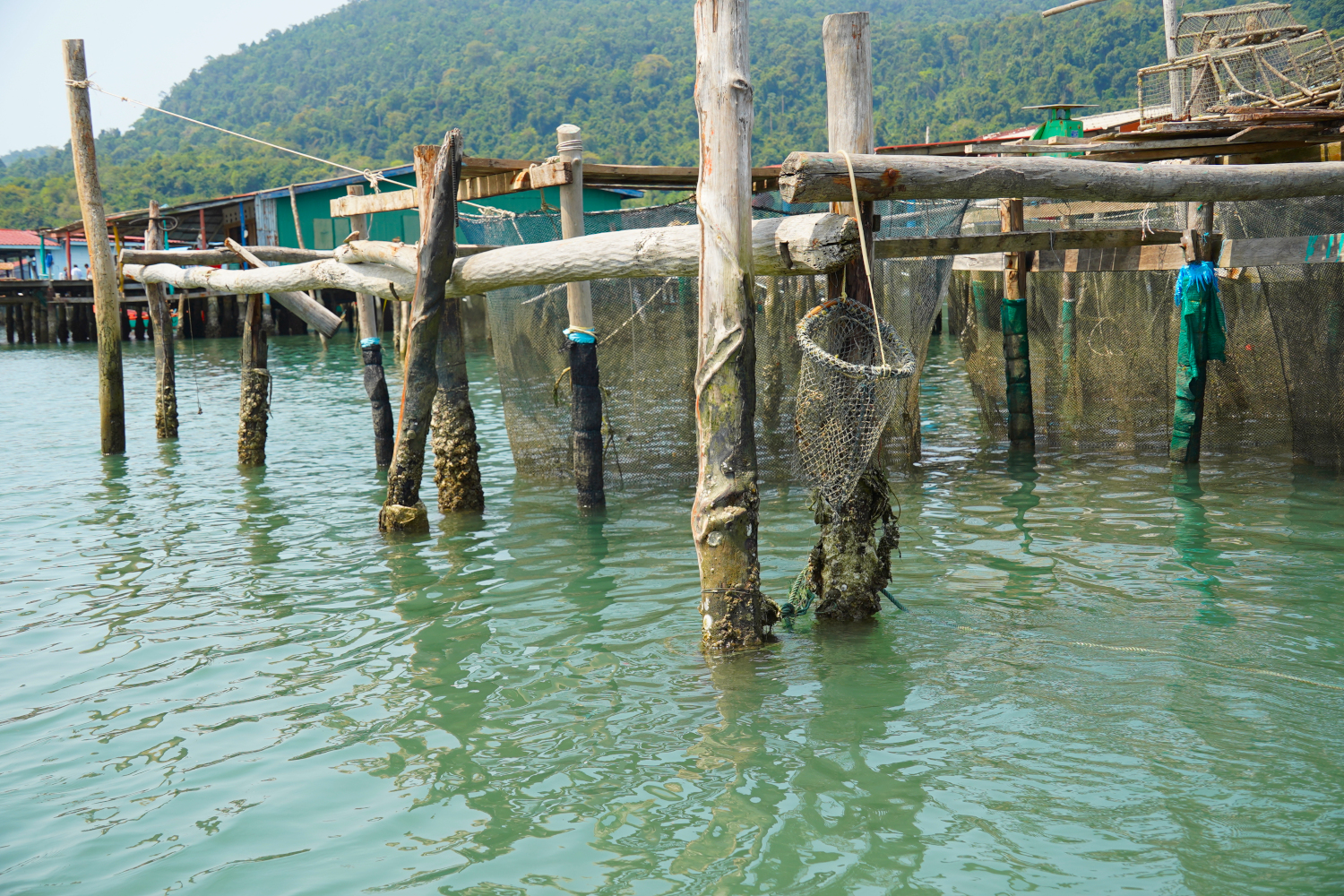
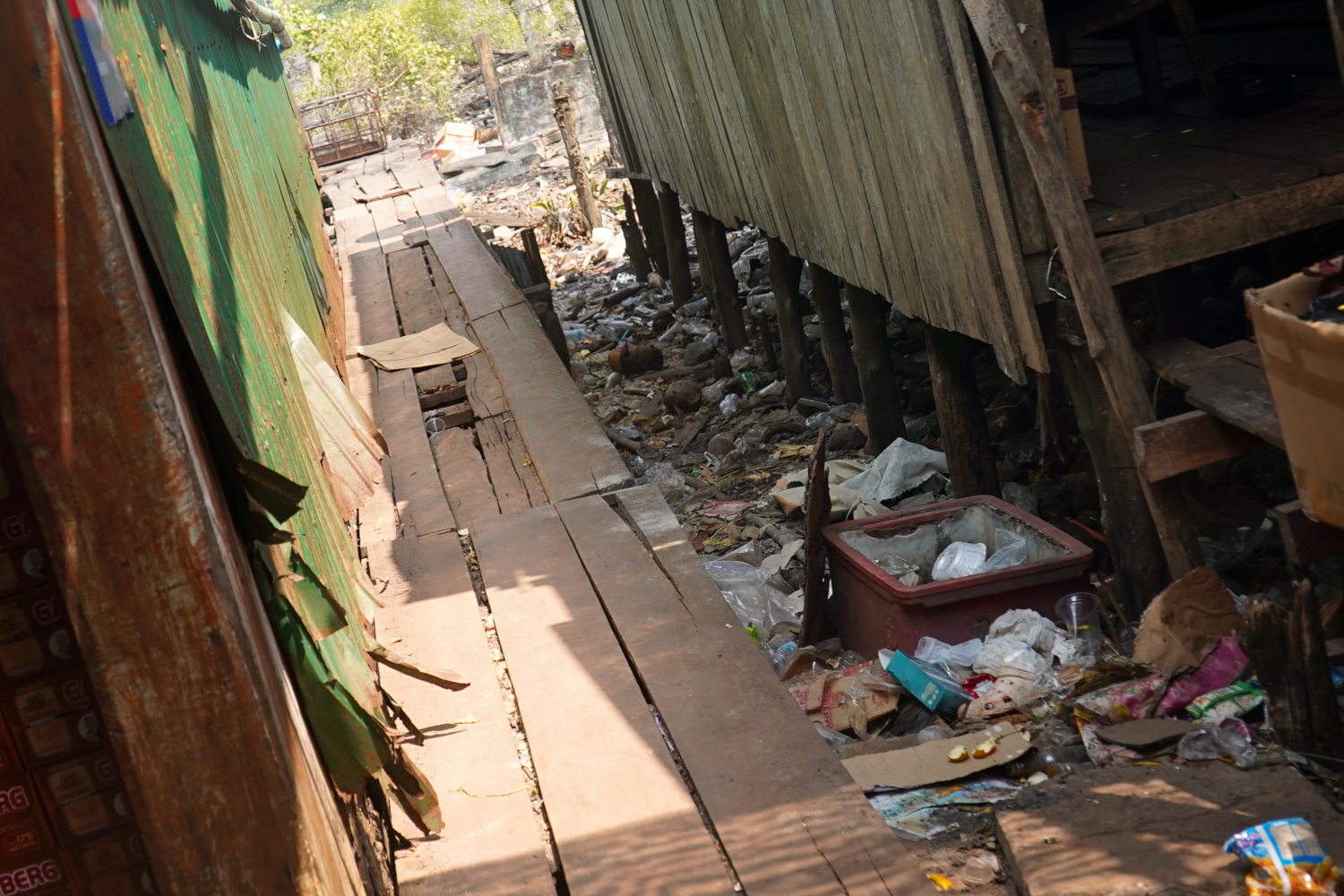
This village appears to have been here for at least 100 years or so, and all the structures are appropriately aged. The only way to move between houses, shops, and the occasional little restaurant is on rickety and often narrow boardwalks, some of them composed of boards that have seen many better days. In some places the wood has rotted through, and is simply covered over with slightly fresher board. Even so, you have to watch your step in some places to avoid plunging through and falling into the water — as Dennis nearly finds out when his own foot breaks the barrier. After that, when he comes to one of those particularly precarious walkways, he literally gets down and crawls across it. And even that doesn’t feel totally secure.
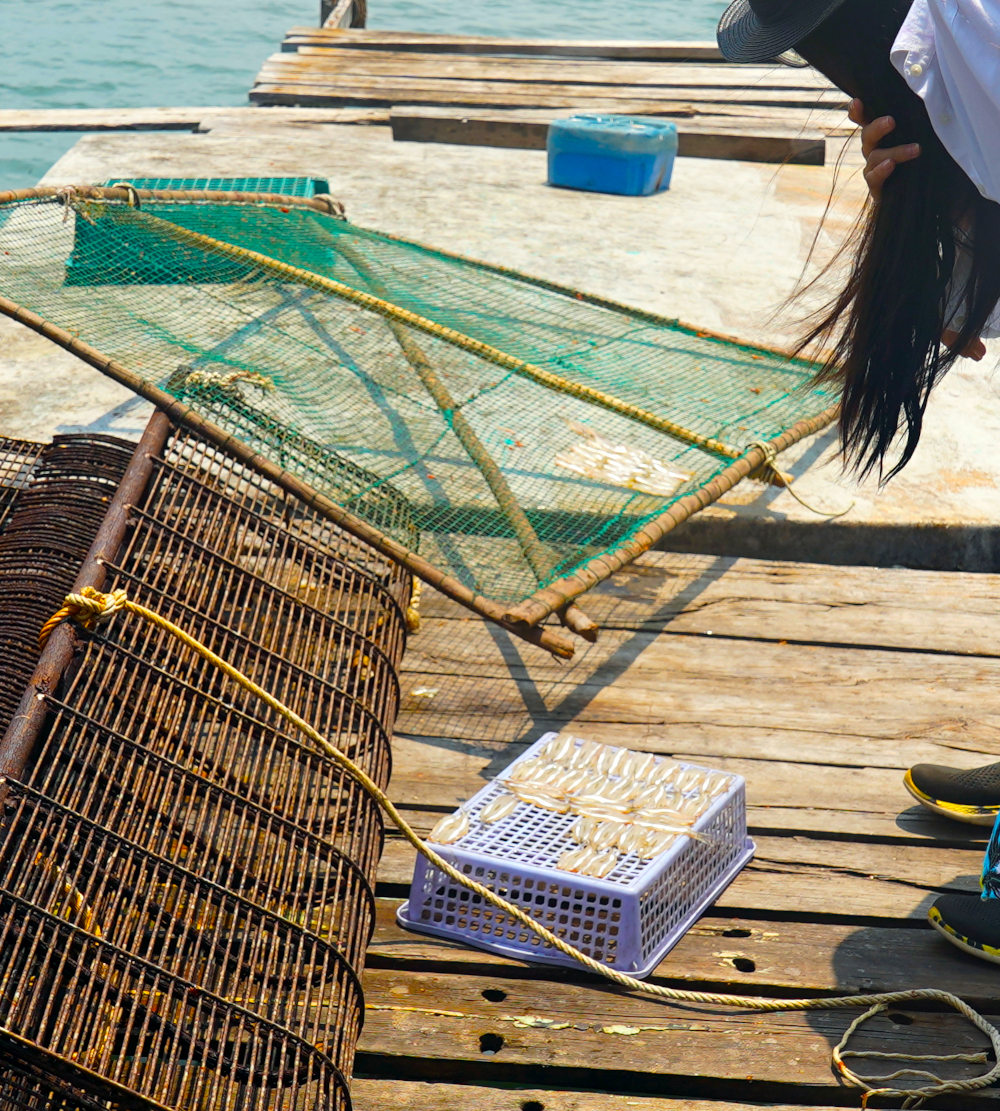

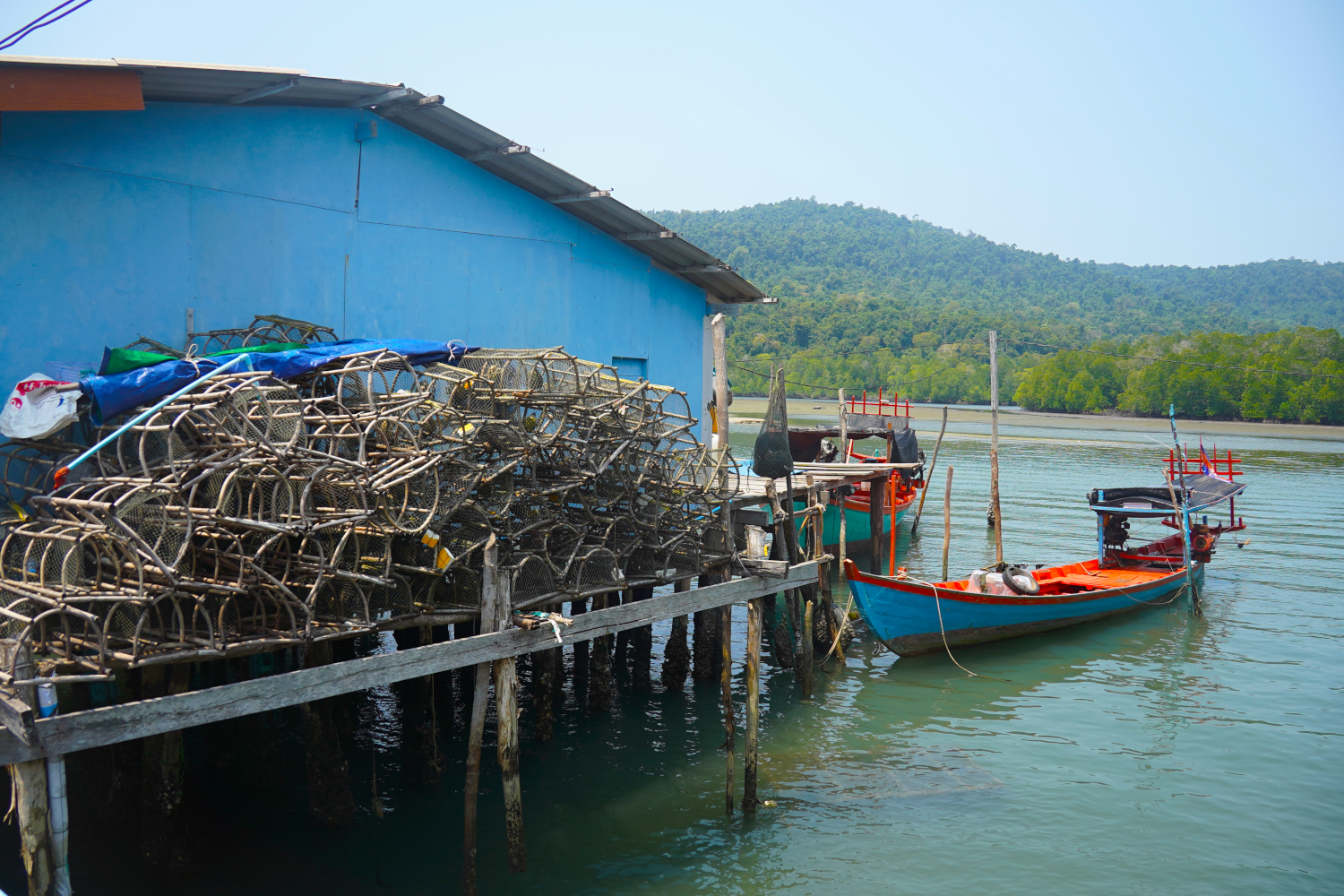
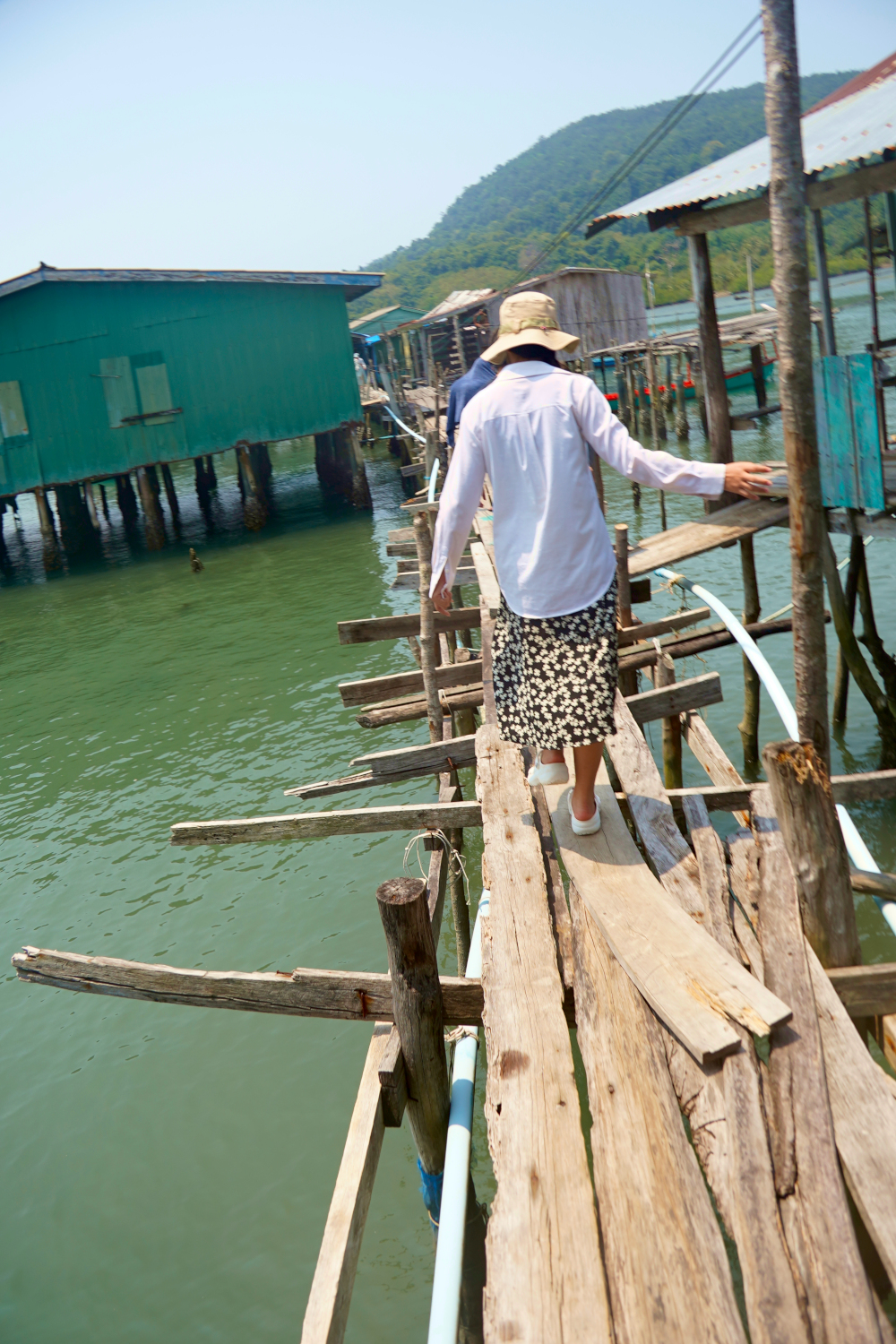
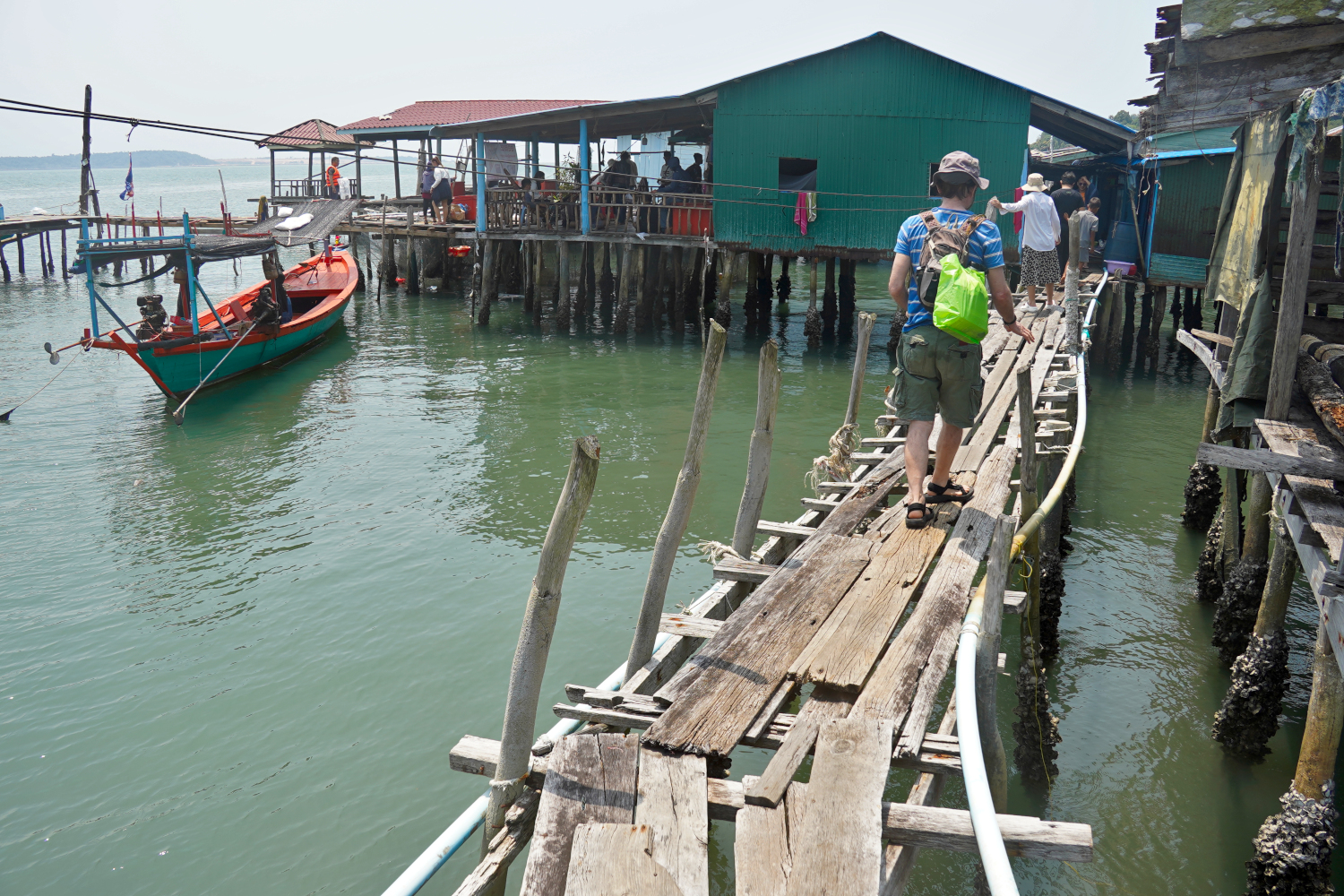
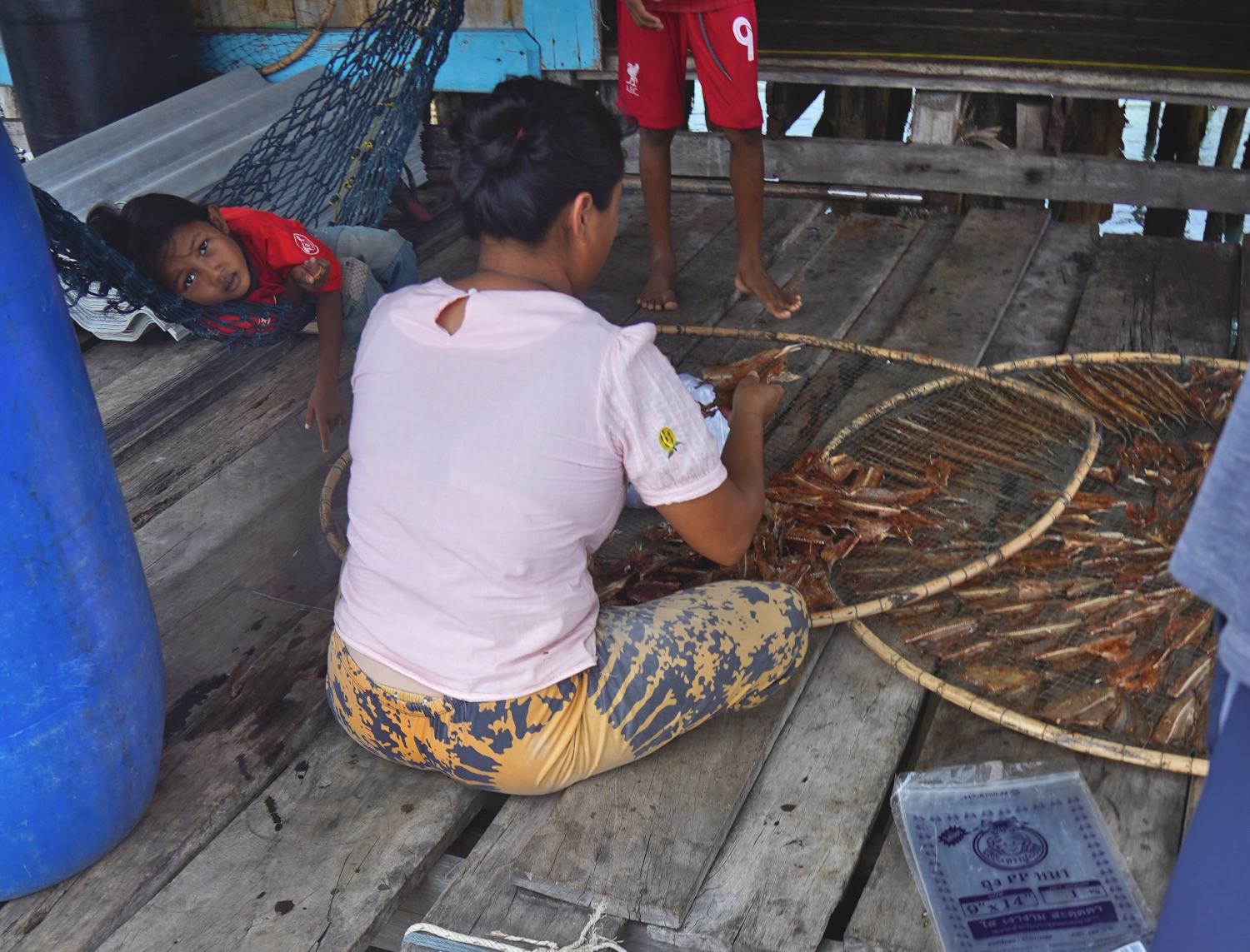
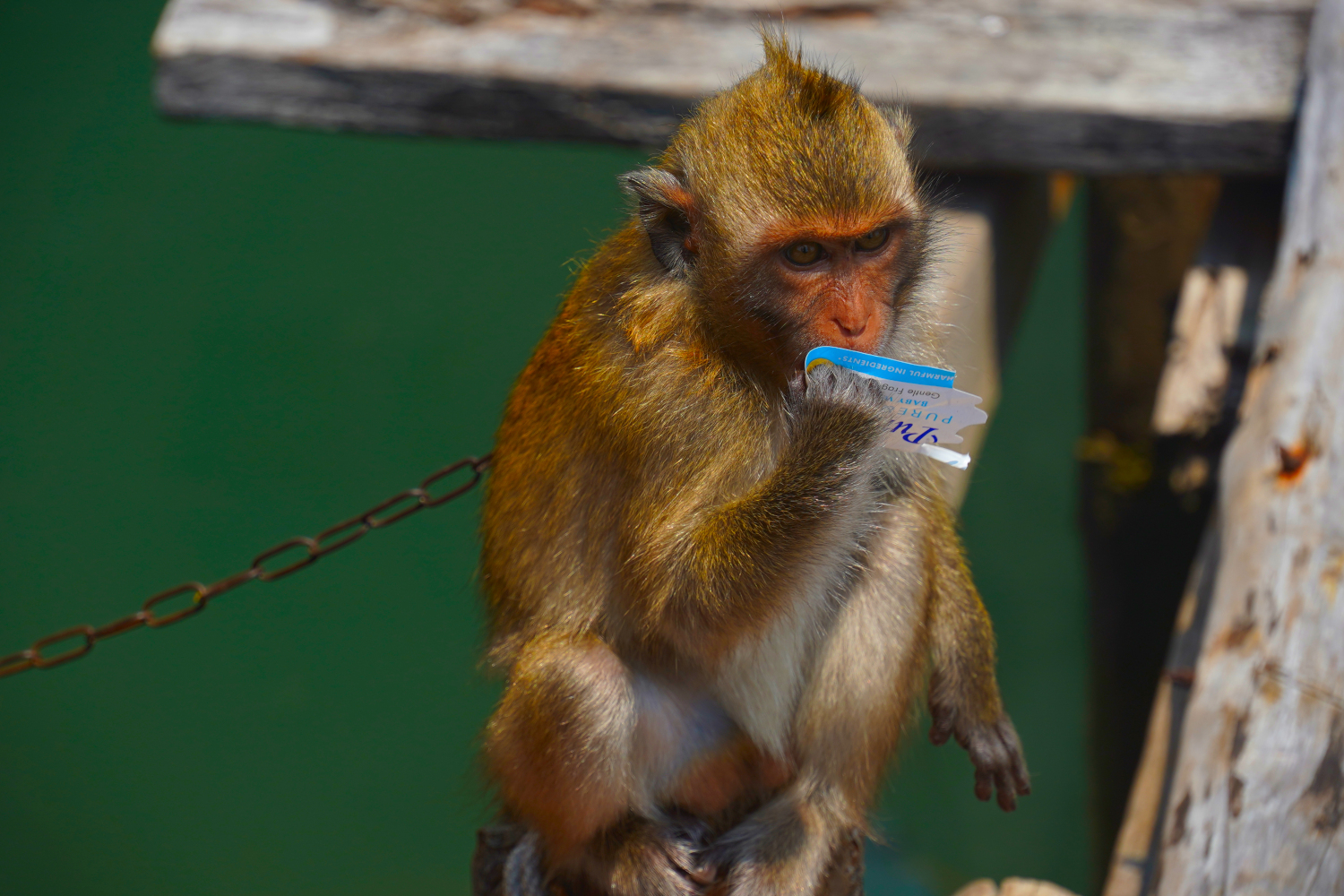
The locals, however, skip across the sketchy timber as if their heels had wings. They all seem to carry a mental map of where the weak spots are and where the (relatively) safe spots are. Even the kids strut like gangbusters across these booby traps with impunity, as if they were avatars in a video game. Growing up on wooden platforms, these youngsters may not be able to play in the grass, but having the sea for a front yard is not a bad compensation.


One kid, the son of our pilot, trails along with our party as we thread our way through his waterborne shantytown hometown, apparently eager to offer his assistance if needed. He no doubt is hoping somebody will cross his palm, as probably happens sometimes when strangers visit.


Making our way all the way to the other end of the village (without anybody breaking the sidewalk, or vice versa) we settle upon a little stand that sells produce and also cooks meals, to order some lunch. At least others in our group order lunch; we still have our own munchies packed along. We all wait at a table out back, overlooking the water, as the food is cooked. When it’s brought out, someone offers some to the boy, lurking nearby, who eagerly accepts.
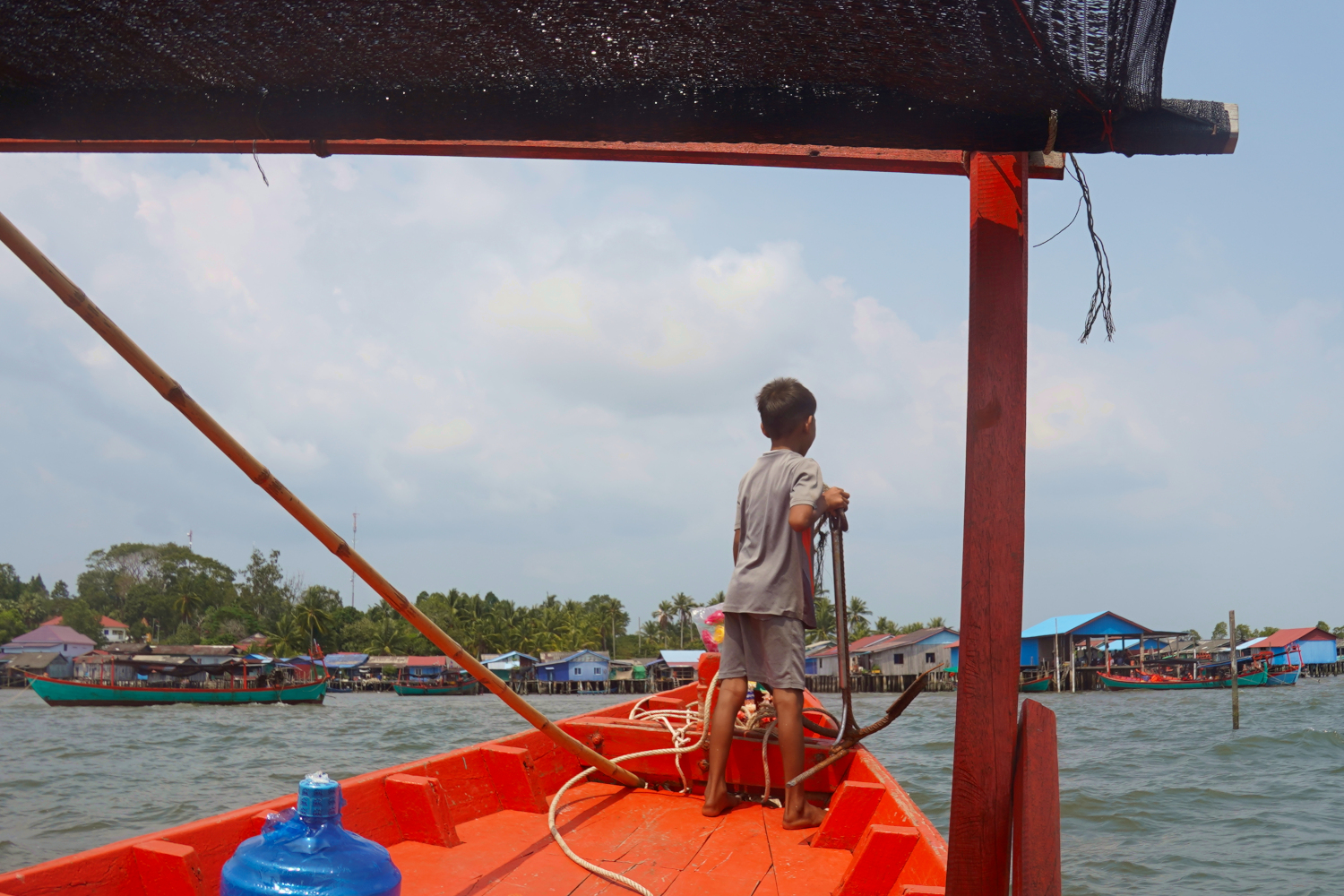
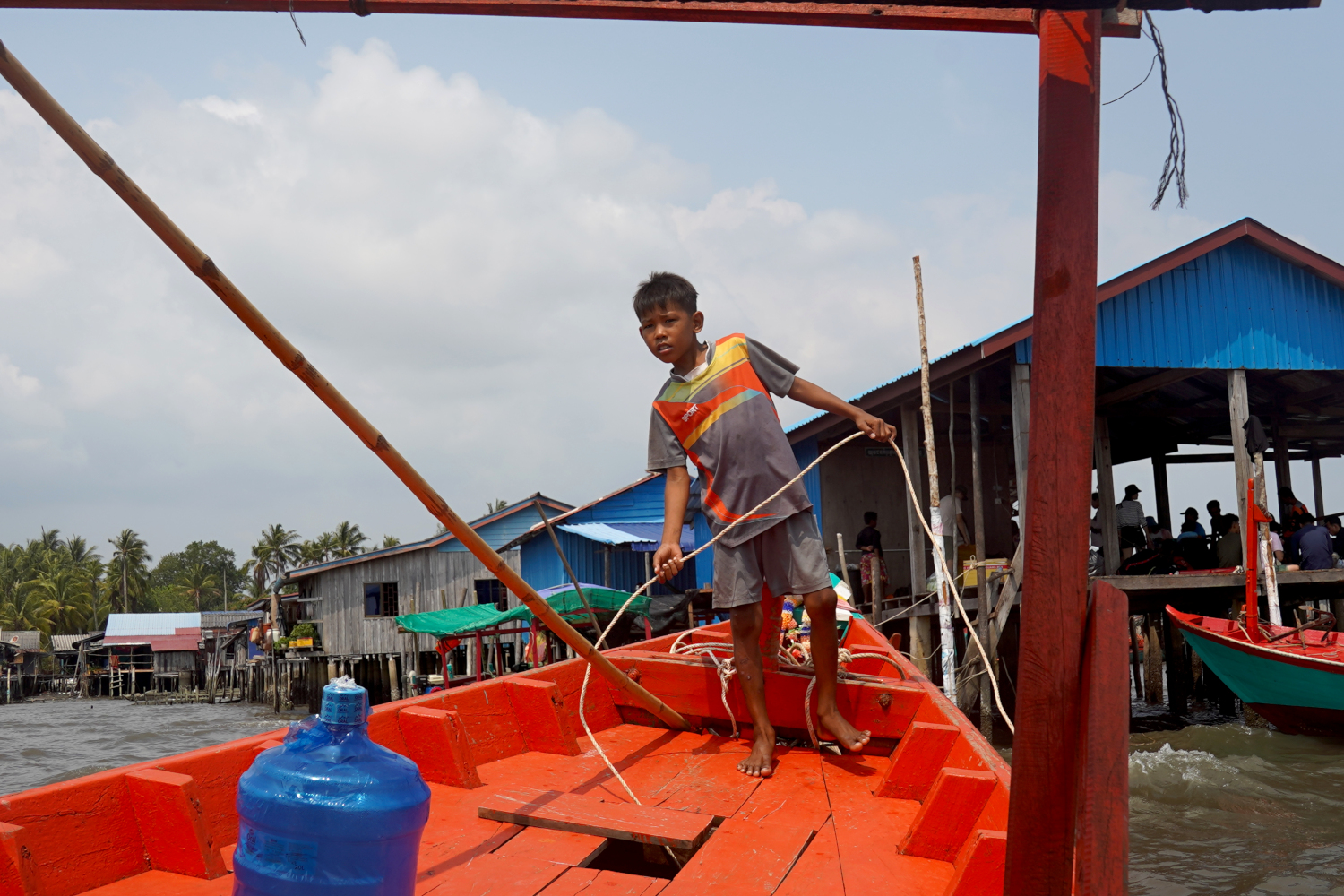
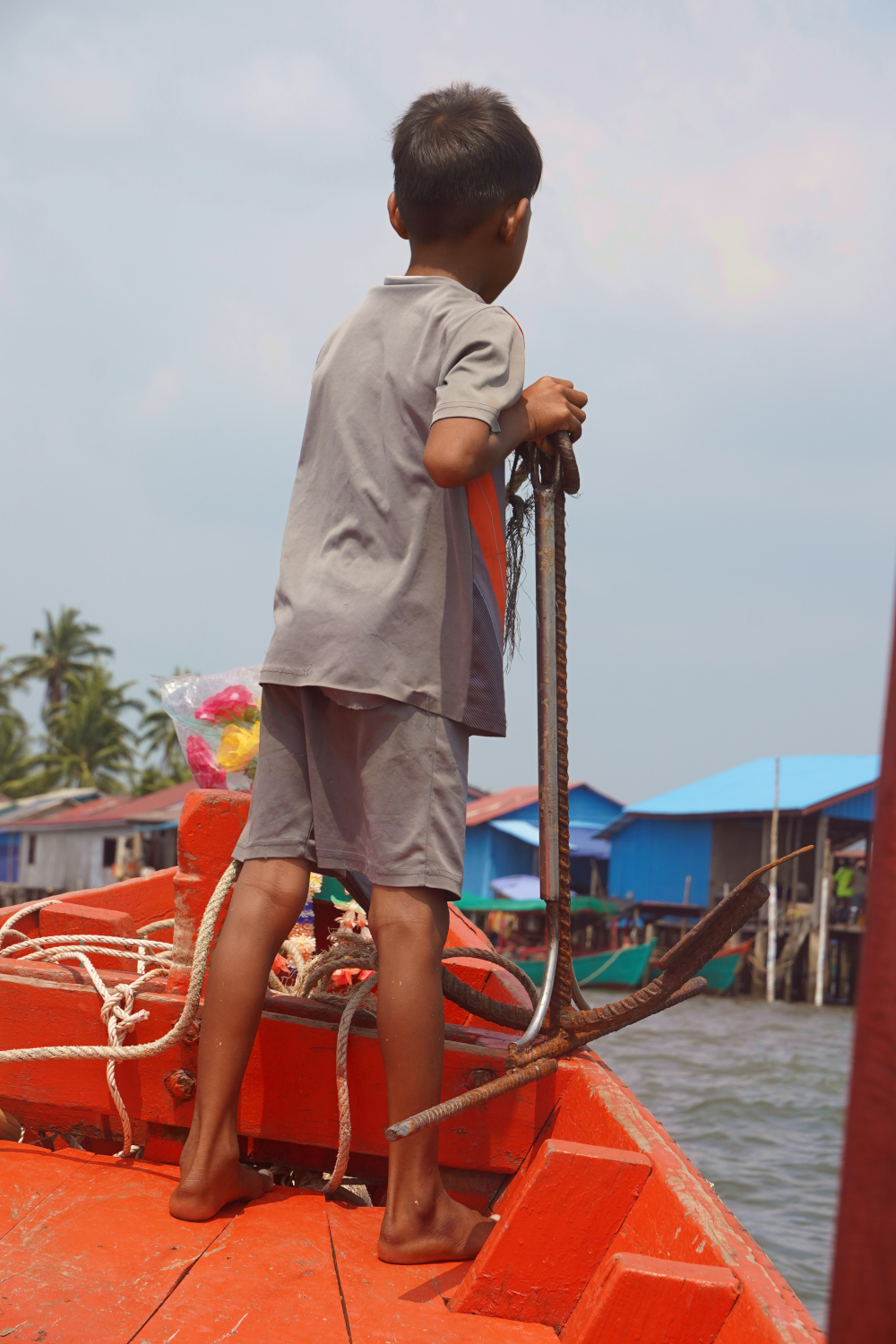

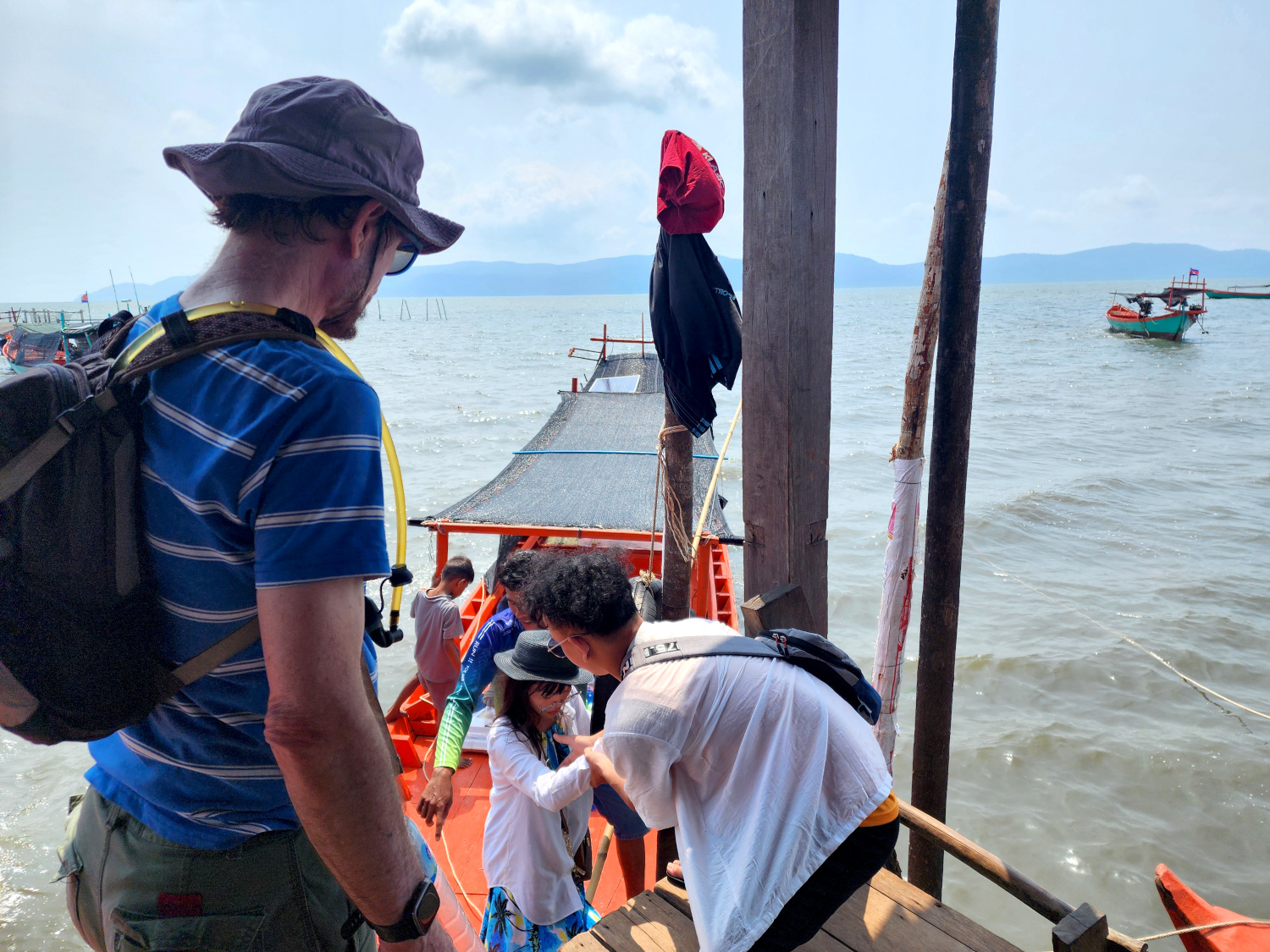

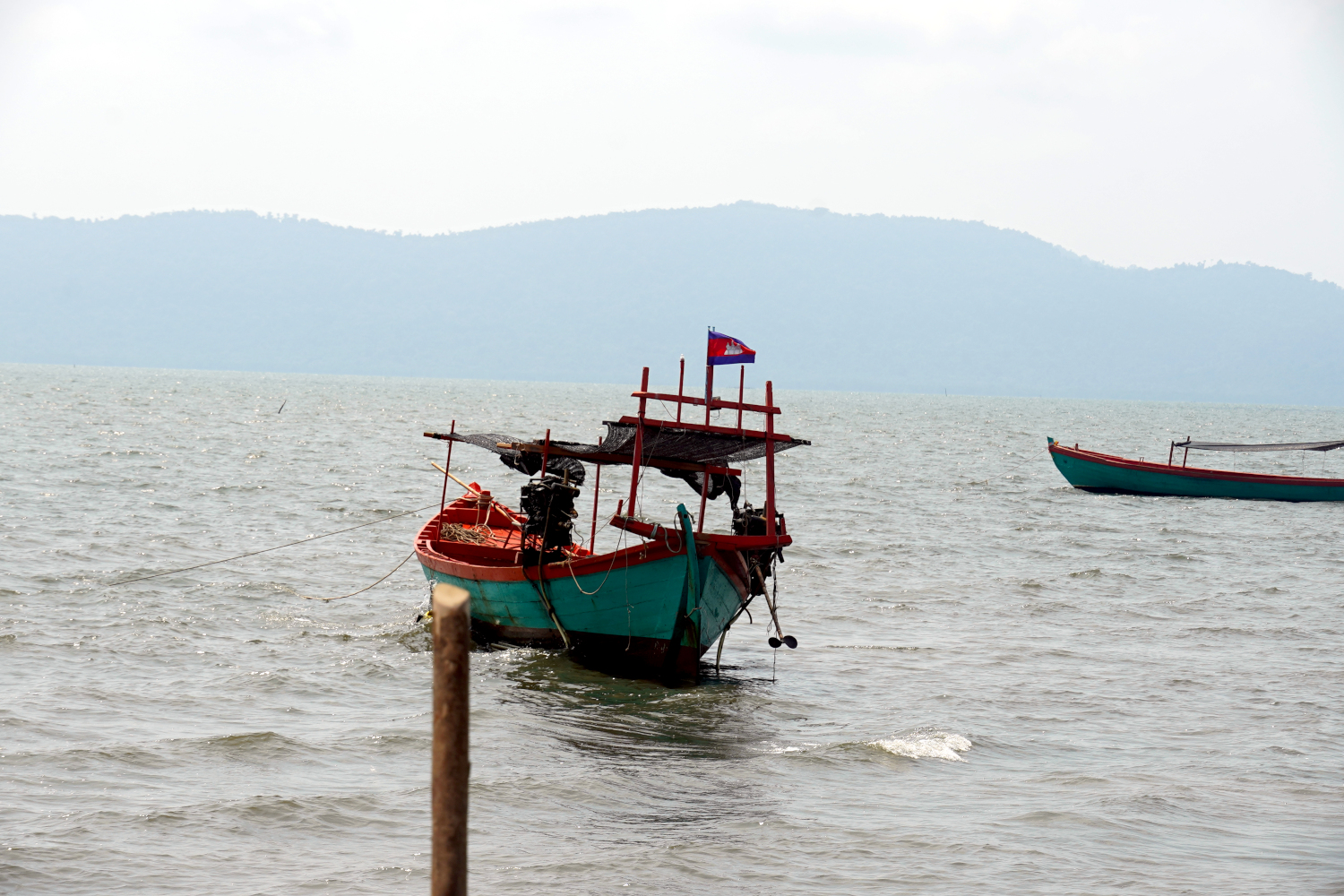

Finally the pilot brings his boat around to get us, and we say goodbye to the island, and head back to the mainland. In the little seaside village where our car is parked, we wait to use the WC one more time before hitting the road. There is a bit of a line at the toilets, in part because some of them also contain shower stalls, and some people are taking advantage. There is, as you’d expect, a charge for all these services, and a young man is stationed out front with a can of change to collect the toilet toll.
Then we pile into the car and head back to Phnom Penh, a 6 hour return drive, since we take our time and make some leisurely pit stops. As for the two of us, we know that we’ll have to return to this island or another in the near future. And we know that we’re going to have to indulge in some more snorkeling sooner rather than later.

3/17/2024

 world travel with a theatrical flair
Leave a comment