

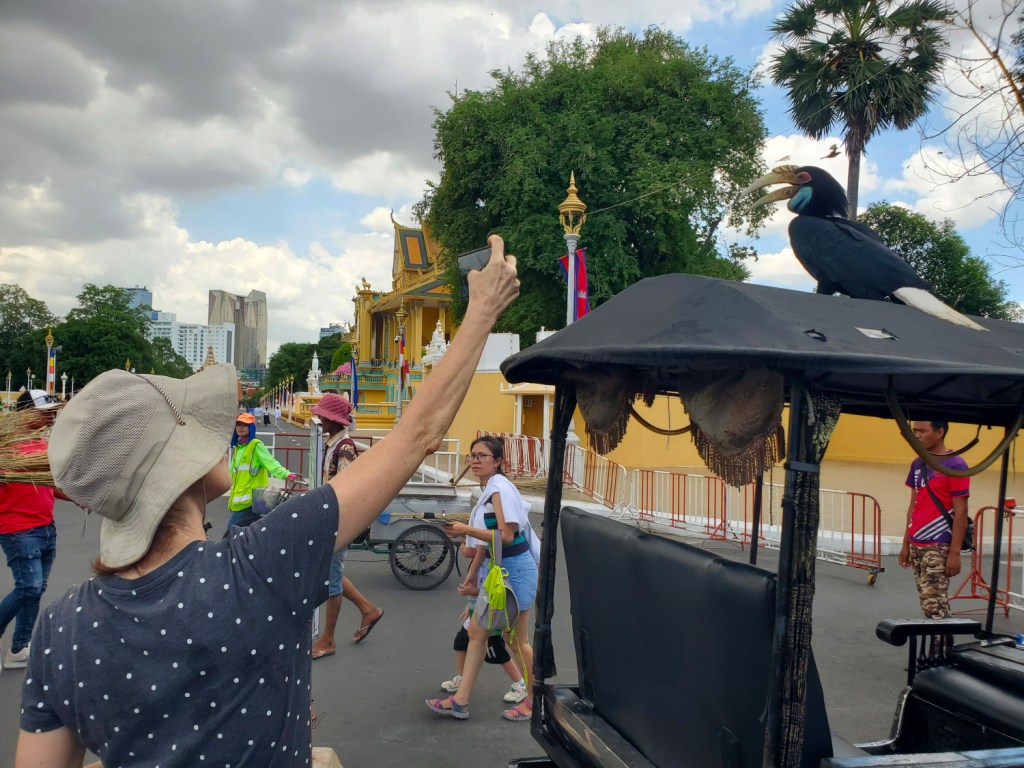
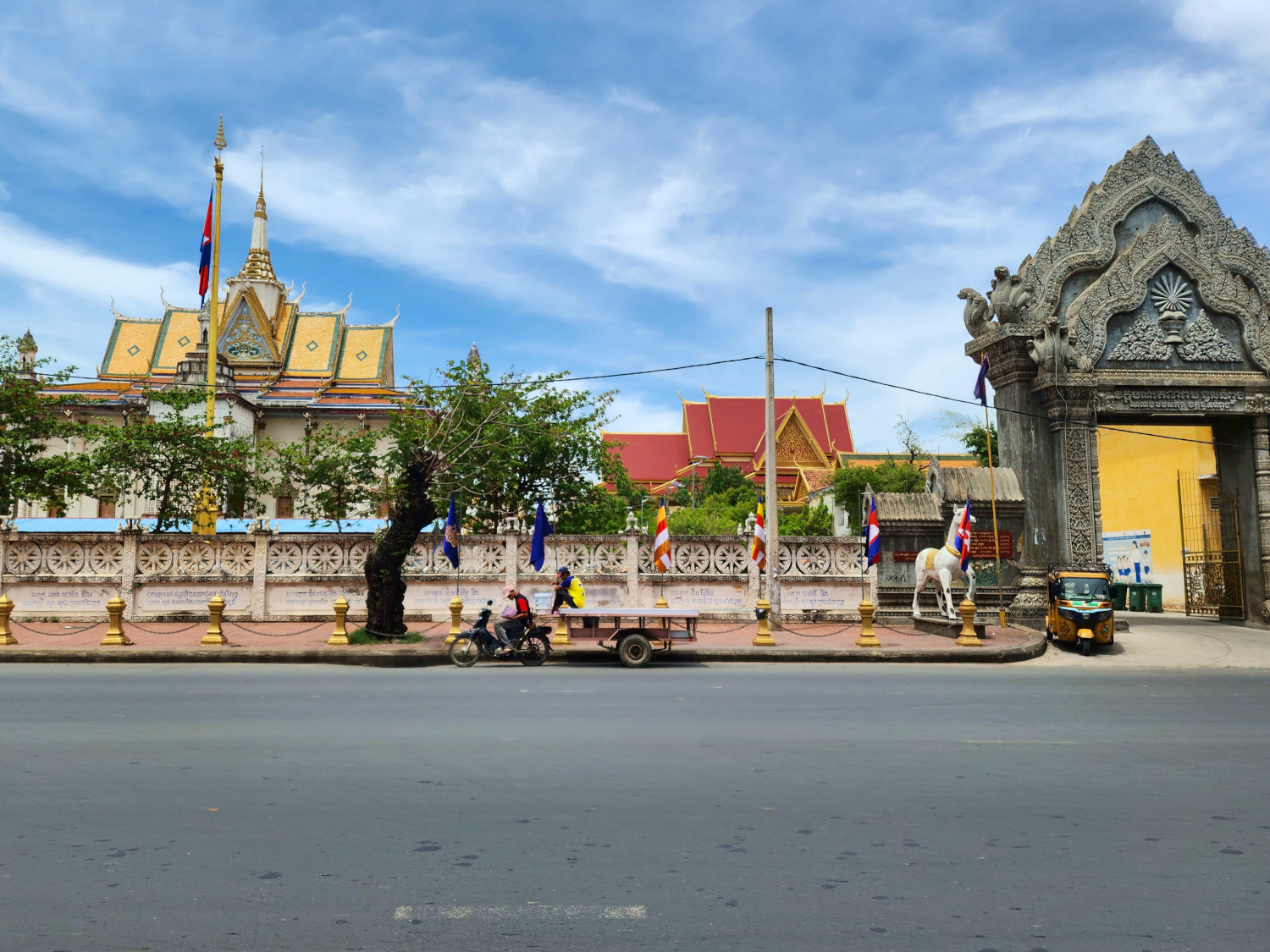
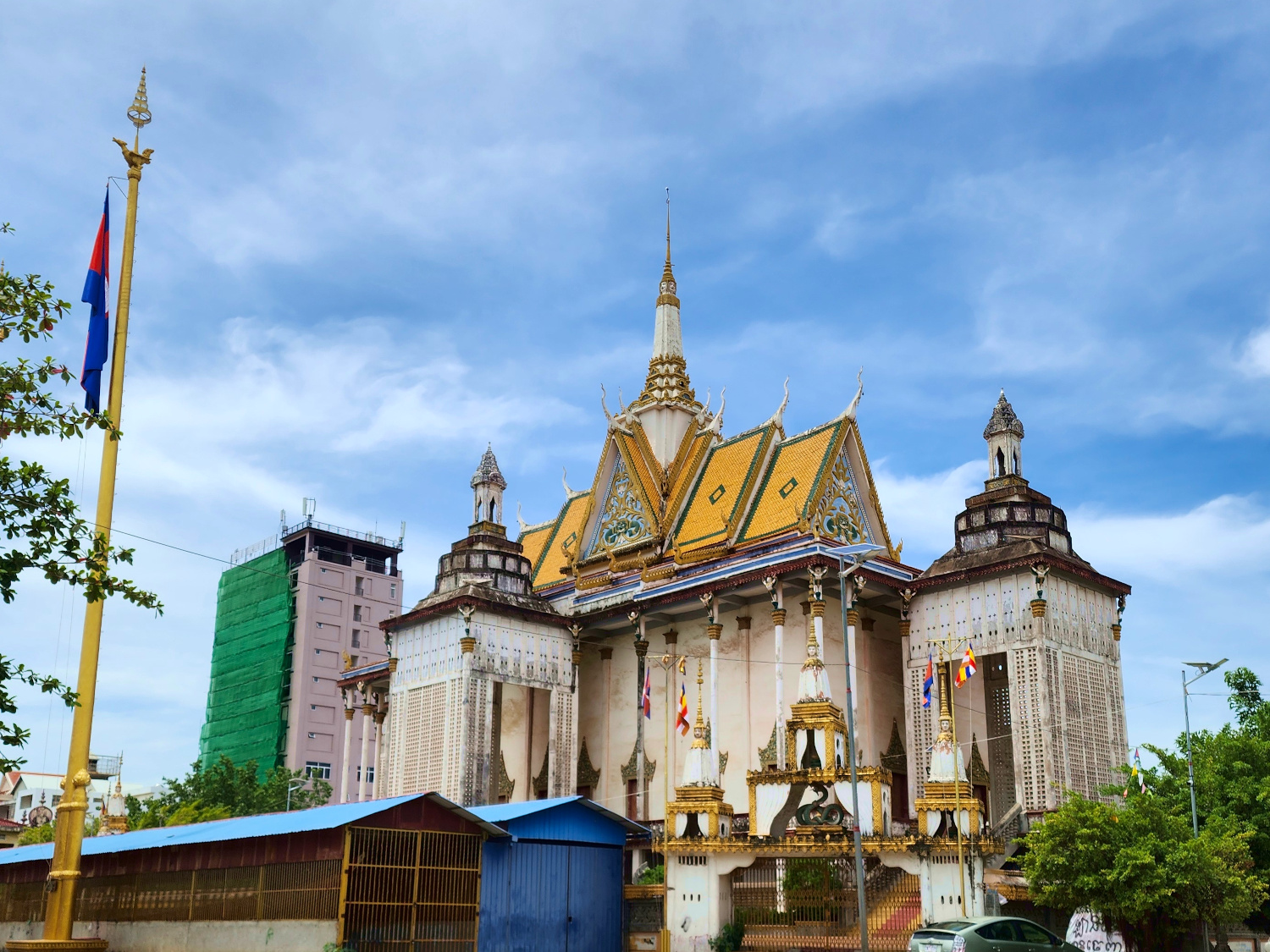
The neighborhood around Russian Market in Phnom Penh is a colorful community that blends the traditional and the contemporary, the Eastern and the Western. In addition to Russian Market itself (an old, very large and very popular bazaar with vendors offering an eye-popping variety of goods), there are several great vegetarian restaurants a short walk away. There are also many kinds of stores, including grocery stores, clothing stores, bakeries, and a stationery/ school supply store. And if you’re spoiled by western junk food, you can also find a 7-11, a Pizza Hut, a Cold Stone Creamery, and a (recently added) Dairy Queen. (There is not, however, a single McDonald’s in all of Cambodia.) Oh and there are lots of coffee shops. All over the city, in fact. But especially in this neighborhood. Starbucks is among them, but most of the others are a notch or two above, and some are downright elegant.
Just recently, the neighborhood even had added a couple of laundromats, the first we’ve seen anywhere in the city. Normally, even if the locals are lucky enough to have washing machines, they dry their clothes on a rack; clothes dryers are a luxury available to few, so these laundromats are really a modern miracle. Even commercial laundry places hang their clothes up to dry — sometimes we’d see these racks right on the street, perhaps gathering dust from the traffic.
Dennis, the family grocery shopper, would go to the marketplace for produce first thing every Sunday morning, before the weather warmed up and the crowds got thick. Initially, this meant a trek to Russian Market; but then we got a tip from a local about another market that is less well known but just about as close, and considerably cheaper. (Russian Market is popular with tourists, and the vendors adjust their rates accordingly.) At this market, it’s possible to bag a week’s supply of fruits and vegetables for two at an average of about 15 to 20 dollars, compared to the 25 to 30 dollars at Russian Market.



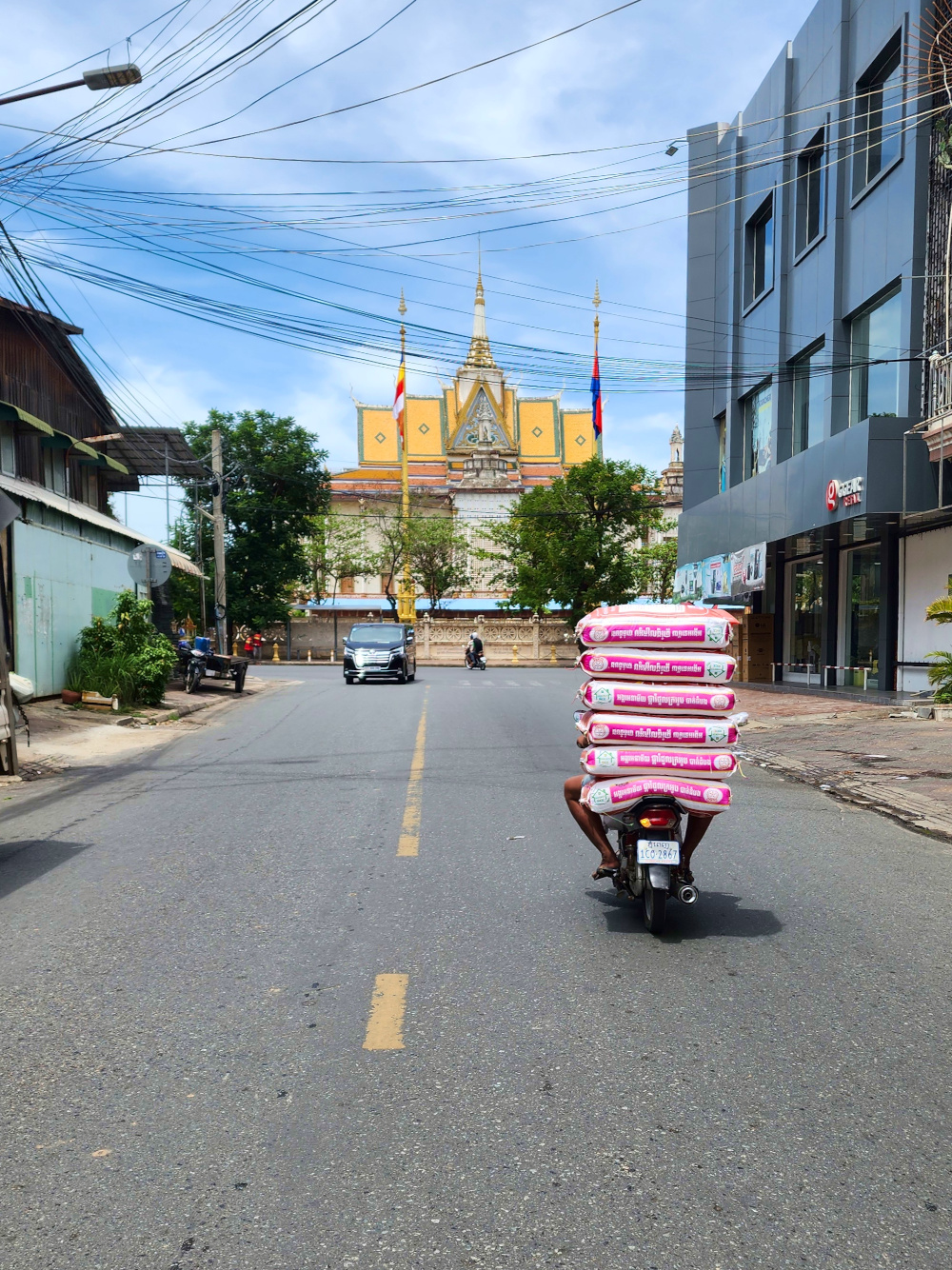
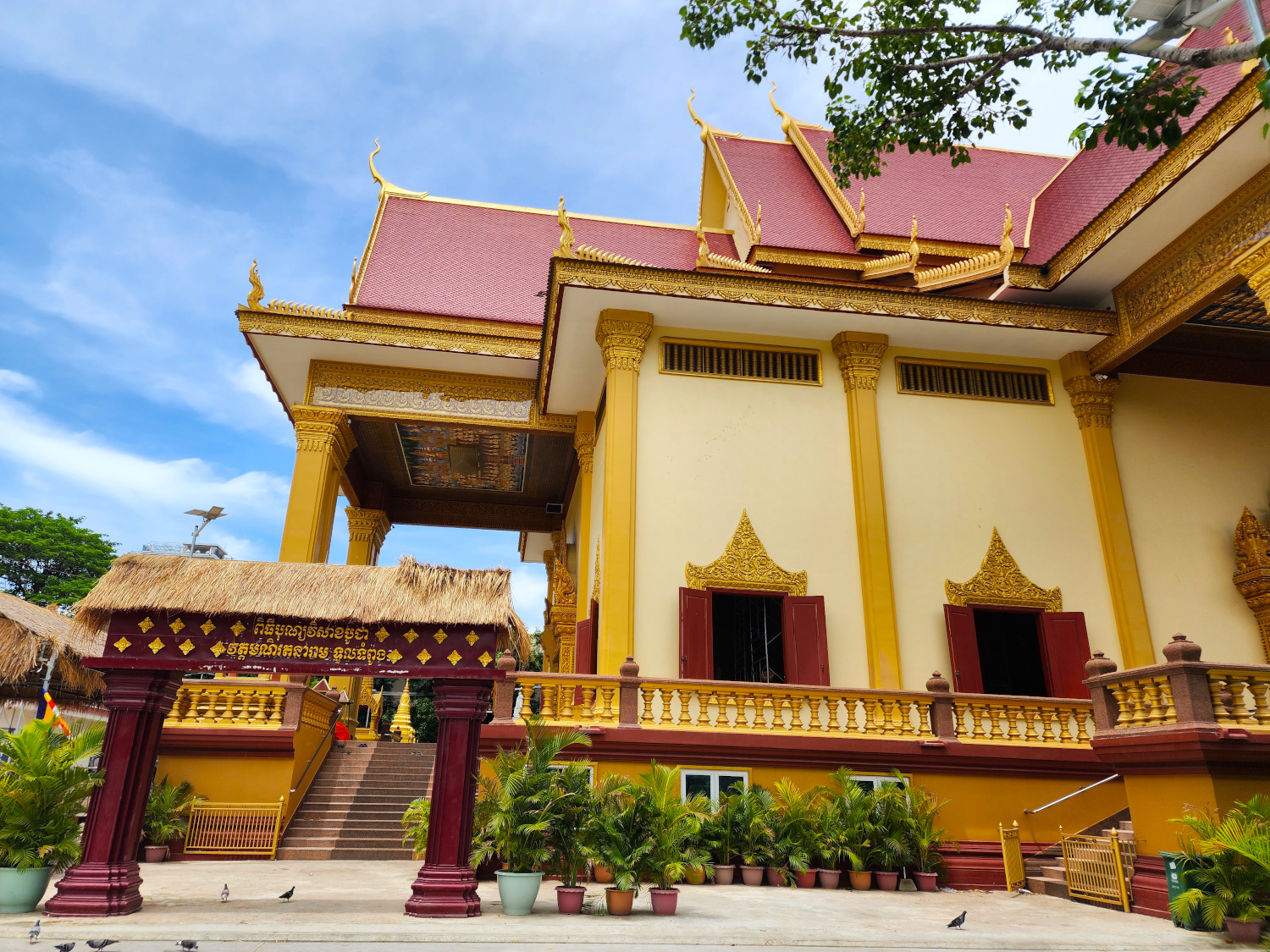
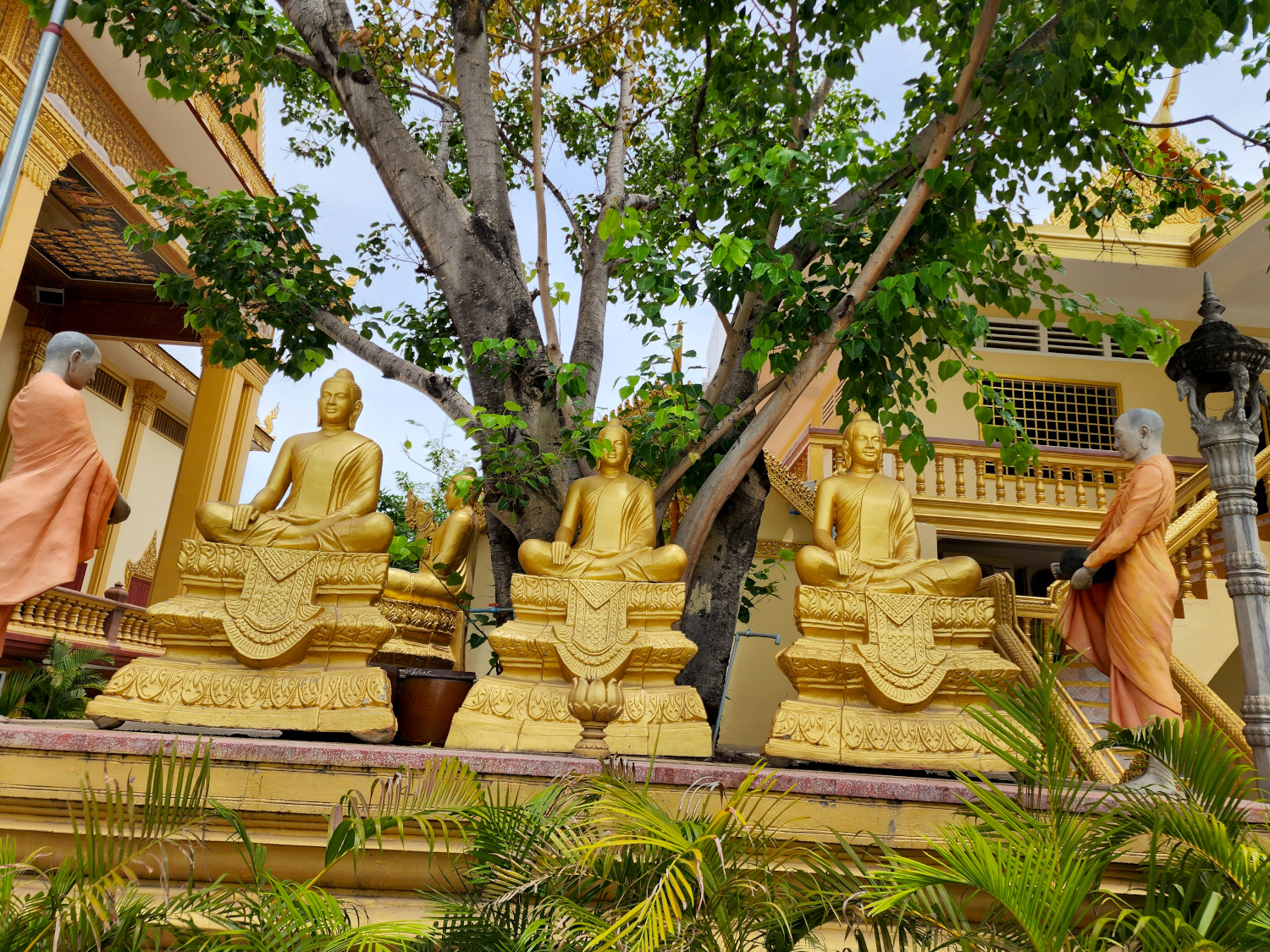

On Saturday morning, he’d head to one of the little “supermarkets” that catered to westerners, and stocked things that are not available at the marketplace, and that most Cambodians don’t buy: oatmeal, yogurt, olive oil, nuts, toilet paper, etc. And Kimberly developed an addiction to plain soda water (Schweppes), and drank a can of it religiously every afternoon. It was a refreshing cool drink in hot weather, with no added sugar or laboratory abominations. And we both developed a fondness for a certain type of ice cream bar containing black beans, and we would keep a supply of those on hand too.
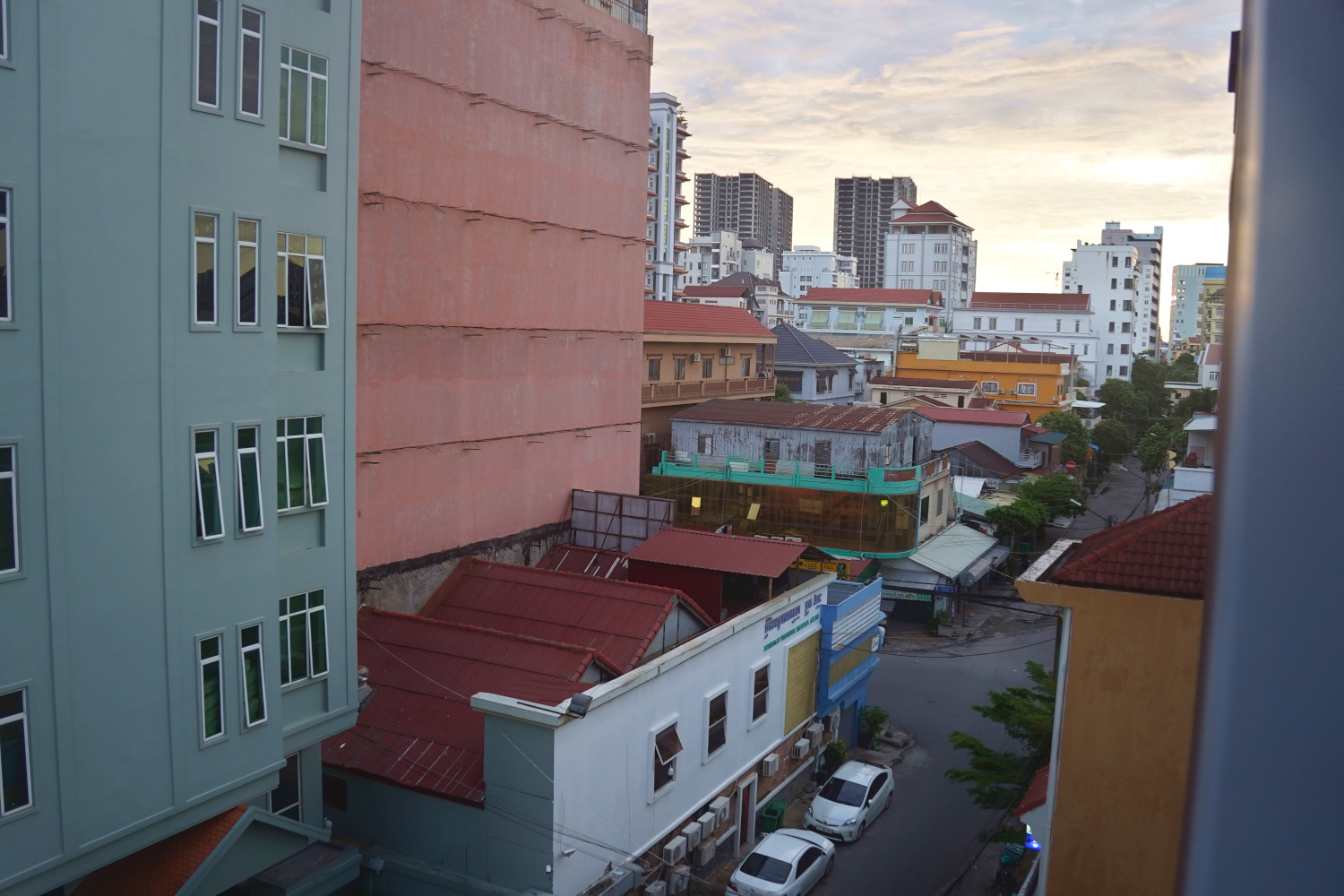
But even though the neighborhood is full of activity, most of the streets are narrow, and don’t get a great deal of traffic. So things are pretty quiet at night most of the time, except for the occasional party with amplified music. Our balcony looked down on one of these narrow side streets, at a building which is, as best we could make out, a hostel or homestay of some kind. There was no sign, but we would see groups of people coming and going with bags, and delivery trucks pulling up — sometimes with many huge jugs of drinking water. The little courtyard is behind a gated fence, and an attendant has to come and let people in. Sometimes we would see a group of people eating at the table in the courtyard. It all would have us scratching our heads and speculating.
A couple of doors down is a coffee roastery with the cute name So Wat –“wat” is the Khmer word for temple, and the word figures frequently in the names of historic sites and attractions. On some days the aroma from that establishment would be enough to make us sleepwalk
There were a couple of tuk-tuk drivers, one in particular, who seemed to more or less live in the driveway across the street. Literally. One of them even would hang up a hammock to sleep in at night. This is not at all a rare sight in the city. Nor is it unusual to see guys taking a rudimentary bath by hosing themselves off at an outdoor faucet. Or creating their own toilet by just peeing on the street in some semi-discreet location.
Another thing we like about the neighborhood is that it’s only a 10 minute bike ride from our school, where the final quarter of the school year was getting underway. As mentioned previously, Kimberly somehow ended up being the P.E. teacher this year in addition to her other teaching duties. During the last quarter, Dennis volunteered to help her out by teaching basketball. Which was a challenge for several reasons.
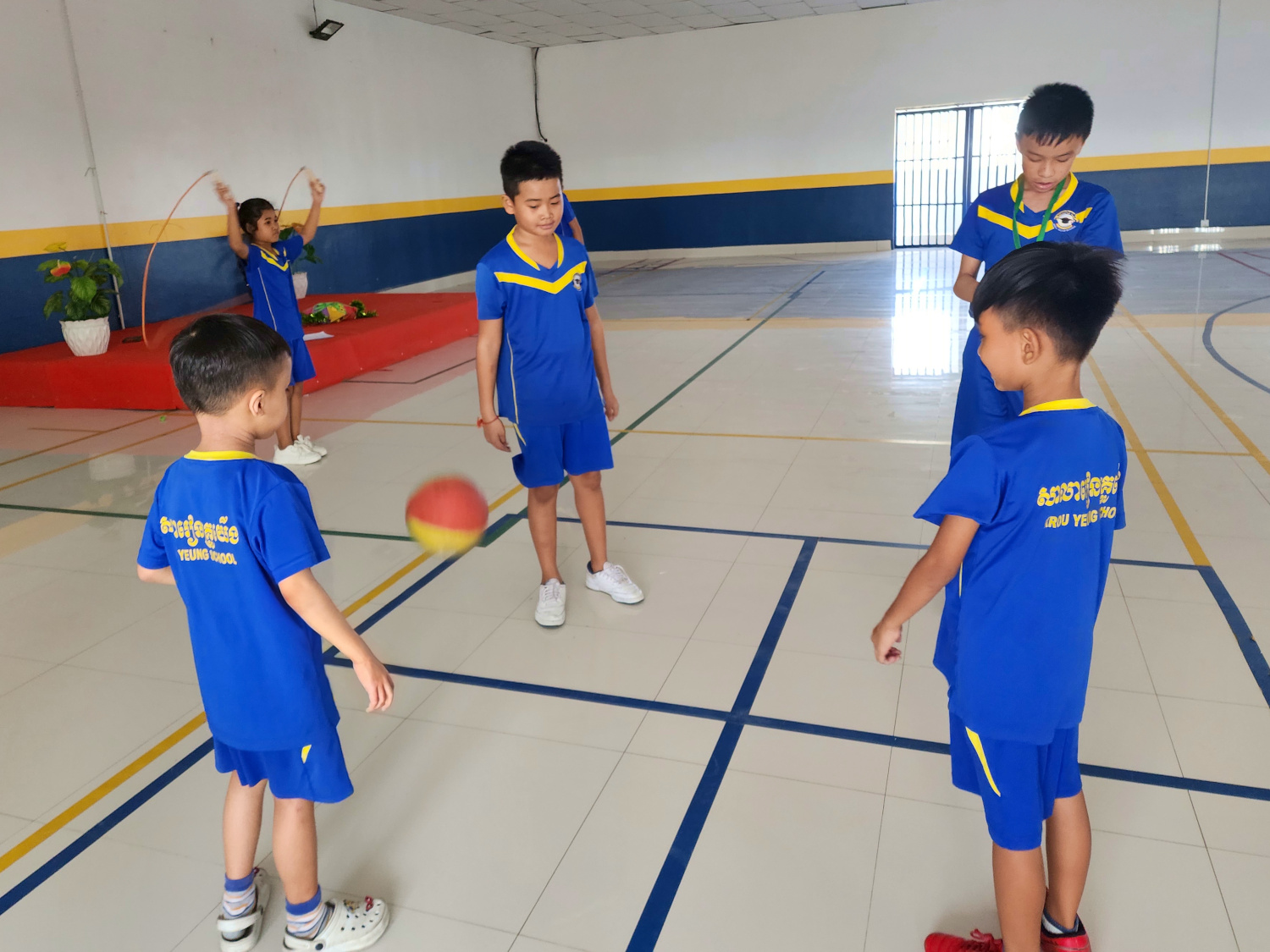
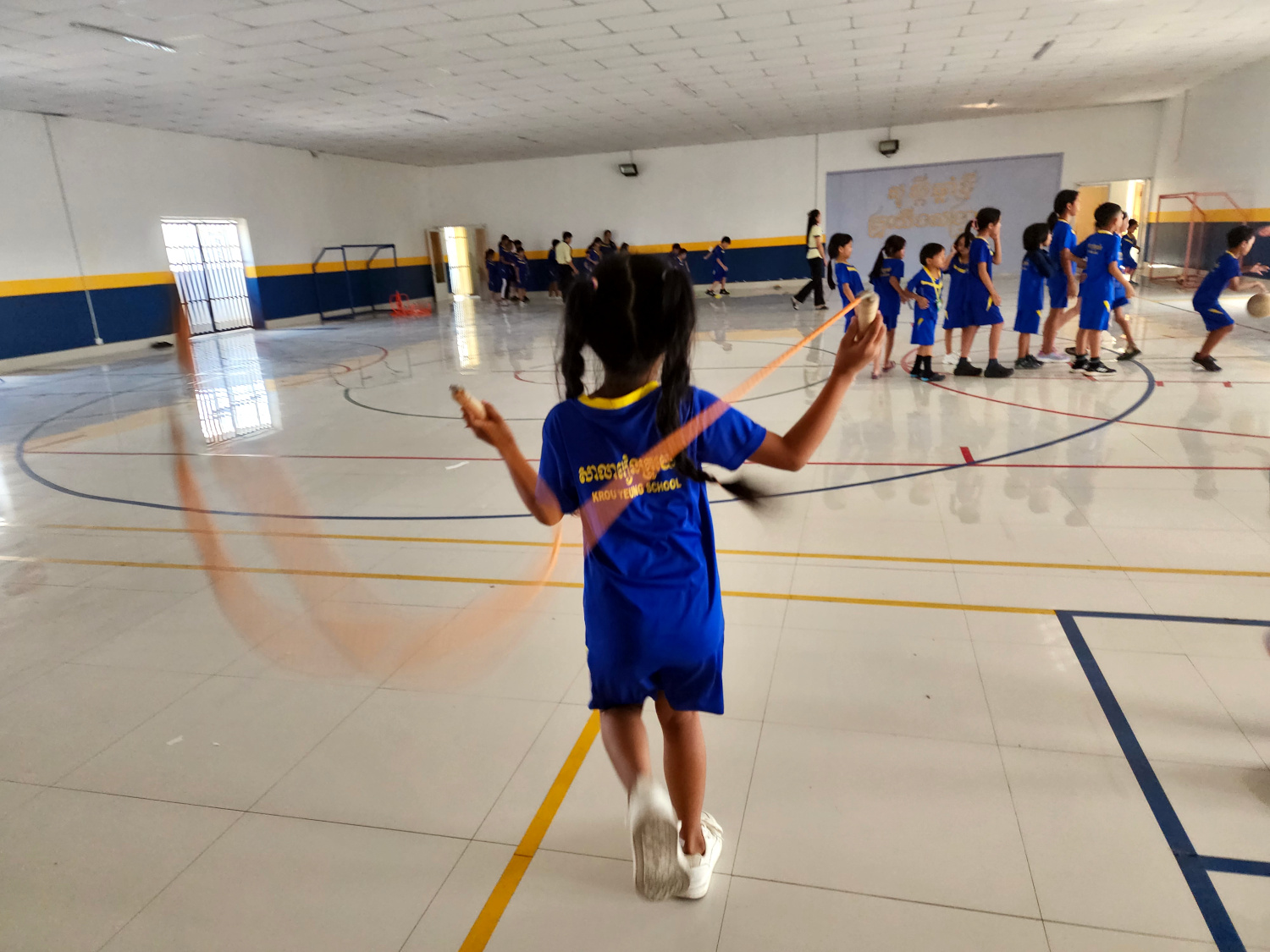
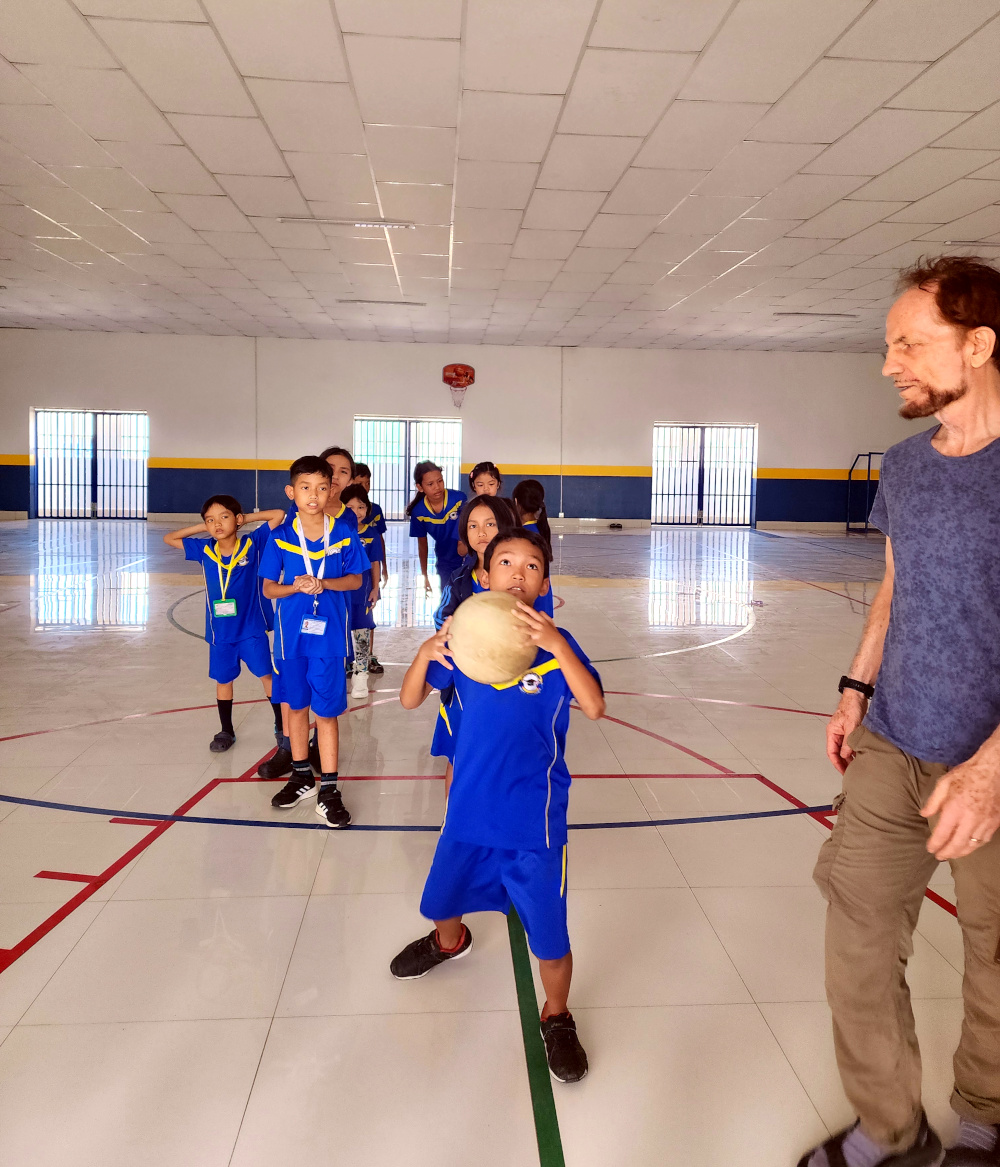
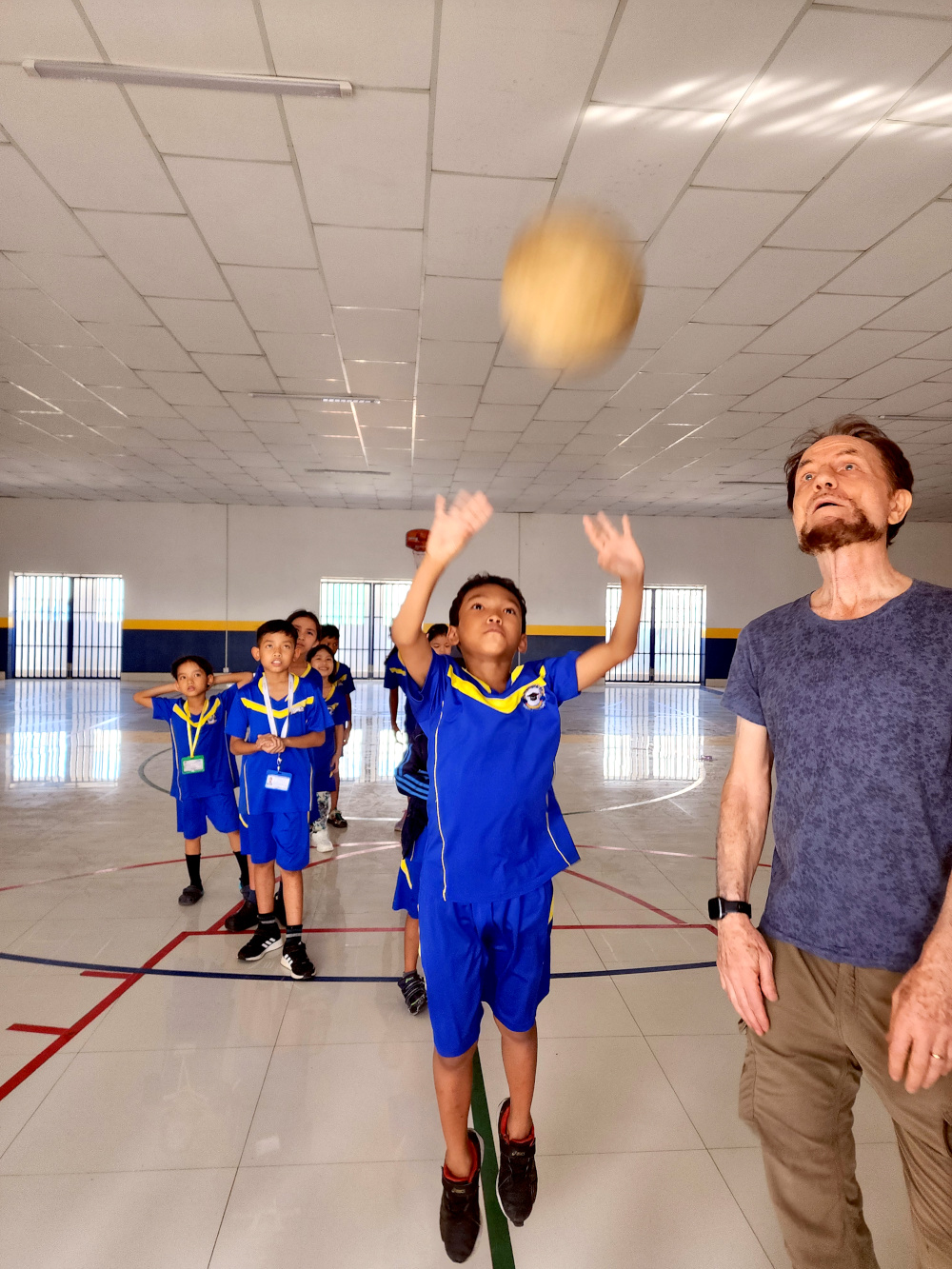
First, there were no basketballs — just some other balls that we would use as substitutes. There were goals, but they were not in very suitable, being neither of regulation size nor of regulation height, and they were bent downward. Plus, while one group would be learning basketball (on a rotating schedule) other students would be doing other activities at the same time, and the gym became quite raucous with its horrific acoustic properties. Finally, the students, being elementary school kids, were highly impatient; they wanted to be Michael Jordan right at the get-go instead of wasting time on such frivolous things as learning to dribble and shoot.
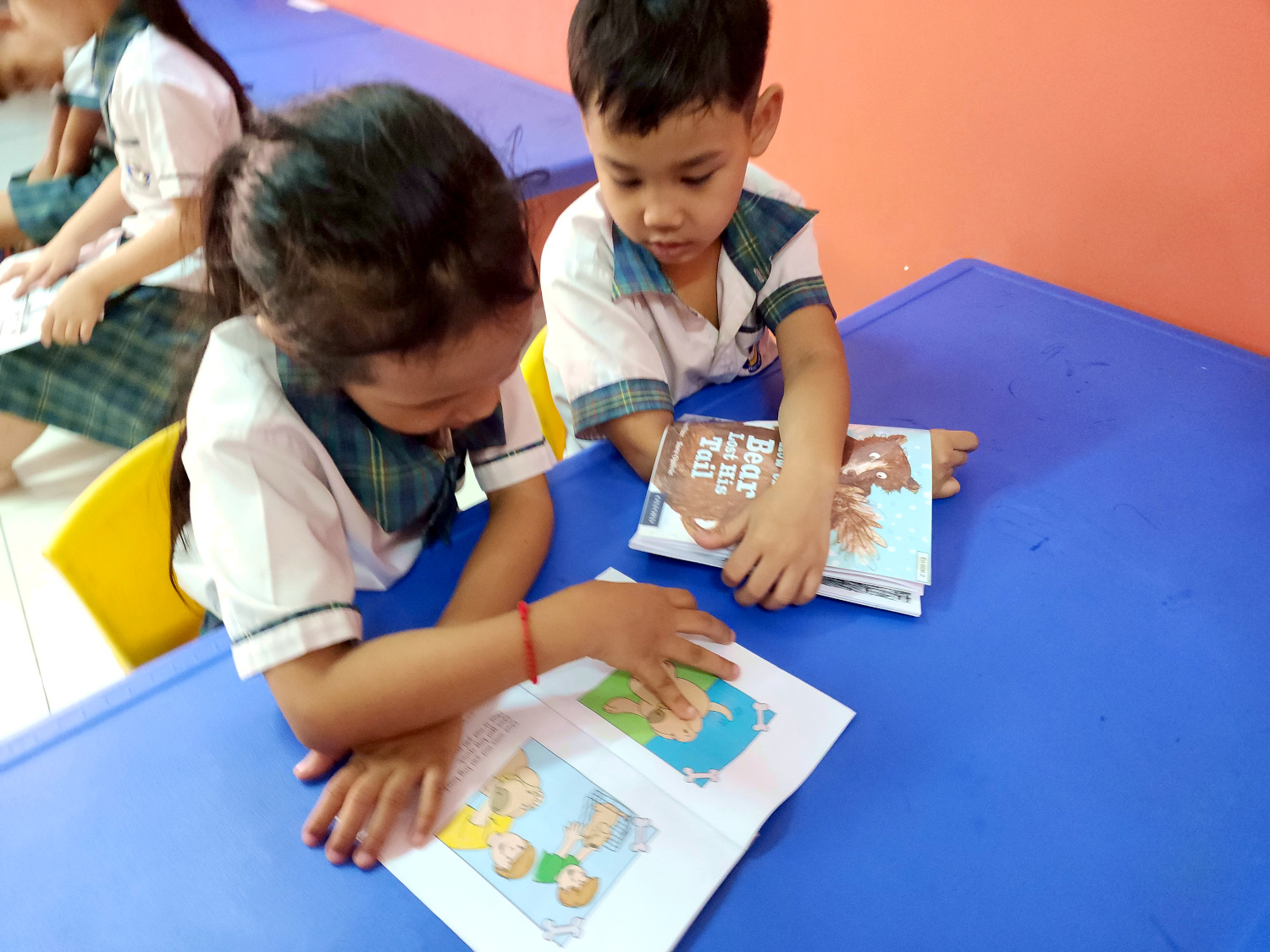

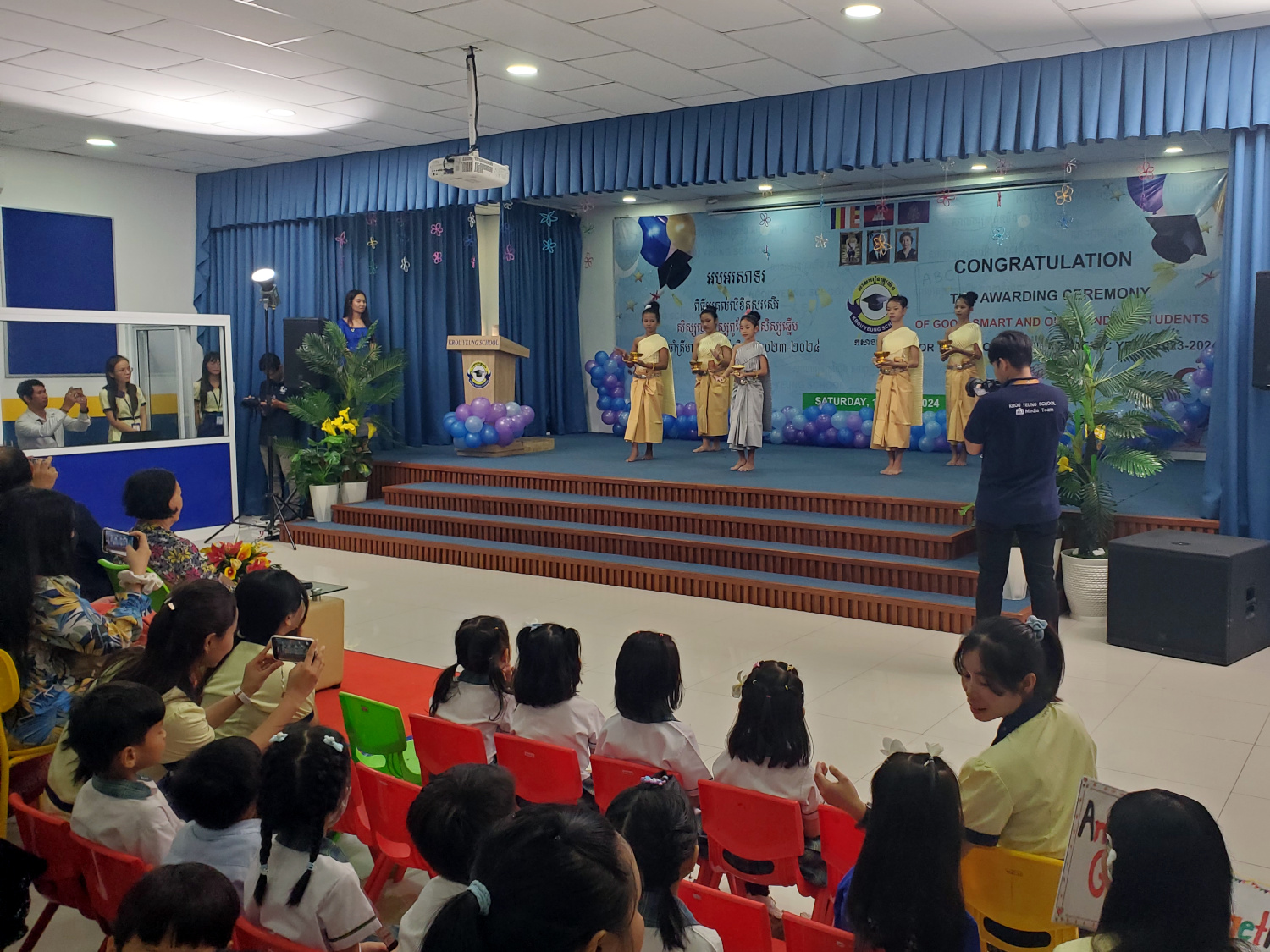
In June the school held an awards ceremony, attended by parents, even though the end of the quarter and the term had still quite a way to go. The highlight of the event was a performance of Cambodian dancing in traditional clothing by a group of girls from the upstairs branch of the school. They’ve done a similar presentation on other occasions, and always are fascinating to watch.
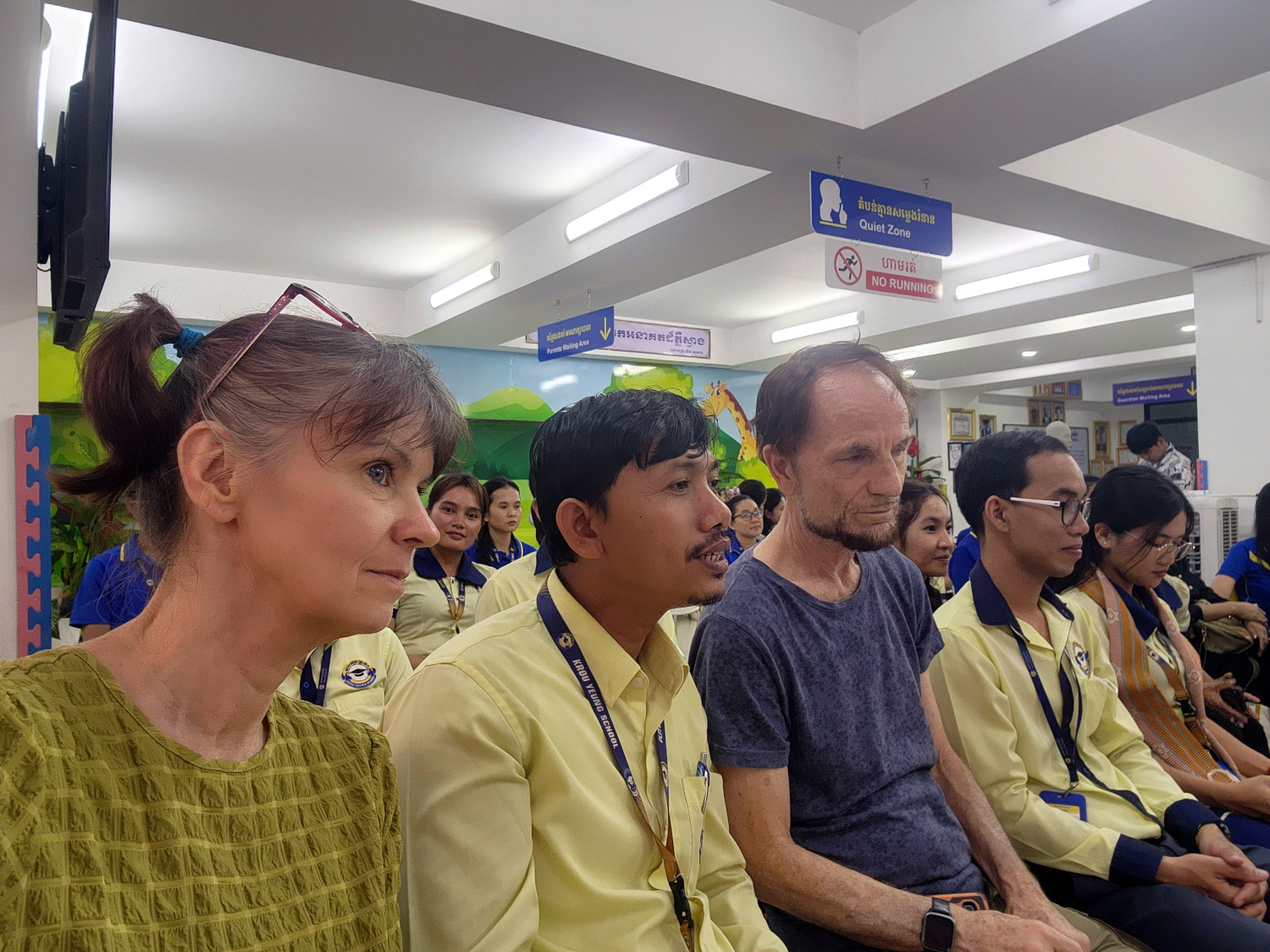
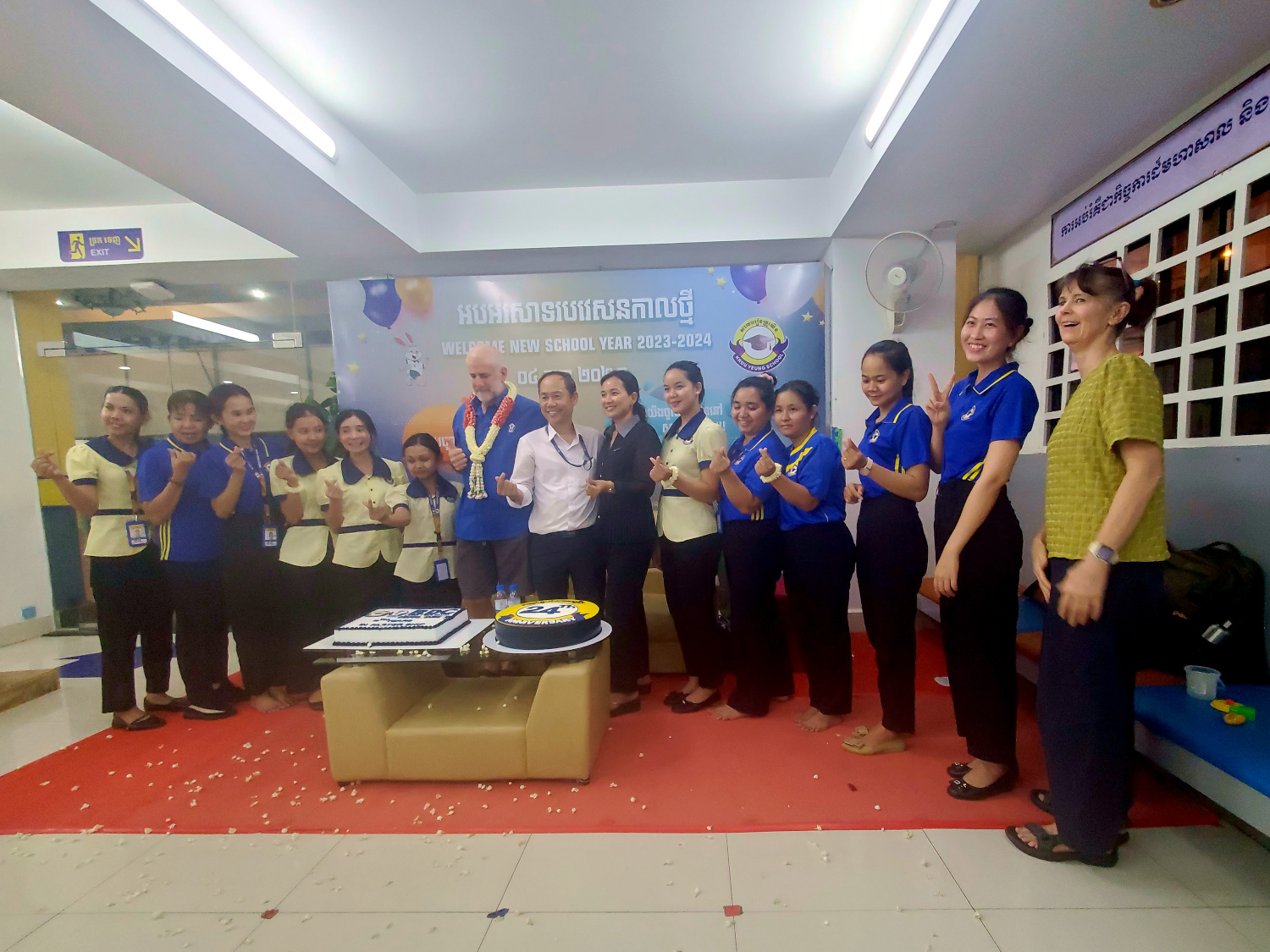
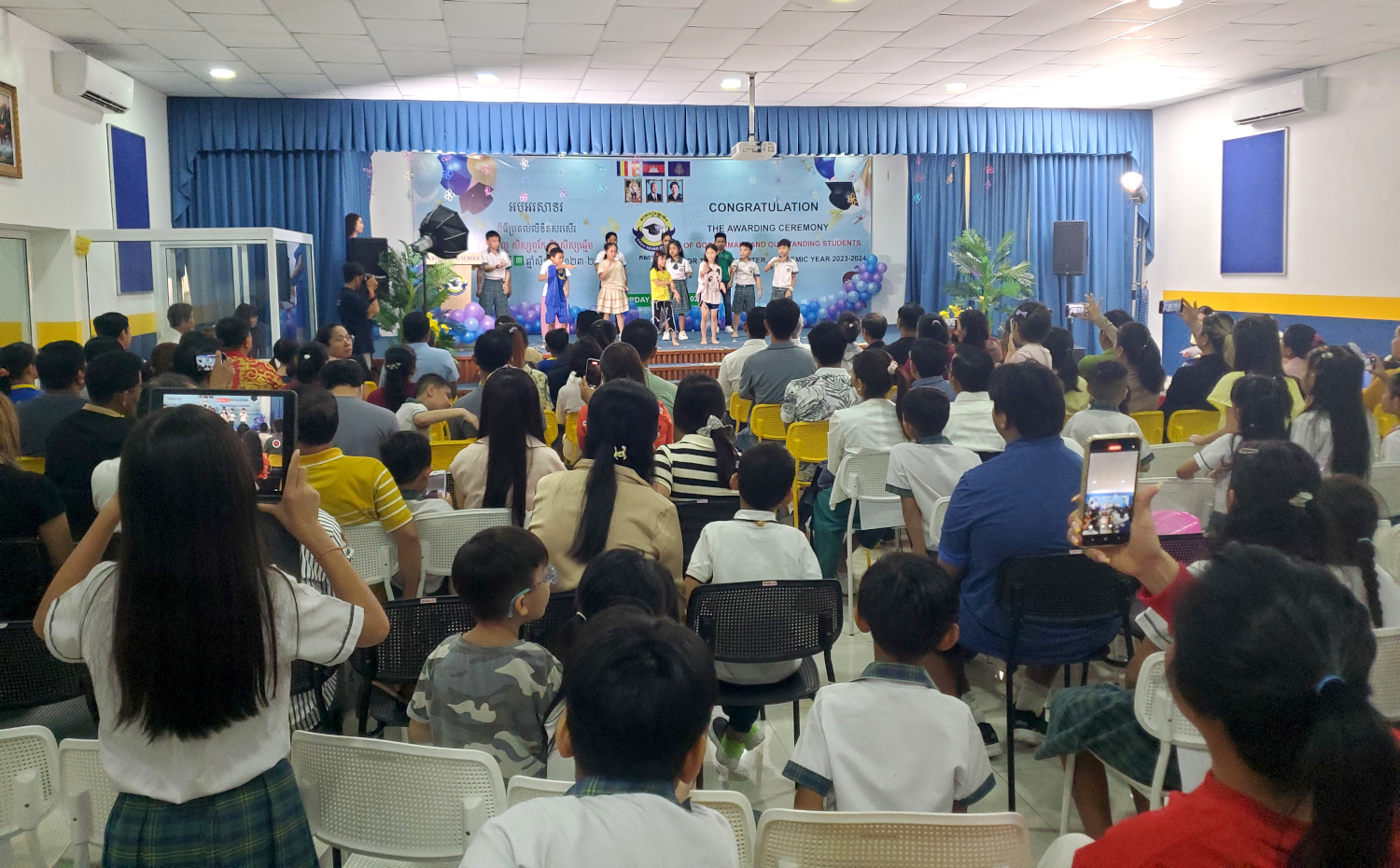
Also in June, the school commemorated its 24th anniversary. Not this particular campus in Phnom Penh, which has been around only a couple of years, but the original campus in Ratanakiri Province, which started as a tiny little operation in one little house with just a handful of students and now has expanded to a sprawling complex with hundreds of students.
And in June, the school finally engaged an additional English teacher to help fill the gaps after Dennis asked to have his schedule reduced. Her name was Rista, and she hailed from Malaysia. (There’d been a previous replacement come in a few weeks earlier, an American; but he didn’t last long, so we were back to square one.) Rista was a very pleasant person, and we took her around our neighborhood (where she’d also be living) and showed her the marketplace, and gave her a few other pointers.

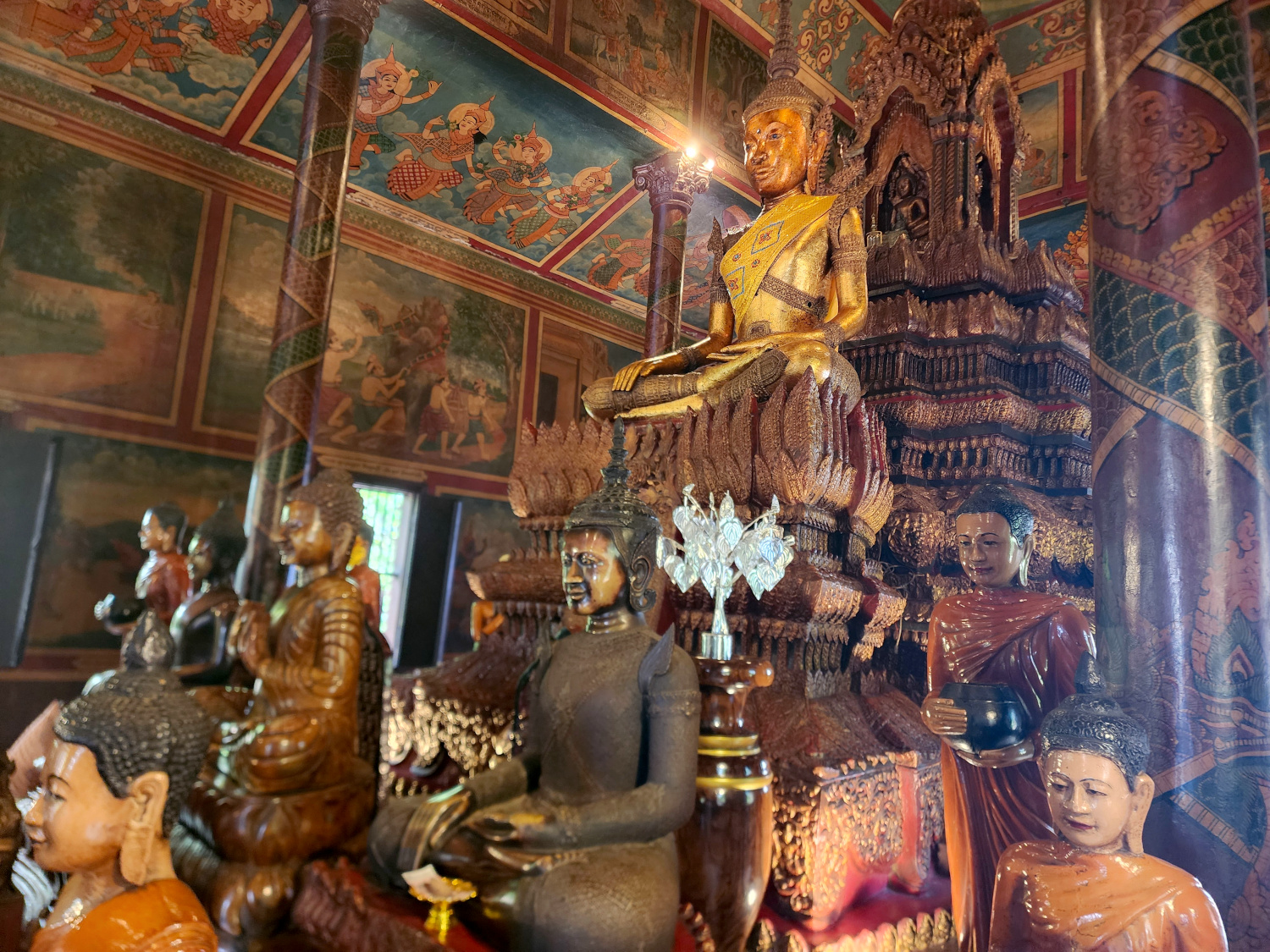
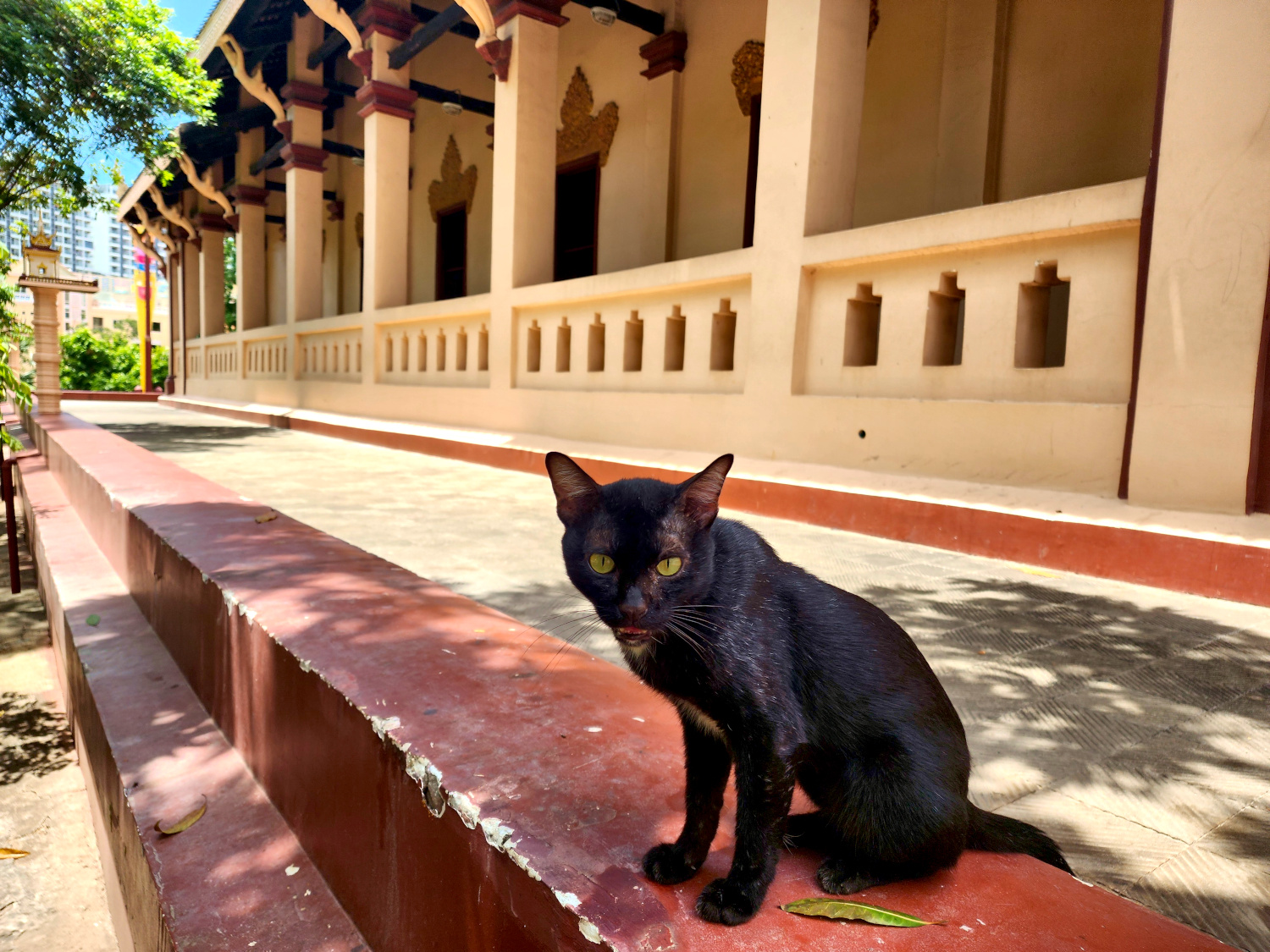
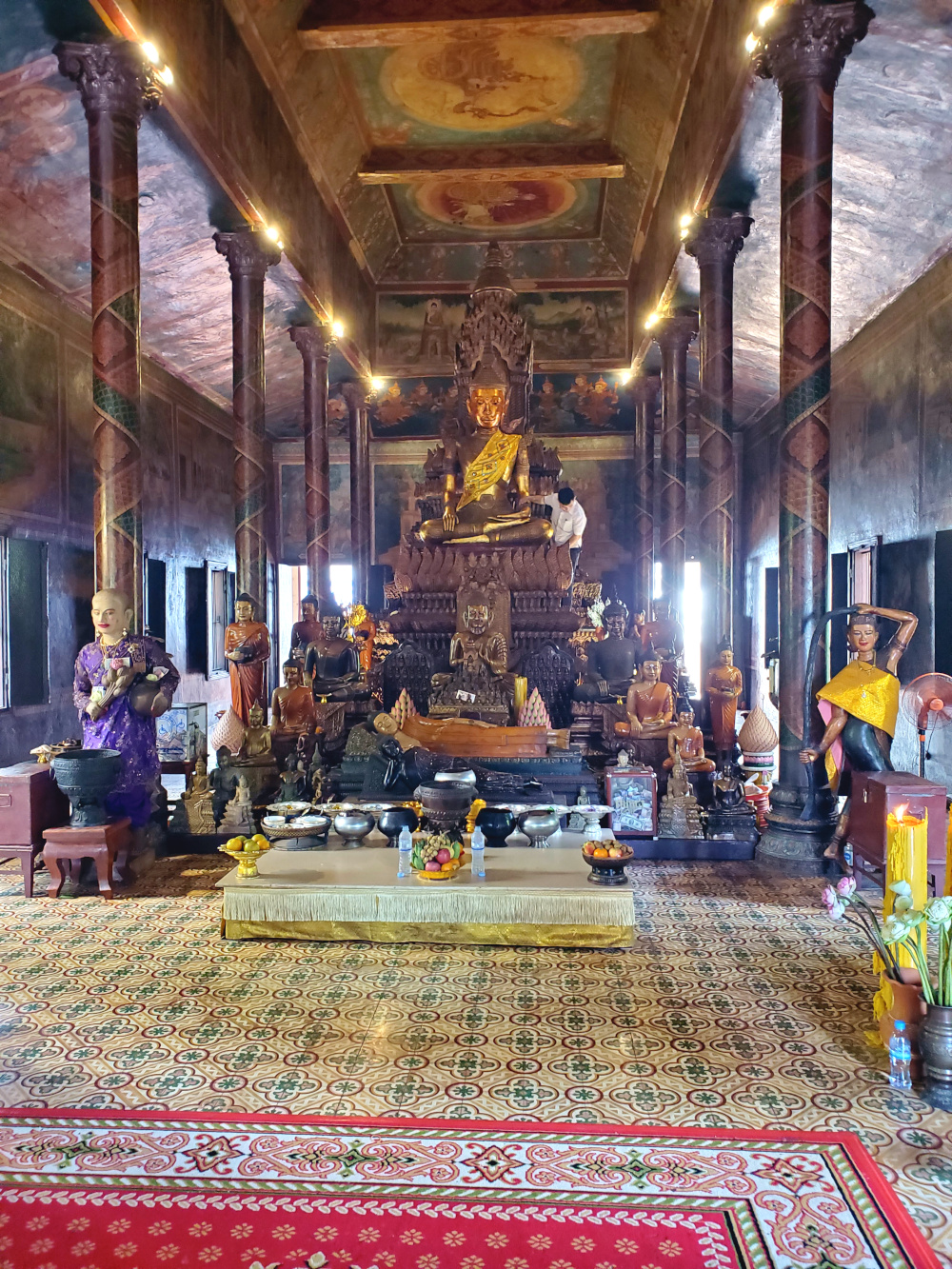
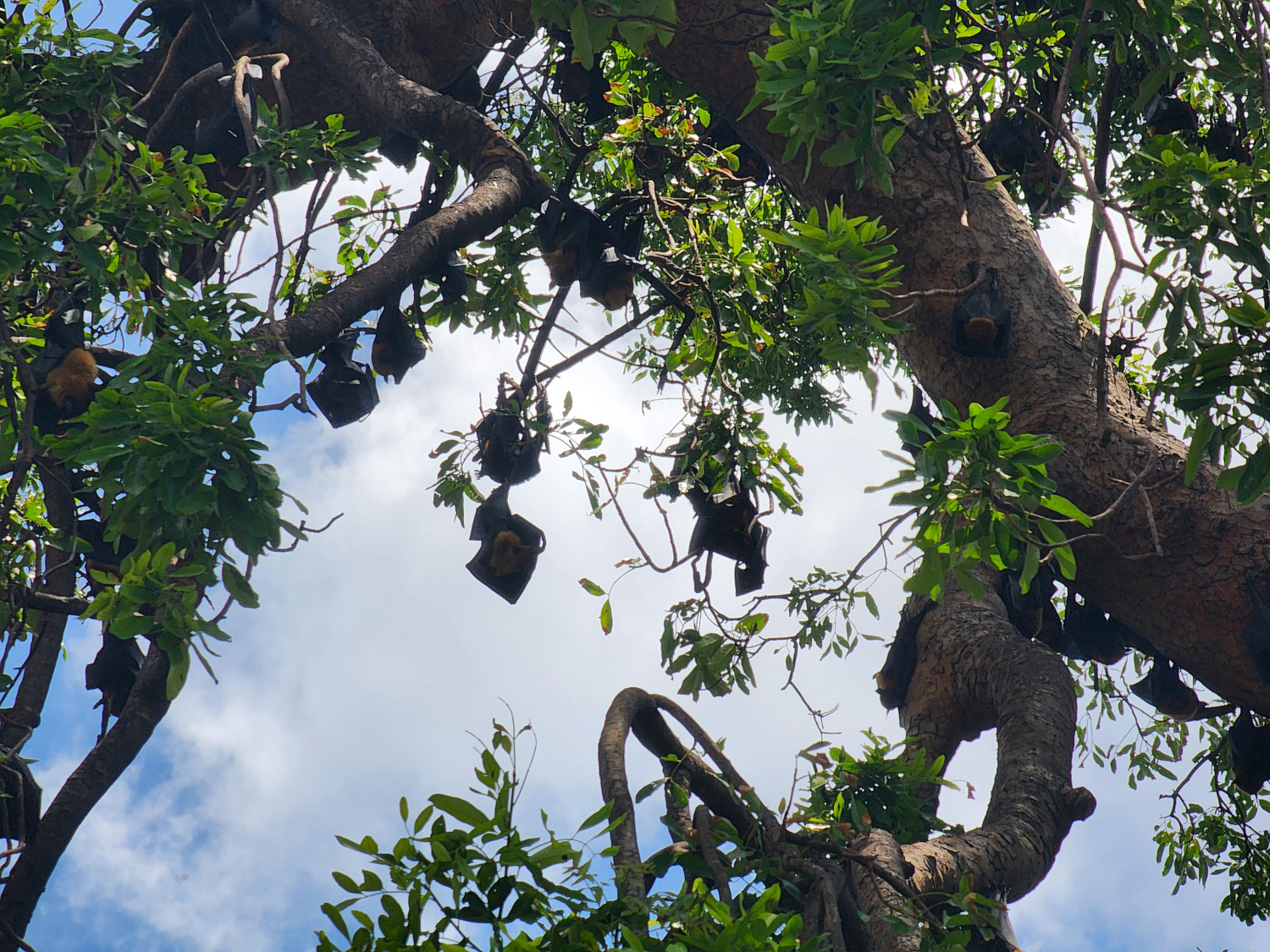
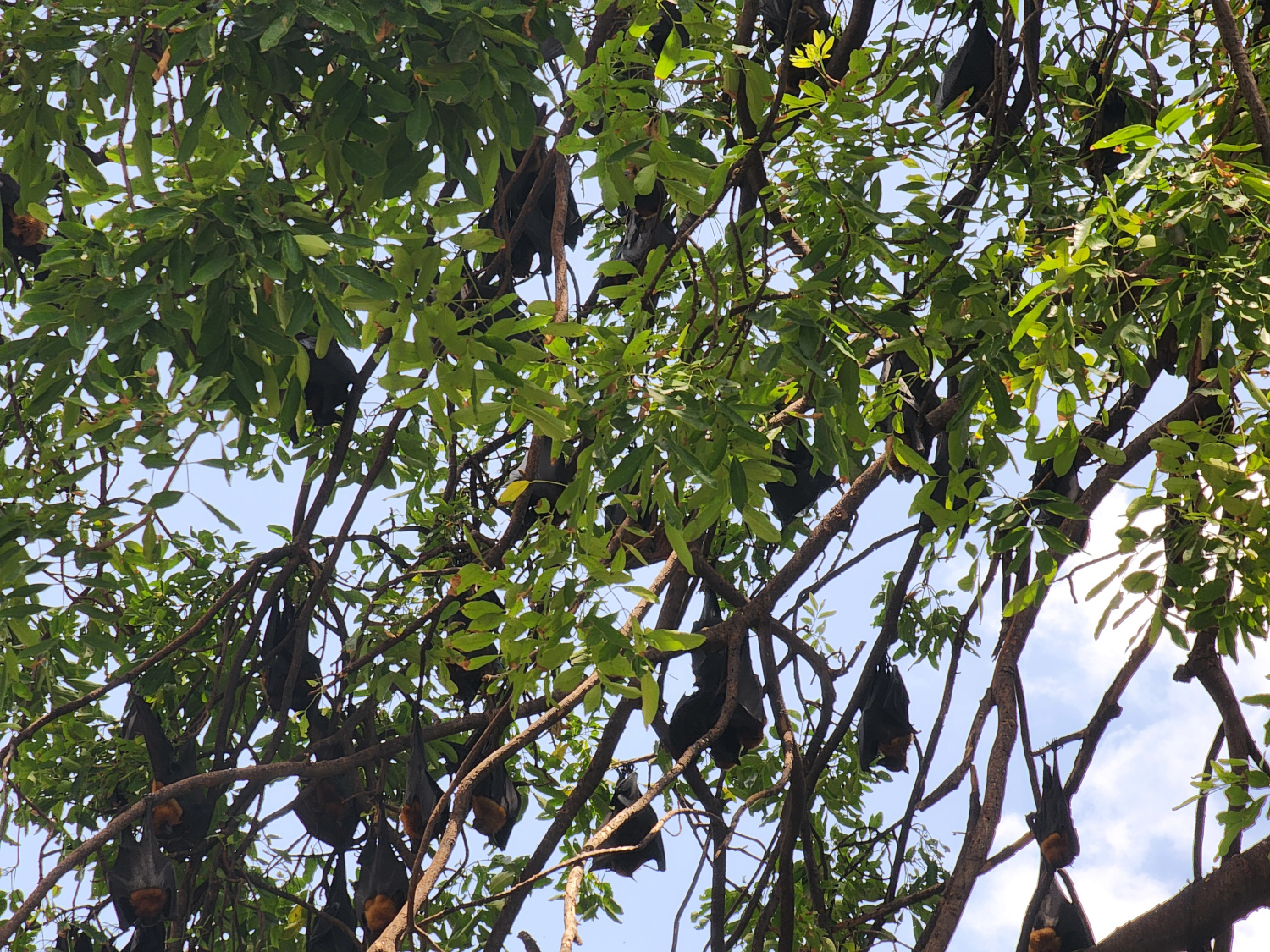

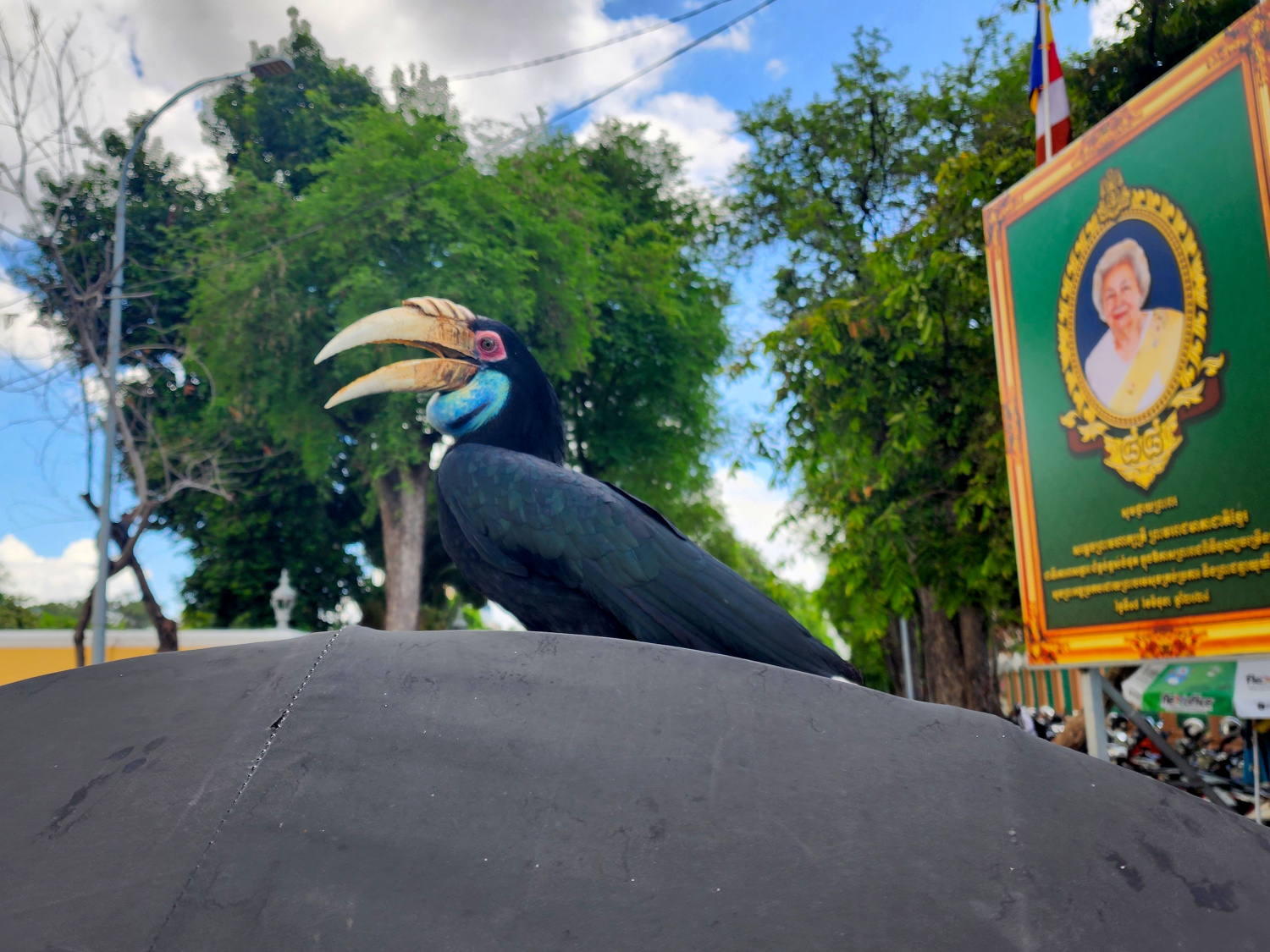
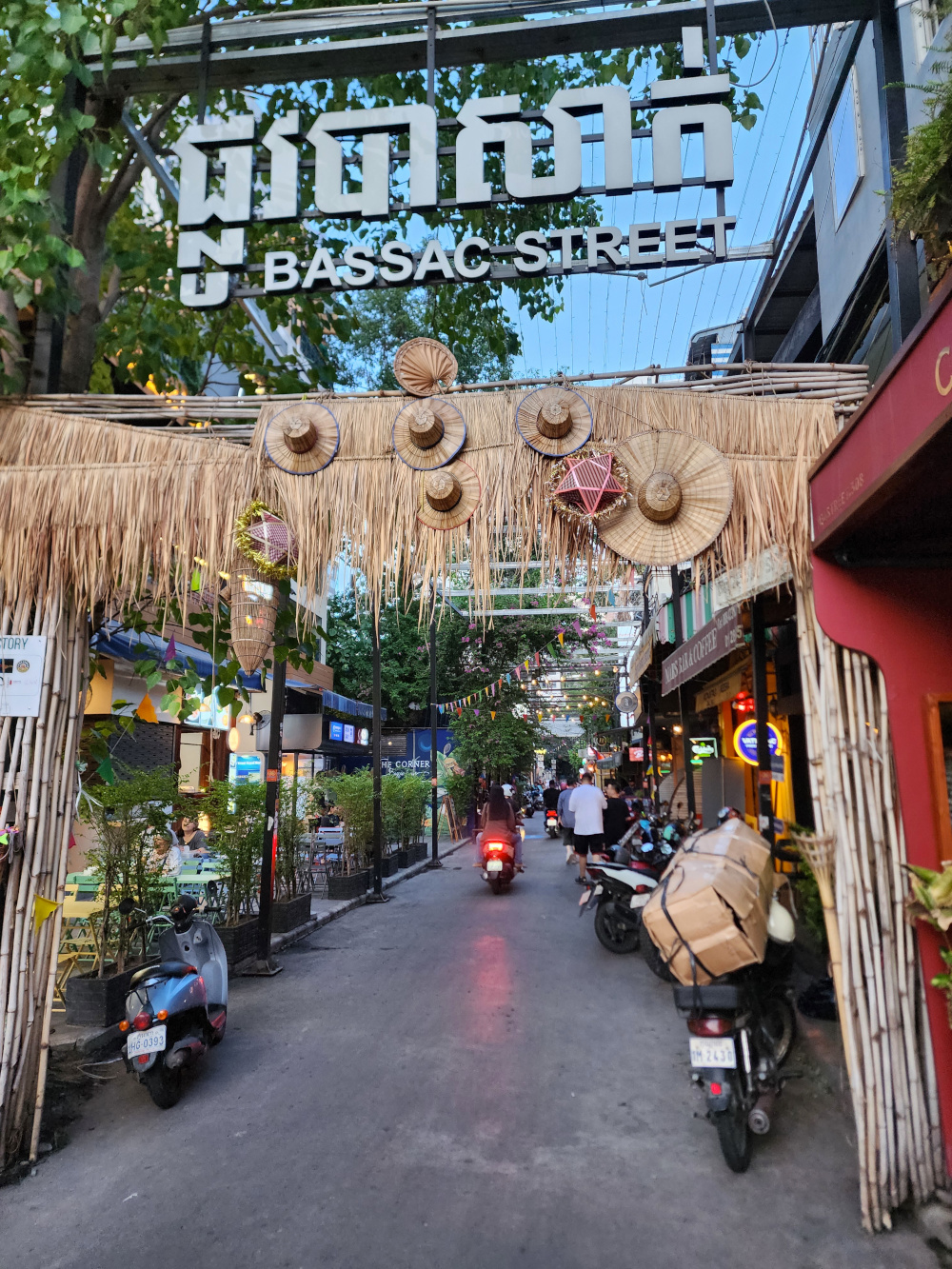
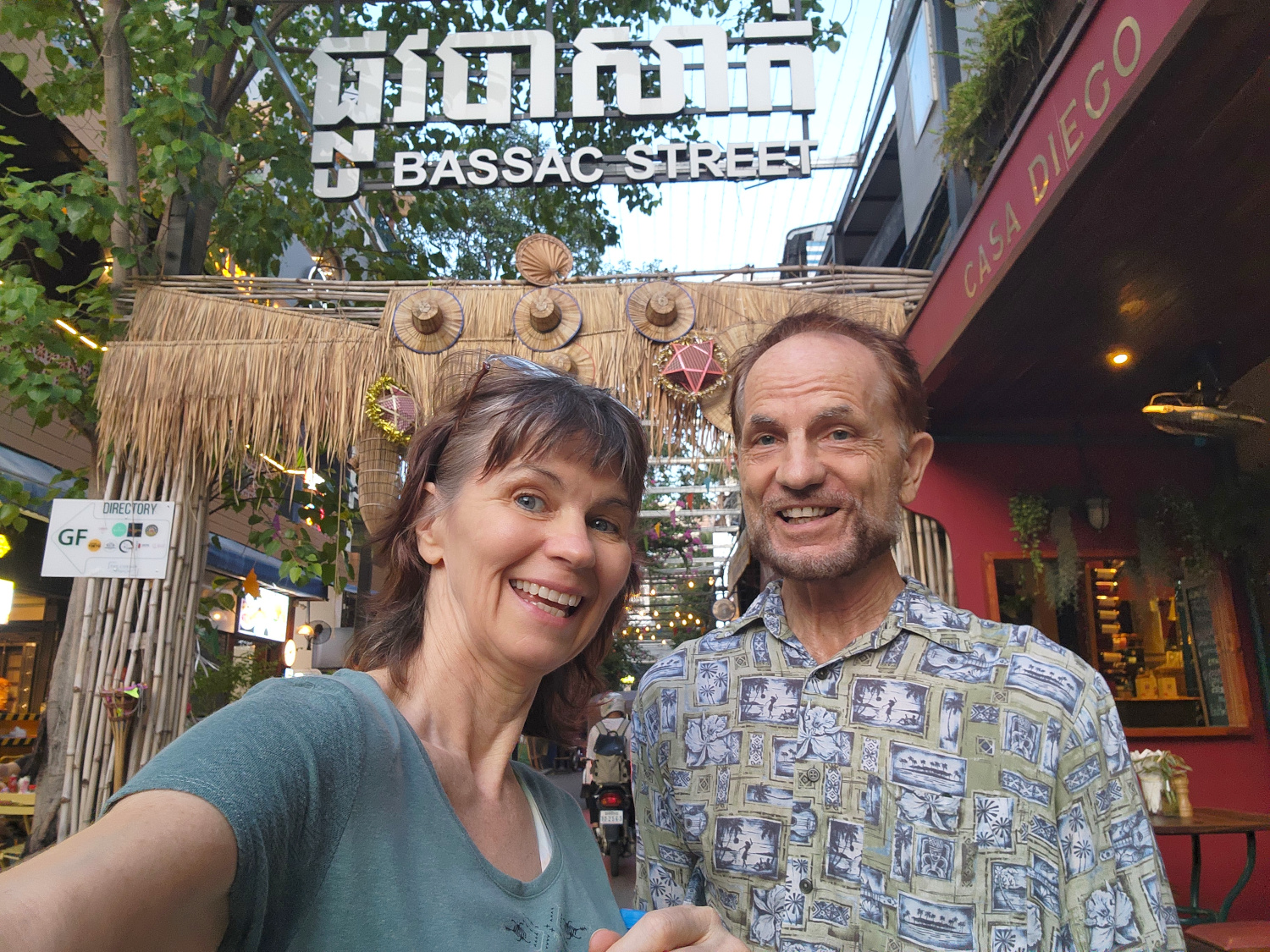
Meanwhile, the two of us did some exploring of the city outside our neighborhood, which we’re so often rooted to because of our busy schedule. For the first time, we stumbled upon Bassac Street, which is a hotbed of nightlife for expats and general party goers. We’ve never been among the latter — for us, “nightlife” is washing dishes after dinner — but we found this colorful little enclave to be quite enthralling enough during daylight hours. And our discovery of it reminds that there is still more of Phnom Penh and Cambodia that we have yet to see. We’d be remedying that to some extent in the near future.
June 2024

 world travel with a theatrical flair
Leave a comment