

The third and final day of our ticket to Angkor archaeological park. So we try to squeeze in as much as we can, and opt for some sites we haven’t been to before, eschewing the major tourist magnets like Angkor Wat and Bayon, which we’ve already examined more than once.
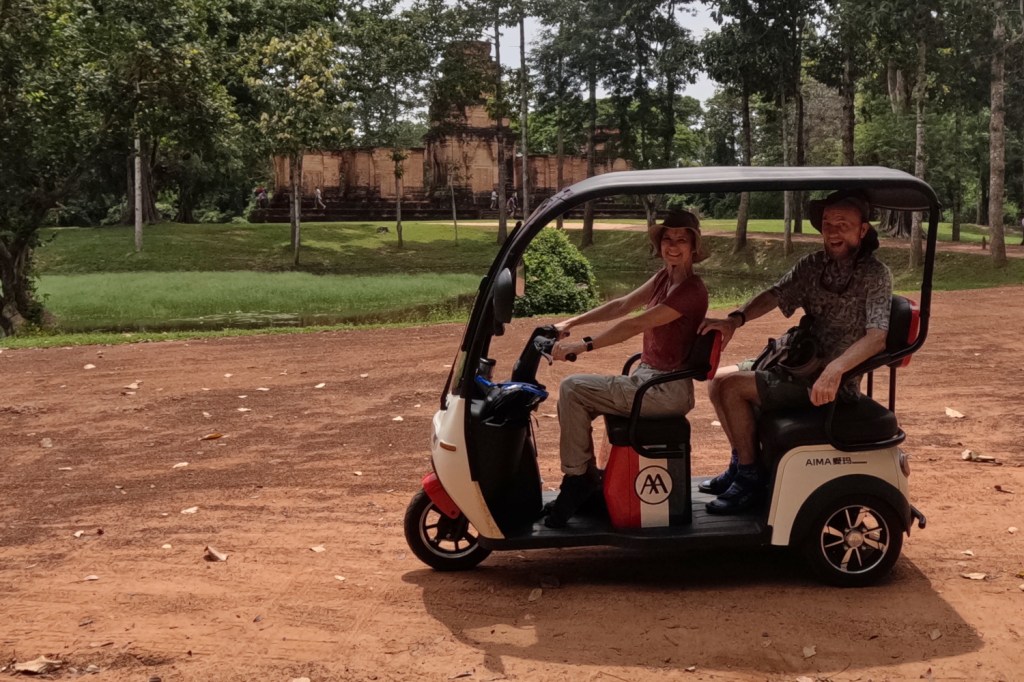
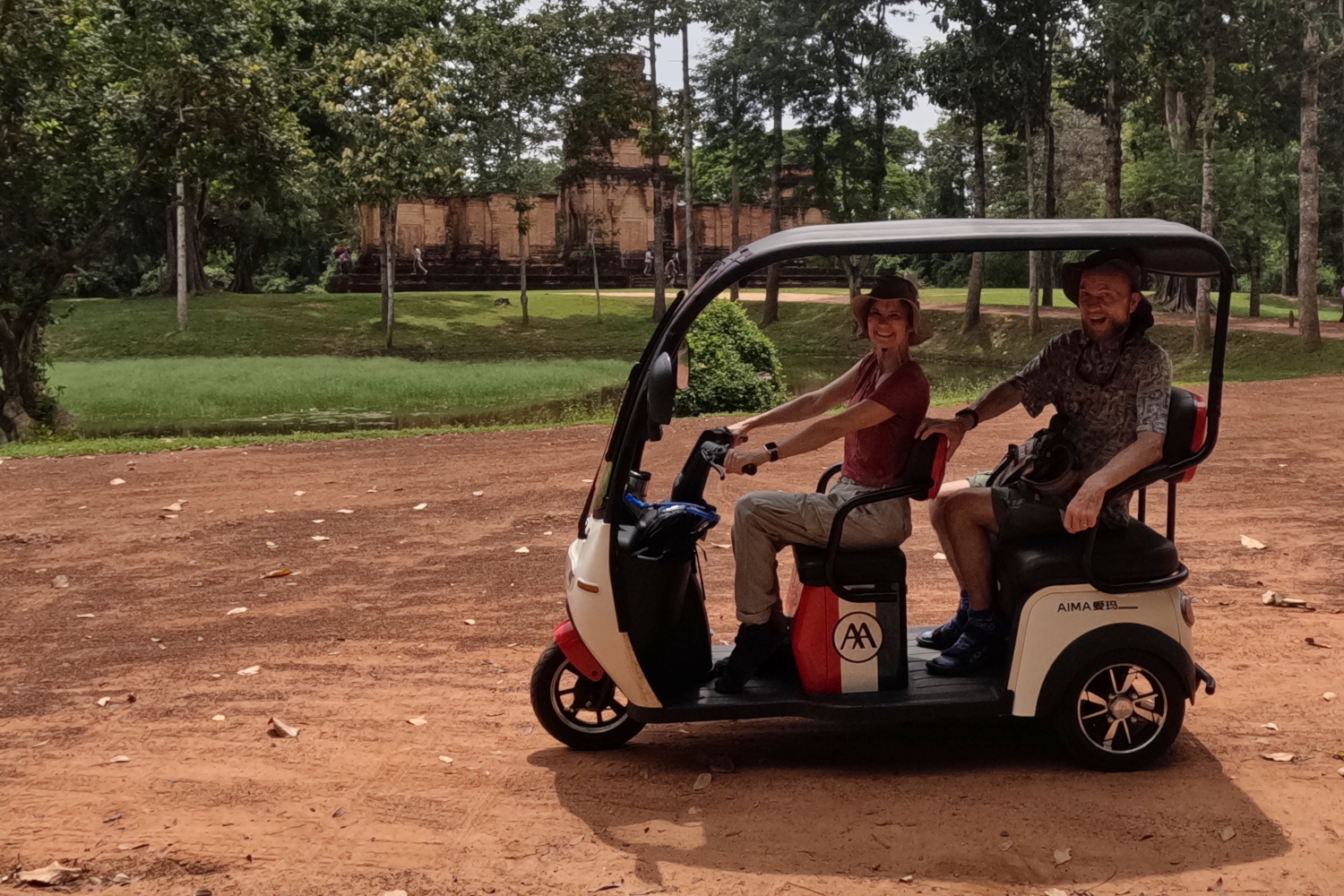
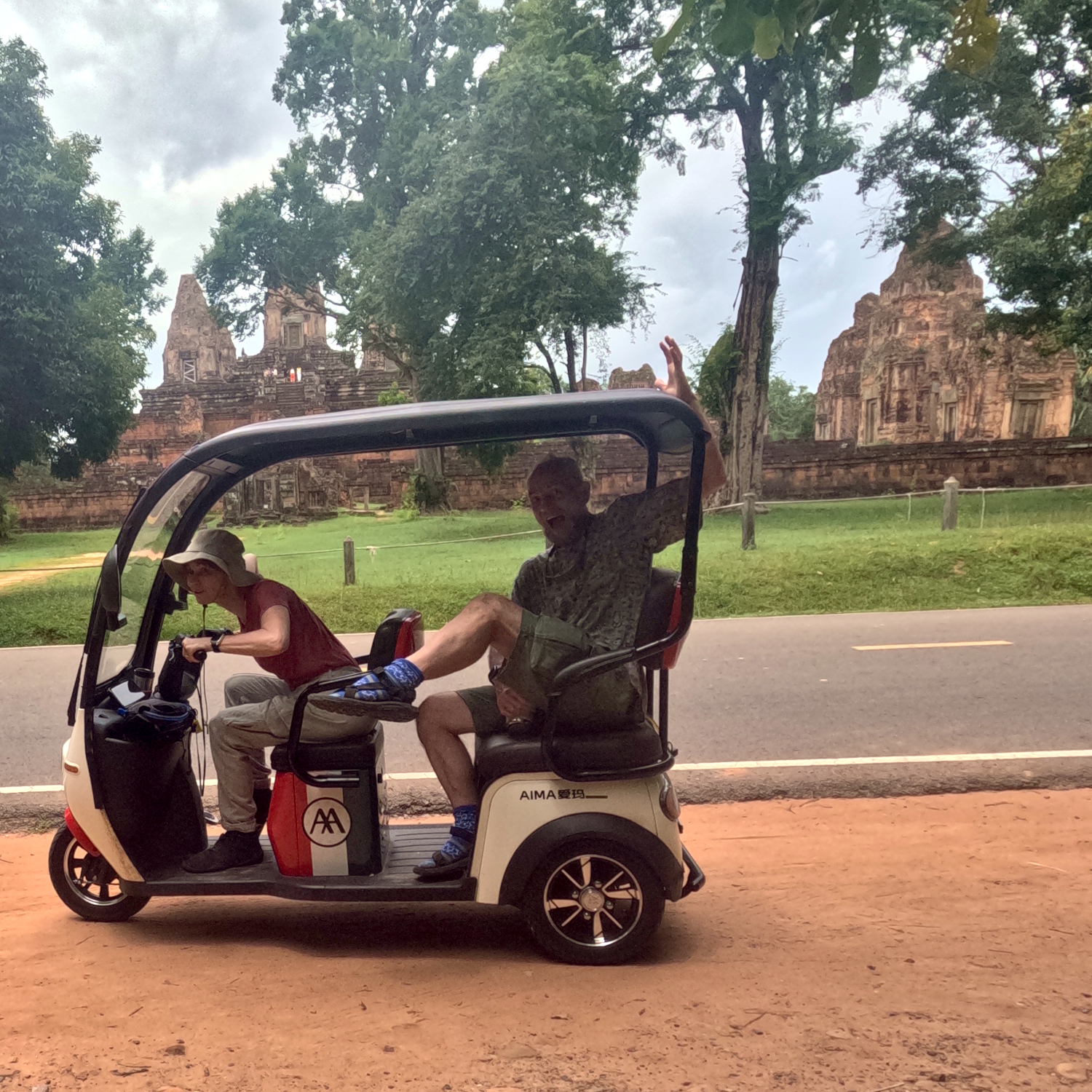
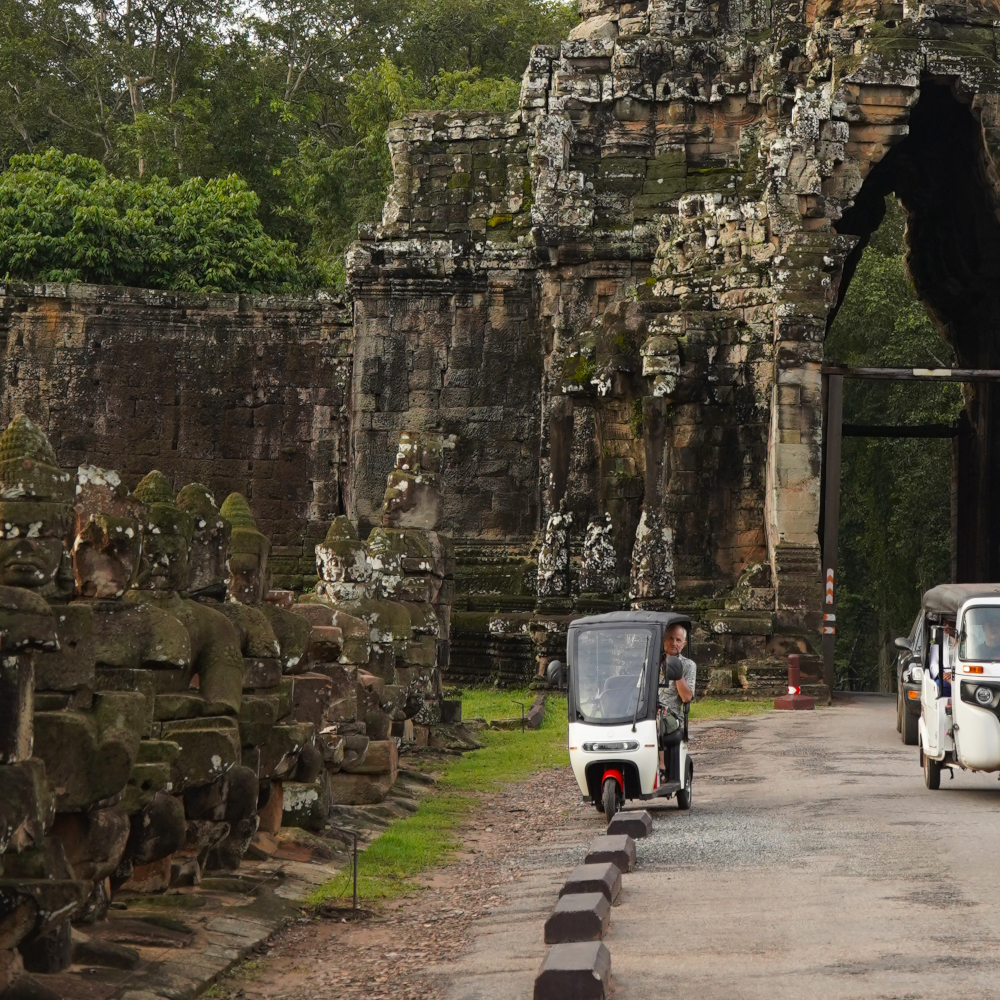
Once again, we rent an electric buggy for the day. Since it’s the third time we’ve patronized the rental place, Kimberly half-jokingly asks the manager if we get a discount. And he promptly offers us ten percent off. That’s only a couple of bucks, but hey.



Prasat Kravan
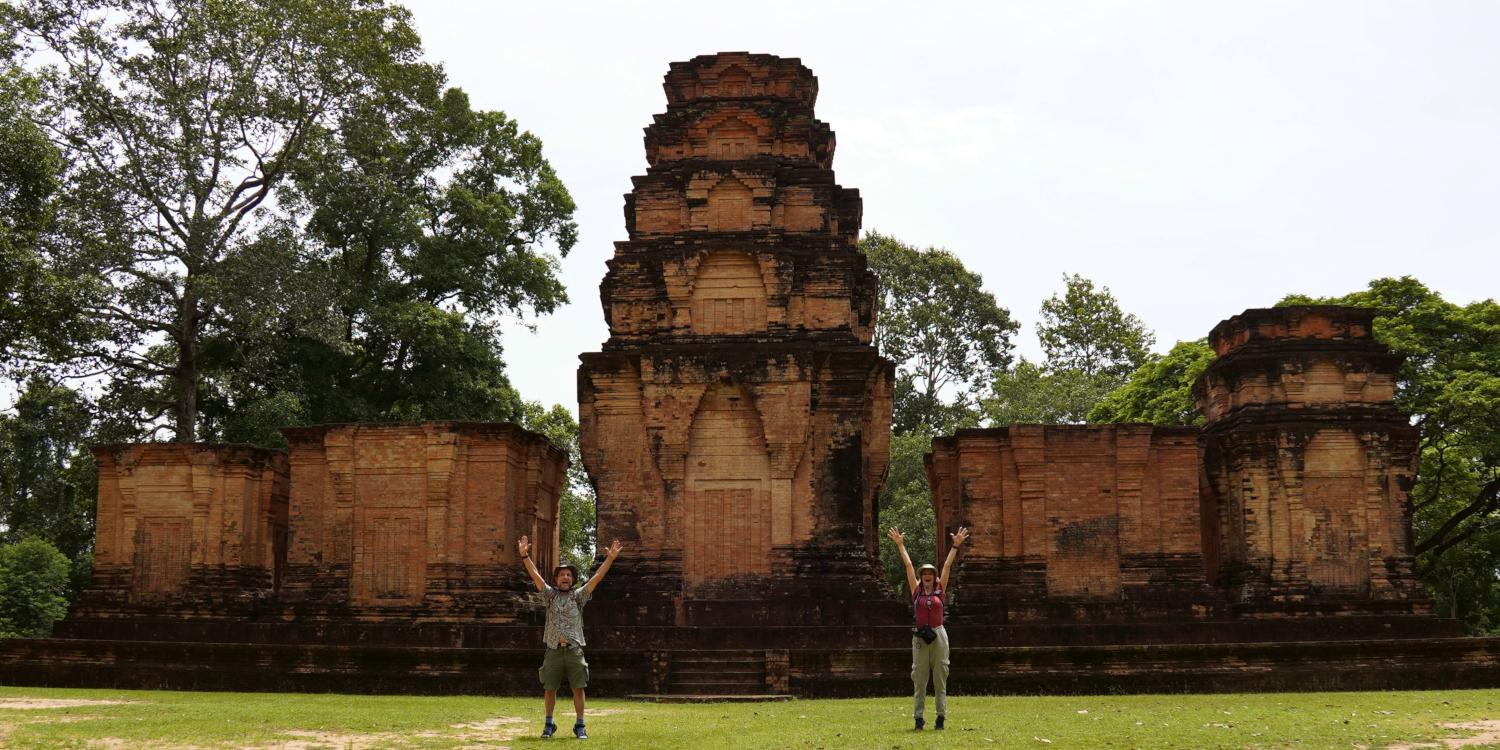
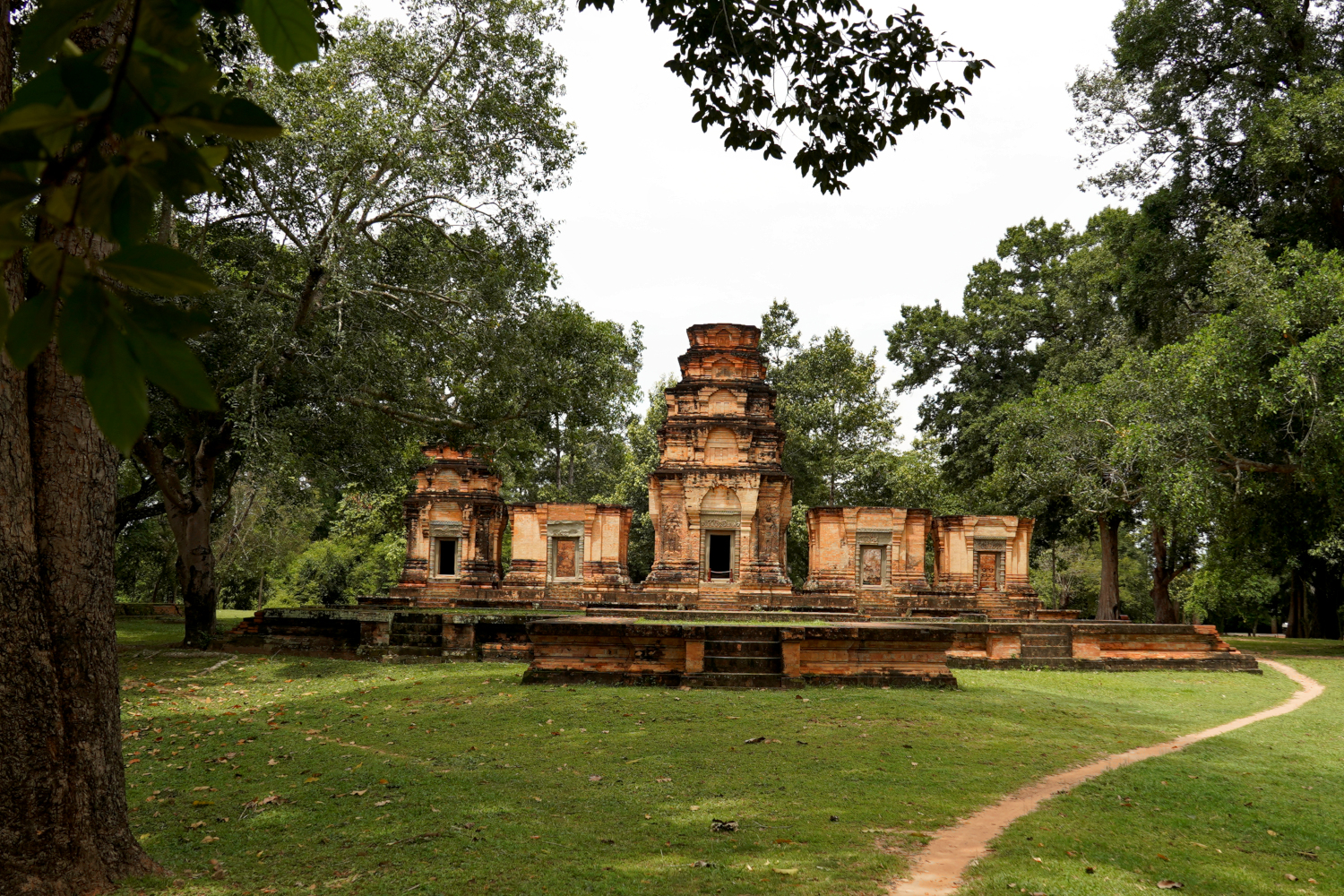
First up on today’s itinerary is Kravan, a Hindu temple that dates all the way back to the year 921. (That’s the year it was dedicated. Construction, of course, was begun years, if not decades. before that.) This temple is an oddity for a couple of reasons. First, unlike the other temples, it was not built by a king. Actually, no king ever worked on any of the buildings, but kings ordered their construction. But the project of building Kravan was undertaken by high-ranking officials rather than royalty. Additionally in contrast to the other temples, which are composed primarily of sandstone hauled in some 30 miles from Kulen mountain — and probably not by kings — Kravan was constructed of large bricks. There is also limestone in some places, particularly around the doors.
Did you know?
- Five Towers in a Row: The linear arrangement of the five prasats (towers) is another distinctive feature. Each tower likely housed a different aspect or manifestation of Vishnu or other deities.
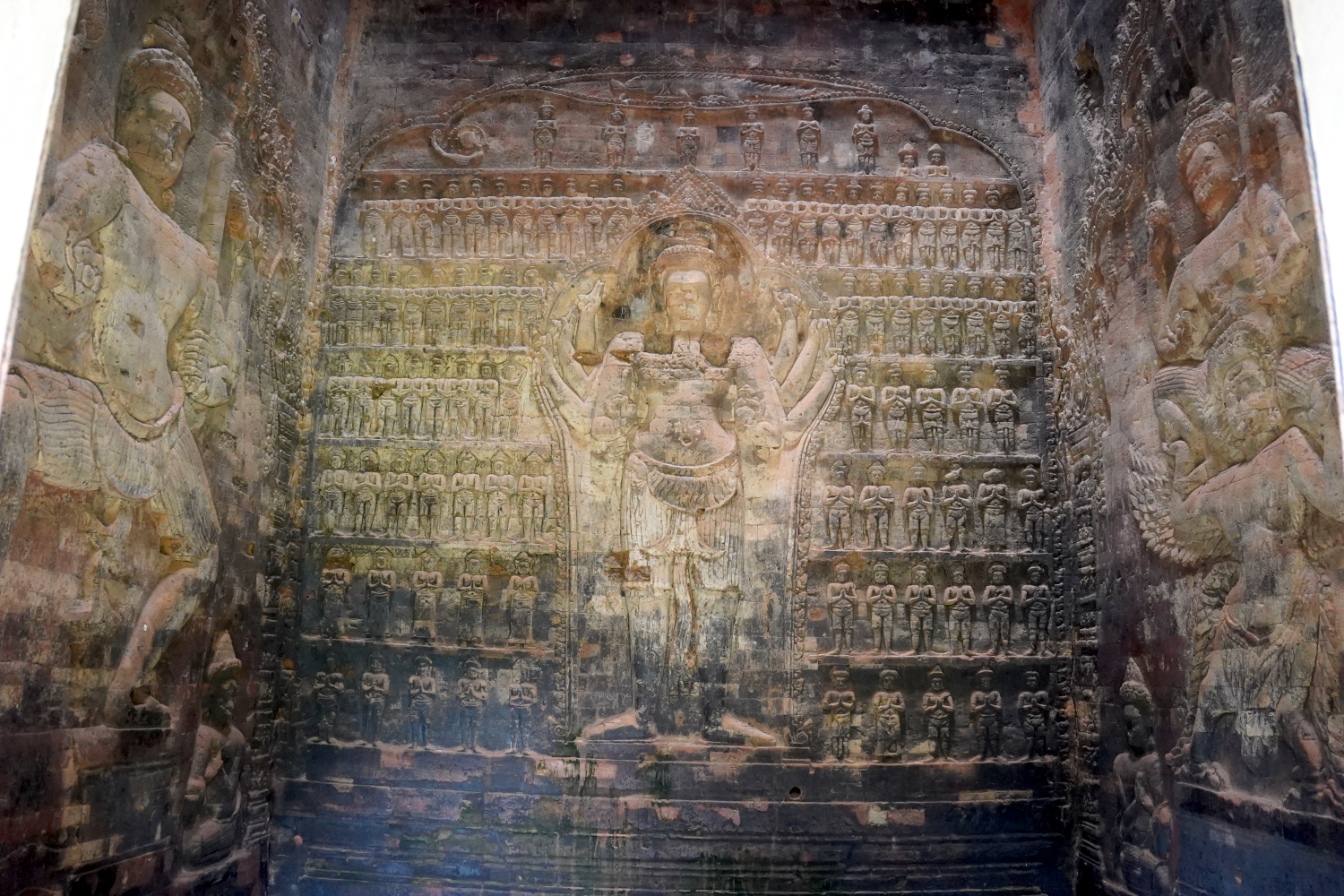
- Dedicated to Vishnu: While many Angkor temples shifted between Hinduism and Buddhism, Kravan appears to have remained dedicated to the Hindu god Vishnu. This is evident in the impressive bas-reliefs inside the central towers depicting Vishnu and his consort Lakshmi, as well as other Hindu deities.
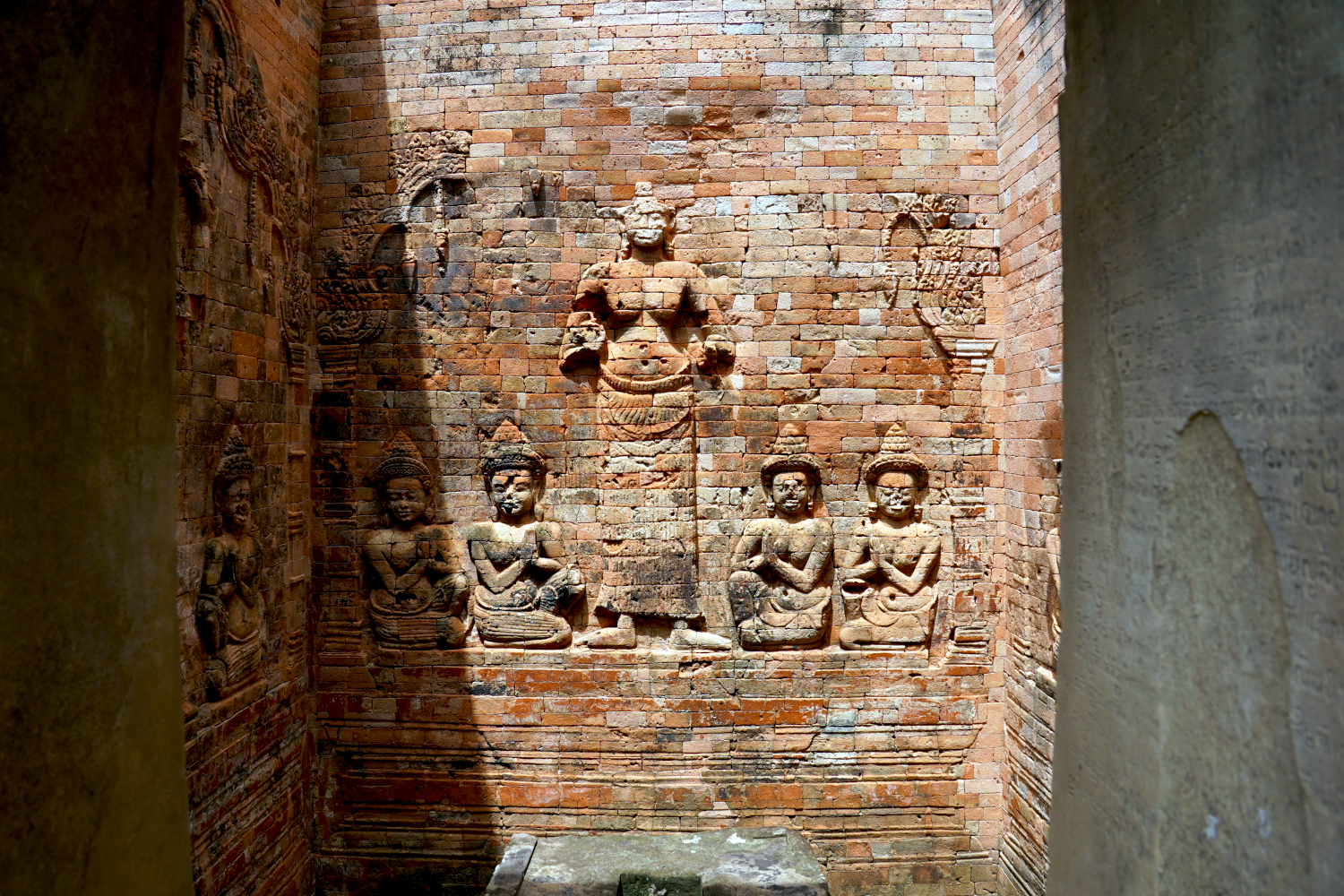
- Intricate Brick Carvings: The brick construction, while unusual for the larger temples, allowed for a different style of ornamentation. The carvings directly into the brick are remarkably detailed, showcasing the skill of the artisans. Pay close attention to the depictions of Vishnu, Garuda (his mount), and other mythological scenes.
East Mabon

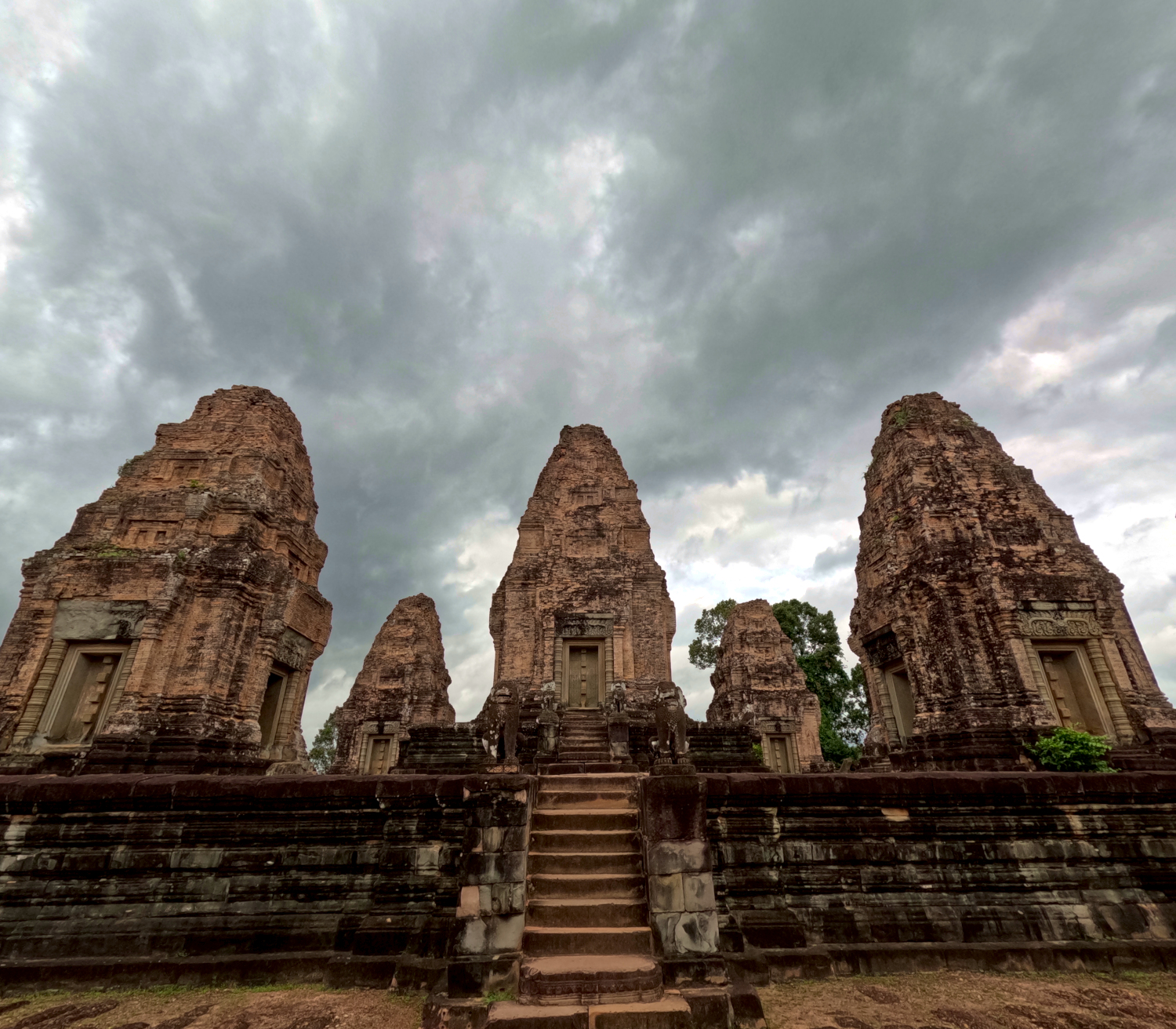
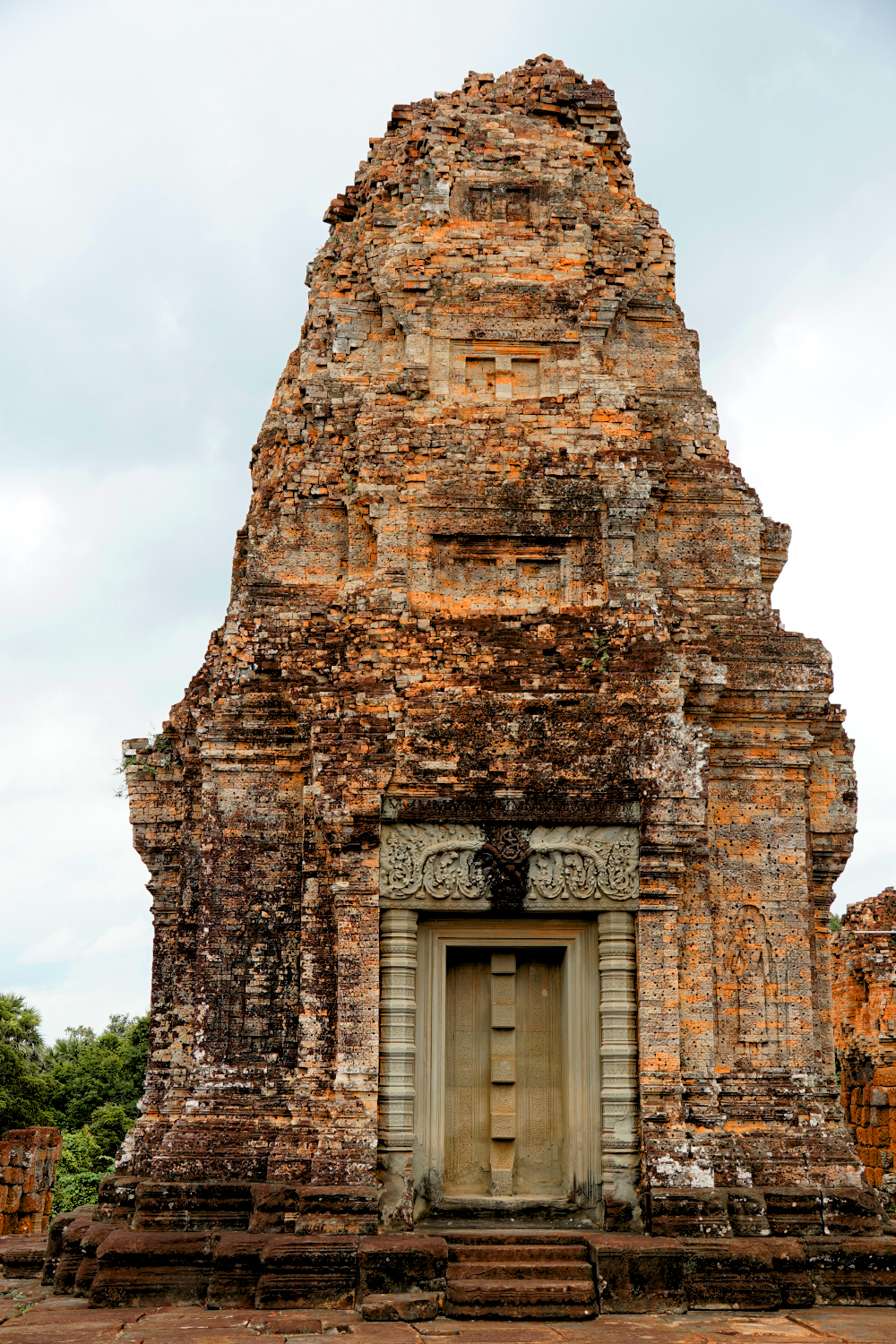

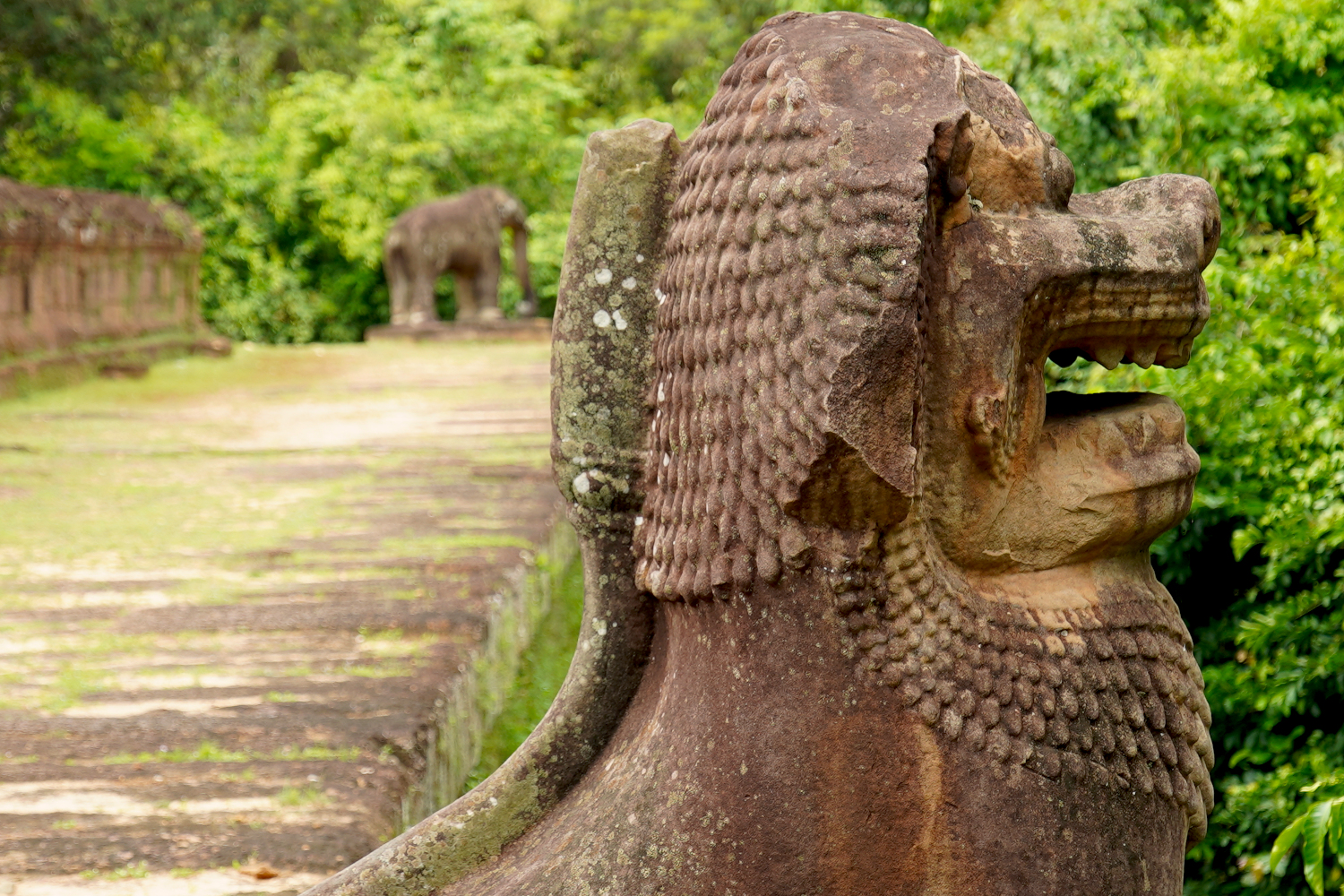
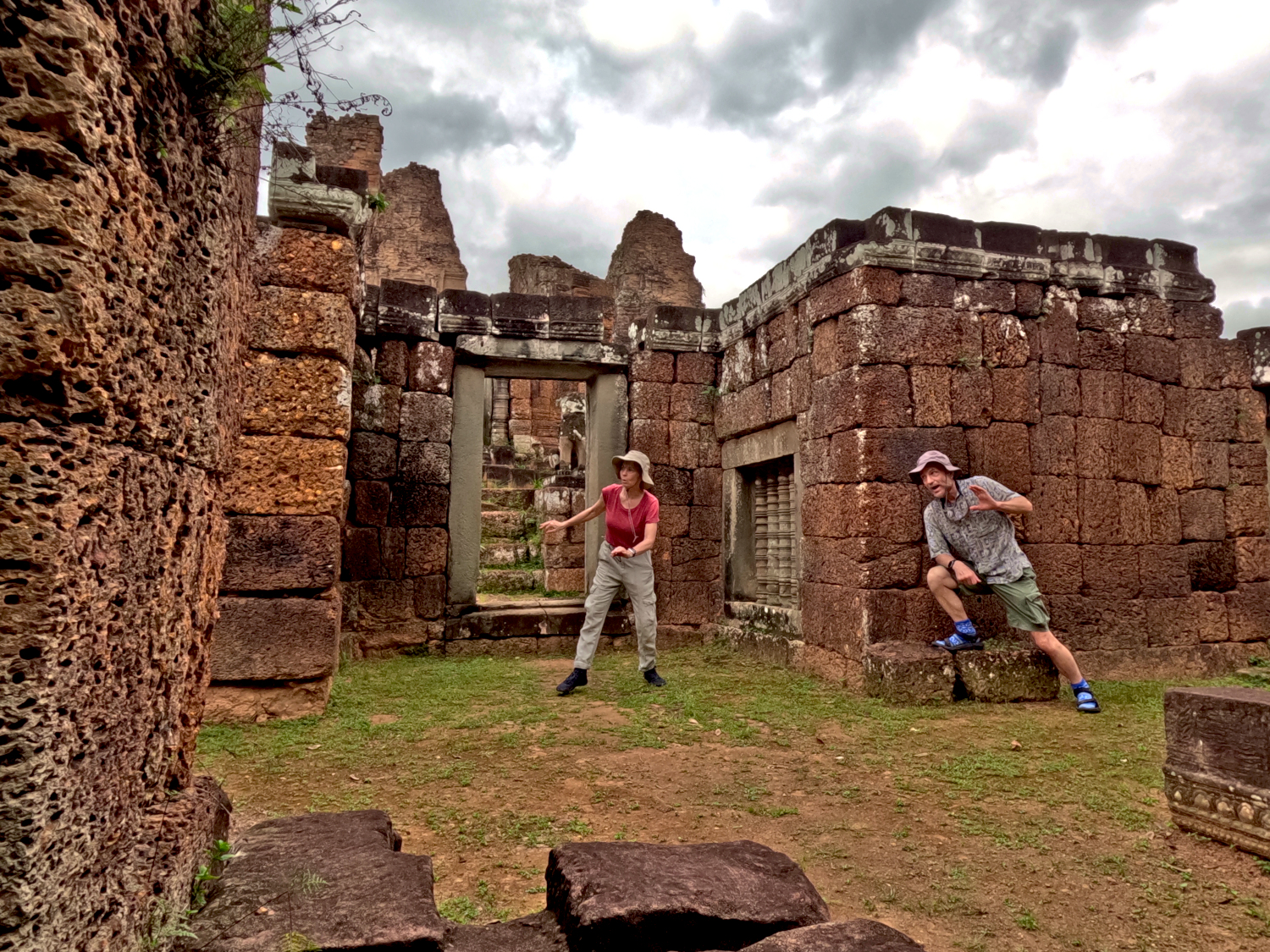
Next up: East Mebon. We are quite intrigued by the life-size statues of elephants on the corners of the first terrace of this three-terrace pyramid. The carvings also depict Indra riding his three-headed elephant Airavata and Shiva on his sacred bull, Nandi
Did you know?
- Island Temple: The Eastern Mebon was built in the late 10th century by King Rajendravarman II and was originally located on an island in the center of the now-dry East Baray (a large artificial reservoir). Imagine arriving here by boat in its heyday!
- Dedicated to Shiva: This temple is primarily dedicated to the Hindu god Shiva, although it also features Vishnu and other deities.
- Elephant Guardians: Keep an eye out for the impressive, life-sized elephant sculptures at the corners of the upper terraces. These majestic creatures are a significant architectural element.
- Pyramidal Structure: The temple has a stepped pyramid design, culminating in five towers arranged in a quincunx (like the dots on the number five of a die).
Banteay Kdei
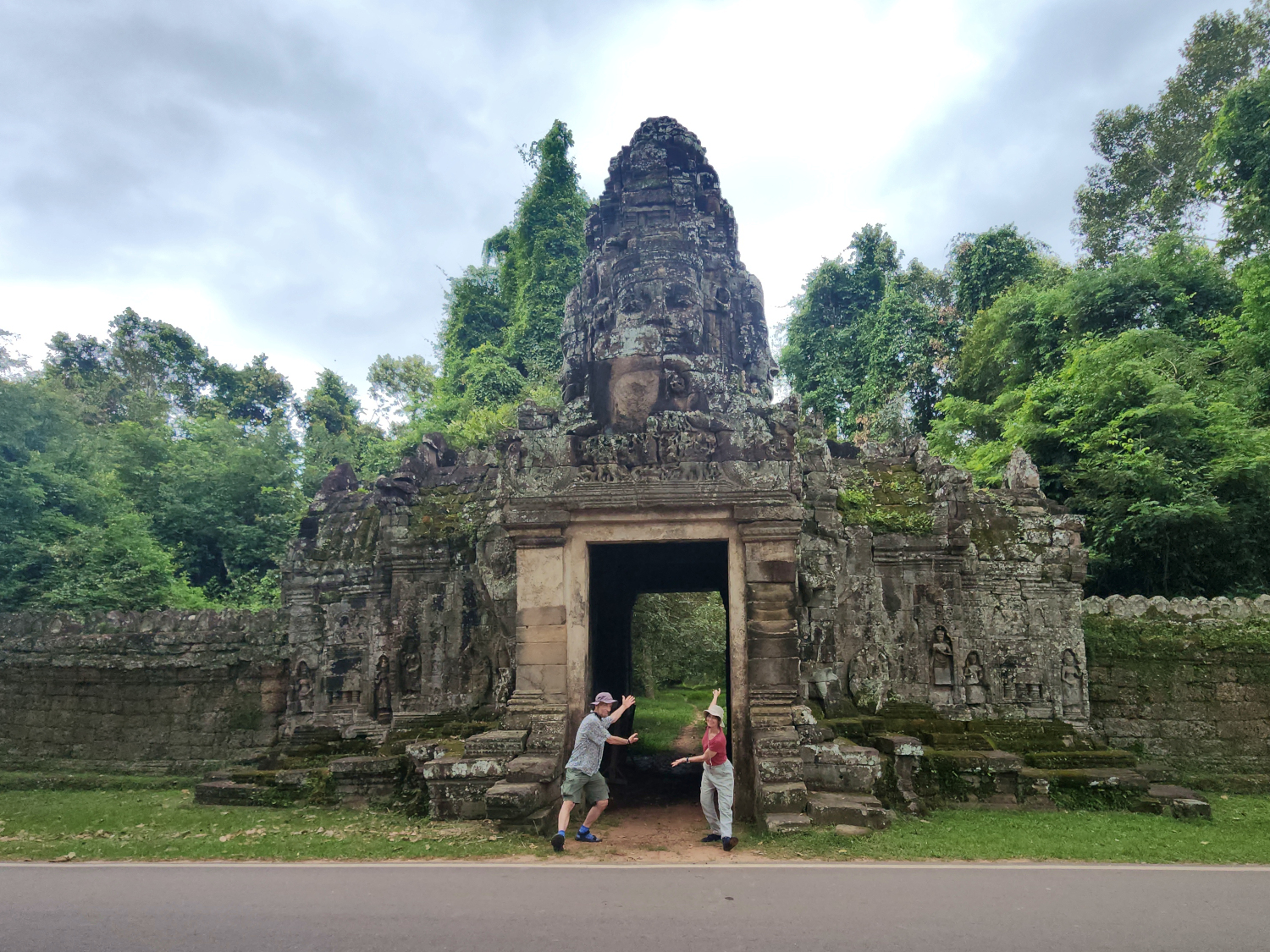
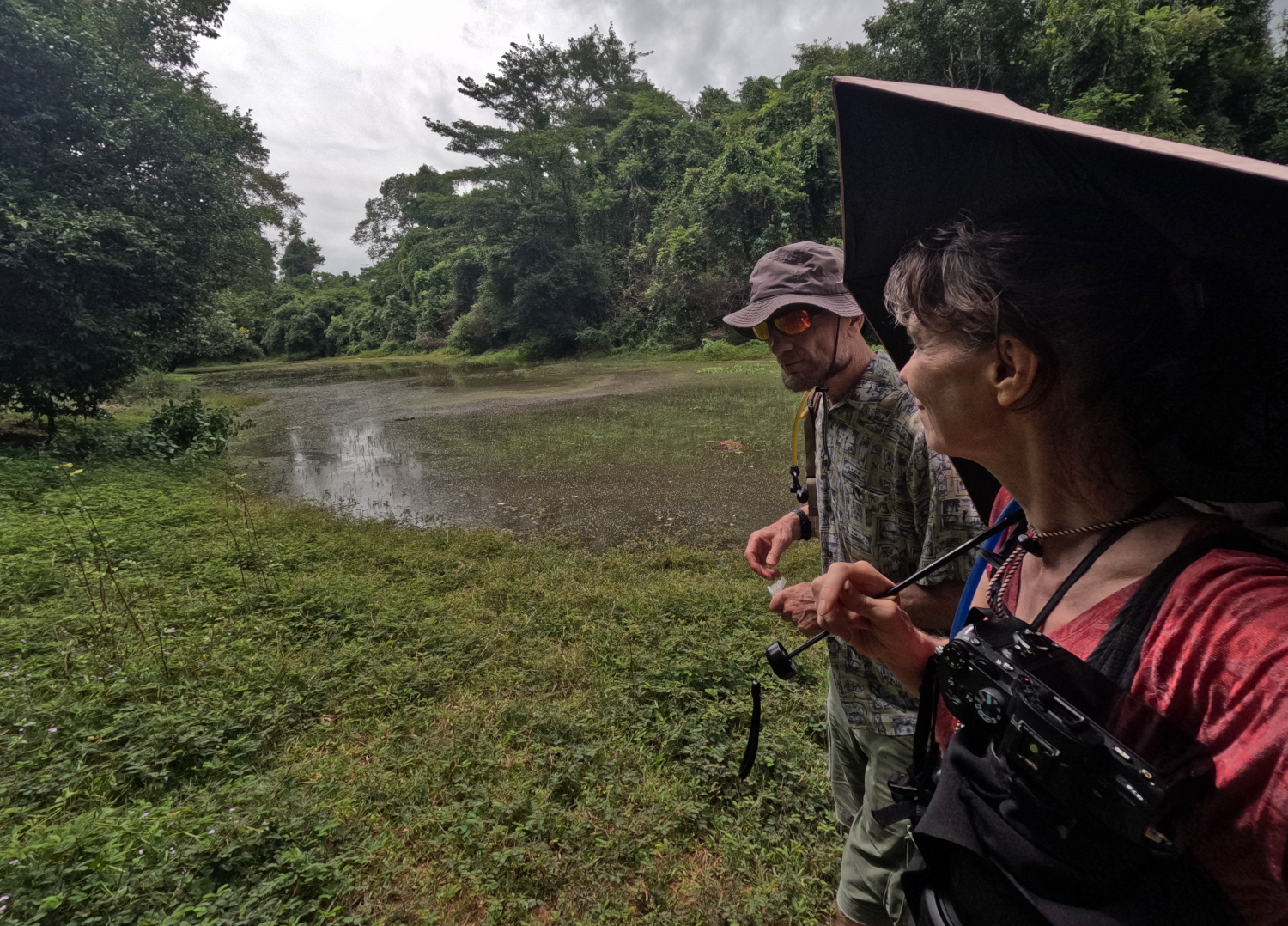

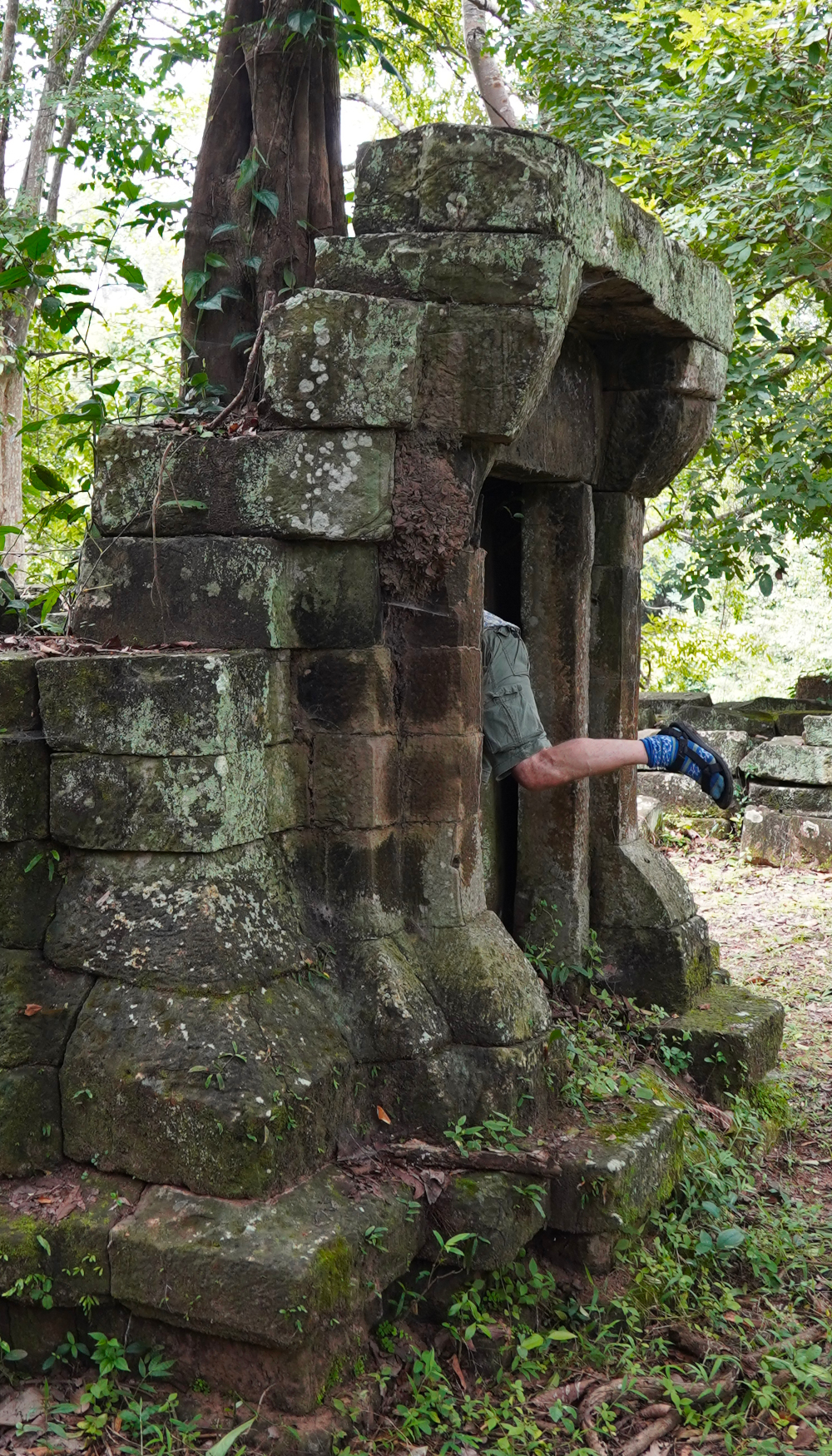
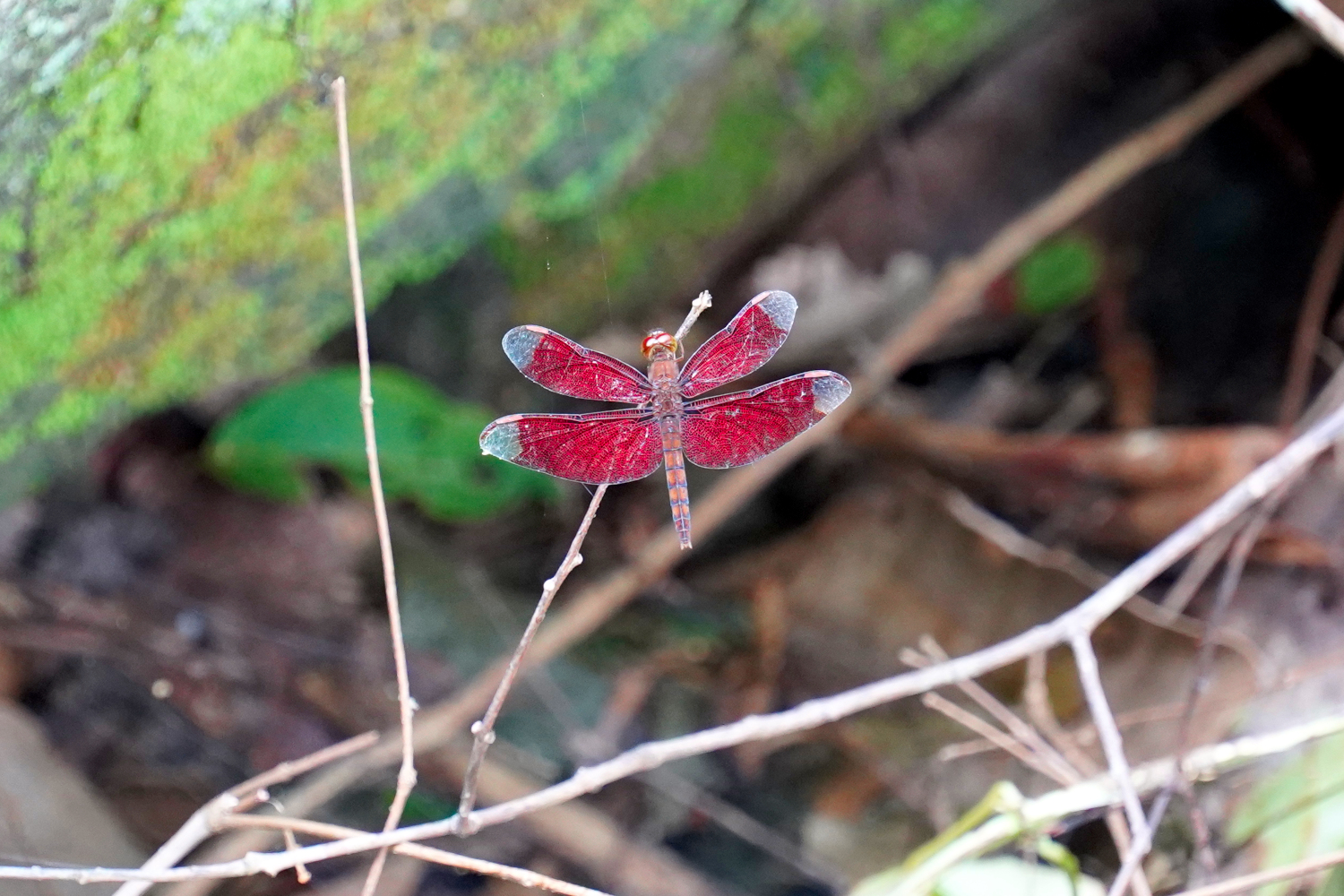

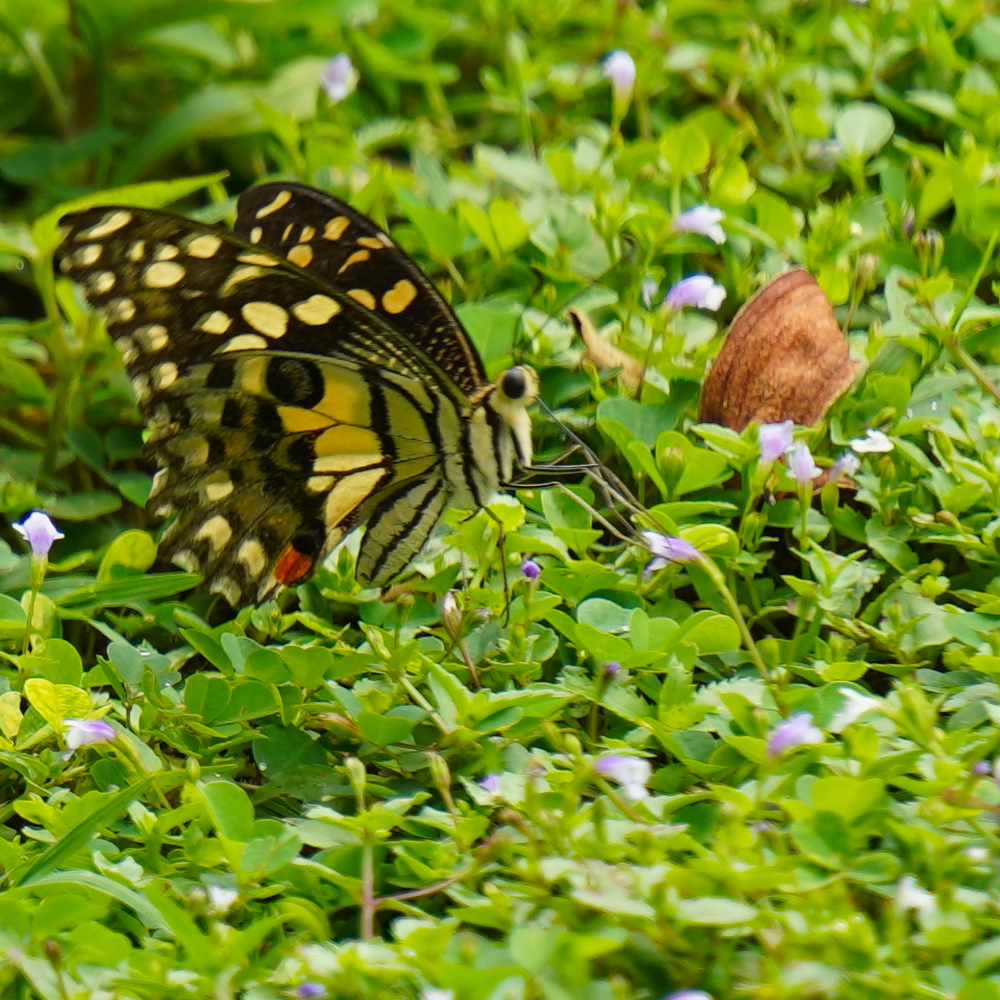
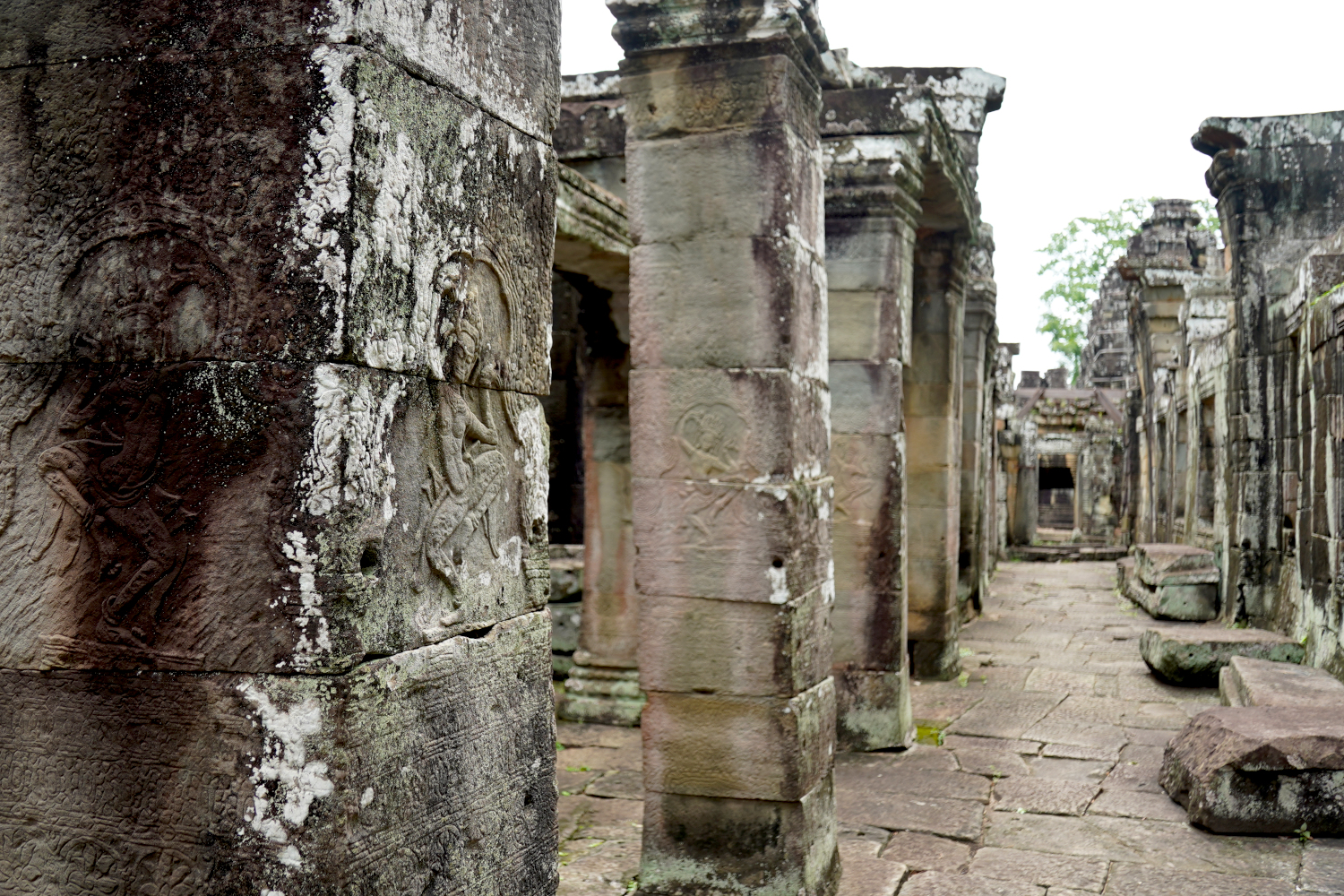
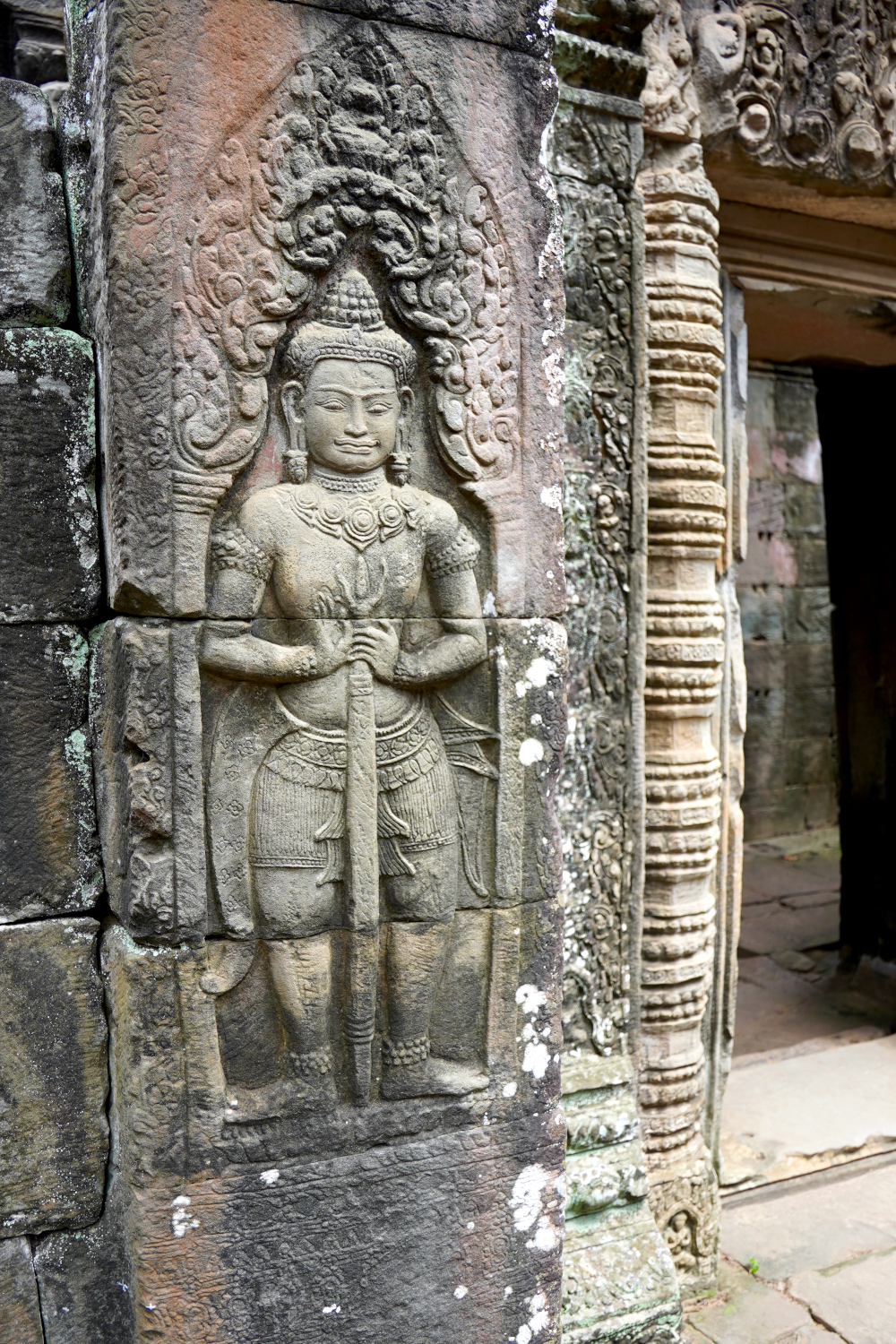
Next up is Banteay Kdei, which is considered a hidden gem. A Buddhist monastery, it was built in the 12th to 13th Centuries. like the more familiar temples here. And its features can almost hold their own with the likes of Baphuon and Bayon. But not nearly as many tourists drop in to say howdy, so you can come here and see some really cool stuff while getting away from the crowds.



Did you know?
- “Citadel of Chambers”: The name Banteay Kdei translates roughly to “Citadel of Chambers,” reflecting its complex layout with numerous interconnected galleries and courtyards.
- Jayavarman VII’s Style: It was built during the reign of the prolific builder King Jayavarman VII (late 12th-early 13th century), a period known for its Bayon-style architecture, characterized by enigmatic smiling faces (though Banteay Kdei doesn’t feature these prominently).
- Areas of Disrepair: While charming in its own way, Banteay Kdei is also known for its state of partial ruin, with some sections showing significant weathering and collapse. This adds to its “lost” and atmospheric feel.
Kutishvara Temple
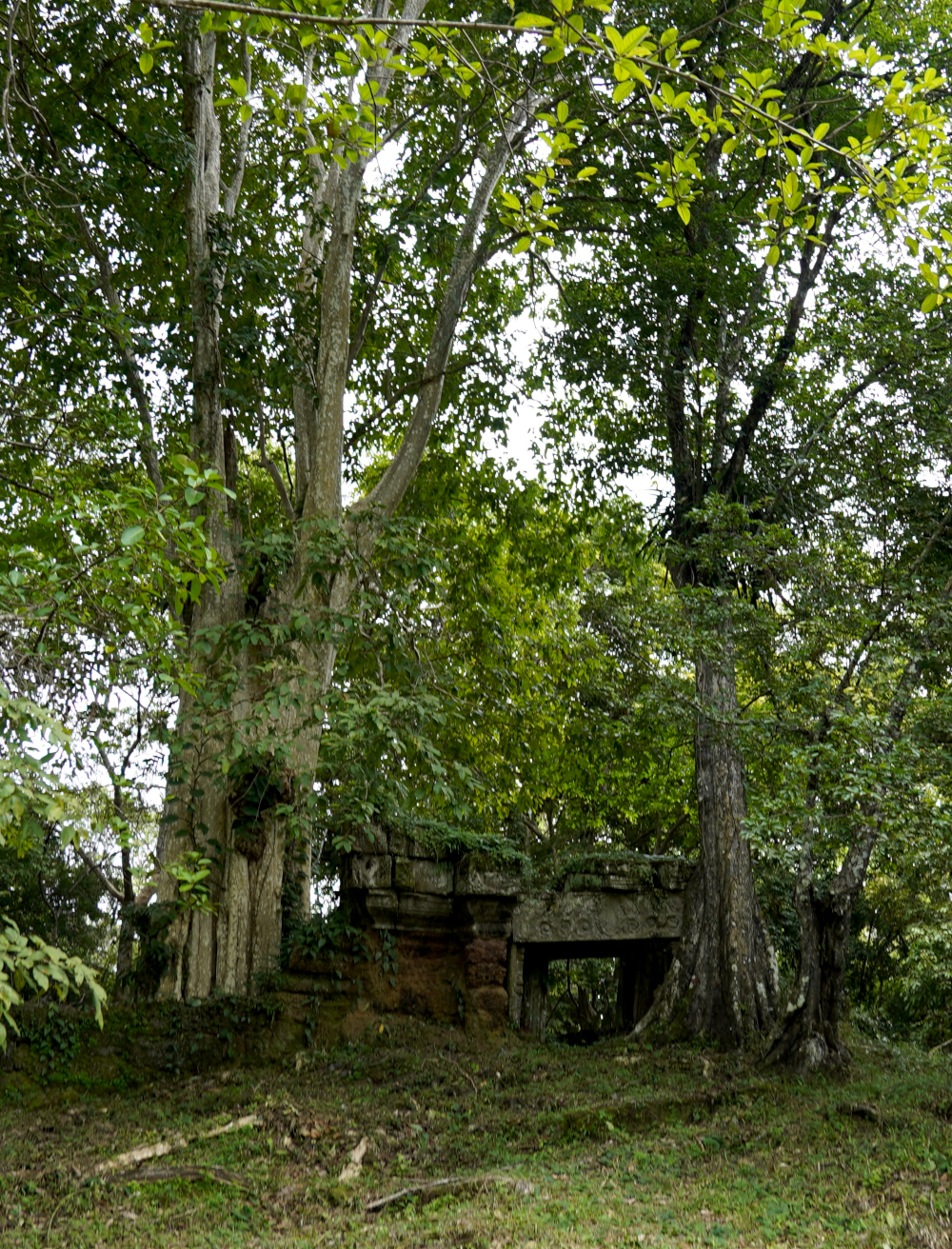
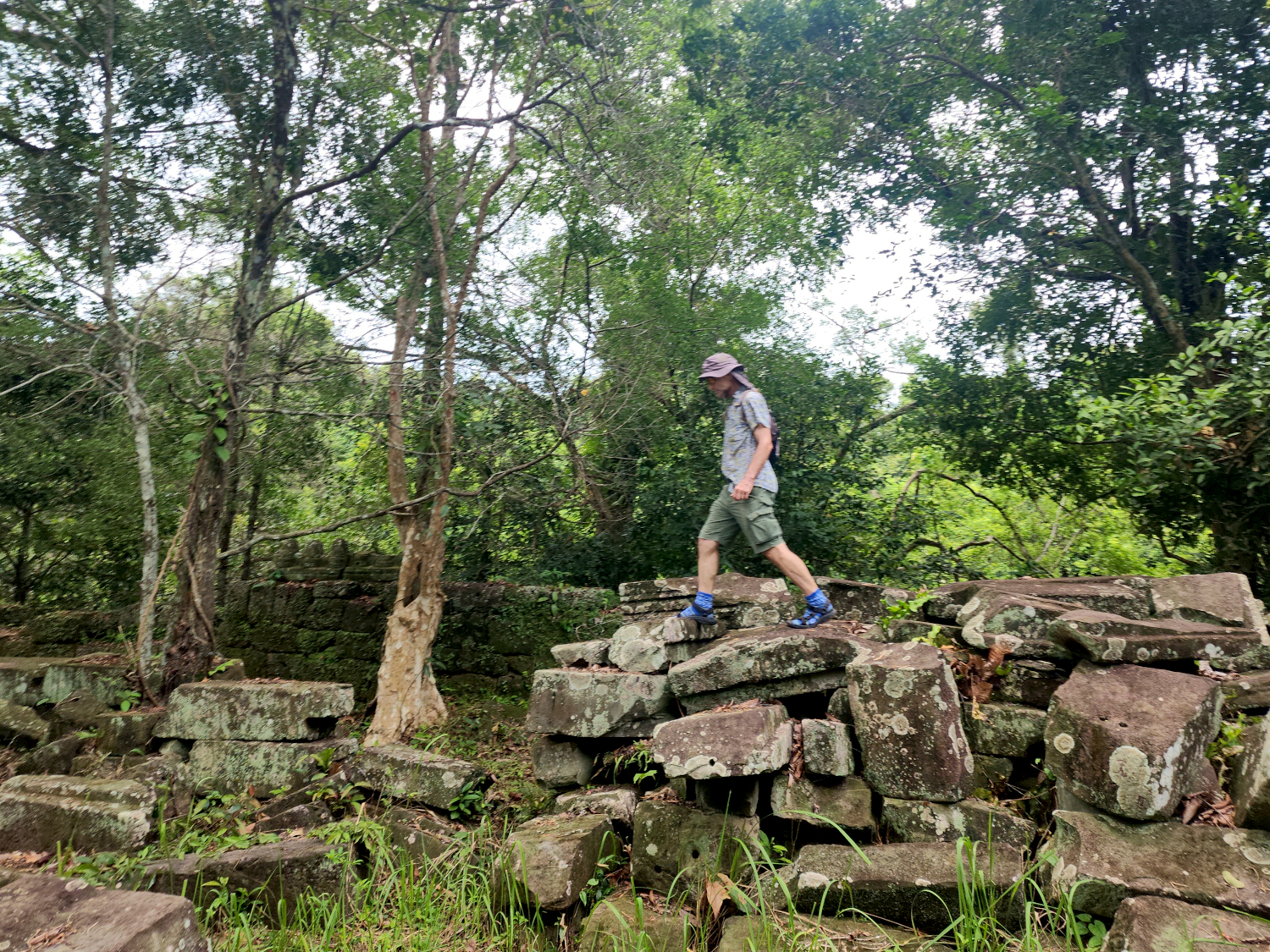
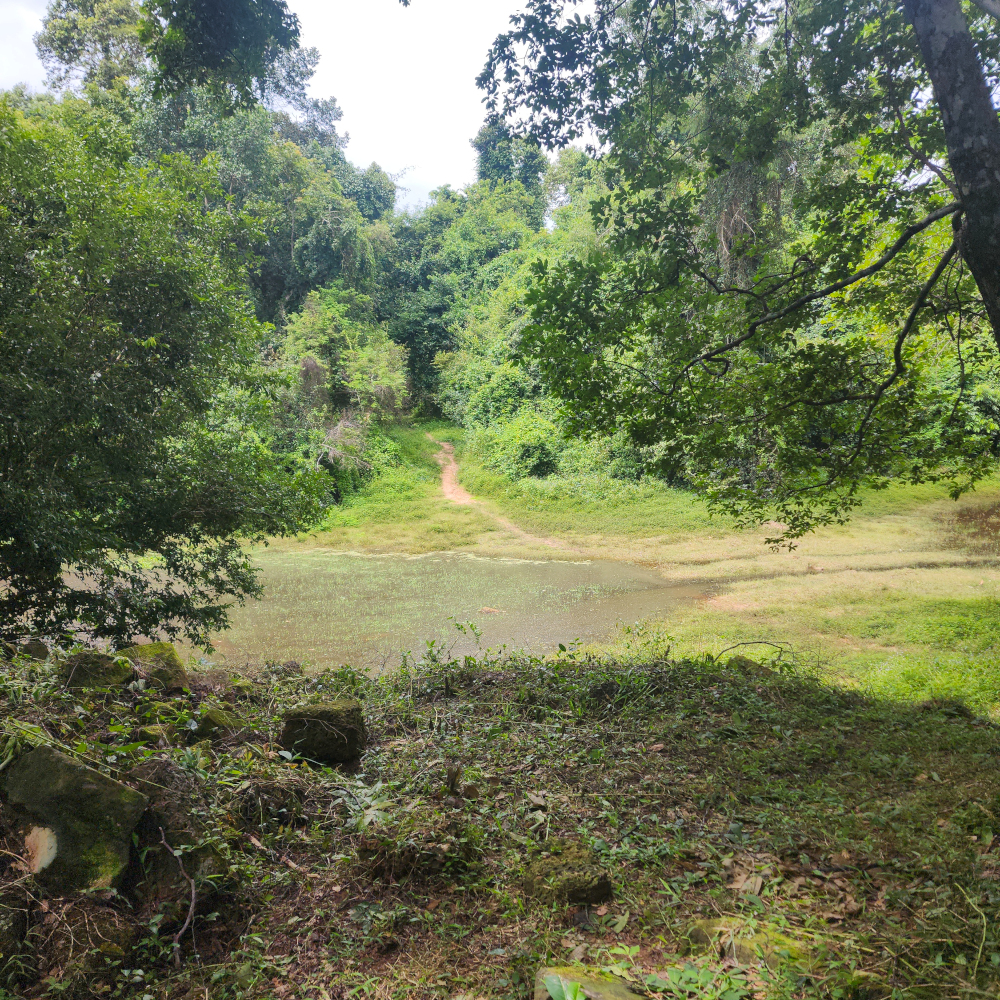
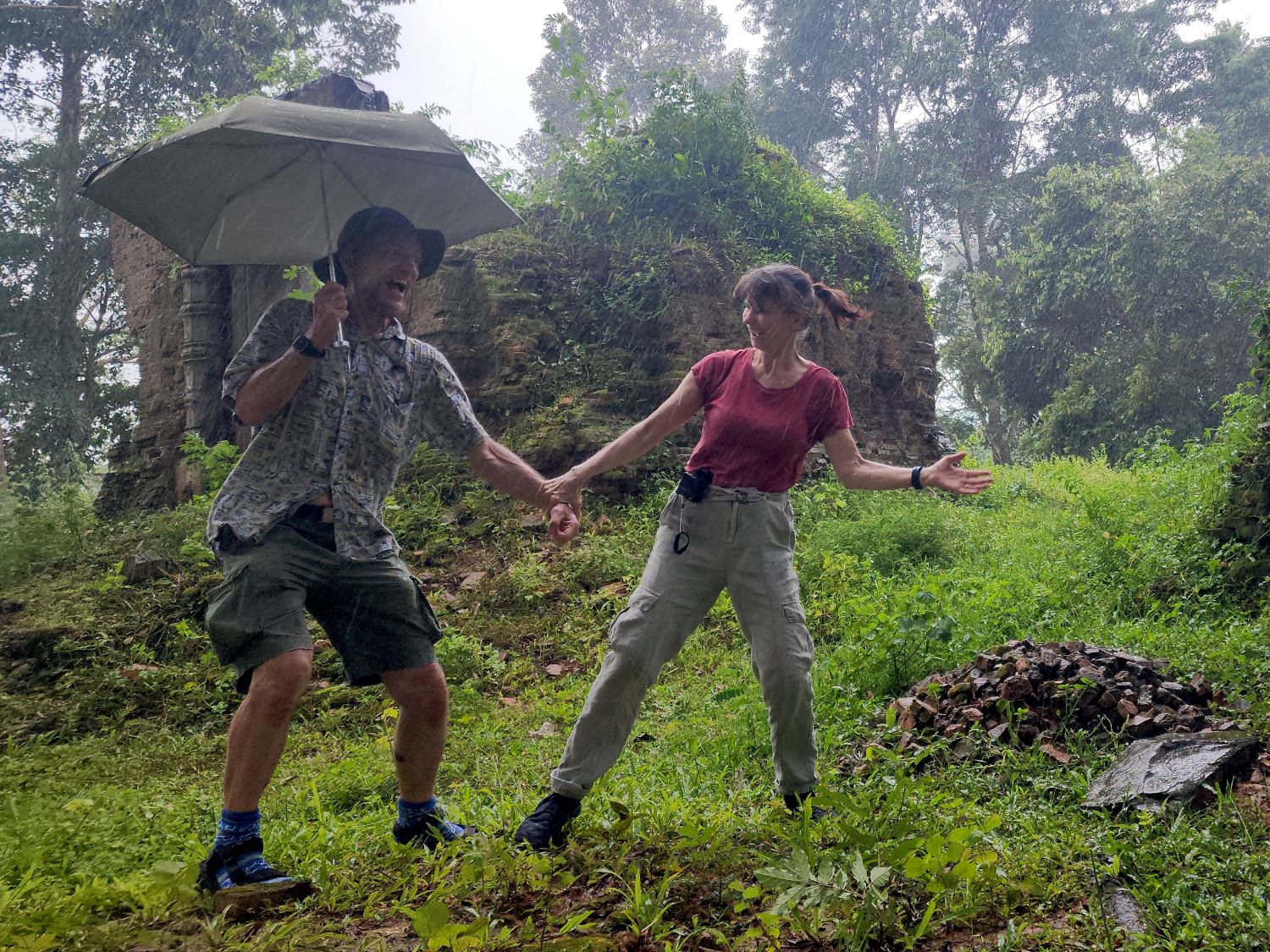
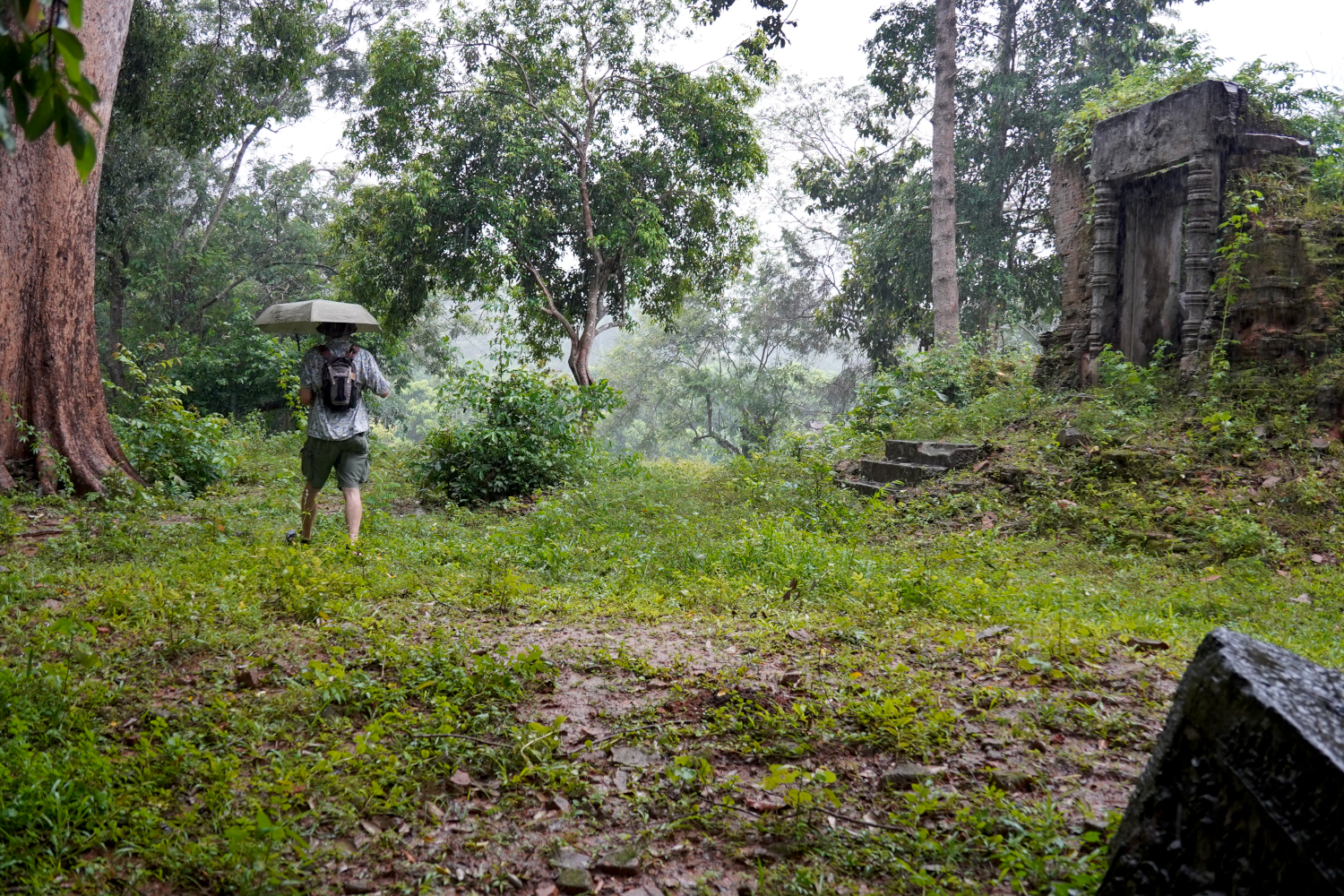
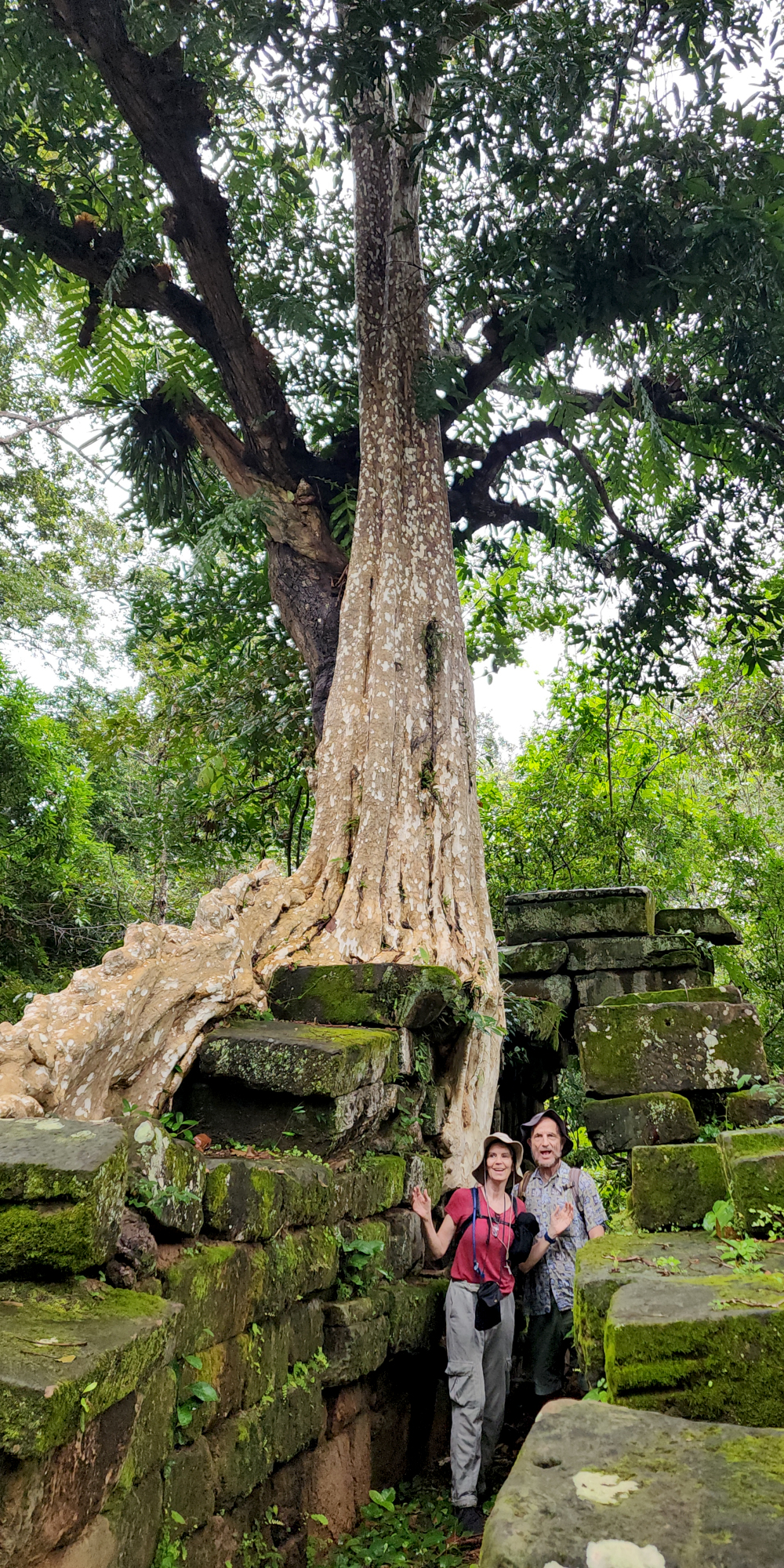
For the next attraction on our list, we have to go really and truly off the beaten path. Unlike the others, it’s not on a major thoroughfare through the park. Finding it is a bit of a challenge, but we finally figure out that we have to walk down a narrow, muddy lane about 100 yards, past a little farm (there are people living within the perimeter of the park, and there is even a school for their children), past a barking dog, over a grassy meadow and up a little hill to reach the inconspicuous, and greatly neglected site of Kutishvara Temple,
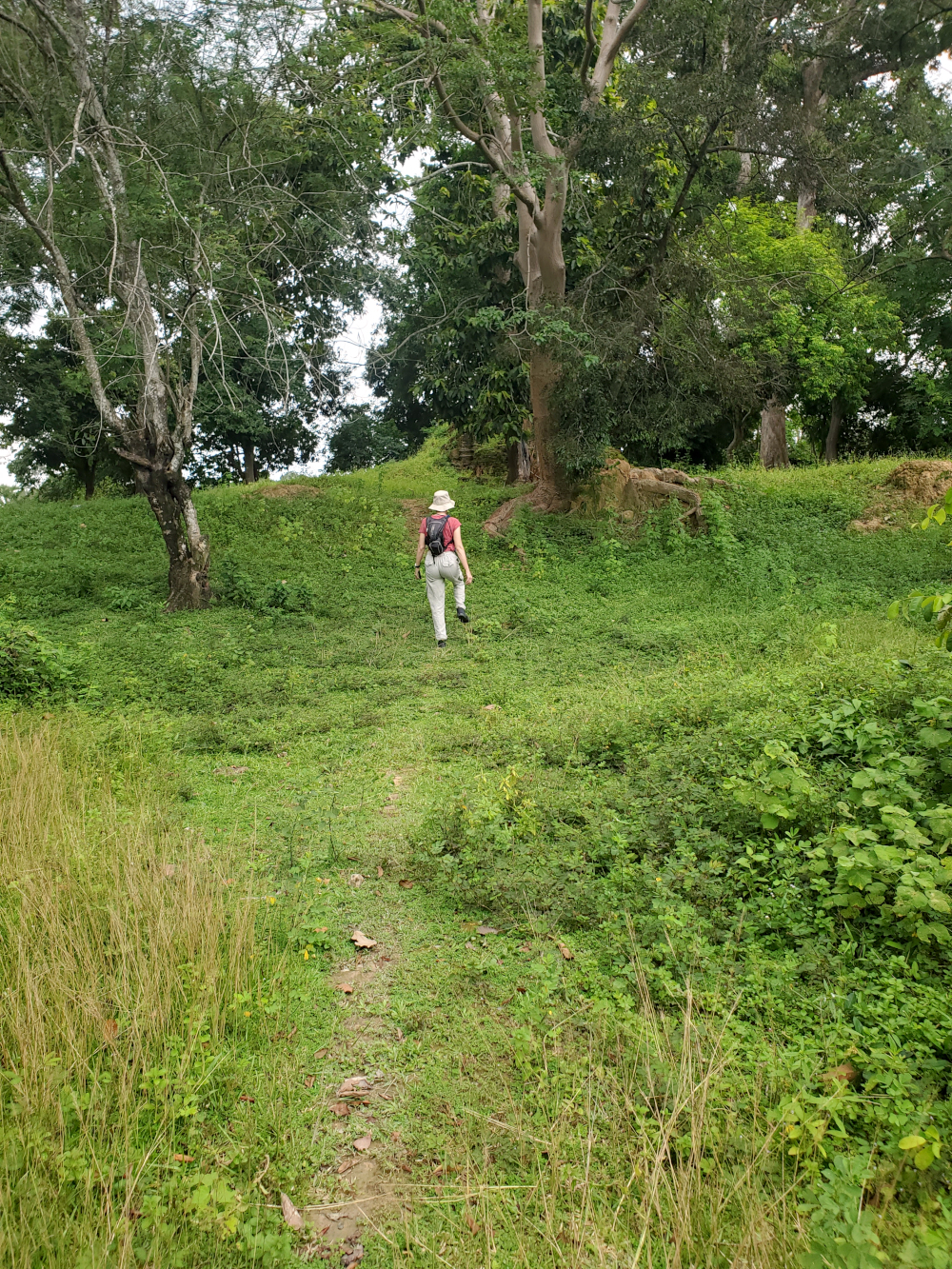
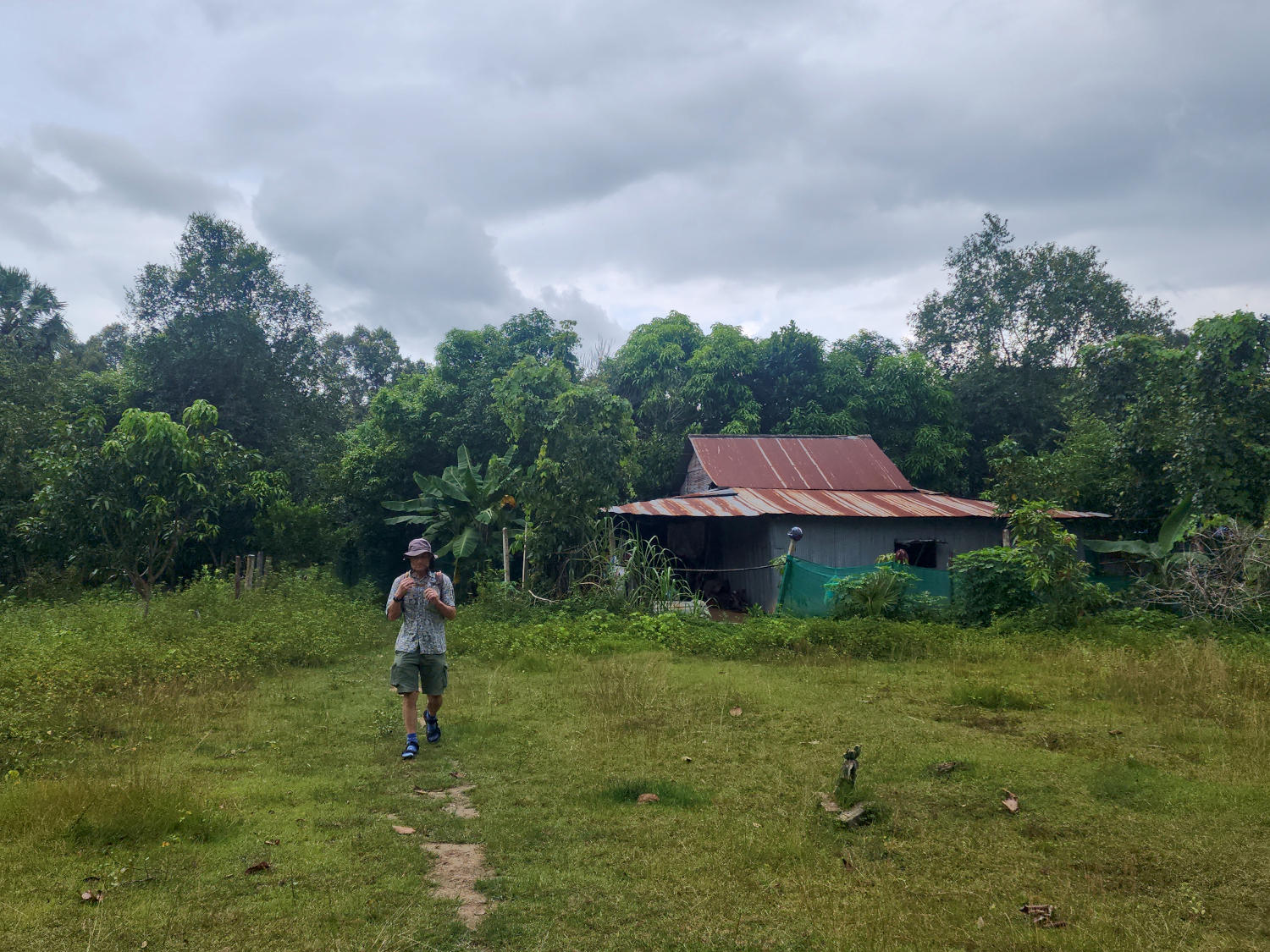
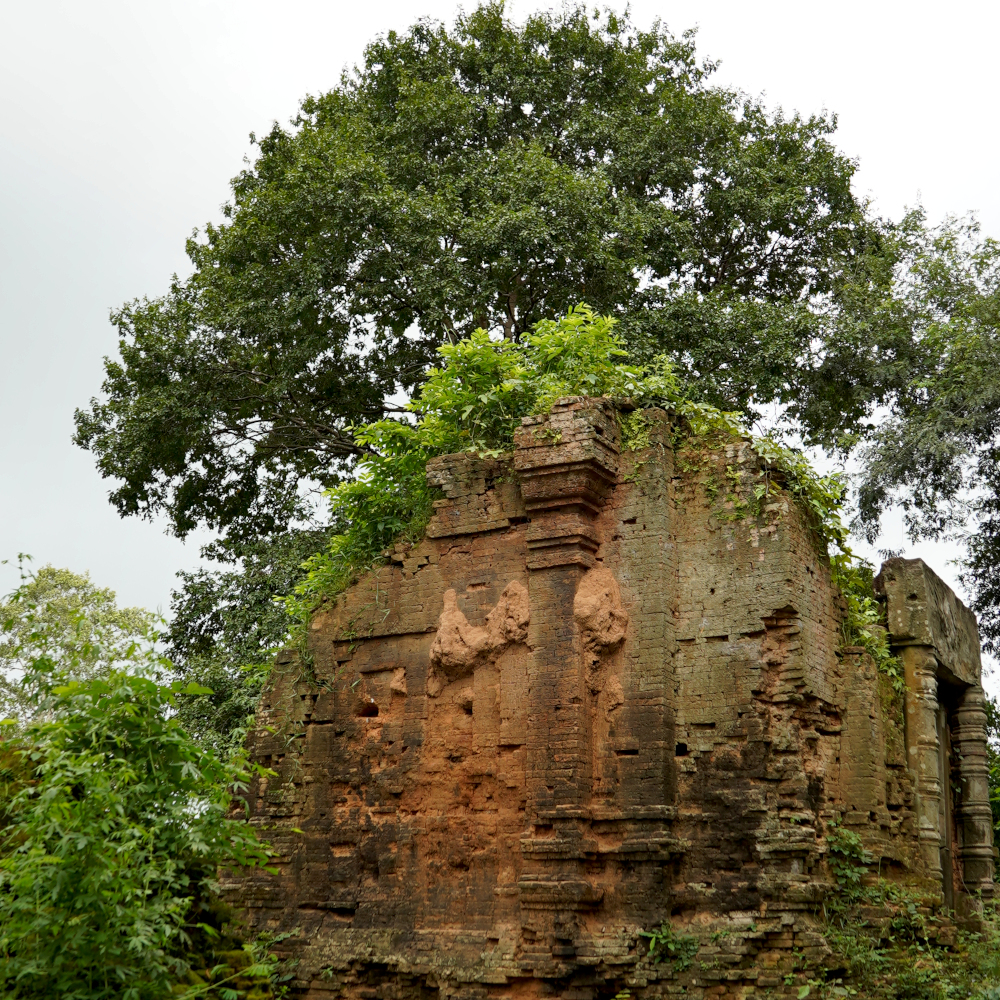
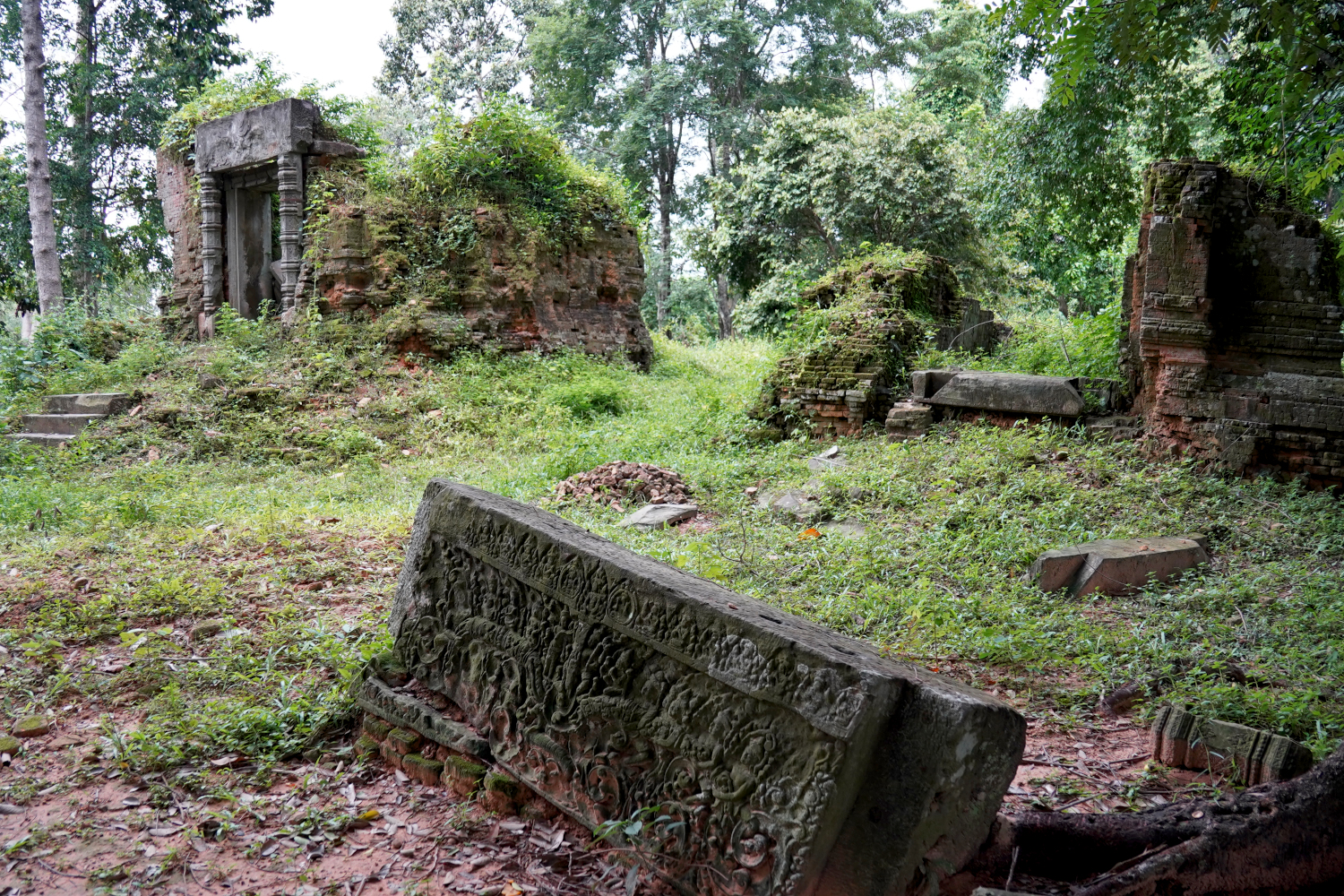
This is perhaps the oldest temple in the entire complex; its construction may have begun as early as the year 800. It’s also one of the smallest. And one of the most dilapidated. There doesn’t seem to have been any effort to restore it at all — it’s largely just lying in heaps of stone the way Father Time slowly disassembled it. We feel almost as we are the first humans ever to discover it.
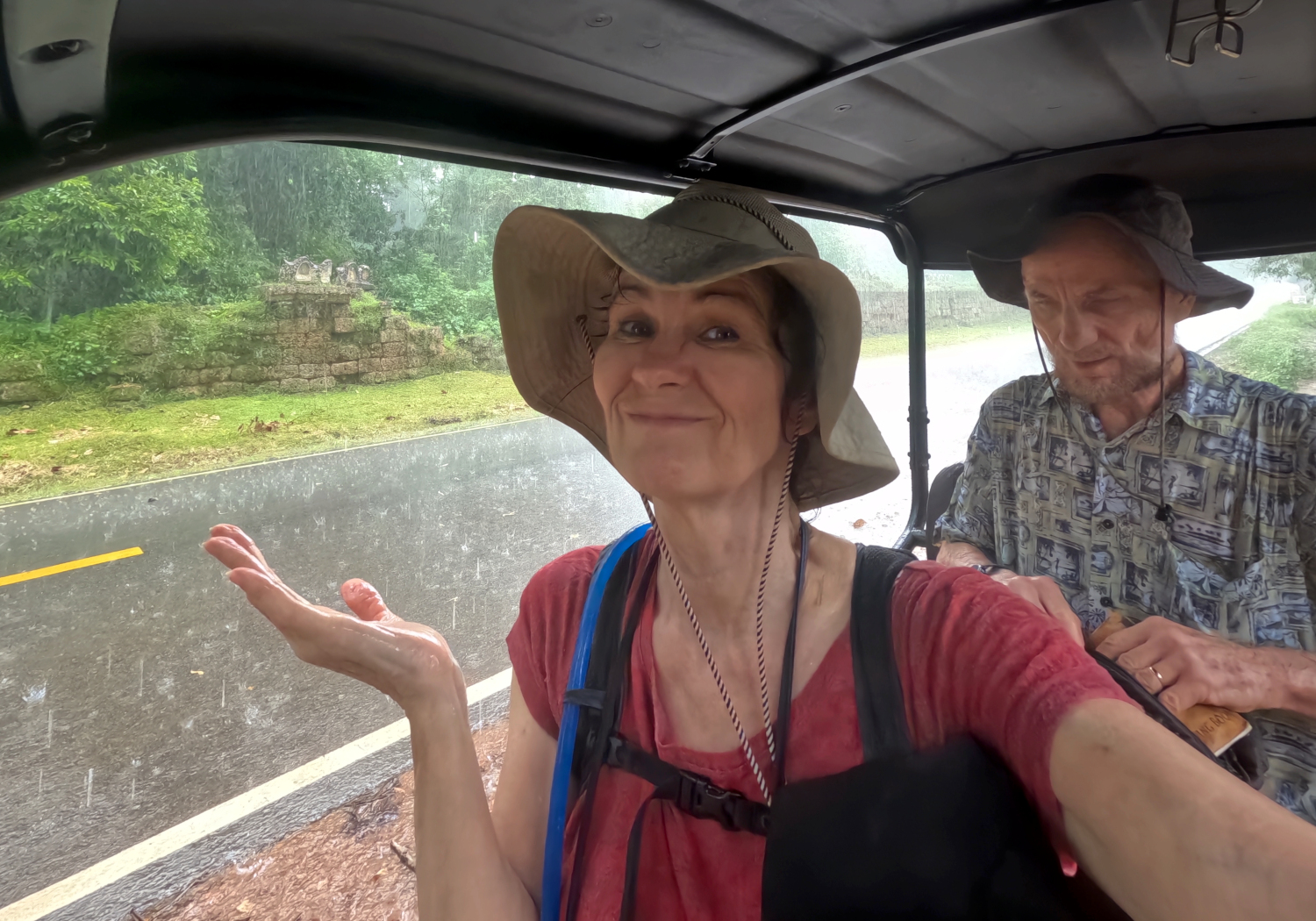
As we are reveling in our achievement, the rain sweeps in and we have to scurry back to our vehicle to keep from getting drenched. The rain pounds away for about half an hour, and then retreats for the rest of the day.


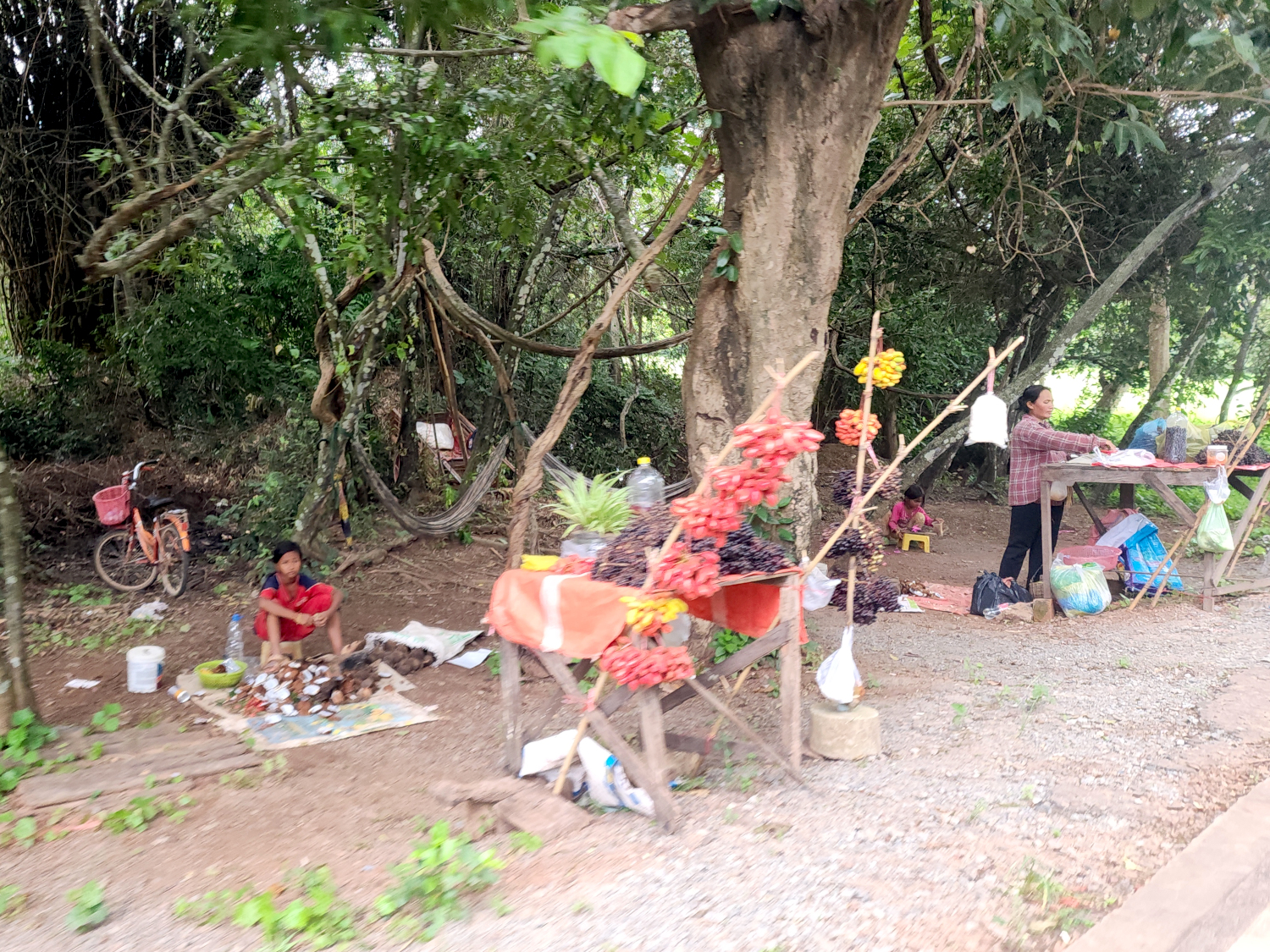
Along the roadside near a bridge

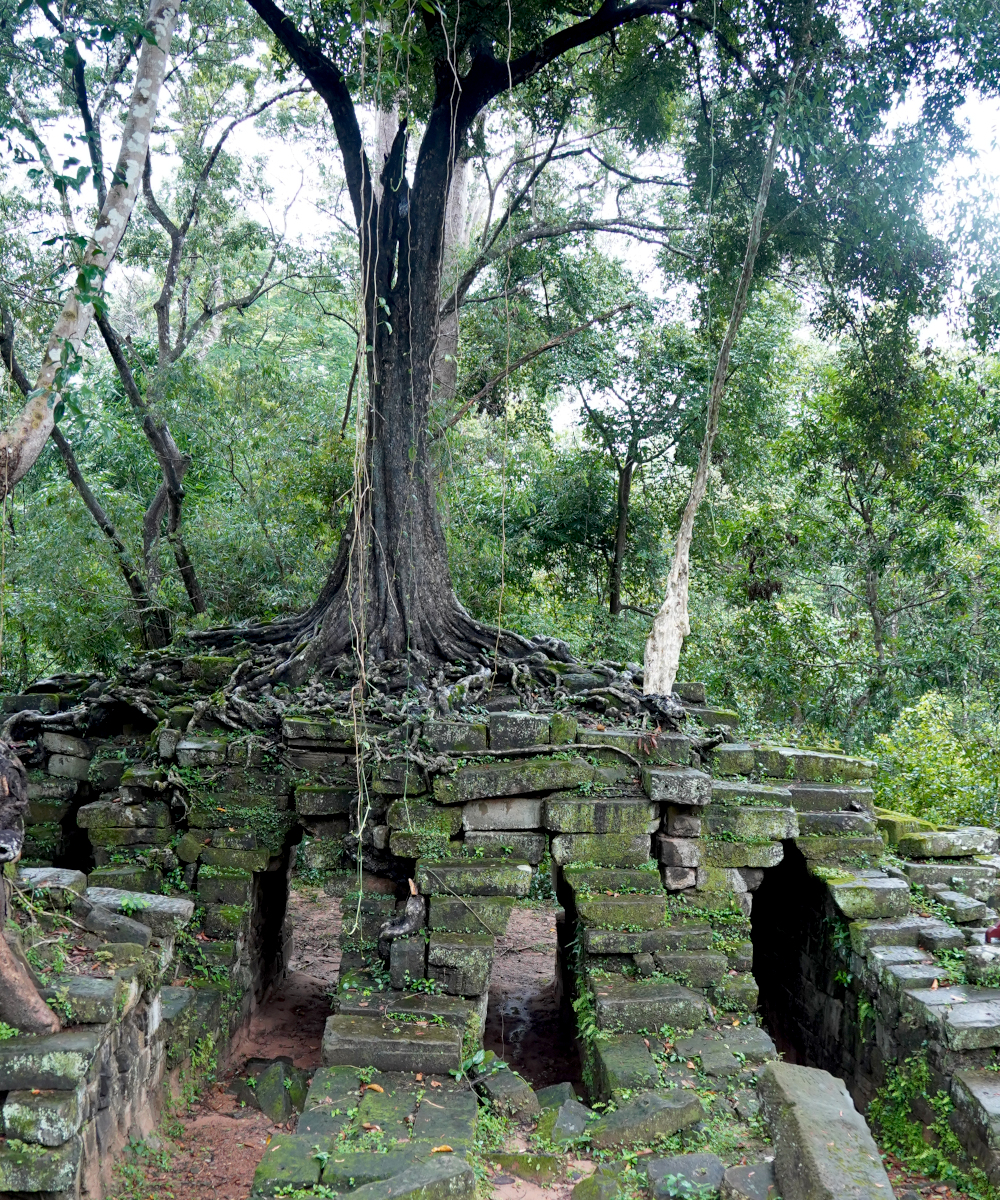

Baphuon
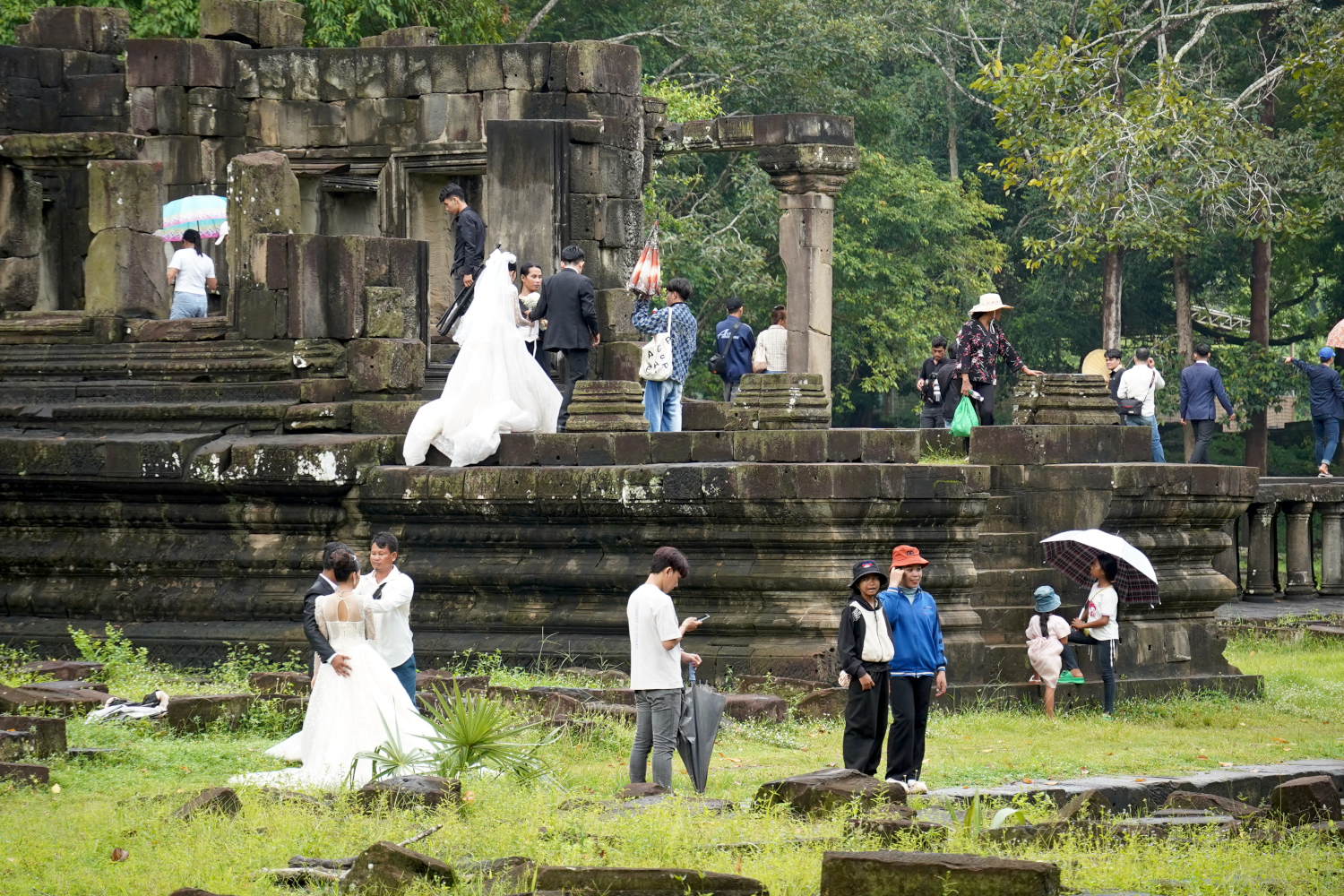
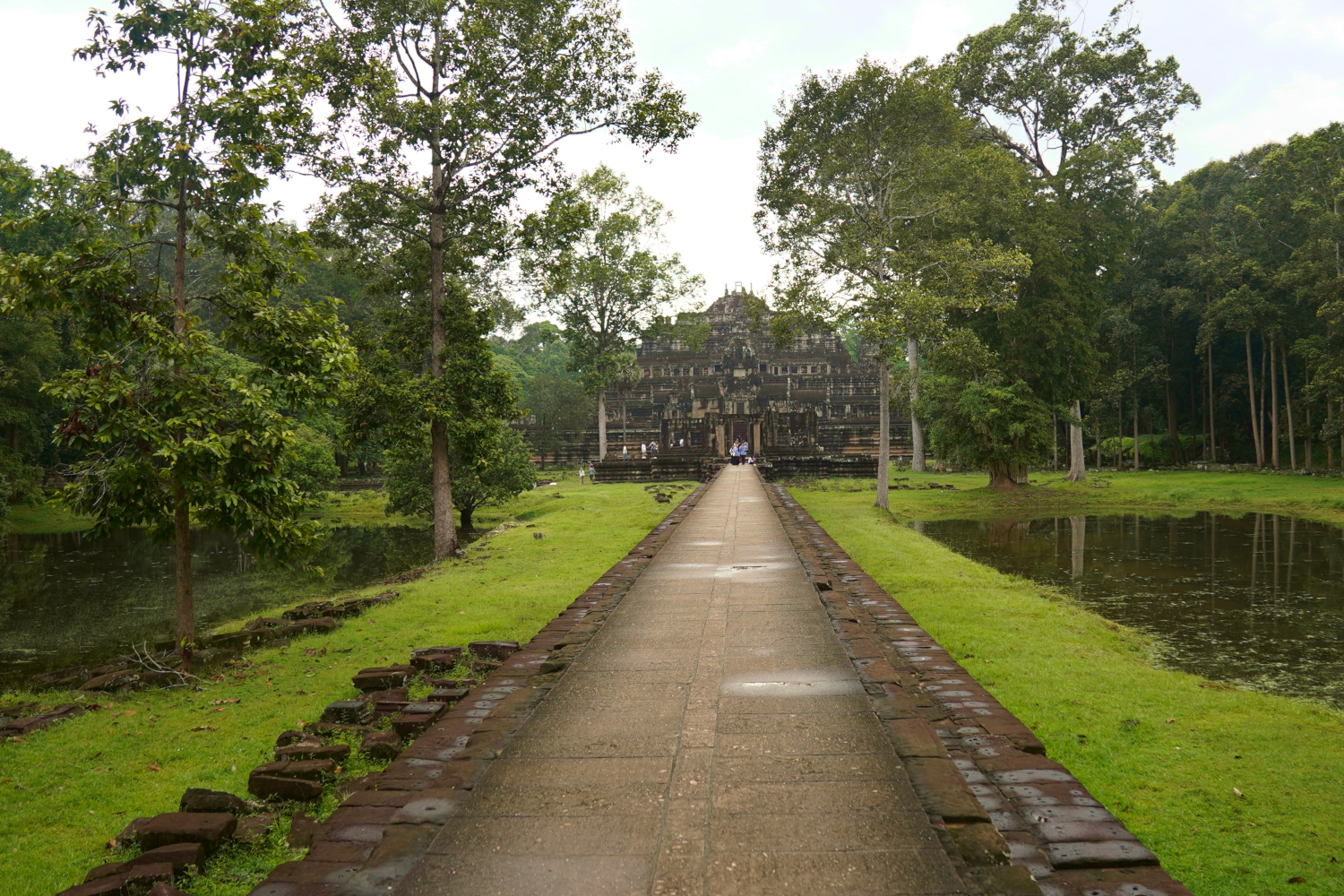
We end the day with Baphuon, which is one of the major temples. It’s not as popular as Angkor Wat or Bayon, but it does draw its share of guests; its three-tiered pyramid design is an especially frequent site of photo shoots for weddings. And one such wedding party is availing themselves of it on this particular day — fortunately the weather cooperates. Somehow their poses remind us of Georges Seurat’s painting A Sunday Afternoon on the Island of La Grande Jatte, even though the backdrop is quite different.
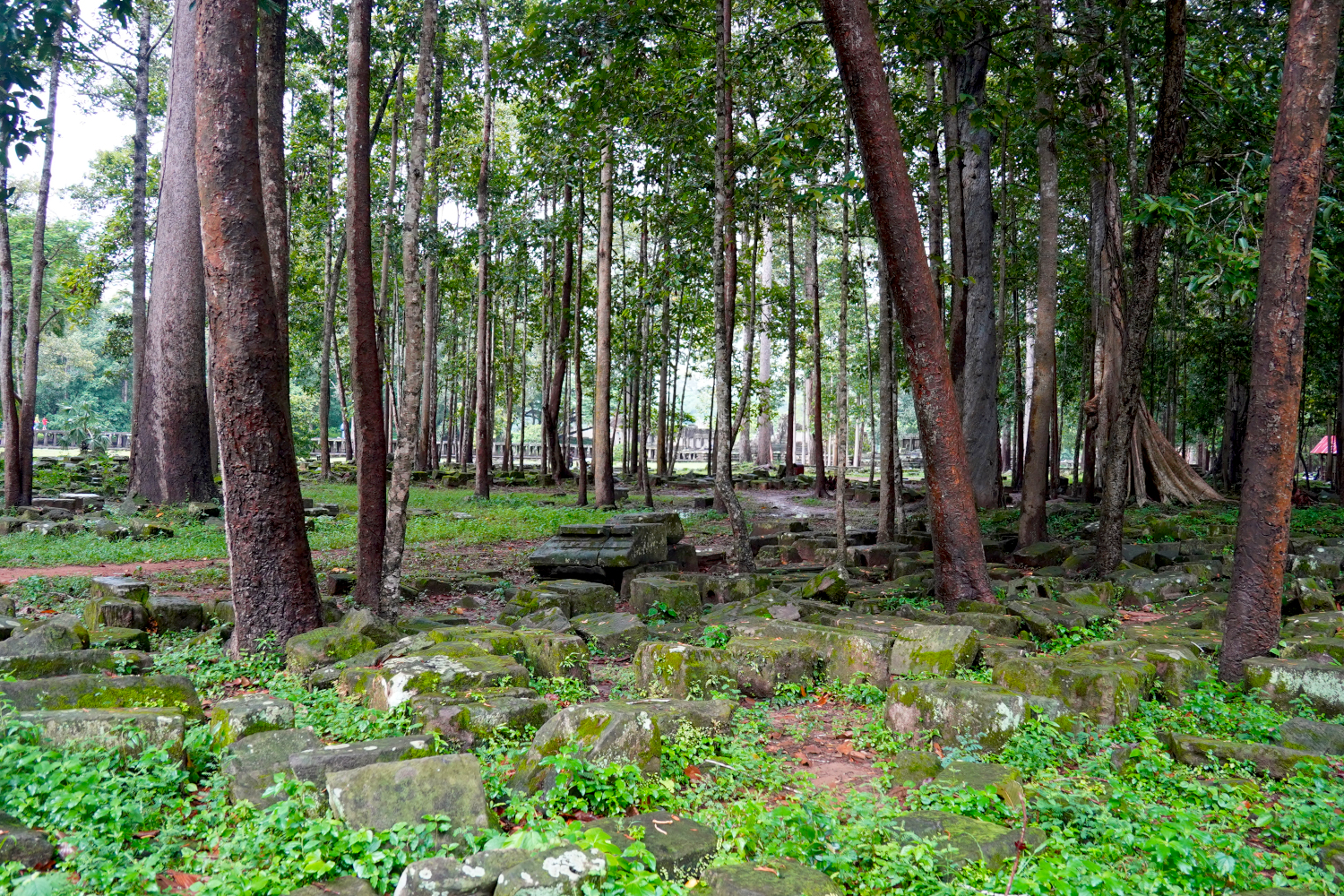
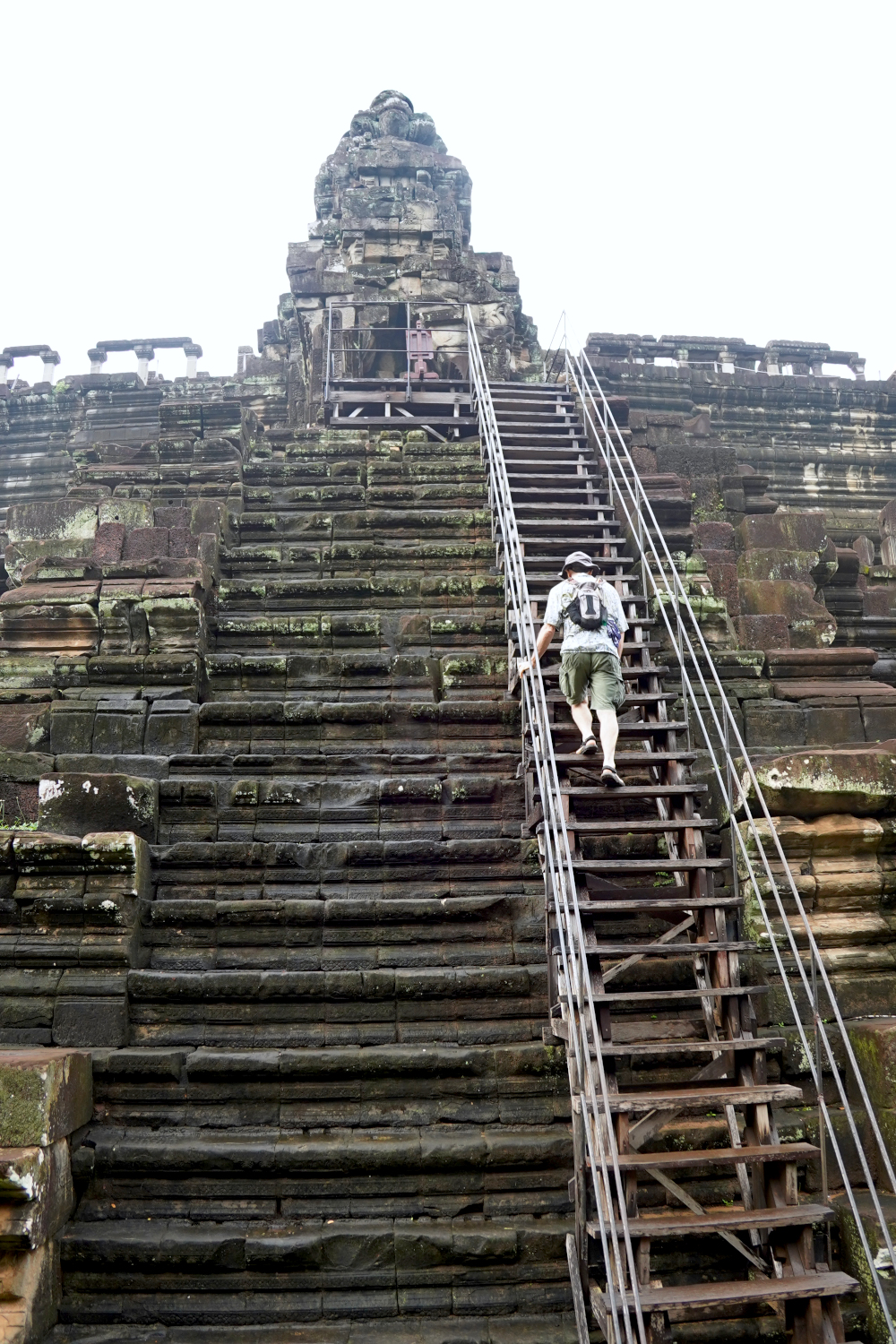
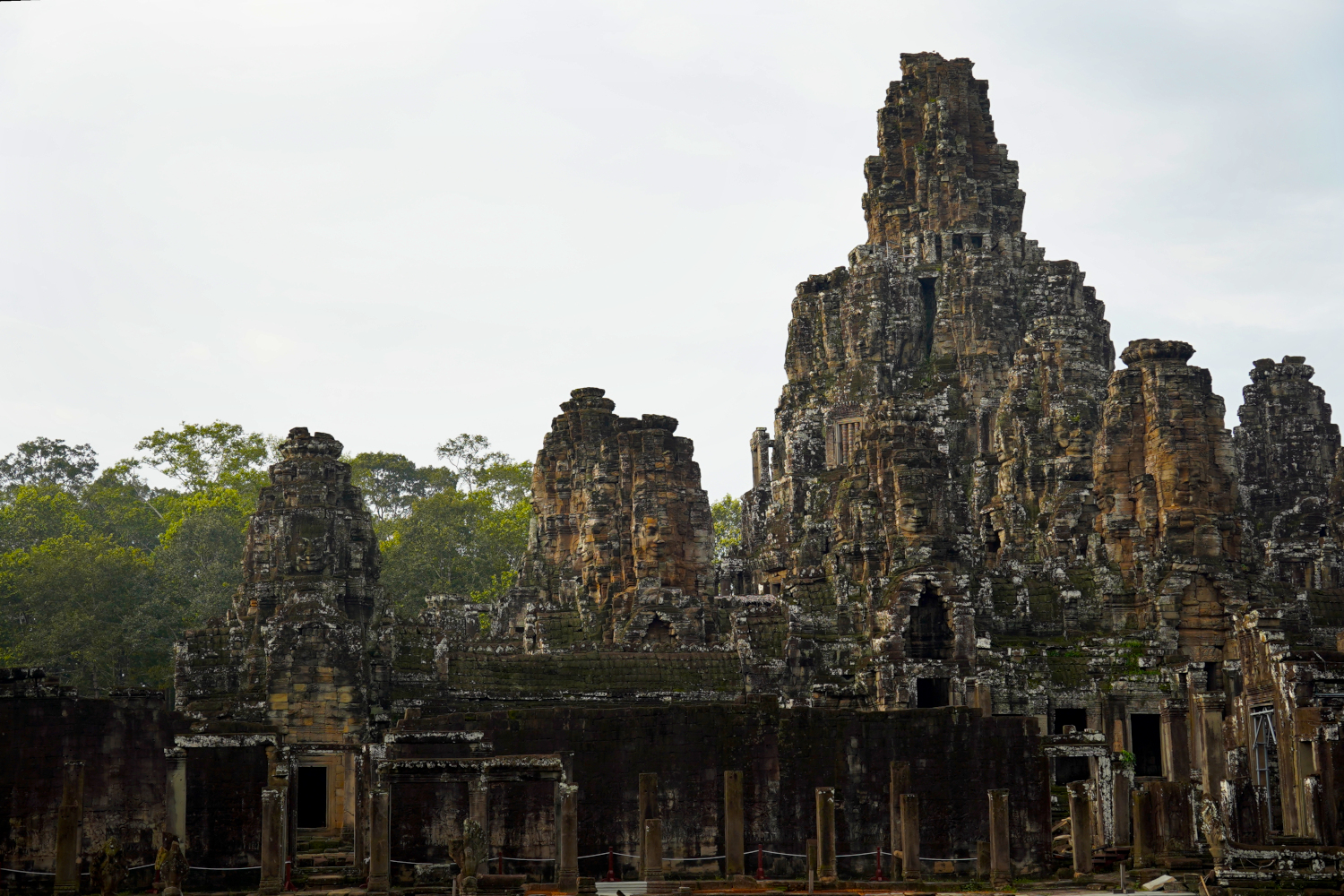
Baphuon was completed in the year 1060, making it a little older than most of the temples here. Like many of them, it was originally Hindu, but later converted to Buddhism. When it was uncovered by explorers, it was in a state of extensive ruin; it had to reconstructed from some 300,000 pieces lying around, for which reason it’s sometimes referred to as “the world’s biggest jigsaw puzzle”. The task of making it a tremendous Ikea-like project was interrupted by the civil war in the Seventies, and ultimately took 16 years to complete. Today, it once again approximates its past splendor.
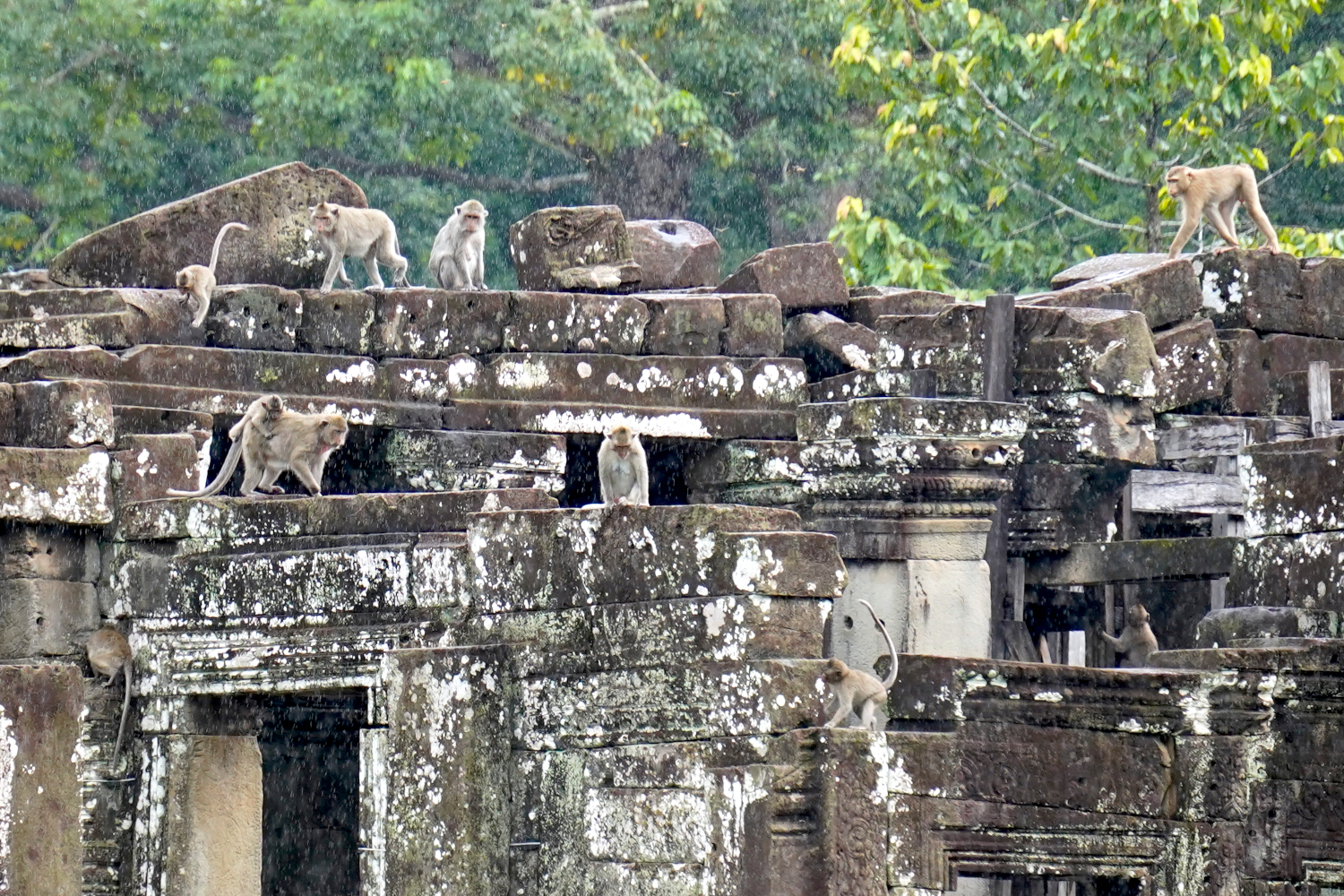
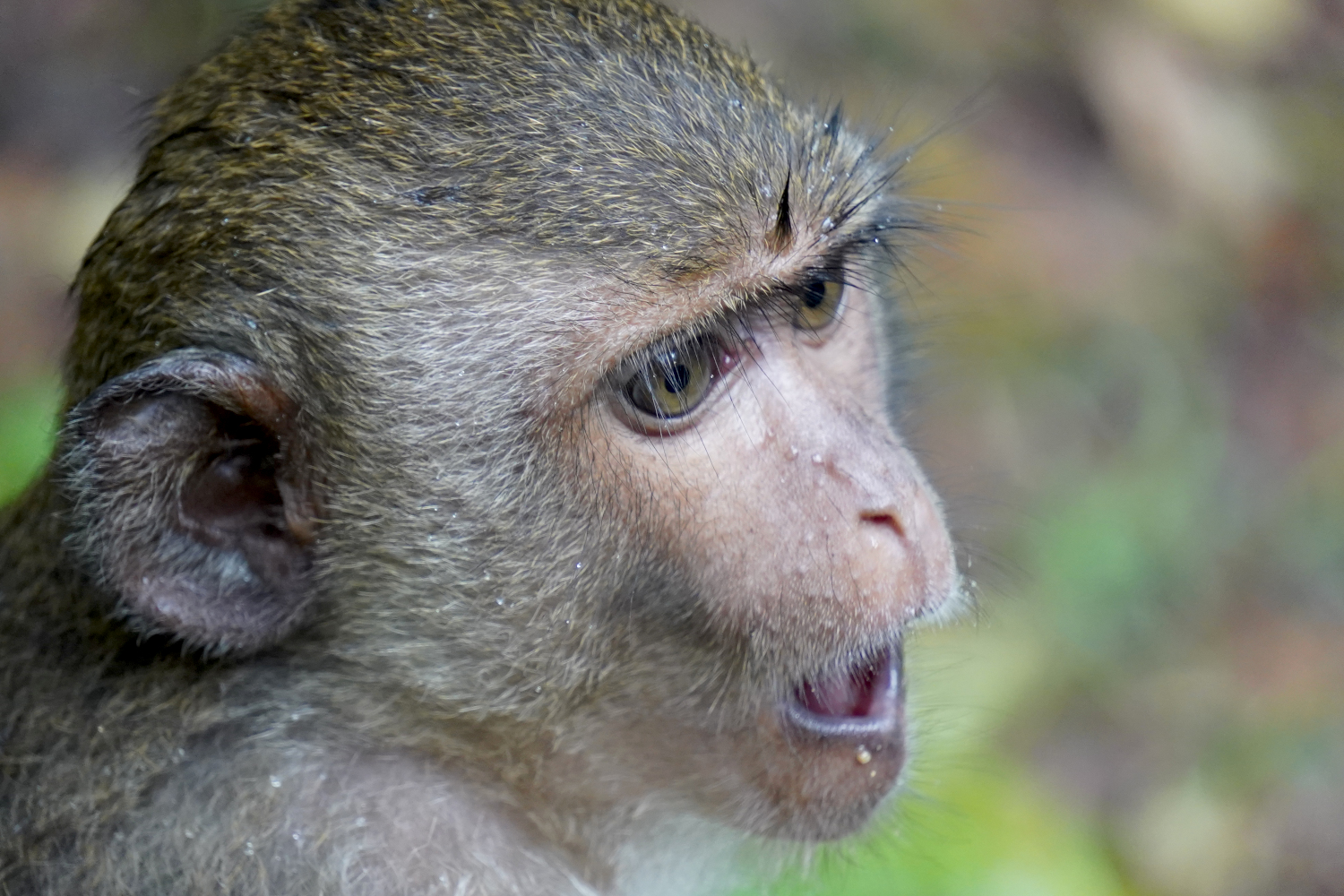


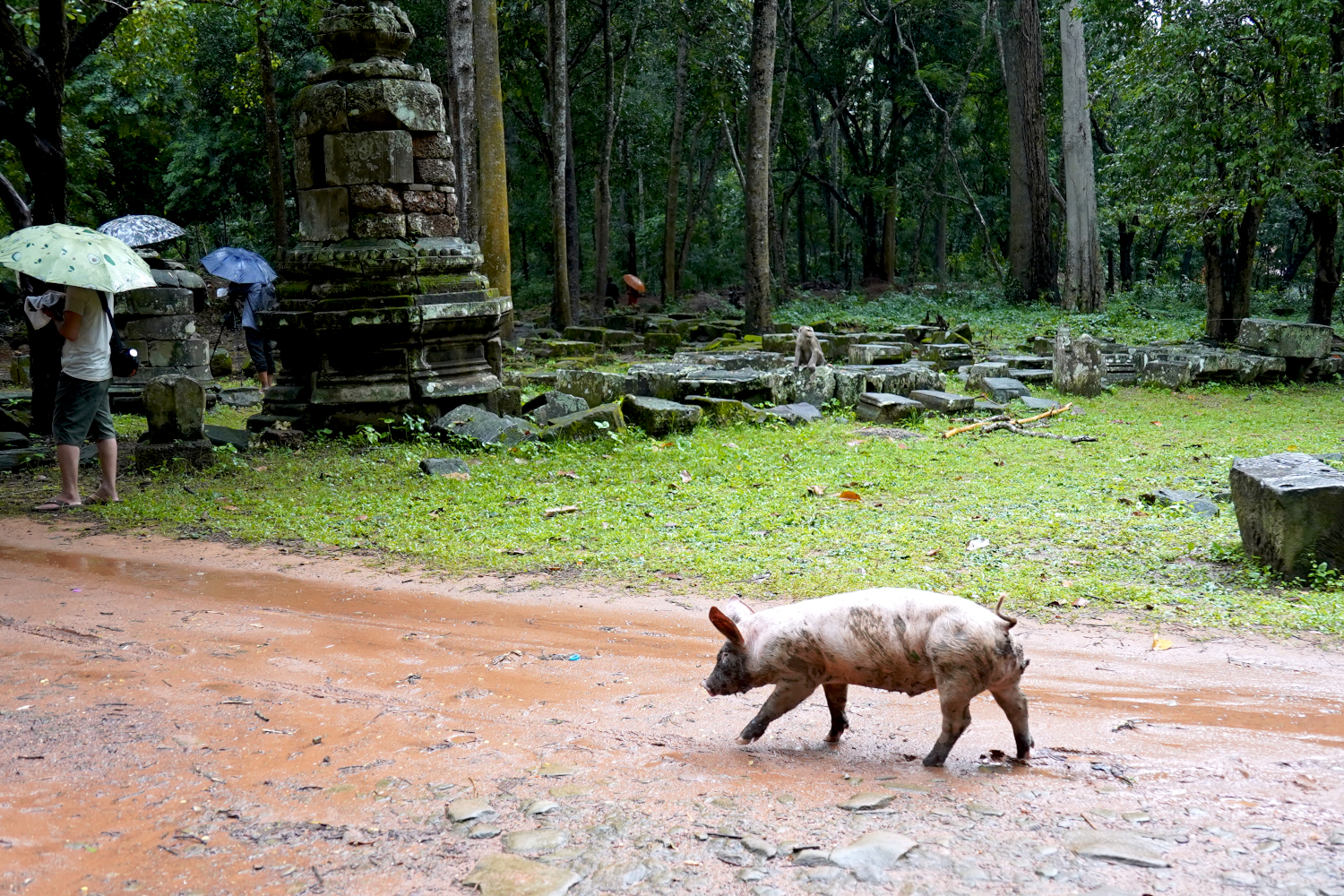
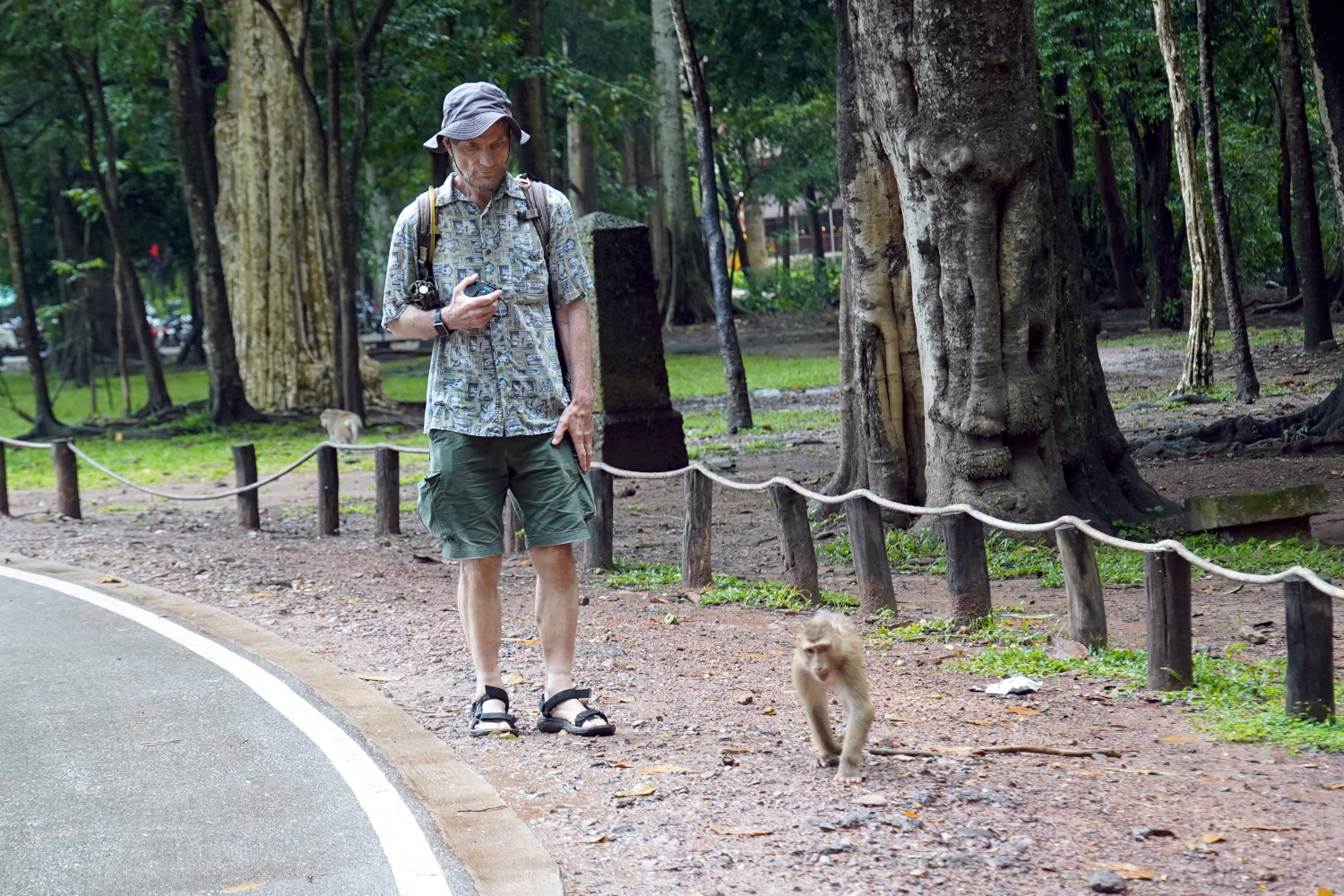
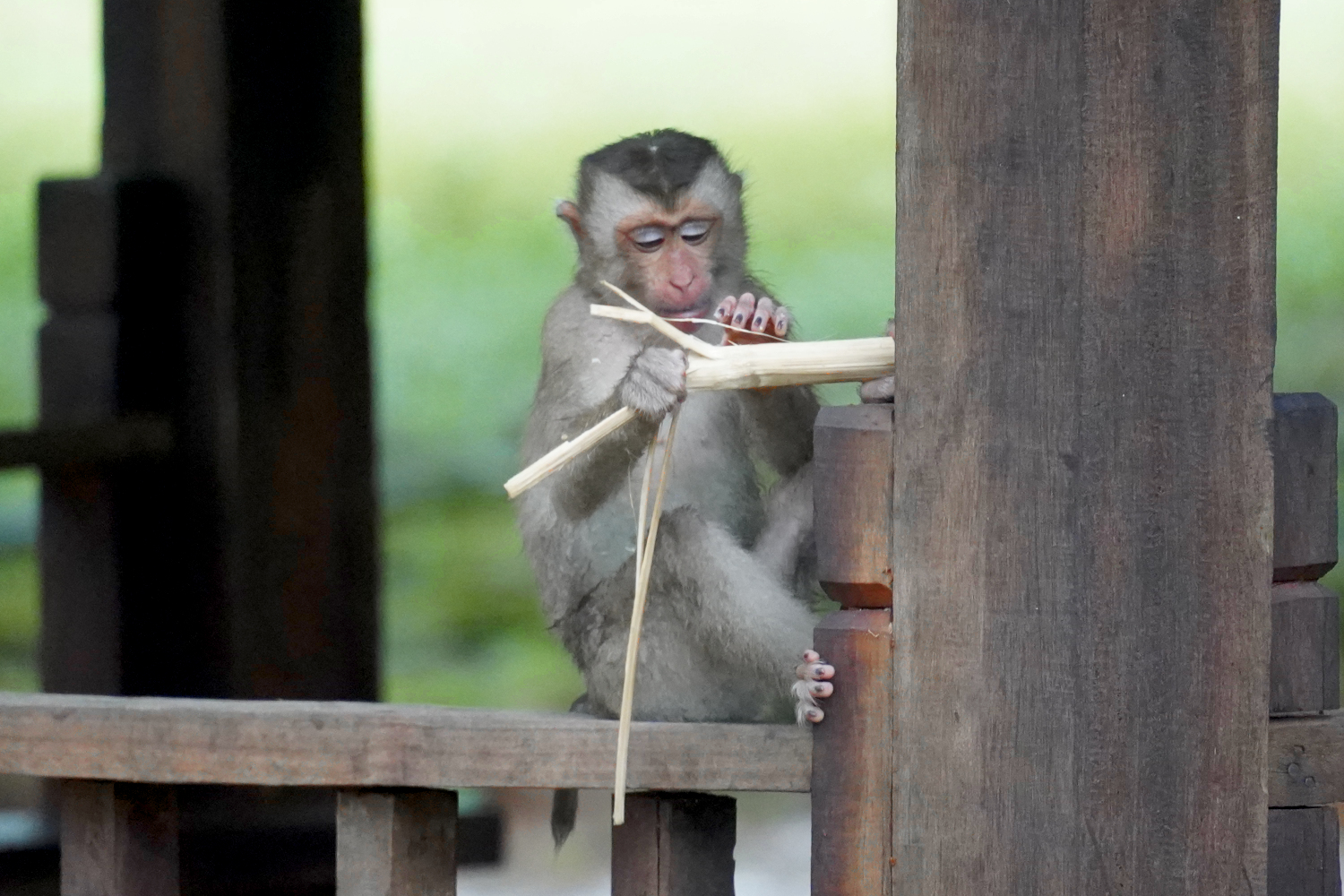
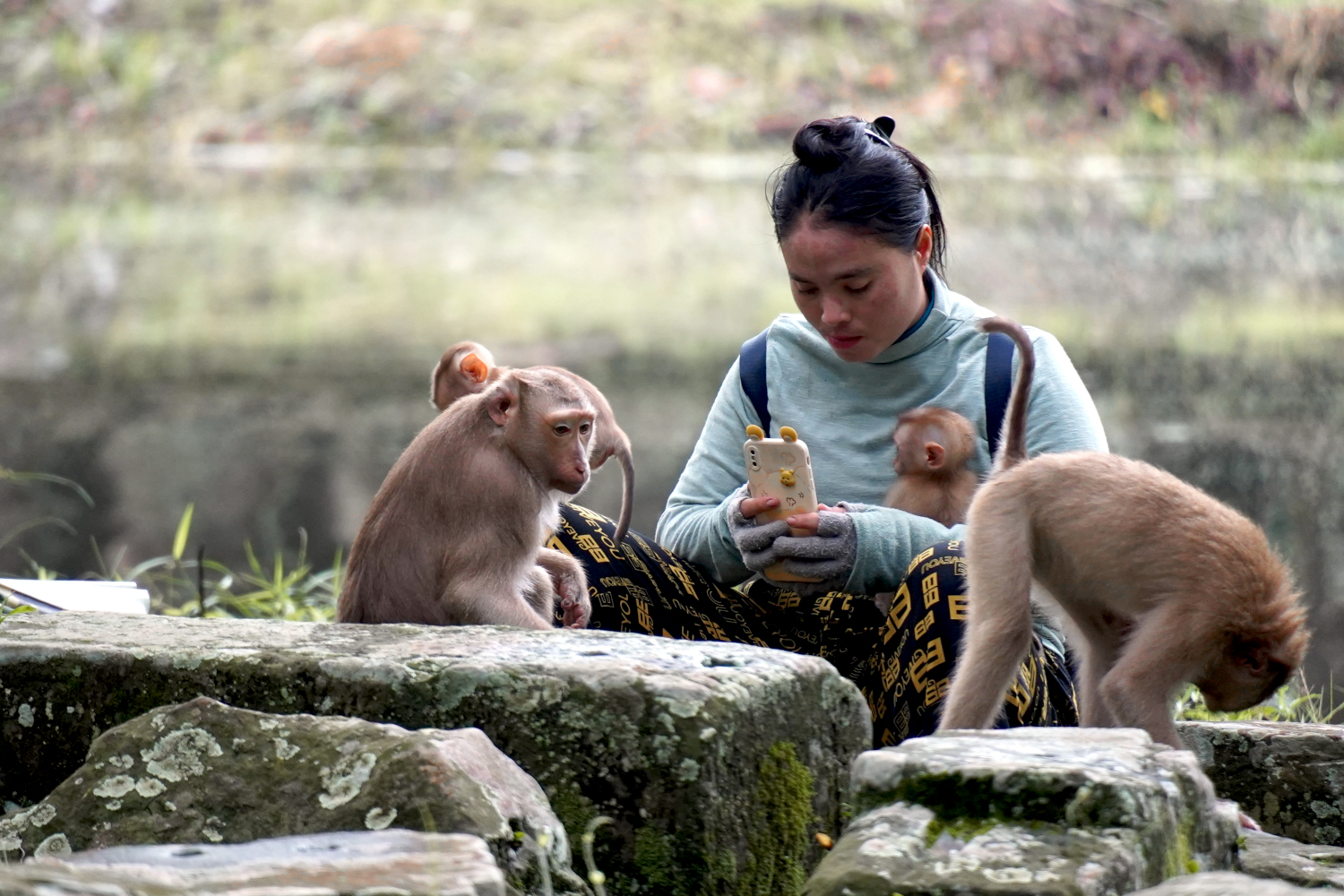
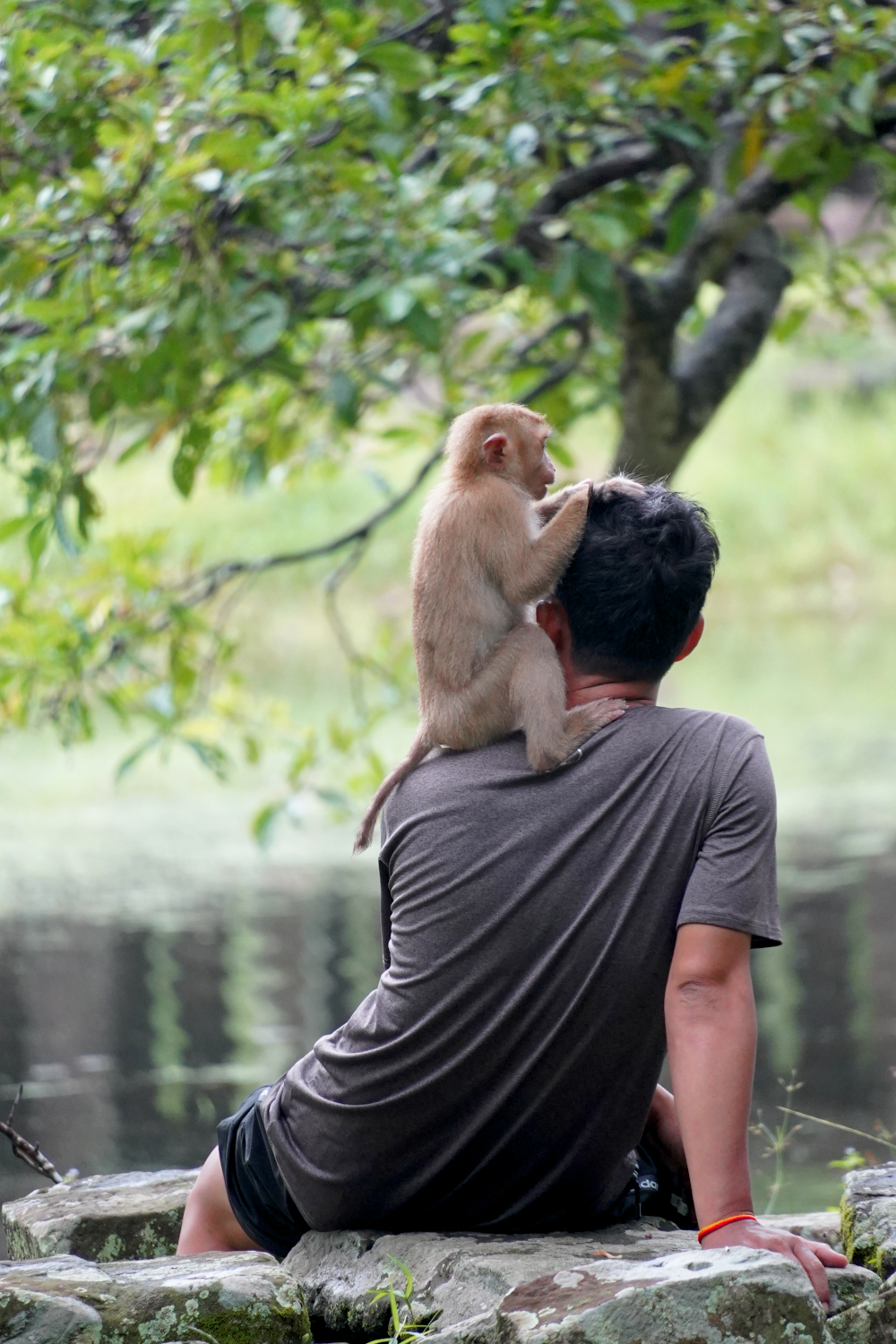
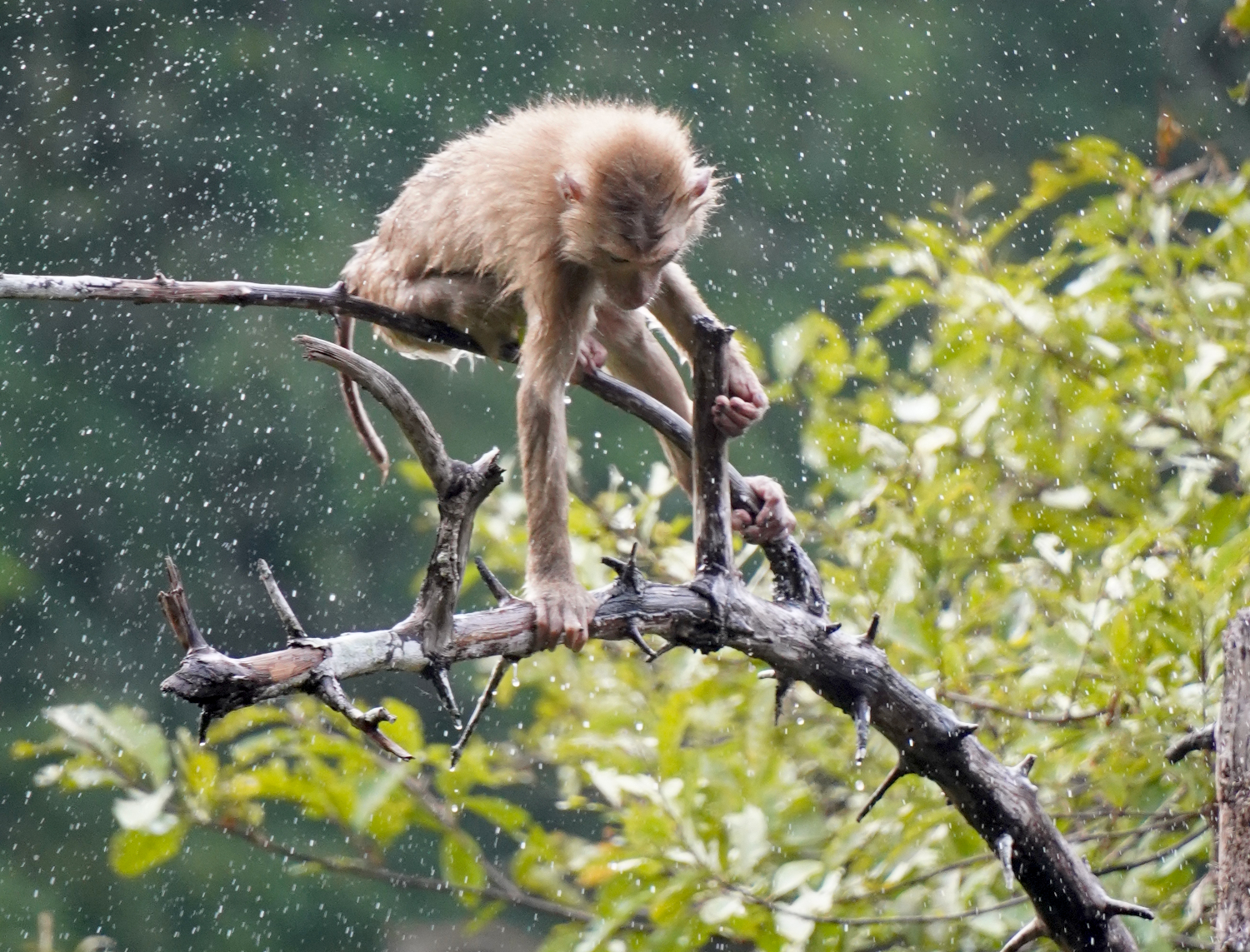
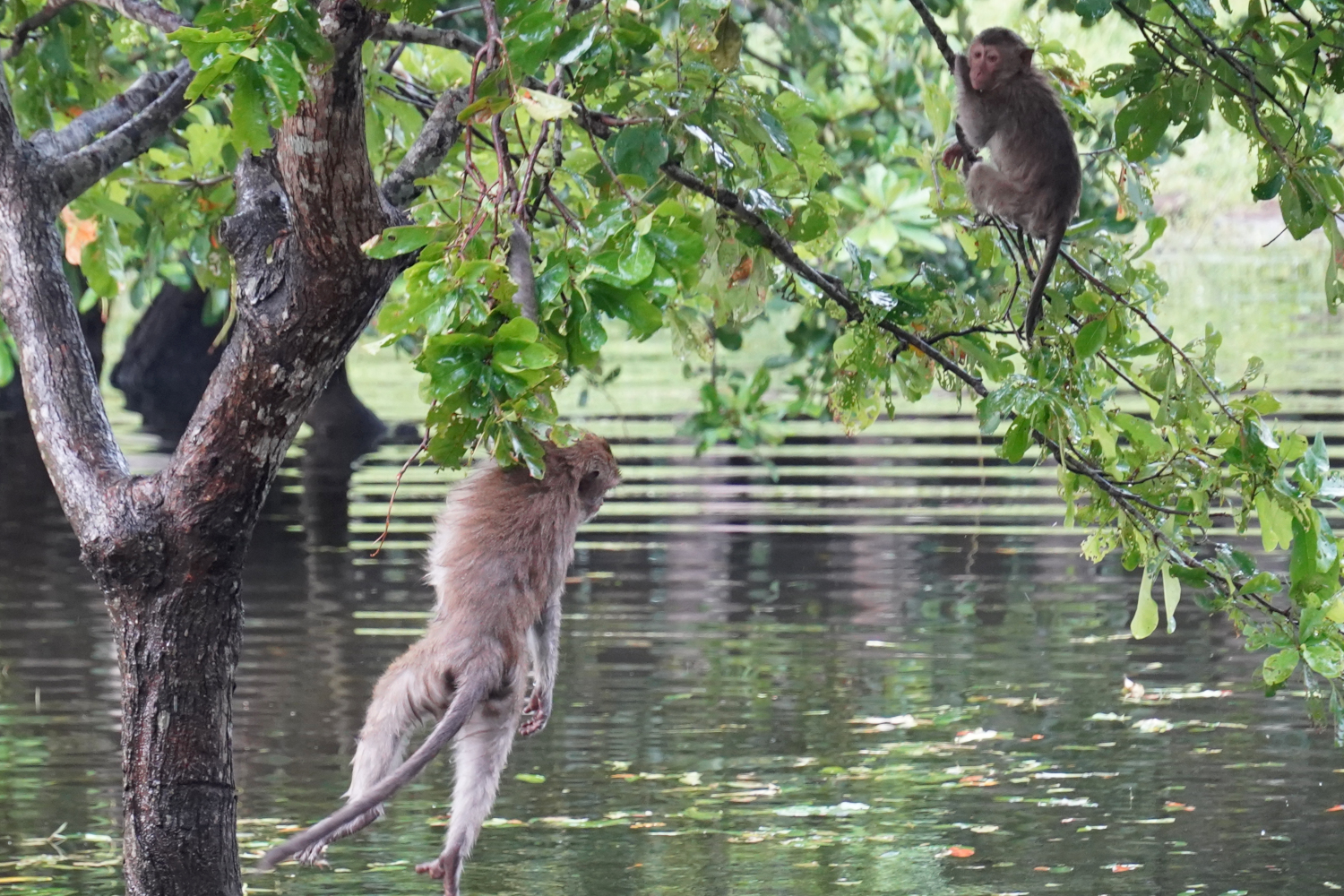
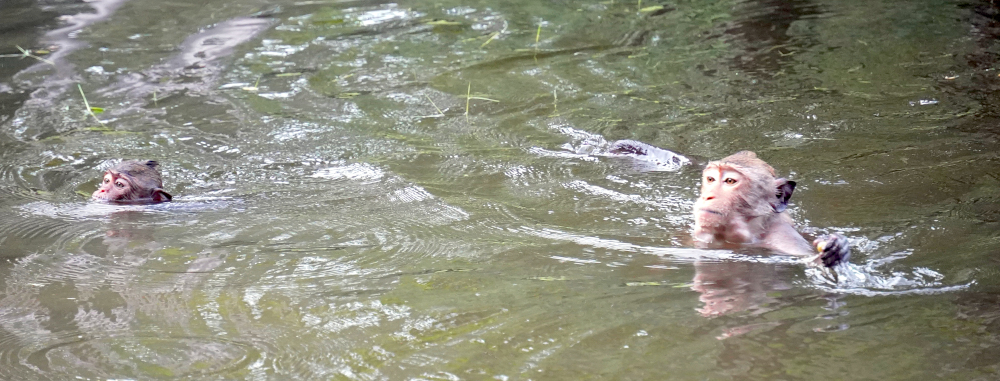
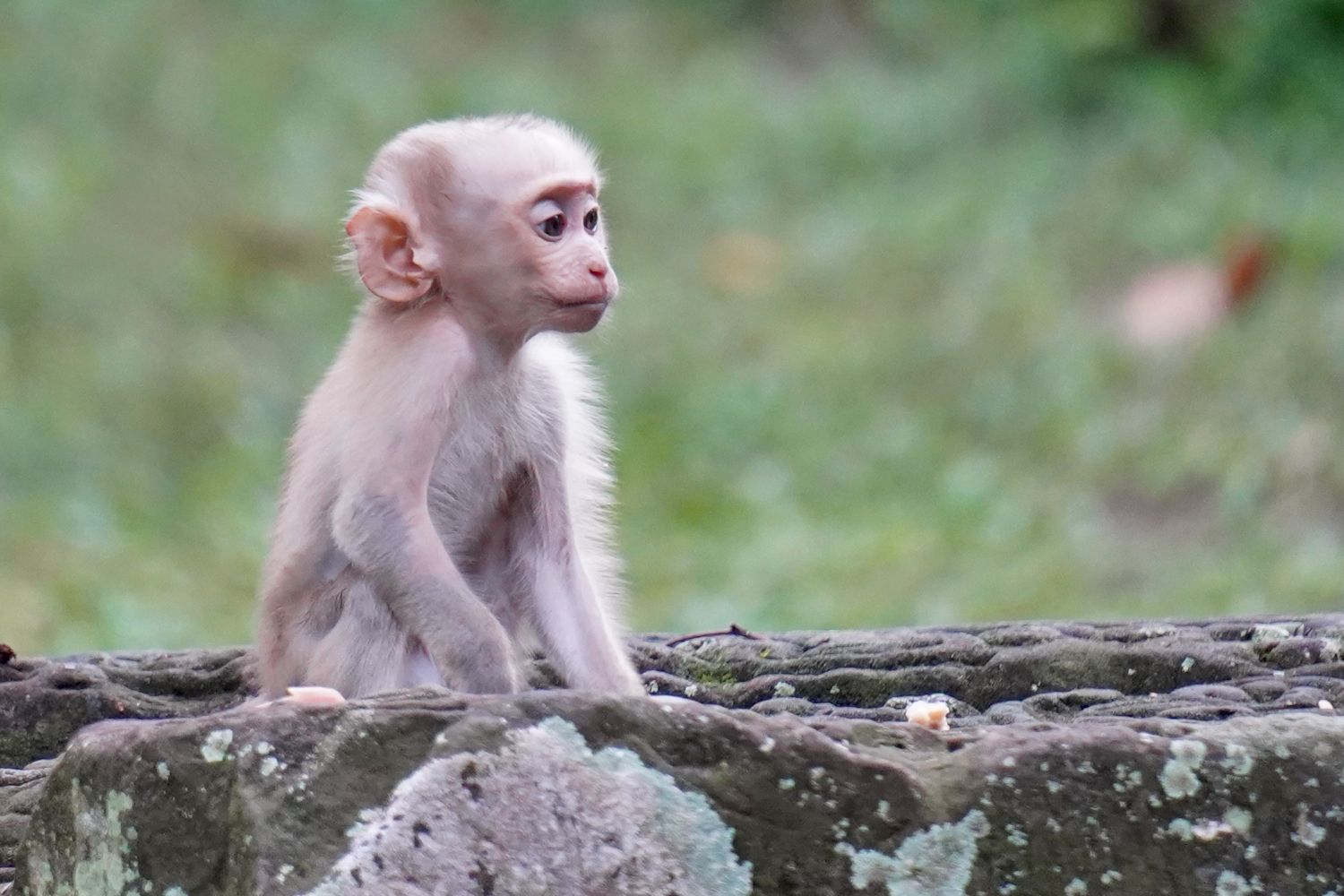
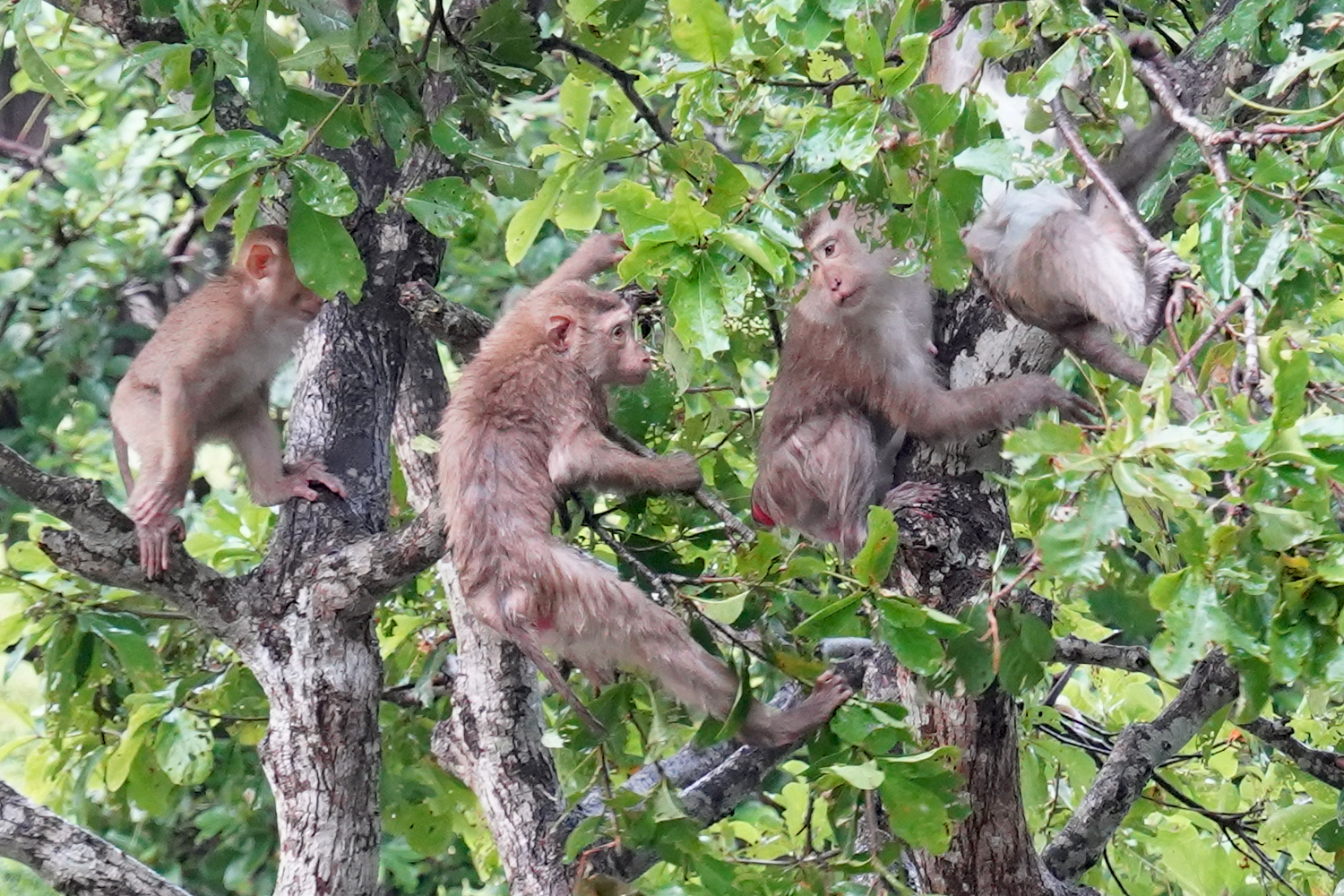
Baphuon is also, like Bayon, a hit with the monkeys (and sometimes pigs); and on this day they are out in force, much to the delight of photographers, who have set up their tripods near a tree where the little critters are having a convention, frequently dropping off branches and into the pond below. They also have no reservations about interacting with humans, sometimes getting up close and personal.

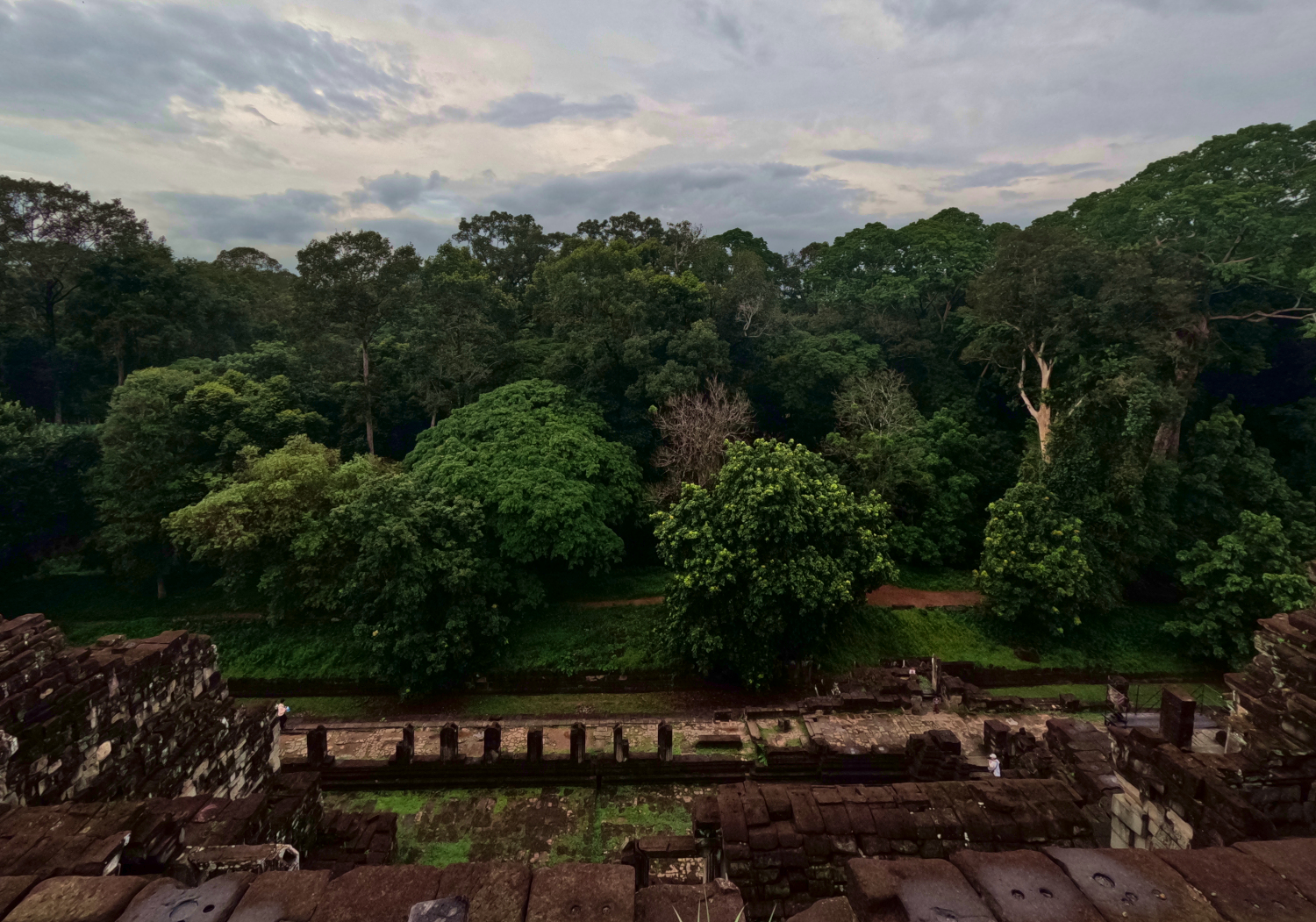
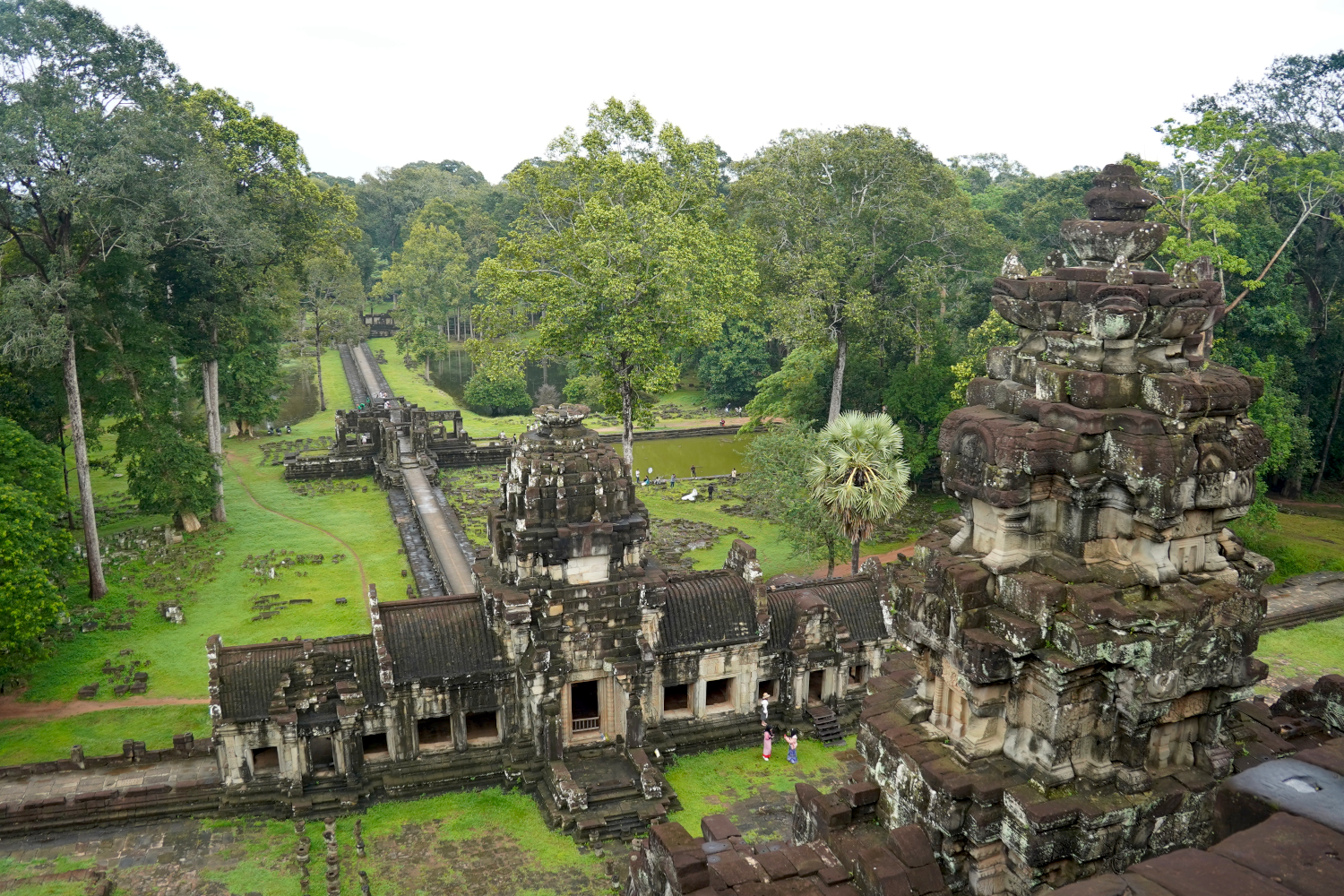


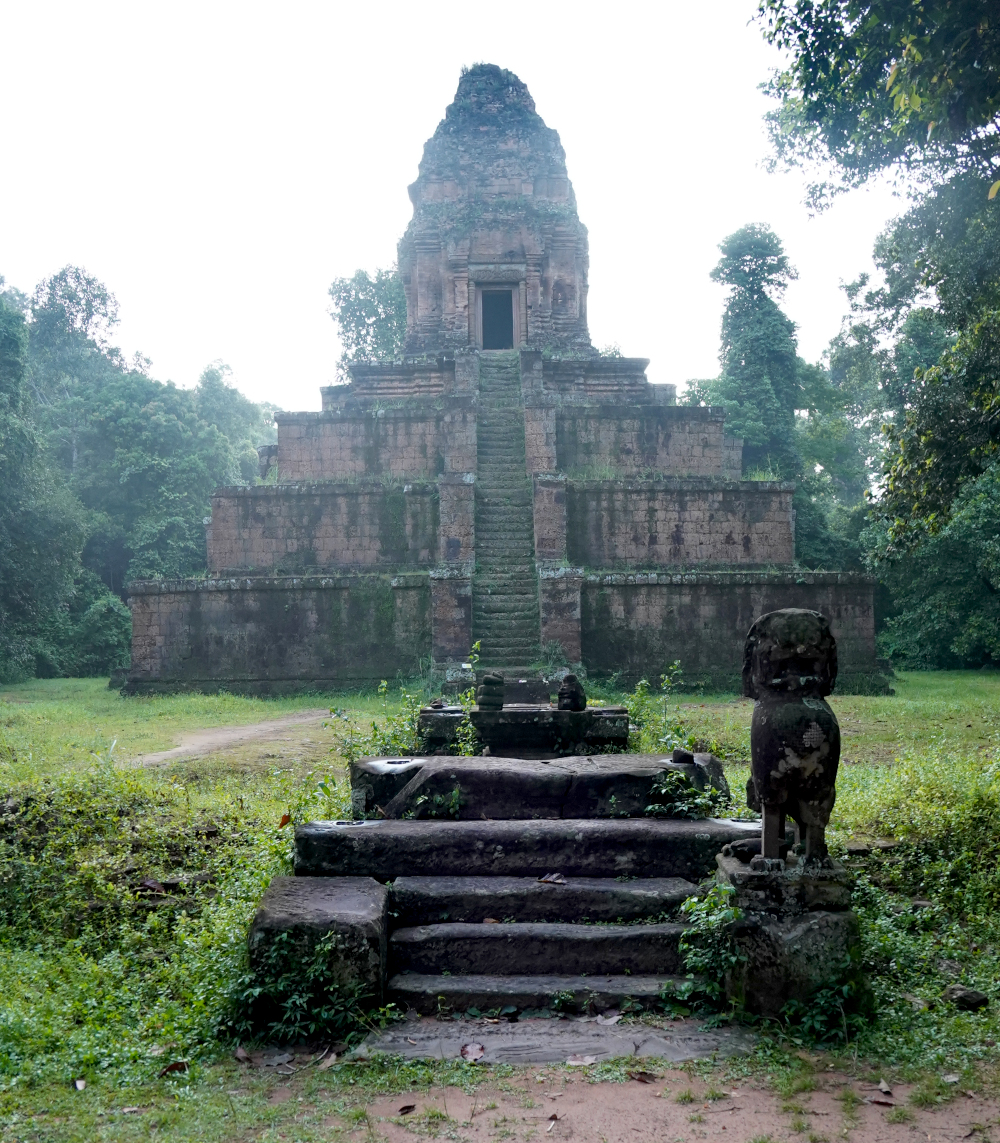
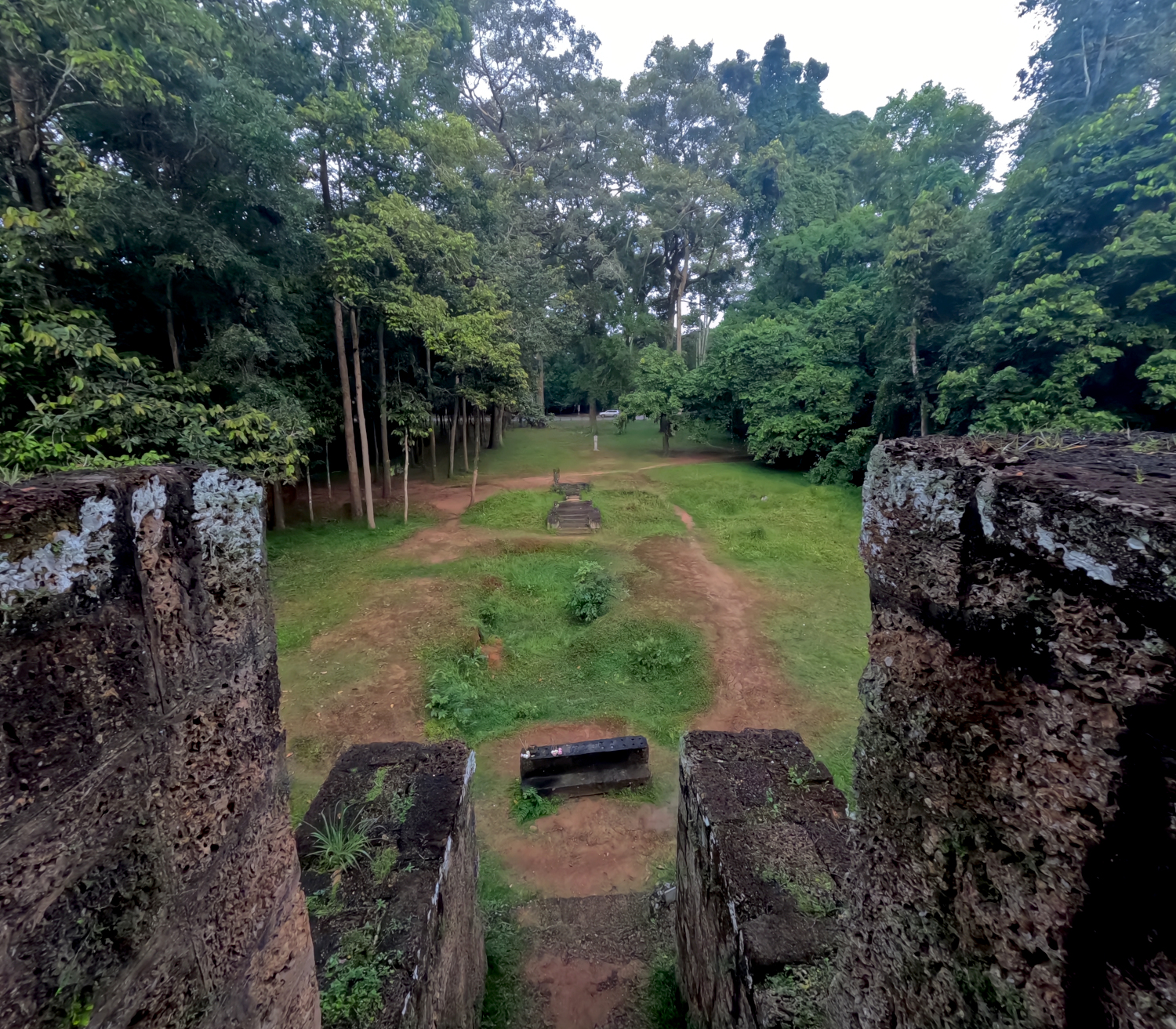
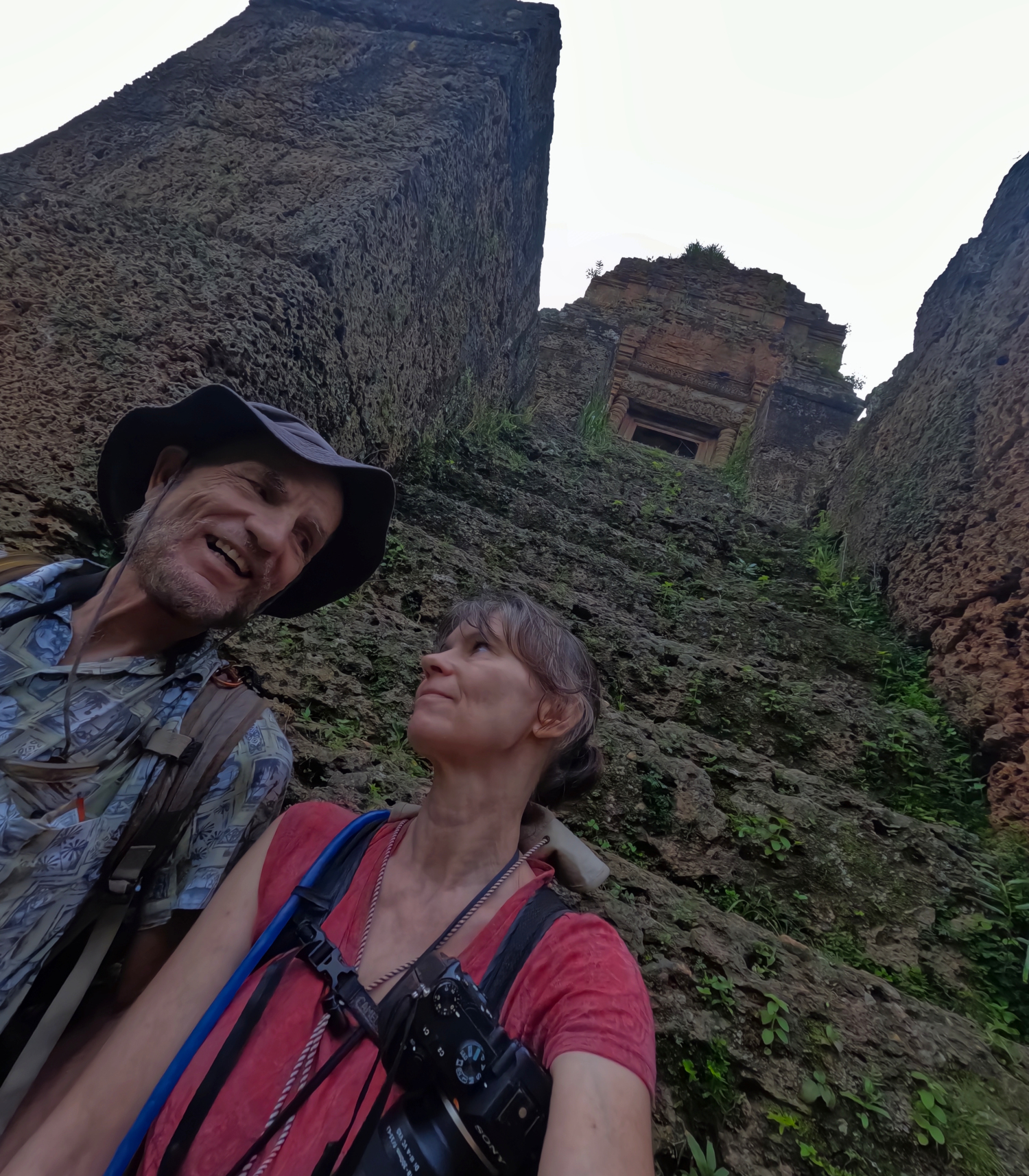
Baphuon concludes our tour of Angkor this time around – except that we do climb up the steps of one more temple we pass (Baksei Cham Krom) just long enough to get a glimpse of the sunset, which the clouds have been gracious enough to permit.


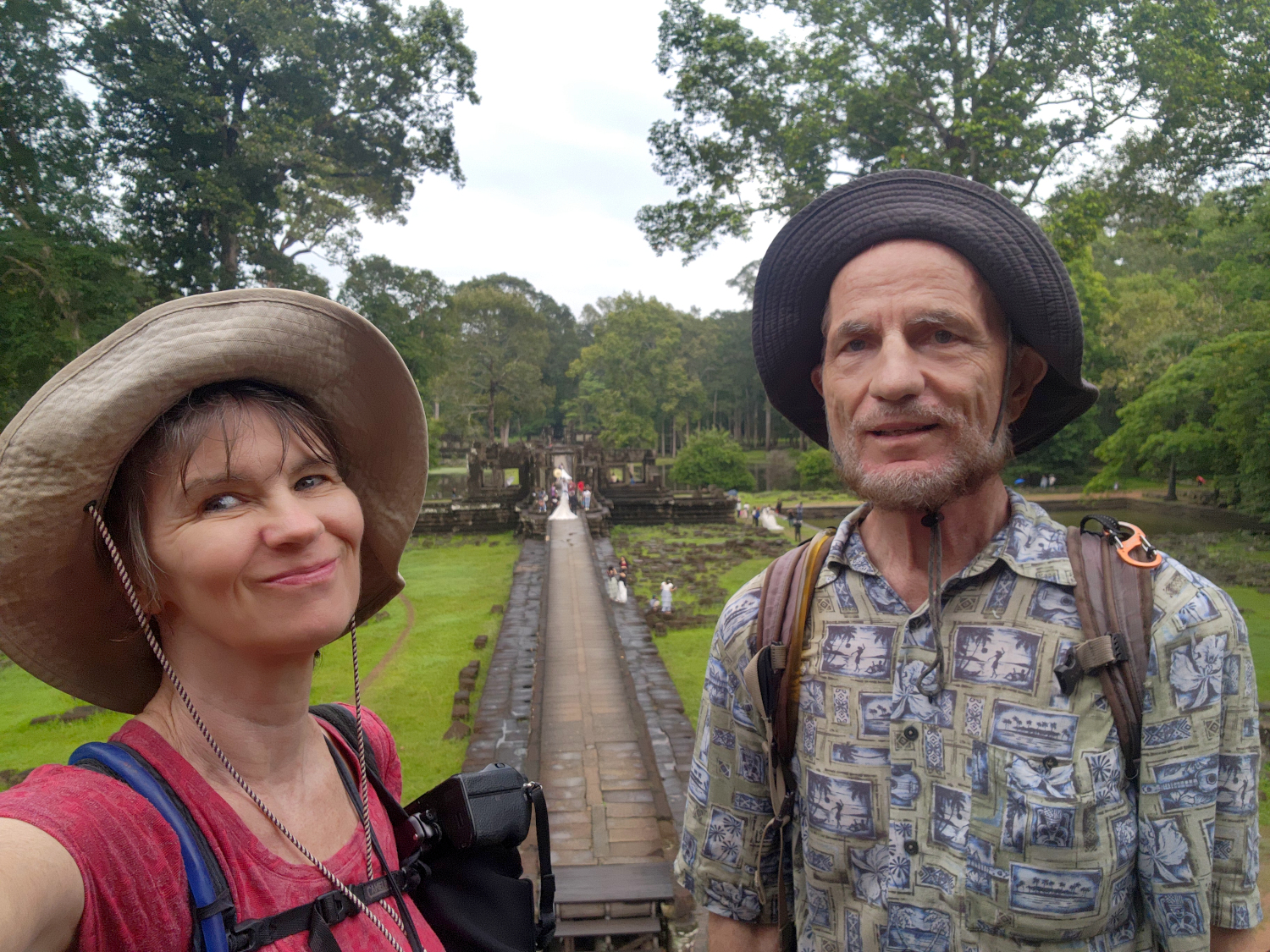
And then we head back to our cart, where we encounter another cart from the same company from which we rented ours. In fact, it’s being driven by none other than the manager of that company — accompanied by a young woman — who gave us a discount earlier in the day, and whom we’ll be seeing again later when we return our vehicle. He acts delighted to see us as if we were long-lost schoolmates, and poses for a selfie with us.
Did you know?
- Giant Mountain Temple: Baphuon is an impressive structure representing Mount Meru, the mythical home of the gods in Hindu cosmology. Its scale would have been awe-inspiring in its time.
- Lying Buddha: A massive reclining Buddha image was added to the western facade in the 15th century, after the temple’s conversion to Buddhism. This alteration contributed to the structural instability that led to its later collapse.
- Panoramic Views: Climbing to the top of Baphuon offers fantastic panoramic views of Angkor Thom and the surrounding landscape, making the effort worthwhile.


Baksei Cham Krong

Did you know?
- “Bird Sheltering Its Wings”: The name “Baksei Cham Krong” literally translates to “The Bird Sheltering Its Wings.” While the exact origin of this name is debated, it adds a touch of mystique to the temple. Some believe it refers to a mythical bird or a story associated with the site.
- Dedicated by a Royal Son: Unlike many larger temples commissioned by kings, Baksei Cham Krong was dedicated in 947 AD by Harshavarman II’s son, Rajendravarman II, before he himself became king. This suggests it might have served as a personal or family temple.
- Pyramidal Structure with Intricate Brick Carvings: Like Prasat Kravan, Baksei Cham Krong is primarily constructed of brick. However, it stands out for its steep, stepped pyramidal form, a precursor to the larger temple mountains. The brick carvings, though smaller in scale than some later temples, are remarkably detailed and depict Hindu deities, mythical creatures (like nagas and kirtimukhas), and floral motifs. Look closely at the false doors and lintels for fine examples.
- Sandstone Door Jambs and Lintels: In contrast to the brick structure, the door jambs and lintels are made of sandstone. These often feature more elaborate carvings, providing a contrast in texture and detail with the surrounding brickwork.
- Located at the Entrance of Angkor Thom: Baksei Cham Krong occupies a significant location, standing near the southern gate of Angkor Thom. It likely served as a kind of guardian temple or a ceremonial gateway in the early stages of the city’s development. Its strategic position hints at its importance.
- Relatively Well-Preserved Upper Levels: Despite its age and the prevalence of brick as its primary material (which is more susceptible to weathering than sandstone), the upper levels of Baksei Cham Krong are relatively well-preserved. This allows visitors to appreciate its original form and some of its intricate decorations.
- Connection to the Founding of Angkor Thom: Rajendravarman II, who dedicated Baksei Cham Krong, later moved the capital from Koh Ker back to the Angkor region and is credited with significant early construction within Angkor Thom. Baksei Cham Krong, therefore, has a historical link to the establishment of this great city.
- Single Sanctuary Tower: Unlike temples with multiple towers, Baksei Cham Krong features a single, prominent sanctuary tower (prasat) atop its stepped base. This central tower would have housed the primary deity to whom the temple was dedicated, likely Shiva, given the presence of a lingam (a symbolic representation of Shiva) found at the site.
And thus concludes our second multi-day tour of Angkor, which we found every bit as rewarding as our first, a couple of years earlier. And it’s a pretty good bet that at some time in the future, we’re going to have a third.
9/8/2024

 world travel with a theatrical flair
Leave a comment