

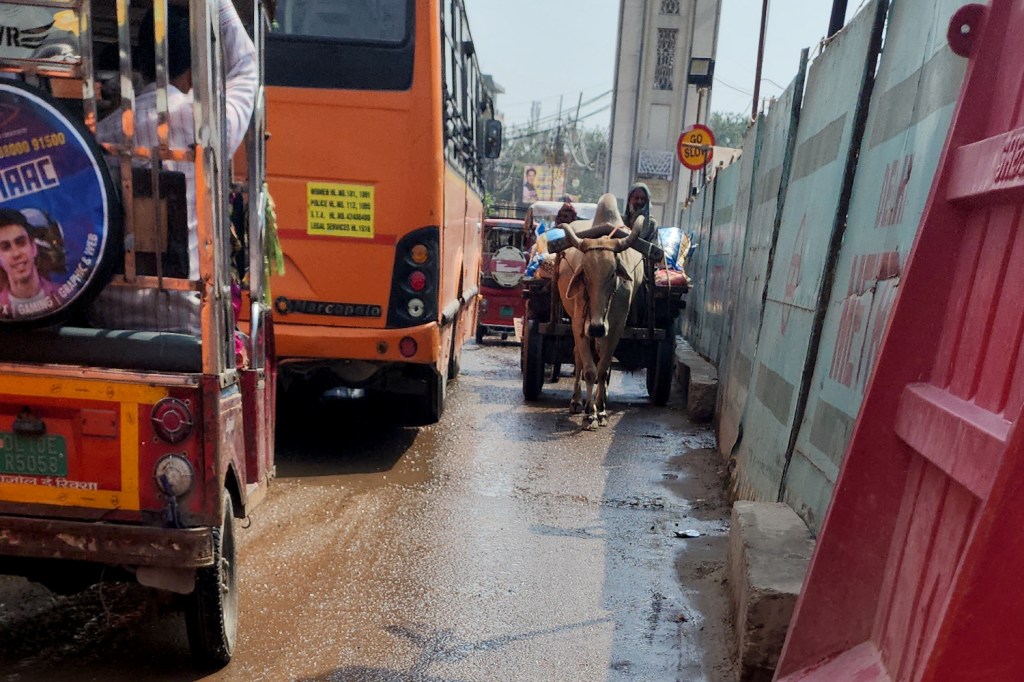
Another stay in Bangkok in the books, and time to move on to Delhi, India, the launching place to our next volunteer position. We’ve spent a total of 4 months in India in the past, but it will be our first time ever in Delhi/ New Delhi, (Delhi is the large, old metropolis, and New Delhi, the capital of India, is the district within it — much like Washington is part of the metropolitan D.C. area.)
On our last day in town, we’d planned on getting a Thai massage at a place just down the street. It’s become a tradition whenever we come to Bangkok. But we didn’t make a reservation, and when we get there, we learn that there is no slot available until 8:00 p.m., and we decide that’s too late, seeing as how we have to catch a plane the next morning. So this time the tradition is broken, and maybe we’ll just have to make up for it by getting two massages next time.
Next morning, we’re off at 5:30 to the colorful Bangkok airport. After the security folks have pawed through our bags, we later discover that Dennis is missing a tube of toothpaste and his universal AC power adaptor. The latter can be hard to come by, and it’s a bit of a hassle when we both have to share one.
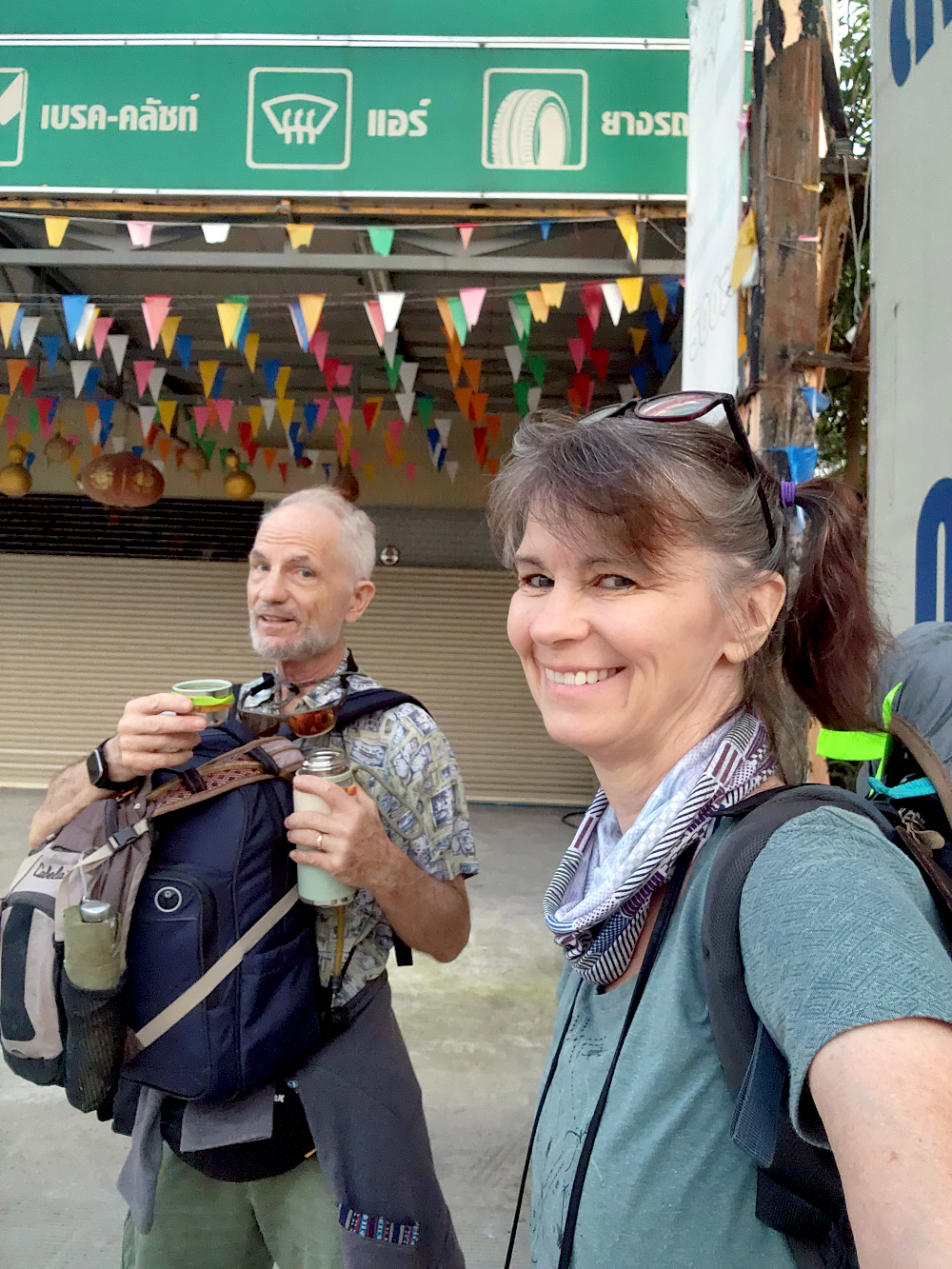
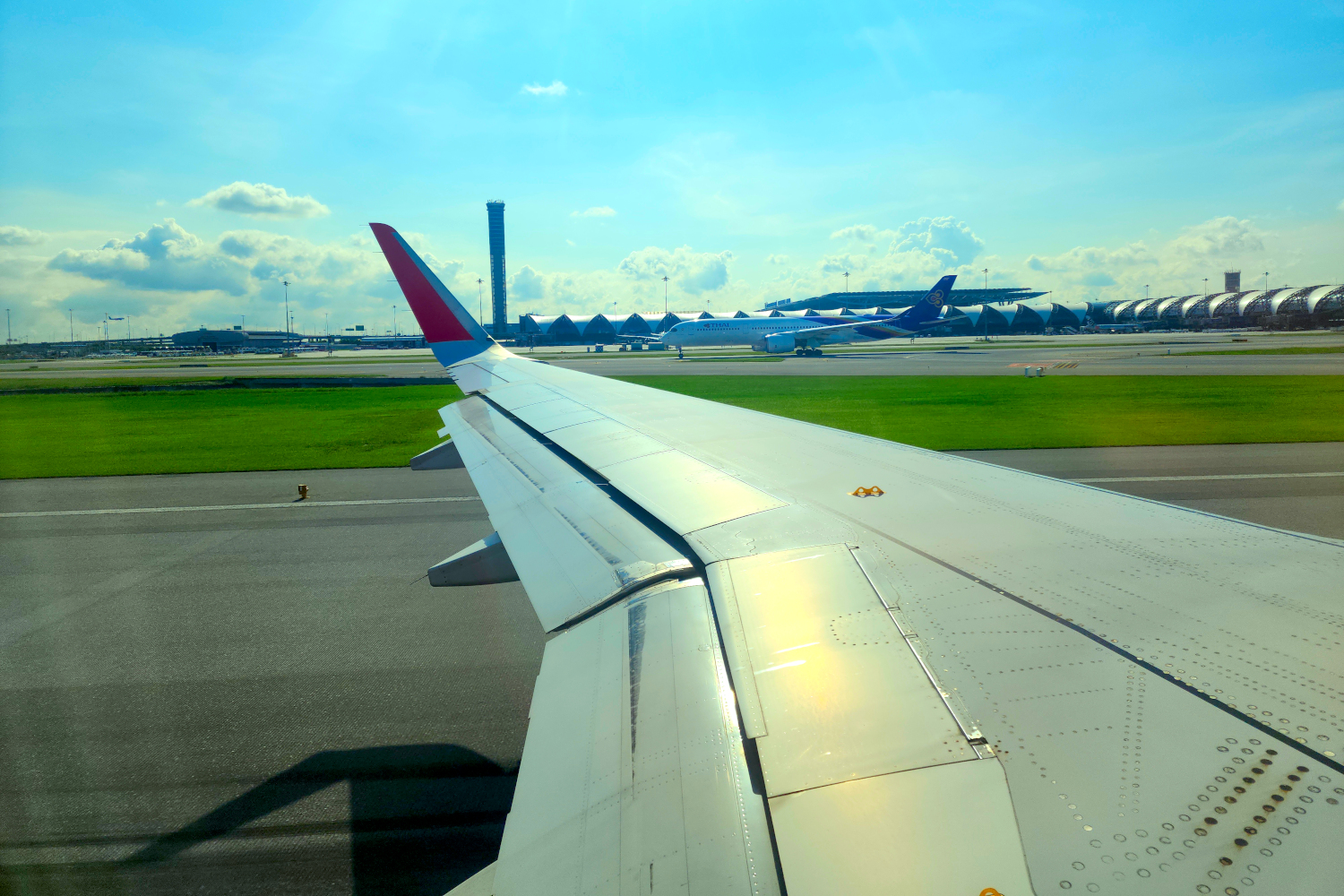
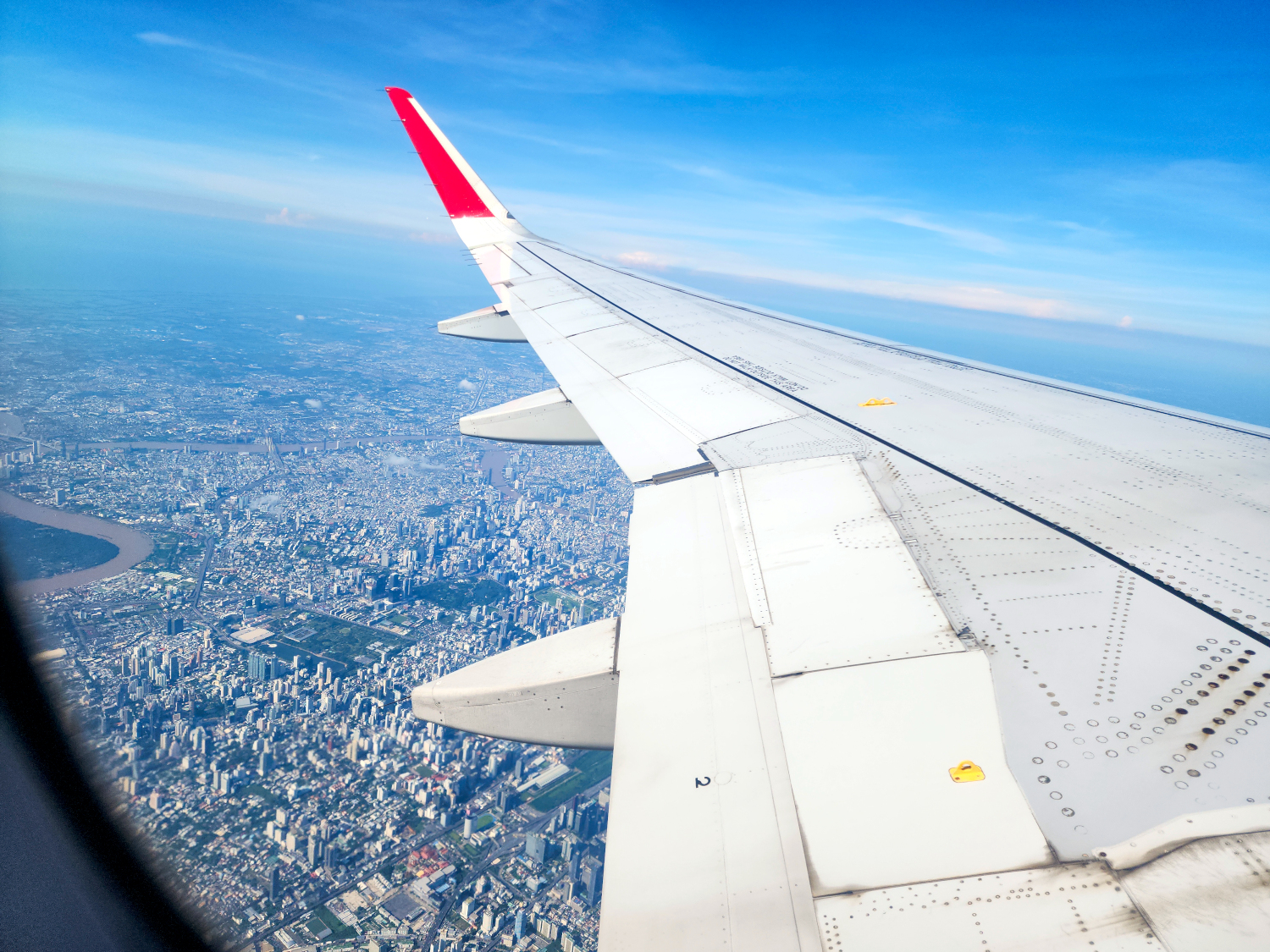
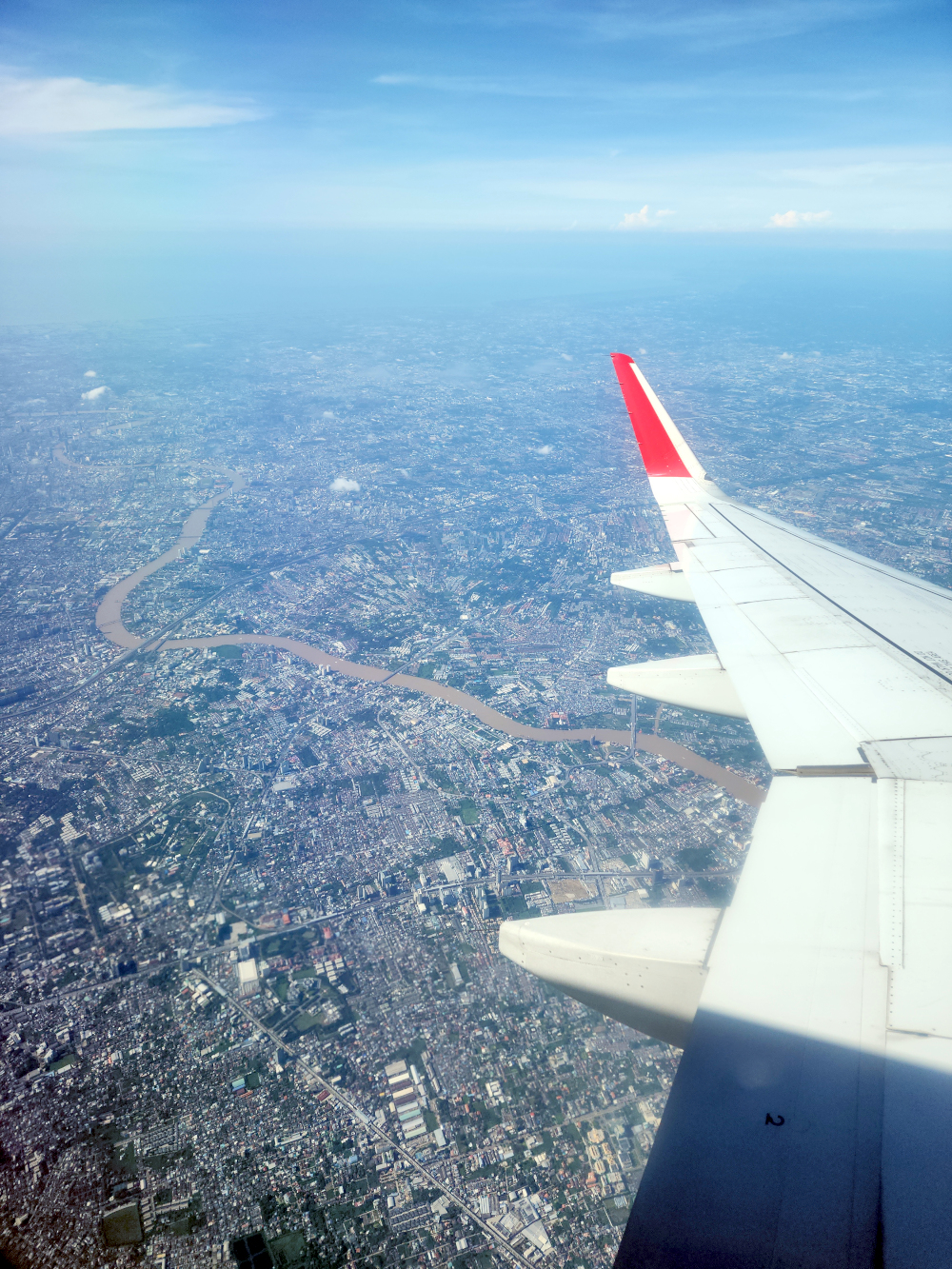
On the flight, we initially have a seatmate in the form of a woman with a large shopping bag. But after she gets approval with a flight attendant, she moves to a row of empty seats in the back, so we also have room to stretch. Which is just as well, because Kimberly severely spills her tea in her seat, and needs to move over. Later, when she’s taking a nap, Dennis acquires another cup of tea for her from the complimentary refreshment cart.
Surprisingly, breakfast is also provided free, though it walks and talks more like lunch to us. It features two rather starchy dishes, plus a roll (more starch!) with butter, and sweetened yogurt.
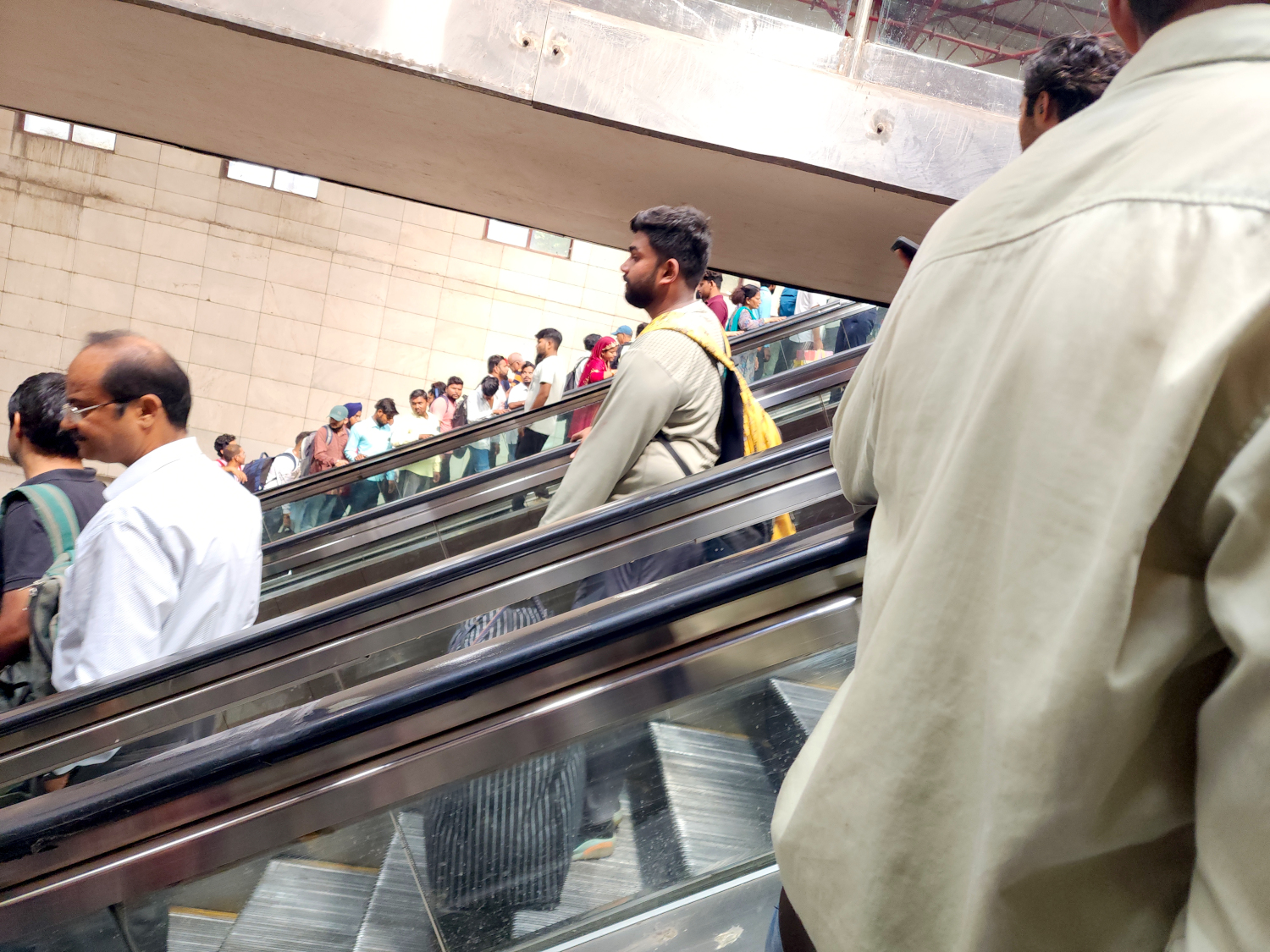
After landing, we have a quick and painless immigration process though we have to deal with some rather rude and pushy passengers. Then we catch a metro, which is every bit as crowded and hectic as we anticipated. We have to catch three trains, standing in line for a ticket each time, and going through baggage screen each time.
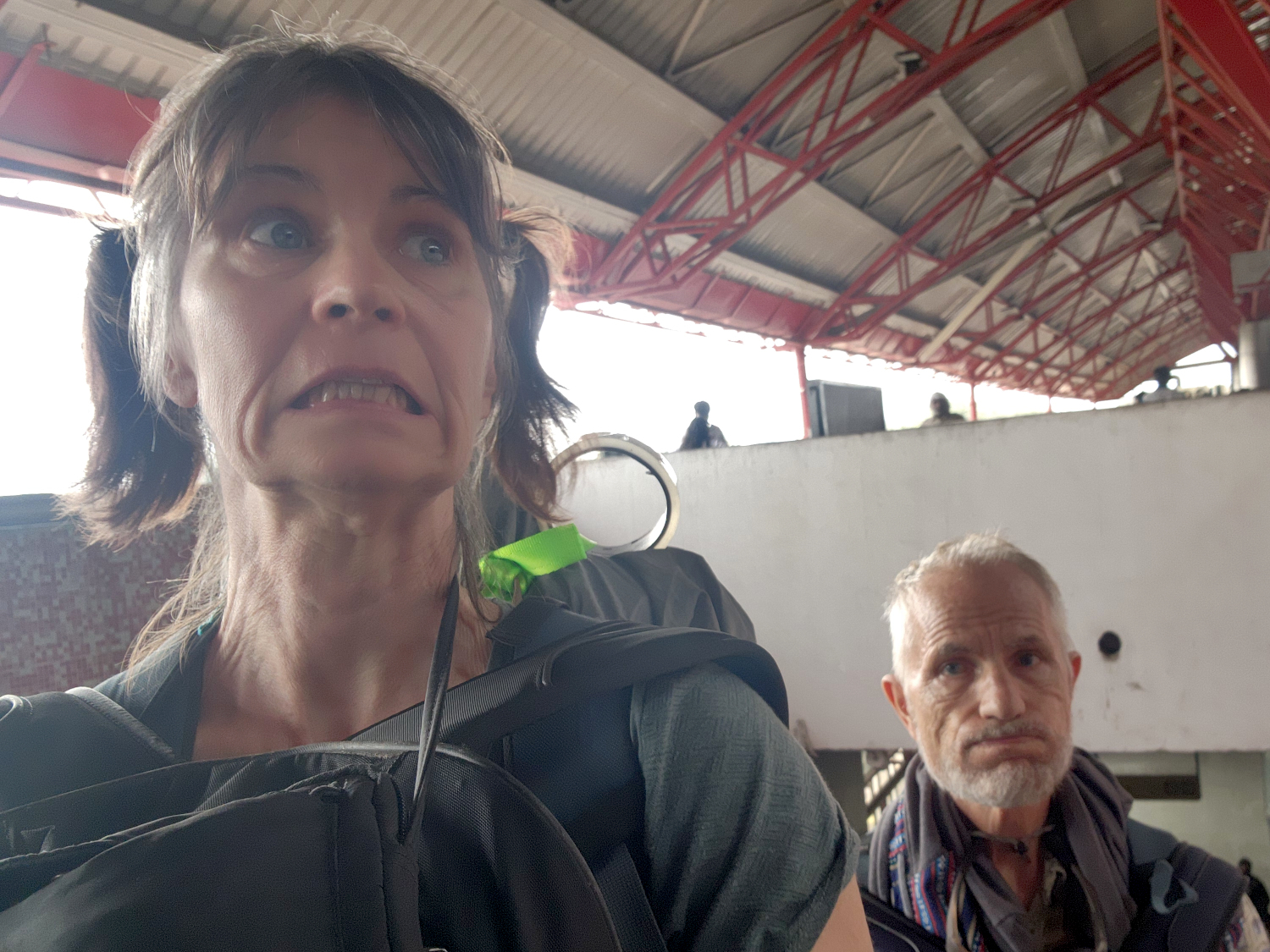

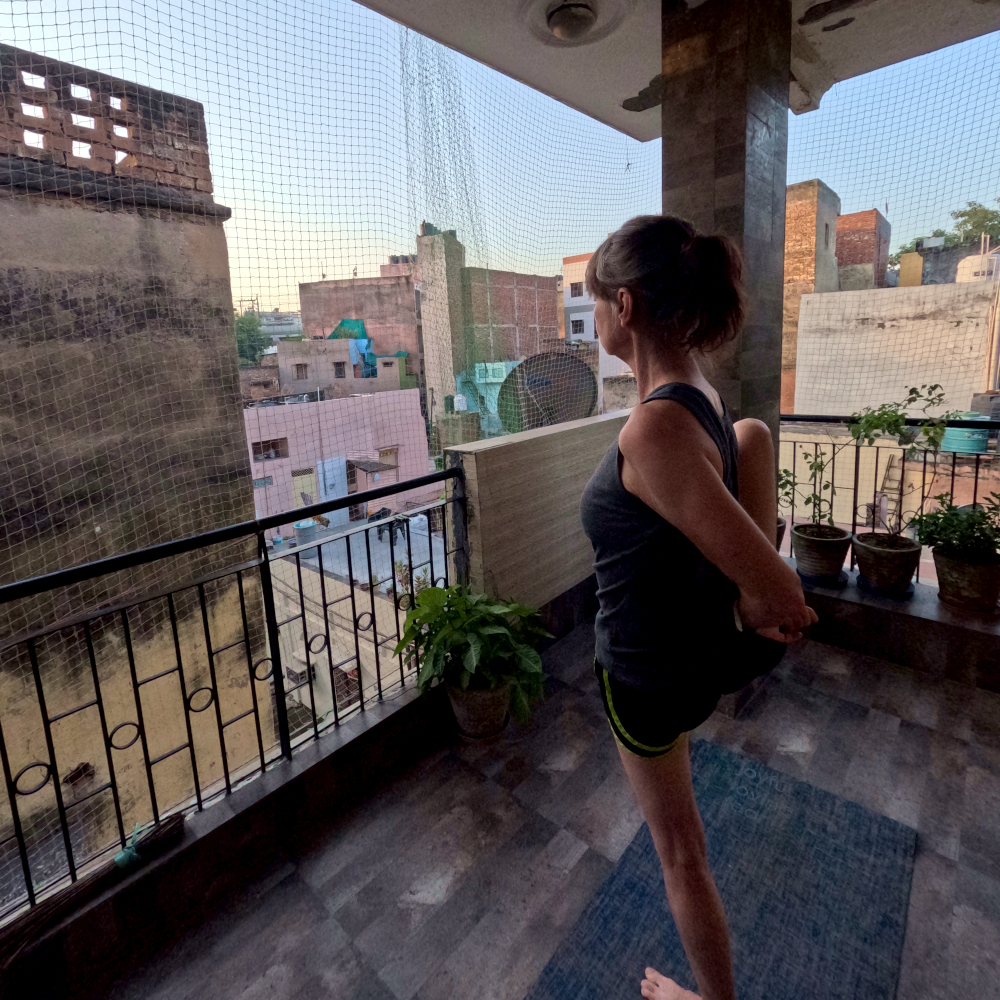
At the last station, we get off and walk a couple of blocks to our Airbnb, which is tucked into a network of narrow alleys. Our host, a congenial fellow with an obvious hairpiece, meets us and walks us through the specifics of life in the second-floor apartment. He also generously offers to let us use his contact information to acquire an Airtel account, so we can have phone service during our time in India (which will be another four months). But he neglects to tell us that there is a switch to turn the power on and off at the outlet where the refrigerator is plugged in, so it defrosts overnight. The apartment is comfortable and cool, and has no mosquitoes — also no ants, as he’s just sprayed kerosene in a few places to drive them away.


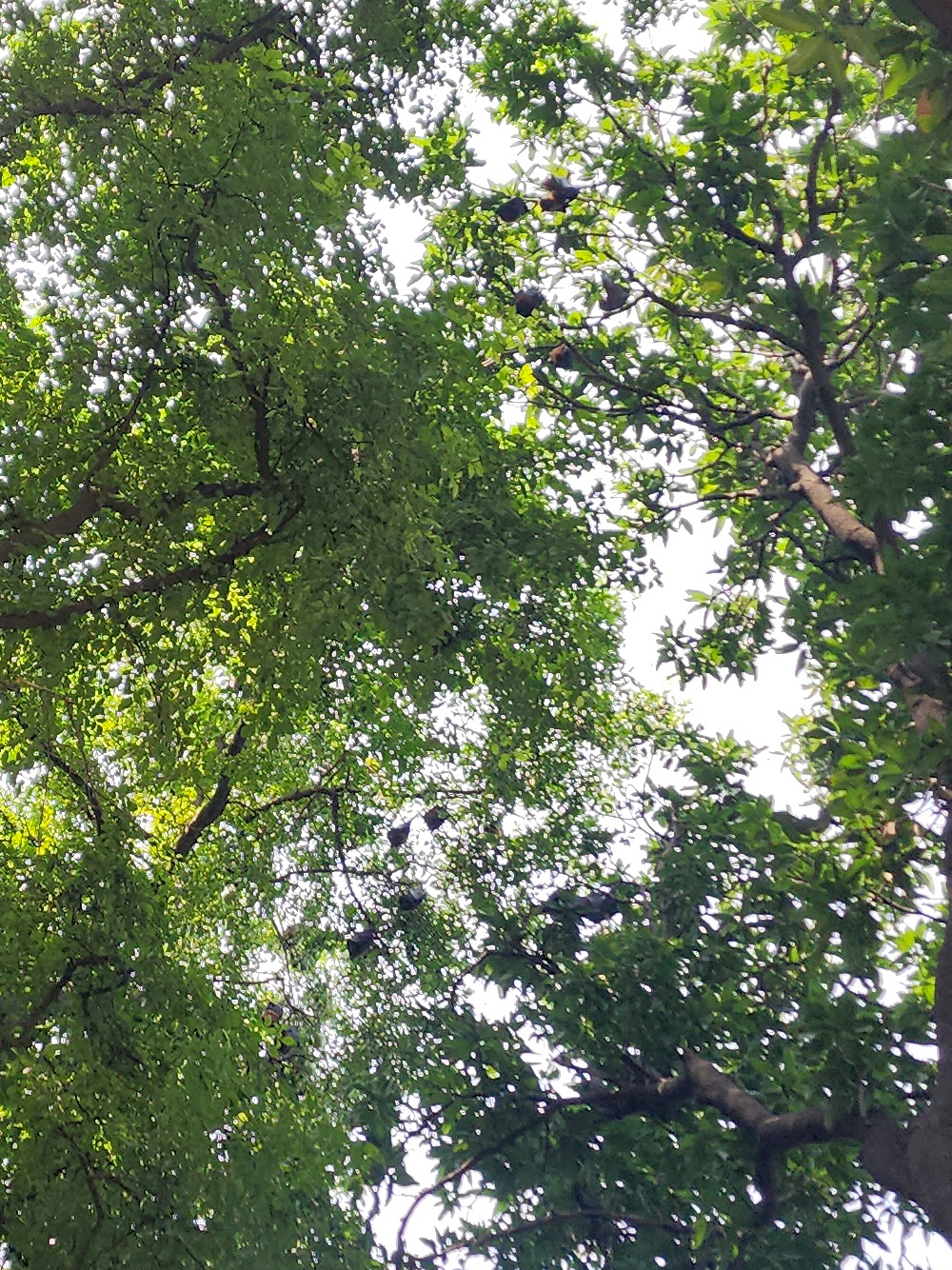
In the morning, we take a walk to the Airtel store to get our new SIM cards. The streets in the neighborhood are rather rambunctious, so we detour through a park (where we see fruit bats in the trees, among other things), which is much quieter. Except that two kids, a boy and a girl, approach us and begin speaking to us in Hindi. We don’t speak Hindu, but it’s quite clear that they are panhandling. Unfortunately, you encounter begging children quite a bit in India, and in many cases they are being exploited by adults. These two follow us through the park, and for 3 or 4 blocks more until they give up.
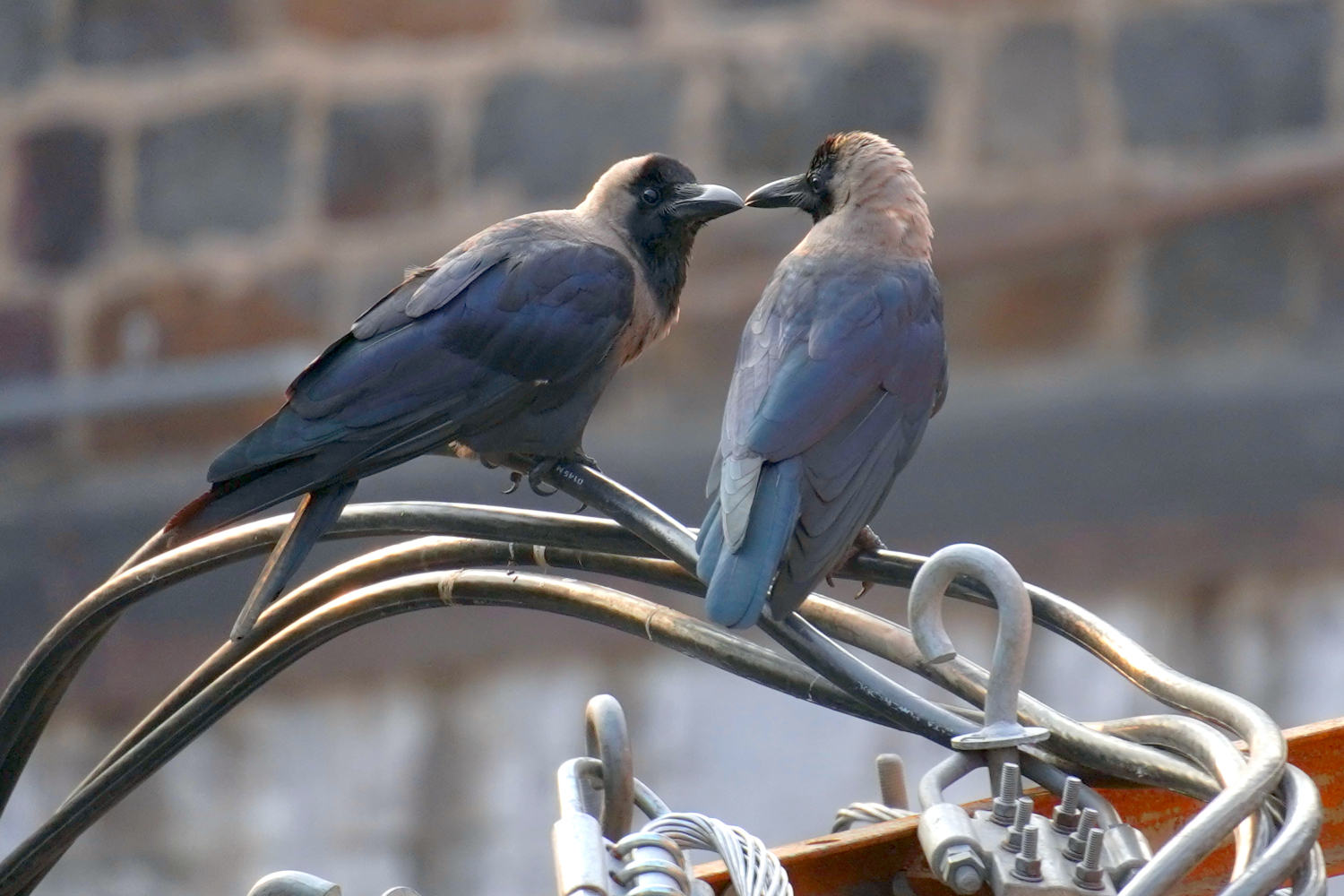

Before we get to our destination, another girl approaches us. She appears to be hanging out on the corner, with her mother (we assume) lurking nearby.
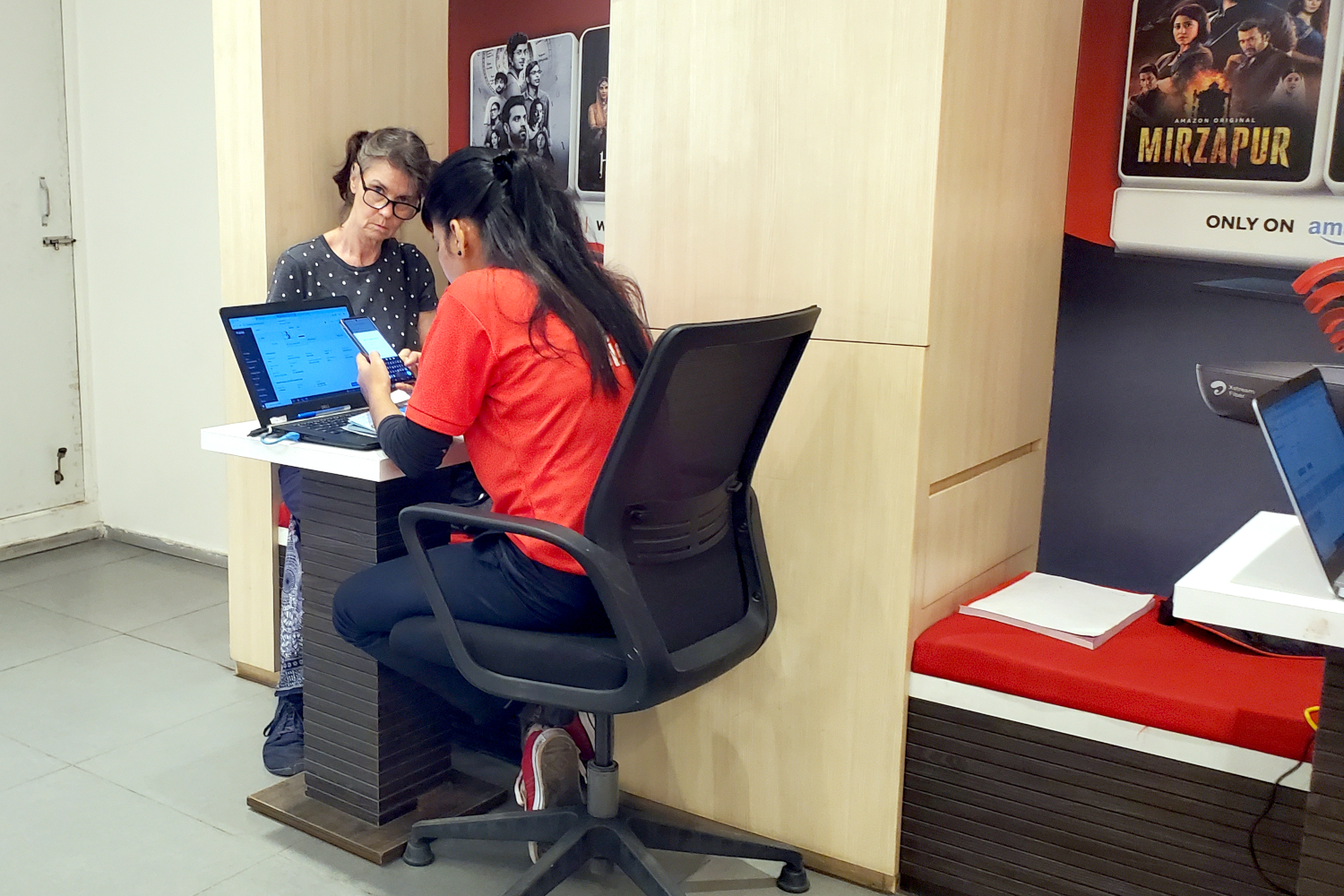
At the Airtel store, it takes about 90 minutes (waiting time included) to take care of business, but the staff there are professional and helpful, and at last we have phone service in India.
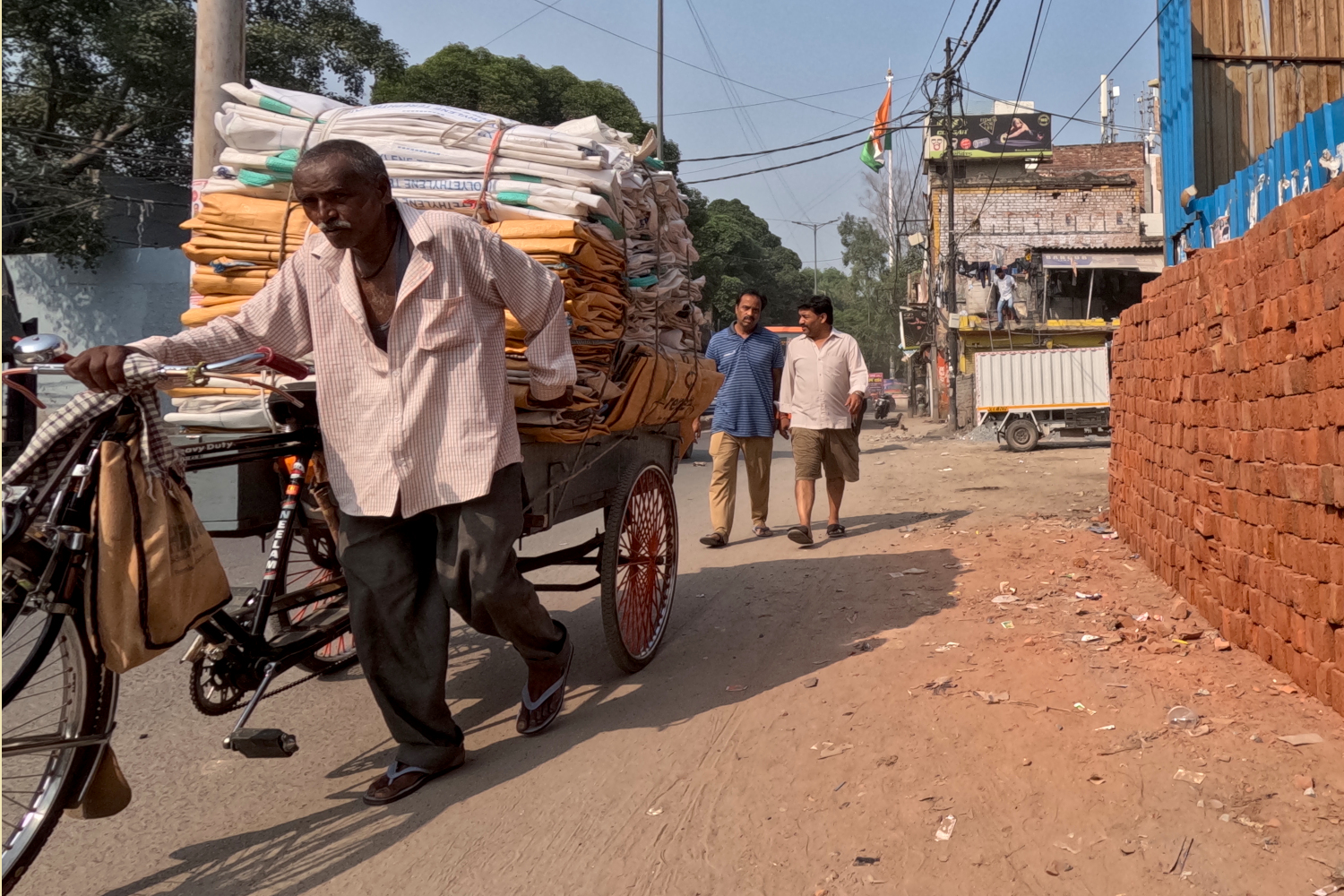
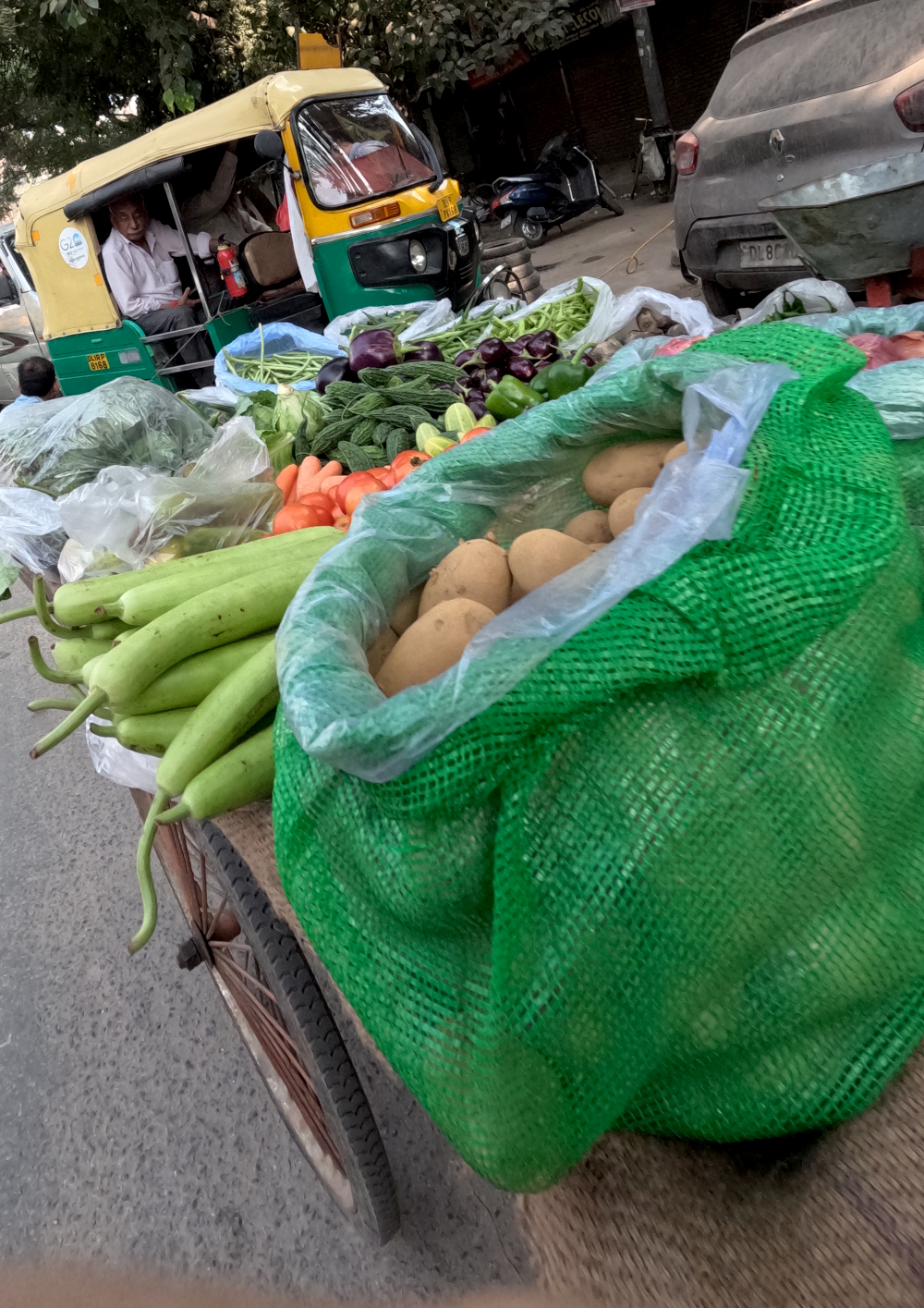
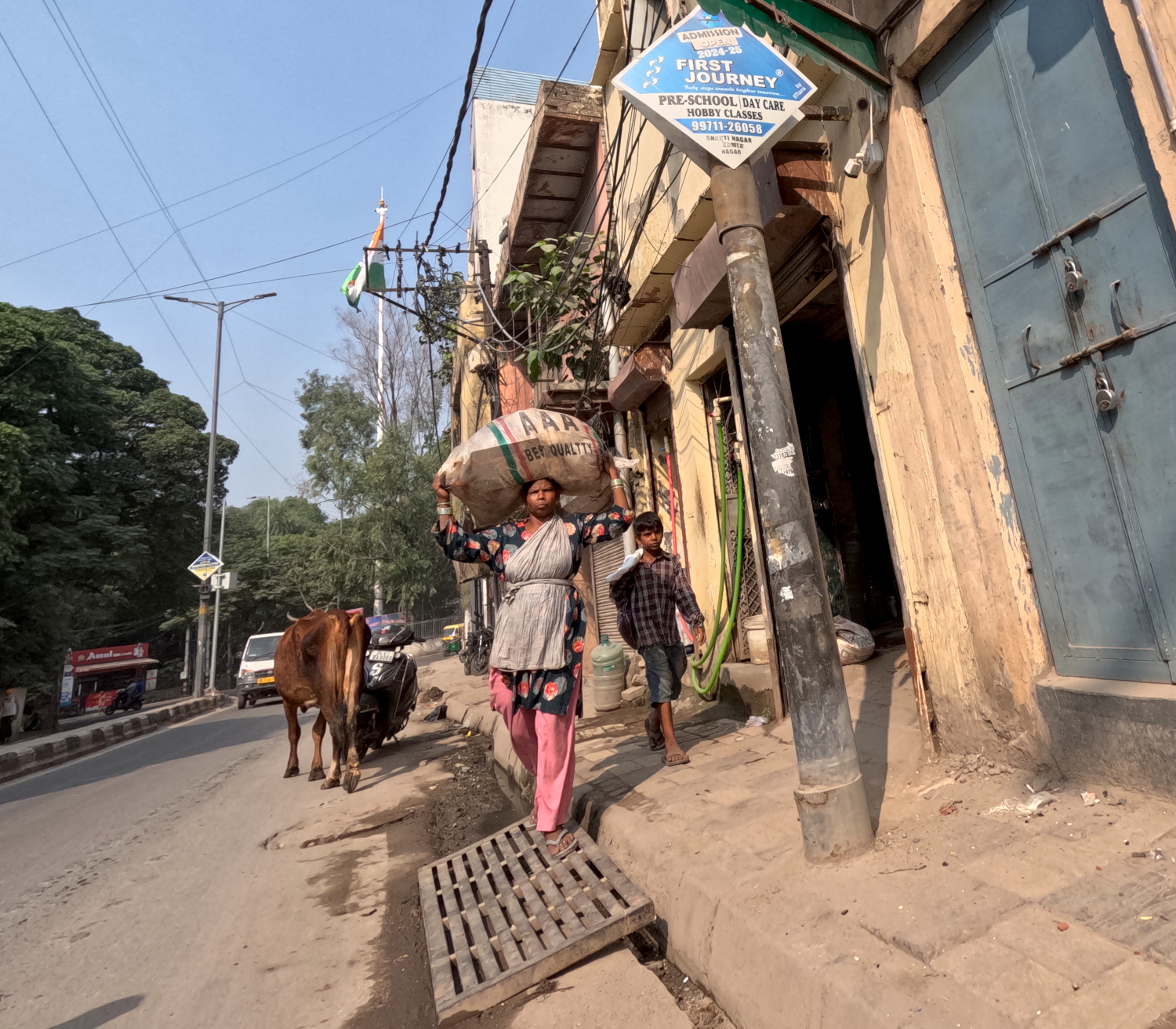
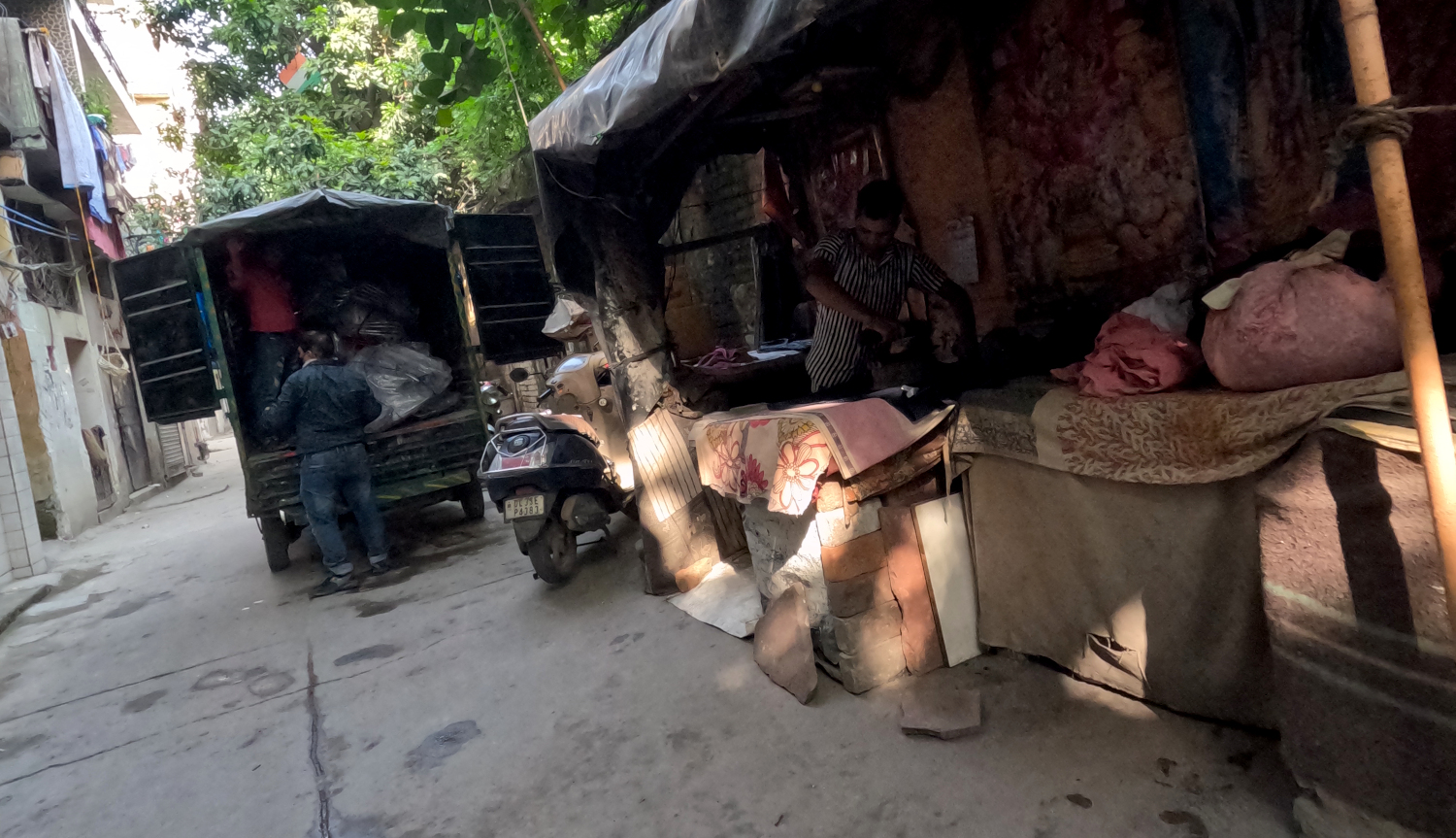
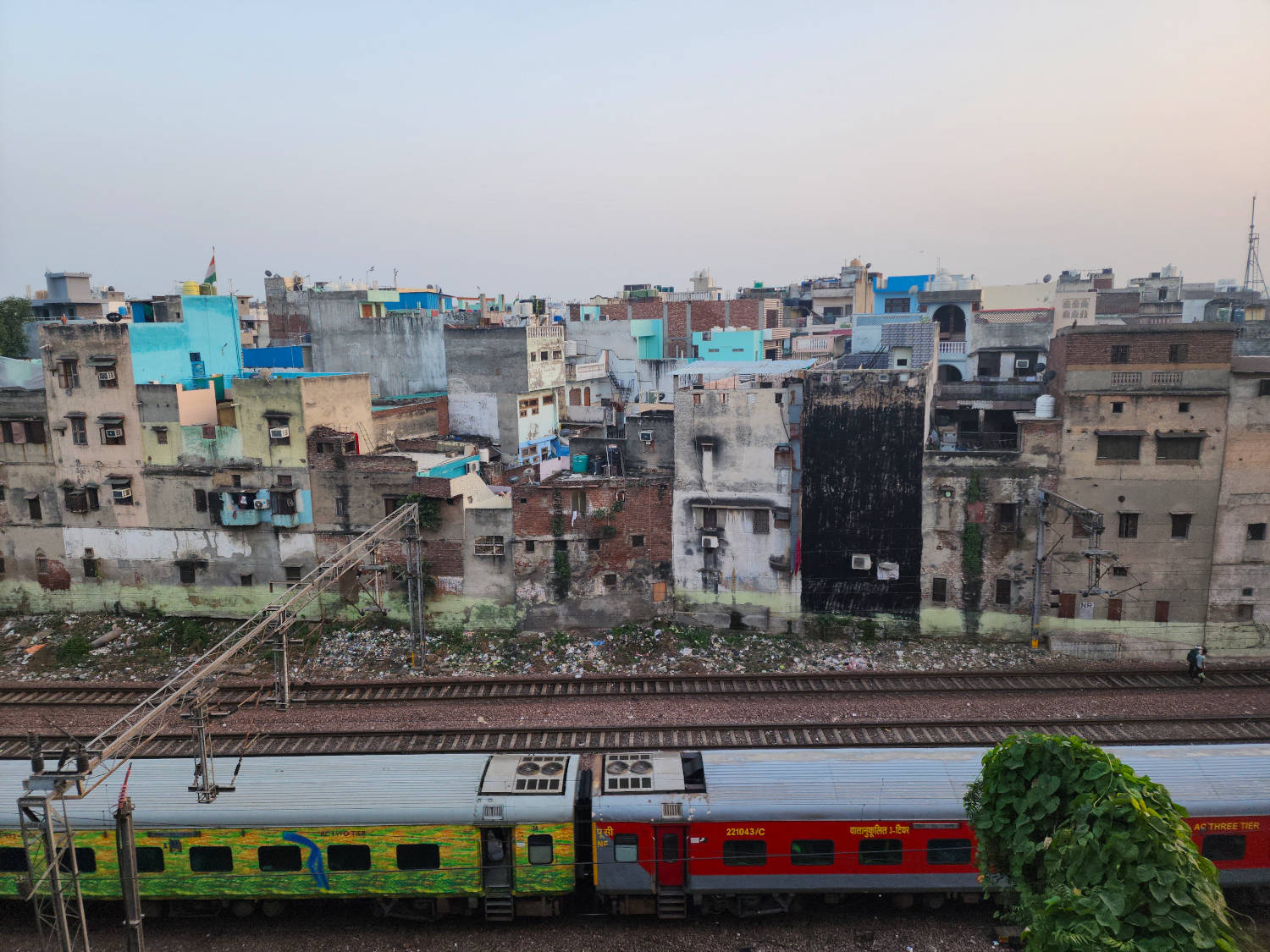
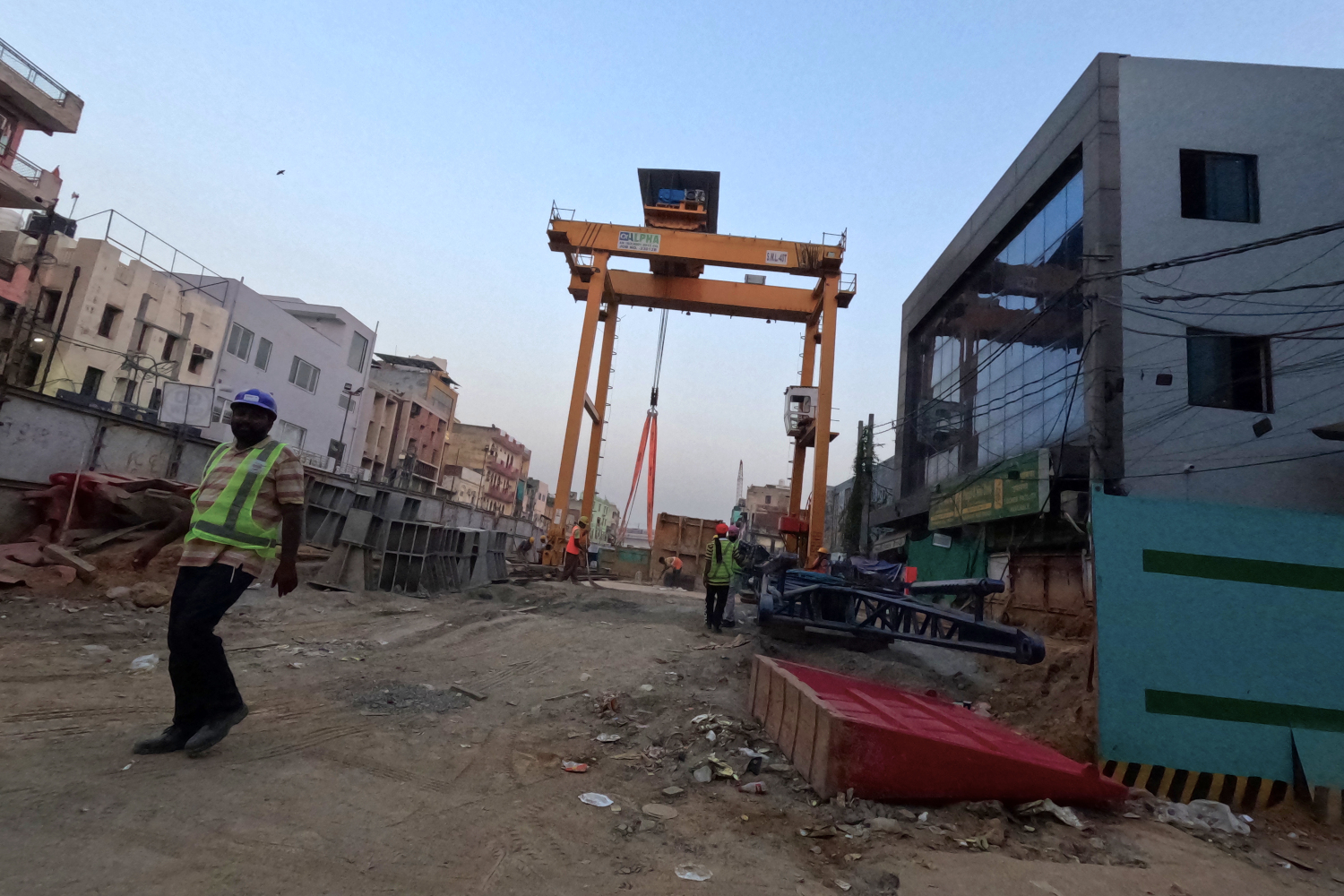
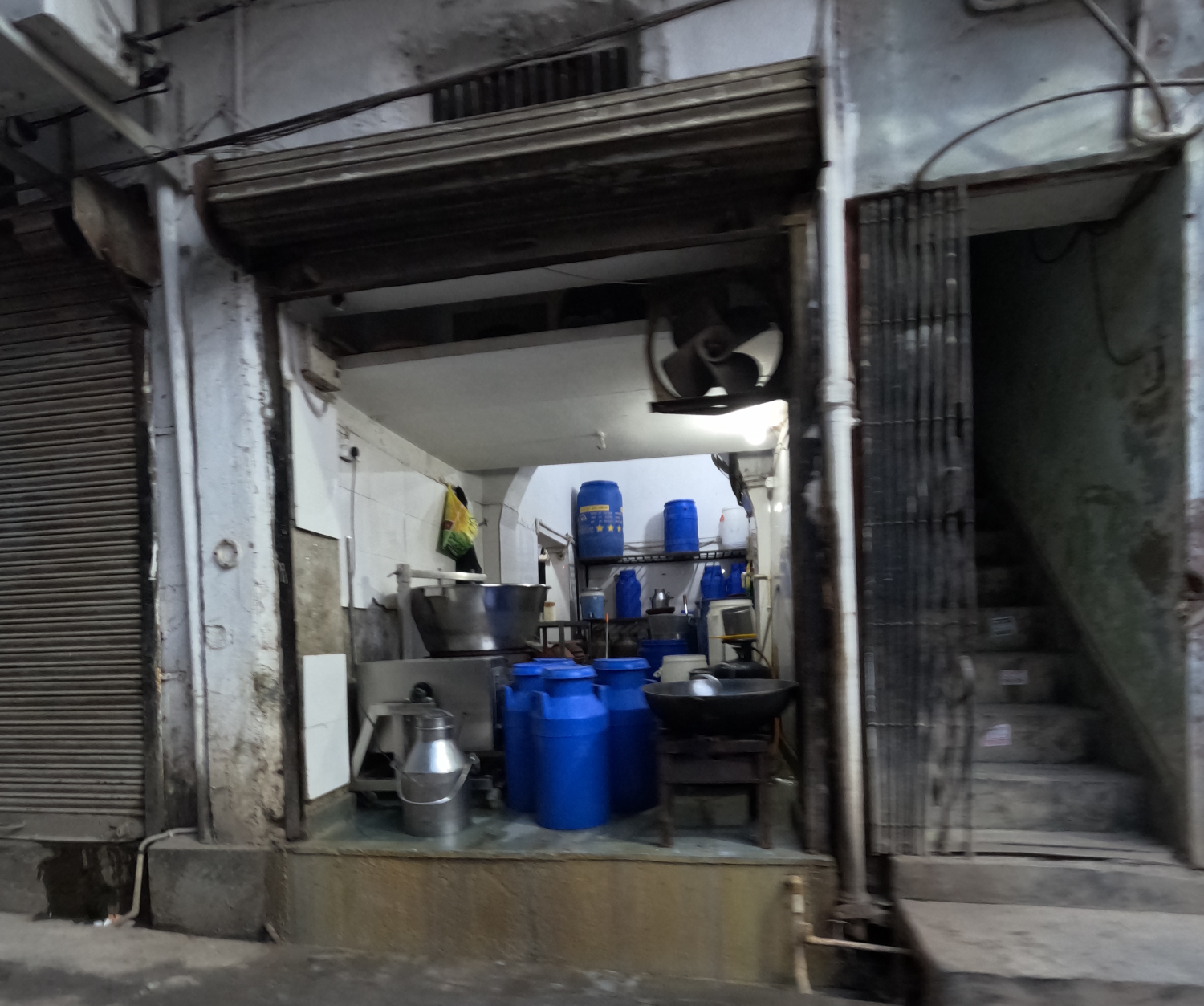
Walking back a different way, we discover a marketplace where we can buy produce. The vendor takes our photo, the first celebrity treatment we’ve received — it happens constantly in India’s smaller towns.
In the afternoon, we ride trains to a central hub of the city where we hope to find a Citibank ATM. But it’s not where it was supposed to be. Instead, we withdraw funds from another ATM that has minimal fees. We also search in vain for a supermarket that’s no longer there. It appears that Google Maps has some catching up to do in these parts.
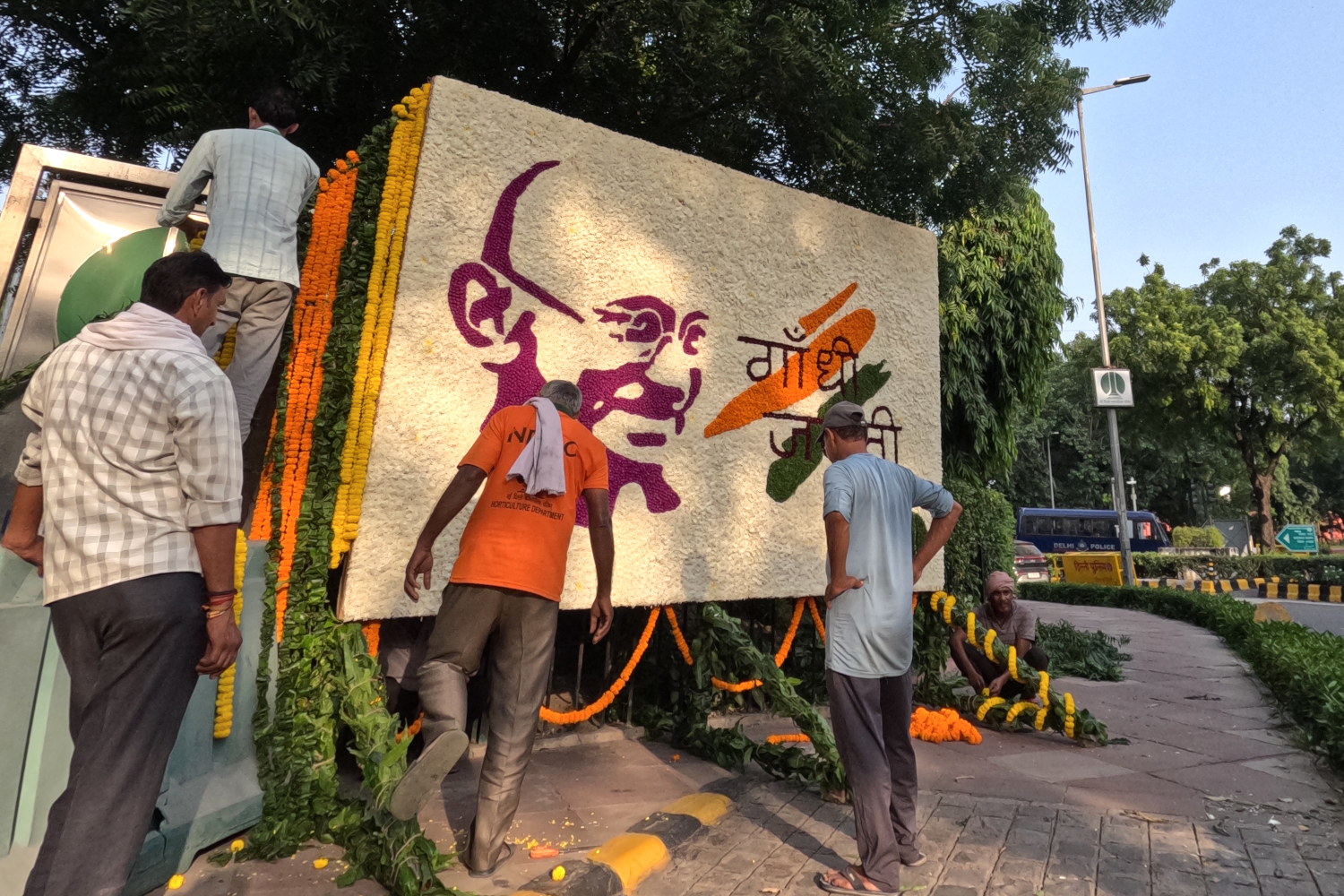
Passing by a park, we see some men arranging flowers into a portrait of Gandhi — the next day is his birthday, a holiday. Several different times, we are hustled by guys on the street who appear to be friendly and helpful; but they’re actually tour guides or taxi operators. One of them speaks several languages, including Japanese.
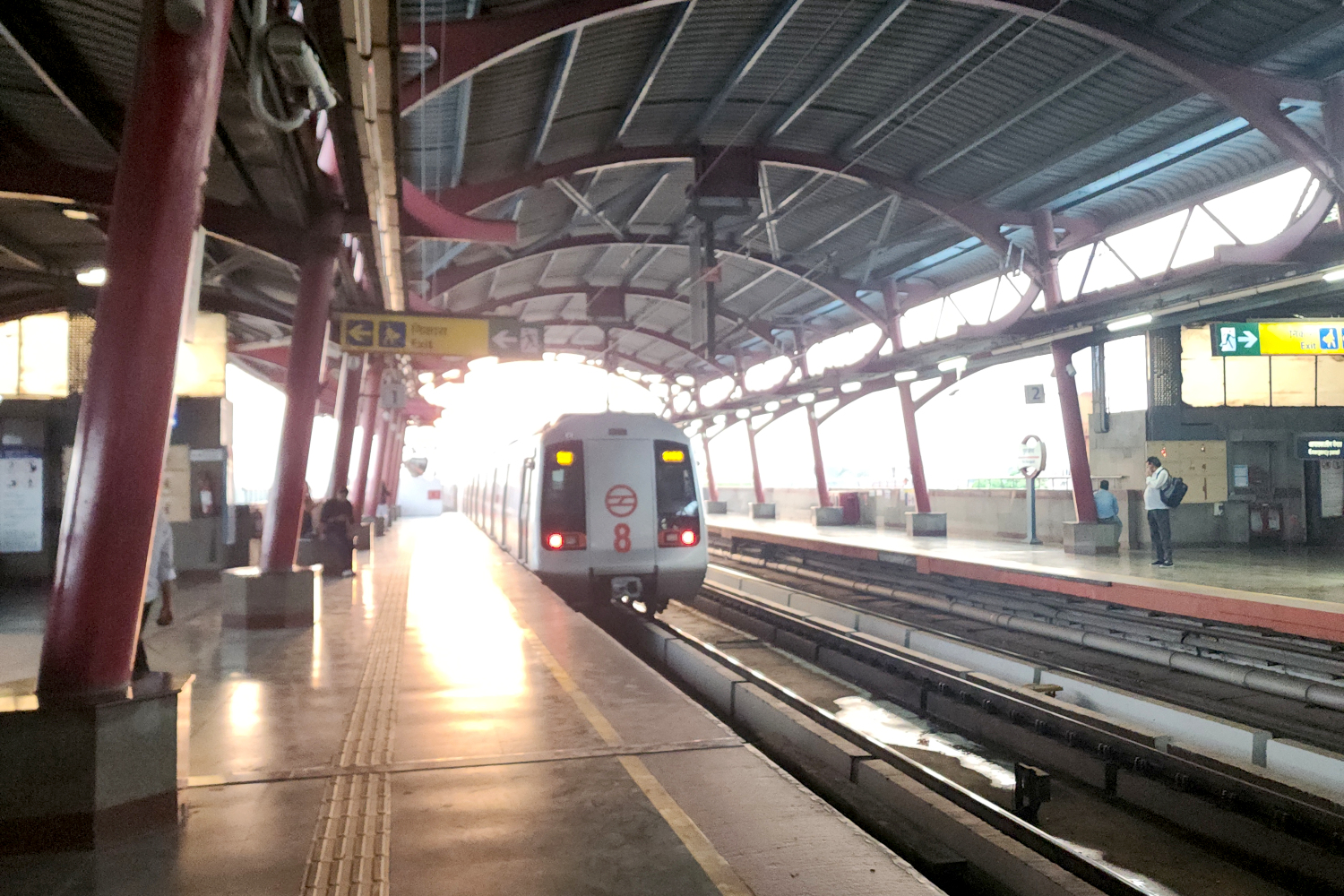
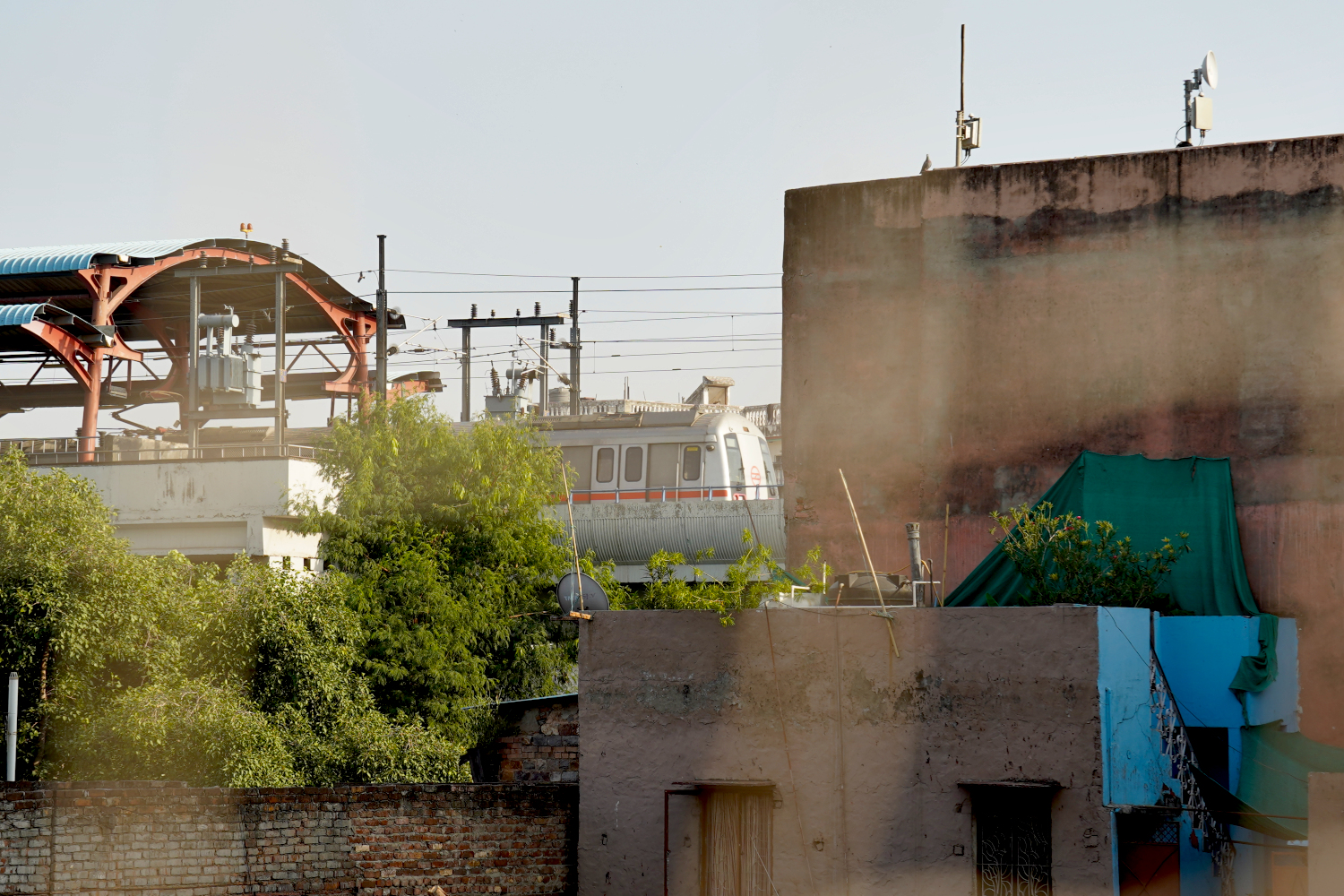
In heading back home, we walk through a tunnel at the subway station that is uncomfortably dark, and a few unhoused guys are there sitting against a wall, apparently full of alcohol or other mind-altering substances. As we walk by, one of them meows like a cat. Is that the local equivalent of a cat call, directed at Kimberly?
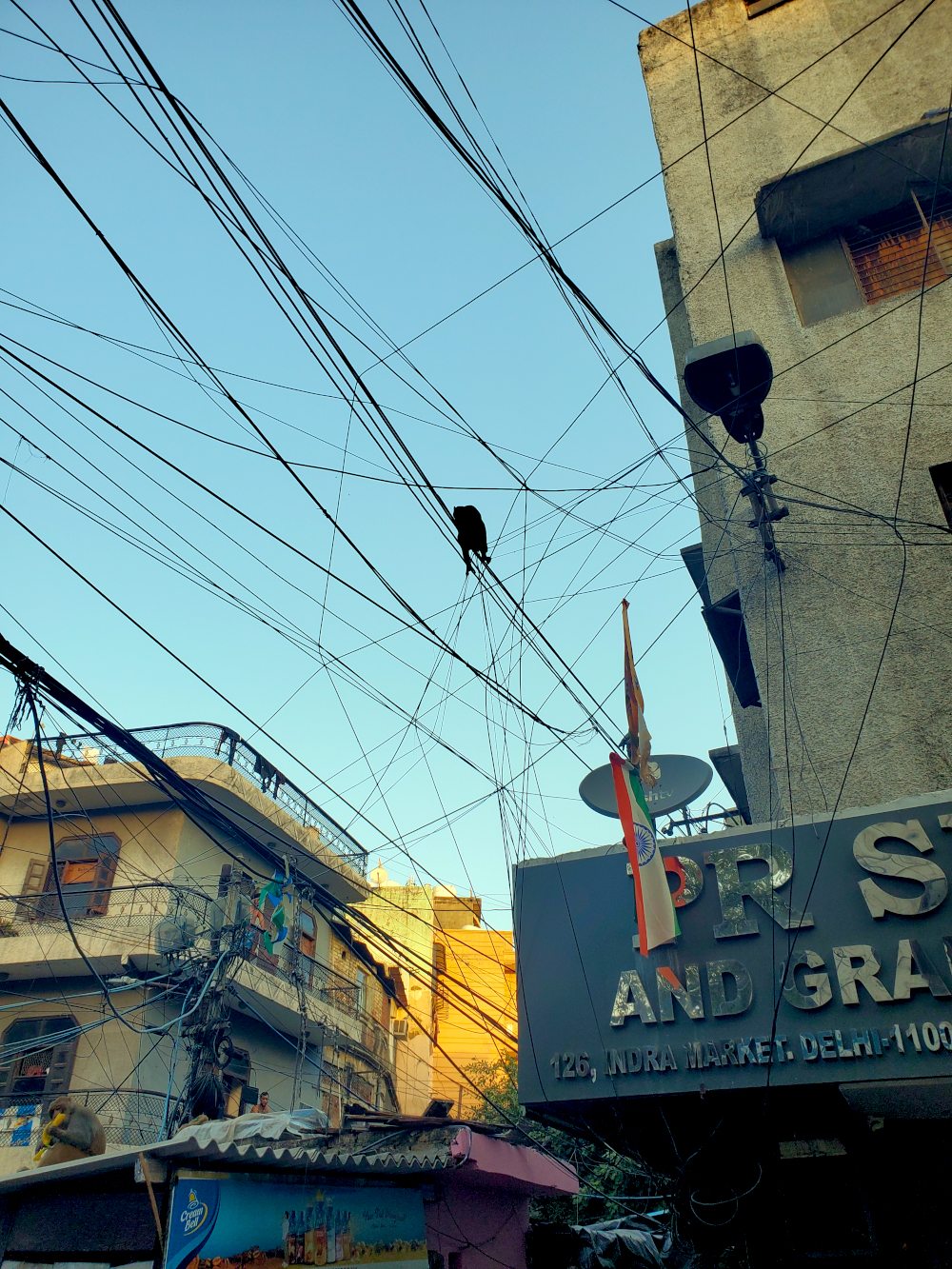
On Gandhi’s birthday, many businesses are closed, and it takes three attempts to find a marketplace to buy some produce. The monkeys, however, are still as active as ever, often climbing on the overhead wires.
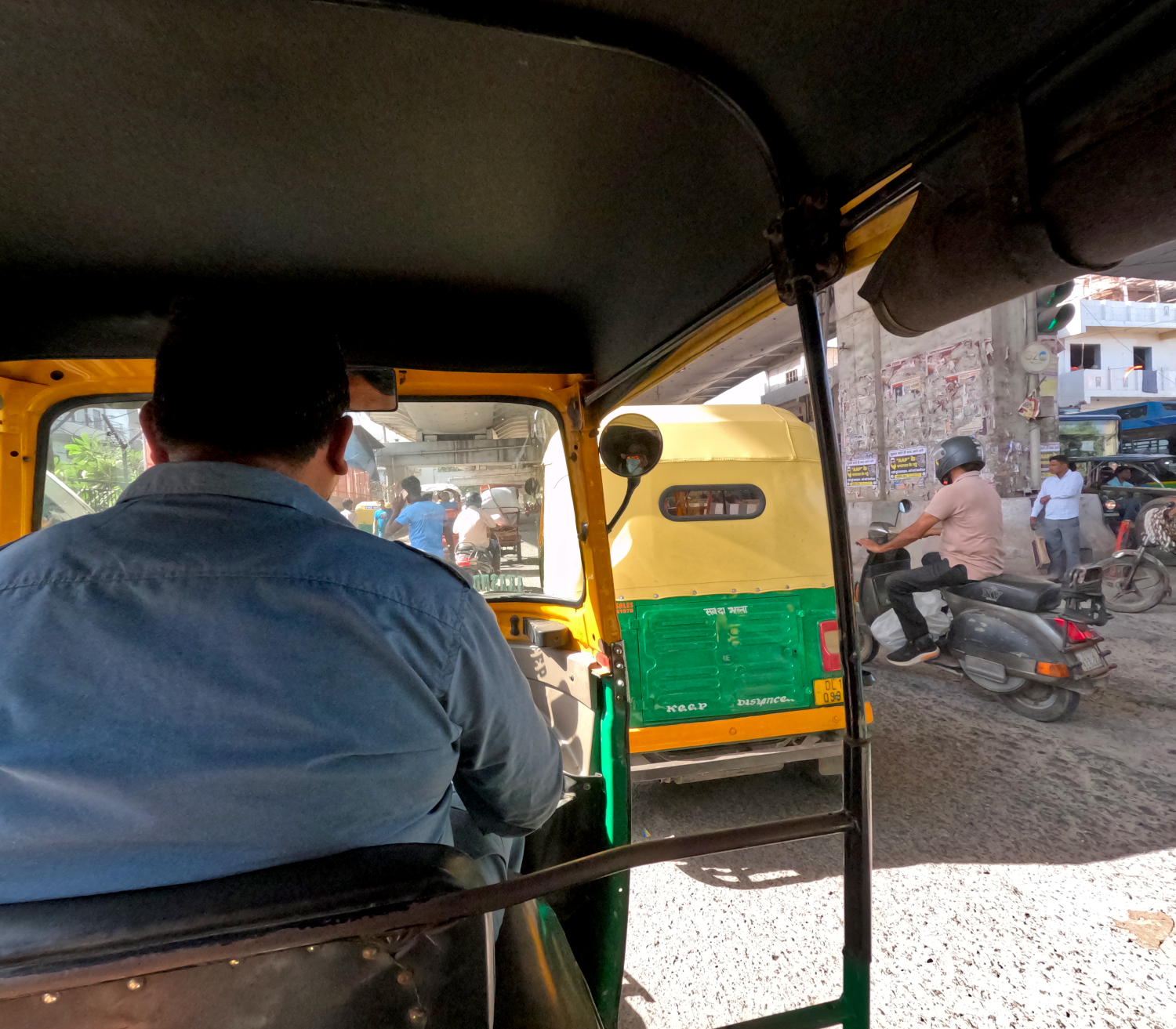
The next morning, we catch a tuk-tuk to a Hypermart. The driver is rude and surly, and doesn’t want to take us all the way there — he drops us about a block away. In the store, we find most of the things we are seeking — while, as usual in India, dealing with overbearing store employees who try to push you toward buying certain things (in a store we once went to, we literally had a fellow wanting to do our shopping for us). The ride back home is better, with a much more agreeable chauffeur.
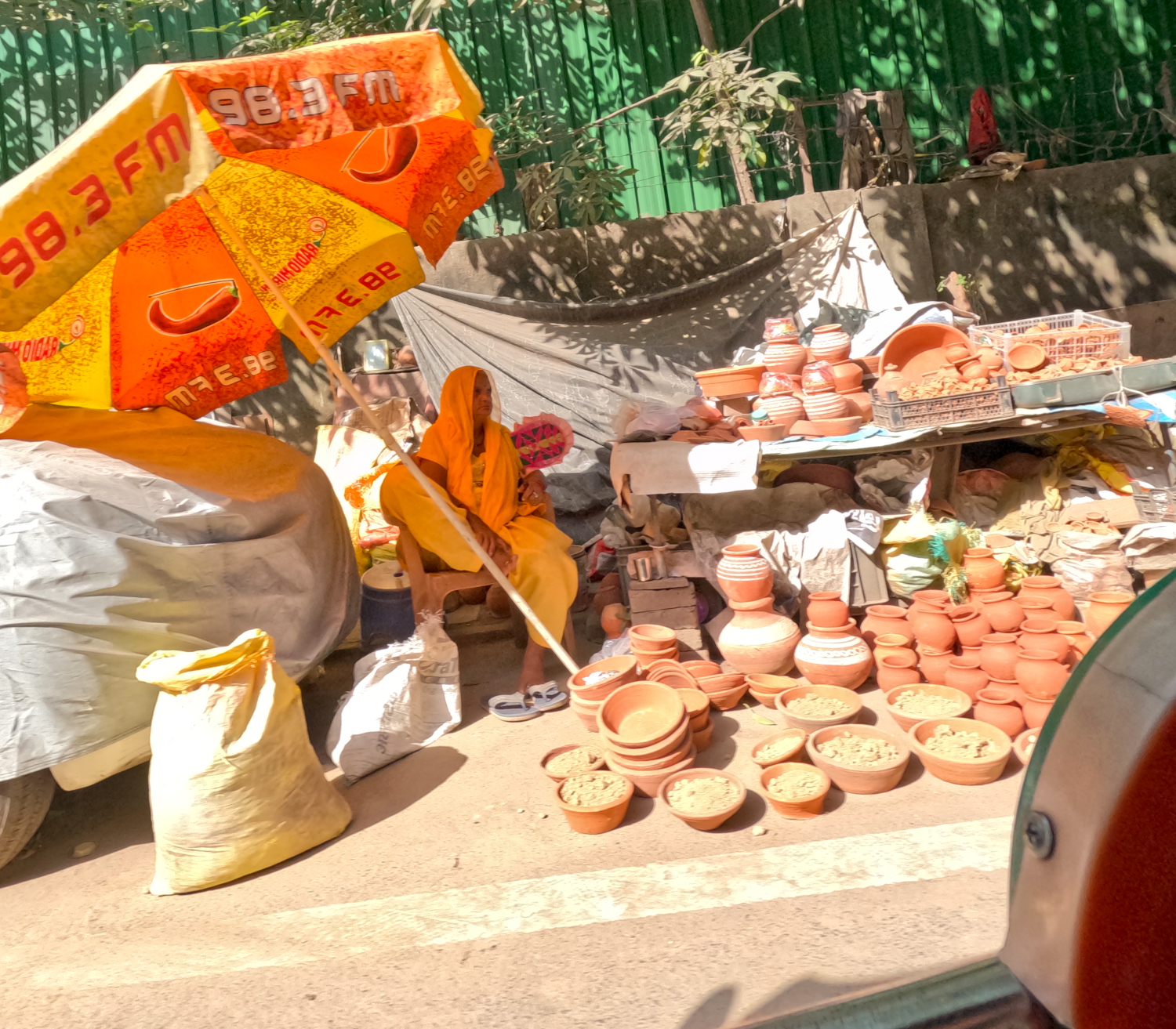
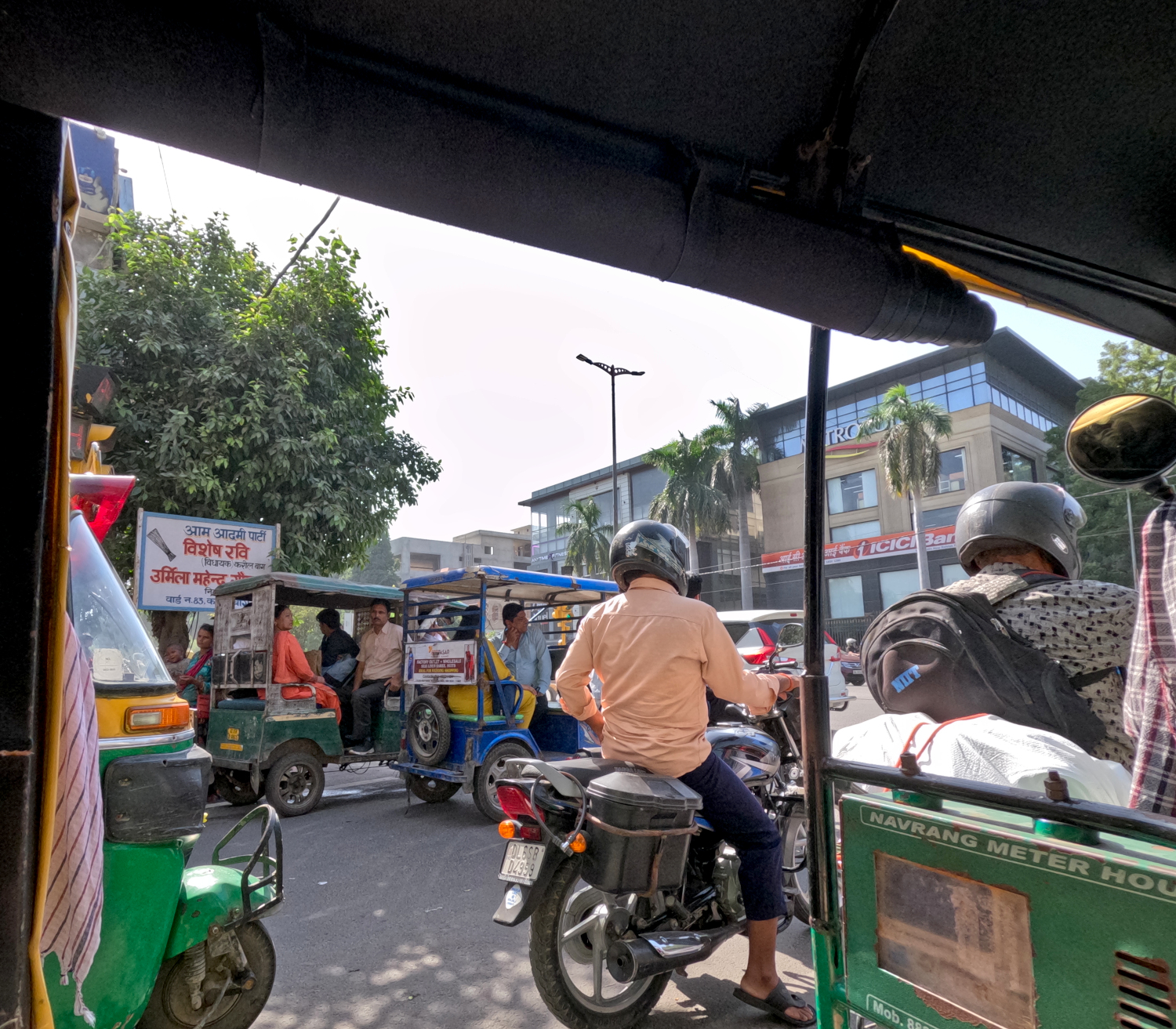

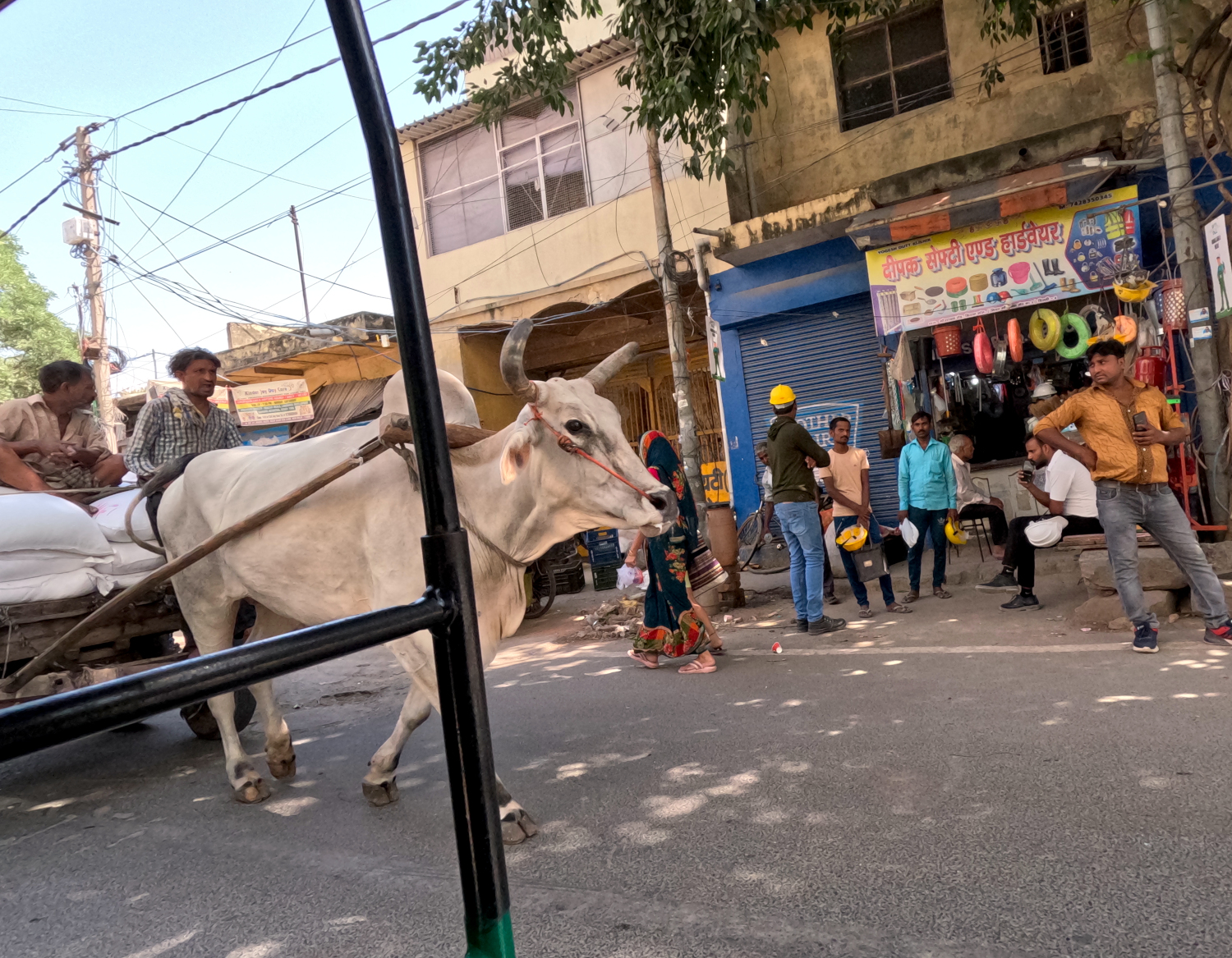
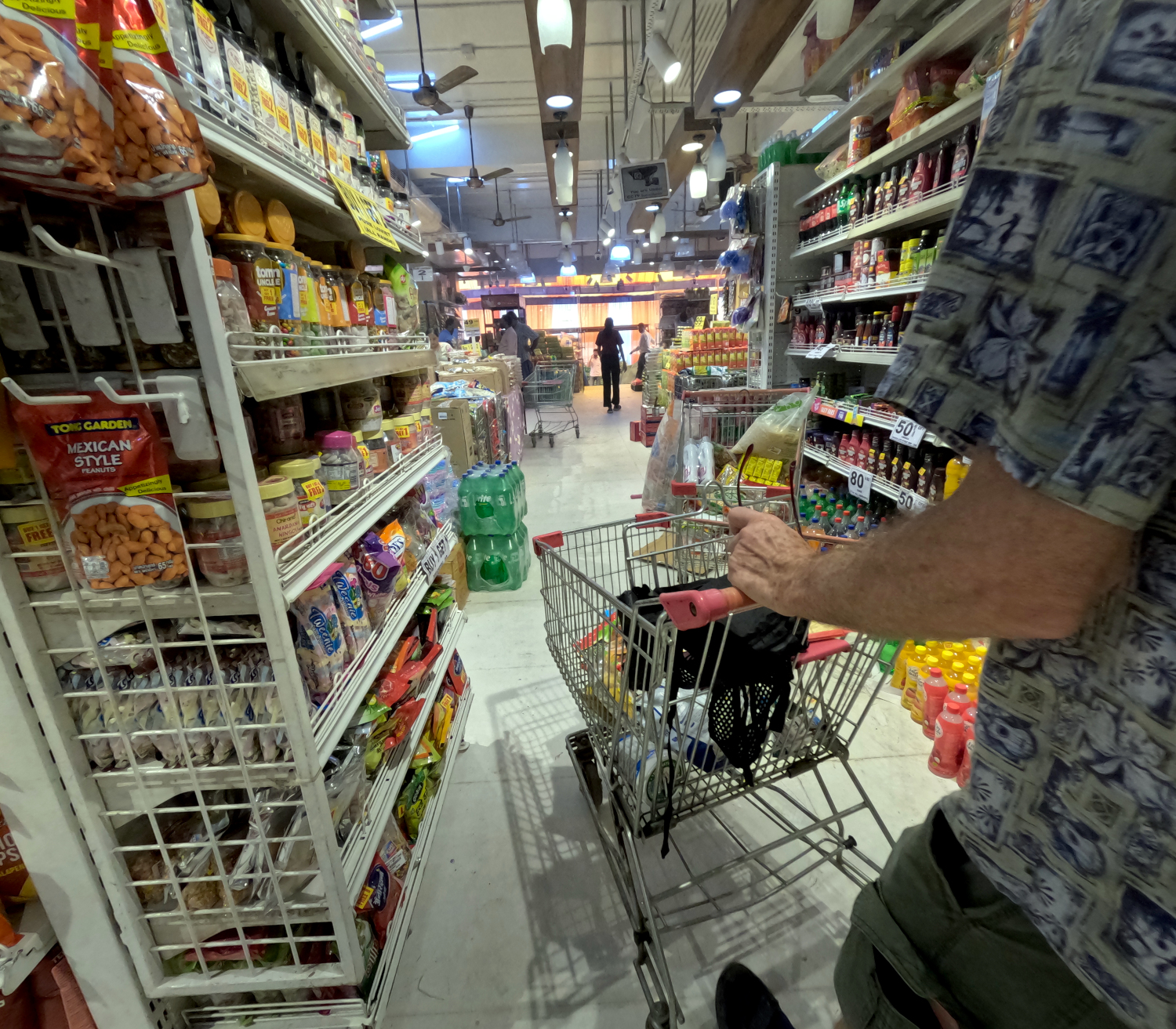

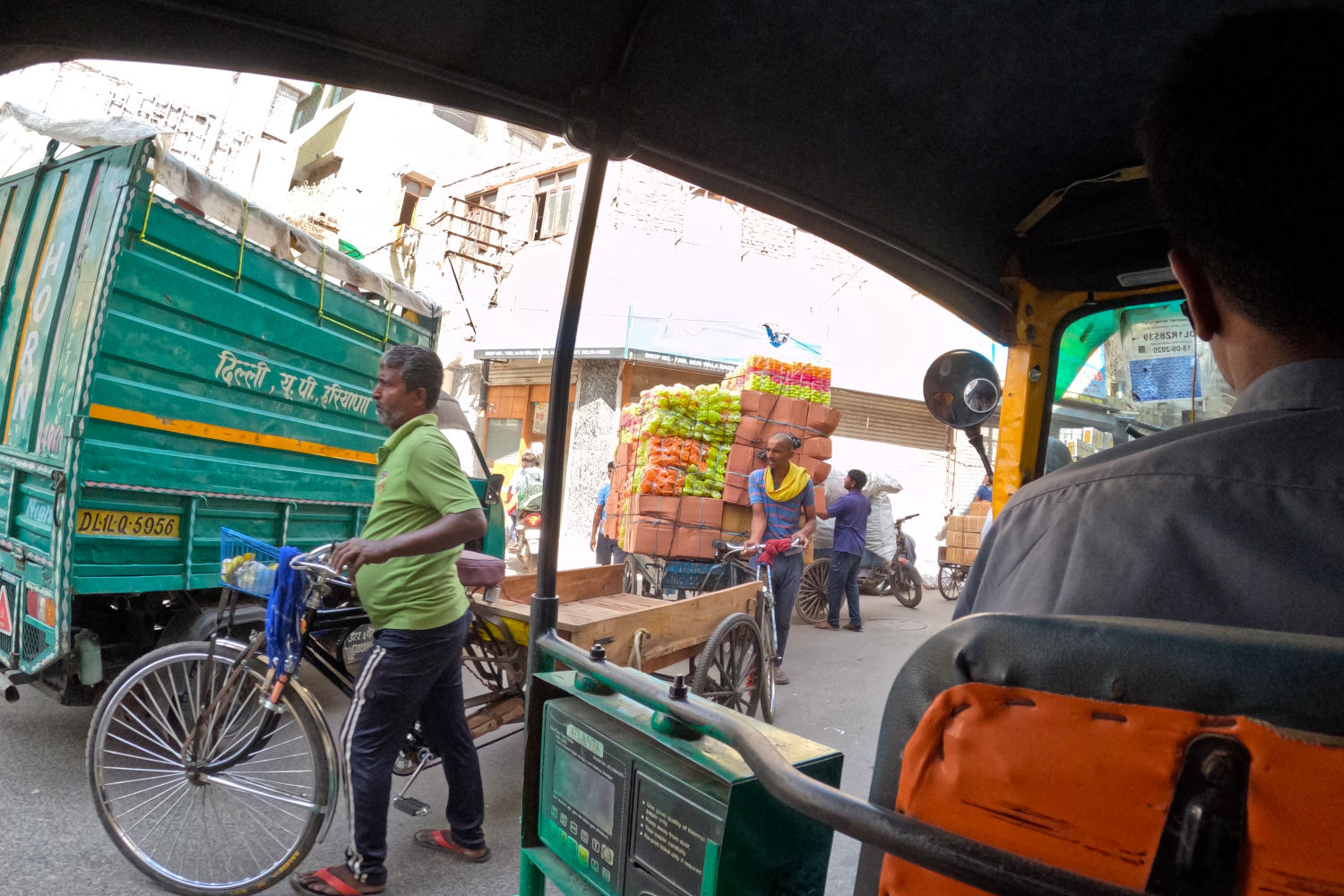
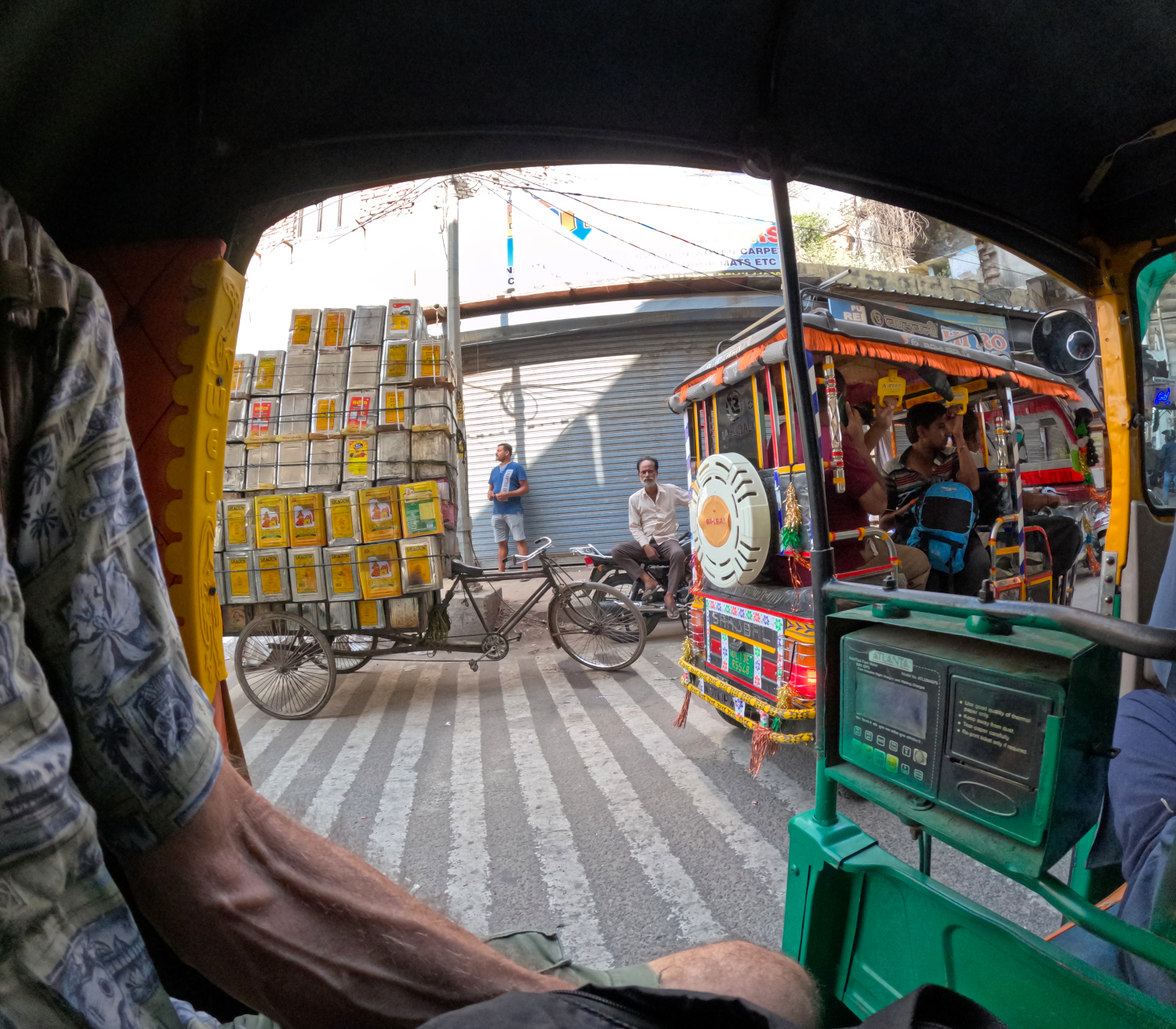
So far, India’s largest city, with a population of 34 million, has not overwhelmed us, except with its busy streets and packed trains. It has only a couple of days more left to make a more favorable impression. Come on Delhi, you can do it.
9/30-10/3/2024

 world travel with a theatrical flair
Leave a comment