

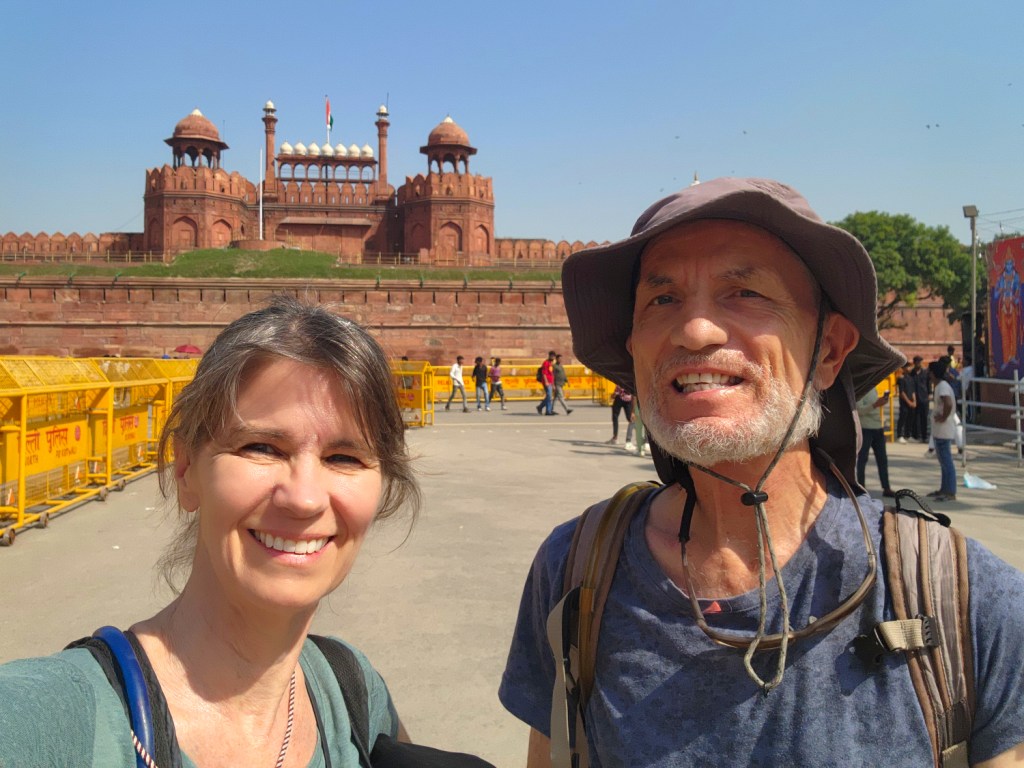
With one more day to spend in Delhi/ New Delhi, we pondered what one attraction or landmark we most would like to visit. Ultimately, we settled on the Red Fort (Lal Qila), which is in the midst of a bustling neighborhood that’s interesting to walk around in.

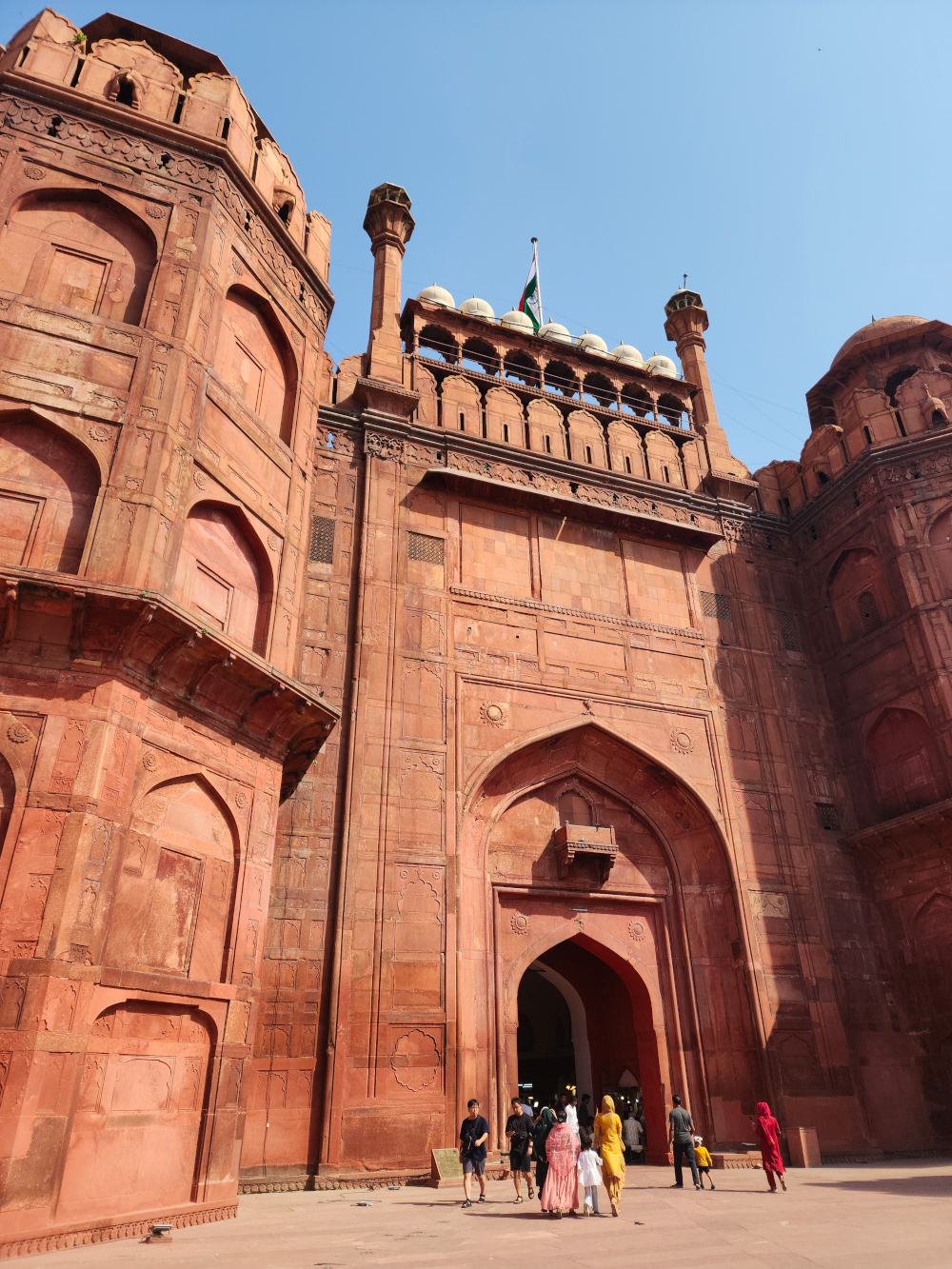
Construction on the fort began in 1639 under the direction of Emperor Shah Jahan, who also commissioned the Taj Mahal. In fact, according to tradition, it was even designed by the same architect. But he must have used up his best ideas on that better known architectural masterpiece, because the Red Fort, while it’s an interesting spectacle, is hardly in the same league.
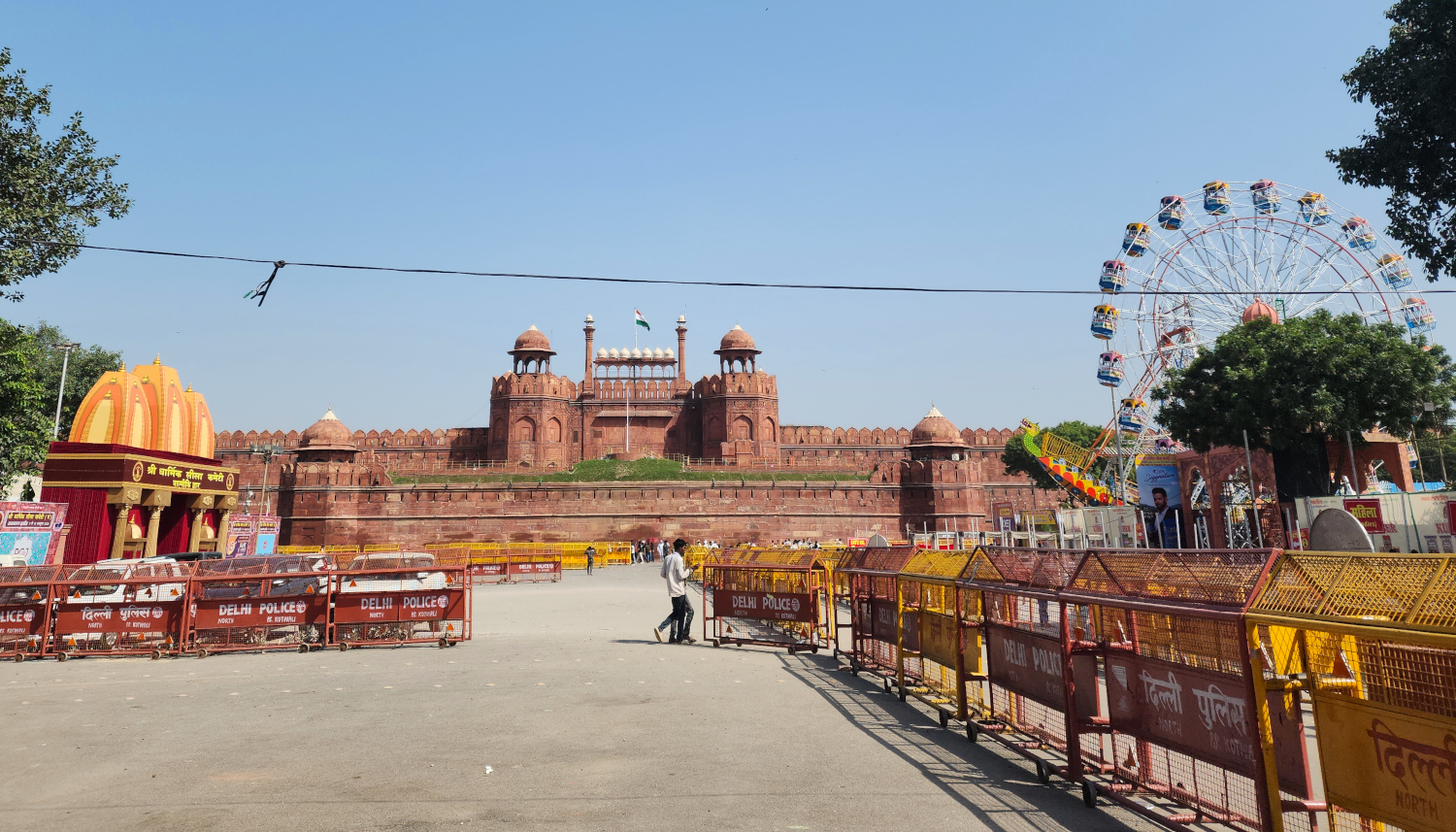
With imposing walls ranging in height from 60 to 110 feet, the Fort was constructed mostly of red sandstone and marble — much of which was later removed by plunderers. It’s designed in the Mughal architectural style, common in the 16th to 18th Centuries, and is a blend of Persian, Indian, and Islamic elements. These include grand domes, vaulted gateways, and slender minarets positioned at corners. The Red Fort has the rare distinction of being laid out in an octagonal shape.
Lal Qila
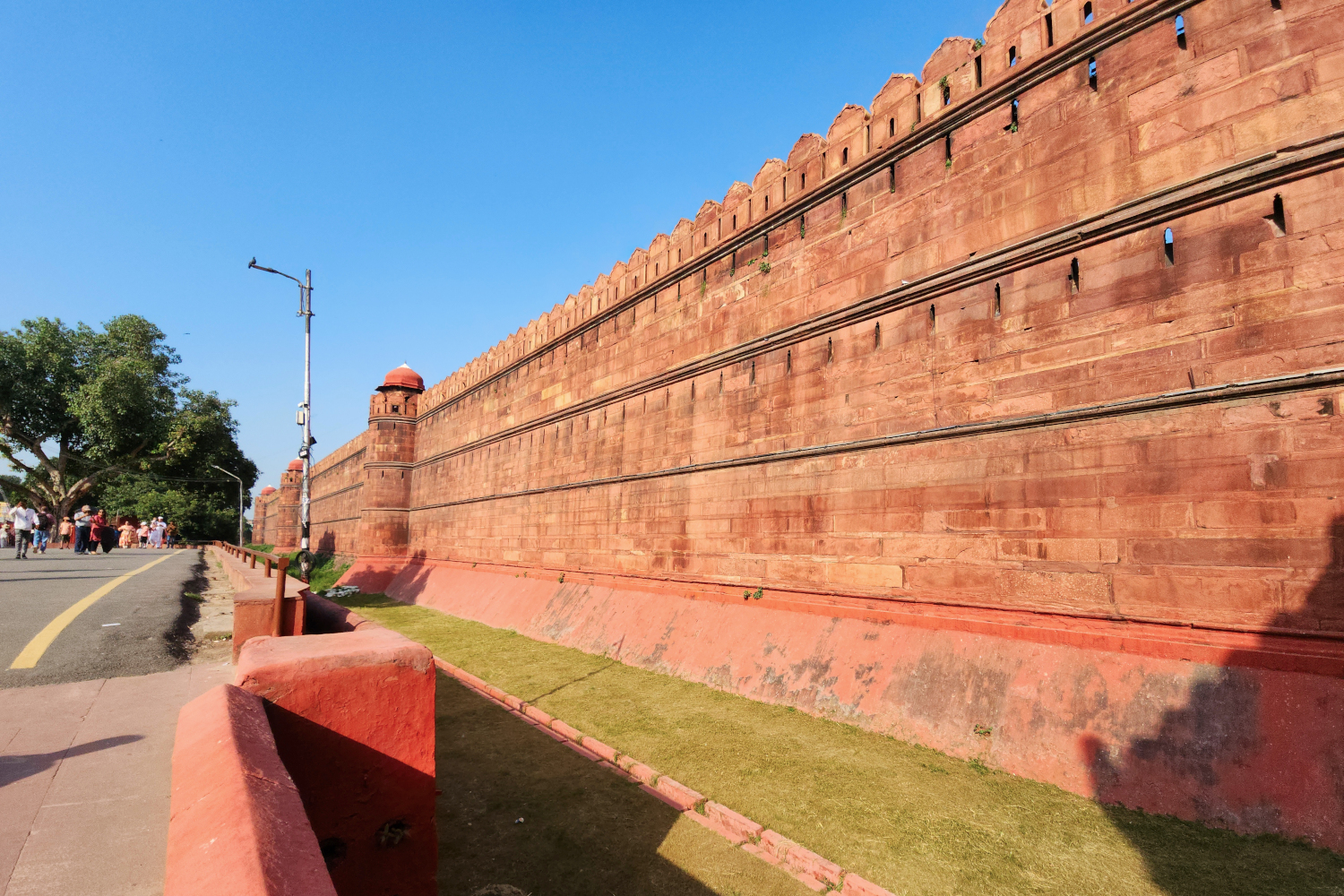
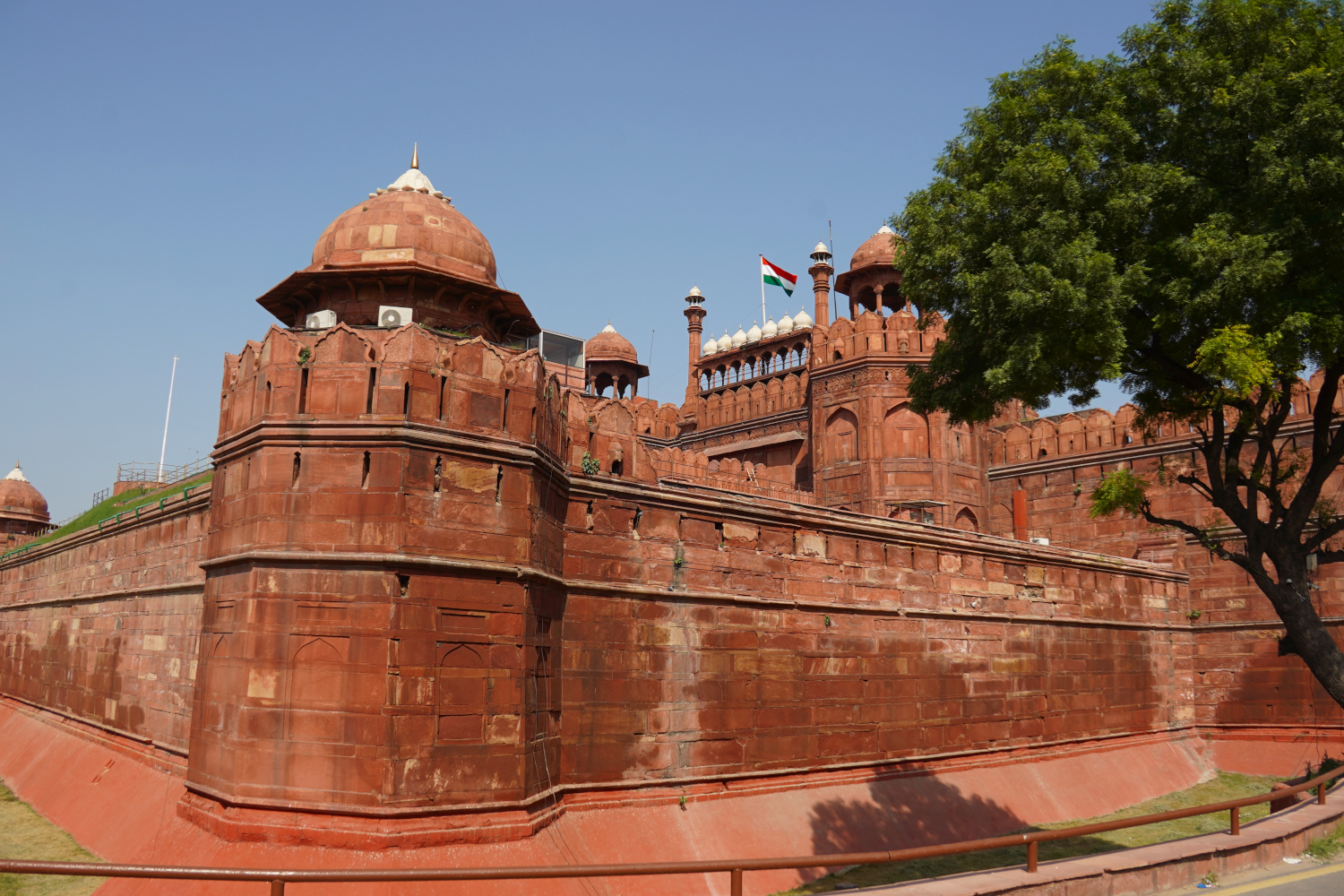
The Fort served as the residence of emperors for a century or so, and housed the celebrated Kohinoor diamond, which was embedded in Shah Jahan’s throne. (This diamond, currently in England, is supposed to bring misfortune upon the person wearing it — no word on what happens if you sit on it.)
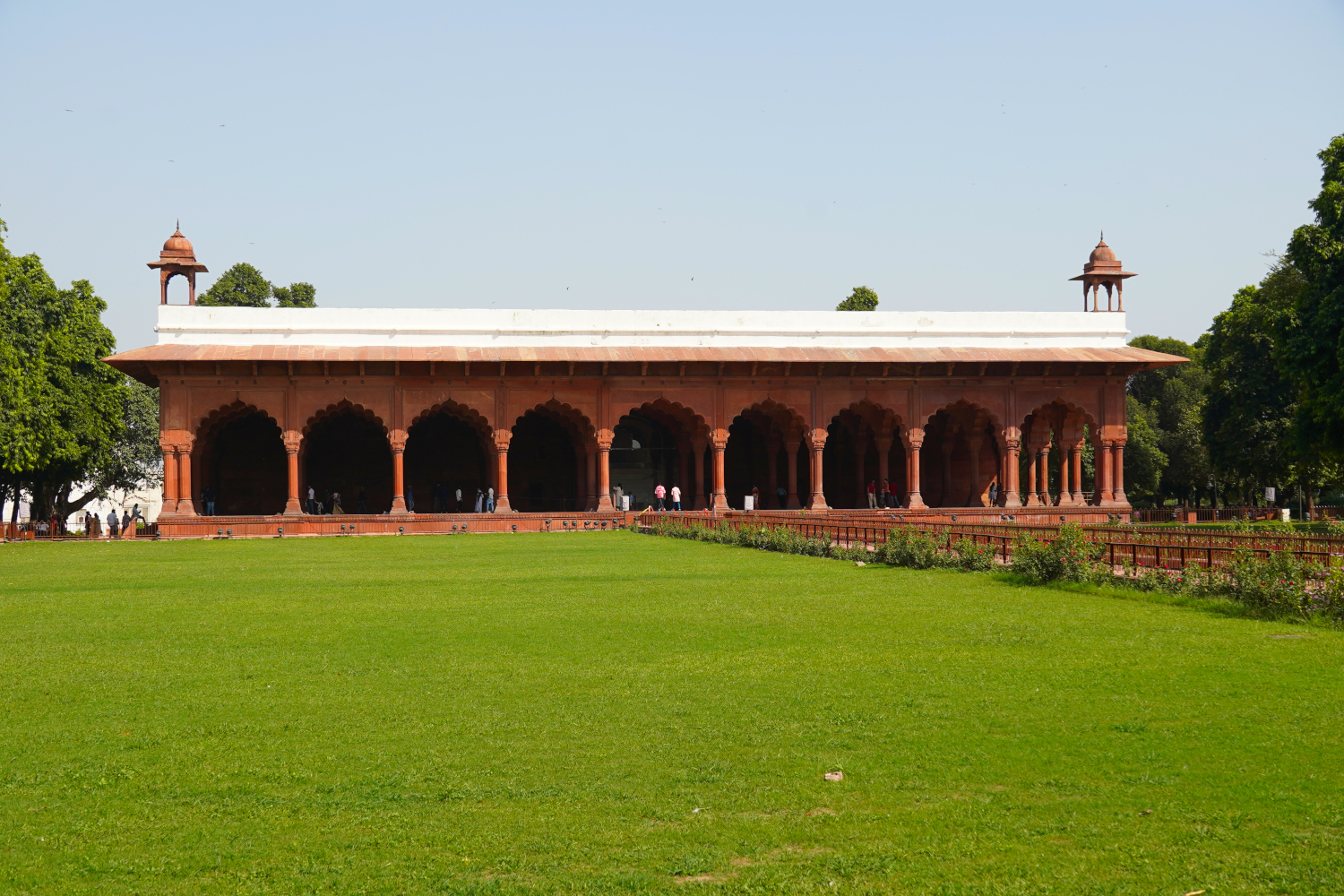
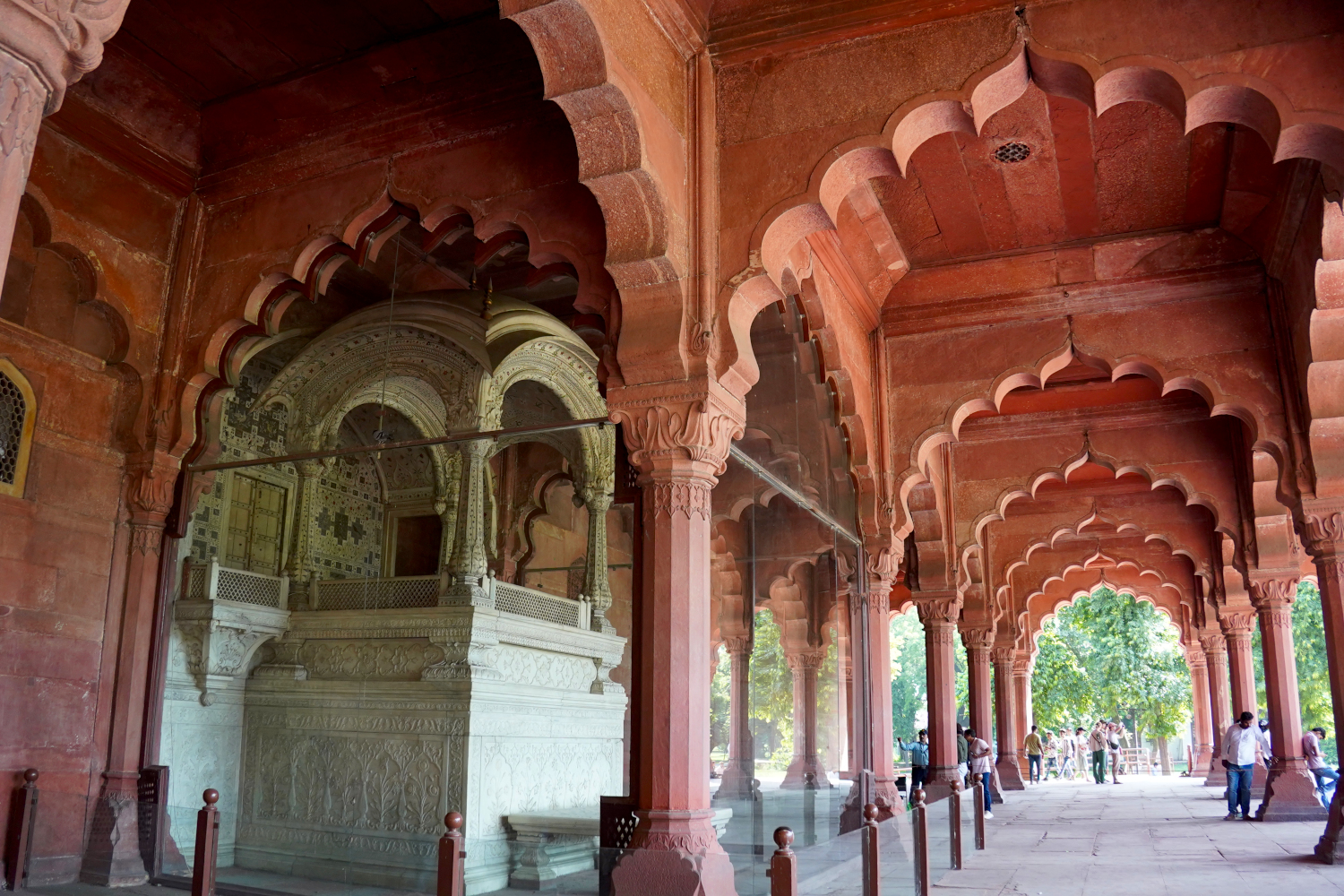
Diwan-i-Am
The Diwan-i-Am was the Hall of Public Audience, where the Emperor would meet with the public, listen to their gripes and moans, and, if they were lucky, make a decision to help them somehow. The hall is open on three sides, and featured a marble canopy where the emperor sat on his throne. The columns and ceilings were painted with gold, and the wall behind the emperor featured stone inlays with images of birds and flowers.



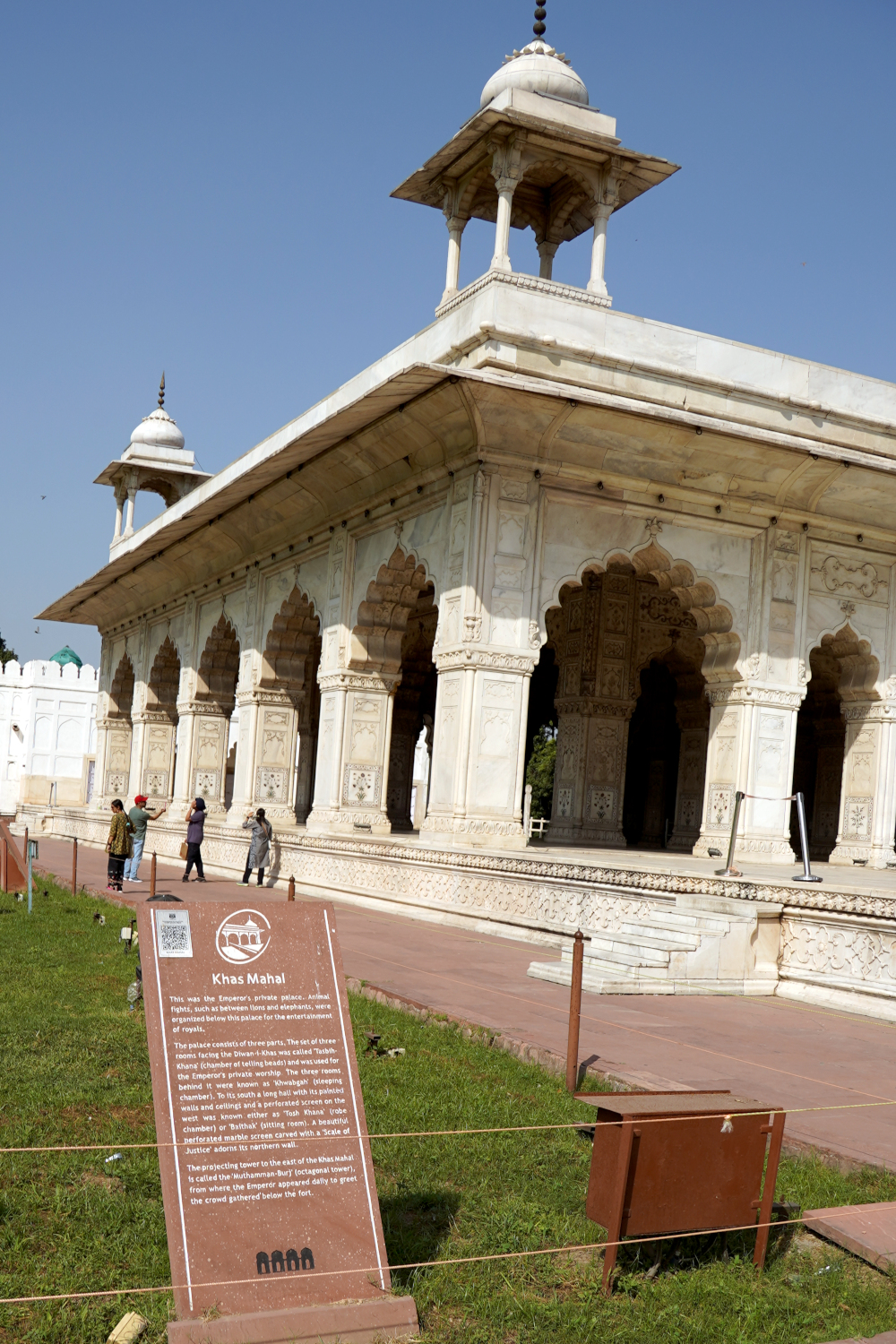
Khas-Mahal
The Khas-Mahal was the residential quarters of the emperor. It consisted of three chambers: the sleeping chamber, the sitting room, and the chamber of telling beads (a private worship room).



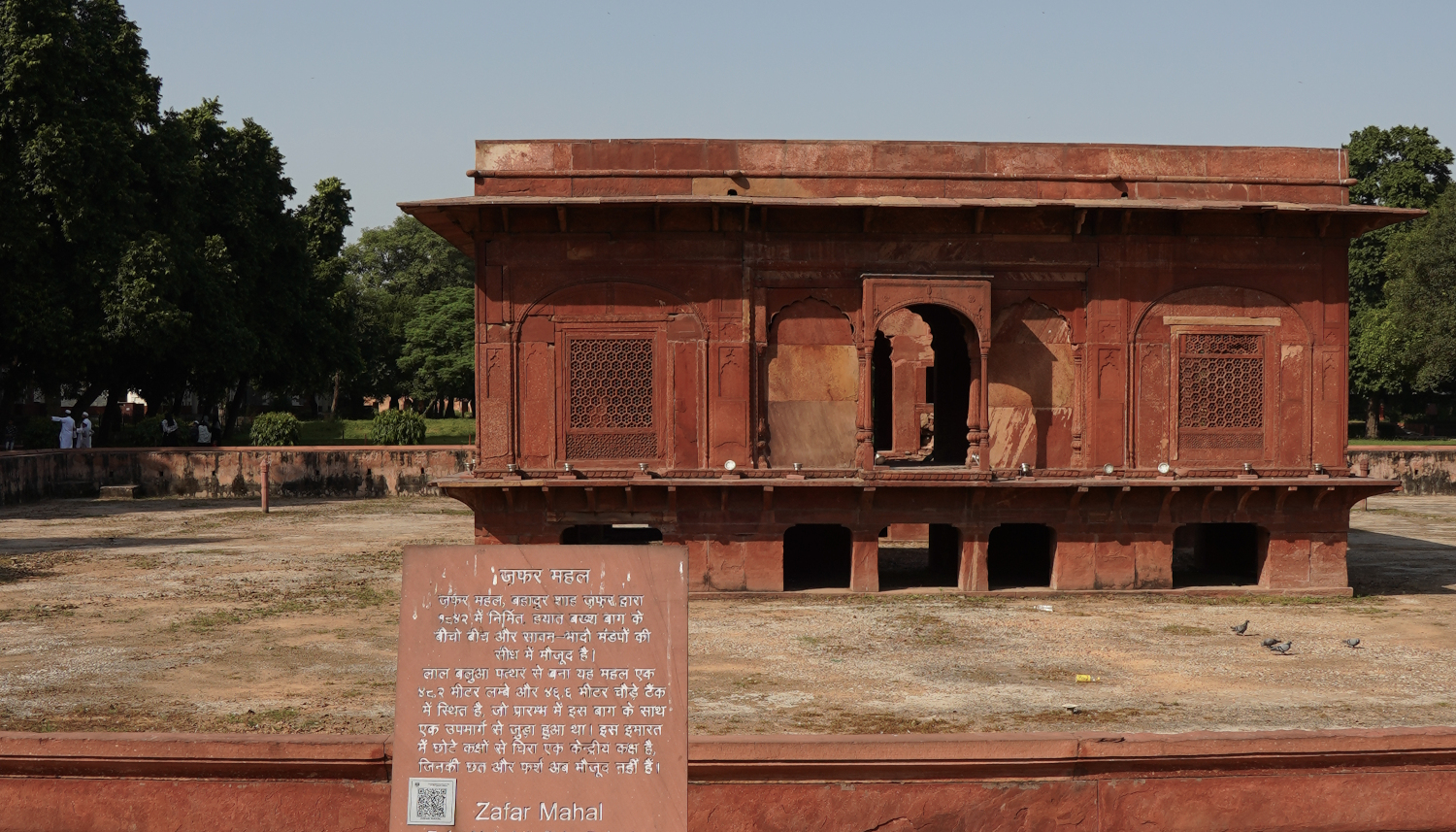
The Red Fort was invaded and relieved of its jewels and other treasures in 1739. And the British came in 1857, demolishing the marble structures on the premises. (The British seem to have had a thing about looting the marble from historic sites, as they demonstrated at the Acropolis — which we’ll learn more about later when we visit Athens.)
In 1947, on the modern nation of India’s first Independence Day (August 15), its first Prime Minister raised the nation’s flag above the main gate of the fort. It was a precedent that became, and has continued to be, a yearly tradition.
The Red Fort was declared a UNESCO World Heritage Site in 2007.
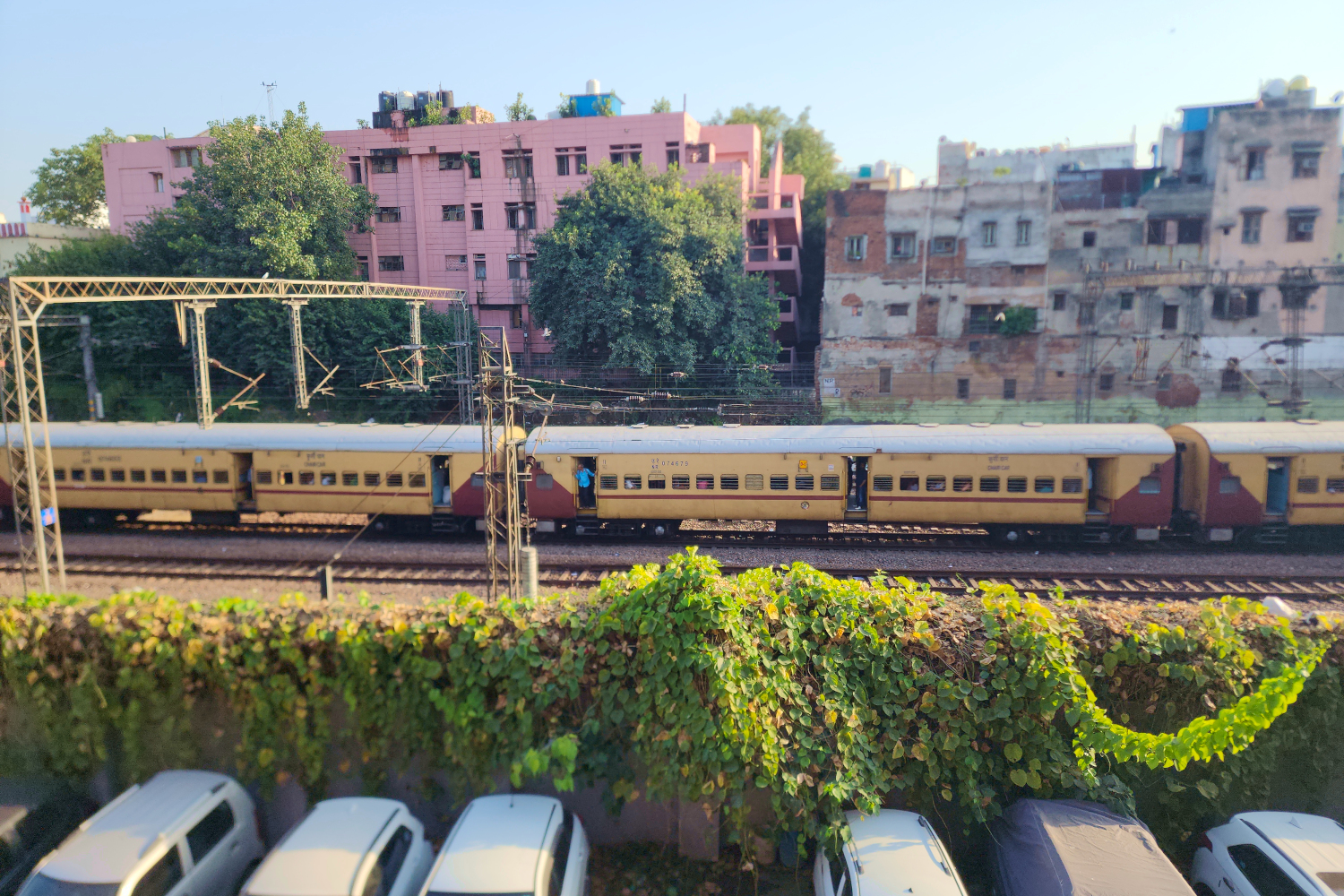

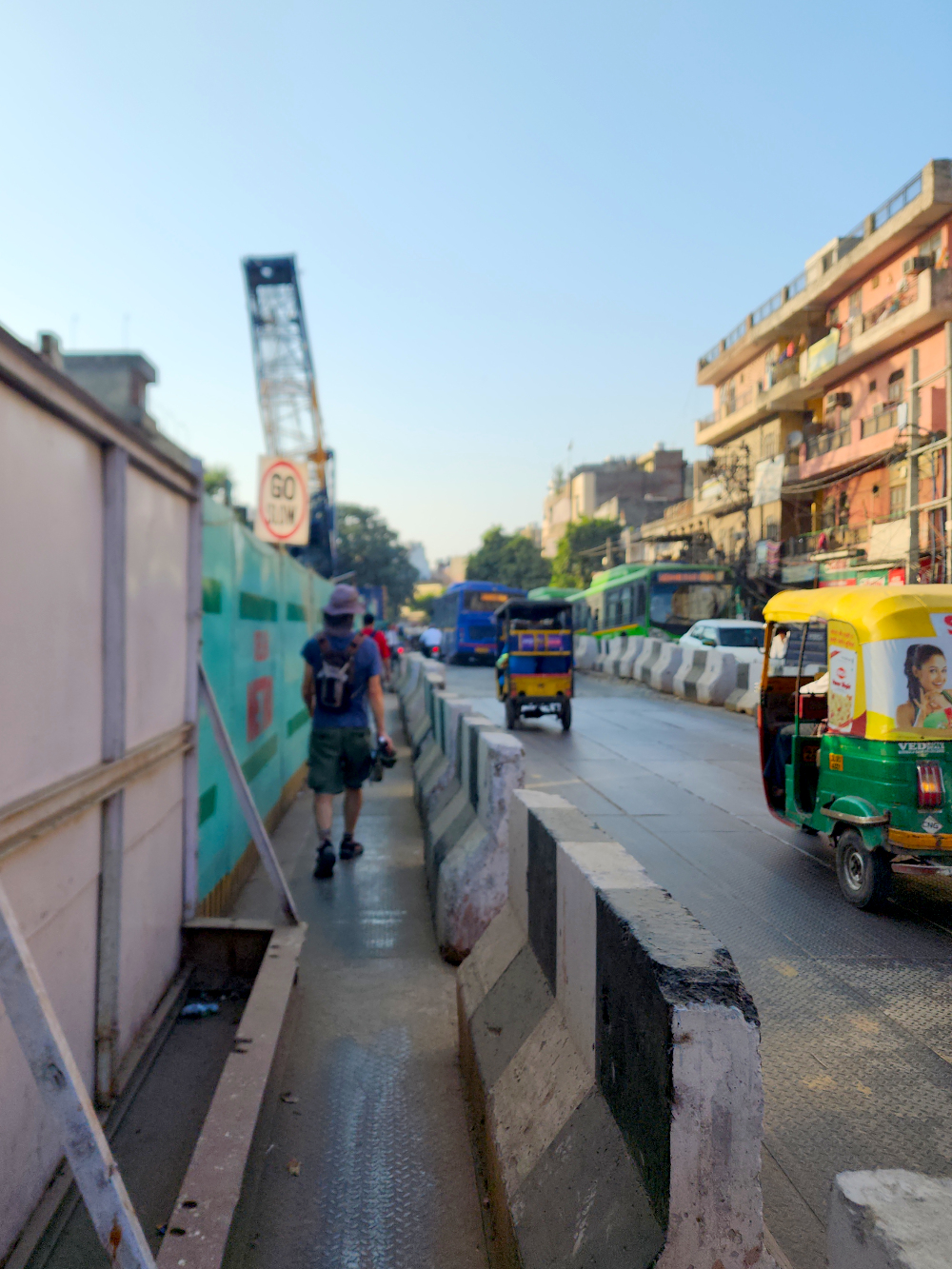

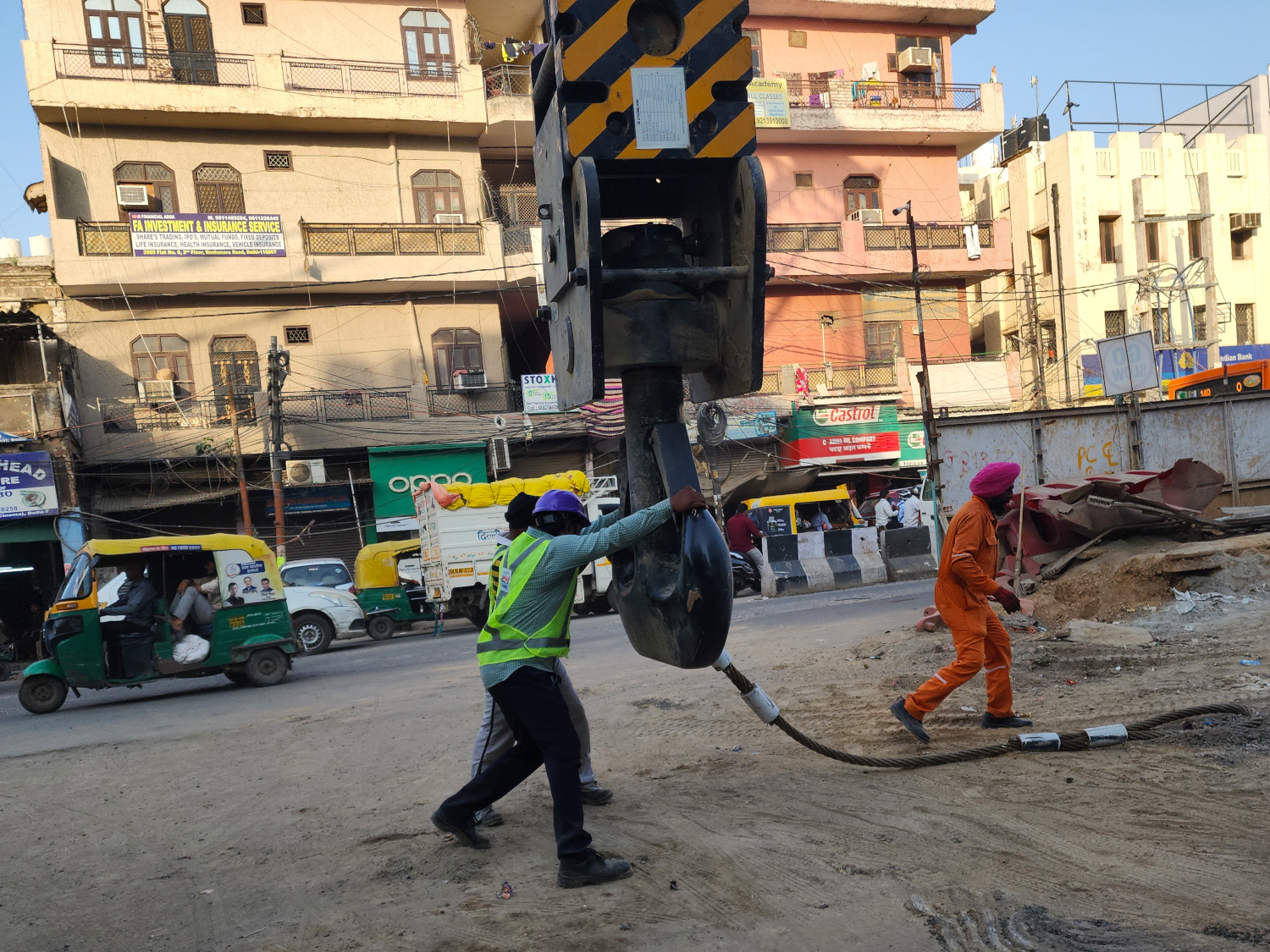
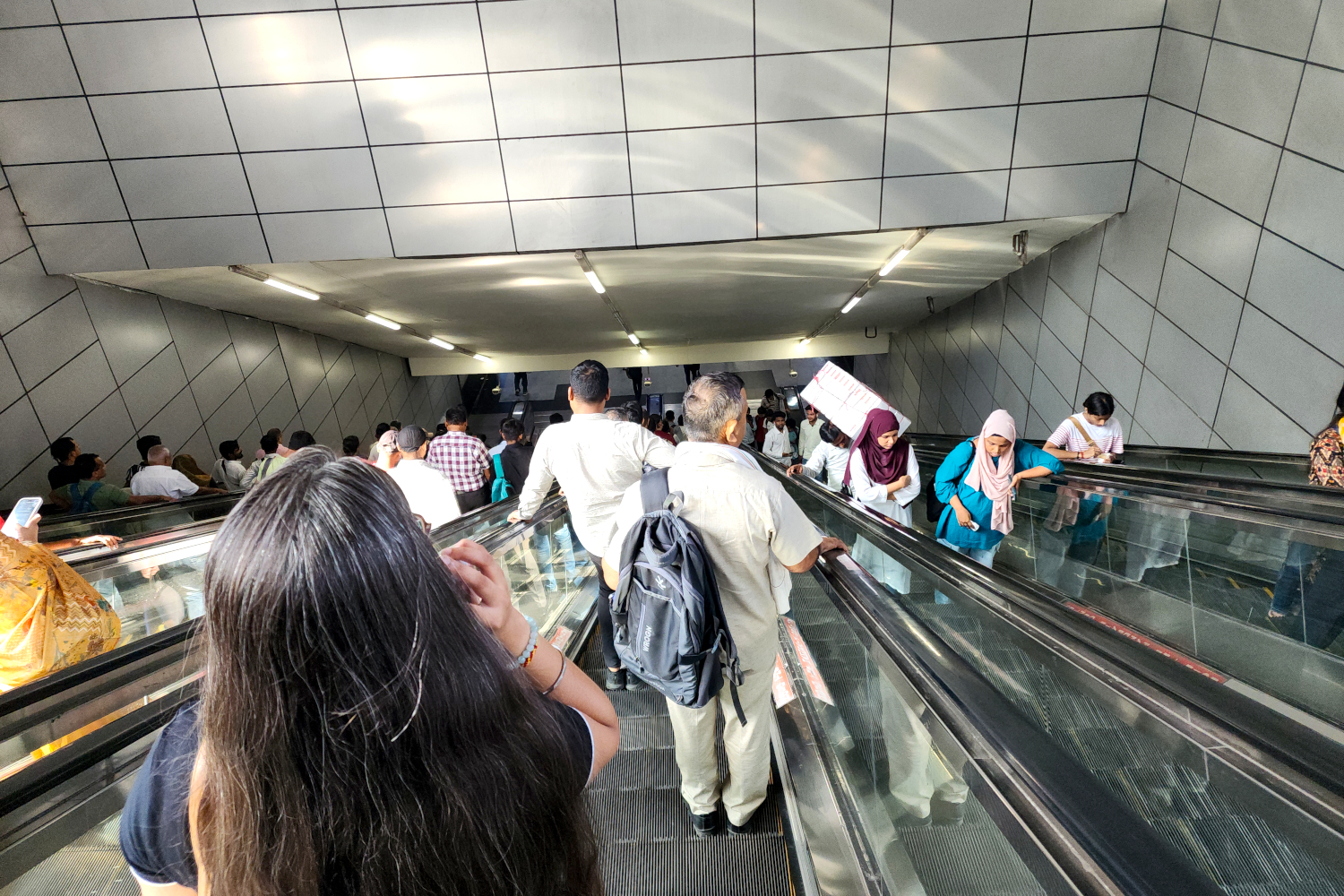
And having toured this historic attraction, we’re pretty much done with Delhi. So we head back to our apartment to pack, passing the construction site for a new metro line, which is much needed with the heavy passenger load on the metro. And we’re done with our vacation from teaching. Tomorrow, it’s time to head to our next gig.
10/4/2024

 world travel with a theatrical flair
Leave a comment