

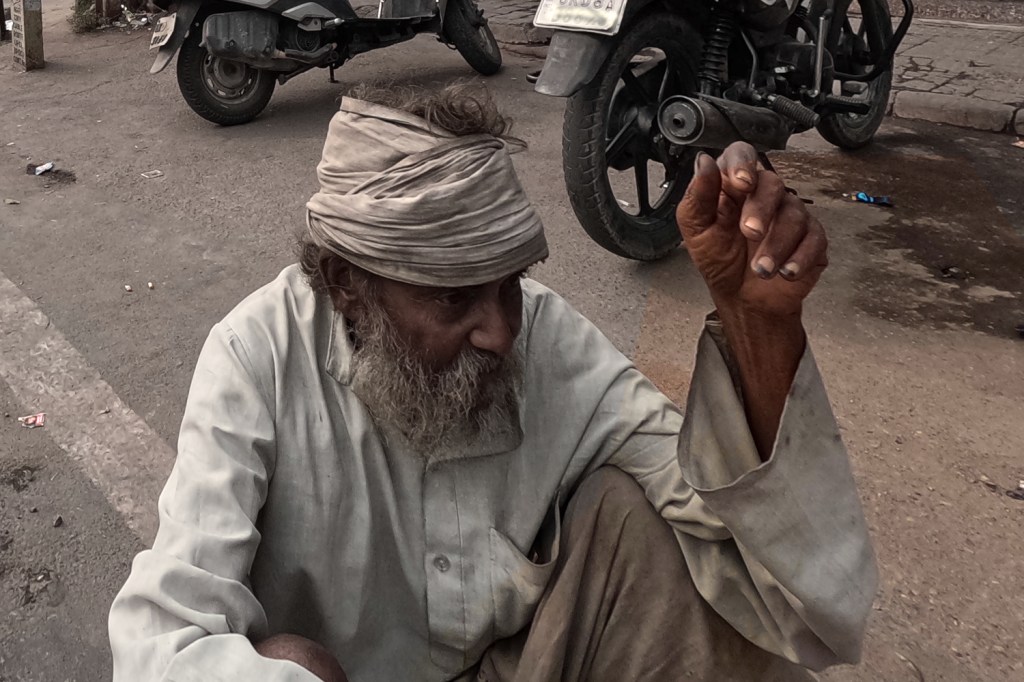
As charming as the village of Raiwala is, we like to get away to a city on the weekend whenever we can. We’d already taken a couple of excursions to Rishikesh during the first month and a half we spent volunteering in the area. This time we decided to go the same distance in the opposite direction, to Haridwar, where we’d landed at the train station on the night of our arrival in the area. But this would be the first time we’d seen it in the daytime.
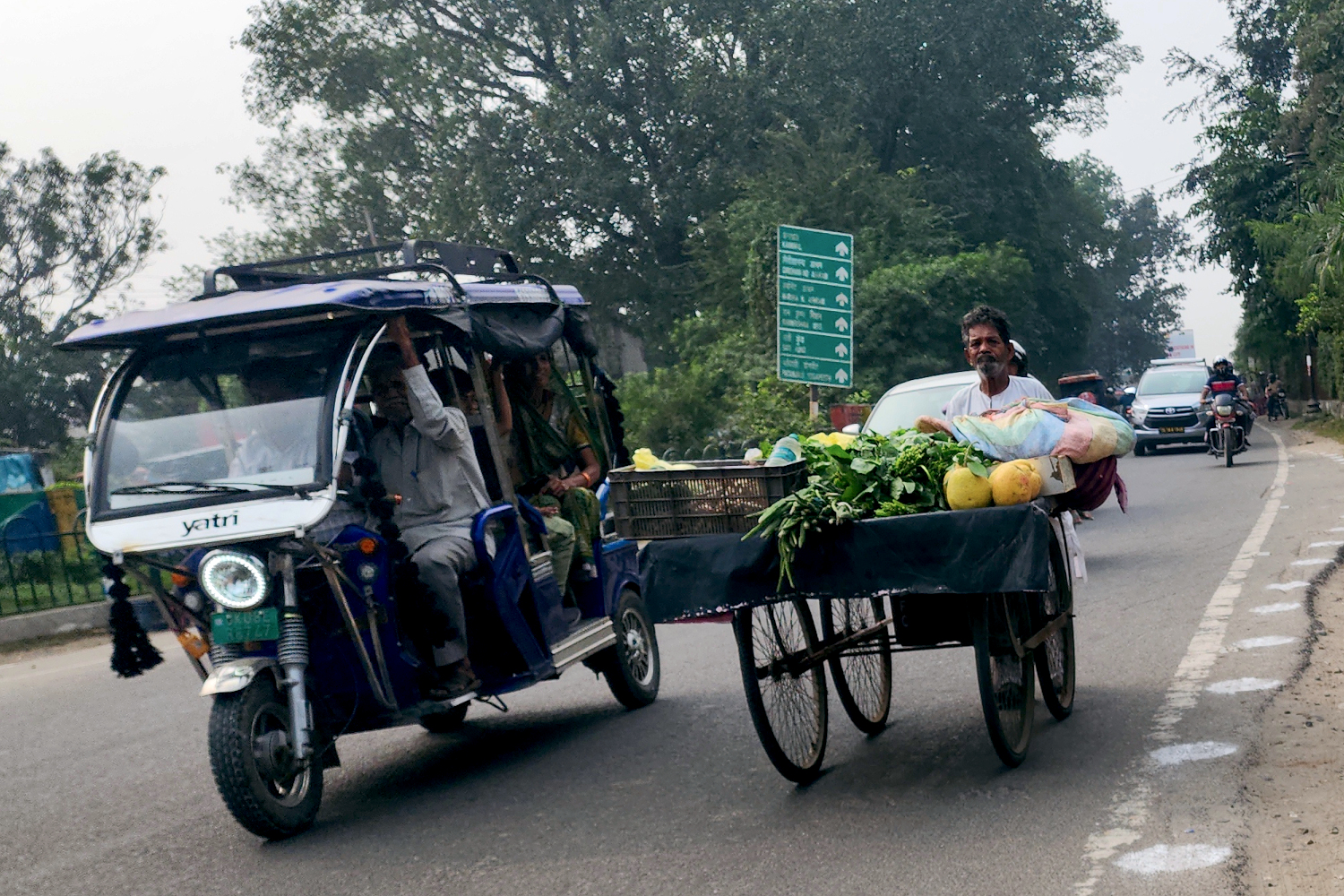
With all the hassles we’ve become accustomed to, we load into a crowded tuk-tuk in Raiwala, sharing the fare with the other passengers. We are dropped on the busy street in front of the Haridwar train station, and offer the driver the standard fare of 30 rupees each. The driver tries to demand that we cough up an additional 10 each. But nobody else is paying more, so clearly there is not a surcharge in effect for some special occasion. He’s just trying to gouge us because we are foreigners. But this time we refuse to pay the foreigner tax, and he seems okay with that; he just felt compelled to make the attempt anyway. And off we go to meander through Haridwar.
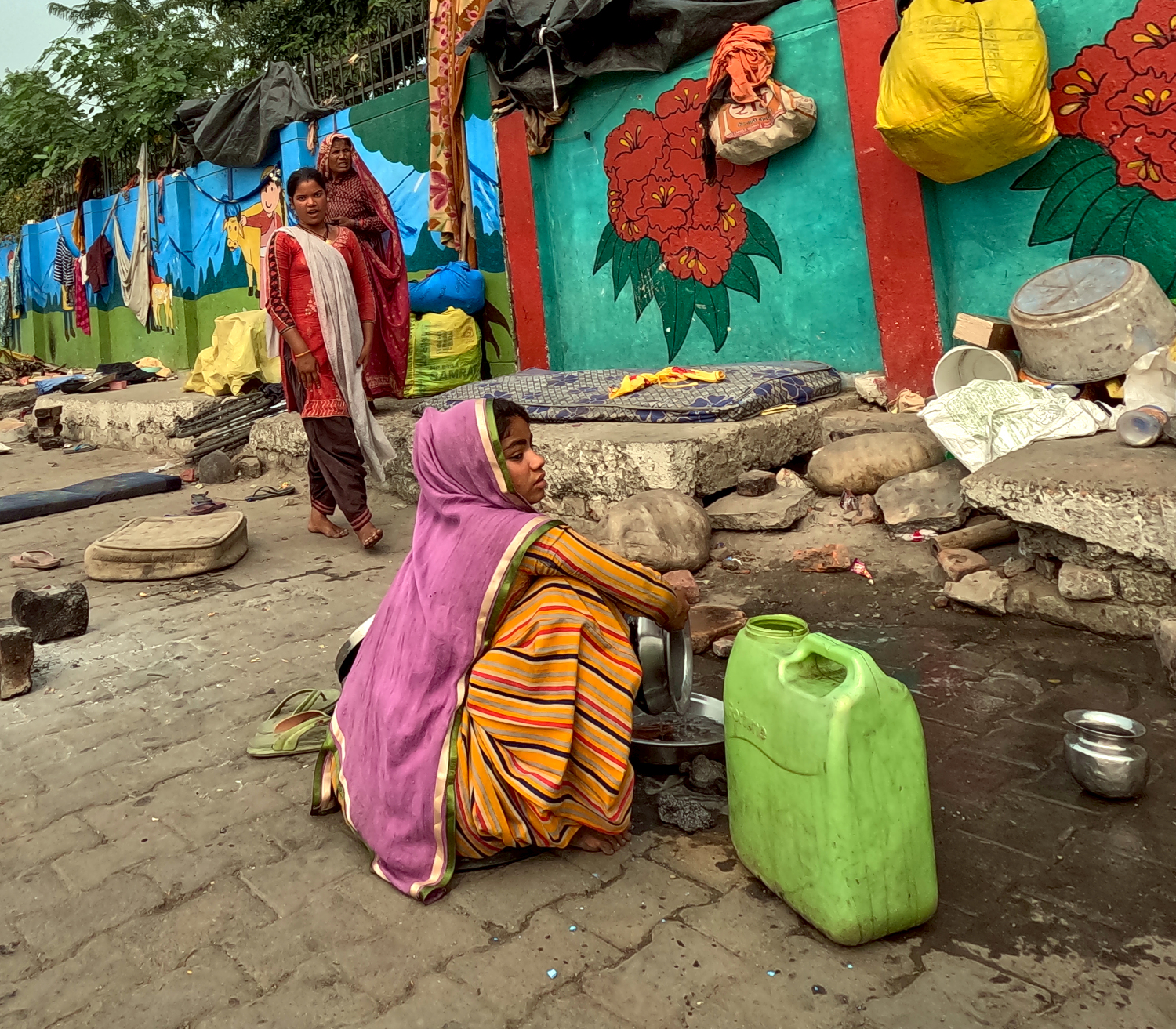
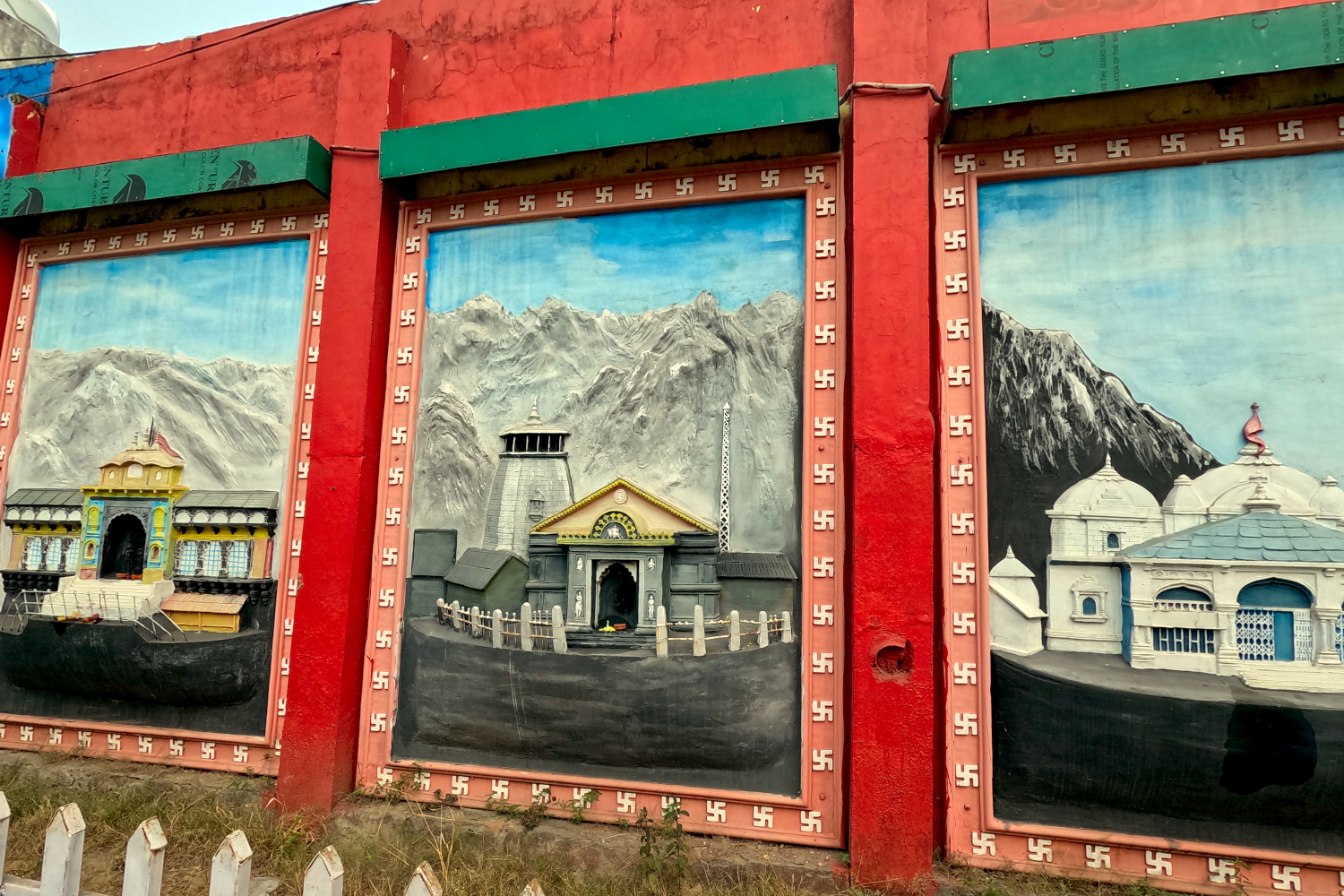
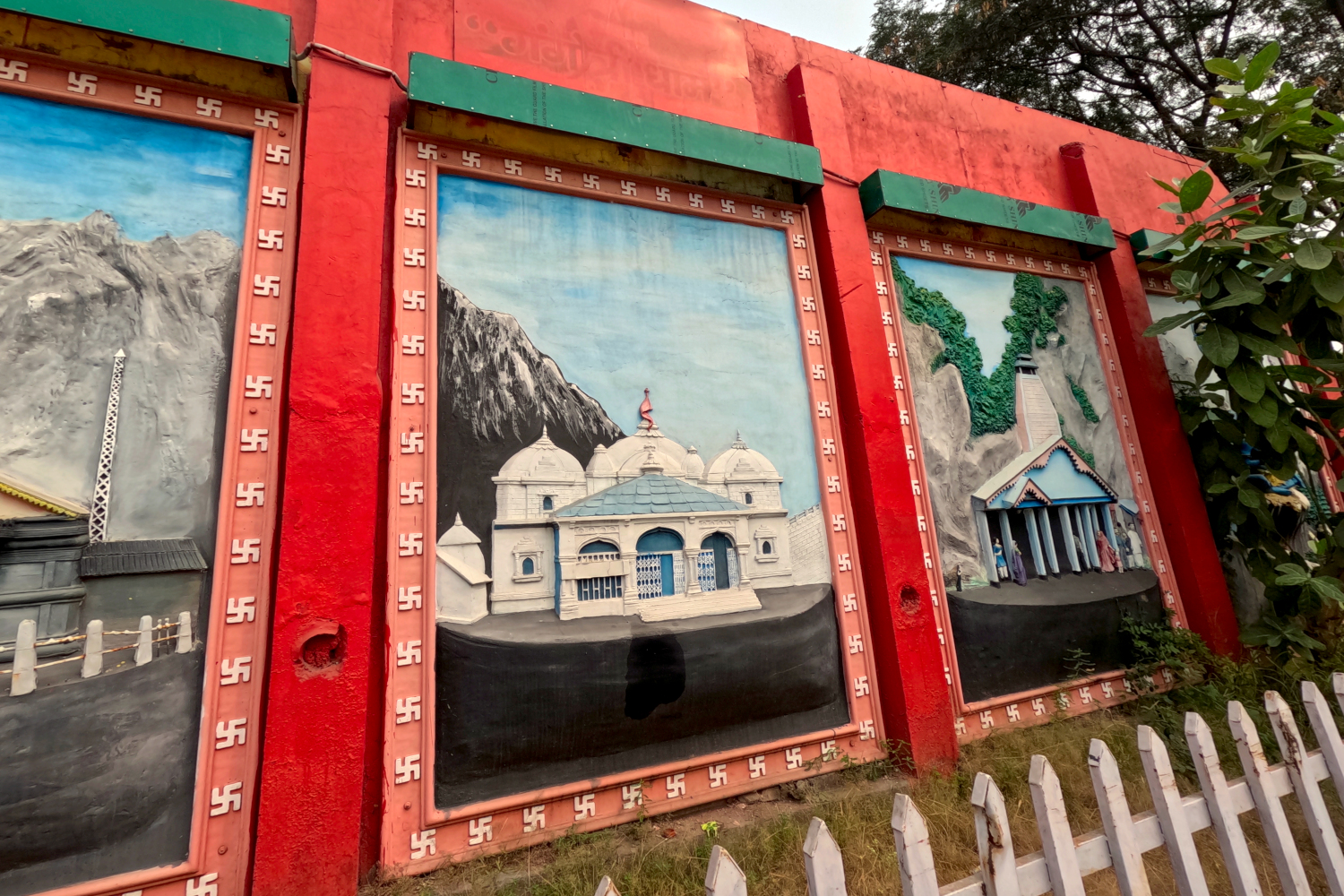
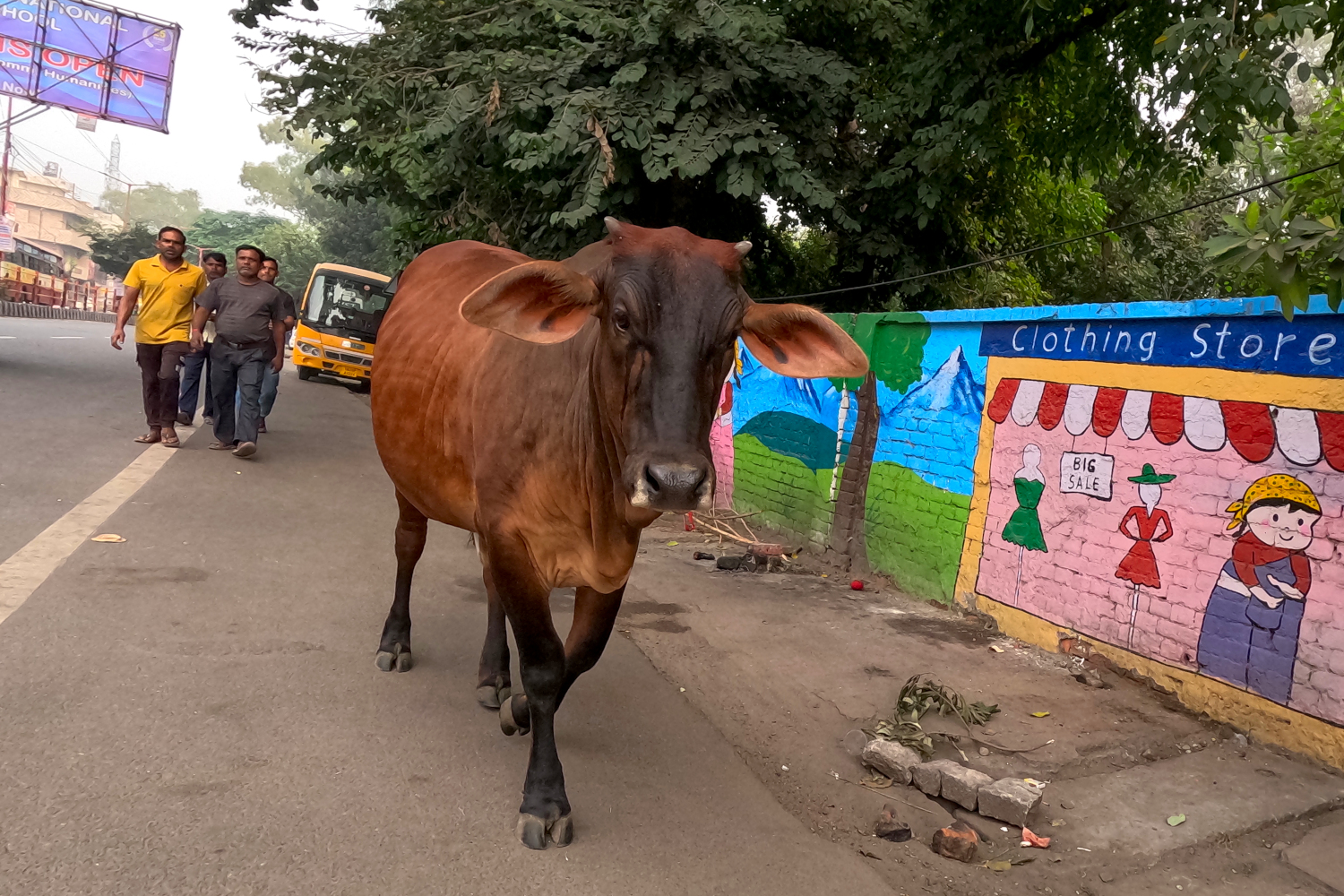
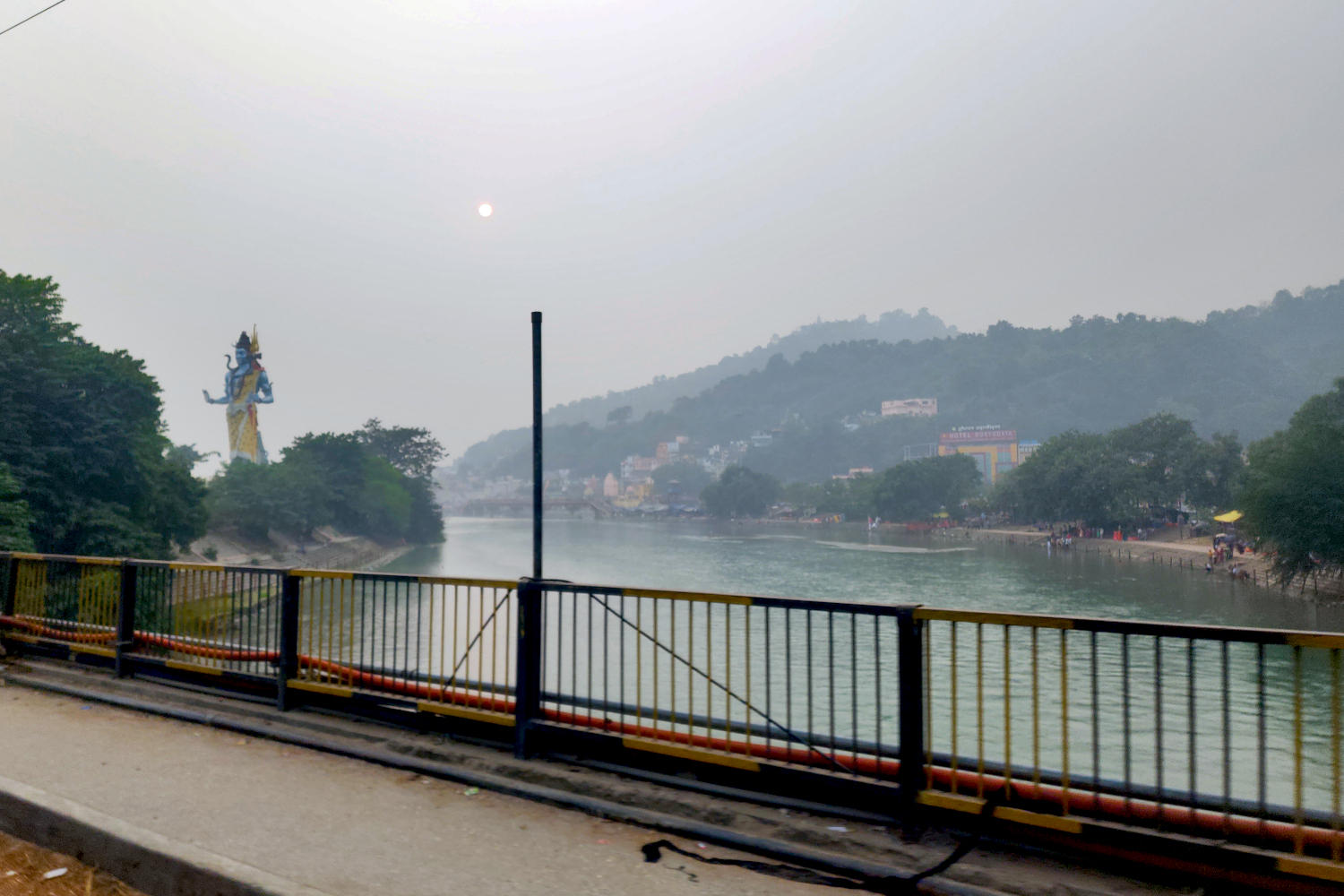
Haridwar, meaning “Gateway to God,” is one of the seven holiest cities among Hindus. (Interestingly, Rishikesh is not one of them, even though it’s also on the Ganges, and is a major haven for spiritual disciplines.) The city is known for its pilgrimage sites, attracting pilgrims from all over. When we were in Faizabad the previous year, we witnessed a procession of such pilgrims, en route to the Ganges, and carrying containers for transporting some of its holy water. (Faizabad, by the way, is adjacent to Ayodhya, which is another one of the seven cities.)

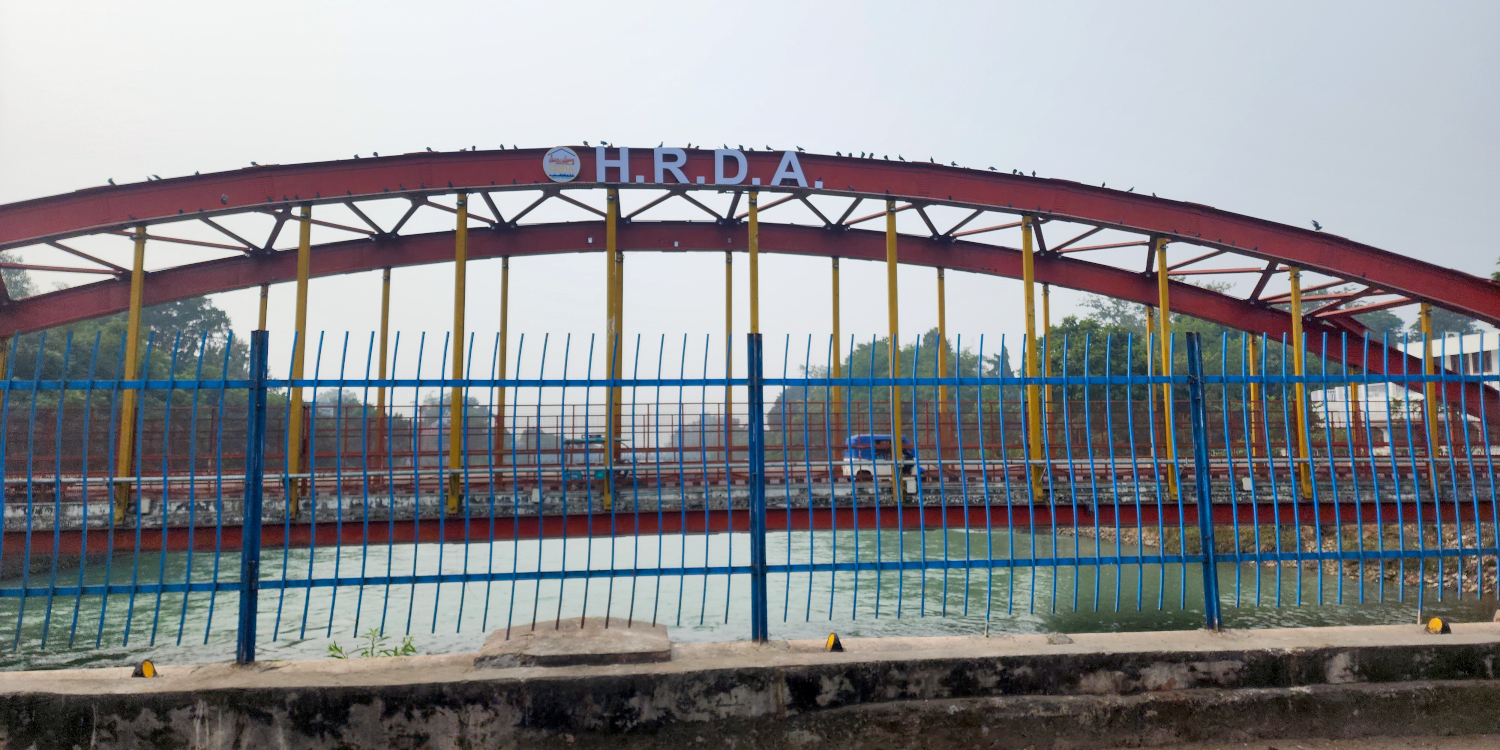

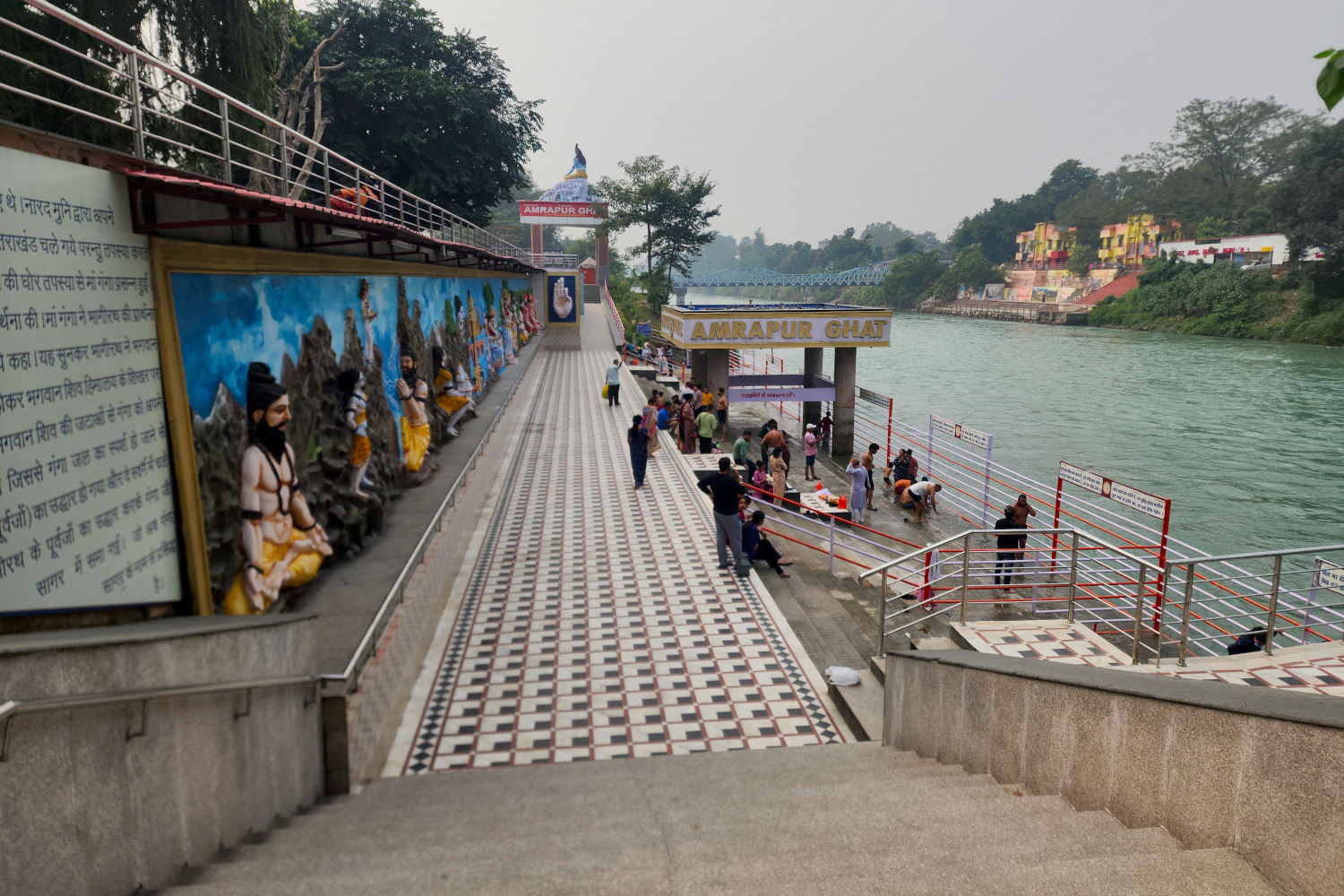
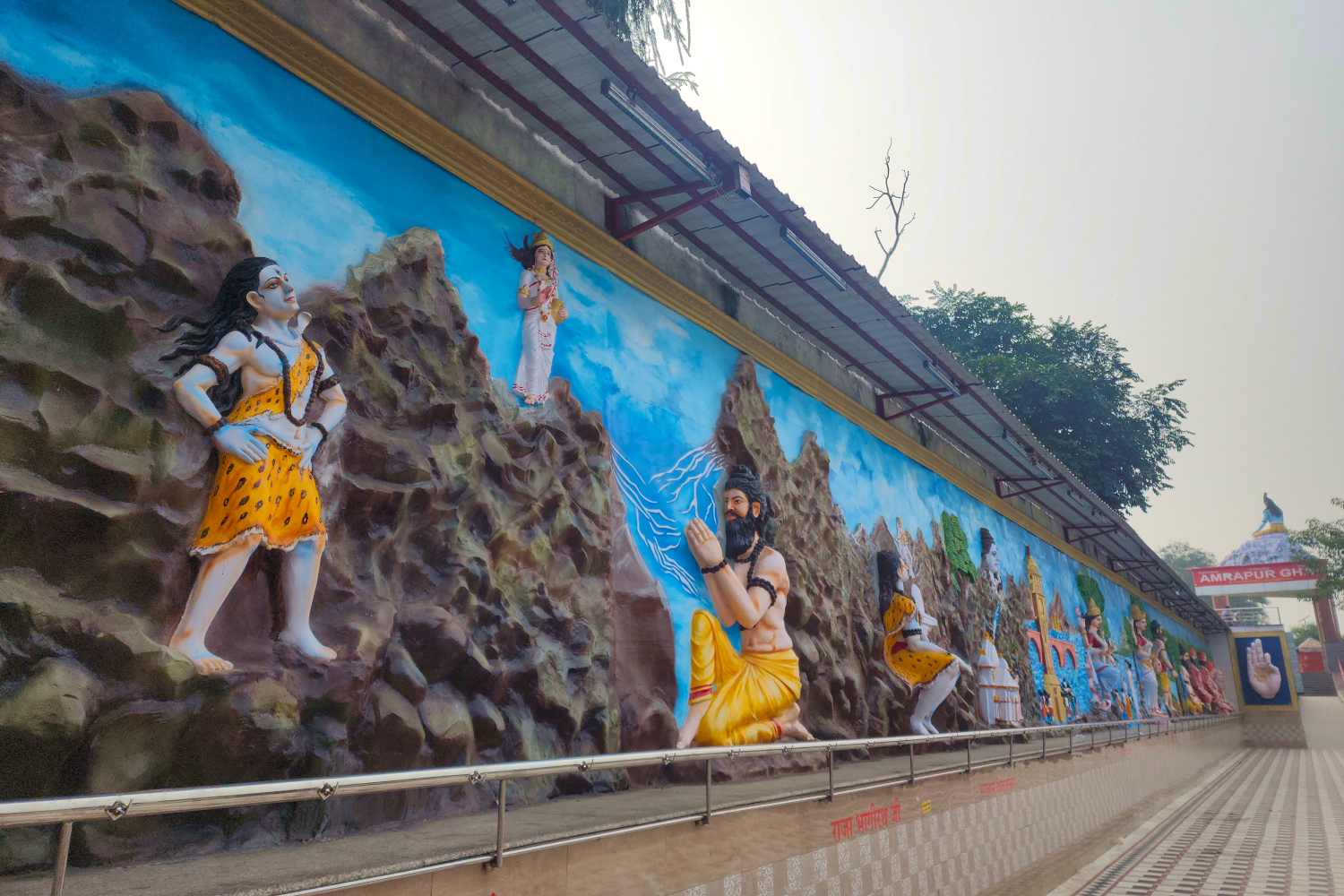
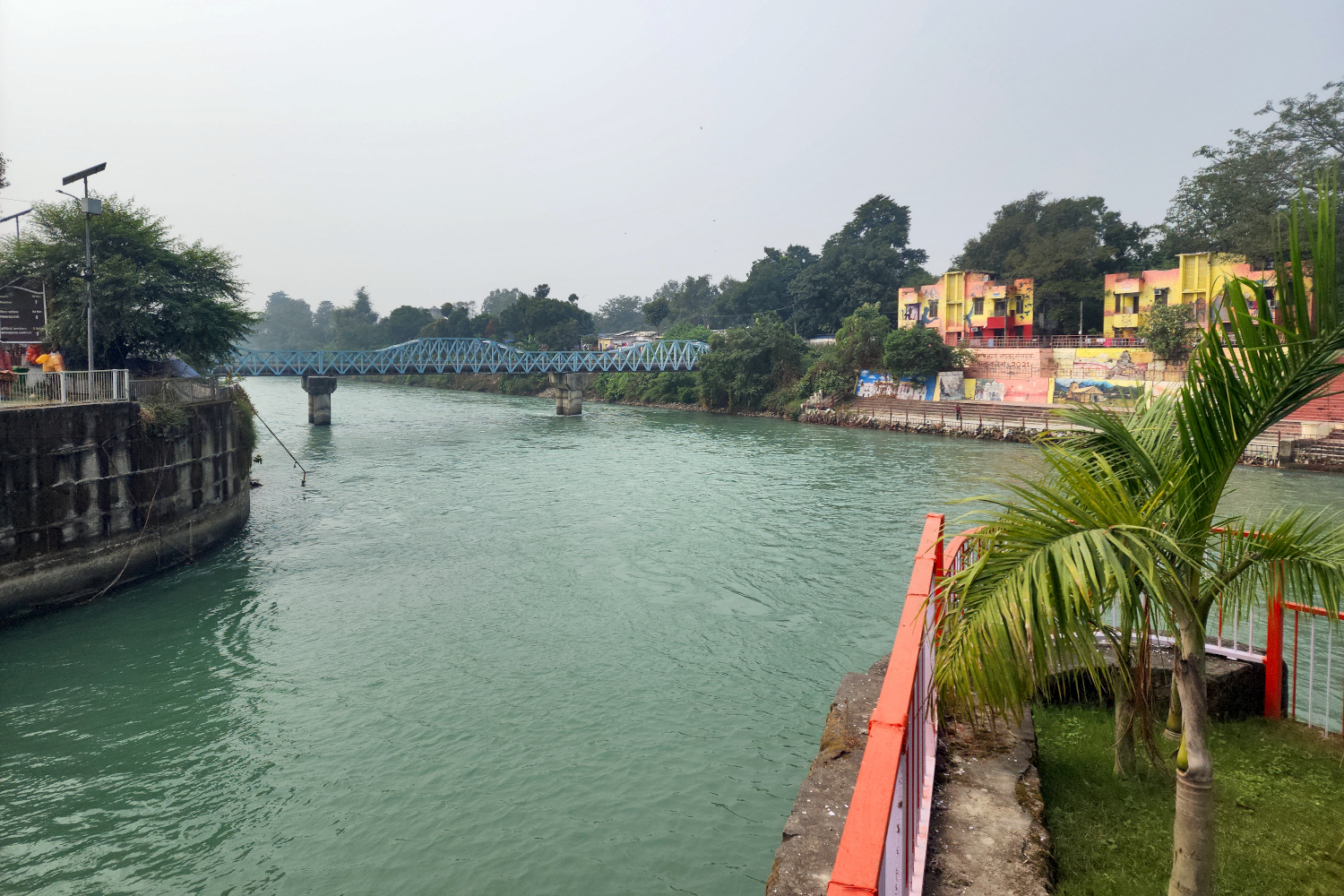
Every 12 years Haridwar hosts the Kumbh Mela, one of the largest religious celebrations in the world. It’s held every 3 years, alternating between Haridwar and three other cities. The festival is centered on astrological alignments, and is believed to be a time of purification. To help with the process, many celebrants take a dip in the Ganga (Ganges). Additionally, Haridwar and the city of Prayagra alternate at 6-year intervals to host a festival called the Ardh Kumbh Mela, which essentially means halfway between the regular Kumbh Mela.
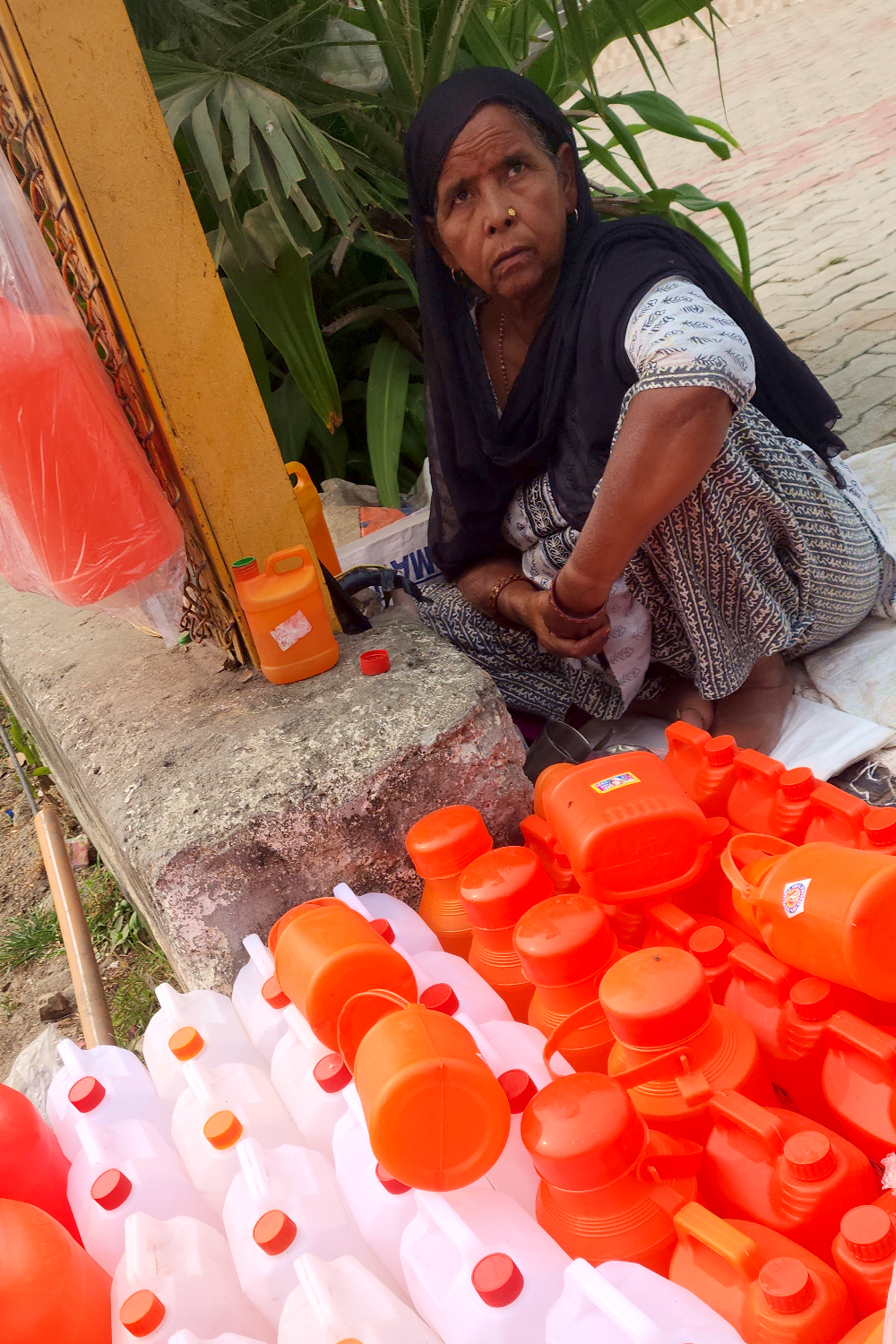
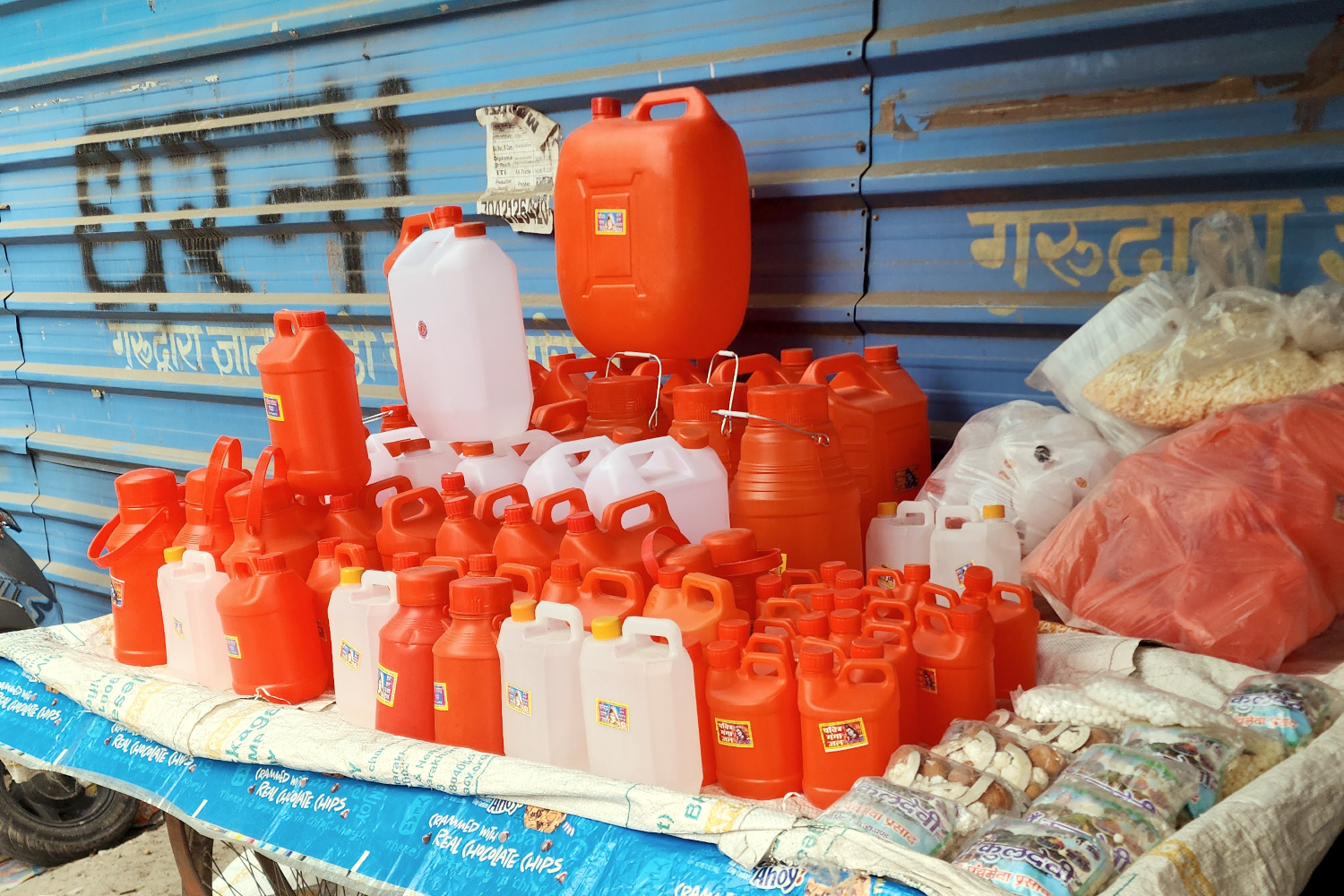
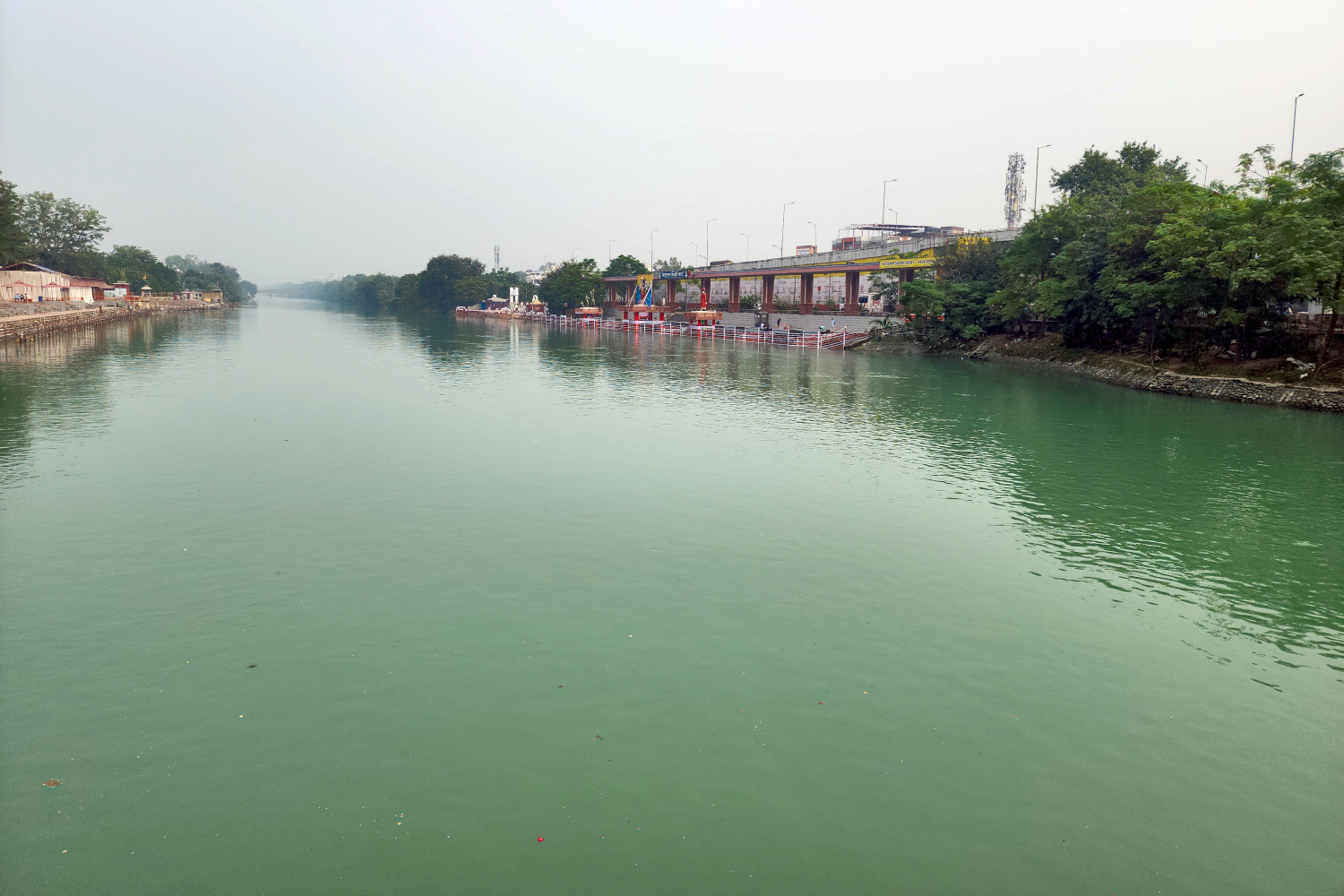
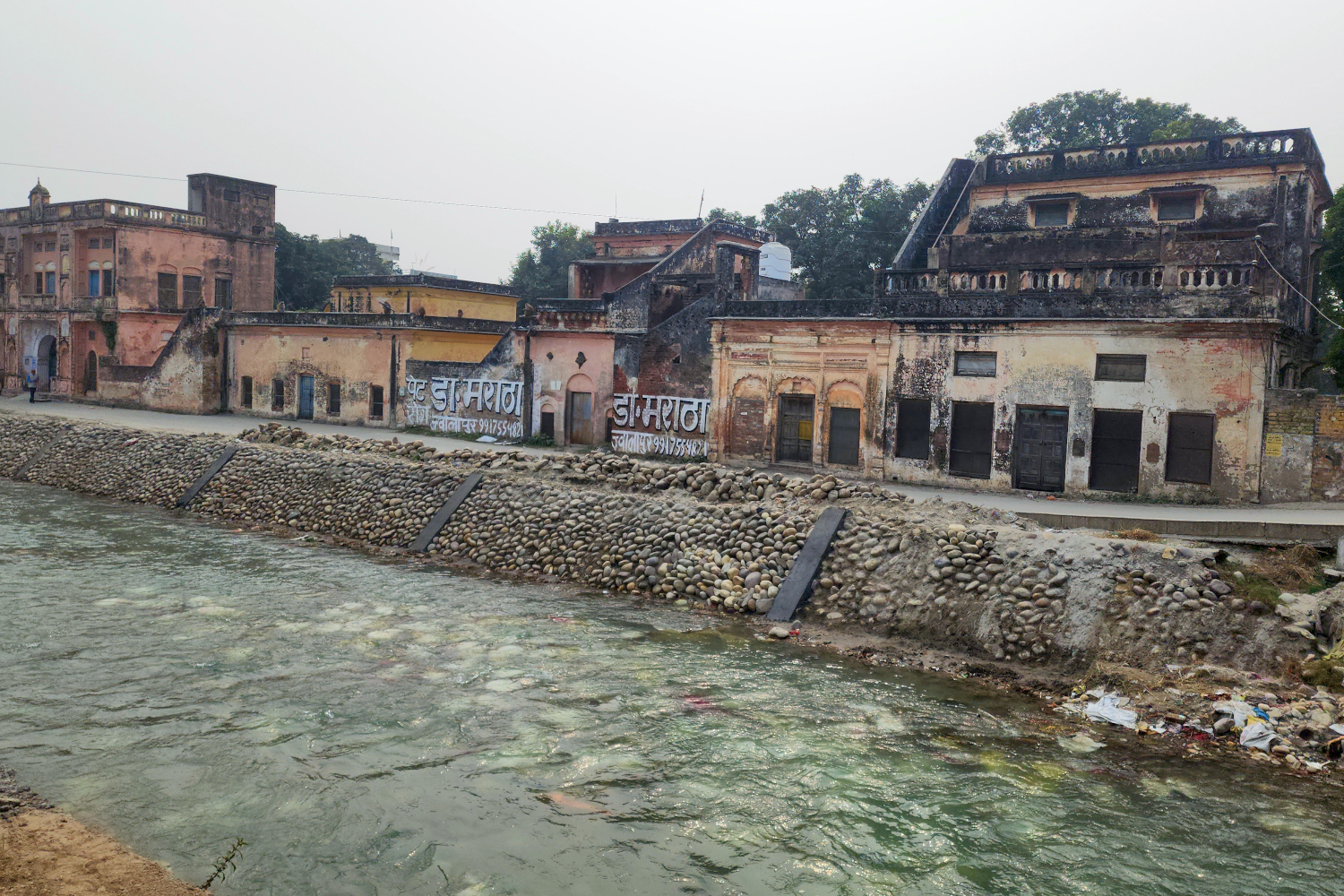
Our main destination, as far as attractions are concerned, is the spiritual epicenter of the city, a major ghat (monumental platform with steps leading down to the water). The most famous ghat in Haridwar is called the Har Ki Pauri. It’s believed that Lord Vishnu walked here, and it’s believed to contain (or to have contained) drops from the elixir of immortality. So maybe bathing in it enough times will make you live forever, or at least a little longer. Near these ghats, you can spot vendors selling plastic containers of various sizes so pilgrims can take some of the water home with them.
But we are on a pilgrimage of a different sort: a herbal shop (or an herbal shop, if you prefer). We are pilgrimming in quest of Vitamin B-12 (a recommended supplement for those whose diets are mostly vegan) and valerian (which is reputed to relieve insomnia). In the U.S., we’d just buy supplements from a pharmacy. But in India, pharmacies are forbidden by law from selling them. So we have to get them at a(n) herbal shop, even though not all of these products are actually herbal. Anyway, we do succeed in finding such an establishment, and it does have the items we are seeking, and we do purchase them.
While we are at it, we ferret out an “organic store”, a type of business popular in Rishikesh, but more sparse in Haridwar. These shops are not strictly organic food stores, but more on the order of what we would call a “health food store”. This particular store we find is not large, and has a limited selection, but it does have tofu and a few other things we can use.
As we are browsing, the proprietor strikes up a conversation and asks us if we would like to try some tomato soup. He shows us the packet of soup mix from which it’s brewed, and explains that he manufactures it himself, in the back of the store. The ingredients on the label look healthy and appealing, and we haven’t had lunch, so we say sure, why not (even knowing as we do that he wants us to sample the product so we’ll be tempted to purchase some — a ploy which turns out to be quite successful).
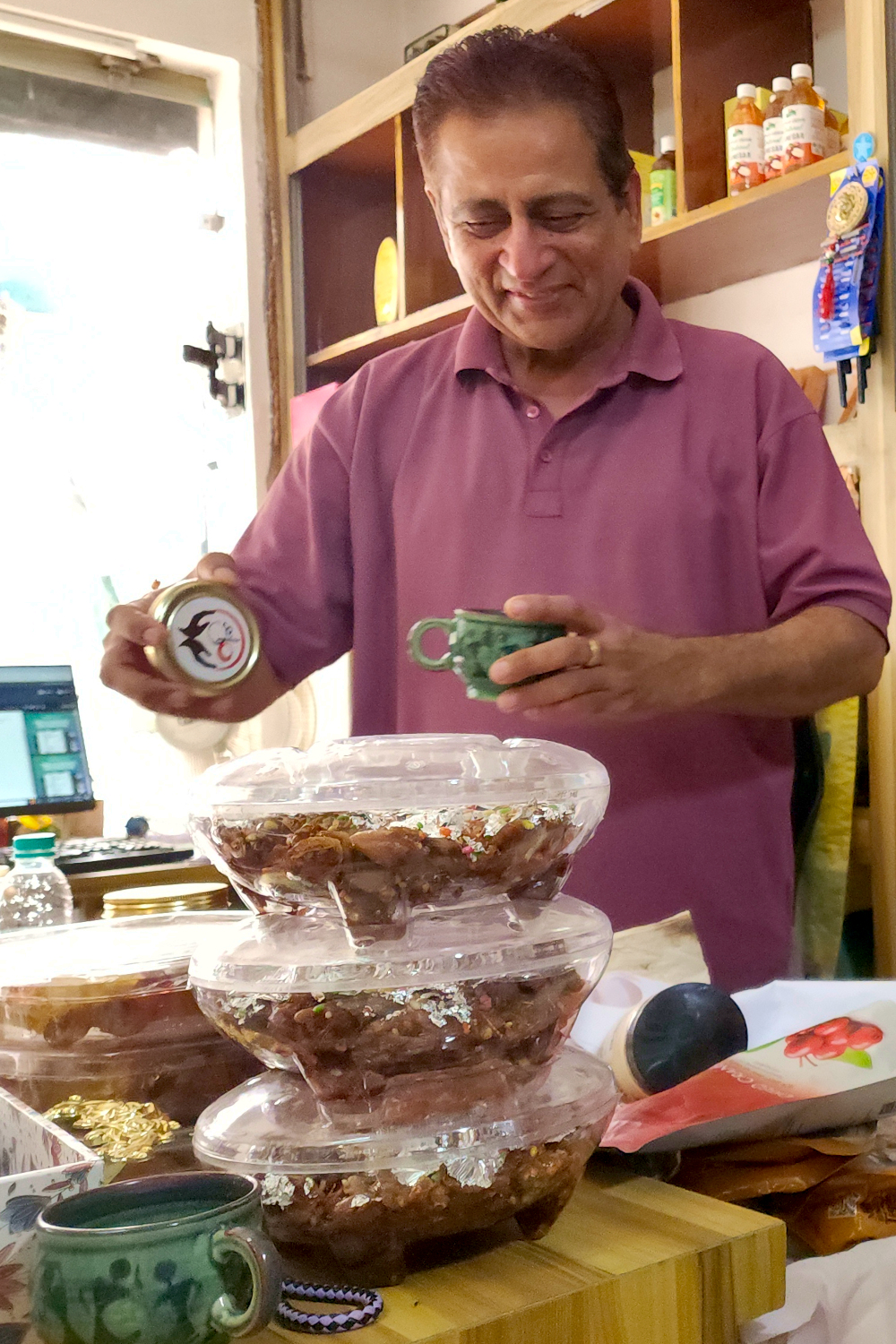

So he disappears into the back for a few minutes and then returns with two mugs of hot soup, which we try and discover to be the best damn tomato soup in the world, with just the right amount of spiciness, and we can’t resist putting a couple of packets of the mix into our shopping basket.
He also whips out some kim chee, which he also manufactures, and urges us to try it as well. This took a bit of persuasion for Kimberly, who’s never liked the stuff (Dennis loves it), but this variety is also superb and even she likes it, so it goes into the basket as well.
This gentleman sits and chats with us as we savor our mini-meal, and tells us that his son is a chef in Prague (where we’ll be going soon ourselves), and we discuss world events and the differences between India and the U.S.
Inevitably, he solicits our take on the recent U.S. presidential election; and to his relief we assure him that we are appalled by America’s choice of a puerile convicted criminal who called for “termination” of the Constitution and incited a violent attack on the Capitol — and who has many fans among the folks who also love swastikas. The one bright spot for us, we tell him, is that we now have an even stronger incentive to stay abroad. But he points out that authoritarianism is also on the rise in India — and indeed many other countries. Soon, there may be no oasis of sanity left.

Well, the world may be collapsing around us, but at the moment, slurping such a divine tomato soup that the pilgrims surely would all come clambering after if they knew about it, it’s hard to be in a dour mood.
Events occurred 11/9/2024

 world travel with a theatrical flair
Leave a comment