

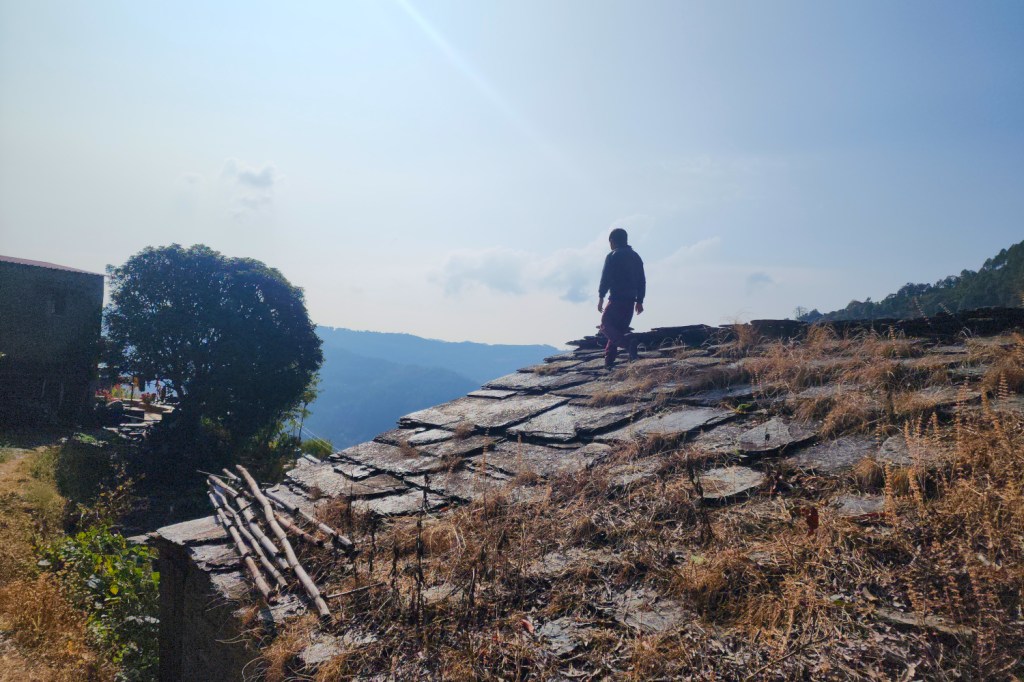
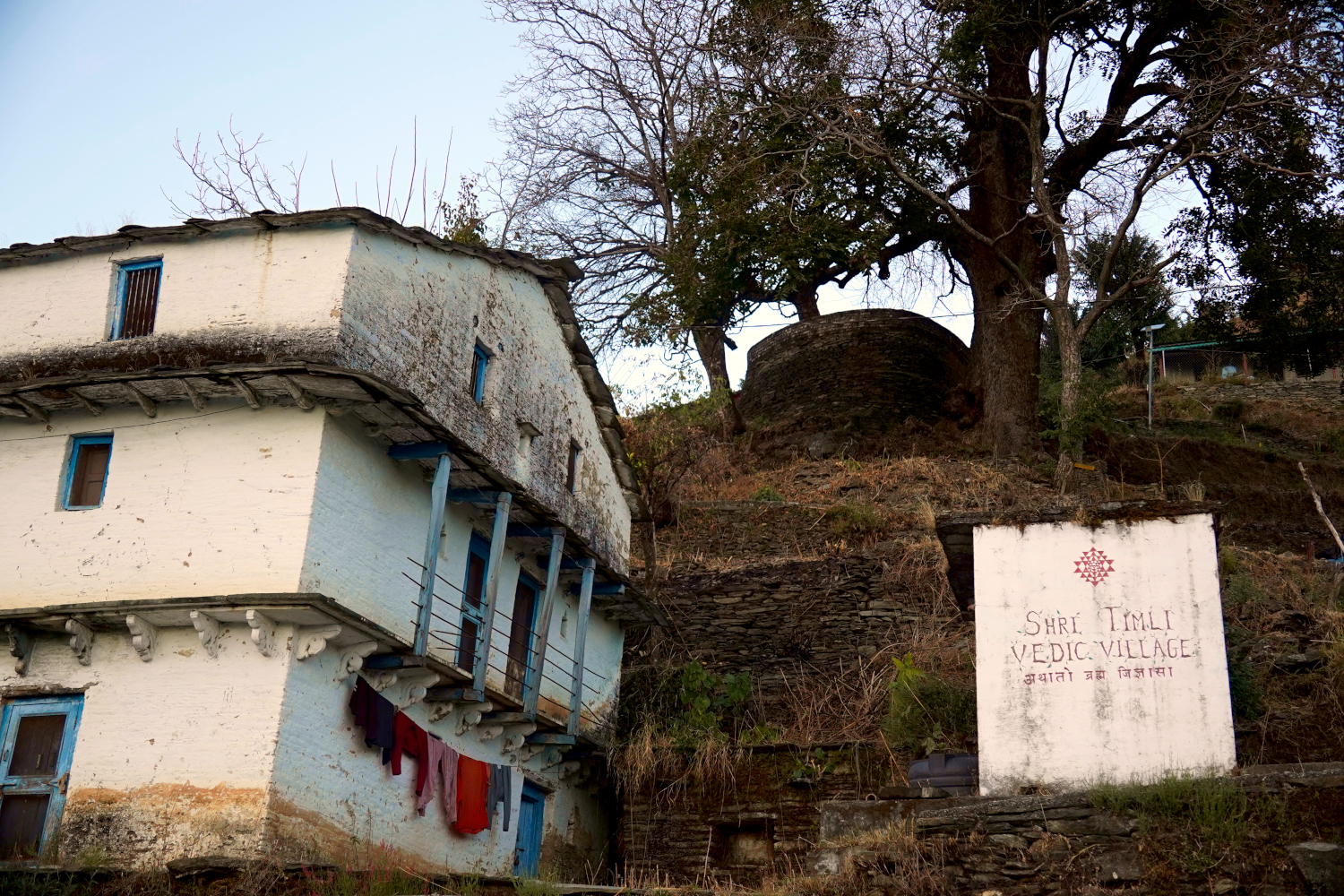
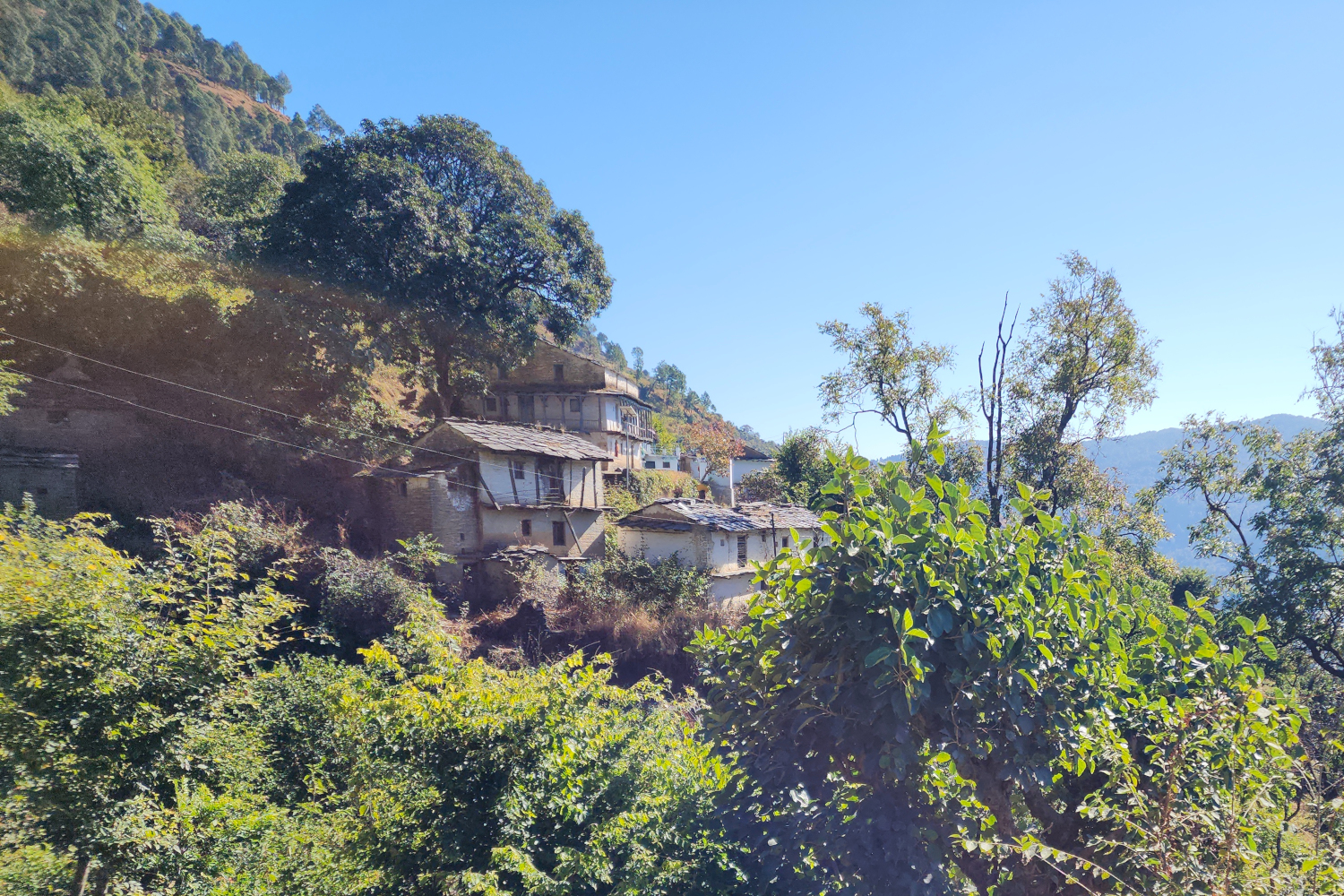
It was quite a change of pace when we shifted our location from the pulsing, packed city of Rishikesh on the banks of the Ganga to high up in the mountains, in the remote village of Shri Timli. Our new living quarters and volunteer post are at the base of a community revitalization project that promotes sustainable agriculture, education, yoga and meditation, and the preservation of local culture. This region, in the state of Uttarakhand, has been home to farmers and herders for many ages. But more and more, young people have been moving away to the cities (lured in part by images from electronic media to which they now have access) and as a result the community has been dying a slow death. This organization is designed to help revitalize it, to help give young people reasons to stay and put down roots here.
Having slept off our rather grueling journey up the mountain from Rishikesh, we begin orienting ourselves to our new environment and the new tasks at hand. We have to do so without electricity, which still has not returned, although the storm has passed — leaving a chilly blanket of air in its wake.
That means if we want to take a shower, it has to be with cold water — or else we might heat up enough water for a warm sponge bath on the gas stove in the kitchen (though we’ve been asked to minimize use of fuel, which is a hassle to have delivered here, and use the electric stove when it’s available, which it currently isn’t). Normally, in fact, the showers are cold anyway. But with electricity you have the option of heating an entire bucket of bath water with a heating element (somewhat like those you’ll sometimes find to heat up a pot of water for tea or coffee, but much bigger). But at the moment that’s out of the question.

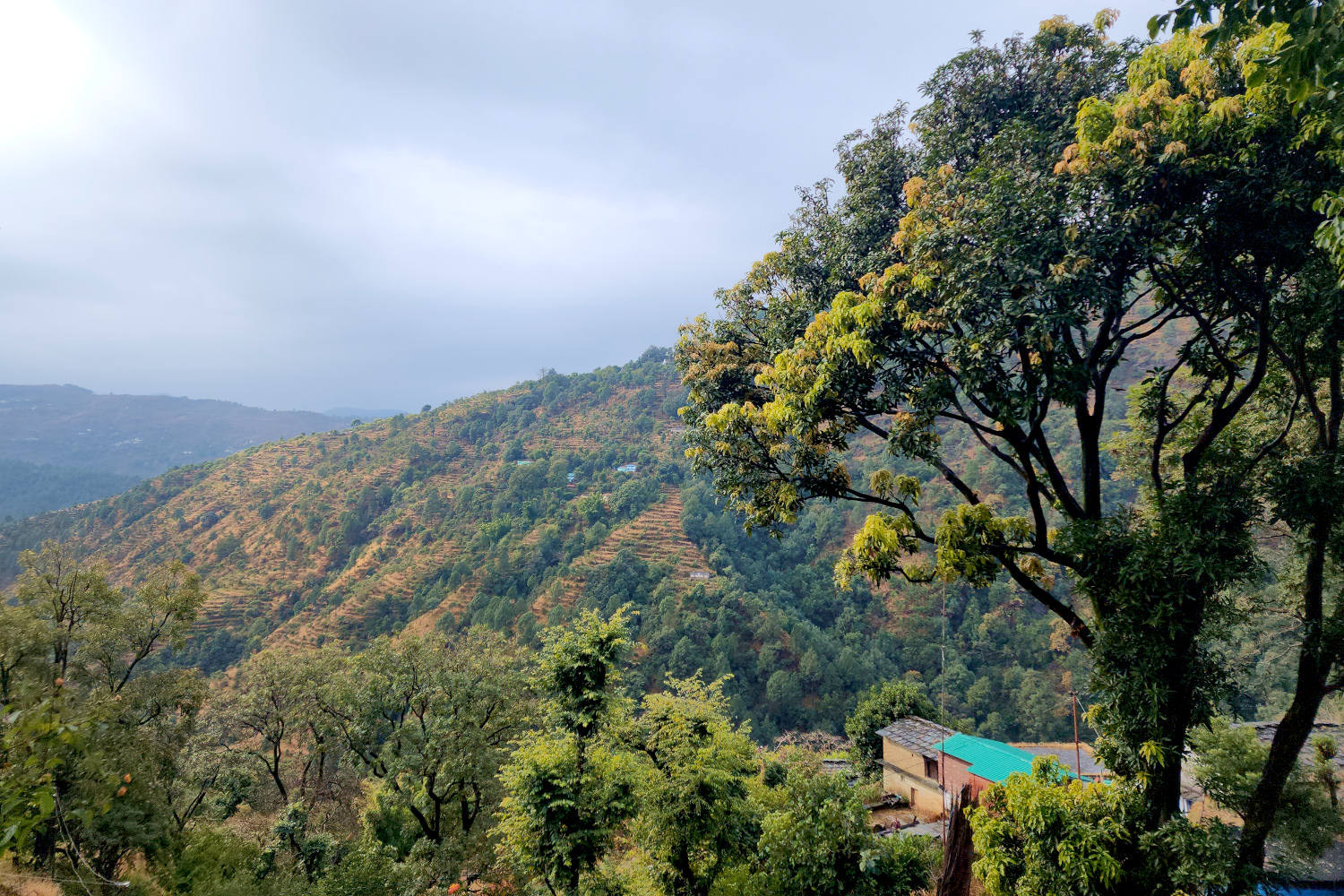
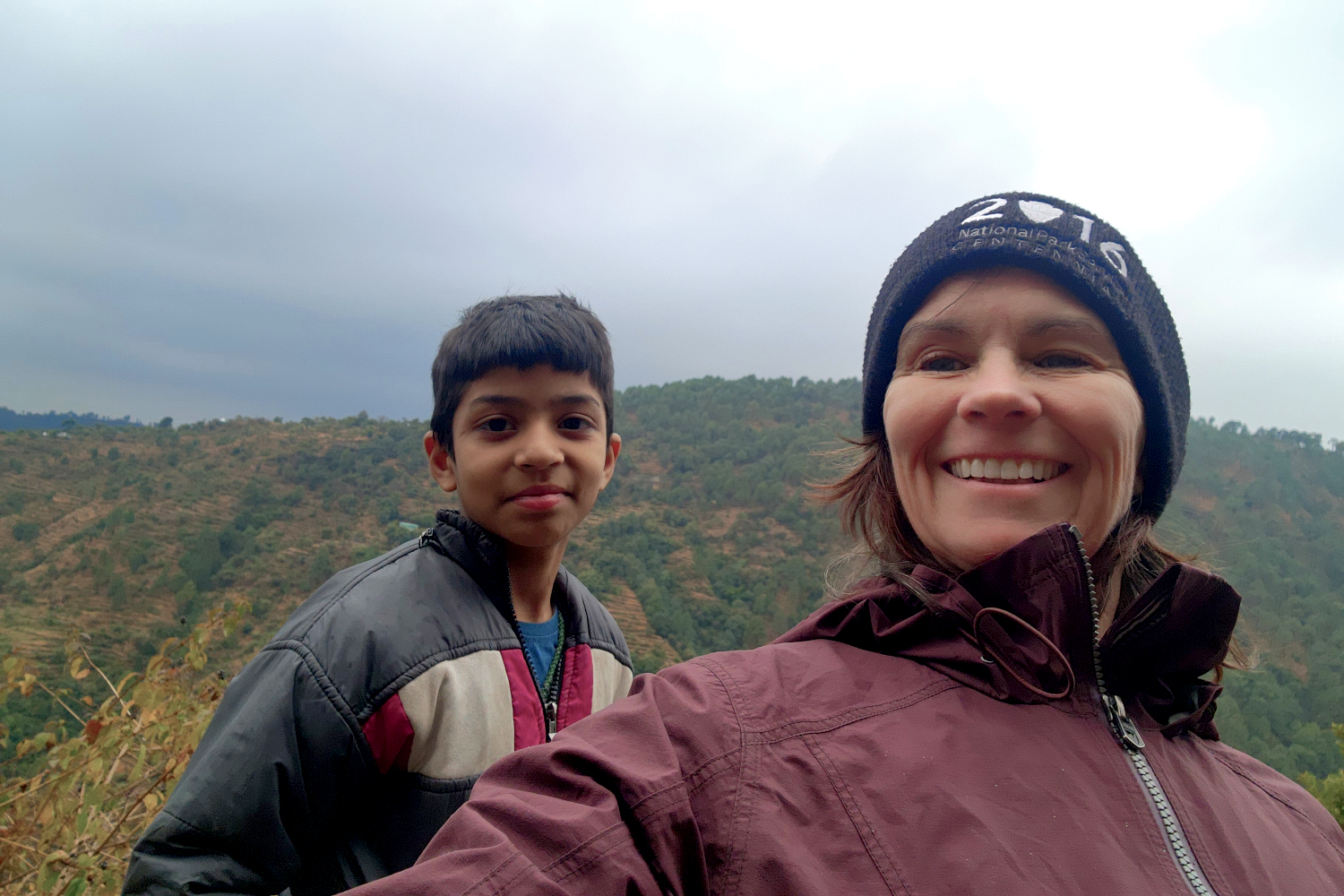
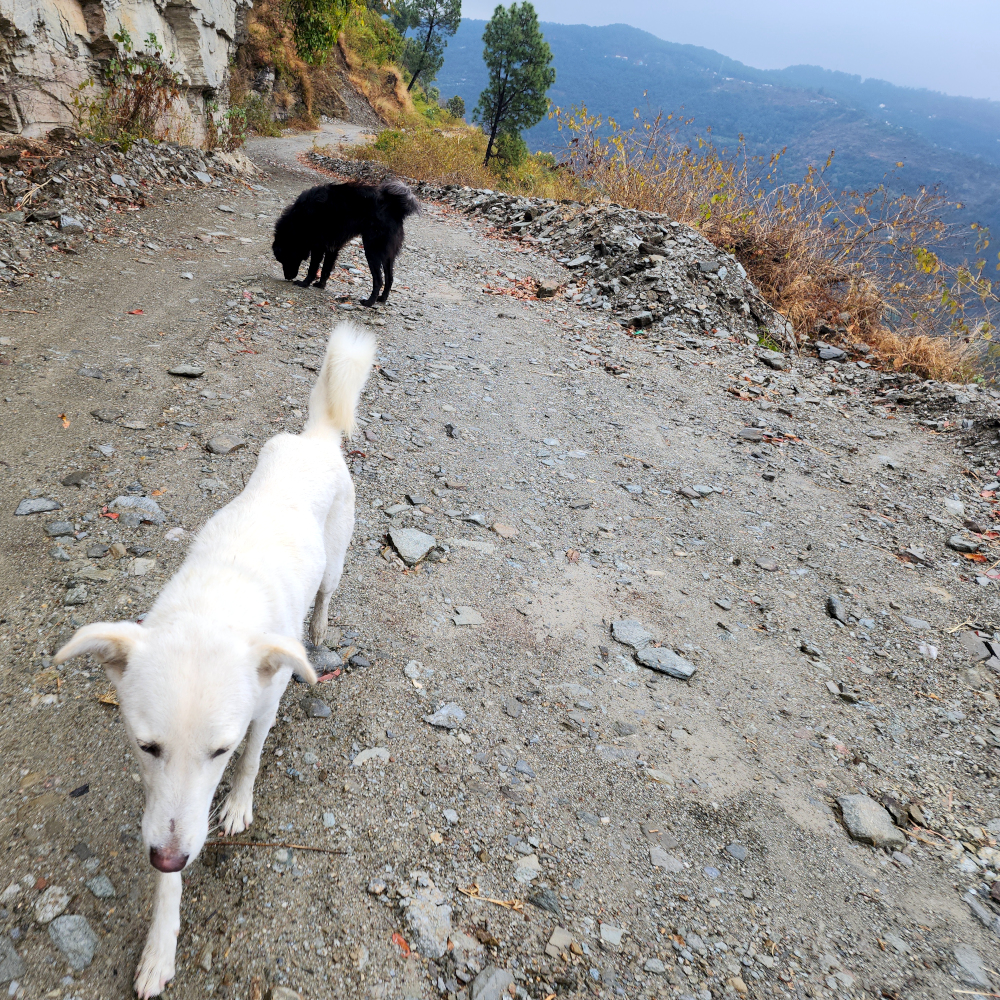
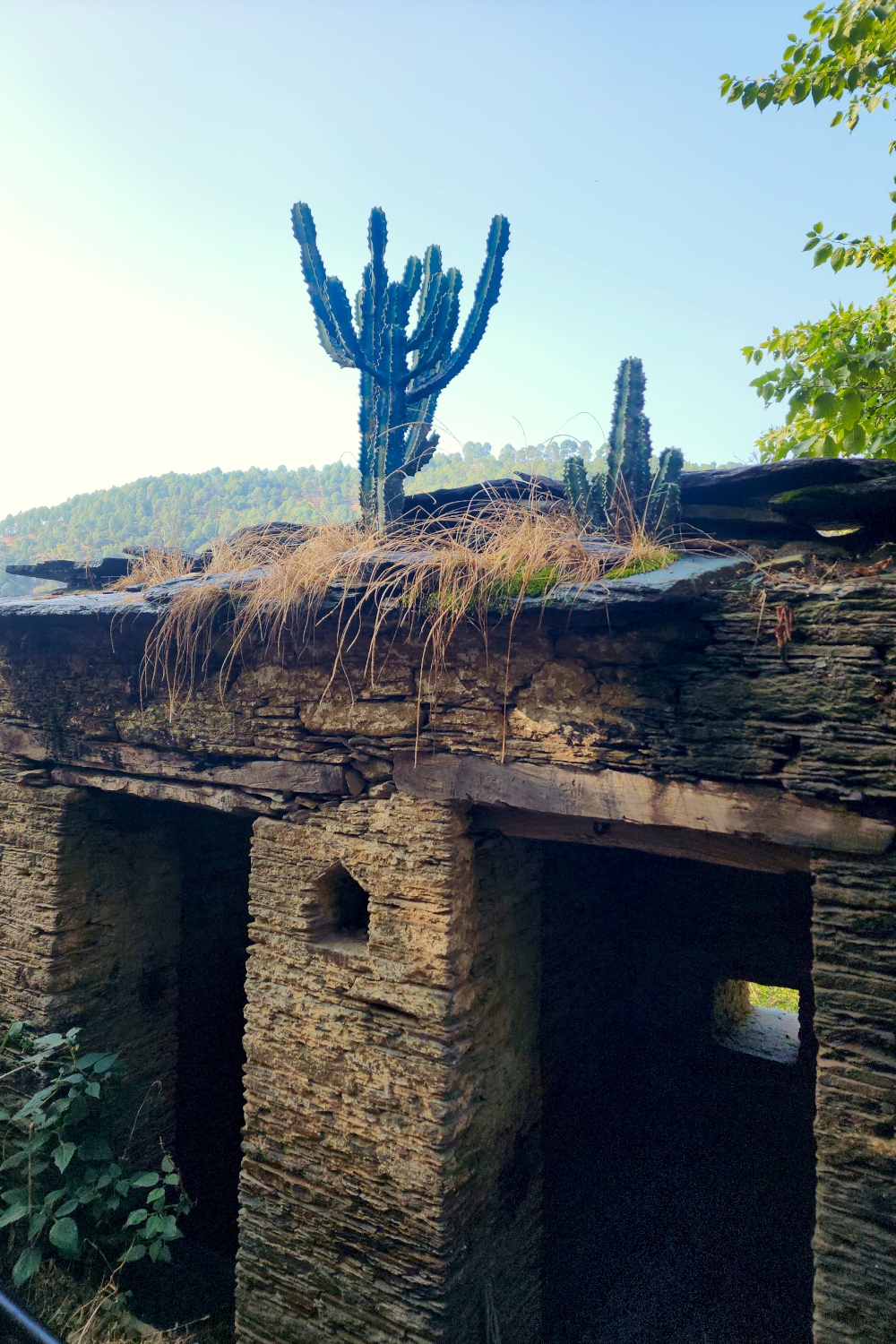
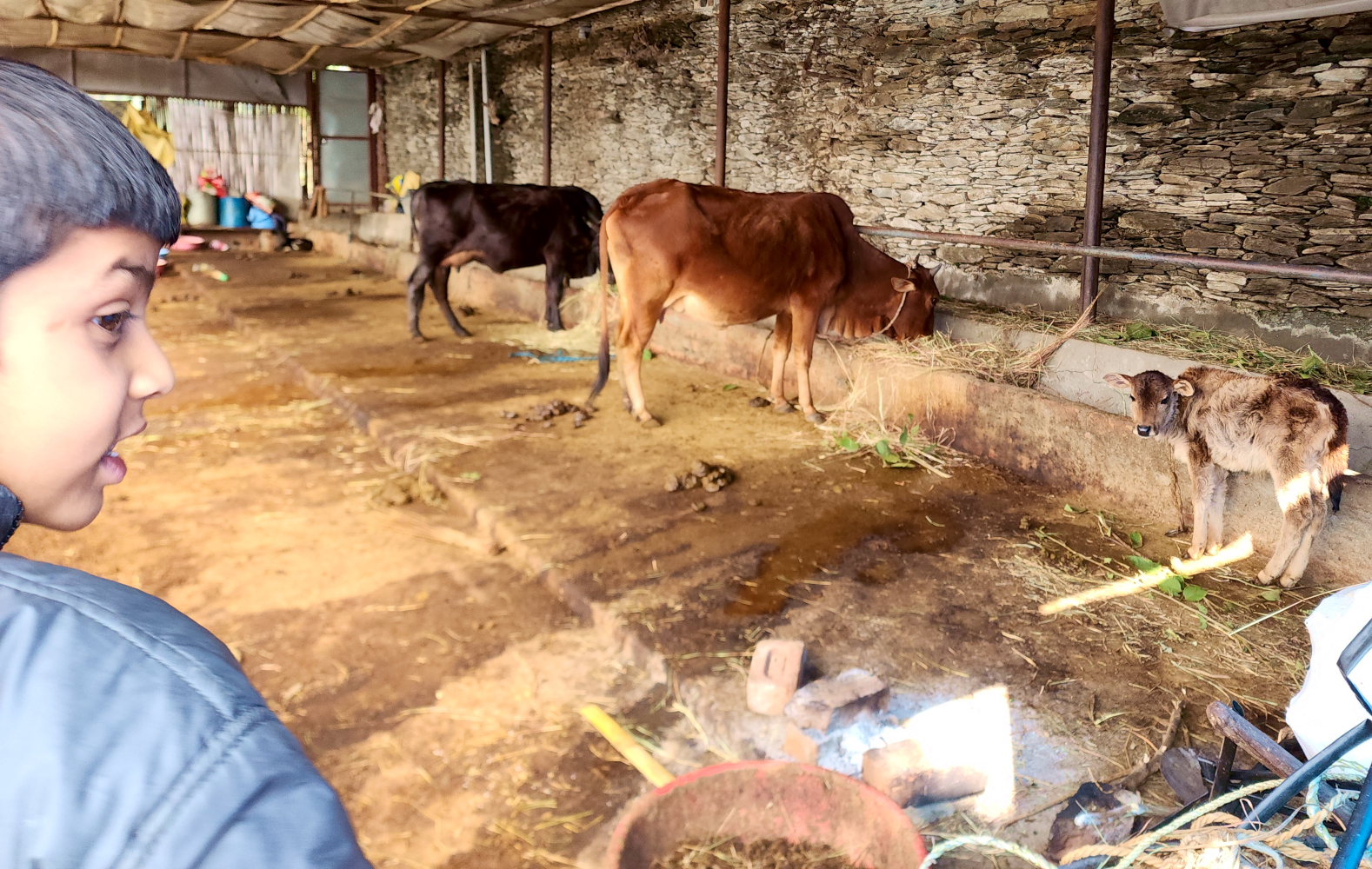
It being the weekend, and we being novices, there are no pressing tasks that demand our attention at the moment, so we can take a couple of days to learn the lay of the land. Fortunately, we have a couple of eager guides, two boys who live in the compound — one of whom we’d already met the night before. One of them shows us around the neighborhood, where we are introduced to the goats, cows and dogs.
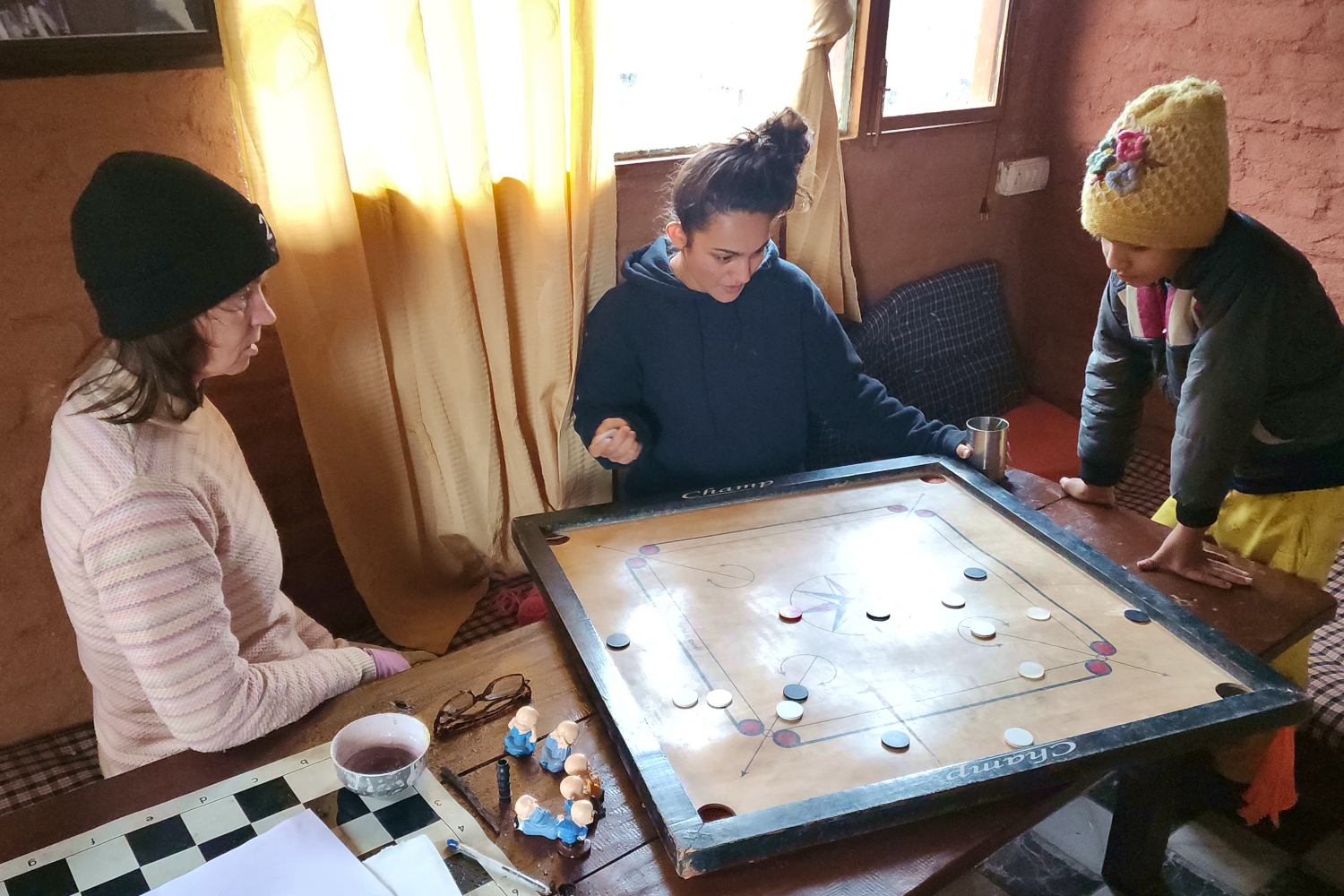
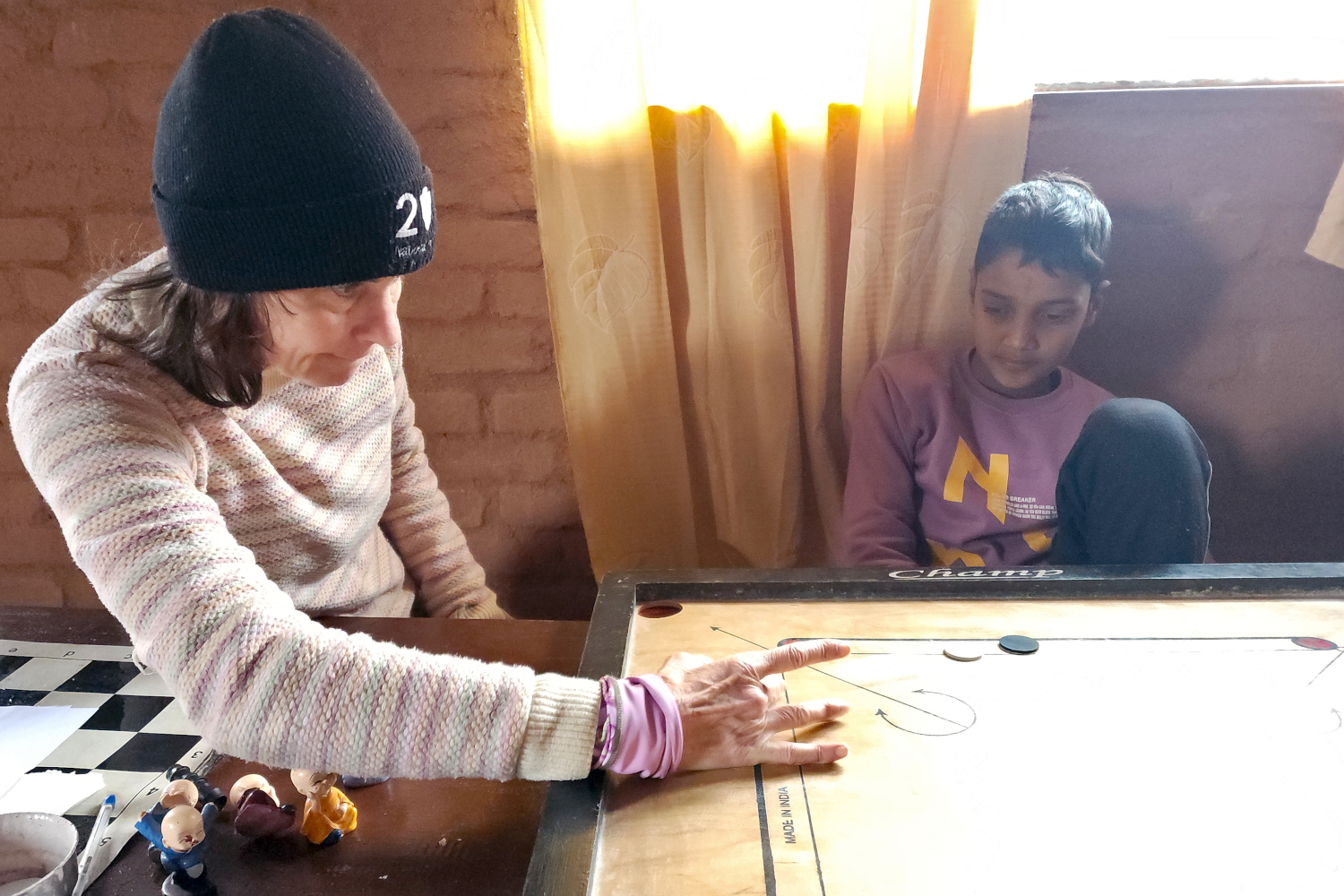

Both boys join us in the communal building for a board game called Carrom, which is popular in India, and is something of a cross between tiddly winks and billiards. Players move disks across the board by flicking them with another disk, as in tiddly winks, and try to get them into pockets as in billiards. We’re also joined for this game session by Tina, one of our fellow American volunteers.

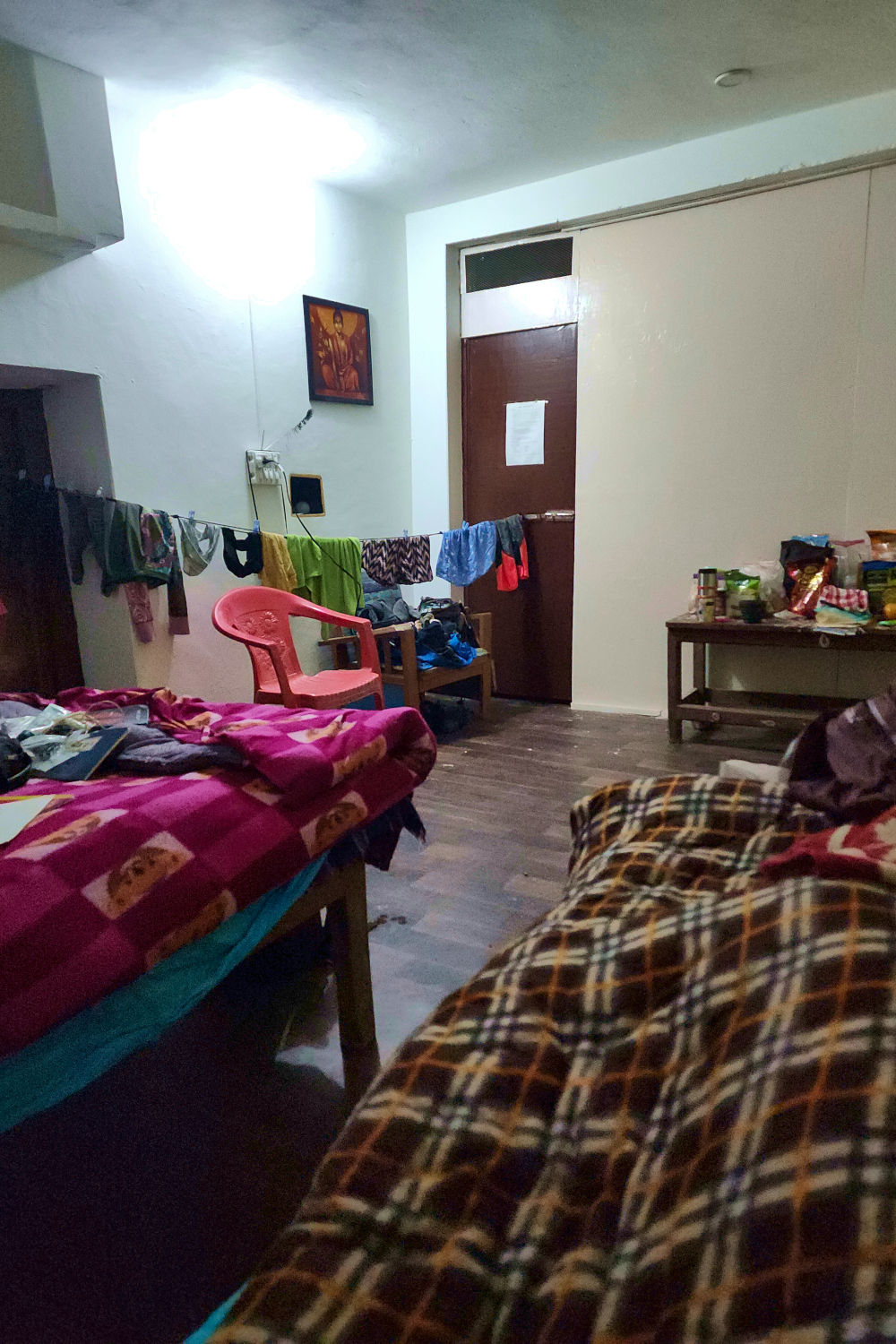
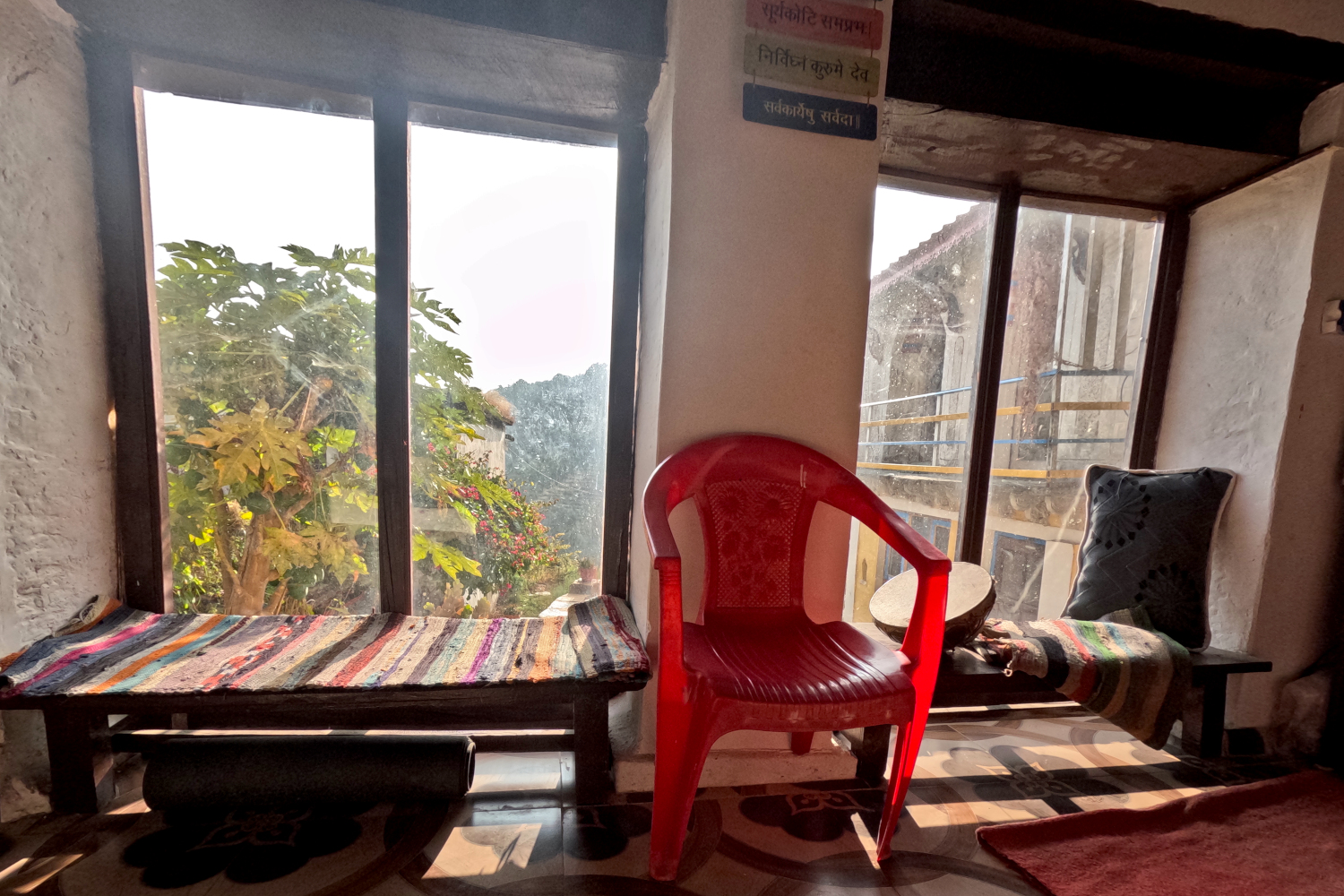
On Sunday, the electricity finally returns, and the temperature warms up a bit. During the colder weather especially, residents of the compound often make use of the sun room, which is situated right outside our bedroom. It’s like an enclosed porch, with big windows that let in the sun and the heat, and is a good place to sit, read, or just admire the mountain scenery. It looks out onto the sun deck below, which is a convenient place to do yoga, and is often used for that purpose. Accordingly, there are illustrations of yoga poses on the walls.
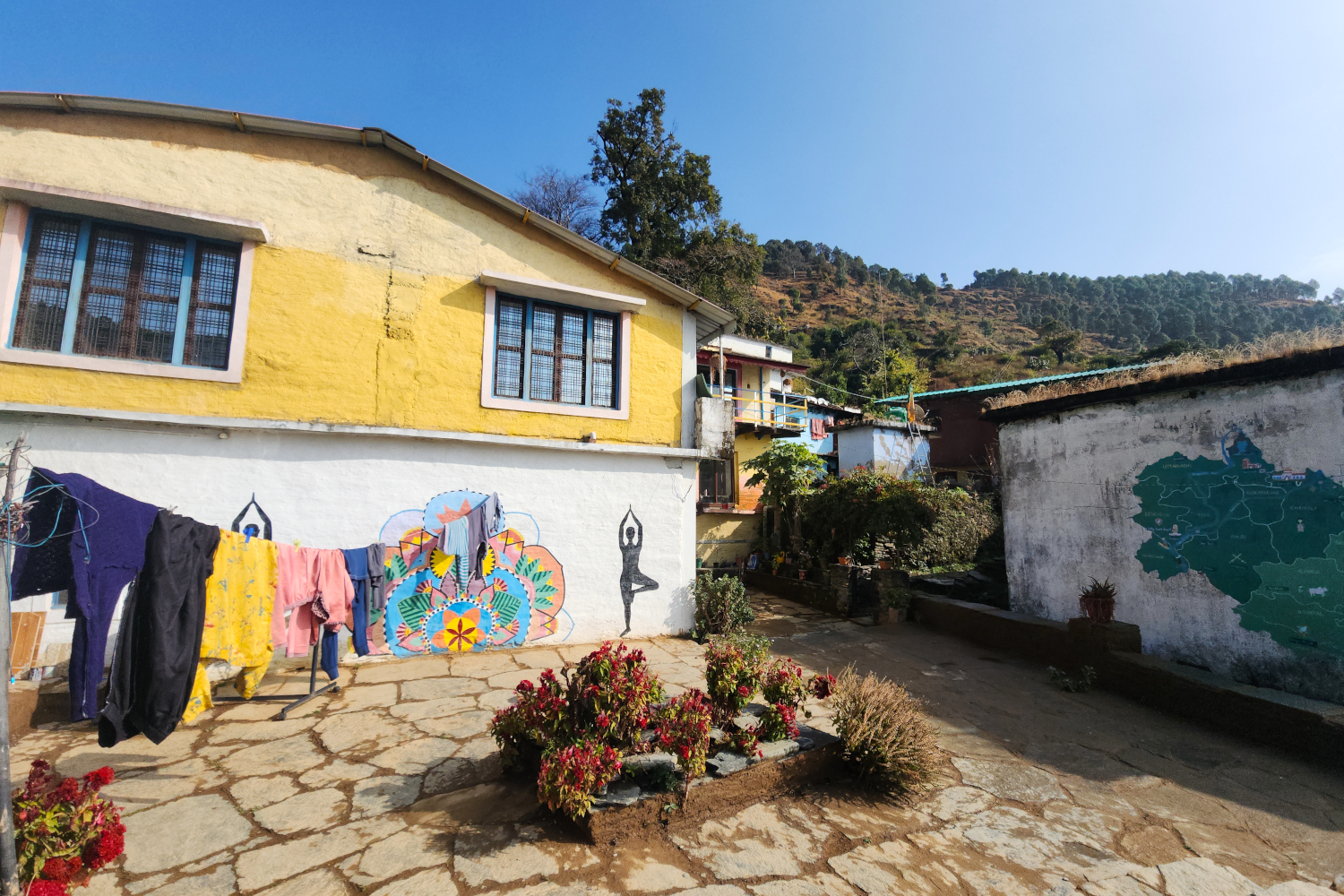

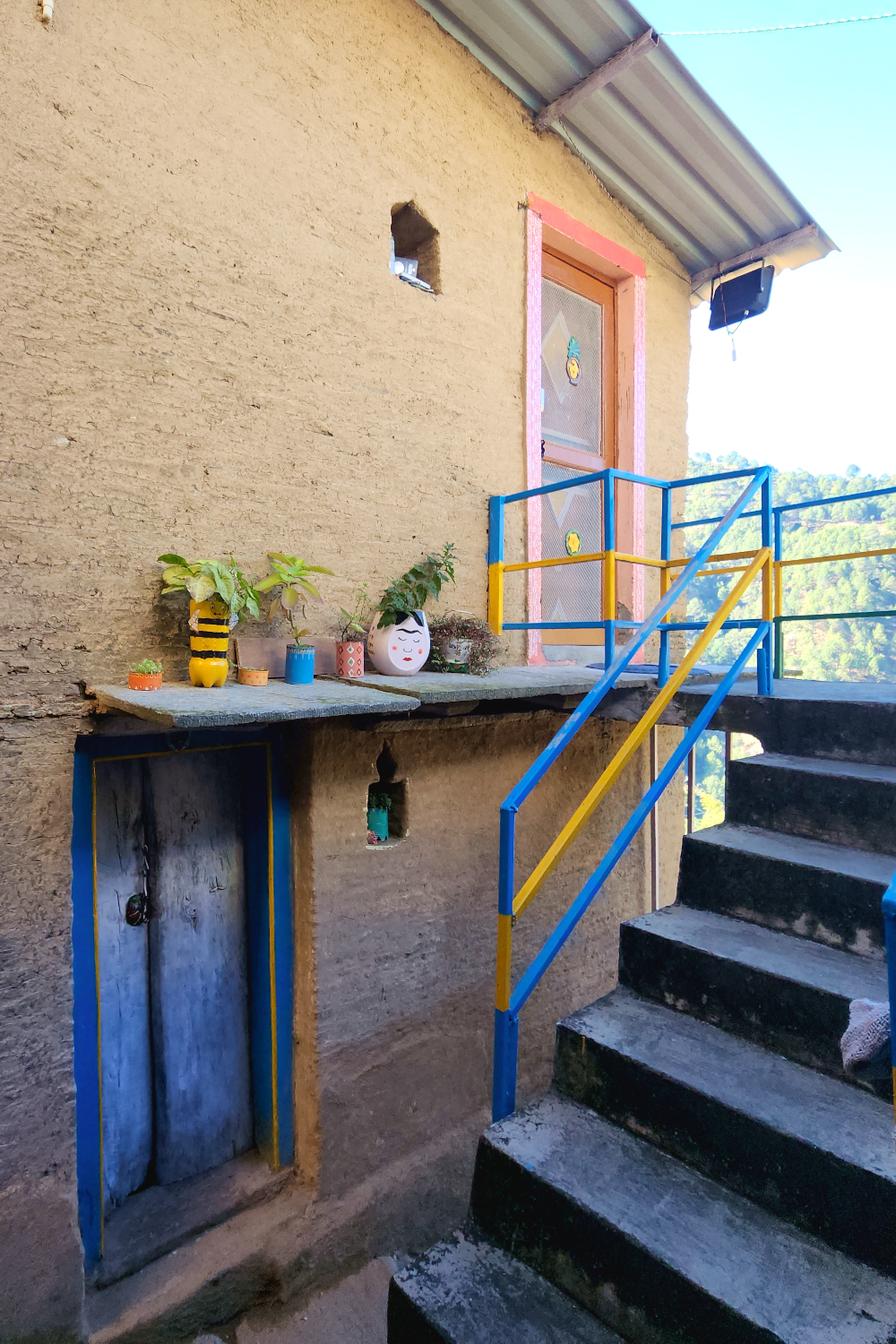
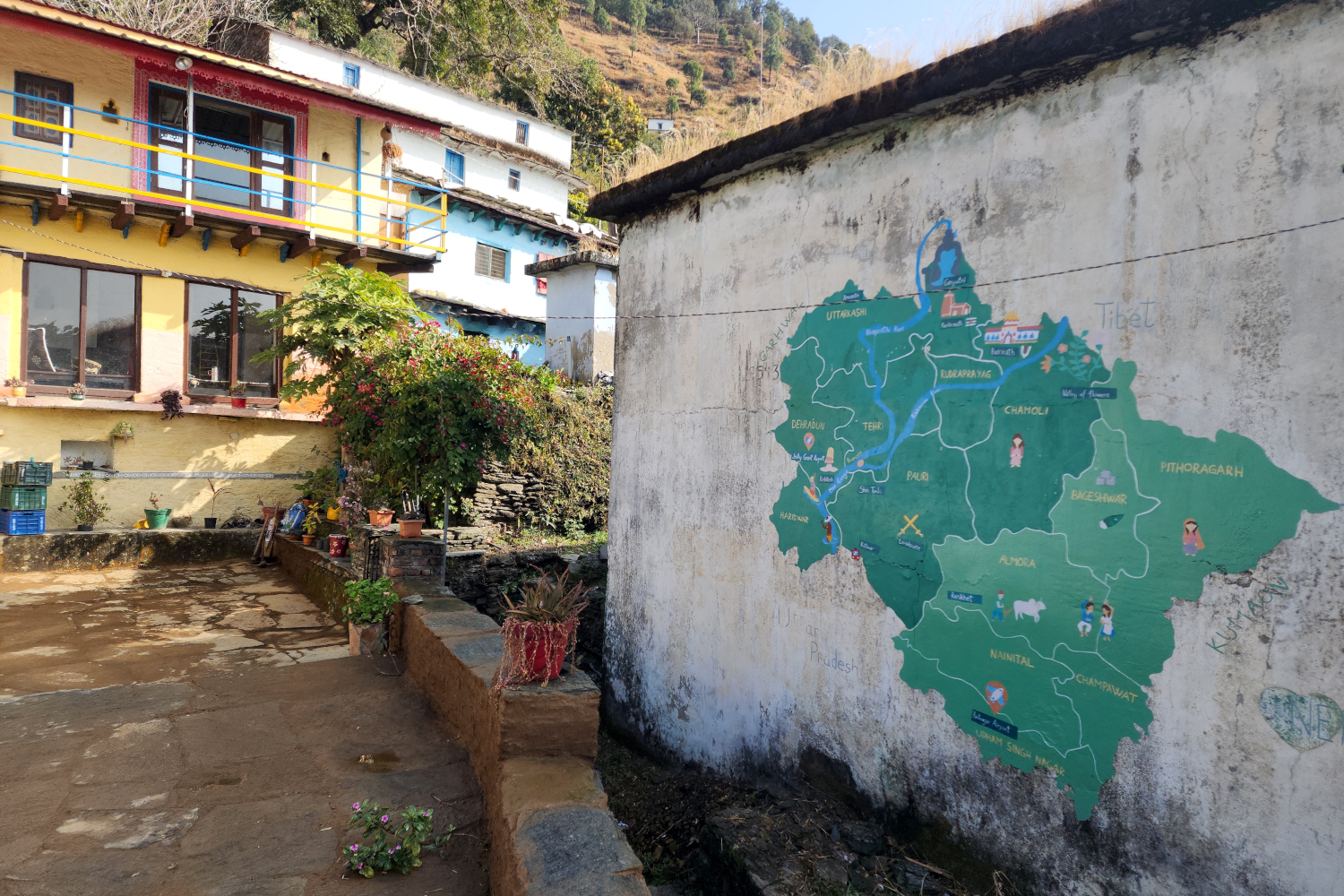
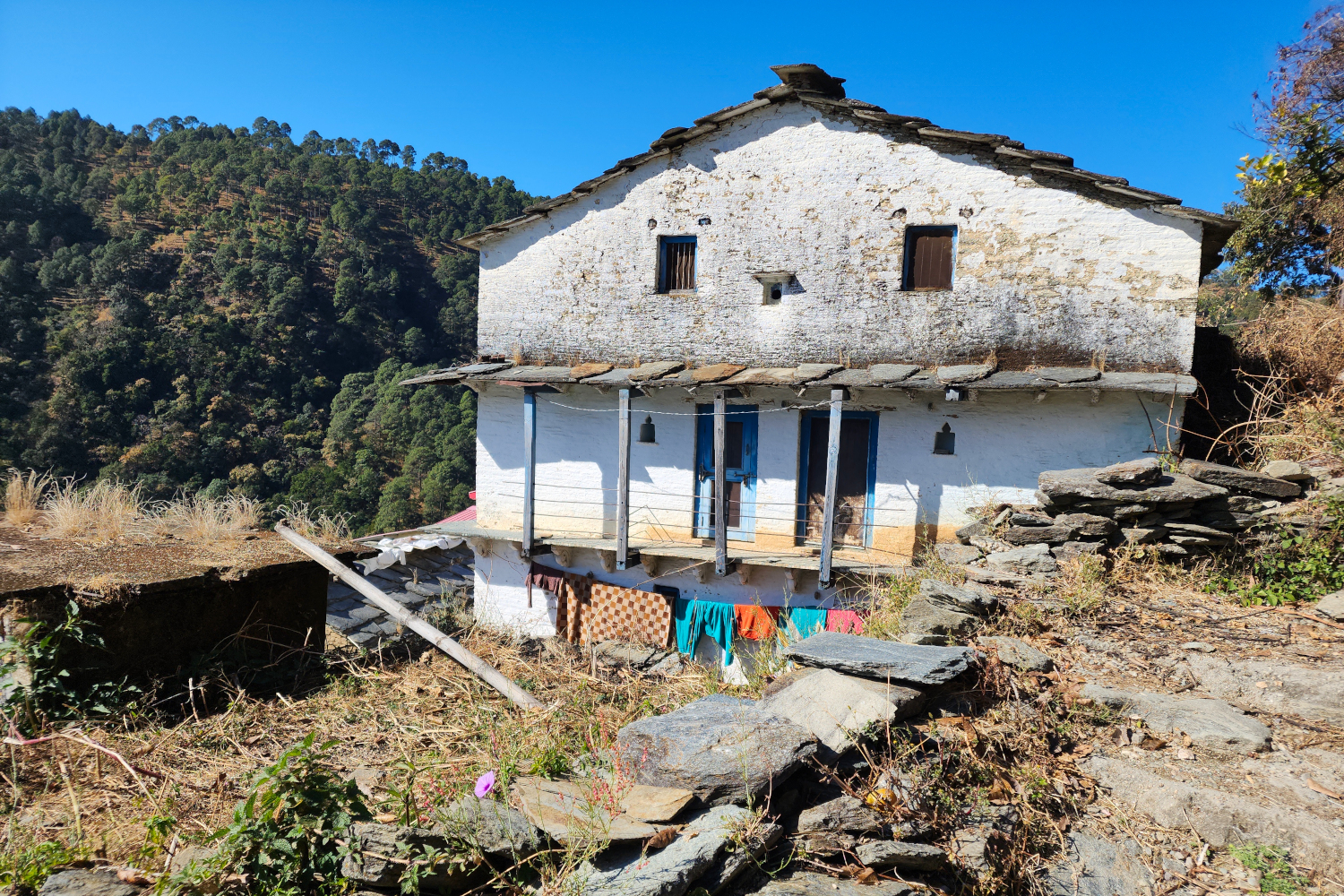
Ashish, our director at the WorkAway project and our volunteer contact, offers to drive us into town to buy some supplies. Sounds good, because we really want to prepare most of our own food. Volunteers here have the option of eating their meals in the communal dining area (where we’ve been playing games) cooked by a local woman, for a dollar per meal. And we do want to have at least one such meal per day, for the sake of sampling native cuisine. But we’re running into the same two problems we always do when hosts provide meals: (a) much of the food is far too salty for our taste, and (b) the meal times tend to be much too late for us. Dinner here isn’t served until about 8:30, when we are often getting ready for bed. Lunch isn’t served until about 1:30. And though that’s quite late for us, that’s the one meal we opt in for every day. For breakfast, we often prefer oatmeal (actually, Kimberly always prefers oatmeal), which you rarely find in an Indian kitchen.





After inquiring about what’s on our wish list, Ashish determines that the best destination would not be Devikhet, but another village slightly farther. So about half a dozen of us pile into his car, shopping bags in hand. The village has only one decent produce vendor, but he has a pretty good variety, although some of it is not particularly fresh. In fact, some of the fruits are actually rotten; and some of the potatoes retain visible tooth marks from rodents. Still, we manage to stock up on most of what we need as far as produce is concerned.


But for staples, it’s hit or miss as we peruse the various little shops that line the main thoroughfare. We do manage to come up with almonds, cashews, raisins and soy nuggets. And even some paneer (Indian cheese) though we only stumble across one packet, from one vendor, whom we just happen to pass in the car as we’re leaving. But alas, there’s no oatmeal anywhere in captivity; and that’s a source of some consternation to Kimberly, whose stash is dwindling. Ashish, however, tells us that he is making a run to Rishikesh in a couple of days on business, and he can pick up some there (though he’s unclear at first exactly what oatmeal is, mistaking it for something made from wheat). So with our larder sufficiently stocked for the time being, we are set for the coming week’s volunteer work.
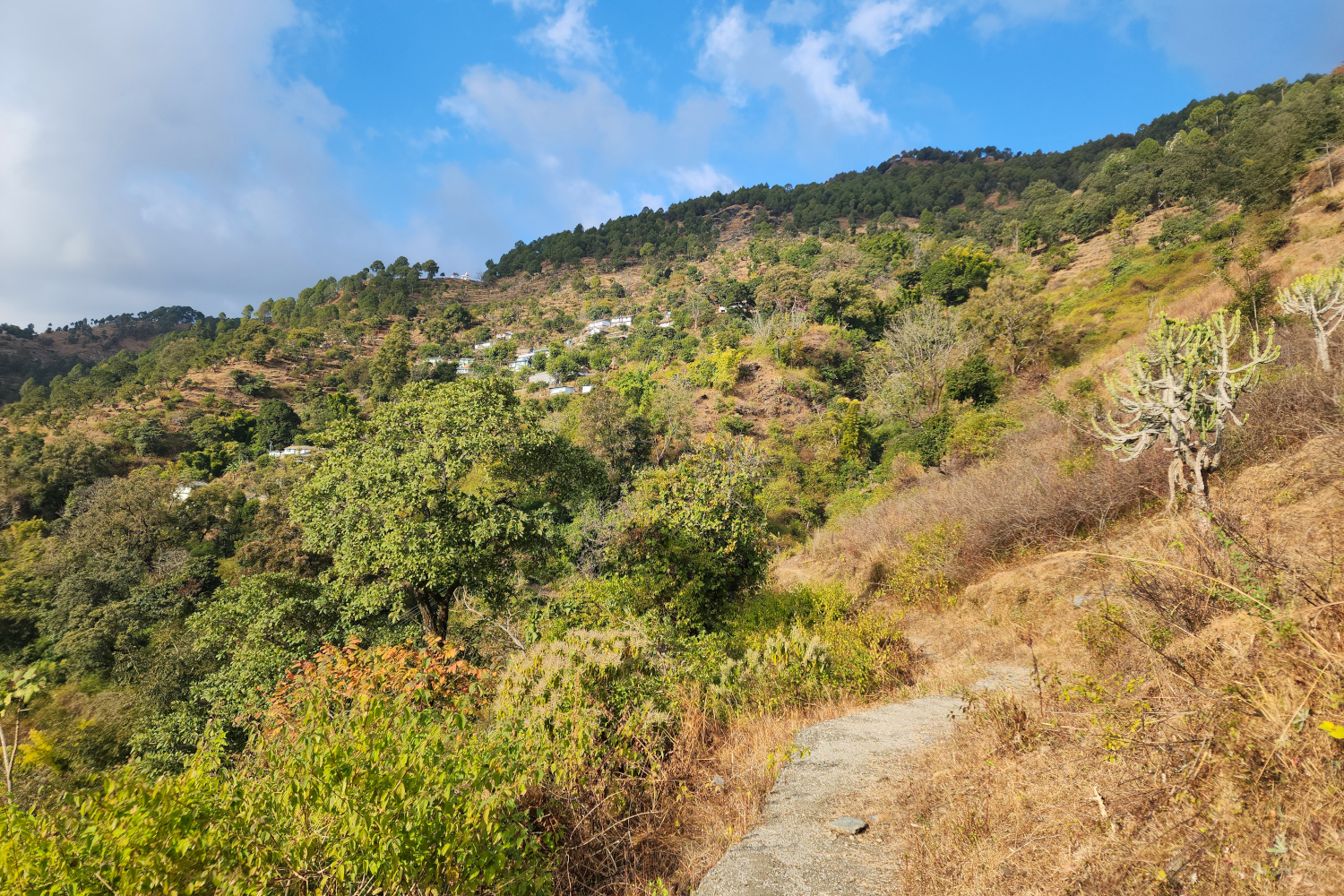
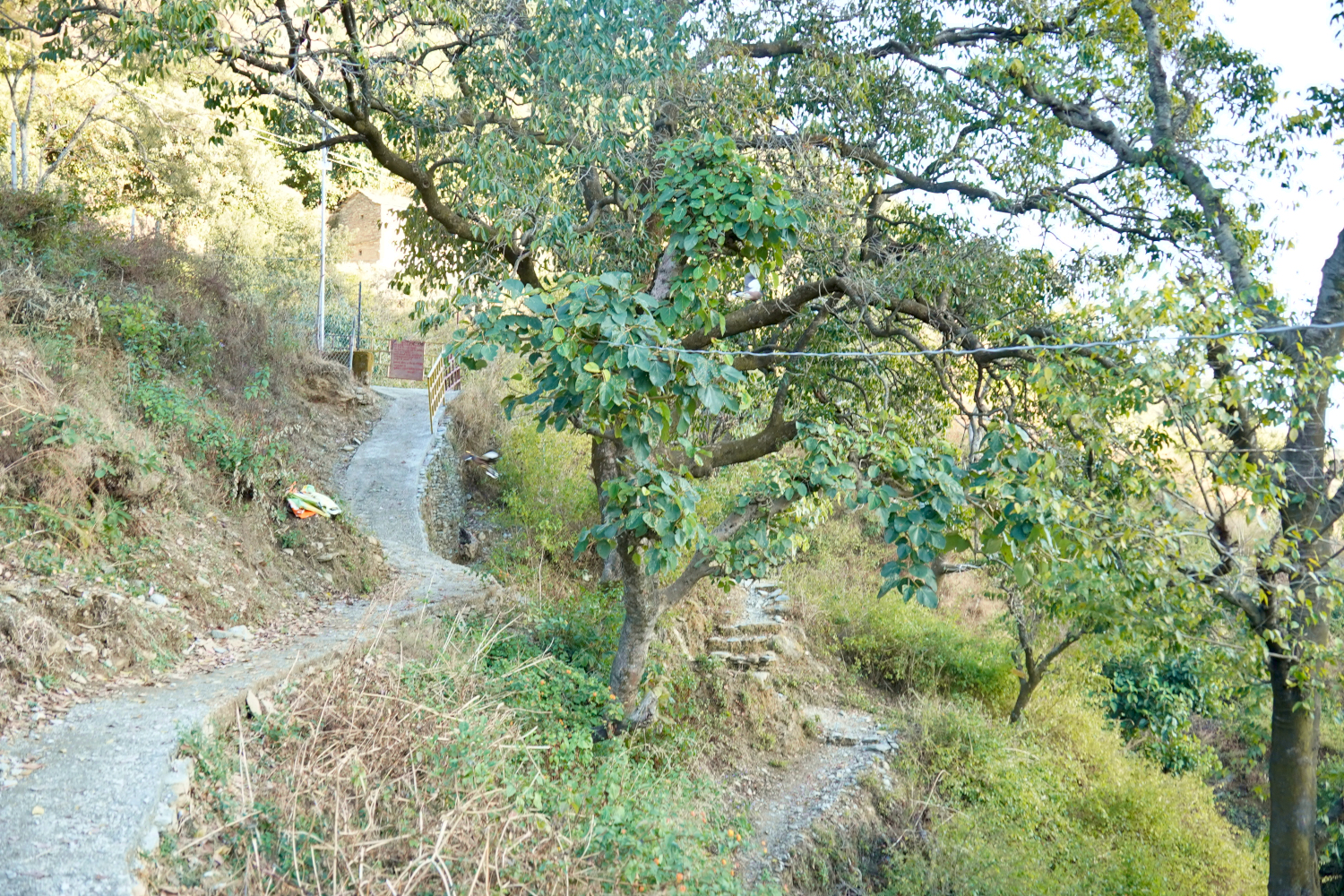
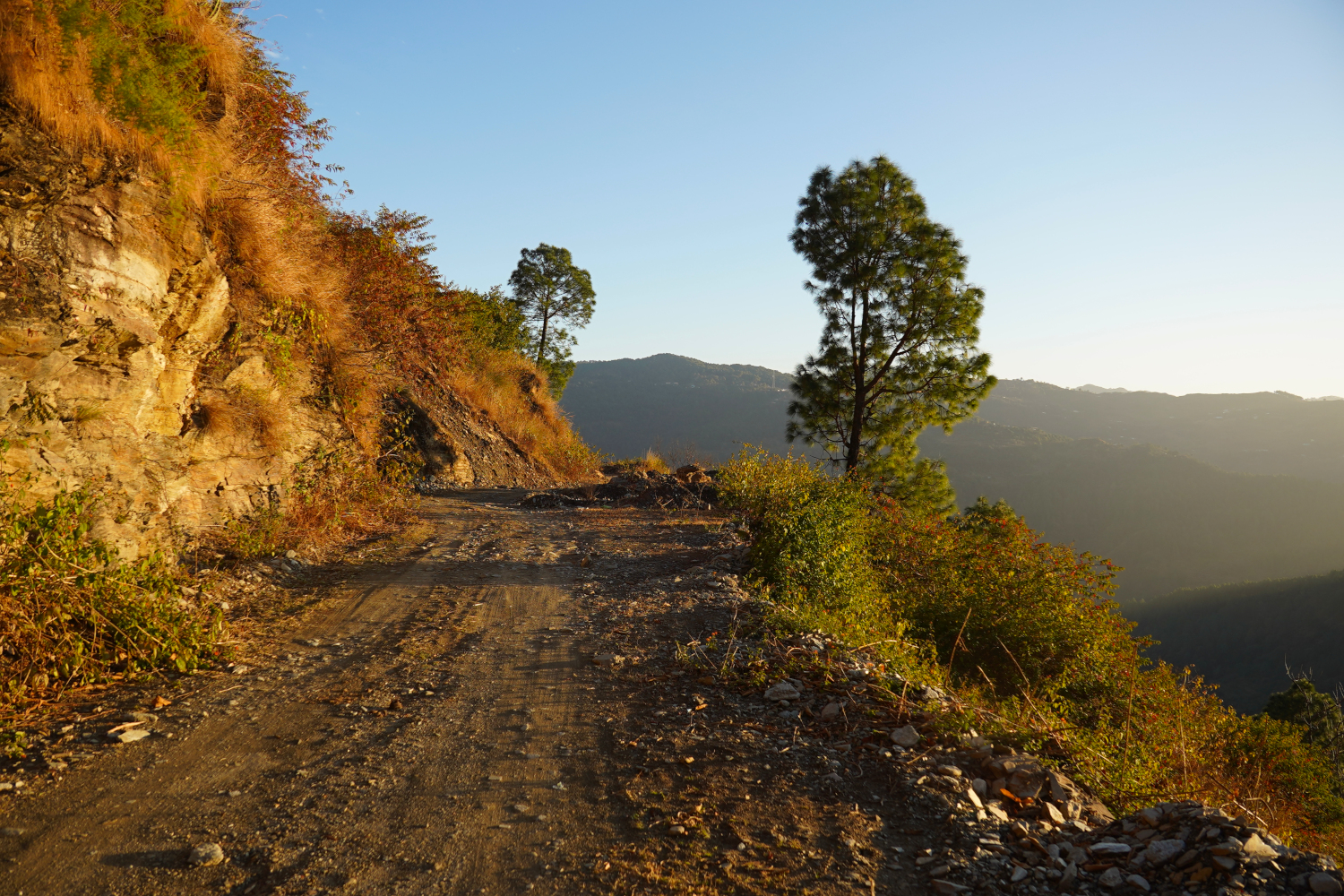
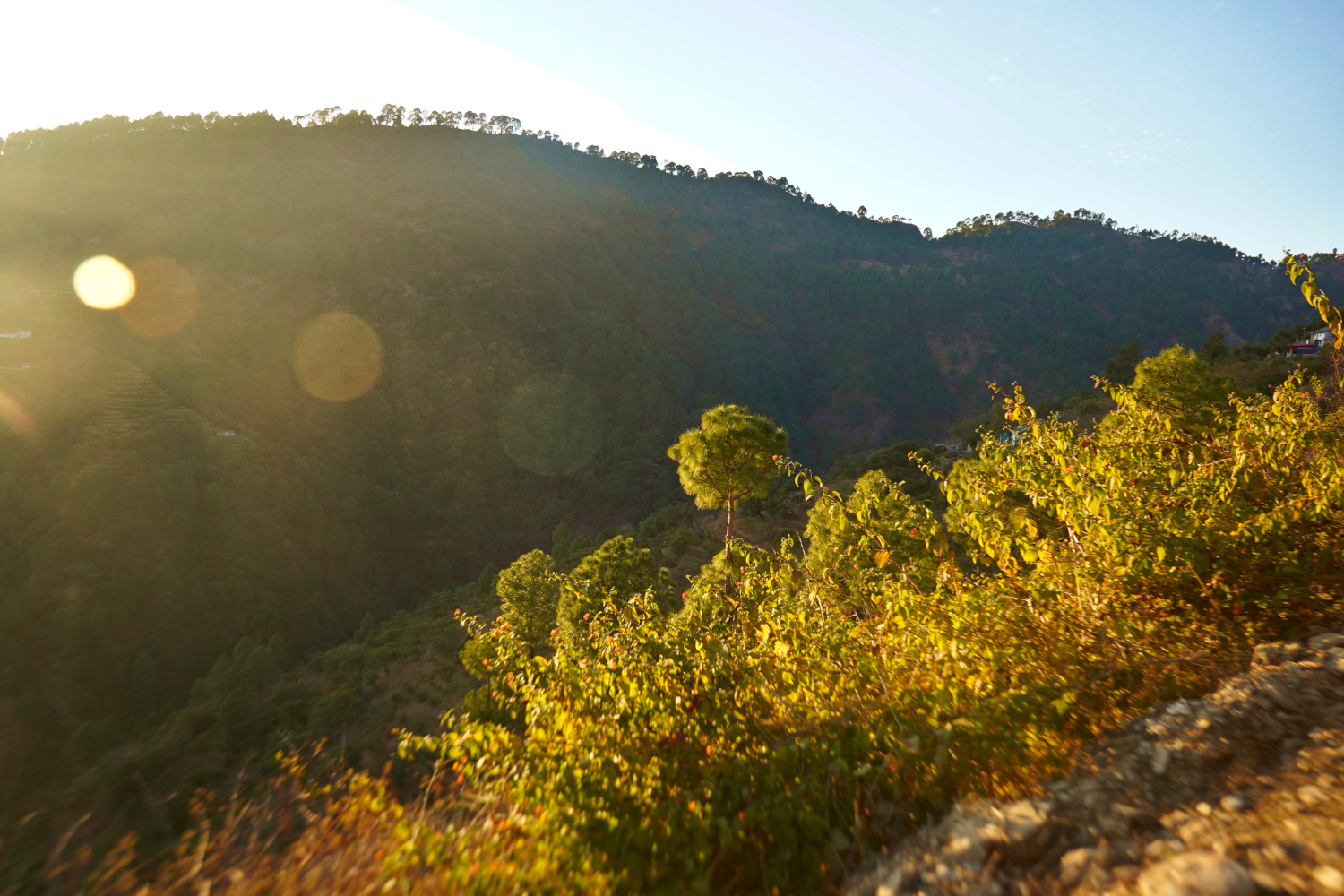
It’s a bit fuzzy what our duties are going to be for the first couple of weeks, however, since the sponsored school in the village is closed for vacation, and we are normally teachers. But we’re willing to help out in any way we can; and for the moment that includes chores related to agriculture. We’re certainly no descendants of Old McDonald, but we’ll strap on those overalls and jump right in. And for the first day, the job entails harvesting marigolds, which are growing in extensive galaxies on a nearby hillside.
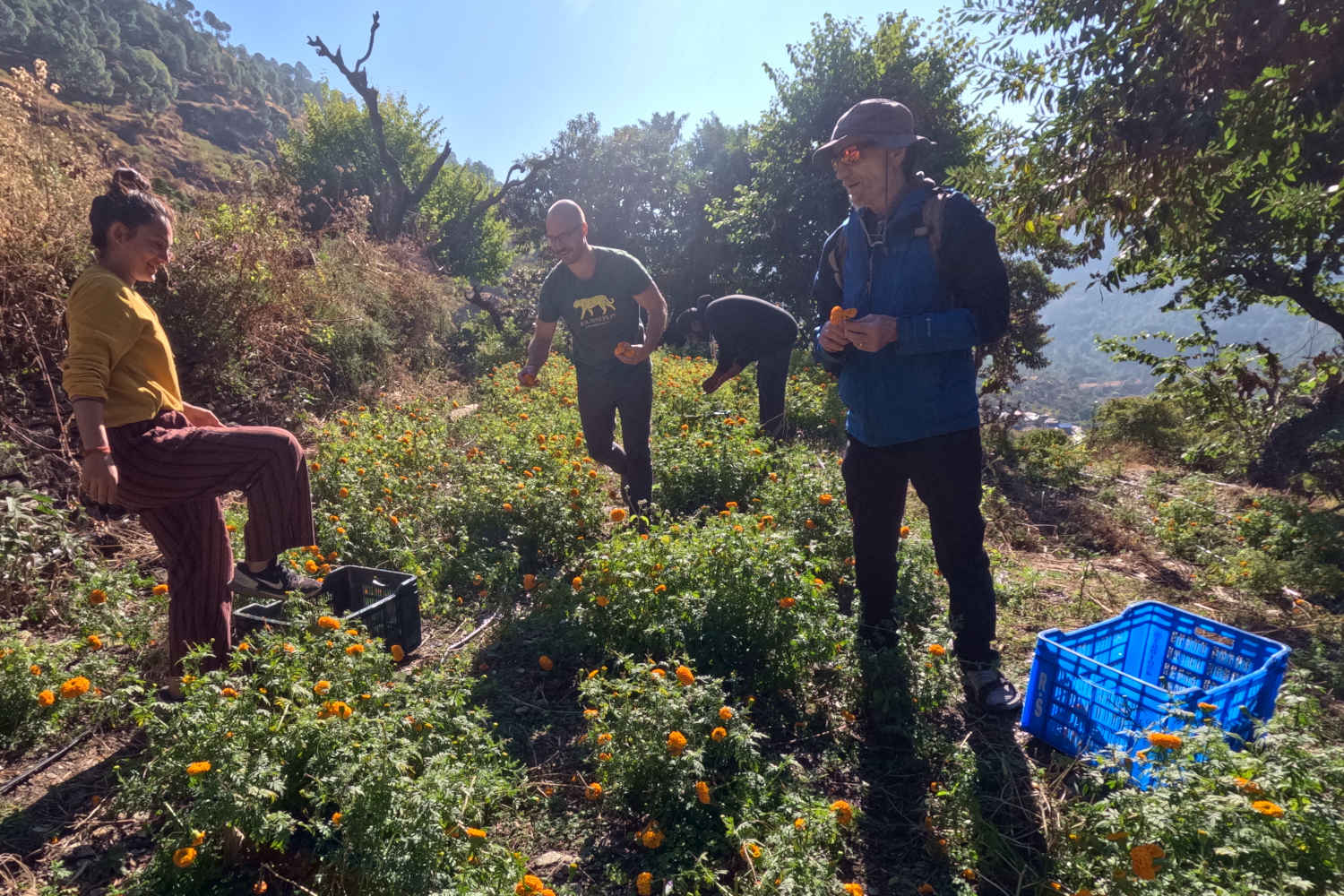
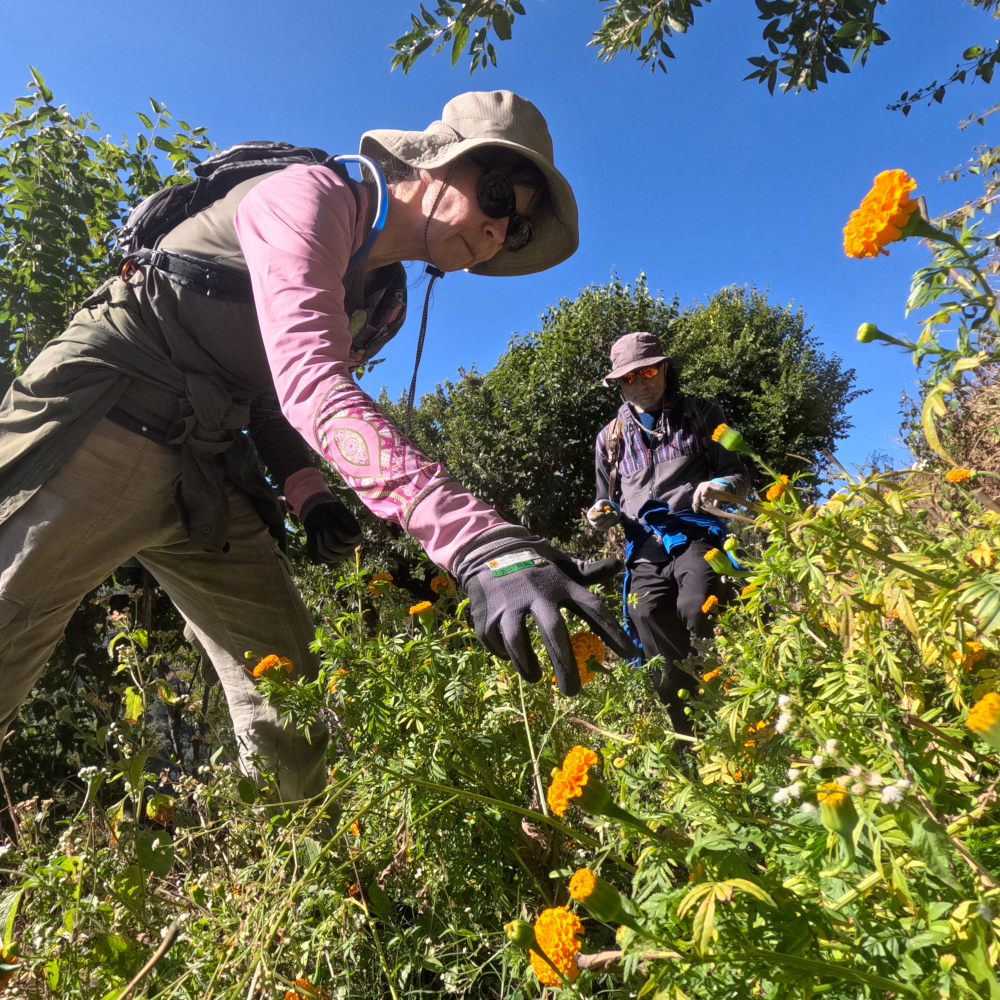
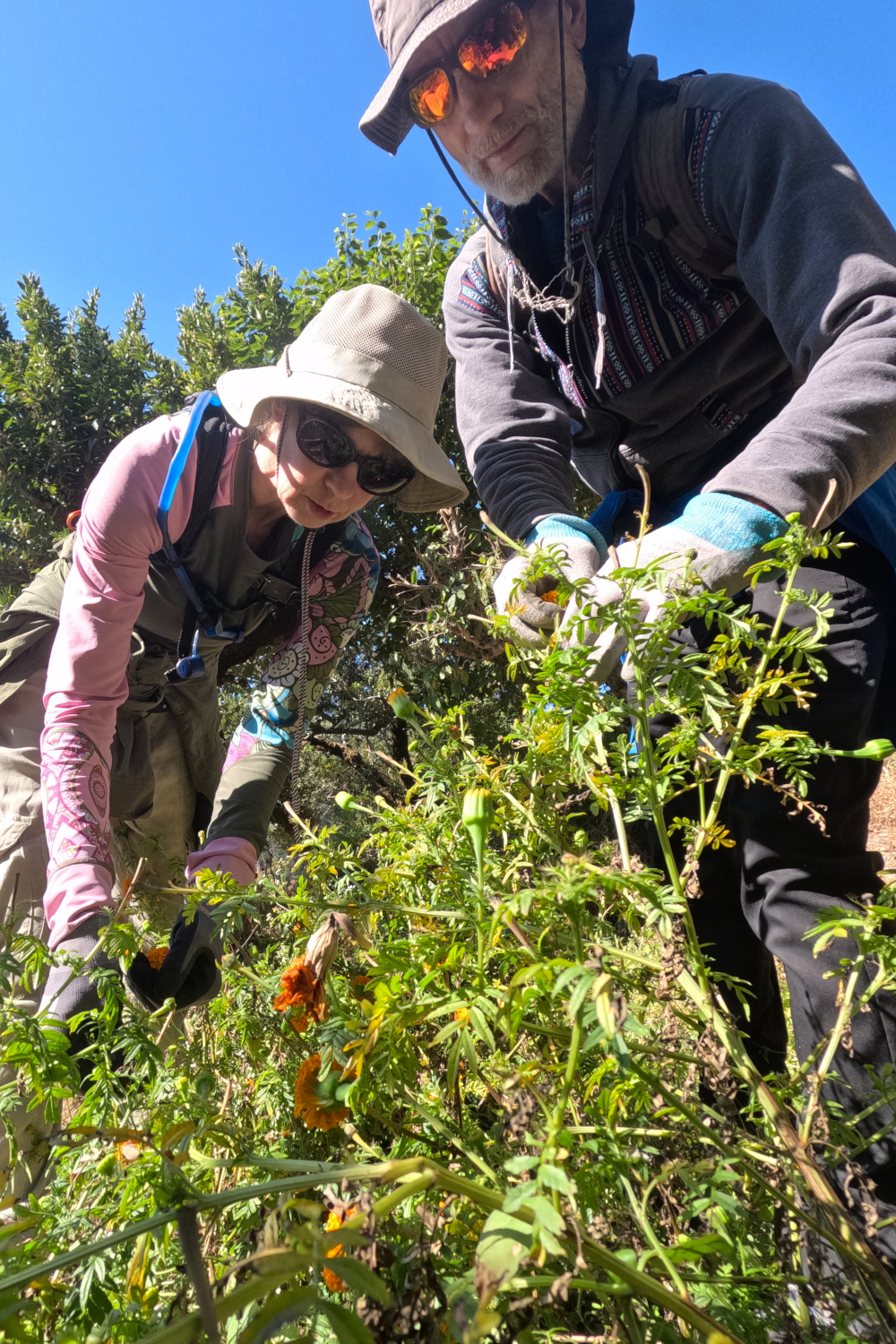
Marigolds, you say? Why bother harvesting those? Aren’t they just ornamental? Well, certainly, they are widely used for decorative purposes, and often figure in various rituals and celebrations. But they also have many practical uses, including pest control, edible components used in salads, medicinal properties, aromas, and heck, the petals even make a pretty good tea. So under the guidance of our horticultural guru Andrew (another fellow American) we spend half a day or so collecting these into crates, and then we lay them out on a platform to dry. Quite an impressive haul, we must say.
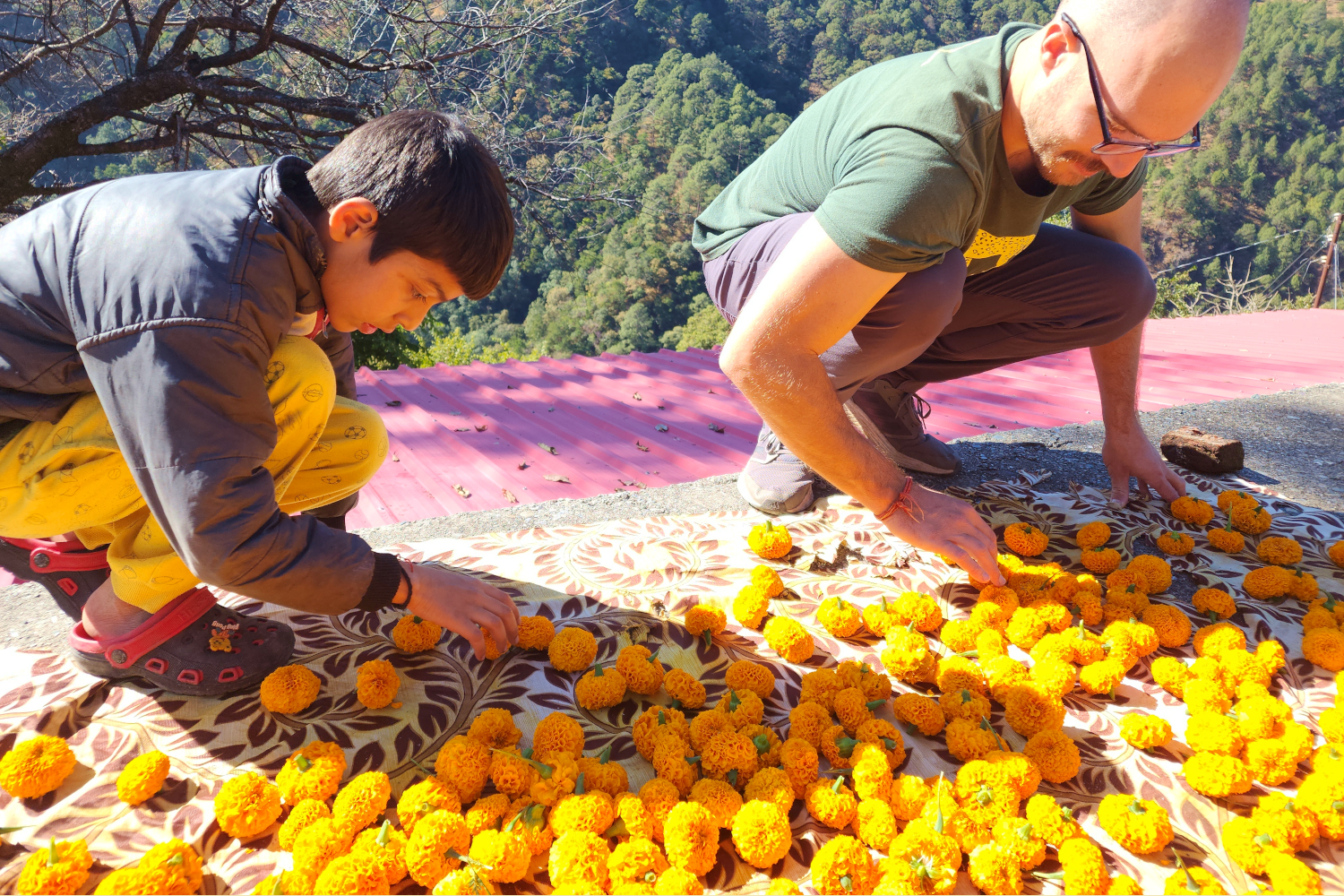
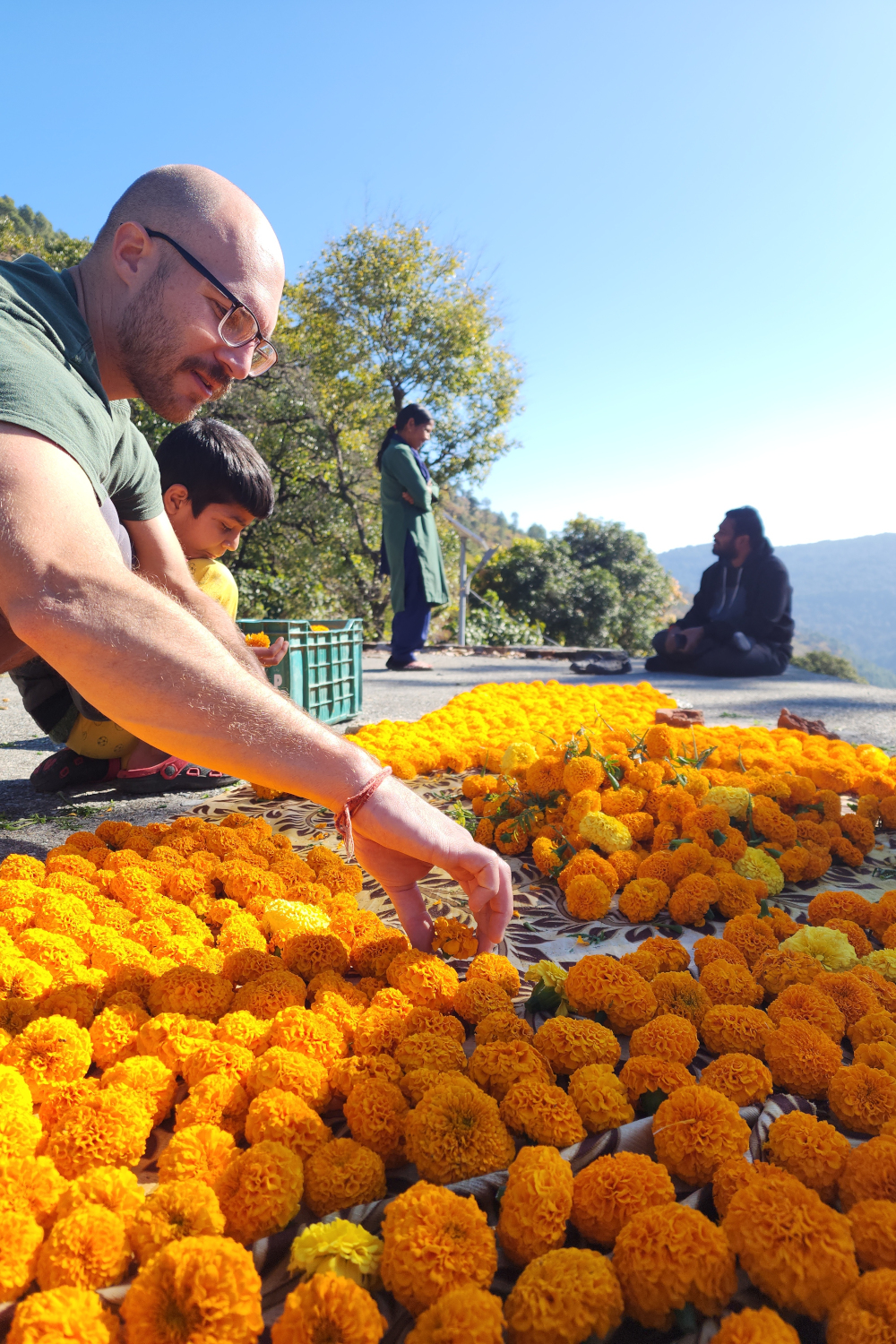
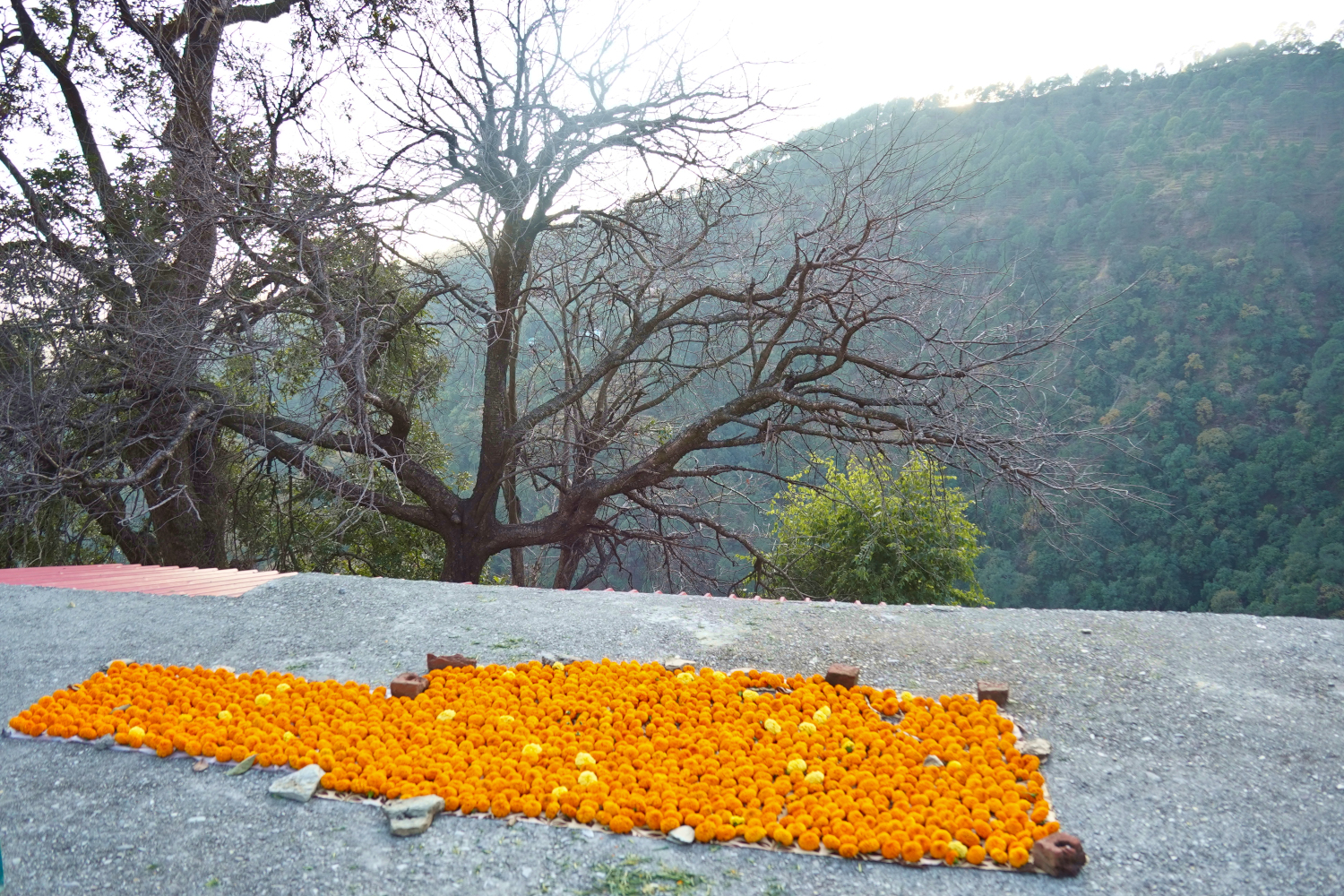

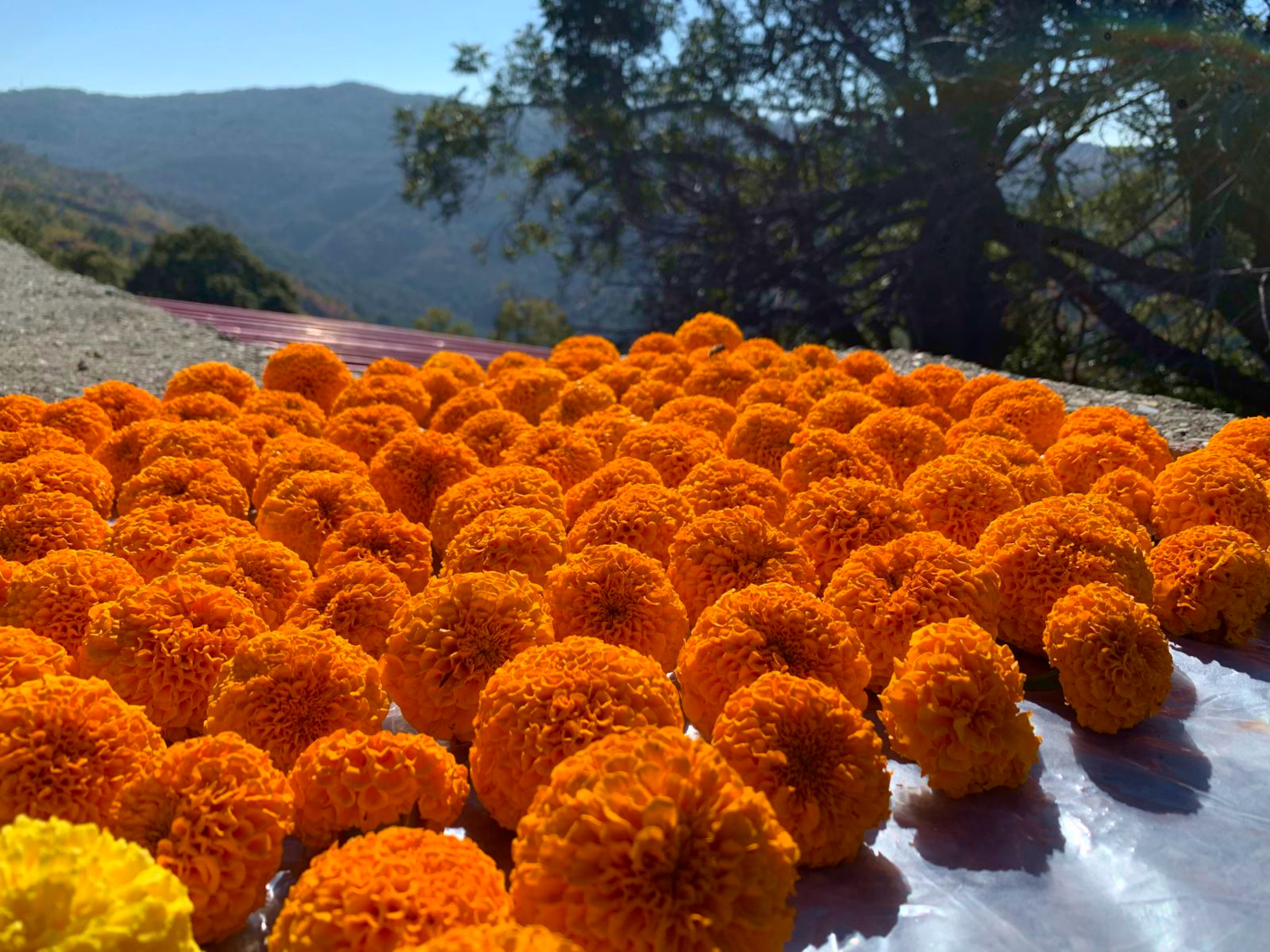
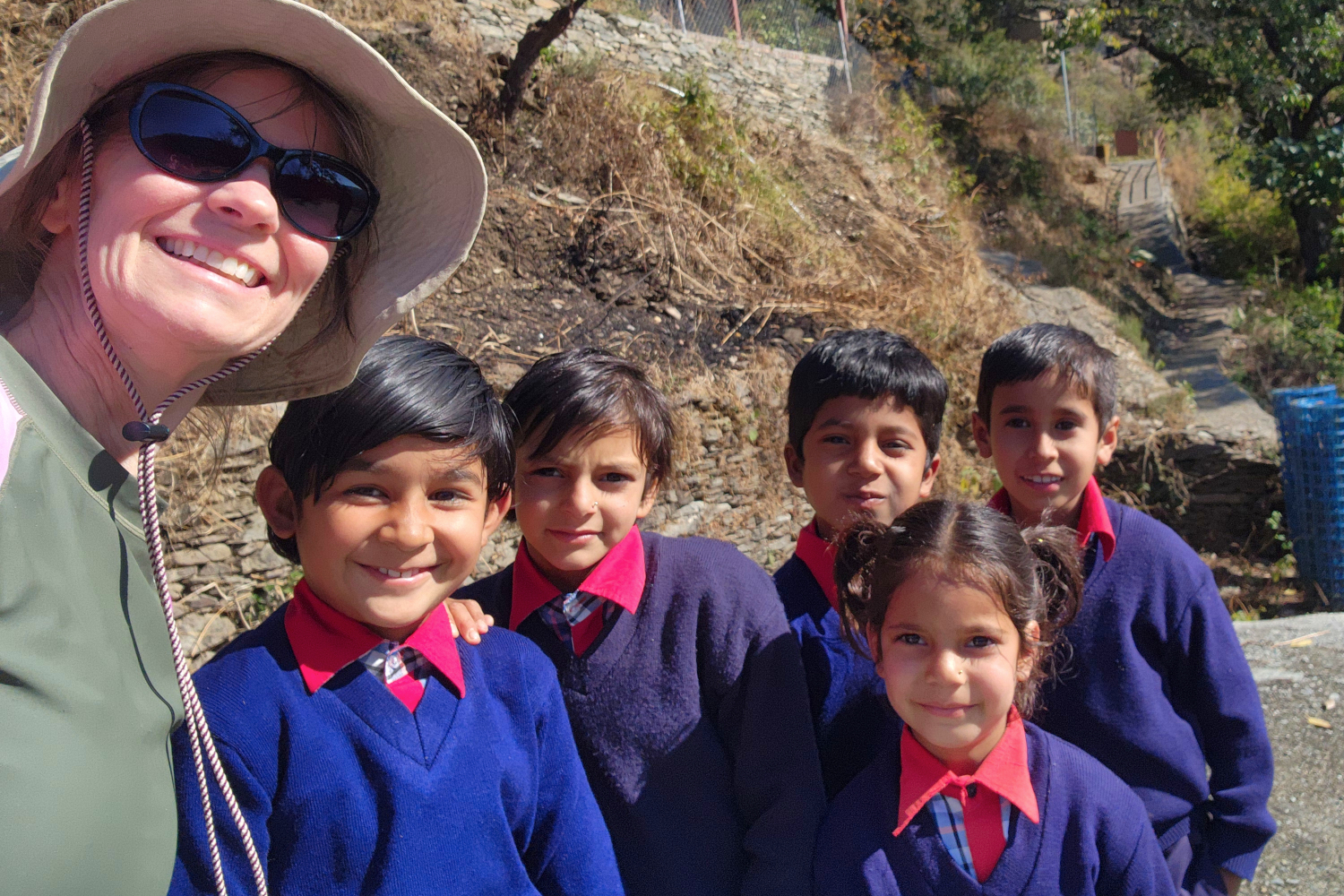
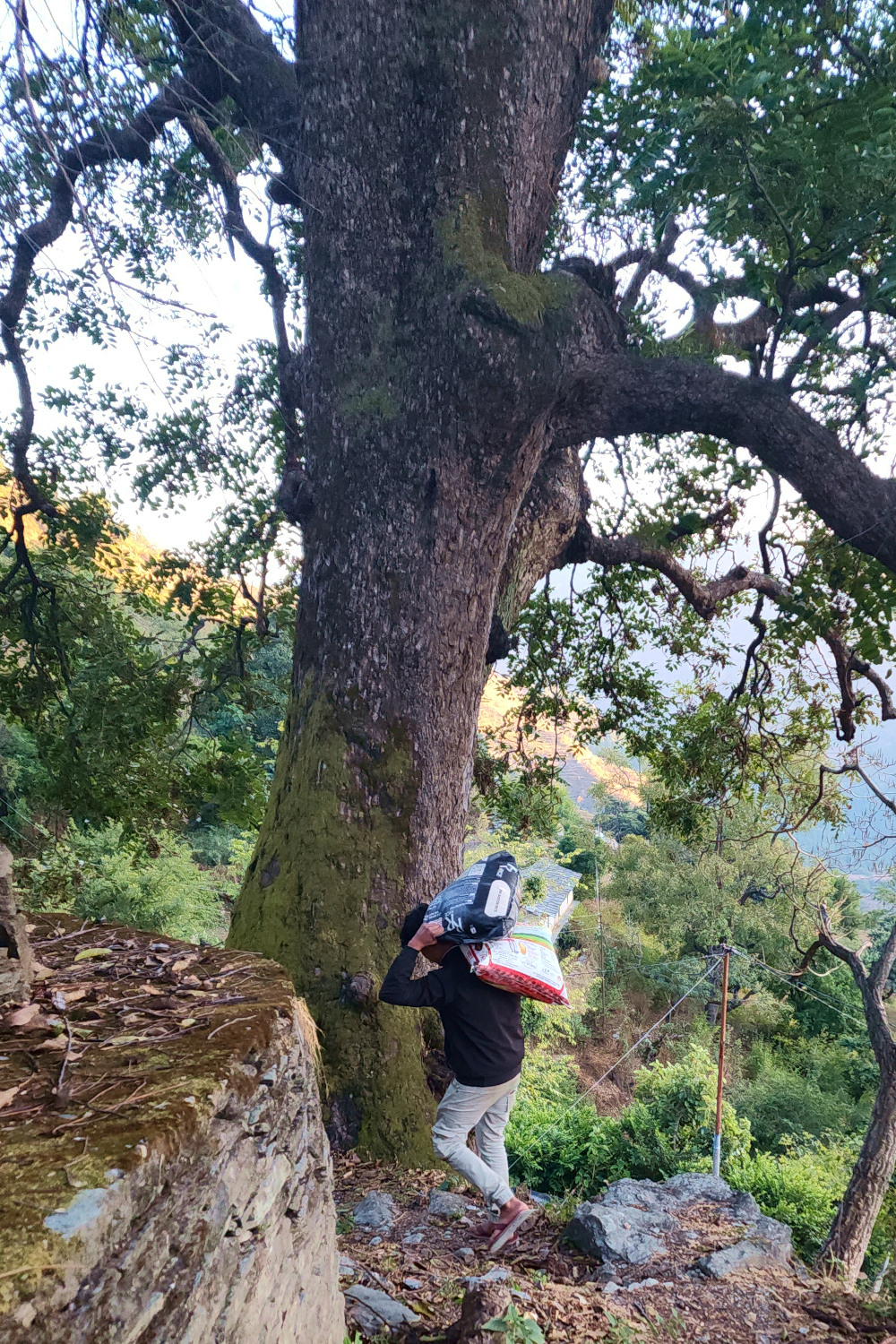
Meanwhile we make the acquaintance of some of the locals, including a few schoolkids from a small school just up the hill — not the one where we’ll be volunteering. And we meet a fellow named Kako, who is the go-to grocery delivery boy. Whenever anyone needs something from town, they give him a shopping list — or rather just recite it to him, and he’ll remember it all — and he makes a run on his motorbike at least once every couple of days. This is quite helpful, since the nearest stores are a couple of miles away, up a steep hill. Maybe he’ll even be able to pick up oatmeal for us somewhere, having the local connections.

Everyone says that Kako could be a movie star or model, and it’s easy to see why. With his chiseled facial features, elegant hair, and sparkling smile, it’s easy to picture him on a big screen or the cover of a magazine. But we hope he doesn’t attain stardom anytime soon. Right now, we need him to be our lifeline.

Events occurred 12/28-30/2024

 world travel with a theatrical flair
Leave a comment