

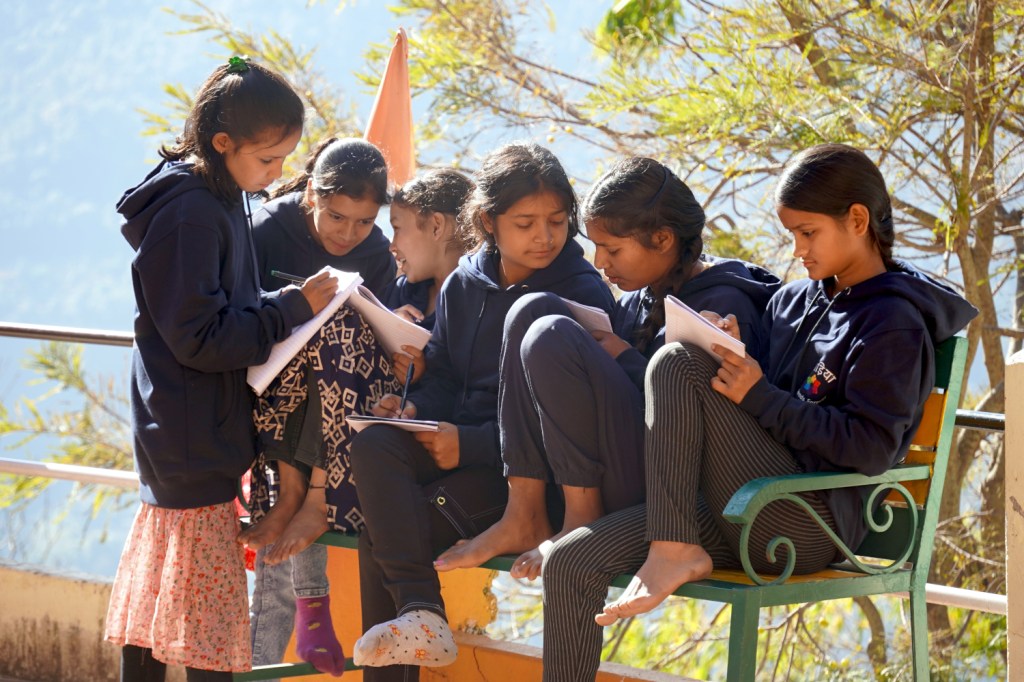
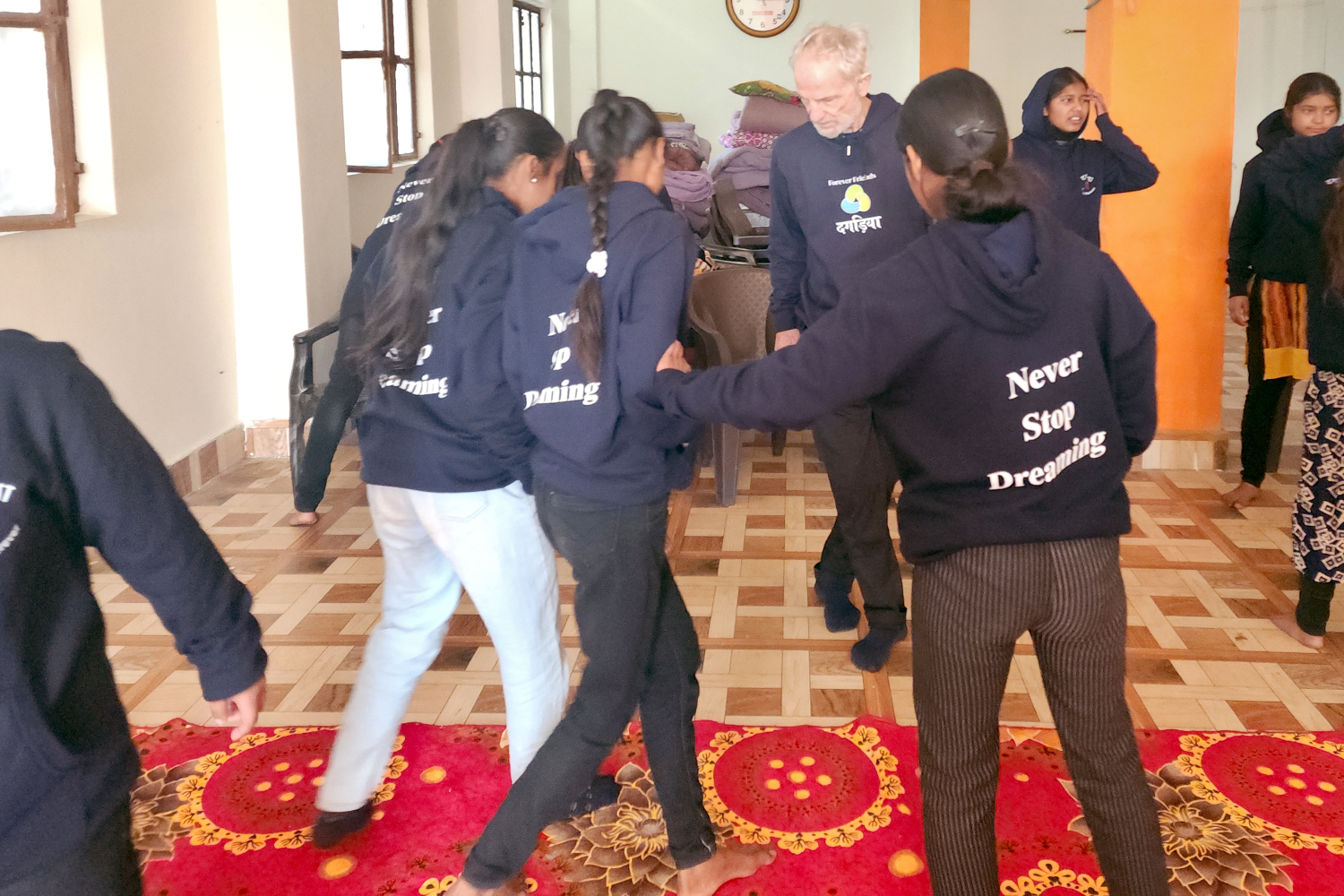
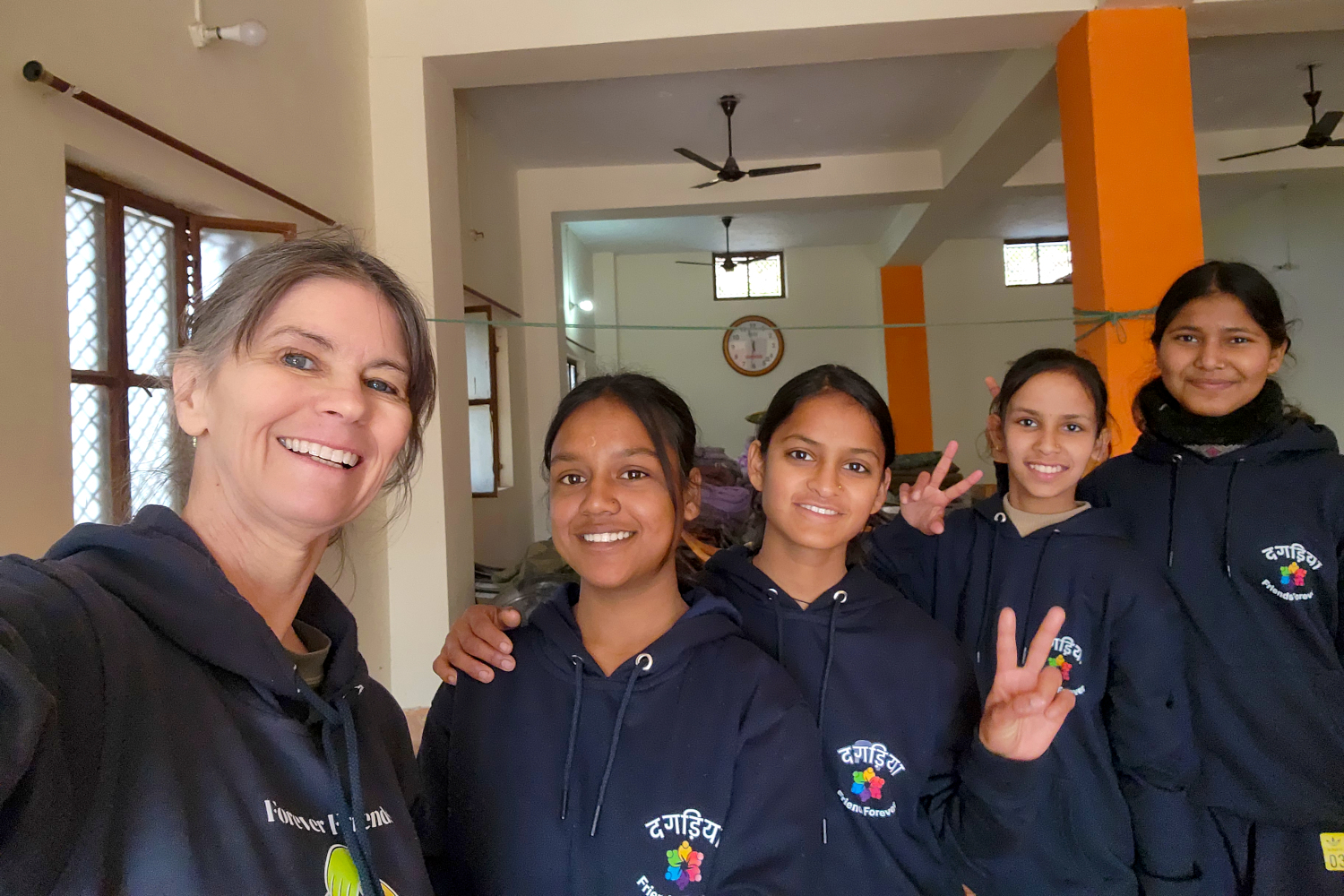
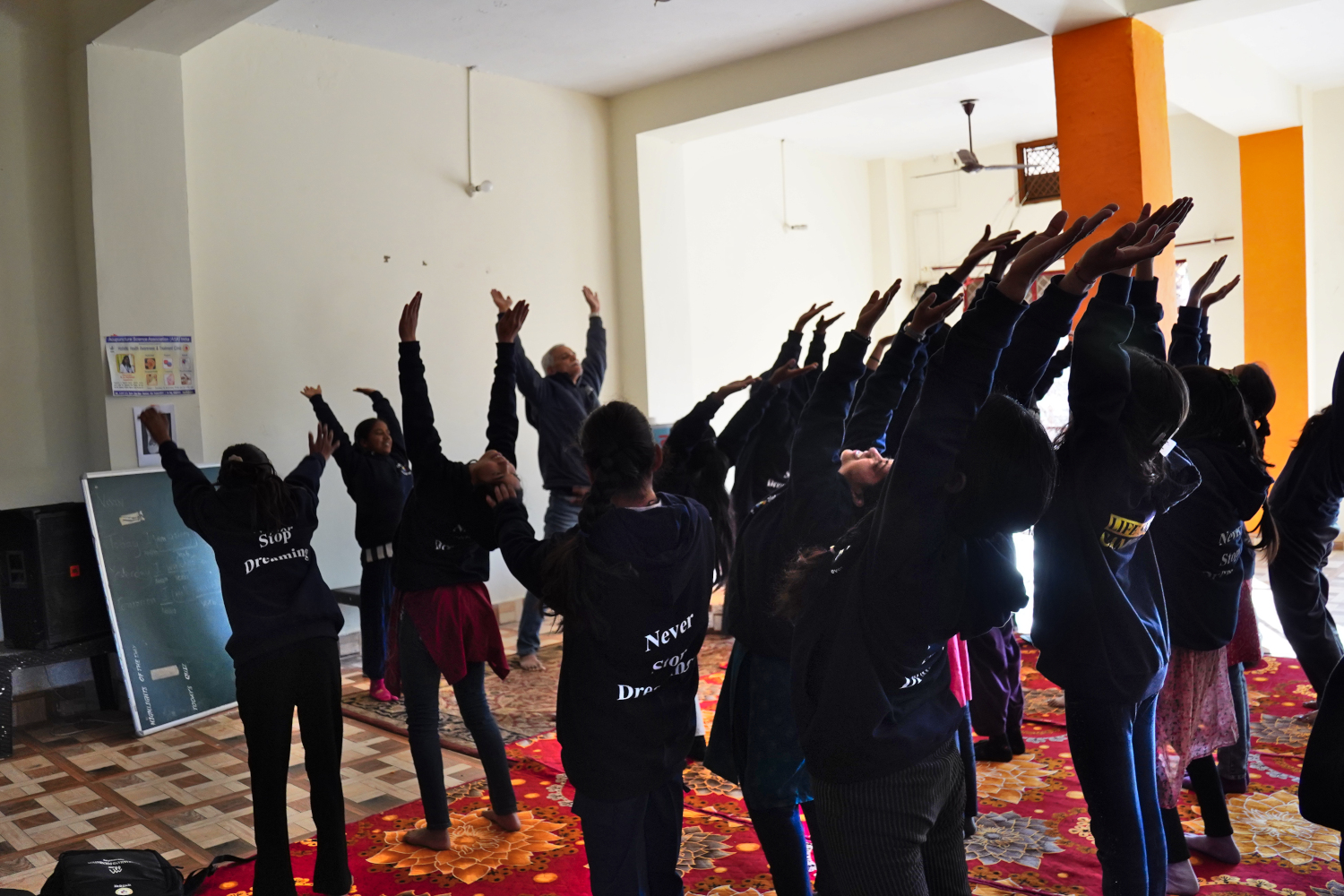
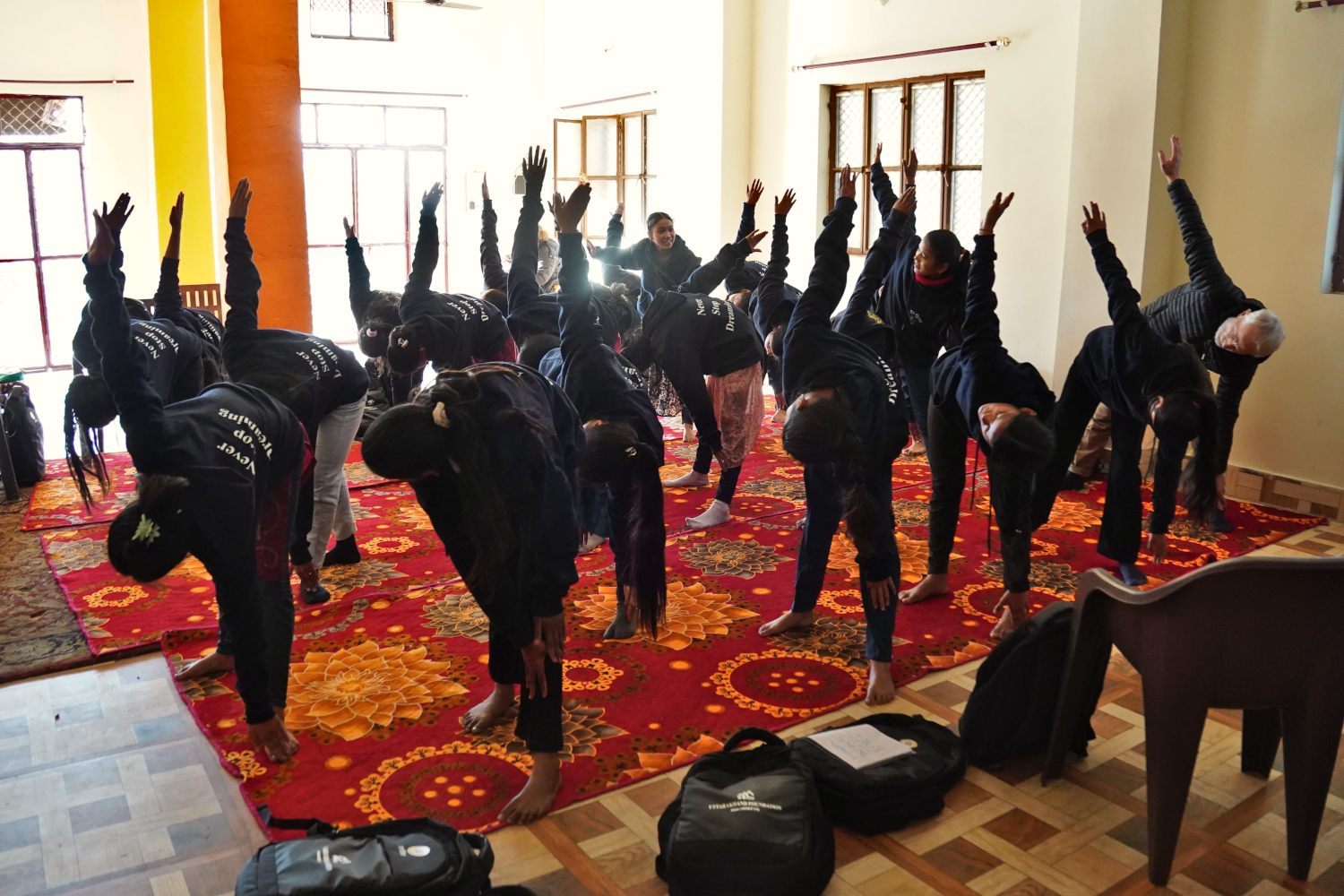
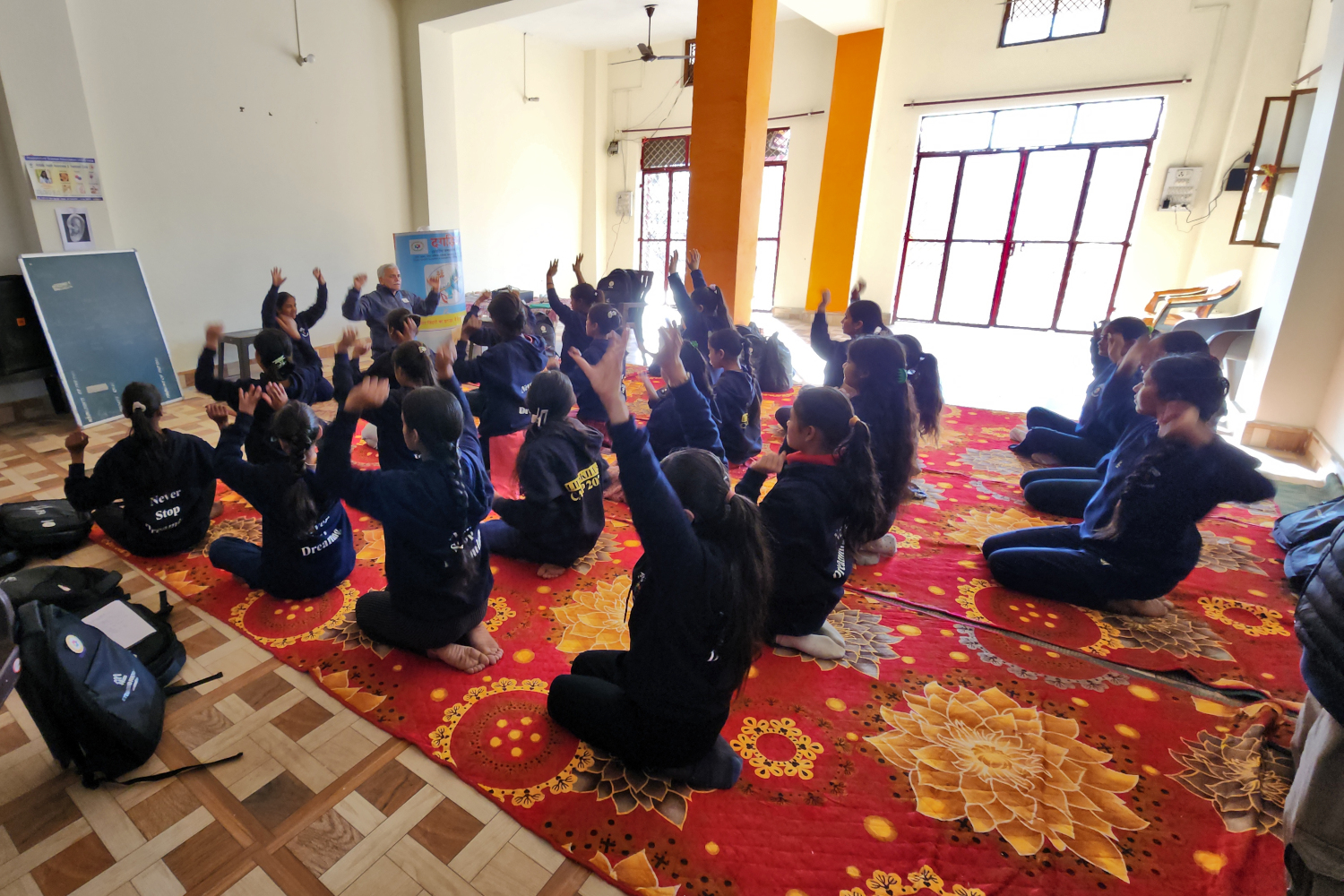
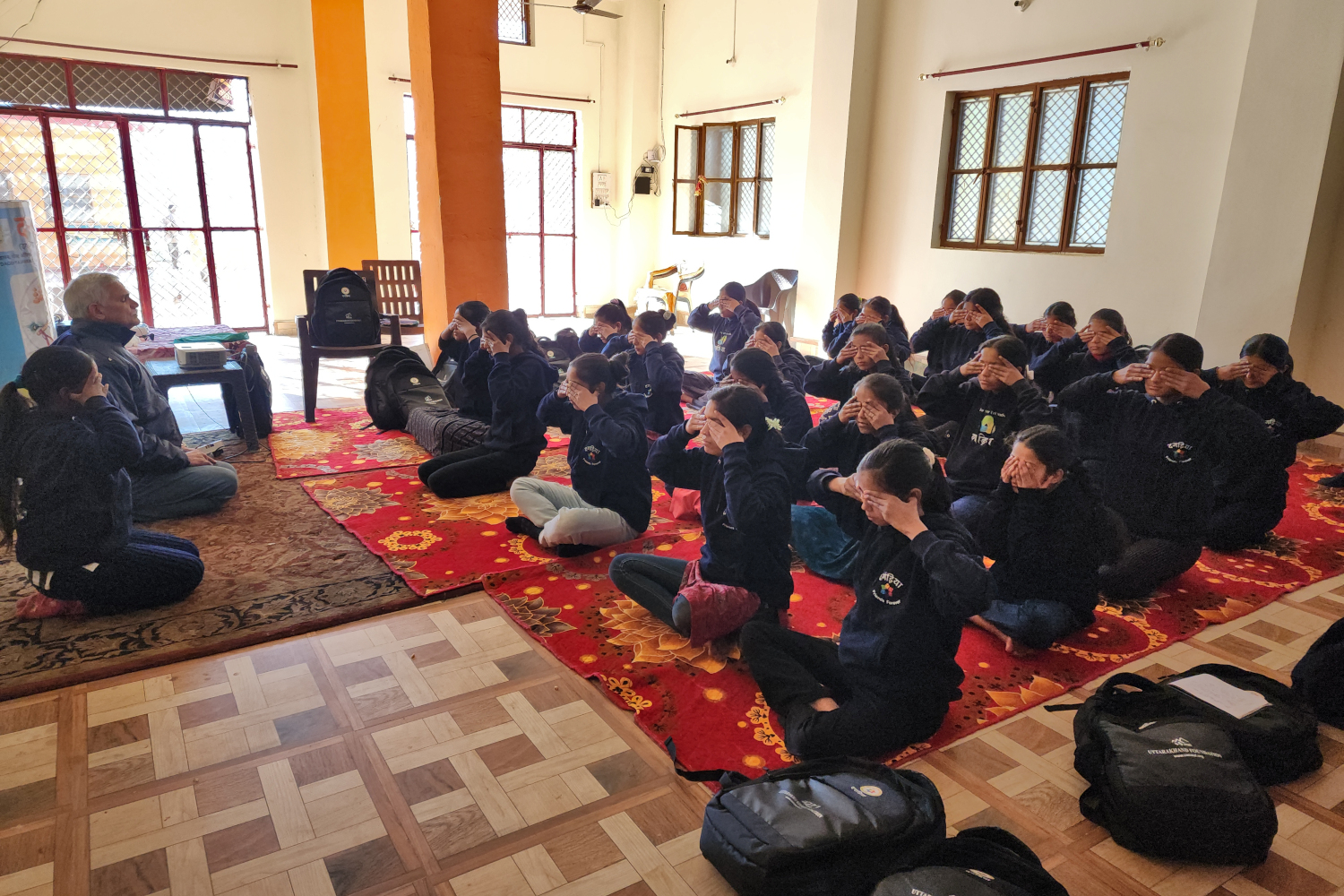
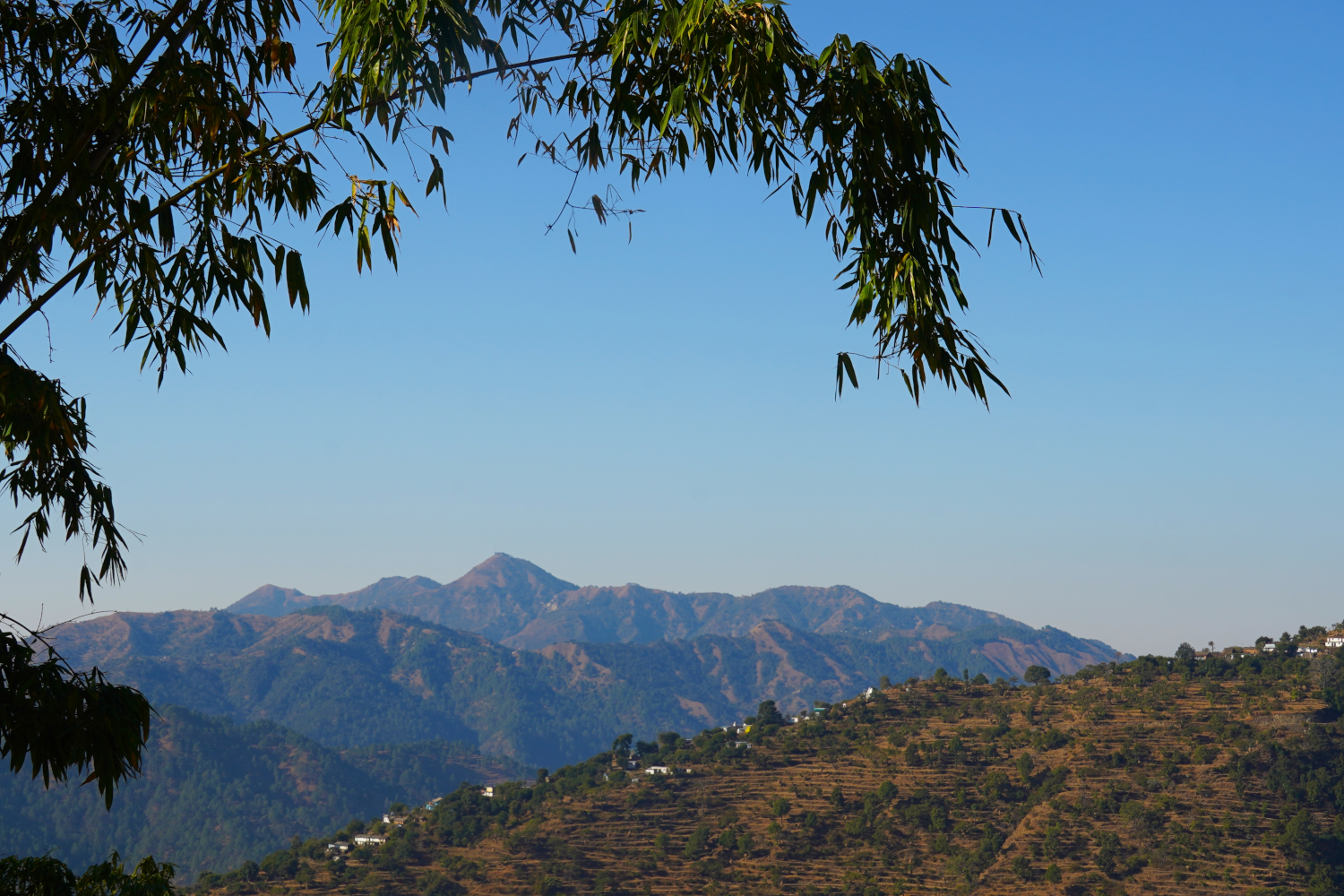
We’re now in full swing, as it were, teaching dance, singing and theatre games to the girls participating in the inaugural Winter Skill Development Camp, which is near the tiny village of Dabral, which is near the tinier village of Shri Timli (where we’ve been staying as WorkAway volunteers), which is in the Himalayan foothills in India.
Dagadiya Girls Camp – Week of Jan. 6, 2025
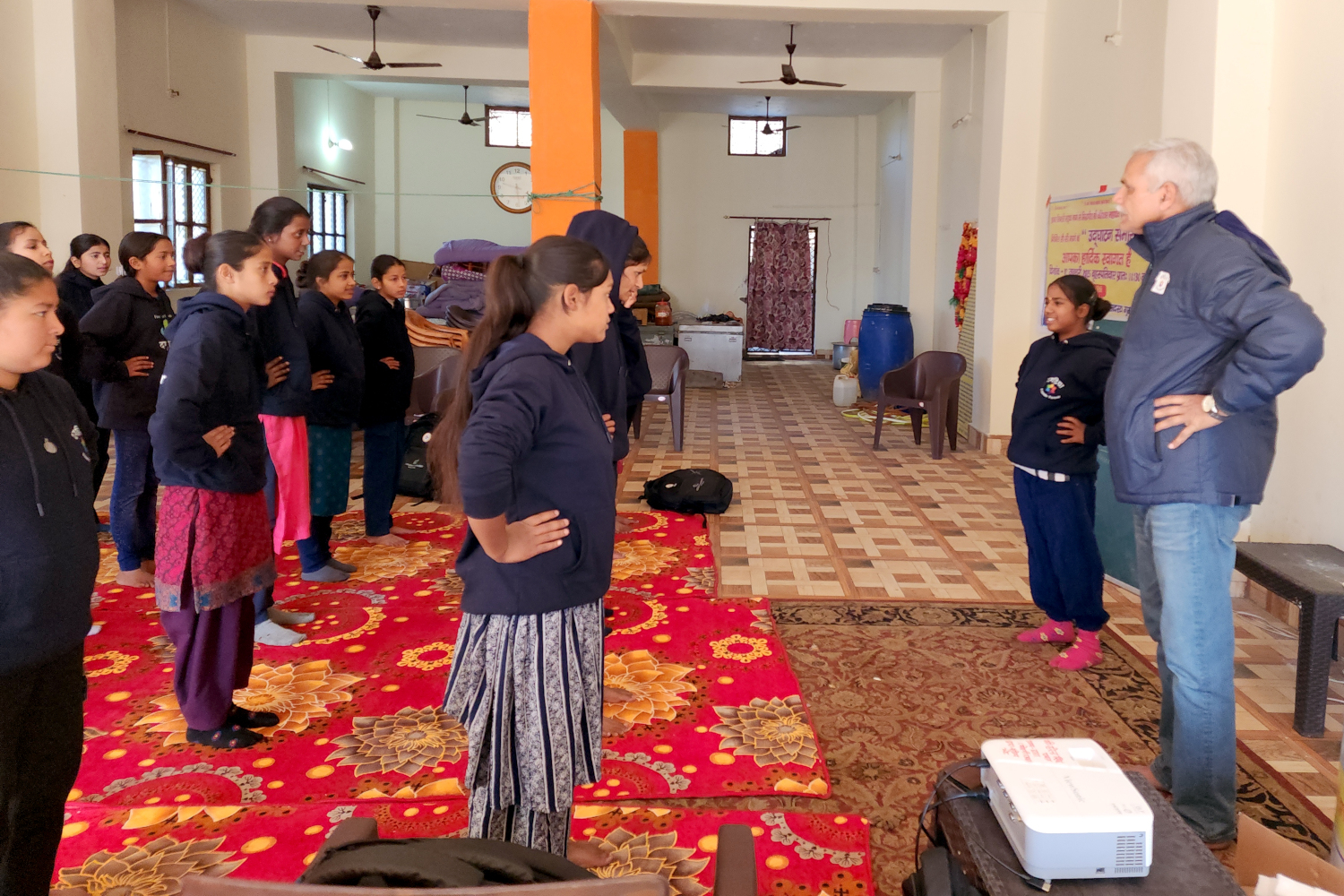
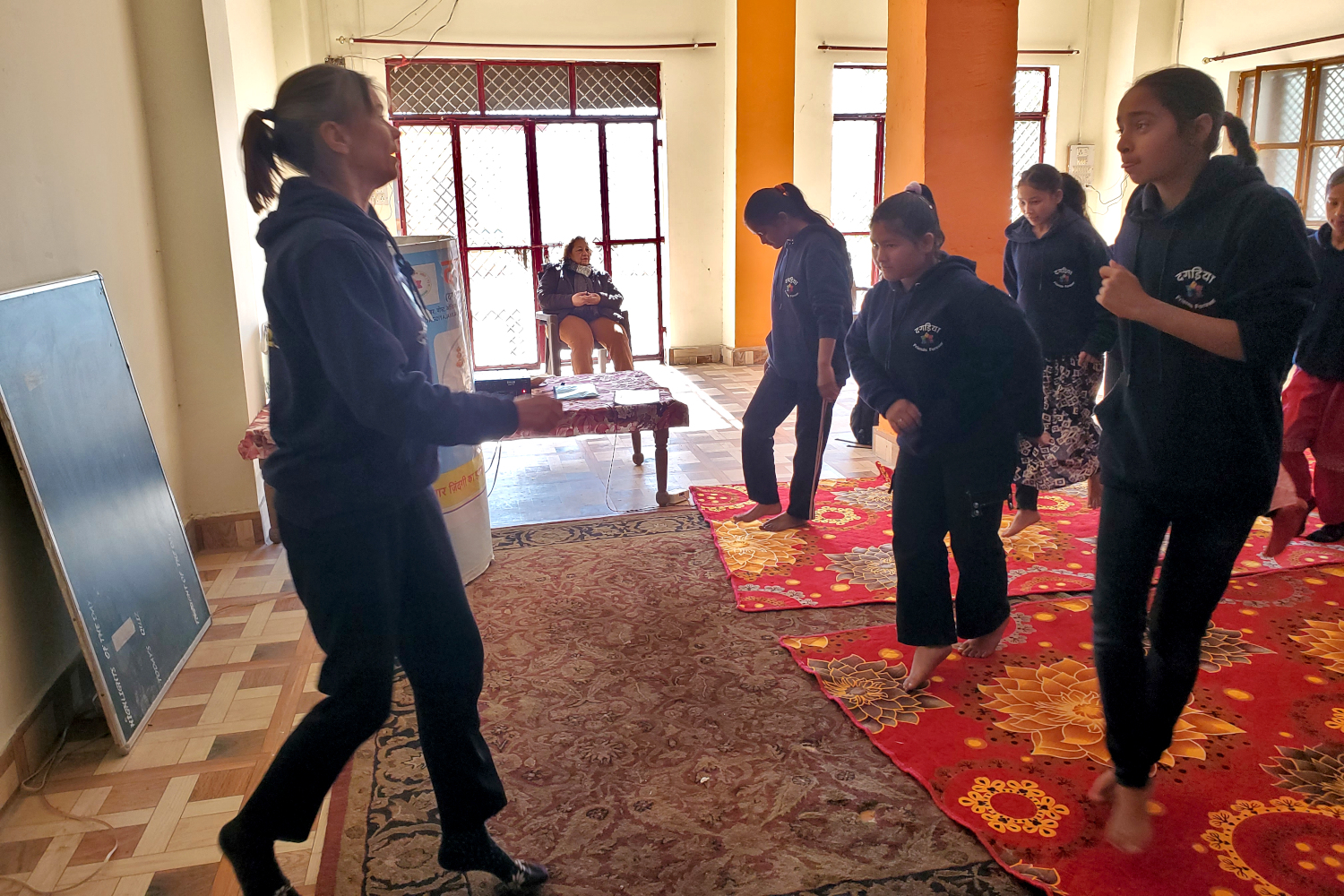
On Tuesday we substitute for the regular teacher, Neeraja, who has strep throat. She is present, but doesn’t want to infect anyone — and of course, she doesn’t need to overexert herself — so she stays outside or well distanced from the class while we do our best to take the reins.


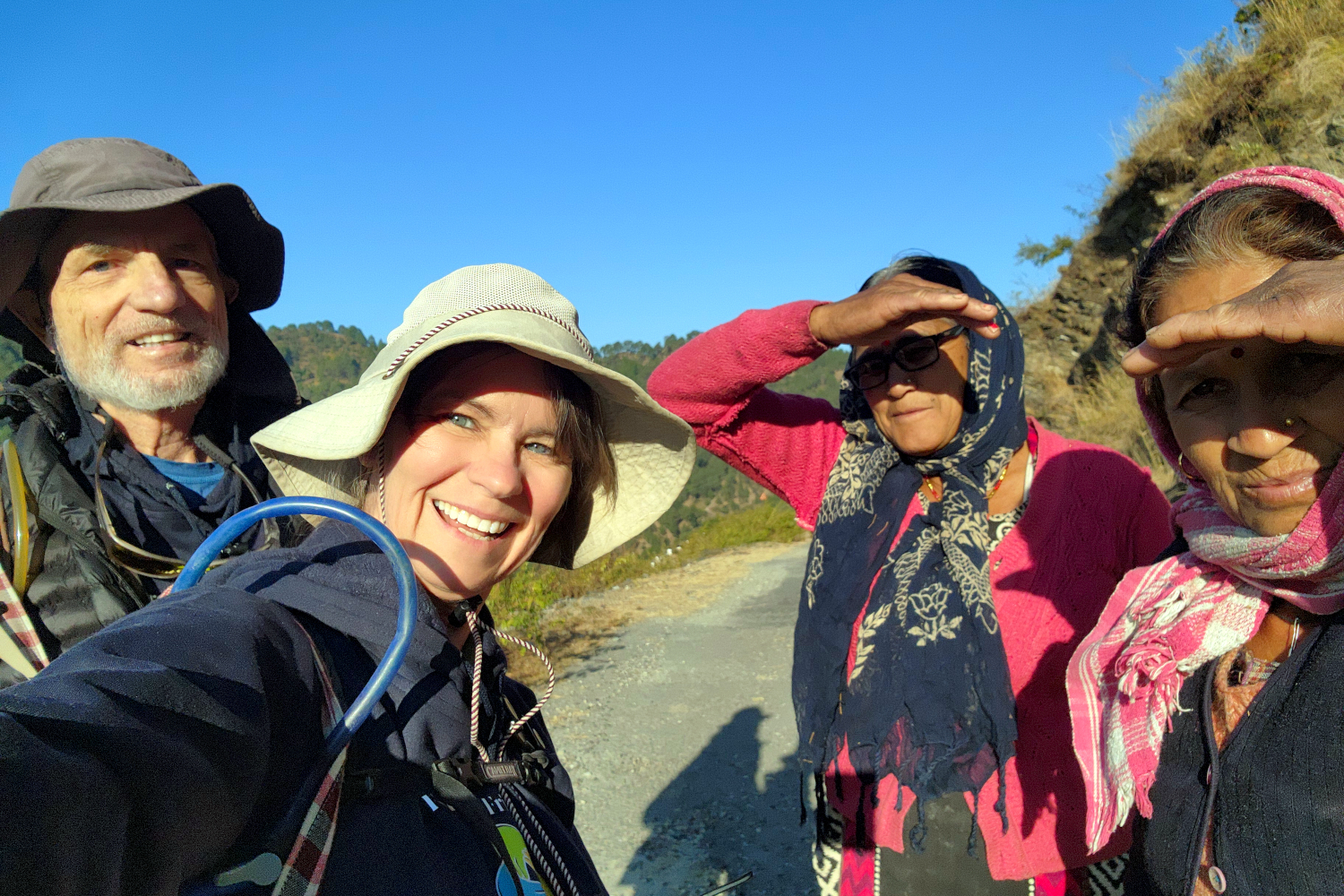
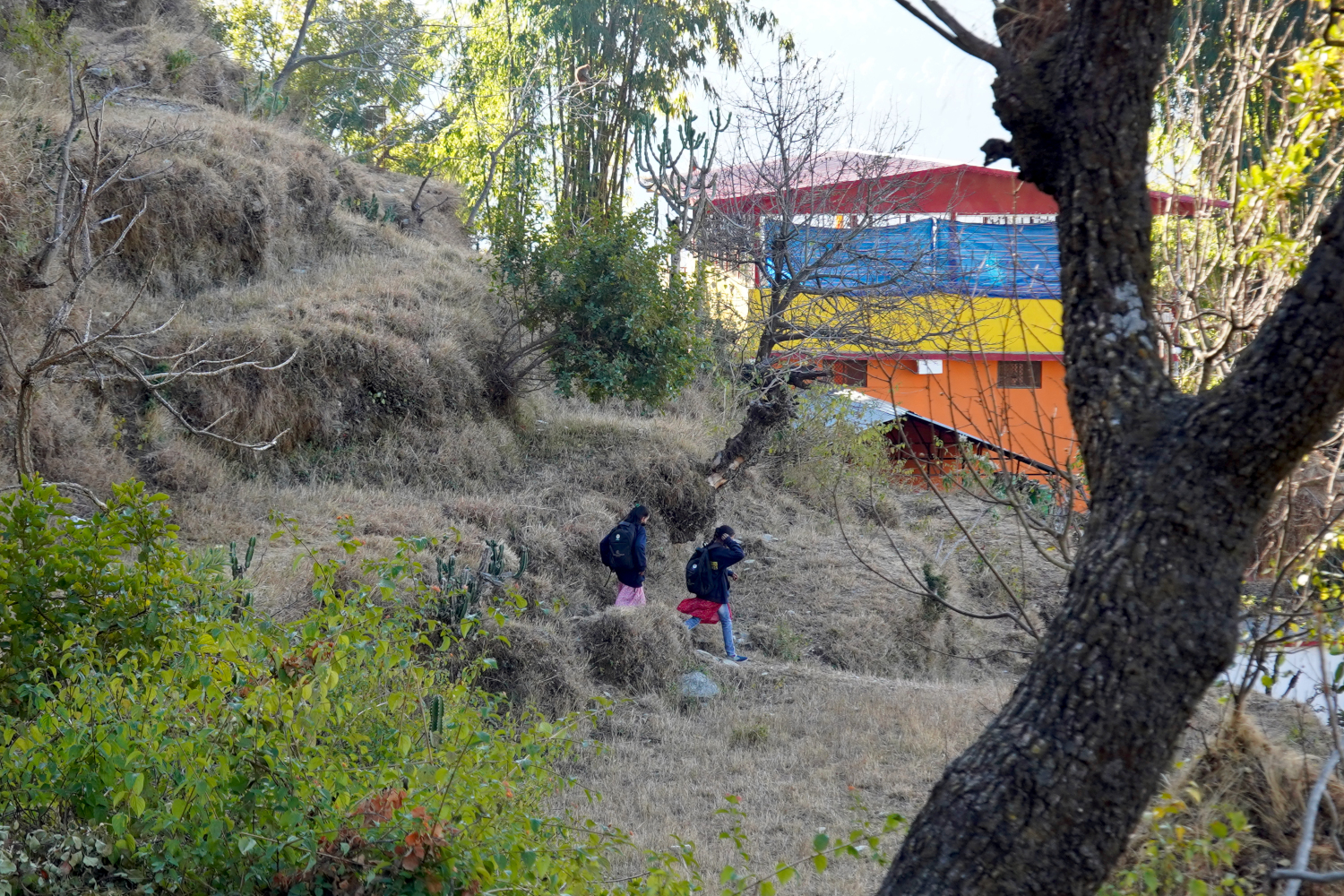
Almost every morning on the way to the session, we pass a couple of local ladies in their colorful attire, and they greet us very cordially like old friends, and even manage to have a little chat — even though they don’t speak a word of English and we hardly speak even less of their language. We still manage to make ourselves understood through gestures and expressions; they “explain” among other things, about the adornments worn among natives by married women as opposed to single women.
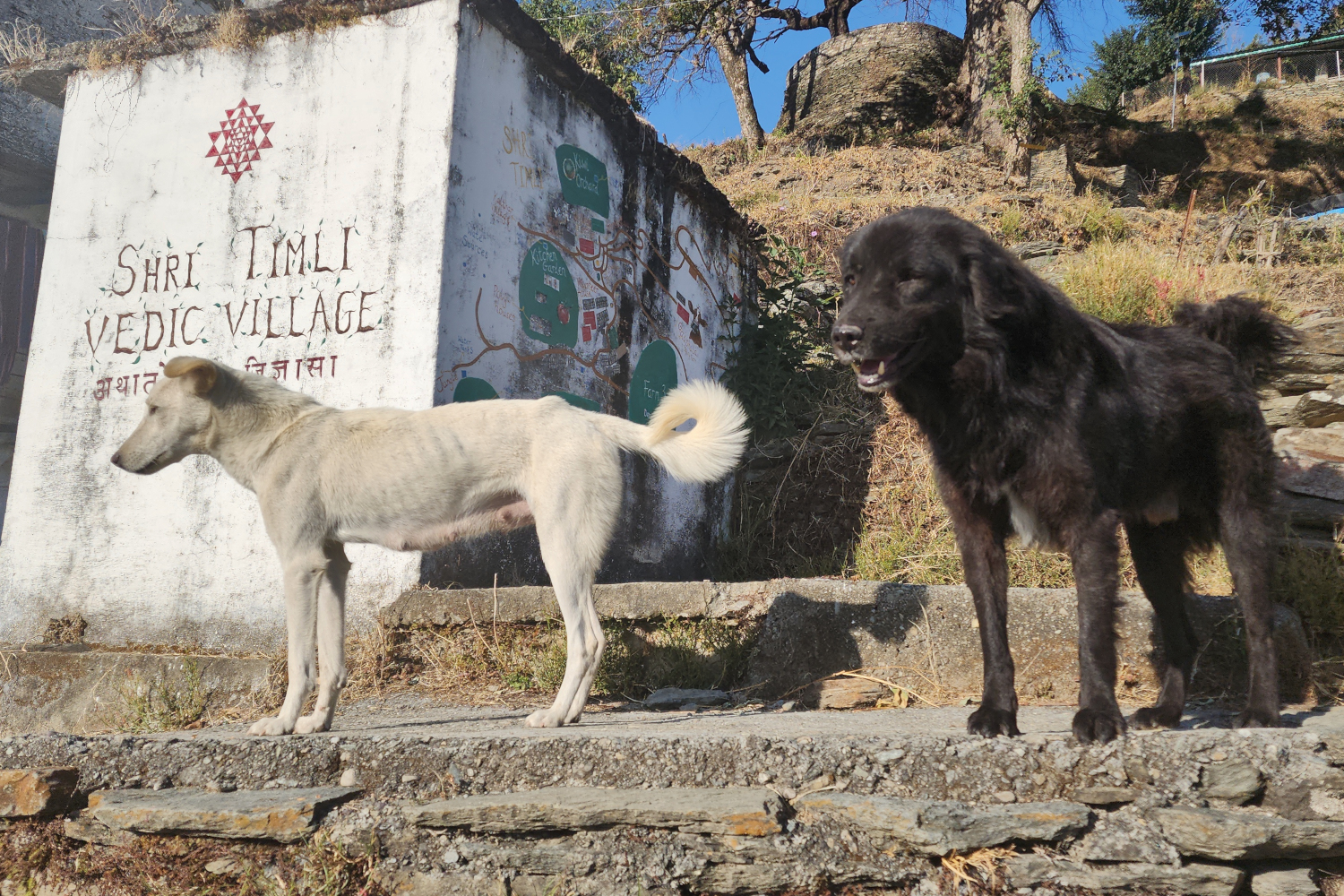
Meanwhile, back at the Shri Timli community center where we’ve been living, more volunteers have arrived; they come and go in a steady stream, with as many as 10 present at any given time. This time we’ve added a couple from Germany and a fellow from Australia. Just in time for the increased occupancy, some of the staff members have been installing a water heater in the shower, which will be a most welcome addition.
Here in this remote village, hours away from a city of any kind, with three more weeks left of our residency, would be just about the worst possible place and time to lose phone and Internet service. So guess what happened.
Perhaps we should have seen it coming. Shortly after we arrived in India, we were able to obtain a SIM card with the assistance of our Airbnb host in Delhi. But unbeknownst to us, SIM cards for foreigners in India are good for only 3 months. And that period has just expired, With no SIM card, we not only have no phone service, but no data for Internet. So far we have not been entirely stranded in the digital desert; fellow American volunteer Tina has allowed us to do some piggybacking on her wi-fi signal (she generously offered without being asked when she learned of our problem). Neeraja learned of our predicament and completely wowed us. She happened to have an extra phone, which she actually loaned to us. It worked great for a few days but also ran into some connection issues. And Ajay, a long-term volunteer from southern India, helped us obtain a new SIM card and did his best to get it functioning for us. But ultimately something just didn’t ignite.
So the bottom line is, our Internet activities are going to be quite skeletal for the next three weeks. But then we wouldn’t have a great deal of Internet time anyway, as we’re finally getting immersed in volunteer activities.
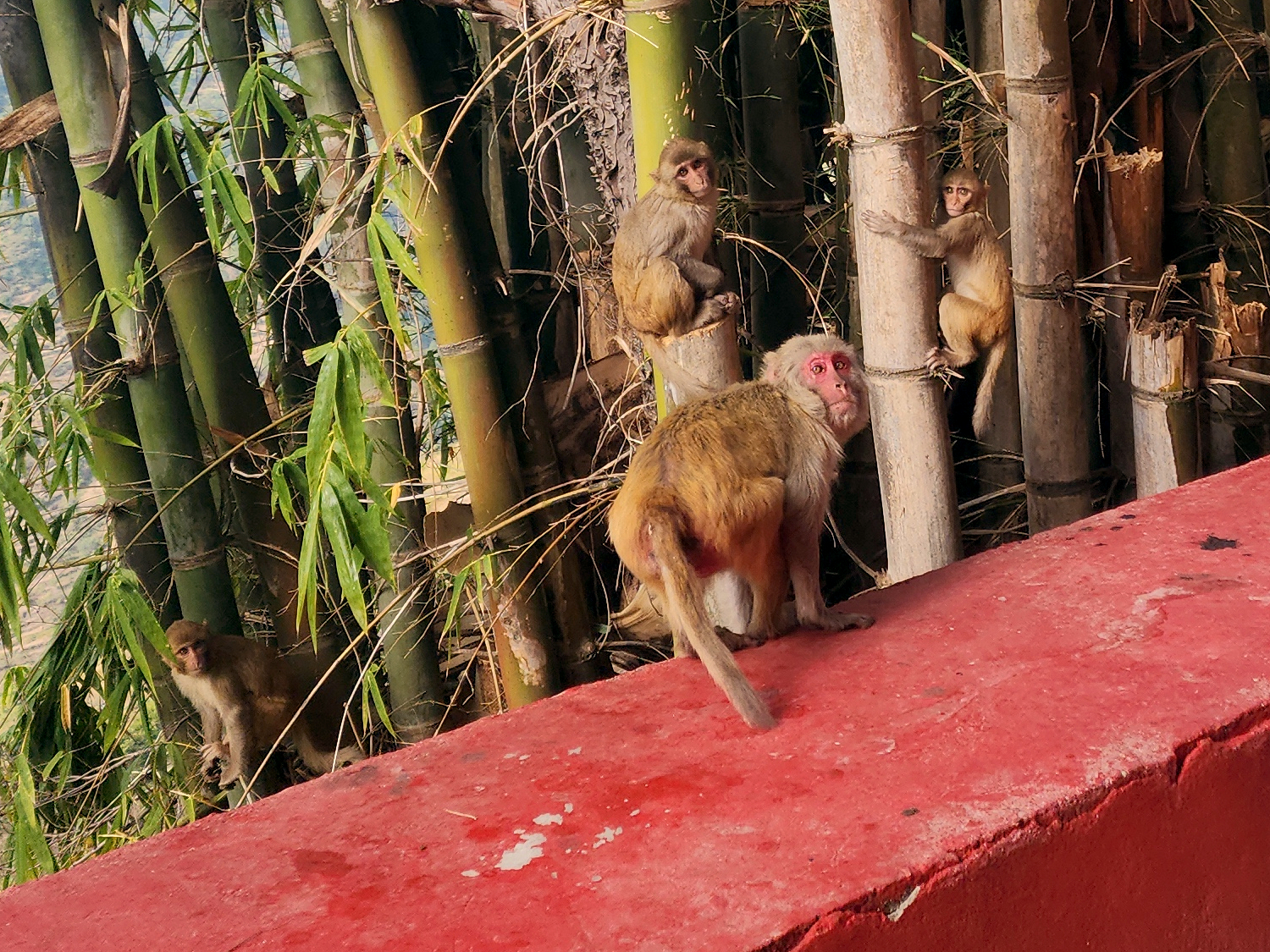
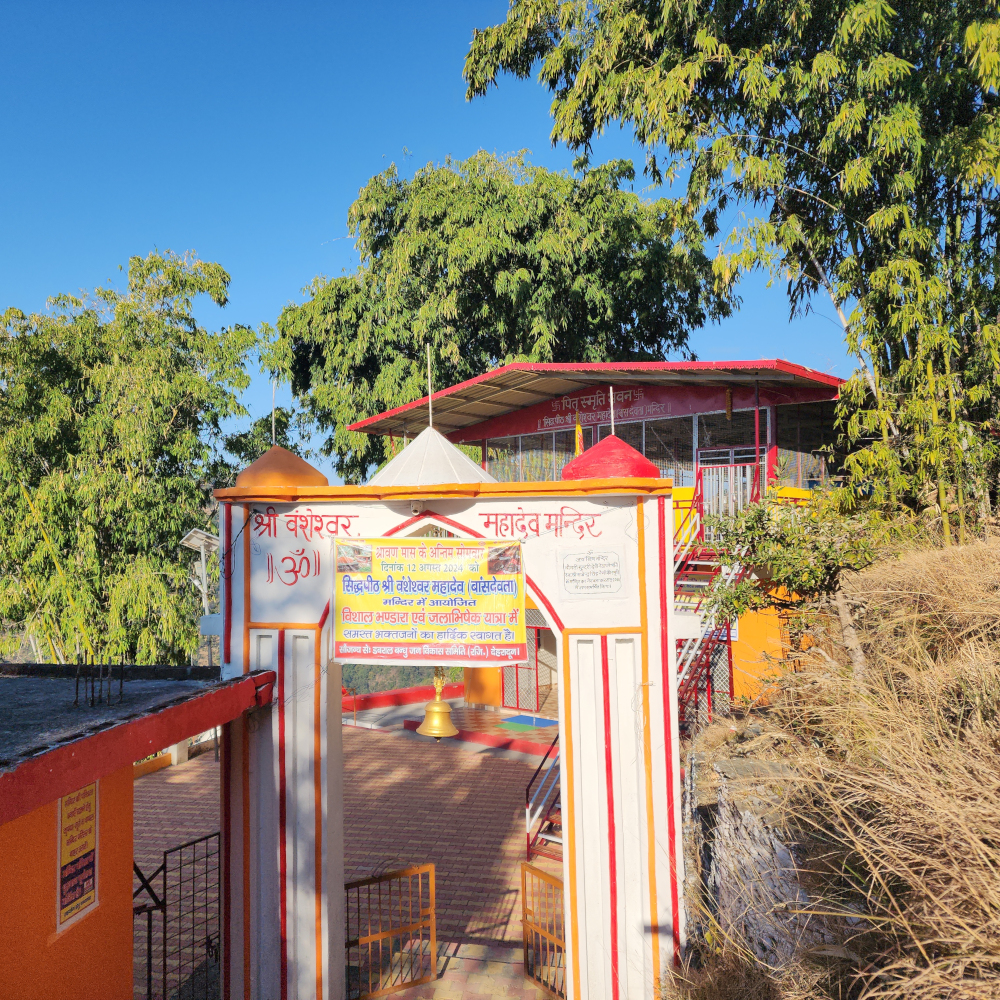
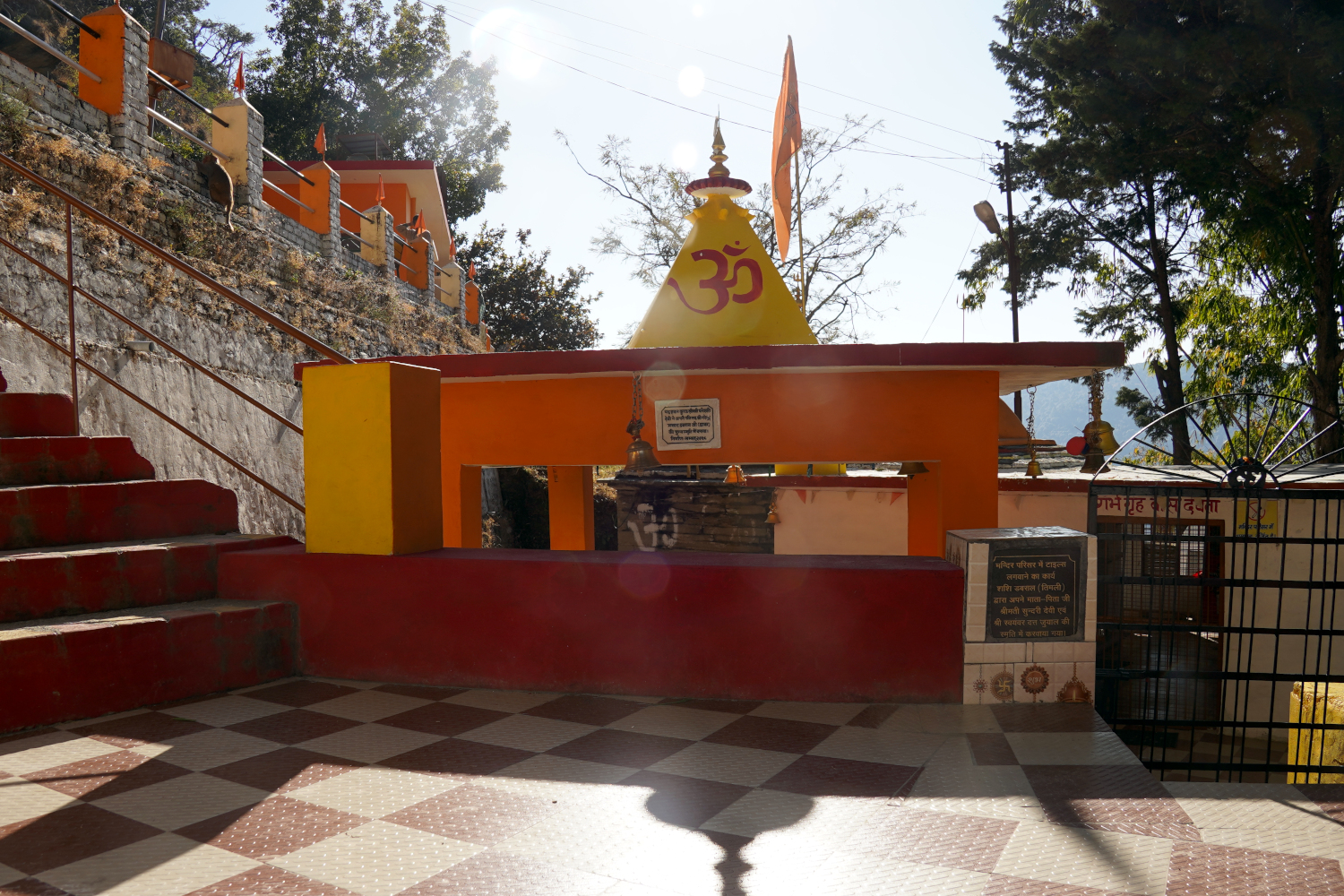
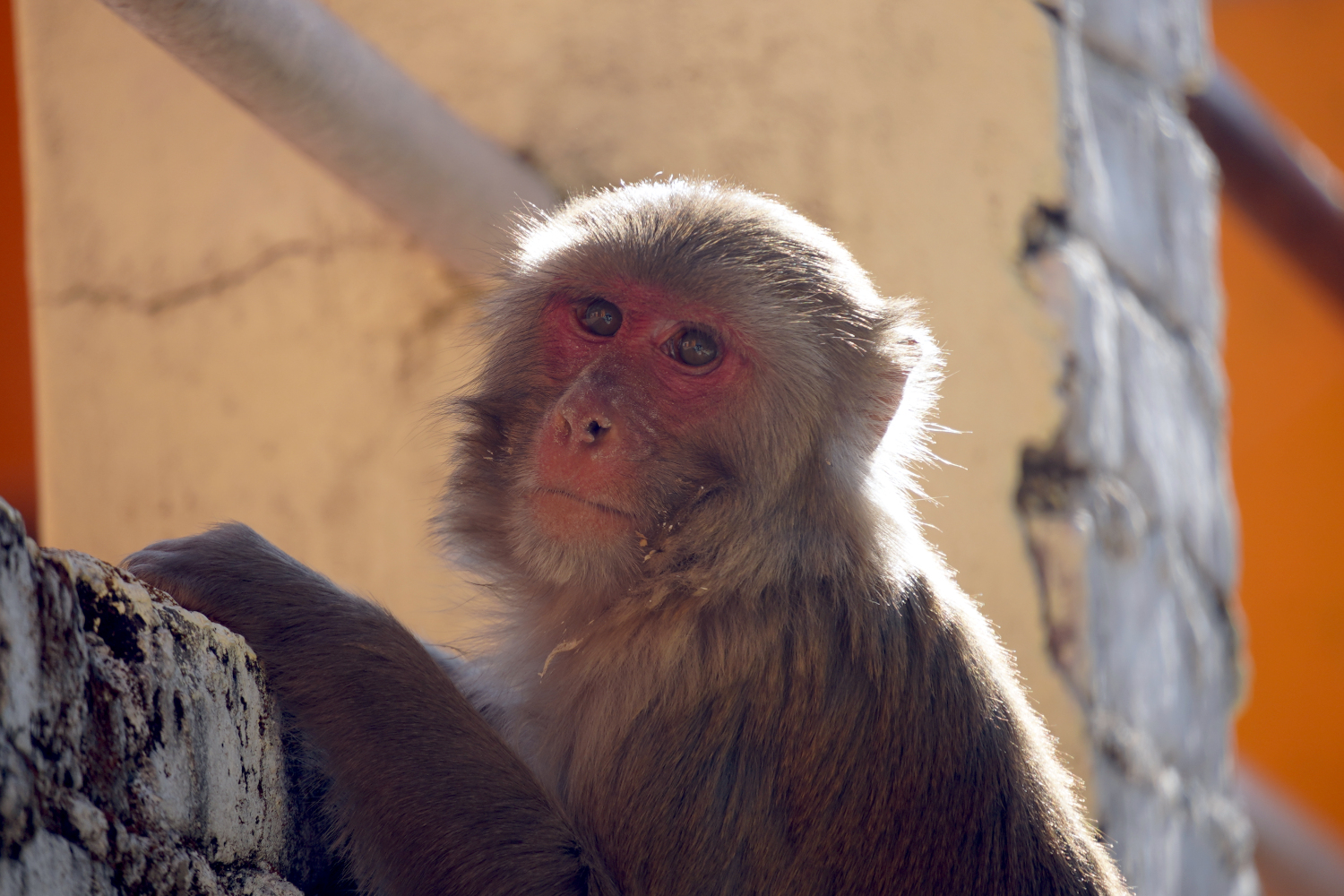
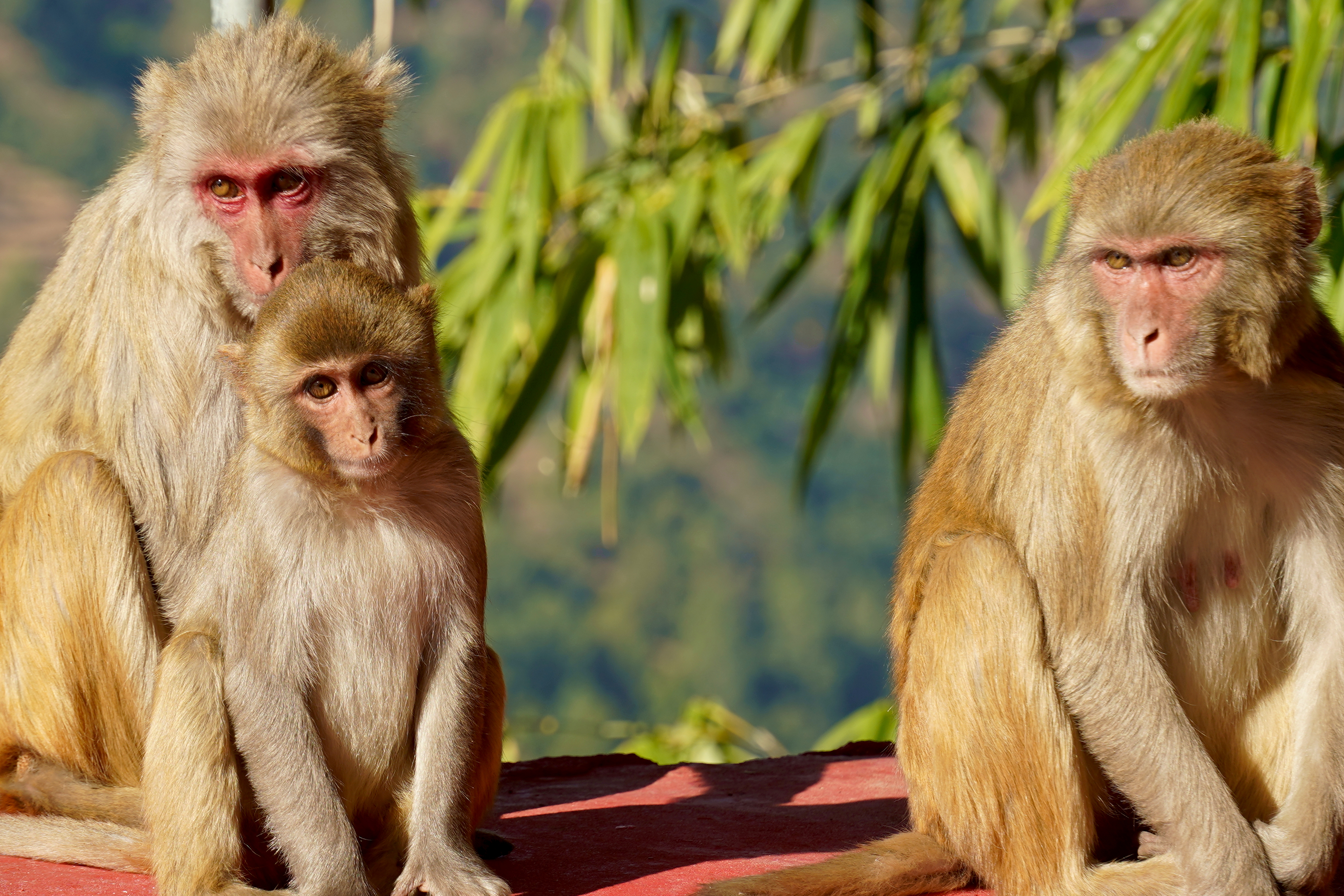
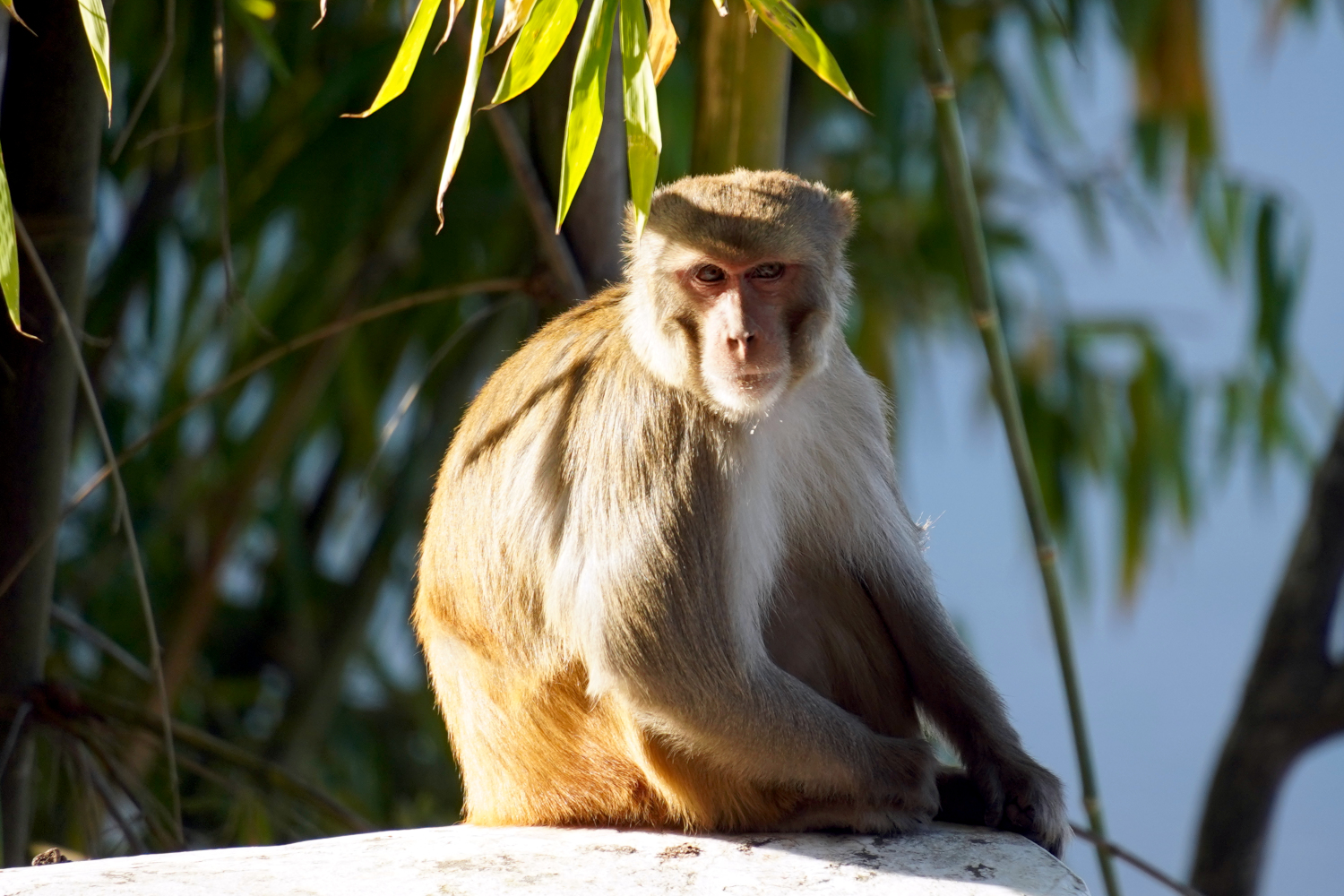
When we go back up the hill for a session of Winter Camp, we spot a tribe of monkeys cavorting around the temple, fishing for handouts from those in attendance — and sometimes getting them, or picking up a stray crumb here and there. It’s actually a good sign to spot them here, because when you don’t, it’s an indication that tigers have been active in the vicinity. And although tigers are usually harmless, they do tend to make people nervous. As well as, apparently, the monkeys. So given the choice, we suppose we’d rather see the monkeys hanging around than see the tigers slinking around. (Although, dang it, it would be fantastic to spot just one while we’re here.)
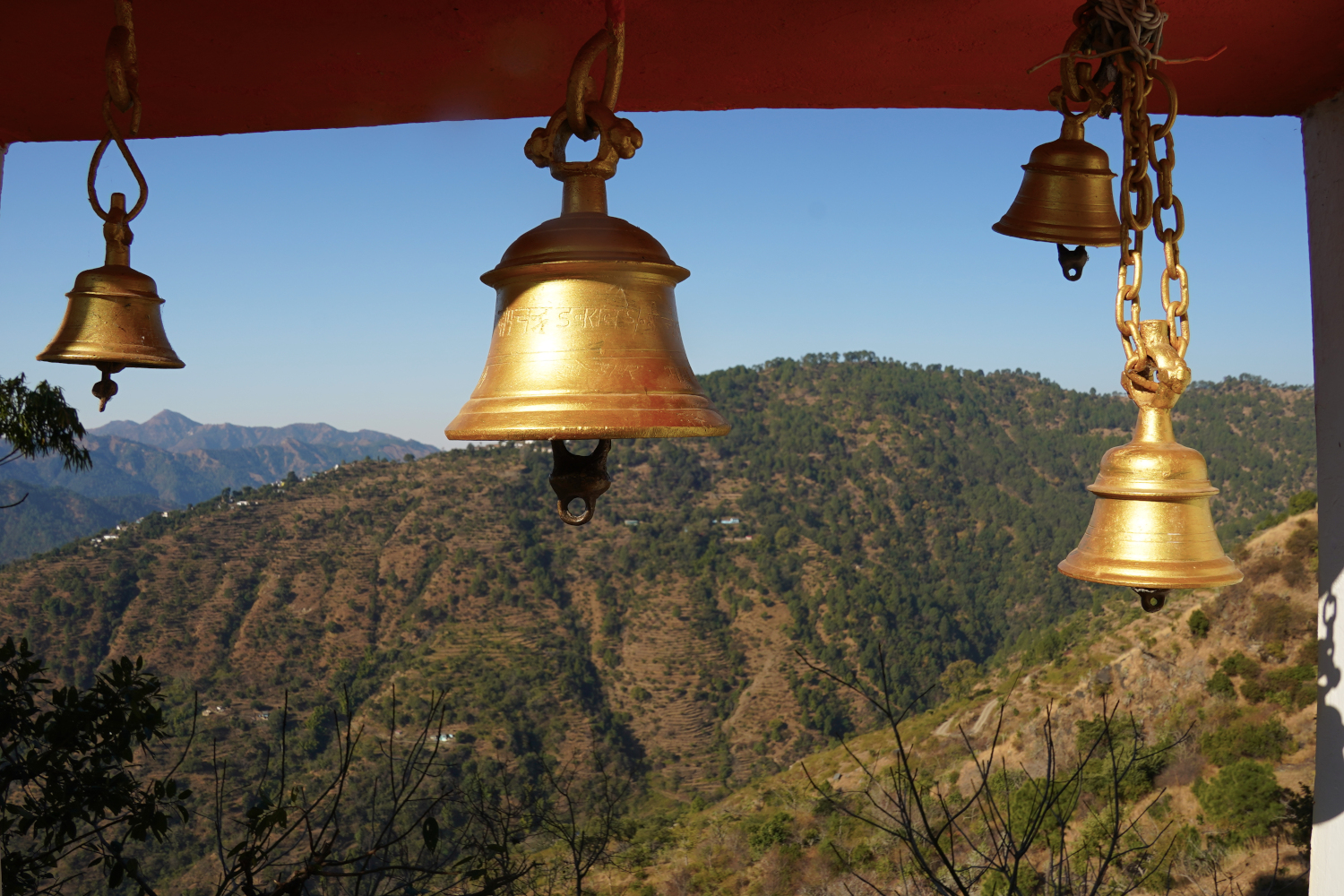
Banseshwar Mahadev Temple

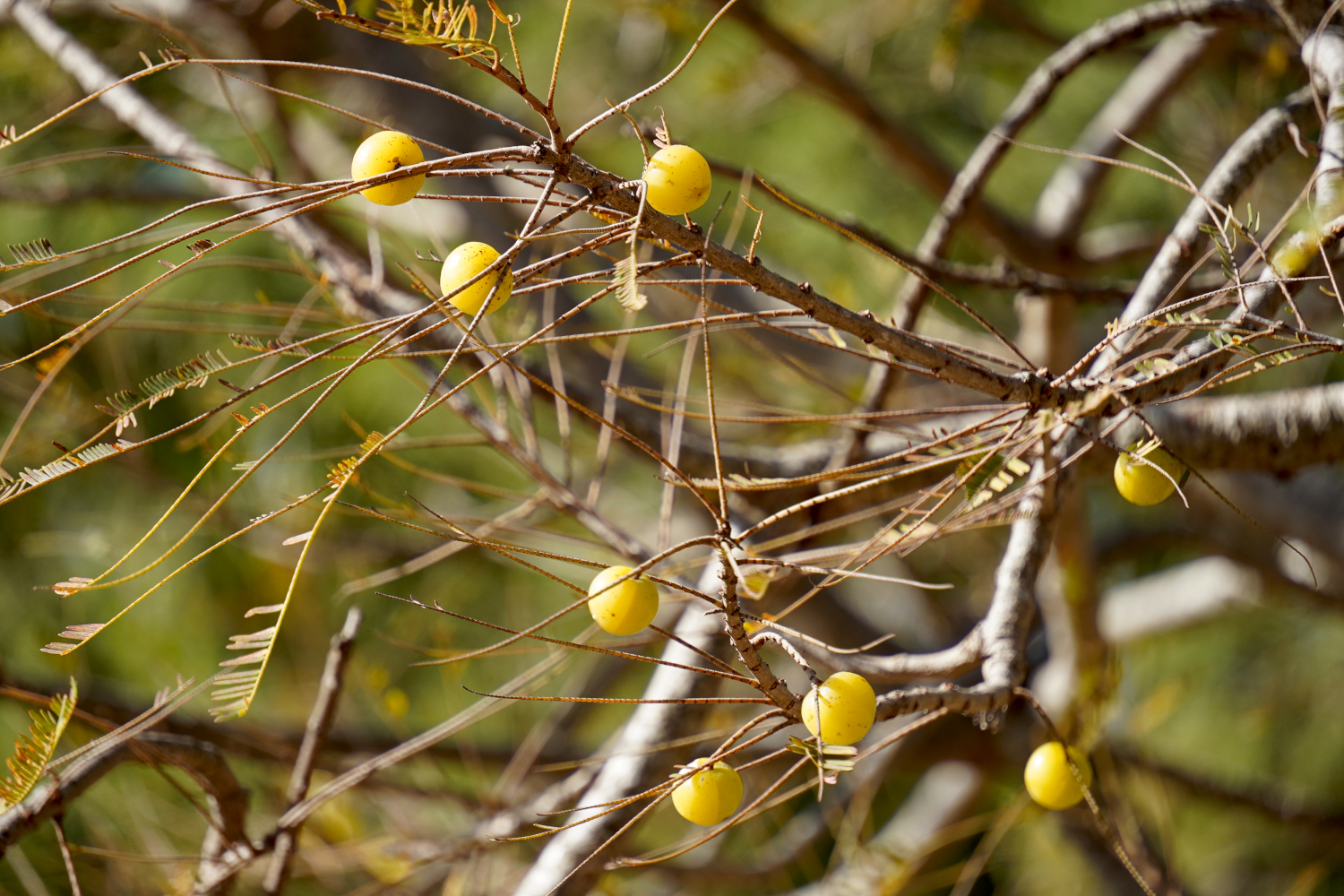
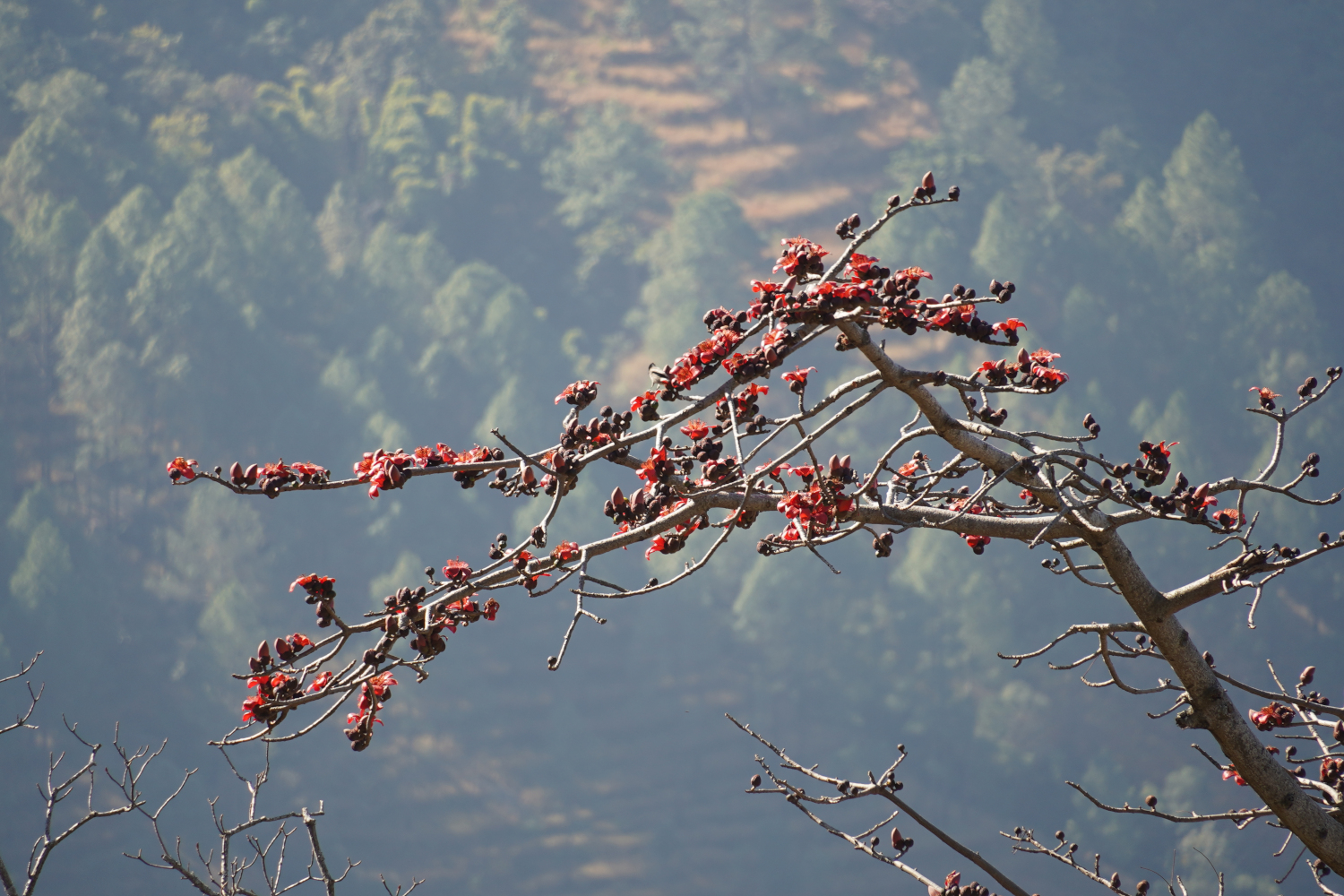


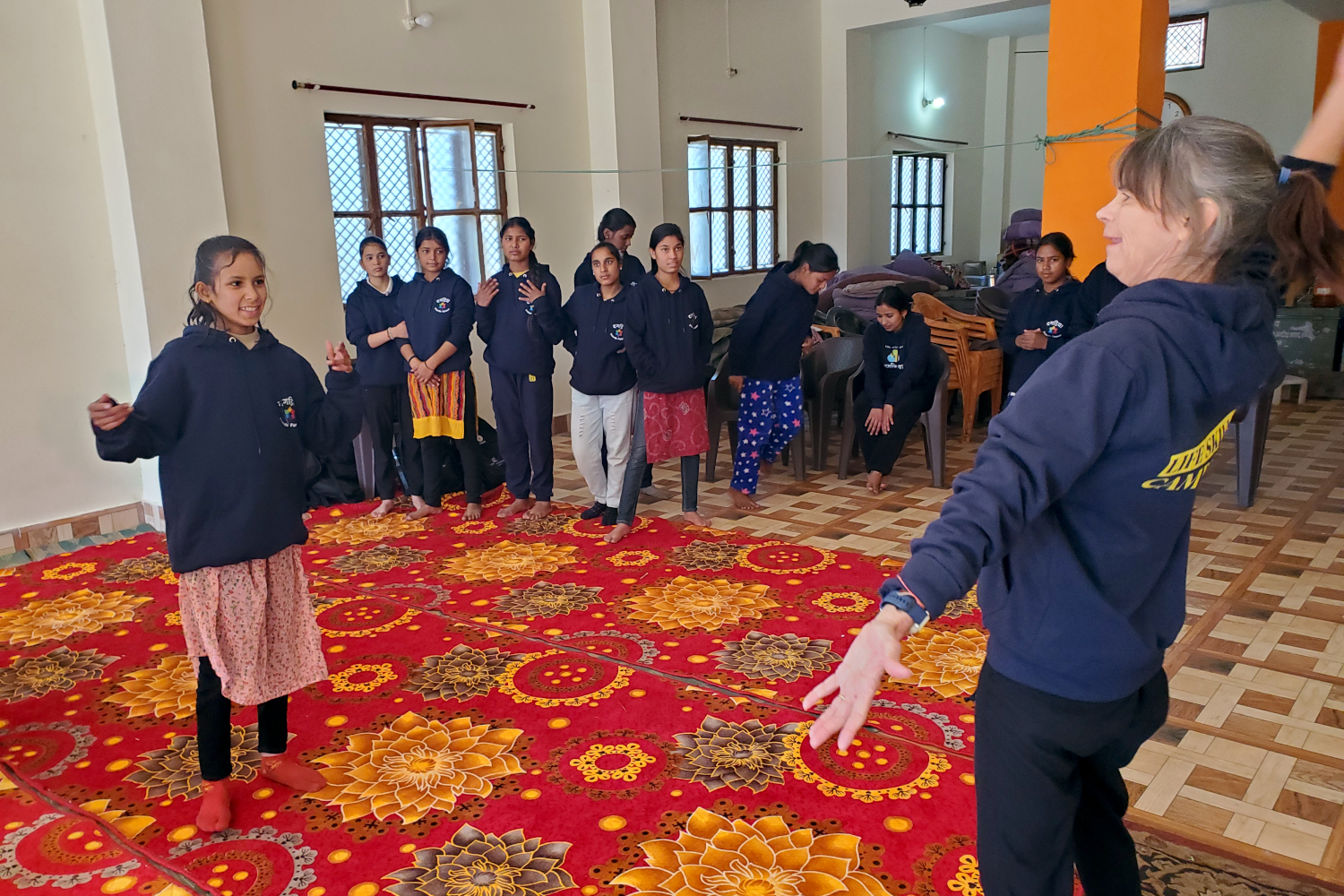
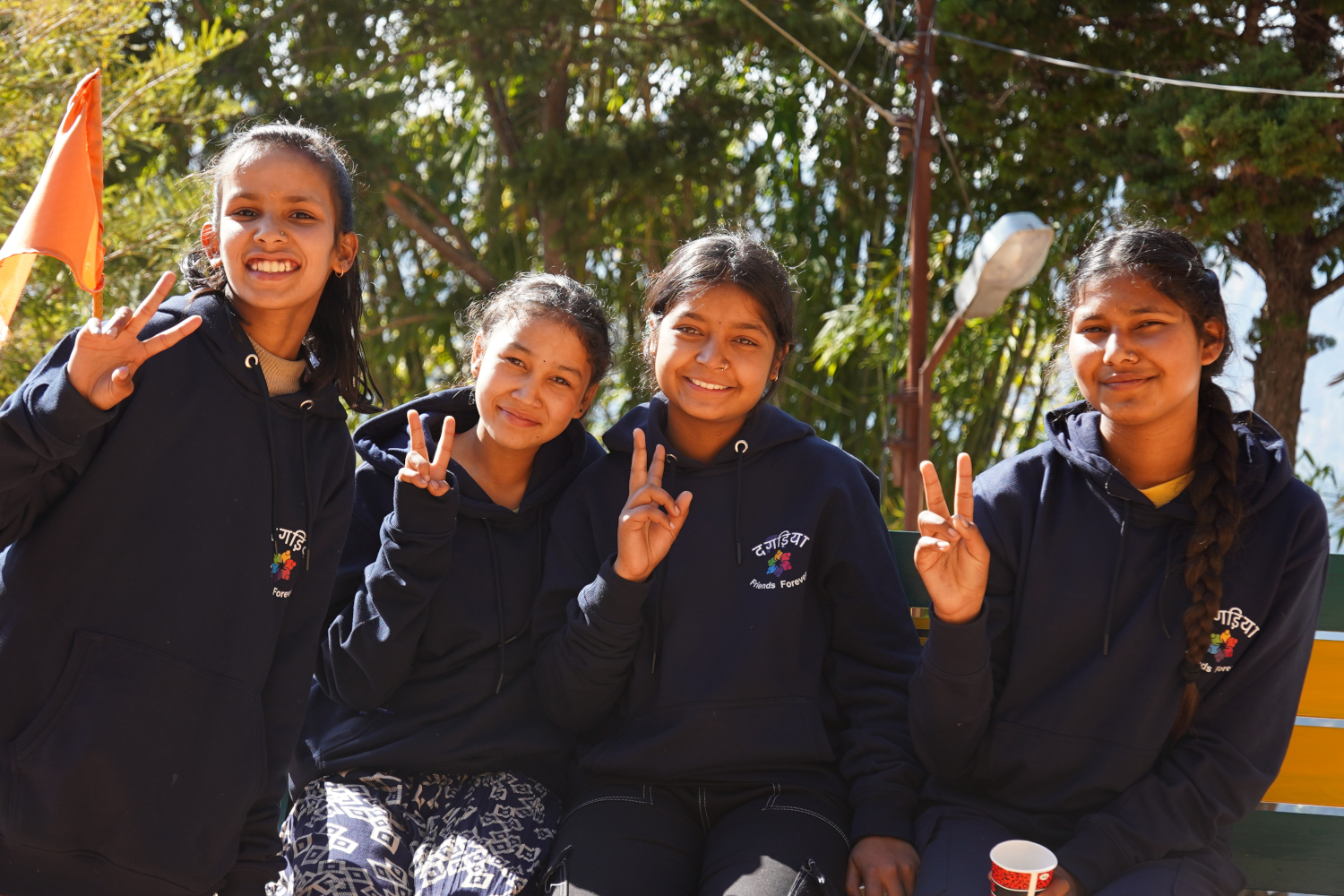
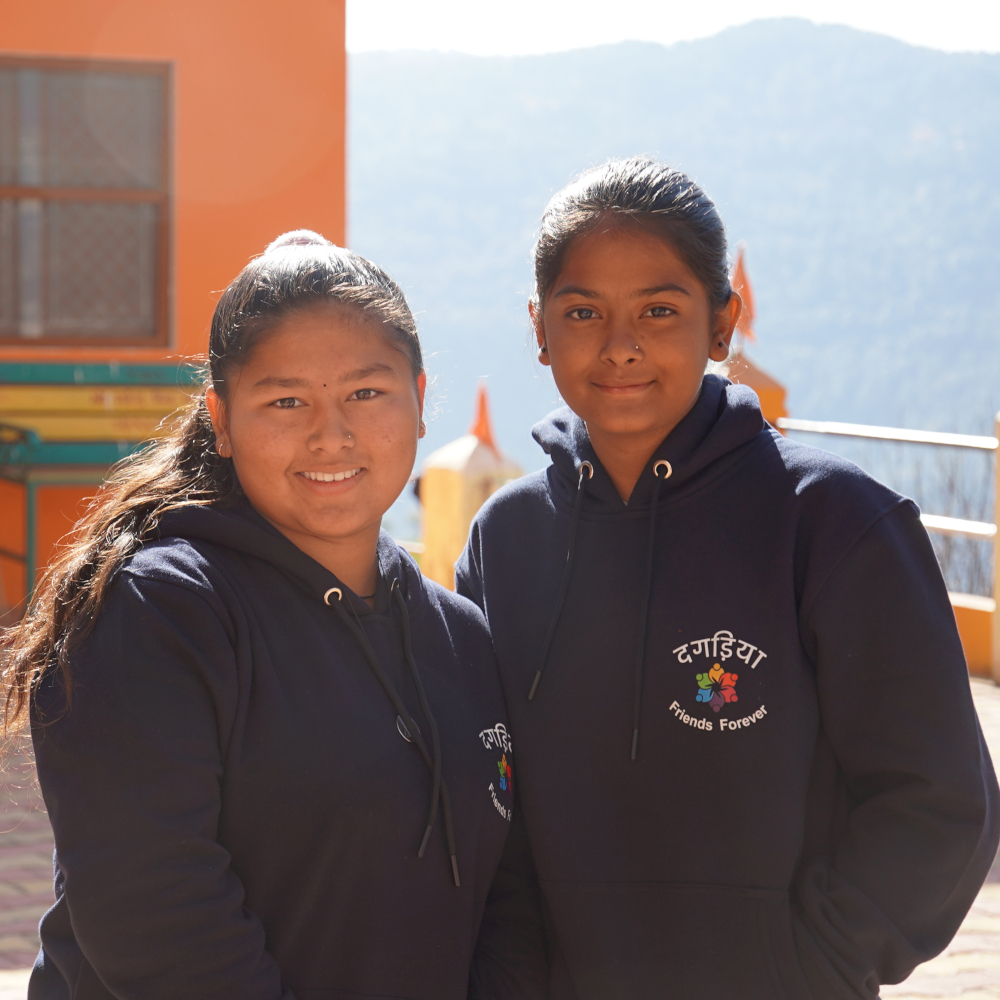
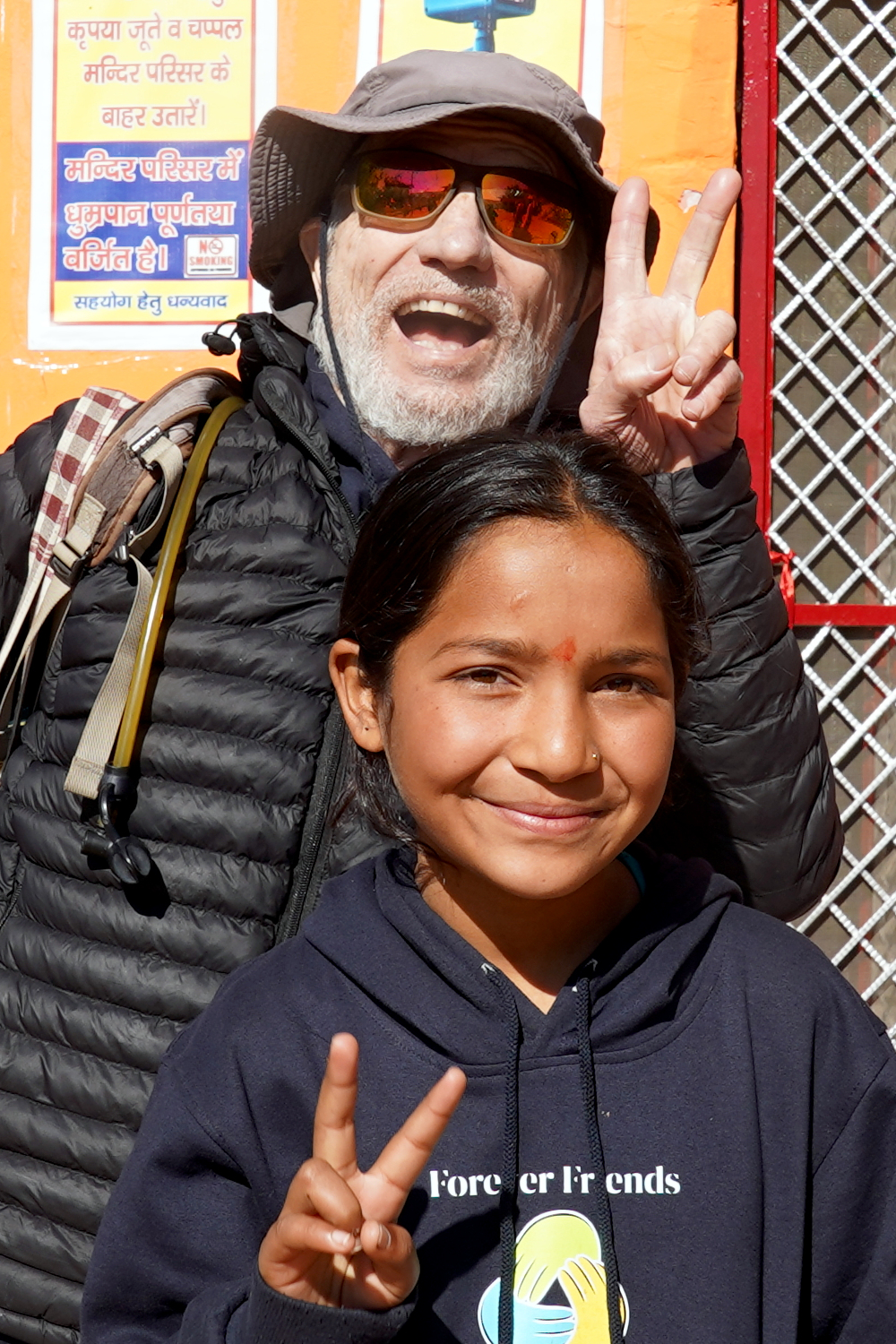
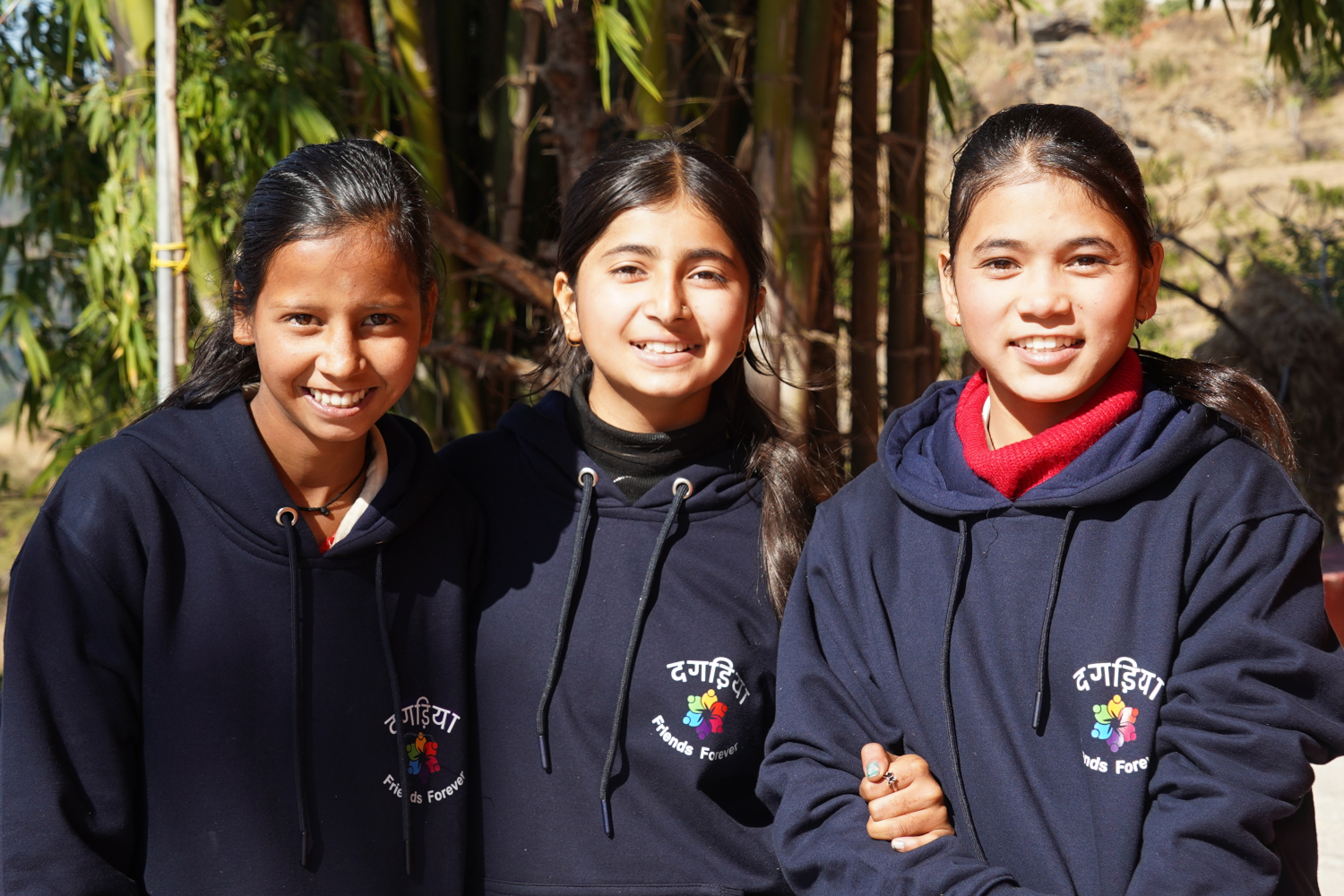
The girls at the camp have been having a blast, and so have we. In addition to helping them learn to sing “Do Re Mi”, we’ve been teaching them to perform a hoedown-type dance routine to the American folk song “Cotton-Eyed Joe”, which Kimberly embellished with some additional choreography. They are rehearsing to perform at their graduation ceremony for an audience of folks from the community.
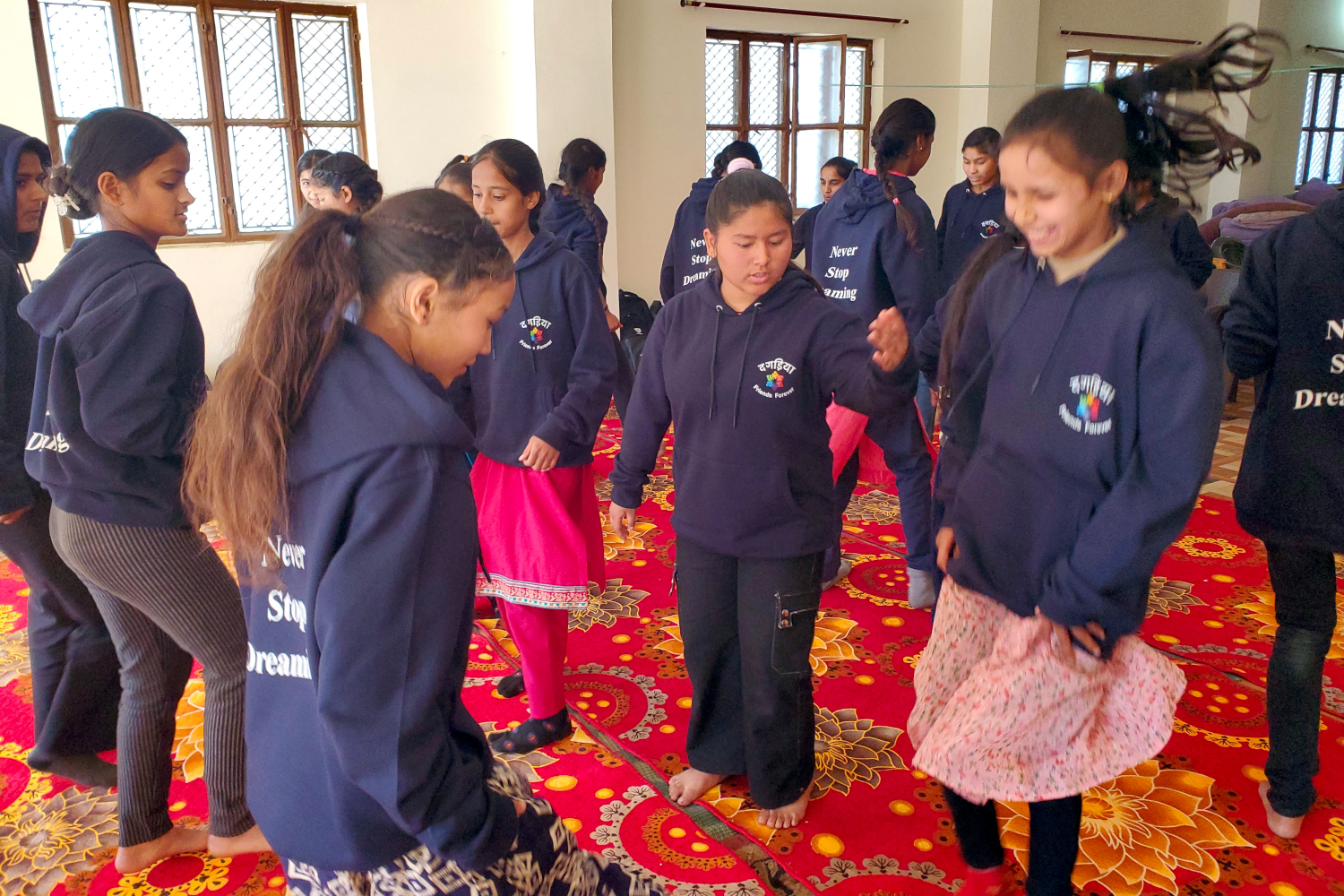

This song, which predates the Civil War, appears to have originated among slaves on the southern plantations in the United States — though the melody may have been borrowed from an old Irish tune. In any case, it’s been embedded in American culture for generations, appearing several times in movies; and is a popular line dance, that’s especially fun to dance to. It seems like the perfect song and dance to teach in other countries as a representative sample of American tradition. Accordingly, it’s become a recurring activity for us to teach it to students at many of the schools where we go to volunteer through Workaway. Plus, it serves as a sneaky way to enrich their English vocabulary. If nothing else, they learn to count to eight.

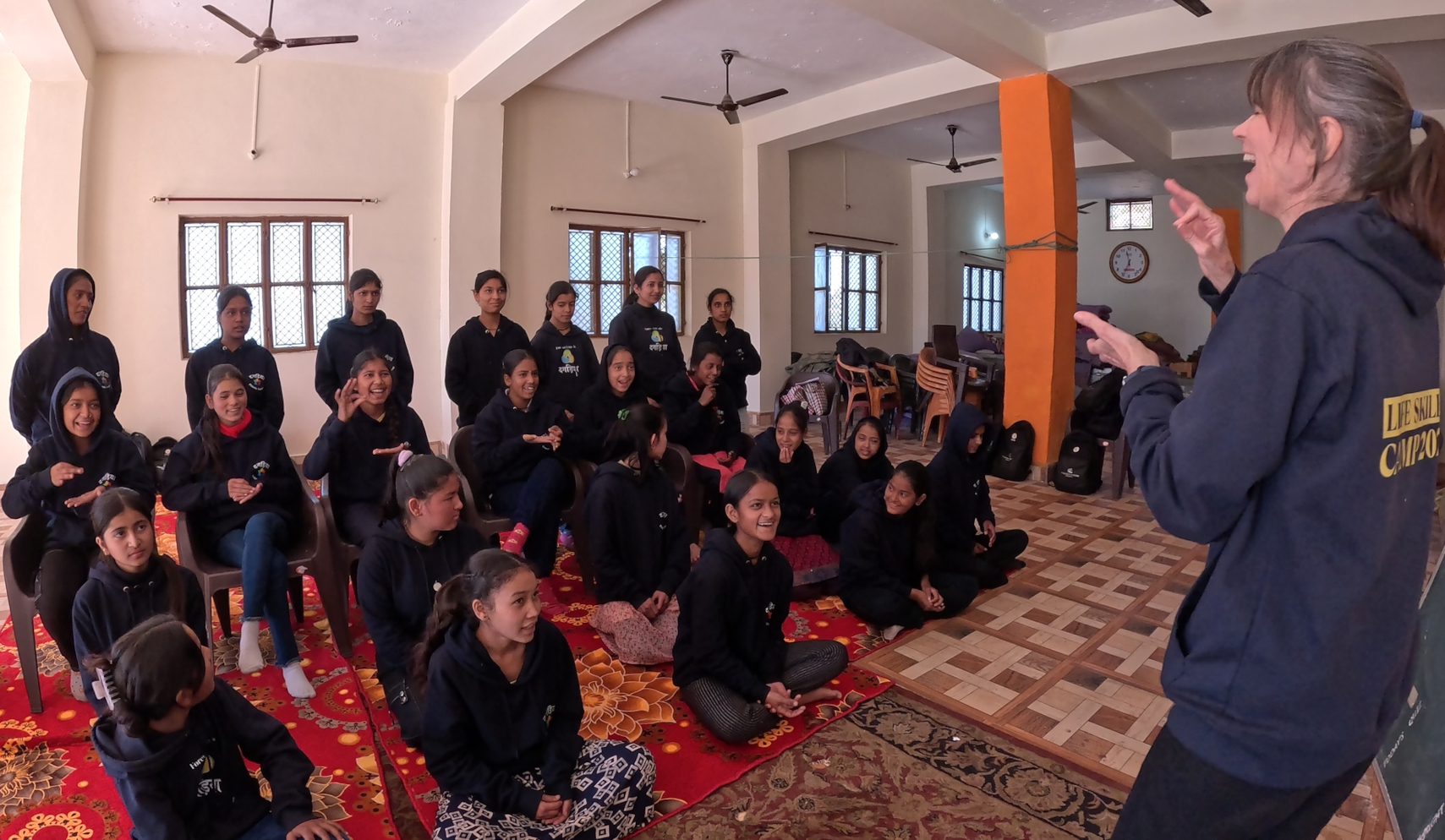

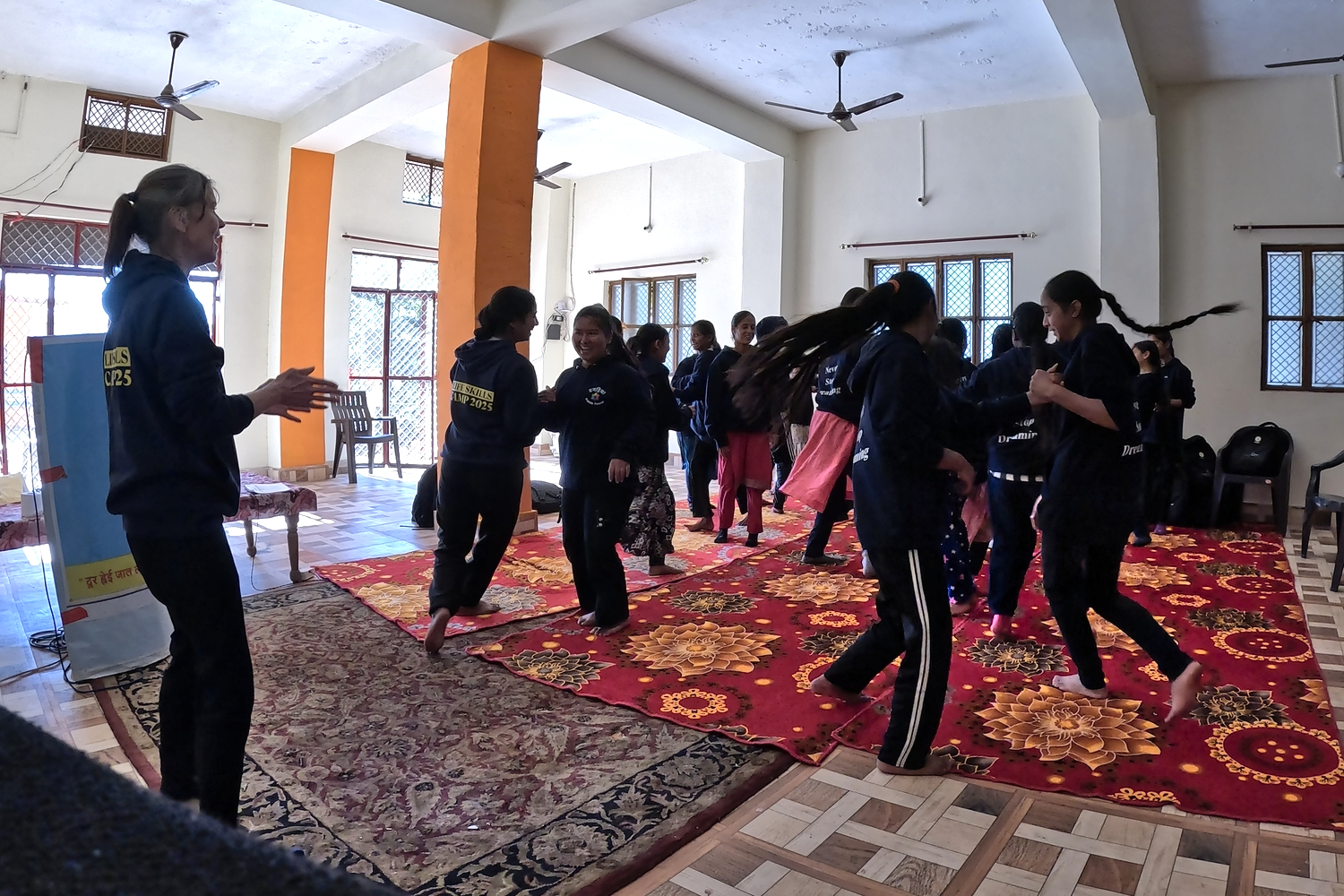
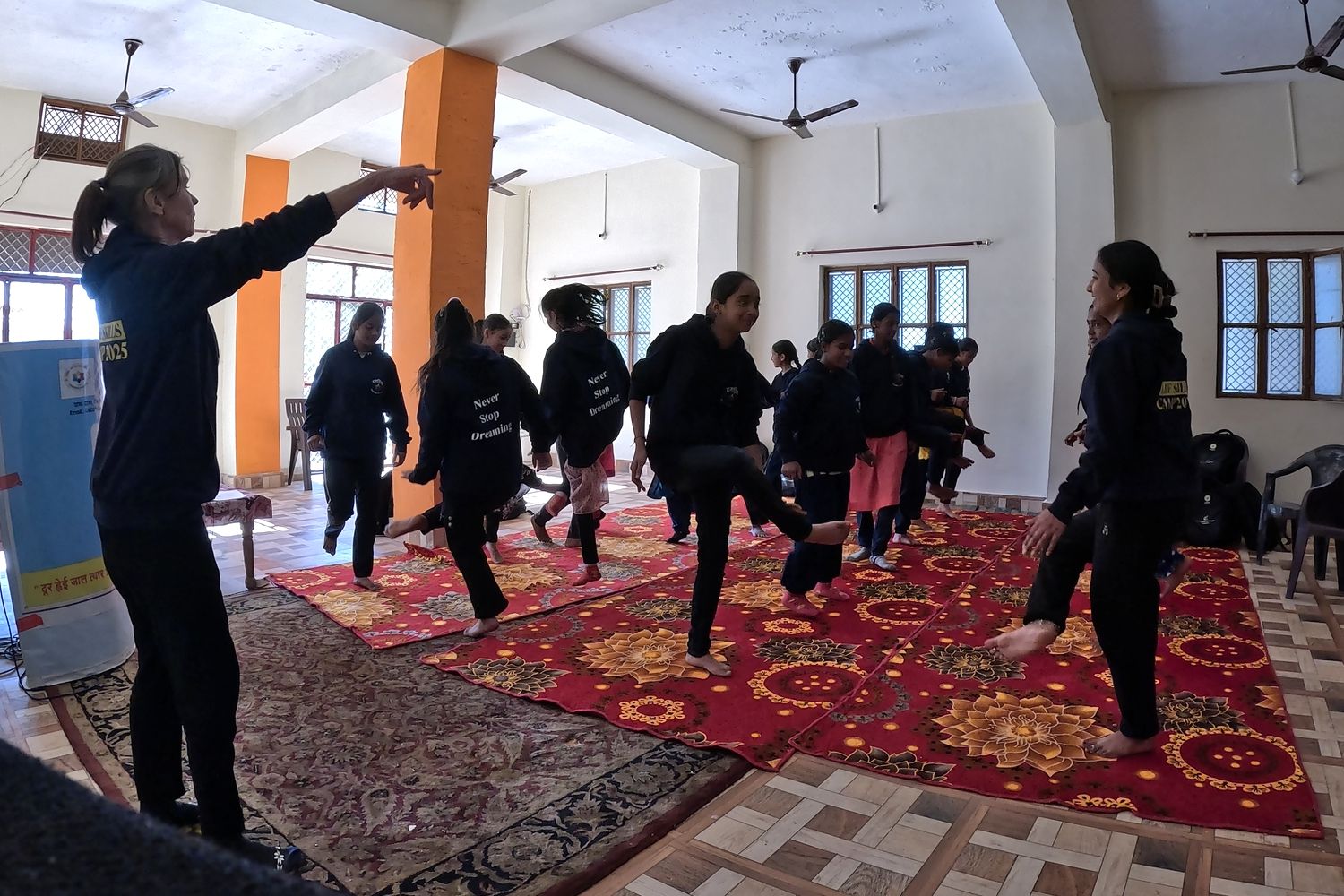
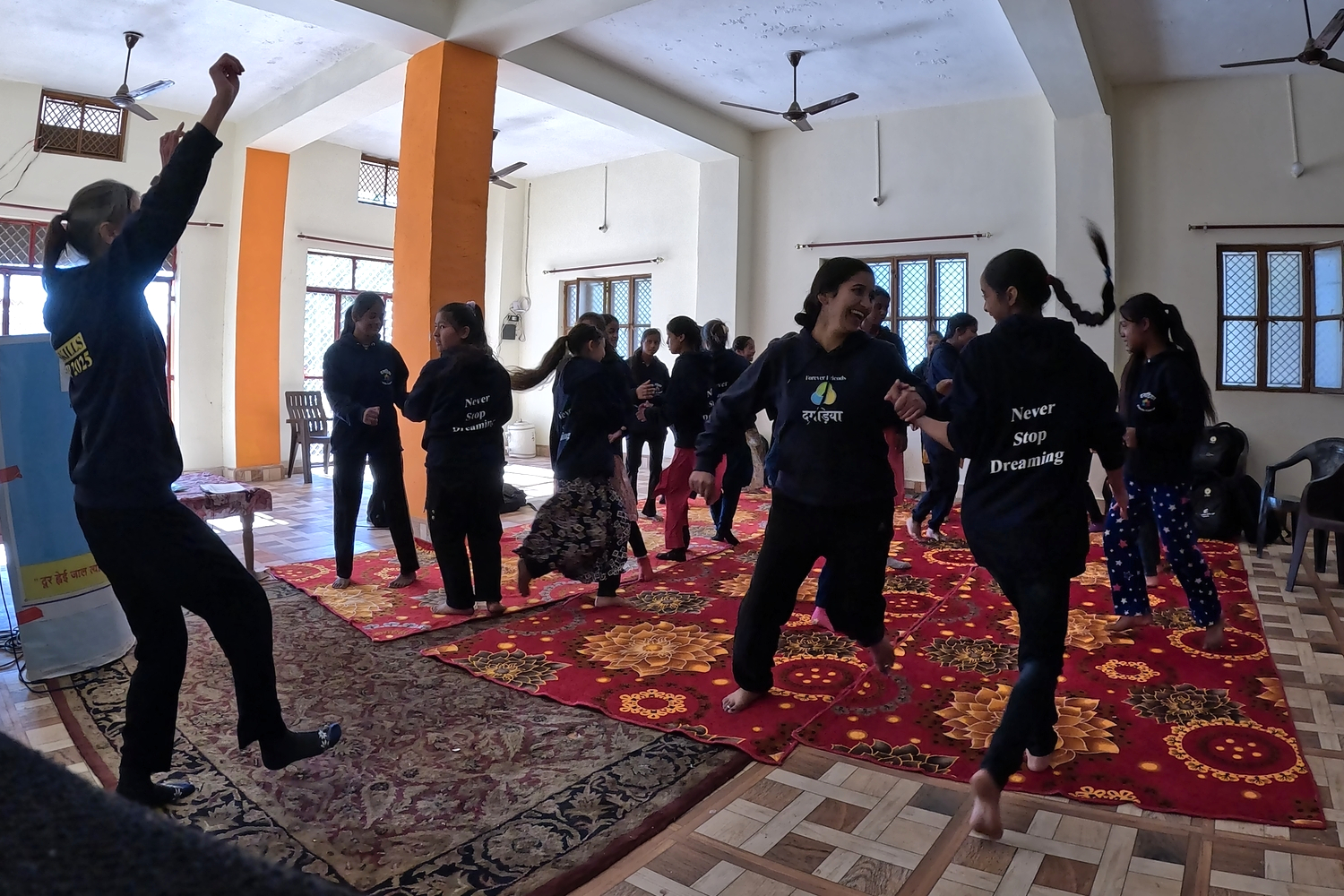
We hope that when we leave here, these young ladies will still kick up their heels every now and then. And that they’ll remember the fun they had learning to do it — and have fond memories of those who taught them.

Events occurred: 1/6-8/2025

 world travel with a theatrical flair
Leave a comment