

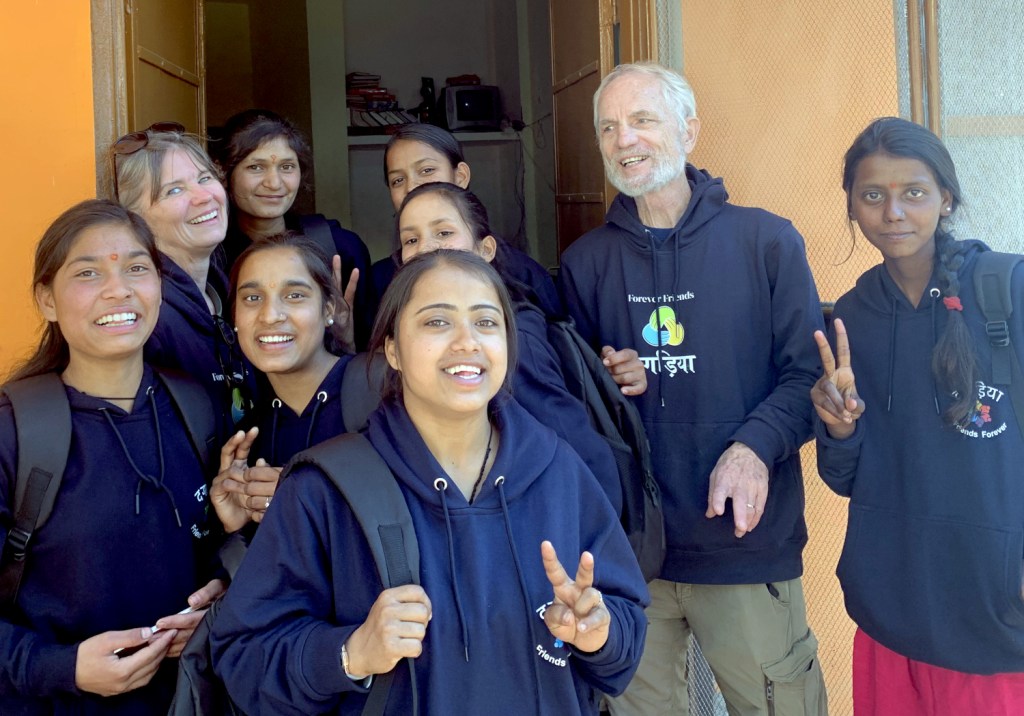
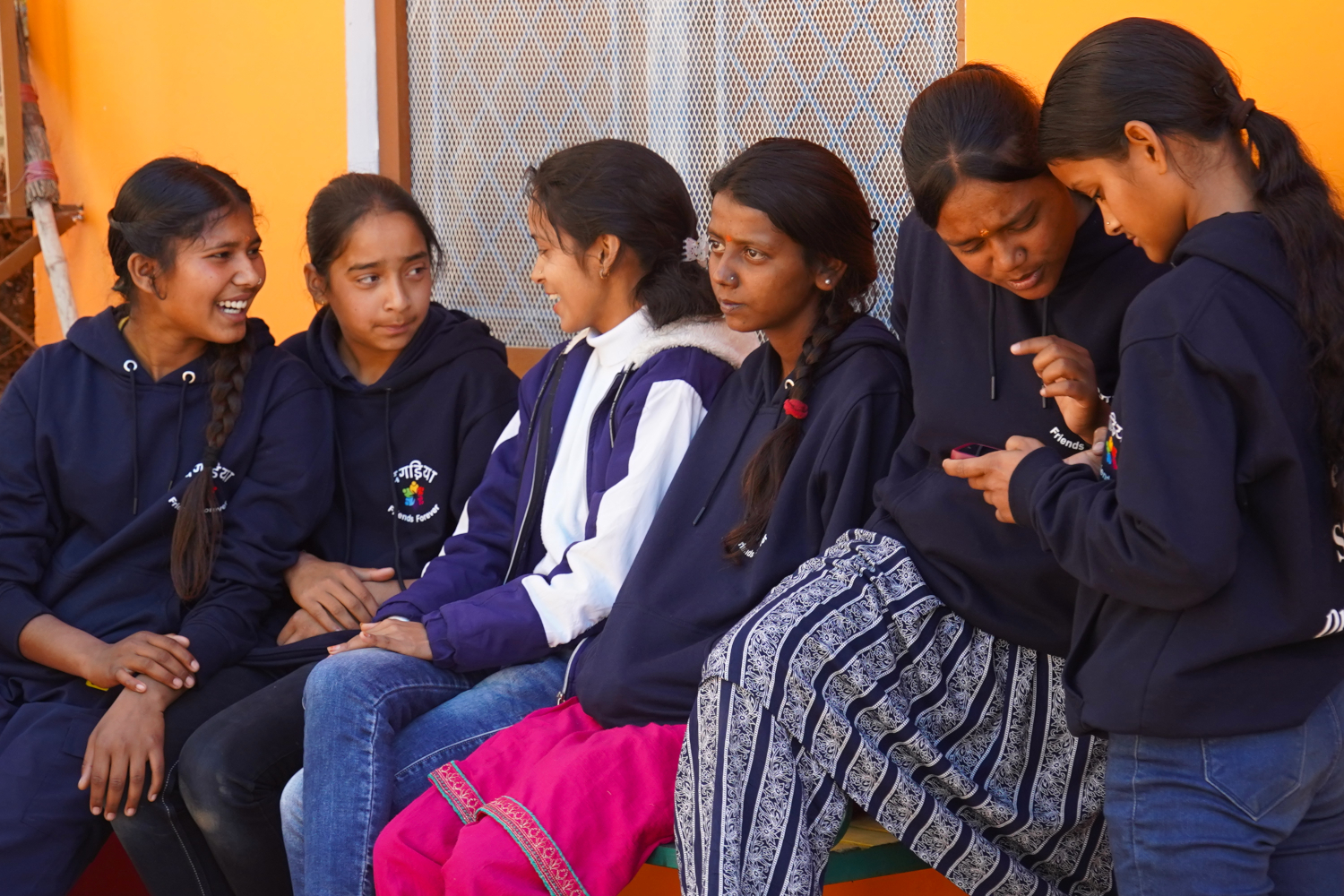
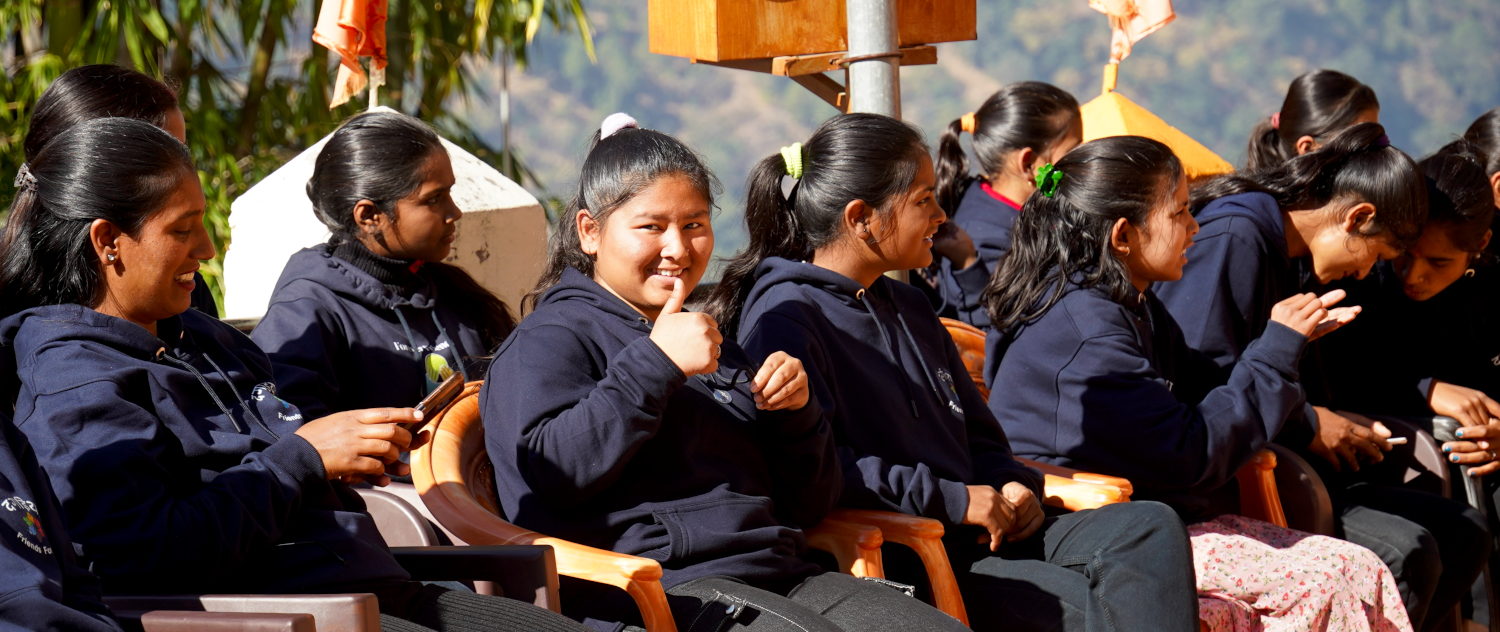
Show time! As on countless occasions in the past, it was time for members of the community to flock in and witness one of our performances, the product of many days of practice and concentration, with song and dance involved. But this time, unlike most previous presentations back in our Act!vated Story Theatre days, we ourselves were not the ones taking the stage to do our thing. We were instead among the spectators; but we were especially involved spectators, since we were the ones who had guided the performers in rehearsal. And the performers were girls who had participated in the inaugural Winter Skill Development Camp in the Himalayan foothills of India, where we were serving as volunteers through Workaway.
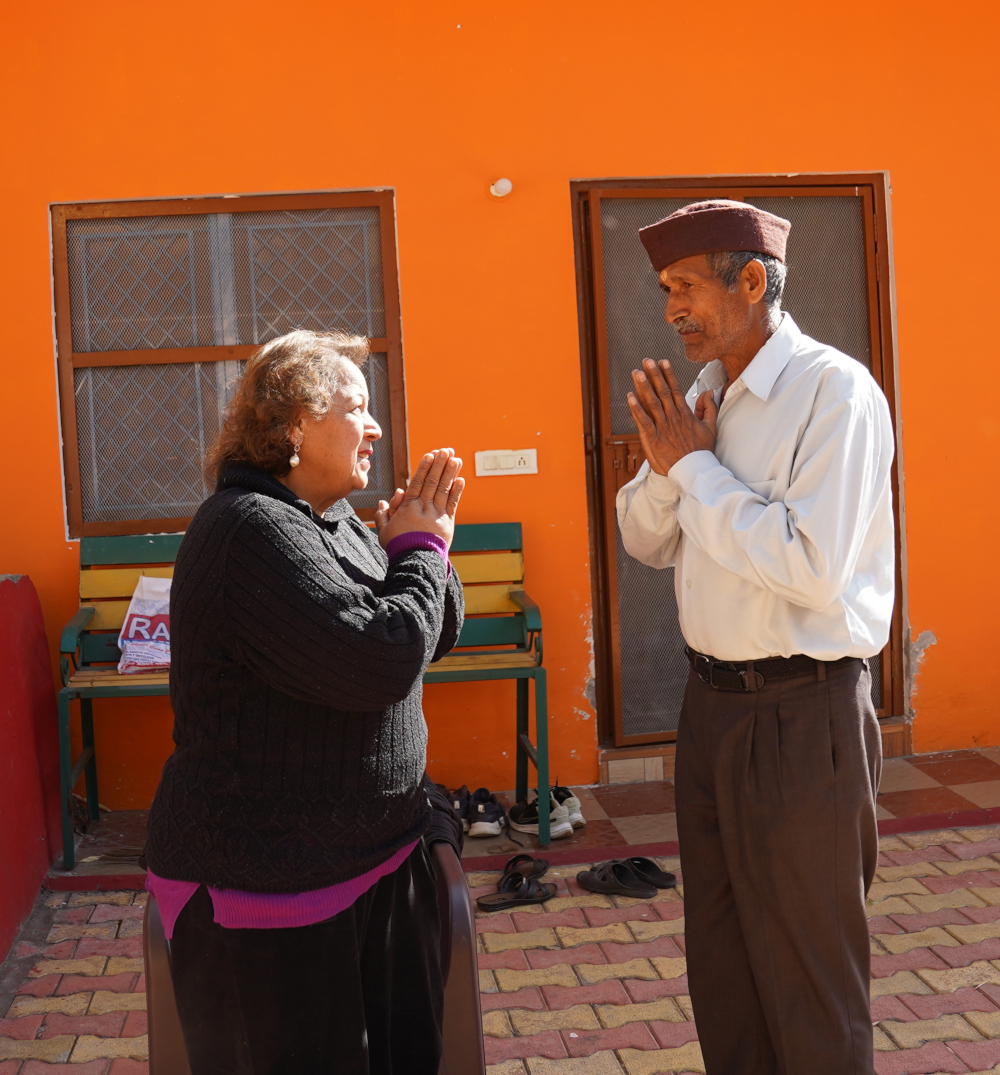
As we’re making our way up the hill to the temple where the event is to be mounted, we once again pass the two local ladies out for their morning stroll. They don’t speak a word of English, and we hardly are familiar with a syllable of their language(s) either, but they are always so friendly and engage us in a chat through gestures and facial expressions. They are envious of the cloth bags we are carrying, parting gifts from Krou Yeung School in Phnom Penh, where we taught during the 2023-2024 school year. One of them explains (we think) that she makes similar things herself.

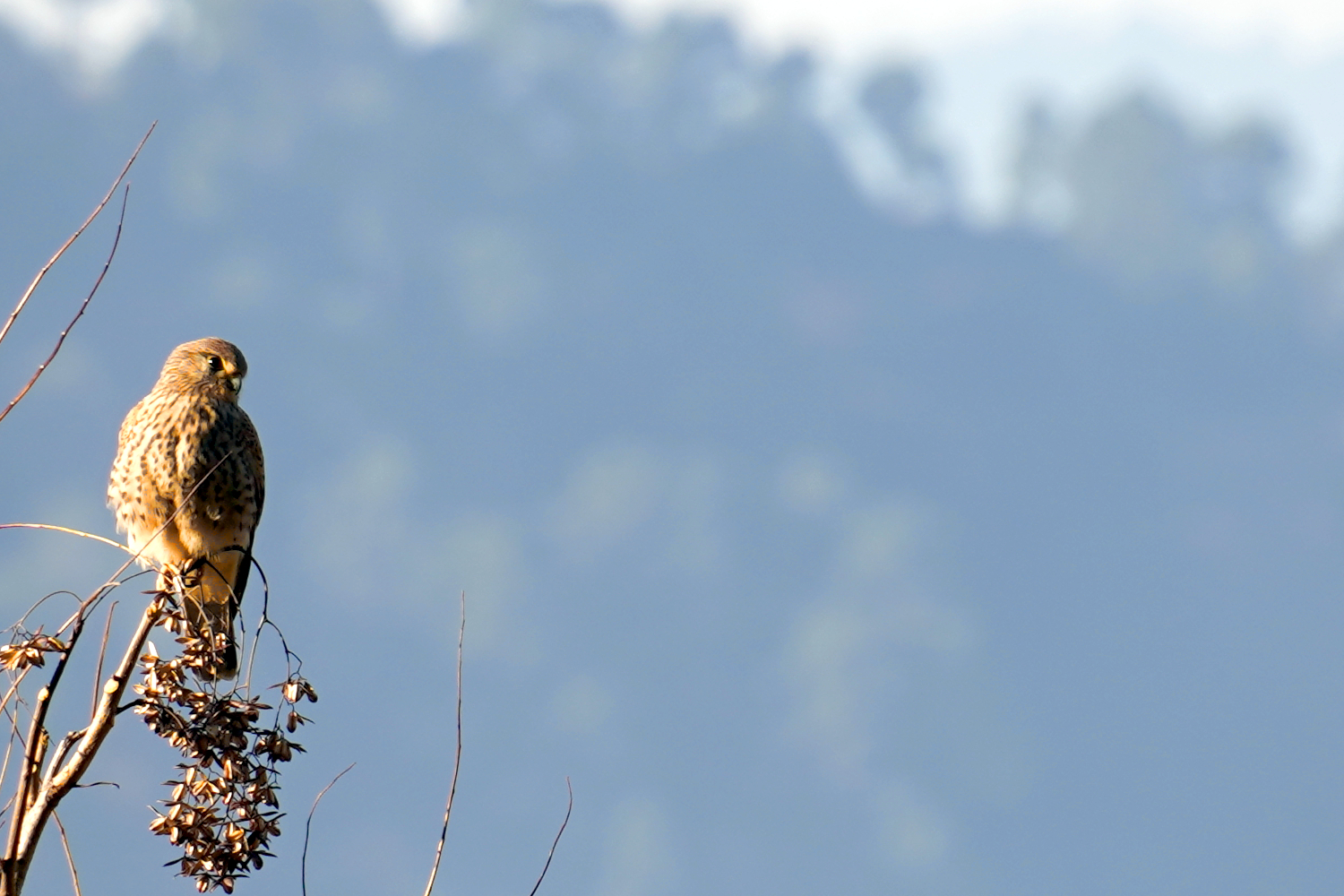


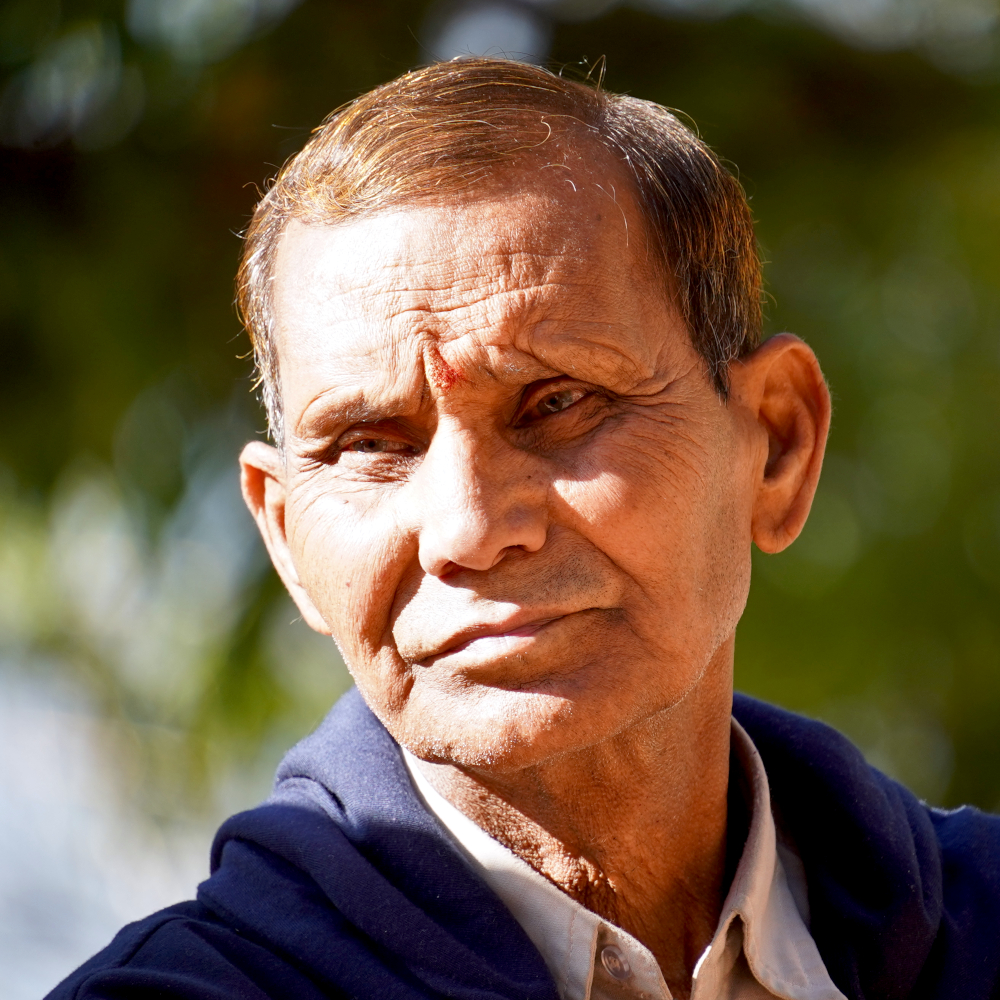
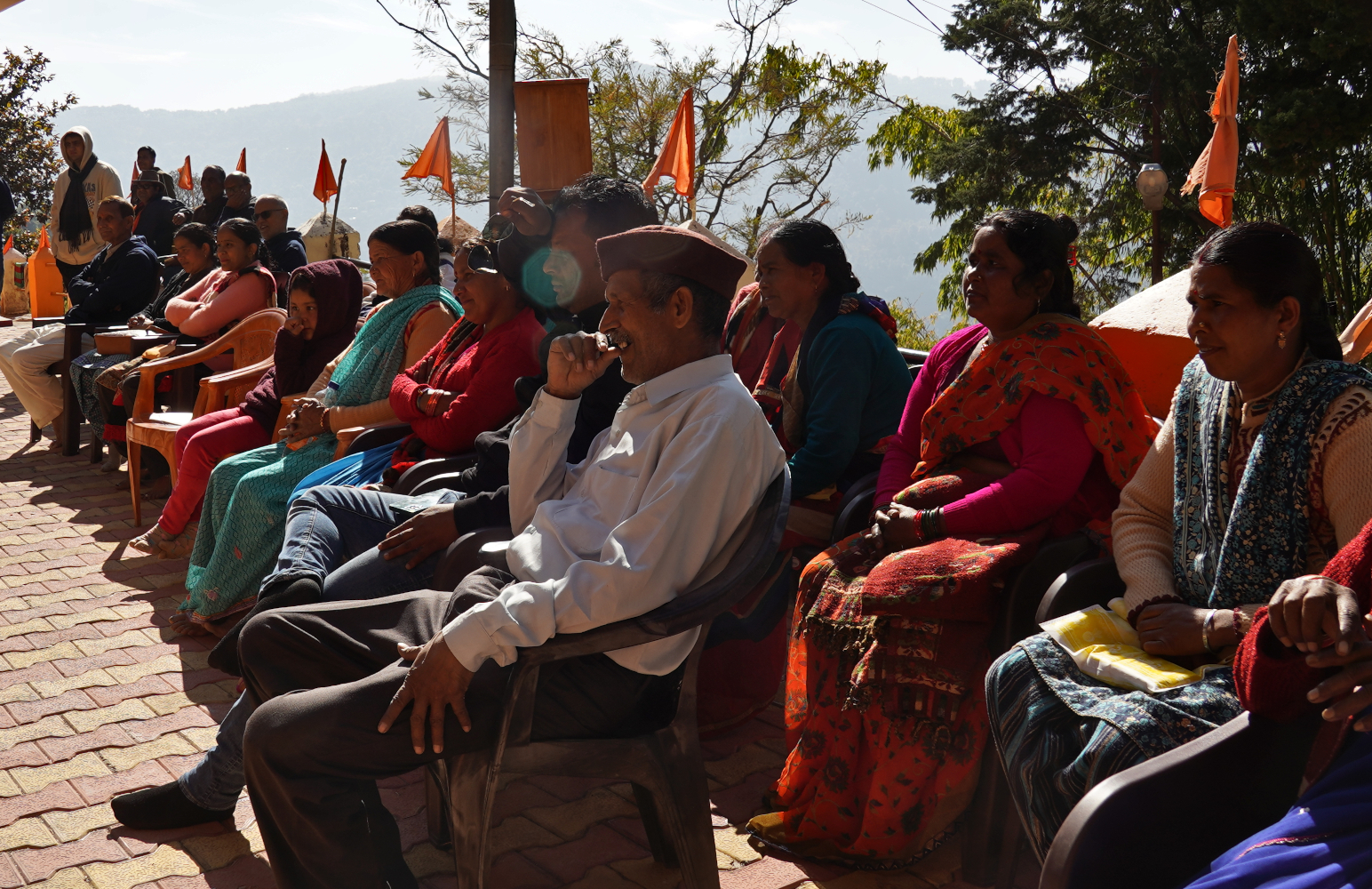
When we arrive at the temple, we find that parents and others from the community have begun arriving early, even though it’s still more than an hour before showtime. But we need to rehearse the dance in the actual performance space (the courtyard, as opposed to inside the temple, where the rehearsals have been held). So the early comers get a sneak preview. And then to keep them entertained, the girls get up in a circle and demonstrate Simon Says, which is a novelty for them and most of the audience.
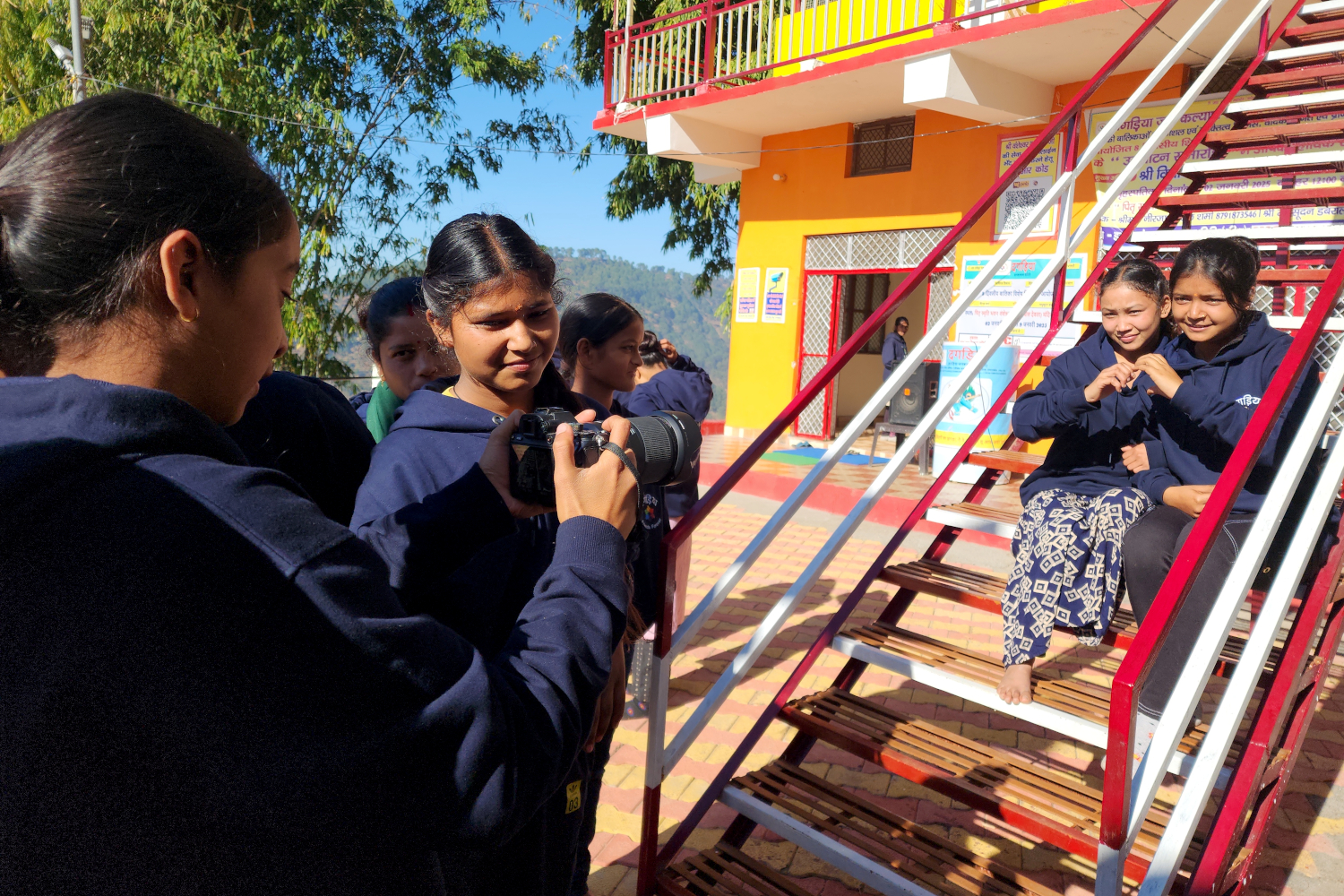
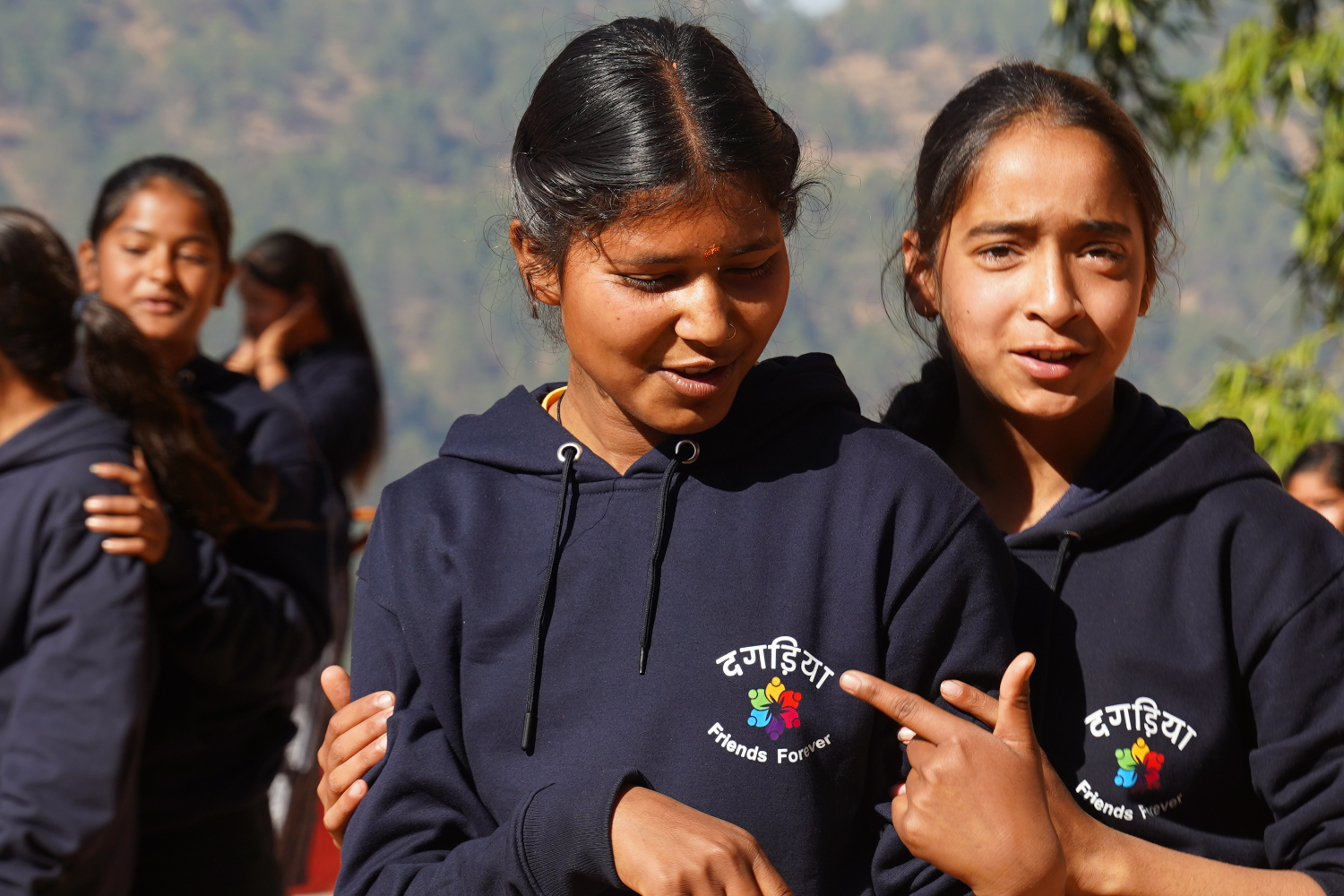
The girls are very excited, both because they get a chance to showcase their talents, and because they will be acknowledged for having completed the Camp. Kimberly has brought along her quasi-professional camera to document the festivities, rather than just relying on her phone, and they are quite interested in it — a couple of them even try it out.
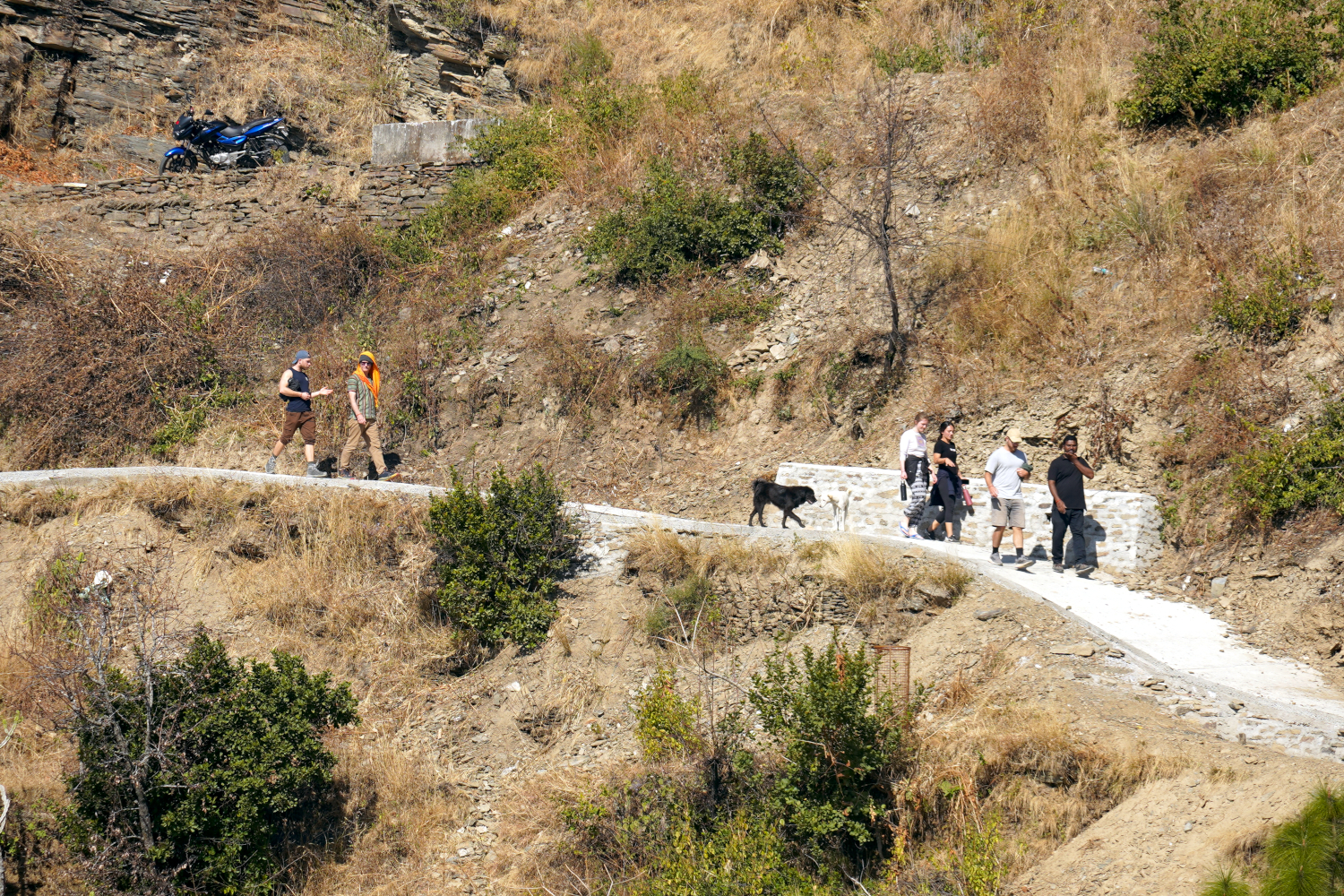
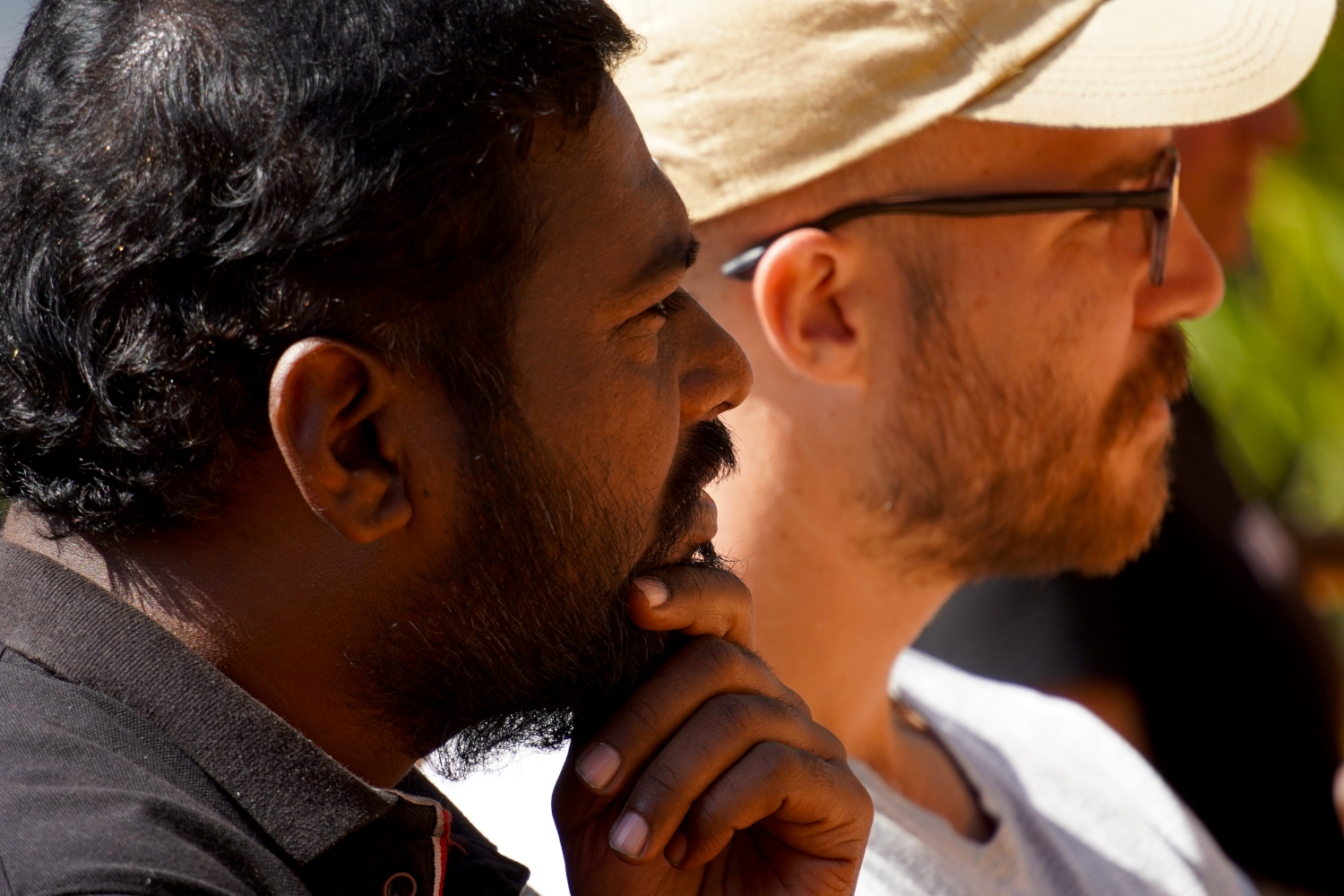
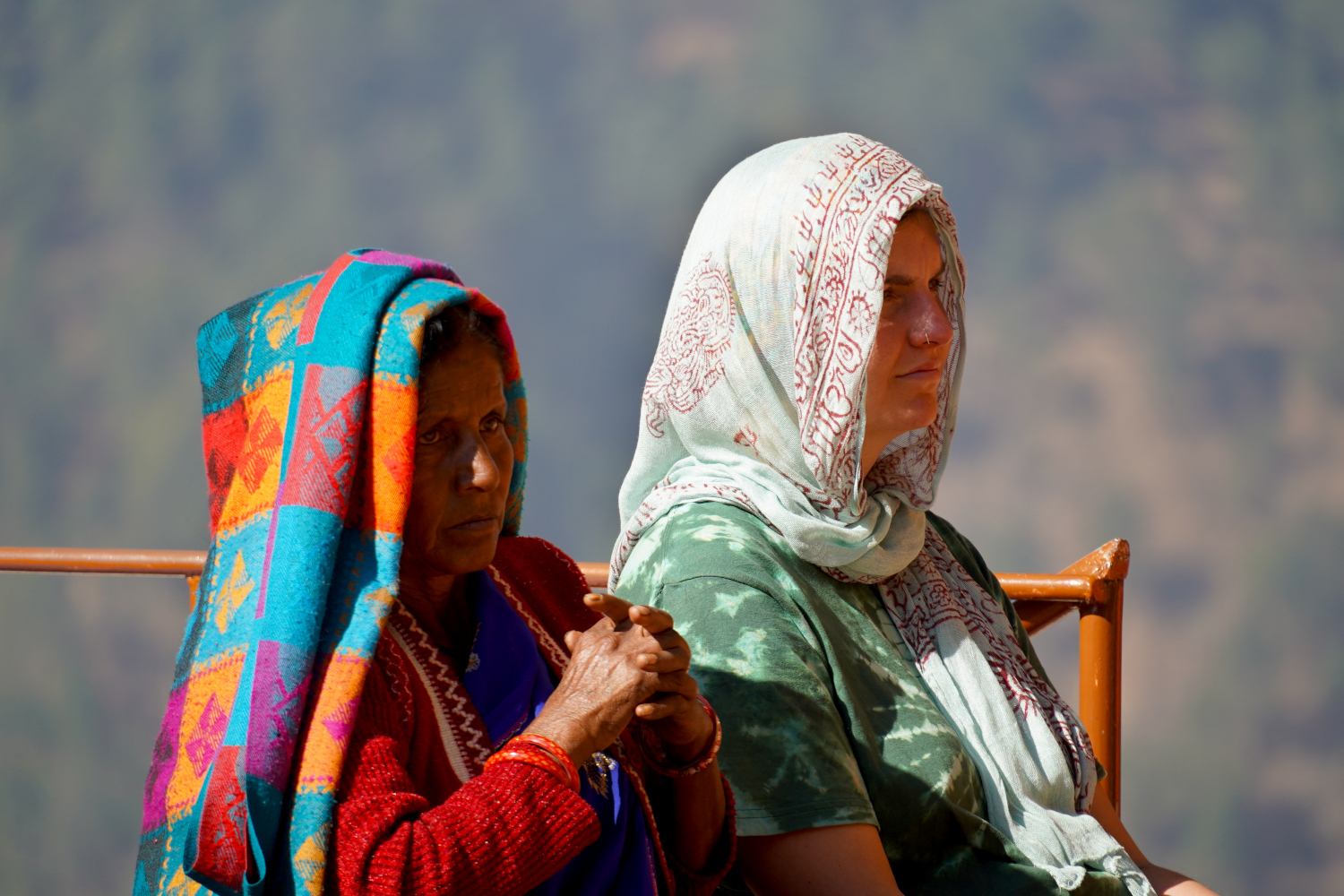
The audience ultimately includes all of our fellow volunteers who, like us, have been staying and helping out at the service-oriented village of Shri Timli. They’ve come from all over the world to contribute their time, talents and skills. And now they’ve trekked up the hill and are ready to witness some of the results of the project we were devoting our time to.
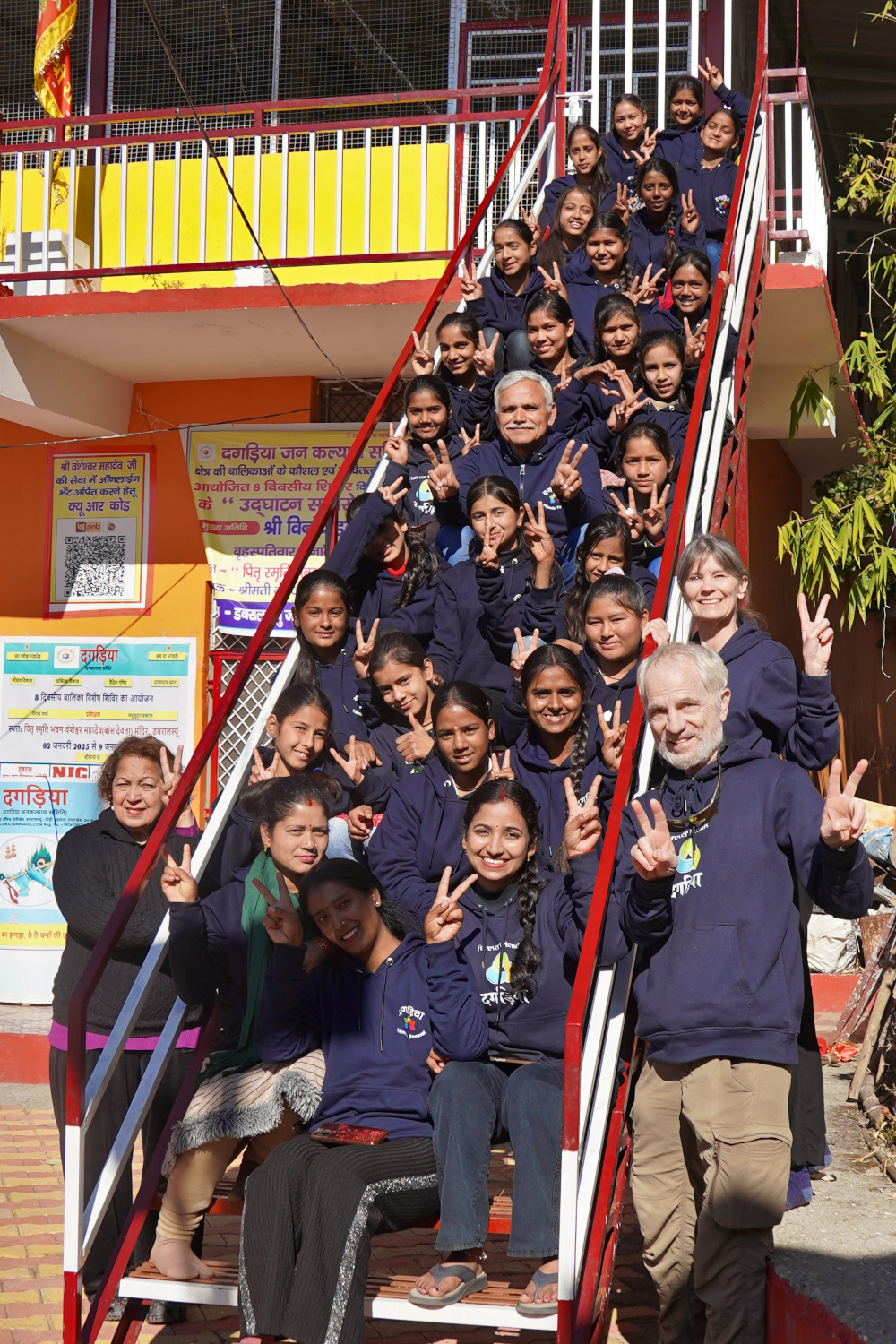
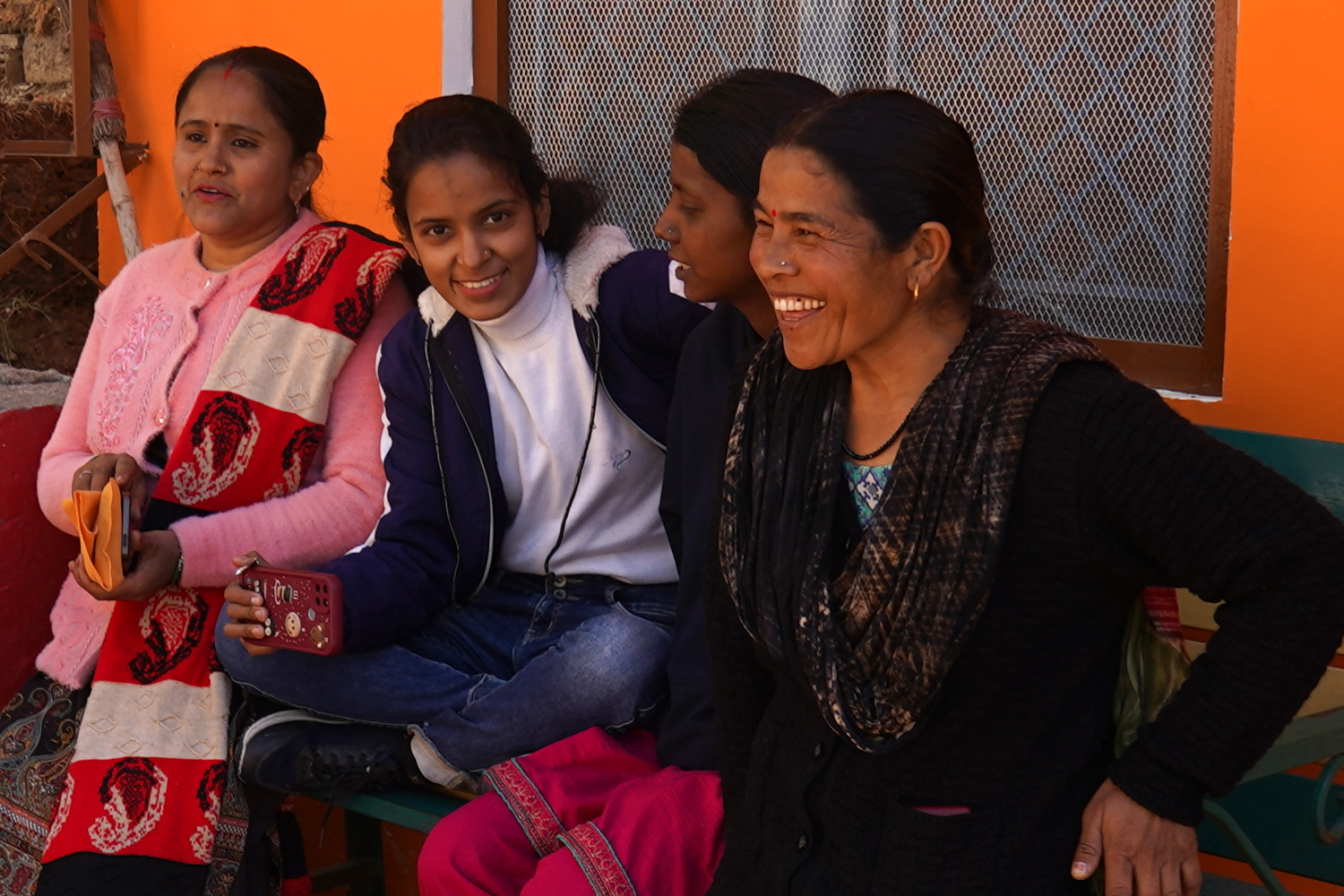
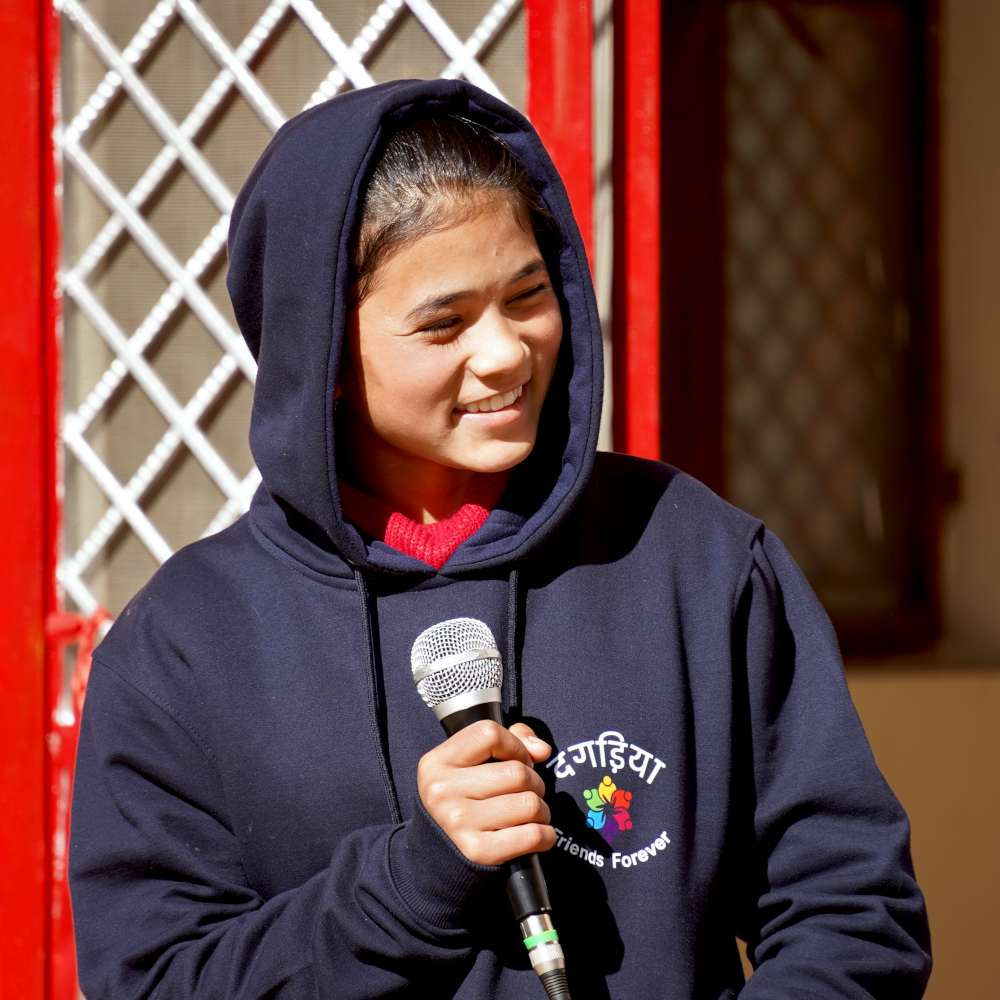
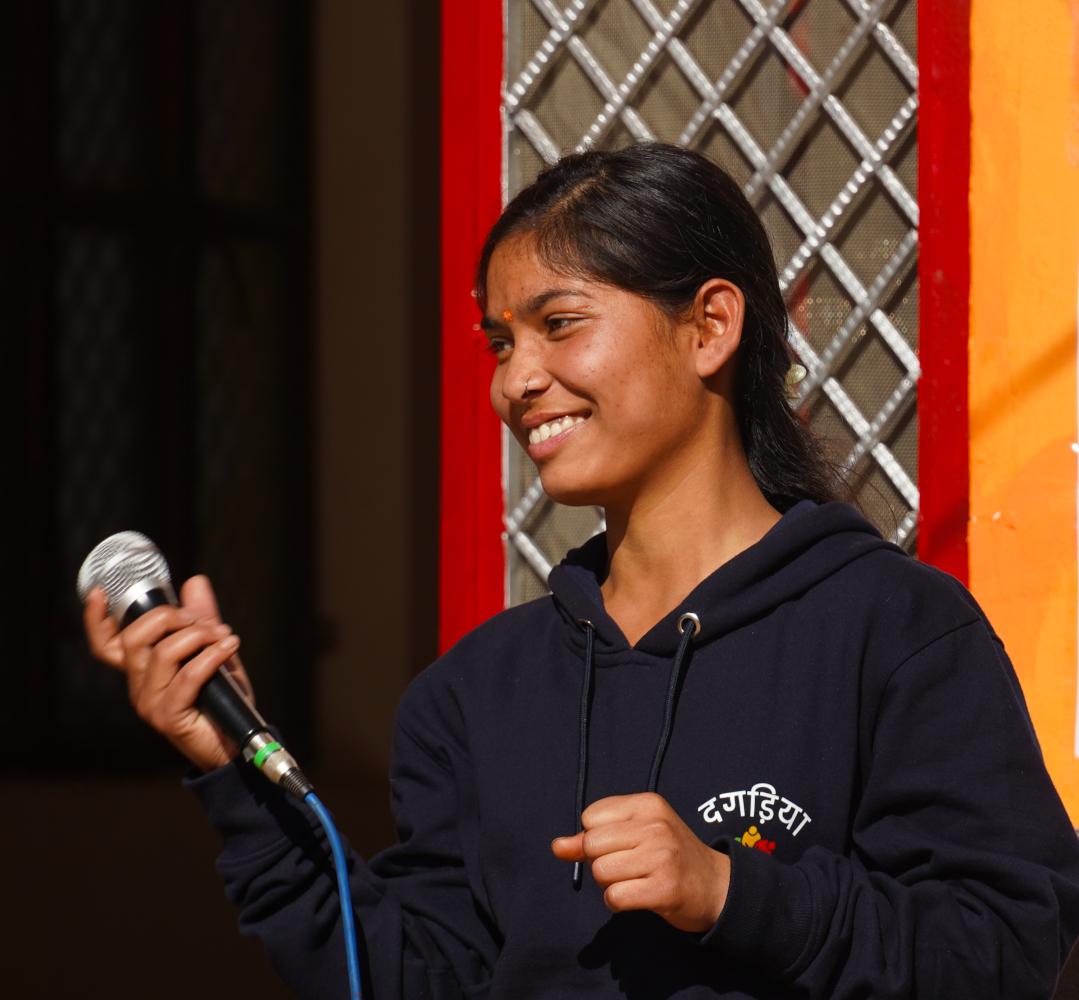
When the ceremonies begin, we are asked to come up and say a few words, a task for which we are usually ill-prepared. You might think that after spending decades onstage, and sometimes (rather often, in fact) having to wing it in the middle of a performance when something went wrong, we’d feel as much at ease with public speaking as a network TV talking head(less). But nope. We’d rather actually listen to a network TV talking head(less), or be subjected to other forms of torture, than to deliver an oration ourselves. The difference, of course, is that when you’re doing theatre, you’re telling a story; but when you’re giving a speech you’re exhibiting part of yourself for public scrutiny. And we’re just not exhibitionists.

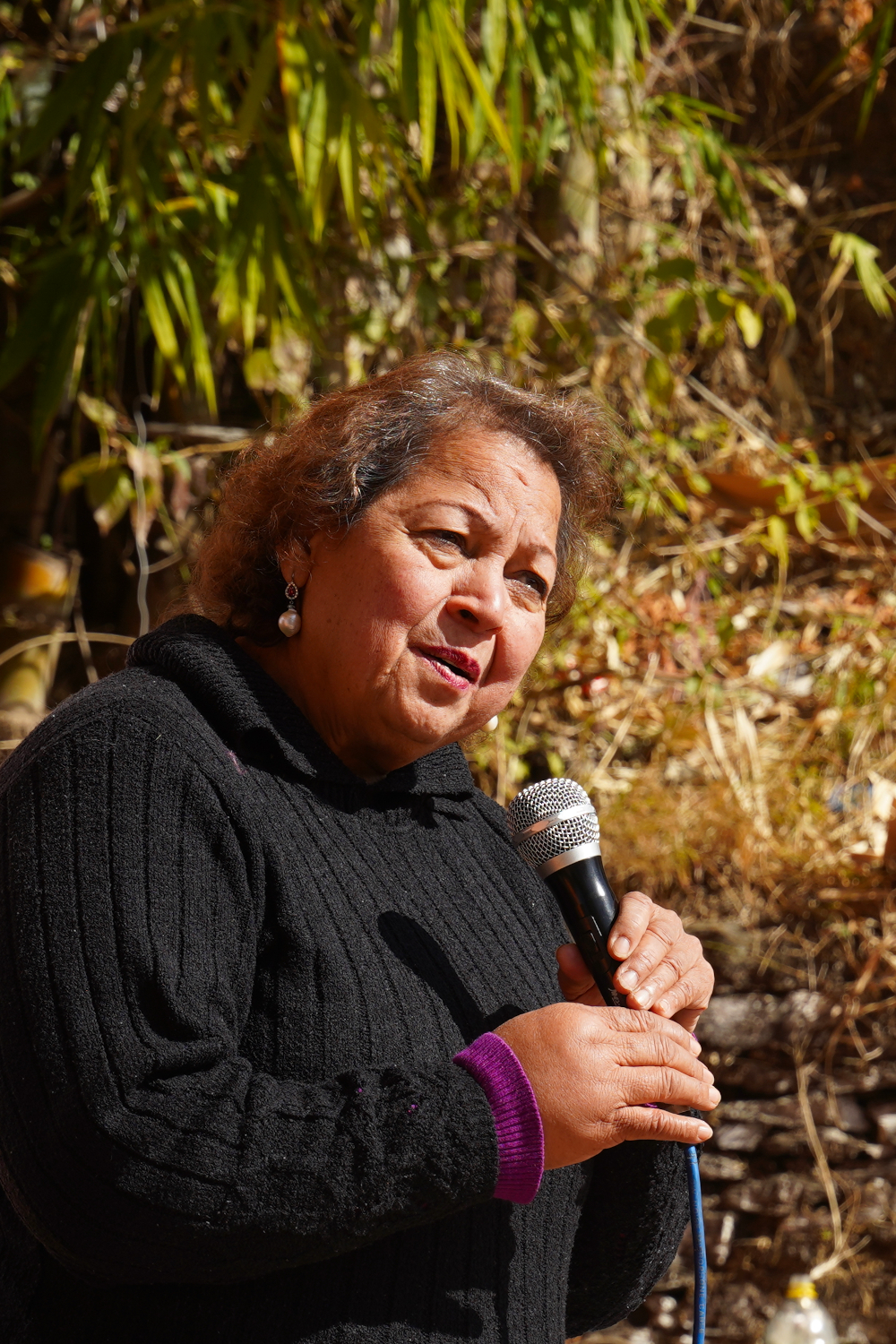
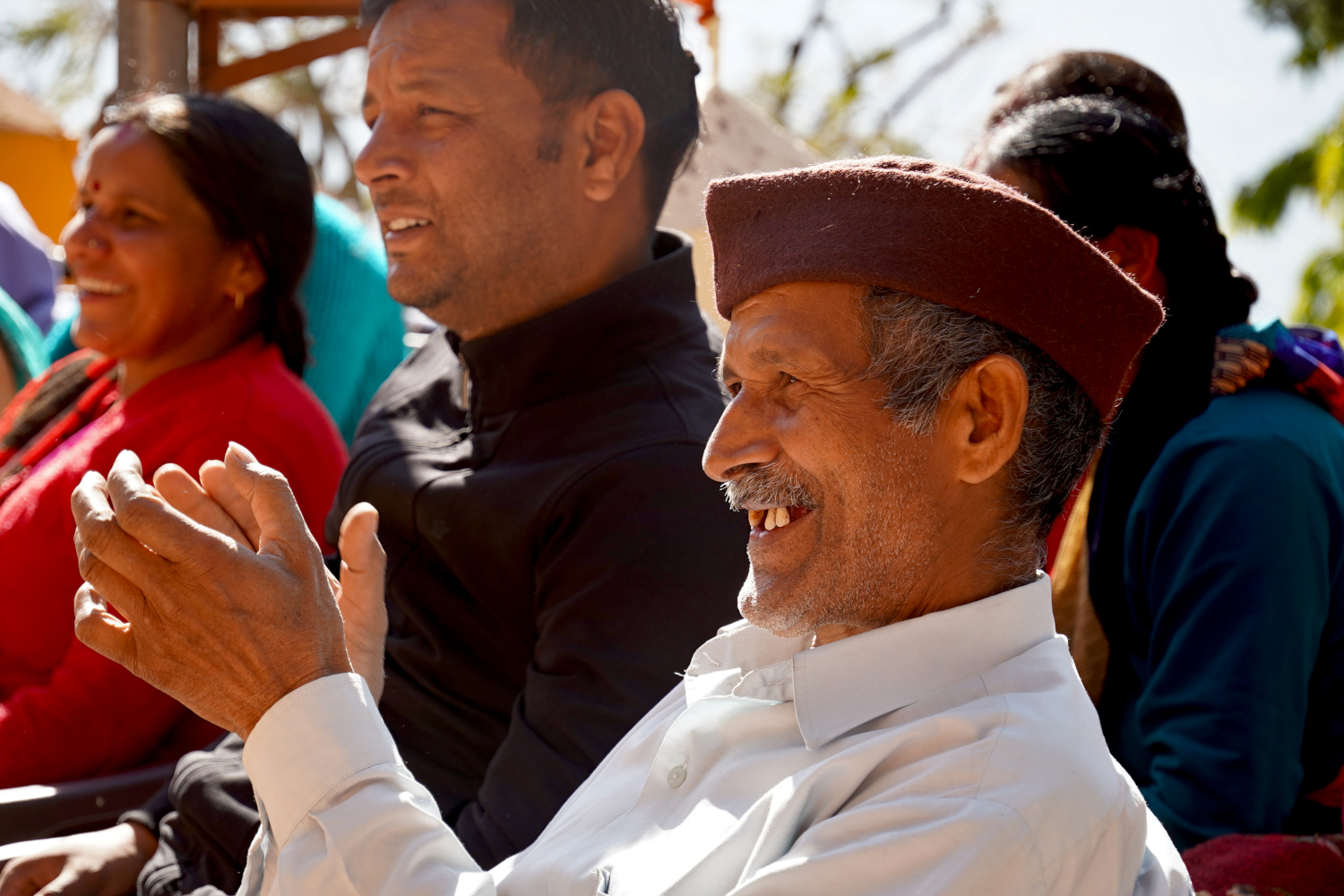
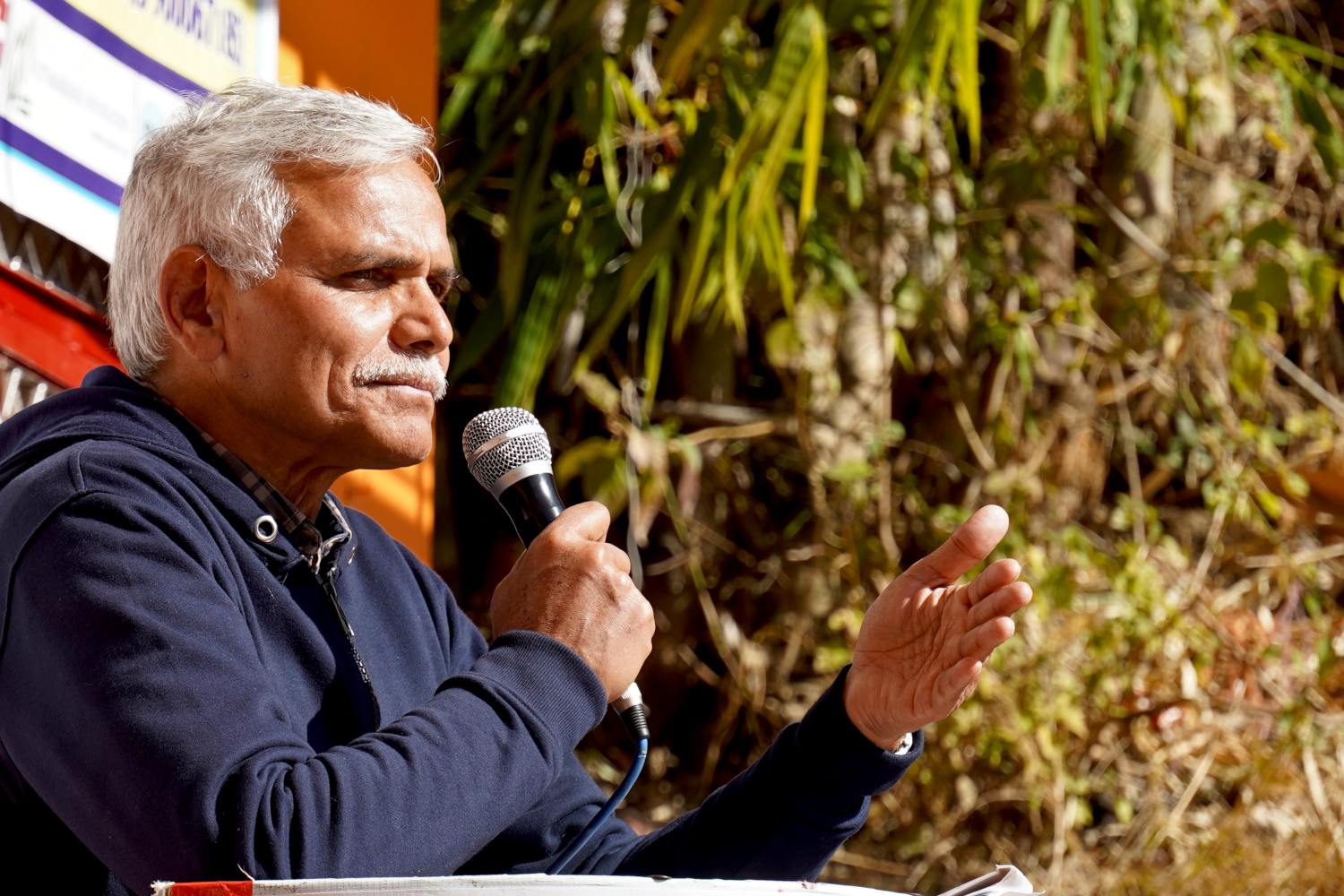
Oh, we suppose it wouldn’t be too intolerable if we had plenty of advance notice (a couple of years ought to do it), so we could carefully script our speech and practice delivering it. But whenever we are summoned to utter a few phrases on the spot, we start wishing that we could sink into a hole in the earth, Generally, we manage to survive without making total asses of ourselves, but we’re not sure how we do it. And happily, that’s the case here. Dennis takes the mic first and mutters a few words that could pass for coherent if you squint, and then hands it off to Kimberly, who just says, “What he said.” So right there’s one key to salvaging a speech: just leave them with a laugh, or at least a chuckle. Of course, it also helps your cause if most of the people you’re addressing don’t even speak English.
And with our mercifully brief span in the theoretical spotlight completed, it’s time for the stars of the show to shine. And shine they do. They sing “Do Re Mi” from The Sound Of Music, and they dance the steps to the American folk song “Cotton Eyed Joe”, which we taught them. We’re standing in in the back, behind the chairs the audience members are sitting in, prepared to cue the performers if they need it. But they really don’t. Quite honestly, it’s just about the best they’ve ever done. They sing as if they were members of the von Trapp Family, and hoedown as if they’d been raised in the cotton fields
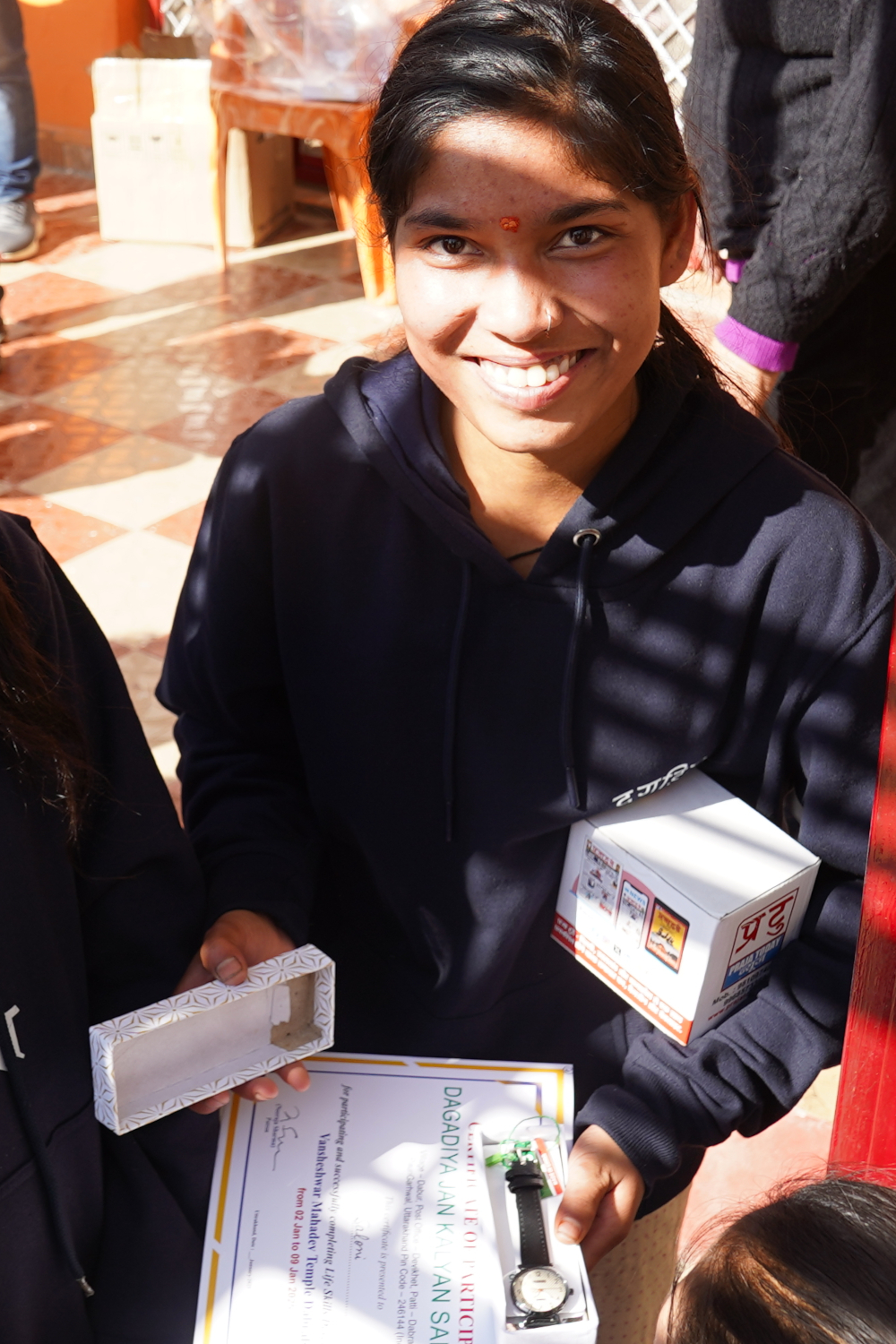
But today isn’t just about them dazzling the crowd. They’re also here to be recognized for their completion of the Winter Camp. And to that end, they are awarded certificates (with which we help do the awarding) as well as commemorative mugs and watches. We’re quite impressed by the number and quality of goodies — including sweatshirts and backpacks — that they have received. This is a very poor community, and yet somehow the program has come up with the funding to provide these nifty items.
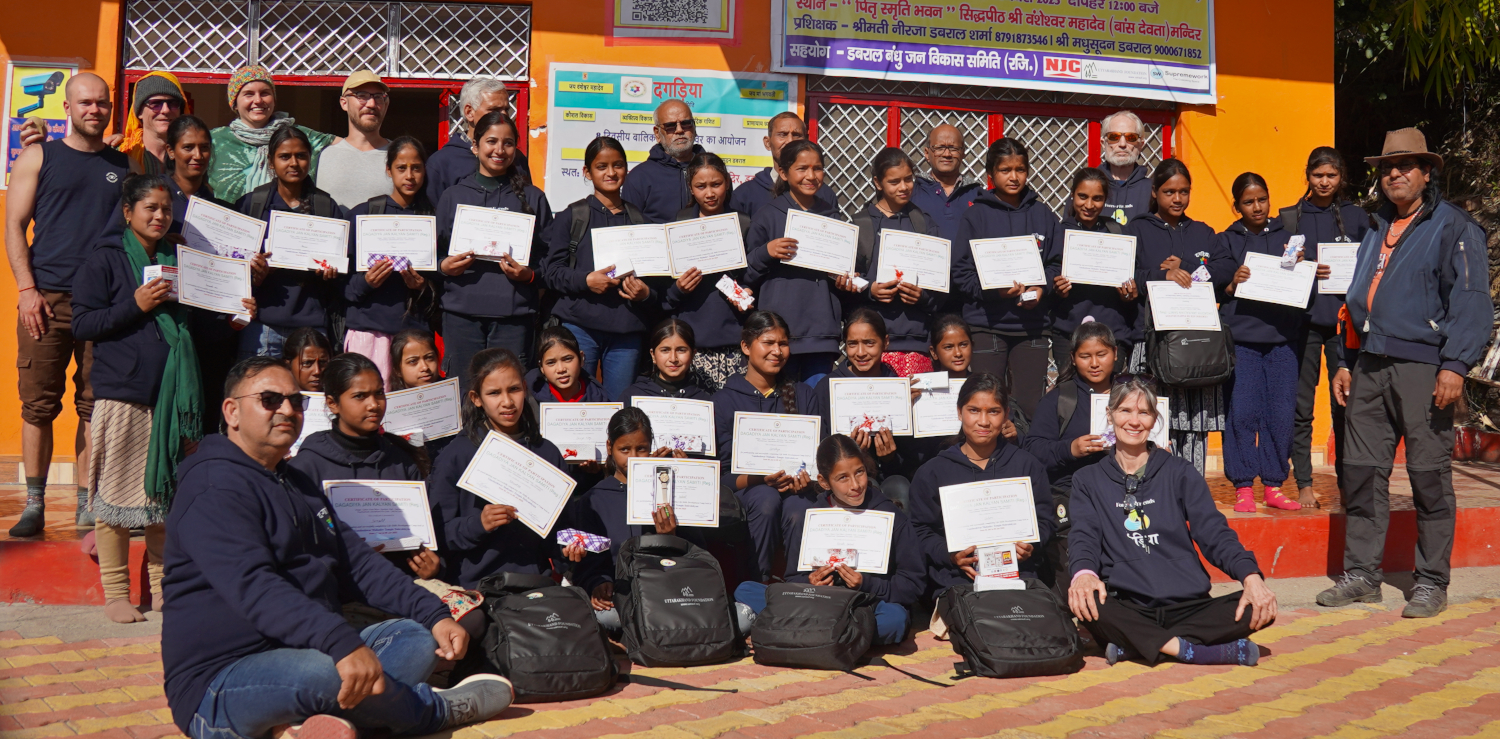
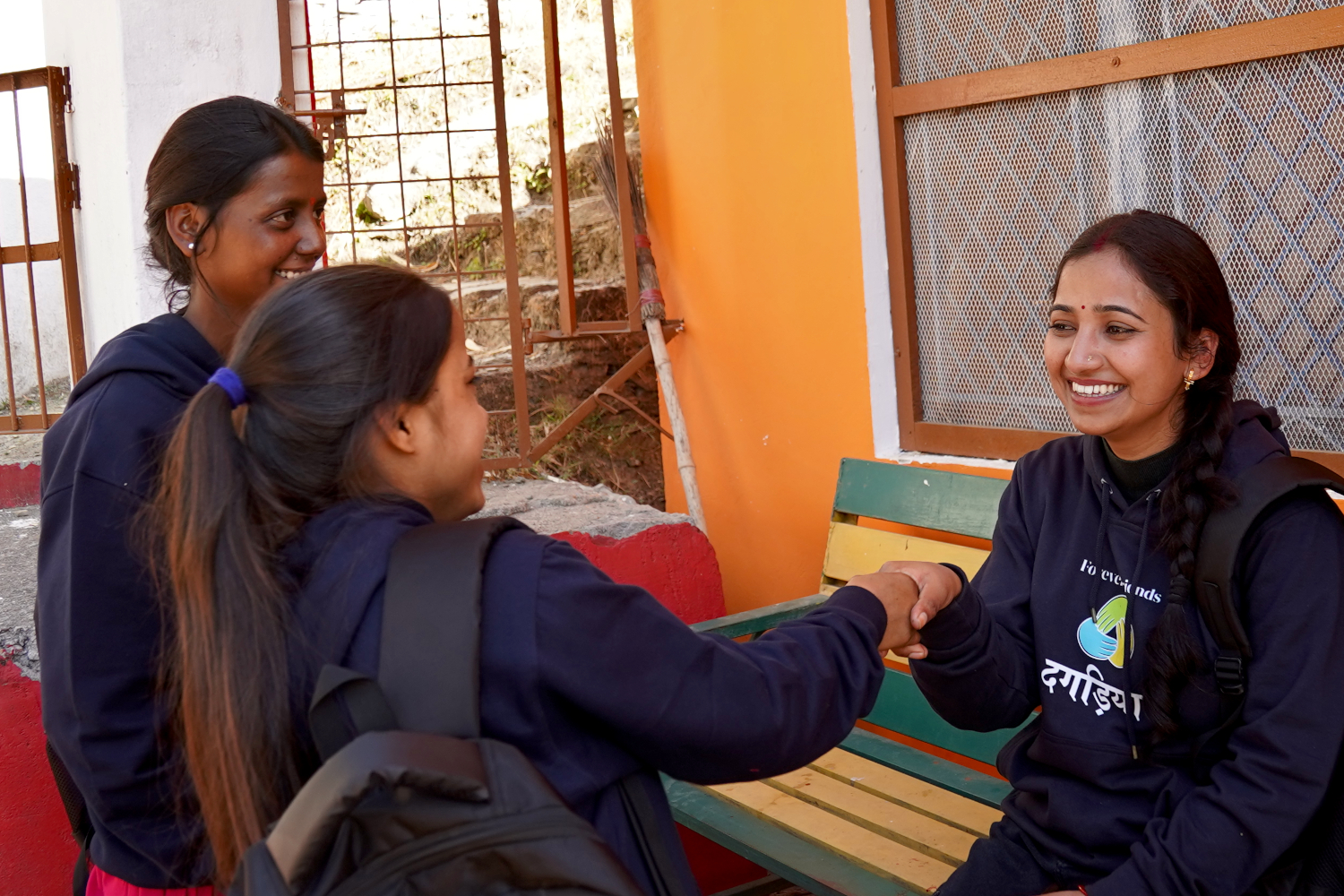
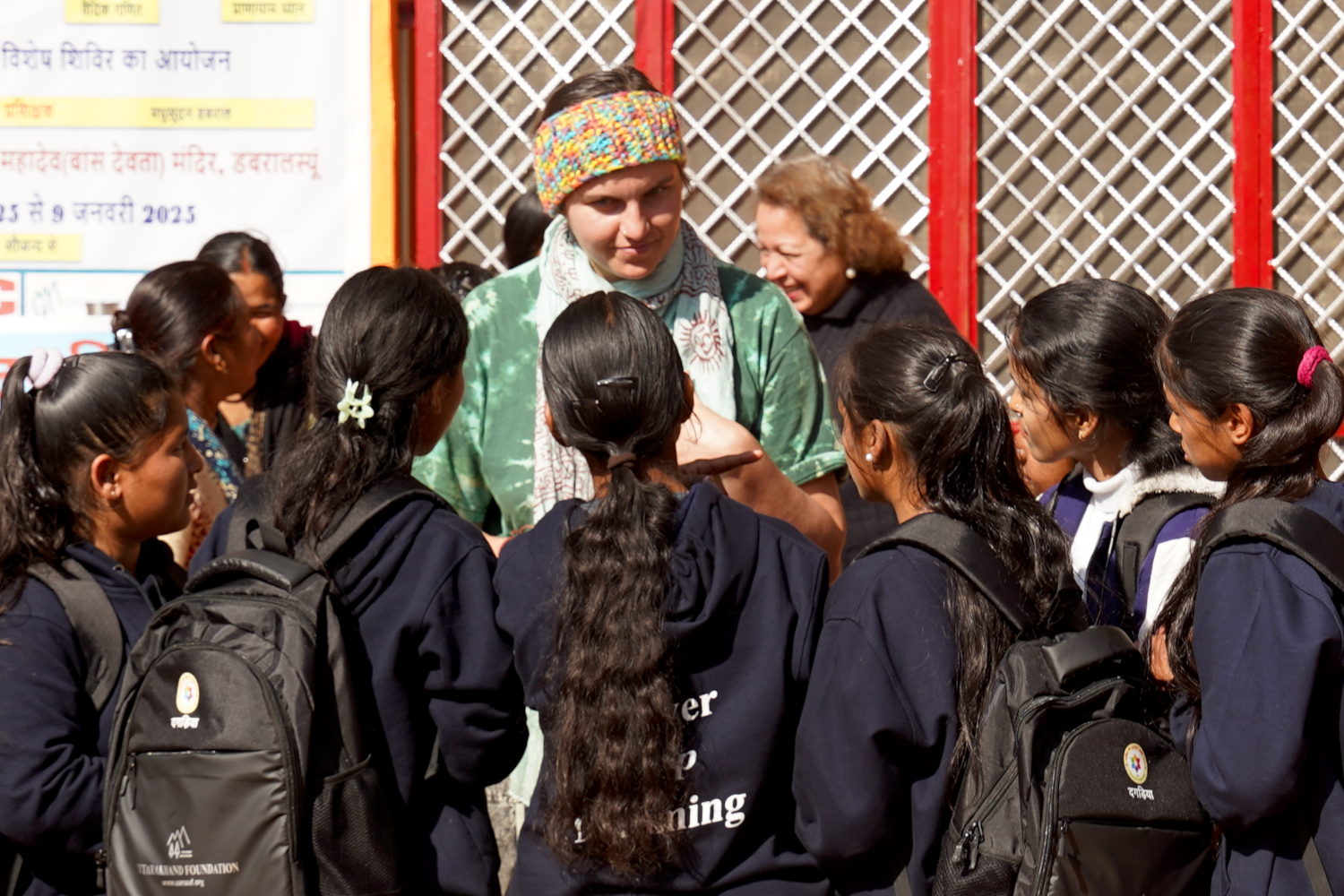
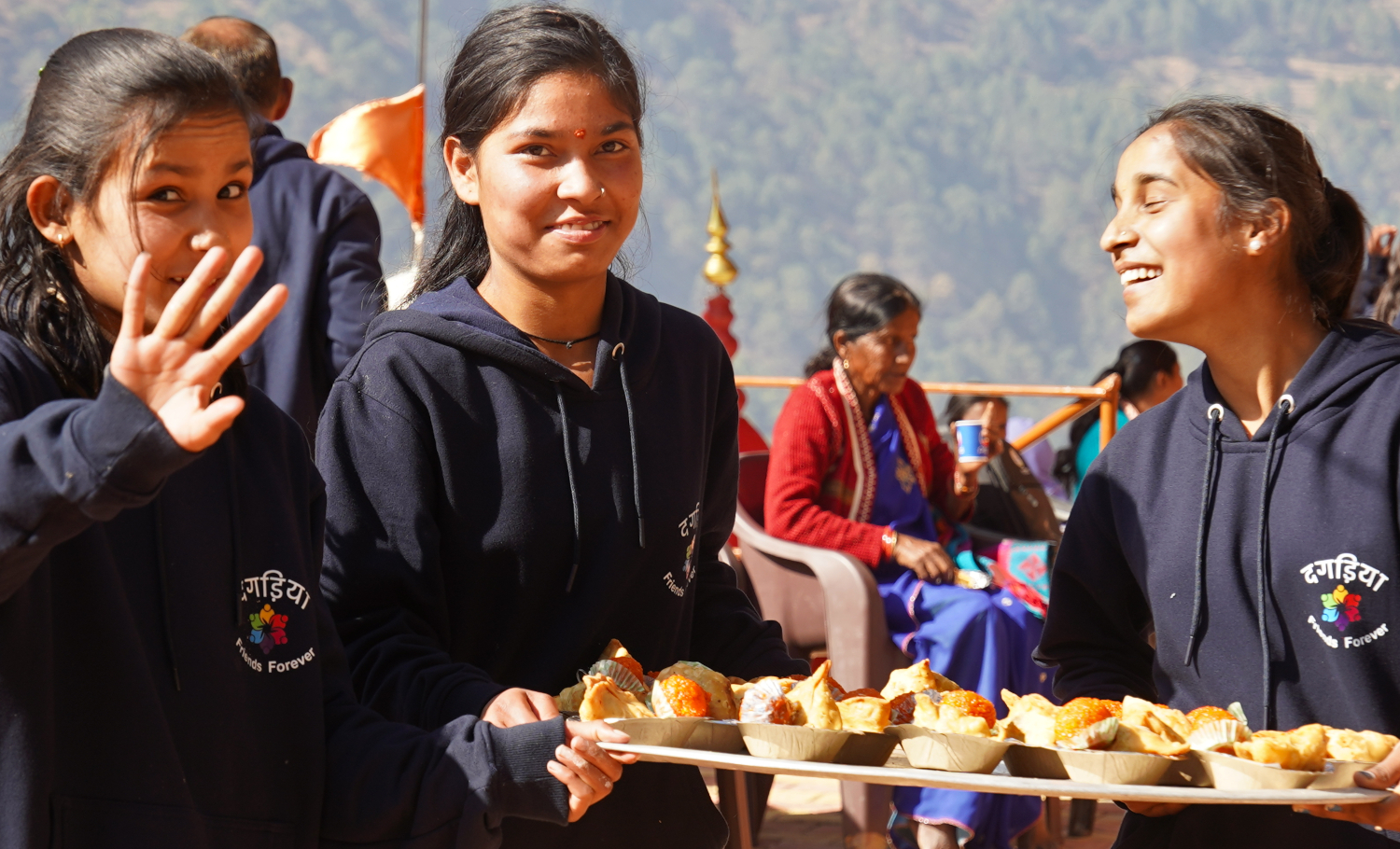
And then to cap it all off, there are refreshments. There is chai (spiced Indian tea), of course — no Indian gathering of two or more people would be complete without it. There are also some delicious samosas, and a dessert that we can’t identify. It’s a little orange ball, which as best we can make out contains tapioca, coconut, and/or rice. The monkeys hanging around the temple in quest of a handout on this day are really licking their lips and doing some scheming about how to get their four hands on the treats.
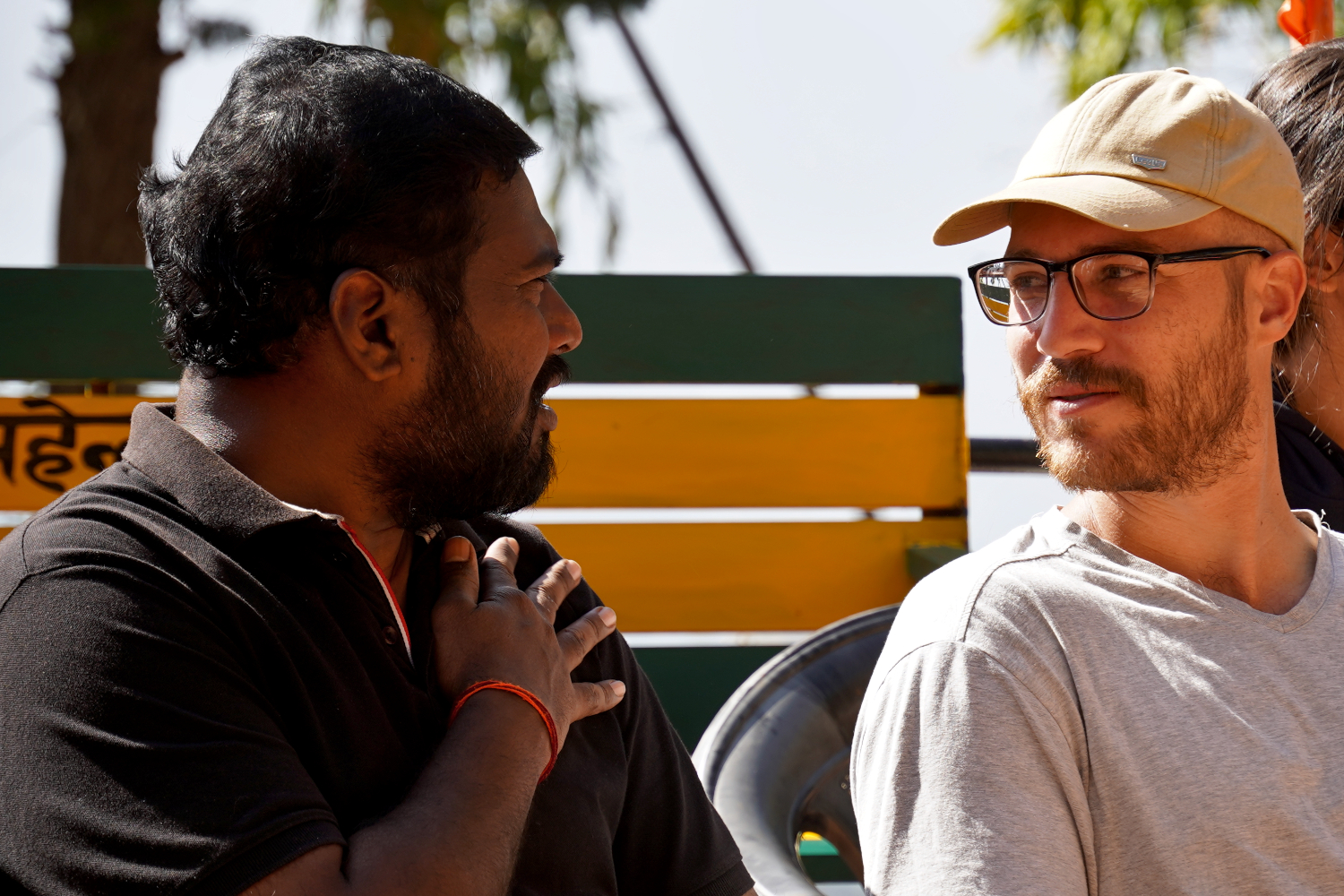
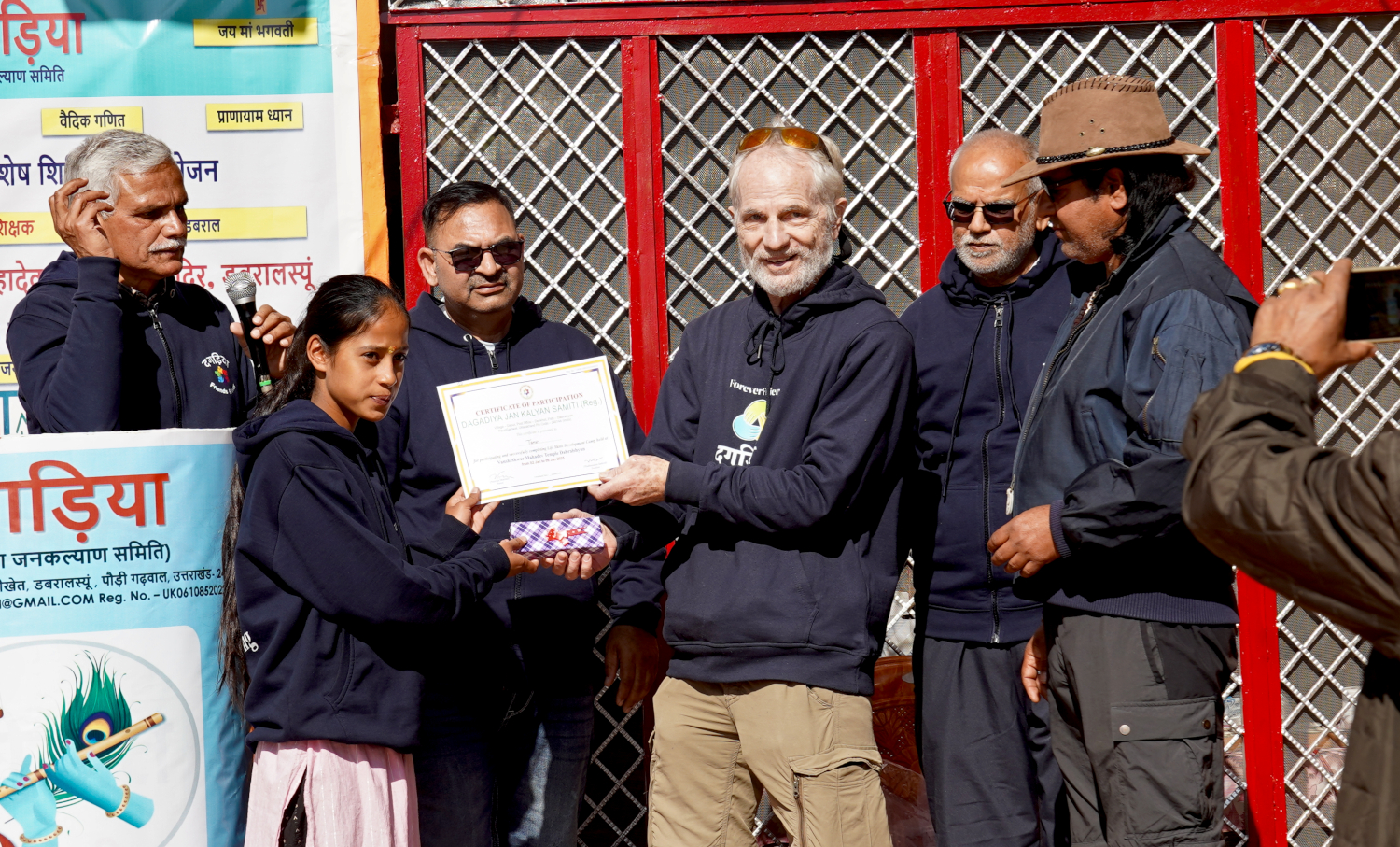

The first Winter Skill Development Camp has been, by all counts, a rollicking success. Kudos to directors Neeraja and Madhu for their vision in putting it together. As we’ve pointed out before, kids remember and take to heart what they are shown much more than what they are merely told. In our varied travels and teaching gigs, we’ve witnessed a wide spectrum of lessons youngsters are being shown, from repressive and even abusive to stimulating and uplifting. (American kids are currently being shown, and thus are learning, that they can get away with absolutely anything if they are rich and powerful enough.) Here in this little remote Himalayan village, we’ve seen instructive demonstration at its most positive: these girls have been shown self-esteem, fellowship, respect for learning, the rewards of the pursuit of self-development, the satisfaction of artistic expression, and a healthy respect for the community. And we’re honored to have been a part of it. Our only complaint is that the Camp was too brief; with any luck, we hope to be involved in it again in the future.
Events occurred 1/9/2025

 world travel with a theatrical flair
Leave a comment