

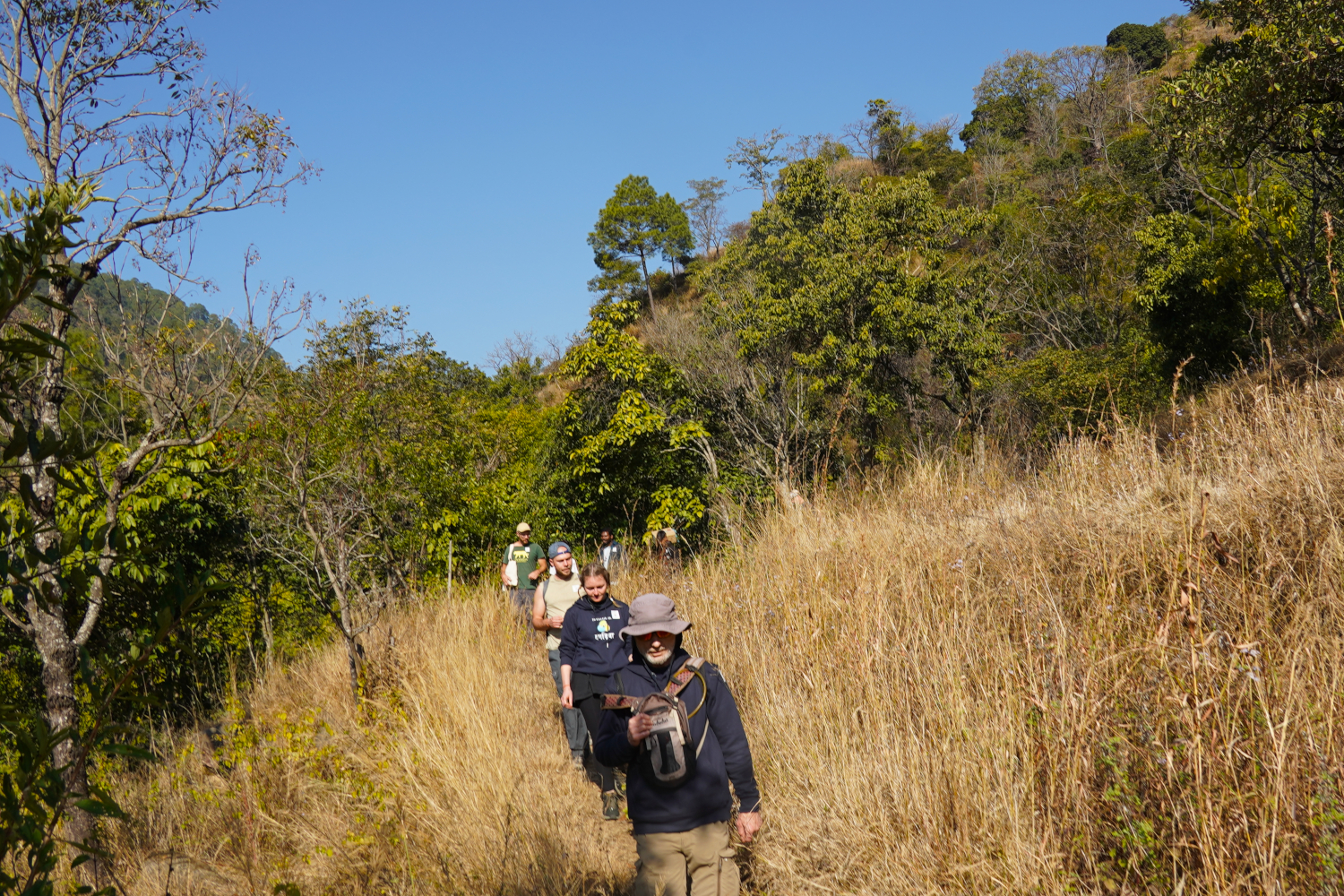
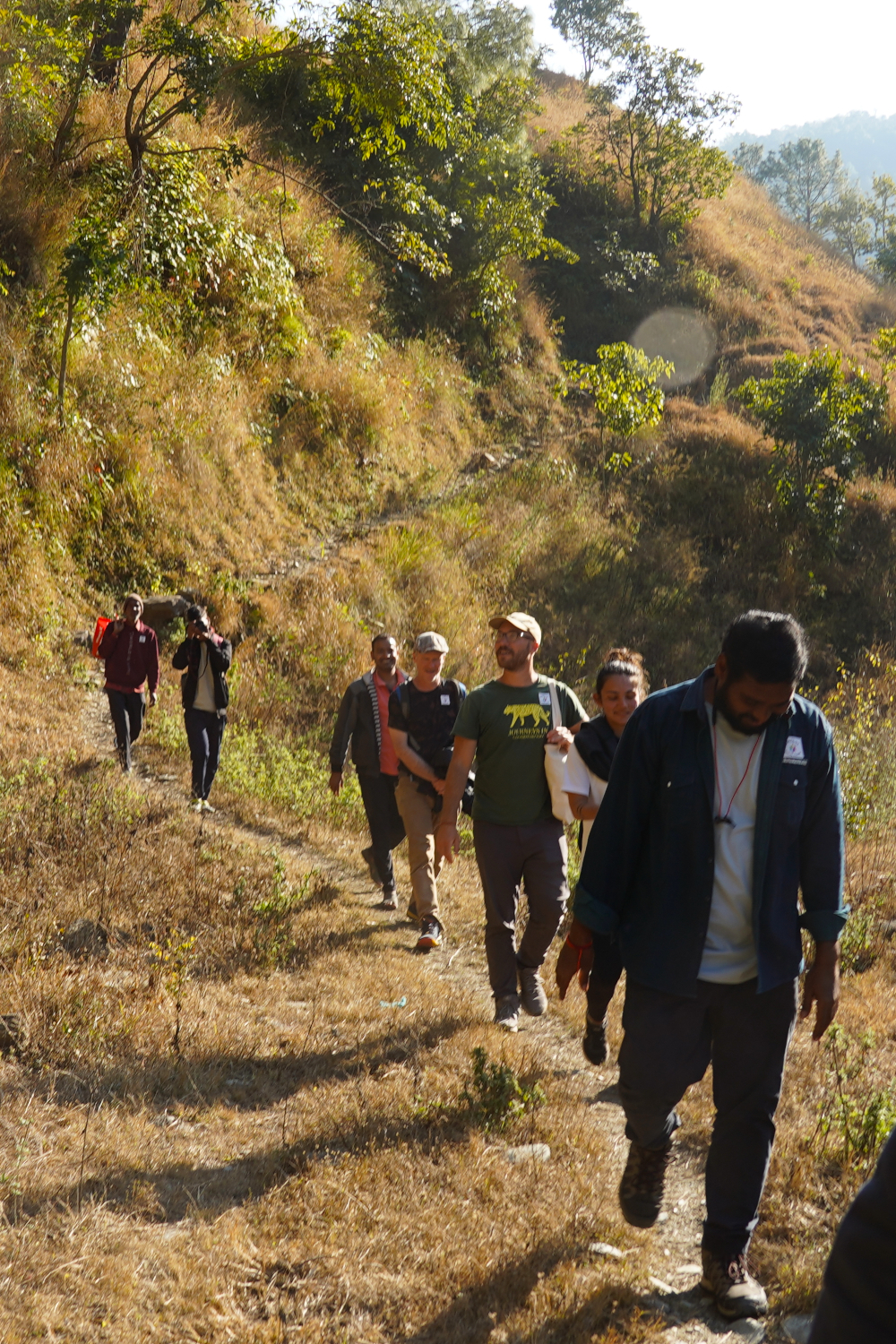
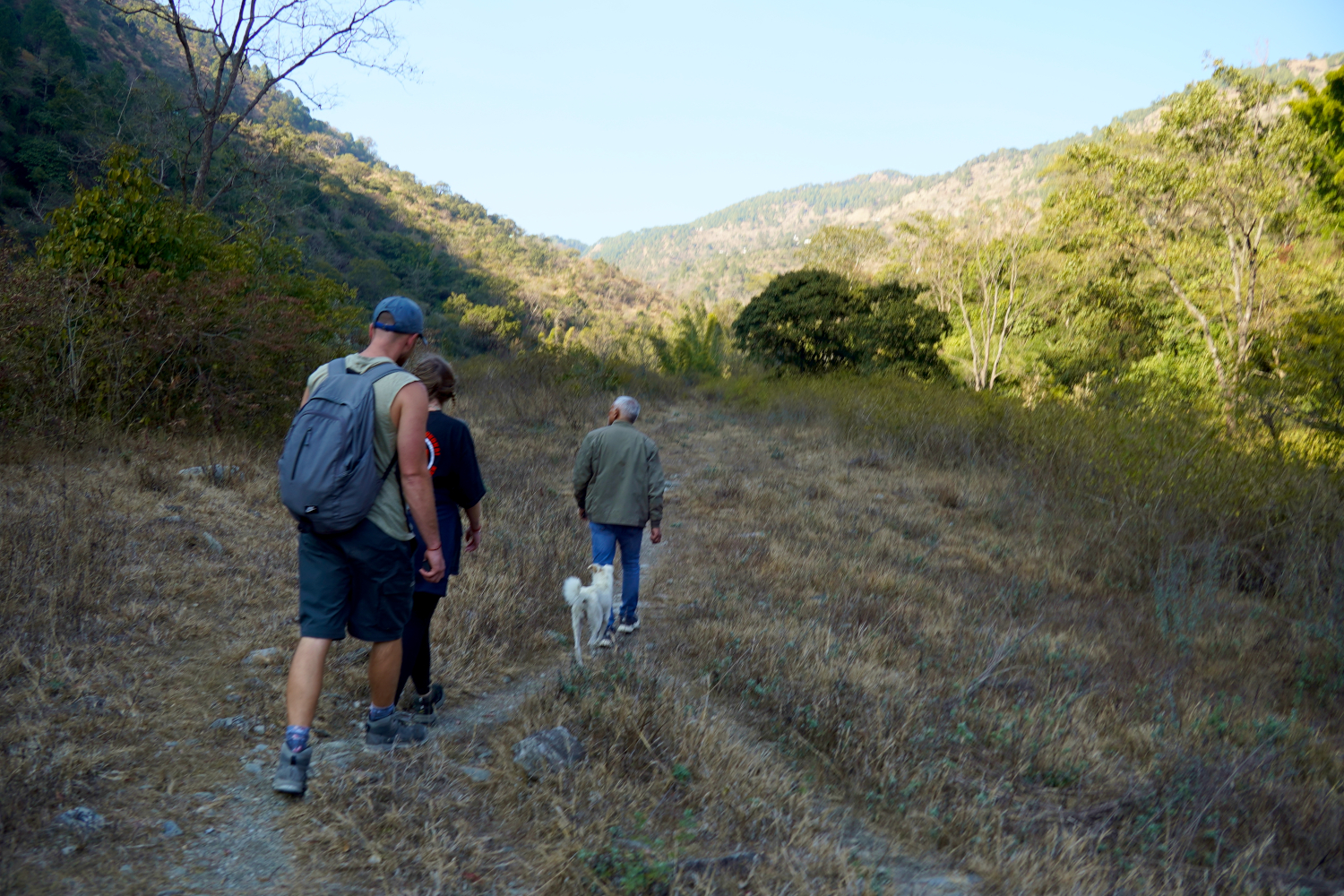
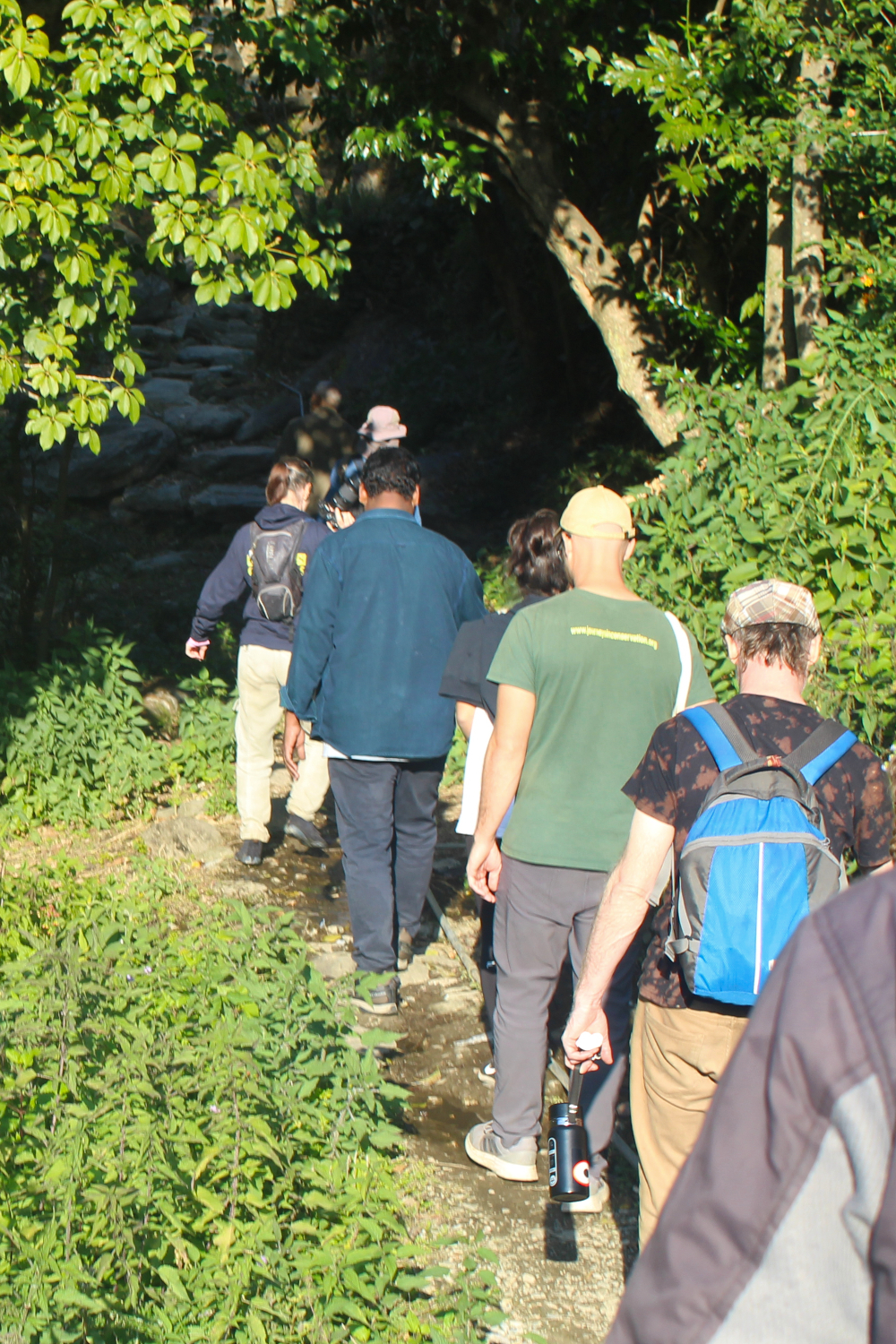
There are mornings that begin with coffee and Internet browsing, and then there are mornings on which things really start going downhill. This was one of those days, but when we say going downhill, that’s not a bad thing; we mean literally downhill — way, way downhill into a valley with a river. We, along with nearly all the other WorkAway volunteers at the village of Shri Timli in the Himalayan foothills, were going on a Saturday hike, guided by Madhu, who had been one of the directors of the Winter Camp for girls that we recently helped out with.

He’ll be joining us later on the trek, as he lives part of the way down the path. Near the top of the hill, we pass some men with a big load of solar panels to be installed somewhere. These are sorely needed, as getting sufficient power to the villages is sometimes a problem, especially during severe weather.
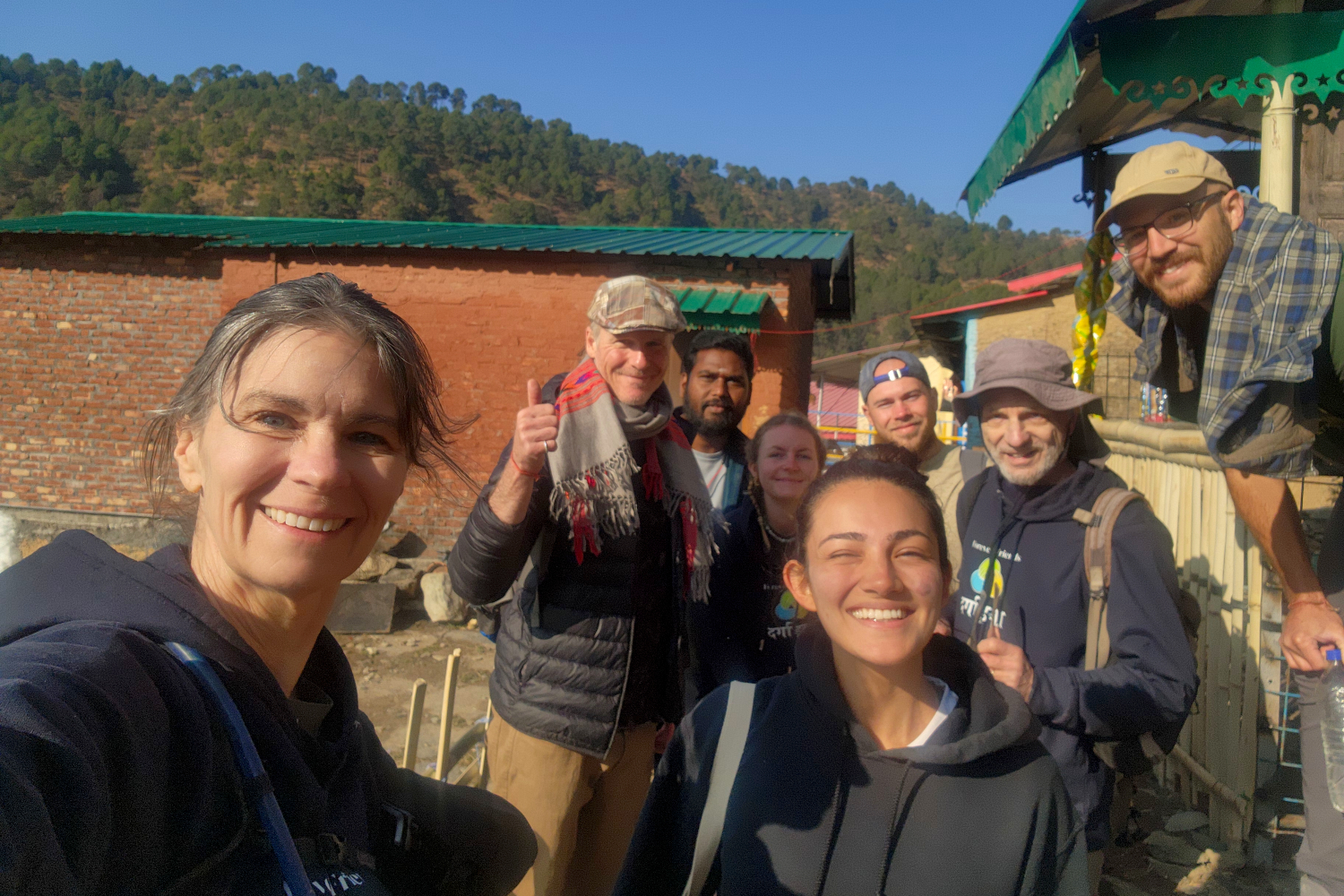
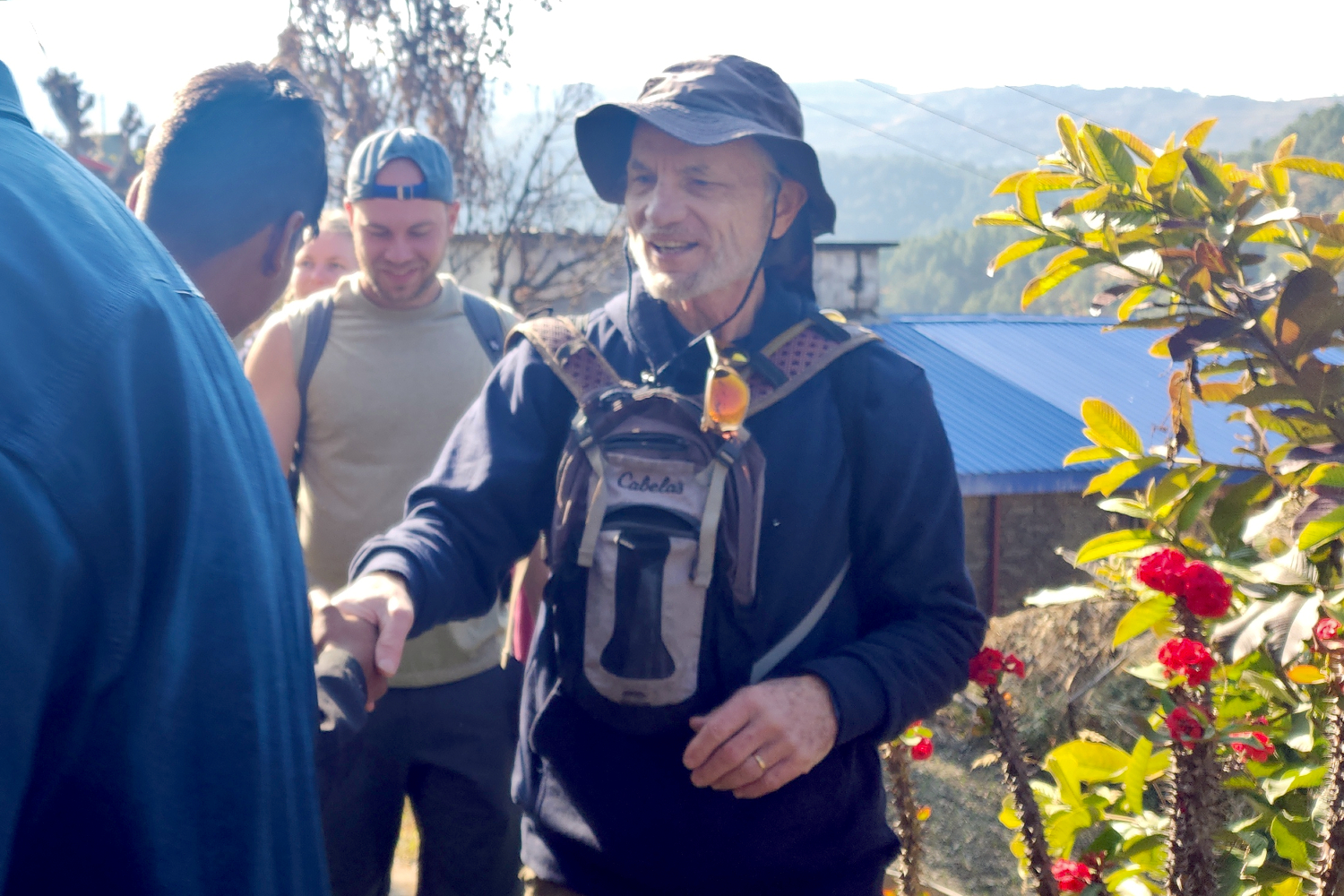
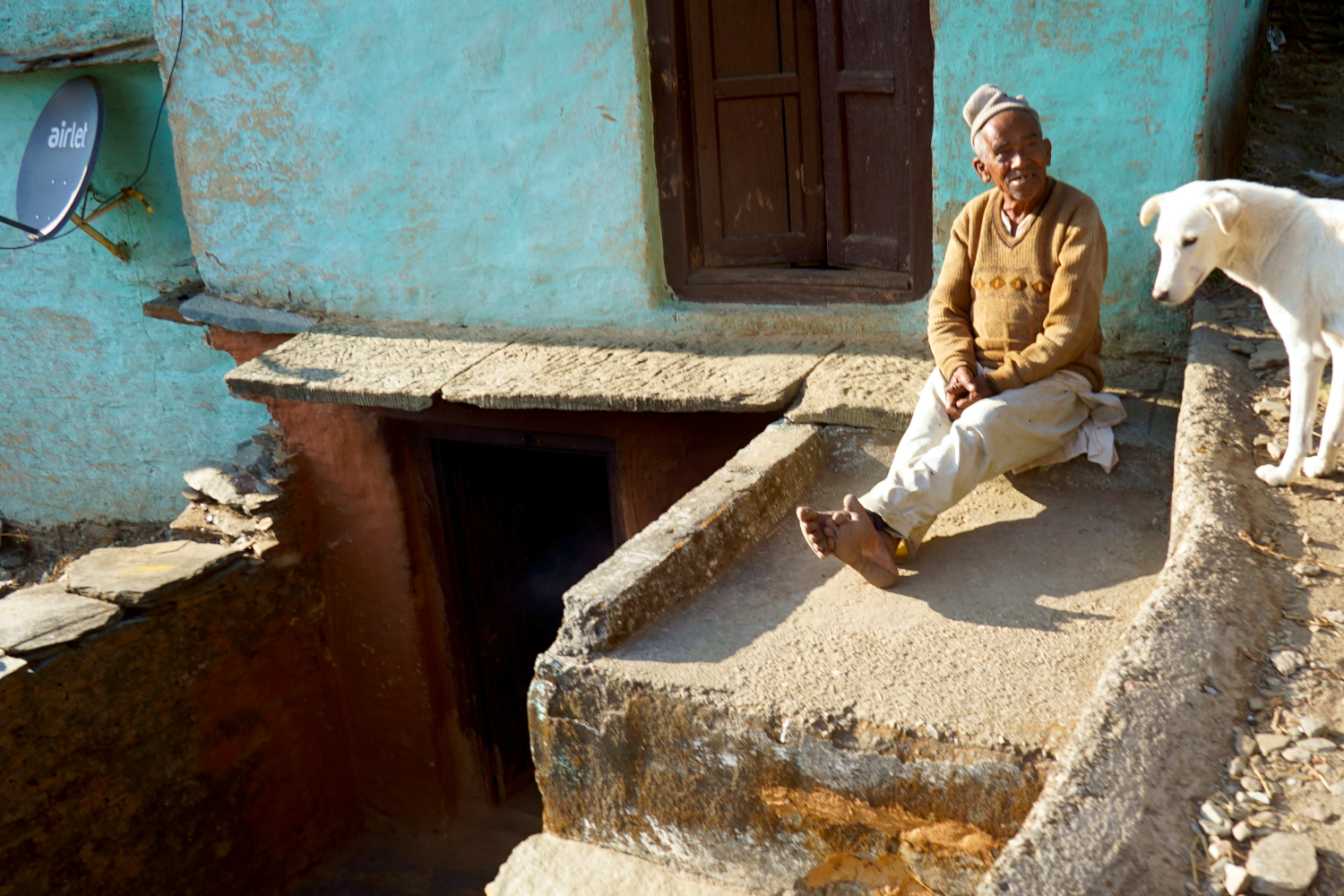
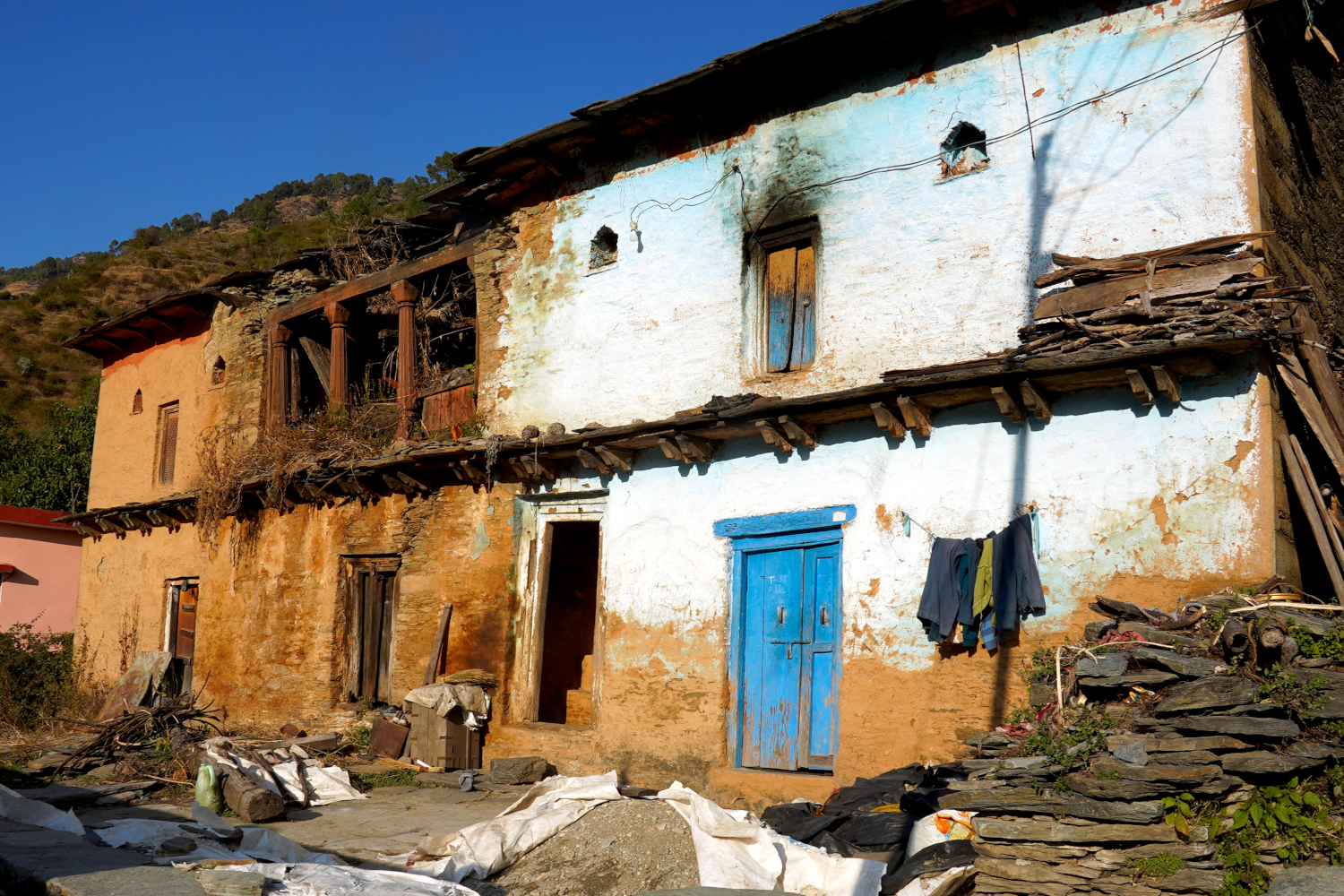
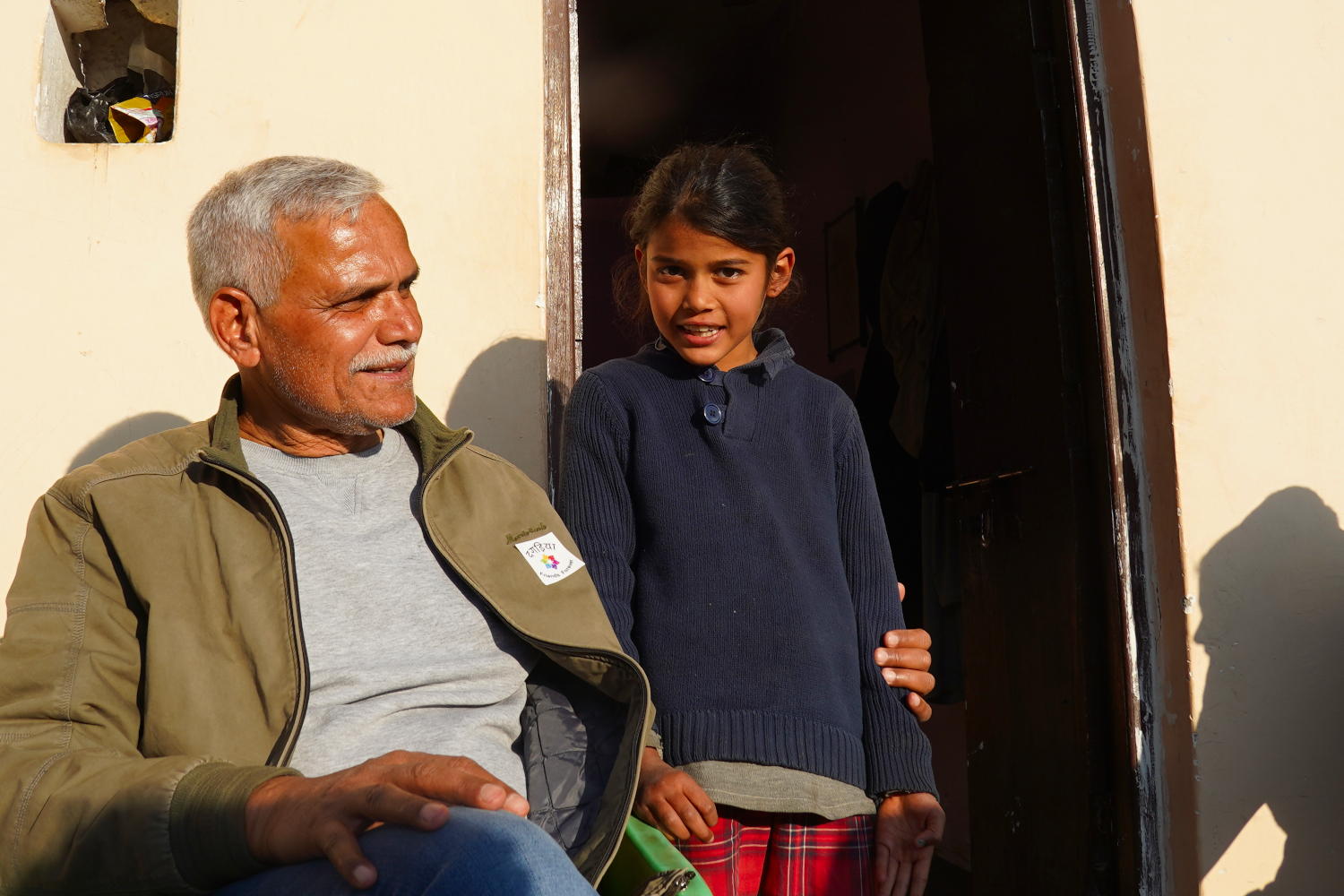
Trudging on down, we stop at the little village of Dabral where we’ll rendezvous with Madhu, at his home. Well, it’s one of his homes; this is where he came from originally, but after a distinguished career in the Indian Air Force, and with designing the metro system in Delhi, he now lives primarily in the metropolis of Delhi. But he still maintains quarters here as well.
He issues each of us a sticker that says “Friends Forever”, a relic of the Winter Camp. Which makes it sort of like an official tour that we’re about to undertake, so we won’t get confused with all the other tour groups on the trail — of which there are… well, zero. In fact, you might have to wait years to stumble into such a group here. Madhu and three other gentlemen cart along some containers of food and implements for preparing lunch when we get down to the bottom, as it’s going to be a rather lengthy expedition.

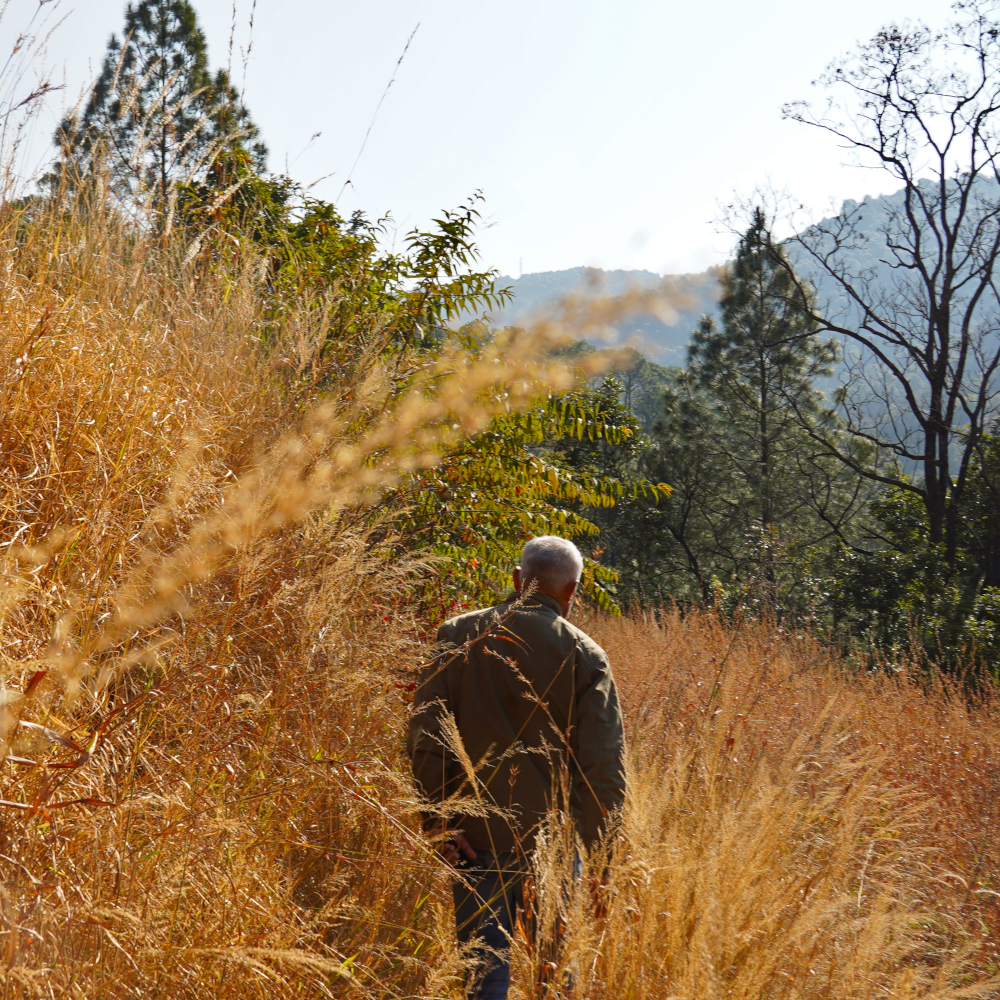
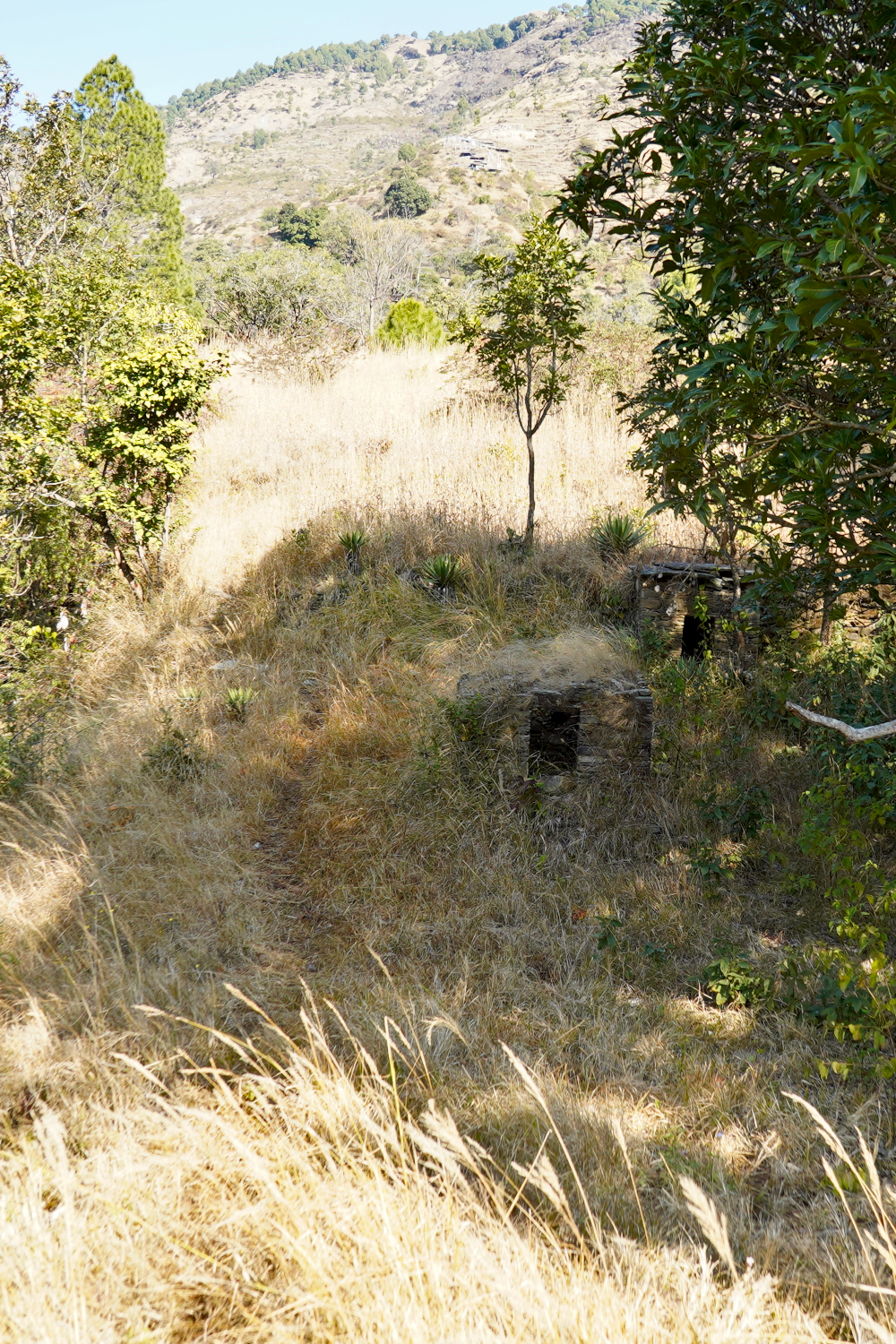
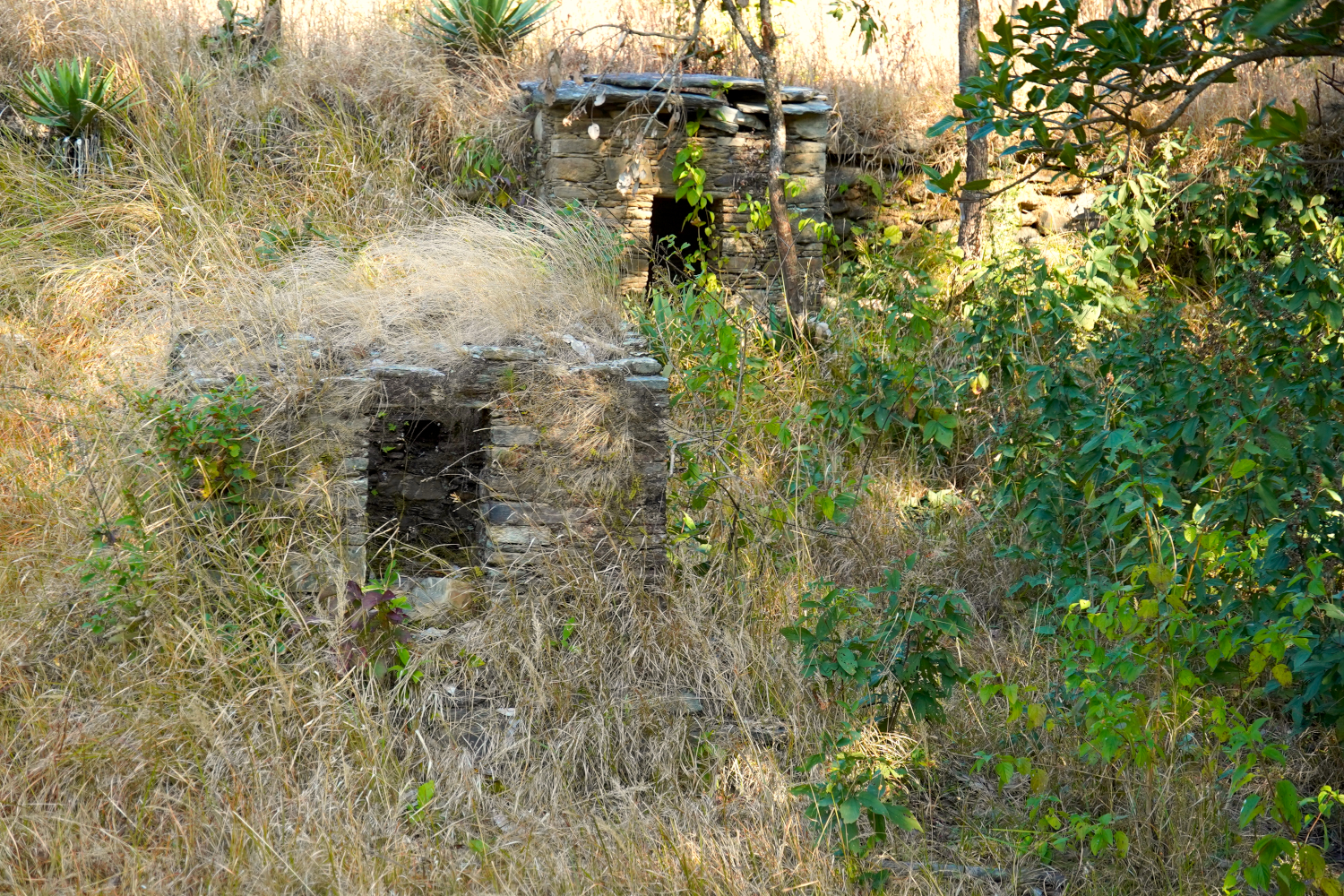
When we get most of the way down, we come to a curious landmark, the well-weathered tombs of a husband and wife. Madhu informs us that the husband died first, and the wife followed him into death. Which sounds to us either very romantic or very disturbing. Ajay, an Indian who is a (very) long-term volunteer at Shri Timli, emphasizes that, while such an act of devotion is a tradition, it is a voluntary one; it was entirely her decision.
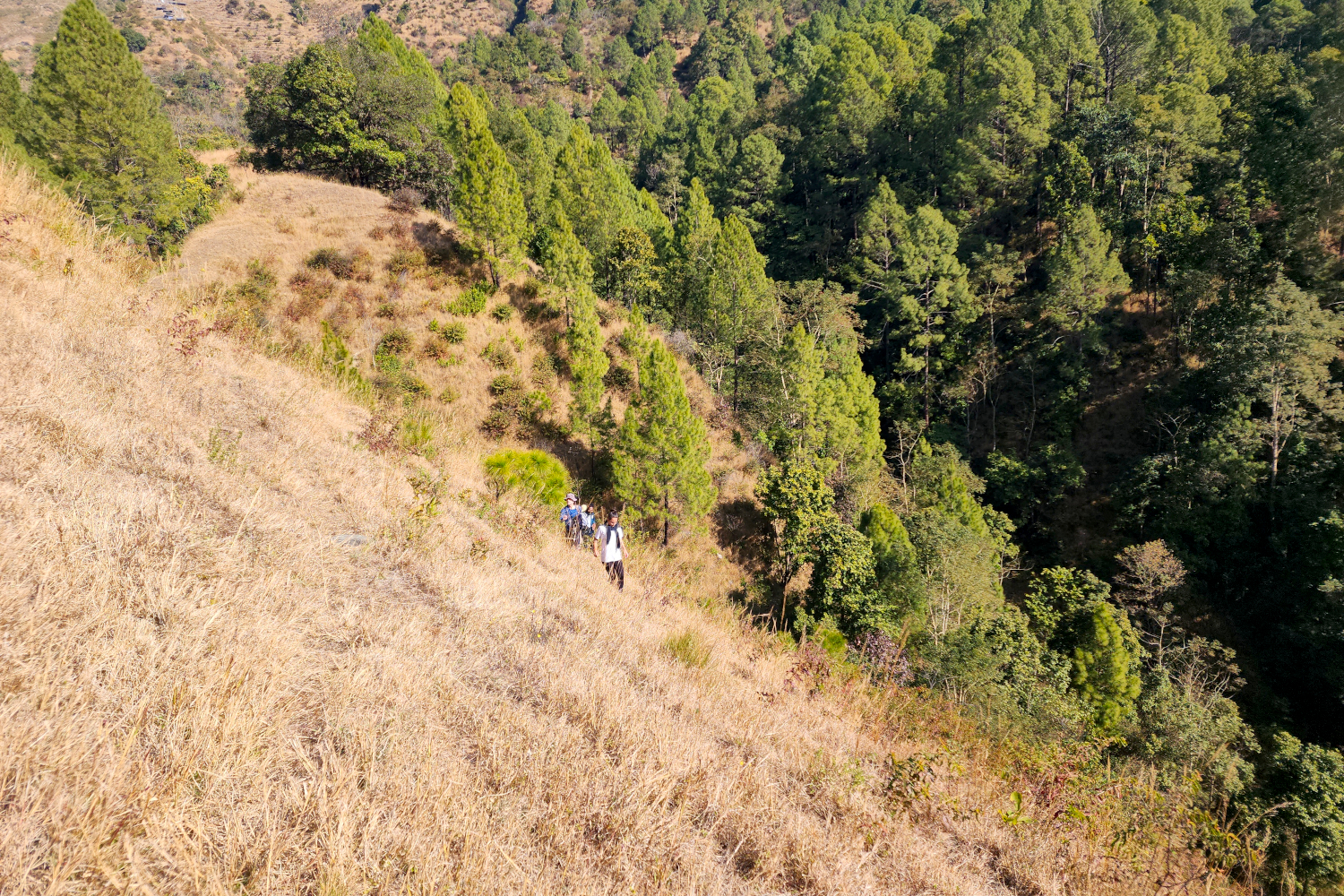
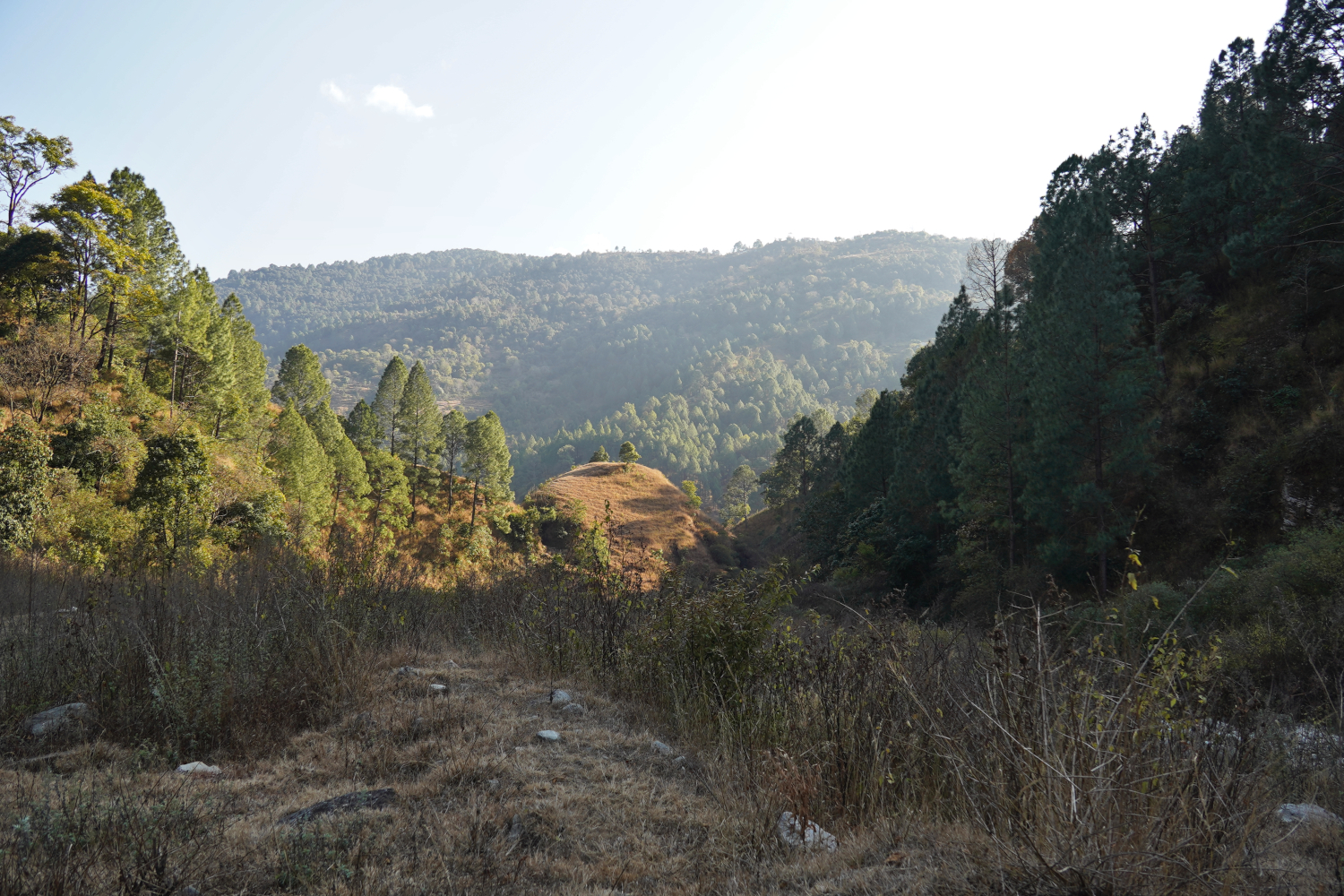
Nearby is a distinctive formation known as The Cow’s Head, although perhaps it more appropriately would be called The Camel’s Hump. It’s a hill, a nearly perfectly symmetrical mound that looks as if it was formed when a dinosaur dumped the dirt while digging a pit to hide from asteroids. Its grassy sides have an extremely steep slope, so we have to take a long circuitous path to get to the top — which of course we just have to do.
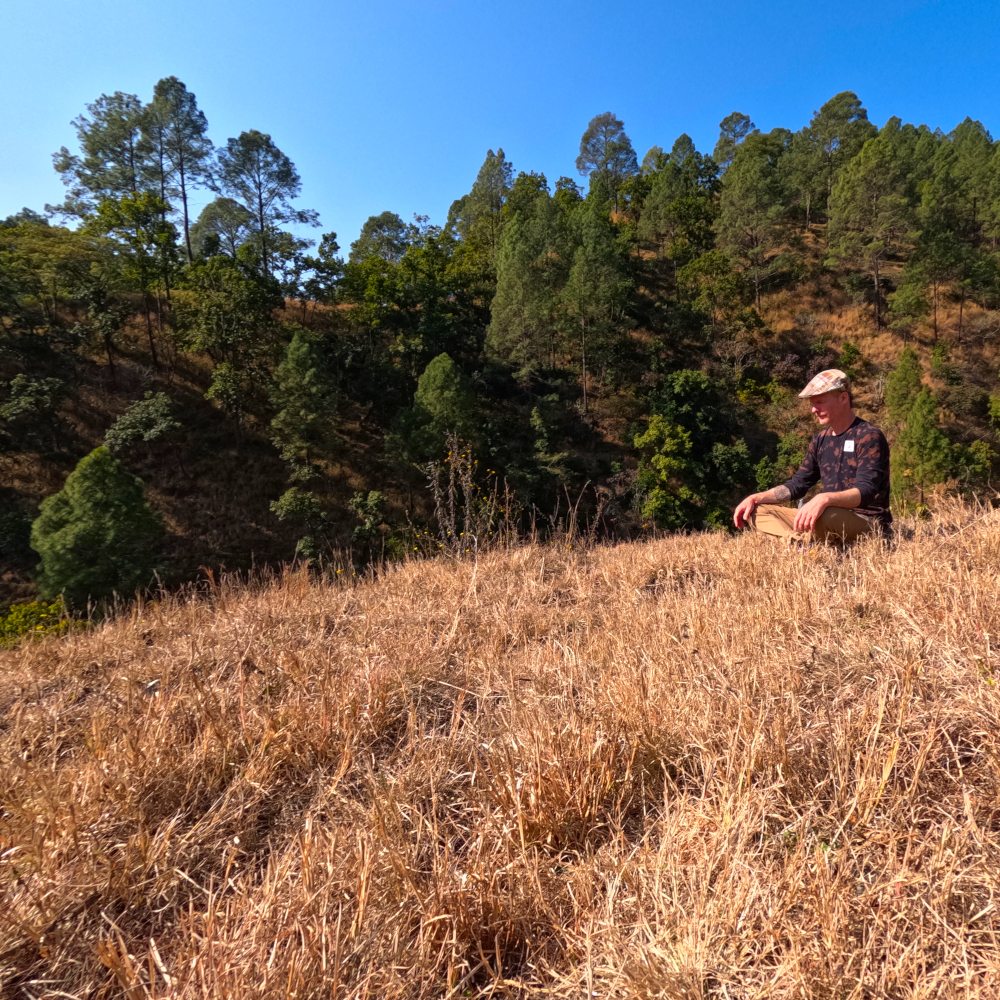
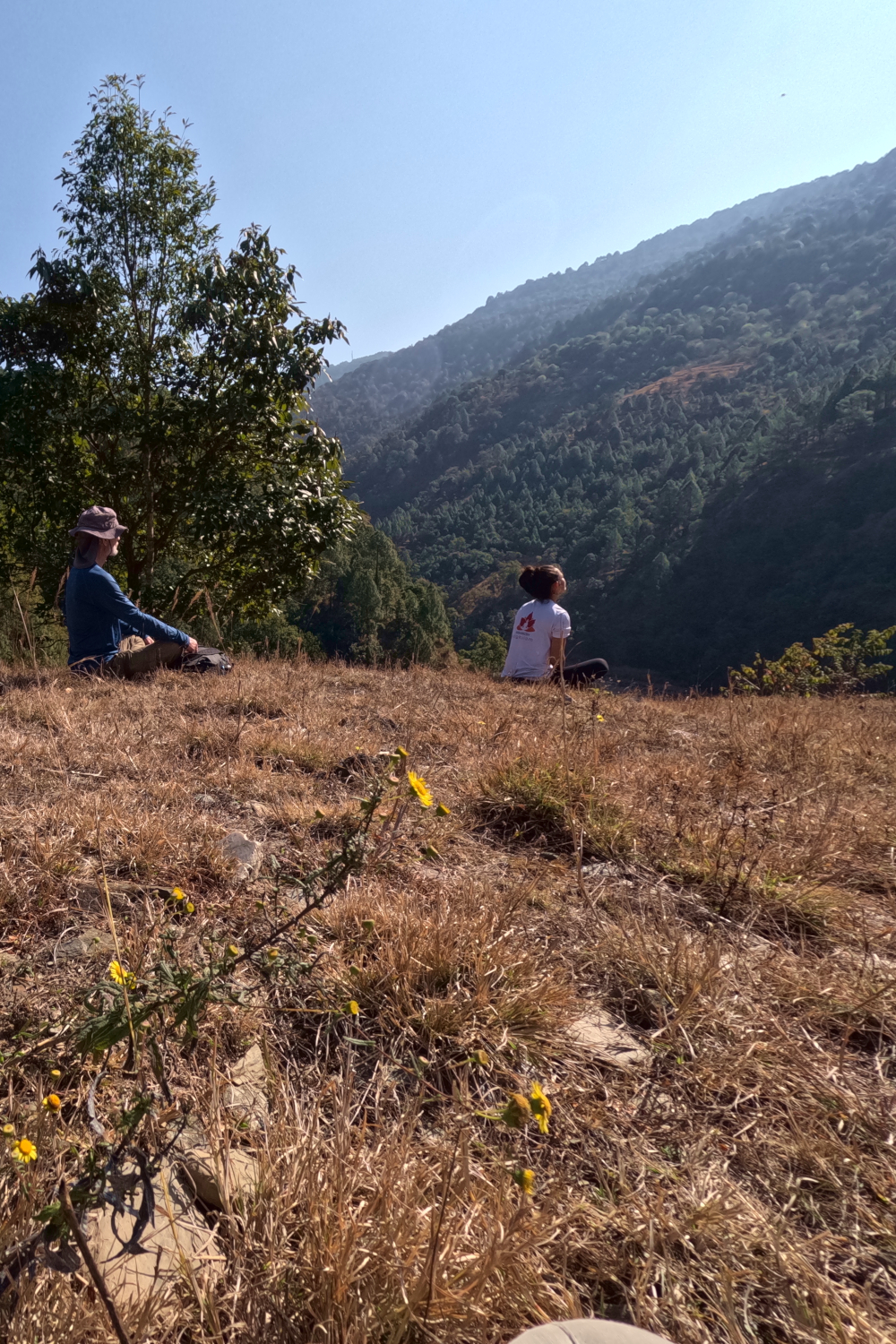
When we reach the top, we sit and meditate for a few minutes — which was kind of the purpose of scaling the dome to begin with. It’s an excellent atmosphere for meditation or reflection, being very quiet, and having an arresting view of the valley and the river below to greet you when you open your eyes. For Ajay, the spell is broken for a moment because his phone rings — yes, it appears that there is reception in this idyllic spot far from nowhere. It’s a wrong number.
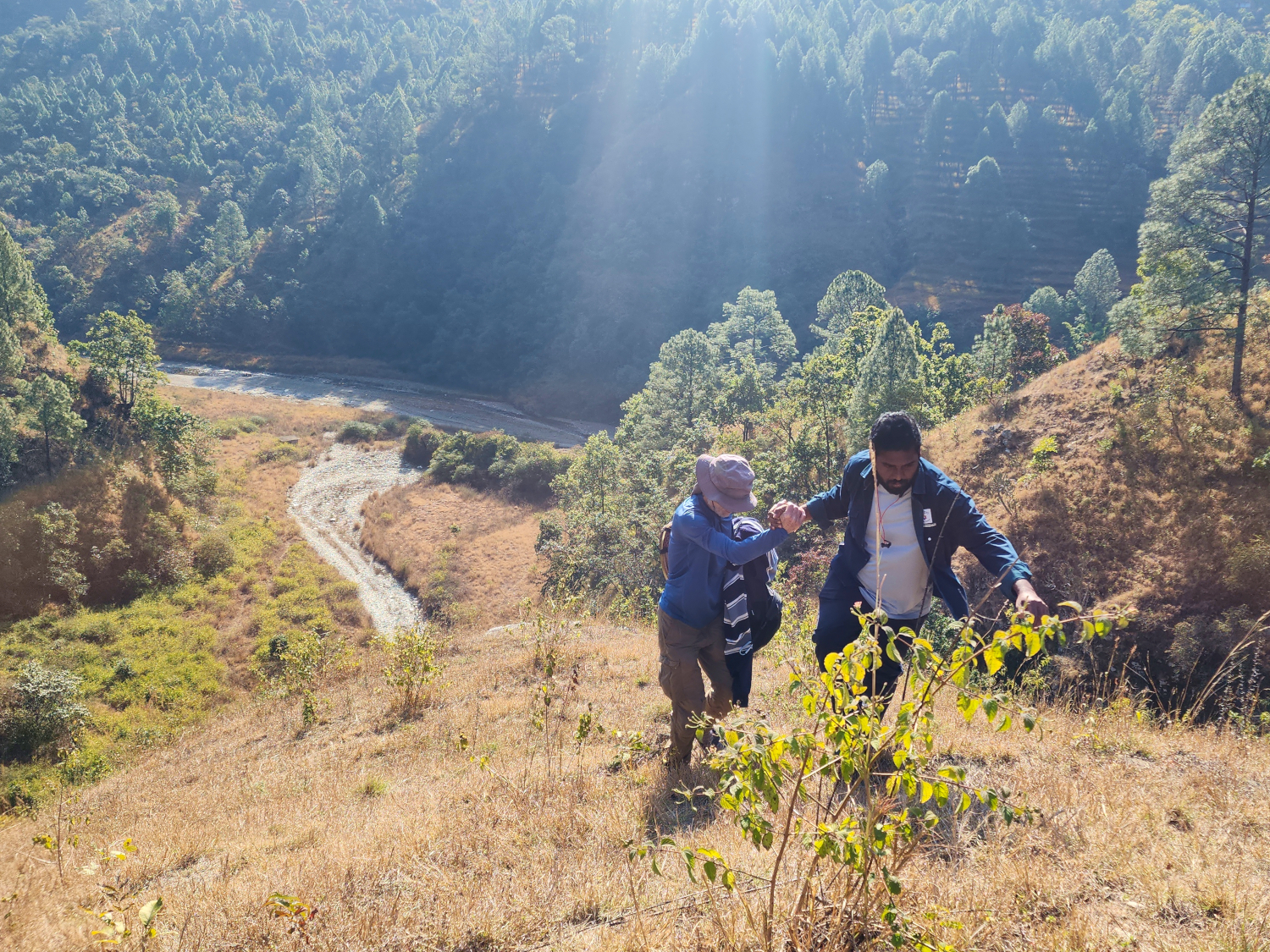
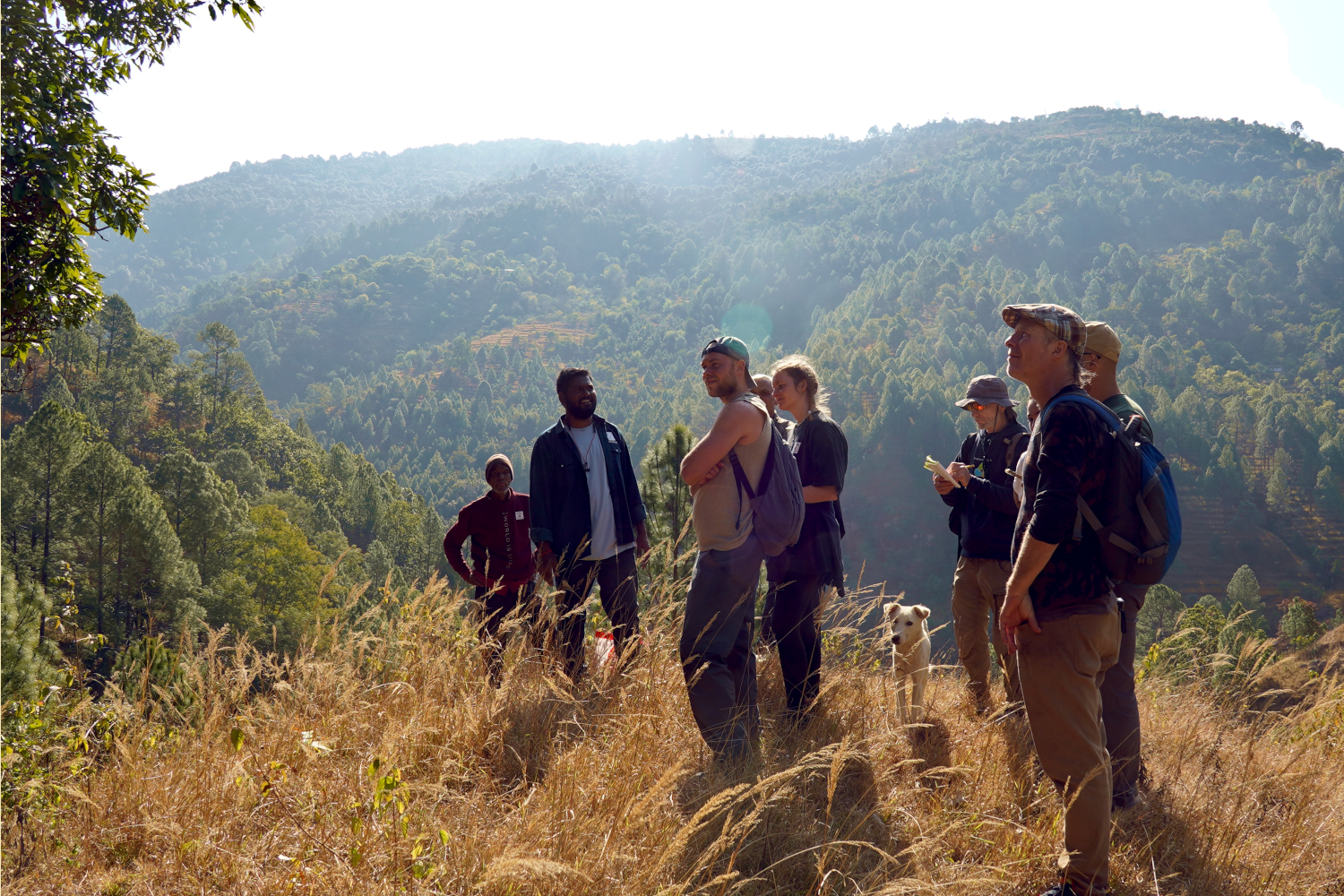
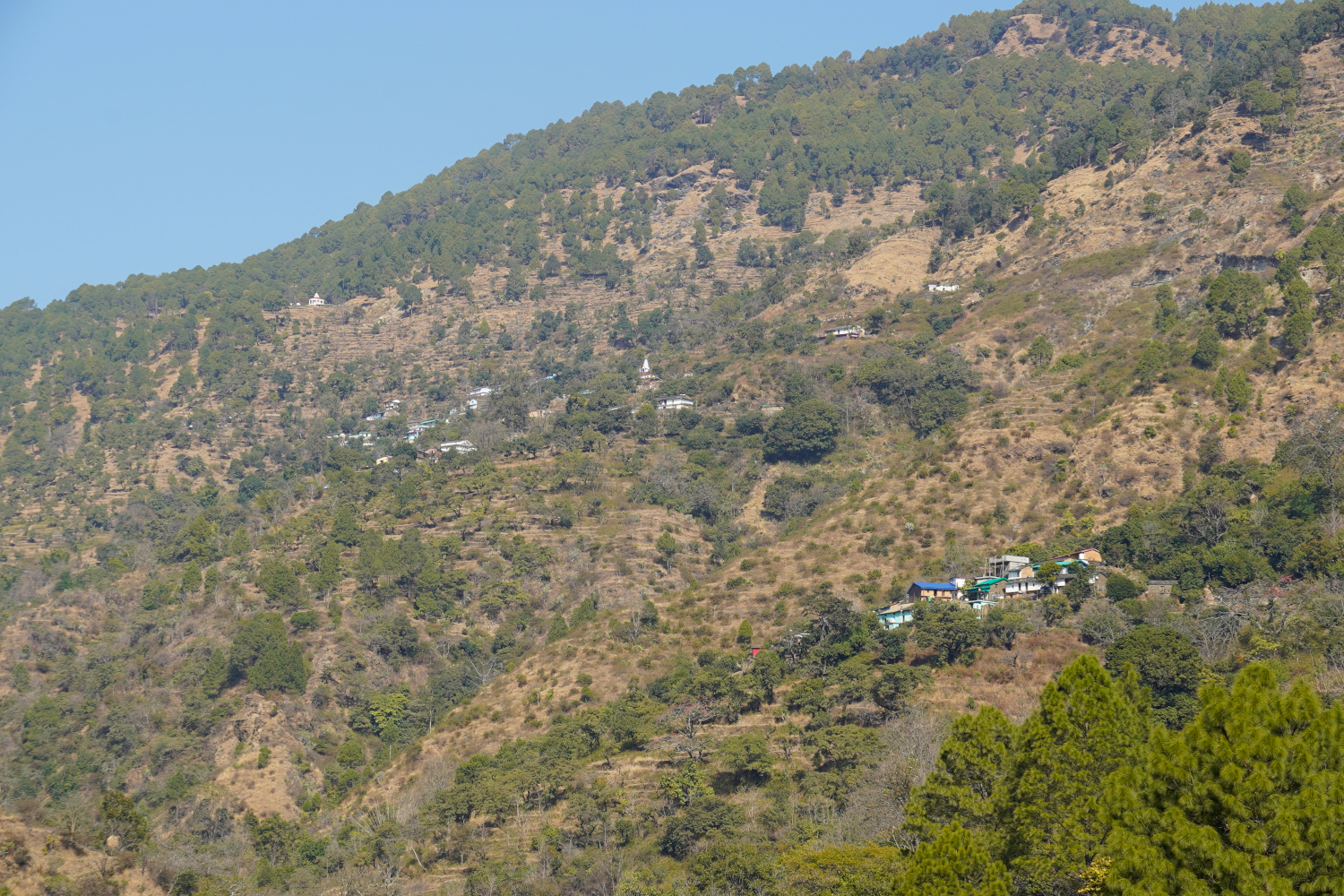
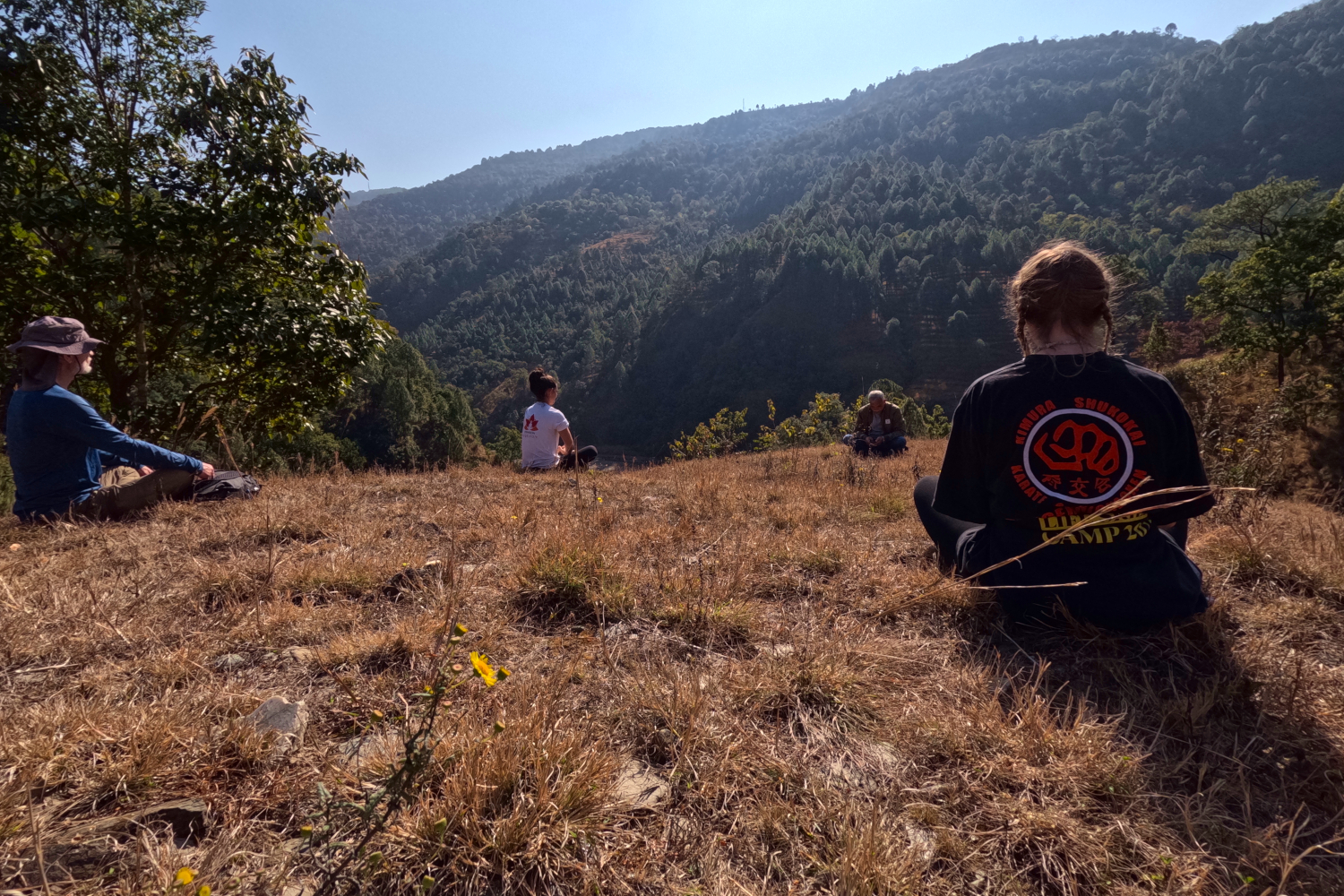
Continuing on our itinerary, we ask if there are cobras in this part of India. Ajay says that yes, there are, but we’ll never encounter them, because they’re very shy and skittish around humans. The feeling is mutual, and we hope they stay that way. Although it would be kind of cool to see one in the wild.
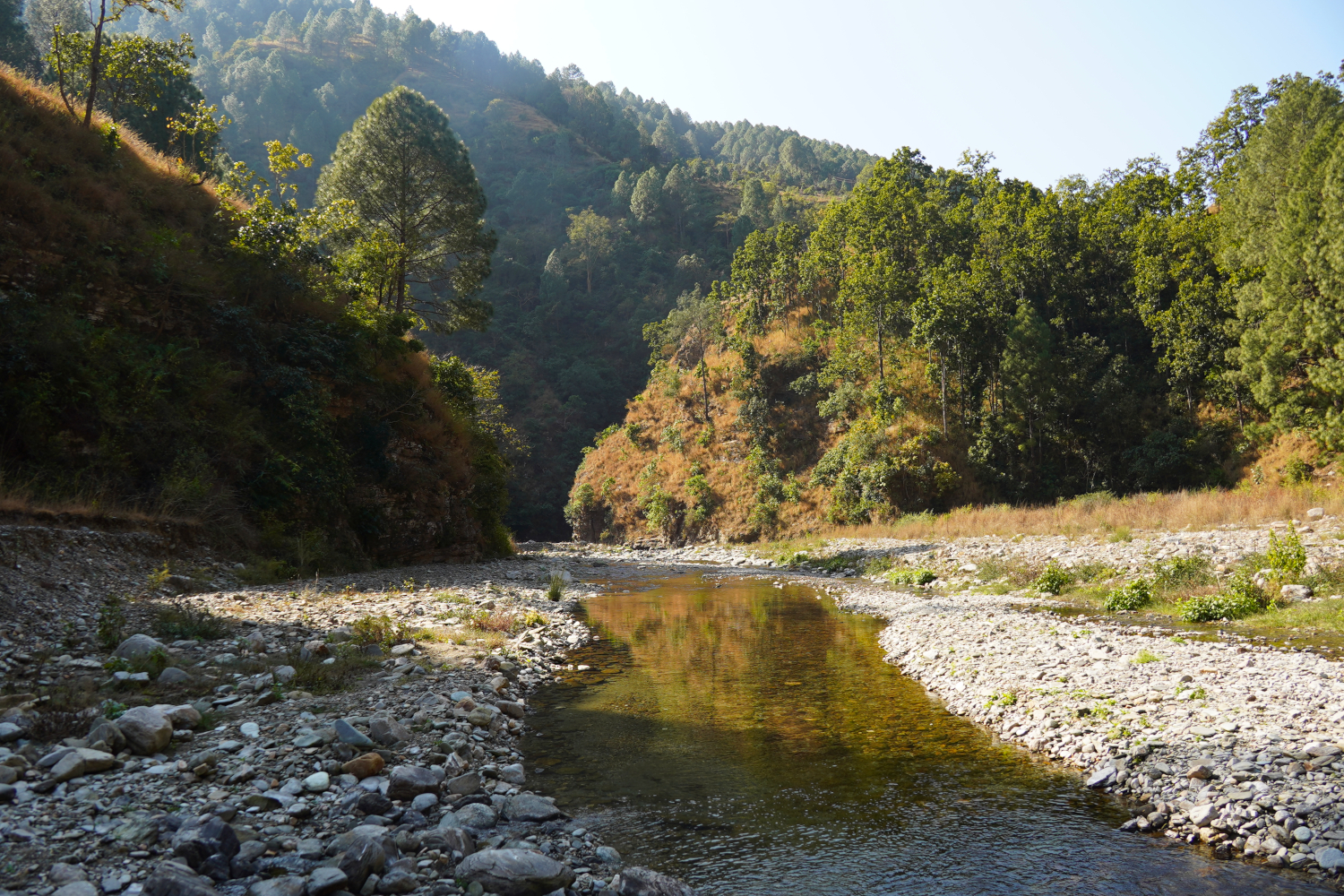
Not much farther down, we come to the river, though it’s not a raging powerhouse at the moment; in fact it’s rather wimpy, leaving a naked bed in many places. But what water remains is placid, pellucid and pristine.
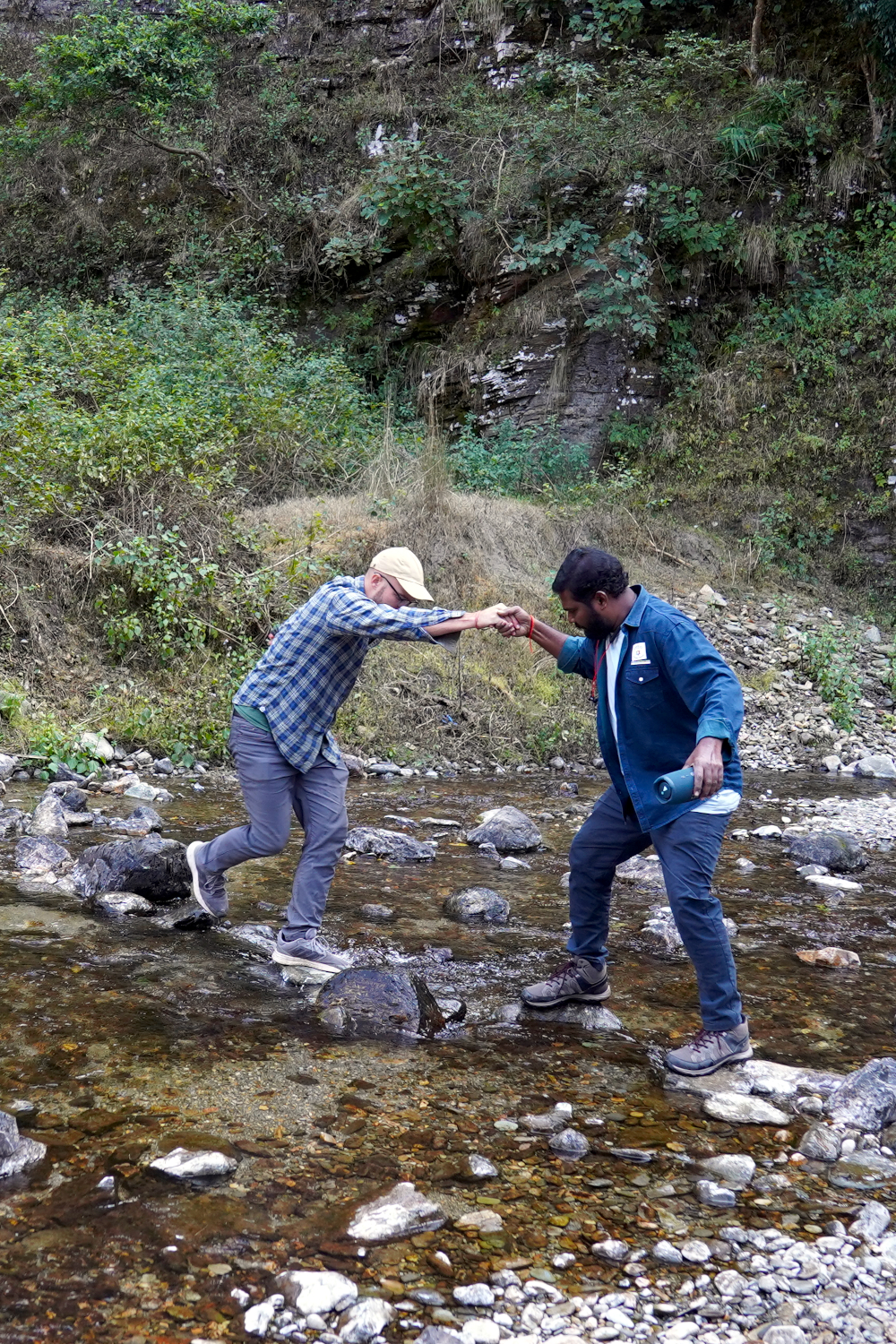
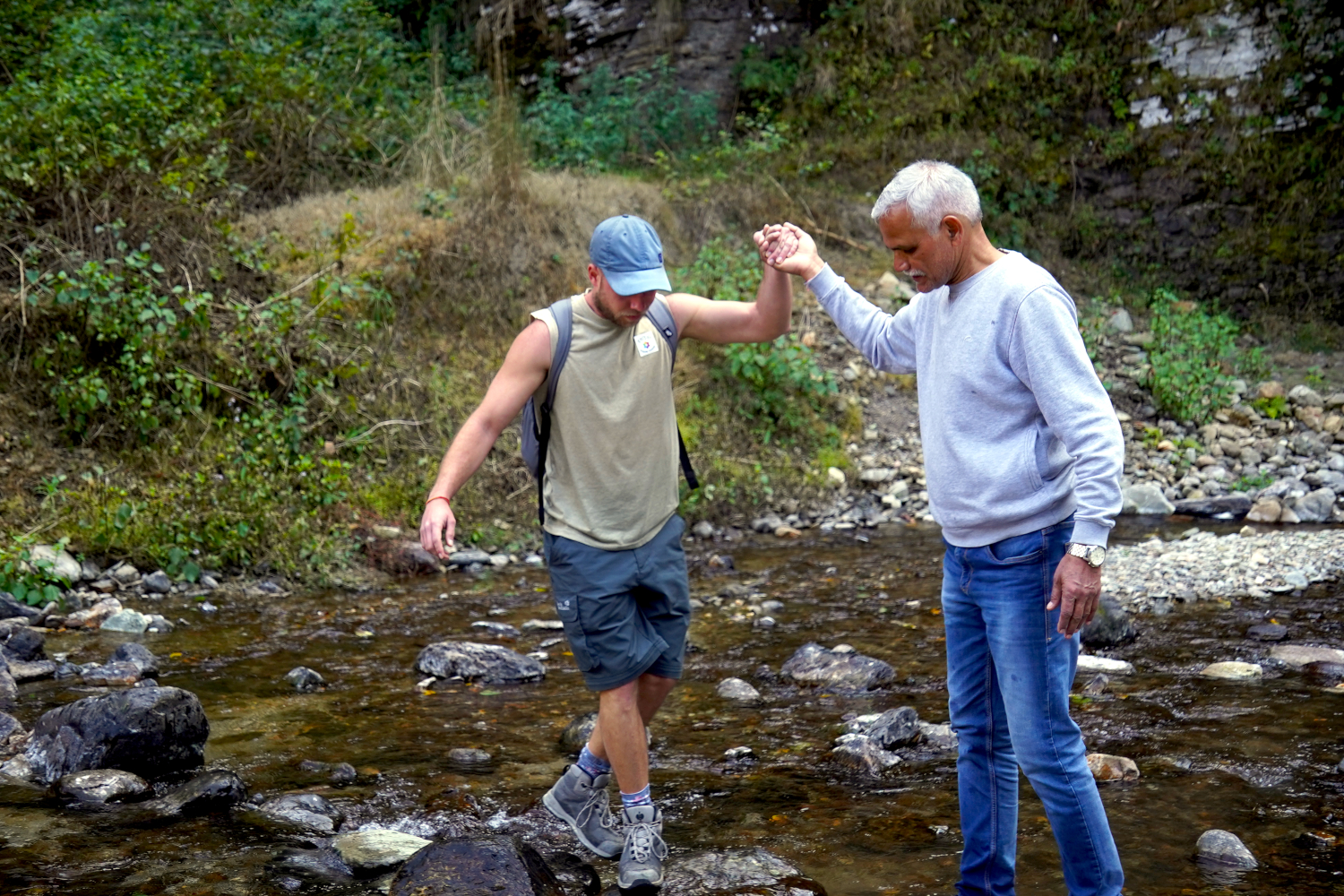
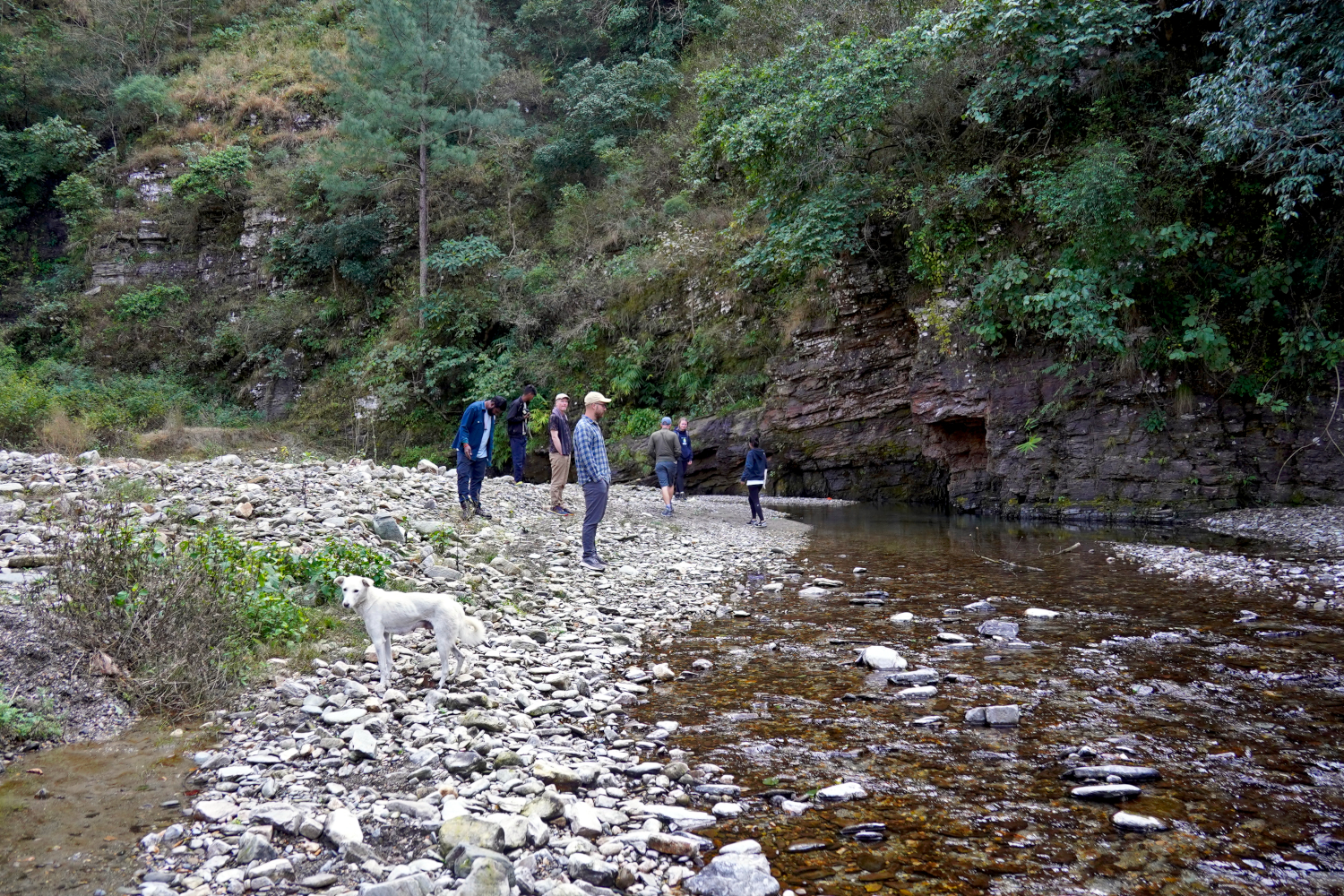

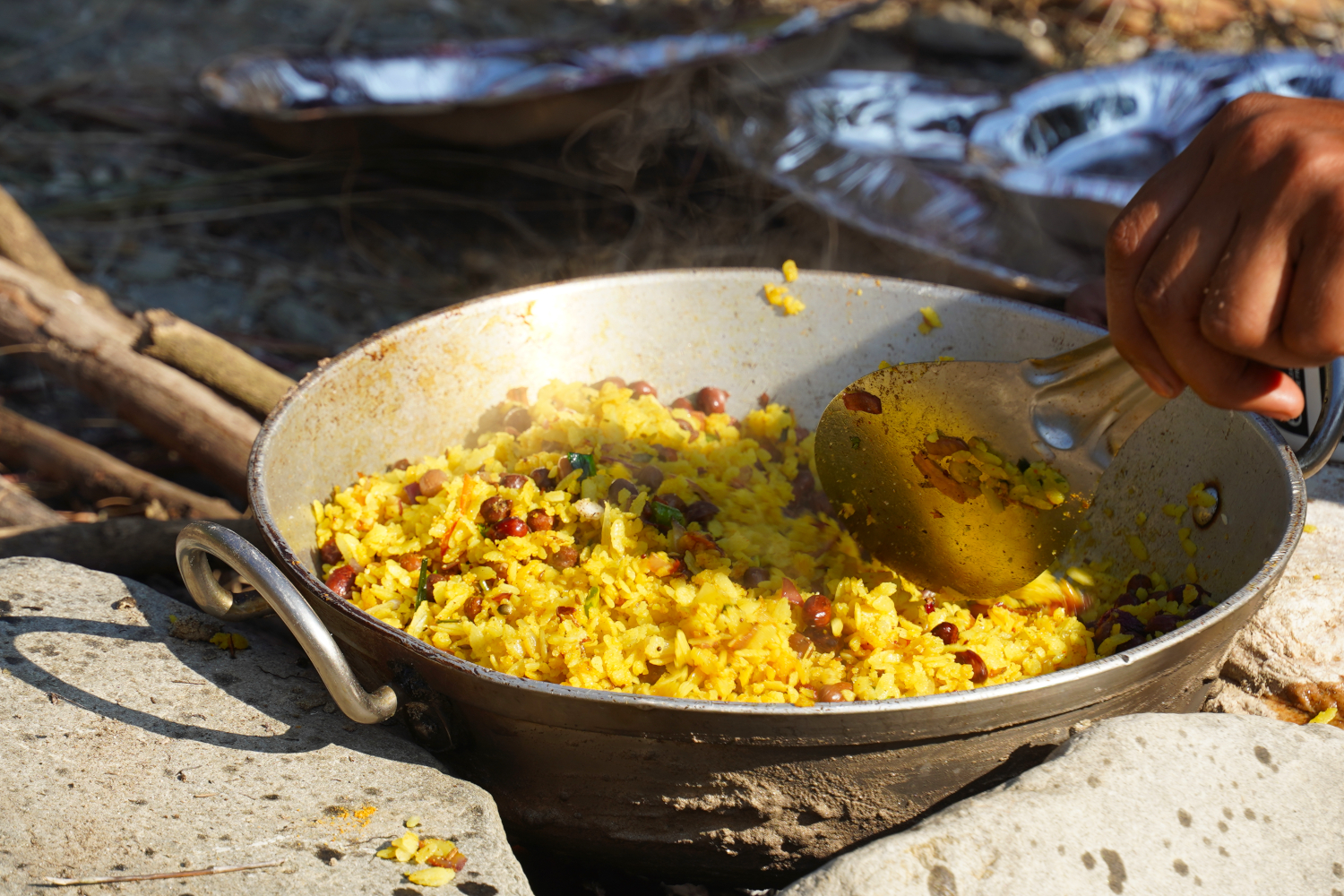
The three assistants who have hauled our collective gear build a fire on the river bank, and prepare a little dish containing garbanzos and peanuts, roasted in spices. It’s served in compostable paper bowls, with a leaf to use as a spoon. Assuming this would be our only lunch, we have about two and a half servings each of these little vessels full. Then we learn that in fact, this is merely a snack, and the guys are now about to proceed putting together the real meal. This is a most savory spicy concoction featuring potatoes and rice, followed up by one of those delectable Indian sweets that do not have equals anywhere else in the galaxy.

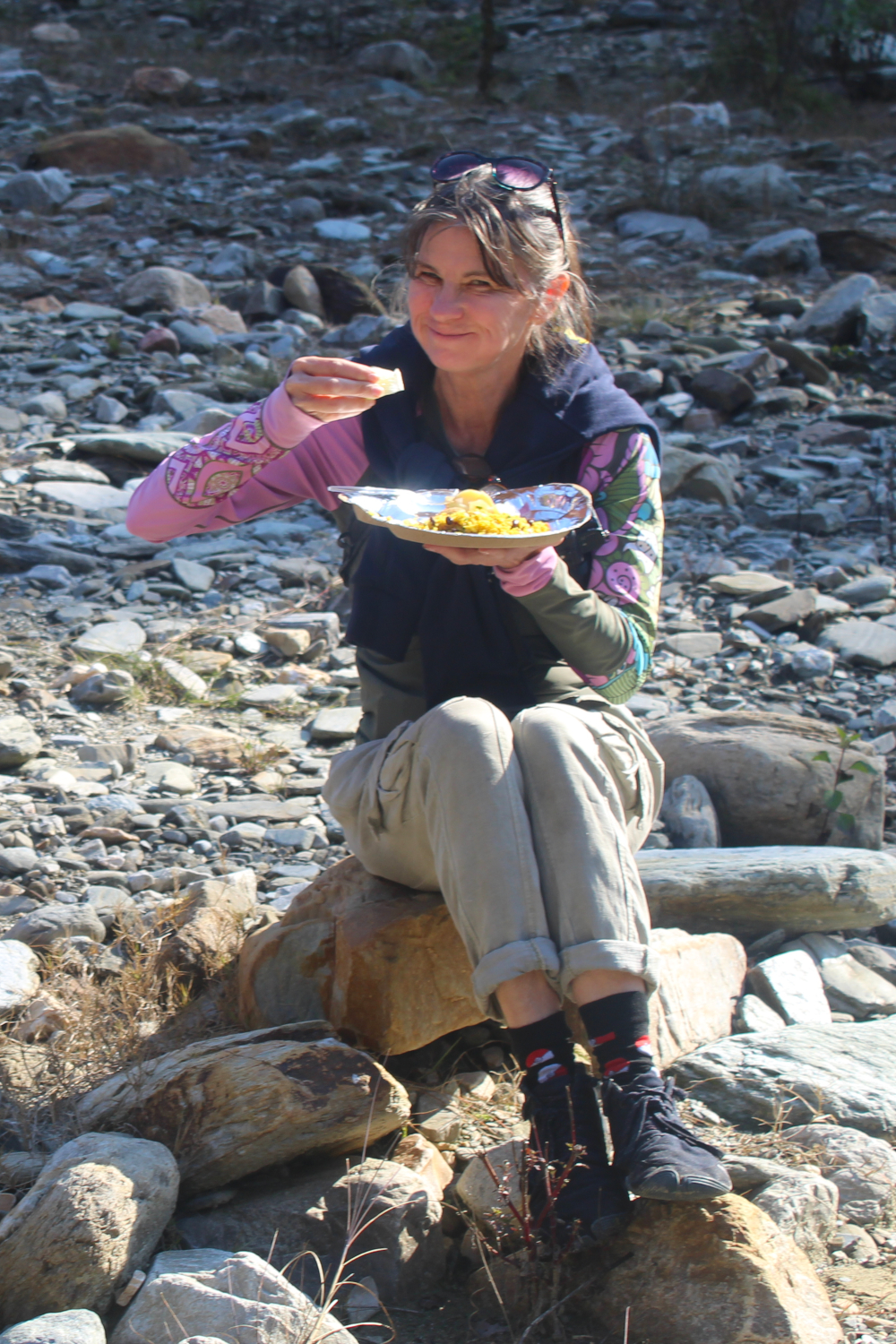
After we all take a break to do our own thing for a while — which for some of us includes following the river around the bend to find a place to create our own facilities. — we all sit on stones by the river’s edge and place our feet into the water, whereupon we indulge in another guided meditation. The element of feet immersed in water adds a whole new level to the experience.
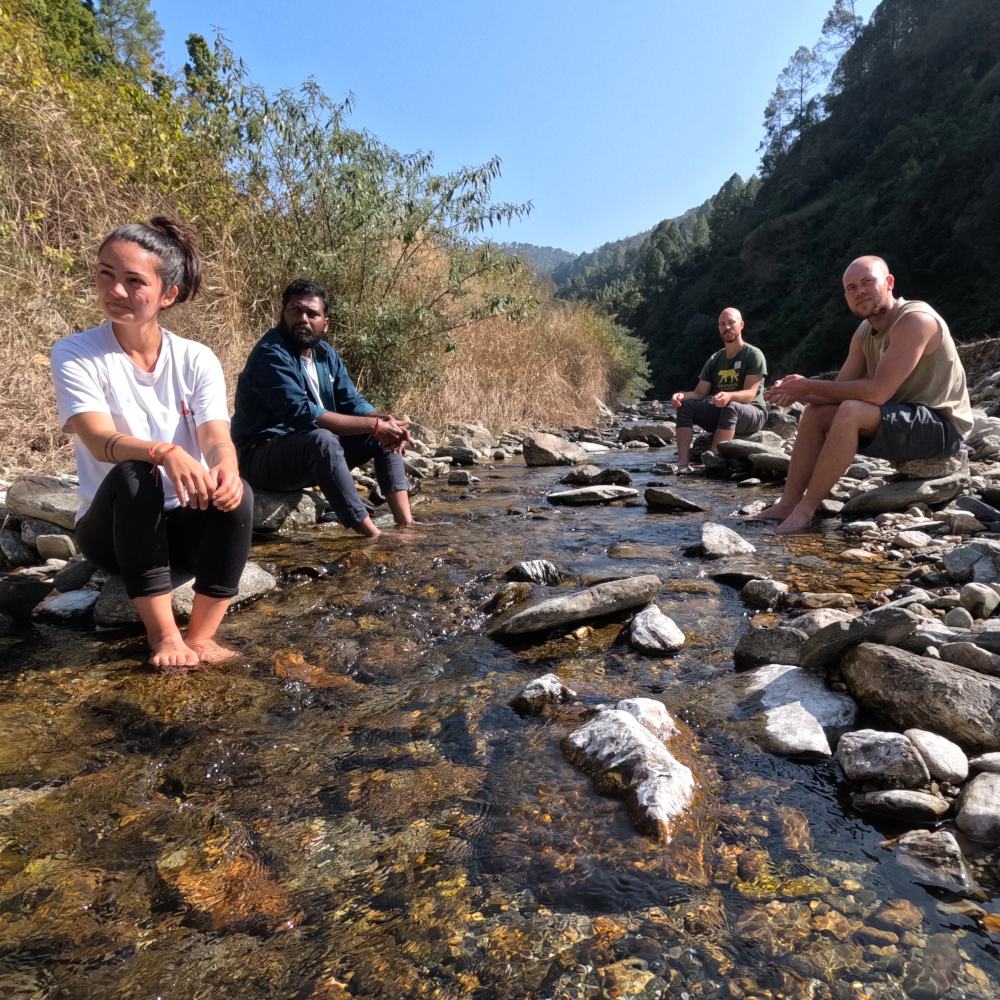

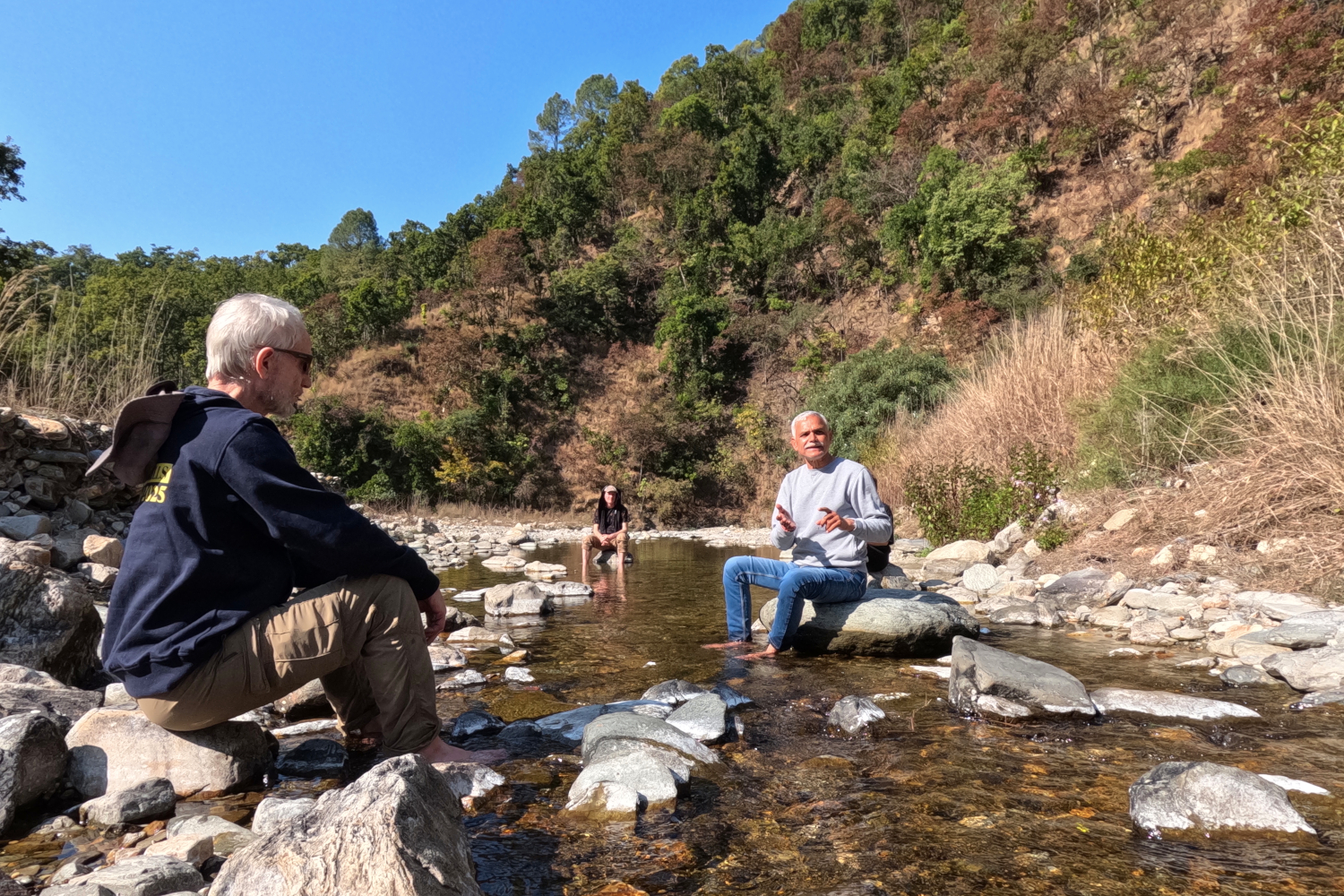
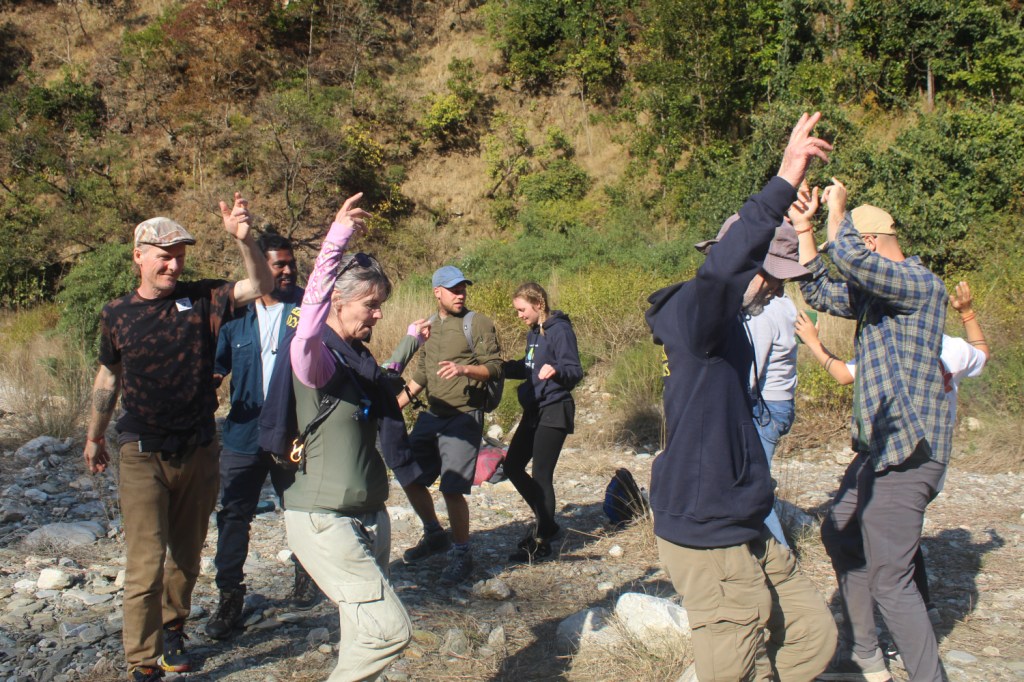
Before we head back up the long, rigorous incline, Madhu teaches us the first few phrases of an Indian song. Someone plays a recording of the music, and we all make some approximation of singing along as we dance around in a circle, in a manner that surely is less than authentically traditional.

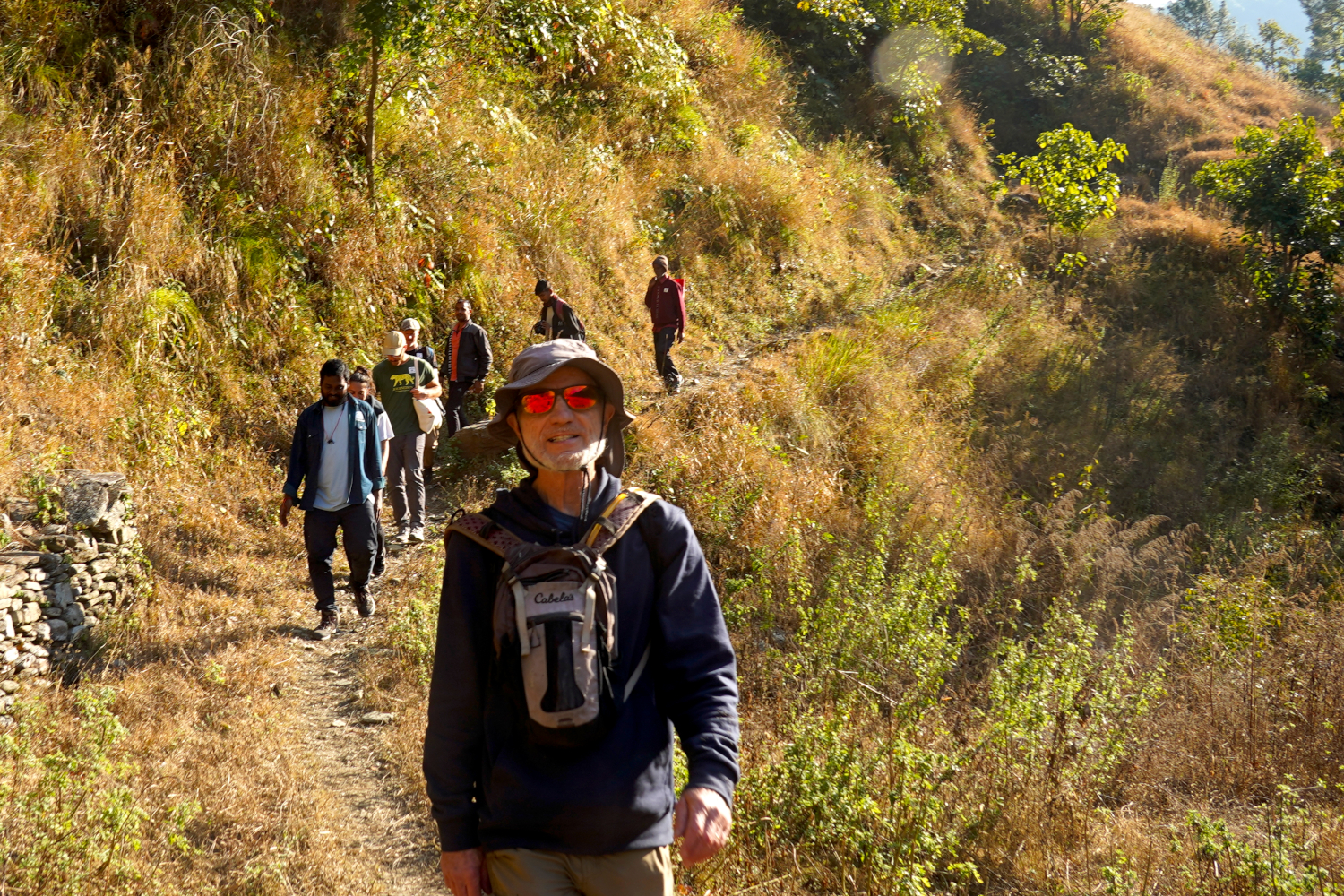
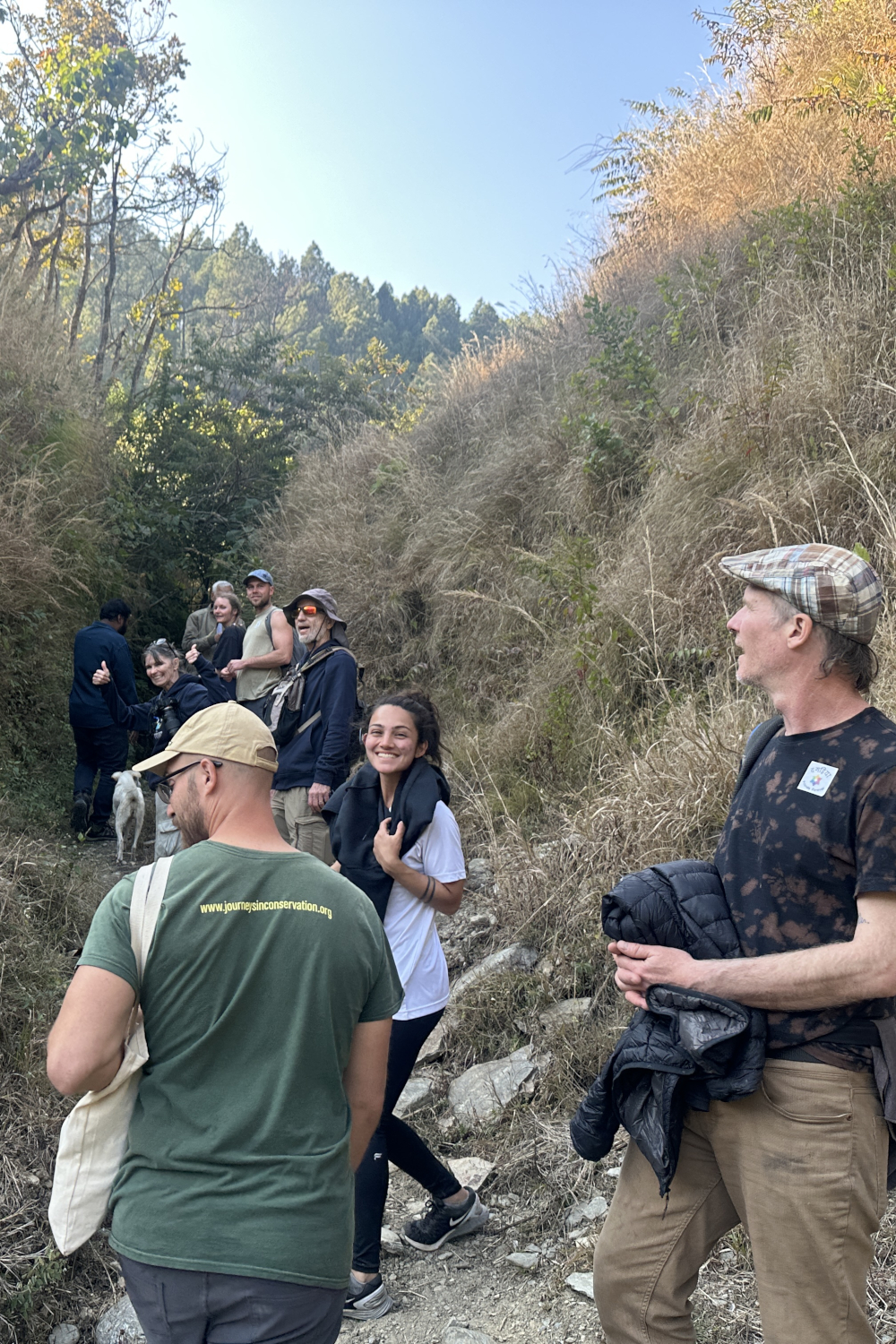
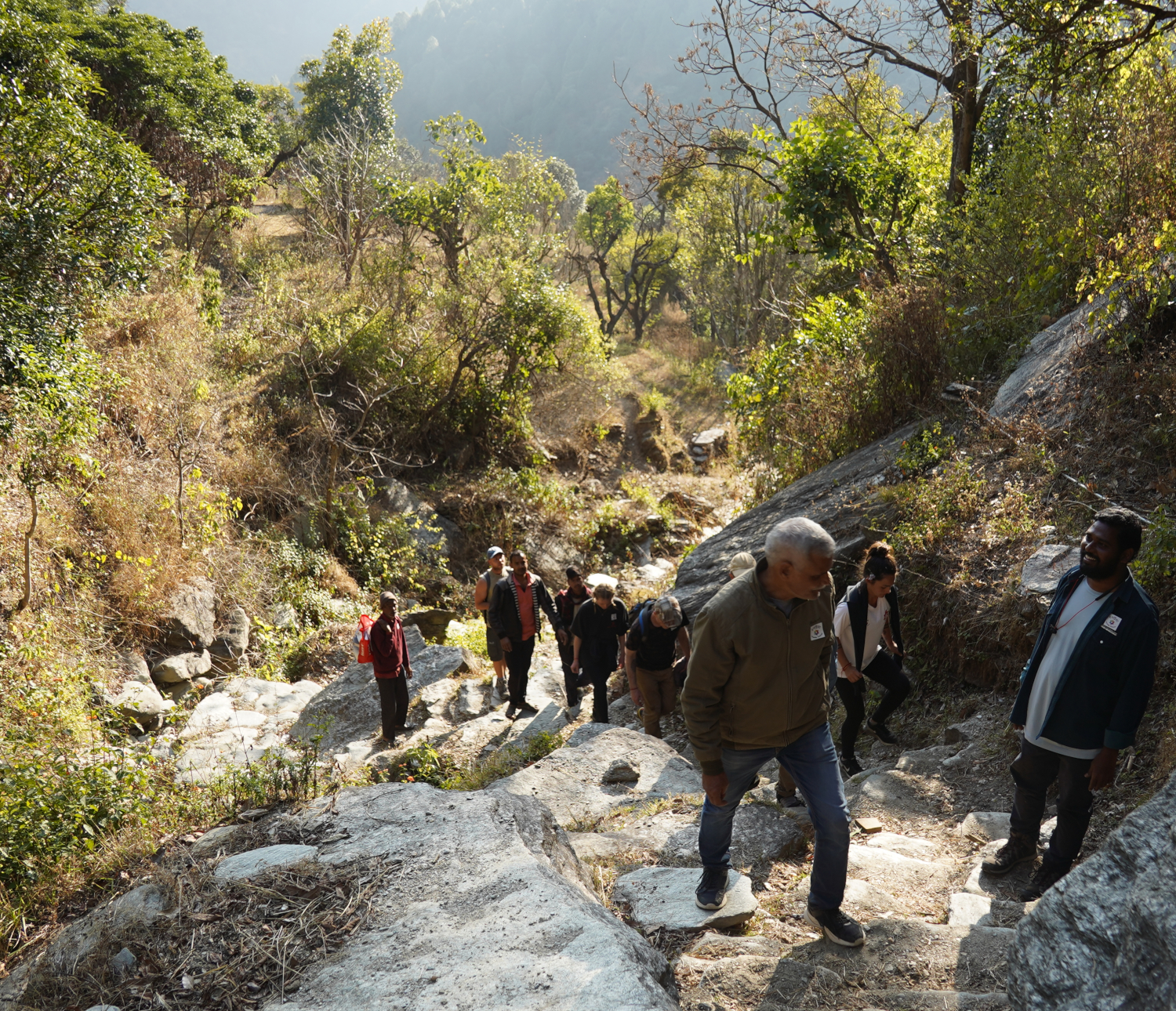
As we’re hiking back up, the assistants continue playing the peppy music, which keeps our steps from dragging. It seems that in our eagerness to descend the mountain and get down to the river, we more or less forgot about the fact that what goes down must, sooner or later, come back up. And of course the more downhill it is getting there, the more uphill it is getting back.


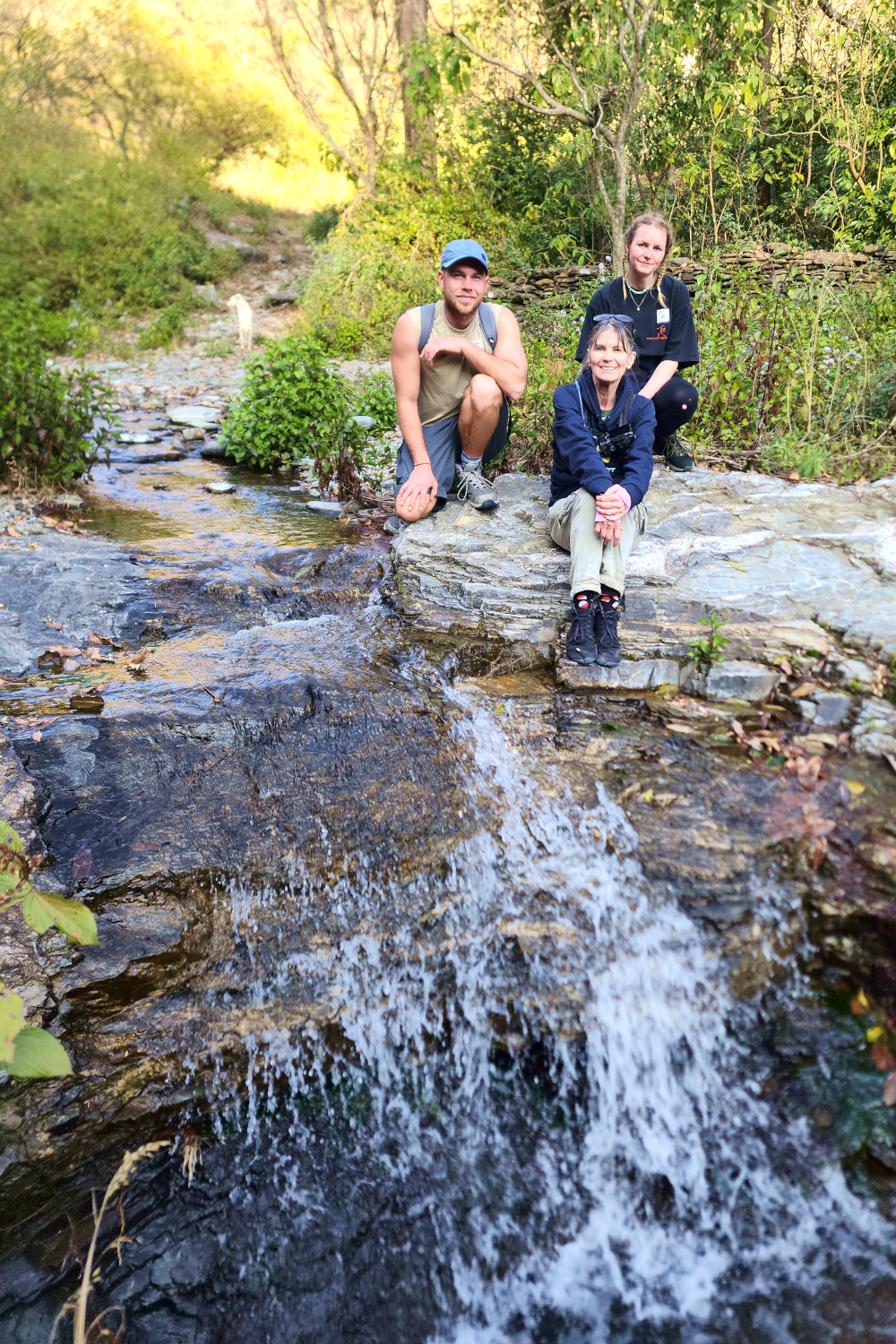
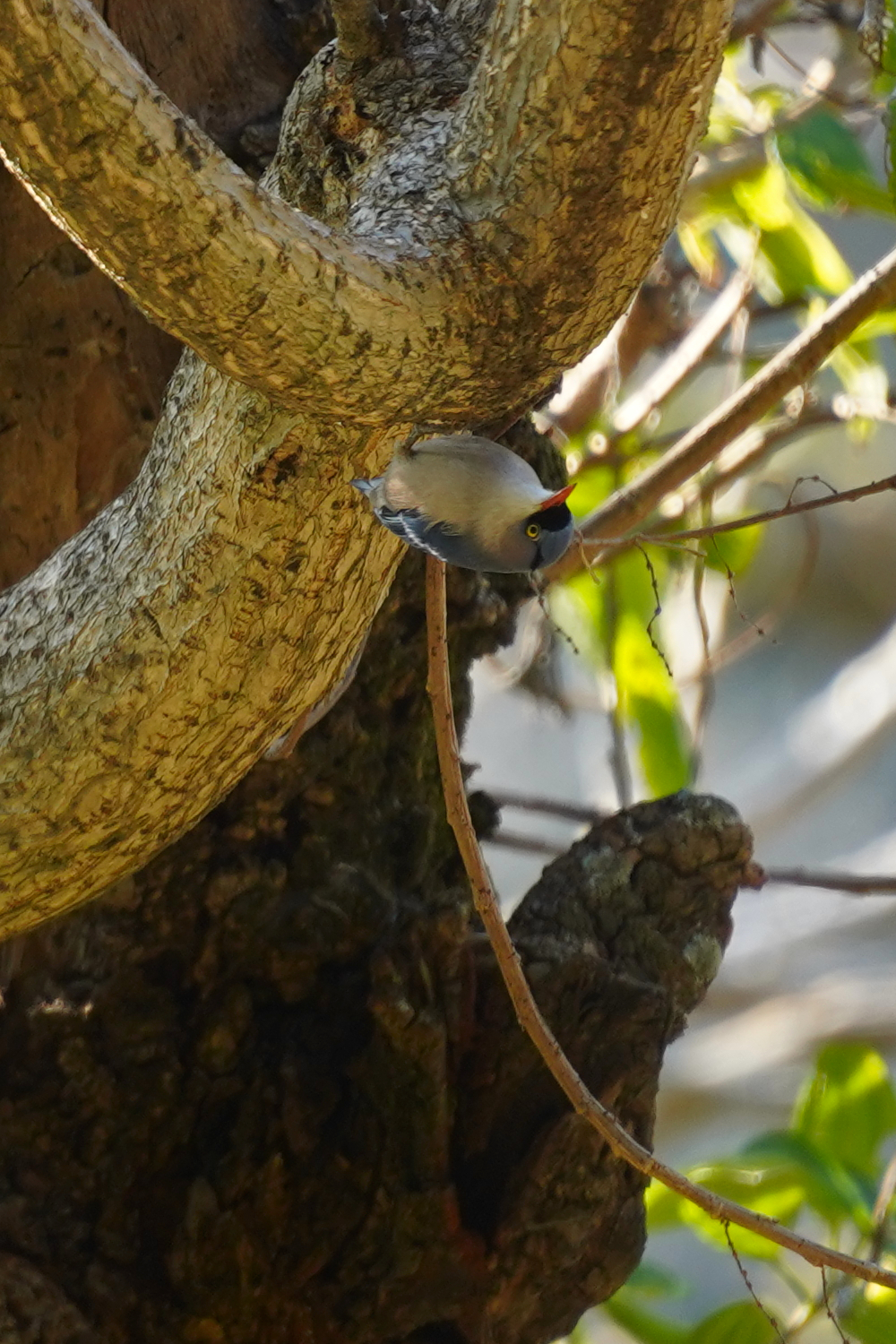
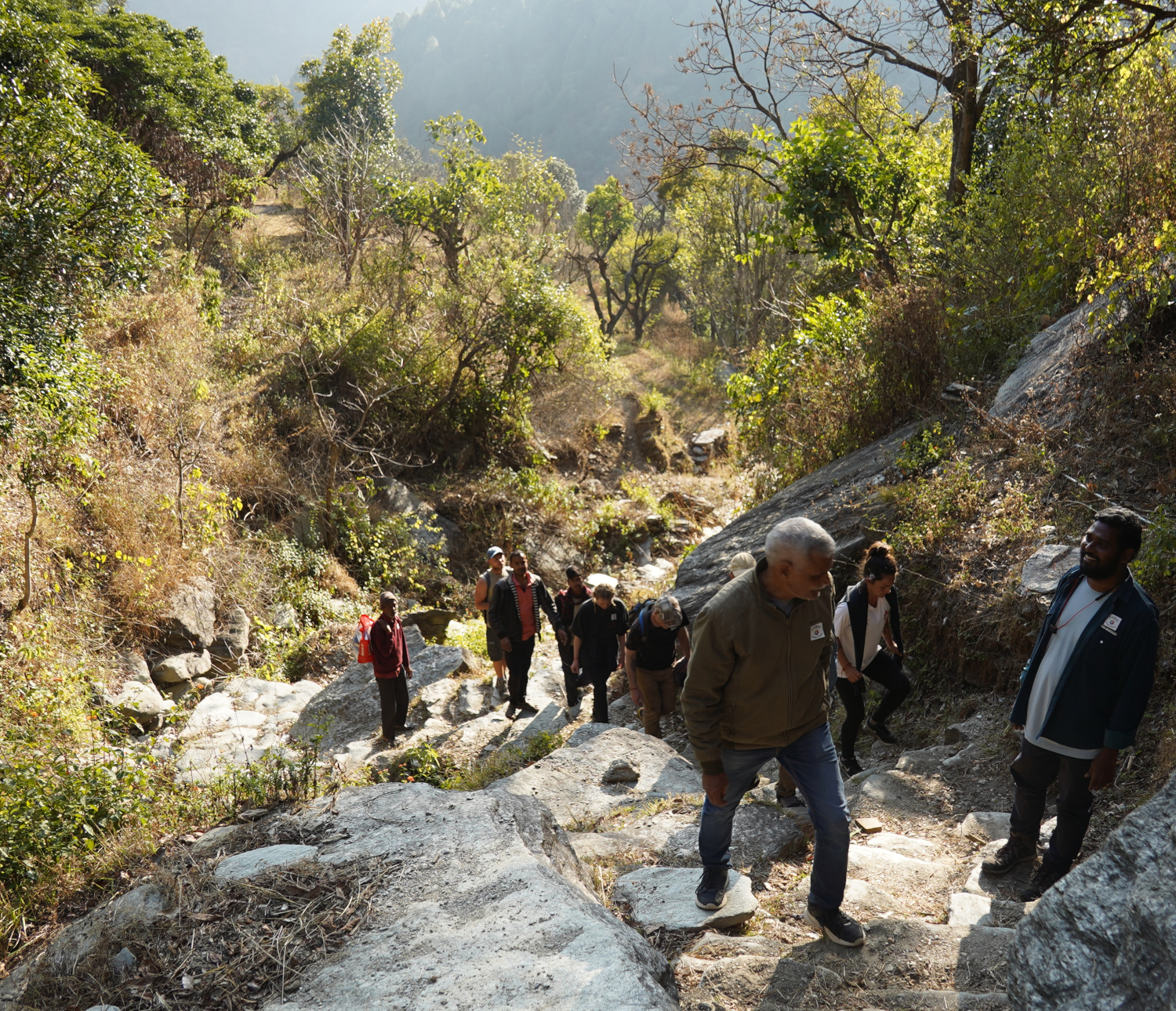
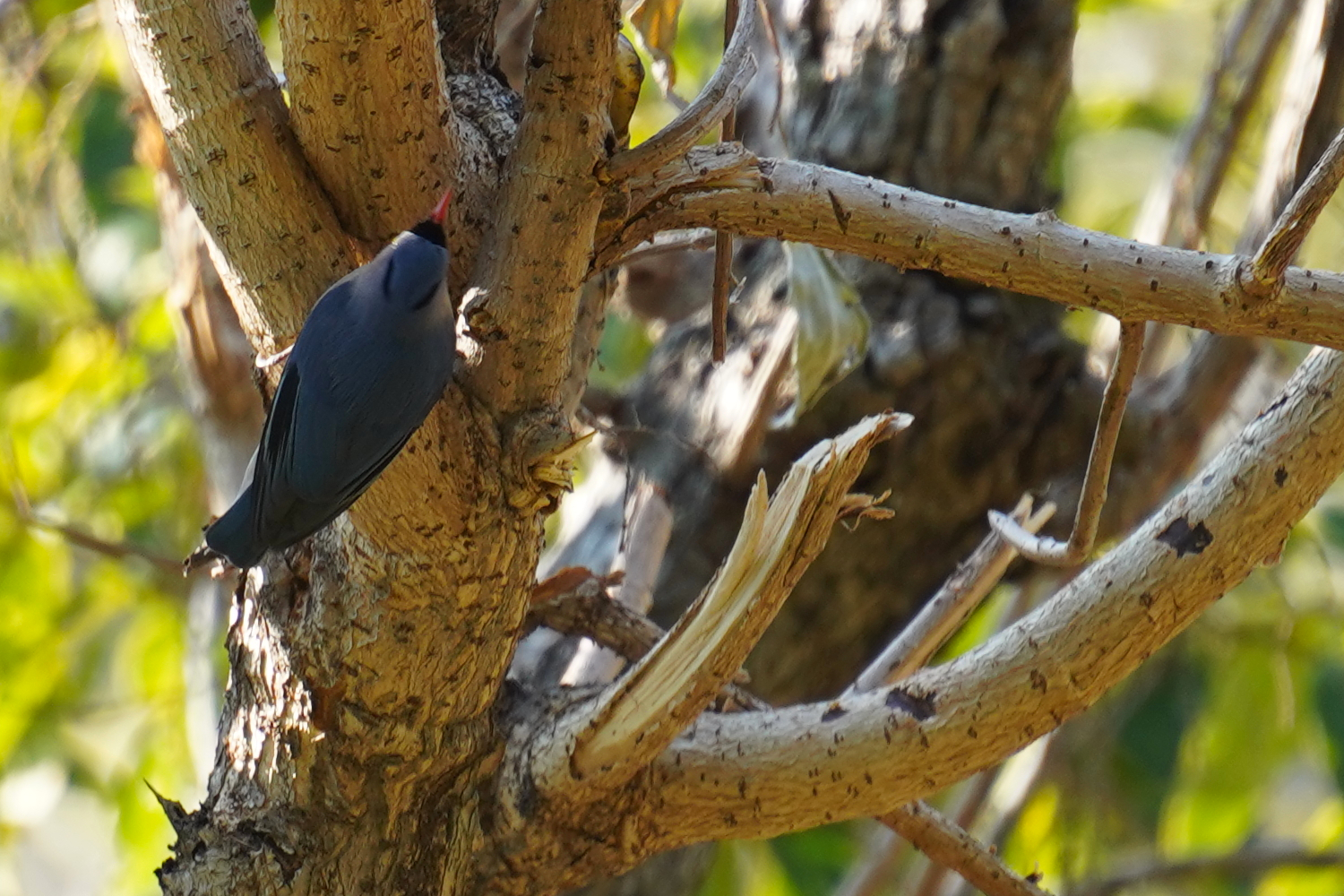
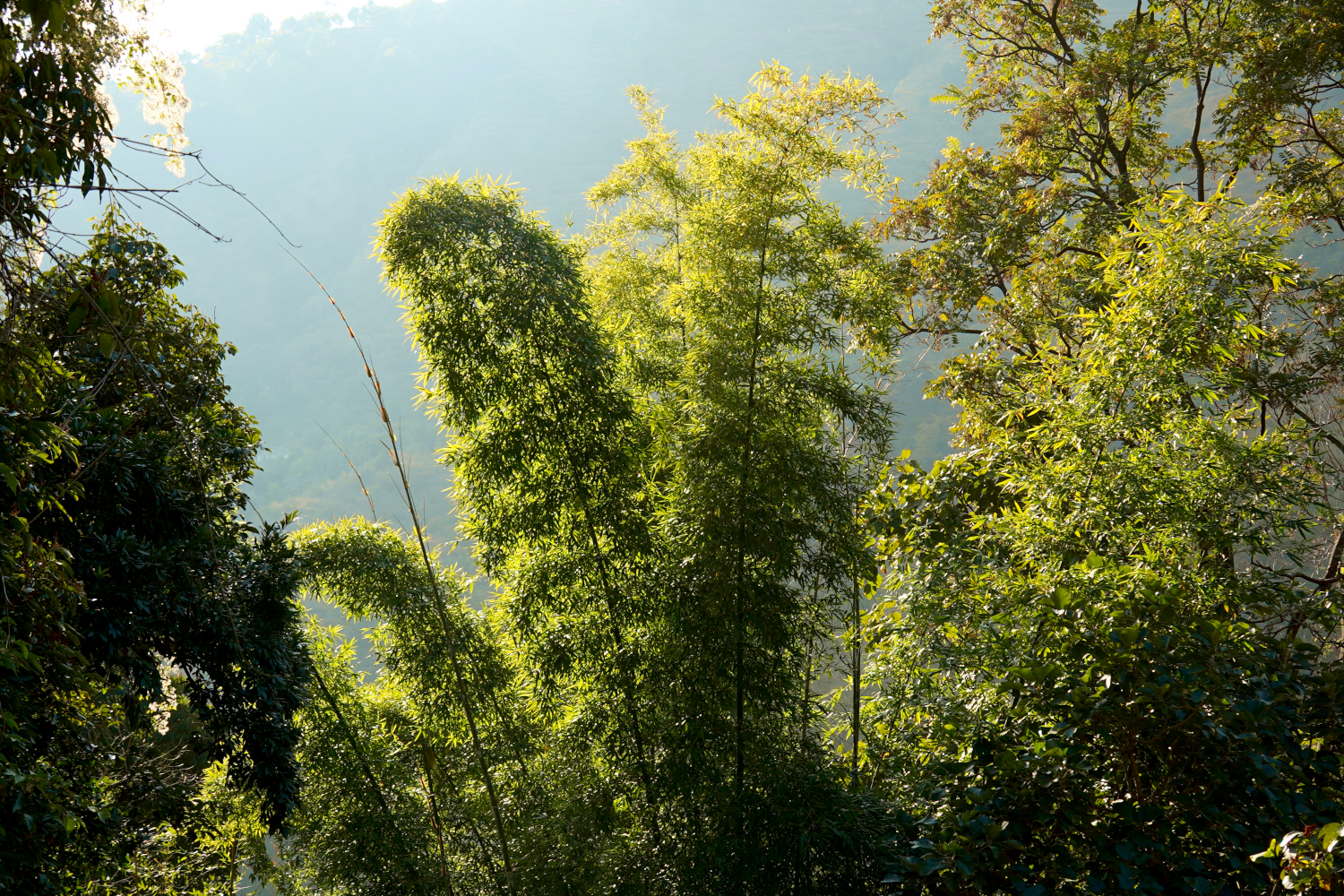
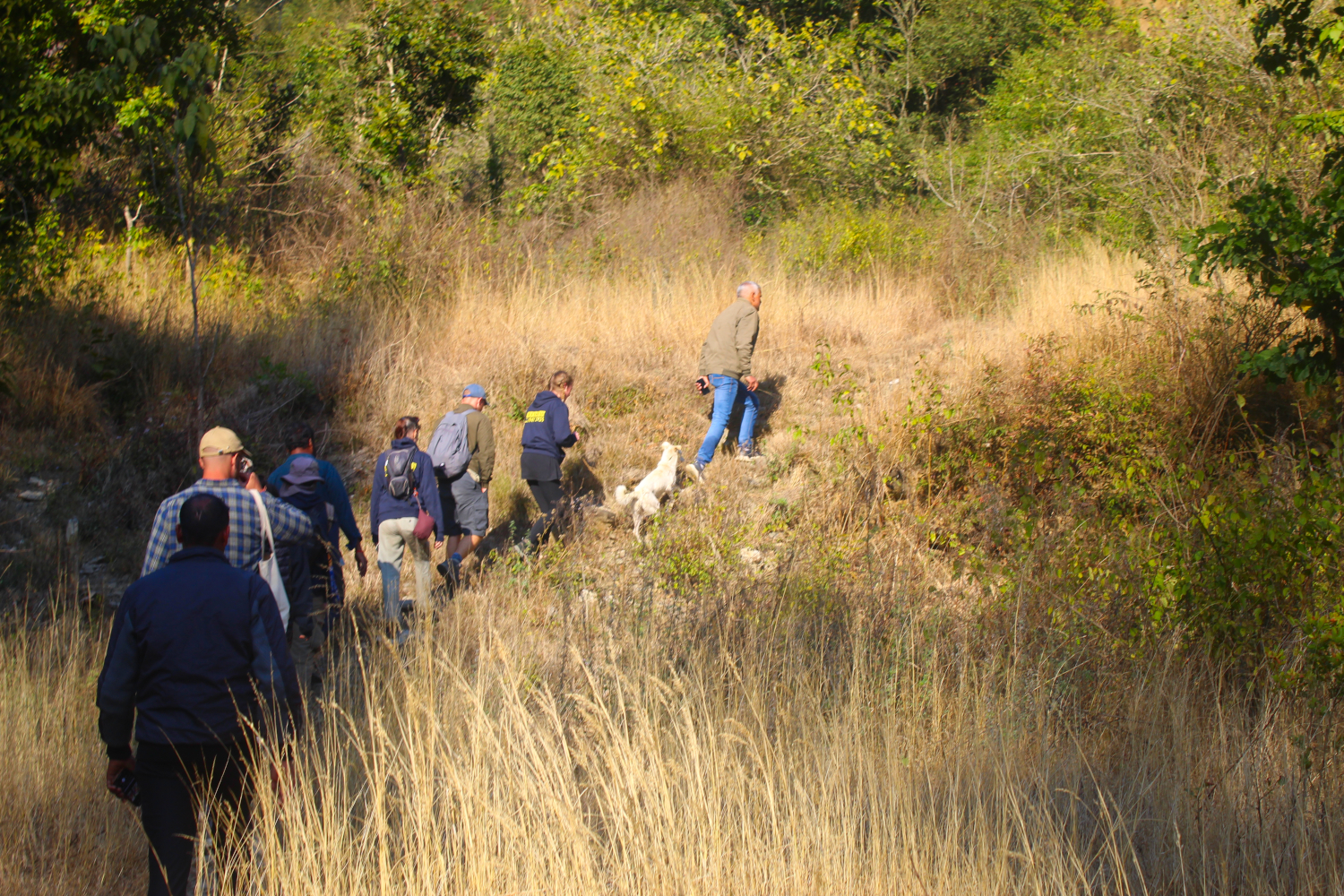
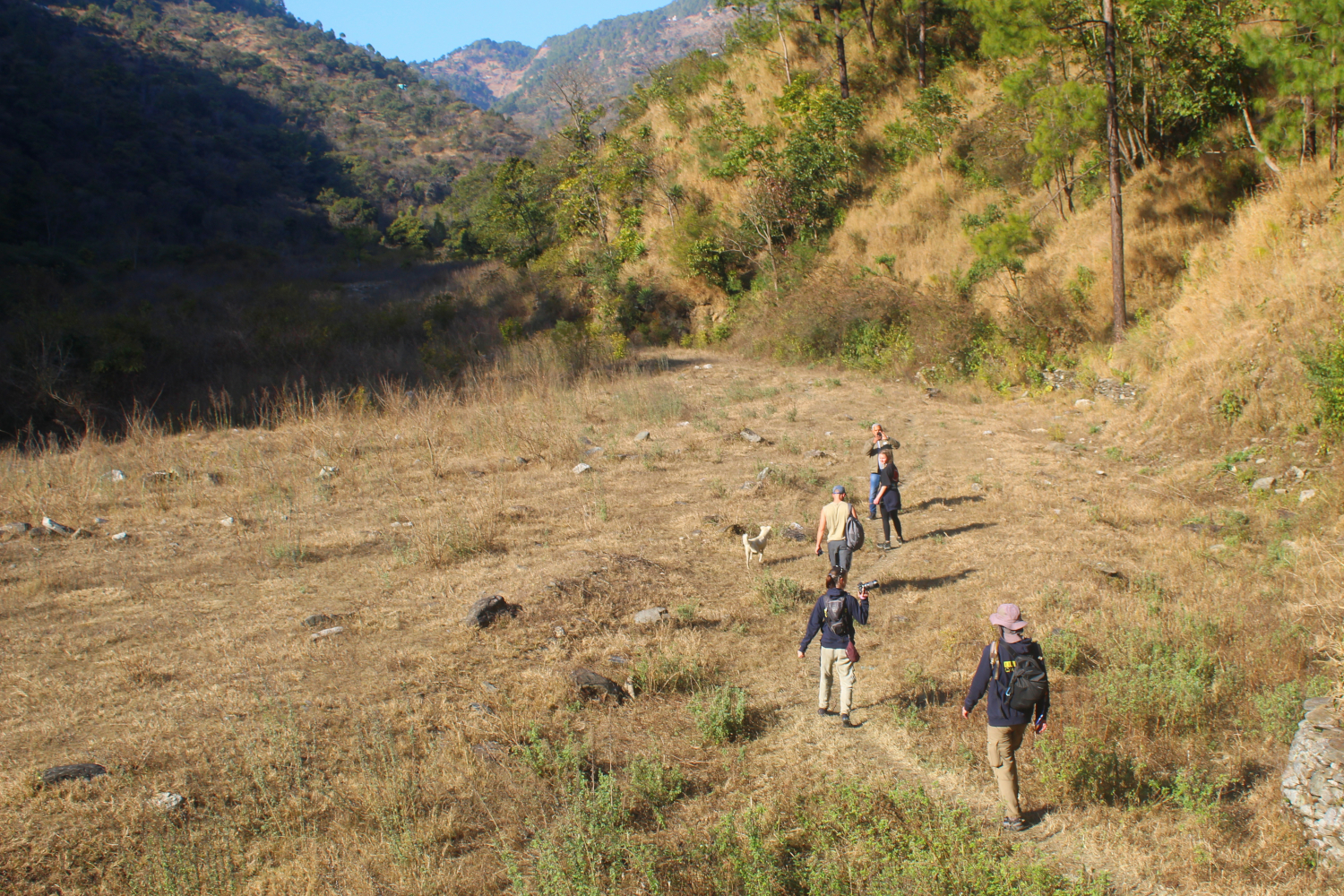
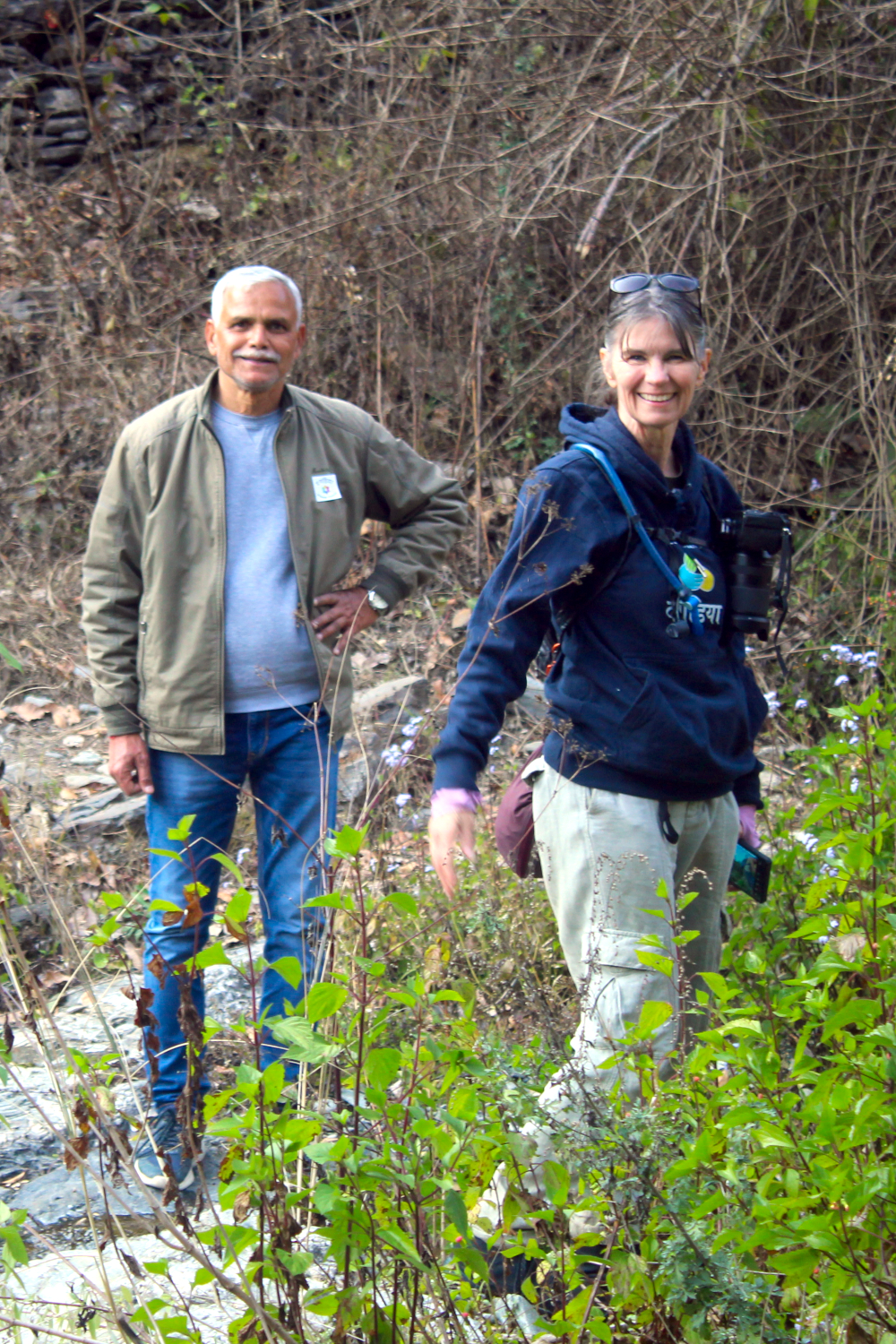
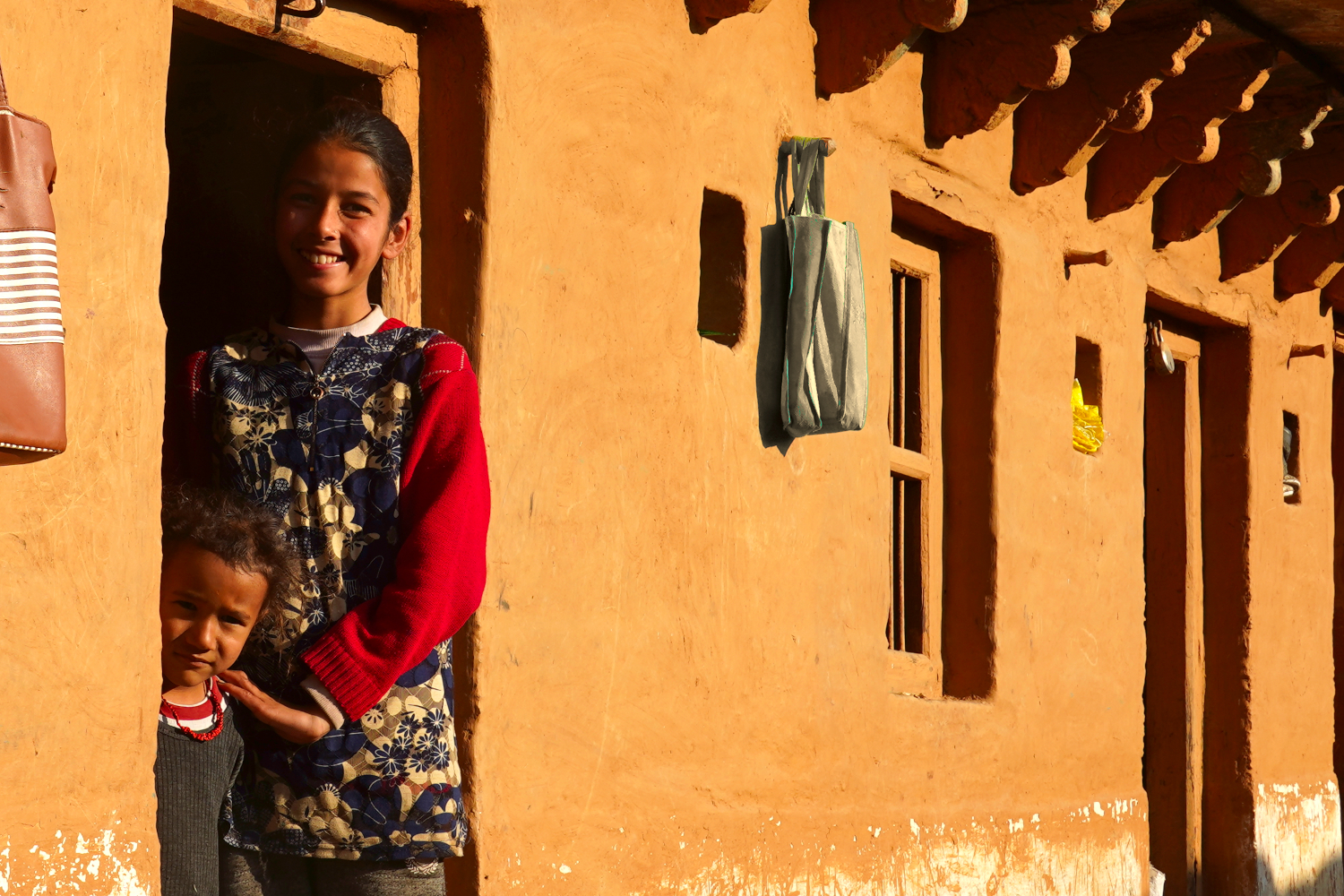
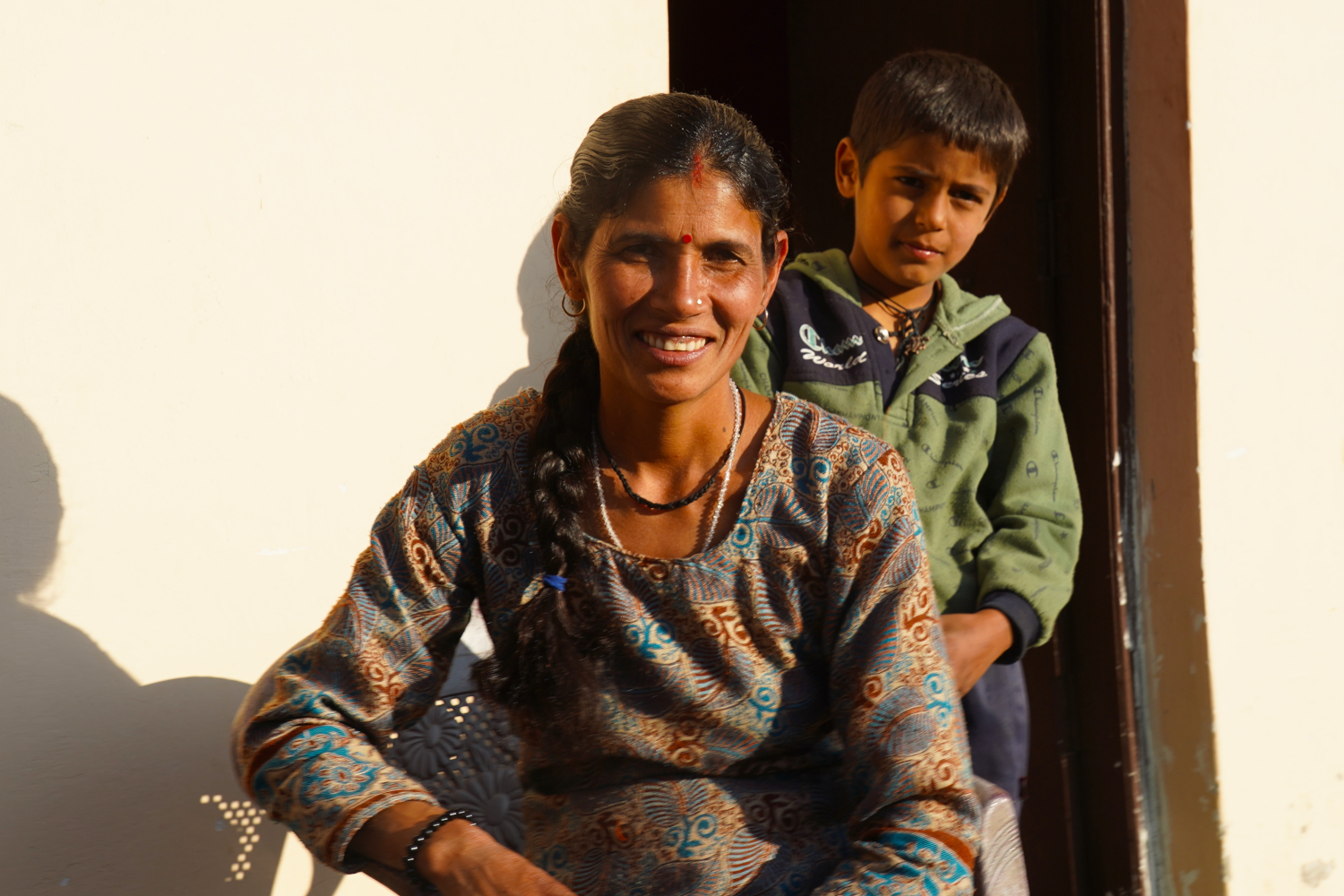
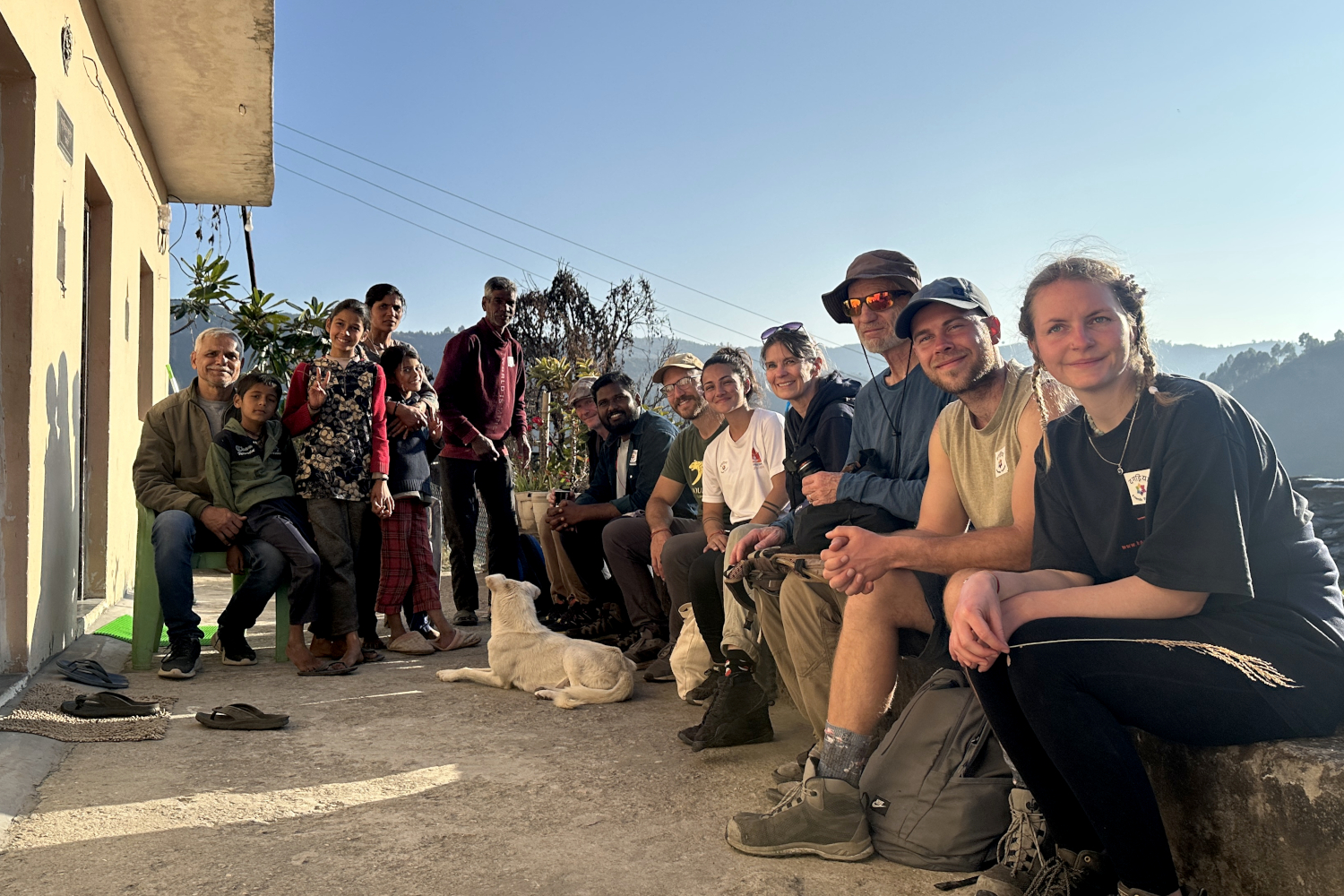
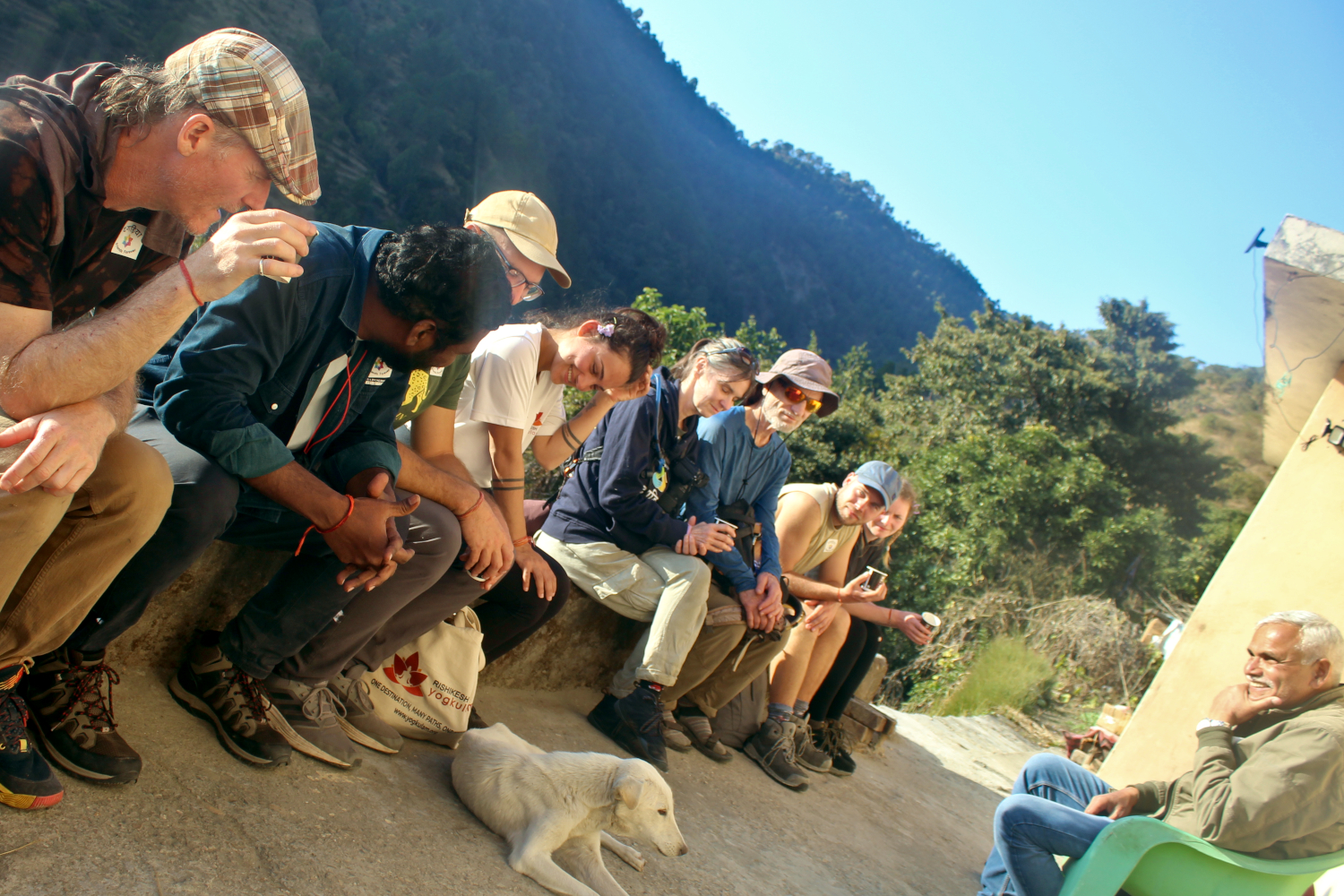
Fortunately we make a couple of pit stops, including one when we come to Madhu’s home again. We are served chai, of course, as one always is anywhere in India. A couple of neighborhood kids drop by, a boy and a girl, and give their introductory spiels in English, stating their names, ages and interests.
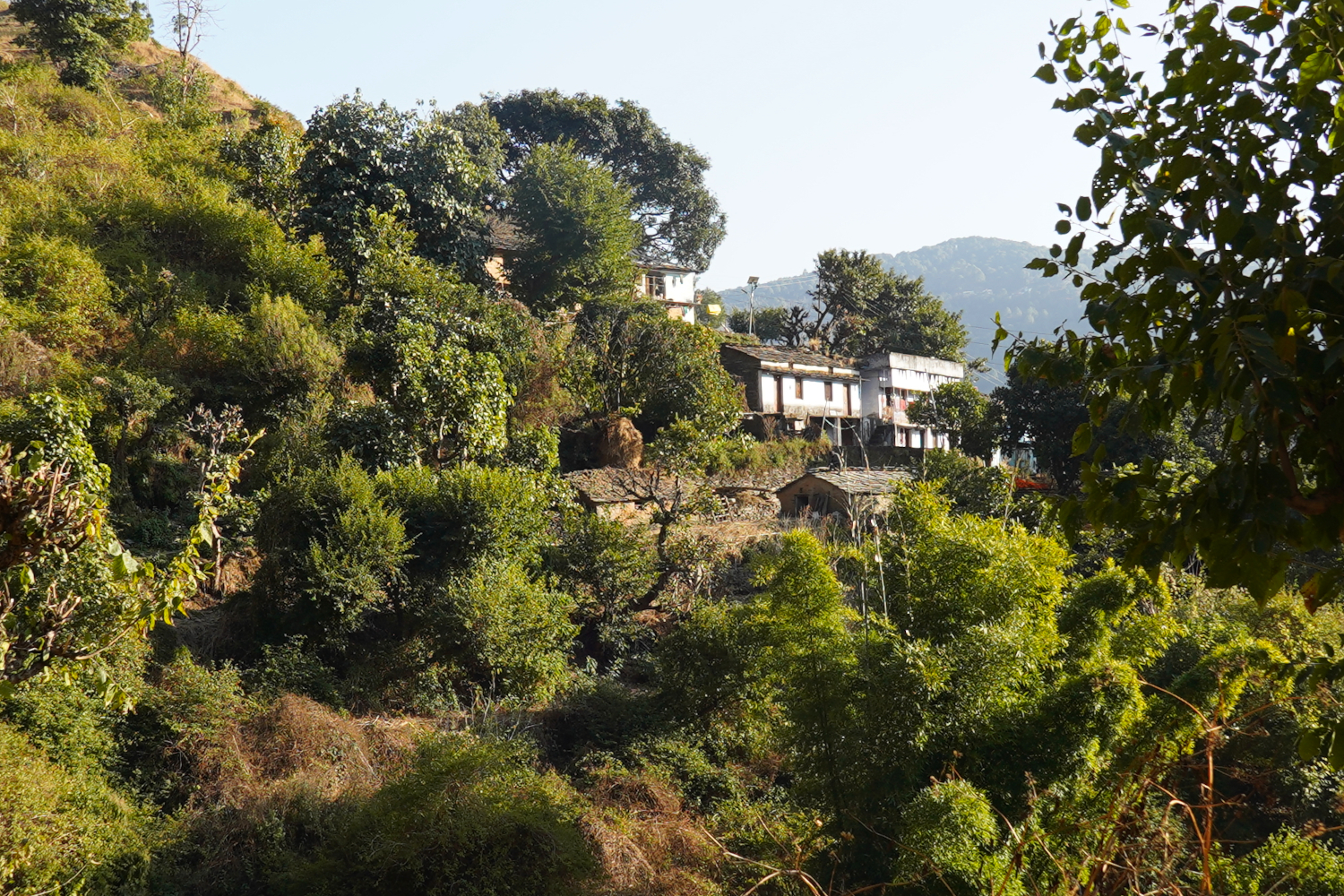
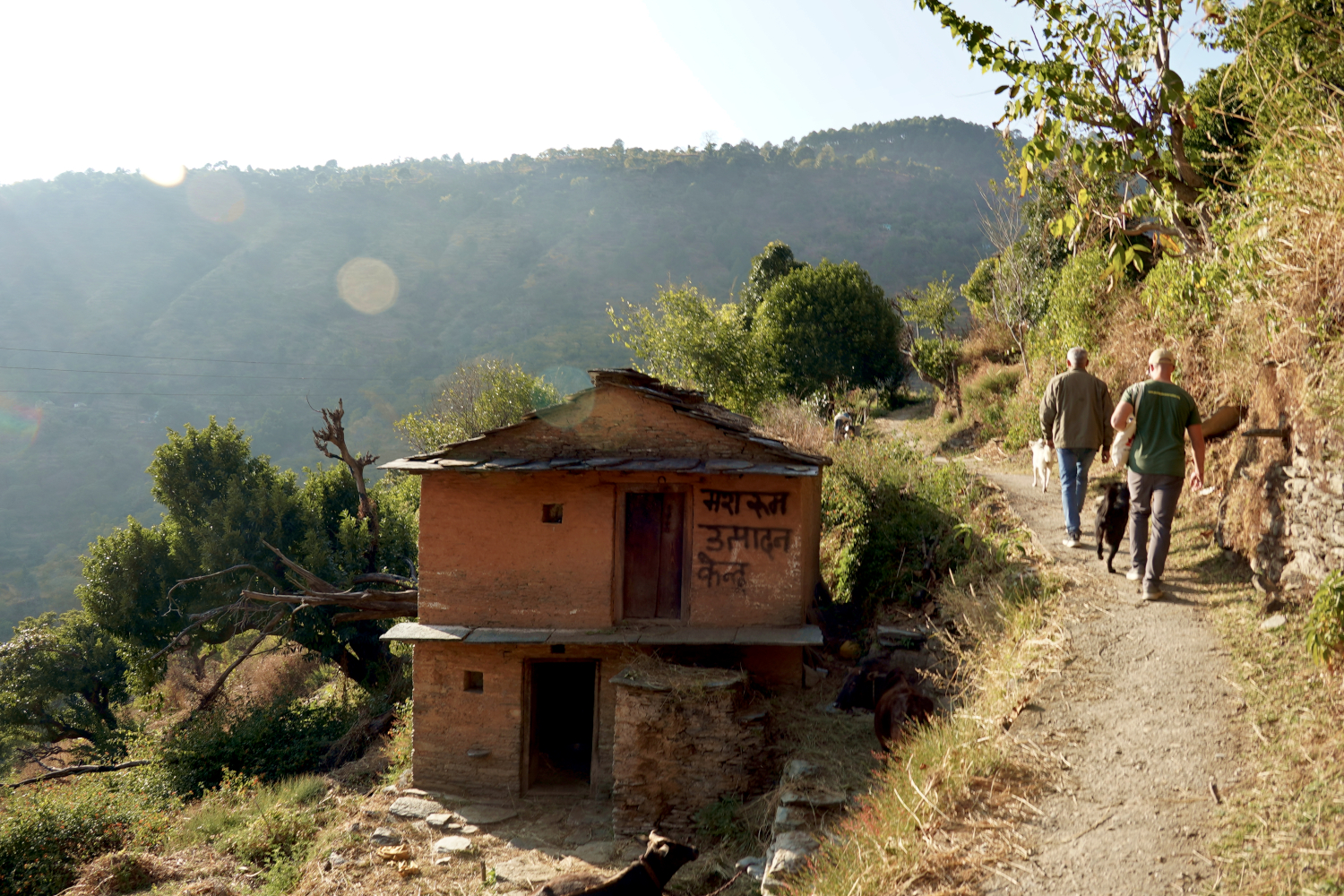

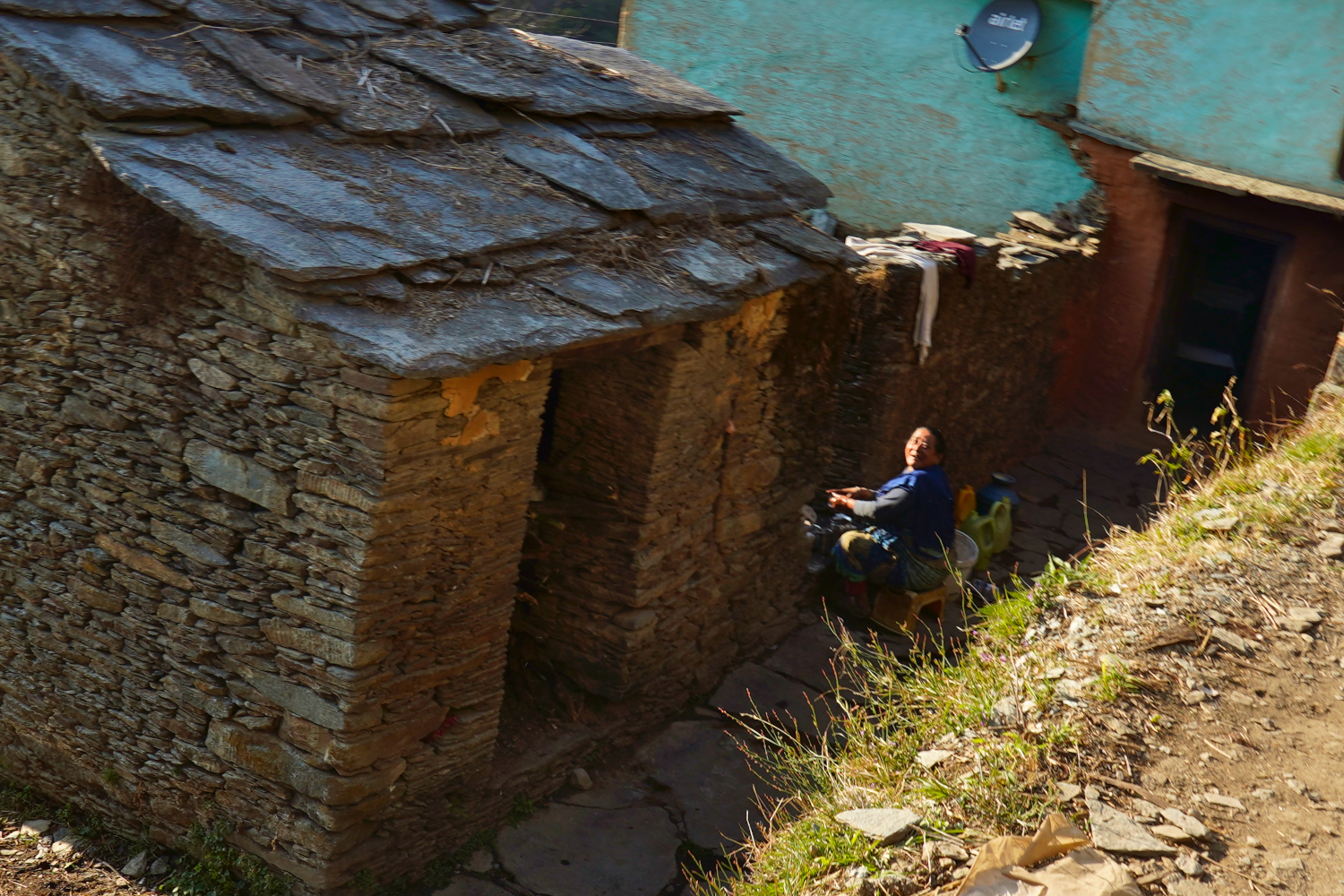
And then, we are on our way again, plodding up this severely sloping terrain until, with muscles aching but spirits rejuvenated, we emerge at the top, and back to (hopefully) warm showers, a hearty dinner, and a good night’s slumber full of dreams of peaceful rivers and transcendent hills. If you’re going to spend any time in an environment like this, such excursions are a must. And we hope we’ll have more of them to come.
Events occurred: 1/13/2025

 world travel with a theatrical flair
Leave a comment