

What do you do after you begin the day with the intention of touring a Krakow attraction like, say, Collegium Maius, but arrive to find its tours have already ended for the day? Well, a great alternative is the Rynek Underground, the subterranean museum that showcases ancient remnants of the city. In fact, you don’t have to wait for other plans to cancel. The Rynek Underground is worth priority planning.
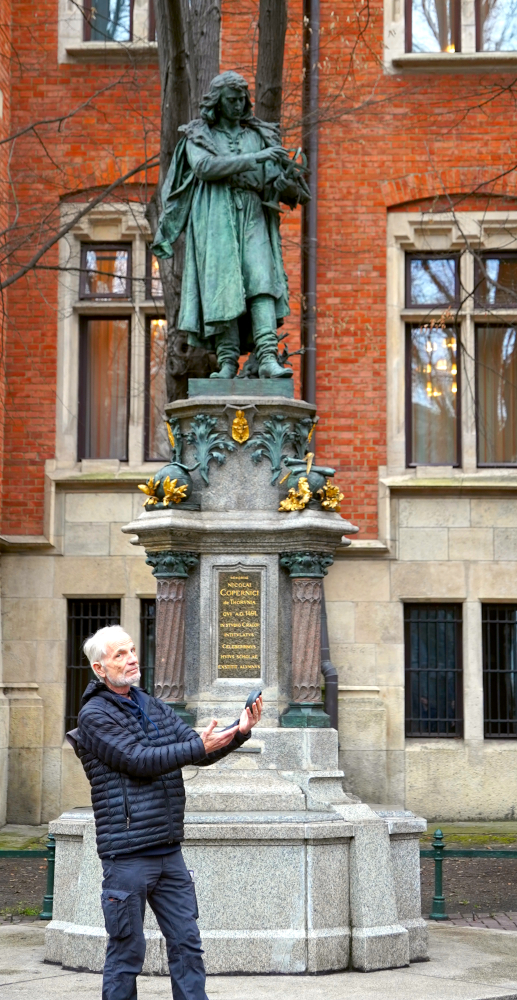
But we do start out with the target of Collegium Maius, the oldest building (14th Century) at Jagiellonian University, which can boast among its alumni the future revolutionary astronomer Nicolaus Copernicus. The university hasn’t forgotten him, but has posted a handsome statue of him out front, which we always have to pose with when we visit.

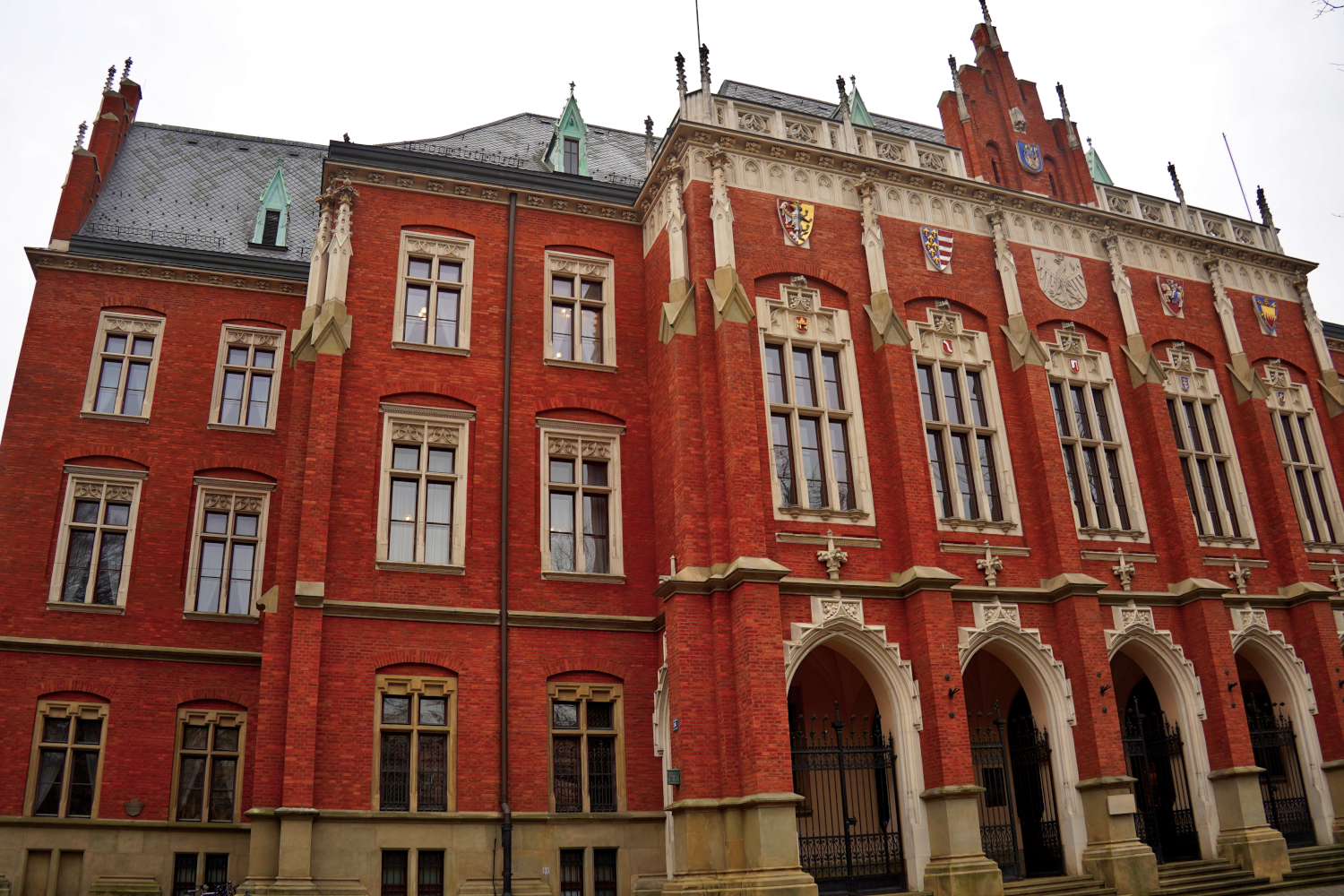
Alas, it turns out the starting time for the free tour of the museum is different from the intel we obtained from some source or other so we are not able to get in on this day. Instead, we opt for the Rynek Underground, for which we’d missed a free tour a couple of days earlier, and so now we’ll have to pay admission. One of these days we’re going to get on top of this free schedule of local attractions.
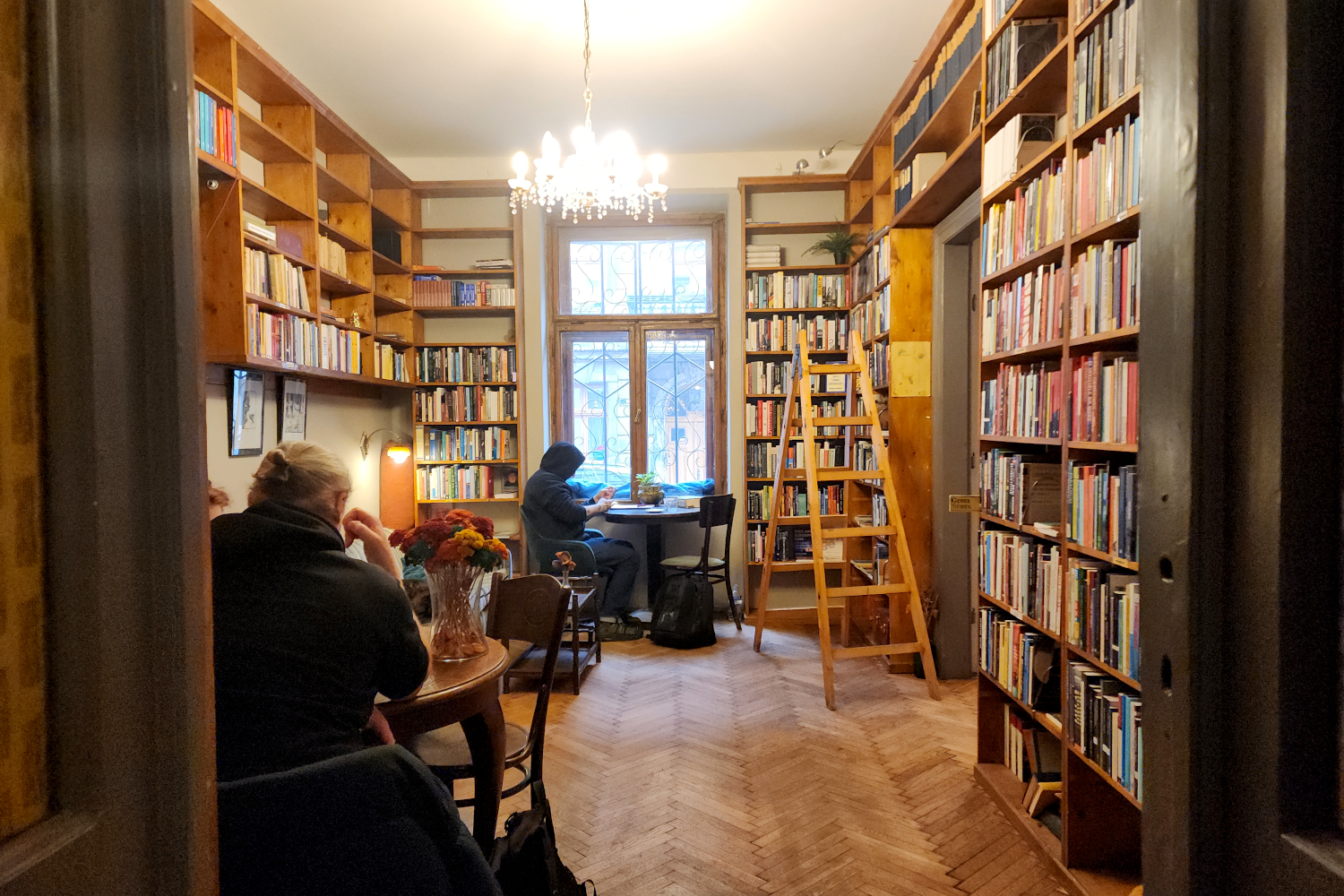
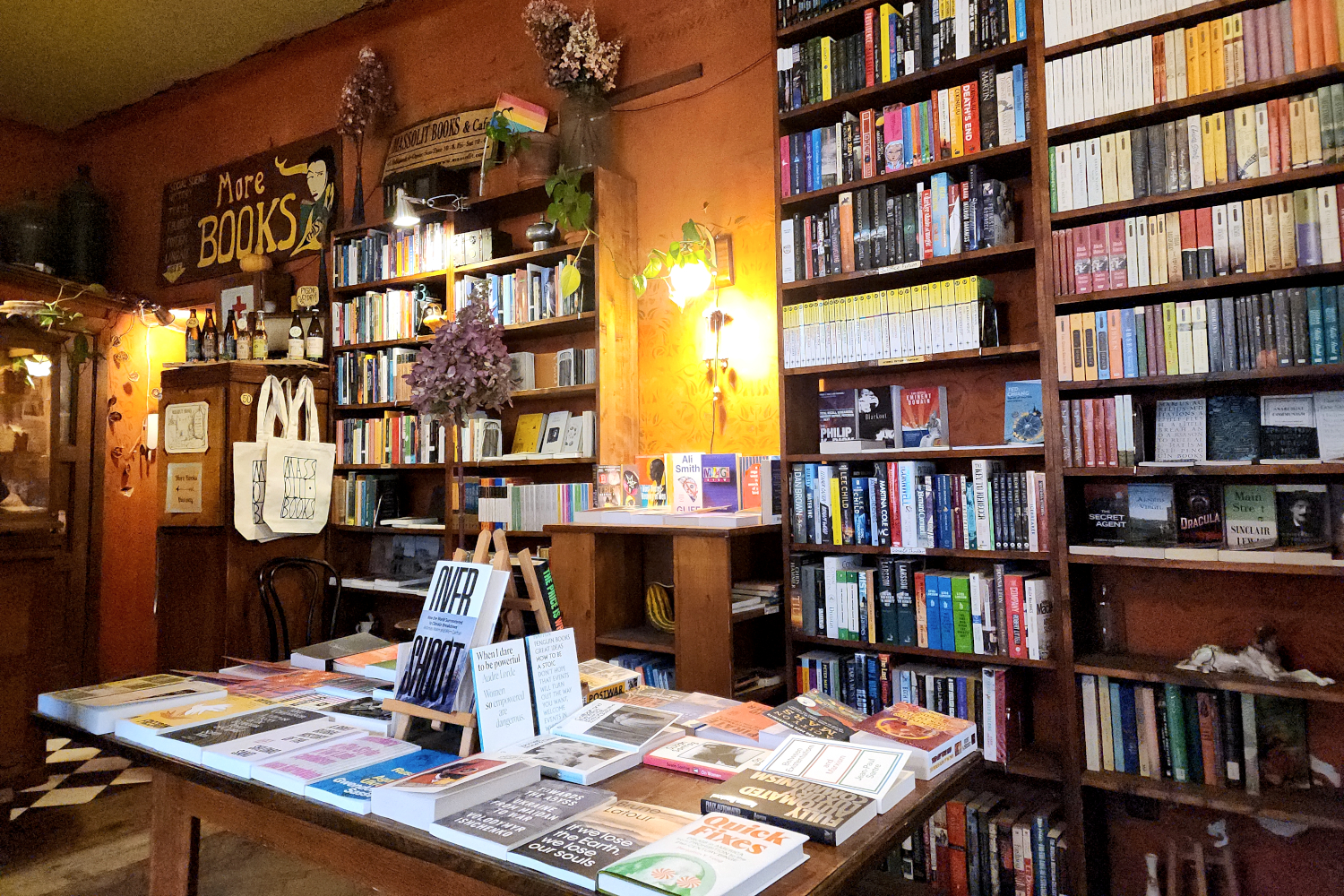
First, we detour to a bookstore/ cafe that we’d sniffed out, an emporium of not only new but used books. The selection of English books is rather extensive, stretching through three almost mazelike rooms. And there are several that Dennis found tempting; but what he really has his radar greased up for is a novel by Haruki Murakami. And the few that they have here are ones he’s already read. So, as deserving as this business appears to be, it is deprived of any of our precious zloty supply.


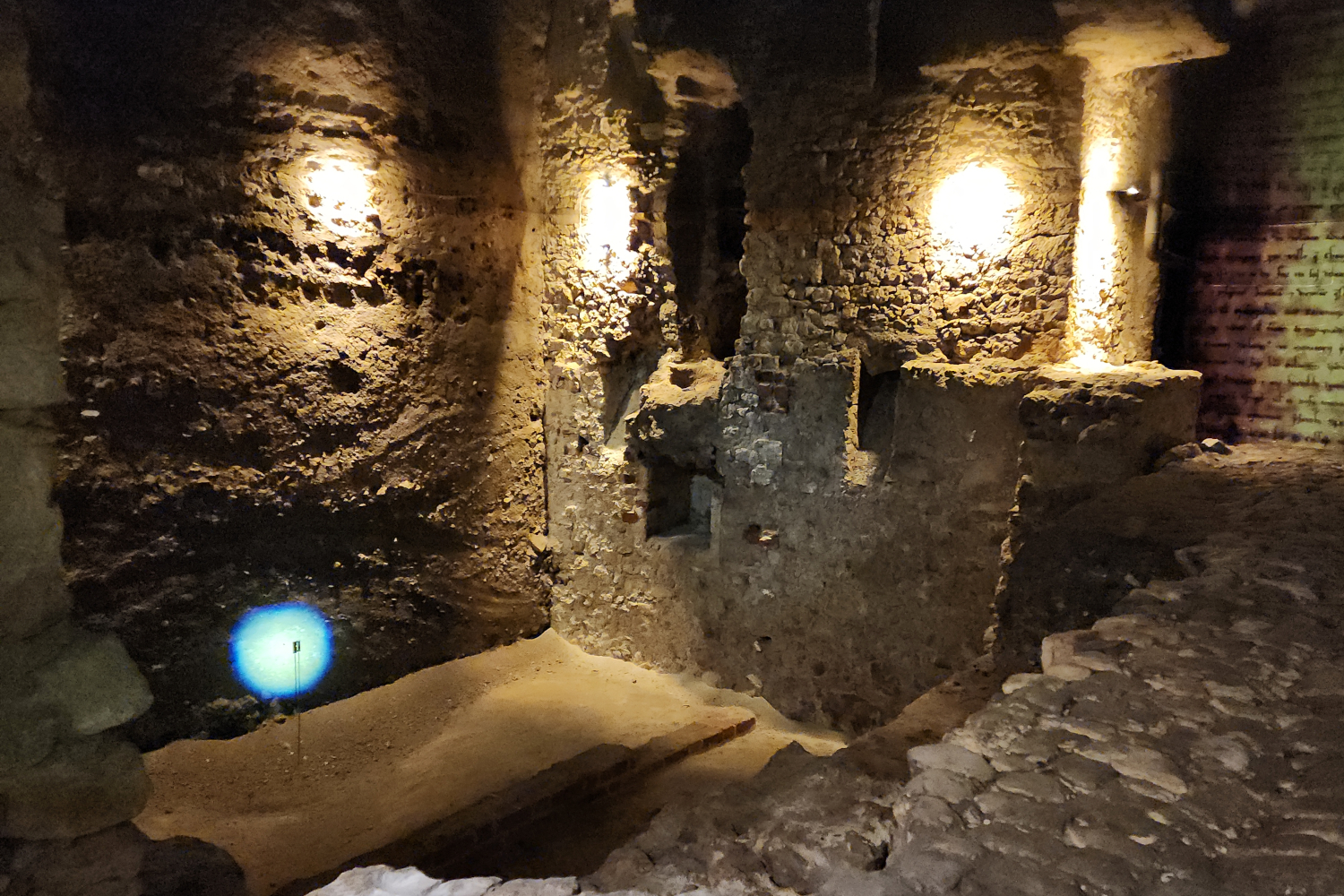
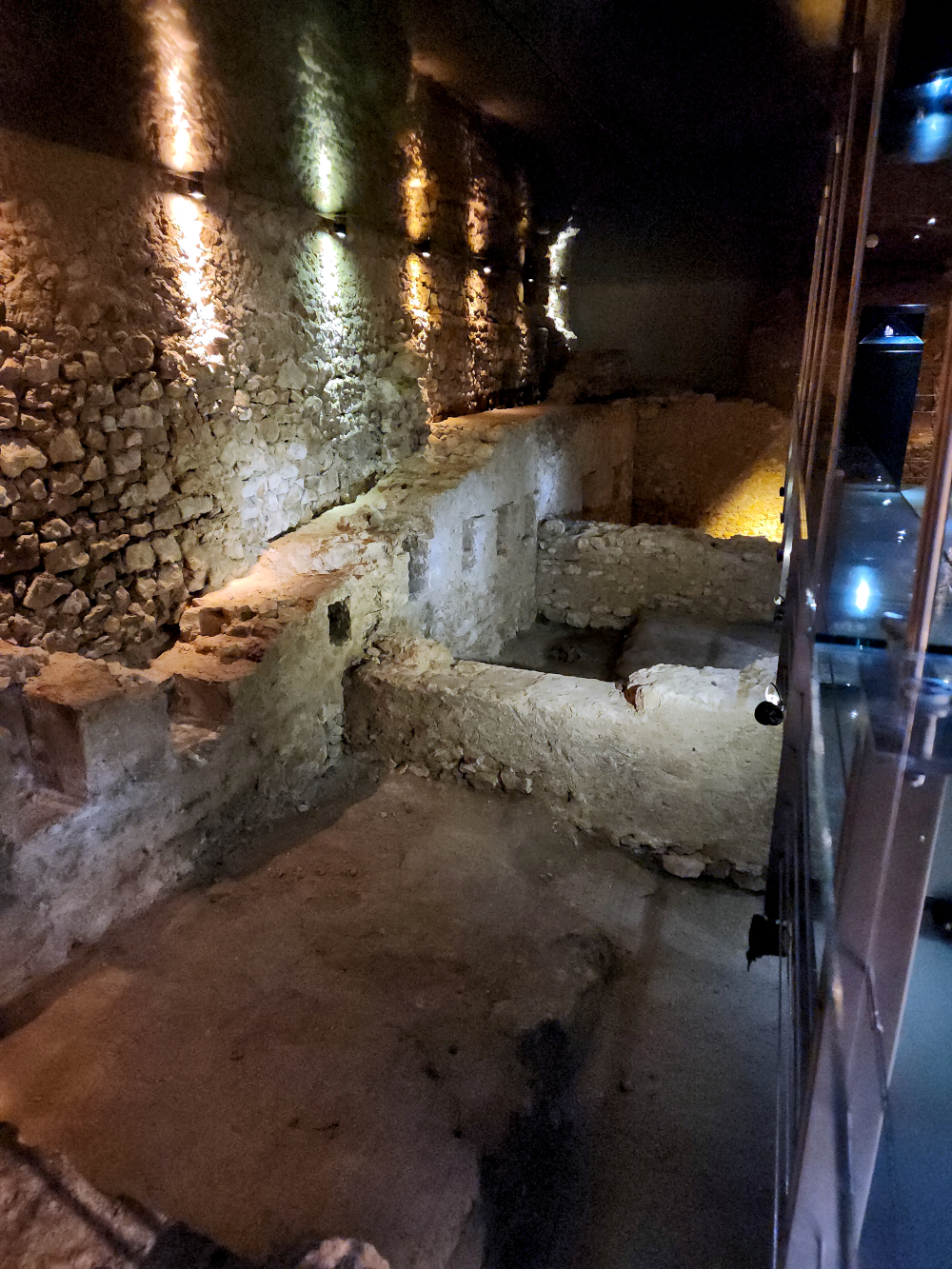
Then we make our way to our “consolation prize”, the Rynek Underground, which is below Cloth Hall in Old Town Square. (“Rynek” is Polish for “market”.) In a way, this attraction is less than 20 years old, because that’s about how long it’s been open to the public. But on the other hand, it’s many centuries old, older than the city itself. In 2005, some of its treasures were unexpectedly excavated, and diggers discovered that there was a whole ‘nother world down there, a layer of history upon which modern Krakow was built. So rather than transport the relics and the structures to a museum elsewhere, it was decided to bring the museum here instead.
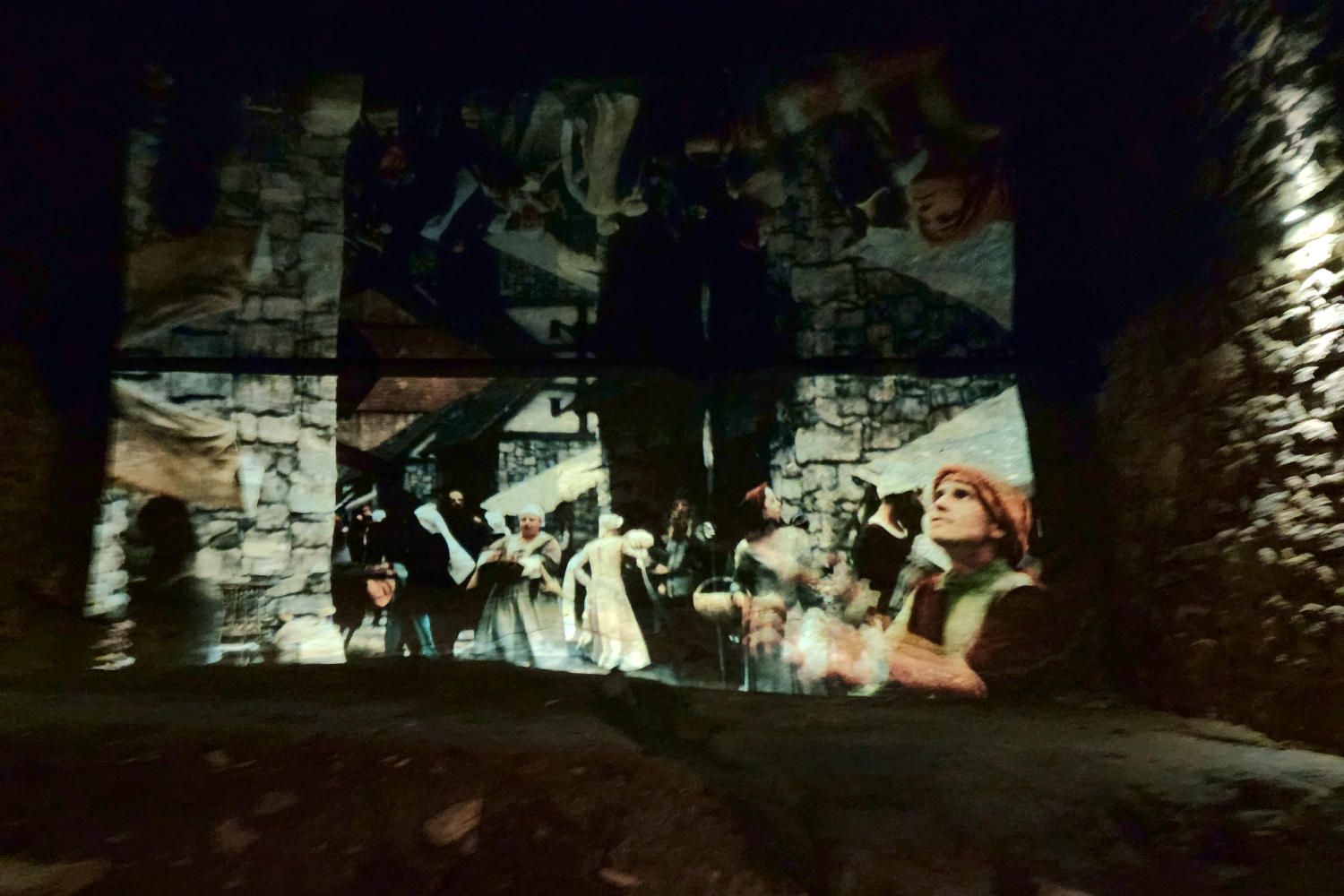
The ancient ruins are combined with and introduced by high-tech modern special effects, with holographic representations of actors in period costume, enhanced by vapors from a fog machine, introducing the wonders of the bygone era that we’re about to witness. And then we go on a walking tour of the facility, which is designed as a one-way flow; so it’s important to take your time here to take in everything, since you can’t retrace your steps.
Initially, there doesn’t seem to be much to see here: just an array of barren pillars, which are labeled as “witness posts”. Meaning, evidently, that they were left in their original positions to show how the other structures, now in shambles, were buttressed. But as we progress a little farther, we start getting into the real goodies.


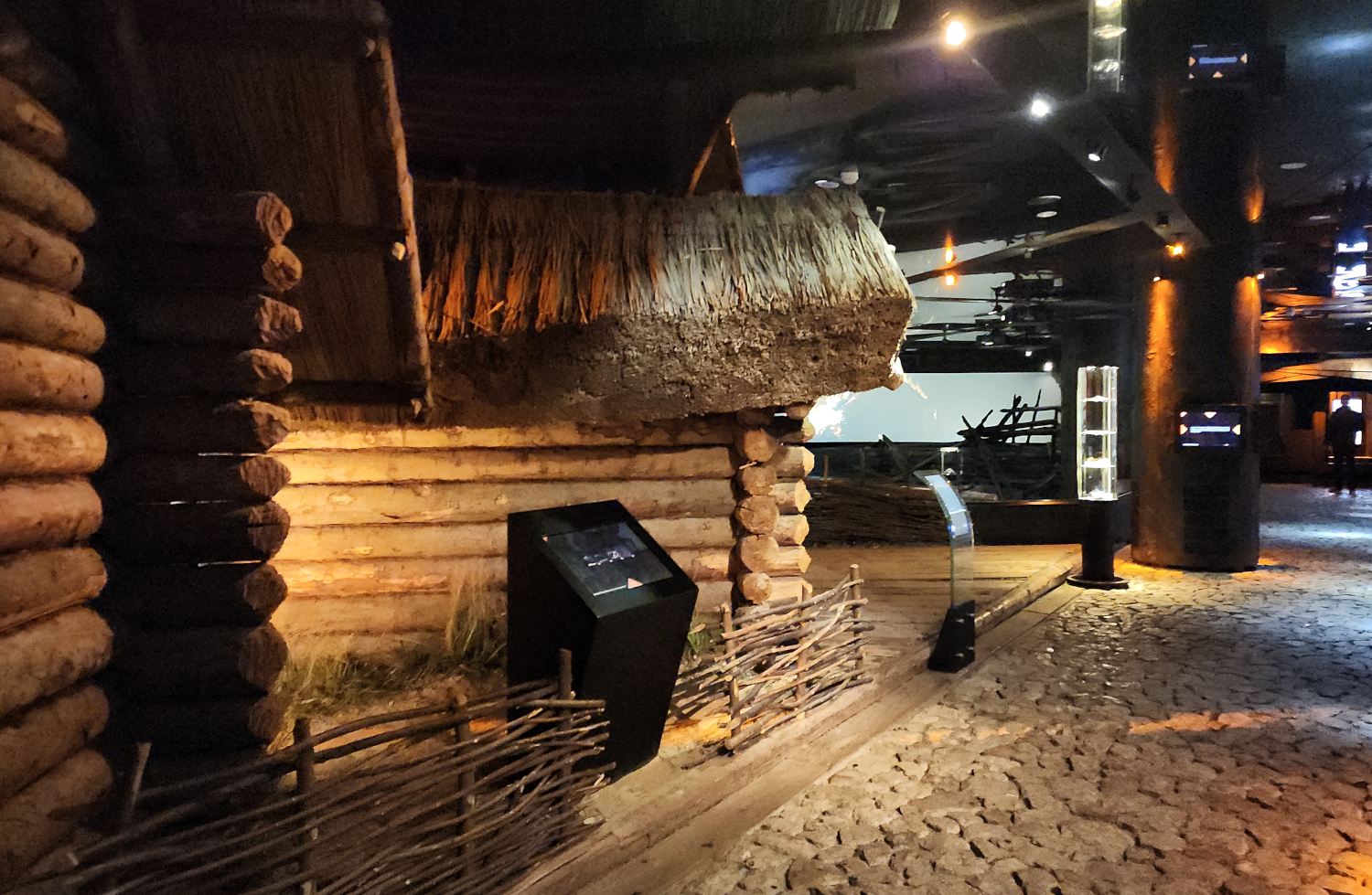
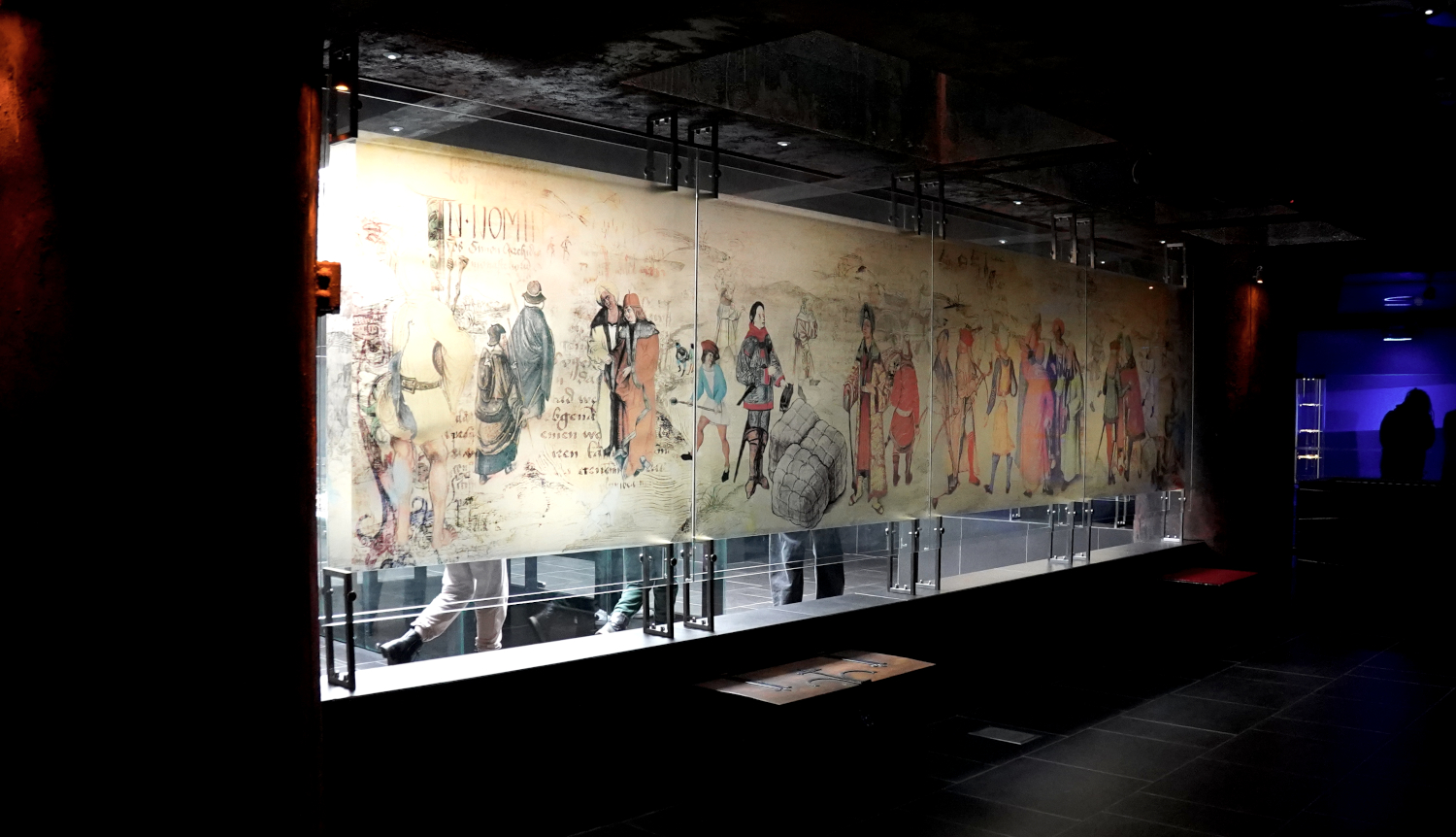

There are displays of some of the artifacts uncovered here, including coins tools and toys — including dice. And although there is no fossilized loaf of bread, there’s a big “loaf” of lead, which was used for many practical purposes back in the day; it’s a substance which, like tobacco, asbestos and social media, was once handled without reservation until people started realizing how toxic it was.
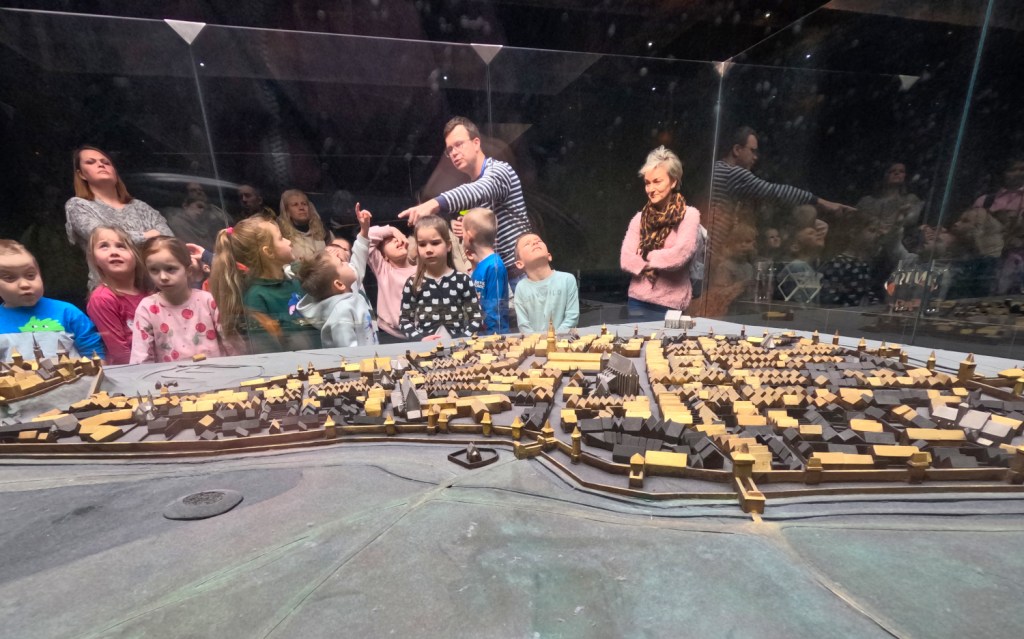
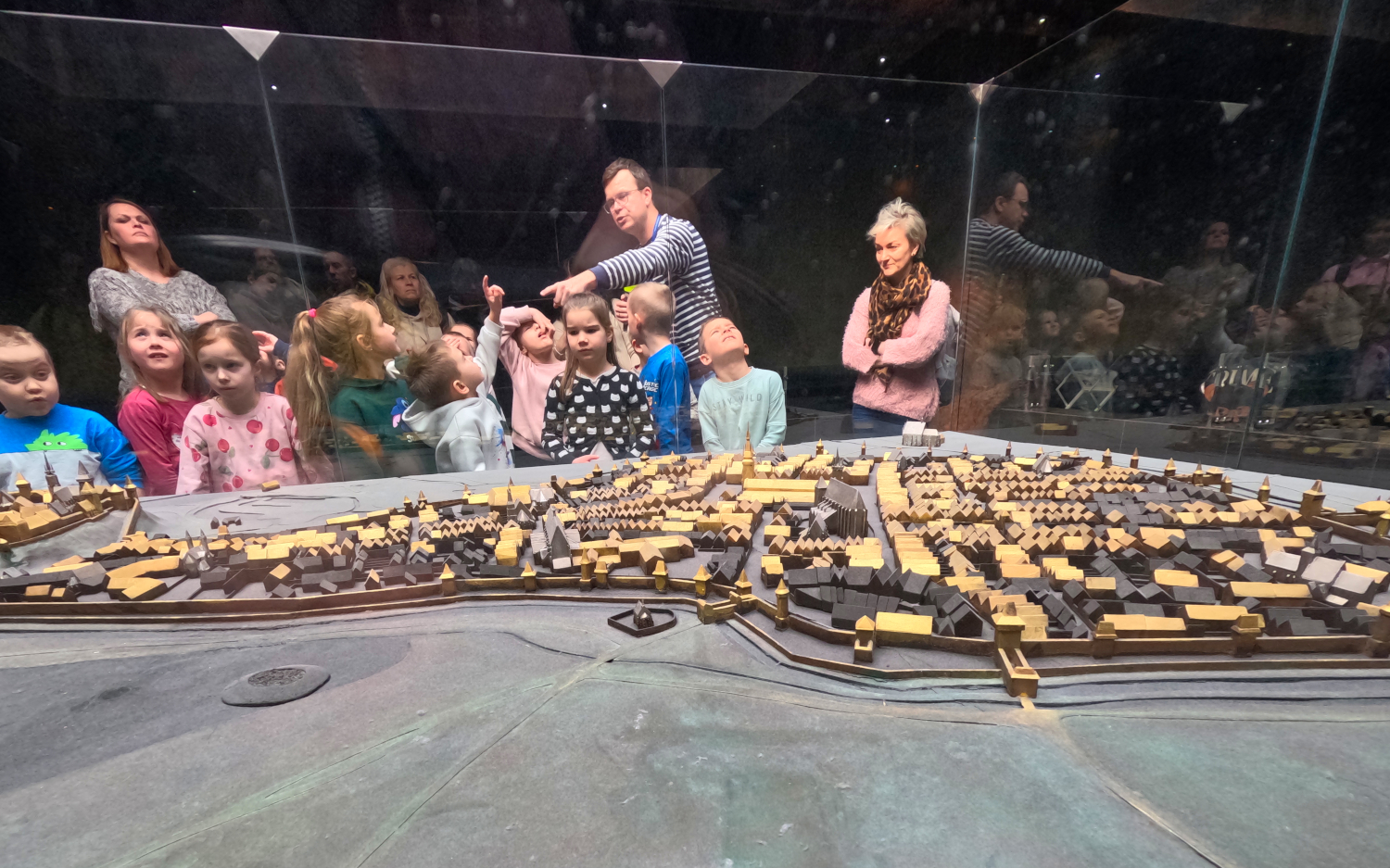
There’s a detailed model of the city of Krakow when it was an urban fortress totally sealed off from the outside world by a wall that only partially remains today. And there are mockups of dwellings, and blacksmith and goldsmith shops that bear a striking resemblance to traditional log cabins in the U.S.
One of the most arresting features is the cemetery, which is more than 1000 years old. with some of the bones still (or again in place). Some bodies were buried in a fetal position, or face down, because that was the procedure for those who were believed to be… um, vampires. They were also beheaded; and in some cases the head would be buried in a separate location. And how did people know they were indeed kindred spirits of Dracula? Well, there were certain telltale signs, you see. Like red hair. And unibrows. And left-handedness. These were the good old days, kiddies.
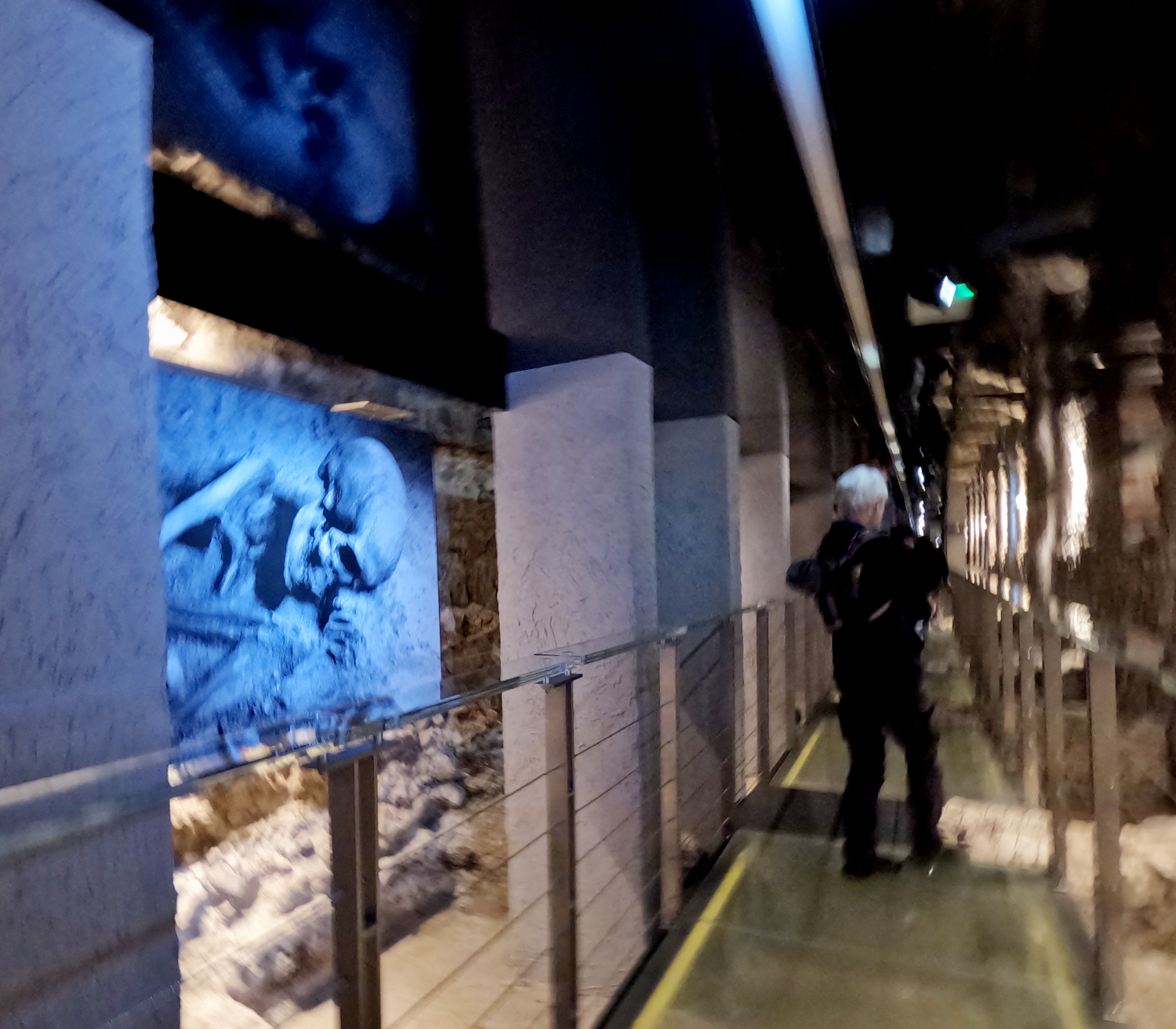
Another skull dating back to the 10th Century, showed signs of surgery; and it’s a good bet you wouldn’t have wanted to be on the receiving end of whatever they used for a scalpel. You probably would have preferred to be suspected of being a vampire.
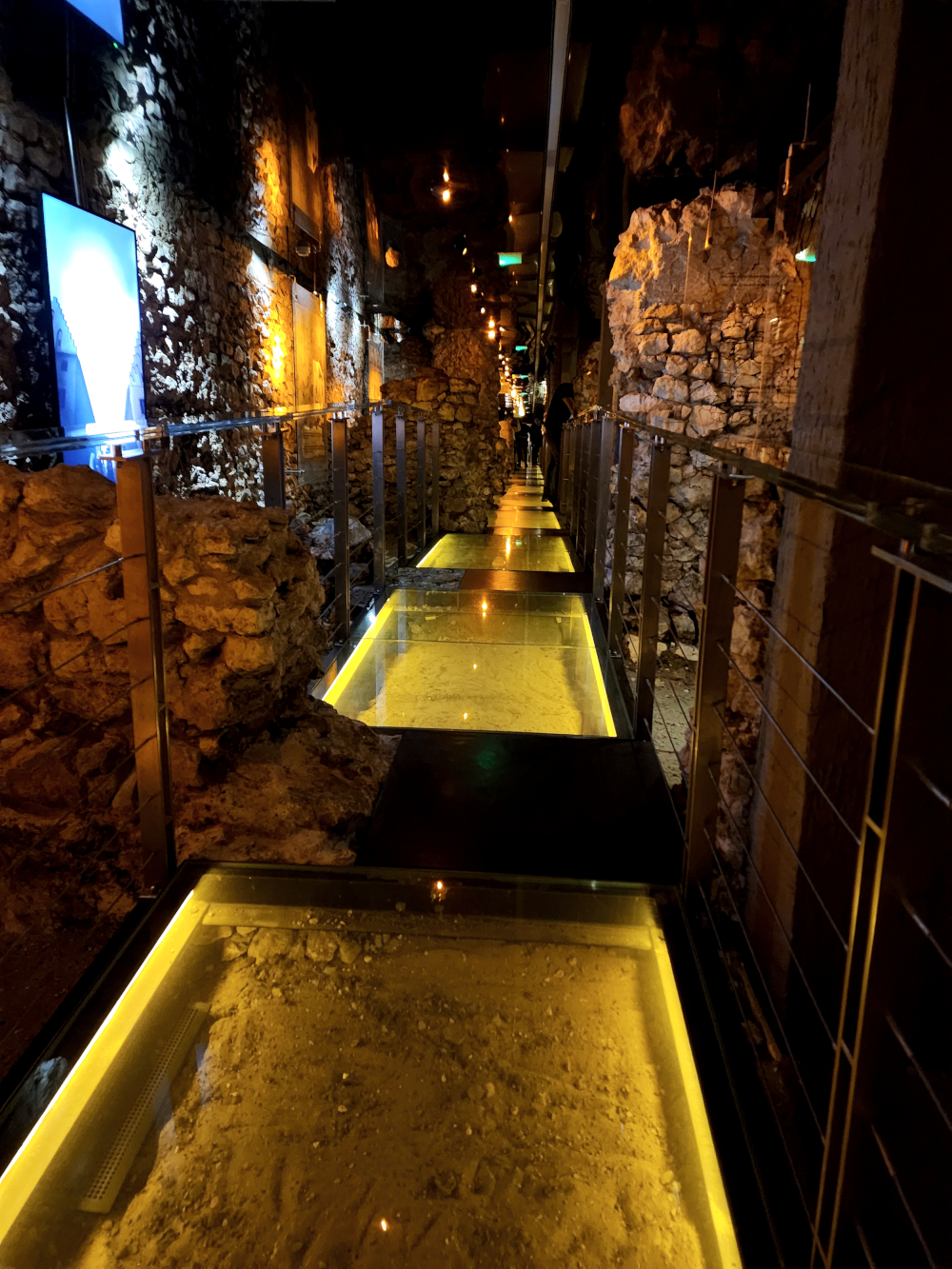
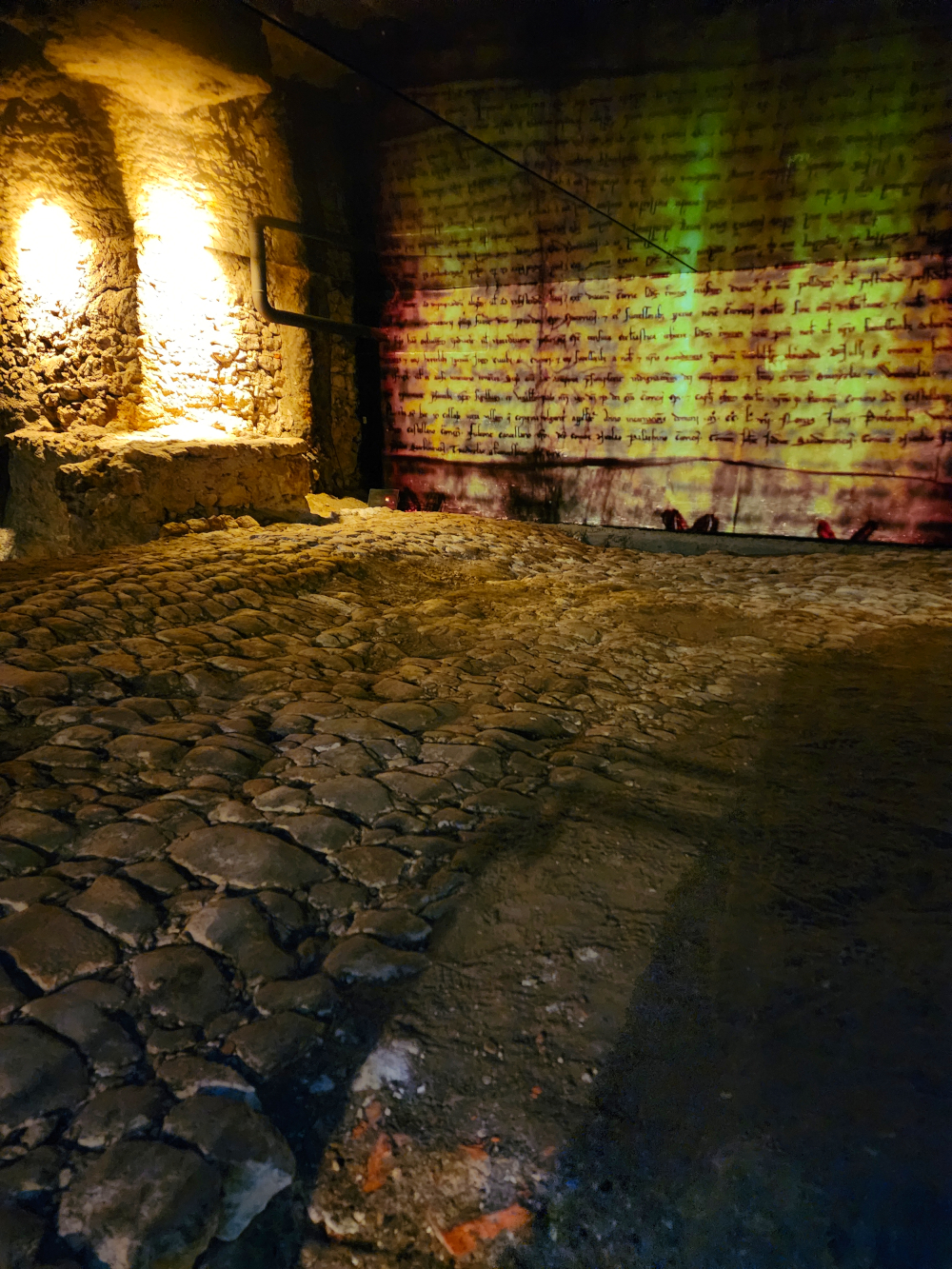
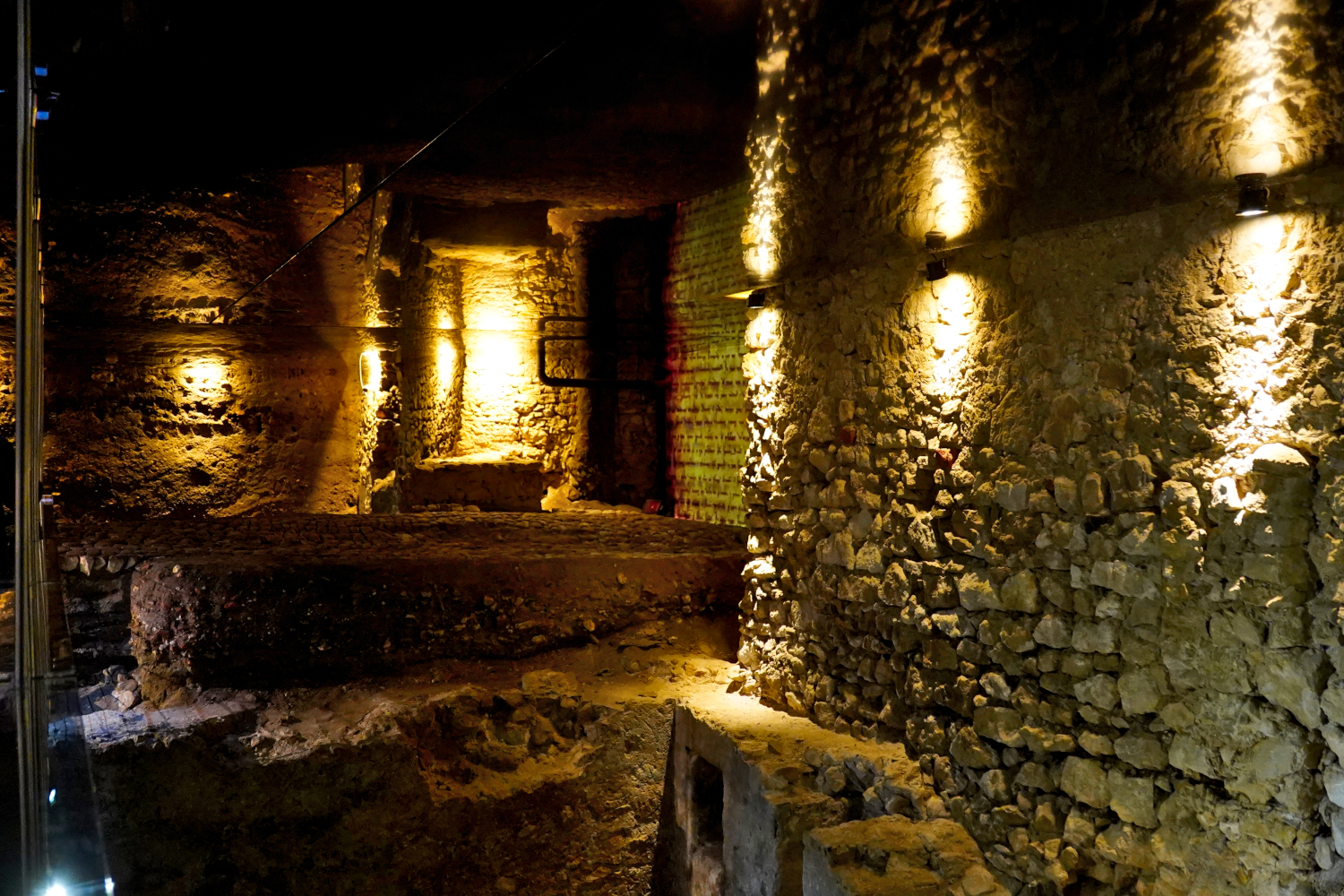
There’s also a rather narrow plexiglass walkway down what was apparently the narrow thoroughfare between stalls of the original marketplace, which is now below the current marketplace in Cloth Hall. on either side are the remnants and artifacts of vendor stalls, one of which has been refurbished to its appearance in its heyday.
We’ve mentioned before how our tours of sites steeped in ancient history remind us that civilization’s progress is built upon bottom-up thinking rather than top-down thinking; and the Rynek Underground illustrates that truth in literal fashion. Descending below the surface, we see how life was once lived here, a world circumscribed by superstition, and an existence that was often, in the phrase coined by Thomas Hobbes, “nasty, brutish and short”. But successive layers of civilization were built up, even like the successive layers of masonry, until at last we ended up with the marvel that is modern Krakow — which is firmly planted in the Twenty-First Century while retaining much of the furniture of ages past.
Events occurred: 2/26/2025
 world travel with a theatrical flair
Leave a comment