


Podgorze, which was once a separate city but was absorbed by Krakow in 1913, and was later the site of the Jewish ghetto under Nazi occupation, is home to a number of noteworthy historical sites and points of interest. They include the ancient and mysterious Krakus Mound, the museum in Oskar Schindler’s former enamel factory, and the Empty Chairs Memorial — all of which we’d already visited. But there are also the Podgorze Museum, Liban Quarry, St. Benedict’s Church, Fort Benedykt, St. Joseph’s Church, Eagle Pharmacy, and the Plaszow Concentration Camp Memorial. With time running out during our brief stayover in Krakow, we decide to devote a day to hitting as many of these attractions as we could conveniently work in,
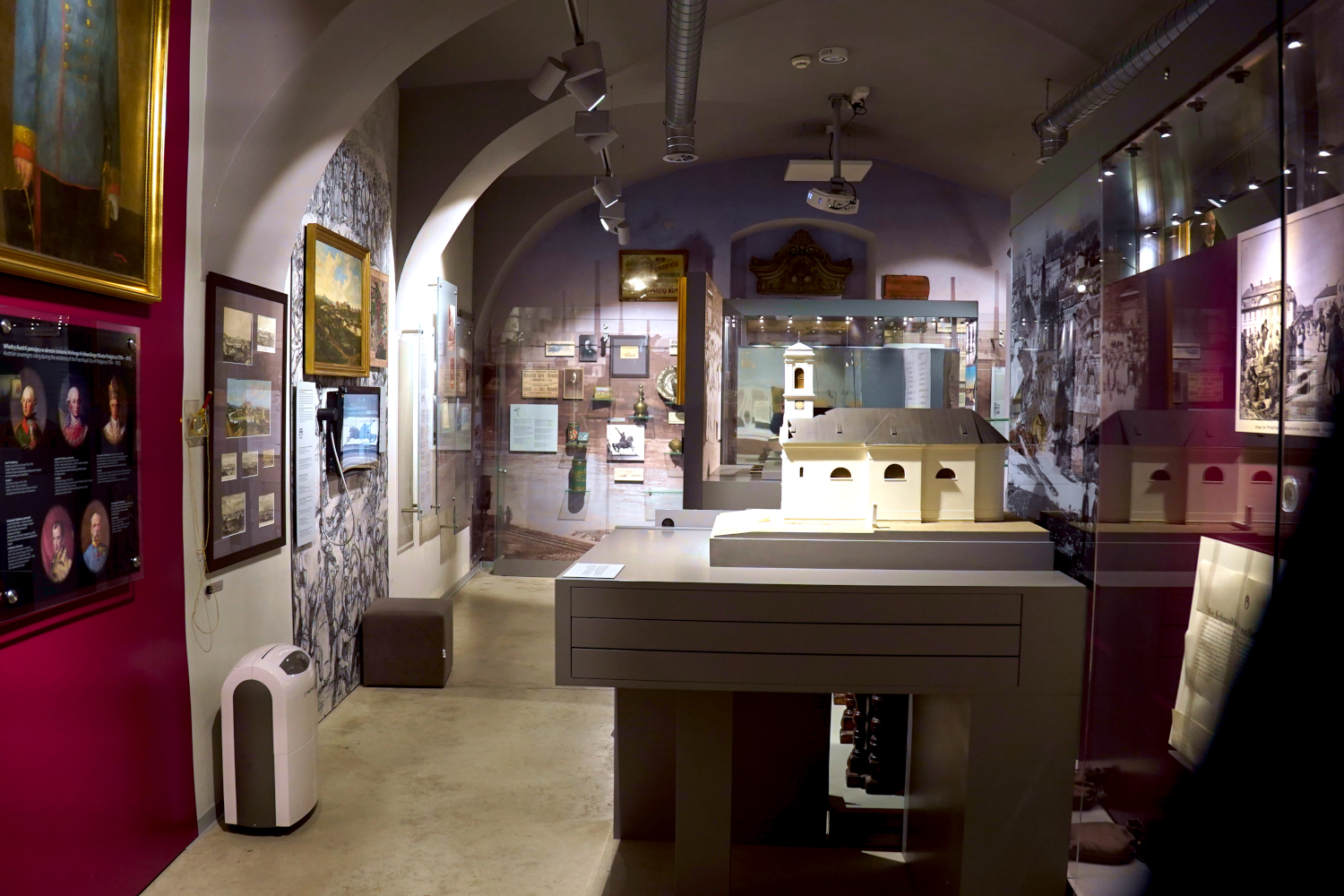
Up first is the Podgorze Museum, which has free admission, The exhibits showcase the history of the neighborhood, including artifacts uncovered on, in and around Krakus Mound. One item has been dated to about 1300 BCE. But it is one particular little piece of metal, from the 8th Century, that was the key to dating the construction of the mound — the composition of which is detailed in a model. There are also coins that people had tossed from the mound, because throwing them — or food — from that location was believed to bring good luck. (It seems to us, however, that your lot in life might be slightly better if you don’t throw away money or food.)
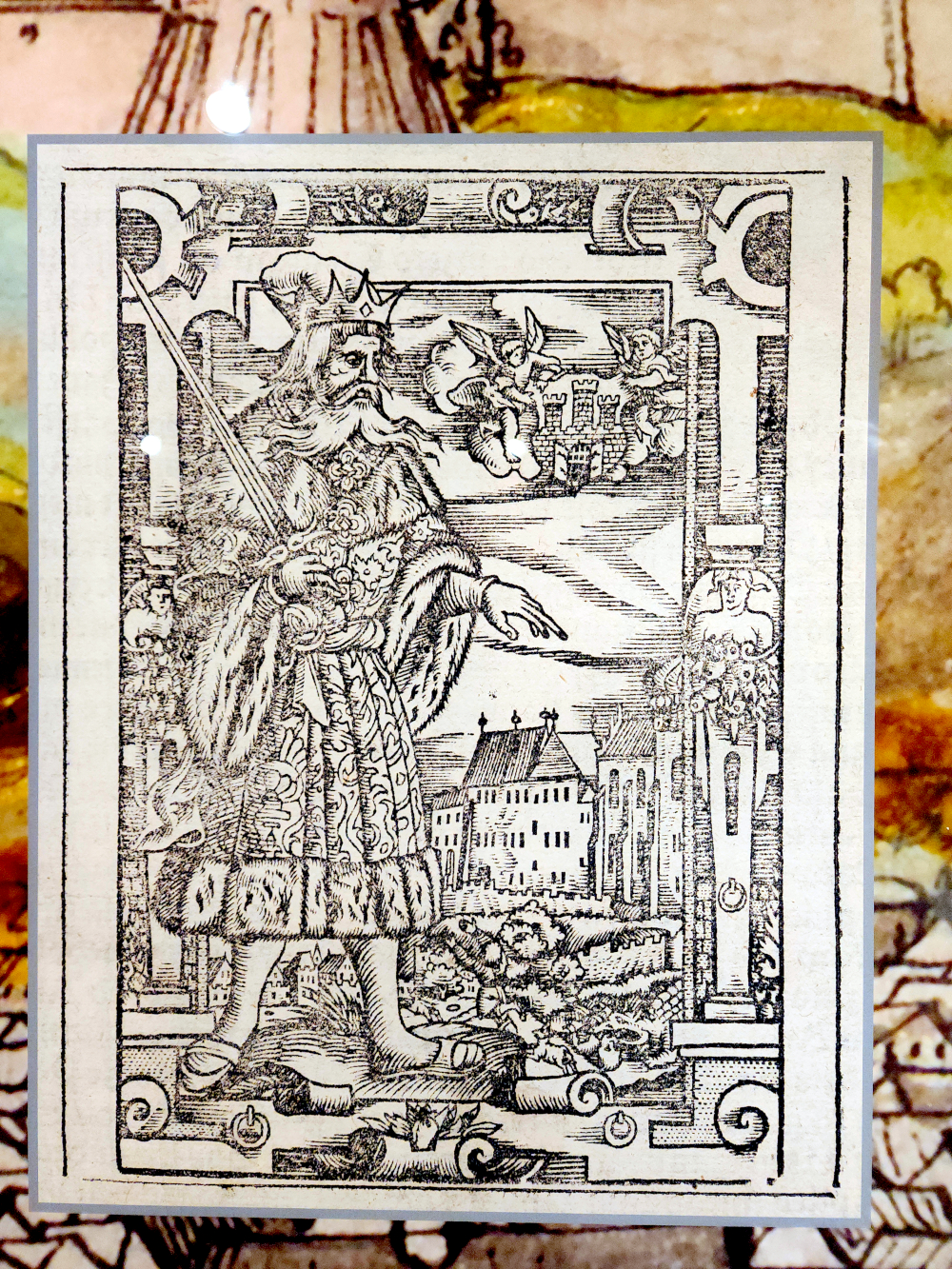
There are tons of old photographs, many of them tucked away in drawers that are easily overlooked. And there are displays of the various editions of the official seal of the city/ community of Podgorze. Among them is the original city seal, dating back to medieval times, which people finally decided they didn’t like, so they replaced it.


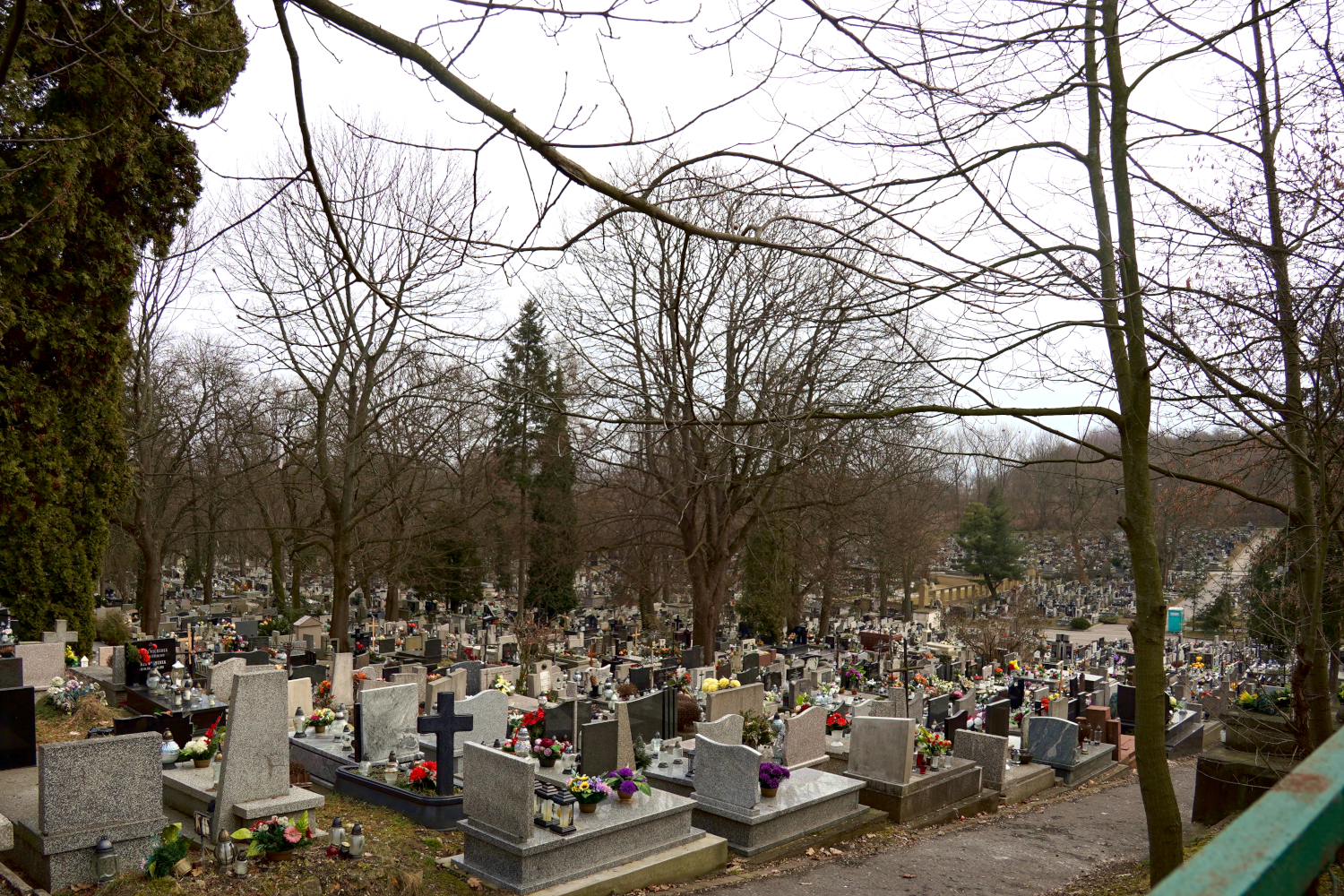
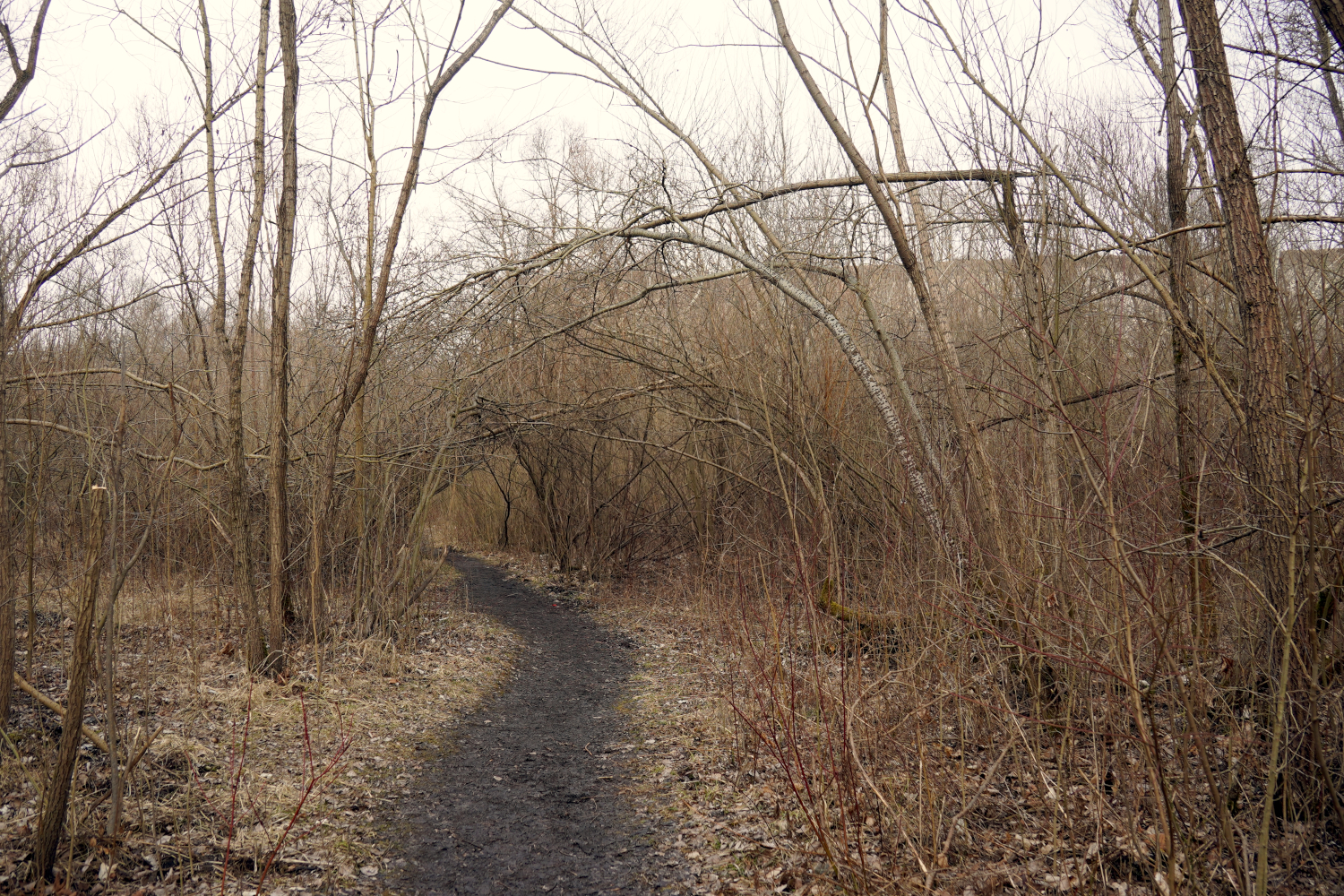
Having satisfied our lust for historical background, we stroll the short distance back to Krakus Mound. But this time it’s not the hill itself that lures us, but the huge pit next to it: the former site of the Liban Quarry. It takes a bit of investigating, but we finally locate the winding, somewhat overgrown footpath down into it, commencing beside a cemetery.



Okay, so what’s so enticing about an old quarry? Well, this one is not only of historical significance, but cinematic significance. Cinematic as in Hollywood blockbuster masterpiece Oscar trove.
Liban Quarry for limestone was established in 1873. Between 1942 and 1944, it was turned into a forced labor camp by the Nazis, who also set up the Krakow-Plaszow concentration camp nearby. They were, of course, shut down after the war. Then half a century later an American film director named Spielberg arrived to shoot scenes from “Schindler’s List”. He wanted to build a replica of the concentration camp on its actual site, but that plan didn’t work out — for one thing, modern highrises were visible in the background. So he did the next best thing and constructed it here in the quarry — using the actual blueprints of the real deal. And many remnants of the set still remain today.


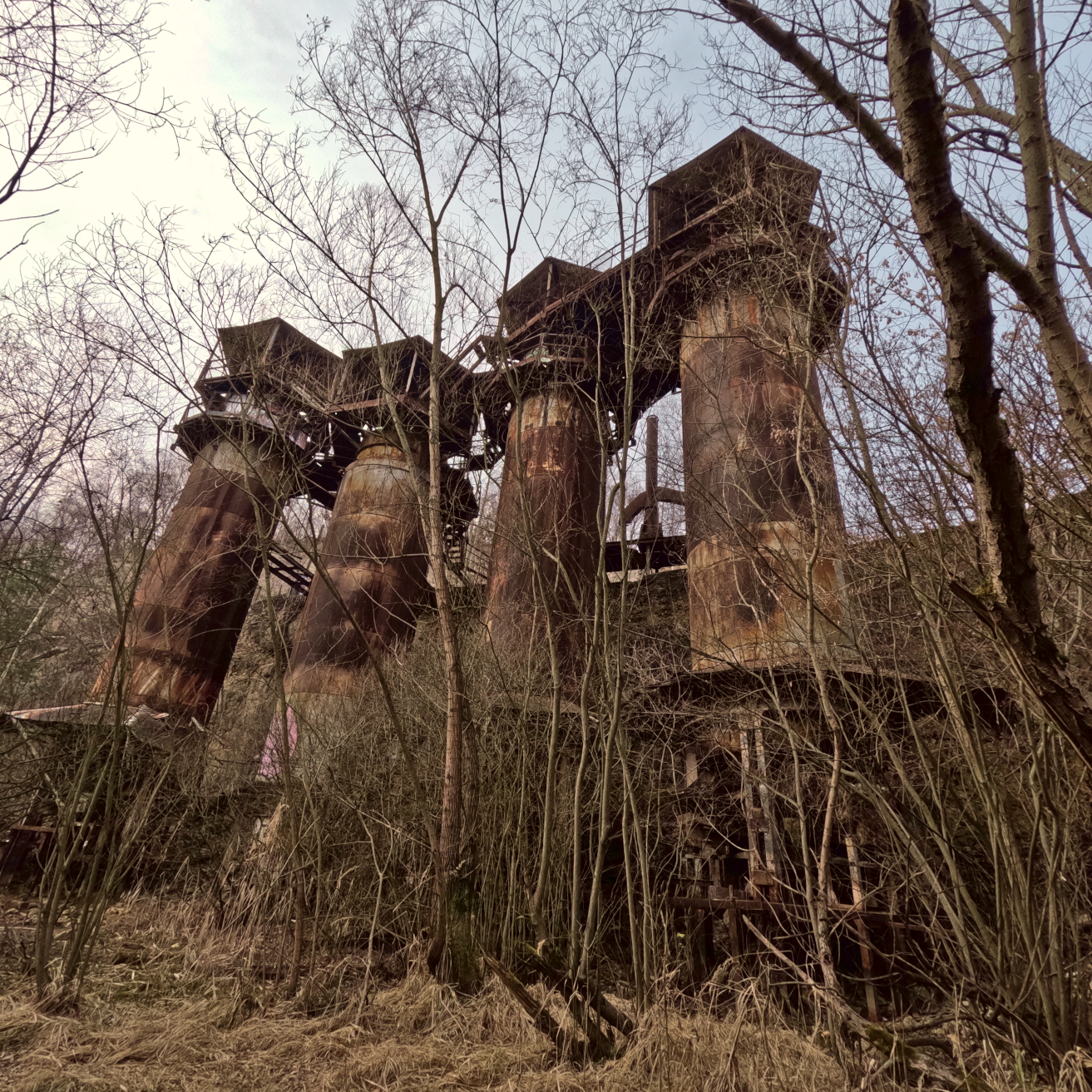
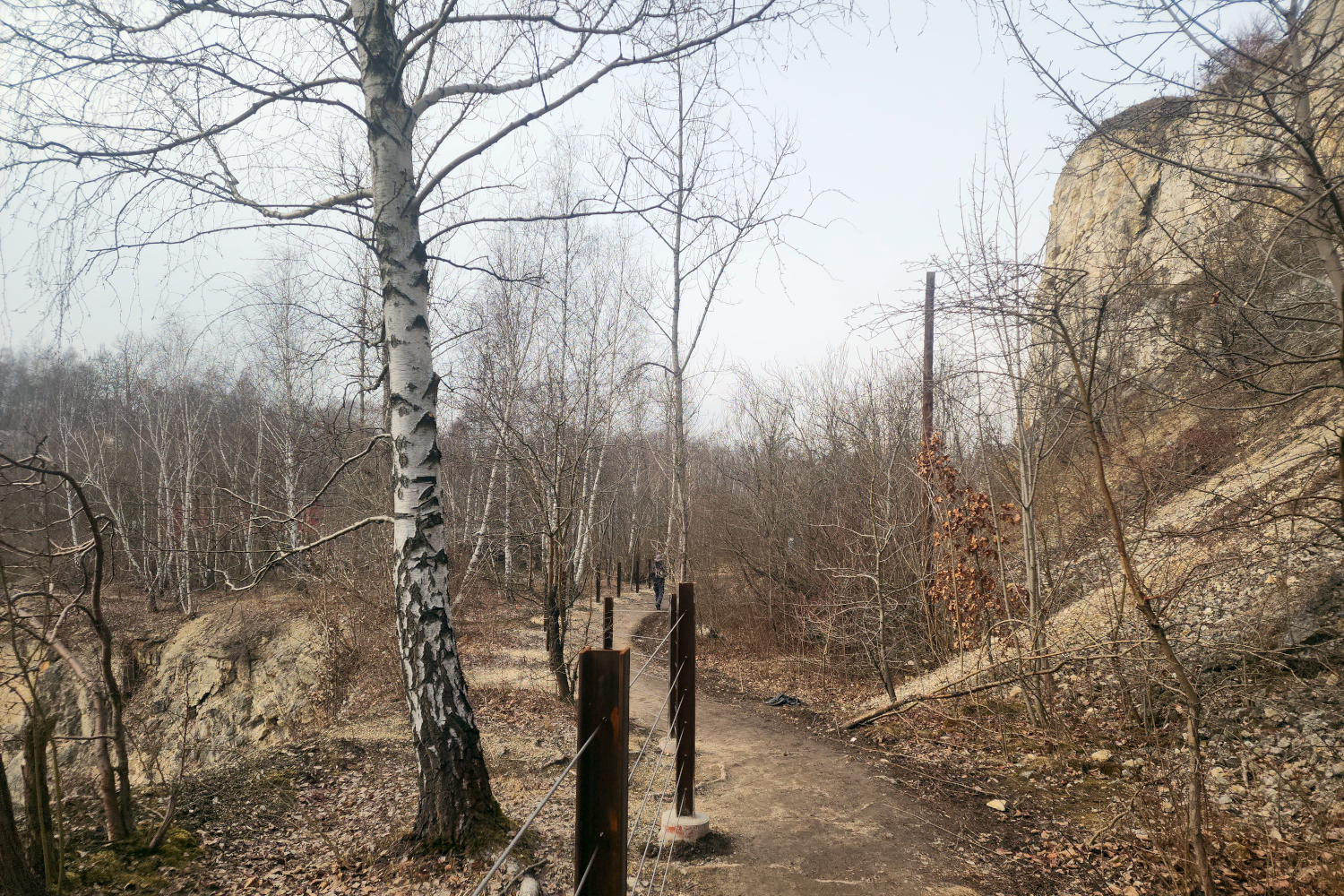
In the ensuing three decades, brush and trees have overgrown the site . Nobody maintains it — which is a good thing, because that would spoil the spell. This is not an official attraction that is officially open to the public. But there are no verboten signs, no walls, no fences, no guards, no alarms, no three-headed dogs, nor landmines to keep you out. And plenty of people come down to have a look, so there are well-worn footpaths.
Among the ruins are several rusted metal watchtowers, which some tourists actually climb on — but we don’t think that especially prudent, as there are neither repairmen nor medics on the site. There are also bits of posts for electric fences, with insulators still in place.

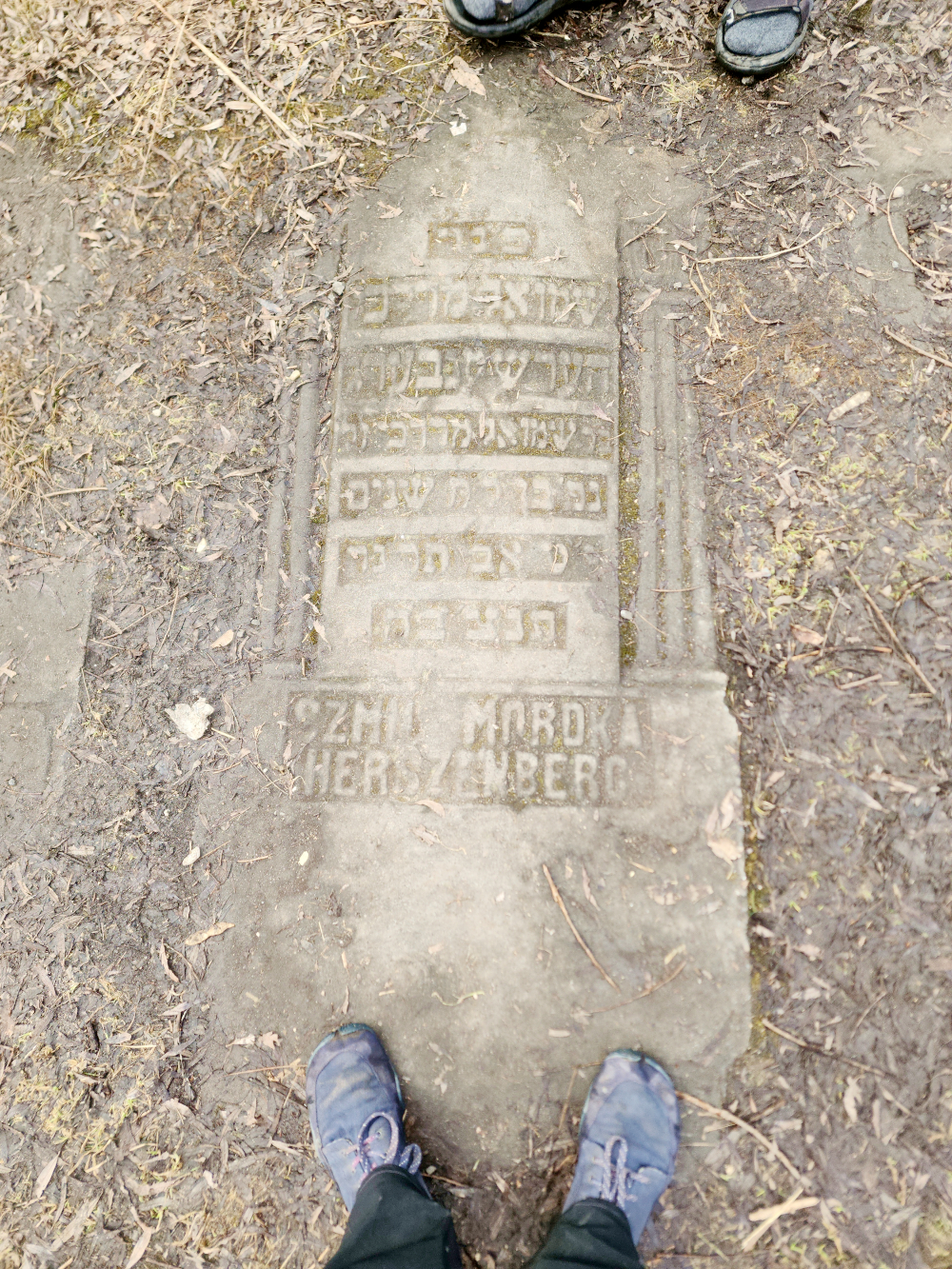

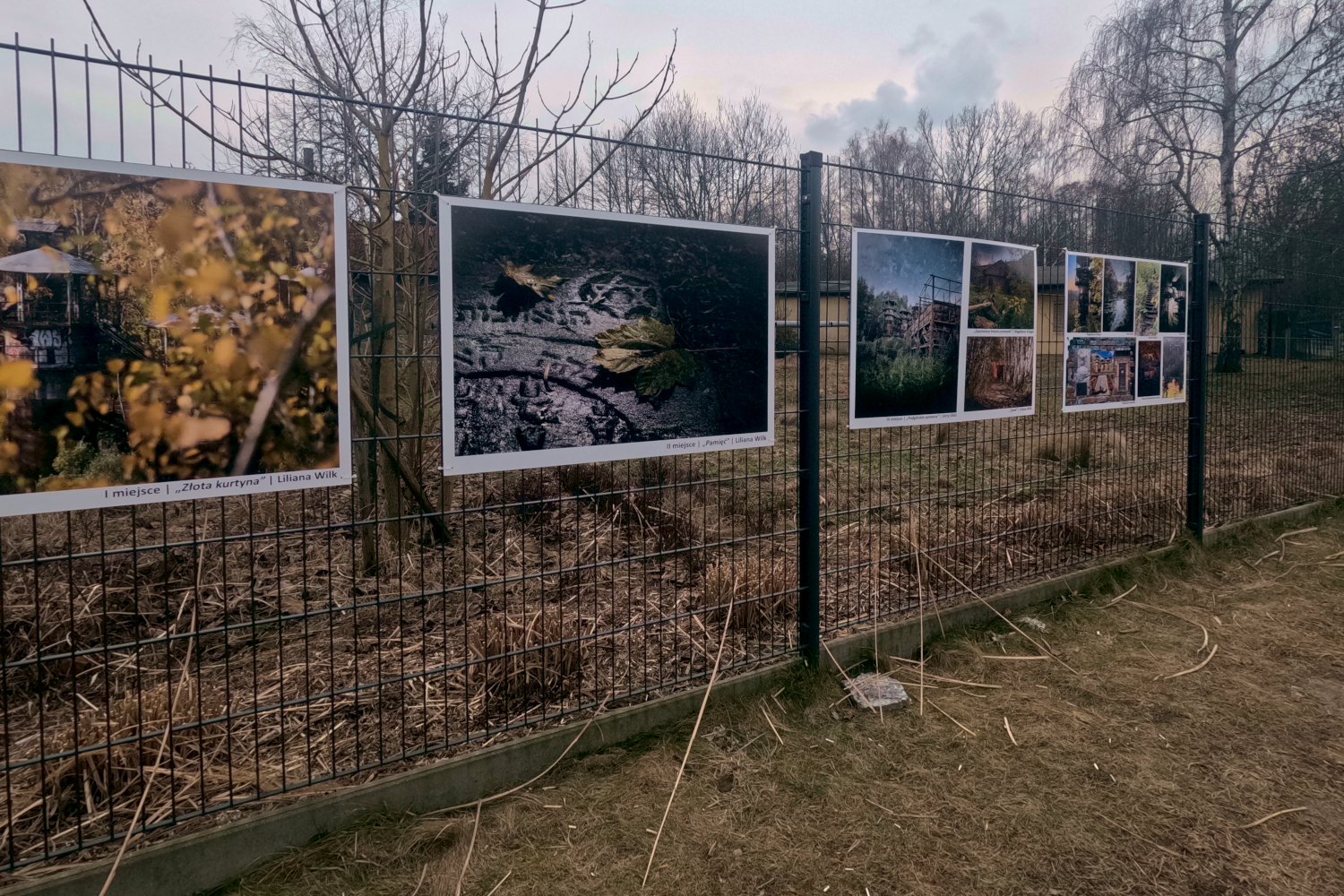
And an overgrown roadway is paved with slabs of stone that appear to be Jewish grave markers. That’s because the actual concentration camp was built over the site of two cemeteries. And as an added humiliation to the prisoners, they were forced to dig up the engraved slabs from graves and use them to pave the road into camp. The slabs we’re seeing and walking on are replicas of actual markers made from casts.
Now that nature has reclaimed the site from war, industry and genocide, it’s a placid little getaway within the heart of a modern city. But you’re always aware that the spirits of those murdered (yes, it happened here as well as at the camp) are rustling in the branches, weeds and shrubbery.
Just across the road from the Quarry and the Mound is St. Benedict’s, the smallest of the city’s churches, but also the oldest. Well, at least as originally constructed in the 10th Century — it’s been extensively rebuilt since then. According to tradition, it was established here as a response to the rising popularity of pagan rituals in the neighborhood. It’s open to visitors during limited summer hours, which are nowhere to be found in February.
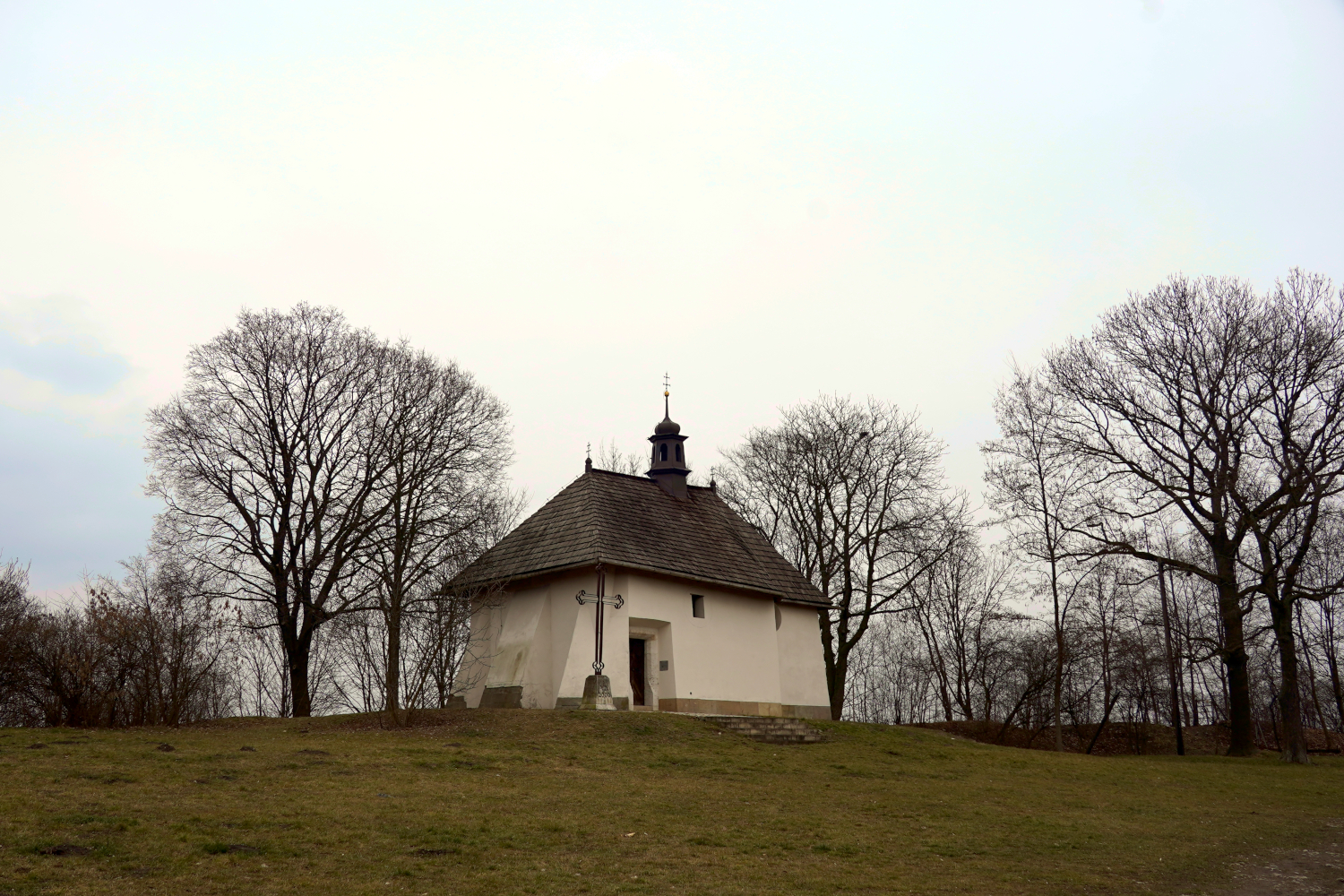

St. Benedict’s sits on Lasota Hill, which also figures in “Schindler’s List”. A pivotal scene was filmed here in which Schindler (Liam Neeson) and his wife, riding on horseback on this hill, witness the Nazi ransacking of the Jewish ghetto, and spot the iconic girl in the red coat. The scene evidently marks the character’s turning point in which he begins his transformation from a cynical opportunist to an empathetic humanitarian.
And on the way back home, we stop by the Church Of St. Joseph, which is much larger and much more architecturally arresting. Though it was completed in 1909, it looks considerably older, thanks to its classic Gothic Revival design. Not surprisingly, it’s also been used as a film set on occasion.
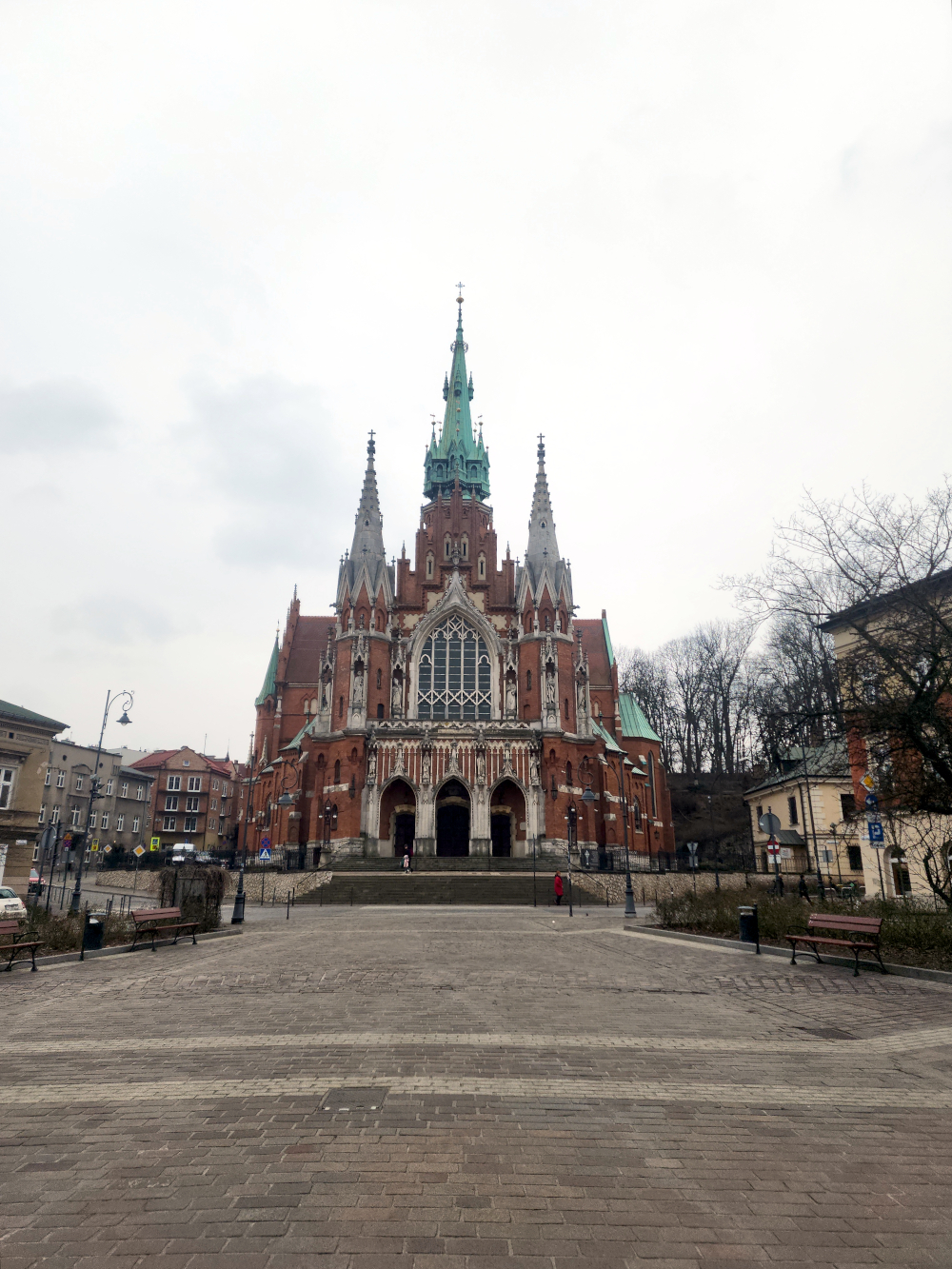

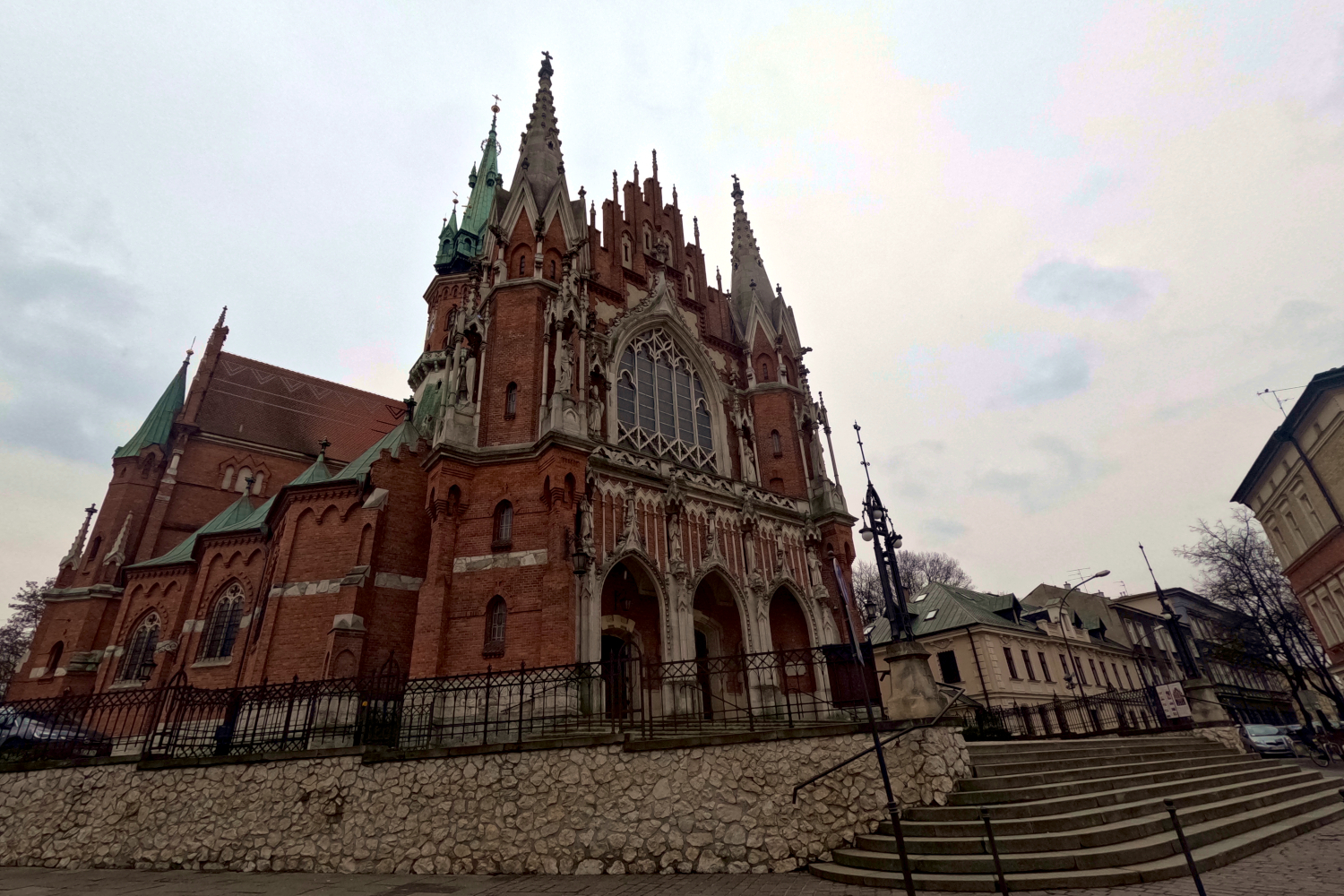

And thus concludes our tour of Podgorze this time around. In a single day we moved from relics of Bronze Age belief to Gothic spires, from Spielberg’s reconstructed watchtowers to the quiet dignity of churches that have stood for centuries — and/ or appear as if they have. There’s still more to uncover here, but it will have to wait for another day, and probably our next trip to Krakow.
Events occurred 2/27/2025

 world travel with a theatrical flair
Leave a comment