

On Tuesday, July 12, we began our month of volunteer teaching at Jingle Bell Schools in Faizabad. Kimberly went to the classrooms next to our quarters, and Dennis trundled off to the campus about 3 blocks away. The first couple of days, he was chauffeured to and from this campus, but he made it known that he was quite content to walk, and free up the driver for other matters.
On this first morning, he taught 6 classes for grades 6, 7 and 8. It was rough going at first, especially for the 8th grade, who tended to be a bit rambunctious. One problem with many of these kids is that they are so eager to participate that when they have an opportunity to contribute some input, they jump to their feet and yell “Sir, sir, sir!” — competing for attention rather than quietly raising their hands and waiting to be called on. It was apparently a deeply-ingrained habit, and difficult to break, but necessary to do so in order to keep these highly participatory sessions from descending into sheer bedlam. And once the students were past the rough beginning, things went much more smoothly.
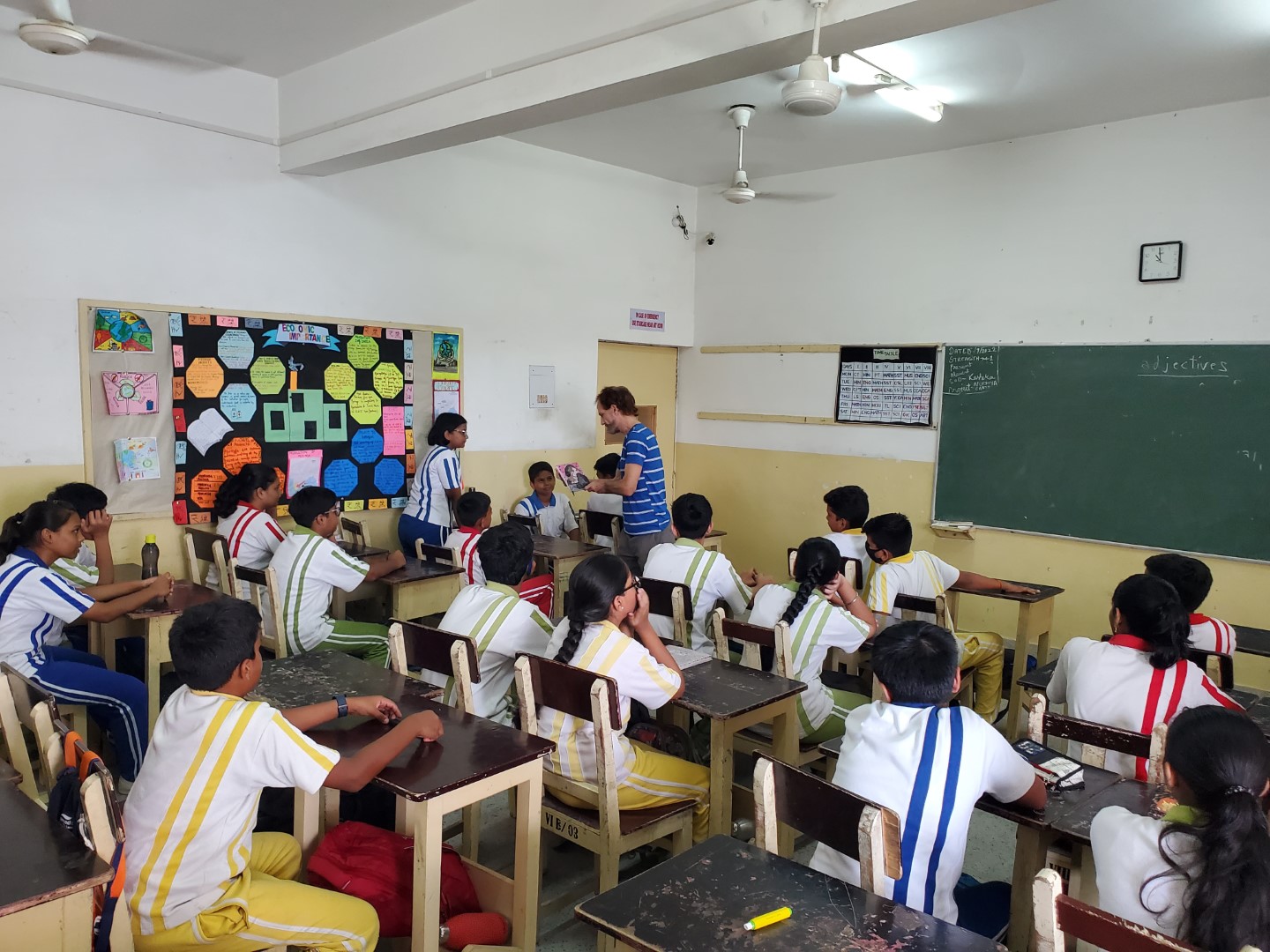
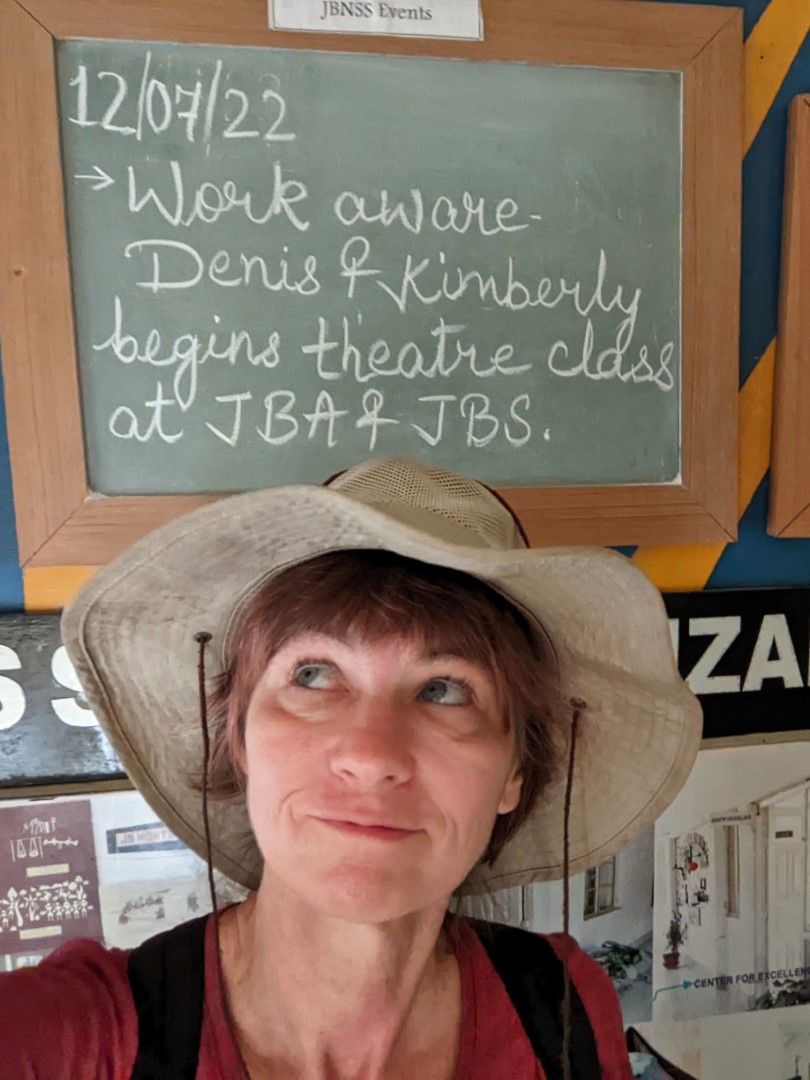
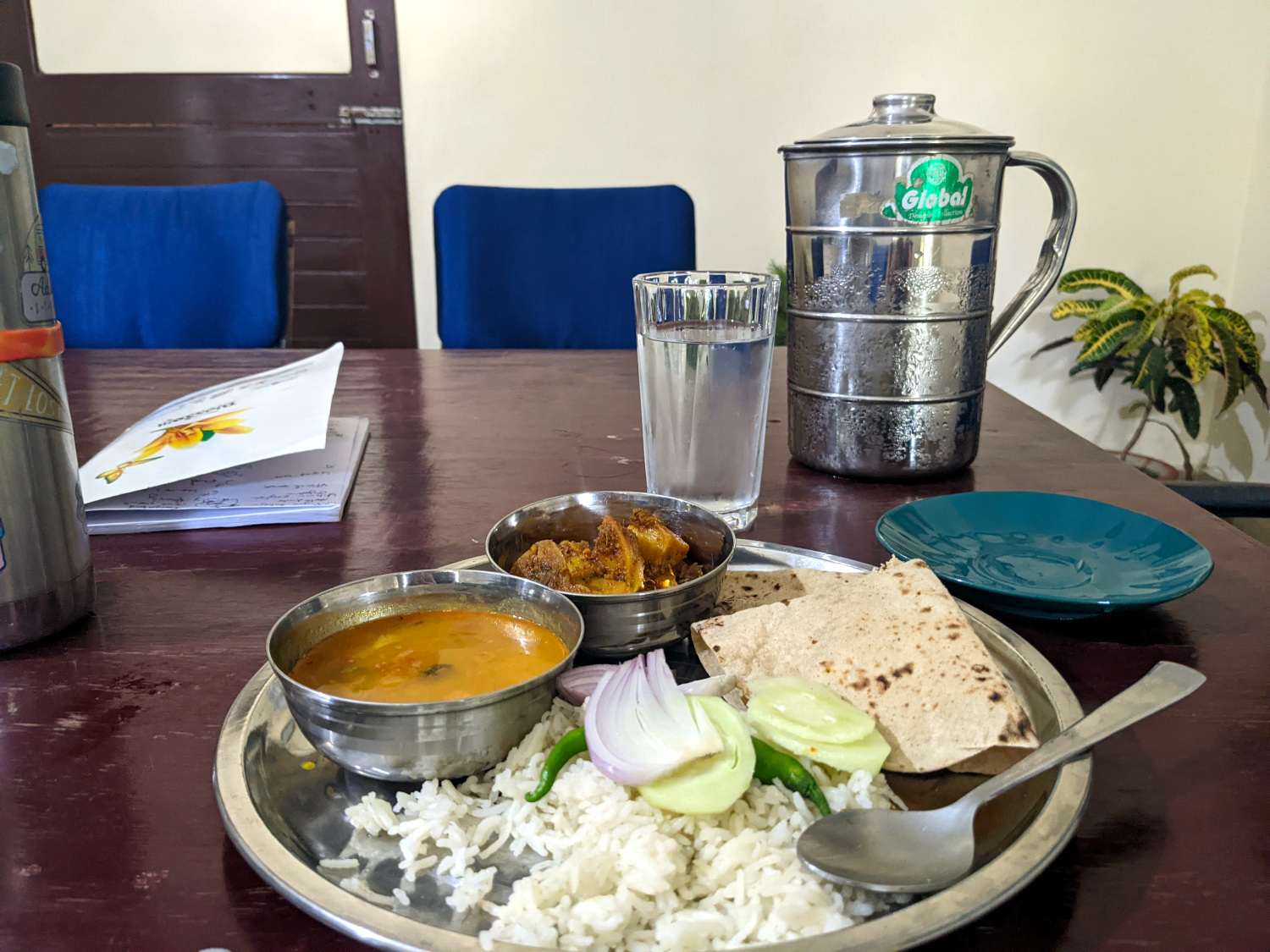
There was a break halfway through the morning, during which Dennis had about 20 minutes to regroup in the assistant principal’s (or whatever her exact title was) office and have — of course — tea and “biscuits”. At the conclusion of the morning’s sessions, he was served lunch in the principal’s office. It was an excellent meal, apparently catered from a restaurant. This same routine would be duplicated every morning spent at this campus for the remainder of the month.
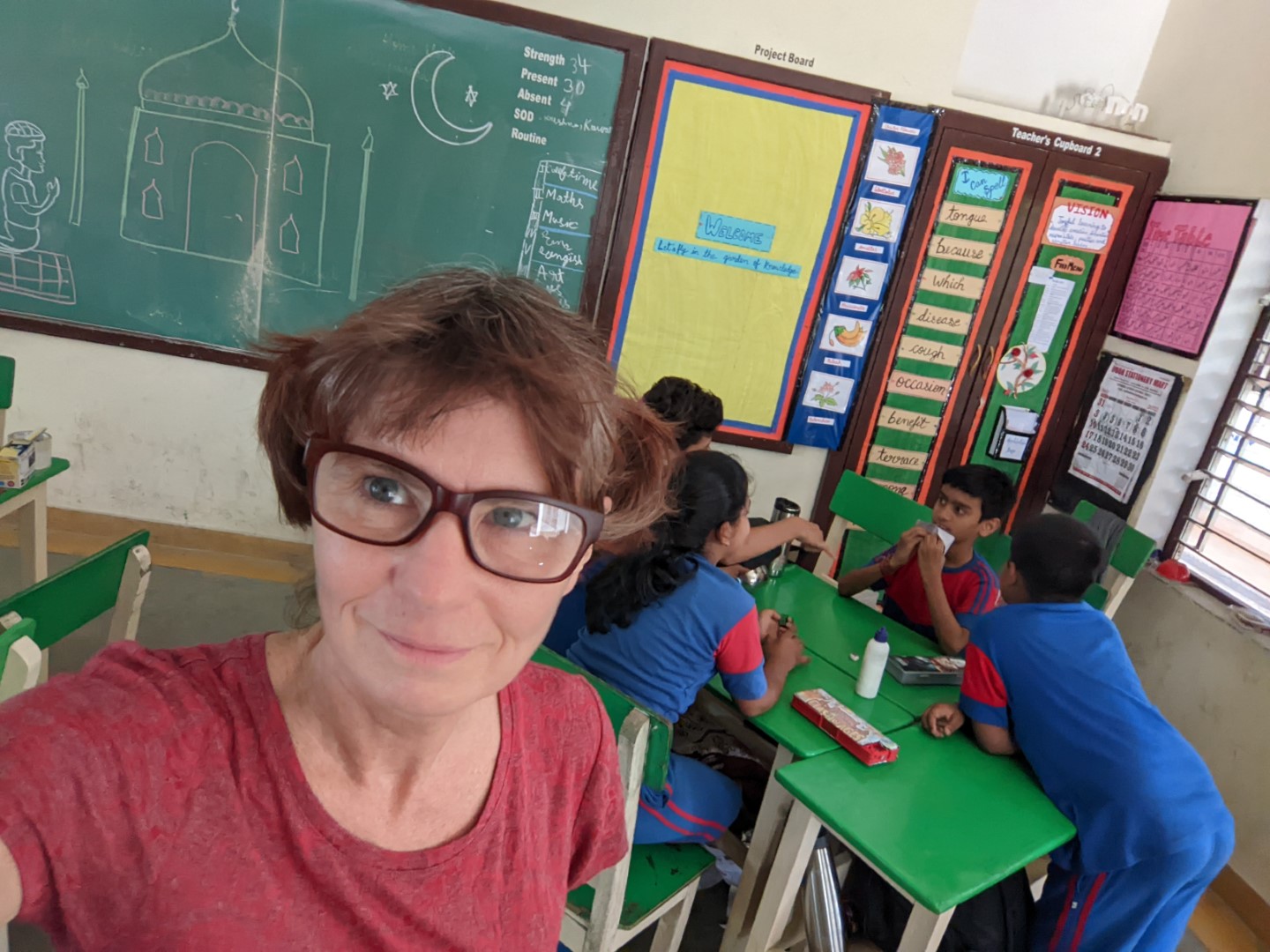
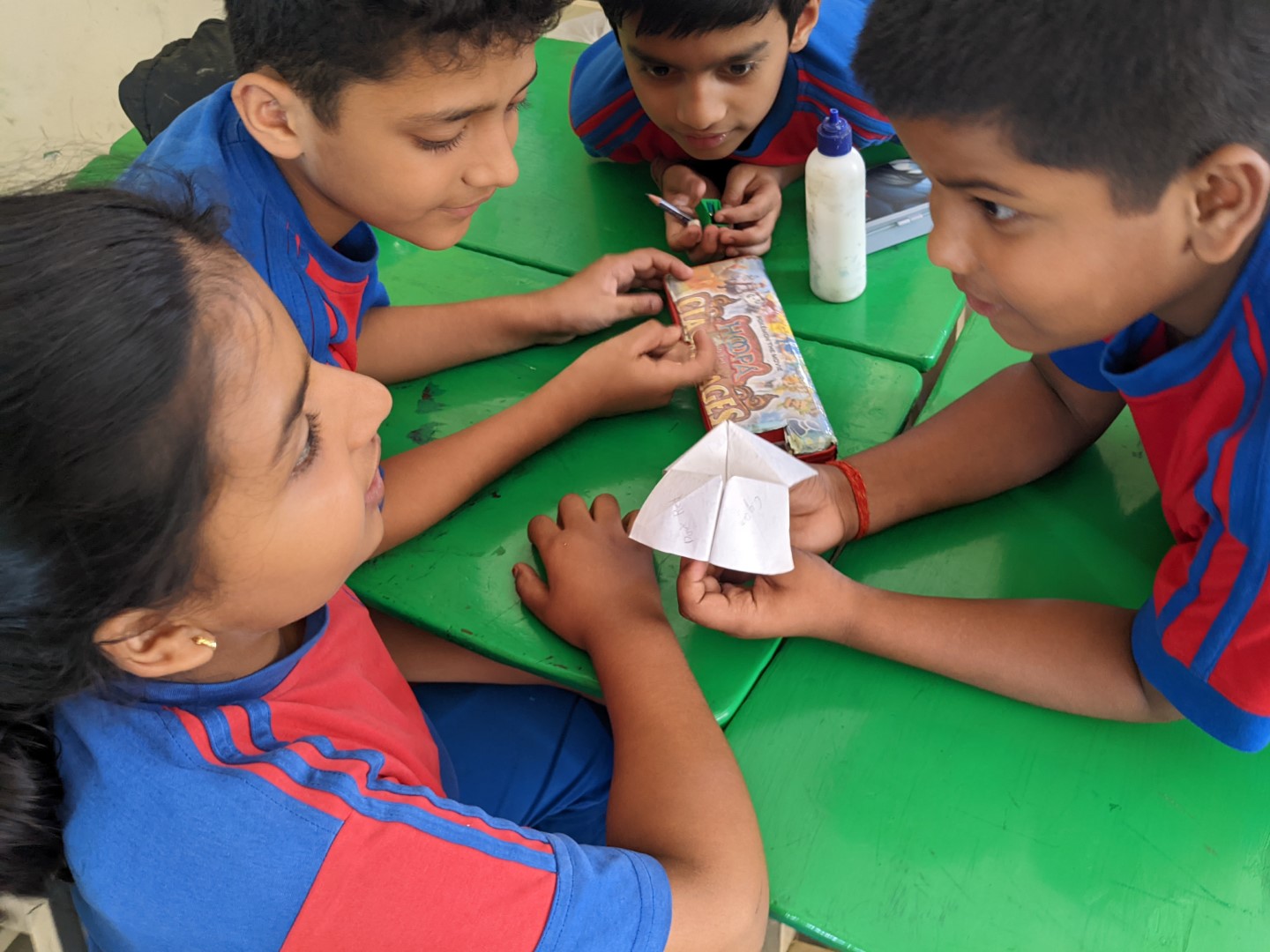
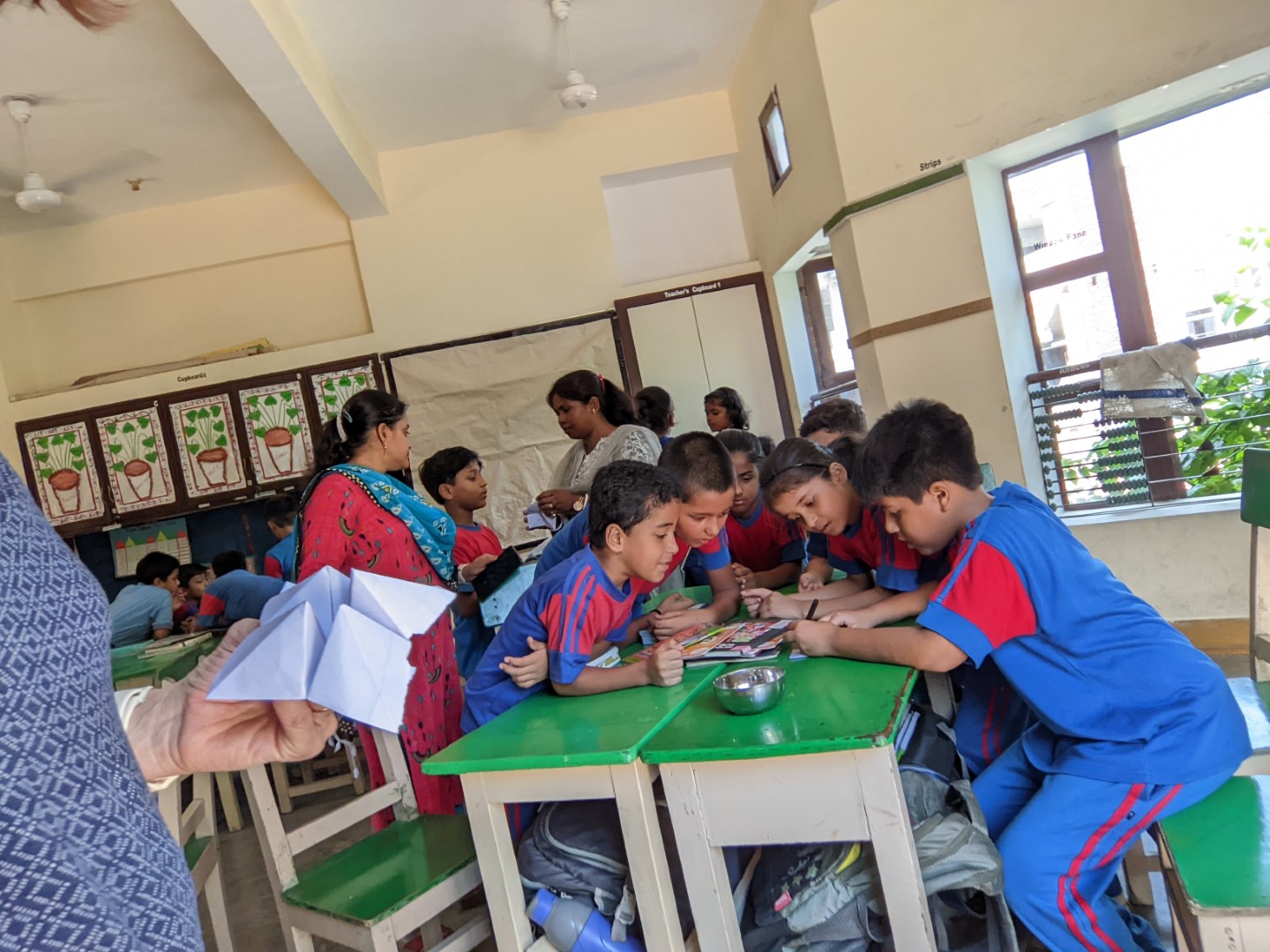
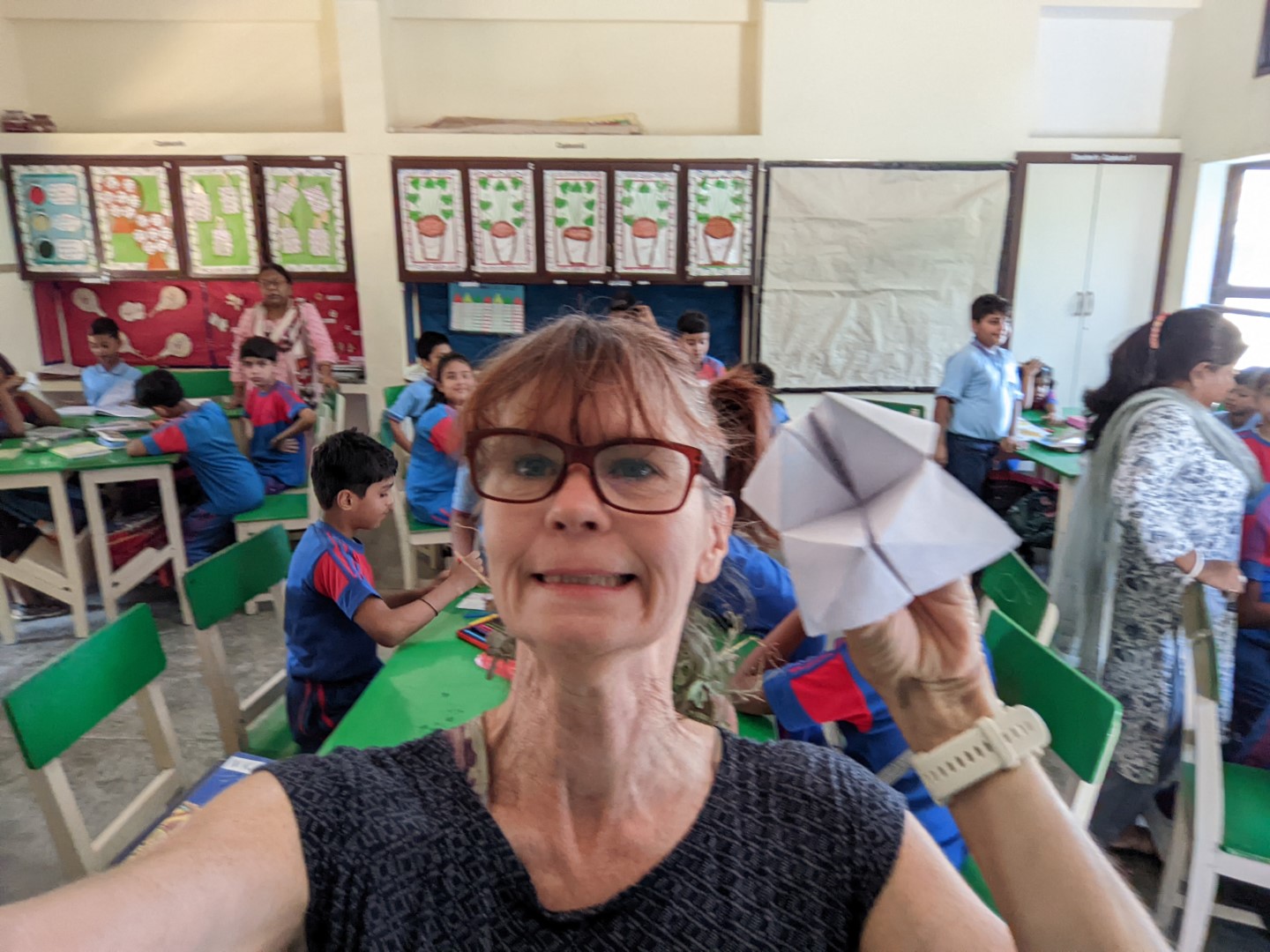
Kimberly set to work with several classes of 4th grade students. Deciding from her observations the day before that the students at this school already had a firm grasp of English and that she needed to come up with some age-appropriate activities that would challenge and engage them at the same time, she flashed back to her days as a fourth grader and remembered making “fortune tellers” out of paper. So she tailored the activity to highlight some grammar and incorporate question words. The students worked in groups following directions and making their own “flowers” –which suited the theme of the classrooms, as each class was identified by the name of a flower.

Also of note are the school buses the students take to school. There are none. Instead they squeeze several students into a tuk-tuk, hanging their bags on hooks on the front. Quite a sight to see.
The afternoon was free to relax in our room and take care of some chores — including scrubbing our laundry by hand. The school director, who lived in a large house behind the campus next to us, had issued a standing invitation for us to join her at her swimming pool evenings between 6:00 and 7:00. On this night, we accepted the invitation. Or at least Dennis did — Kimberly is not much of a water bug.
When he went through the gate leading to the house, he was met by a security guard who is always stationed there, and got his clearance to go on back. There were already 4 people swimming in the very nice pool, which had a little structure next to it with changing rooms. Evidently having guests come to the pool is a regular occurrence. After a few minutes, a servant brought some refreshments, which were served on a tray placed on a flotation device, so the guests didn’t even have to get out of the pool. There was something called “Middle Eastern pizza”, as well as an interesting (in the good sense of the word) beverage made from — no fooling — garbanzo beans.
At least one of us had a refreshing and relaxing finish to an exhilarating day.
On Wednesday, we returned to these same respective campuses, though we taught different classes from the day before. Already, we were feeling quite at home at this school, developing a rapport with teachers and students alike.
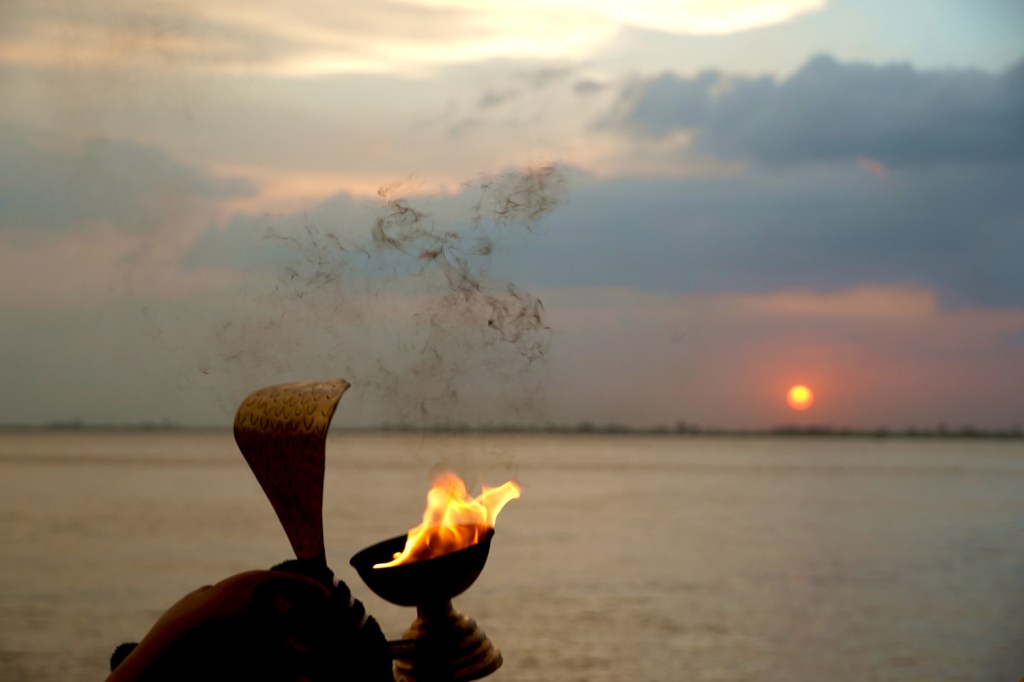
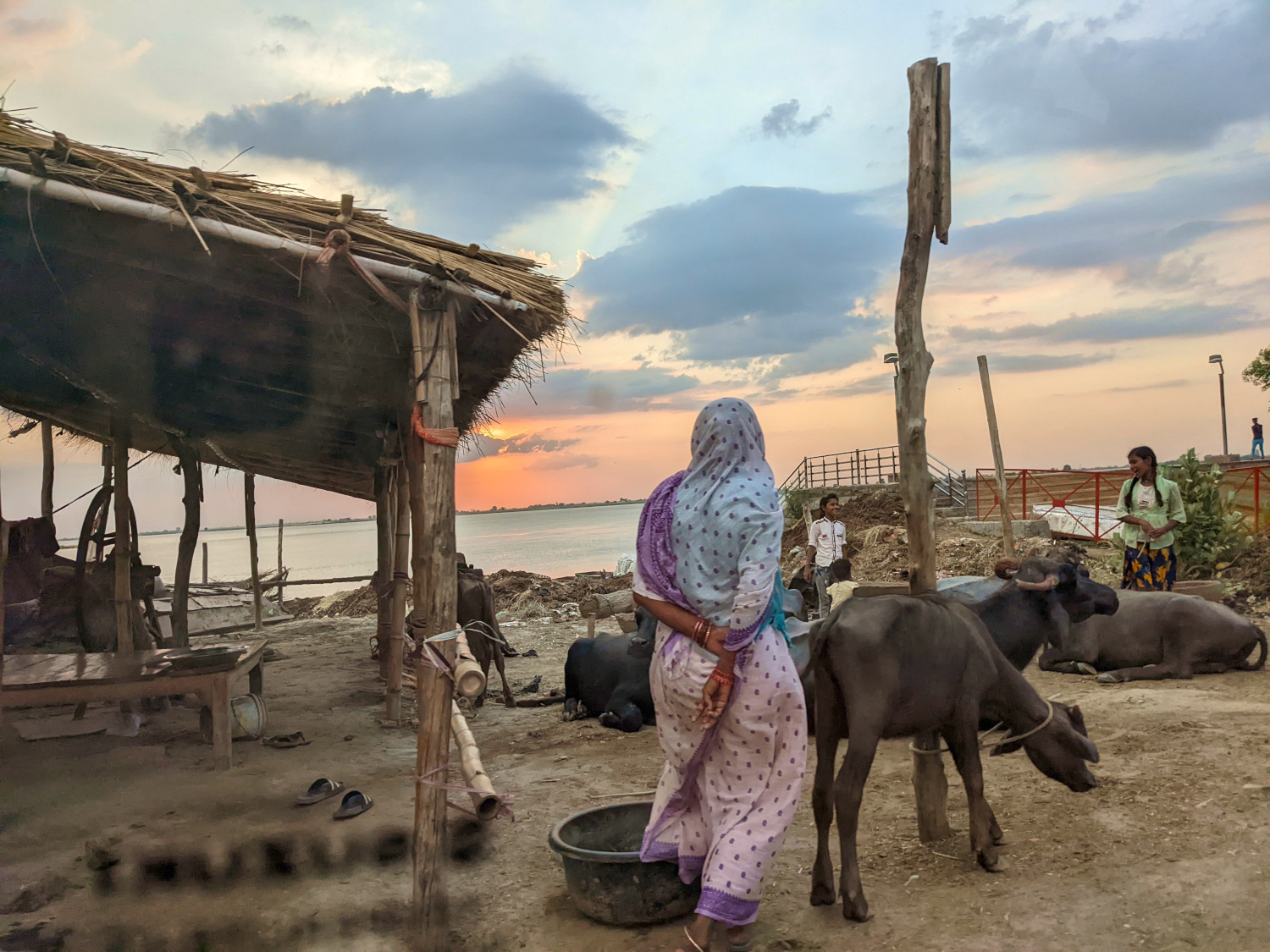
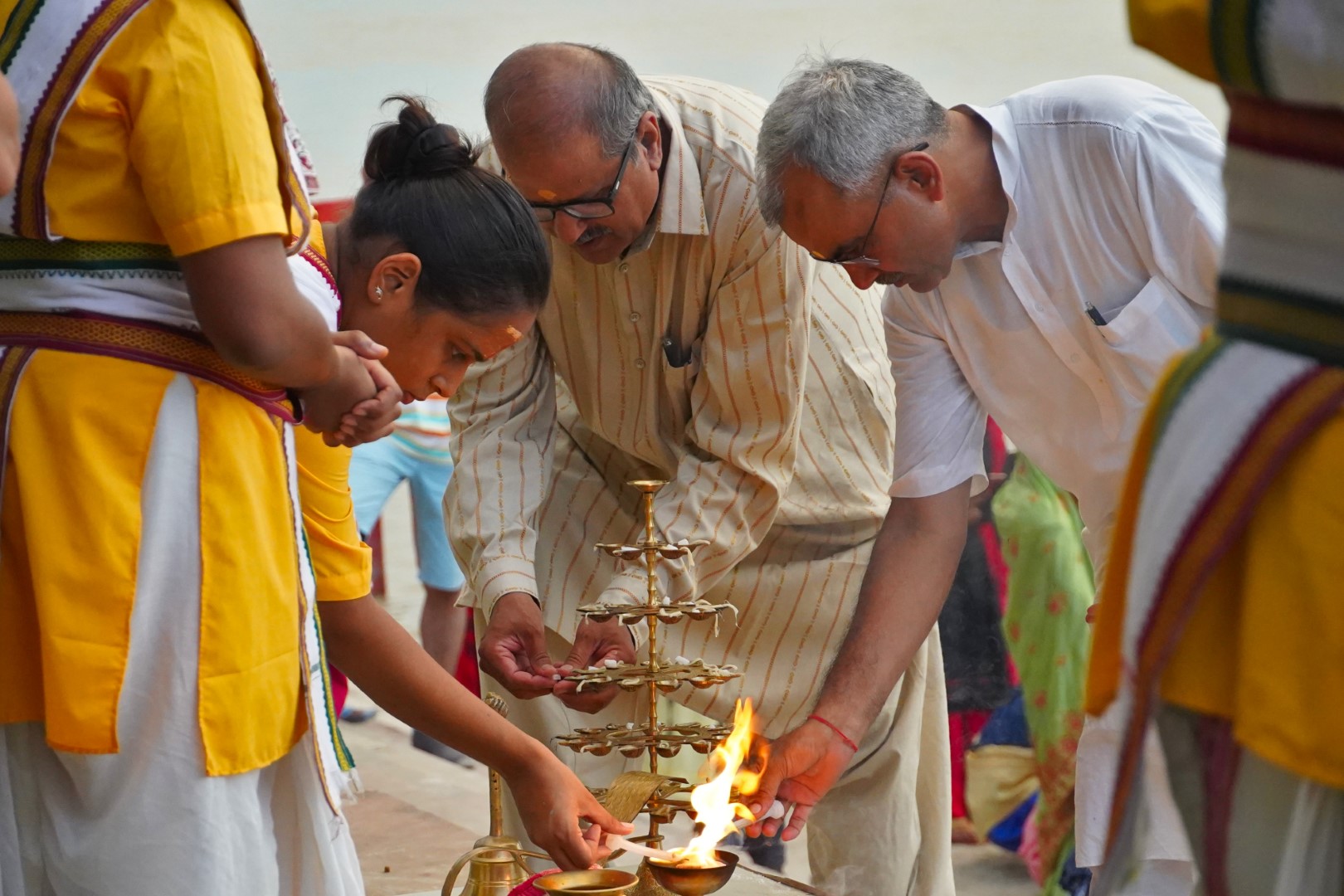
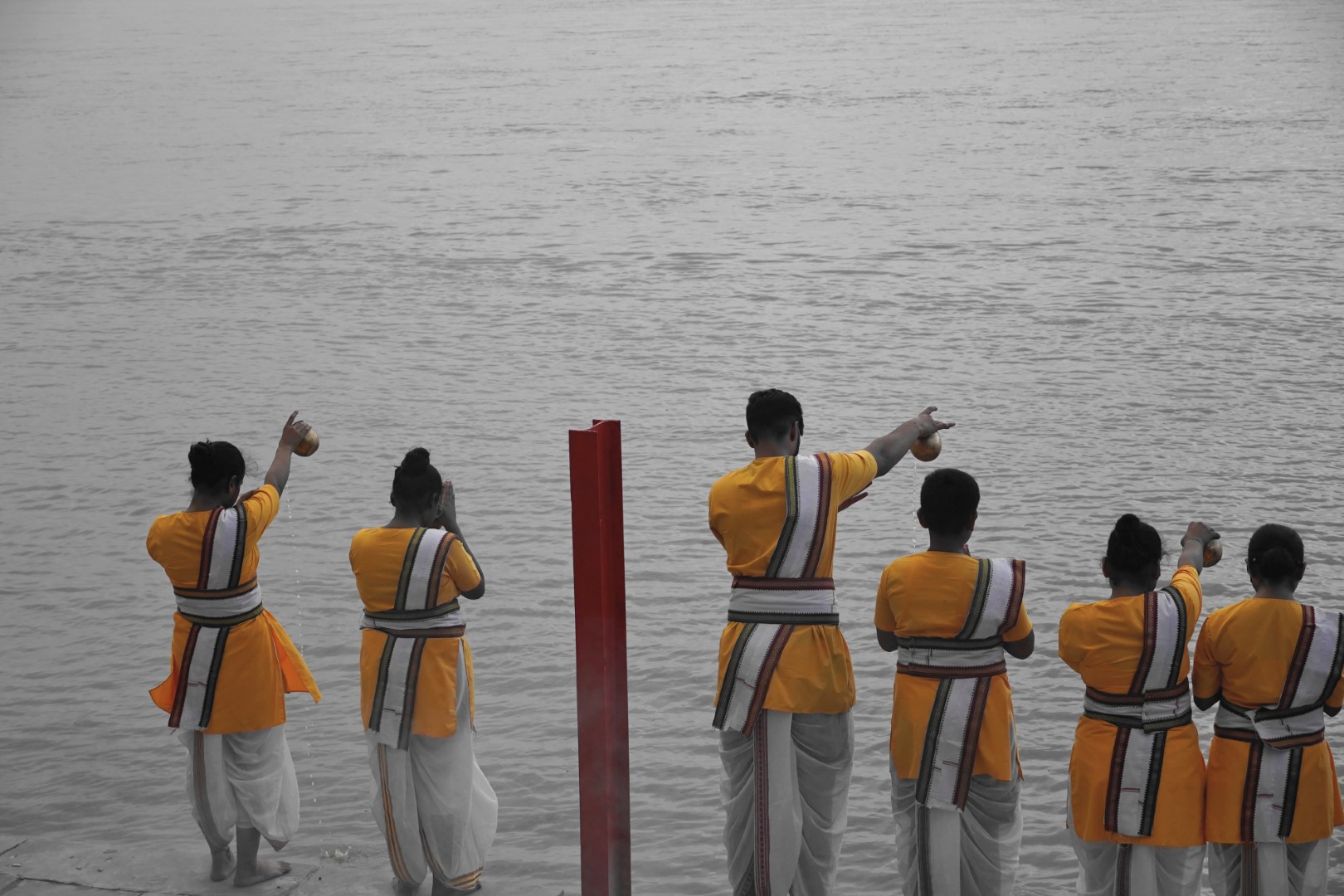
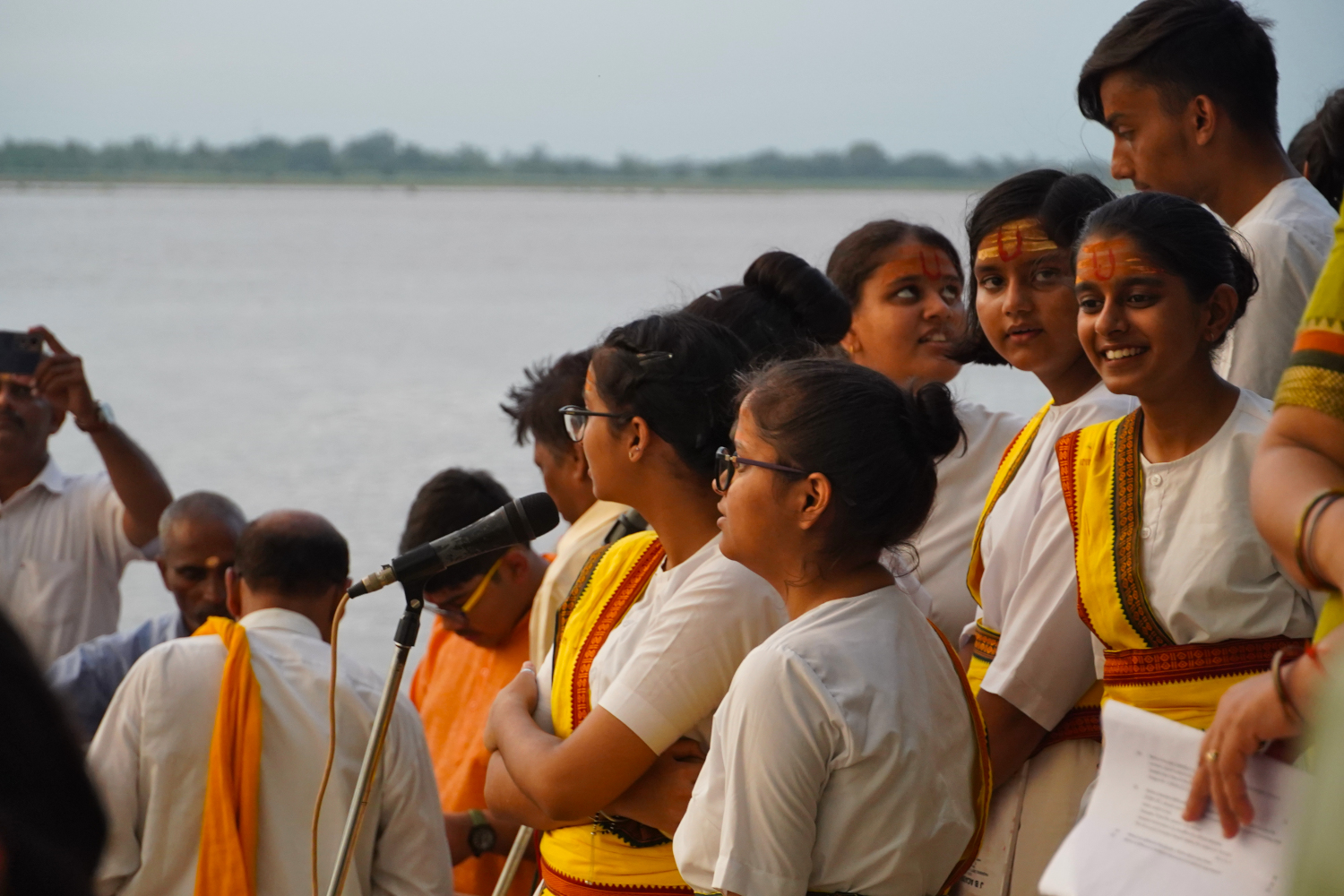
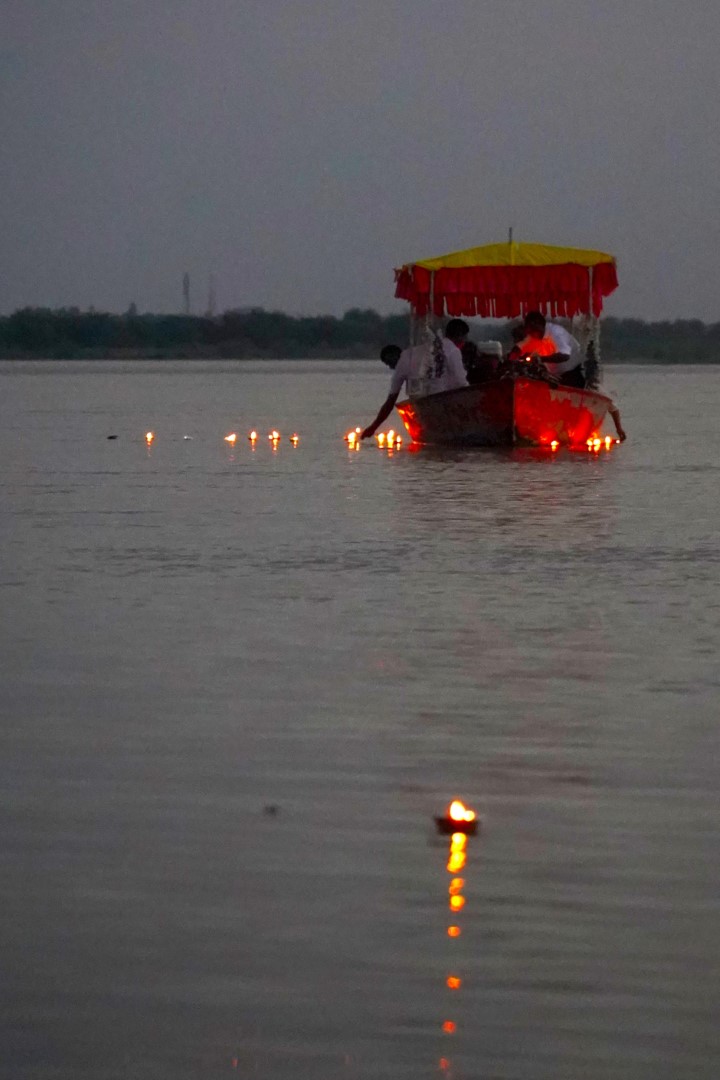
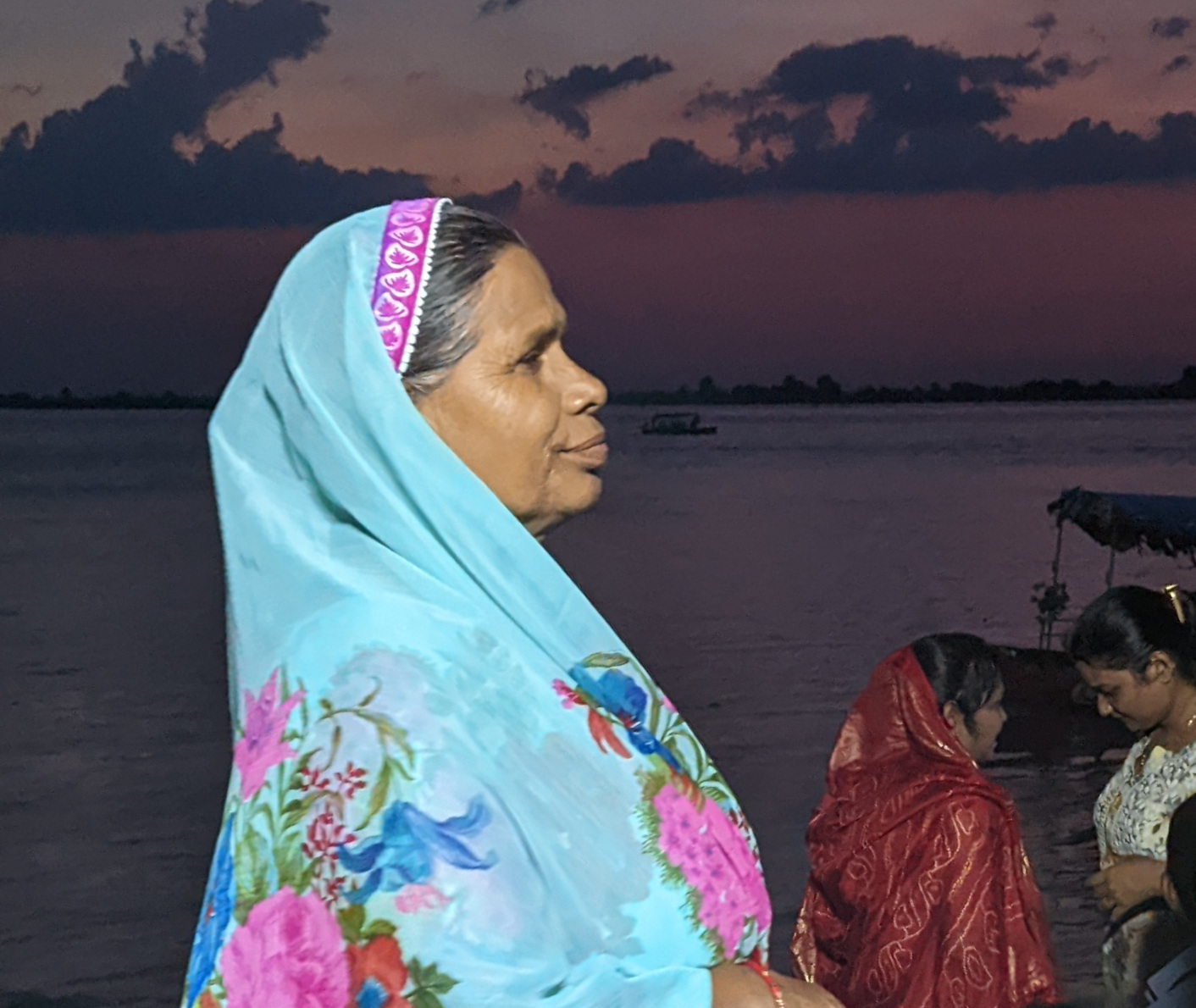
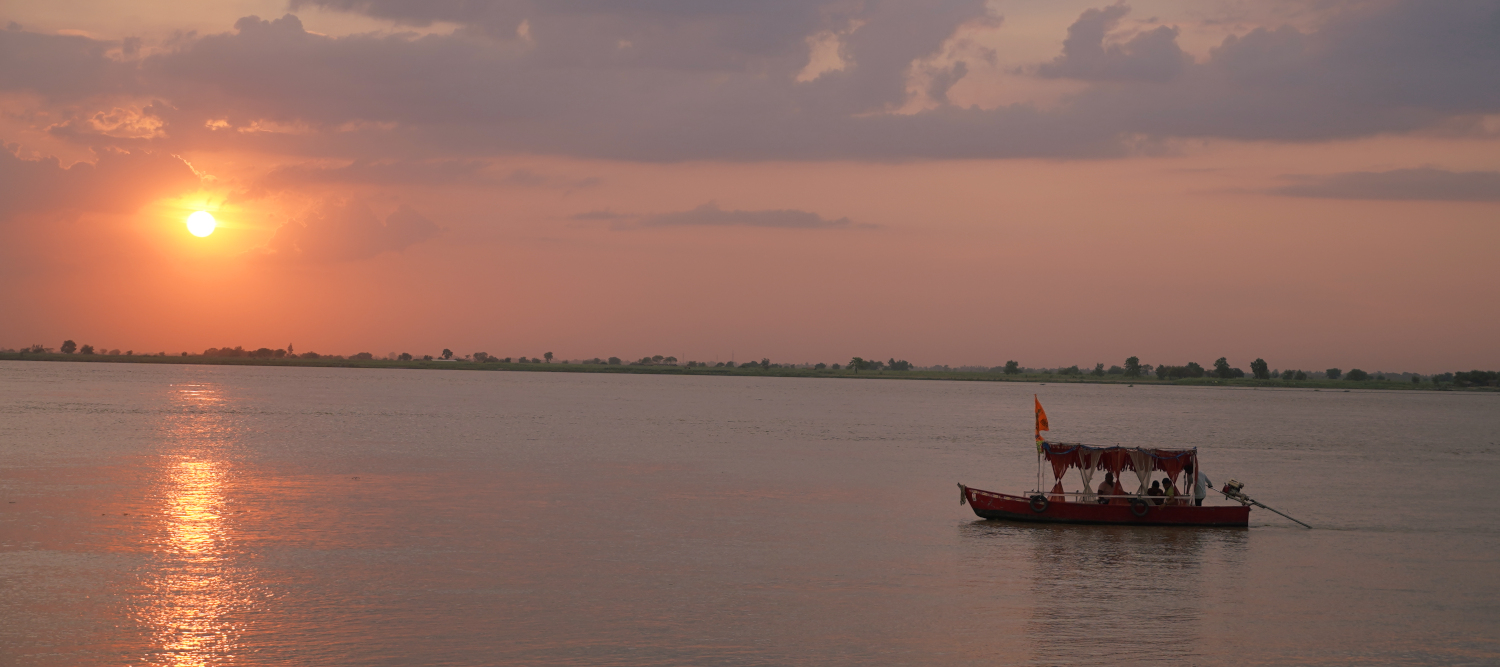
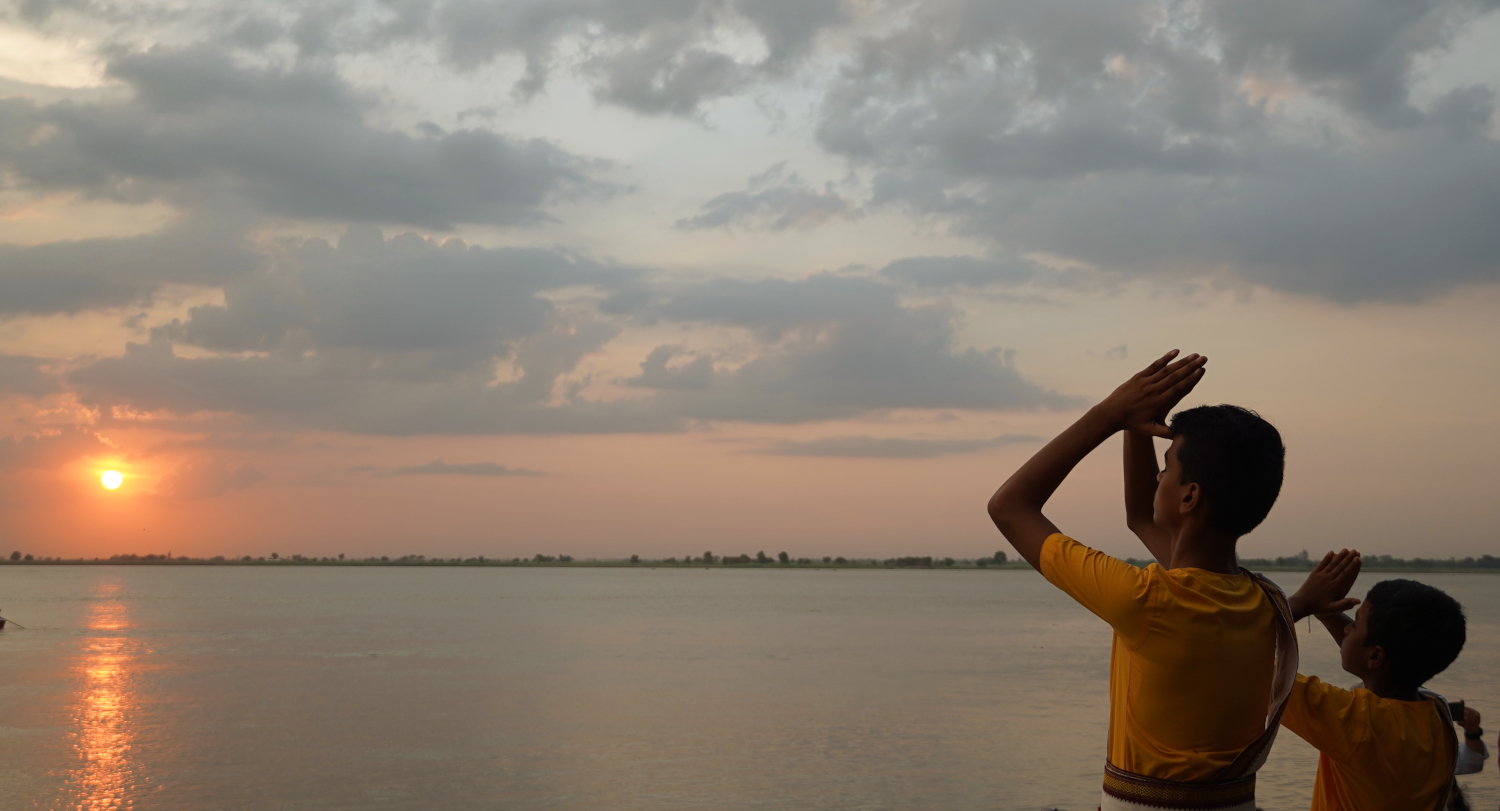
That evening, just before sunset, we accompanied some of the teachers and staff to an event at the river, an annual festival held during a full moon in July to honor the river, a powerful force and symbol in Hinduism. (The occasion also coincided with an annual celebration of educators by Hindus, Buddhists and Jains.) The River Saryu in Faizabad — or rather in its twin city of Ayodhya — is of special significance to Hindus because according to legend it was here that the demigod Rama, hero of the classic Sanskrit epic Ramayana, drowned himself in order to ascend to paradise.



The community also has a strong Muslim presence, and in the past there has been some conflict between the two religions — including a violent clash in 1992, apparently sparked by the desecration of a Hindu statue. But these days, they seem to be peacefully coexisting rather well.
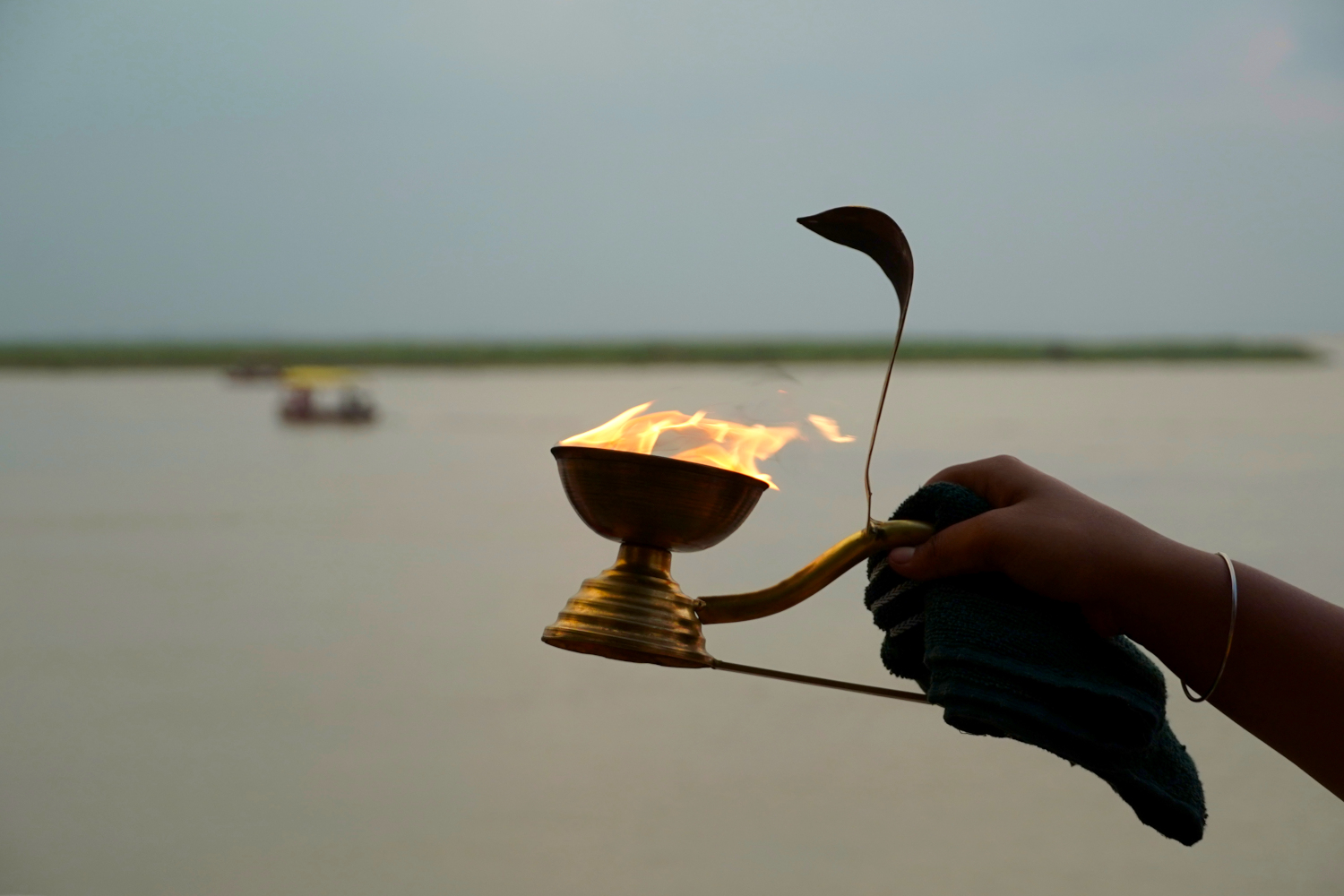
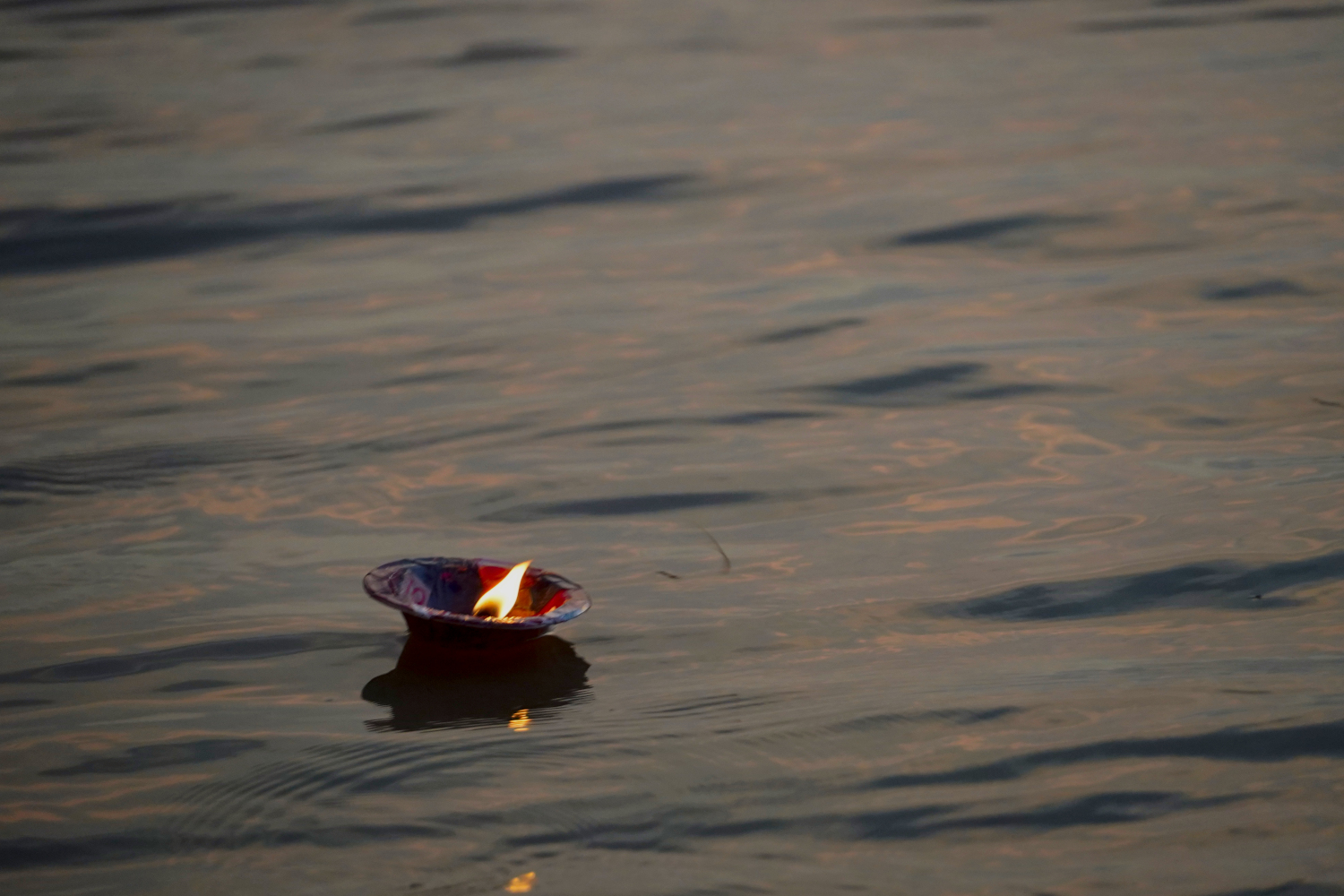
Piling into a car, we headed out to the neighborhood by the river, where we plowed down narrow streets, dodging the ubiquitous cows, and threading our way through the thick clumps of cars that already had delivered hundreds of other attendees. The ceremonies included songs, incense and the lighting of candles set adrift on the water. A dazzling, yet serene setting such as we’d never witnessed anywhere else. We didn’t quite follow what all of the proceedings signified, but we certainly were awed by having the opportunity to be there. This, we told ourselves, is the reason we travel.
7/12-13/2022


 world travel with a theatrical flair
Leave a comment