

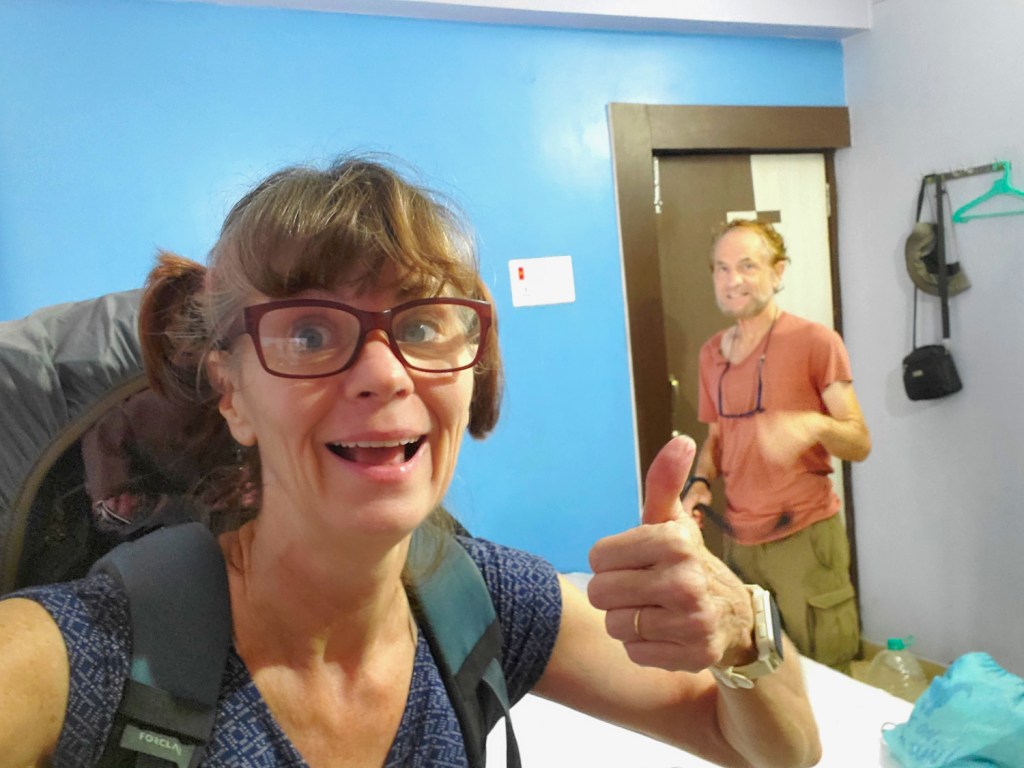
On the evening of September 18 we went to bed at about 9:00 in our hotel room in Gaya, expecting to get a good night’s sleep and catch a train at 4:00 am to Kolkata (Calcutta). We considered ourselves lucky to have secured a berth since a great many train trips had been cancelled in recent days. (Labor disputes, among other things.) How relieved we felt, knowing that we had confirmed bookings for the next day. But before we dozed off, we gave our ticket info one last going-over and discovered that our trip, too, had been cancelled.
Bounding out of bed, we frantically started searching online for alternatives. But the internet was too slow for our impatience. So we decided to head over to the station to see if we could book passage in person. When we got to the station, what we saw was not particularly encouraging: hundreds of passengers/ potential passengers camped out in the parking lot, bedding down for the night or part of it right there on the pavement. On the other hand, that’s a typical sight in India, and there was certainly more than one departure that would depart — or not.
Waiting patiently in line, because we hadn’t yet learned that the loudest patron gets served first, we finally managed to attract the attention of the ticket agent and we were informed that we could get on the 11:00 train. Great! Only one little problem, we hadn’t packed yet. So instead of buying the tickets and risk missing the train because we couldn’t make it back to the station in time, we dashed back to our room.
Hastily packing up all our worldly goods, we hightailed it to the station. When we passed the personnel on duty at the front desk, we turned in our key and told them our situation, and that, if we couldn’t get on a train, we’d be back.
With guarded optimism, we made our way back to the window, and after a wait of some twenty minutes, we learned that nope, there were no seats available on any day at any time. So it was back to the hotel room, where the staff already had begun cleaning our room. Did they not understand that there was a very good chance we’d return?
Before climbing into bed for the second time that night, we started searching for flights to Kolkata. Fortunately, there were three departures per week from the dinky little airport between Gaya and Bodh Gaya, including one that left the day after next. If we could snag that one, we’d still make our flight we’d already booked from Kolkata to Bangkok in four days. But try as we might, we were unable to complete a booking online. So we went to bed (again) not knowing for certain if we’d be able to get out of town in a timely fashion.
Early the next morning, we were up and at it again. But again we hit a brick wall. Concluding that the system had a vendetta against our credit cards, we got in touch with our son in the States and had him try. But he also struck out. Clearly, the credit cards weren’t the problem; the system just had a vendetta against itself.
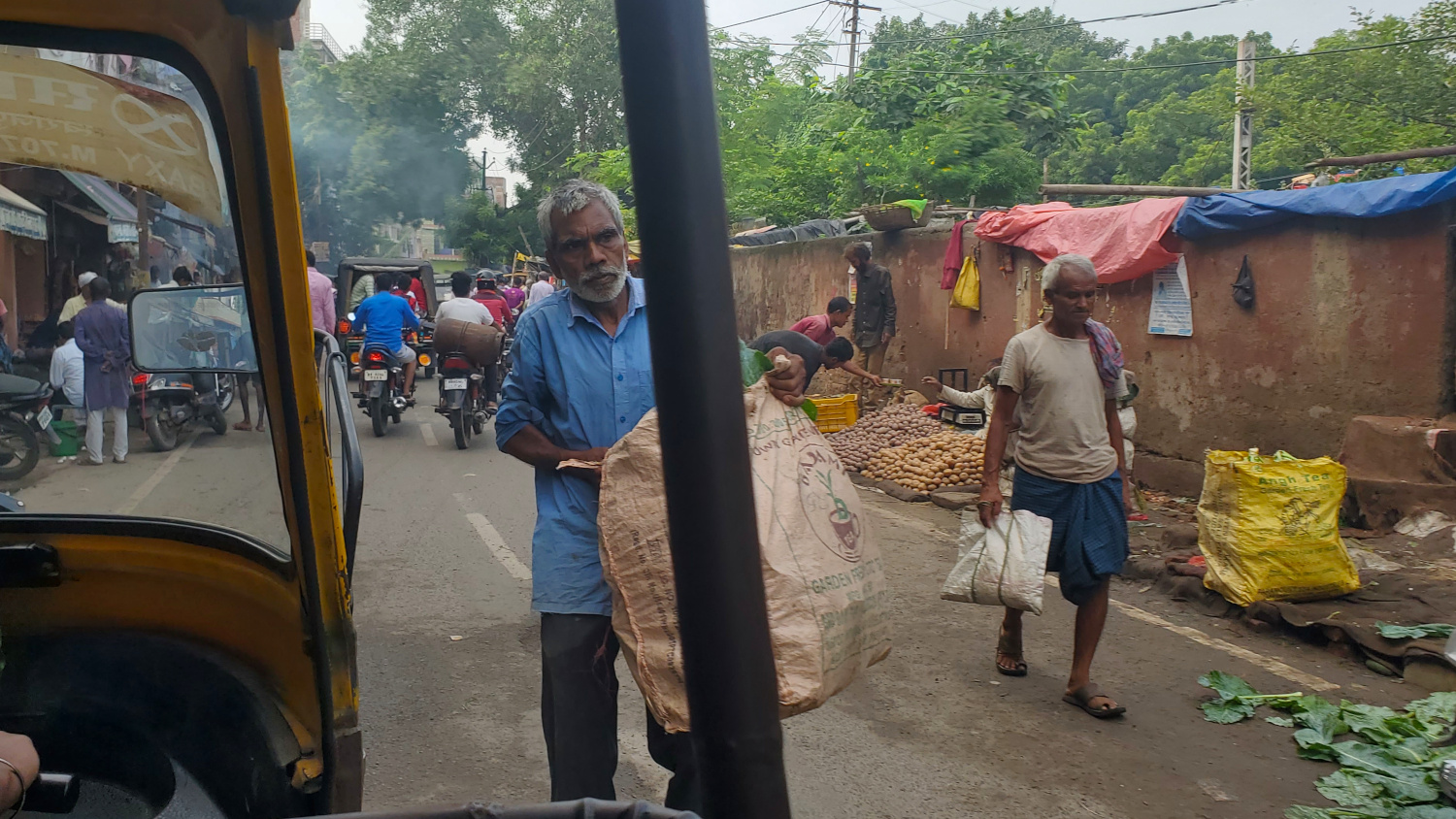
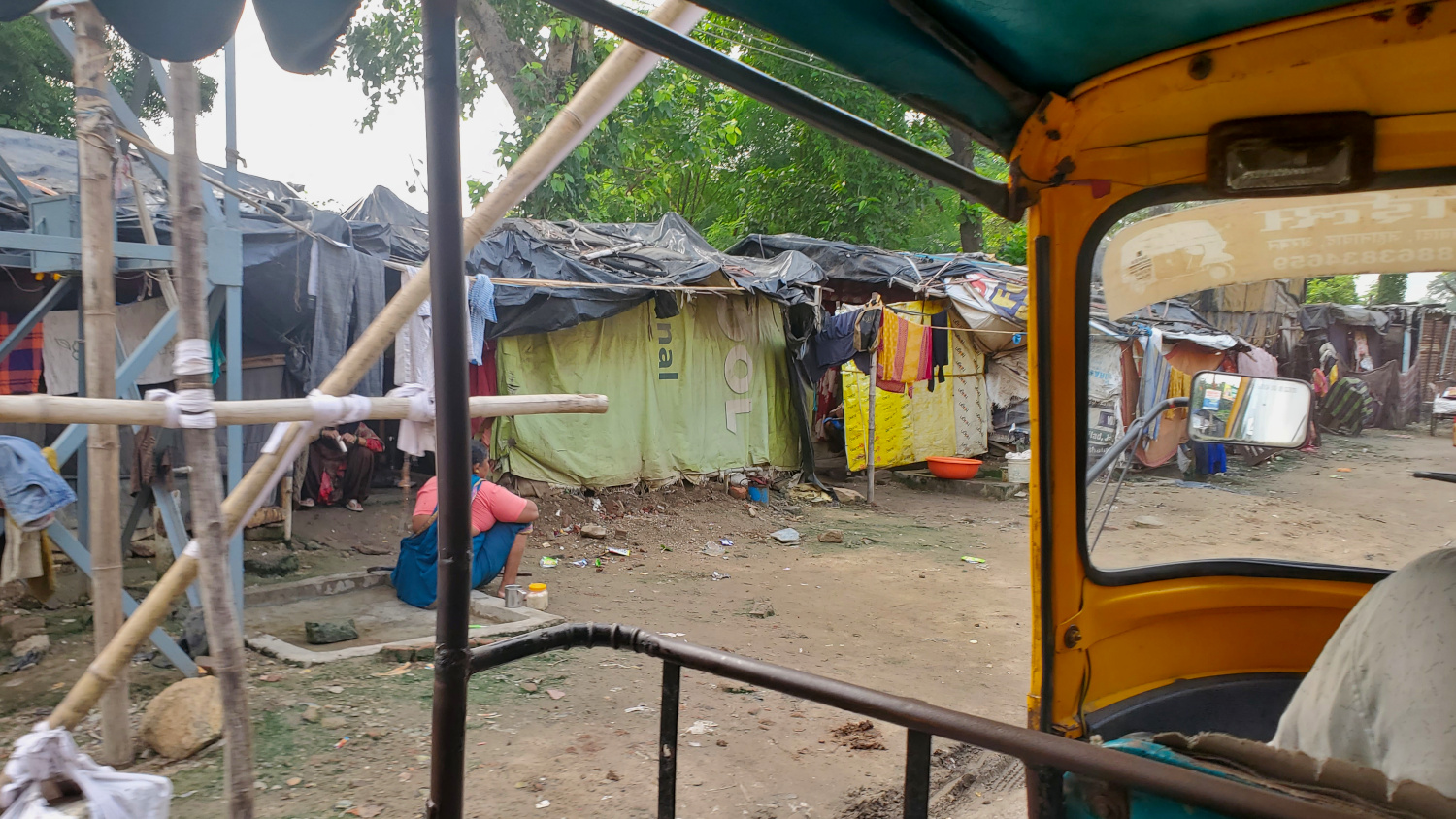
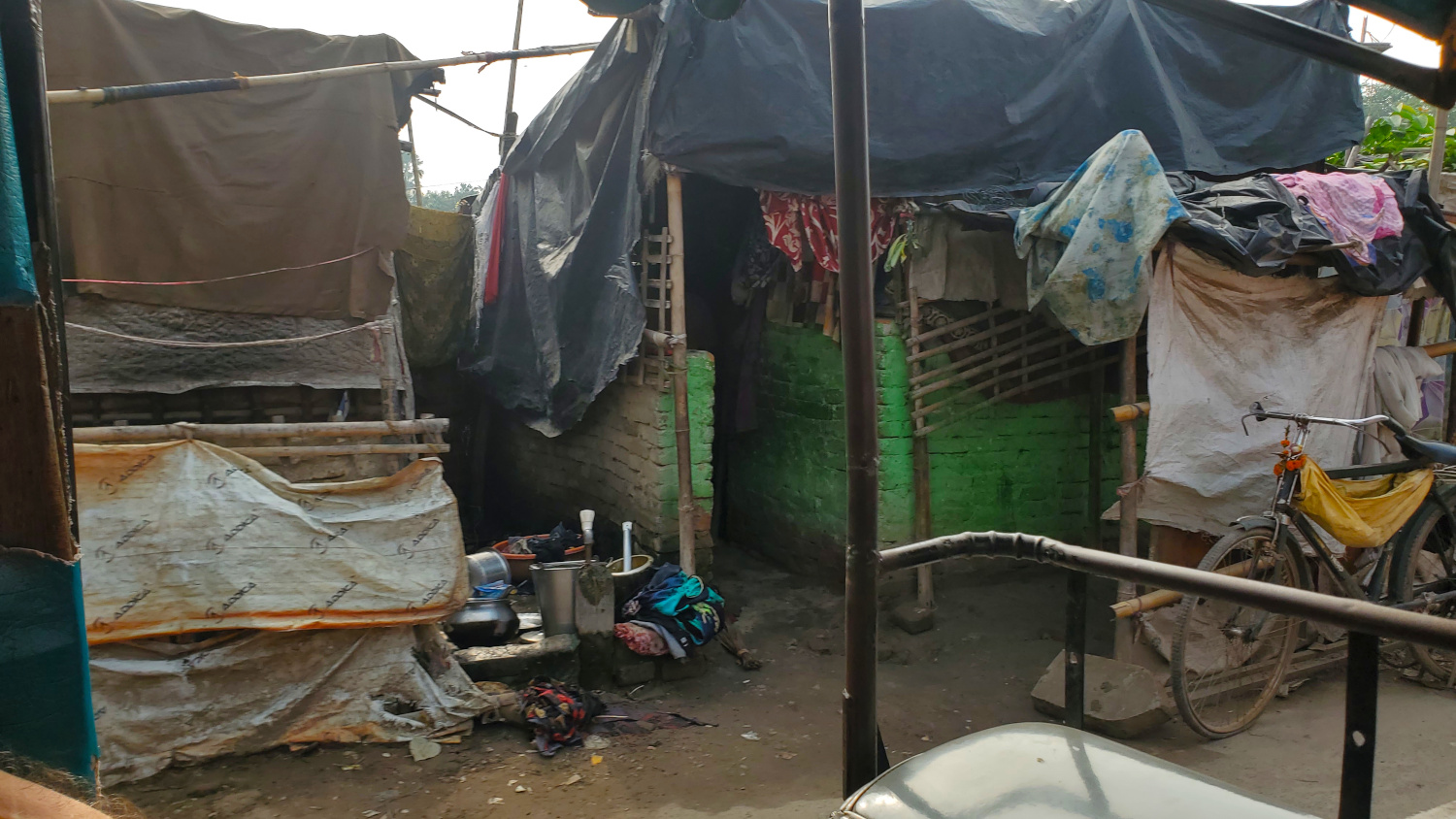
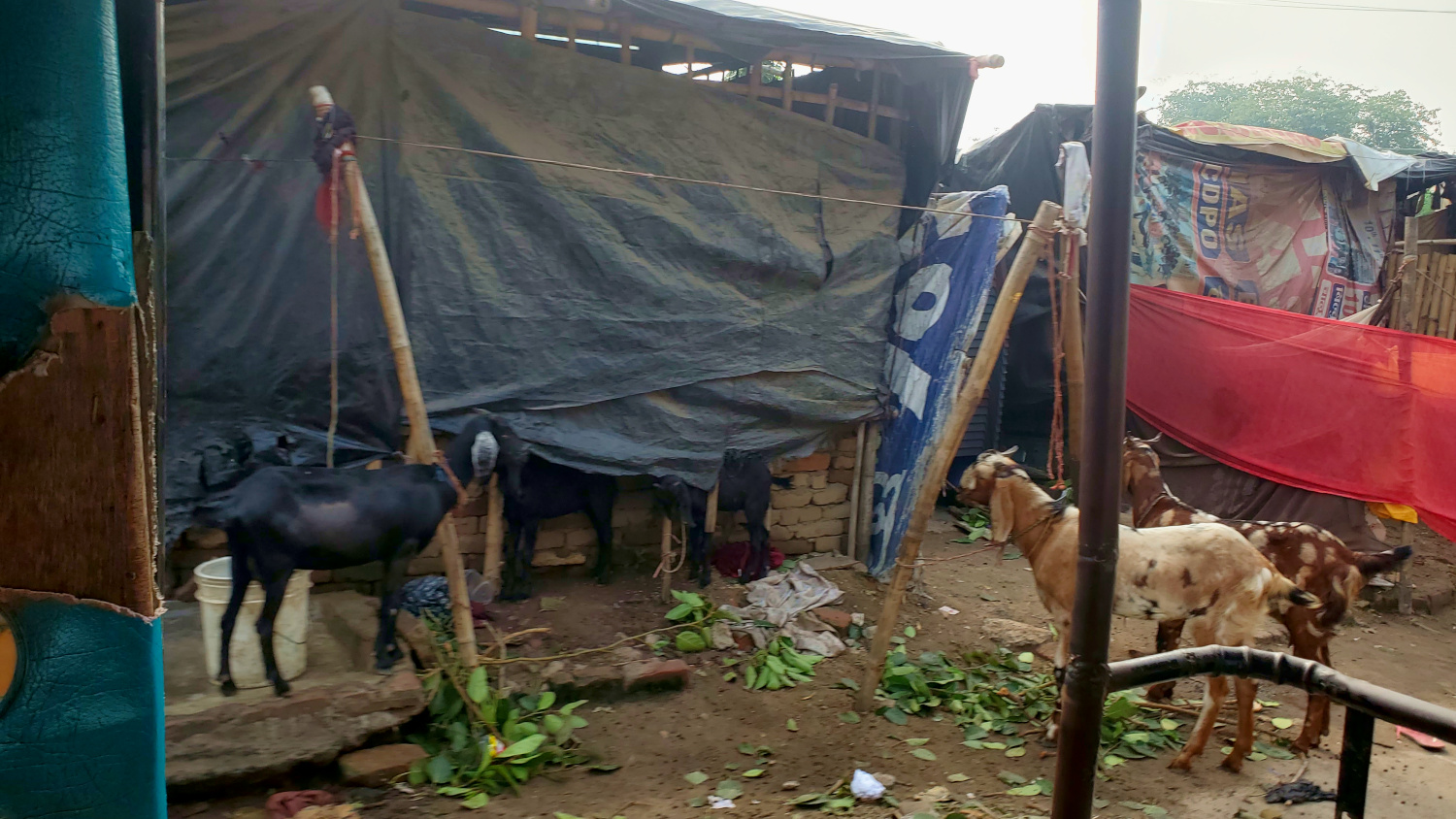


At this point, our only option was to load our things into a tuk-tuk and head down to the airport in the flesh. It was about 8:30 a.m. when we arrived, and the airport didn’t open until 10:00. It was, after all, a tiny facility with only three flights a day. So we had to wait outside until then, during which time we jumped on Airbnb, and booked a room for the night in Bodh Gaya. We also contacted the hosts of the Airbnb where we’d already been booked in Kolkata, letting them know that we’d be arriving a day late. (We’d booked a 4-night stay there, and since there were no refunds on such short notice, we’d have to eat up the first night.)
Once inside the airport, we finally succeeded in getting our hands on our precious little tickets to Kolkata — apparently two of the last remaining seats.
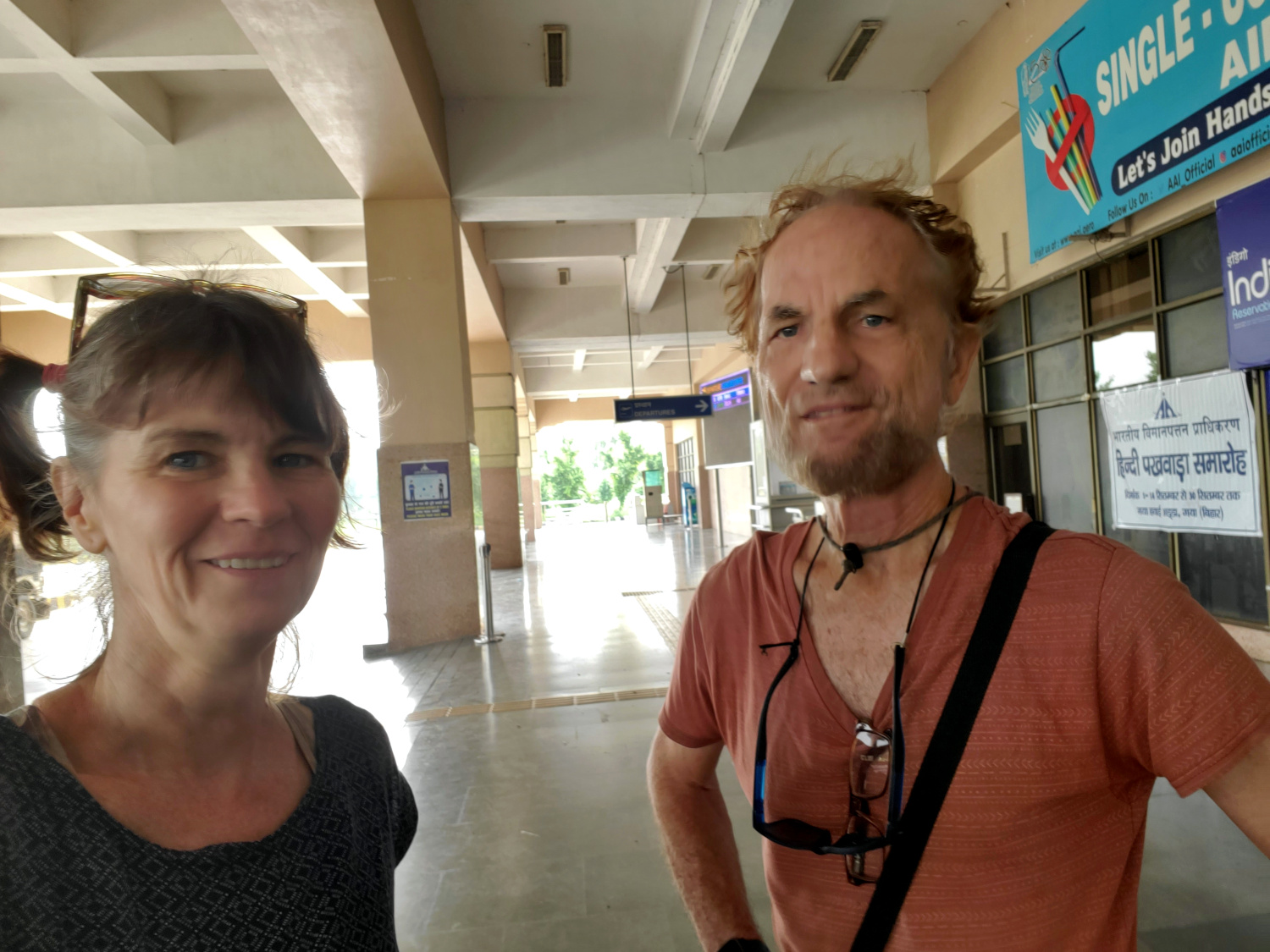
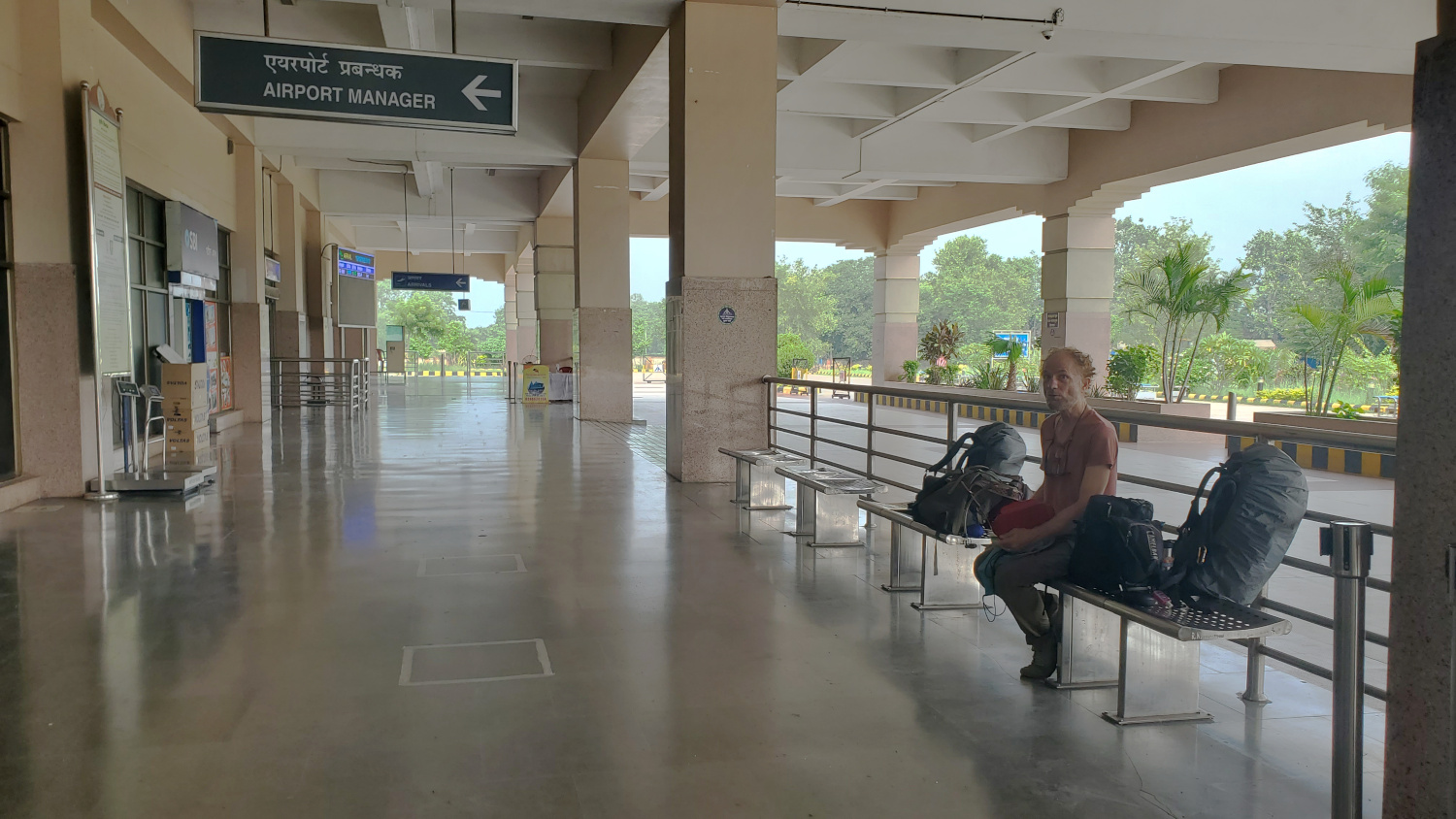
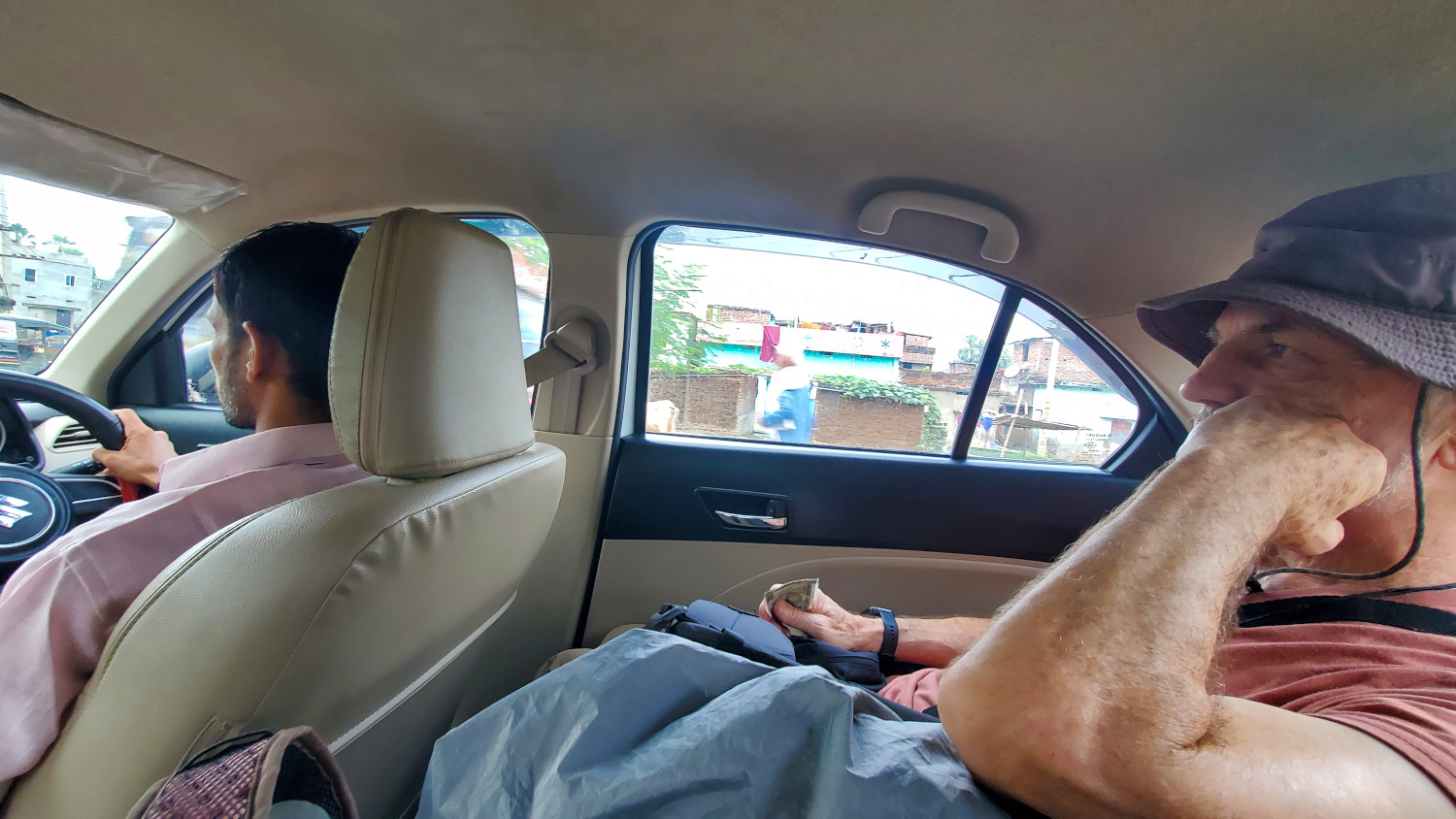
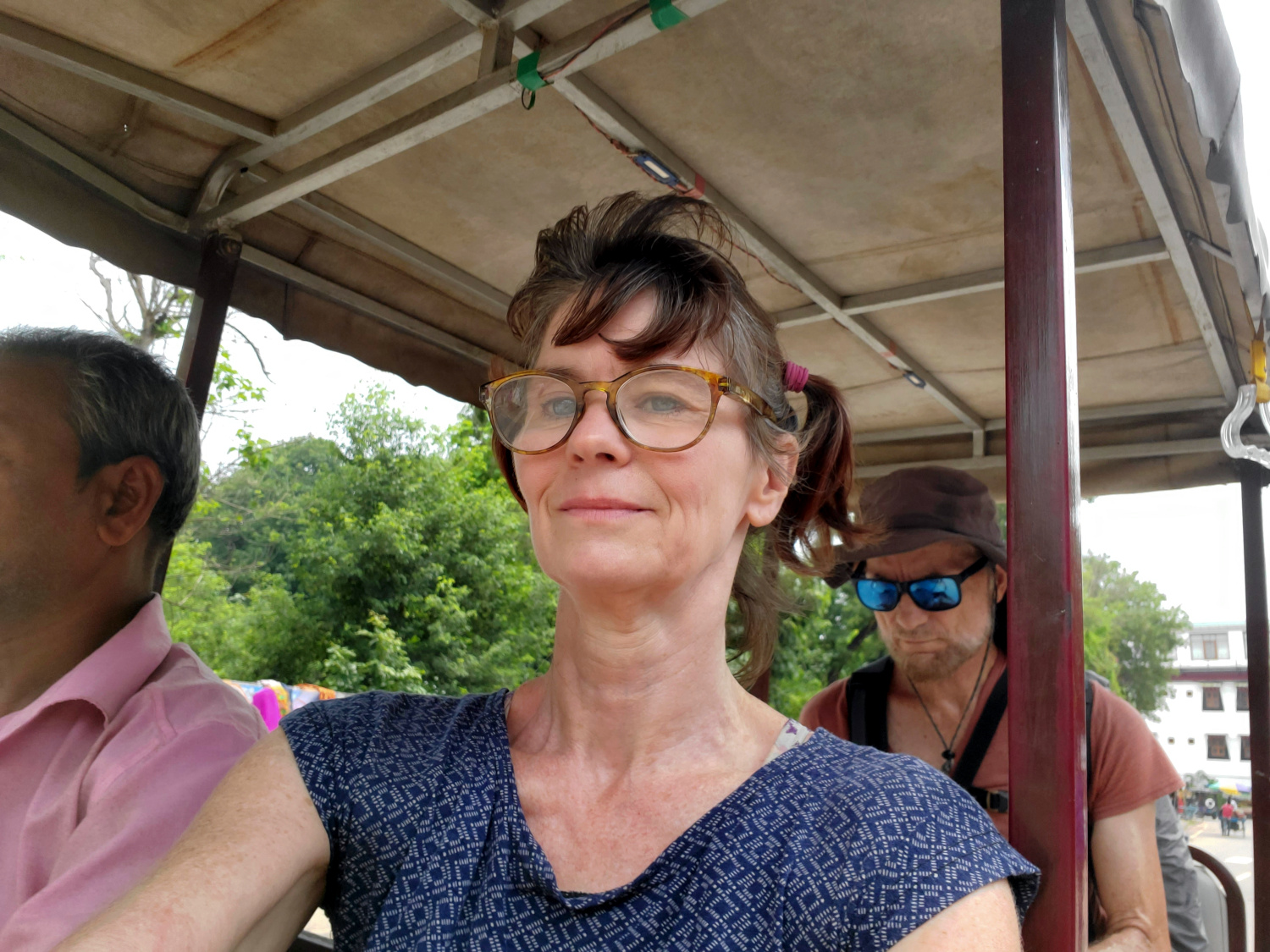
Then we had to get to our room for the night, which was all the way on the other side of town. And even though tuk-tuks often dropped people at the airport — well, at least as often as might be expected at such a tiny facility — there were none available to take passengers anywhere. Mostly because there still weren’t any passengers since none of the three flights for the day had arrived. Instead, we had to summon an actual cab — and we were surprised that taxis were actually a thing at such a remote outpost — which was considerably more expensive. So rather than have the cab take us all the way, we decided to have it drop us off in town, and then we could take a tuk-tuk the rest of the way. After all, we needed to do some shopping for dinner. (It was about this time that we realized we’d left some food in the kitchen refrigerator back at the hotel, along with a plastic food pouch and a cloth tote we’d bought in Spain.)
Even so, the driver wanted the outrageous fare of 1000 rupees (12 dollars) for a ride of no more than 3 or 4 miles. We bargained him down to 750 (9 dollars), which was steep enough for India; but he knew he had us over a barrel. And then he drove around all over creation, taking detour after detour and appearing to be lost, even though we kept telling him which way to go. We had after all lived there for a month and knew our way around Bodh Gaya backwards and forwards. (And it wasn’t really a very big town.) Finally, we had him just drop us off at a semi-convenient location, and handed him two 500 rupee notes. Whereupon he informed us that he had no change at all. Nor was there any place close to obtain some. So, thoroughly frustrated by then, we just walked away in a huff and let him have his 1000 rupees after all. May he enjoy it in good health.
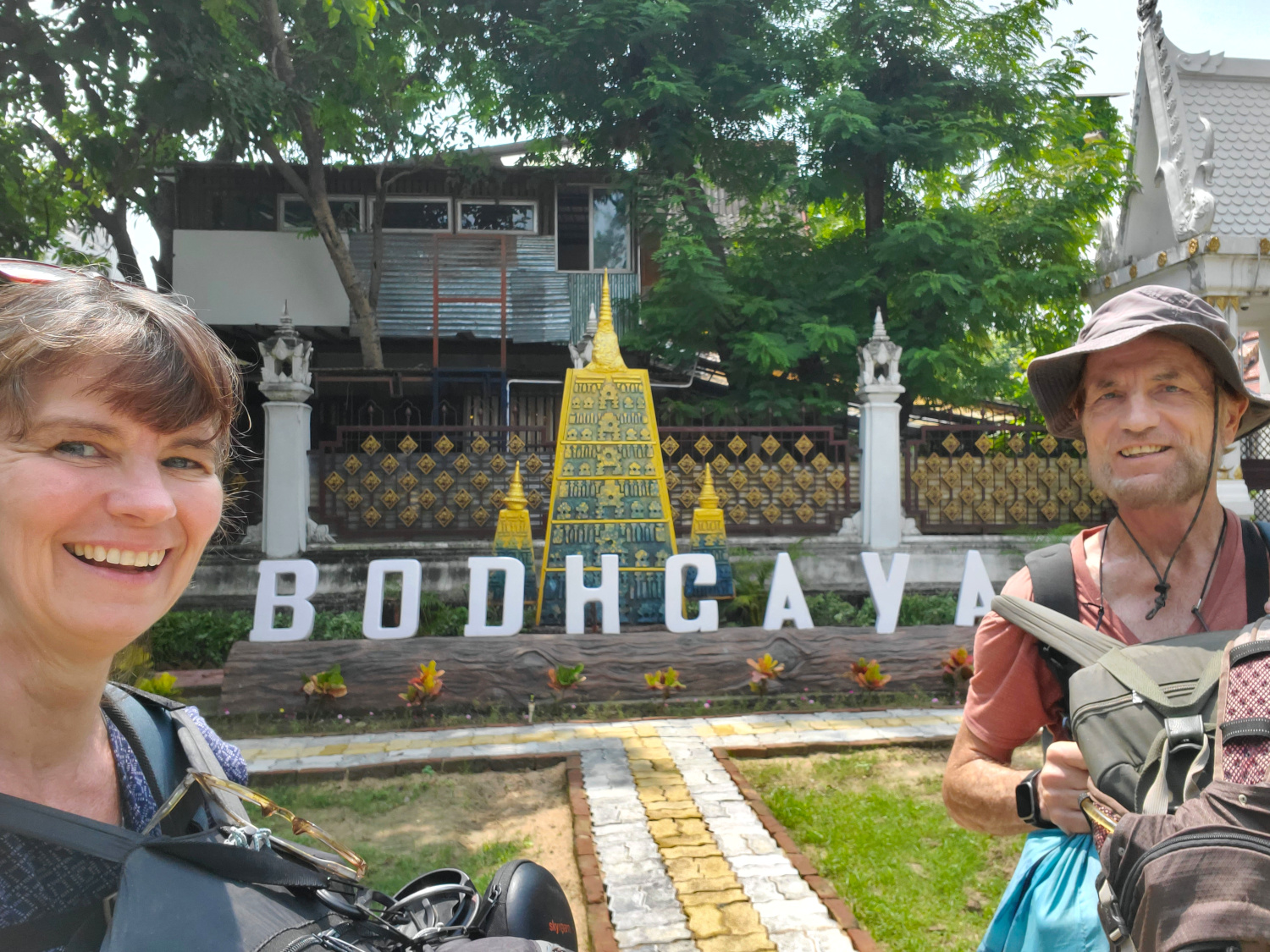
Nearby was a little grocery store that had become one of our favorite grocery stops during our month volunteering in Bodh Gaya. While there we ran into a young man from New Jersey who had been one of the few fellow Americans at the 10-day meditation retreat we’d recently completed (which just might have helped us handle the stress of the present crisis). And it turned out that he’d be staying at Senamura Yoga Guesthouse, which was the same place we’d be staying that night.
We also bought some items from a produce stand, then we caught a tuk-tuk to take us to our digs for the night. This driver initially asked 300 rupees, but we talked him down to 200. Quite a difference from the taxi. Of course it was bigger, and used more gas, but surely not five times as much. On the way, the bananas we’d just bought somehow slipped out of our grasp and fell into the street. But another tuk-tuk driver stopped and picked them up for us before they were converted into banana pudding.


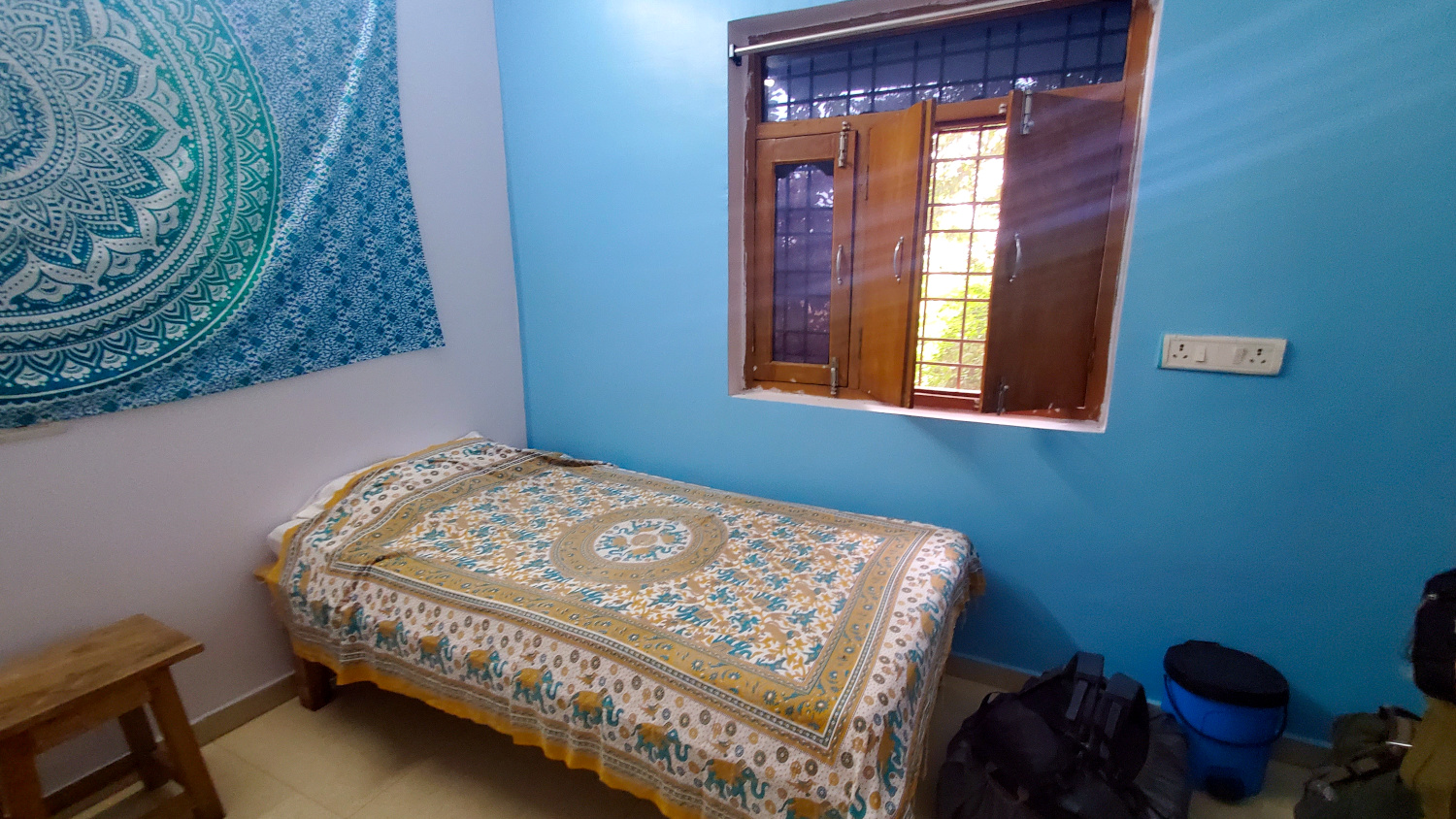

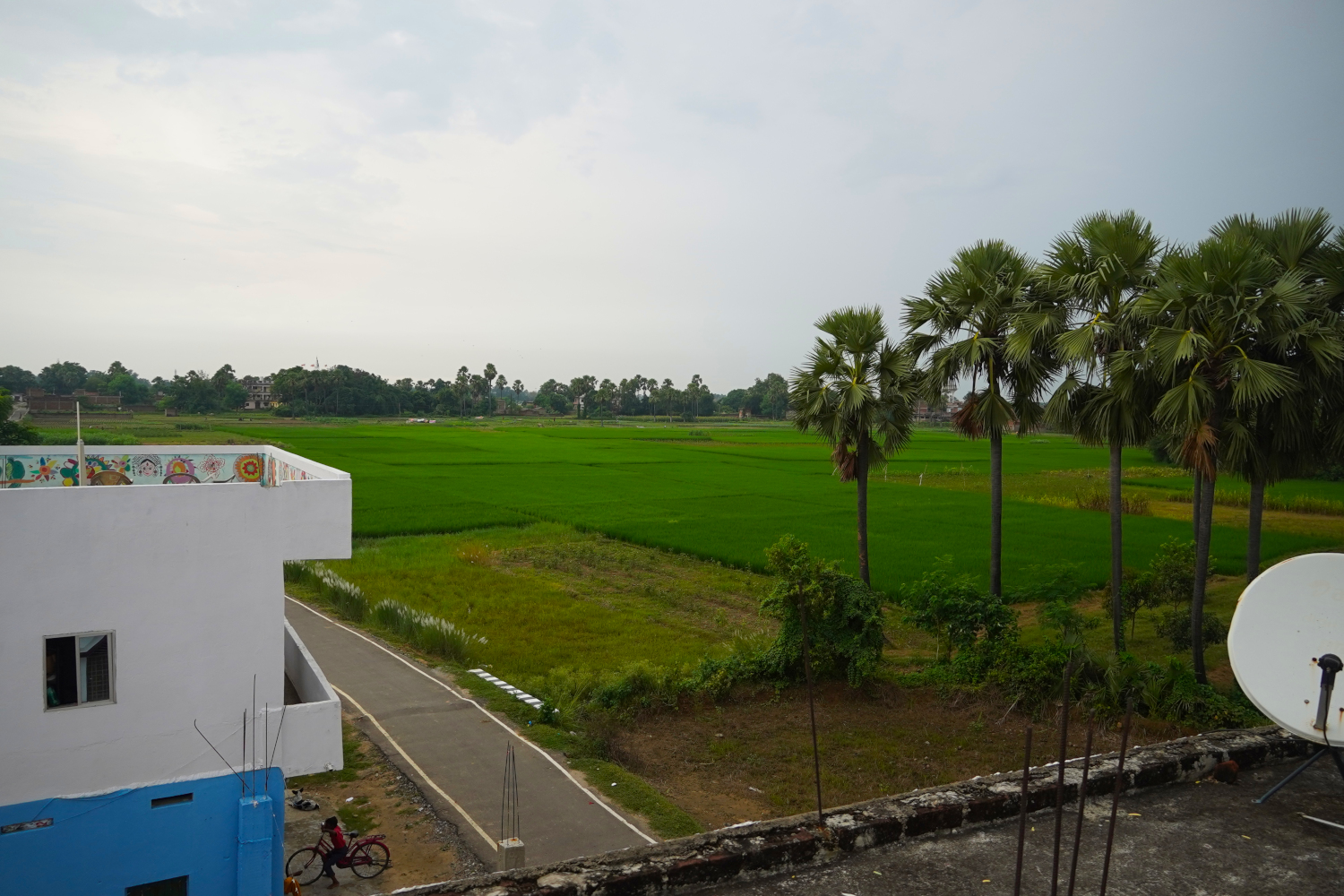
Our destination was out on a country road, next to a bunch of rice paddies; the Airbnb was part of a yoga center, adjoining a school that its proceeds benefited. At first, it appeared that we once again might have a problem with not being able to use the kitchen. The center had restaurant service available, and initially the staff was using the sink, counter space and all the burners to prepare meals for guests who had ordered them. But they finished up soon enough, and we were able to cook our own dinner.
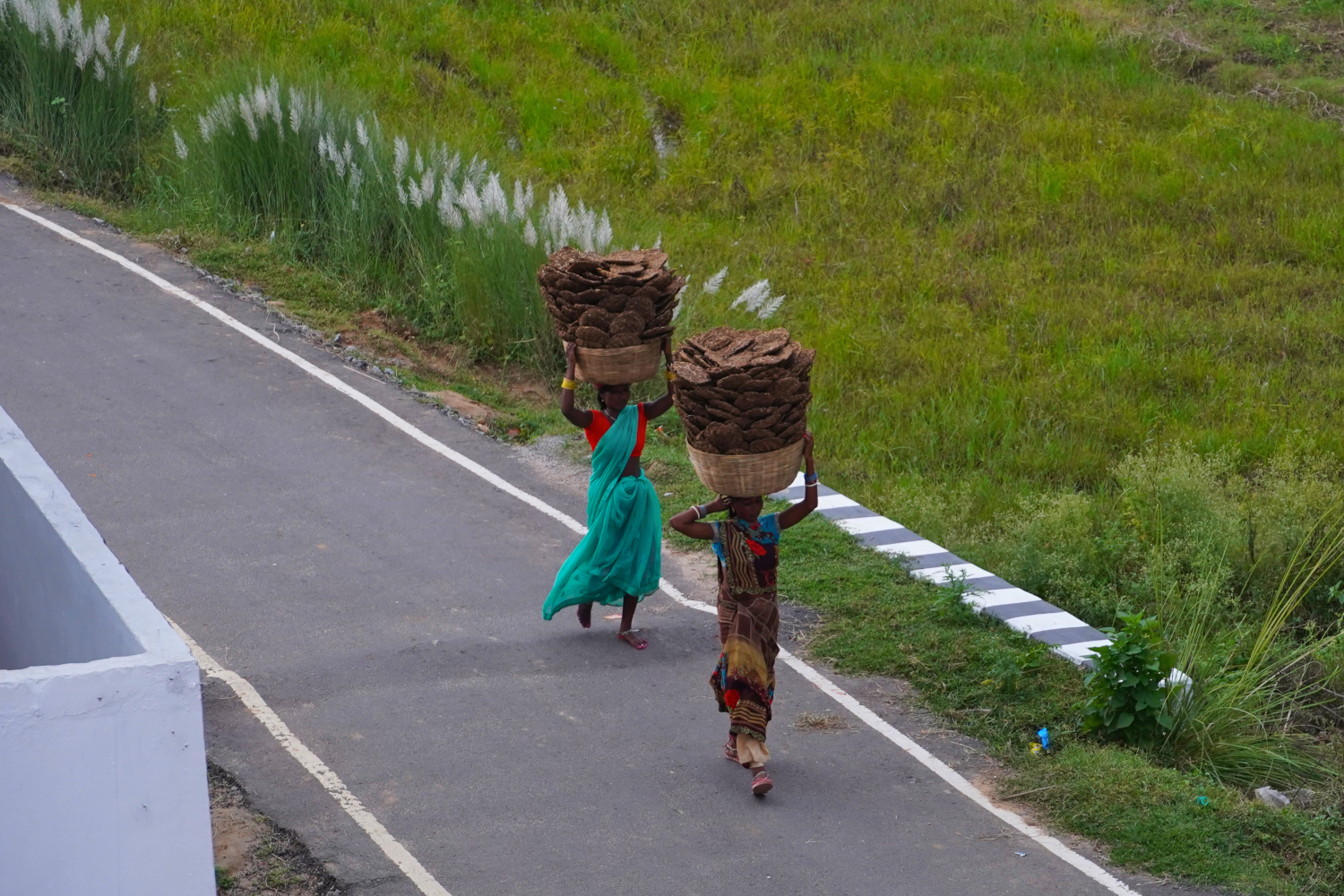
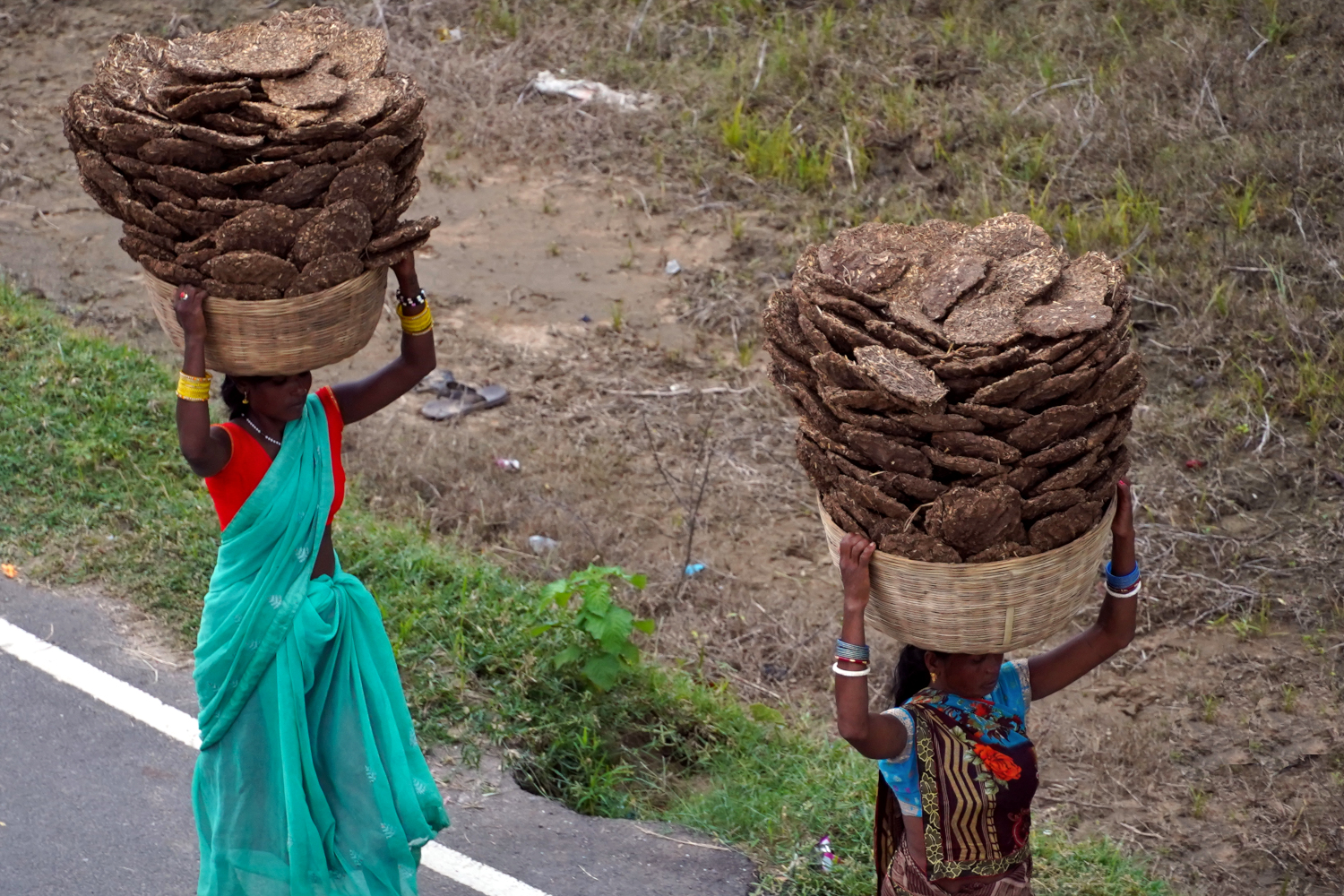
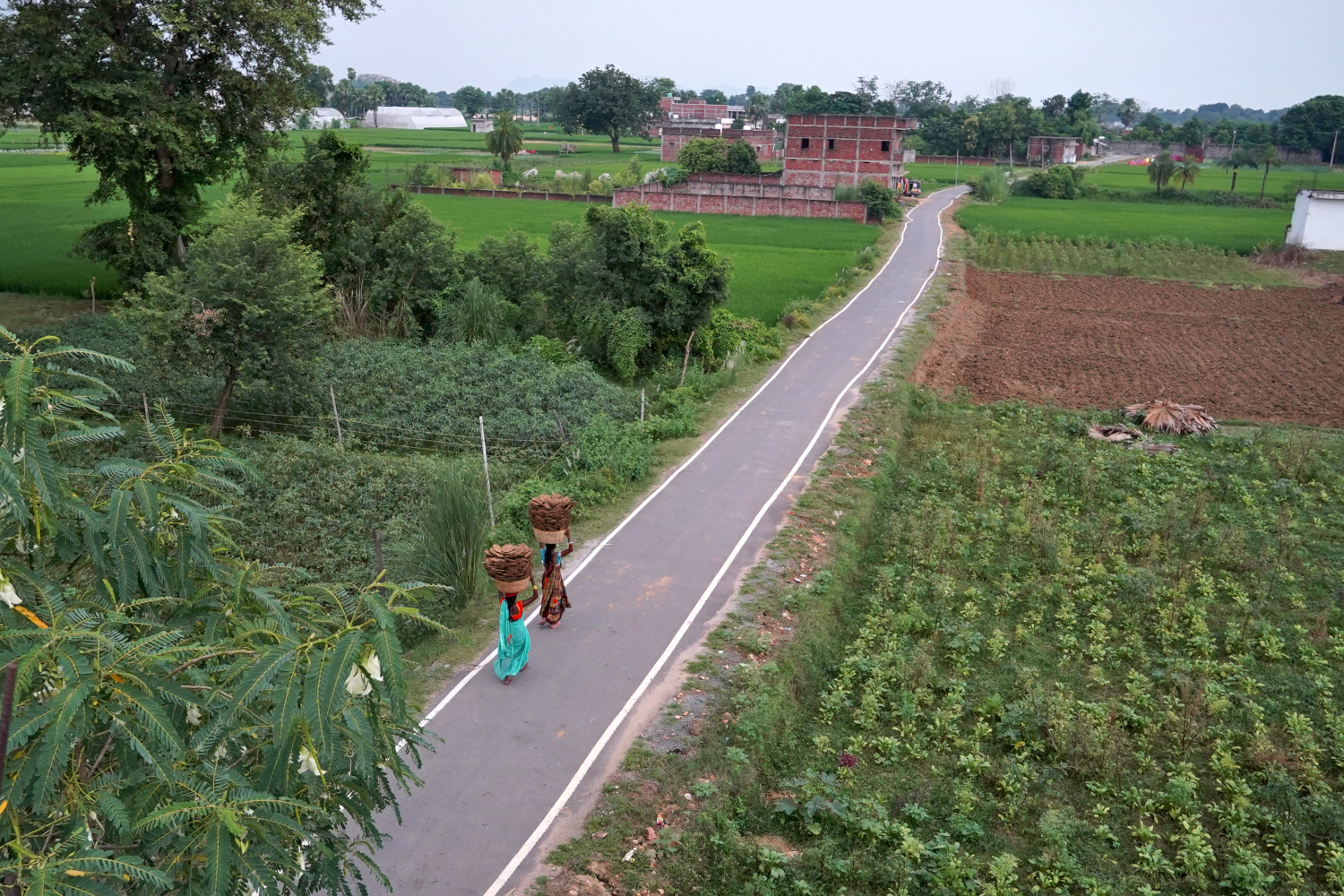

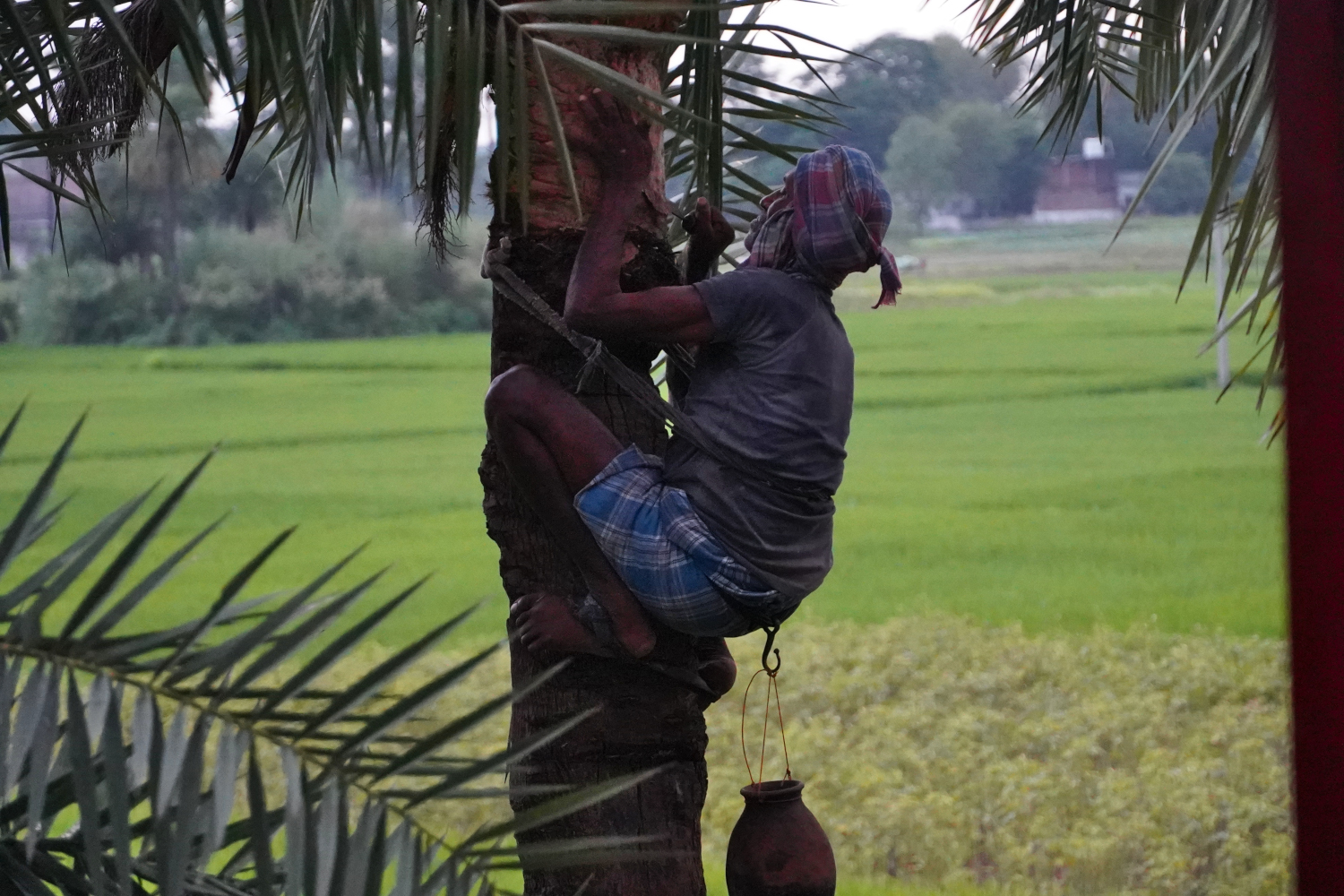
Thus, with full bellies, hot showers, and a comfortable bed in a cool room, we settled in for the night, greatly relieved that we’d managed to avert a potential travel nightmare.
When faced with a last-minute train cancellation while traveling across India, here are some tips to navigate the situation:
If Your Train is Cancelled
- Stay Calm: Panicking won’t help the situation. Take a deep breath and remain composed. Keep in mind that unexpected changes are part of traveling, especially in countries like India where transportation systems can be unpredictable.
- Check Alternatives: Immediately explore alternative transportation options. This could include other trains, buses, or even flights depending on your destination and urgency. Use reliable travel apps or websites to check for availability and book tickets if possible.
- Visit the Station: If you’re unable to secure alternative transportation online, head to the railway station. Sometimes there are last-minute cancellations or extra seats available due to no-shows. Be prepared to wait in line and be patient.
- Be Flexible: Understand that you may need to adjust your travel plans. Consider different routes, modes of transportation, or even changing your destination if necessary to reach your ultimate goal.
- Utilize Local Help: Don’t hesitate to ask for assistance from station staff, fellow travelers, or locals. They may have valuable insights, recommendations, or even offer to share a ride.
- Stay Informed: Keep yourself updated with the latest information about your journey. Follow official railway announcements, check social media platforms for traveler updates, or join relevant forums where you can seek advice or assistance from experienced travelers.
- Have a Backup Plan: Always have a backup plan in place, especially for important connections or commitments. Consider booking refundable accommodations and flexible tickets whenever possible to minimize losses in case of unforeseen circumstances.
- Stay Safe: Prioritize your safety and well-being throughout the ordeal. Avoid risky or uncomfortable situations, and trust your instincts if something doesn’t feel right.
- Remain Patient: Remember that navigating travel disruptions can be challenging, but maintaining a positive attitude and patience can make the experience more manageable. Keep focused on finding a solution rather than dwelling on the inconvenience.
- Learn from the Experience: Treat each travel setback as a learning opportunity. Reflect on what went wrong and how you can better prepare for similar situations in the future. This will help you become a more resilient and adaptable traveler.
9/18-19/2022


 world travel with a theatrical flair
Leave a comment