

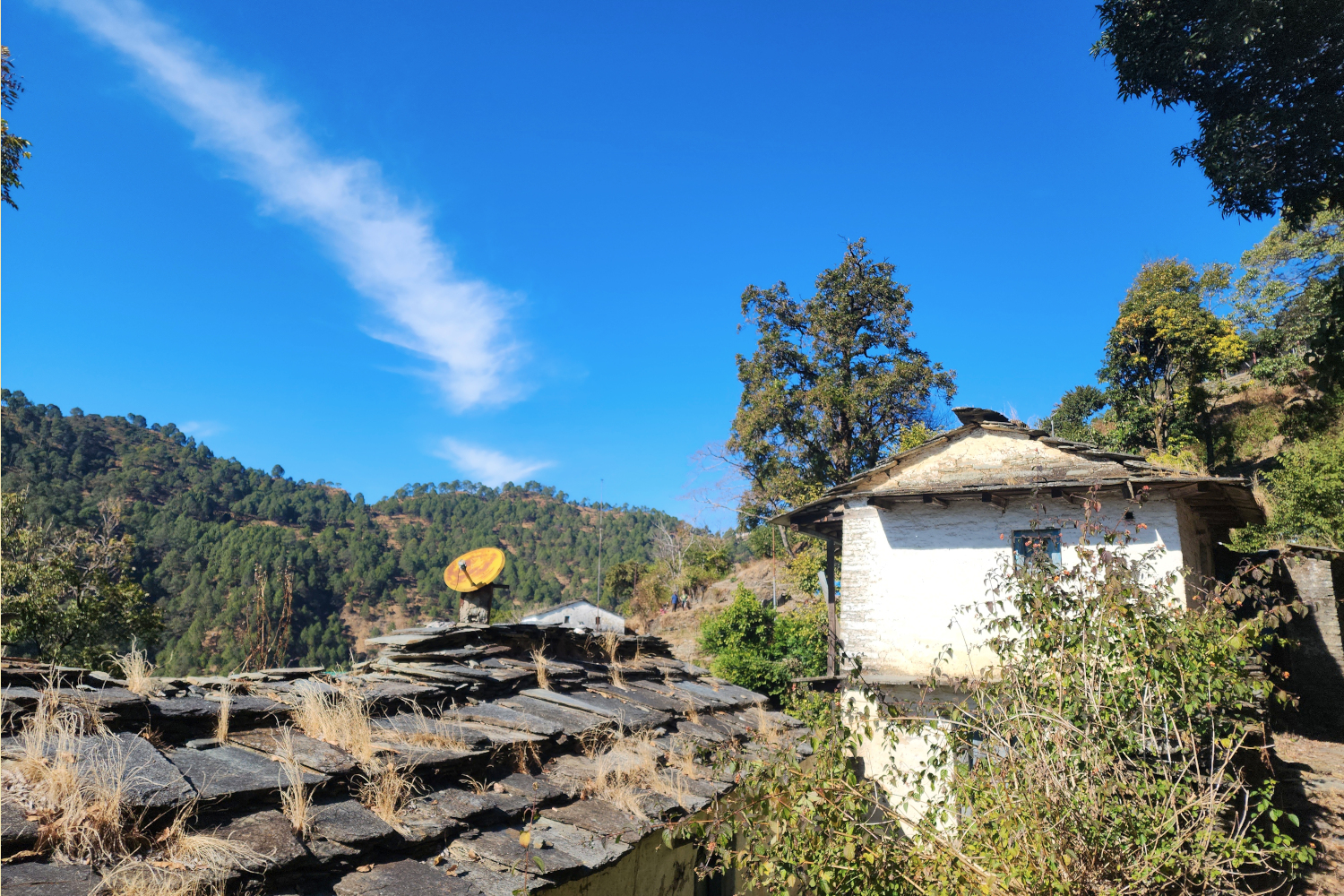
At last the strange year 2024, memorable for reasons both good and bad, drags its tail through the gate. For us, the new year has an auspicious beginning, as we’ve just arrived in a remote village in the Himalayan foothills to spend a month volunteering to serve the needs of the local community.

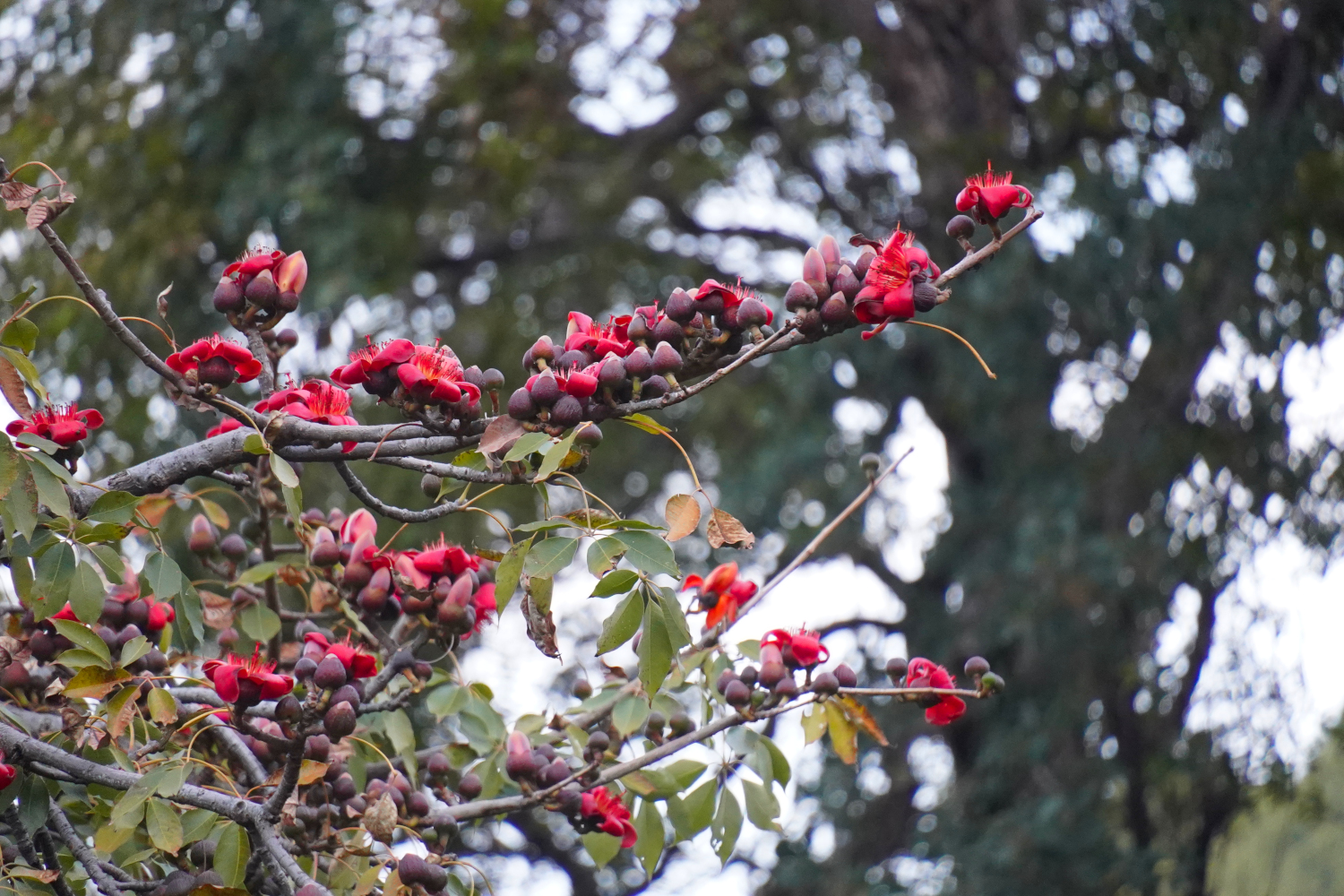
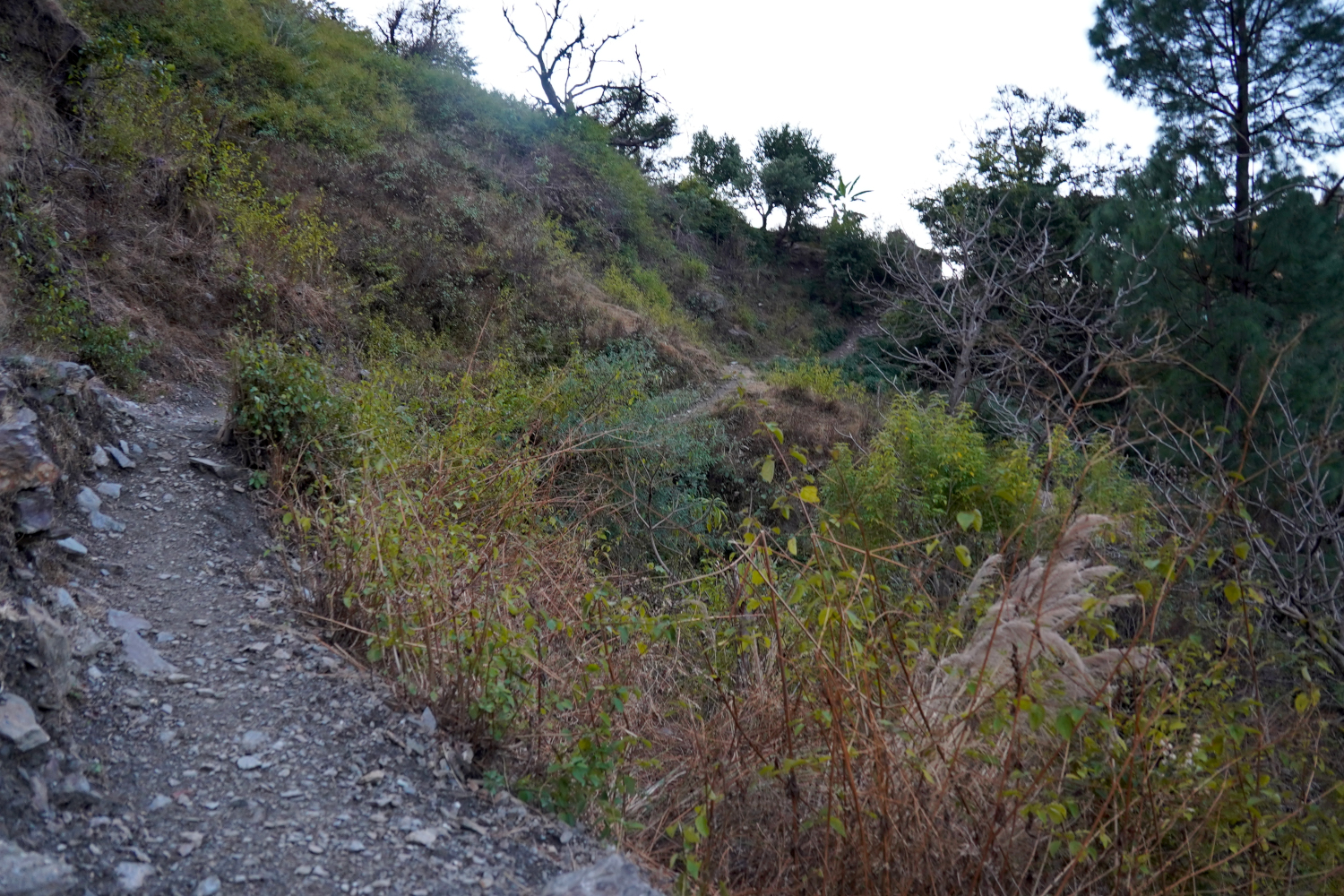
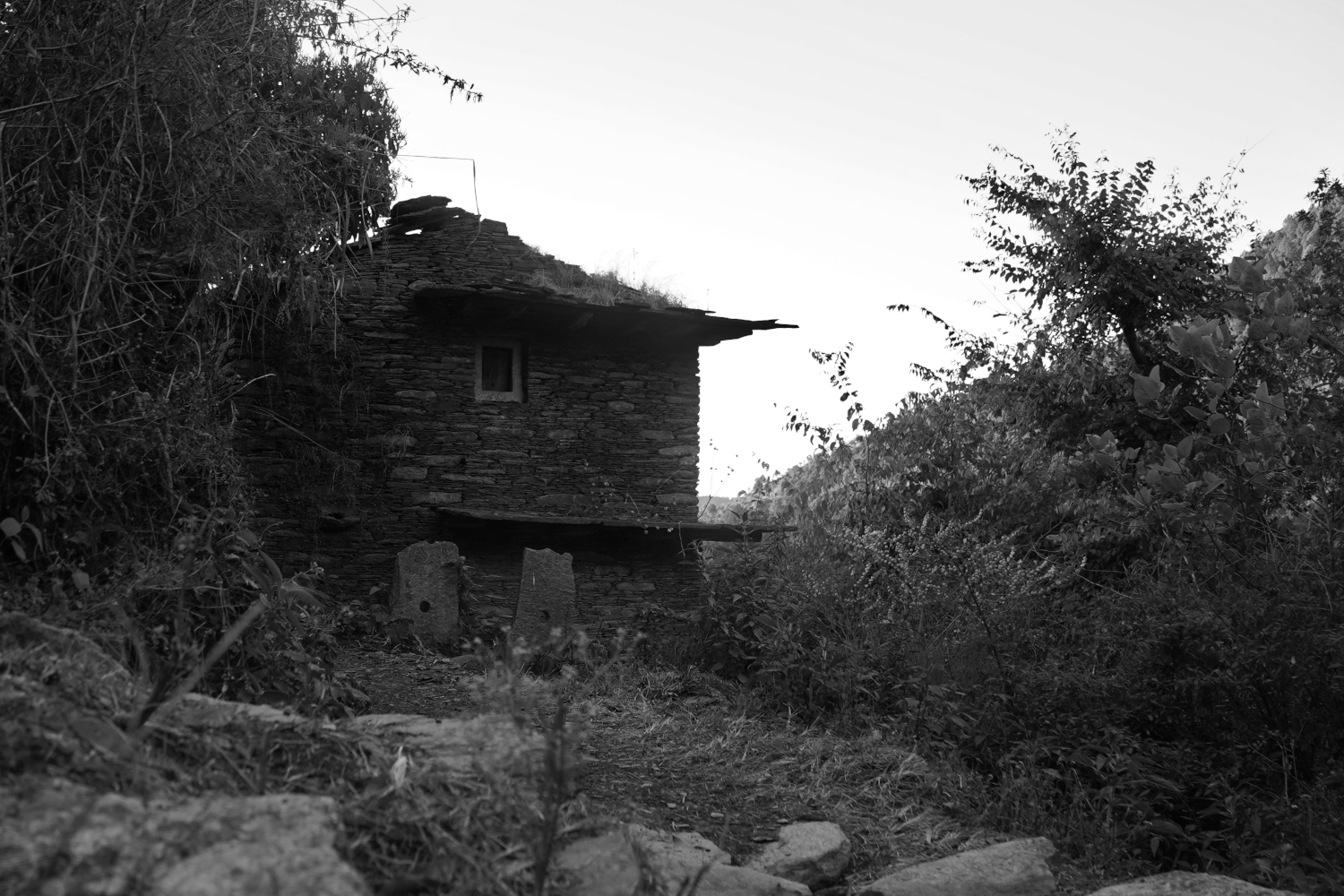
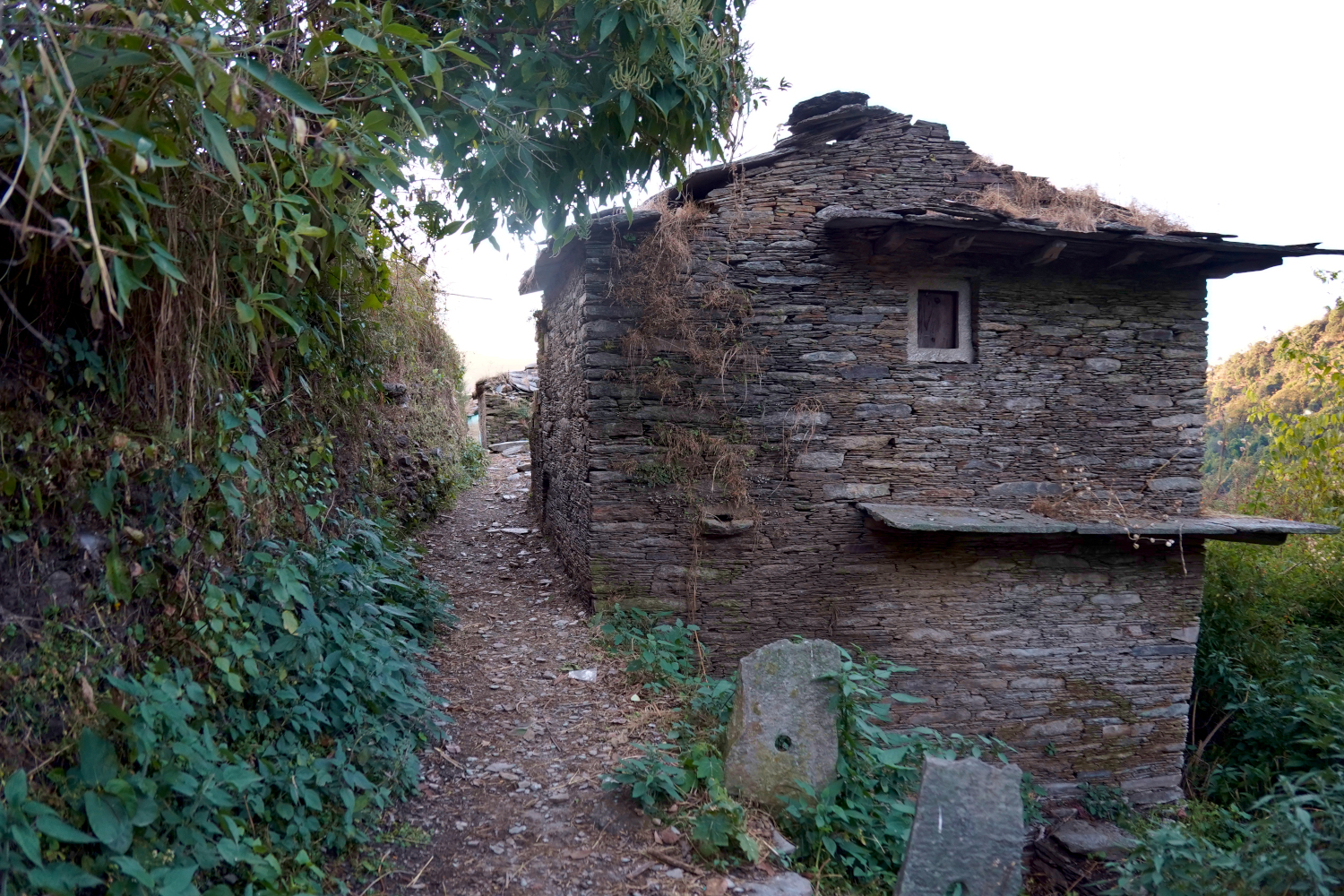
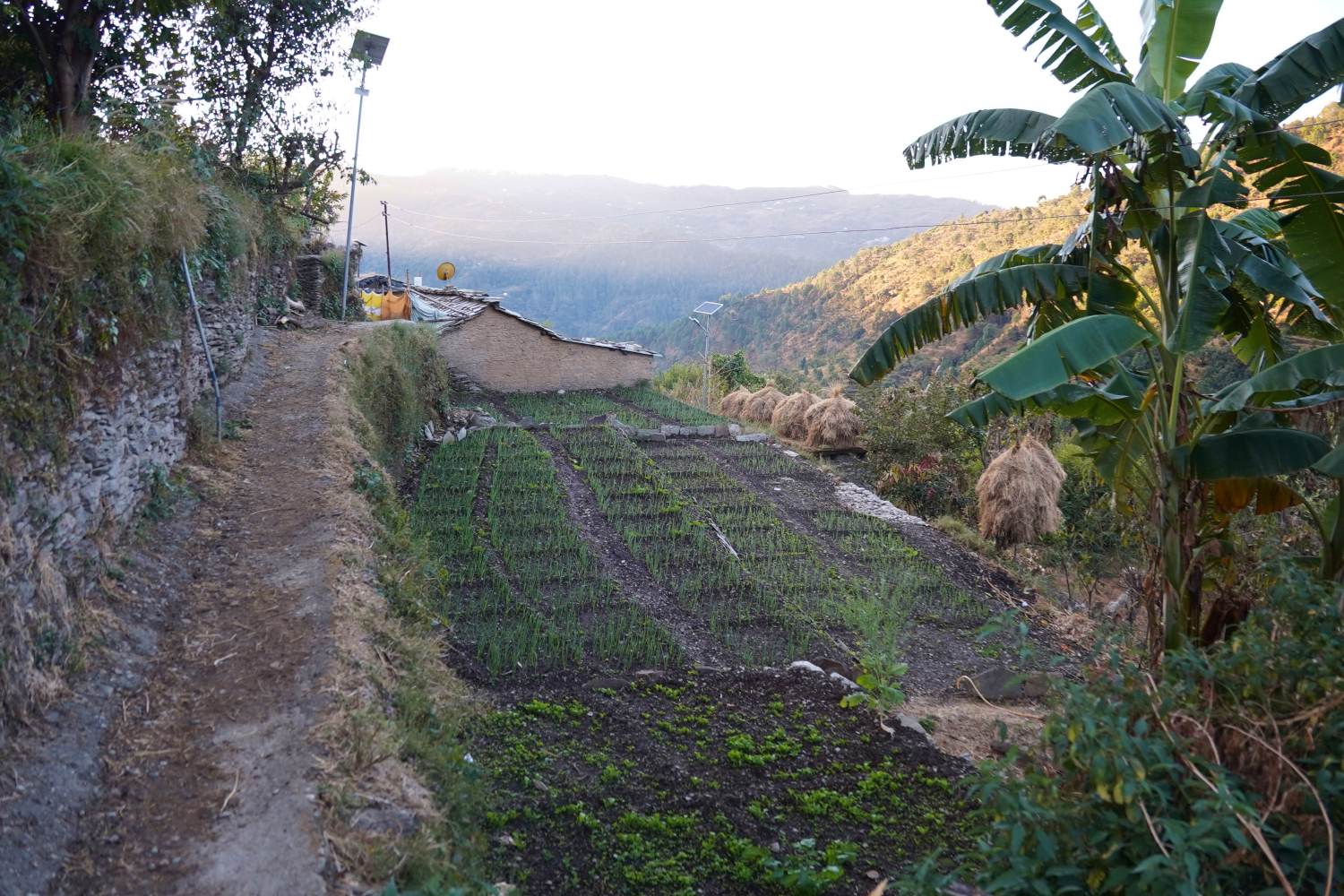
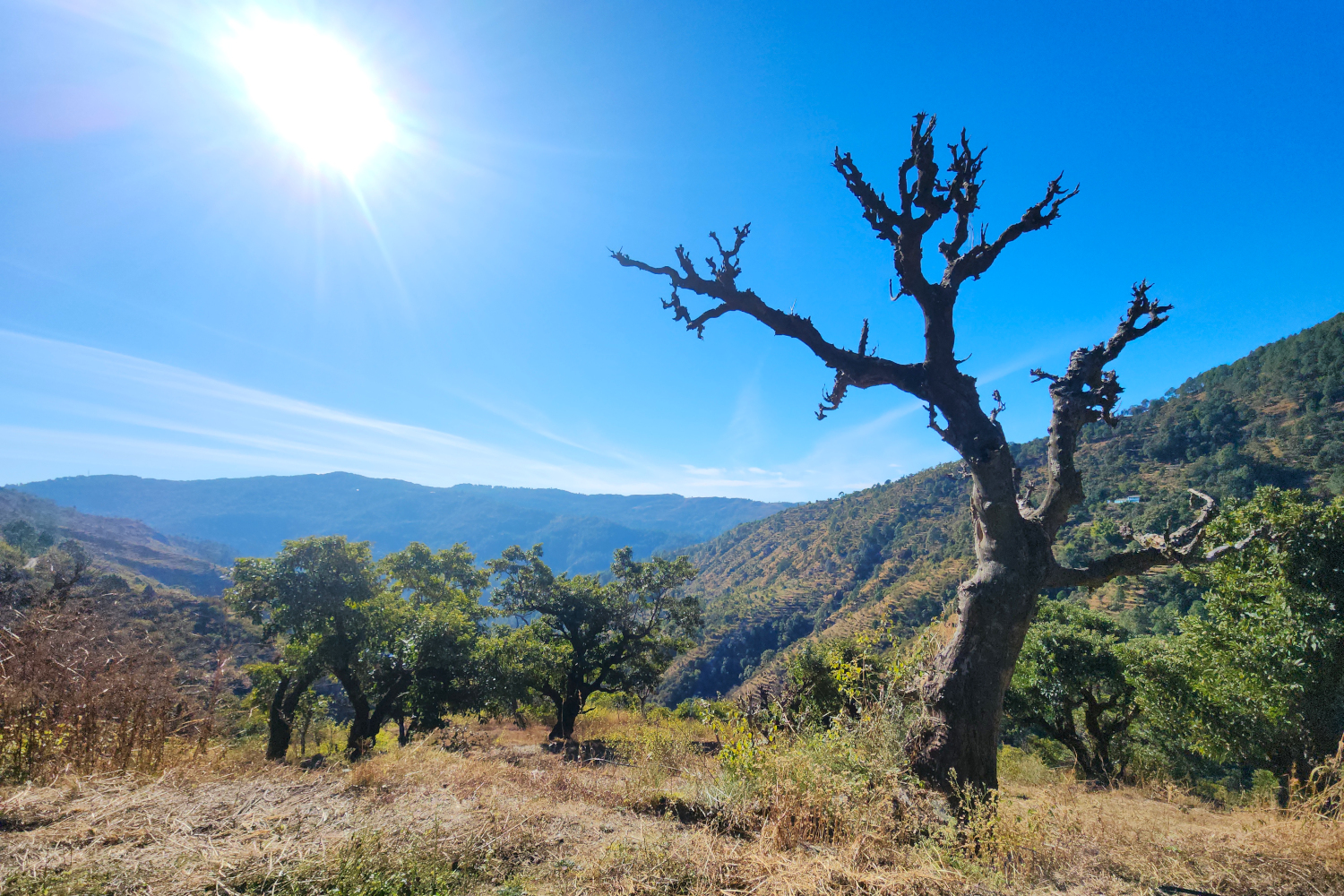
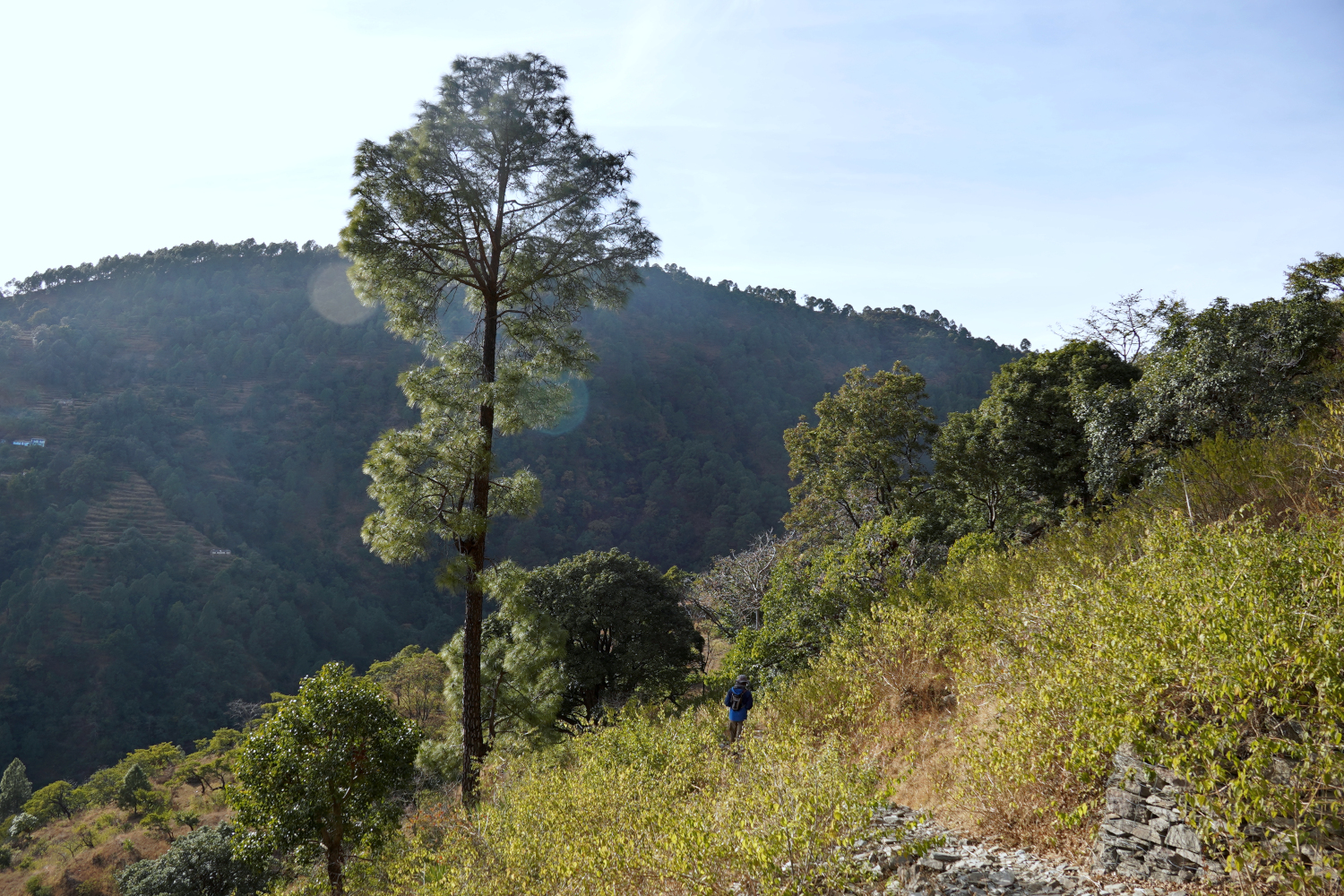
These mountains are lined with miles and miles of terraces, laced around the slopes at intervals of about 5 feet. Nobody knows exactly how long they’ve been here — all were dug several centuries ago, and some may be as old as 4000 years or so, give or take a century. Because that’s how far back the tradition of terrace farming stretches here in the state of Uttarakhand. Standing high up on the hill, you can view hundreds of them (thousands?) stretching on and on, on that hill and the one beyond it, and the one beyond that, and so on. There is literally no end in sight.


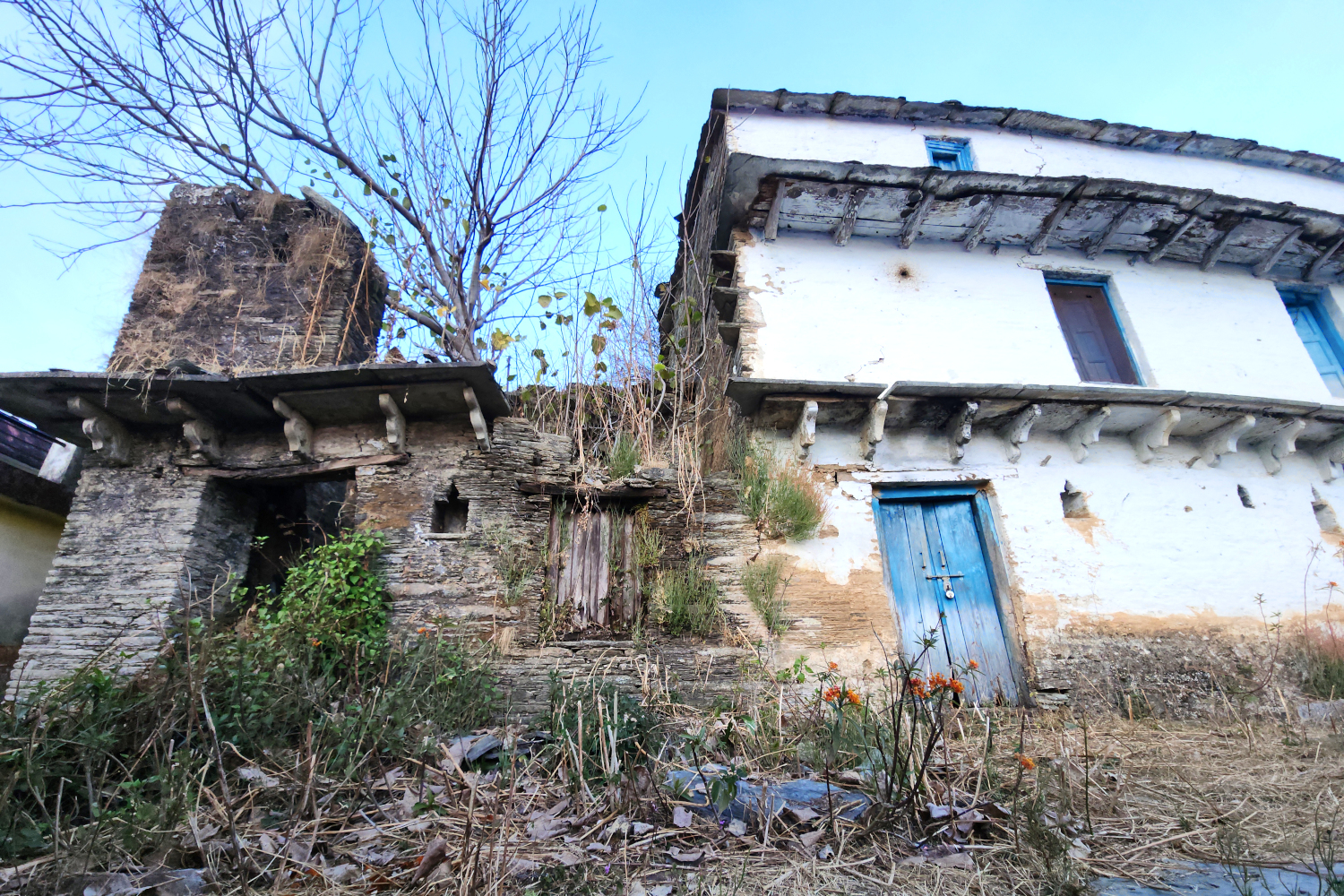

They form a sort of visual metaphor for the progress of civilization. Farmers dug these terraces, taking who knows how long, and life went on with little to no change for countless generations. It’s only in the past few centuries that individuals (living anywhere in the world) have been able to witness noticeable progress in technology and society in their own lifetimes. And only now, flying over this territory or otherwise getting a bird’s eye view, can anyone observe at a glance what previous generations have accomplished, and how each step has contributed to the overall result. (This concept is the theme of a published poem Dennis wrote, well before he came to see these hills.)
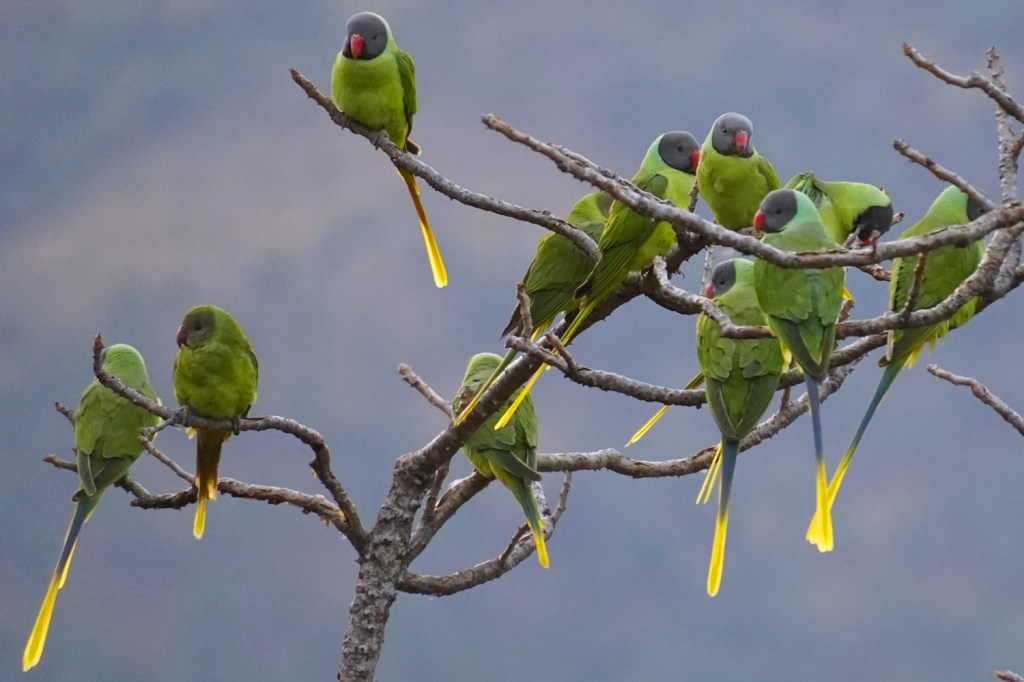
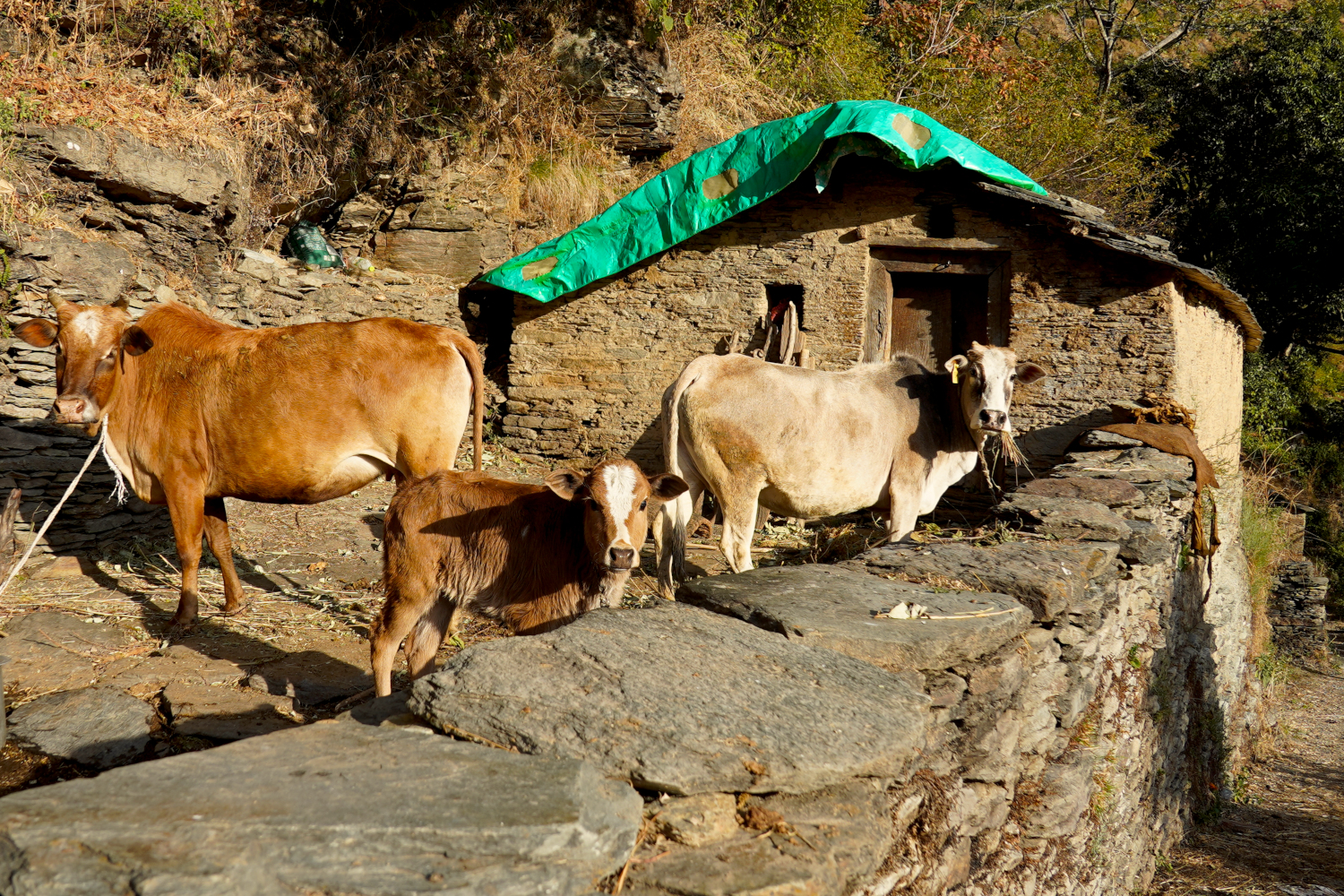
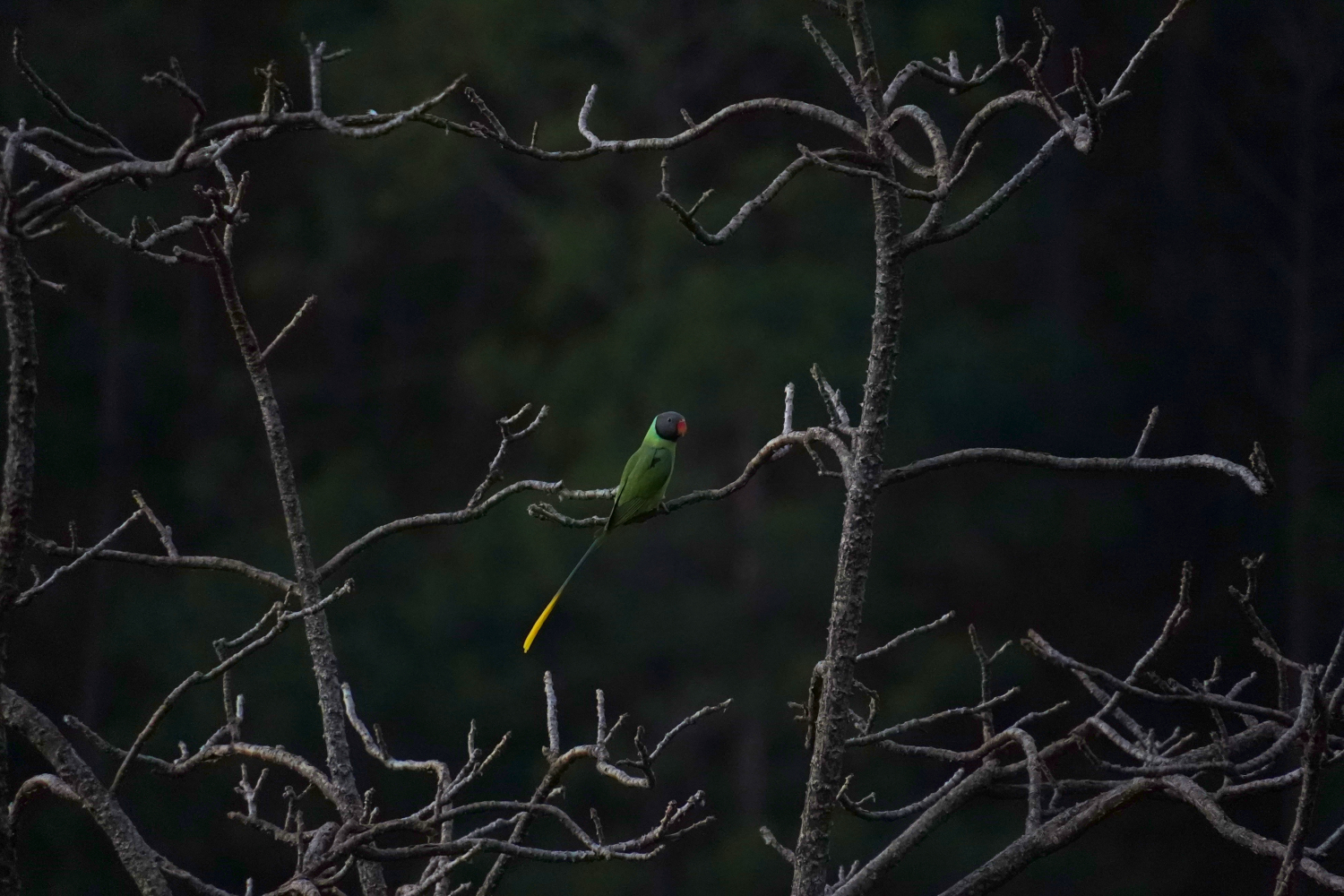
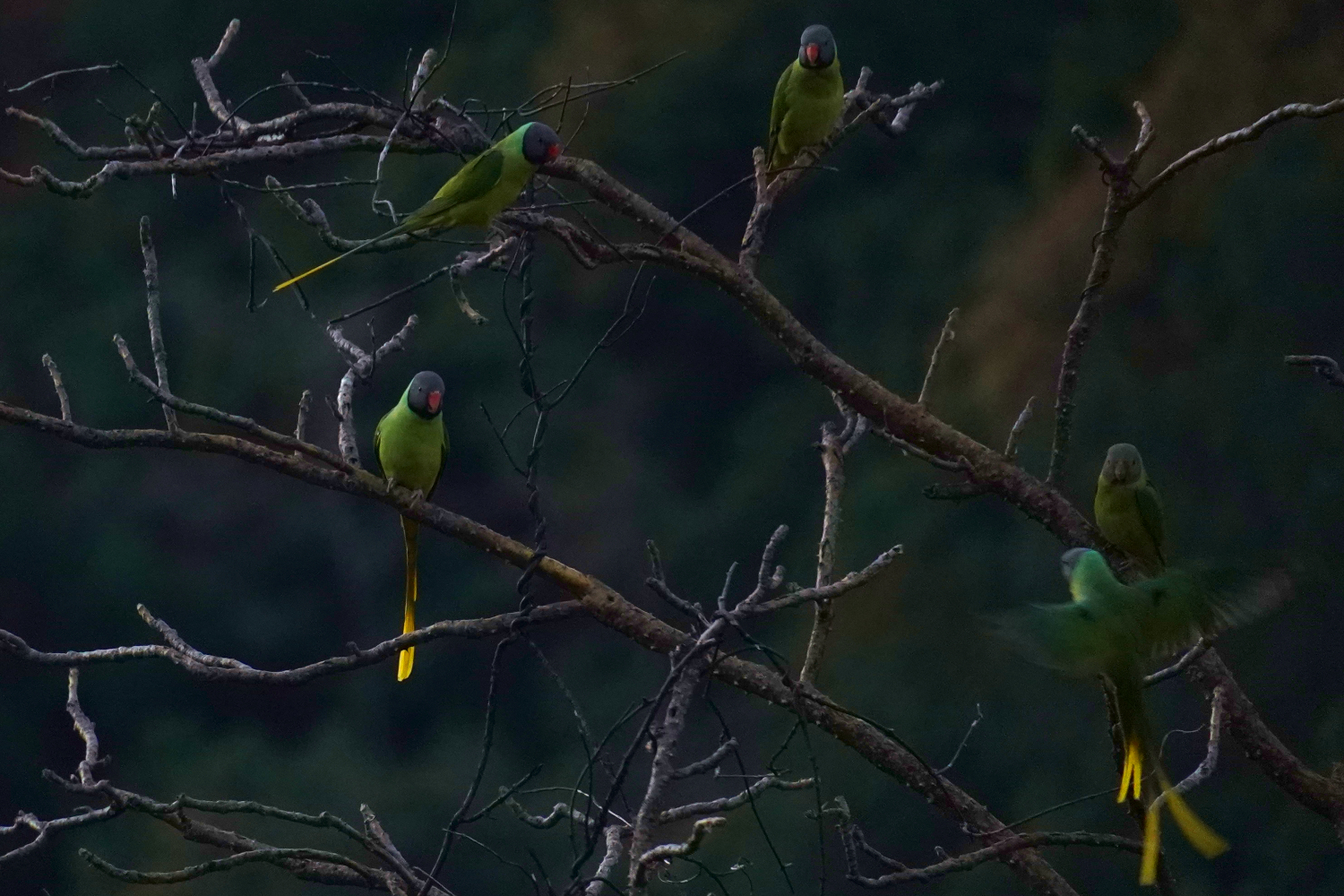
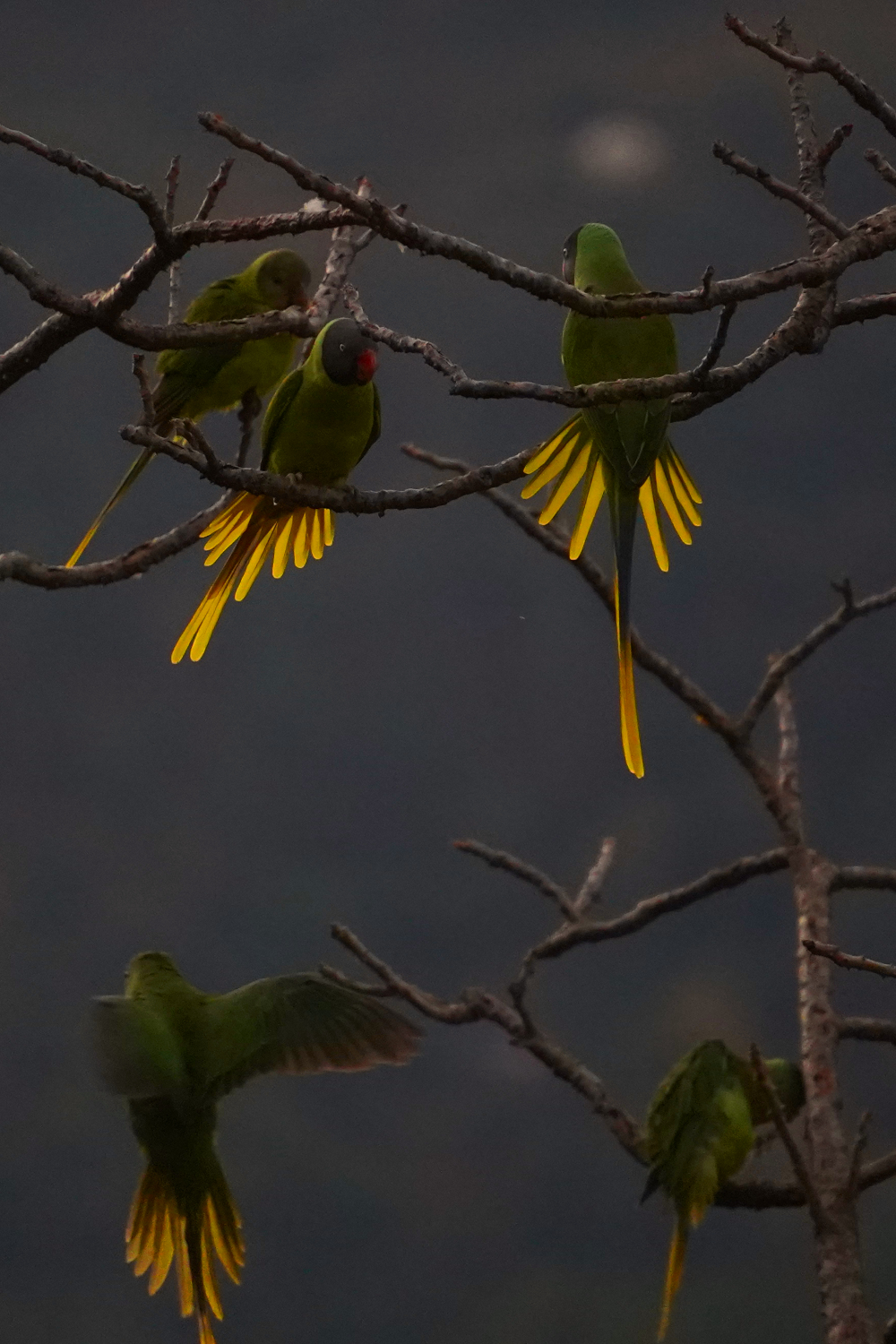
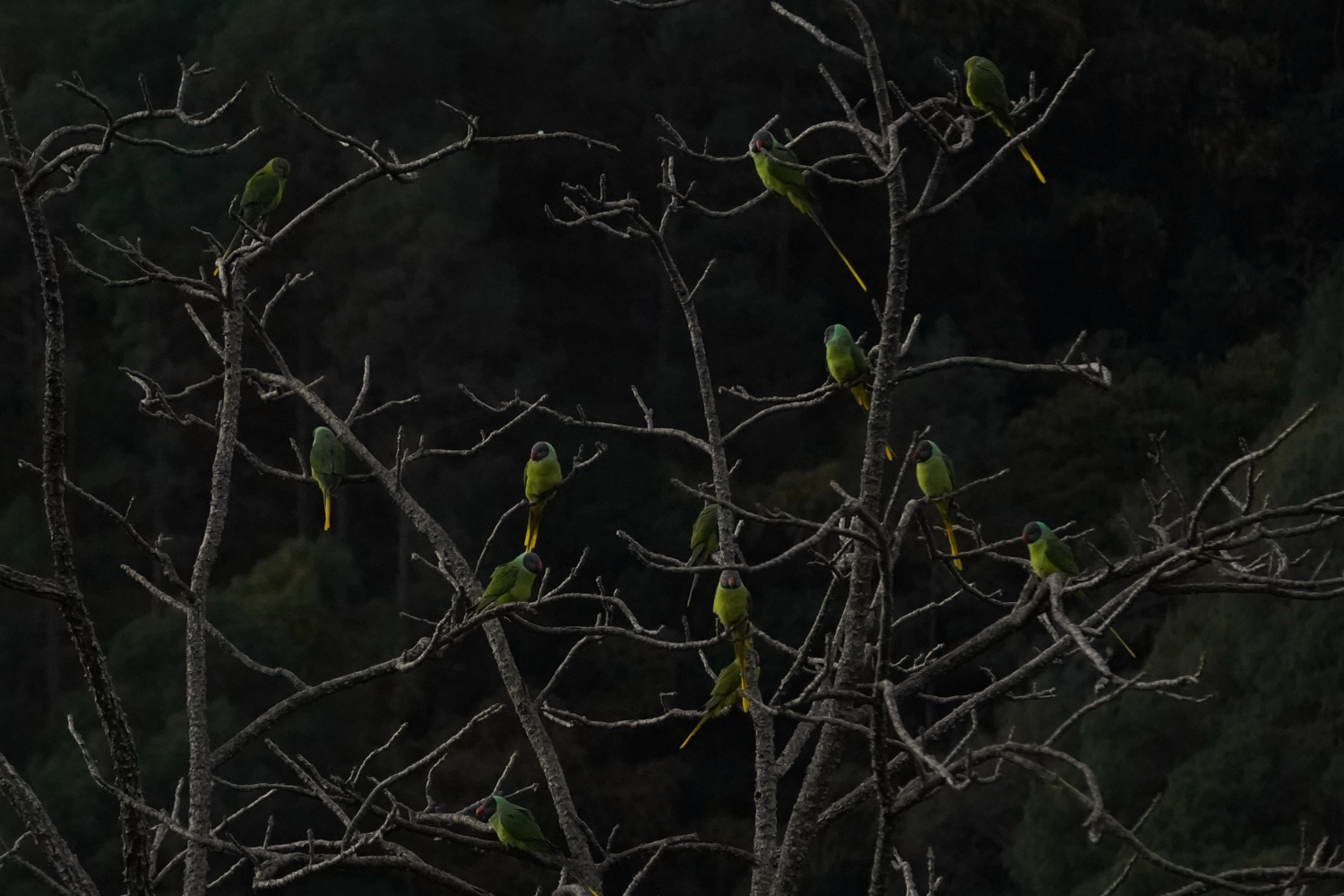
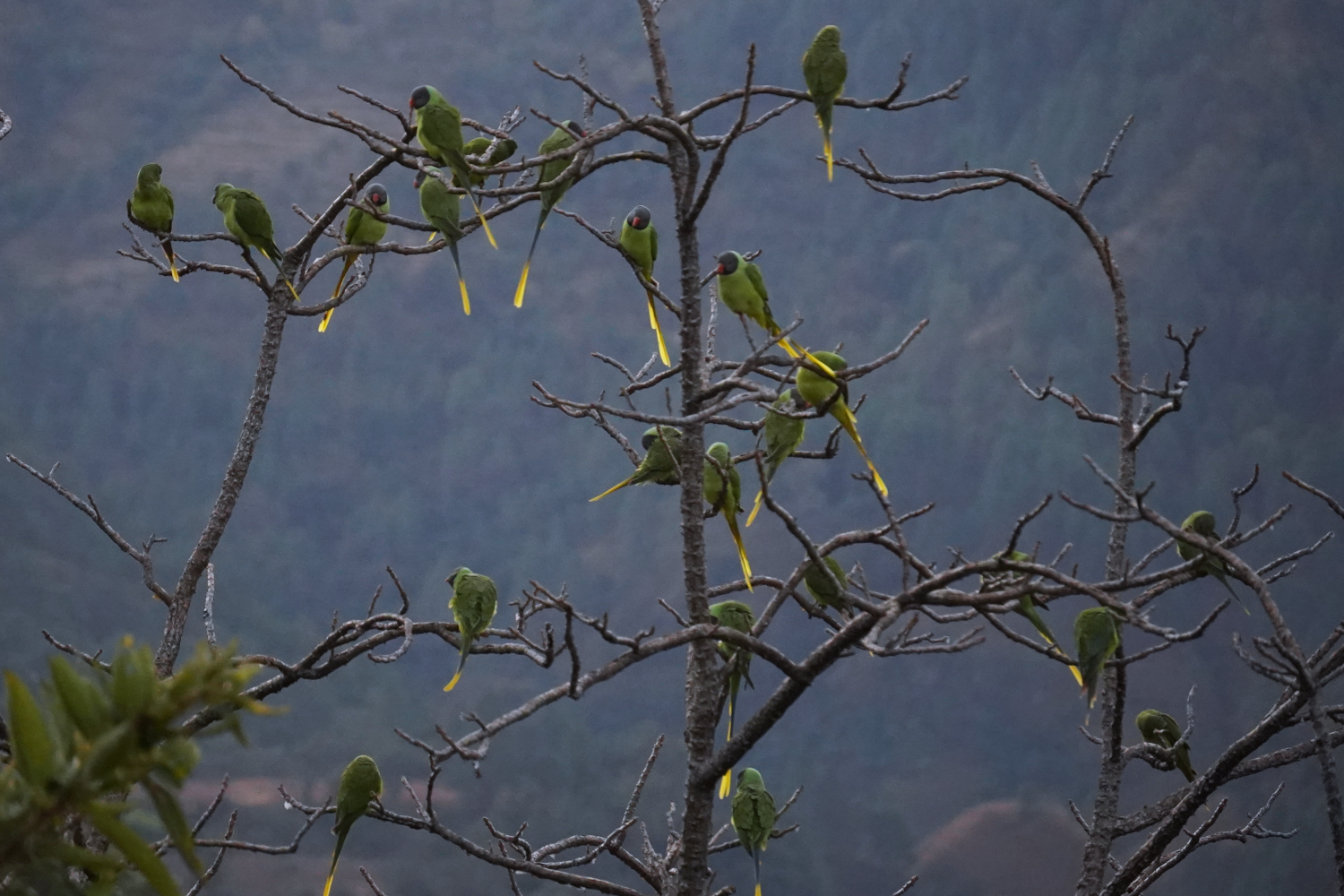
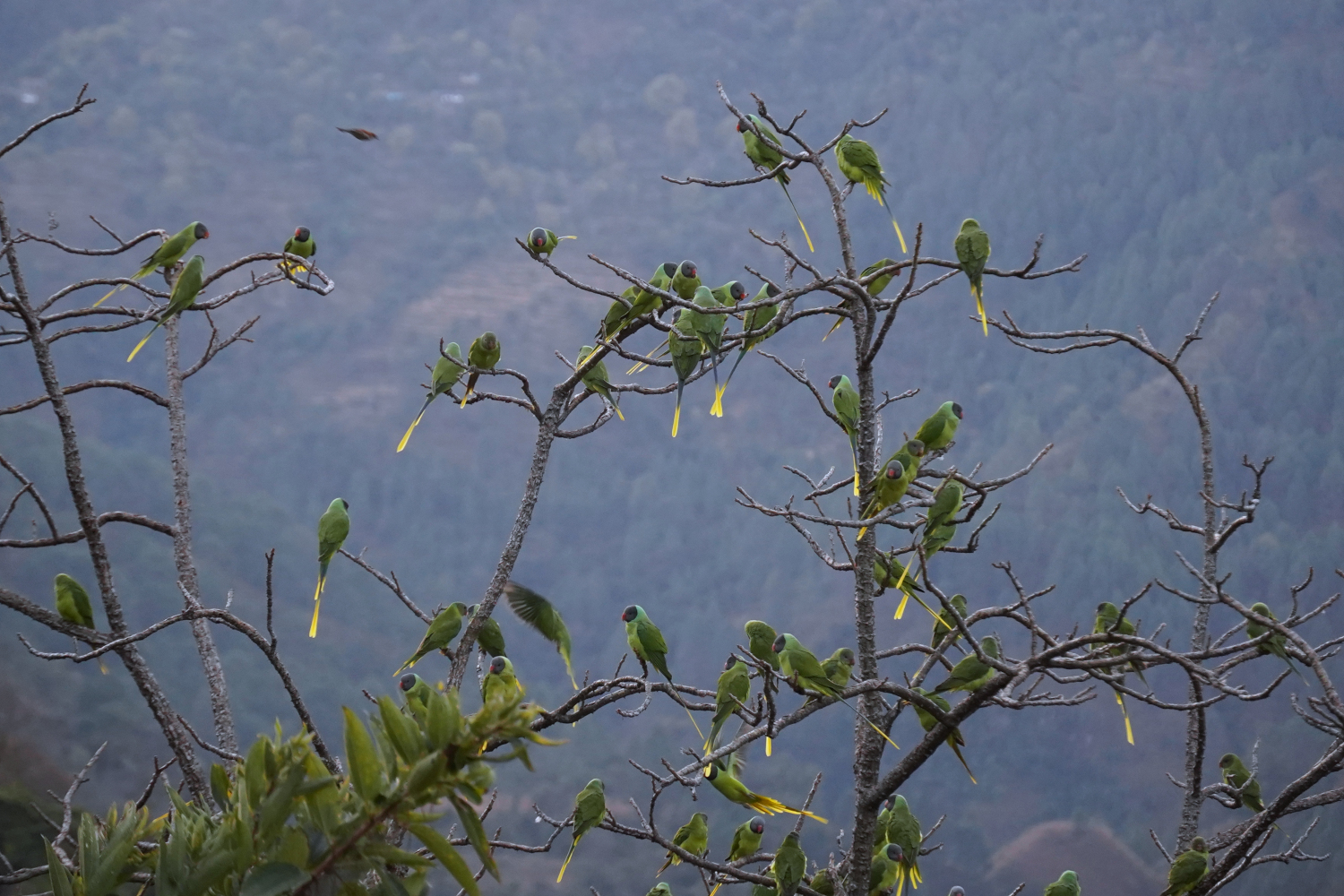
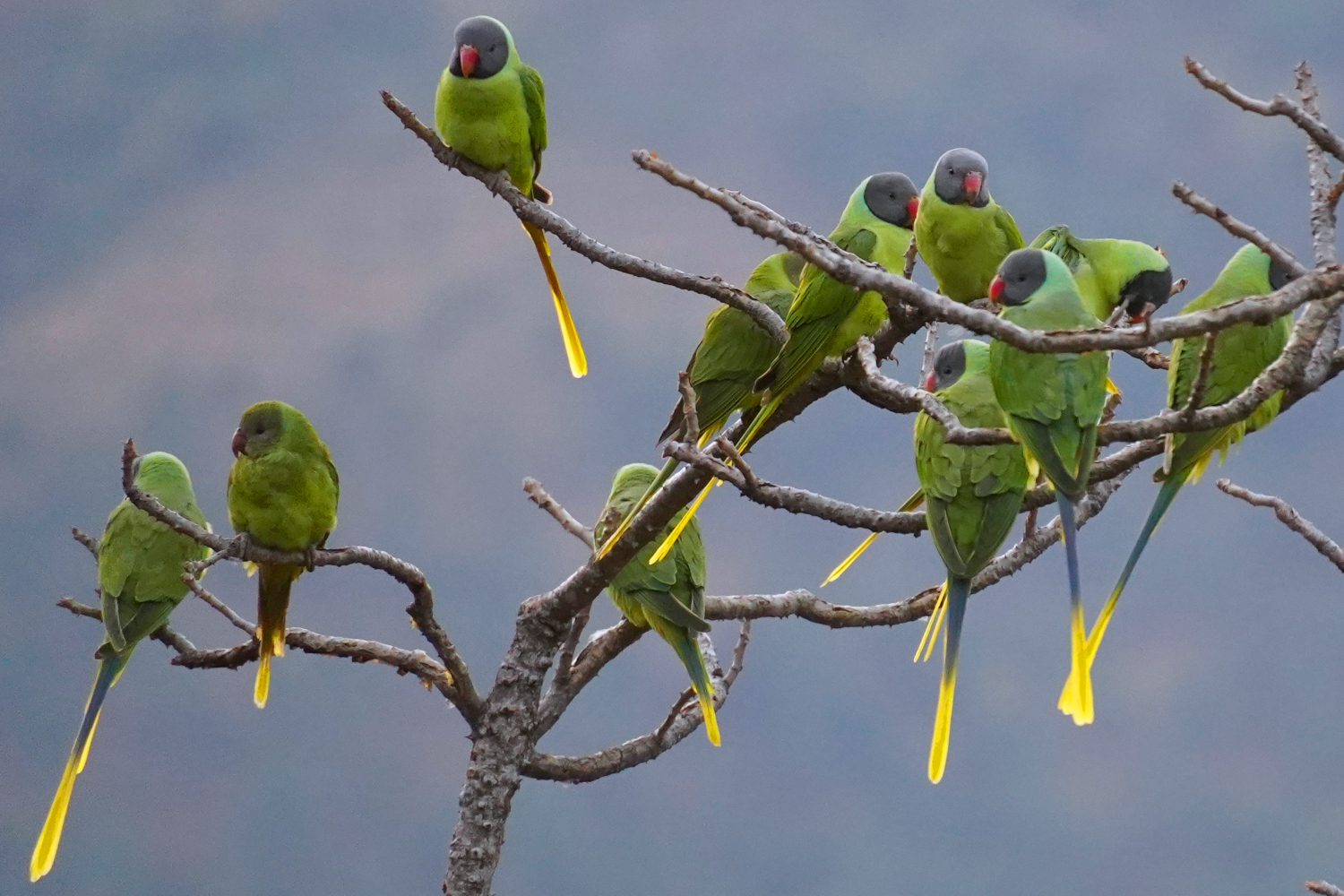
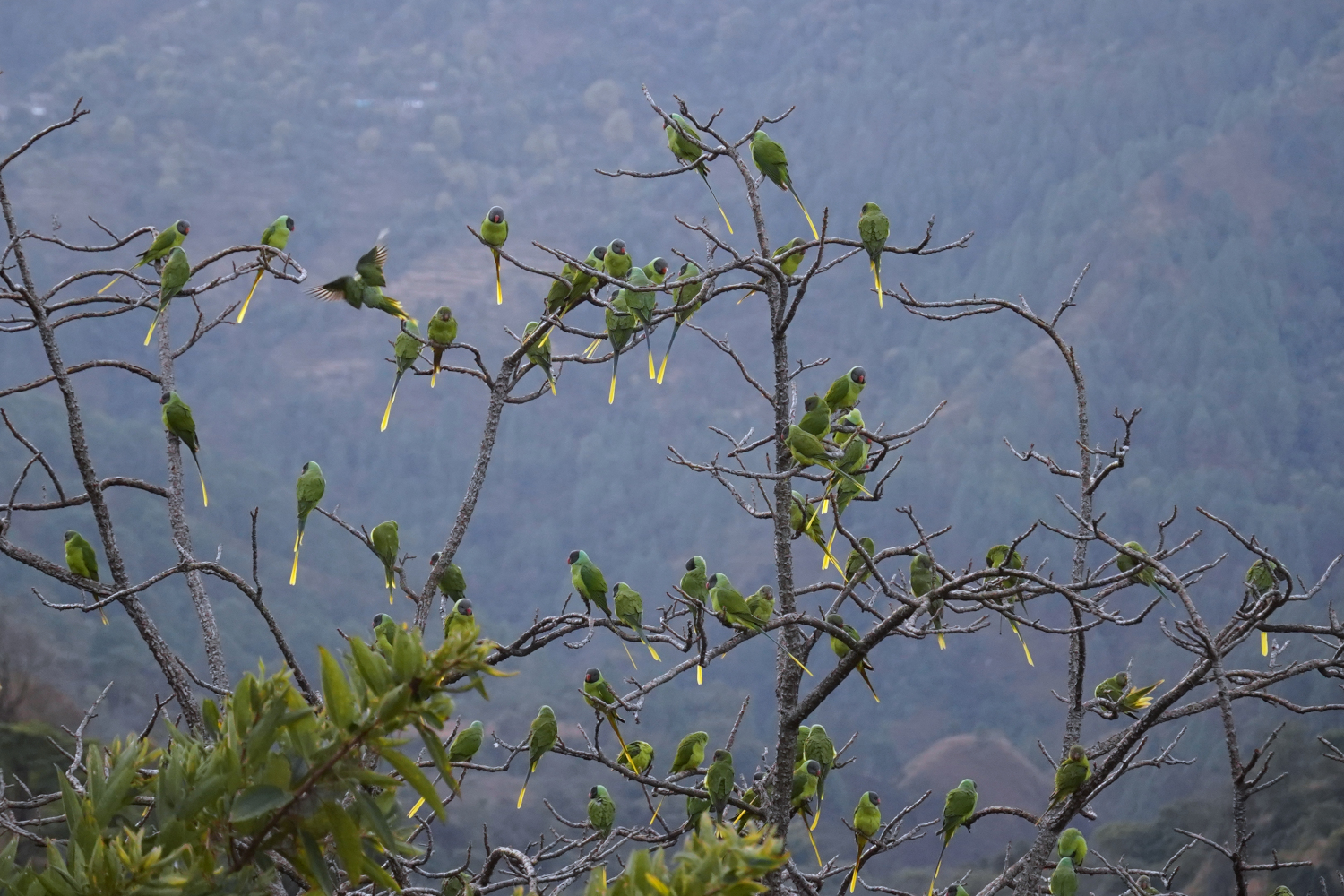
Kimberly, like other volunteers, enjoys doing yoga outside on the sun deck, in front of some truly inspiring scenery. And she’s been going on an absolute rampage with her camera, as there is so much to photograph — from people to cows to vivid scenery to brilliantly colored birds. We spot quite a hullaballoo of the latter in one particular tree during one pre-dawn stroll through the hills.
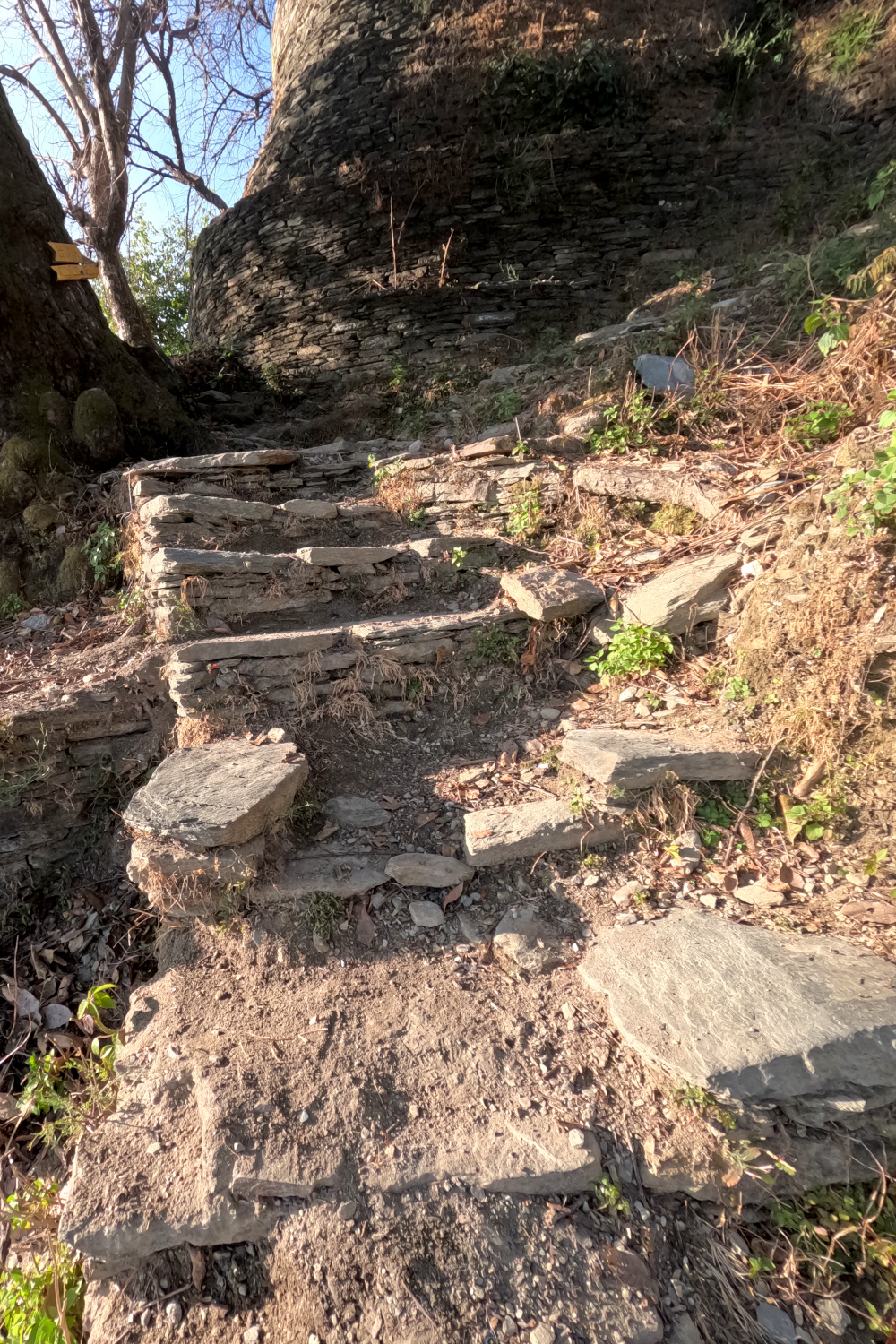
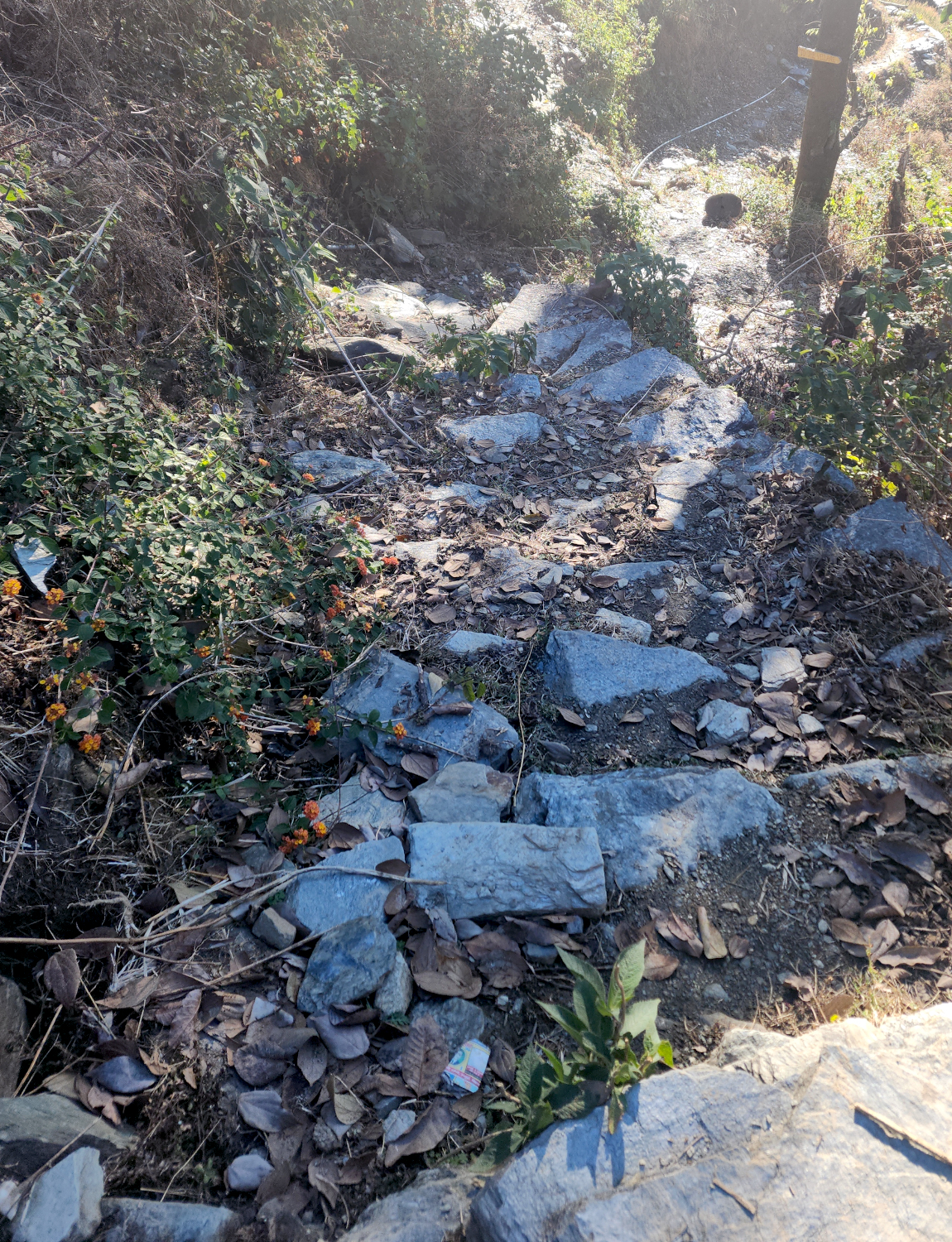
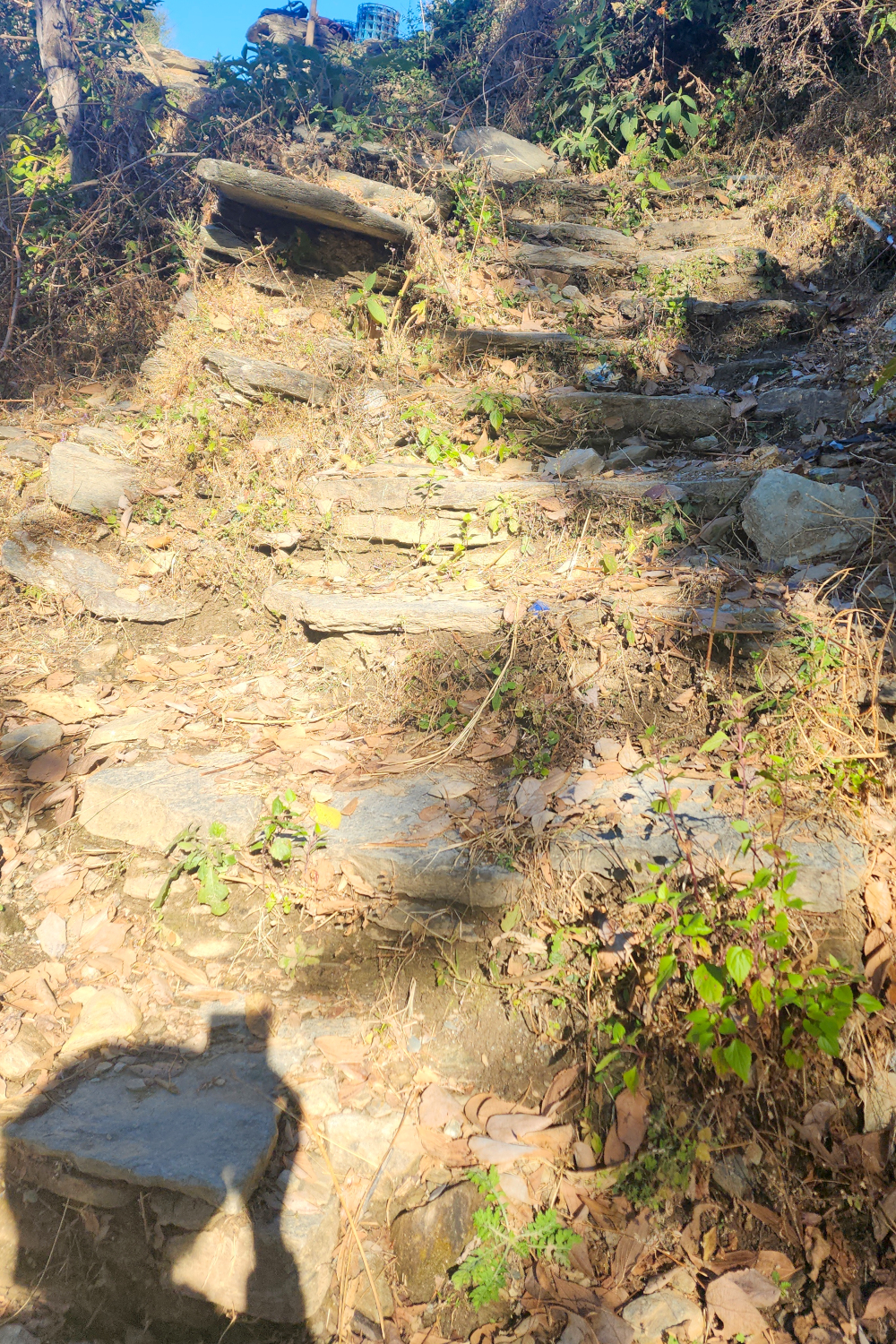
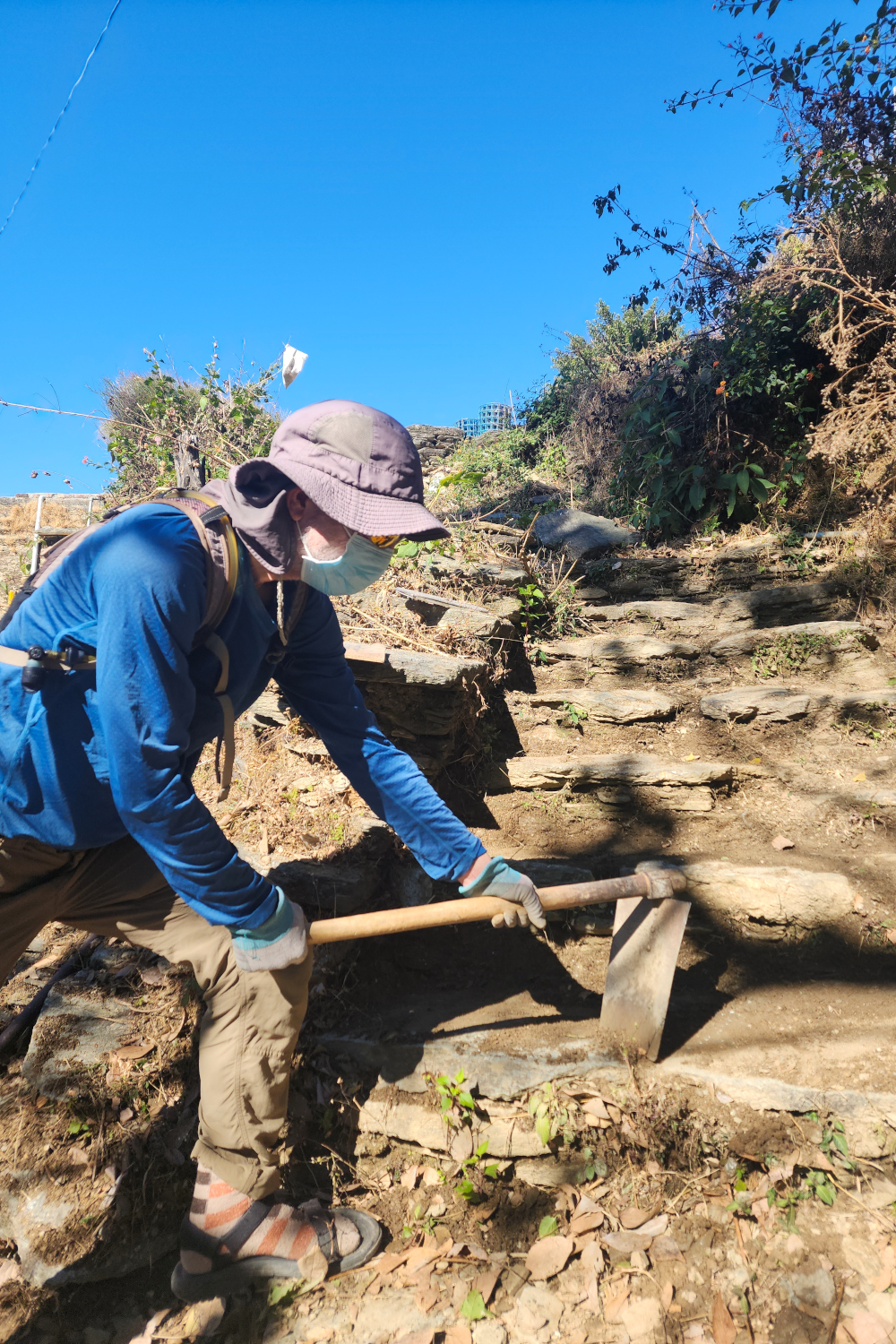
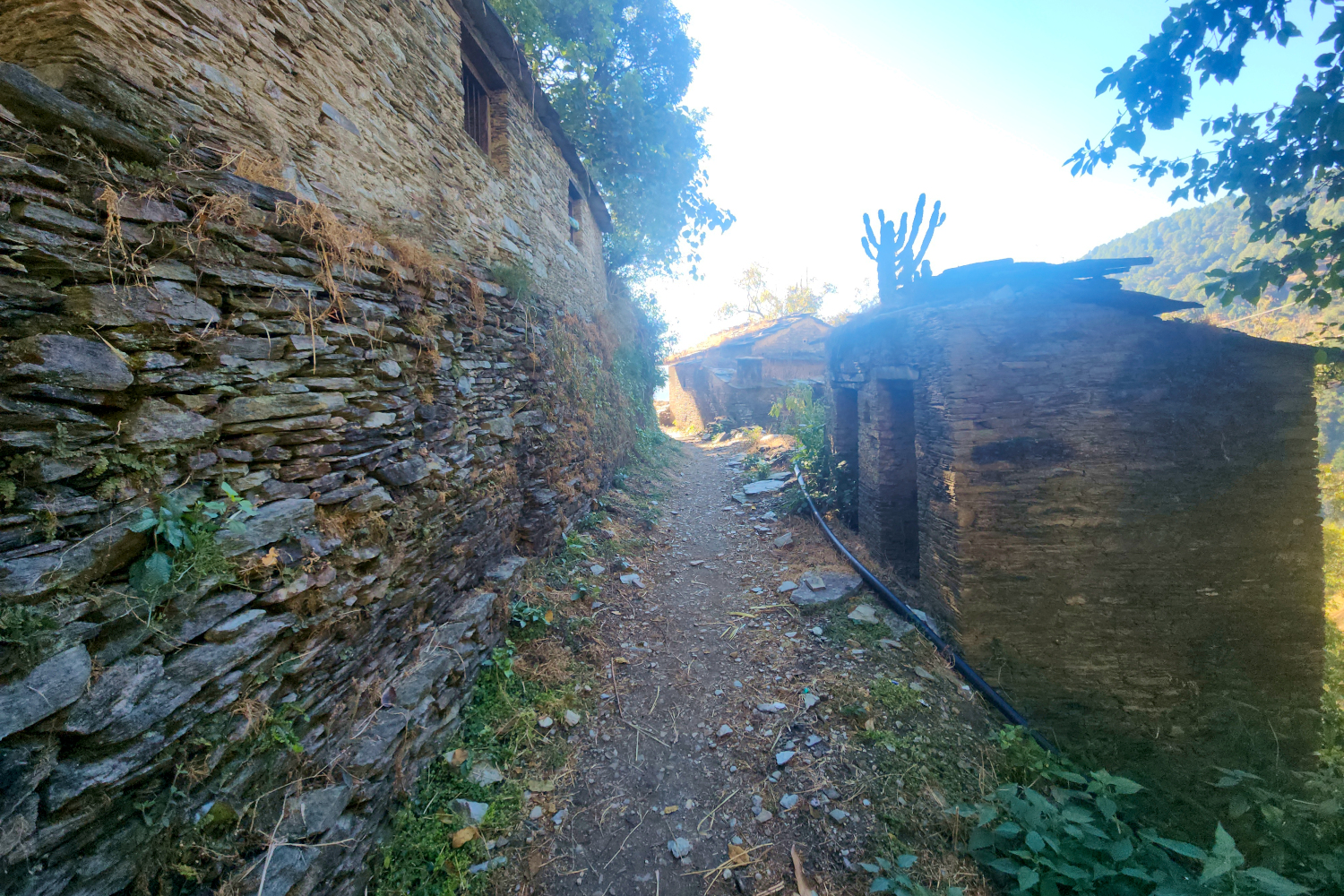
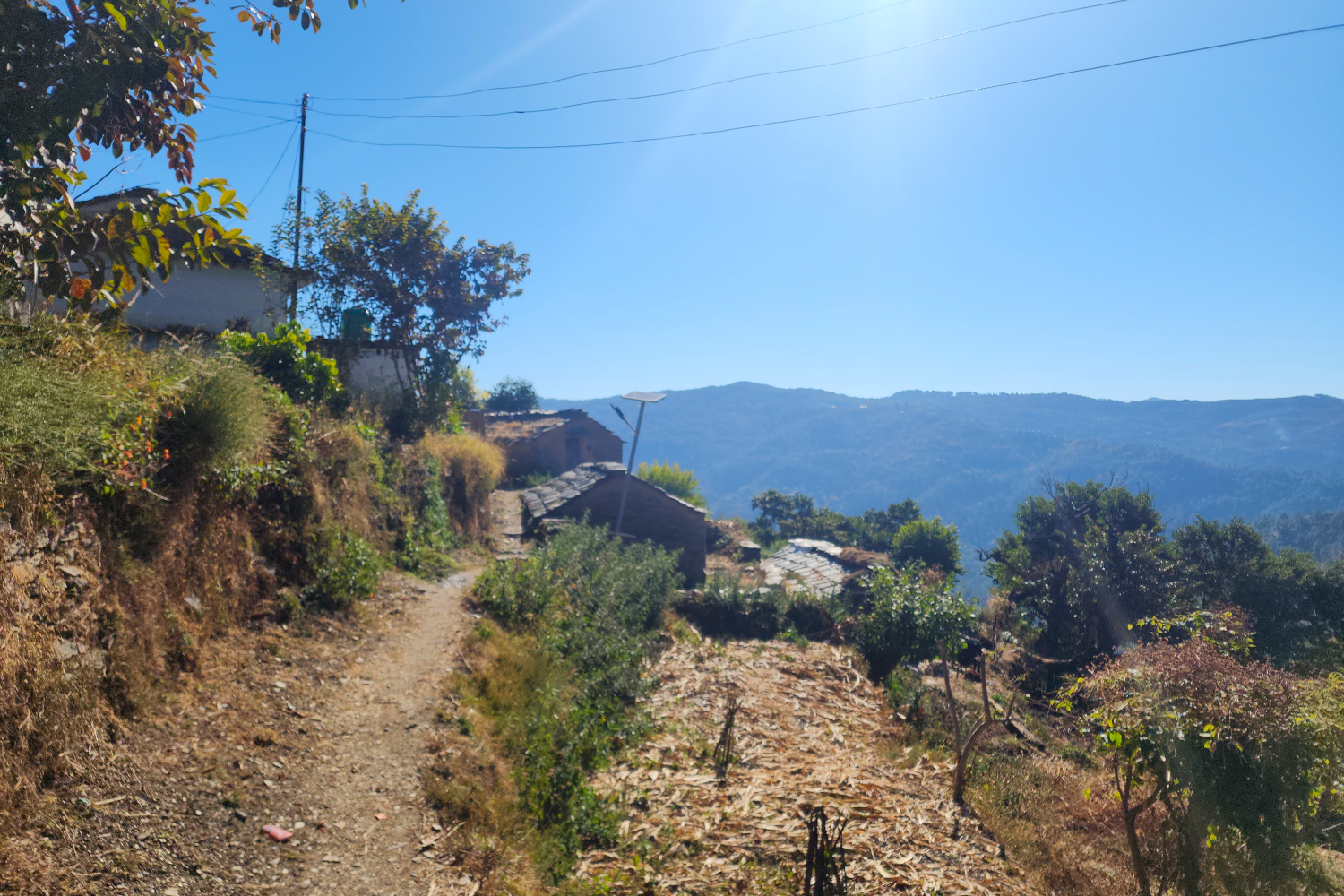
On the last day of the old year and the first day of the new, as if cementing the transition, we engage in an activity slightly comparable to terrace farming, though certainly on a less grandiose scale. No, we don’t build stepwise structures into the hillside. But we do clean one off to make it more usable. That (mostly) paved pathway twisting and swirling down from the road to our compound like a drunken tornado, the one we hiked down precariously a few days earlier when we arrived, has become littered with leaves and twigs and loose gravel, making it perhaps a bit more hazardous than it needs to be. So grabbing what tools we can round up (making do, at times, with a tree branch or thick bamboo stalk, as the real tools are needed elsewhere), we painstakingly clean it off. There! Both practically and symbolically, a new beginning for the new year. (Its state of cleanliness will only last a week or so, but new beginnings often have to be refreshed.)
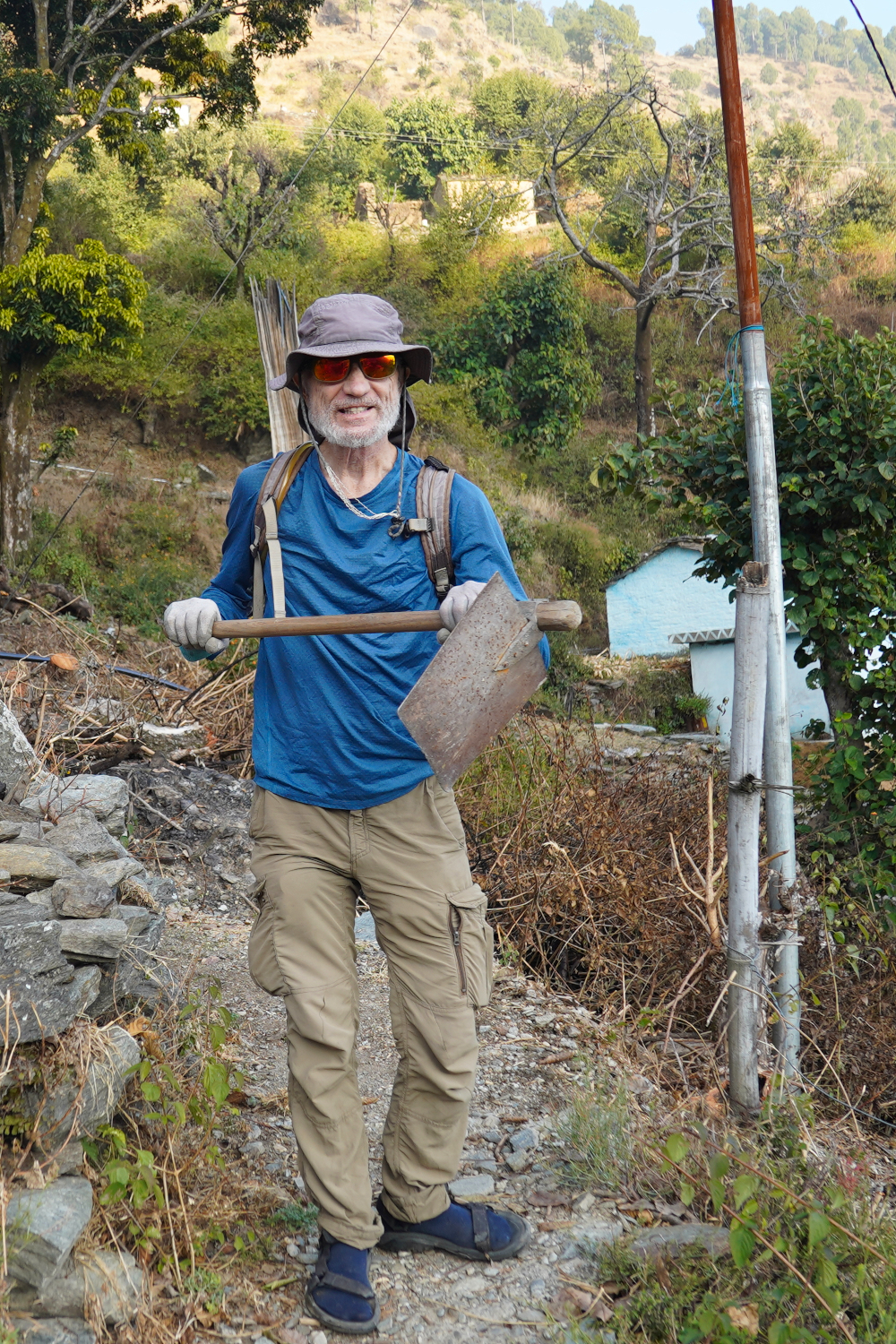

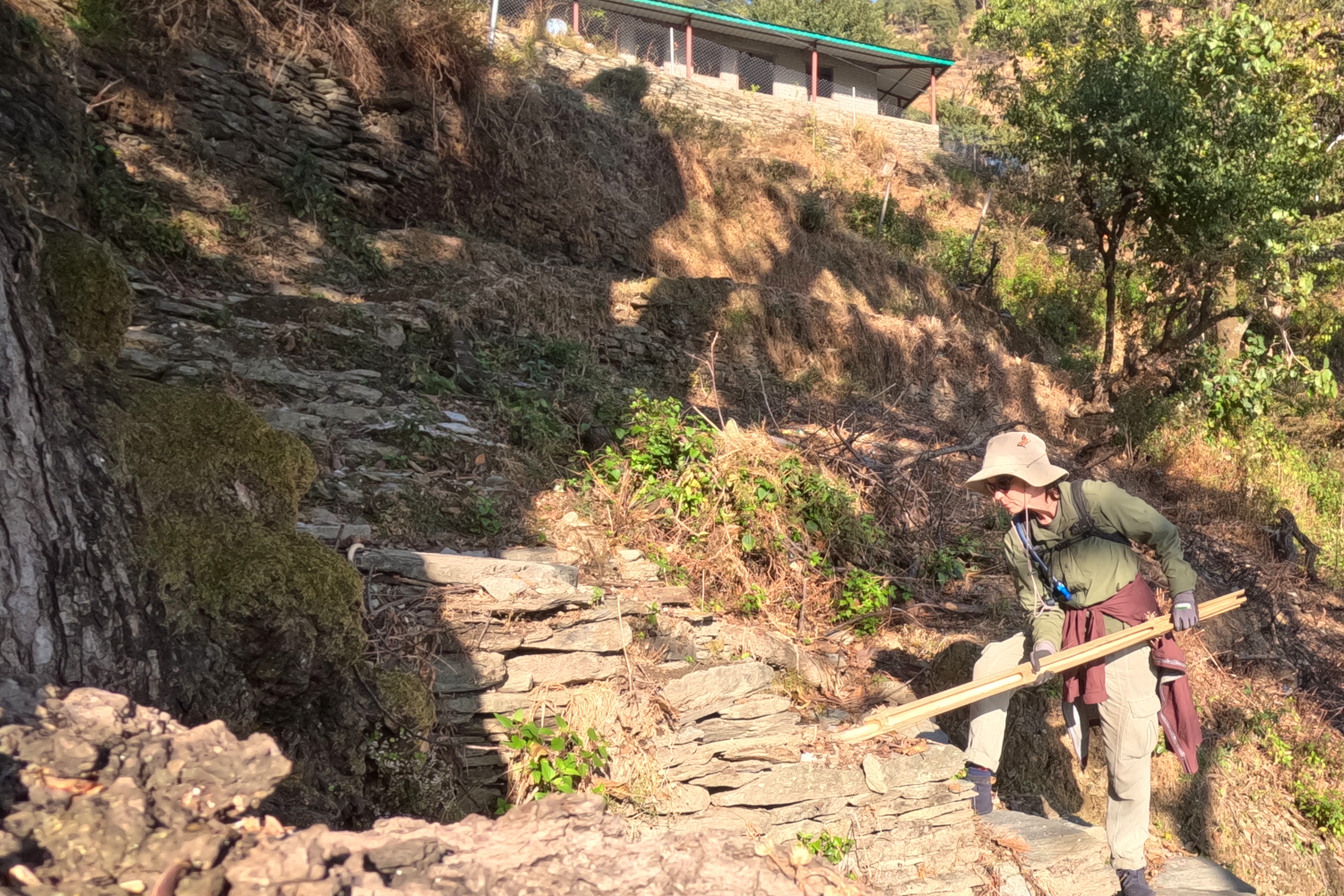
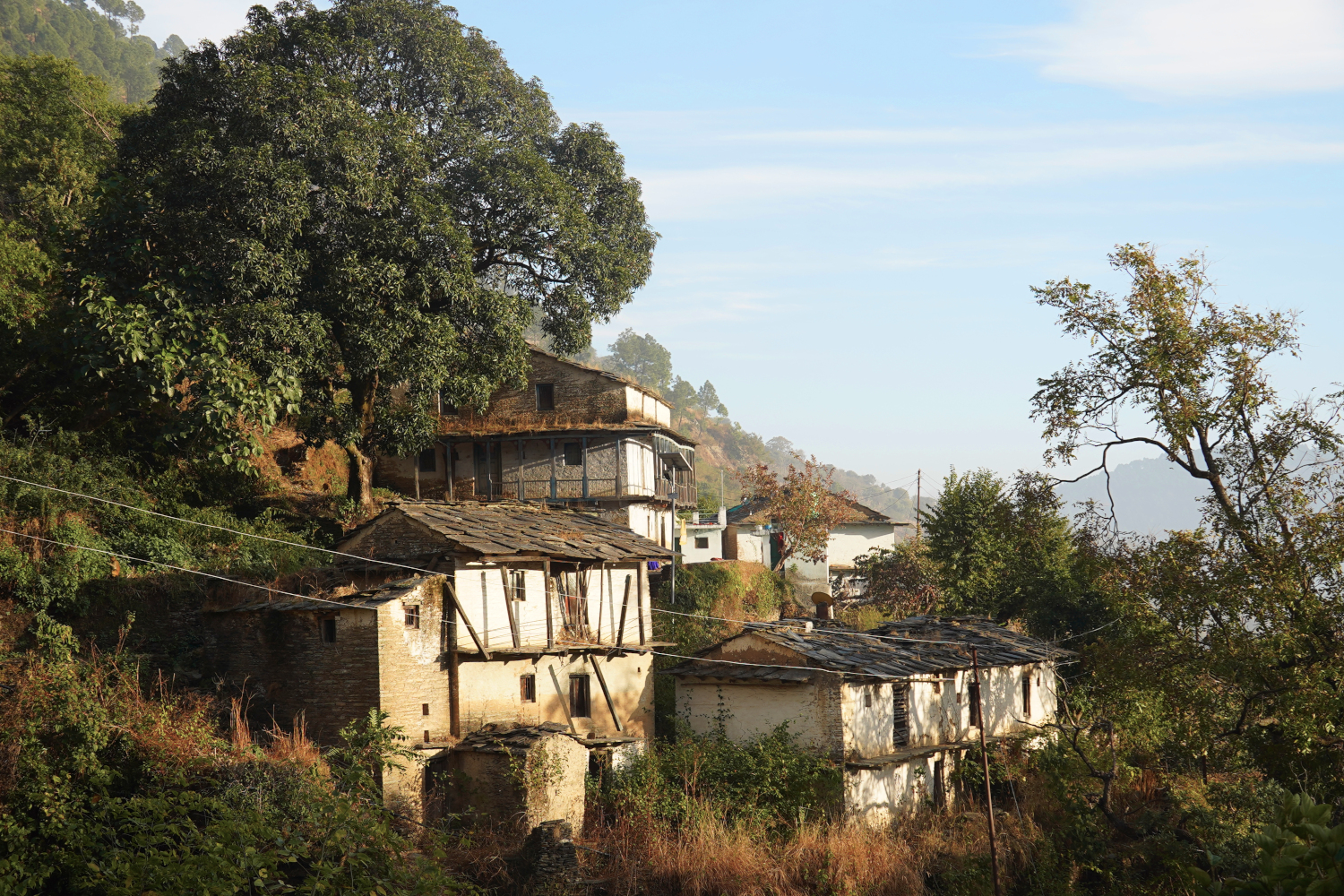
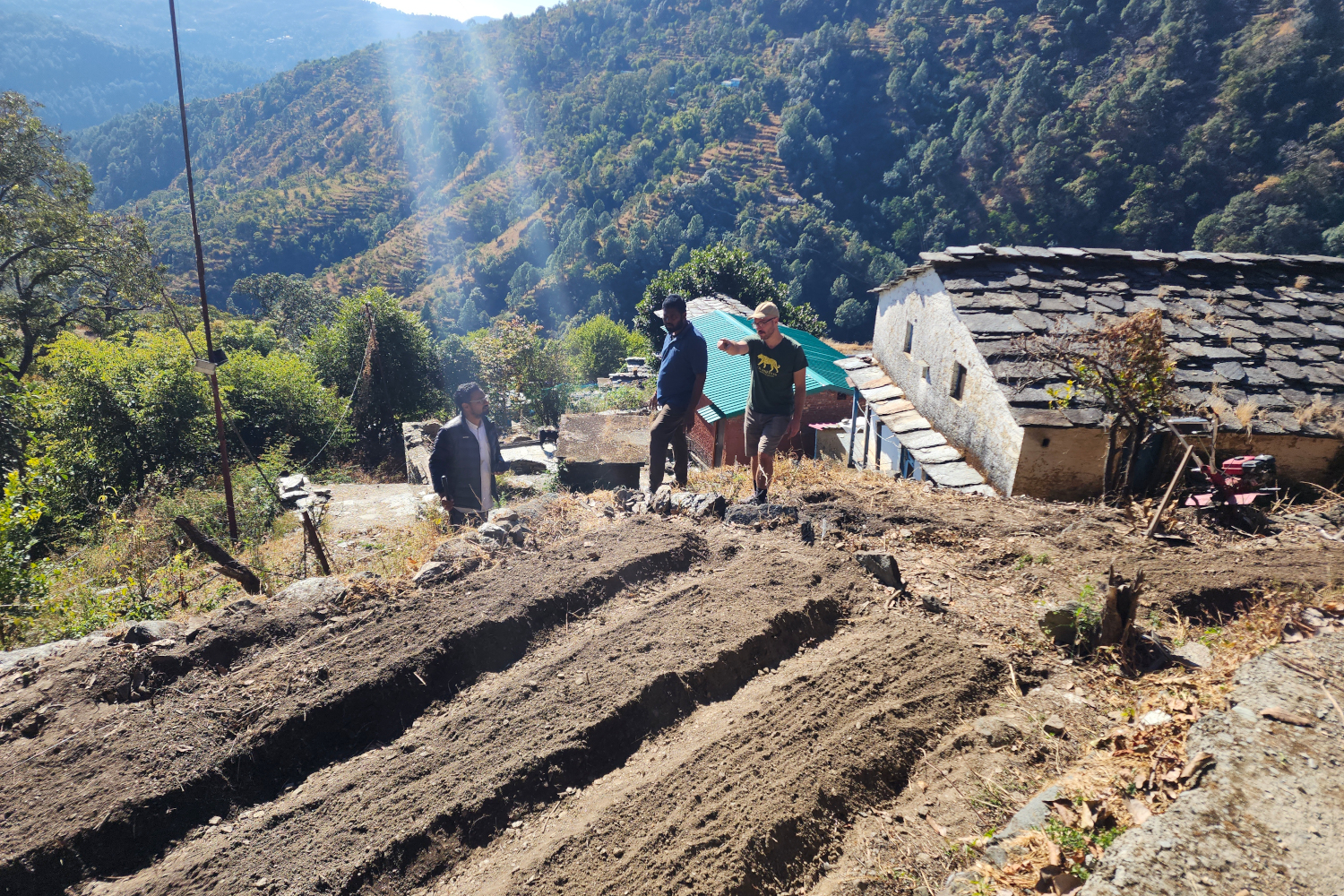
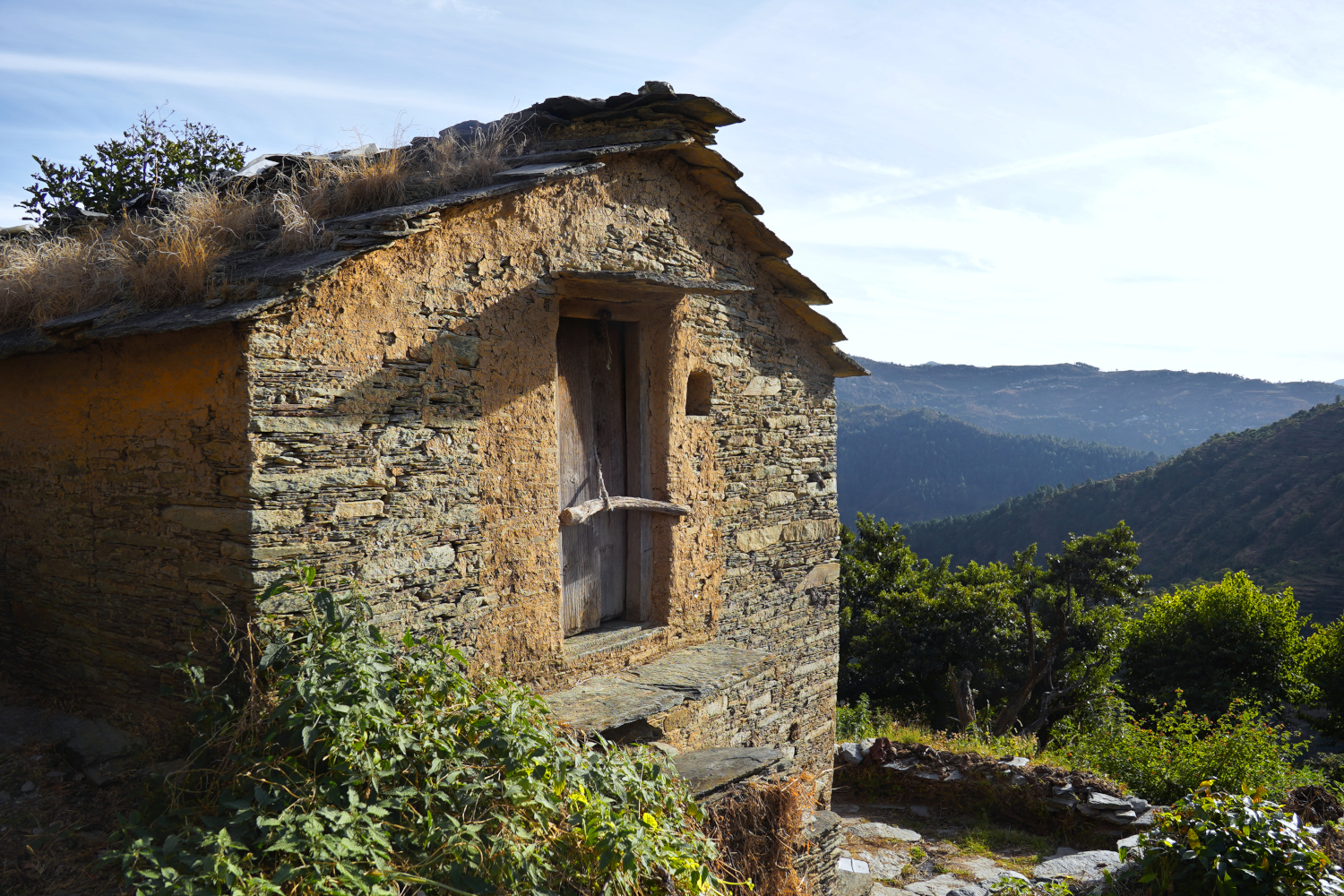
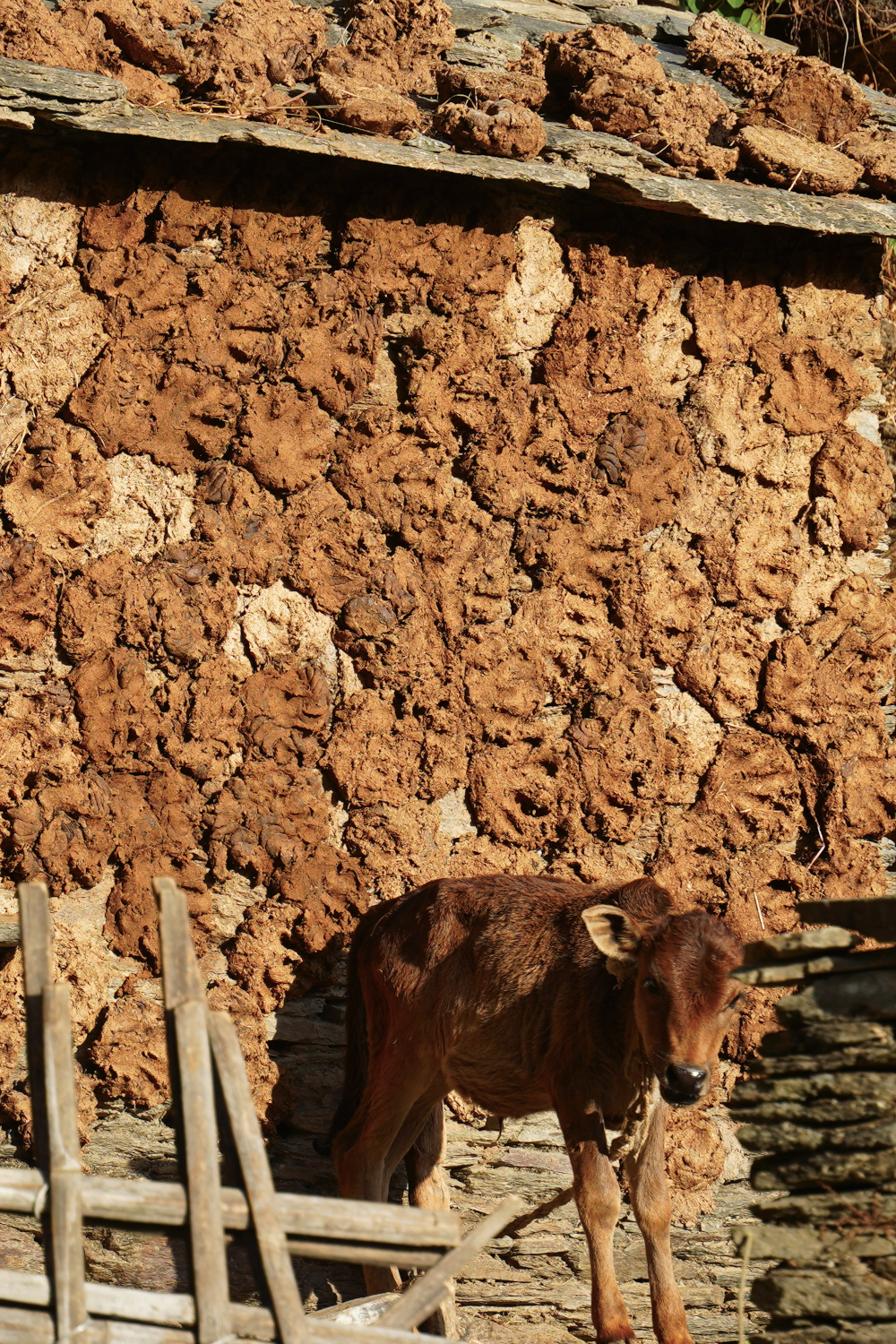
Other volunteers — those with considerably more agricultural savvy than we possess, including fellow American Andrew — are putting in a new garden. Meanwhile, the native villagers are performing tasks they’ve done for many generations, including the drying of cow flop on a wall, to be used for fuel. The New and the Old side by side; that sums up the spirit and mission of this project rather nicely.
Meanwhile, we’ve settled into our own customs and rituals here. Dennis, who is an early riser (often earlier than he’d really prefer) gets up by 5:00 or so and goes to the kitchen to make his morning tea. With no one else awake (at least at first — that will change soon enough) he sits and drinks his tea while reading a chapter or two in the novel he’s brought along, After Dark by Haruki Murakami. It’s a moody (like all of Murakami’s books) story about the strange events and convergences on one particular night, and somehow seems appropriate for the quiet mood of the chilly dawn in the Himalayan foothills. After reading, he takes advantage of the solitude and quiet to work on his latest poem.
But he also heats up more water to take to Kimberly to make her own tea and oatmeal for breakfast. Whatever we need to do in the kitchen, we have to be finished by about 6:30 or 6:45, because that’s when the cook arrives to start cooking breakfast for everyone who wants it. Likewise, we try to cook dinner in mid-afternoon, before the cook returns for her dinner shift, and before other volunteers get involved in their own culinary undertakings.
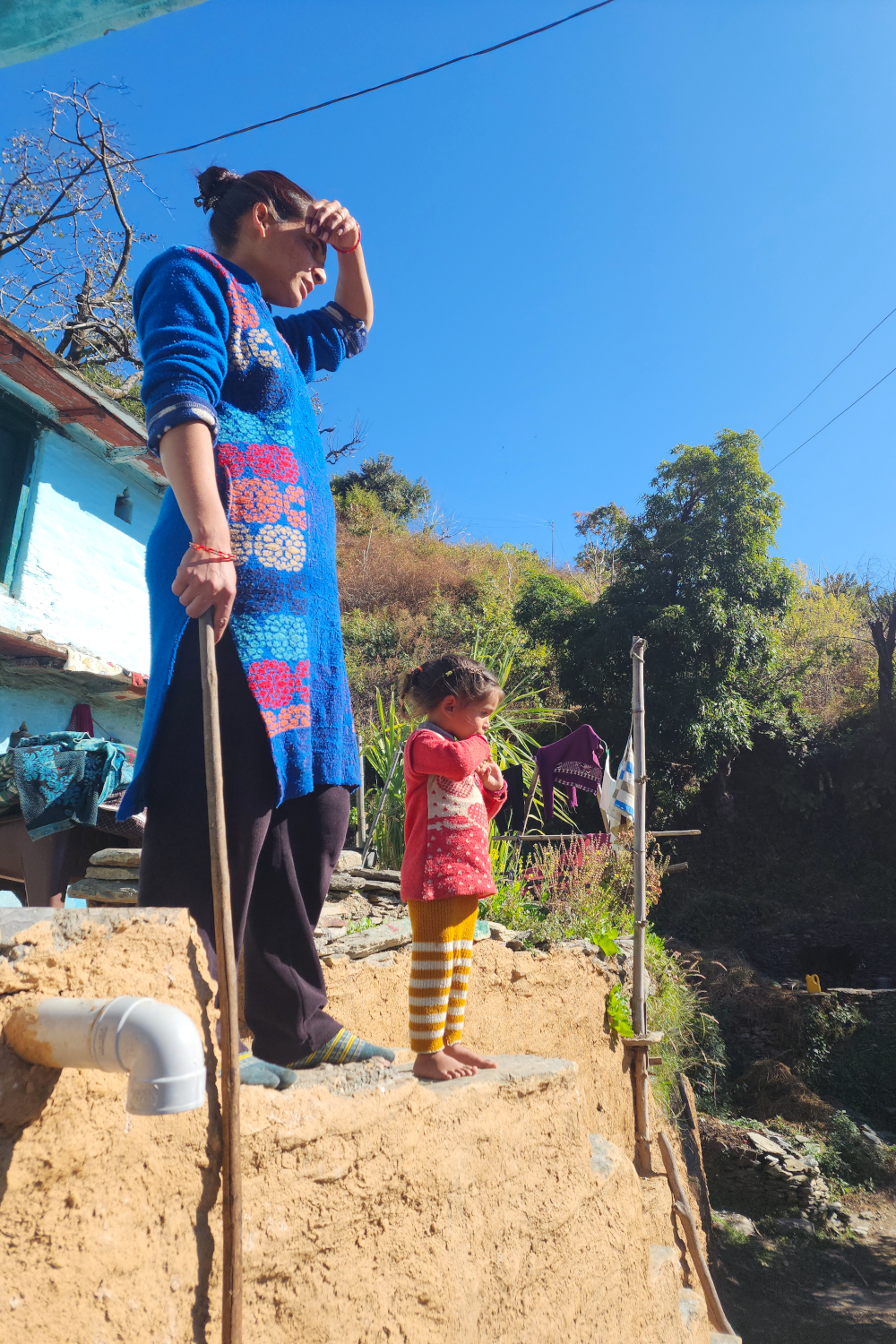
Every morning we do a little laundry to stay on top of it, and It has to be done by hand. (Well, there is a washing machine on the premises, but we’d have to pay a dollar per load; and it wouldn’t be worth it for just the few items we need washed in one day — nor do we have clothing enough that we can save it up for a full load, because we’d be running around au naturel.) And the water from the tap, especially in the morning, can be quite icy, making your fingers feel like popsicles. The good news is that with the breezes we often get at this altitude, clothes dry fast when hung outside; and there is plenty of clothesline to go around.



Our evening routine, through no plans of our own, has come to include putting out the dog, appropriately named Kalu (meaning “black” — or as native English speakers would probably say, “Blackie”). He loves to lounge in the sun room, which is right next to our room. No problem during the day. But we’ve learned the hard way that during the night, he can start barking, and continue barking for an hour or more — just on the other side of the wall from our beds. So we started evicting him at bedtime. At first he puts up a fuss, but after three or four nights, we just open the door, and out he goes.
One night, however, he bolts back inside, howling and growling in a panic. (This is before we learned to lock the doors, and wedge something under them so he can’t jolt the locks loose.) When we go out to investigate, we learn that he’d spotted a tiger prowling around, as have a couple of humans. We, unfortunately, never see it ourselves. (Nor do we ever see any tiger during our stay, though we’re told that it’s not at all unusual to spot them at night.) So Kalu had rushed back in to avoid becoming a feline meal, and one can’t blame him.
Even so, we continue locking him out, as there are other places he can hide — and the tigers rarely come around so close to the humans. And we can’t help imagine what might happen if he were inside, and a predator came in after him — there is already damage to the screen on the door, where one has made the attempt. The thing is, the doors open inward; so a beast of any variety might be able to get in, but would find it virtually impossible to get out. So in other words, dog and tiger would be trapped in the room right outside our bedroom. Not a scenario we’d be eager to see come to pass.
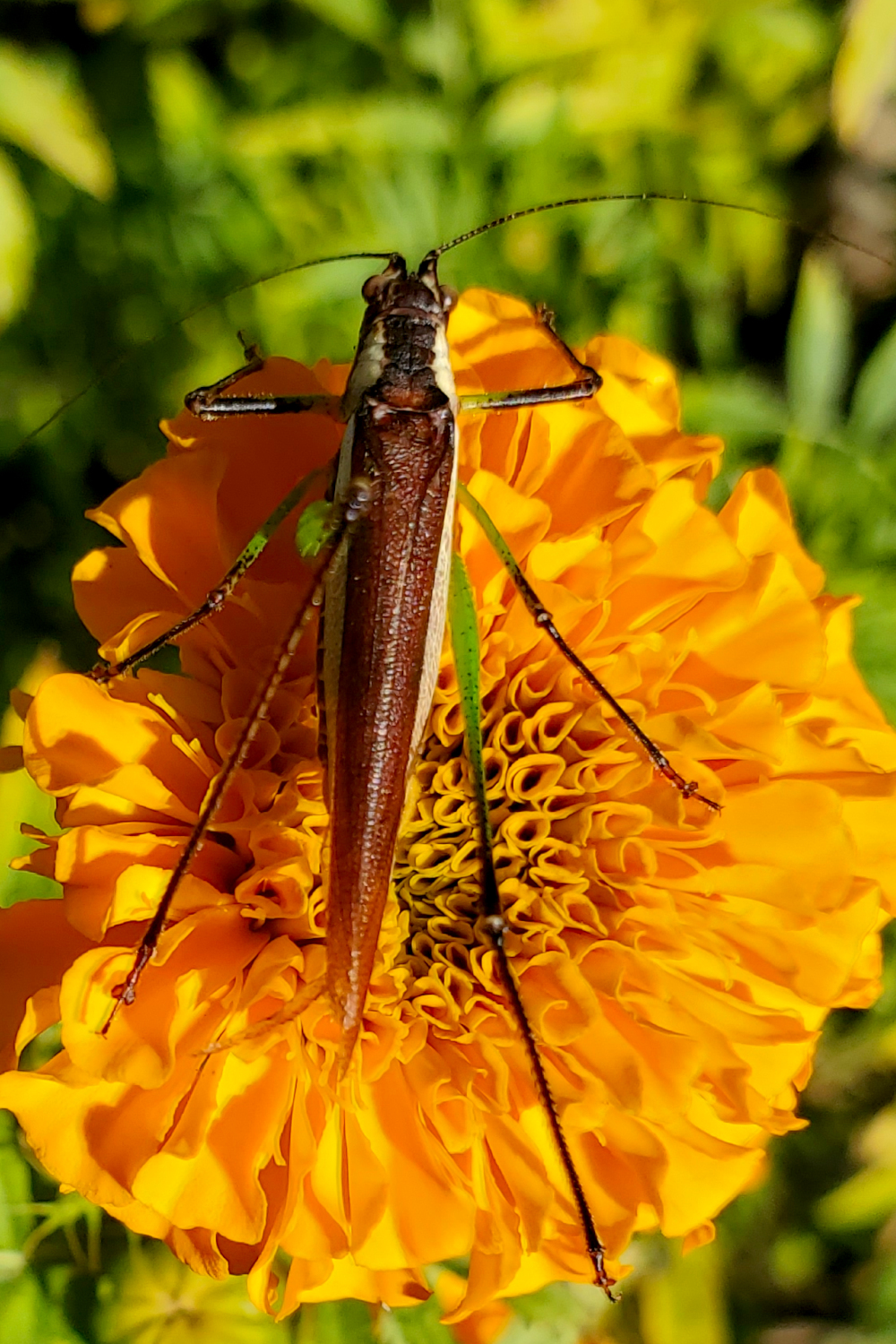
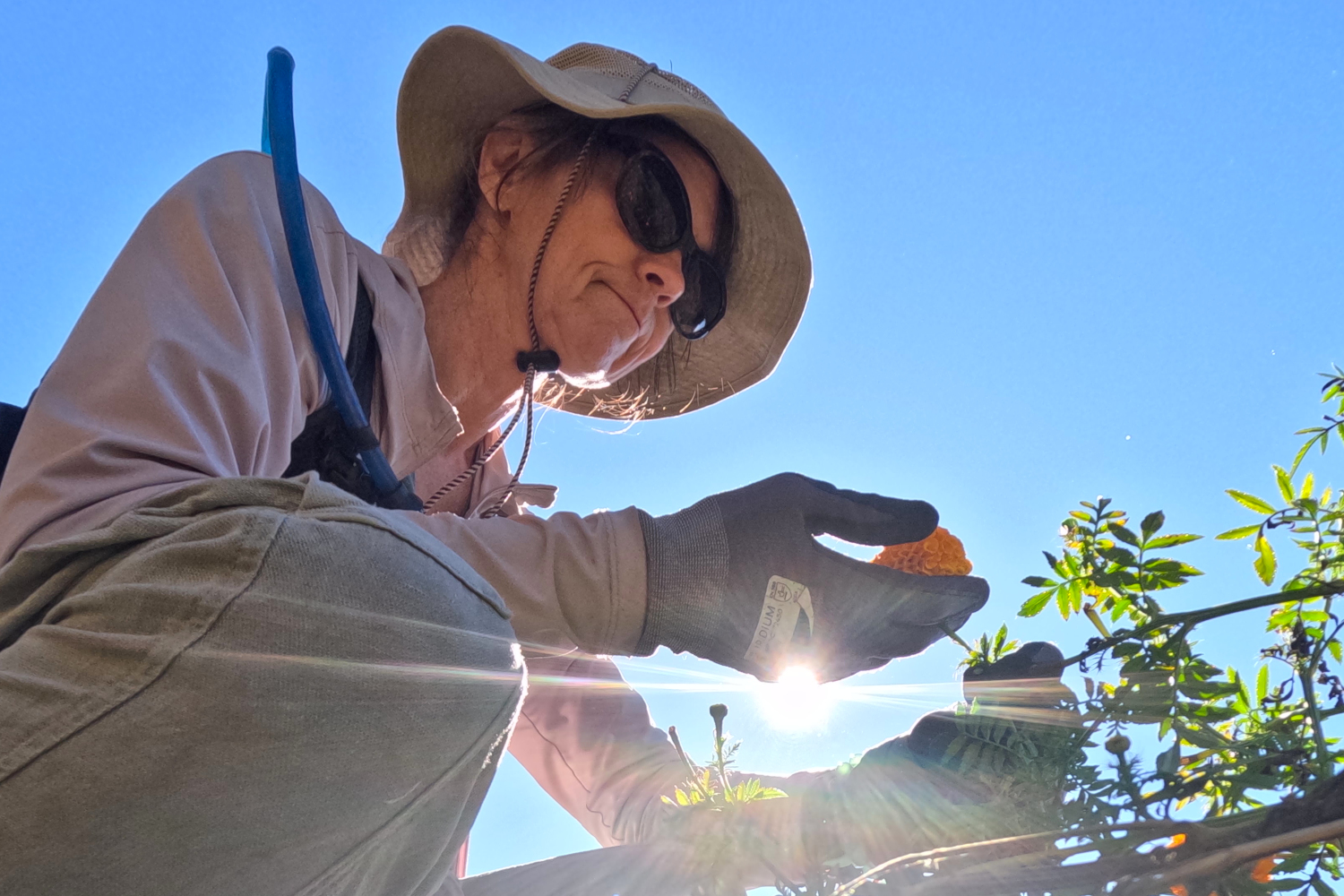
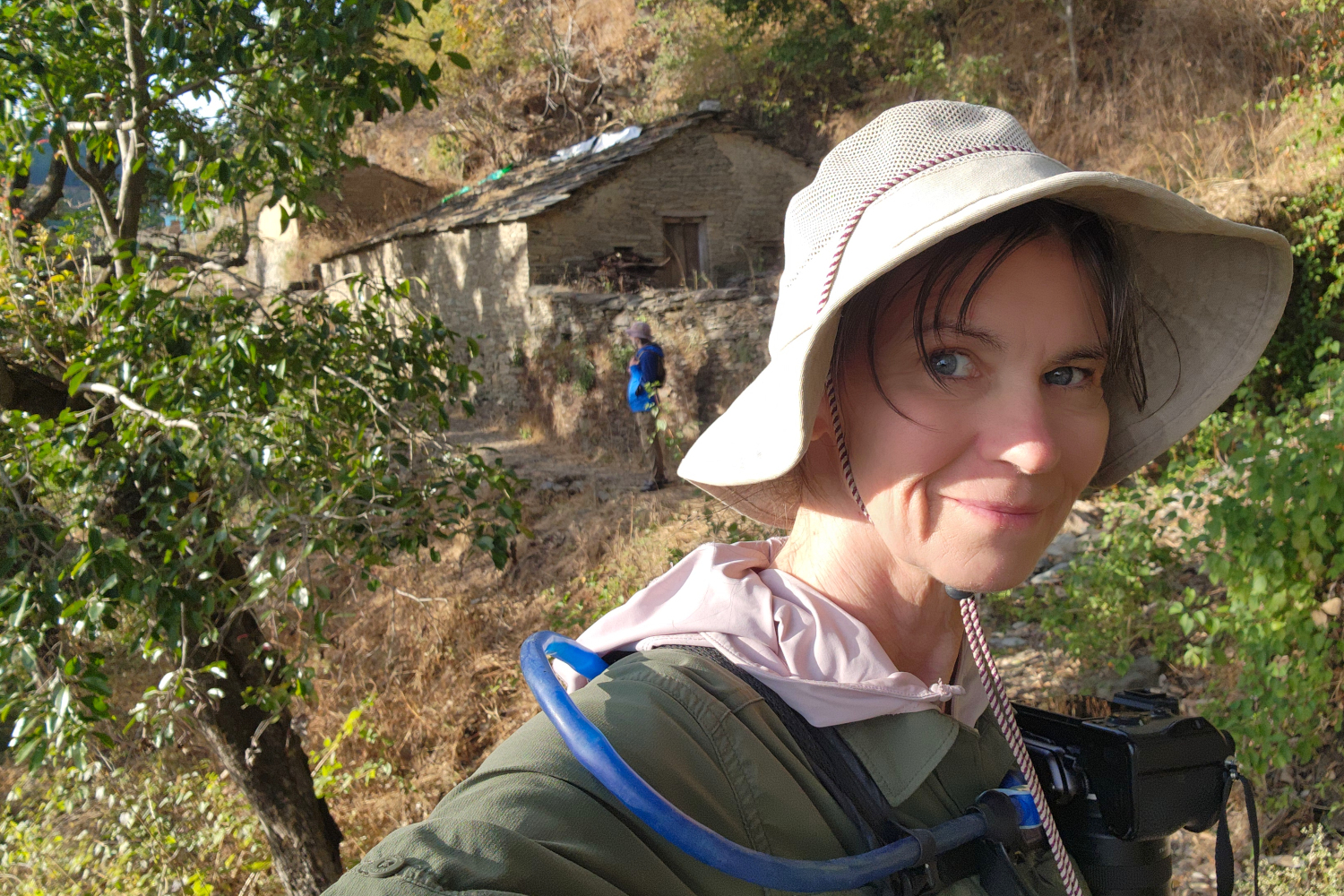
Still, some actual tigering would have been a really cool way to launch 2025. But come to think of it, near-tigering was not too bad. The year winding down was one, alas, when we had to deal with a disastrous election back in the States. But if there’s a silver lining to America’s deeper slide into Fox Fantasyland, it is that we have even more reason now to keep traveling. And, from the completion of our experimental full year as regular teachers in Cambodia, to our return to awe-inspiring temples at Angkor Wat, to our adventure mud bathing elephants in Thailand, to Kimberly’s certification as a yoga instructor in India, we’ve had plenty to celebrate in 2024. Here’s hoping that 2025 will be even better — will add even higher levels to the terraces we’ve built up. And hey, a tiger sighting would be a nice bonus.
Events occurred 12/31/2024-1/2/2025


 world travel with a theatrical flair
Leave a comment